La culture occidentale aborde souvent l'émergence de l'amour, mais reste silencieuse sur les moments où l'on évite de tomber amoureux ou où l'on cesse d'aimer. Ce silence est d'autant plus surprenant compte tenu du nombre élevé de ruptures au cours d'une vie. Cet ouvrage se consacre à l'expérience des diverses formes du "désamour". Eva Illouz examine comment les relations peuvent échouer dès le départ, se dissoudre par manque d'engagement, ou mener à une séparation ou un divorce, qualifiant ces situations de "relations négatives". Aujourd'hui, l'amour semble empreint d'une liberté de ne pas choisir et de se désengager. Mais quel est le prix de cette liberté et qui en fait les frais ? L'ouvrage soulève des questions cruciales sur le désarroi dans nos vies privées, prouvant que la sociologie, tout comme la psychologie, a beaucoup à nous enseigner sur ce sujet. Eva Illouz est directrice d'études à l'EHESS à Paris et occupe la chaire Rose Isaac de sociologie à l'université hébraïque de Jérusalem. Elle est également l'auteure de plusieurs ouvrages, dont Pourquoi l'amour fait mal et des Sentiments du capitalisme, et plus récemment, de Happycratie. Traduit de l'anglais par Sophie Renaut.
Eva Illouz Livres
Eva Illouz enquête sur la manière dont le capitalisme a transformé les schémas émotionnels, en particulier dans les domaines de la consommation et de la production. Son travail explore la marchandisation de la romance et la romantisation des biens. Elle analyse en outre comment la psychologie et l'efficacité économique ont façonné l'identité moderne et la vie émotionnelle, reformulant souvent les problèmes moraux en affections. Illouz considère l'amour et le bien-être psychologique comme des utopies modernes du bonheur, médiatisées par la consommation.





Depuis les stations du Club Med jusqu’à la musique d’ambiance diffusée dans nos écouteurs, en passant par les guides de psychologie positive et la valorisation de sentiments archispécifiques par l'industrie des cartes de vœux, la consommation et les émotions sont désormais entièrement intriquées. C’est là un trait fondamental de notre modernité. Une modernité qui nous demande d’être à la fois parfaitement rationnels et, dans le même mouvement, de chercher sans relâche à intensifier nos émotions. Ce paradoxe est rendu possible par le fait que les émotions et les marchandises sont désormais coproduites, jusqu’à générer un type de produits tout à fait inédit et jusqu’à présent jamais étudié : les marchandises émotionnelles. Cet ouvrage collectif, initié et dirigé par Eva Illouz, montre comment ces nouvelles marchandises – produites par des industries aussi diverses que celles du tourisme, de la musique, du cinéma, du sexe ou des psychothérapies – visent à transformer et améliorer le moi. Il met ainsi le doigt sur une caractéristique majeure de nos sociétés, interrogeant avec profondeur – en se gardant de tout jugement – l’authenticité de l’individu moderne.
The Emotional Life of Populism
- 232pages
- 9 heures de lecture
Throughout the world, democracy is under assault by various populist movements and ideologies. And throughout the world, the same enigma: why is it that political figures or governments, who have no qualms about aggravating social inequalities, enjoy the support of those whom their ideas and policies affect and hurt the most? To make sense of this enigma, the sociologist Eva Illouz argues that we must understand the crucial role that emotions play in our political life. Only emotions have the power to deny factual evidence and obscure one's self-interest. Taking the case of Israel as her prime example, she shows that the authoritarianism and conservative nationalism that form the core of populist politics rest on four key emotions: authoritarianism is legitimated through fear, and conservative nationalism rests on disgust, resentment and a carefully cultivated love for one's country. It is the combination of these four emotions and their relentless presence in the political arena that nourishes and underpins the rise and persistence of populism both in Israel and in many other countries around the world. This highly original perspective on the rise of populism will be of interest to anyone who wishes to understand the key political developments of our time.
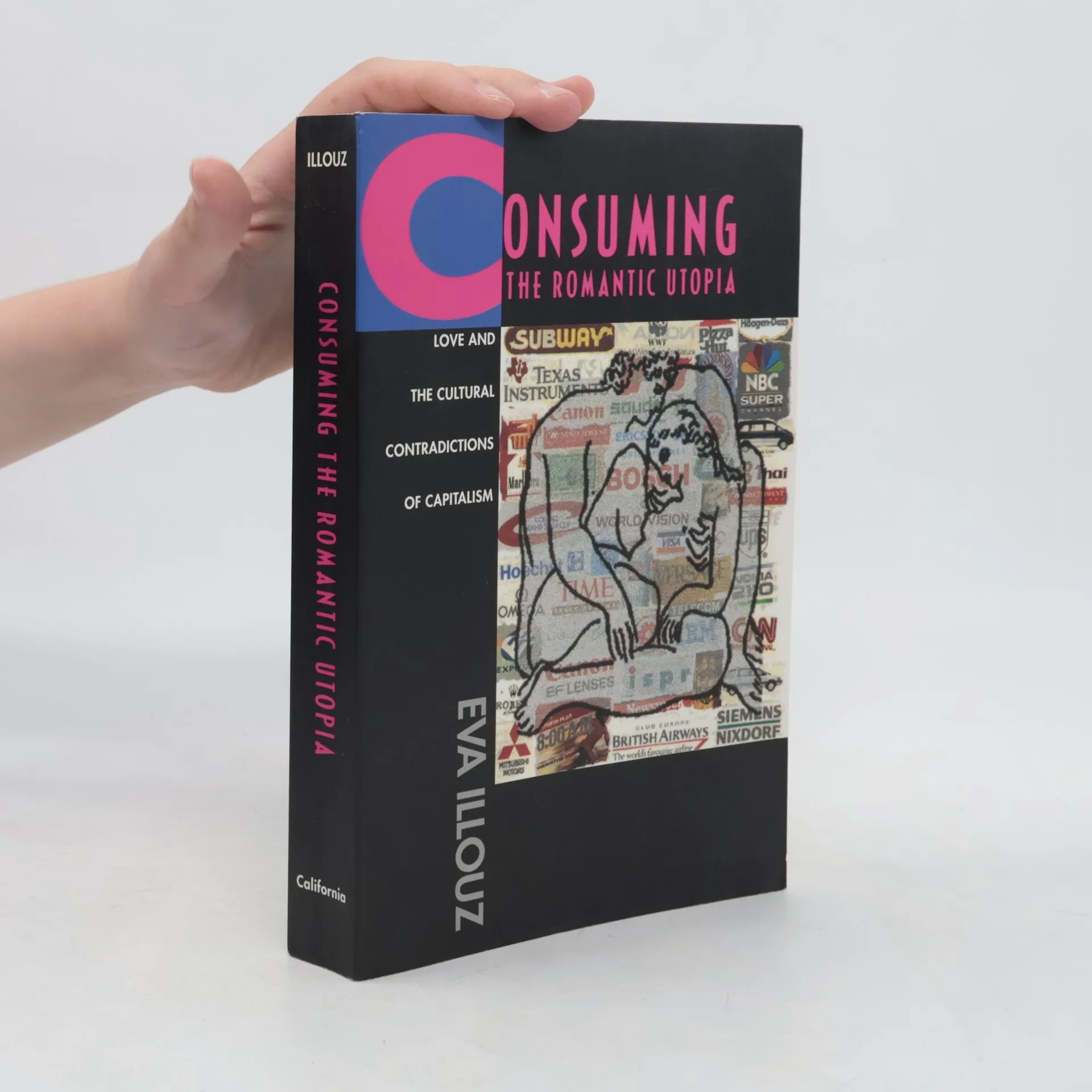
A study of American love in the twentieth century that unravels the mass of images that define our ideas of love and romance, revealing that the experience of 'true' love is deeply embedded in the experience of consumer capitalism. It studies how individual conceptions of love overlap with the world of cliches and images.
Manufacturing Happy Citizens
- 260pages
- 10 heures de lecture
The imperative of happiness dictates the conduct and direction of our lives. There is no escape from the tyranny of positivity. But is happiness the supreme good that all of us should pursue? So says a new breed of so-called happiness experts, with positive psychologists, happiness economists and self-development gurus at the forefront. With the support of influential institutions and multinational corporations, these self-proclaimed experts now tell us what governmental policies to apply, what educational interventions to make and what changes we must undertake in order to lead more successful, more meaningful and healthier lives. With a healthy scepticism, this book documents the powerful social impact of the science and industry of happiness, arguing that the neoliberal alliance between psychologists, economists and self-development gurus has given rise to a new and oppressive form of government and control in which happiness has been woven into the very fabric of power.
Saving the Modern Soul
- 304pages
- 11 heures de lecture
Examines the profound impact of therapeutic discourse on our lives and on our contemporary notions of identity. This book examines a range of sources to show how self-help culture has transformed contemporary emotional life and how therapy complicates individuals' lives even as it claims to dissect their emotional experiences and heal trauma.
Why Love Hurts
- 304pages
- 11 heures de lecture
* A new book by the award-winnning sociologist Eva Illouz on modern love. * Sets out to explain why love is such a painful experience for many people - why we invest so much in the search for love and why it so often disappoints us.
Cold Intimacies
- 152pages
- 6 heures de lecture
It is commonly assumed that capitalism has created an a-emotional world dominated by bureaucratic rationality; that economic behavior conflicts with intimate, authentic relationships; that the public and private spheres are irremediably opposed to each other; and that true love is opposed to calculation and self-interest.
Exploring the cultural impact of the "Fifty Shades" trilogy, sociologist Eva Illouz analyzes its appeal within the context of contemporary relationships. She argues that the series transcends labels like "mommy porn," instead presenting a modern gothic romance where sexuality serves as both a source of conflict and a means of reconciliation. Illouz highlights how BDSM functions as a cultural fantasy, offering insights into romantic fulfillment and addressing the complexities of love and sexuality in today's society.
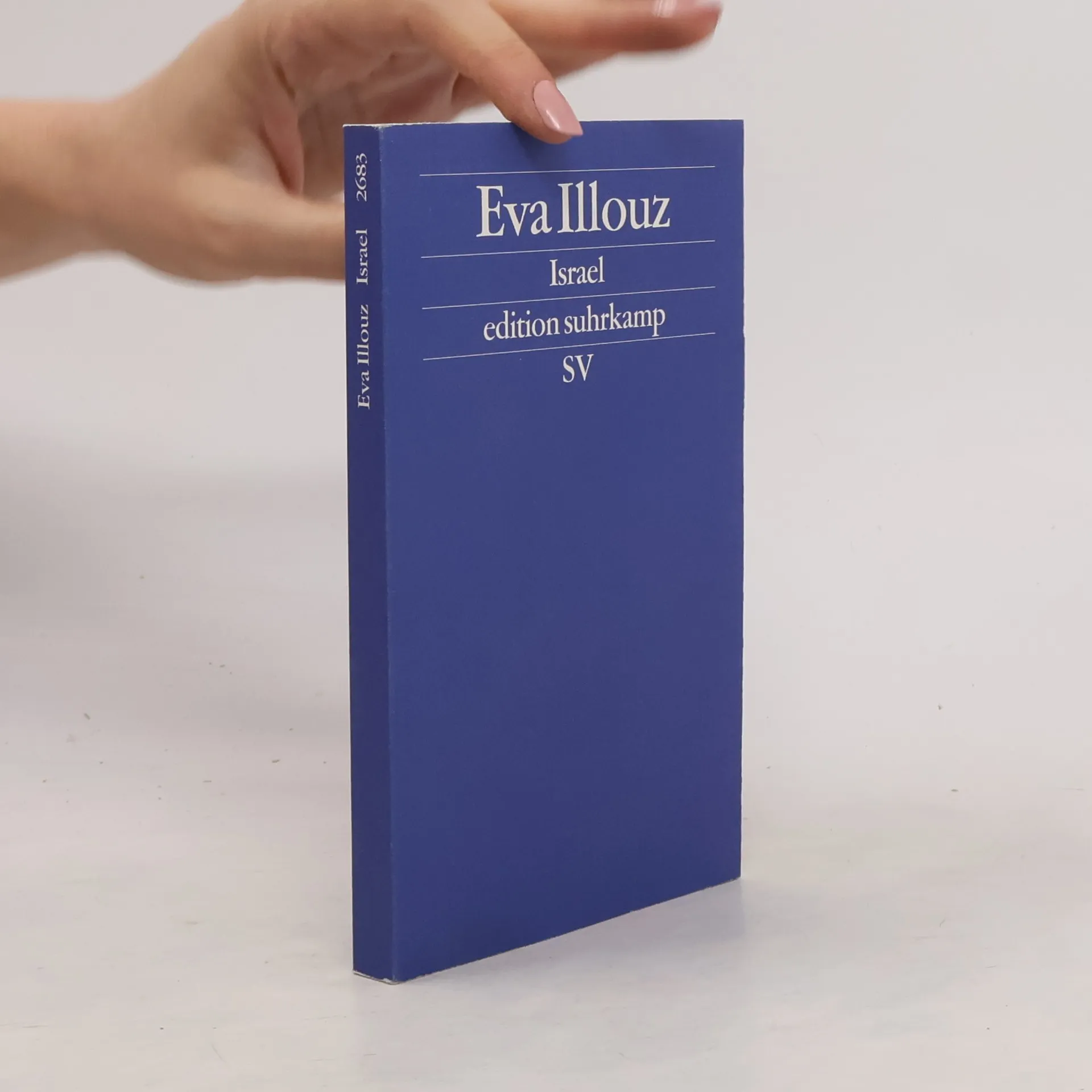
Israel
Soziologische Essays
Was geht in einem Land vor, in dem Sicherheit von so überragender Bedeutung ist, dass sich eine Ärztin bereitwillig an einem Mordkomplott beteiligt, weil sie davon überzeugt ist, damit ihre Heimat zu verteidigen? Würden hochrangige israelische Politiker oder Militärs ein Mitglied einer Minderheit gegen den bloßen Verdacht des Hochverrats in Schutz nehmen? Fragen wie diesen spürt Eva Illouz in ihren Essays über Israel nach. Anhand aktueller politischer Entwicklungen und persönlicher Erfahrungen zeichnet sie ein drastisches Bild der israelischen Gesellschaft: Die zunehmende Identifikation mit Ethnie und Religion, so ihre These, droht deren liberalen Charakter zu unterwandern. Illouz’ in Israel viel beachteten und kontrovers diskutieren Texte kombinieren scharfsinnige Analysen mit einem kompromisslosen Plädoyer für eine offene Gesellschaft – eine dringend benötigte Stimme aus einer von Extremismus gezeichneten Region.
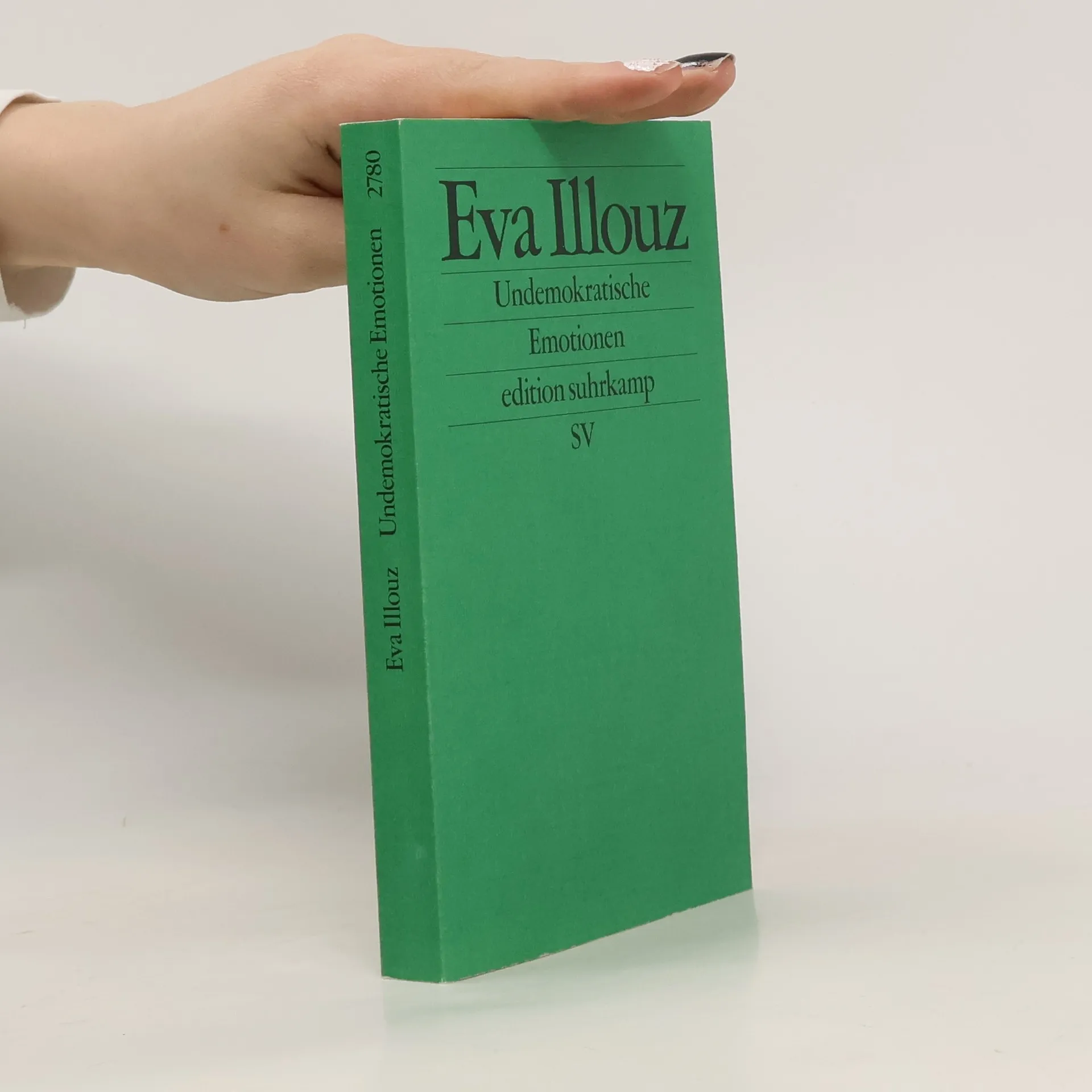
Undemokratische Emotionen
Das Beispiel Israel
Ist es für einen Herrscher besser, geliebt oder gefürchtet zu werden? Da sich beides schwer vereinen lasse, gibt Machiavelli in Der Fürst , seiner berühmten Abhandlung zu den Grundsätzen der Staatsräson, der Furcht den Vorrang. In ihrem neuen Buch schließt die israelische Soziologin Eva Illouz in zweierlei Hinsicht an Machiavelli an: Sie unterstreicht die Bedeutung von Emotionen in der Politik und arbeitet heraus, wie Rechtspopulisten bestimmte Gefühle instrumentalisieren. Israel ist seit seiner Gründung wie kaum ein anderes Land von Sicherheitsfragen geprägt. In dieser Situation sei dem langjährigen Ministerpräsidenten Benjamin Netanyahu das machiavellistische Kunststück gelungen, gerade wegen der Furcht, die er sät, geliebt zu werden. Anhand ausführlicher Interviews mit u. a. Menschenrechtsaktivisten zeigt Illouz, wie Angst und Ressentiment Gesellschaften spalten und die Demokratie unterminieren.
E. L. James‘ BDSM-Trilogie »Shades of Grey« war weltweit ein gigantischer Erfolg, insbesondere bei Frauen. Aber warum? Wegen des vermeintlich pornographischen Inhalts? Weil eine ausgeklügelte Marketingstrategie dahintersteckte? Eva Illouz liest die Trilogie vor dem Hintergrund der These, daß manche Bücher deshalb zu Bestsellern werden, weil sie ein tatsächlich bestehendes und weitverbreitetes sozio-kulturelles Problem zugleich darstellen und lösen. »Shades of Grey« ist ihr zufolge weder ein »Mamiporno« noch ein antifeministisches Machwerk, sondern funktioniert wie ein gut gemachter Ratgeber, der zeigt, wie sich die Aporien zeitgenössischer heterosexueller Liebesbeziehung praktisch überwinden lassen.
Nicht die Natur bestimmt unsere Vorstellungen von Sexualität, sondern die Gesellschaft. War es früher die Religion, die den Sex regulierte, so ist es heute die Ökonomie. Kein Wunder also, dass »sexuelles« oder »erotisches Kapital« in der Soziologie, den Gender Studies, der Sexualwissenschaft und sogar in der Alltagssprache zu einer gängigen Metapher geworden ist, um die Motive und Konsequenzen von Praktiken etwa zur Steigerung der sexuellen Attraktivität zu beschreiben. In ihrem konzisen und mit zahlreichen Beispielen angereicherten Buch verteidigen Dana Kaplan und Eva Illouz den Begriff des sexuellen Kapitals als analytische Kategorie, machen ihn jedoch komplexer und befreien ihn von Gender-Klischees sowie von rationalistischen und identitätspolitischen Kurzschlüssen. Sie zeigen, dass sexuelles Kapital verschiedene, historisch bedingte Formen annehmen kann, die zeitweise auch nebeneinander bestehen. Ihr Hauptaugenmerk gilt den Spezifika der neoliberalen Sexualität, die mit einer ganz eigenen Sorte von sexuellem Kapital einhergeht. Dieses zirkuliert längst nicht mehr nur im Bereich privater Intimbeziehungen, sondern in der gesamten Sphäre der kapitalistischen Reproduktion. Aus dieser Perspektive erscheint dann auch die Frage nach Klassen- und Geschlechterhierarchien in einem neuen Licht.
Political correctness gone mad?
- 128pages
- 5 heures de lecture
‘Without free speech there is no true thought.’ –Jordan Peterson‘You’re telling me I’m being sensitive, and students looking for safe spaces that they’re being hypersensitive. If you’re white, this country is one giant safe space.’–Michael Eric DysonIs political correctness an enemy of free speech, open debate and the free exchange of ideas? Or is it a progressive force, eroding the dominant power relationships and social norms that exclude marginalised groups from society?
Explosive Moderne
- 447pages
- 16 heures de lecture
Politischer Größenwahn und das Verblassen des amerikanischen Traums, die Fragilität der liberalen Demokratie, aber auch Antisemitismus, Rassismus und Misogynie: Ohne Bezug auf die Schlüsselgefühle der explosiven Moderne lassen sie sich weder verstehen noch einhegen oder bekämpfen. Angst, Enttäuschung, Wut, aber auch Scham oder Liebe – Eva Illouz blickt auf unsere aufgewühlte Zeit aus der Perspektive der Gefühle, die fest in die sozialen Arrangements der westlichen Moderne eingebaut sind und von ihrer Ökonomie, Politik und Kultur intensiv bewirtschaftet werden. Gefühle sind psychologisch relevant, moralisch bedeutsam, politisch wirksam – und hochgradig ambivalent. Das macht die Gegenwart, in der wir leben, so brisant, ja explosiv. In einer meisterlichen Komposition aus soziologischen Analysen, historischen Miniaturen und Lektüren ikonischer Werke der Weltliteratur porträtiert Illouz die Emotionen, die unsere Gesellschaft unter Hochspannung setzen.
Über die Ursprünge des neuen Antisemitismus
- 300pages
- 11 heures de lecture
Das alte Gespenst des Antisemitismus ist zurückgekehrt, stellt Eva Illouz mit Blick auf die Entwicklungen der letzten zwei Jahre fest. Insbesondere die Reaktionen der globalen Linken auf das Massaker vom 7. Oktober haben sie schockiert. Wie konnte es passieren, dass so viele Vertreterinnen und Vertreter einer politischen Haltung, die wie keine andere die Menschenwürde ins Zentrum ihres Handelns stellt, ein solches Ereignis derartig herunterspielen? Bereits in ihrem Essay Der 8. Oktober hat Eva Illouz ihr Unverständnis und ihre Bestürzung über den Mangel an Mitgefühl angesichts der Gräueltaten der Hamas verhandelt. Nun vertieft sie ihre Argumentation und begibt sich auf eine umfassende Suche nach den Ursprüngen dieses Antisemitismus. Sie entdeckt sie in Denkweisen und Weltanschauungen, die von einer Vielzahl von Geisteswissenschaftlern, verschiedenen Fraktionen der Linken und internationalen Organisationen seit Jahren propagiert werden – basierend auf Entwicklungen in der Französischen Theorie und im postkolonialen Diskurs ebenso wie in konkreten politischen und sozialen Prozessen.