

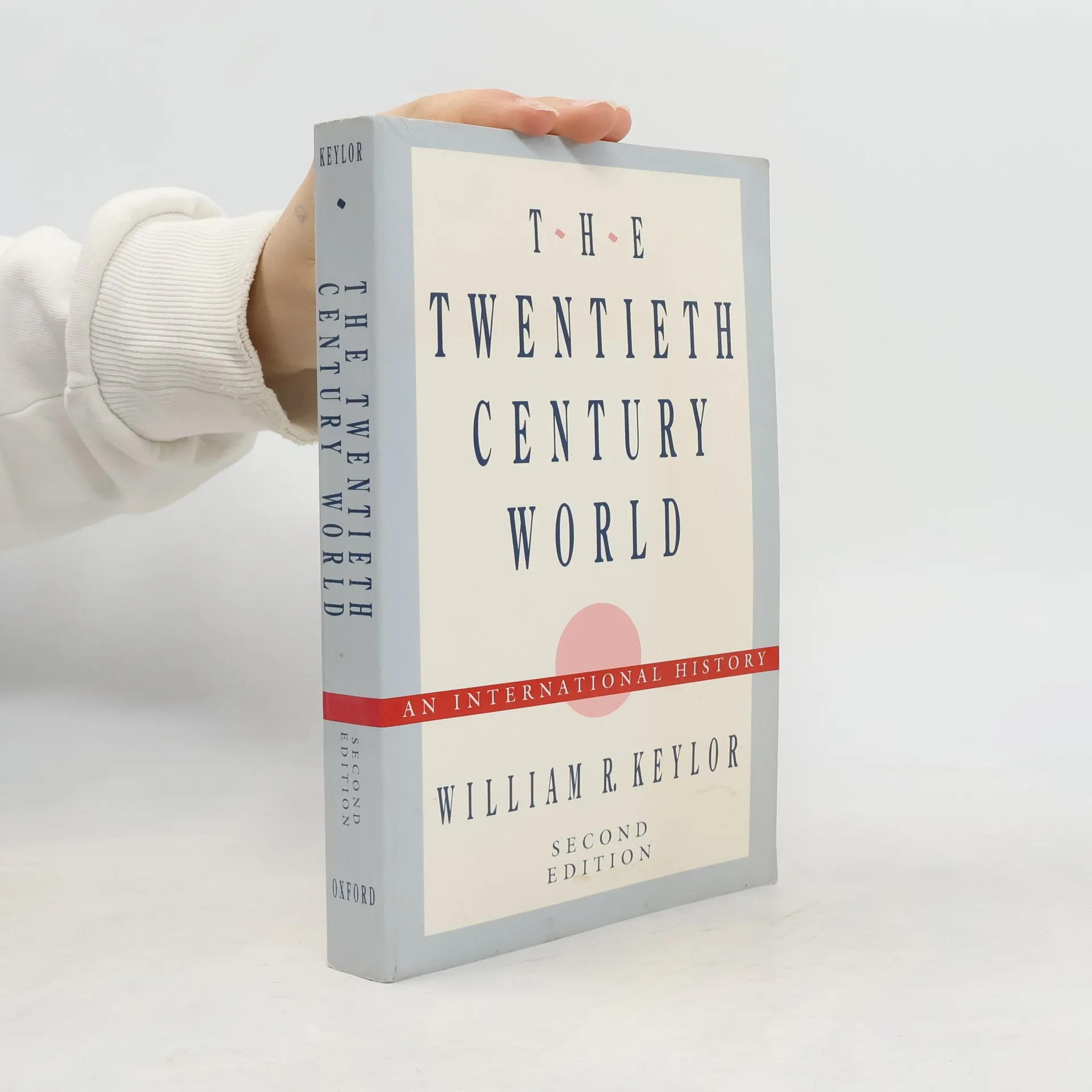
Set within an analytical framework of the rivalry among the major nations for control of the world's resources, territories, and populations, the new edition of this classic text covers recent developments such as the reduction of East-West rivalry in the Third World, the collapse of the Soviet satellite system in Eastern Europe, the reunification of Germany, the political and economic crisis in the USSR, and the Persian Gulf War. Incorporating the most current scholarship in the history of international relations, Keylor shows the interdependence of the military, political, and economic structures of the various regions of the world. He also provides an incisive analysis of the impact of technological innovations on the nuclear arms race, and devotes considerable attention to international economic relations, including trade patterns, capital flows, and foreign investment. With three new chapters devoted to Africa, Asia, Latin America, and the Middle East, The Twentieth Century World is essential to courses in world history, political science, and international relations.
William R. Keylor Livres
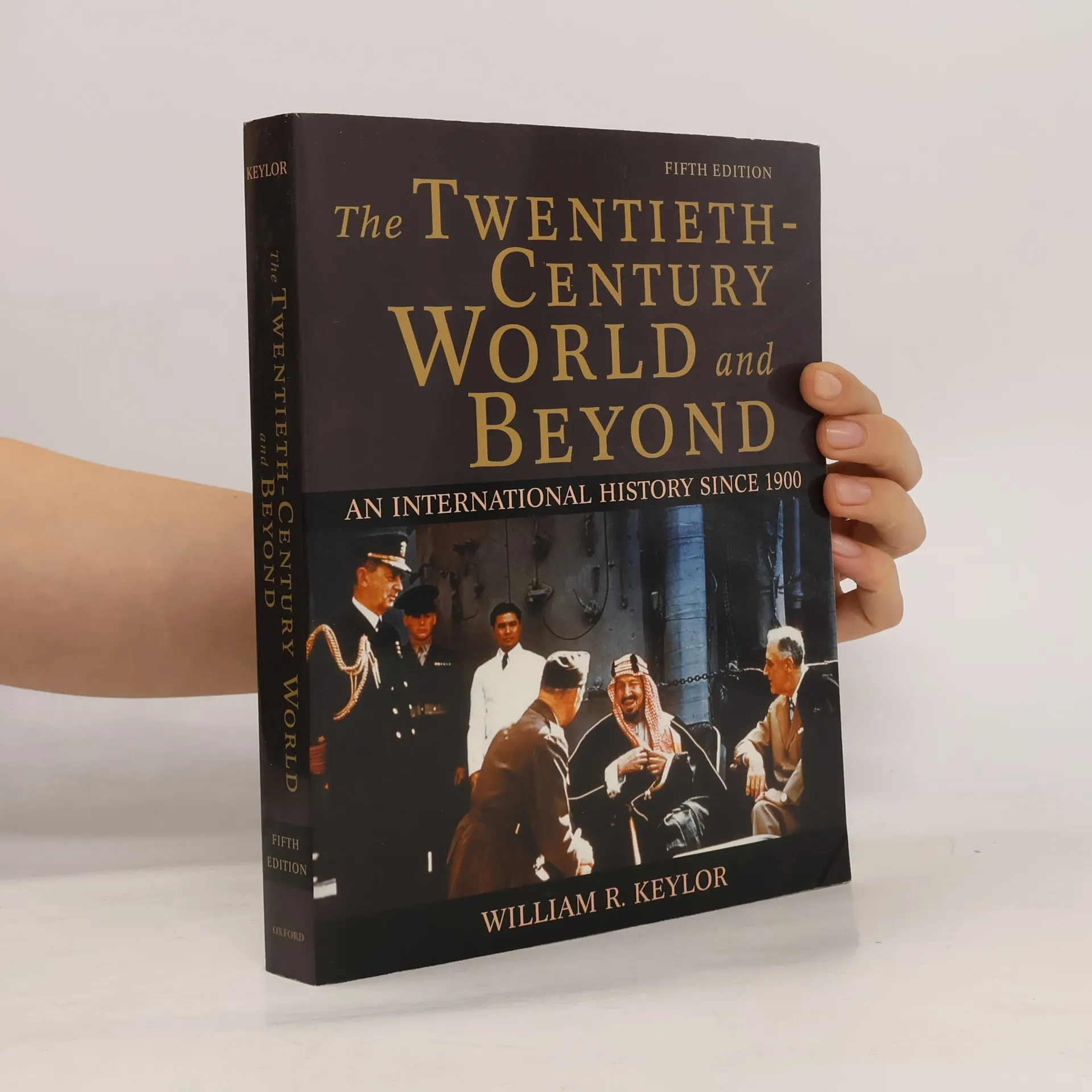
The Twentieth-Century World and Beyond
An International History since 1900 - Fifth Edition
- 576pages
- 21 heures de lecture
The Twentieth-Century World and An International History Since 1900 , Fifth Edition, explores the history of modern relations between the U.S., Europe, Africa, Asia, Latin America, and the Middle East. The book's unique analytical framework--which focuses on the relationships betweenthese countries rather than on their individual histories--helps readers to easily examine how the nations of the world have interacted since the beginning of the last century. Extensively revised in this fifth edition, The Twentieth-Century World and Beyond reflects the latest scholarship and alsofeatures photographs for the first time--more than fifty throughout the text. The new edition addresses such issues as refugees and stateless persons, human rights, the environment, and the events of September 11, 2001. Updated to include the war on terrorism, military action in Iraq, and the causesand consequences of globalization, this edition also explores the expanding role of nongovernmental organizations, the threat of AIDS to world order, narcotics trafficking, and environmental degradation. Examining a wide range of countries, The Twentieth-Century World and Beyond, Fifth Edition, isideal for undergraduate and graduate courses in twentieth-century international history, twentieth-century world history, and international relations.