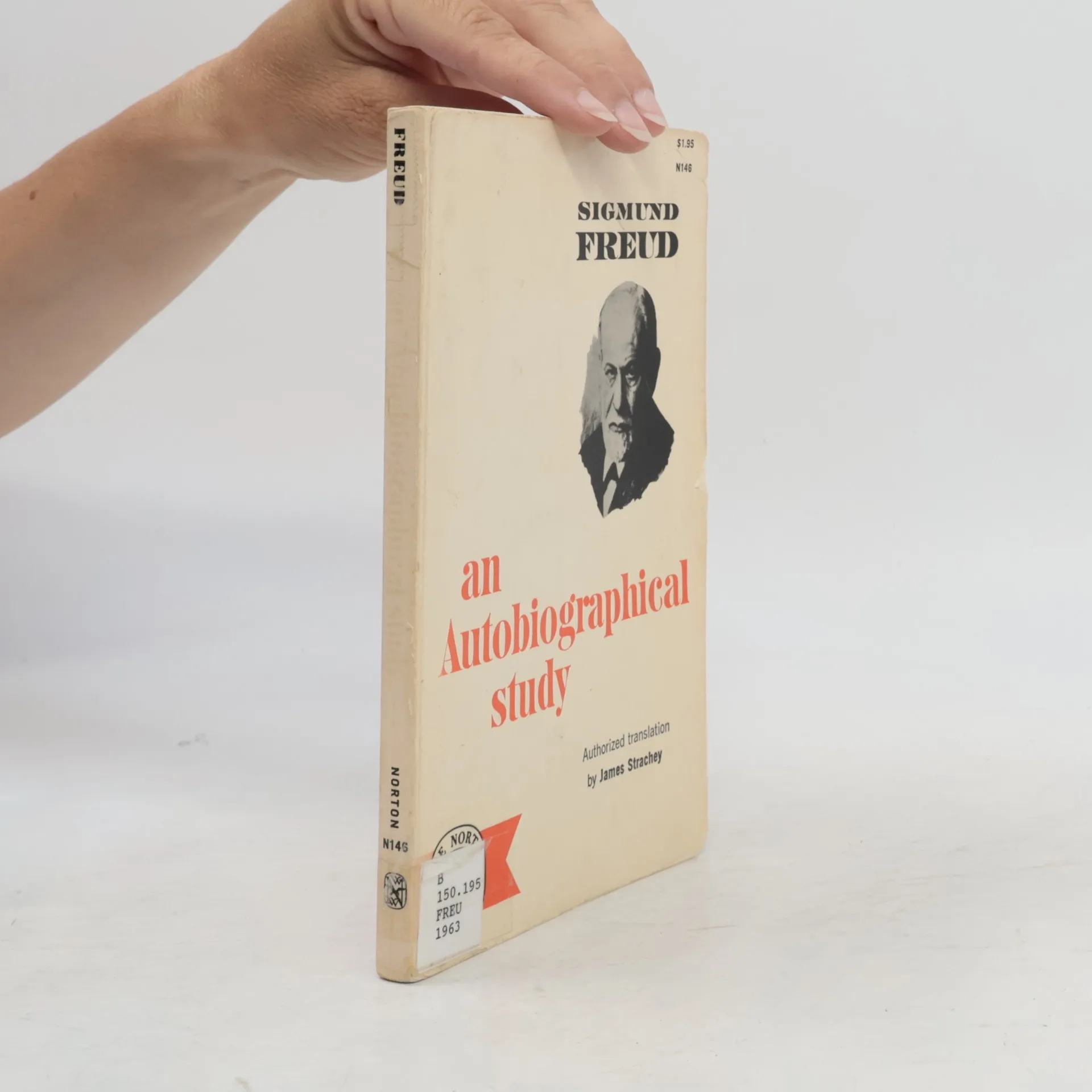
Sigmund Freud s'impose comme l'un des esprits les plus influents du XXe siècle, fondateur de la psychanalyse qui a profondément remodelé la compréhension de la psyché humaine. Son œuvre plonge profondément dans l'inconscient, explorant les conflits perpétuels entre les pulsions primaires et les défenses de l'esprit. Par son analyse des rêves et le développement d'un modèle tripartite de l'esprit comprenant le ça, le moi et le surmoi, Freud a éclairé les complexités de la personnalité humaine. Ses théories révolutionnaires, bien que souvent controversées, continuent de façonner notre compréhension du comportement humain, de la culture et de la société.
Il y a le père, Fiodor Pavlovitch, riche, malhonnête et debauché, et ses trois fils légitimes: Mitia, impulsif, orgueilleux, sauvage; Yvan, intellectuel, raffiné, intransigeant; Alliocha, sincère, pieux, naïf. Et puis il y a le fils illégitime : Smerdiakov, libertin cynique vivant en serviteur chez son père. Roman complet et flamboyant, les frères Karamazov rassemble une intrigue policière, plusieurs histoires d'amour, des exposés théologiques et métaphysiques éblouissants et des personnages inoubliables. Sans doute le chef-d'oeuvre de Dostoïevki.
Suivi de contribution à l'histoire du mouvement psychanalytique
157pages
6 heures de lecture
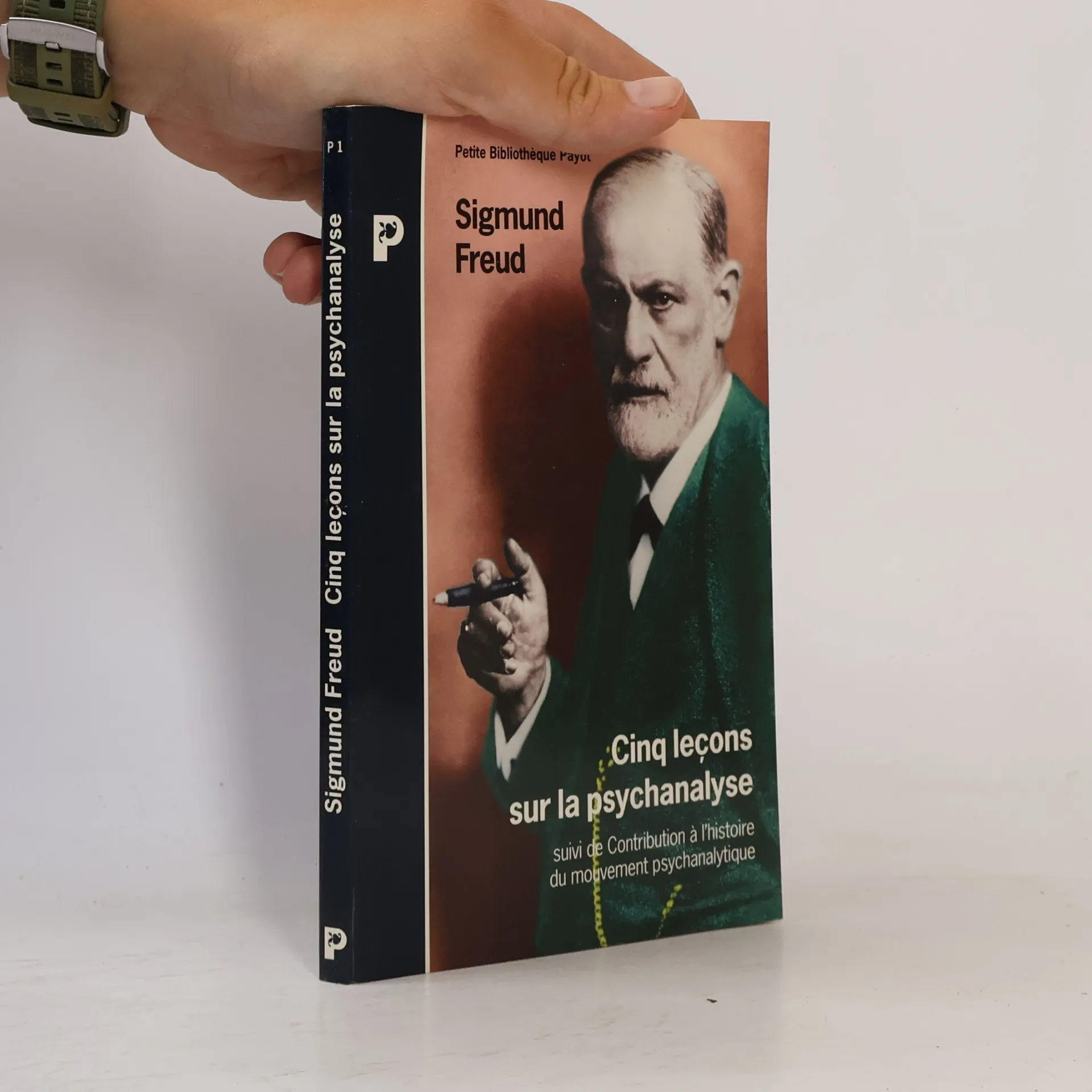
Cinq leçons sur la psychanalyse est un ouvrage de Sigmund Freud paru en 1910 chez Deuticke. Il s'agit de cinq conférences prononcées par Freud en 1909 à la Université Clark aux États-Unis. Le texte fut publié d'abord en 1910 en langue anglaise dans l' American Journal of Psychology.
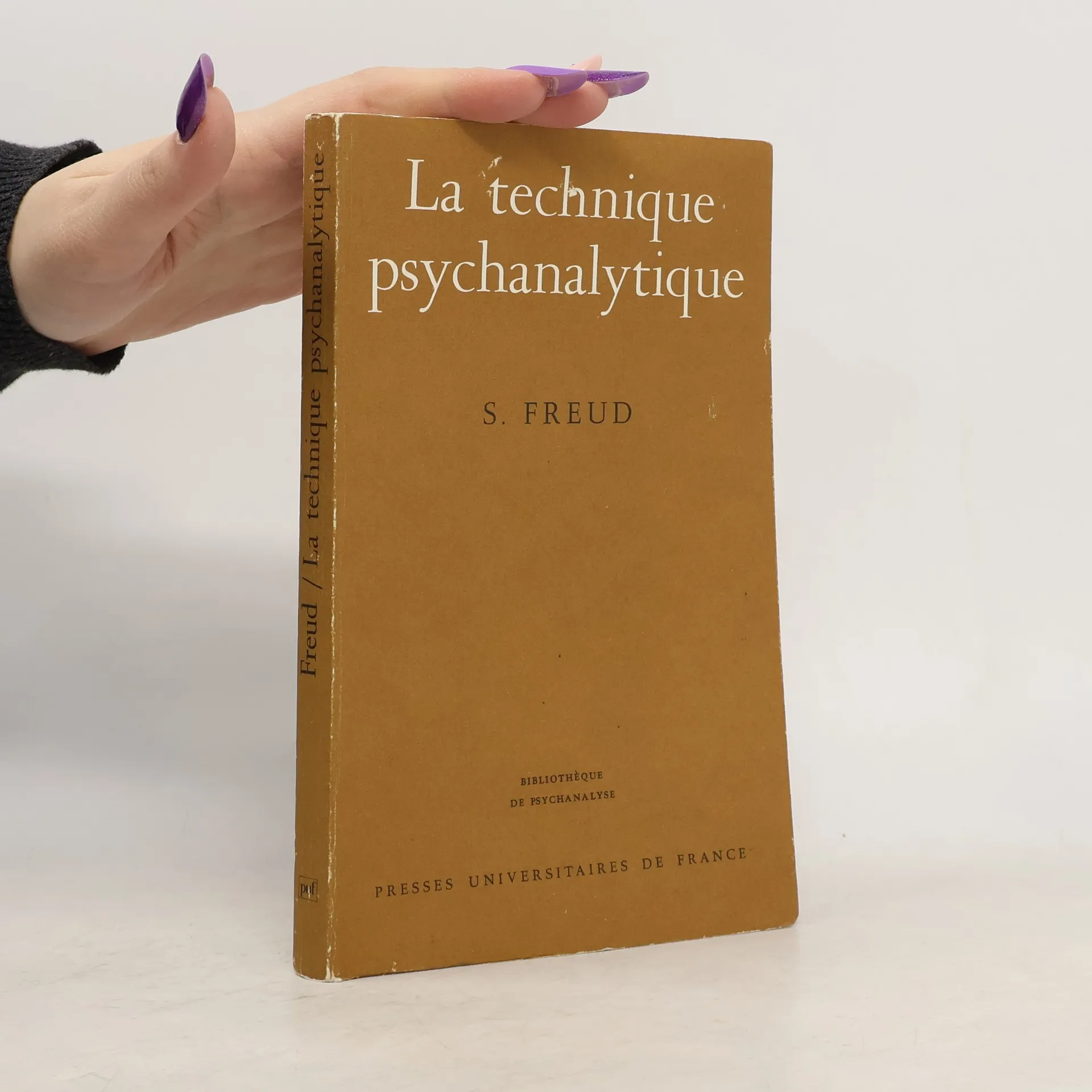
" Il fait l'impression d'une personne à la tête claire, perspicace. Interrogé par moi sur ce qui l'amène à mettre au premier plan les renseignements sur sa vie sexuelle, il répond que c'est là ce qu'il sait de mes doctrines. Il n'a par ailleurs rien lu de mes écrits, mais récemment, en feuilletant un livre de moi, il a trouvé l'explication de singulières connexions de mots qui lui ont tellement rappelé ses propres "travaux de pensée" portant sur ses idées qu'il a décidé de se confier à moi. [...] Le lendemain, après que je l'eus mis en devoir de respecter l'unique condition de la cure, dire tout ce qui lui passe par la tête, même si cela est désagréable, même si cela lui paraît sans importance, ne relevant pas du sujet ou insensé, et que je l'eus laissé libre de choisir le thème par lequel il allait ouvrir ses communications, il débute comme suit... " SIGMUND FREUD
La découverte de Freud selon laquelle le rêve est le moyen par lequel l'inconscient peut être exploré est sans aucun doute le pas en avant le plus révolutionnaire de toute l'histoire de la psychologie. Les rêves, selon sa théorie, représentent l'accomplissement caché de nos désirs inconscients.
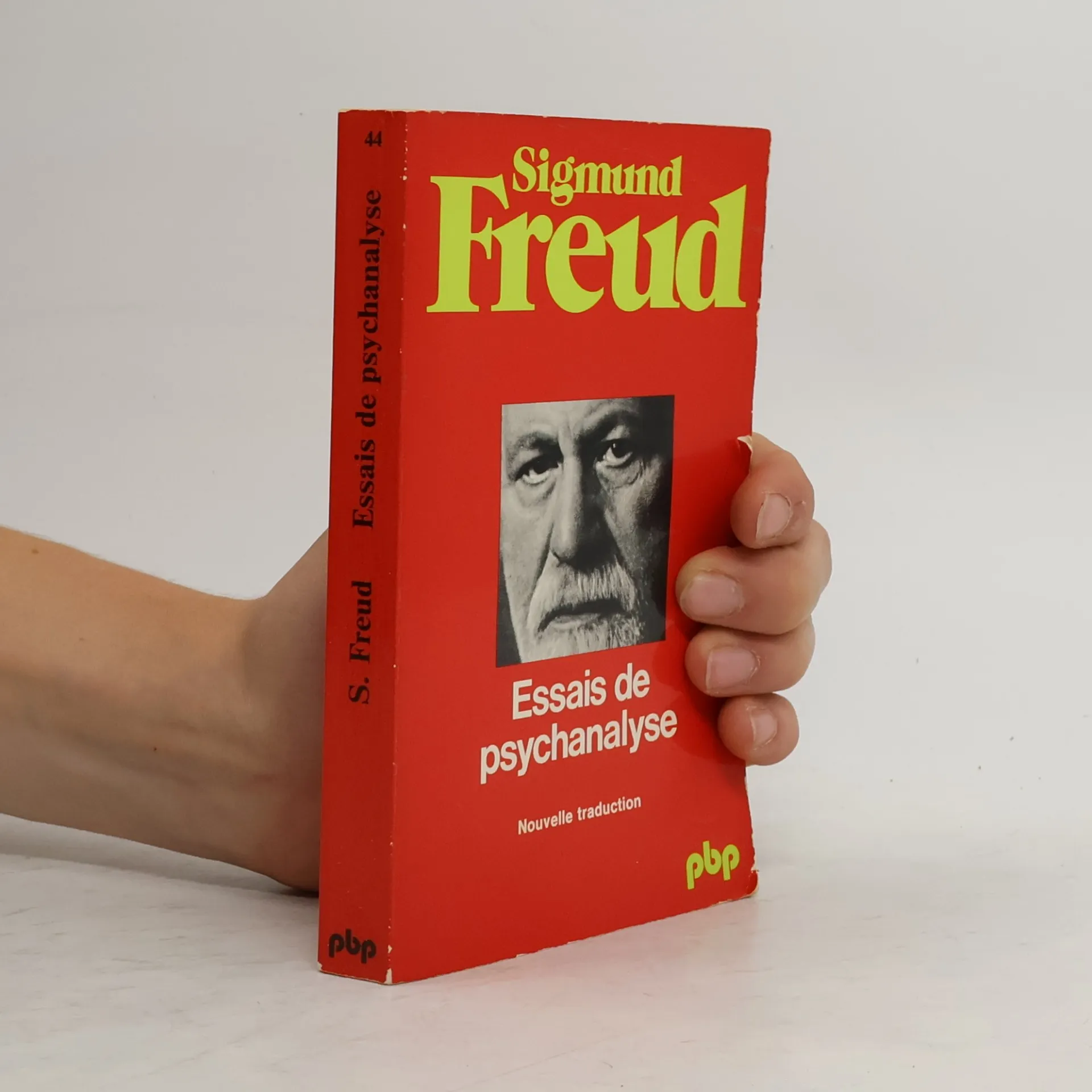
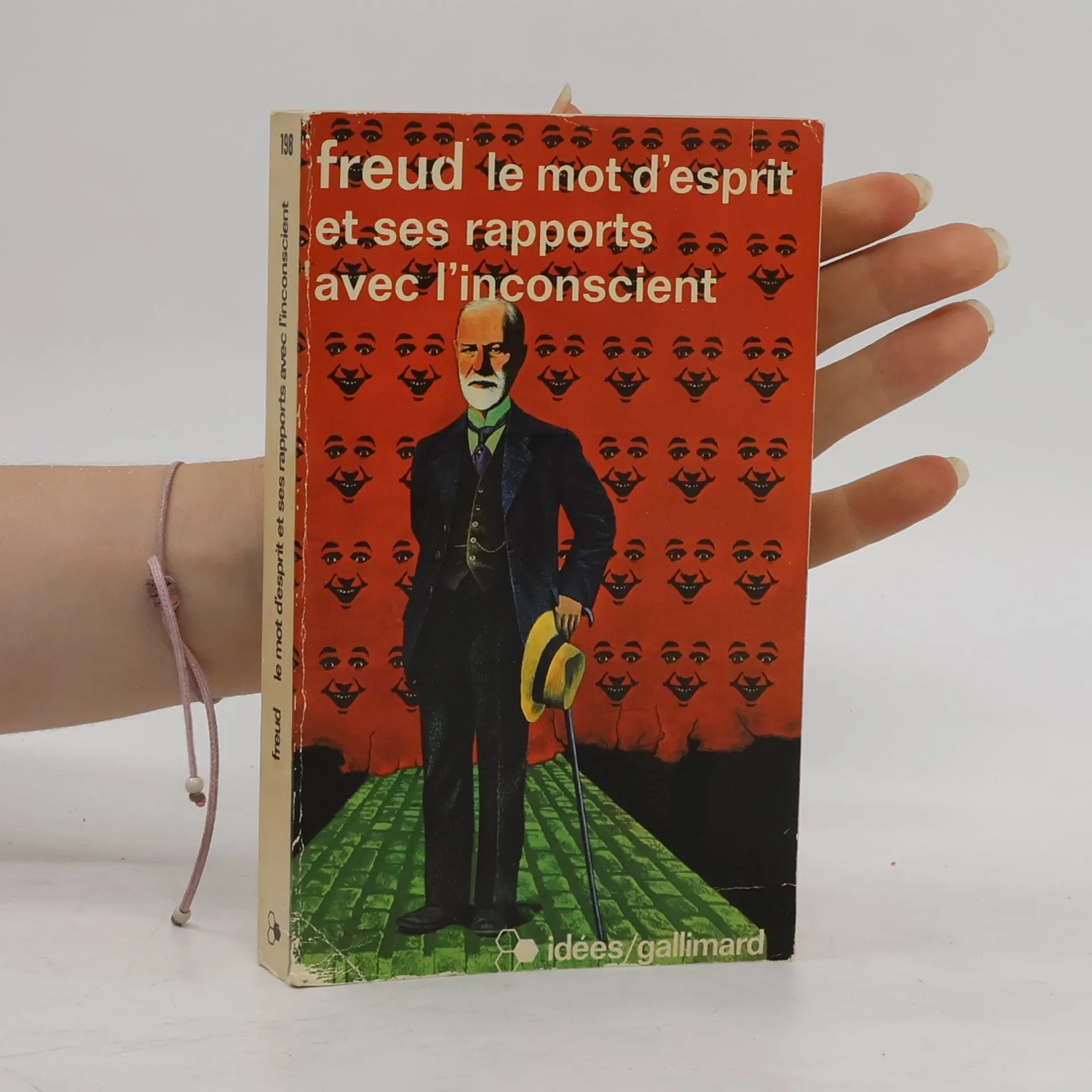
Très tôt, Freud se soucia de montrer que l'inconscient était à l'oeuvre chez tout un chacun et pas seulement chez les névrosés. Ce sont ces phénomènes marginaux mais normaux, infimes et intimes, de la vie psychique que Freud analyse ici dans le détail, multipliant les exemples comme autant de preuves de la manifestation d'un désir refoulé venant contredire l'intention consciente.
Interprétation par la psychanalyse de la vie sociale des peuples primitifs
186pages
7 heures de lecture
" Un jour, les frères chassés se sont réunis, ont tué et mangé le père, ce qui a mis fin à l'existence de la horde paternelle ". Freud résume ainsi le grand " mythe scientifique " qu'il a construit pour expliquer la naissance de l'humanité. S'appuyant sur un matériel anthropologique, linguistique, clinique, Freud cherche à comprendre ici la psychologie collective à l'aide de la psychanalyse. Le primitif, l'enfant et le névrosé sont les sujets de l'interprétation psychanalytique, qui devient par la virtuosité de Freud une théorie générale de l'humanité.
Reconnu comme le père de la psychanalyse, Freud offre une analyse approfondie de l'inconscient et des mécanismes qui régissent notre psyché. Son œuvre révèle les forces pulsionnelles derrière nos pensées et comportements, tout en explorant la souffrance psychique. Cette traduction française par Samuel Jankélévitch éclaire les complexités de la psyché contemporaine.
This volume contains Freud's speculations on various aspects of religion, on the basis of which he explains certain characteristics of the Jewish people in their relations with the Christians. From an intensive study of the Moses legend, Freud comes to the startling conclusion that Moses himself was an Egyptian who brought from his native country the religion he gave to the Jews. He accepts the hypothesis that Moses was murdered in the wilderness, but that his memory was cherished by the people & that his religious doctrine ultimately triumphed. Freud develops his general theory of monotheism, which enables him to throw light on the development of Judaism & Christianity.
Freud, dans son étude sur la psychologie des masses, examine pourquoi les comportements des individus changent en groupe. Il met en lumière les transformations mentales induites par la dynamique de groupe, où le sens de la responsabilité s'efface, révélant la véritable personnalité. Il compare la psychologie des masses à l'hypnose, où les comportements des individus se rapprochent de ceux d'une personne hypnotisée.
Il aborde également la moralité des masses, soulignant que les inhibitions individuelles disparaissent, laissant place à des instincts agressifs. Toutefois, la masse, influencée par la suggestion, peut accomplir de grandes choses et éprouver une dévotion envers des idéaux. L'individu, souvent intellectuellement supérieur, doit évaluer la qualité du leader, qui influence la morale collective.
Freud cite l'église et l'armée comme exemples de masses organisées, où les individus ont du mal à se dissocier. Ces entités sont dirigées par un leader bienveillant. Dans des chapitres ultérieurs, il explore les relations familiales et le développement de l'enfant vers le père, ainsi que la théorie du prahordy, marquant l'histoire humaine. L'ancêtre devient un idéal collectif, et chaque individu façonne son Moi-idéal à partir de divers modèles. Les idées de Freud, y compris sa théorie politique, demeurent pertinentes, car les politiciens exploitent la suggestion massive.
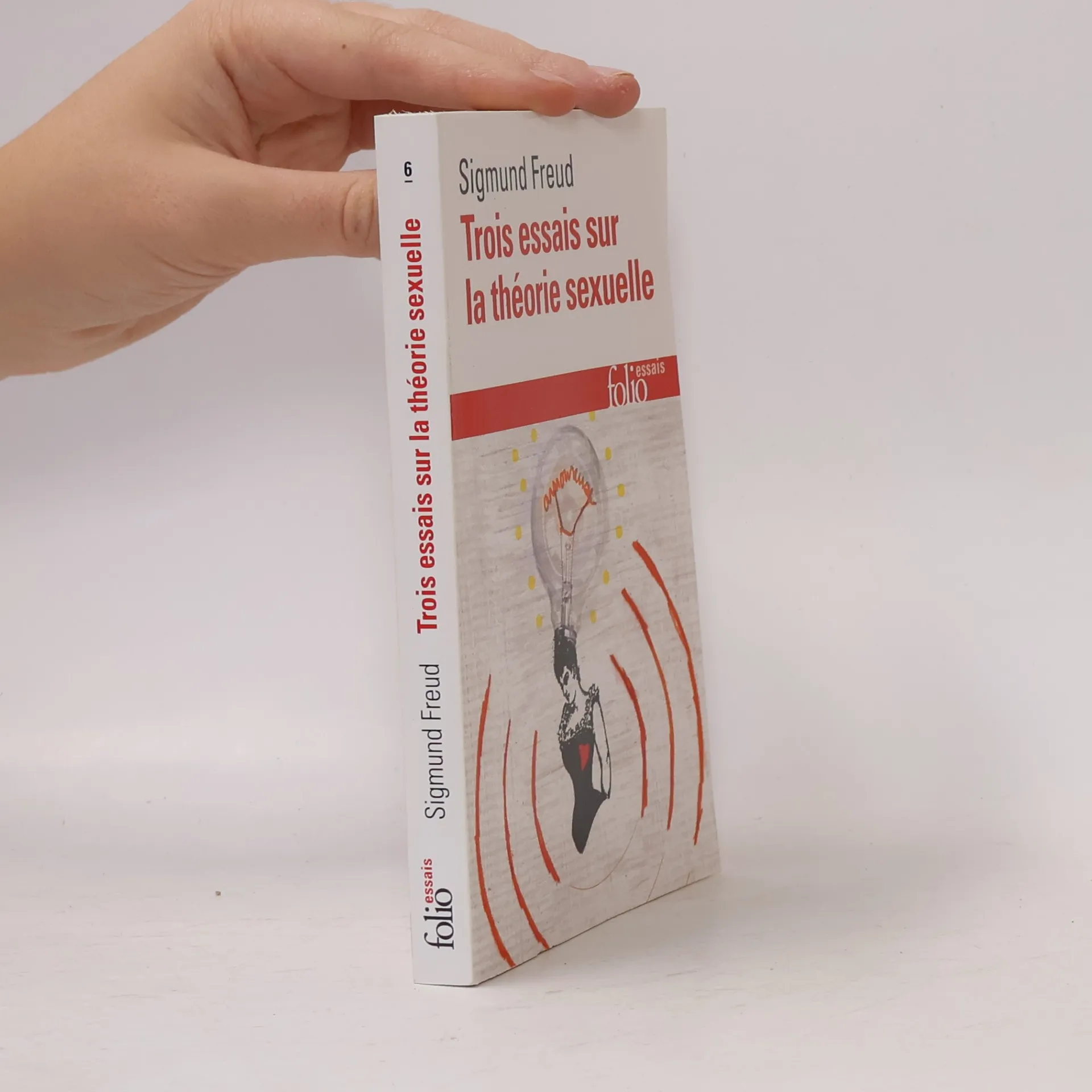
" Devant le fait que les penchants pervers étaient largement répandus, l'idée s'imposa à nous que la prédisposition aux perversions était la prédisposition originelle et universelle de la pulsion sexuelle humaine, à partir de laquelle le comportement sexuel normal se développait au cours de la maturation sous l'effet de modifications organiques et d'inhibitions psychiques. Nous espérions dégager la prédisposition originelle dans l'enfance ; parmi les forces qui délimitent l'orientation de la pulsion sexuelle, nous avons mis en évidence la pudeur, le dégoût, la compassion et les constructions sociales de la morale et de l'autorité. C'est ainsi que nous avons été amenés à voir dans chaque déviation fixée de la vie sexuelle normale une part d'inhibition du développement et d'infantilisme. "
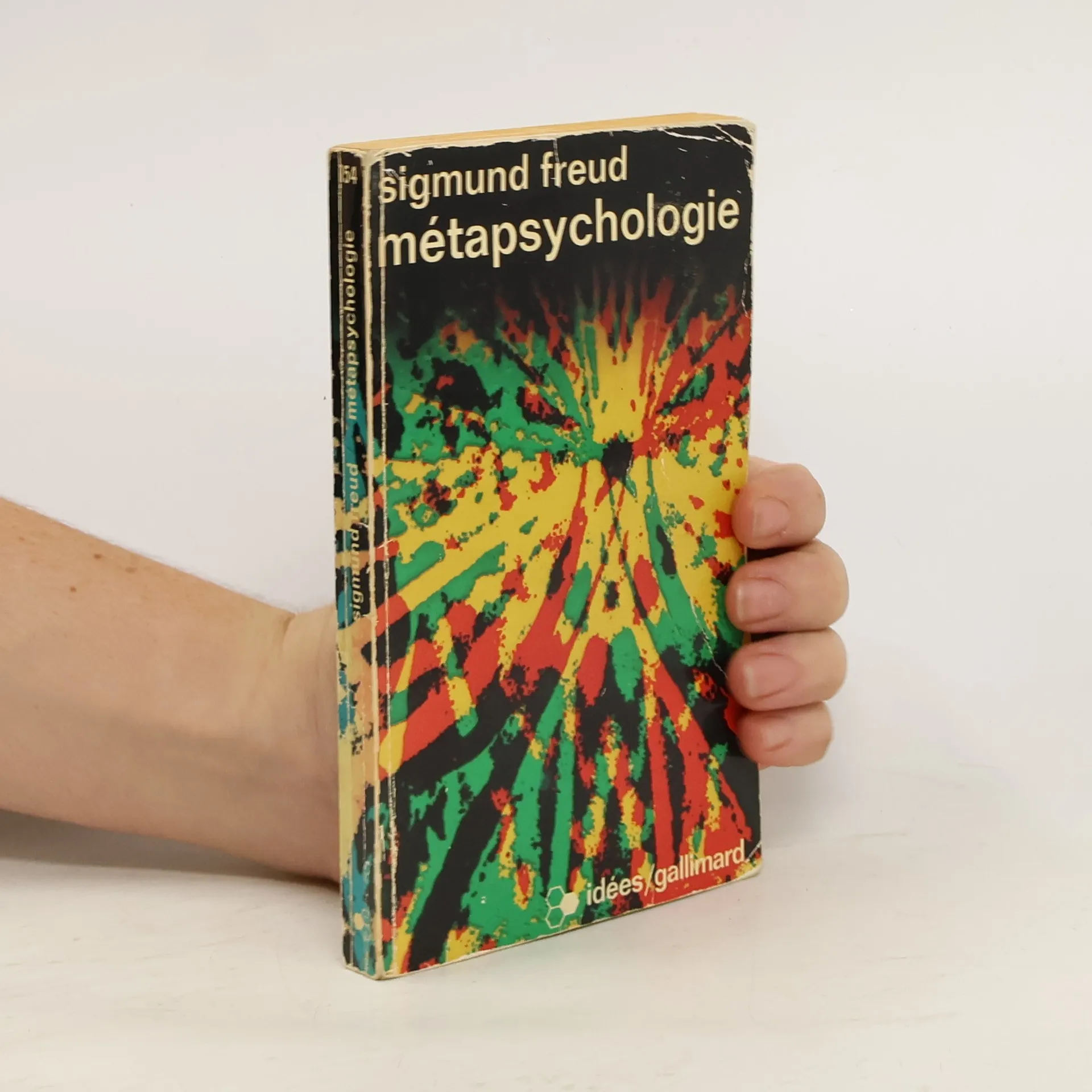
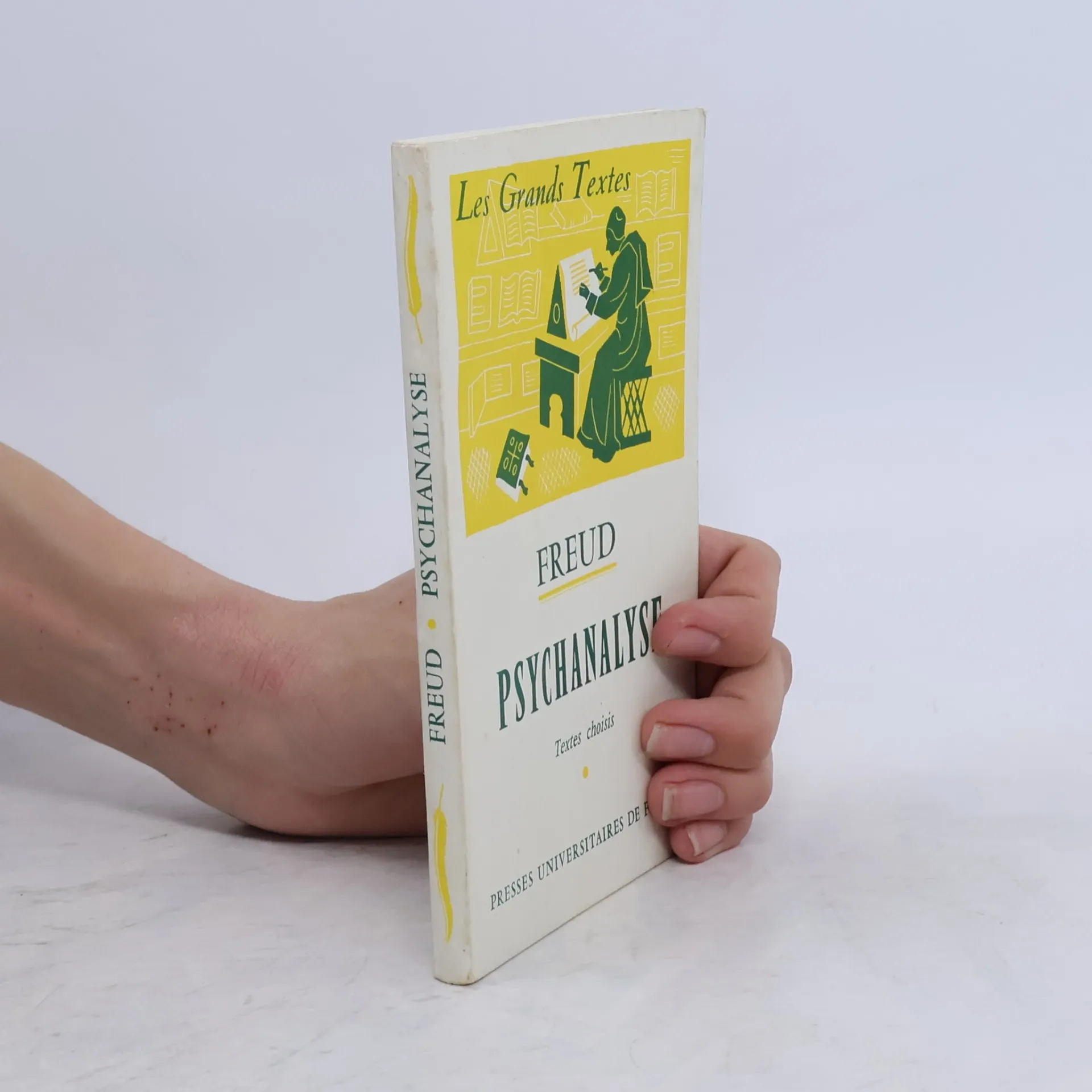
Il faut bien que la sorcière s'en mêle. C'est ainsi que Freud, citant dans un de ses derniers écrits le Faust de Goethe, désigne la métapsychologie, et il ajoute : " Sans spéculer ni théoriser - pour un jeu, j'aurais dit fantasmer - on n'avance pas d'un pas." La sorcière métapsychologie, Freud n'a cessé de la convoquer. Mais, en 1915, parvenu au milieu de son trajet, il éprouve le besoin de préciser et de cerner les concepts fondamentaux de la psychanalyse laissés jusqu'alors dans une relative et féconde indétermination. D'où cette série d'essais portant sur l'inconscient, le refoulement, la pulsion, l'objet perdu (sur l'exemple du deuil et de la mélancolie), la régression (à propos du désir de dormir et de rêver). Autant de textes capitaux où la densité va de pair avec la clarté de l'expression et qui sont à chaque fois l'occasion d'une lecture neuve. Ici la distinction rebattue entre théorie et clinique vole en éclats. C'est que la psychanalyse est d'abord une épreuve de pensée, une mise à l'épreuve de nos convictions, à commencer par celles héritées de la psychologie.
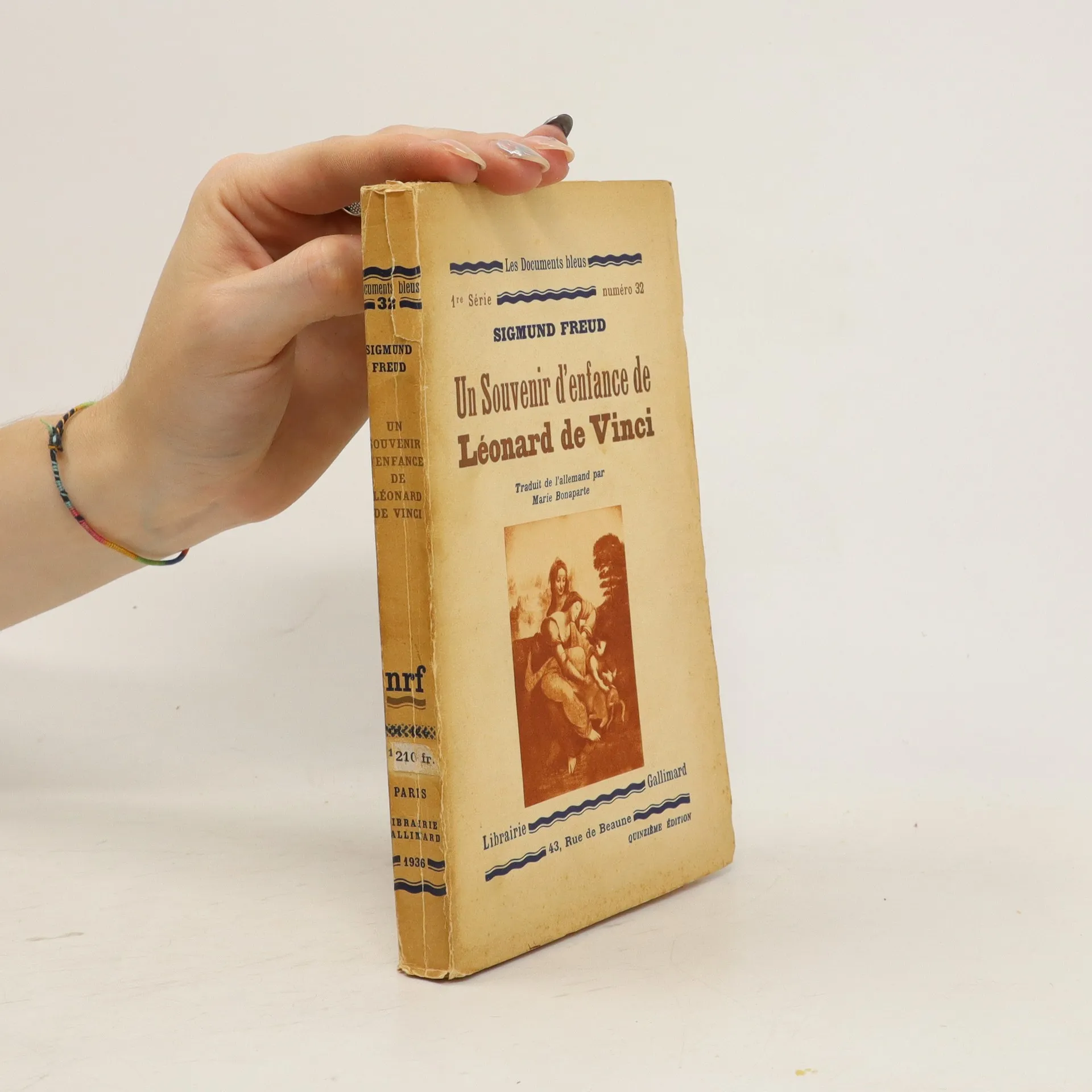
Freud a qualifié son étude sur Léonard de Vinci, publiée en 1910, de « la seule chose jolie » qu'il ait jamais écrite. Le texte est envoûté par le « sourire captivant et mystérieux » de la Mona Lisa. À la fin, Freud admet que les critiques pourraient considérer son œuvre comme un « roman psychanalytique » et qu'il ne surestime pas la certitude de ses résultats. Fasciné par le double génie de Léonard, chercheur et artiste, Freud utilise un souvenir d'enfance du peintre pour éclairer sa productivité menacée et son homosexualité réprimée, ainsi que pour explorer le mystère du sourire « léonardesque ». Au cœur de l'analyse se trouve la relation étroite de Léonard avec sa mère surprotectrice, qui l'a « embrassé vers une précocité érotique » en l'absence de son père. En plus des moments narratifs, le texte propose des réflexions théoriques significatives sur les souvenirs d'enfance, les théories de la sexualité infantile et la genèse de certaines homosexualités, ainsi que les conditions de la sublimation.
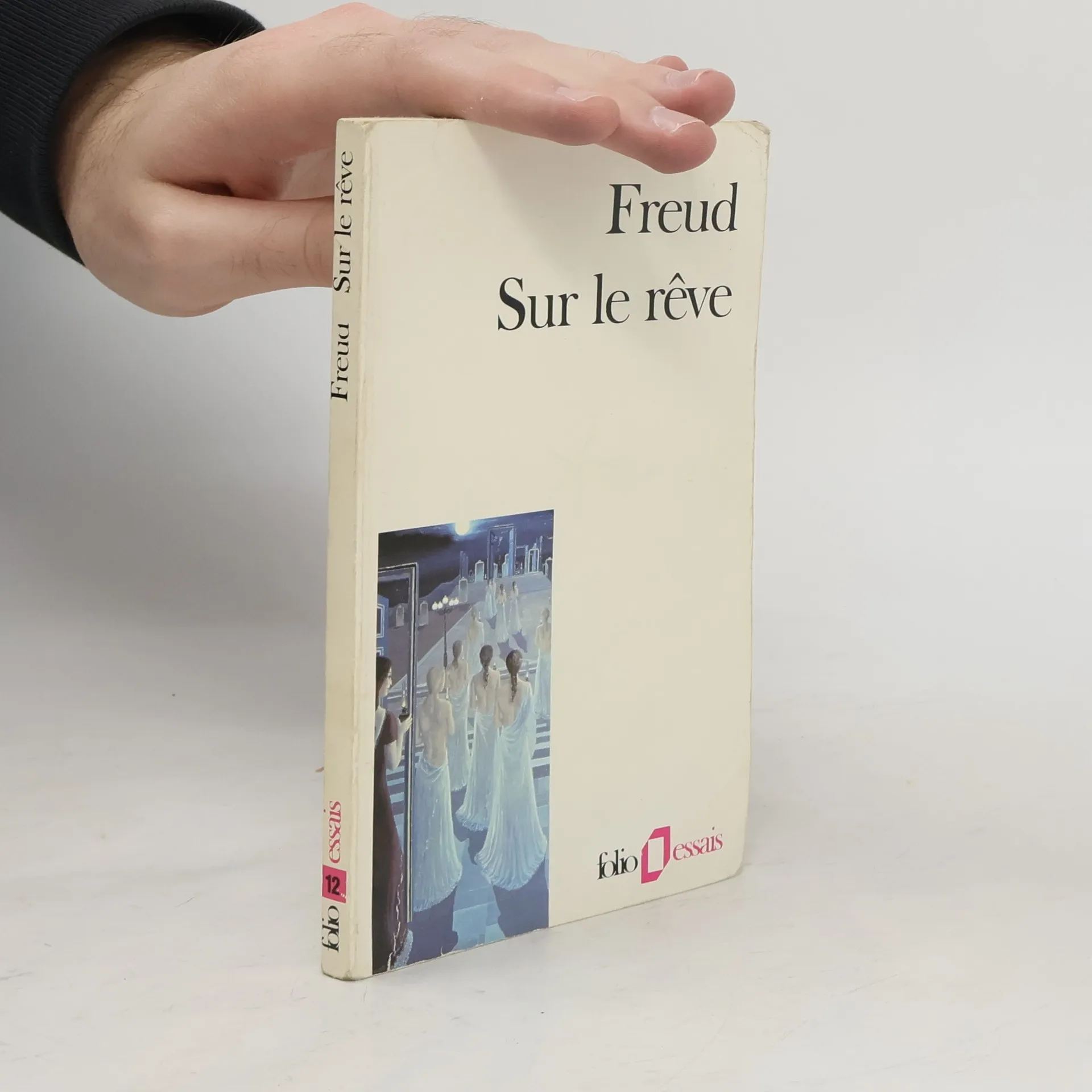
À la fin de 1899 mais daté de 1900 comme pour marquer un nouveau siècle paraît Die Traumdeutung : c'est le livre du rêve jusque dans sa composition baroque, foisonnante. Un an plus tard paraît ce petit livre-ci, commandé par un éditeur, et dont le propos est bien différent : cette fois, c'est un exposé sur le rêve et qui revêt une forme plus classique, parfois didactique. Comme l'indique Didier Anzieu dans sa préface, la Traumdeutung constituait et constitue toujours une initiation à l'inconscient. Sur le rêve, lui, introduit à la psychanalyse. Y sont énoncés les résultats acquis par une science alors toute nouvelle.Si l'objet est ici le rêve, Freud n'entend pas pour autant lui conférer une valeur exceptionnelle. Au contraire il se déprend et déprend tout au long son lecteur d'une «surestimation», romantique ou mystique, qui ferait du rêve le lieu de quelque ascension de l'âme vers l'inconnu. Aussi porte-t-il principalement son attention sur les procédés du «travail du rêve» en les illustrant par de nombreux exemples et en nous engageant à les retrouver à l'œuvre dans d'autres productions de l'inconscient. Sur le rêve, oui, mais surtout pour l'analyse, pour une méthode.
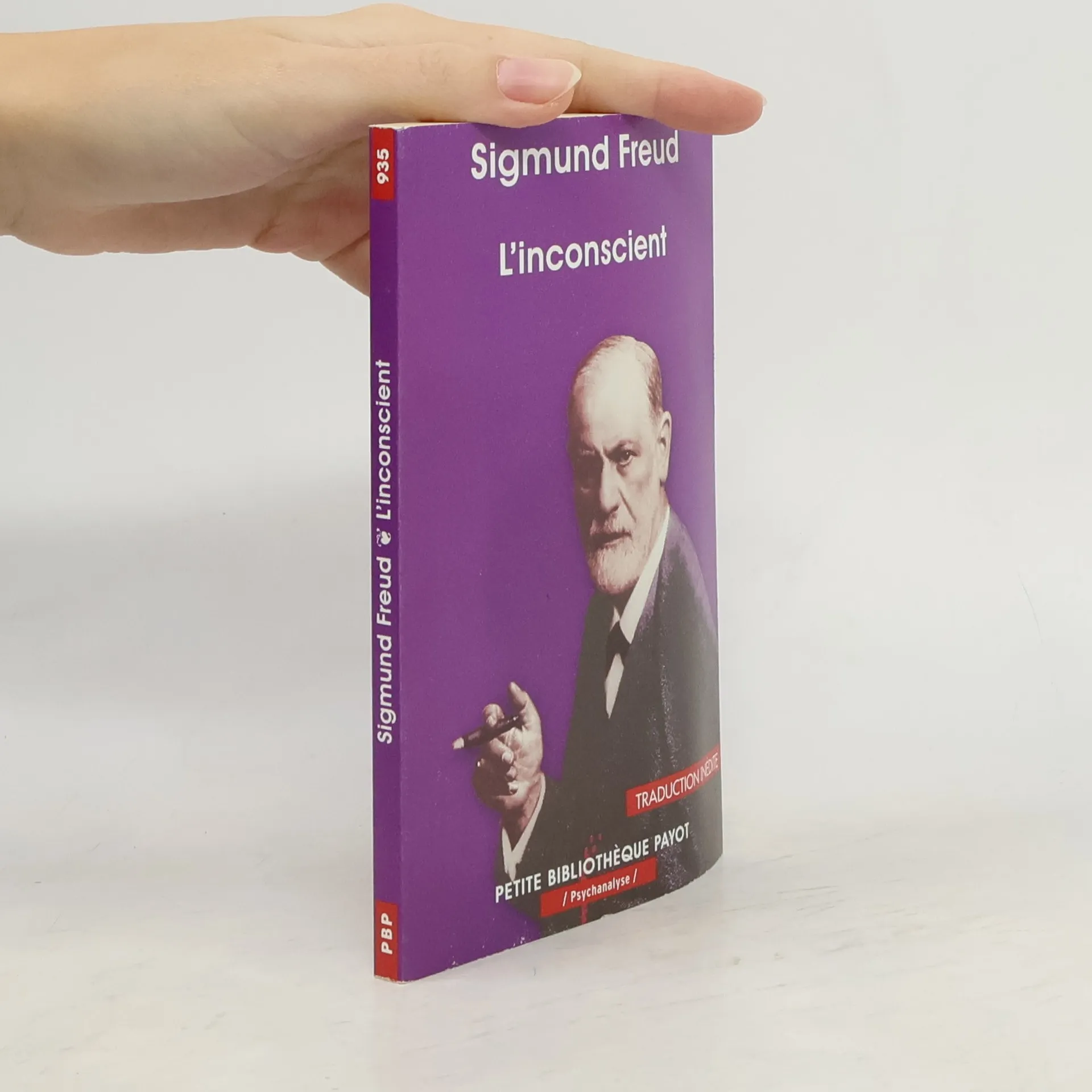
Emblème de la psychanalyse, l'inconscient psychique est cette part cachée de nous-mêmes, rebelle à toute observation directe, qui ne se révèle qu'à travers ses effets au quotidien (rêves, actes manqués, symptômes). Freud en dégage les lois dans cet essai capital de 1915 qui annonce la future thématique du moi, du ça et du surmoi. Notre inconscient est-il seulement composé de ce que nous refoulons ? Quels rôles nos pulsions y jouent-elles ? Existe-t-il des sentiments, des émotions, des affects inconscients ? Pourquoi l'inconscient prend-il sans arrêt de nouvelles formes ?
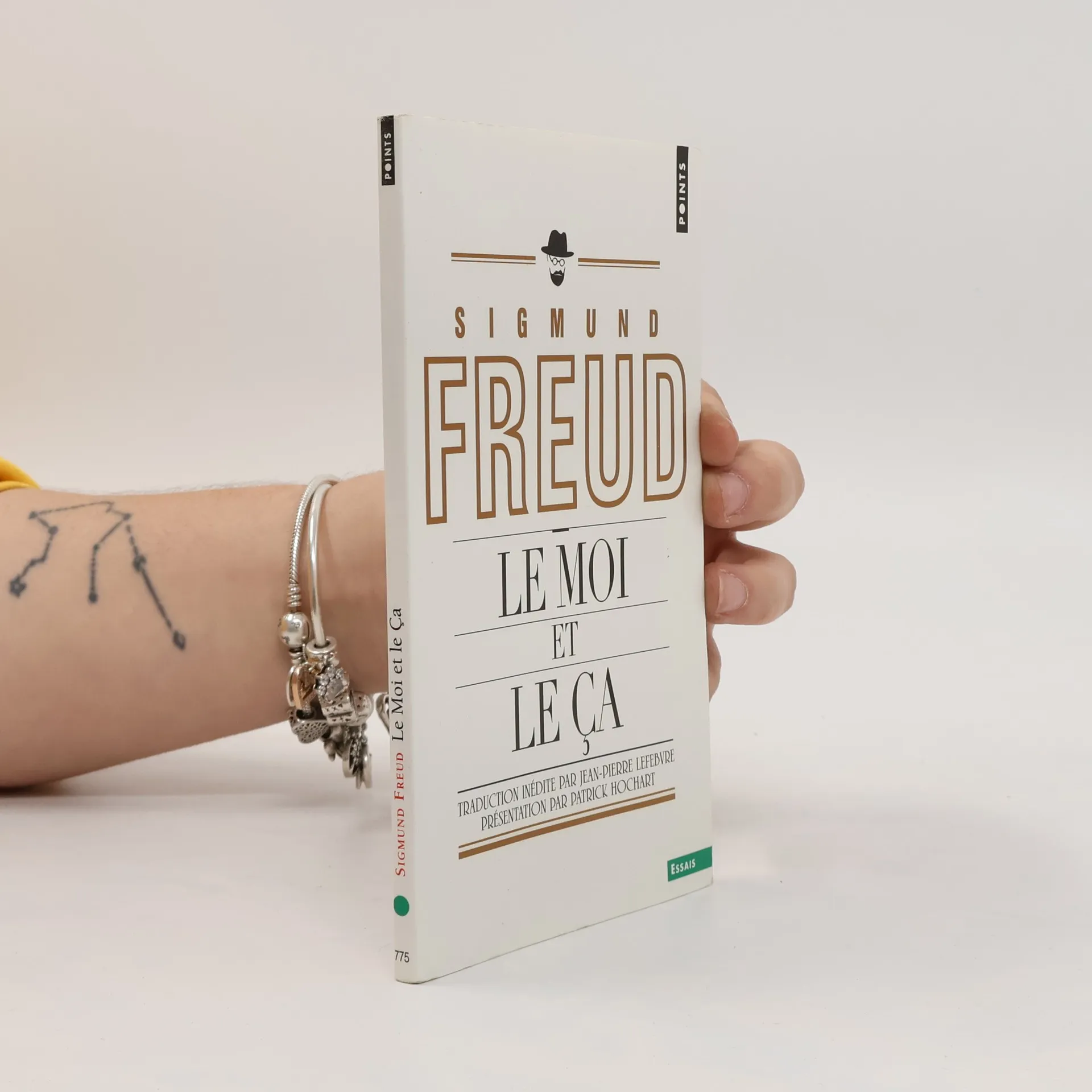
Le Moi et le Ca, paru en 1923, est la clé de voûte de ce qu'on appelle la "seconde topique" chez Freud. A l'empilement pyramidal de l'inconscient, du pré-conscient et du conscient (première "topique" de la psychanalyse) succède une conception du système psychique plus fluide, interactive et dialectique, dans laquelle le Moi s'avère très lié à l'inconscient, lequel ne coïncide plus avec le refoulé. Freud complète cette réorganisation par la mise en évidence d'une instance qualifiée de "Surmoi", qui prend le relai de l'idéal du Moi mis en évidence dans les travaux antérieurs sur le narcissisme. Tout le champ du travail psychanalytique est remanié, les conflits à l'origine de la névrose sont redéfinis, la théorie de la libido est redéployée pour mieux intégrer la dualité (pas toujours contradictoire) des pulsions de vie et des pulsions de mort, qui avait été abordée pour la première fois dans Au-delà du principe de plaisir.
Quatre essais qui exposent certains éléments de la pensée du fondateur de la psychanalyse: les aspects de la "contrainte de répétition", les formes diverses de la mentalité collective, l'Inconscient et le rôle dans la personnalité humaine de la structure dite Sur-Moi, réflexion brève sur la vie et la mort. De lecture assez facile.
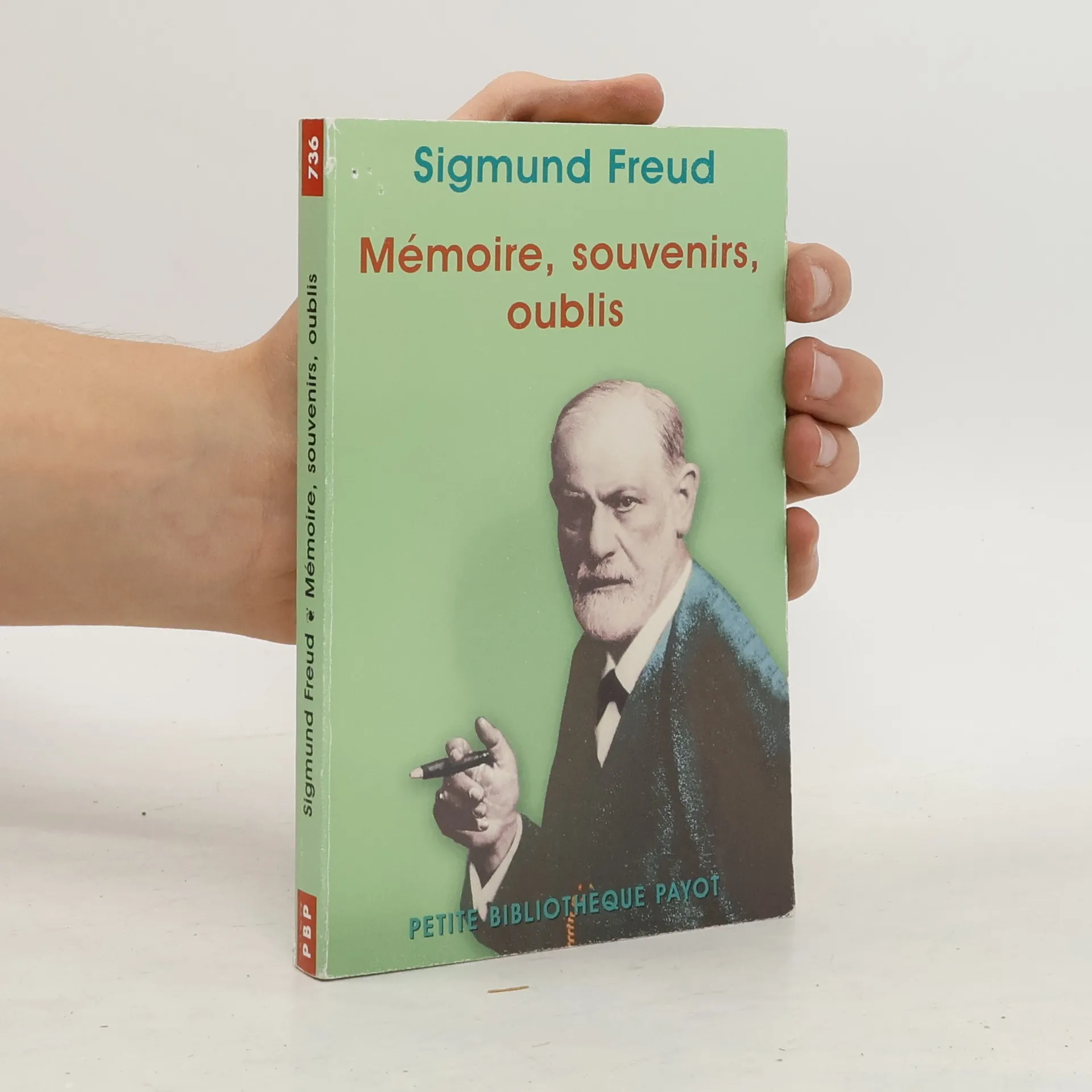
Les troubles de la mémoire ont toujours préoccupé Freud, et ce, avant même la découverte de l'inconscient. Pratiquement toute son oeuvre s'en fait l'écho, mais nulle part aussi clairement que dans les textes réunis ici: la première des Cinq leçons sur la psychanalyse, qui raconte comment, dès l'origine, Freud et Breuer se sont interrogés au sujet des troubles mnésiques qu'ils constataient chez les patients hystériques; et plusieurs chapitres de Psychopathologie de la vie quotidienne qui, des différentes sortes d'oubli aux fameux souvenirs-écrans, nous rappellent qu'un trouble de la mémoire peut se produire chez une personne saine et n'implique pas forcément une altération du cerveau.
Notre bien-être psychique repose sur les défenses inconscientes que nous opposons aux agressions extérieures. Les plus fréquentes sont le refoulement, le clivage et la dénégation. En trois courts essais, Freud explique comment nous sommes capables de refouler dans l'inconscient certaines pulsions, d'isoler de la conscience ce qui nous traumatise, ou encore de rejeter en la niant une réalité insupportable.
"Les écrivains sont de précieux alliés et il faut attacher un grand prix à leur témoignage, car ils savent toujours une foule de choses entre ciel et terre, dont notre sagesse d'école ne peut encore rêver. Même en psychologie, ils ont beaucoup d'avance sur nous qui sommes des hommes ordinaires, parce qu'ils puisent là a des sources que nous n'avons pas encore exploitées pour la science. Si seulement cette prise de position des écrivains en faveur de la nature signifiante du rêve était moins ambiguë ! Car une critique plus incisive pourrait bien objecter que l'écrivain ne prend parti ni pour ni contre la signification psychique de tel ou tel rêve, qu'il se contente de montrer que l'âme endormie tressaille sous l'effet des excitations restées actives en elle comme prolongements de la vie éveillée. Pour autant, ce désappointement ne saurait refroidir notre intérêt pour la manière dont les écrivains se servent du rêve. Quand bien même notre examen ne nous enseignerait rien de nouveau sur l'essence des rêves, l'angle choisi nous permettra peut-être un petit aperçu de la nature de la production littéraire".
Psychanalyse et histoire : questions d'épistémologie - L'hypnose, la psychanalyse et les psychanalystes - Les psychanalystes et le sud-est de la France - Documents inédits: lettres de Freud à Honorio Delgado, lettres de Freud à Joan Riviere, trois lettres d'Anna Freud à Eva Rosenfeld
Le psychanalyste sait bien qu'il travaille avec des forces hautement explosives et qu'il doit procéder avec les mêmes précautions et la même conscience qu'un chimiste. Mais quand le chimiste a-t-il été interdit d'utiliser les substances explosives nécessaires à son œuvre en raison de leur dangerosité ? (...) Croire que l'on peut vaincre les psychonévroses en utilisant des moyens doux, c'est sous-estimer gravement la nature de ces affections, leur origine et leur réelle importance.
The Standard Edition of the complete works of the father of psychoanalysis - the only definitive paperback edition on the market. Translated from the German under the General Editorship of James Strachey; in collaboration with Anna Freud; assisted by Alix Strachey and Alan Tyson.
s/t: Psychoanalysis Applied to Anthropology, Mythology, Folklore, Literature & Culture in General Essays written from 1907 through 1937. Being Collected Papers of Sigmund Freud, v. 9.
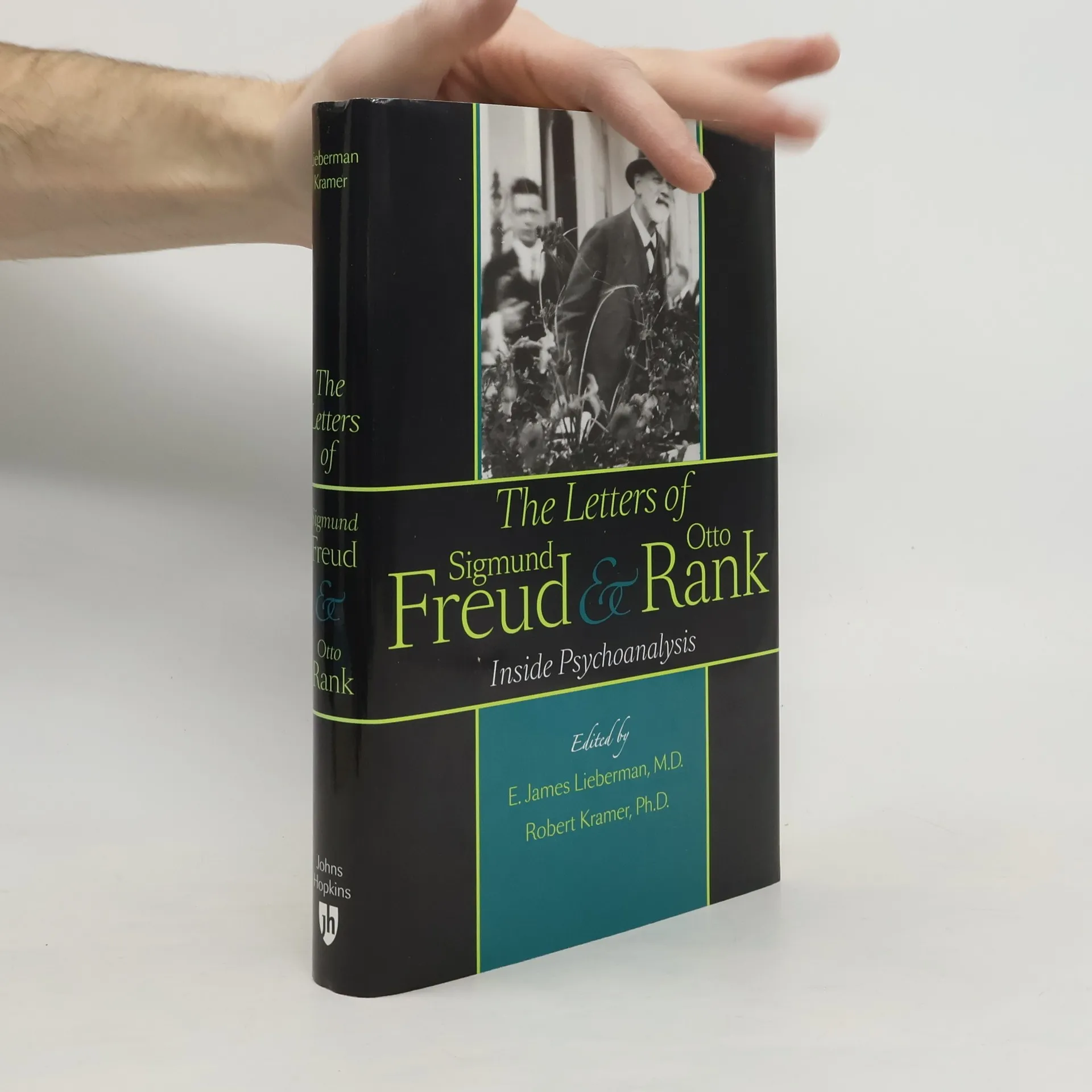
Sigmund Freud’s relationship with Otto Rank was the most significant of his professional life, with Freud regarding Rank as his most brilliant disciple. Their collaboration spanned psychoanalytic writing, practice, and politics; Rank served as the managing director of Freud’s publishing house and contributed two chapters to Freud's seminal work, The Interpretation of Dreams, marking the only instance of another name on its title page. This collection of 250 letters, compiled by E. James Lieberman and Robert Kramer, illuminates their twenty-year partnership and the eventual painful split. The correspondence, spanning from 1906 to 1925, reveals not only their professional insights but also their personal lives, including friendships, rivals, families, and travels. Notably, the letters document Rank’s growing independence, the father-son schism over his "anti-Oedipal" views, and their surprising reconciliation before their final separation. This candid correspondence offers a glimpse into how the pioneers of modern psychotherapy interacted with patients, colleagues, and each other, illustrating the development of psychoanalysis alongside early twentieth-century science, art, philosophy, and politics. This rich primary source serves as a powerful narrative of early psychoanalysis and its two most influential figures.
A new 2023 illustrated translation into modern American English from the original German manuscript of Freud's influential 1923 The Ego and the Id, where he describes his basic theories of consciousness. For broader context, a manuscript fragment titled "The Ego Split in the Defense Process" is includedThis edition includes an introduction by the translator on the philosophic differences between Carl Jung and Sigmund Freud, a glossary of Freudian Psychological terminology and a timeline of Freud’s life & works.
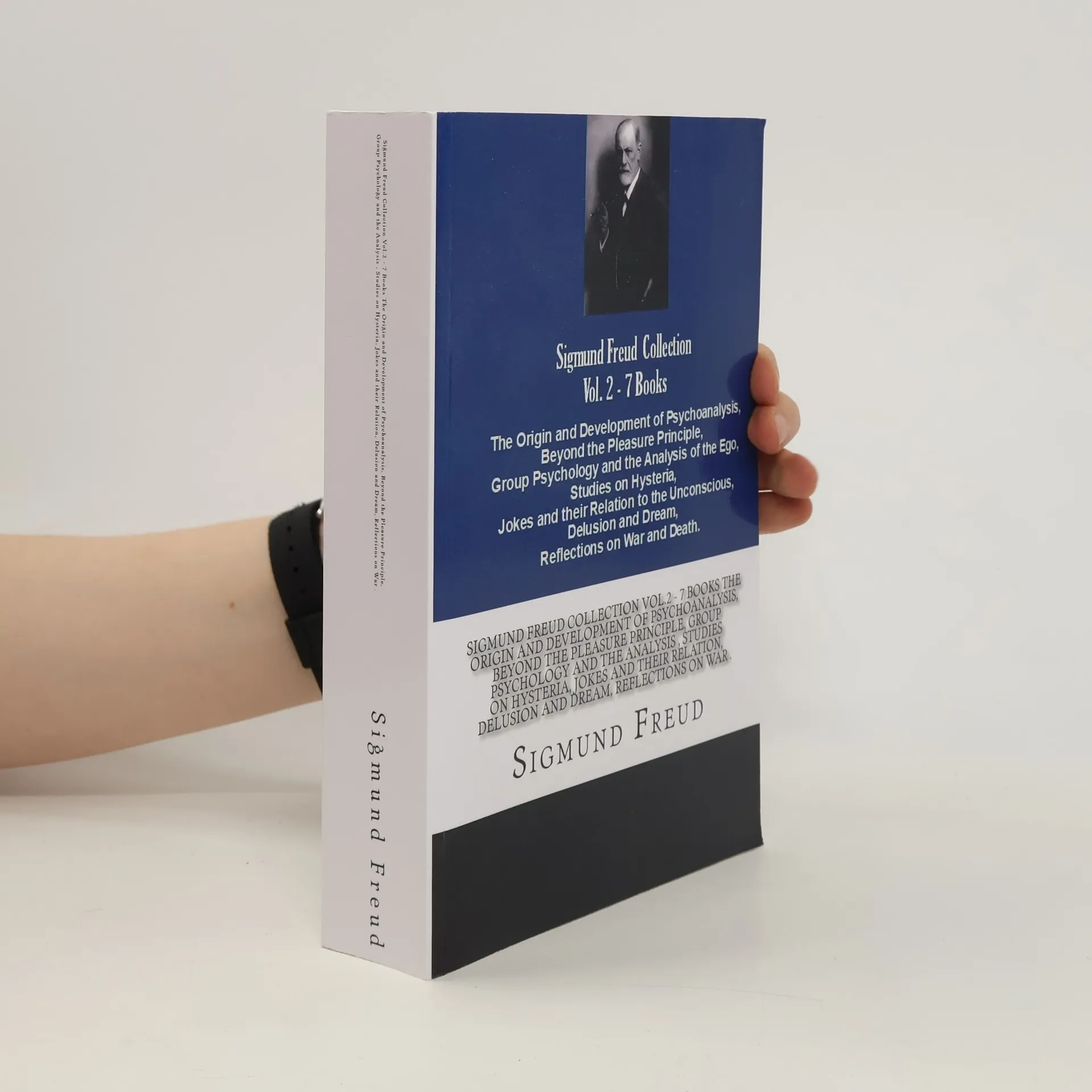
SIGMUND FREUDCOLLECTIONVOL. 2 - 7 BOOKS THE ORIGIN AND DEVELOPMENT OF PSYCHOANALYSIS BEYOND THE PLEASURE PRINCIPLE GROUP PSYCHOLOGY AND THE ANALYSIS OF THE EGO STUDIES ON HYSTERIA JOKES AND THEIR RELATION TO THE UNCONSCIOUS DELUSION AND DREAM REFLECTIONS ON WAR AND DEATHThis SECOND volume of the Freud Collection contains SEVEN classics of psychology and psychoanalysis by its father, Sigmund Freud. The books are among the first written by Freud, together for the first time in one comprehensive volume. These are the original authorized translations approved by the author, and are a wonderful study tool.The books included are:THE ORIGIN AND DEVELOPMENT OF PSYCHOANALYSIS BEYOND THE PLEASURE PRINCIPLE GROUP PSYCHOLOGY AND THE ANALYSIS OF THE EGO STUDIES ON HYSTERIA JOKES AND THEIR RELATION TO THE UNCONSCIOUS DELUSION AND DREAM REFLECTIONS ON WAR AND DEATH
Exploring the psychological dimensions of war and mortality, Freud delves into the human psyche's response to conflict and loss. He examines how these experiences shape individual and collective identities, reflecting on the interplay between instinctual drives and societal pressures. Freud's insights reveal the complexities of human emotions in the face of violence and death, offering a profound analysis of the impact of war on mental health and civilization. This work blends philosophy, psychology, and cultural criticism, making it a significant contribution to understanding human behavior in times of crisis.
SIGMUND FREUDCOLLECTIONVOL. 1 - SIX BOOKS 1. A General Introduction To Psychoanalysis (1920)2. Three Contributions To The Theory Of Sex (1905)3. Totem And Taboo (1913)4. Dream Psychology (1901)5. Leonardo Da Vinci (1910)6. Psychopathology Of Everyday Life (1904) (TRANSLATOR: G. Stanley Hall)This first volume of the Freud Collection contains Six amazing classics of psychology and psychoanalysis by its father, Sigmund Freud. The books are the main works of Freud, together for the first time in one comprehensive volume. These are the original authorized translations approved by the author, and are a wonderful study tool.The books included are:1. A General Introduction To Psychoanalysis2. Three Contributions To The Theory Of Sex3. Totem And Taboo4. Dream Psychology5. Leonardo Da Vinci6. Psychopathology Of Everyday Life
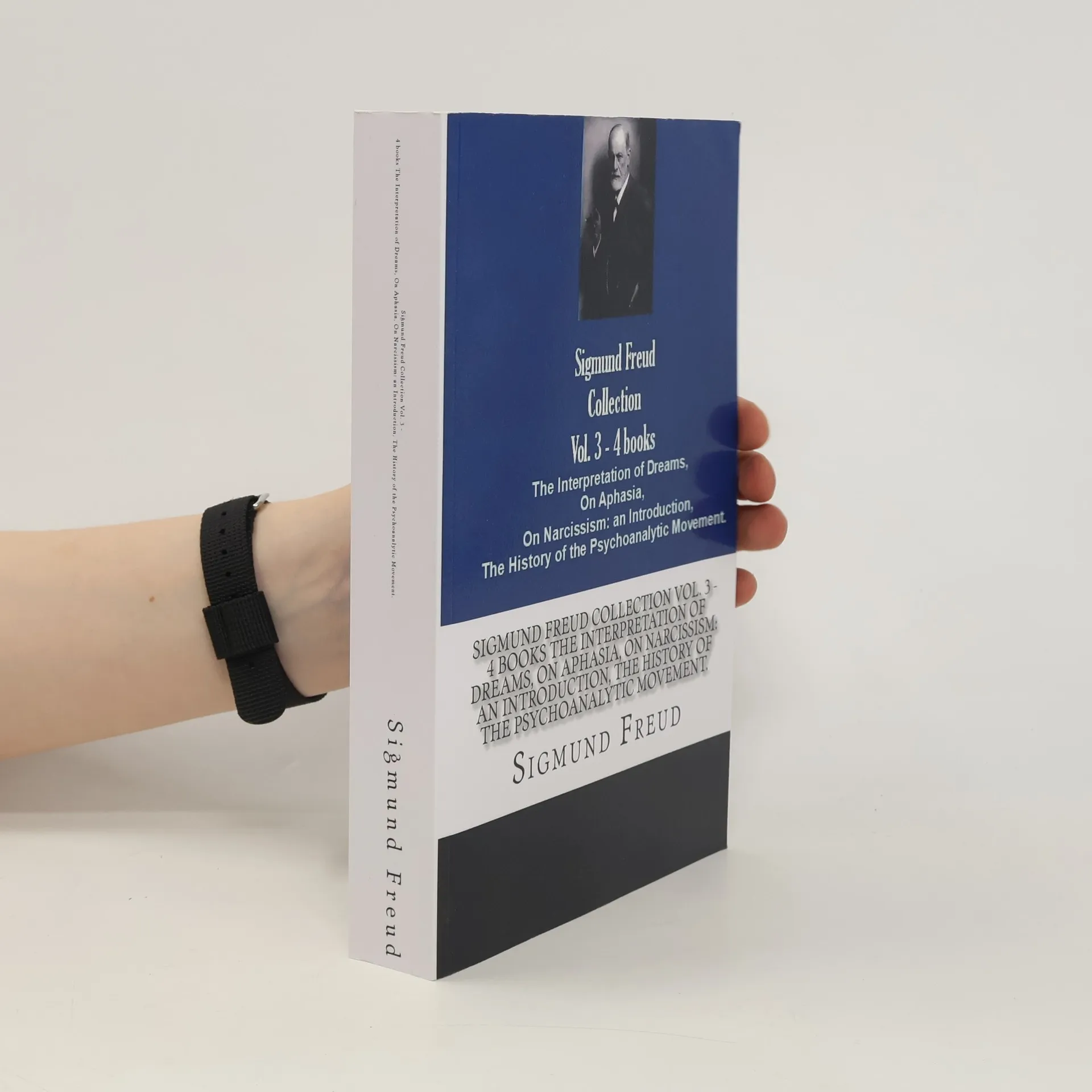
VOL. 3 - 4 BOOKS THE INTERPRETATION OF DREAMS ON APHASIA ON AN INTRODUCTION THE HISTORY OF THE PSYCHOANALYTIC MOVEMENT This THIRD volume of the Freud Collection contains FOUR classics of psychology and psychoanalysis by its father, Sigmund Freud, including one of his most important works, the Interpretation of Dreams, and his first published work, ON APHASIA. These are the original authorized translations approved by the author, and are a wonderful study tool. The books included THE INTERPRETATION OF DREAMS ON APHASIA ON AN INTRODUCTION THE HISTORY OF THE PSYCHOANALYTIC MOVEMENT
The diary entries of a young girl named Anna, penned between the ages of 11 and 14, offer a unique glimpse into her thoughts and experiences. Collected by Sigmund Freud in 1915, this work was presented to him by Anna's father, a patient of Freud's. The diary reflects the complexities of adolescence, revealing insights into the emotional and psychological development of a young girl during this transformative period.
Including 133 documents never before made public and 138 previously published only in part, this volume collects the complete correspondence of Freud to his closest friend during the period that saw the birth of psychoanalysis
Pre-Psycho-Analytic Publications andUnpublished Drafts (1886 - 1899)This collection of twenty-four volumes is the first full paperback publication of the standard edition of The Complete Psychological Works of Sigmund Freud in English'Hysteria' (1888)Papers on Hypnotism and Suggestion (1888-1892)Extracts from the Fliess Papers (1892-1899)Project for a Scientific Psychology (1895)
Collection of letters beginning in 1906, which shows the seven-year correspondence between Greud and Jung and documents the establishment of psychoanalysis in Vienna and Zurich and the spread of its ideas throughout the world
Swiss psychiatrist Ludwig Binswanger first met Freud when he accompanied Jung on a trip to Vienna. Through their subsequent correspondence, they became friends and great admirers of each others work. This definitive collection of their lively exchanges will be an invaluable resource to both clinicians and those interested in the history of psychoanalysis.
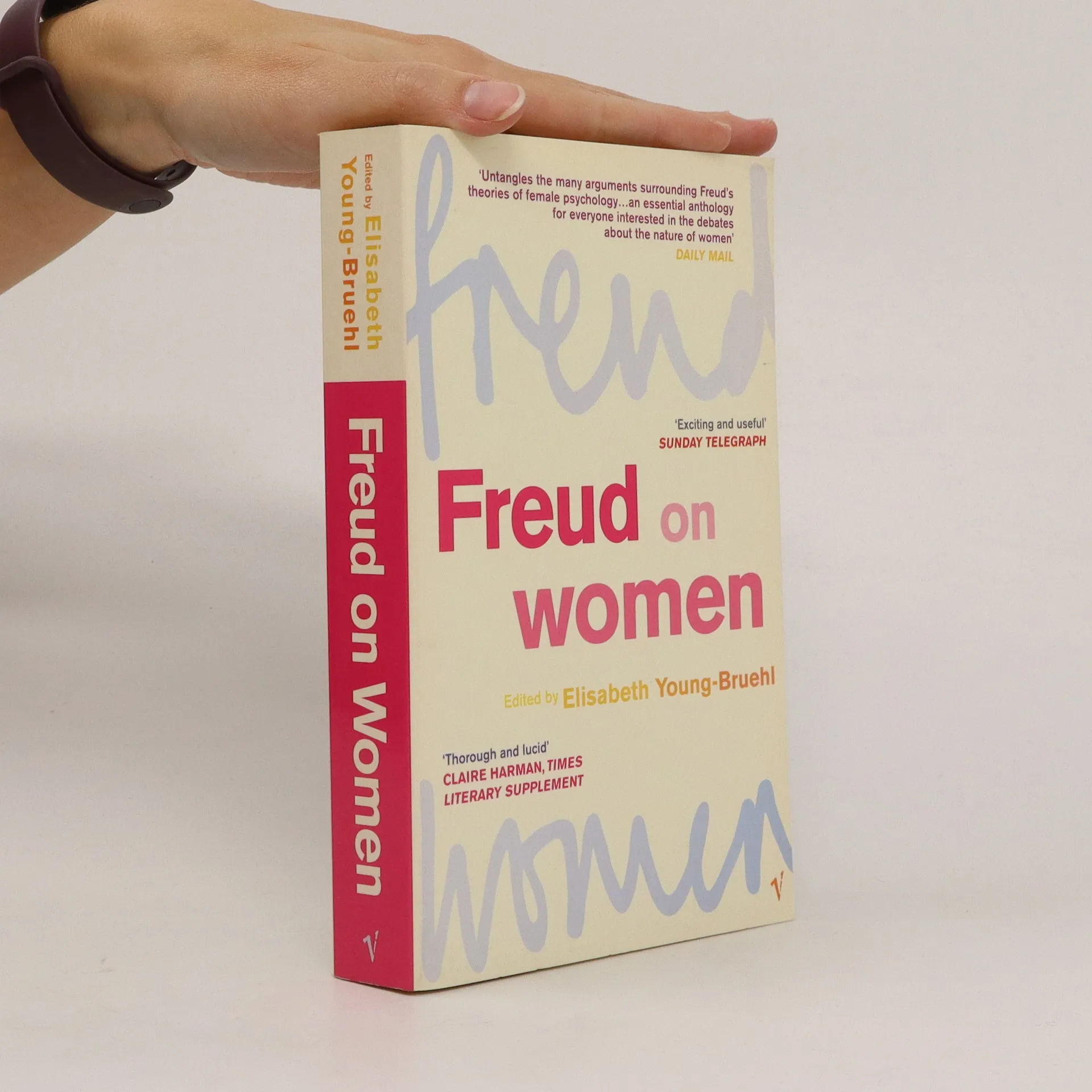
"This collection contains Freud's most significant statements on women, taken form letters as well as published work, presenting a clear, accessible view of the progress of his though and his own struggle for understanding and coherence. Elisabeth Young Bruehl untangles the arguments, relating Freud's ideas on women, and on bi-sexuality to his clinical practice and broader theory, while the annotated bibliography traces the later disputes. REUD ON GIRLS- They go through an early age in which they envy their brothers their signs of masculinity and feel at a disadvantage and humiliated because of the lack of it... REUD ON WOMEN- At one time (in a matriarchal society) the woman may have been the dominant partner. In this way, like the defeated deities, she acquires demonic properties.. ND ON HIMSELF- My mother was nowhere to be found I was crying in despair. My brother Philip unlocked a wardrobe for me, and when I did not find my mother within it either, I cried even more until, slender and beautiful she came through the door. What can this mean?"
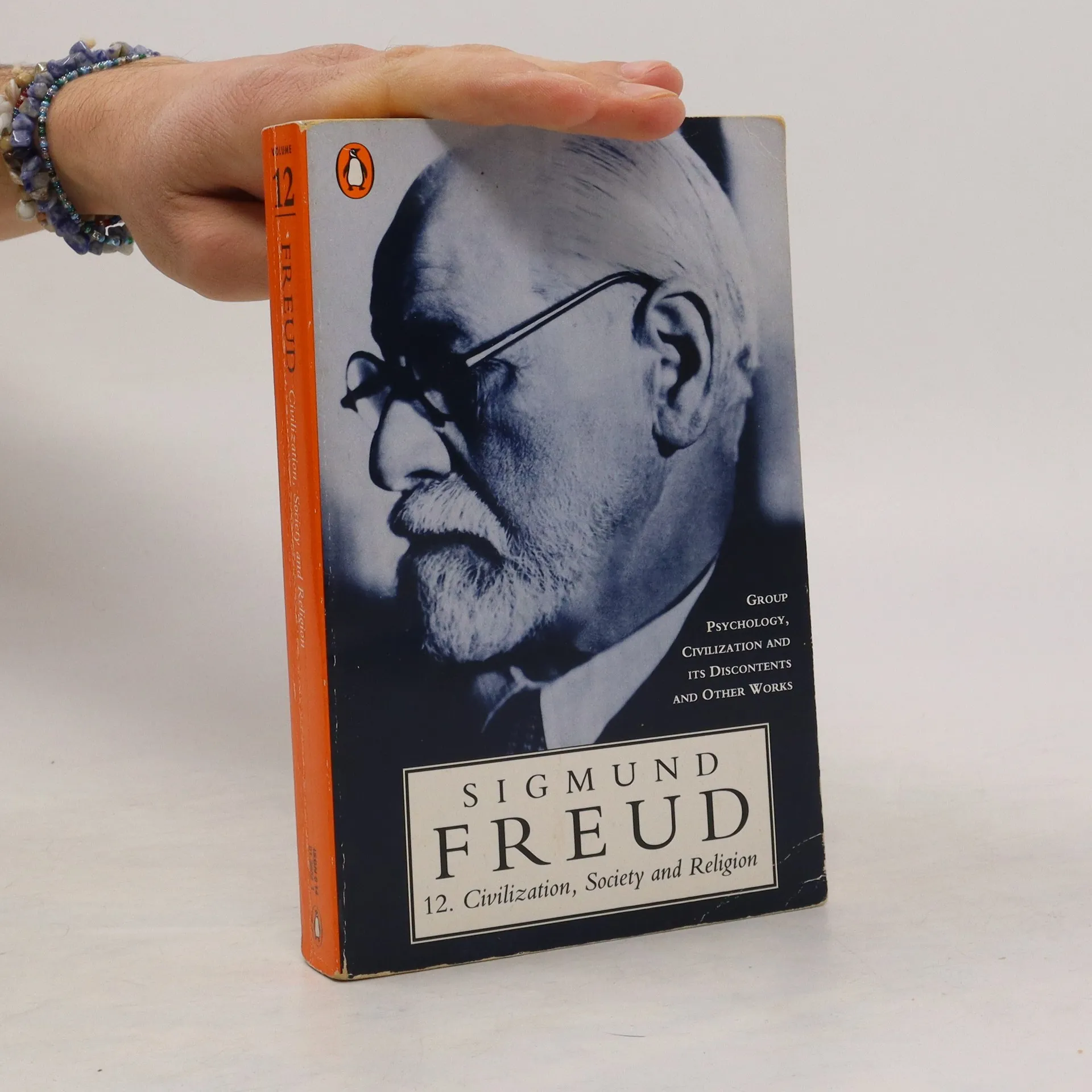
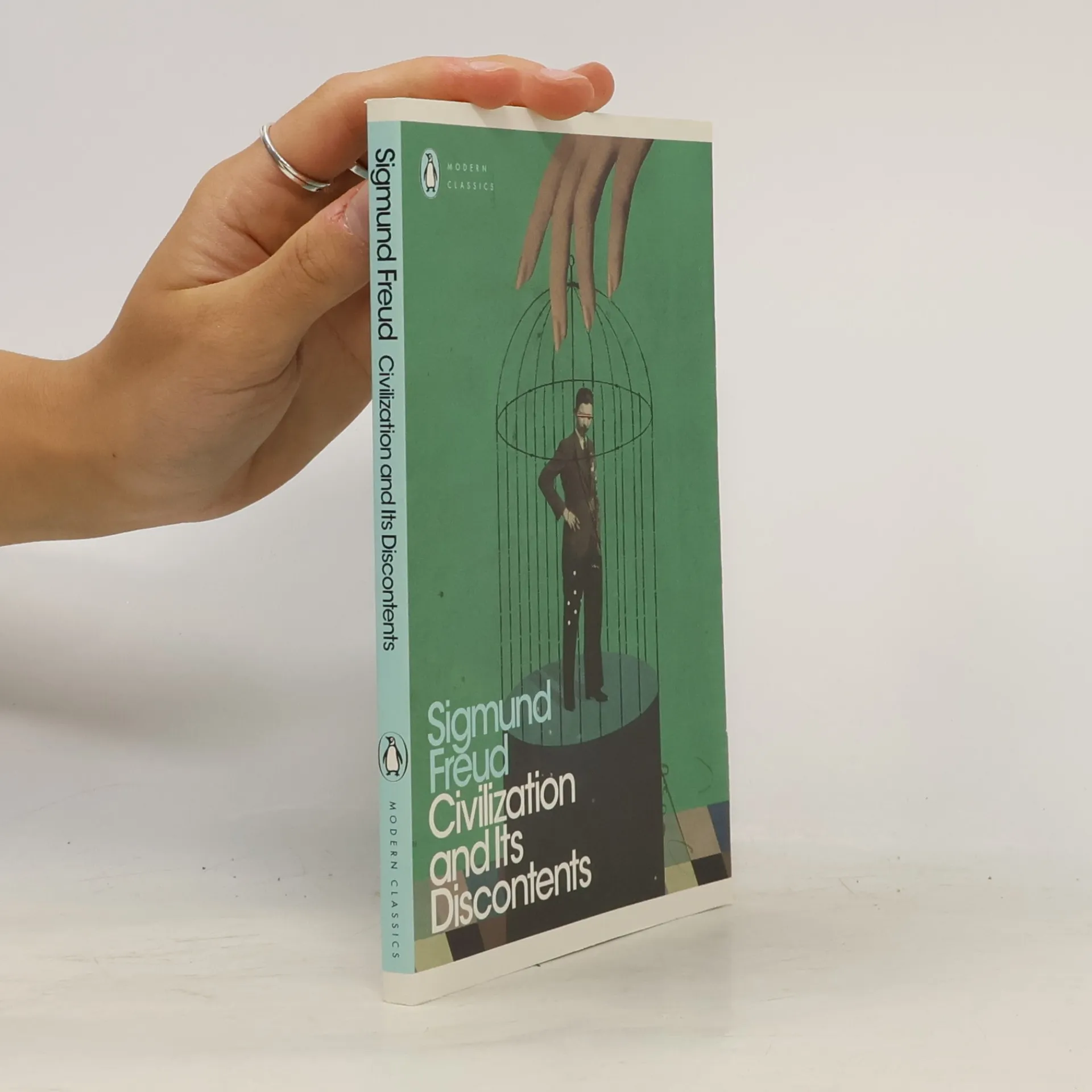
Exploring fundamental questions about human society, this work by Sigmund Freud delves into the tensions between individual desires and societal expectations. First published in 1929, it examines the discontent arising from cultural constraints and the struggle for personal fulfillment within civilization. Freud's insights into the psychological underpinnings of social structures offer a profound critique of modern life and its inherent conflicts.
Freud approved the overall editorial plan, specific renderings of key words and phrases, and the addition of valuable notes, from bibliographical and explanatory. Many of the translations were done by Strachey himself; the rest were prepared under his supervision. The result was to place the Standard Edition in a position of unquestioned supremacy over all other existing versions.Newly designed in a uniform format, each new paperback in the Standard Edition opens with a biographical essay on Freud's life and work--along with a note on the individual volume--by Peter Gay, Sterling Professor of History at Yale.
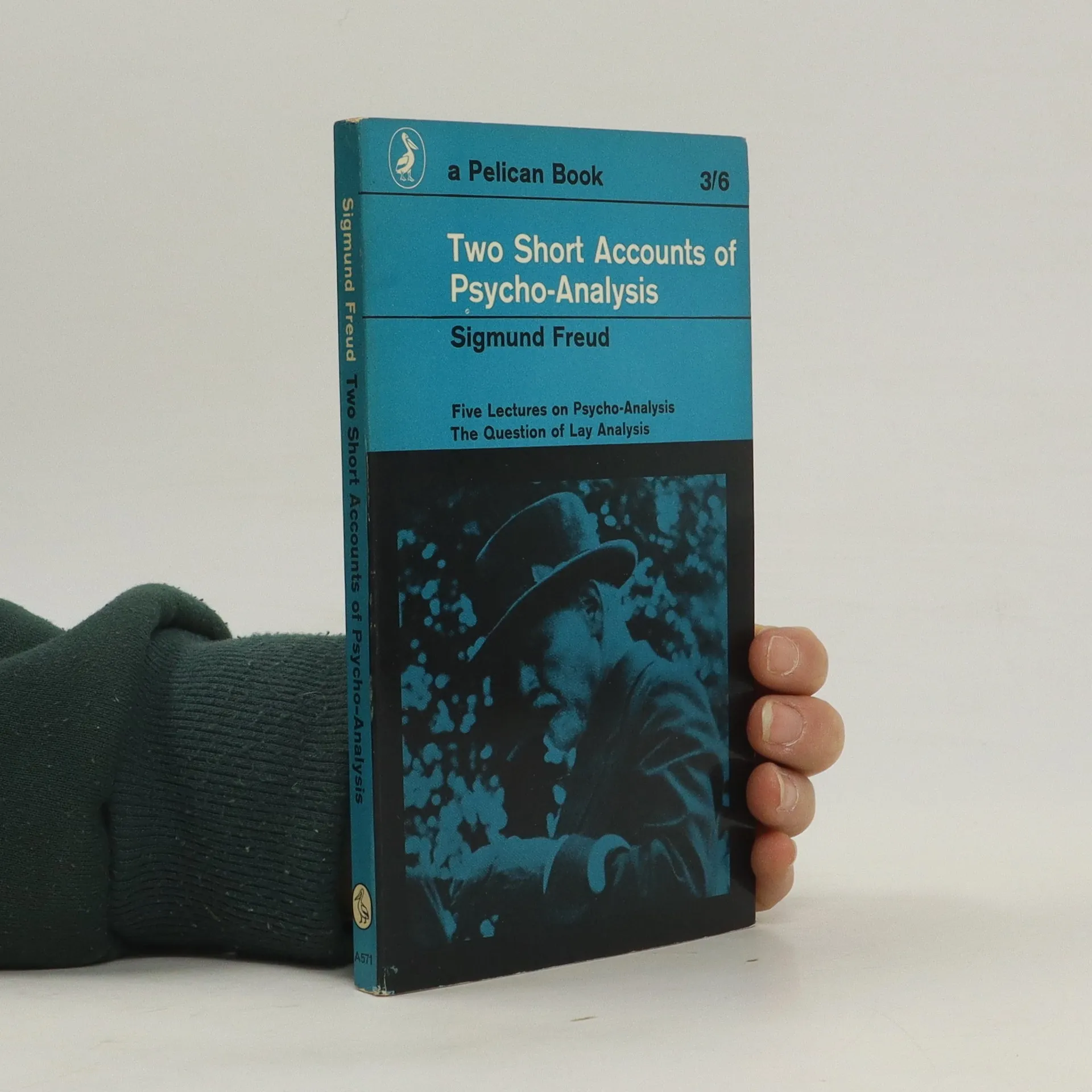
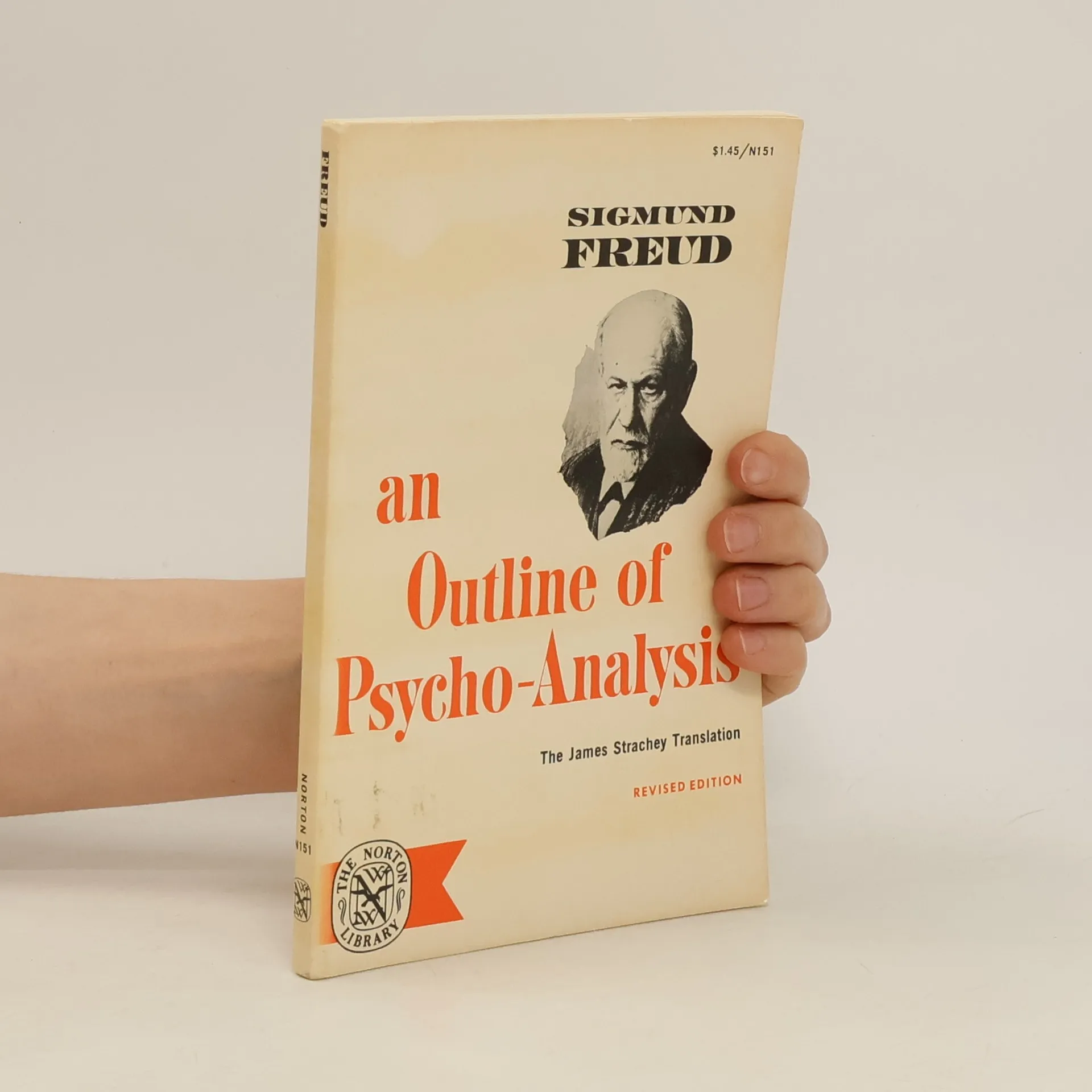
These two short accounts, written respectively in 1909 and 1926, are a good introduction to psychoanalysis for the general reader, for whom they were originally prepared.
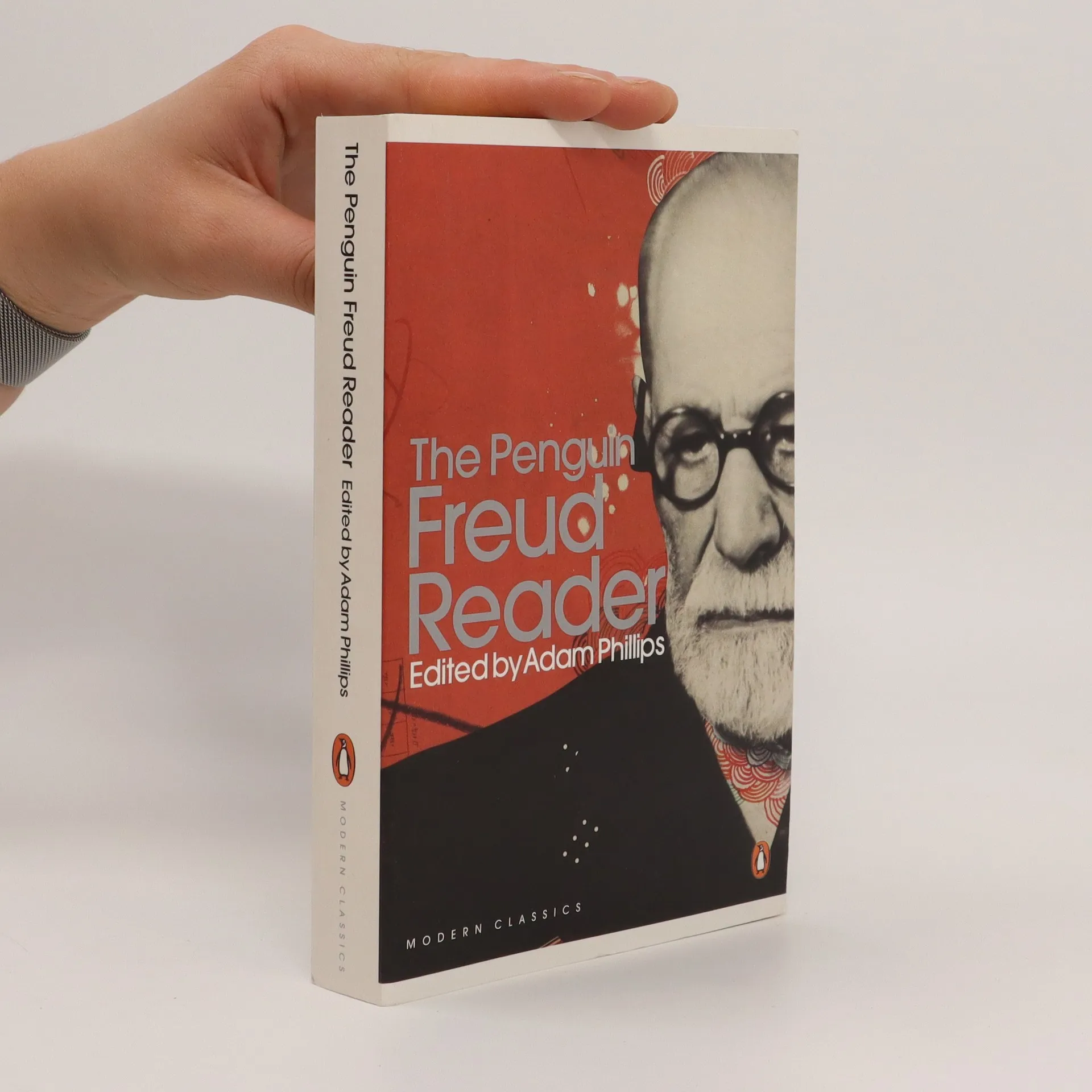
Here are the essential ideas of psychoanalytic theory, including Freud's explanations of such concepts as the Id, Ego and Super-Ego, the Death Instinct and Pleasure Principle, along with classic case studies like that of the Wolf Man.Adam Phillips's marvellous selection provides an ideal overview of Freud's thought in all its extraordinary ambition and variety. Psychoanalysis may be known as the 'talking cure', yet it is also and profoundly, a way of reading. Here we can see Freud's writings as readings and listenings, deciphering the secrets of the mind, finding words for desires that have never found expression. Much more than this, however, The Penguin Freud Reader presents a compelling reading of life as we experience it today, and a way in to the work of one of the most haunting writers of the modern age.
"Civilized" Sexual Morality and Modern Nervous Illness, Vol. IX (1959); Thoughts for the Times on War and Death, Vol. XIV (1957); Group Psychology and the Analysis of the Ego, Vol.XVIII (1955); The Future of an Illusion, Civilization and its Discontents, Vol. XXI (1961); Why War?, Vol. XXII (1964).
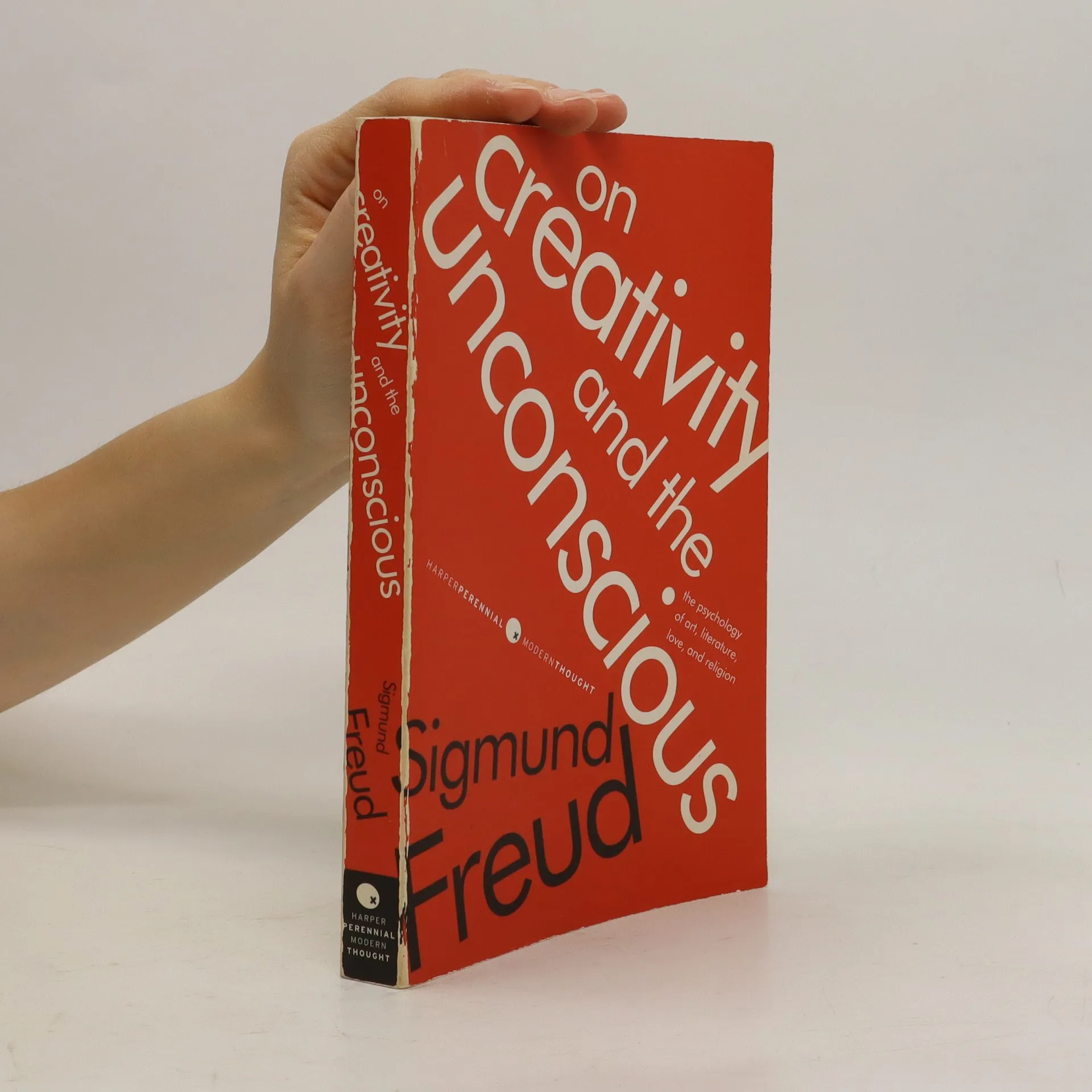
On Creativity and the Unconscious brings together Freud's important essays on the many expressions of creativity—including art, literature, love, dreams, and spirituality. This diverse collection includes "The 'Uncanny,'" "The Moses of Michelangelo," "The Psychology of Love," "The Relation of the Poet to Day-Dreaming," "On War and Death," and "Dreams and Telepathy."
Freud was fascinated by the mysteries of creativity and the imagination. The groundbreaking works that comprise The Uncanny present some of his most influential explorations of the mind. In these pieces Freud investigates the vivid but seemingly trivial childhood memories that often "screen" deeply uncomfortable desires; the links between literature and daydreaming; and our intensely mixed feelings about things we experience as "uncanny." Also included is Freud's celebrated study of Leonardo Da Vinci-his first exercise in psychobiography. For more than seventy years, Penguin has been the leading publisher of classic literature in the English-speaking world. With more than 1,700 titles, Penguin Classics represents a global bookshelf of the best works throughout history and across genres and disciplines. Readers trust the series to provide authoritative texts enhanced by introductions and notes by distinguished scholars and contemporary authors, as well as up-to-date translations by award-winning translators.
These works were written against a background of war and racism. Freud sought the sources of conflict in the deepest memories of humankind, finding clear continuities between our 'primitive' past and 'civilized' modernity. In Totem and Taboo he explores institutions of tribal life, tracing analogies between the rites of hunter-gatherers and the obsessions of urban-dwellers, while Mourning and Melancholia sees a similarly self-destructive savagery underlying individual life in the modern age, which issues at times in self-harm and suicide. And Freud's extraordinary letter to Einstein, Why War? - rejecting what he saw as the physicist's naïve pacifism - sums up his unsparing view of history in a few profoundly pessimistic, yet grimly persuasive pages.
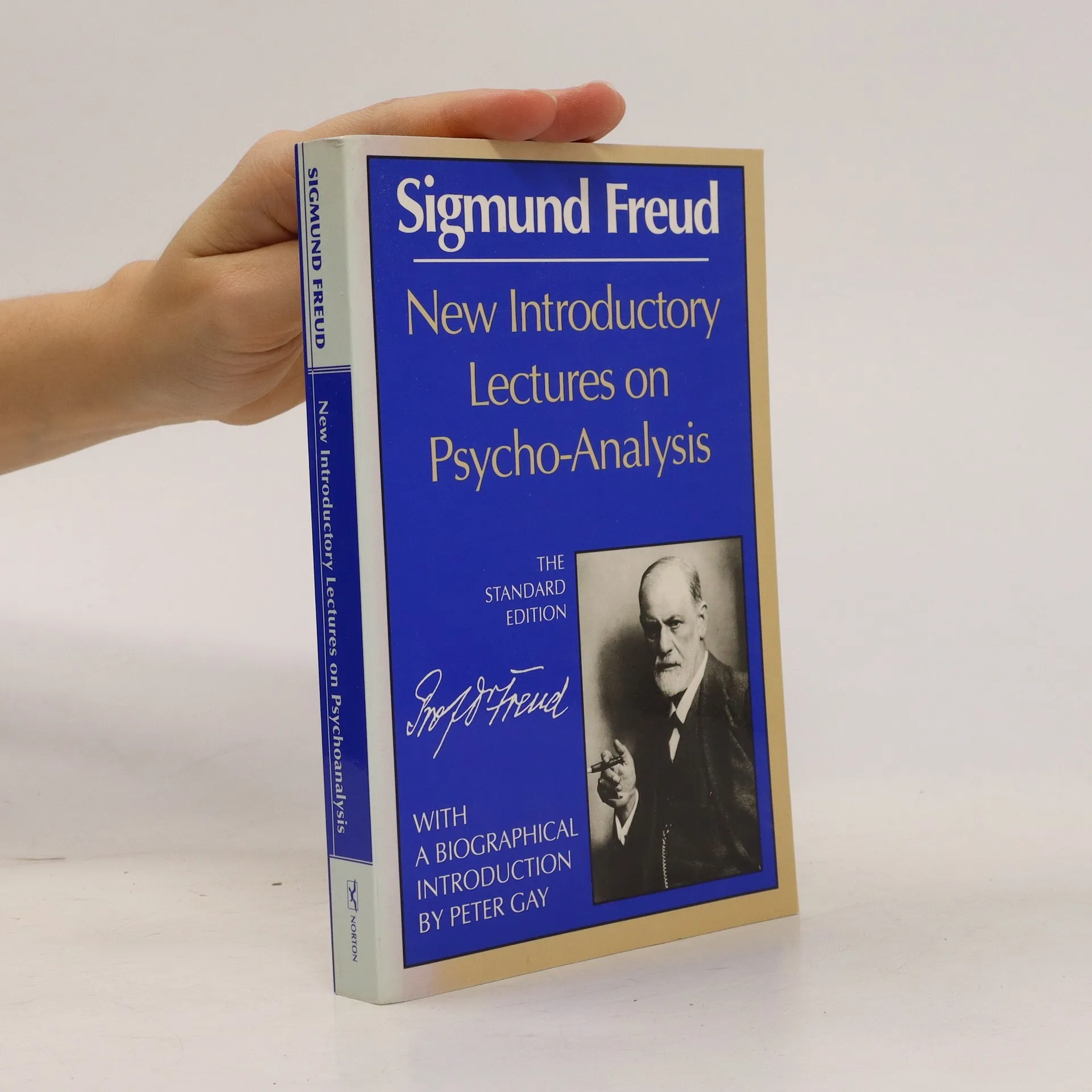
"Patterned on his eminently successful Introductory Lectures on Psycho-Analysis, Freud's New Introductory Lectures on Psycho-Analysis takes full account of his elaborations in, and changes of mind about, psychoanalytic theory, and discusses a variety of central and controversial themes, including anxiety, the drives, occultism, female sexuality, and the question of a Weltanschauung. It serves as an indispensable companion to the Introductory Lectures." -- Back cover.
Distilled into one volume by his daughter Anna, this volume of Freud's writings constitutes a key to the understanding of his work. It includes The Question of Lay Analysis, Three Essays on the Theory of Sexuality, On Dreams, The Ego and the Id, Beyond the Pleasure Principle and 15 shorter pieces. Together, they provide a comprehensive picture of all the central Freudian concepts, and how they connect up to make one of the most challenging bodies of thought of the 20th century.
"In his final years, Freud devoted most of his energies to a series of highly ambitious works on the broadest issues of religion and society. As early as 1908, he produced a powerful paper on the repressive hypocrisy of 'civilized sexual morality', and its role in 'modern nervous illness'. Deepening this analysis in Civilization and Its Discontents, he argues that civilized values - and the impossible ideals of Christianity - inevitably distort our natural aggression and impose a terrible burden of guilt. It is also here that Freud developed his last great theoretical innovation: the strange and haunting notion of an innate death drive, locked in a constant struggle with the forces of Eros."--Publisher website
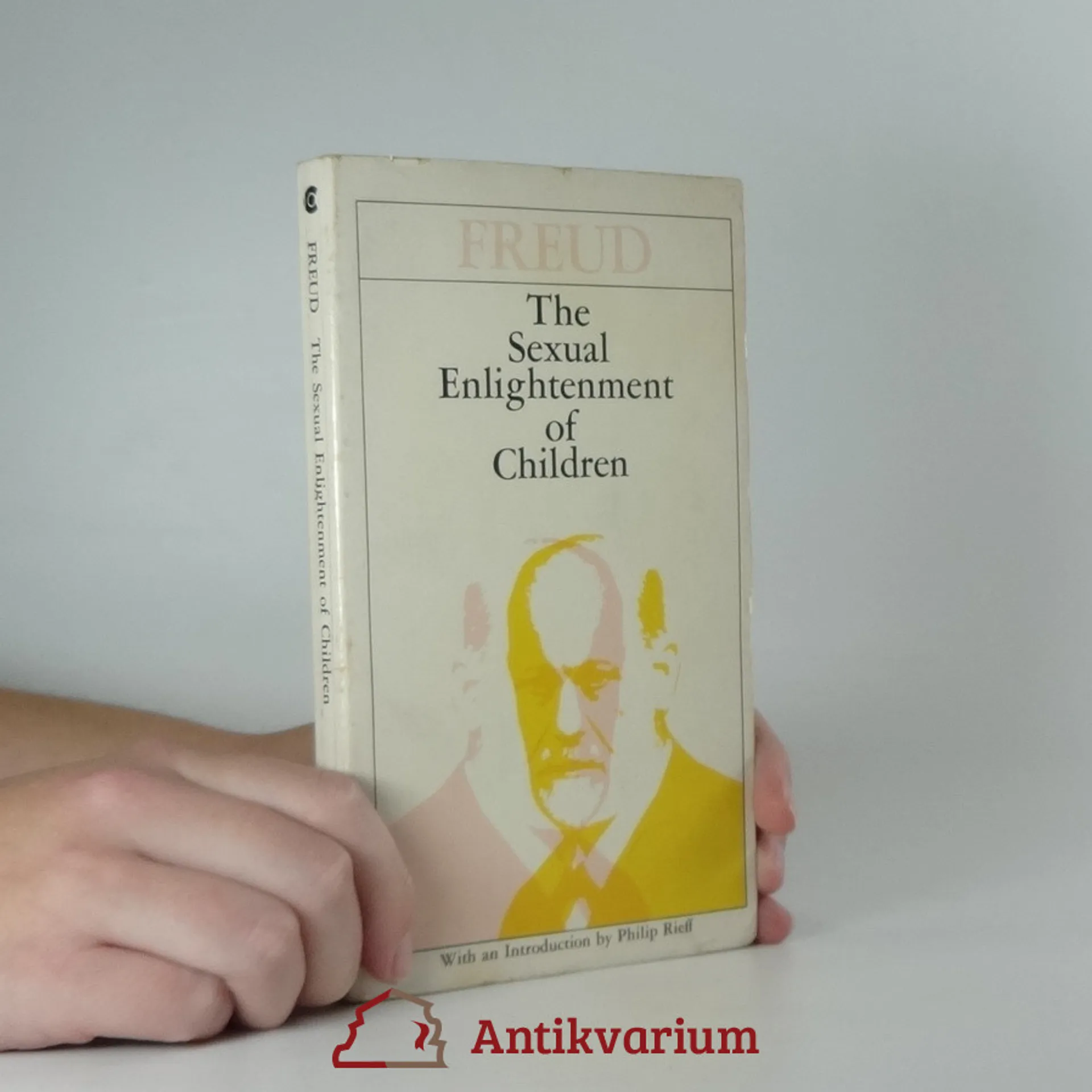
"The new-born infant brings sexuality with it into the world."One of the many idea with which Freud startles the world was that even very young children are aware of sexual impulses and occupied with sexual problems. Furthermore, he said, neuroses in adults stem from the sexual fears and frustrations experienced at an early age. The essays collected here show how Freud developed that theory by exploring the mental life of children, their sexual fantasies and phobias. A famous and frequently amusing case history, that of "Little Hans," reveals how Freud cured a small boy of his fear that a horse—a symbol for his father—would castrate him. Other papers describe the sexual awareness of children, the fantasies they make up to account for their birth, their erotic daydreams about their parents, and the love-motives behind the lies they tell. In all these writings Freud is witty, incisive, and refreshingly frank as he explains the dangers of ignoring or abusing a child's sexual curiosity.
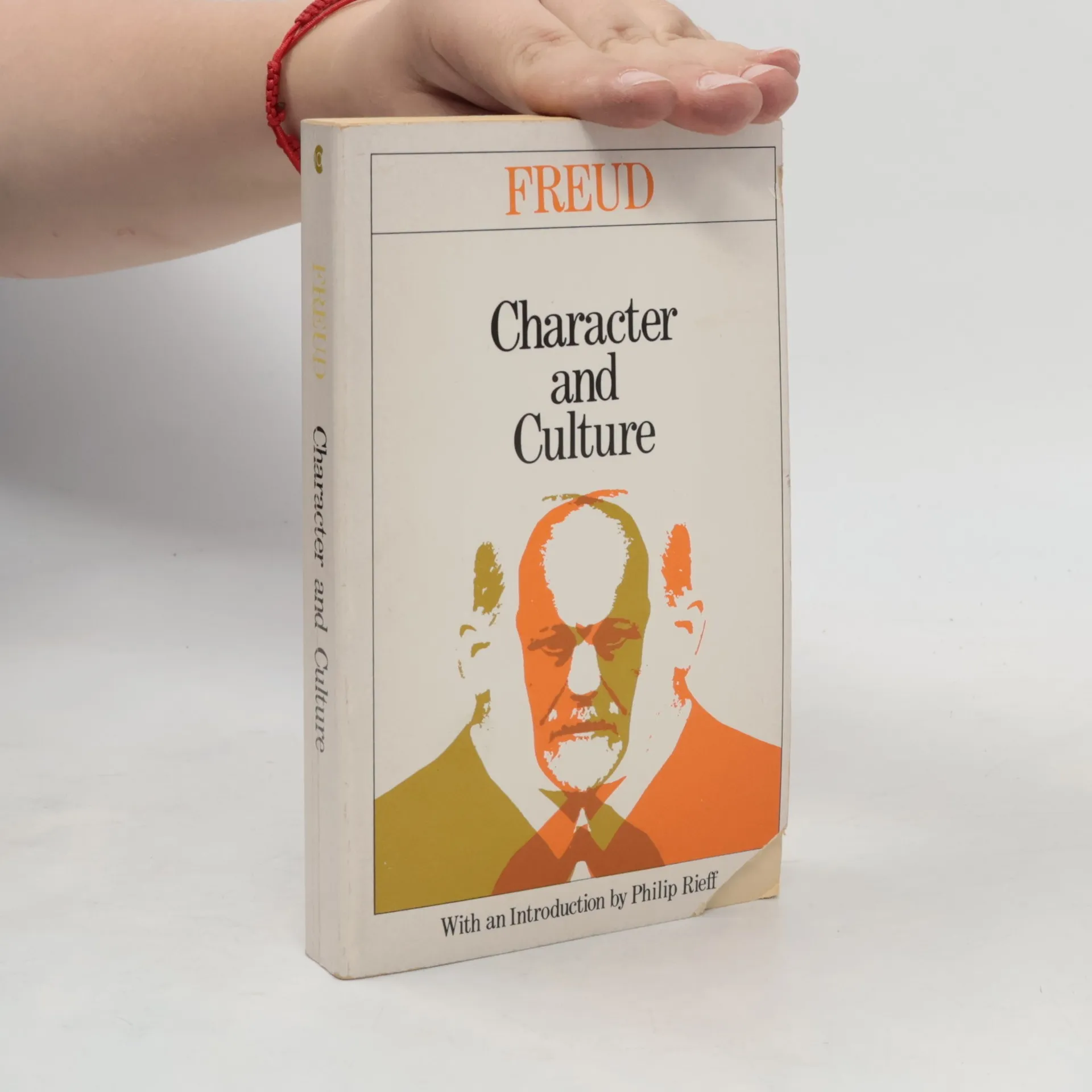
In the manner of the eighteenth-century philosopher, Freud argued that religion and science were mortal enemies. Early in the century, he began to think about religion psychoanalytically and to discuss it in his writings. The Future of an Illusion (1927), Freud's best known and most emphatic psychoanalytic exploration of religion, is the culmination of a lifelong pattern of thinking.
Setting forth in rich detail Freud's new theory of anxiety, Inhibitions, Symptoms and Anxiety (1926) is evidence for one of them. In rethinking his earlier work on the subject, Freud saw several types of anxiety at work in the mind and here argues that anxiety causes repression, rather than the other way around.
Of the various English translations of Freud's major works to appear in his lifetime, only one was authorized by Freud himself: The Standard Edition of the Complete Psychological Works of Sigmund Freud under the general editorship of James Strachey.
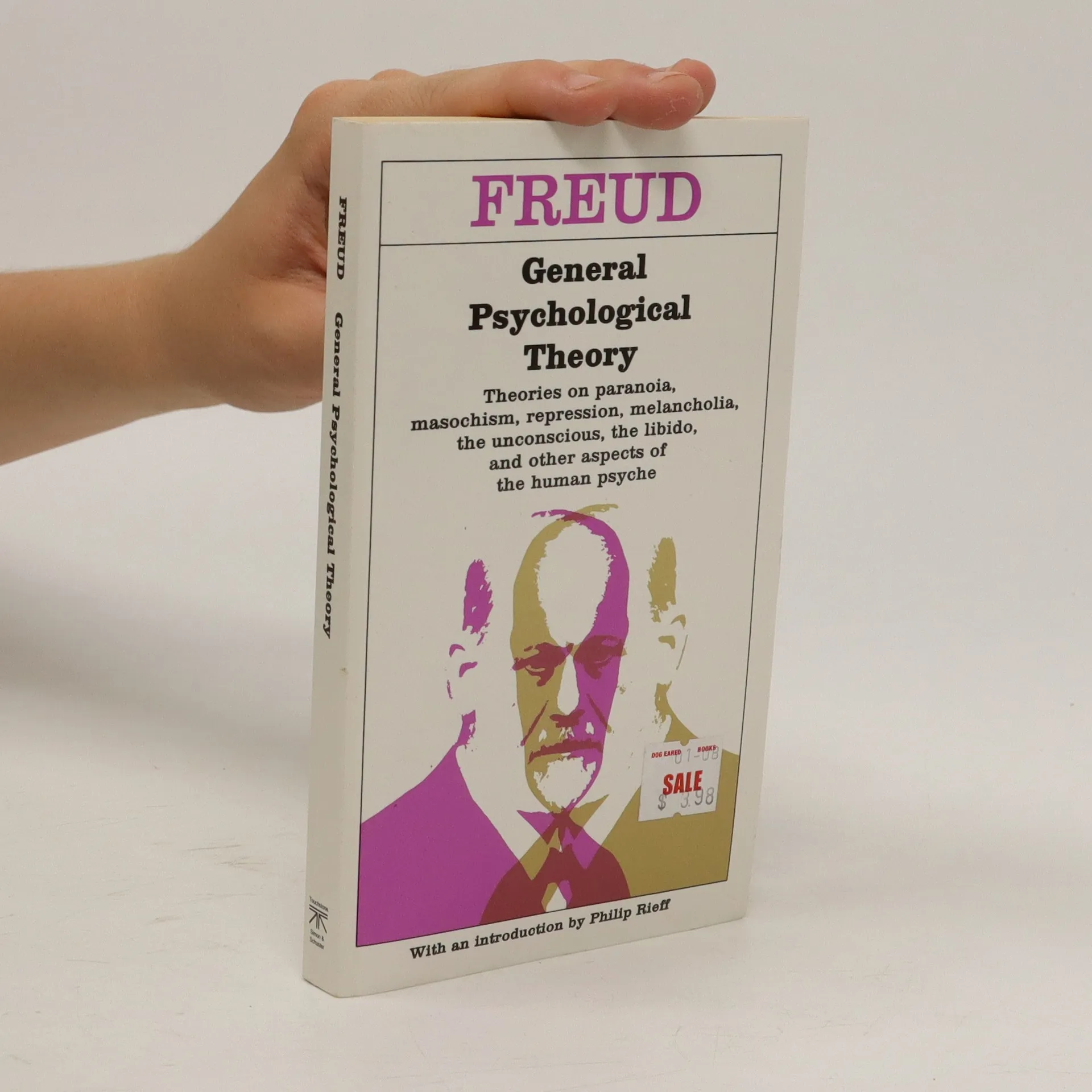
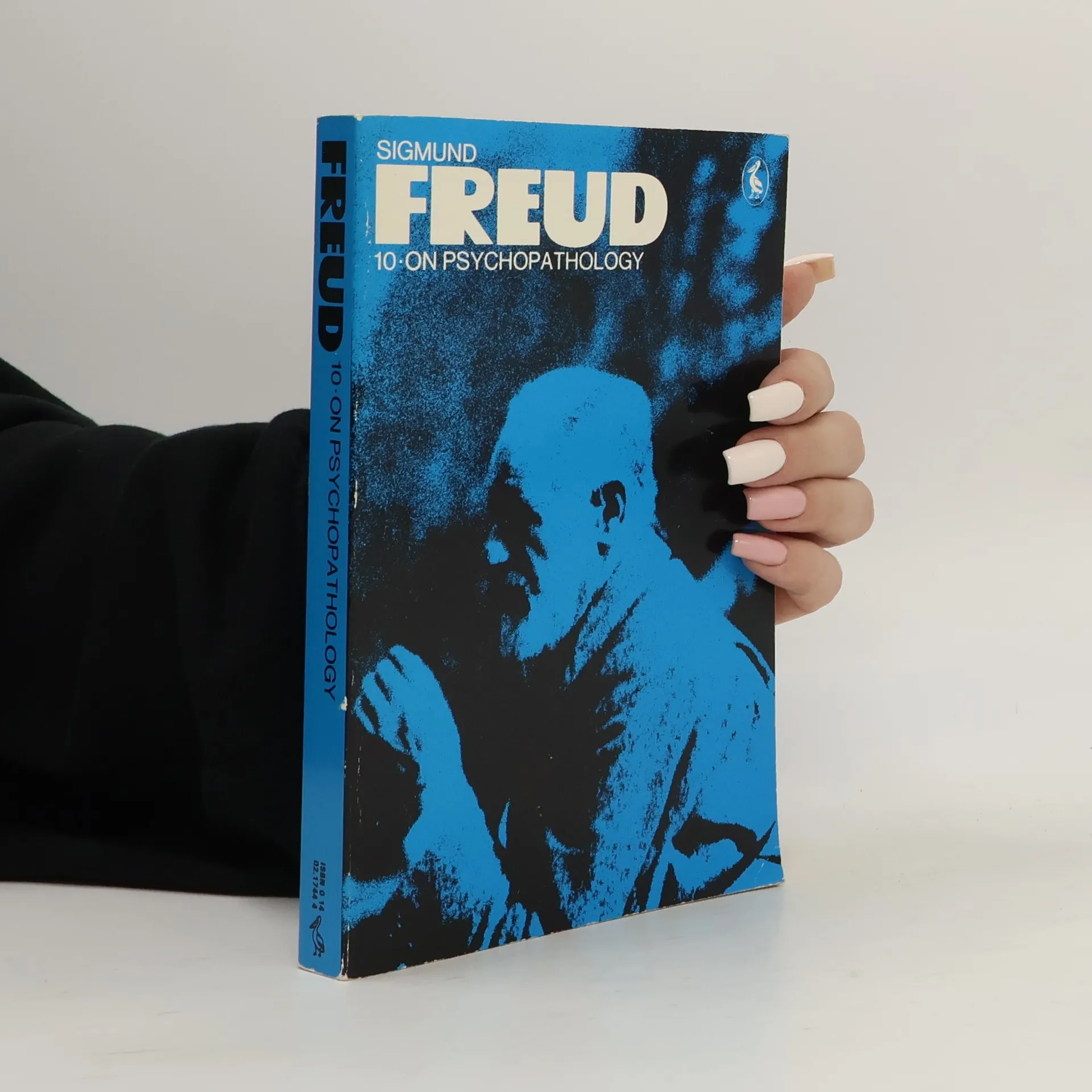
One of Freud's central achievements was to demonstrate how unacceptable thoughts and feelings are repressed into the unconscious, from where they continue to exert a decisive influence over our lives.This volume contains a key statement about evidence for the unconscious, and how it works, and major essays on the fundamentals of mental functioning. Freud explores how we are torn between the pleasure principle and the reality principle, how we often find ways both to express and to deny what we most fear, and why people so often need fetishes for their sexual satisfaction. These studies brilliantly illuminate our most basic drives and how they are transformed.
Die zwischen 1884 und 1887 veröffentlichten Kokain-Schriften Freuds zählen zu seinen Frühwerken und entstanden in einer krisenhaften Lebensphase. Der junge Arzt, dessen berufliche Existenz noch unsicher war, suchte nach einer Möglichkeit, sich schnell einen Namen zu machen, um sich niederzulassen und zu heiraten. Er begann, mit dem damals wenig bekannten Alkaloid Kokain Experimente an sich selbst und anderen durchzuführen und setzte es bei Patienten zur Bekämpfung von Schwäche- und Verstimmungszuständen sowie zur Morphiumentziehung ein. Zunächst schien dies erfolgreich, doch bald wurde ihm vorgeworfen, die süchtig machenden Eigenschaften des Kokains nicht erkannt zu haben. Freud betrachtete seine Kokain-Veröffentlichungen später kritisch und bezeichnete sie als „Jugendsünden“. In der Sekundärliteratur werden sie als umstritten diskutiert. Einige Autoren sehen in Freuds Selbstversuchen Vorstudien zur späteren Selbstanalyse, während andere ihn als einen der Begründer der modernen Psychopharmakologie betrachten. In jüngster Zeit gab es jedoch vehemente Kritiken an seiner wissenschaftlichen Solidität und klinischen Vorgehensweise. Der Medizinhistoriker Albrecht Hirschmüller hat die verstreuten und teils unveröffentlichten Kokain-Schriften kritisch ediert und den historischen Kontext sorgfältig rekonstruiert, um dem Leser zu ermöglichen, ein ausgewogenes Urteil zu fällen.
Freud rarely treated psychotic patients or, indeed psychoanalyzed people from their writings, but he had a powerful and imaginative understanding of their condition - revealed, most notably, in this analysis of a remarkable memoir. In 1903, Judge Daniel Paul Schreber, a highly intelligent and cultured man, produced a vivid account of a nervous illness dominated by the desire to become a woman, terrifying delusions about his doctor and a belief in his own special relationship with God. Eight years later, Freud's penetrating insight uncovered the unacceptable impulses and feelings Schreber had about his father, which underlay his extravagant symptoms. Yet he also demonstrated the link with more normal patterns of psychosexual development - and the human tendency to transform love into hate.
The founder of modern psychiatry, Sigmund Freud powerfully believed that conscious decisions are underpinned by a guiding subconscious that can be understood only by analysis. Taken from one of his most important works, The Psychopathology of Everyday Life, published in a new translation by Penguin Modern Classics, this volume explores why we forget, how we remember and why our memories can sometimes prove deceptive.
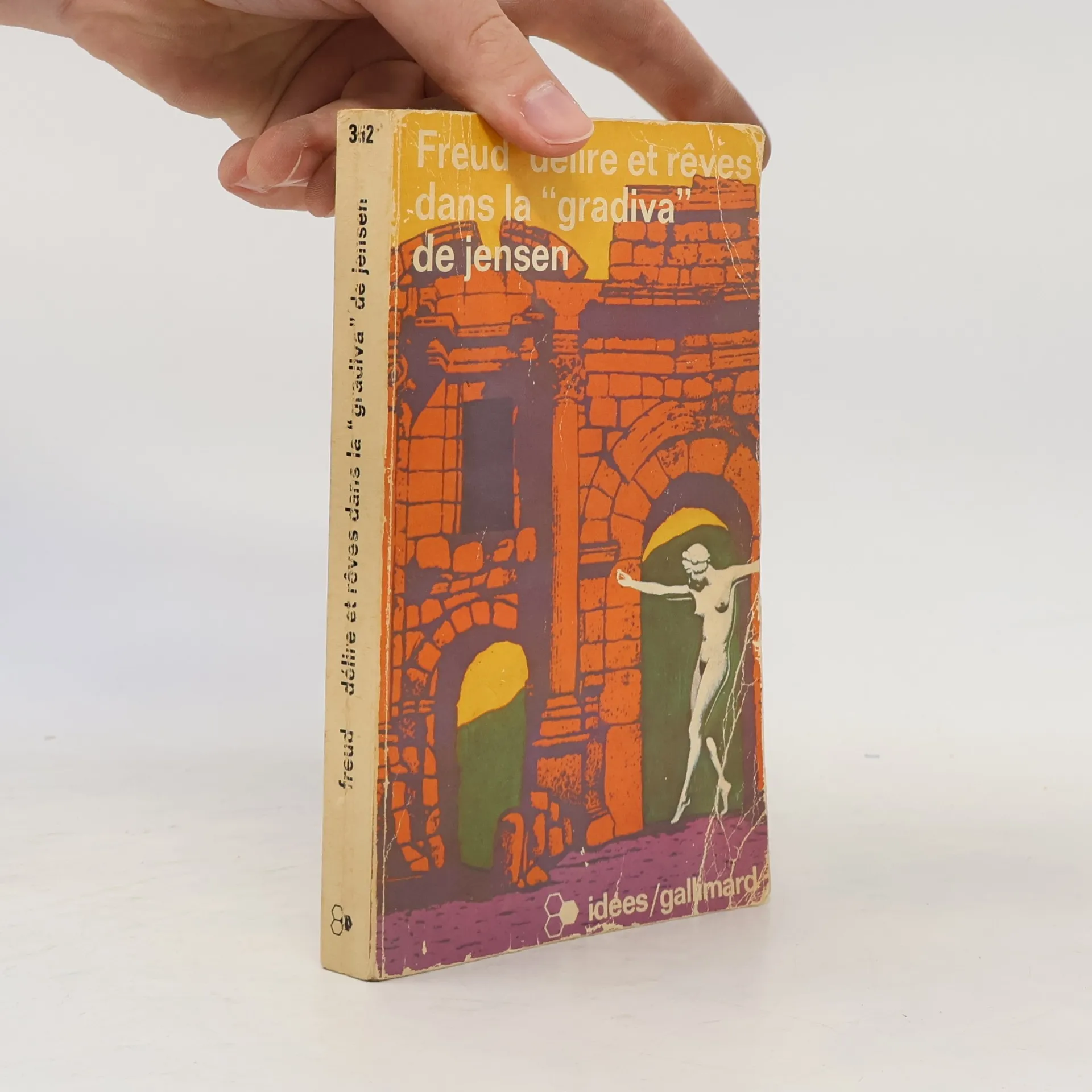
The collection features essays originally authored by Wilhelm Jensen, exploring the intricate relationship between dreams and delusions. Sigmund Freud, the renowned neurologist and psychoanalysis pioneer, provides insightful analysis and interpretation of Jensen's work, delving into the psychological implications of dreams. This compilation offers a unique perspective on the human psyche, blending literary analysis with psychoanalytic theory.
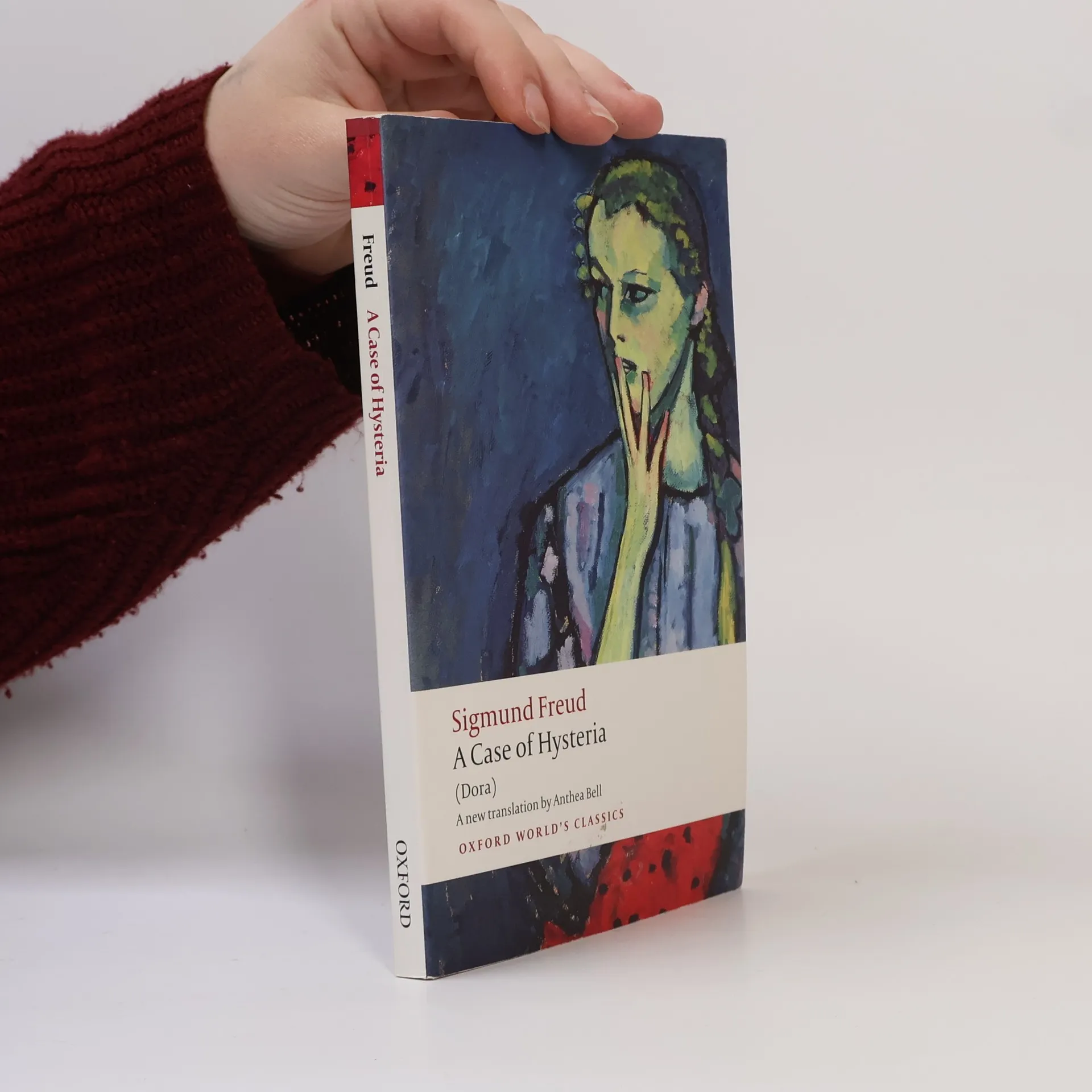
A collection of Freud's major texts on love, human relations and loss, including - 'On Female Sexuality', 'A Child is Being Beaten', 'Three Essays on the Sexual Theory' and the case history 'Dora'
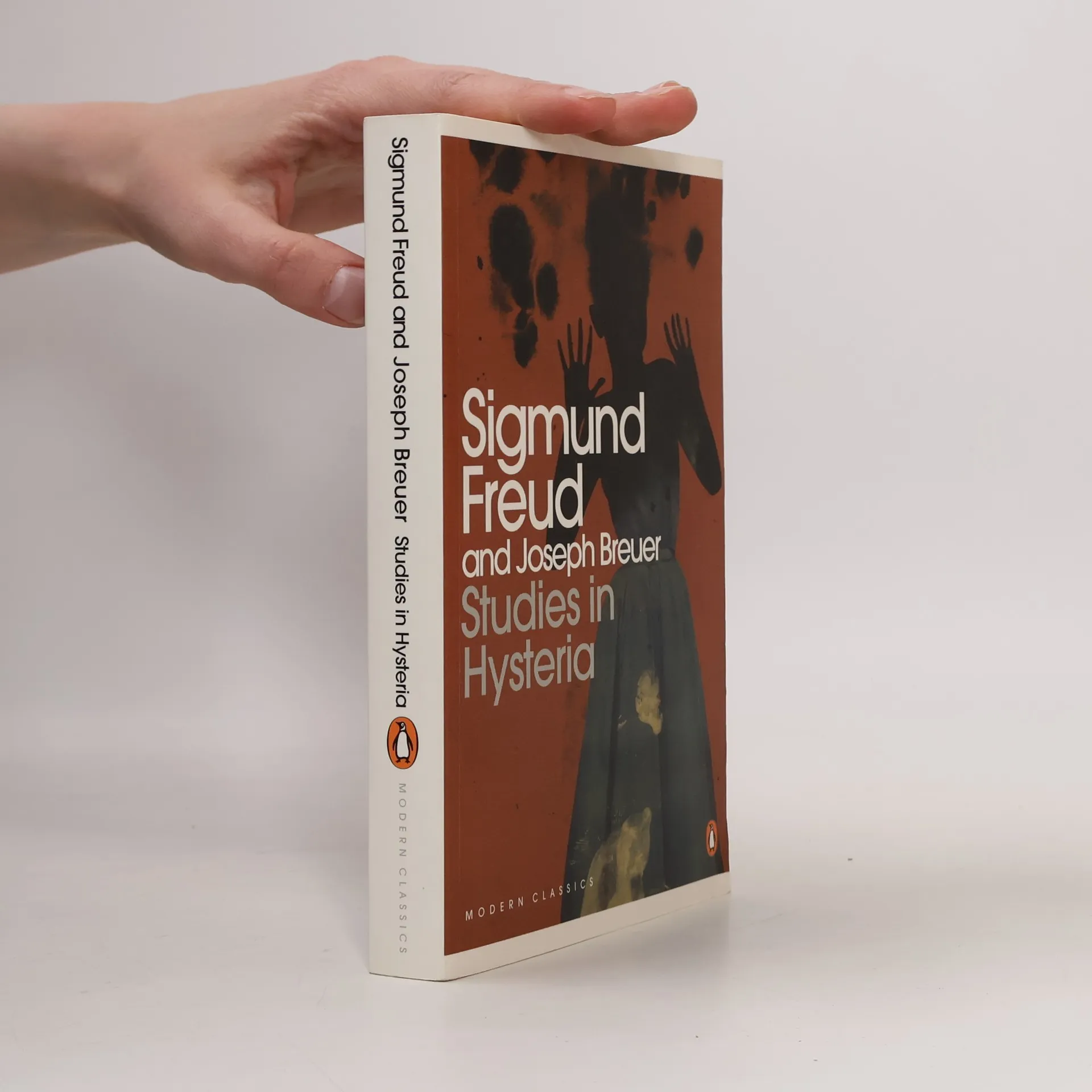
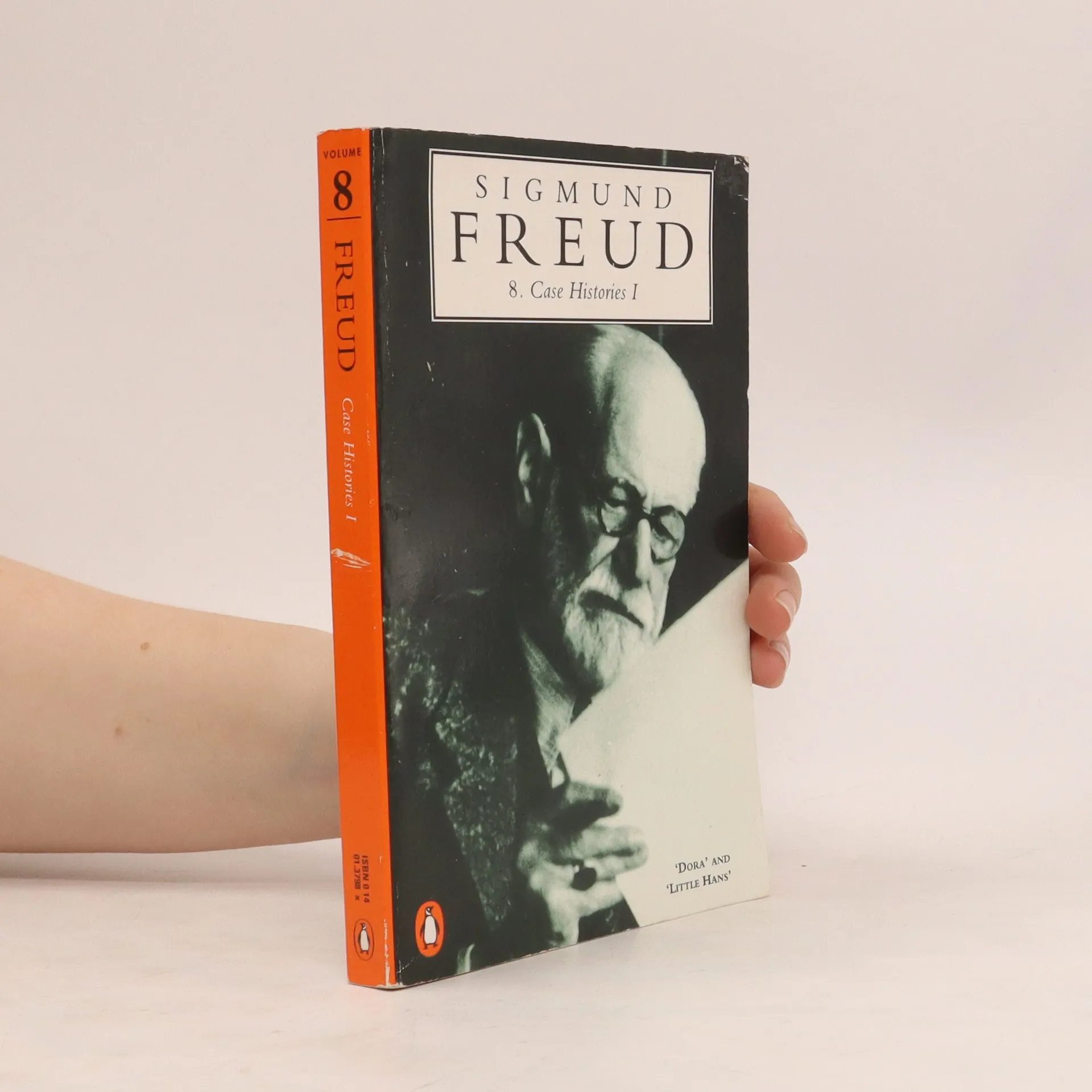
A Case of Hysteria reveals how Freud dealt with patients and interpreted their statements. A crucial text in the development of his theories, it is famous for its literary qualities, and the story of 'Dora' and her unhappy family is as dramatic as a modern novel. This new translation includes a fascinating introduction to the work.
The book is a reproduction of a historical work, published by Megali, which specializes in creating large print editions. This initiative aims to enhance accessibility for readers with impaired vision, ensuring that important texts are available to a wider audience.
Exploring the thin line between normalcy and neurosis, the author reveals that many psychopathological mechanisms present in severe cases can also be found in everyday behavior. This insightful examination led to the creation of a significant work, which has undergone multiple editions in Germany. Through keen analysis, the book sheds light on the complexities of human behavior, challenging the notion of a strict divide between normal and abnormal mental states, suggesting that the distinction is more superficial than previously thought.
Authorized English Translation By Dr. A. A. Brill And Alfred B. Kuttner
30pages
2 heures de lecture
This edition features professional typesetting, ensuring a clear and visually appealing reading experience, unlike other versions that rely on scanned prints. The high-quality print enhances readability and preserves the integrity of the text, making it a superior choice for readers seeking a polished presentation.
Offering a comprehensive guide to the fundamentals of psychoanalysis, this work by Sigmund Freud is structured into five distinct parts, each exploring various aspects of the field. First published in 1910, it serves as an essential resource for those seeking to understand the foundational concepts and theories of psychoanalysis, reflecting Freud's innovative approach to the human psyche.
The book is a reproduction of a historical work, presented in large print to enhance accessibility for individuals with impaired vision. Published by Megali, a company dedicated to making historical texts more readable, this edition aims to preserve the original content while ensuring it is accessible to a wider audience.