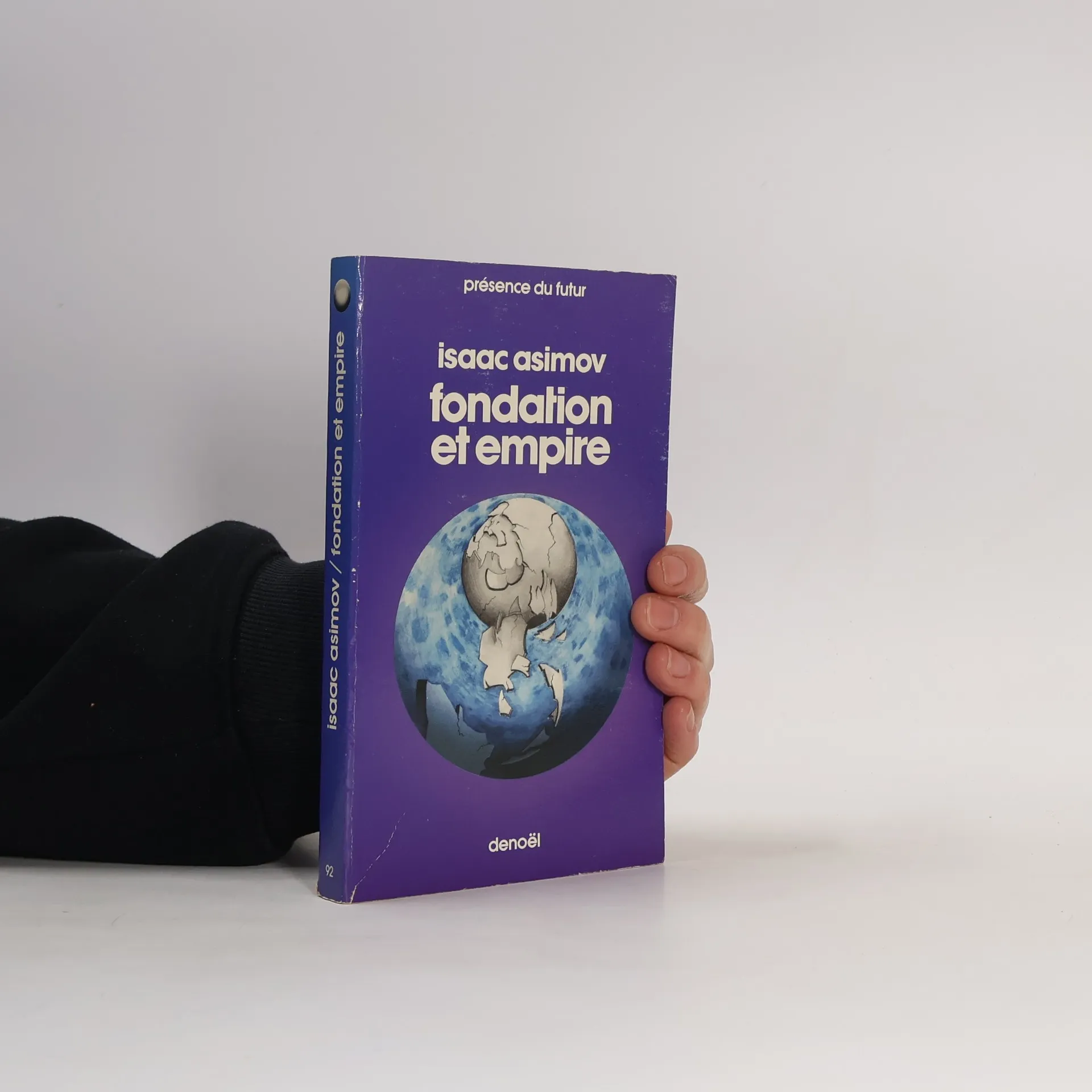
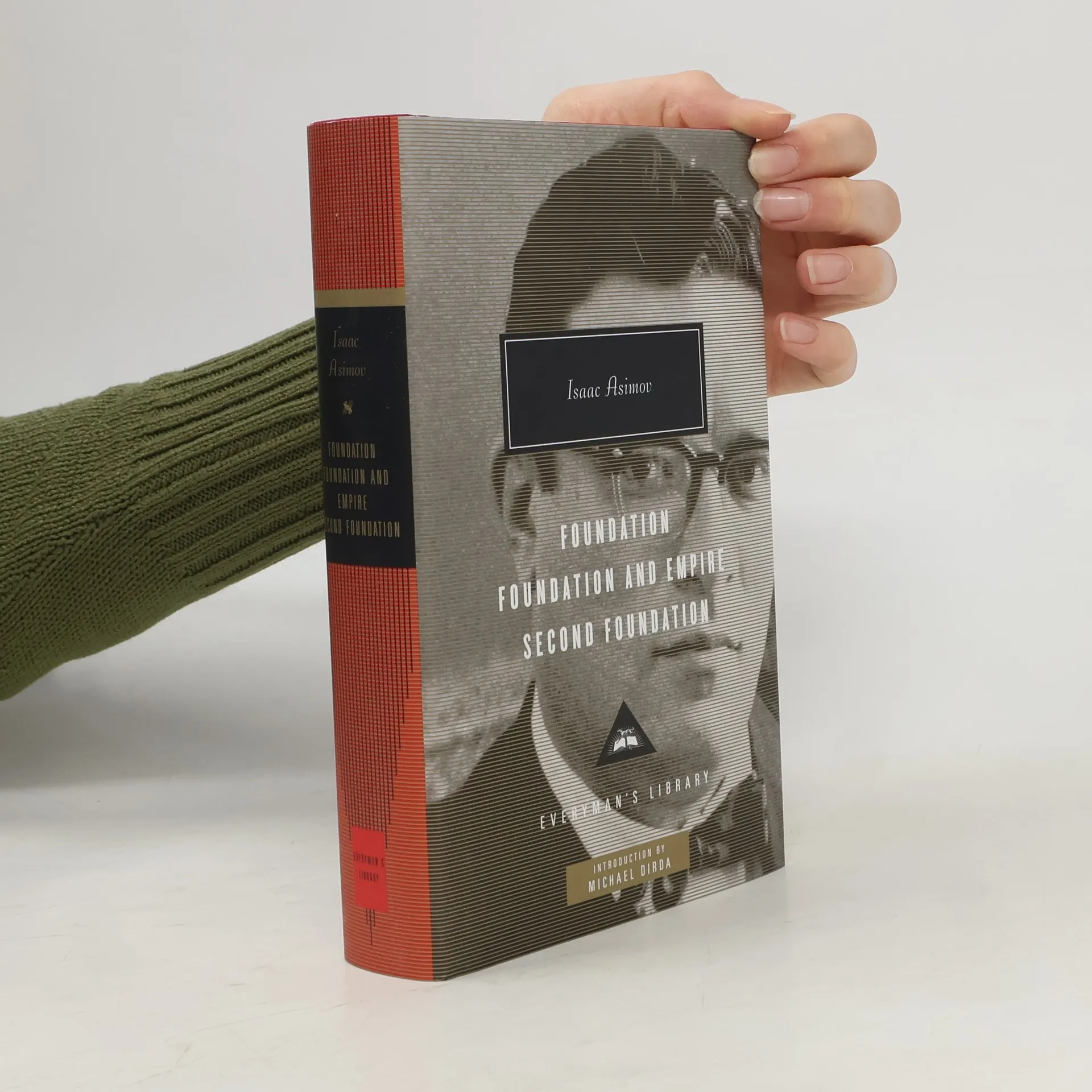
En ce début de treizième millénaire, alors que l'humanité a essaimé dans la galaxie jusqu'à se constituer en un gigantesque Empire ayant pour capitale la planète Trantor, Hari Seldon fait figure de Cassandre. Inventeur de la psychohistoire, une nouvelle science qui permet de prédire l'avenir, il prévoit l'effondrement total de l'Empire d'ici cinq siècles. Un effondrement qui sera suivi d'une période de ténèbres de trente mille ans réductibles à seulement mille ans si Seldon parvient à imposer son projet : la Fondation, chargée de rassembler toutes les connaissances humaines. Si... car les idées de Seldon ne font pas l'unanimité. Surtout chez les politiques, qui ne voient en lui et en ses disciples que des fauteurs de troubles...
Isaac Asimov Livres
- Paul French
- H. B. Ogden
2 janvier 1920 – 6 avril 1992
Isaac Asimov fut un auteur prolifique, célébré comme un maître de la science-fiction, qui a considérablement façonné le genre. Ses vastes séries et ses nouvelles, souvent entrelacées dans un univers fictif unifié, témoignent de sa narration visionnaire. Au-delà de sa fiction imaginative, Asimov excellait dans la vulgarisation scientifique, expliquant des concepts complexes à travers des récits historiques captivants qui ont rendu les idées scientifiques accessibles à un large public.

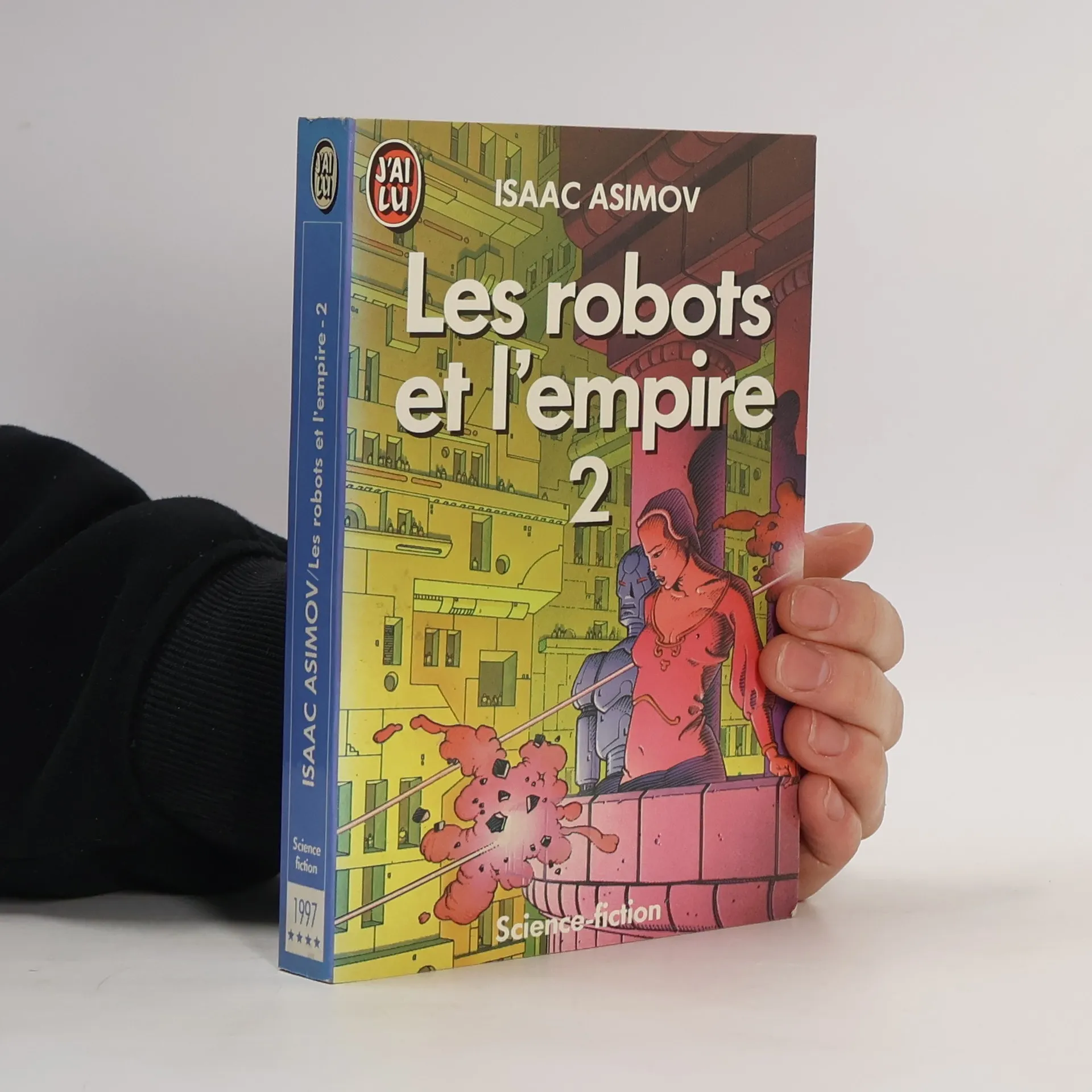
Des décennies ont passé depuis les Robots de l'aube, mais, sur Aurora, Gladia est demeurée belle et puissante, assistée de ses robots fidèles : le subtil Daneel et Giskard, doté d'étranges dons télépathiques. Sur Aurora encore, le Dr Amadiro qui aspire à dominer la Galaxie et à détruire la Terre, planète rebelle. Arrive alors, d'un monde lointain, un aventurier, et Gladia, conquise accepte le voyage intergalactique qu'il lui propose. Ses deux robots l'accompagneront. Les voici enfin sur la Terre où, hélas, Amadiro les a devancés et prépare son œuvres diabolique. Giskard, transgressant ses droits de robot, tente de lui faire échec, au prix de sa propre vie. Mourant, il transmettra ses pouvoirs à son ami. Mais que peut encore Daneel pour sauver notre planète ?
Les robots et l'empire 2
- 282pages
- 10 heures de lecture
Tome 2. En français. In French.
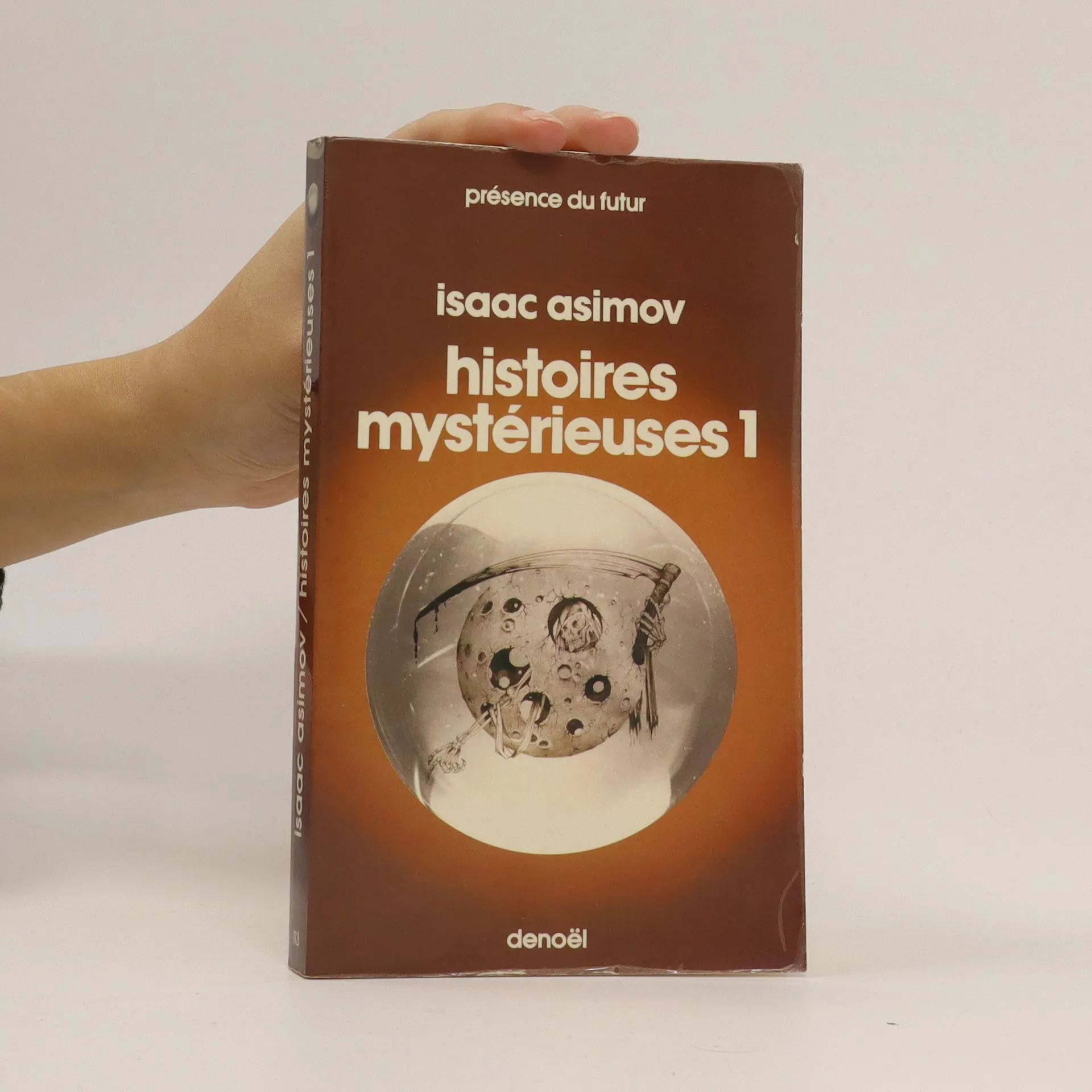
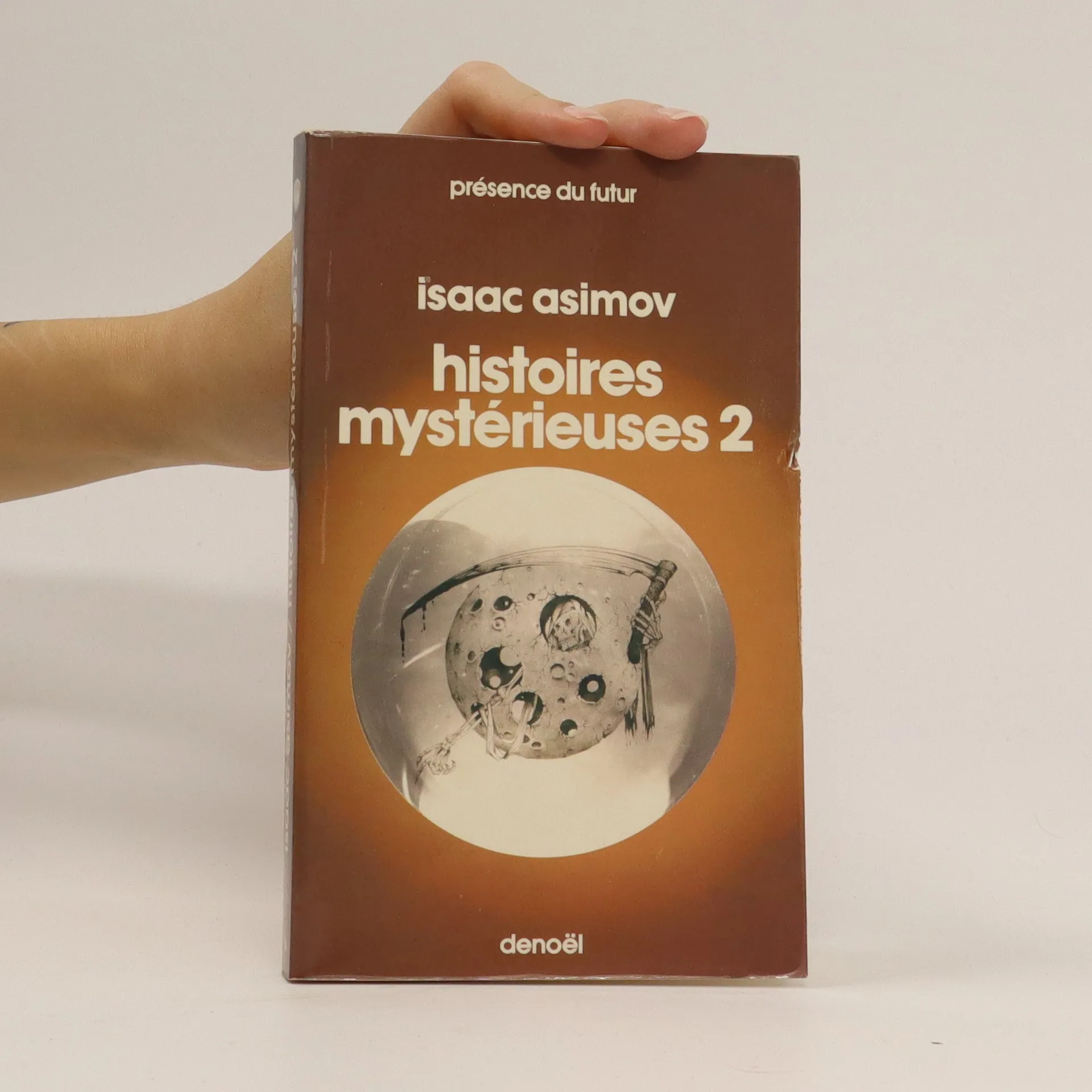
Histoires mystérieuses 2
- 240pages
- 9 heures de lecture
Prisonnier de son embonpoint et ennemi juré des voyages, le célèbre Dr Urth, extraterrologiste émérite, ne s'est jamais éloigné de son domicile. Cependant, ce savant en pantoufles possède une connaissance si parfaite des planètes étrangères et de leurs habitants que c'est à lui que la police a le plus souvent recours pour démasquer les criminels intergalactiques. Ainsi, pour notre plus grande joie, assistons-nous au mariage heureux de la science-fiction et de l'intrigue policière. Du crime parfait sur la Lune aux aventures d'un James Bond de l'an 4000 agressé par les filles de l'espace, le grand mérite du Dr Urth - et de son créateur - sera de ne jamais faire appel à d'opportuns gadgets futuristes pour résoudre les énigmes, mais à la pure logique.
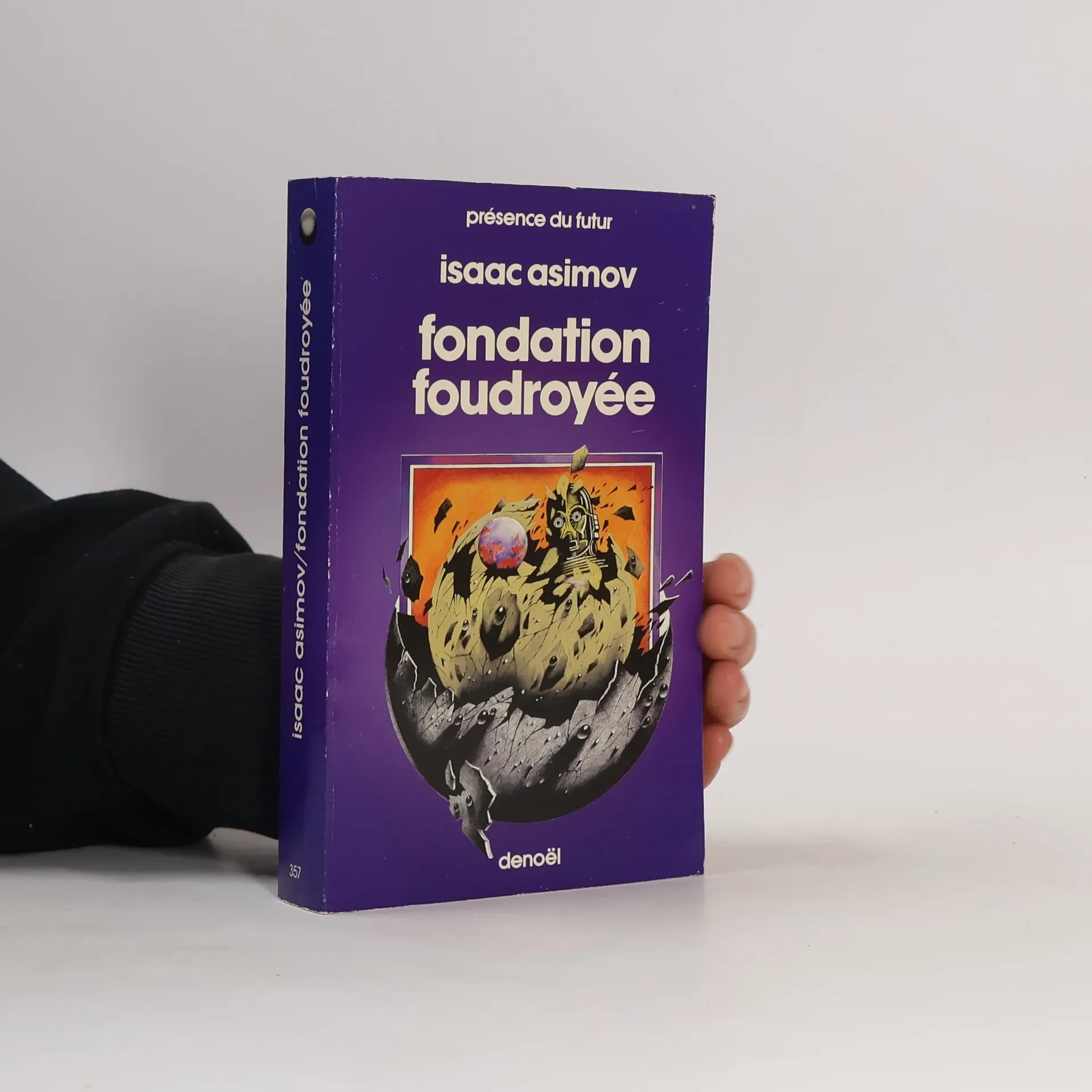
Fondation foudroyée
- 508pages
- 18 heures de lecture
Quatre cent quatre-vingt-dix-huit années ont maintenant passé depuis que le Plan Seldon a vu le jour. La quête du Mulet a échoué et la Première Fondation est au sommet de sa puissance, même si elle craint l'influence des mentalistes de la Seconde Fondation. Une quête s'achève, une autre commence, celle qui mènera les héros de la Fondation jusqu'à la Terre. Récompensé par le prix Hugo la " meilleure série de science-fiction de tous les temps ", le cycle de Fondation est l'oeuvre-socle de la S.-F. moderne, tous les amateurs du genre l'ont lu ou le liront un jour. Au sommaire de ce volume : Fondation foudroyée Terre, et Fondation.
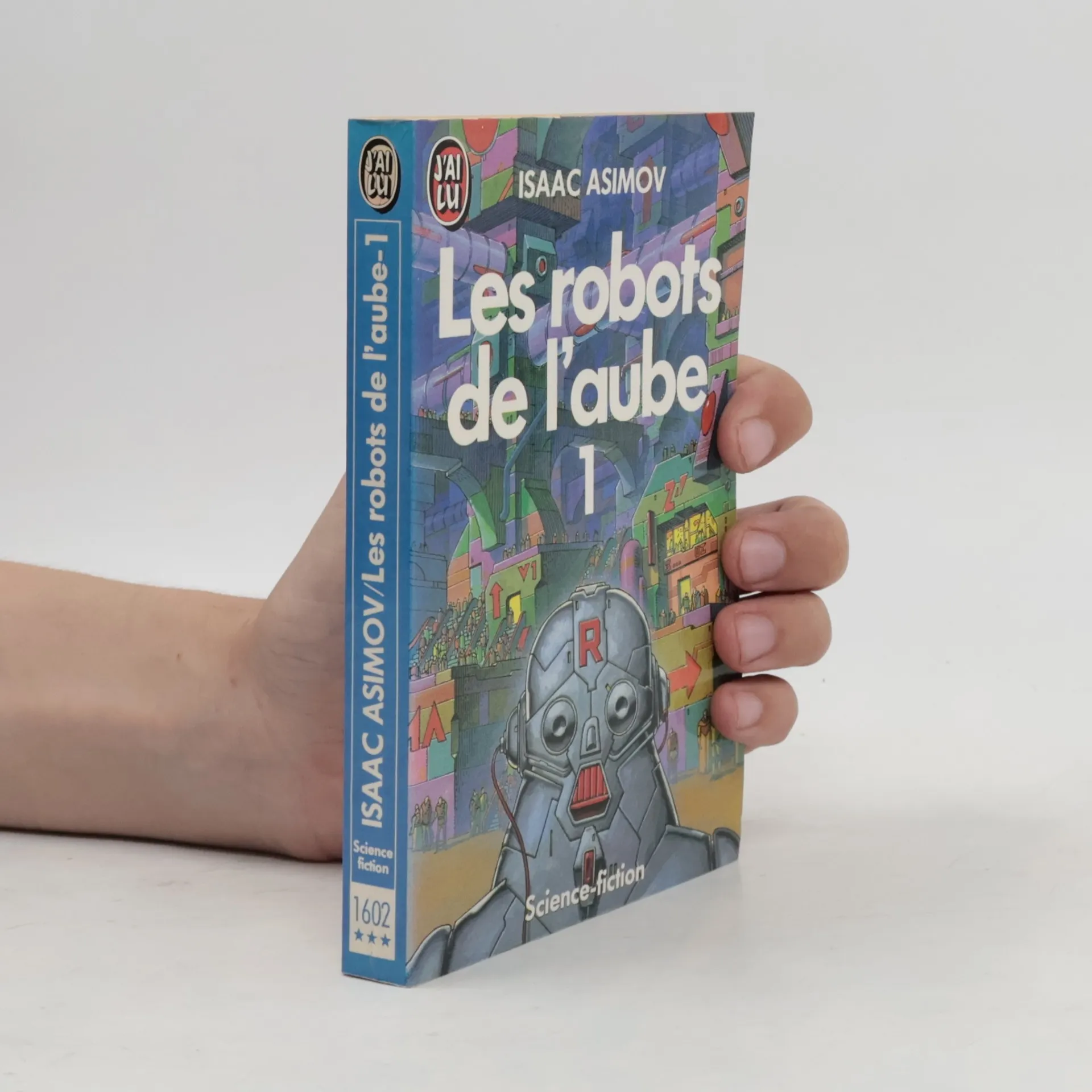
Les robots de l'aube
- 277pages
- 10 heures de lecture
A millennium into the future two advances have altered the course of human history: the colonization of the Galaxy and the creation of the positronic brain. Isaac Asimov's Robot novels chronicle the unlikely partnership between a New York City detective and a humanoid robot who must learn to work together. Detective Elijah Baley is called to the Spacer world Aurora to solve a bizarre case of roboticide. The prime suspect is a gifted roboticist who had the means, the motive, and the opportunity to commit the crime. There's only one catch: Baley and his positronic partner, R. Daneel Olivaw, must prove the man innocent. For in a case of political intrigue and love between woman and robot gone tragically wrong, there's more at stake than simple justice. This time Baley's career, his life, and Earth's right to pioneer the Galaxy lie in the delicate balance.
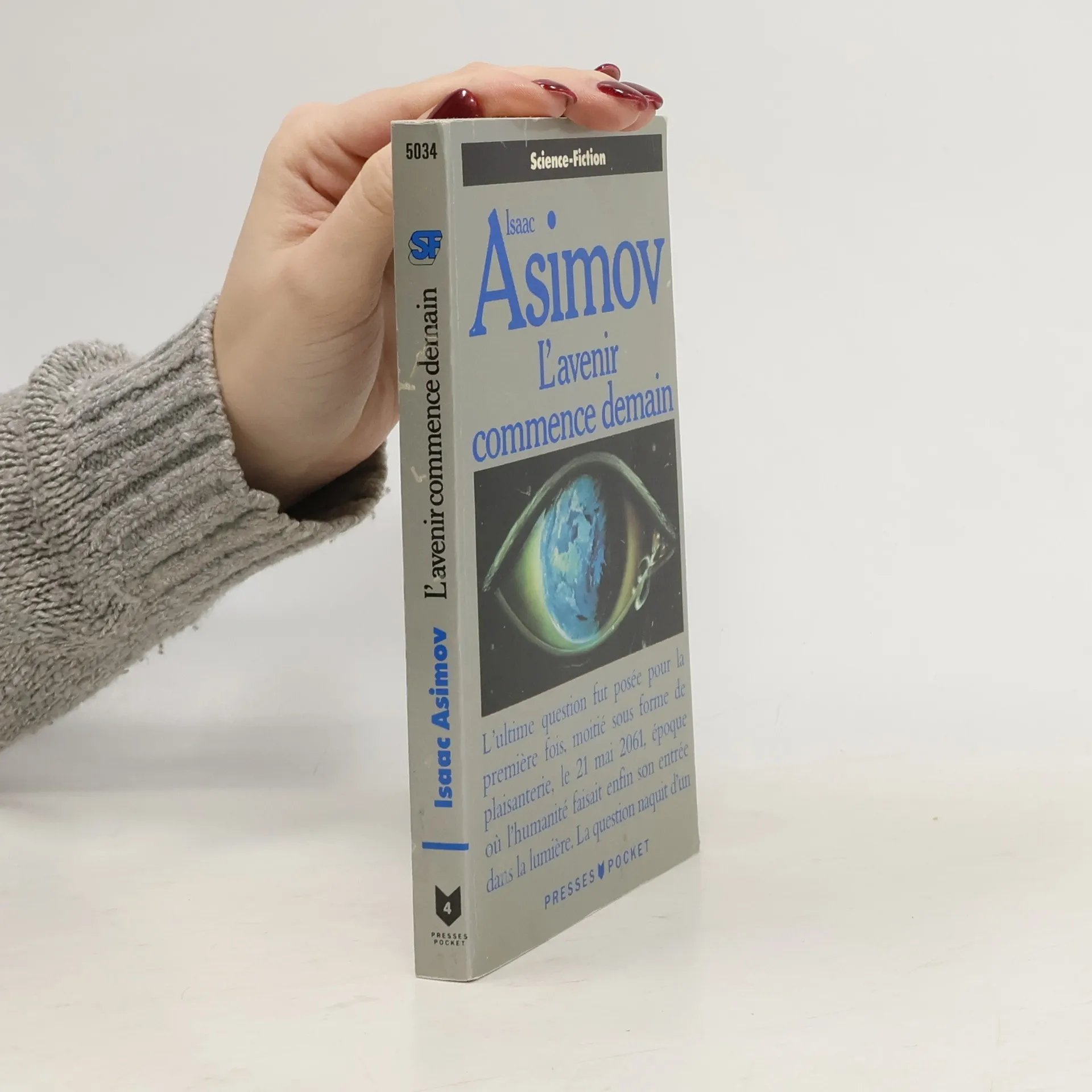
L'avenir Commence Demain
- 313pages
- 11 heures de lecture
Nine stories: Profession; The Feeling of Power; The Dying Night; I'm in Marsport without Hilda; The Gentle Vultures; All the Troubles of the World; Spell my Name with an S; The Last Question (one of Asimov's most often requested stories); and The Ugly Little Boy (Asimov's own personal favorite).
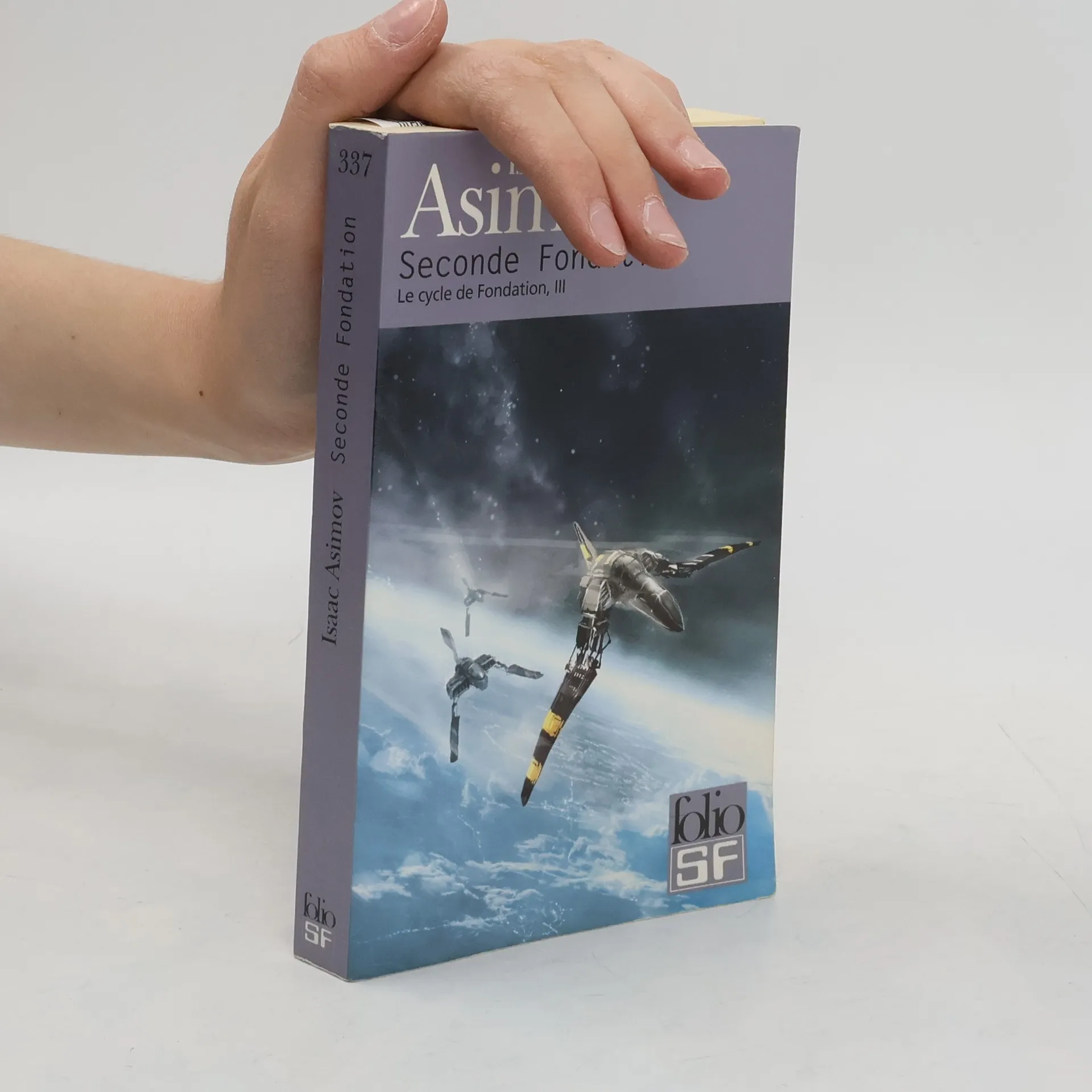
Seconde Fondation
- 432pages
- 16 heures de lecture
Conçue par le psychohistorien Hari Seldon pour restreindre l'ère de chaos résultant de la décadence de l'Empire galactique, la Fondation est désormais aux mains du Mulet, un mutant imprévisible capable de manipuler les esprits et d'imposer sa volonté à quiconque. Avec ses pouvoirs et les immenses ressources que lui procure la Fondation, il s'est donné pour objectif d'étendre sa domination aux ultimes vestiges de l'Empire défunt. Mais déjà une nouvelle légende prend forme : il existerait une Seconde Fondation, consacrée aux sciences mentales, œuvrant de façon occulte pour garantir l'accomplissement des desseins du légendaire Hari Seldon...
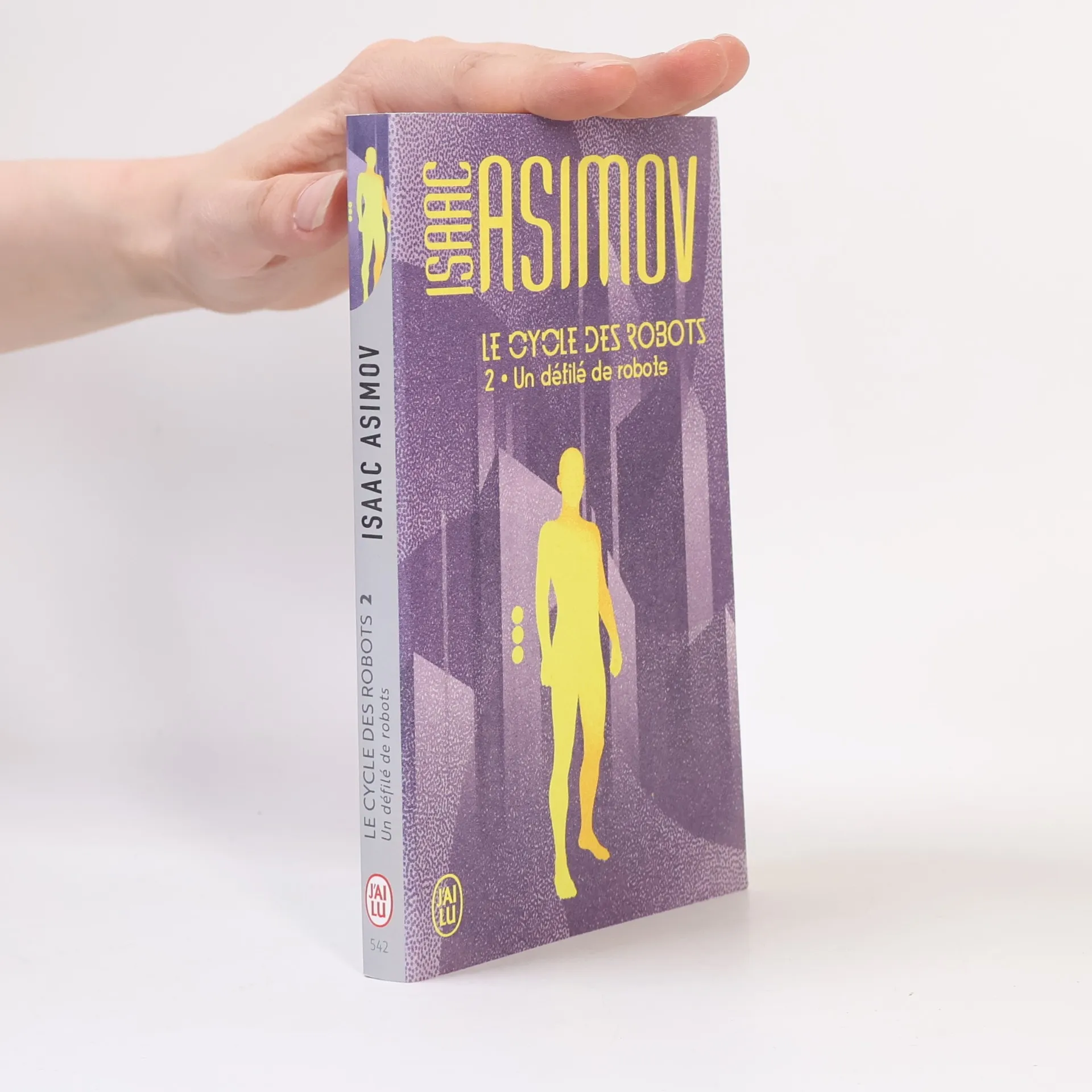
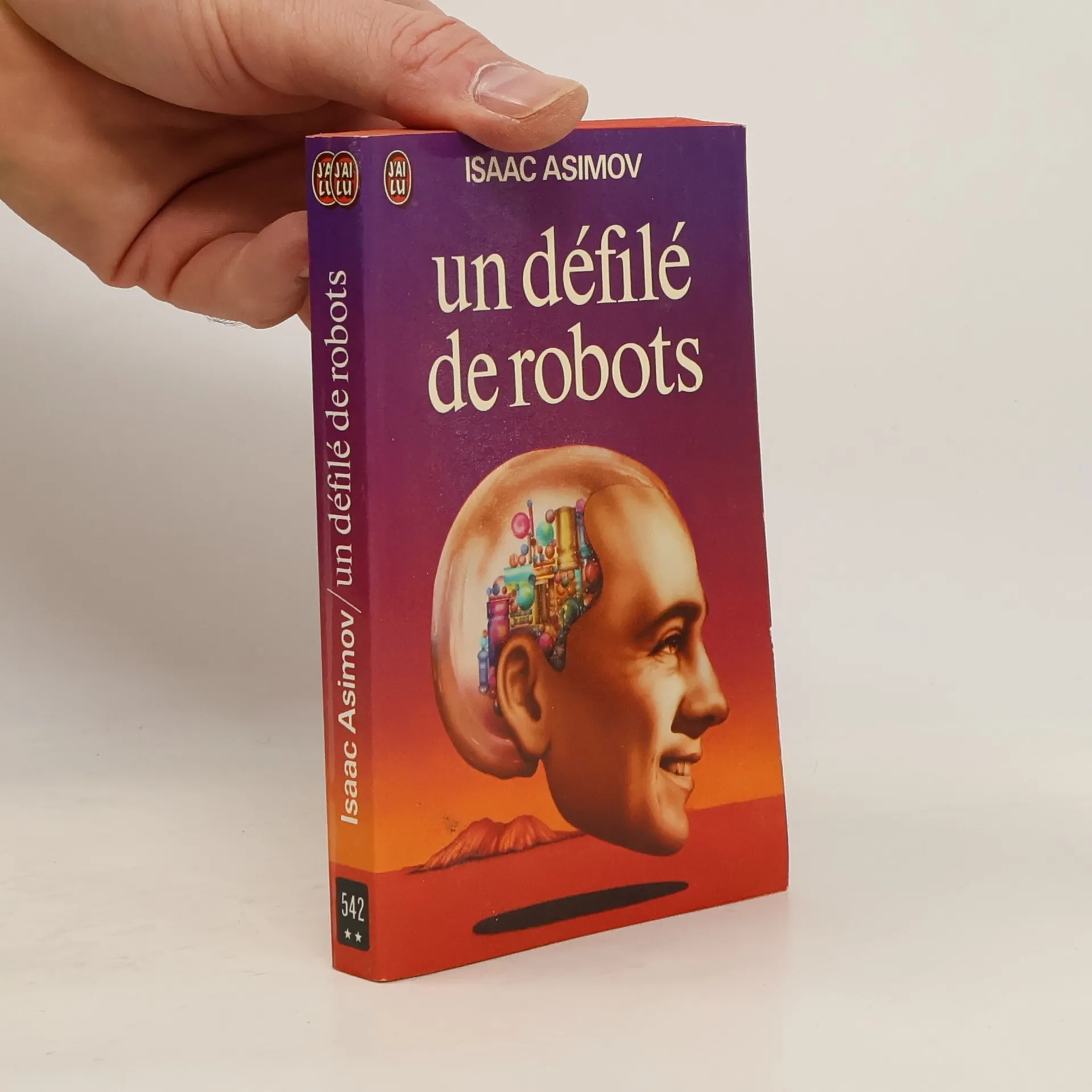
Le Cycle des Robots - 2: Un défilé de robots
- 256pages
- 9 heures de lecture
Comment risque de réagir un robot programmé pour un environnement lunaire dès lors qu'il se retrouve égaré sur Terre ? Un robot peut-il mentir à un procès pour préserver les intérêts de son utilisateur ? Le docteur Susan Calvin, robopsychologue, dialogue avec les androïdes pour faire la lumière sur ces étranges affaires. Et découvre davantage de défauts de programmation chez l'homme que chez ses fidèles créations...
Faut-il désintégrer le président des Etats-Unis qui a tant fait pour le pays et dont on sait maintenant qu'il est un robot ? A-t-on le droit d'empêcher un artiste de faire fortune avec ses œuvres sous prétexte qu'il n'est qu'un robot ? Avec les douze récits de ce recueil, Isaac Asimov retrouve Susan Calvin, la célèbre robotpsychologue du livre des Robots, et jongle sans cesse avec les célèbres trois lois de la robotique. Cover Illustration: Stéphane Dumont
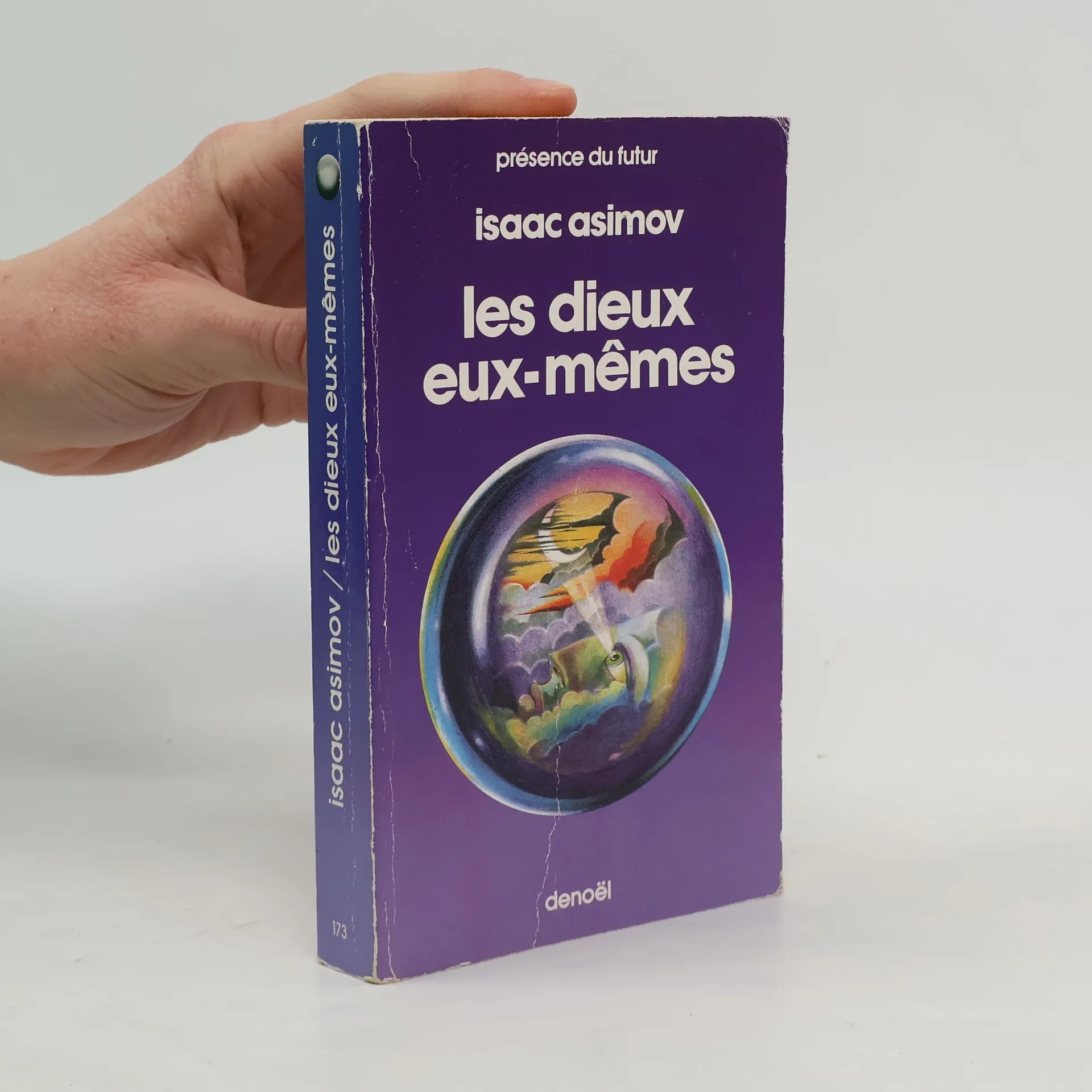
Nouvelle édition de l'une des meilleures œuvres d'Isaac Asimov, souvent éclipsée par ses cycles de la Fondation et des Robots. L'auteur lui-même a déclaré qu'elle était écrite « au-delà des frontières du possible », ce qui se manifeste dans l'histoire par un élan émotionnel inattendu et captivant pour le « technocrate ». Les dieux eux-mêmes appartiennent indiscutablement au patrimoine de la science-fiction mondiale. L'invention de la Pompe Positronique, qui permet d'extraire presque gratuitement et de manière illimitée de l'énergie d'un univers parallèle proche, a conduit l'humanité à une ère d'abondance et de prospérité. Cependant, un groupe de scientifiques découvre que les deux univers sont perturbés par ces transferts d'énergie. Si l'humanité ne renonce pas à son confort acquis facilement, les deux univers risquent de disparaître. Ce livre, plus pertinent que jamais, présente un maître du genre à l'apogée de son talent.
Le robot qui rêvait
- 512pages
- 18 heures de lecture
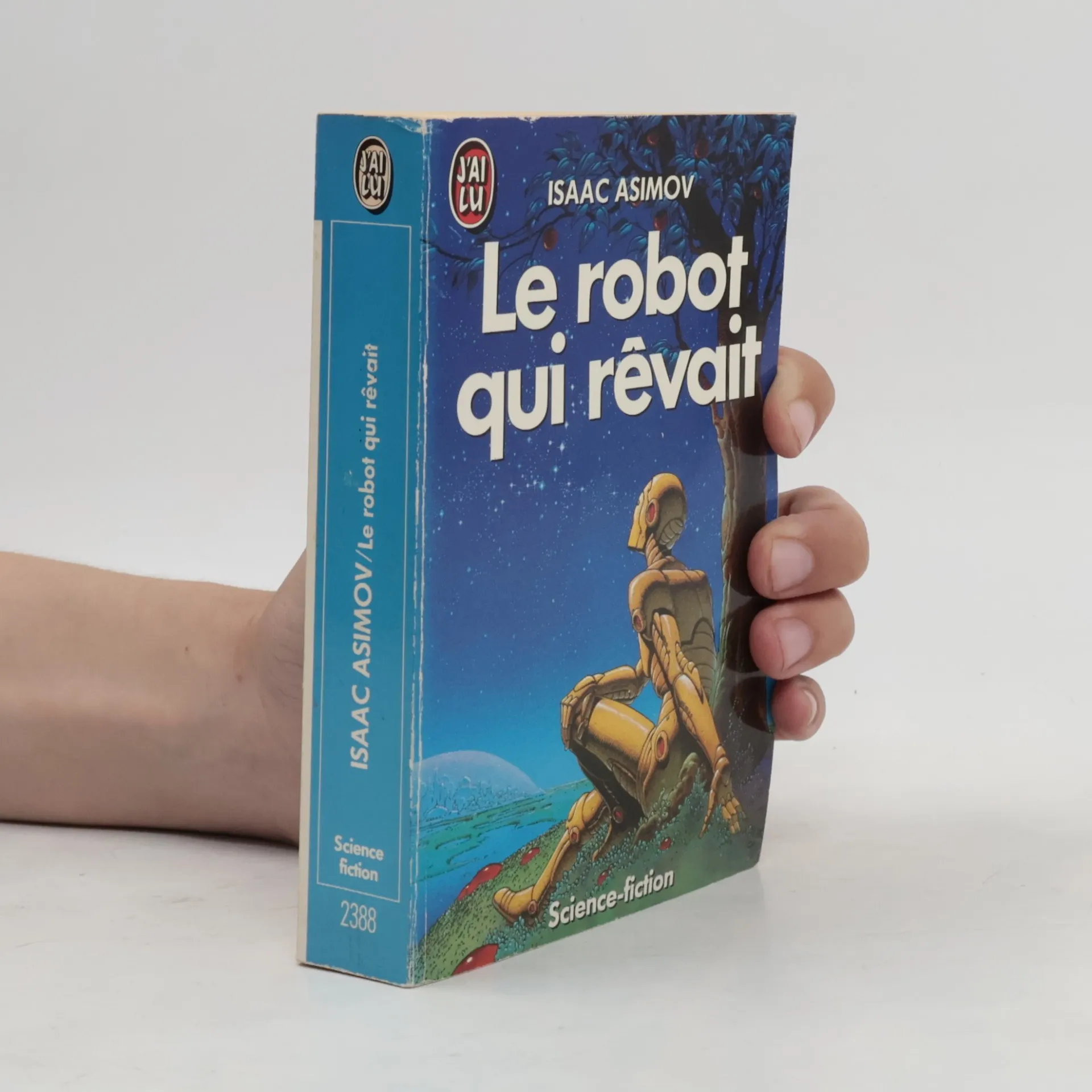
Imagination, humour et fantaisie sont ici encore les maîtres mots de ce nouveau recueil d'Asimov. On y retrouve la fameuse Susan Calvin, confrontée à un étrange problème de psychologie robotique, ainsi que le non moins célèbre ordinateur Multivac, cette fois-ci chargé de choisir l'Electeur de l'Année... et le Président des Etats-Unis ! On y rencontre des voitures intelligentes qui, comme Sally, volent au secours de leur propriétaire, une planète aux tabous plutôt bizarres et un savant qui parvient, toujours grâce à Multivac, à la conclusion que toutes les histoires drôles sont d'origine... extraterrestre !
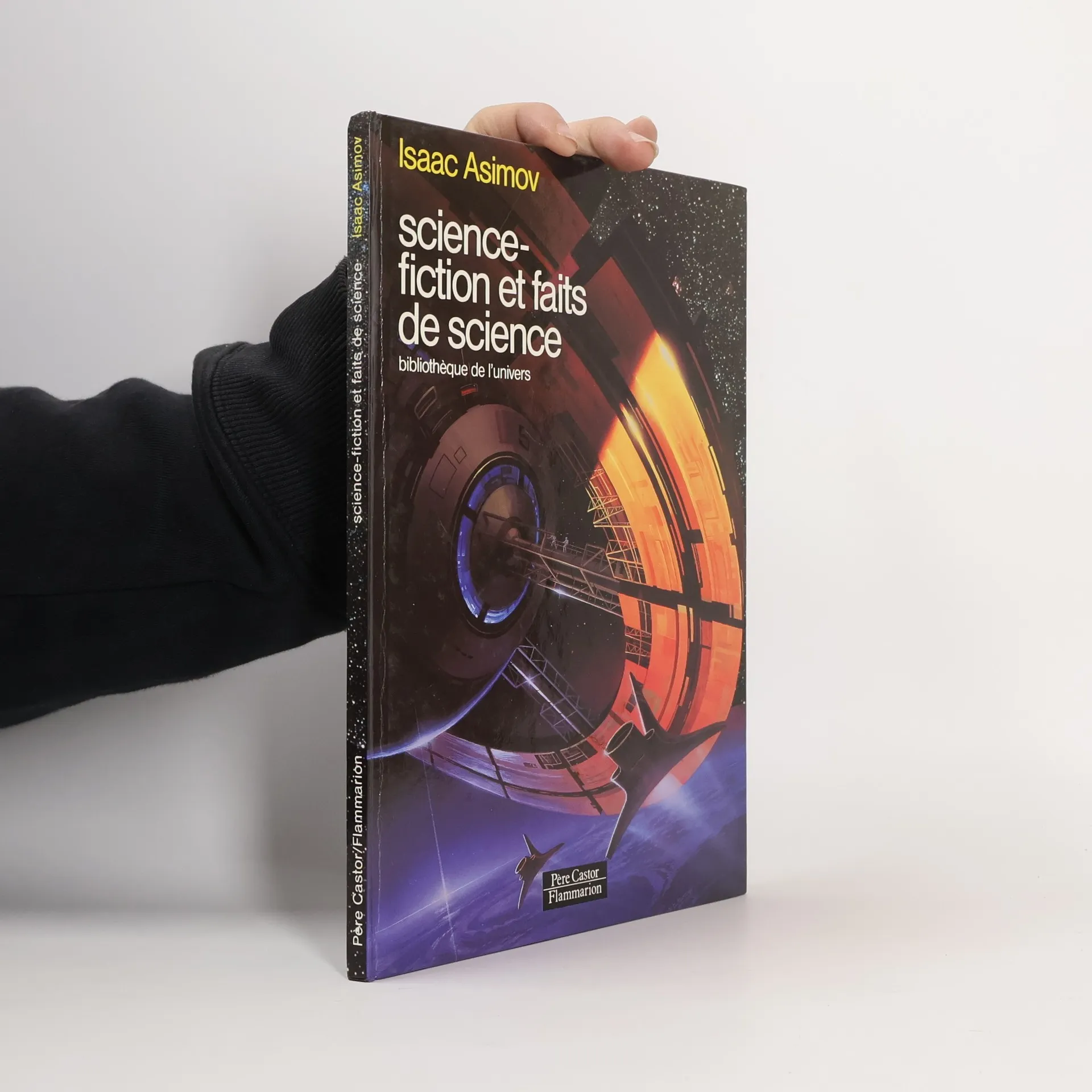
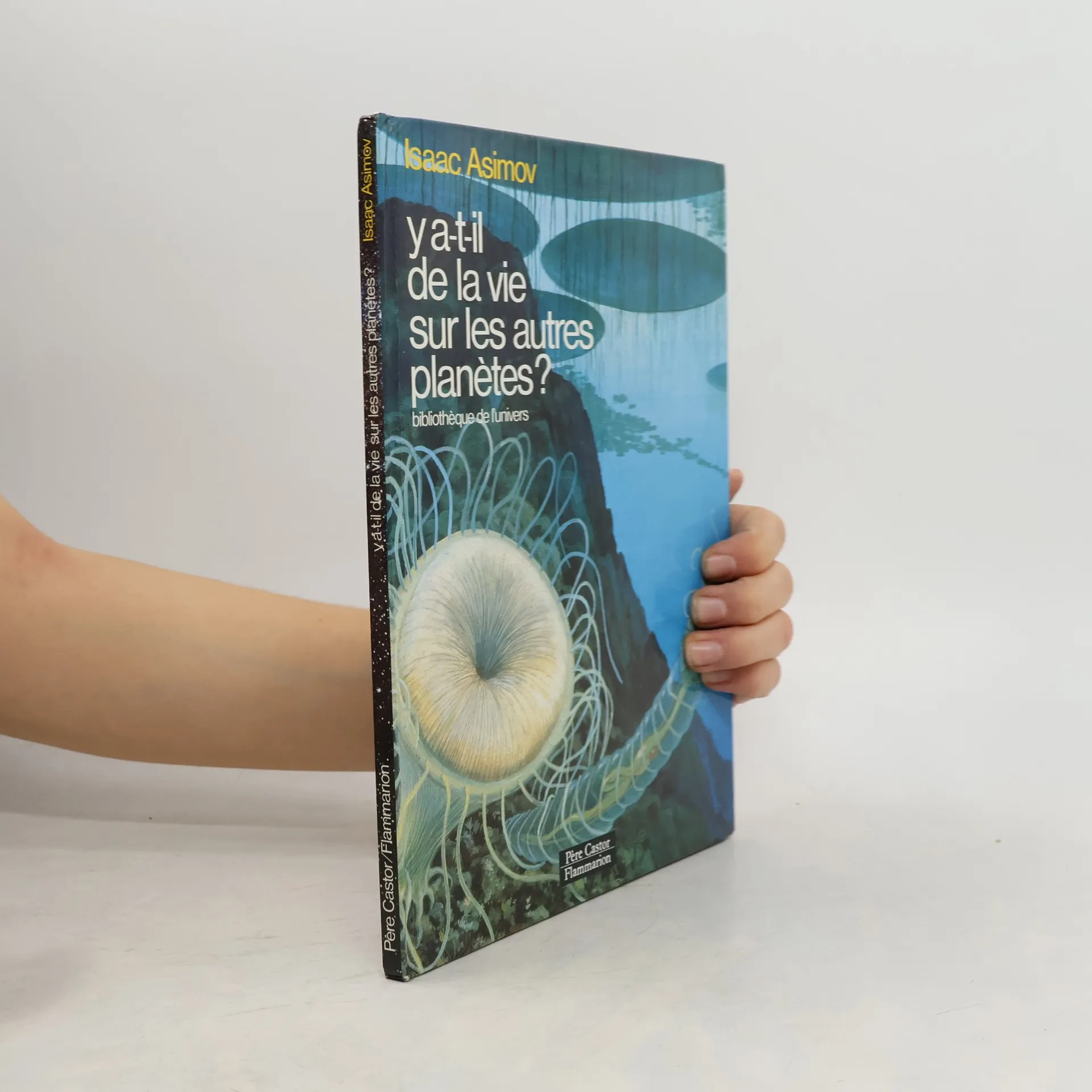
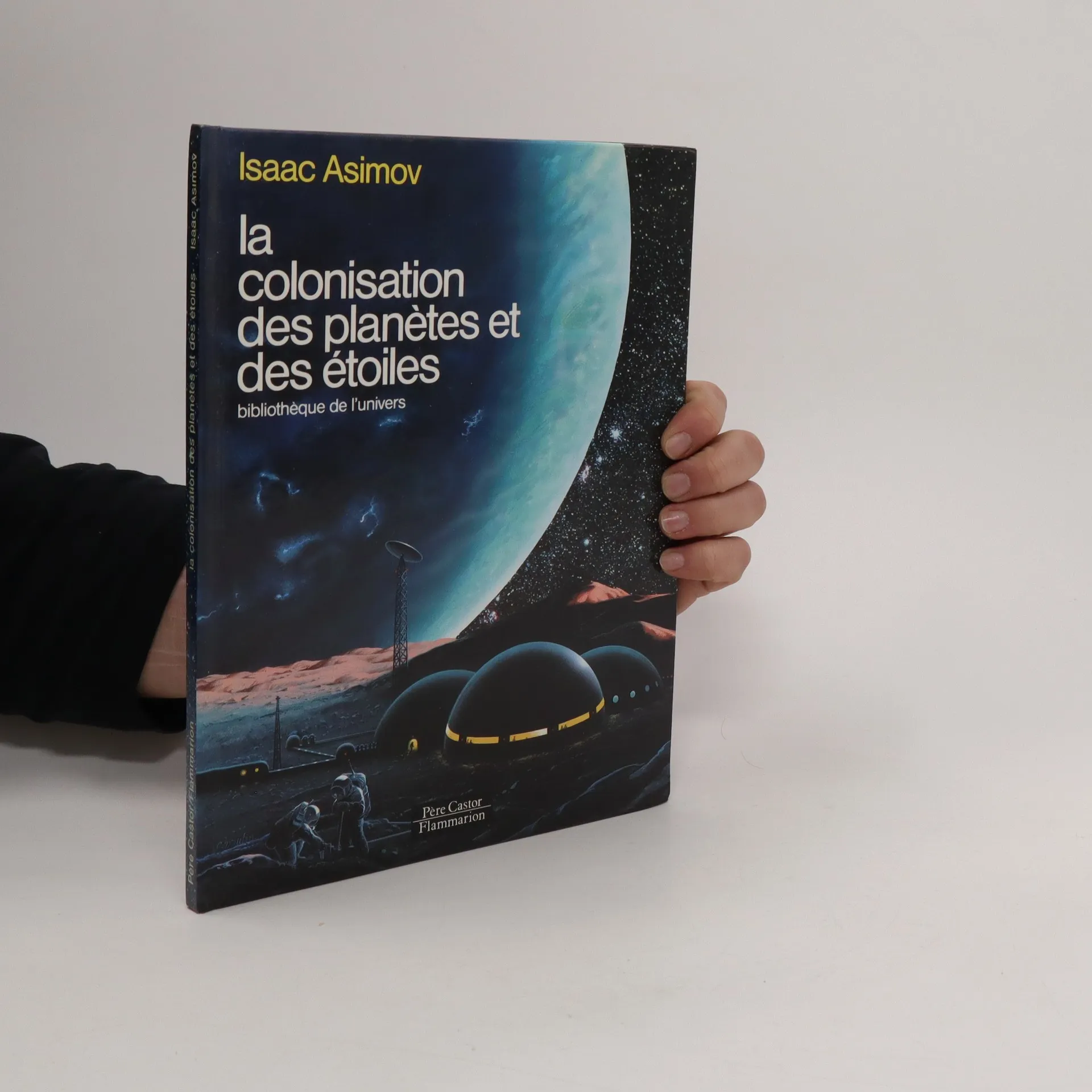
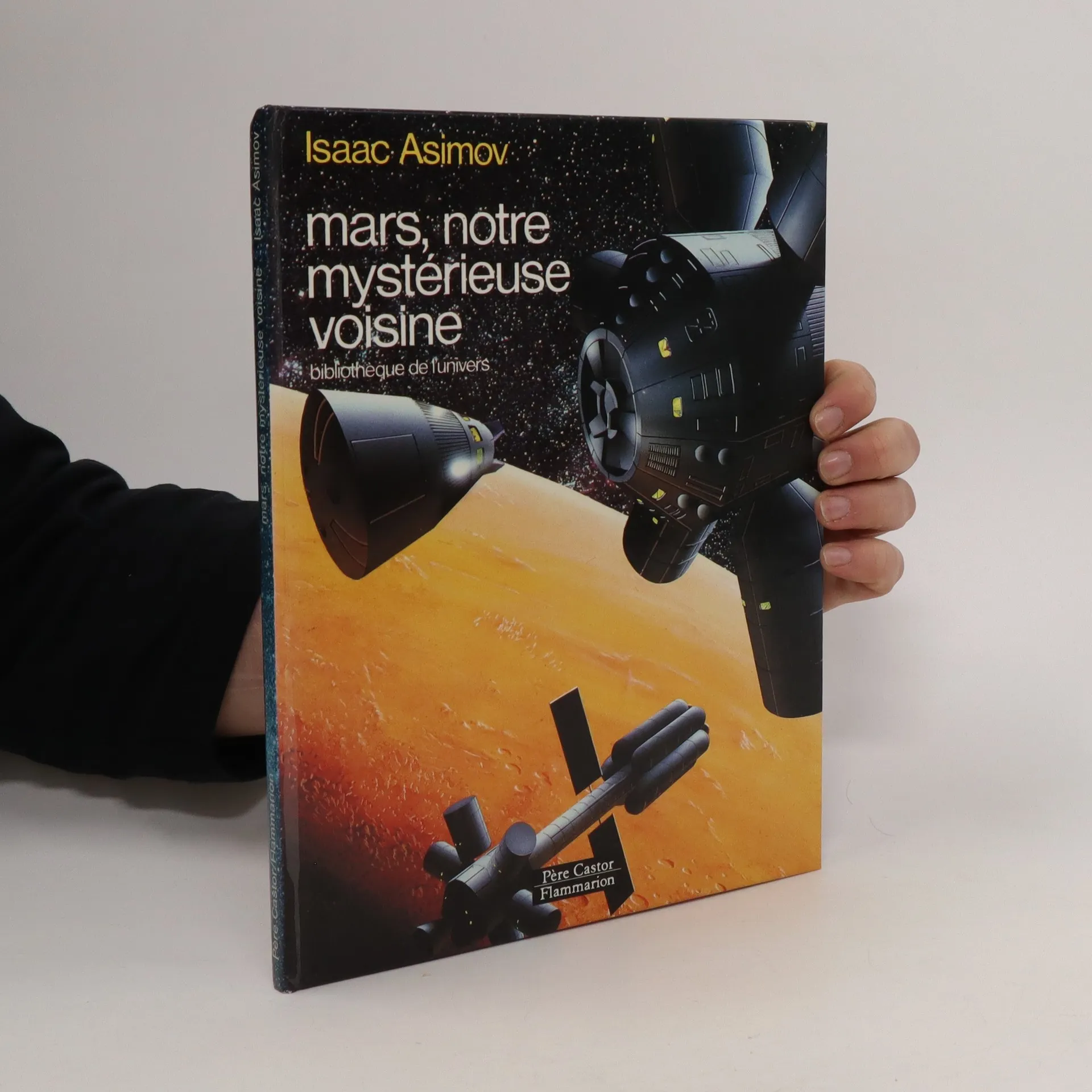
Le grand Asimov écrit pour les jeunes. Si la présentation est adaptée aux dix ans, le texte bien qu'abondamment illustré fait appel à une terminologie difficile. Souvent les ouvrages cités dans la bibliographie ne conviennent pas aux lecteurs de la collection. Une excellente tentative qui mériterait une mise au point.
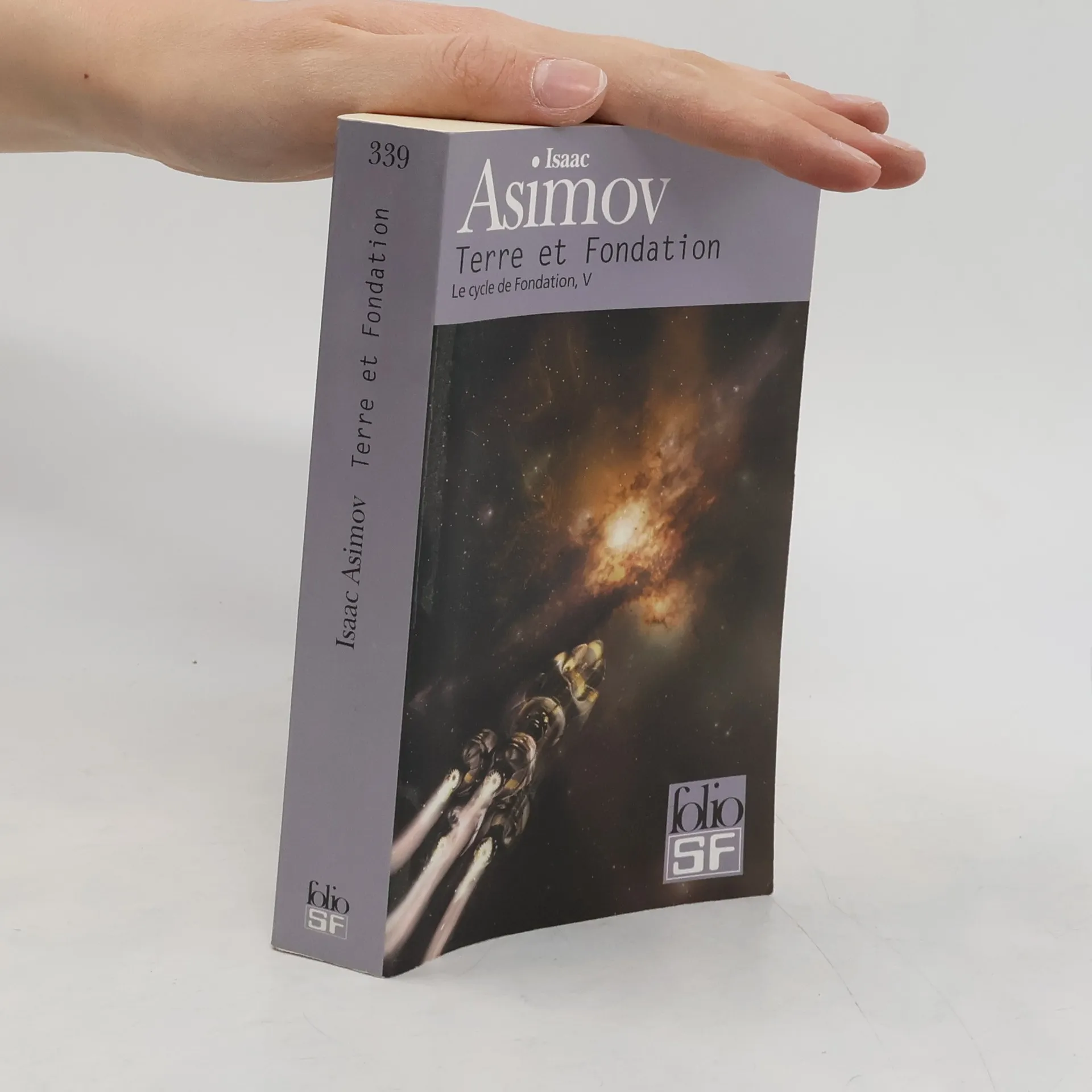
La Terre. Tout porte à croire que le légendaire berceau de l'humanité se trouve au cœur d'un vaste plan à l'échelle galactique, destiné à garantir en coulisse la pérennité de la civilisation : une synthèse parfaite entre le matérialisme de la Première Fondation et le mentalisme de la Seconde, mise en œuvre par une mystérieuse puissance. Mais comment trouver une planète que beaucoup croient mythique, et dont toute trace a inexplicablement disparu des archives galactiques ? Récompensé par le prix Hugo de la "meilleure série de science-fiction de tous les temps Le cycle de Fondation est l'œuvre socle de la S-F moderne, celle que tous les amateurs du genre ont lue ou liront un jour.
Fondation et empire
- 256pages
- 9 heures de lecture
Foundation and Empire tells the incredible story of a new breed of man who create a new force for galactic government. Thus, the Foundation hurtles into conflict with the decadent, decrepit First Empire. In this struggle for power amid the chaos of the stars, man stands at the threshold of a new, enlightened life which could easily be put aside for the old forces of barbarism. The Foundation novels of Isaac Asimov constitute what is very likely the most famed epic in all of science-fiction
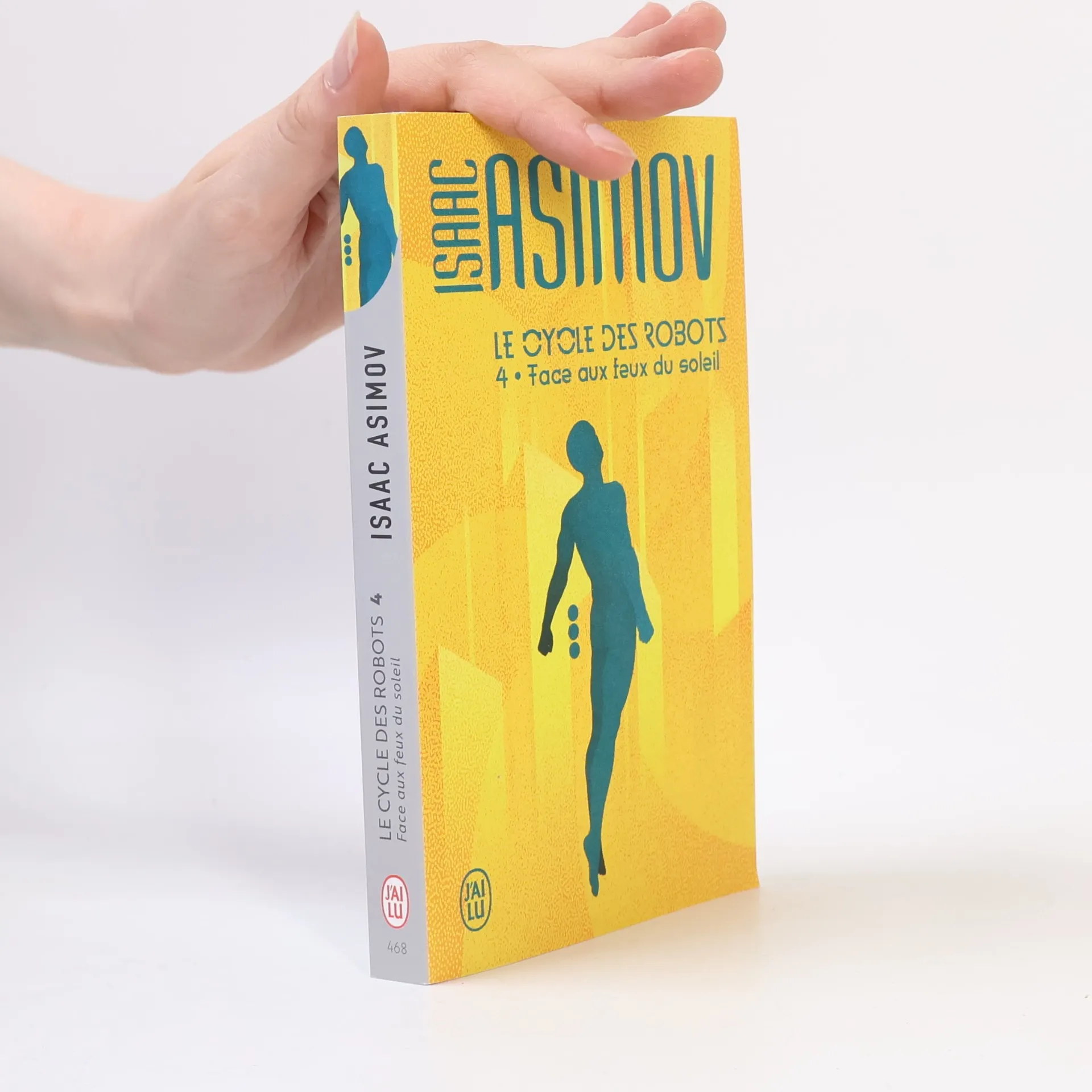
Le Cycle des Robots - 4: Face aux feux du soleil
- 320pages
- 12 heures de lecture
Elijah Baley, enquêteur terrien (dont la première enquête est narrée dans Les Cavernes d'acier) est chargé d'une enquête difficile. Il est envoyé sur Solaria pour élucider un assassinat. Or sur cette planète les contacts entre habitants sont quasiment impossibles et un robot semble impliqué, chose surprenante puisque les trois lois de la robotique interdisent aux robots de faire du mal aux êtres humains. Aidé d'un androïde à l'apparence humaine, R. Daneel Olivaw, il devra résoudre ce mystère mais également lutter contre ses propres démons tel que la phobie de la vie à l'air libre, lui qui est trop habitué à l'atmosphère souterraine des « Cavernes d'acier ».
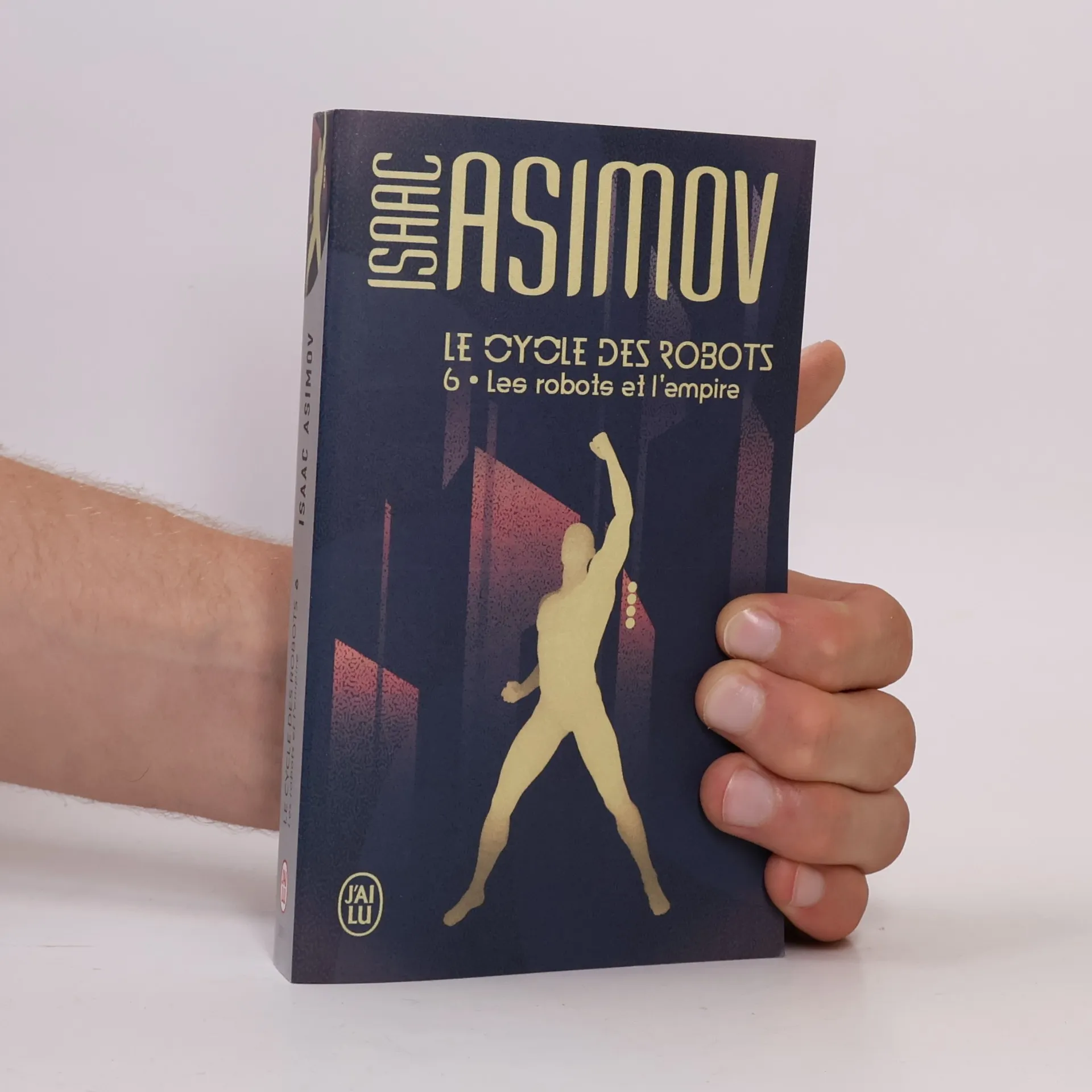
Les robots et l'empire
- 576pages
- 21 heures de lecture
Plusieurs décennies se sont écoulées depuis les événements narrés dans " les robots de l'aube ". Le docteur Amadiro voue une haine inextinguible à Glardia Gremionis pour avoir fait échouer ses plans de domination de la galaxie. Avec l'aide de Mandamus, un jeune et brillant scientifique, il ourdit à nouveau un plan d'éradication de l'humanité. Pour le contrer, Gladia est toujours assistée de Daneel, le robot humaniforme, et de Giskard, l'androïde télépathe, aux aptitudes nombreuses mais limitées par les restrictions qu'imposent les lois de la robotique. Et leurs choix seront d'autant plus ardus qu'une nouvelle loi, la loi zéro, va faire son apparition...
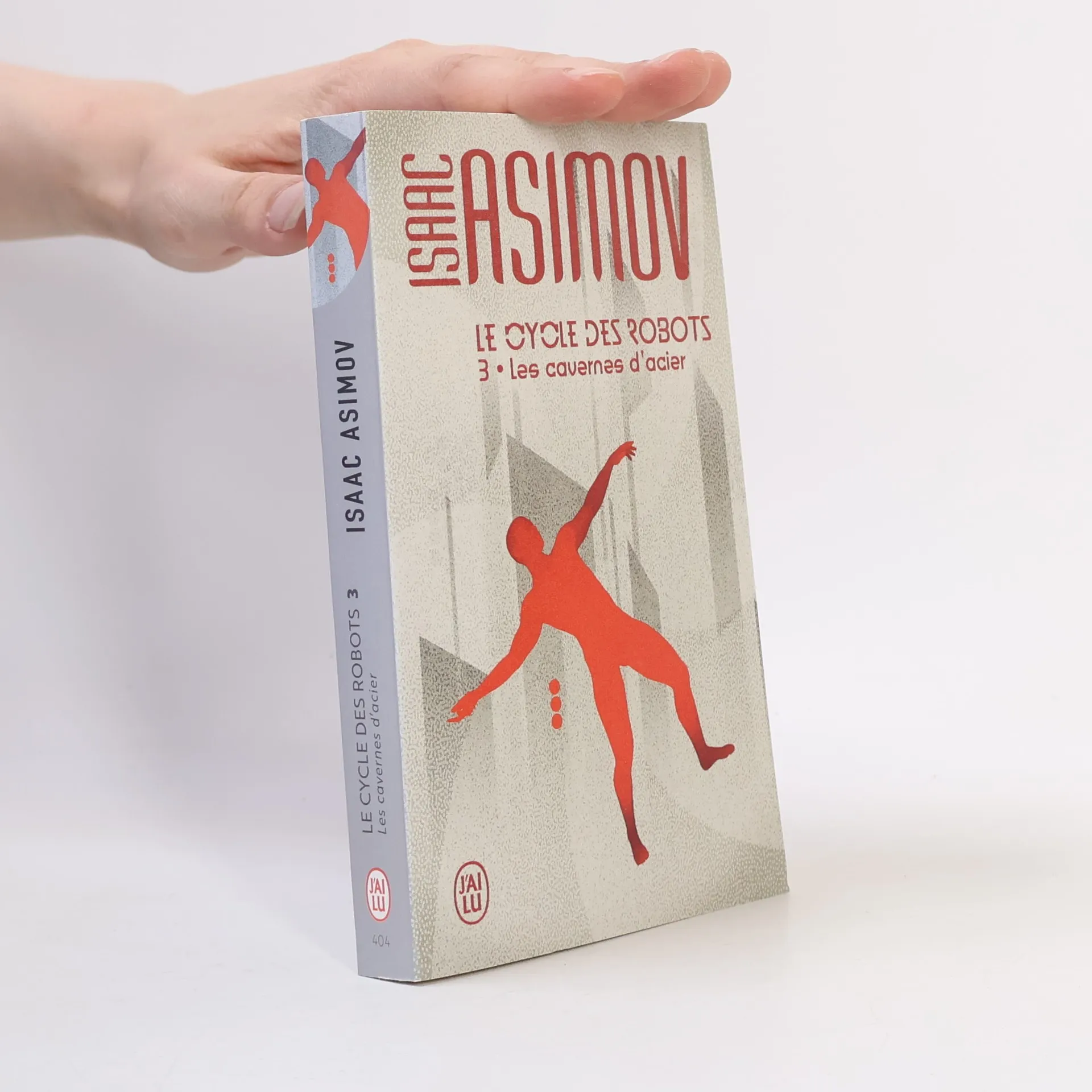
Le cycle des robots - 3: Les cavernes d'acier
- 374pages
- 14 heures de lecture
L'assassinat du docteur Sarton à Spacetown jette le trouble dans la communauté. Qui aurait intérêt a faire disparaître celui-là même qui milite pour le rapprochement entre Terriens et Spaciens ? Les Médiévalistes, qui ne voient pas d'un très bon œil la prolifération des robots ? Les Spaciens eux-mêmes, prêts à tout pour conserver leurs privilèges ? Le problème du détective Baley, toutefois, n'est pas seulement de retrouver un meurtrier, mais aussi et surtout d'y parvenir avant son collègue robot R Daneel. Car celui-ci est l'un de ces androïdes au cerveau électronique ultra-perfectionné, créés certes par l'homme, mais qui n'attendent peut-être que l'occasion de prendre sa place...
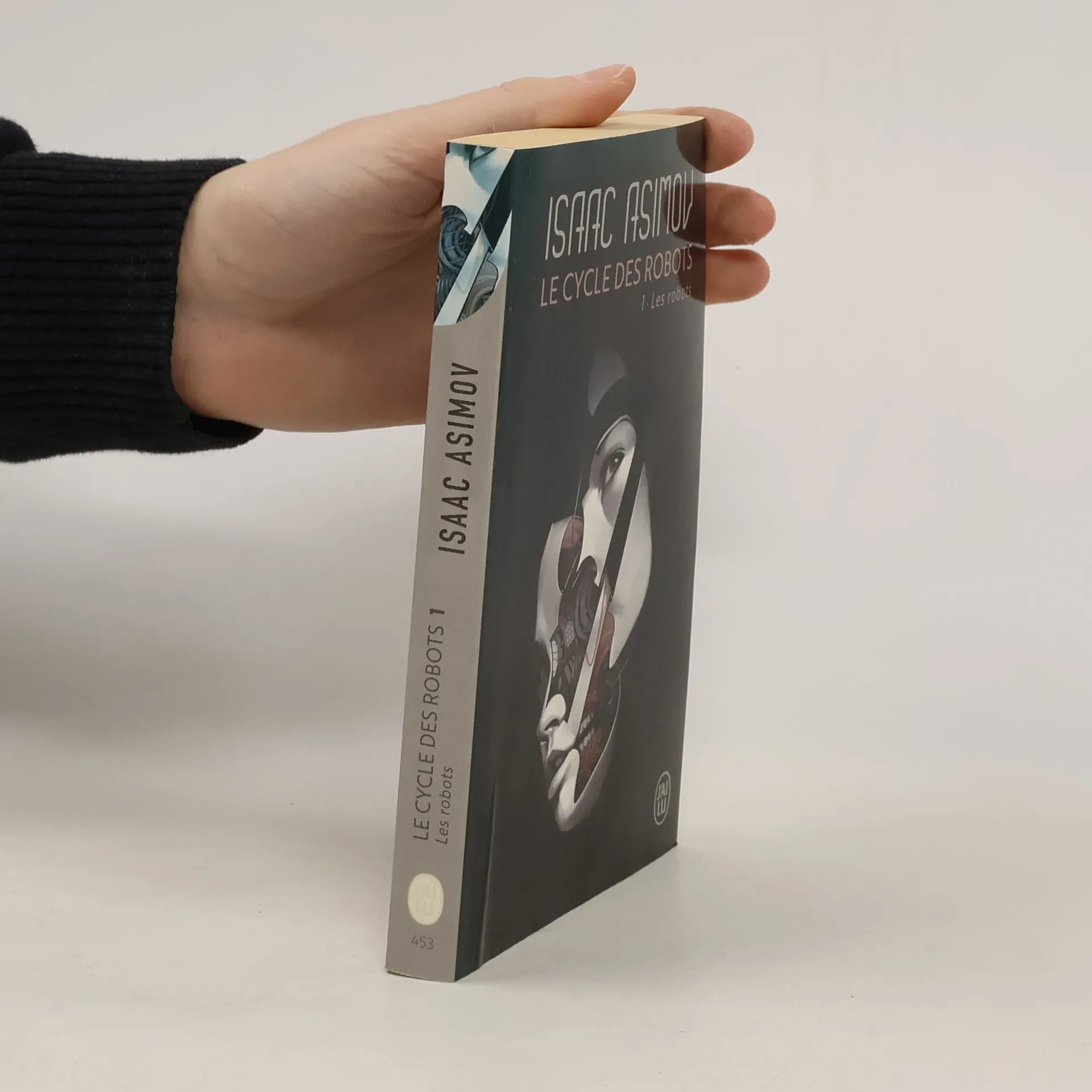
Le cycle des robots 1: Les robots
- 285pages
- 10 heures de lecture
Première Loi : Un robot ne peut porter atteinte à un être humain ni, restant passif, laisser cet être humain exposé au danger. Deuxième Loi : Un robot doit obéir aux ordres donnés par les êtres humains, sauf si de tels ordres entrent en contradiction avec la Première Loi. Troisième Loi : Un robot doit protéger son existence dans la mesure où cette protection n'entre pas en contradiction avec la Première ou la Deuxième Loi.
Histoires mystérieuses
- 238pages
- 9 heures de lecture
Prisonnier de son embonpoint et ennemi juré des voyages, le célèbre Dr Urth, extraterrrologiste émérite, ne s'est jamais éloigné de son domicile. Cependant, ce savant en pantoufles possède une connaissance si parfaite des planètes étrangères et de leurs habitants que c'est à lui que la police a le plus souvent recours pour démasquer les criminels intergalactiques. Ainsi, pour notre plus grande joie, assistons-nous au mariage heureux de la S.-F. et de l'intrigue policière. Du crime parfait sur la Lune aux aventures d'un James bond de l'an 4000 agressé par les filles de l'espace, le grand mérite du Dr Urth - et de son créateur - sera de ne jamais faire appel à d'opportuns gadgets futuristes pour résoudre les énigmes, mais à la pure et simple logique.
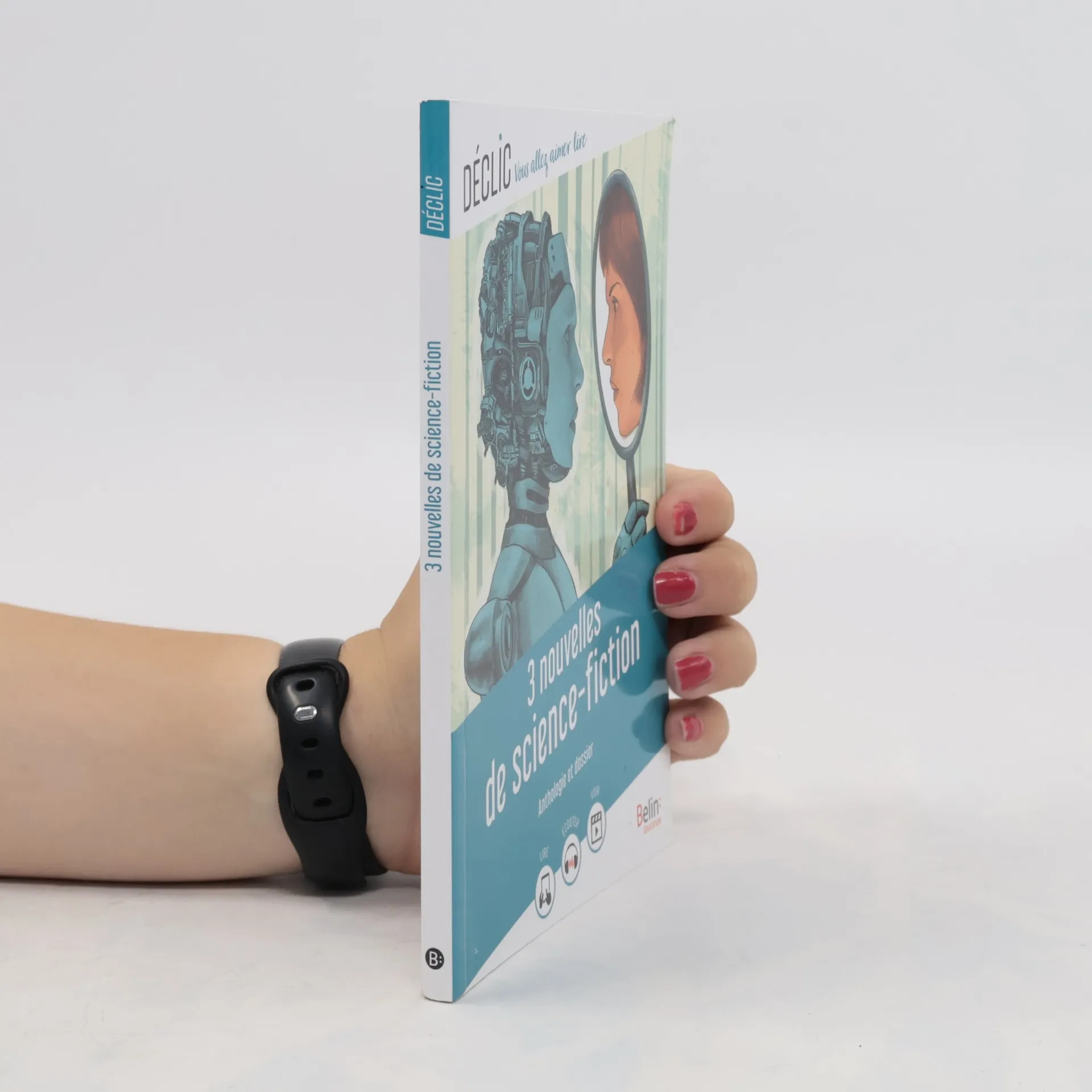
3 nouvelles de science-fiction
- 112pages
- 4 heures de lecture
Le Robot qui rêvait d’Isaac Asimov • Automates, société anonyme de Ray Bradbury • La Voix du matin de Pierre Bordage Imaginez un monde où les robots seraient dotés d’un subconscient et pourraient rêver ; un monde dans lequel des doubles mécaniques pourraient prendre notre place ; un monde où l’homme serait réveillé, nourri, lavé et habillé par une intelligence domotique… Ce monde, à la fois fascinant et effrayant, dans lequel hommes et robots cohabitent est celui inventé par Asimov, Bradbury et Bardage. Une anthologie pour découvrir la science-fiction et interroger notre humanité. LIRE Le texte enrichi de nombreuses images dans une mise en page vivante et aérée COMPRENDRE Des questionnaires et des activités ludiques pour s’approprier le texte RETENIR Un dossier complet et accessible pour retenir l’essentiel PROLONGER Un groupement de textes et des conseils pour compléter la lecture + ACCOMPAGNER De nombreux compléments numériques pour aider les élèves dans la lecture (le texte lu par un comédien, des extraits vidéo à visionner sur Internet, des versions epub de l’ouvrage et du texte accessible aux élèves DYS disponibles dans les librairies numériques).
Encyclopédie de la science fiction
- 219pages
- 8 heures de lecture
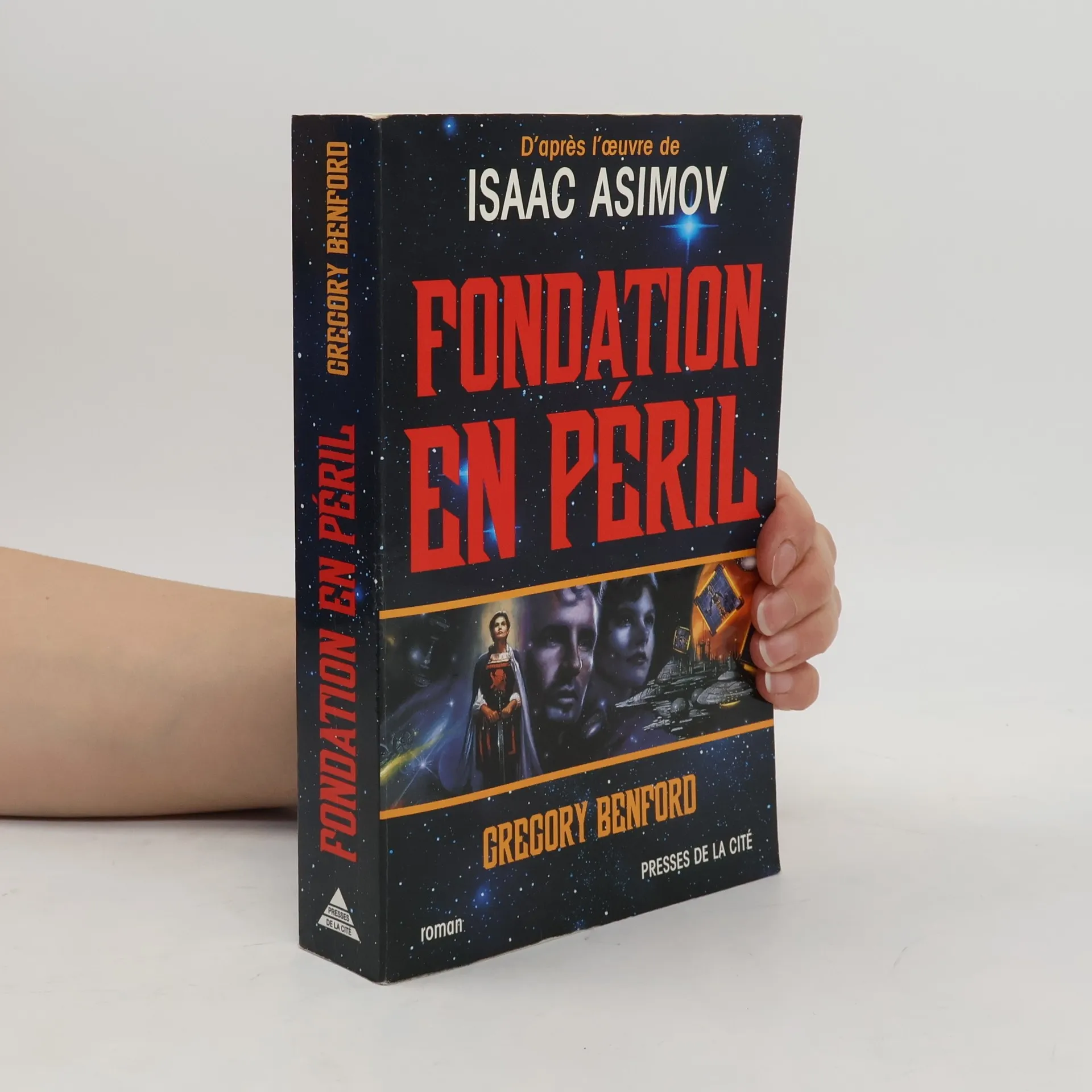
Fondation en péril
- 590pages
- 21 heures de lecture
Hari Seldon n'avait qu'un souhait : rester mathématicien, s'absorber dans la froide précision des nombres. Mais le destin et le pouvoir arbitraire, d'un empereur cruel va le propulser, malgré lui, au poste de Premier ministre de l'Empire. Au début de l'aventure Hari est sur le point de quitter son poste de chercheur et de relever le défi presque impossible de gouverner vingt-cinq millions de mondes habités depuis la planète Trantor. Avec l'aide de la belle Dors, le robot humanoïde qui est sa compagne, et de son protégé, Yugo, Seldon s'efforce de mettre au point la psychohistoire, cette science qui prédira l'avenir, sans jamais imaginer qu'elle lui vaudra d'affronter la menace la plus terrifiante de l'histoire du futur. De la grande et belle science-fiction, fidèle à l'esprit du célèbre Asimov, et même au-delà. L'aventure continue, servie par un auteur qui retrouve le souffle propre à l'épopée de la Fondation.
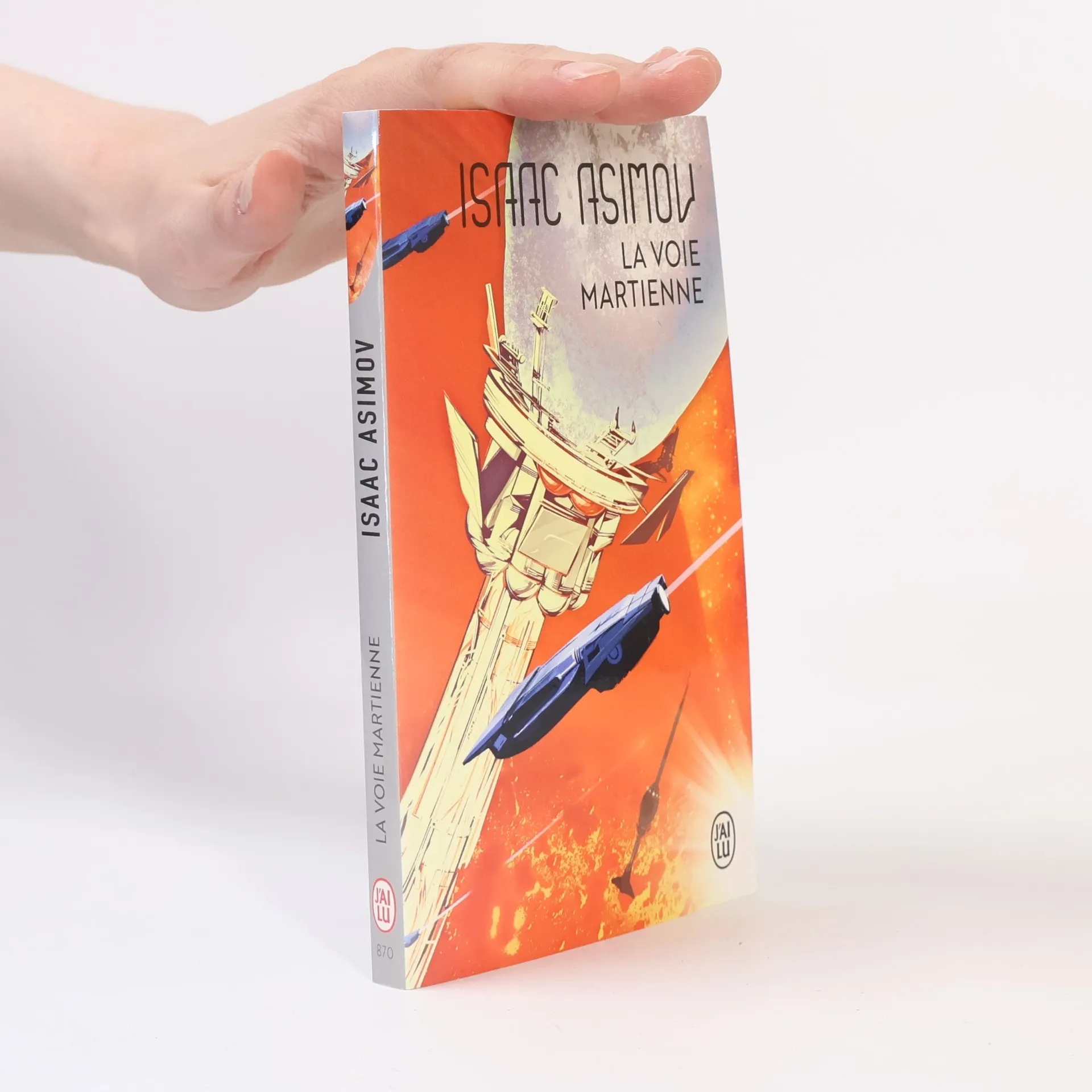
La voie martienne
- 224pages
- 8 heures de lecture
This collection of four famous science fiction tales masterfully exemplifies author Isaac Asimov's ability to create quickly a believable human milieu in the midst of alien circumstances. Each of the long stores also shows his considerable skill in fully fleshing out a speculative scientific or social possibility. Contents: · The Martian Way · na Galaxy Nov ’52 · Youth · nv Space Science Fiction May ’52 · The Deep · ss Galaxy Dec ’52 · Sucker Bait [Troas] · na Astounding Feb ’54
Analyse: Roman de science-fiction (anticipation). Nouvelles.
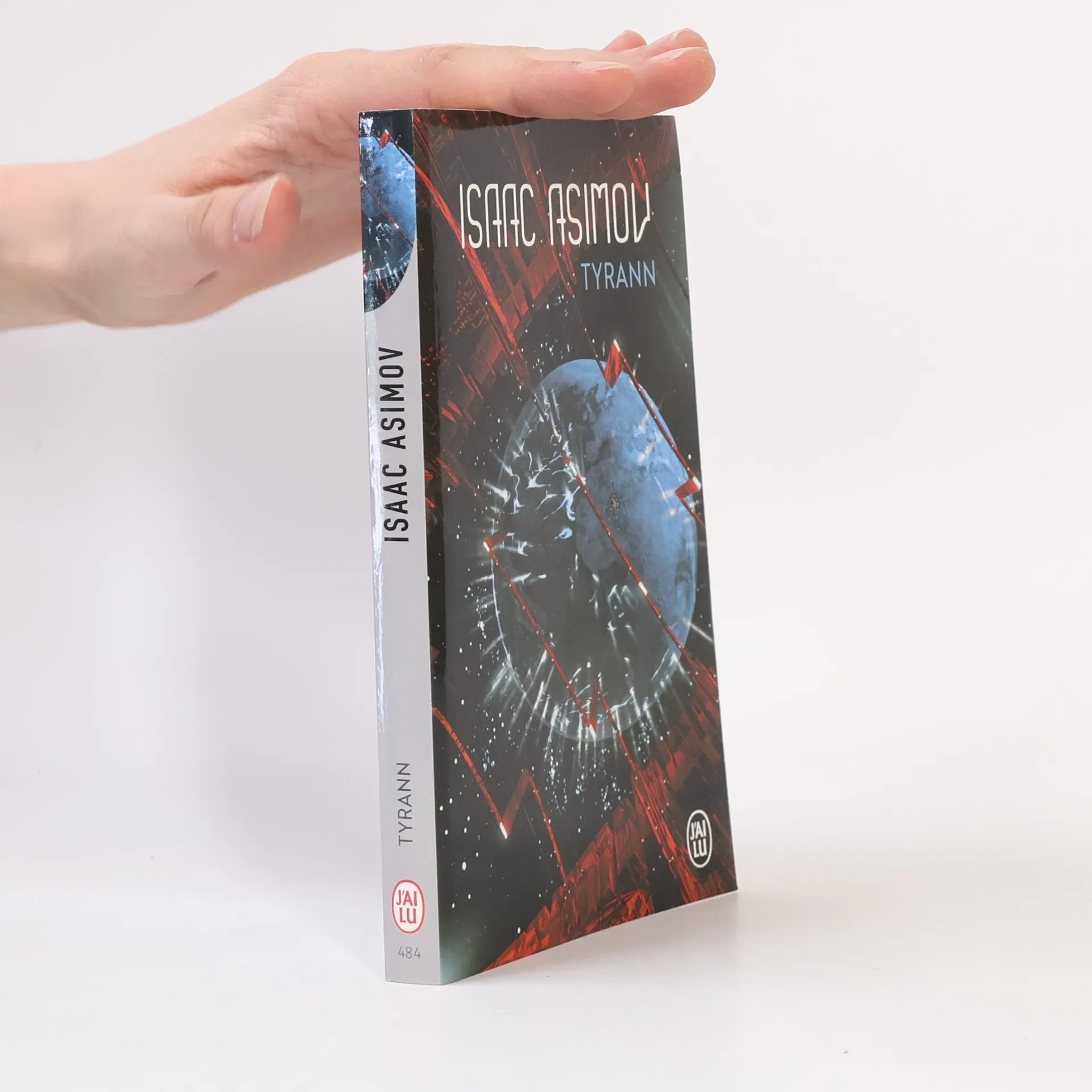
Tyrann
- 253pages
- 9 heures de lecture
Dans l'Empire galactique déclinant, les despotes de la planète Tyrann contrôlent de nombreux mondes, dont la Terre. Biron Farrill, le fils d'un de leurs principaux opposants qu'ils ont assassiné, échappe de peu à un attentat et réussit à quitter la Terre. Il y est aidé par son vieux maître, Sander Jonti et, en compagnie de la jolie Artémisia, gagne alors Lingane, une planète où s'organise la résistance contre Tyrann. Là, il découvre que le chef des opposants et l'auteur de l'attentat qui faillit lui coûter la vie sont un seul et même homme : Sander Jonti. Comment parviendra-t-il à distinguer ses amis véritables de ses ennemis ? Lui reste-t-il une chance de sauver sa vie et d'anéantir les maîtres de tyran pour venger son père ?
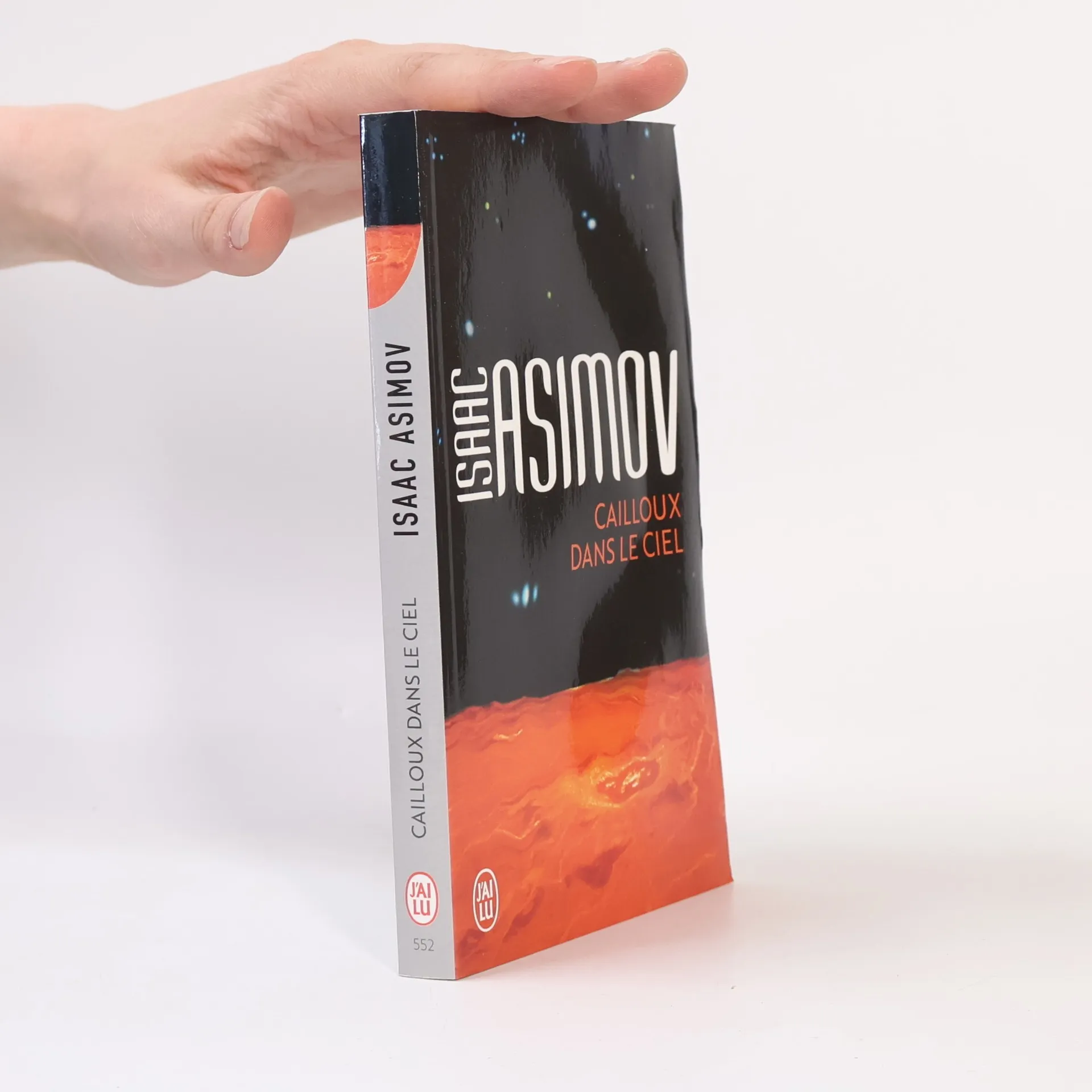
Cailloux dans le ciel
- 256pages
- 9 heures de lecture
Pour Joseph Schwartz, la chose arriva à l'instant où il avait un pied en l'air. Il se trouvait dans la banlieue de Chicago et s'apprêtait à enjamber une poupée de chiffon. Lorsqu'il reposa le pied, après avoir éprouvé une fugitive impression de vertige, sa chaussure s'enfonça dans l'herbe. Il était alors dans une forêt. Ce qu'ignorait Joseph Schwartz, c'est qu'il ne s'était pas déplacé dans l'espace, mais qu'il avait effectué un immense bond dans le temps. Désormais, la Terre n'était plus qu'une petite planète d'intérêt stratégique secondaire dans l'immense empire galactique dirigé depuis Trantor. La présence d'un homme venu du passé ne va-t-elle pas modifier les rapports de force existant entre les Terriens et la garnison de soldat impériaux ?
Le grand Asimov écrit pour les jeunes. Si la présentation est adaptée aux dix ans, le texte bien qu'abondamment illustré fait appel à une terminologie difficile. Souvent les ouvrages cités dans la bibliographie ne conviennent pas aux lecteurs de la collection. Une excellente tentative qui mériterait une mise au point.
Le grand Asimov écrit pour les jeunes. Si la présentation est adaptée aux dix ans, le texte bien qu'abondamment illustré fait appel à une terminologie difficile. Souvent les ouvrages cités dans la bibliographie ne conviennent pas aux lecteurs de la collection. Une excellente tentative qui mériterait une mise au point.
Le grand Asimov écrit pour les jeunes. Si la présentation est adaptée aux dix ans, le texte bien qu'abondamment illustré fait appel à une terminologie difficile. Souvent les ouvrages cités dans la bibliographie ne conviennent pas aux lecteurs de la collection. Une excellente tentative qui mériterait une mise au point.
L'invité du ciel
- 80pages
- 3 heures de lecture
Newly arrived on Planet Anderson Two just before Christmas, Jonathan is warned about the dangerous native inhabitants, but an accidental meeting with one of the natives convinces him that they are friendly and peaceful.
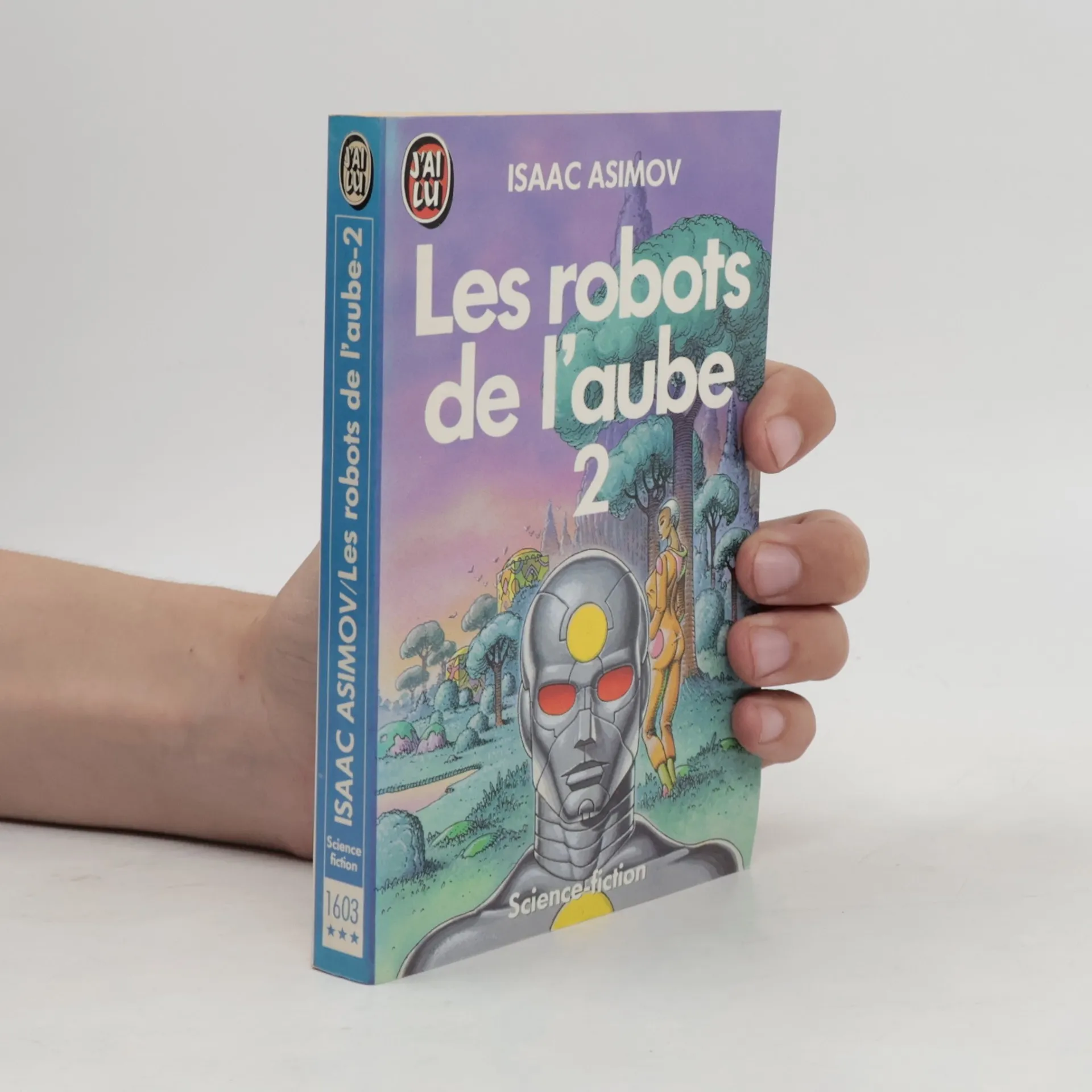
Les robots de l'aube 2
- 254pages
- 9 heures de lecture
Quand Elijah Baley, le célèbre agent de la Sûreté interplanétaire, arrive sur Aurora, il pressent qu'il va au-devant de sa plus périlleuse mission. Impossible pourtant de se récuser : le salut de la Terre en dépend, et le destin futur de l'Univers. Il s'agit pour lui de découvrir qui, pour la première fois dans la Galaxie, s'est rendu coupable du meurtre de Jander Panell, le robot positronique le plus sophistiqué jamais crée, et qui atteignait un degré d' " humanité " très supérieur à tout ce que le Dr Susan Calvin aurait pu imaginer. D'autres découvertes attendent Elijah Baley : sur Aurora, les rites sexuels comportent peu de tabous et il n'est pas interdit à une femme de s'éprendre d'un robot...
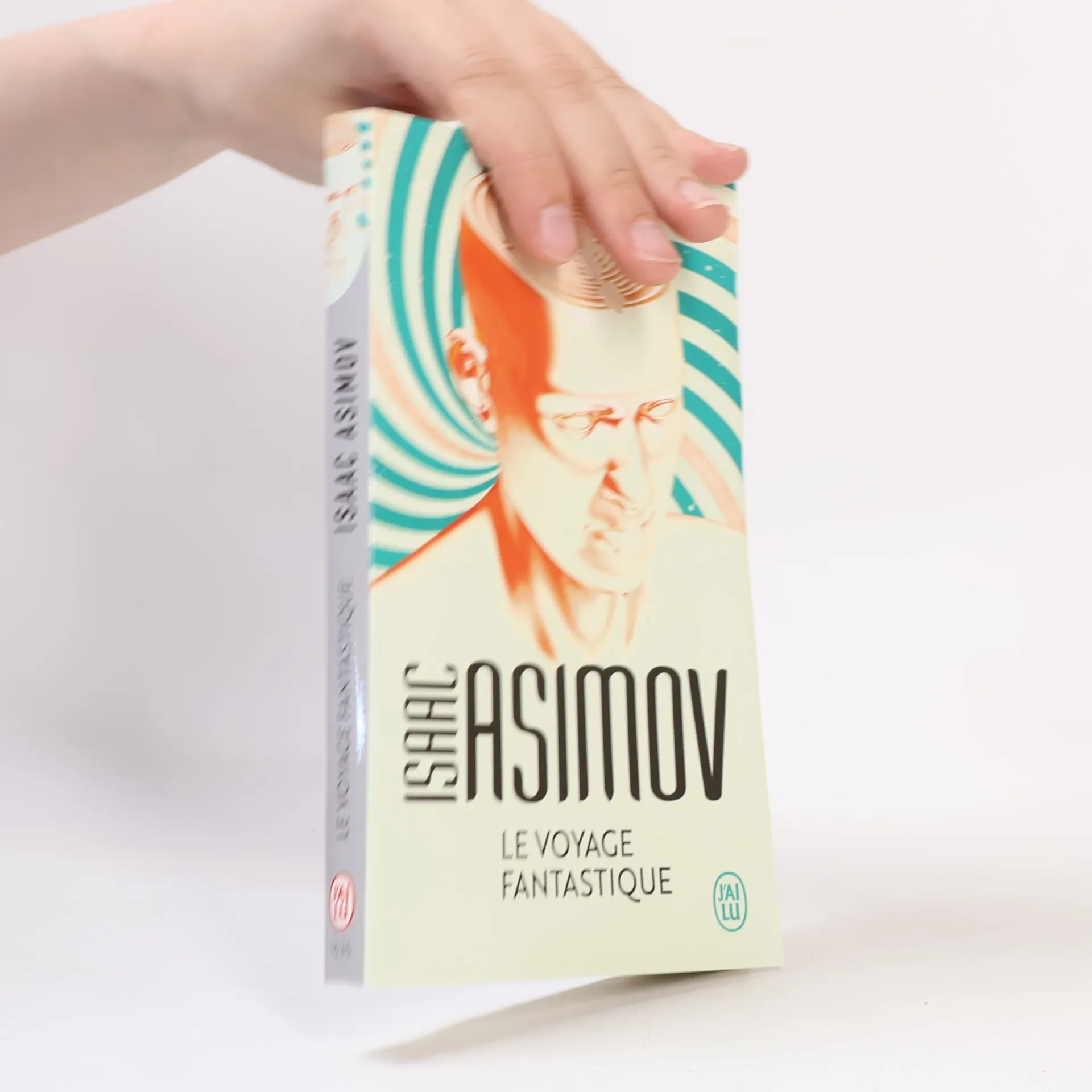
Science-fiction - 1635: Le voyage fantastique
- 244pages
- 9 heures de lecture
Four men and a woman are reduced to a microscopic fraction of their original size, sent in a miniaturized atomic sub through a dying man's carotid artery to destroy a blood clot in his brain. If they fail, the entire world will be doomed.
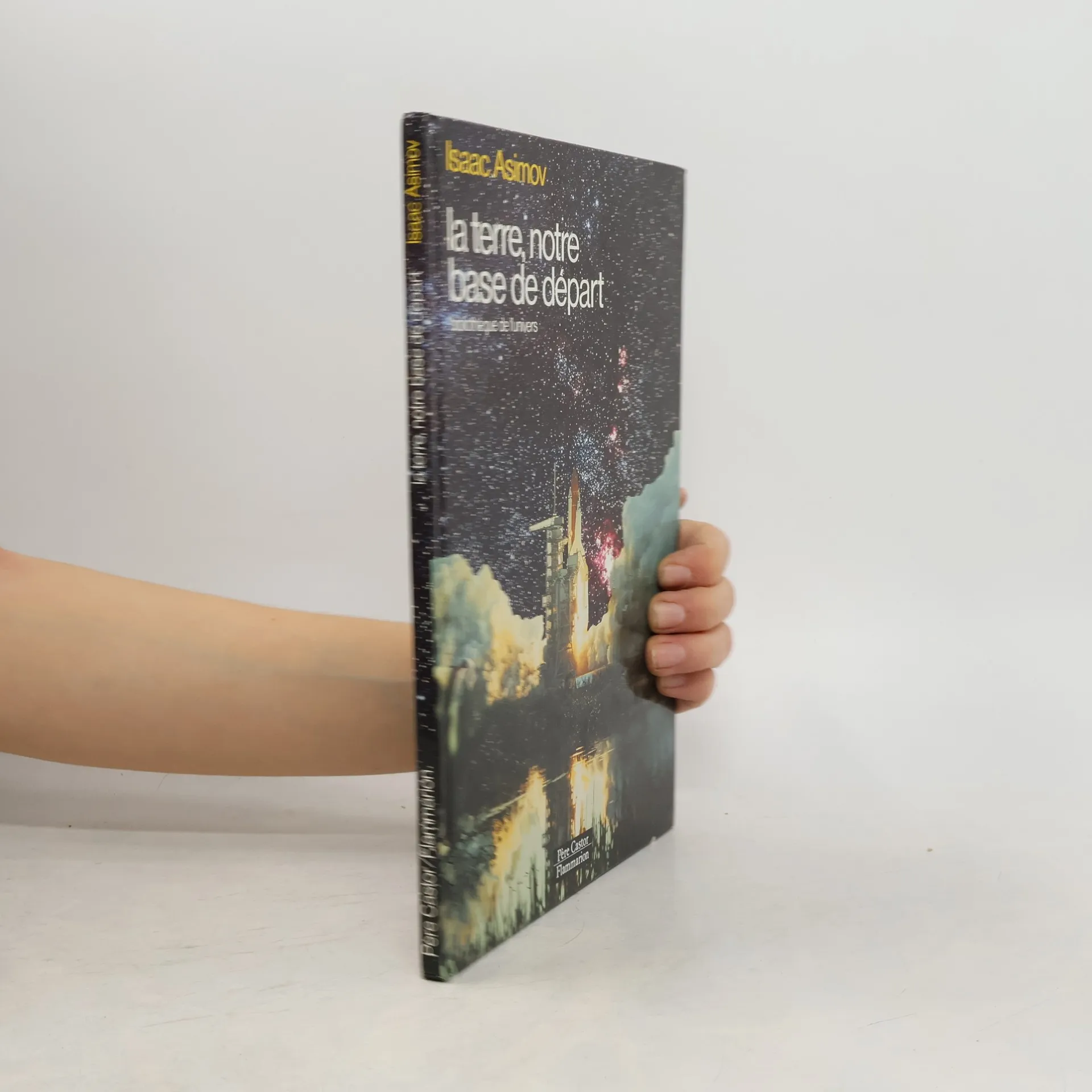
La Terre, notre base de départ
- 29pages
- 2 heures de lecture
Le grand Asimov écrit pour les jeunes. Si la présentation est adaptée aux dix ans, le texte bien qu'abondamment illustré fait appel à une terminologie difficile. Souvent les ouvrages cités dans la bibliographie ne conviennent pas aux lecteurs de la collection. Une excellente tentative qui mériterait une mise au point.
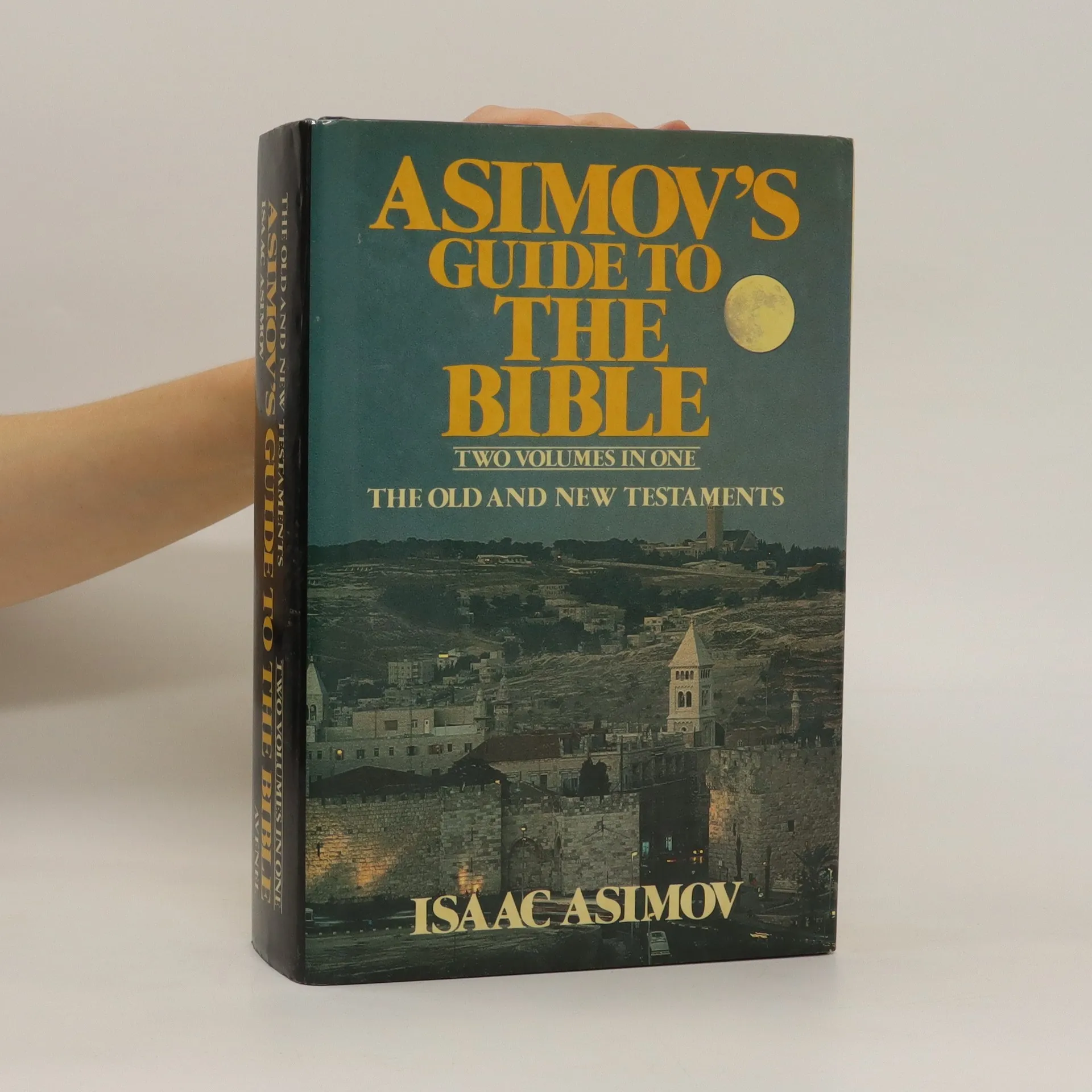
Asimov's Guide to the Bible
- 1296pages
- 46 heures de lecture
"Explores the historical, geographical, and biographical aspects of the events described in the Old and New Testaments"--Jacket
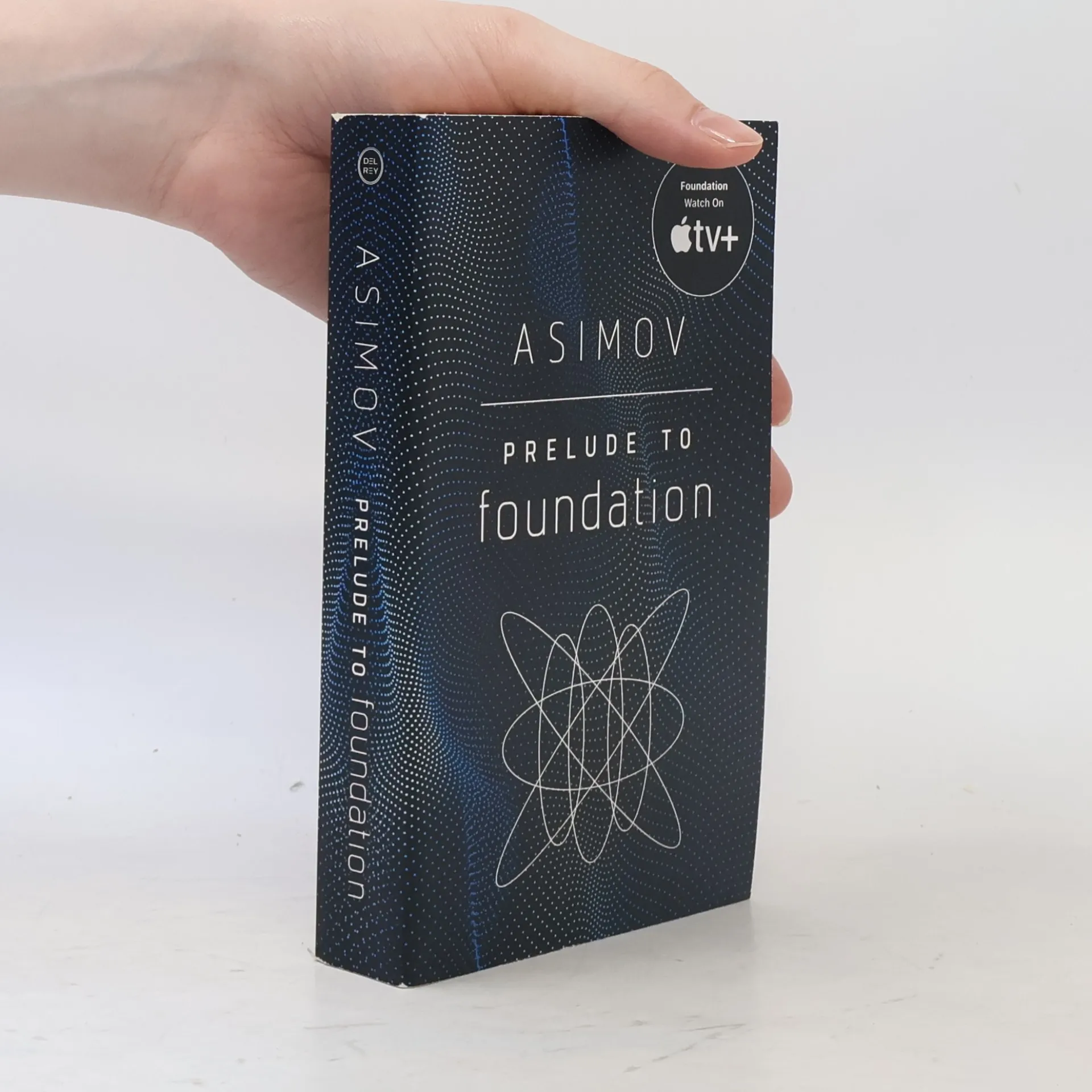
Prelude to foundation
- 493pages
- 18 heures de lecture
The first of two prequel novels in Isaac Asimov’s classic science-fiction masterpiece, the Foundation series THE EPIC SAGA THAT INSPIRED THE APPLE TV+ SERIES FOUNDATION It is the year 12,020 G.E. and Emperor Cleon I sits uneasily on the Imperial throne of Trantor. Here in the great multidomed capital of the Galactic Empire, forty billion people have created a civilization of unimaginable technological and cultural complexity. Yet Cleon knows there are those who would see him fall—those whom he would destroy if only he could read the future. Hari Seldon has come to Trantor to deliver his paper on psychohistory, his remarkable theory of prediction. Little does the young Outworld mathematician know that he has already sealed his fate and the fate of humanity. For Hari possesses the prophetic power that makes him the most wanted man in the Empire . . . the man who holds the key to the future—an apocalyptic power to be known forever after as the Foundation.
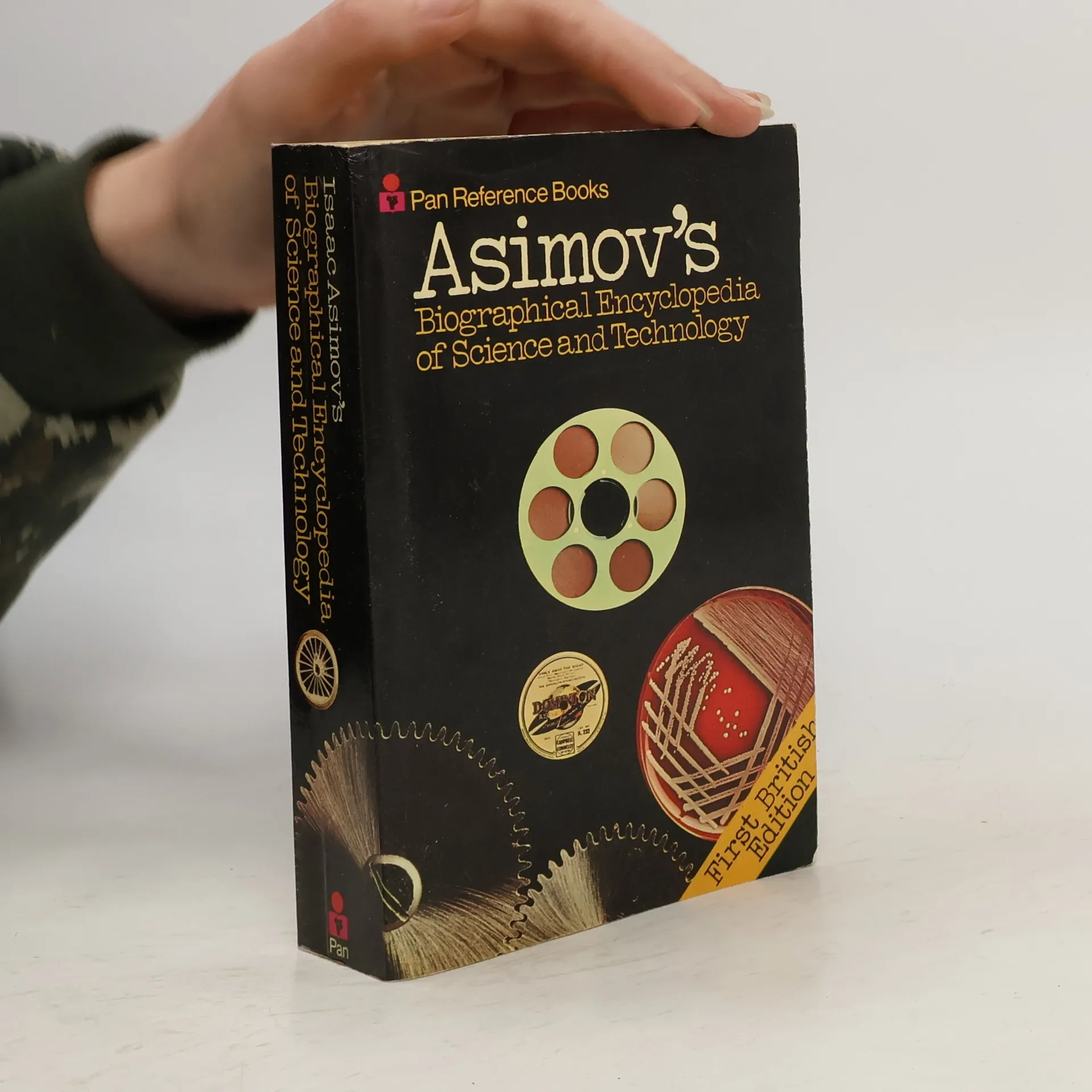
Asimov's Biographical Encyclopedia of Science and Technology
- 805pages
- 29 heures de lecture
s/t: The Lives & Achievements of 1195 Great Scientists From Ancient Times To The Present, Chronologically Arranged
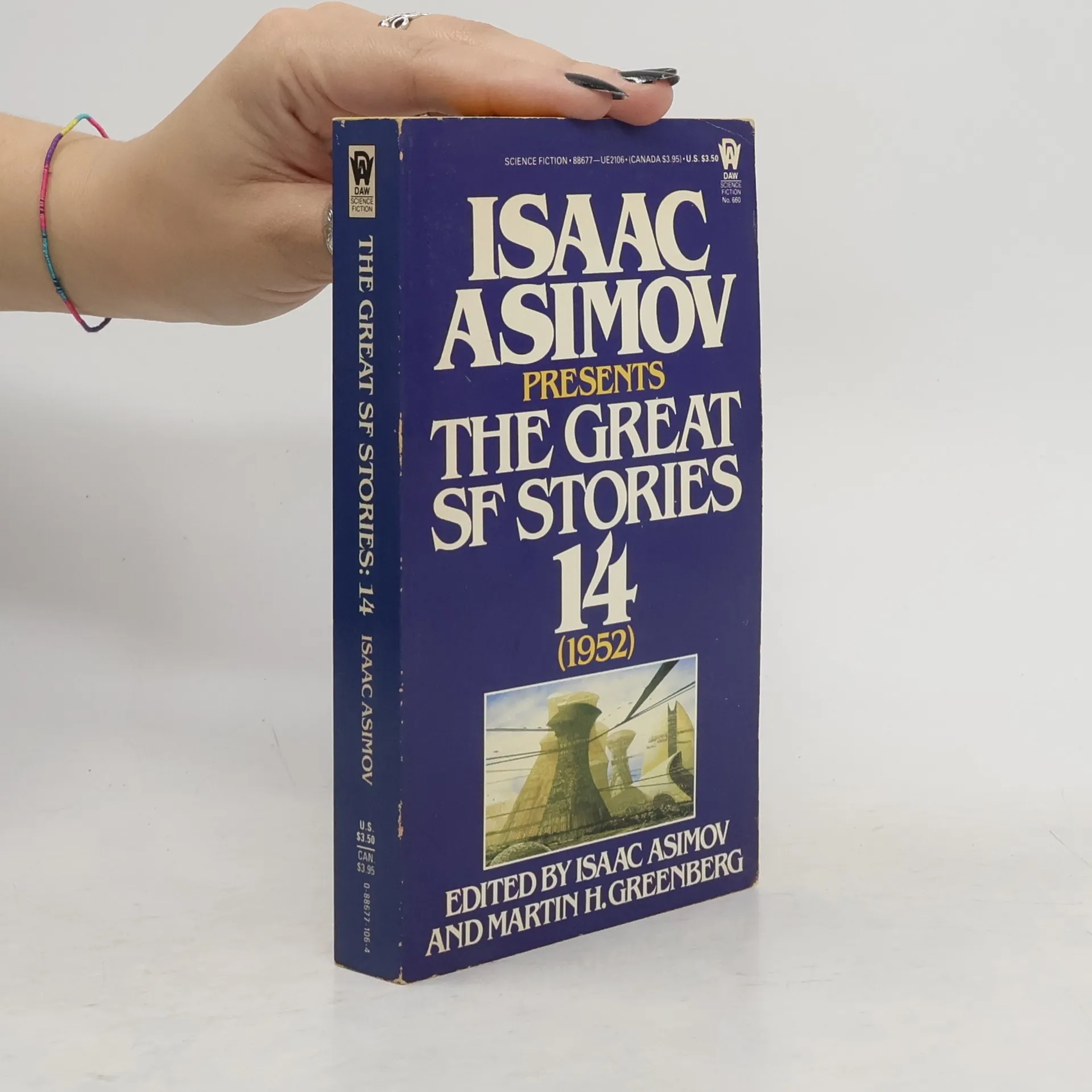
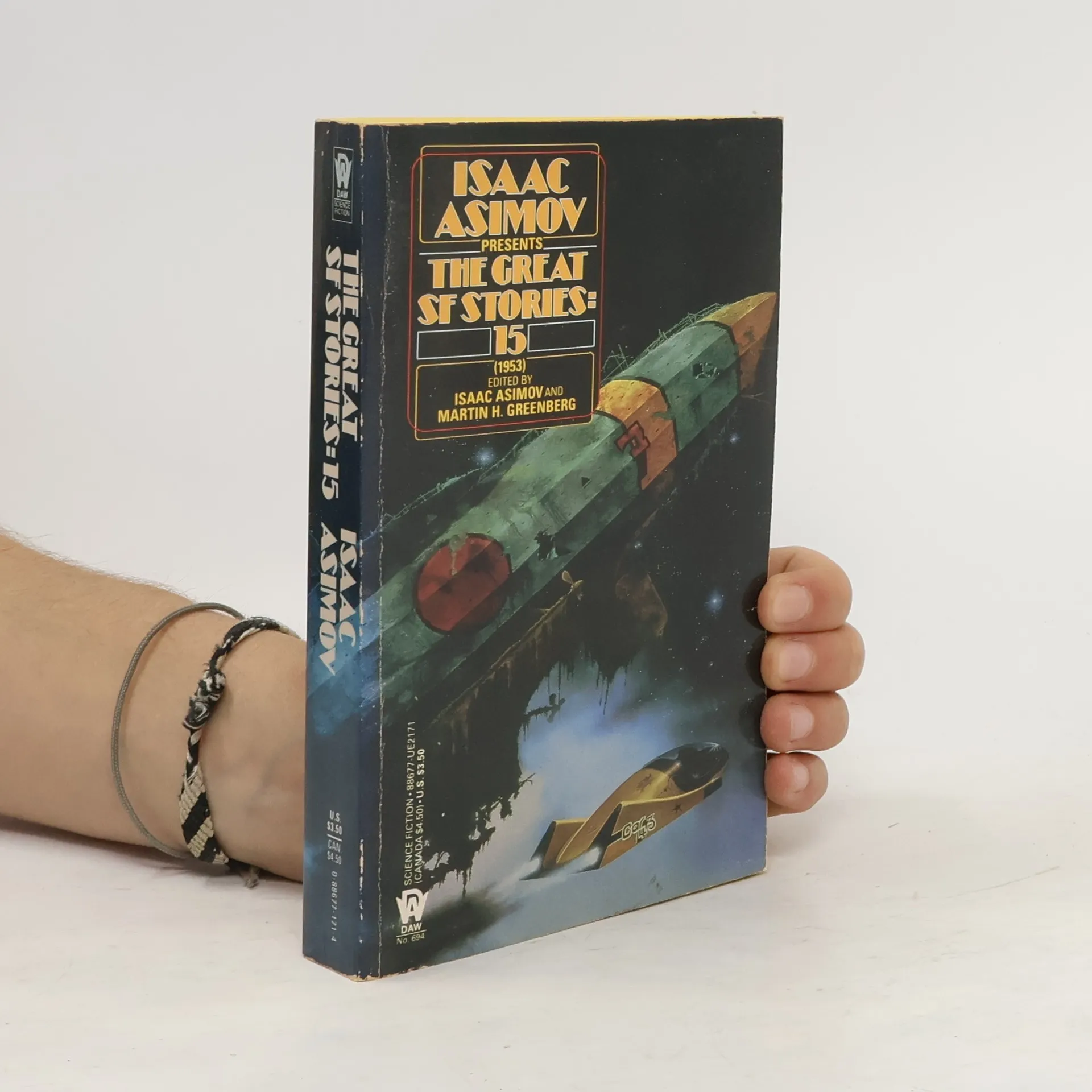
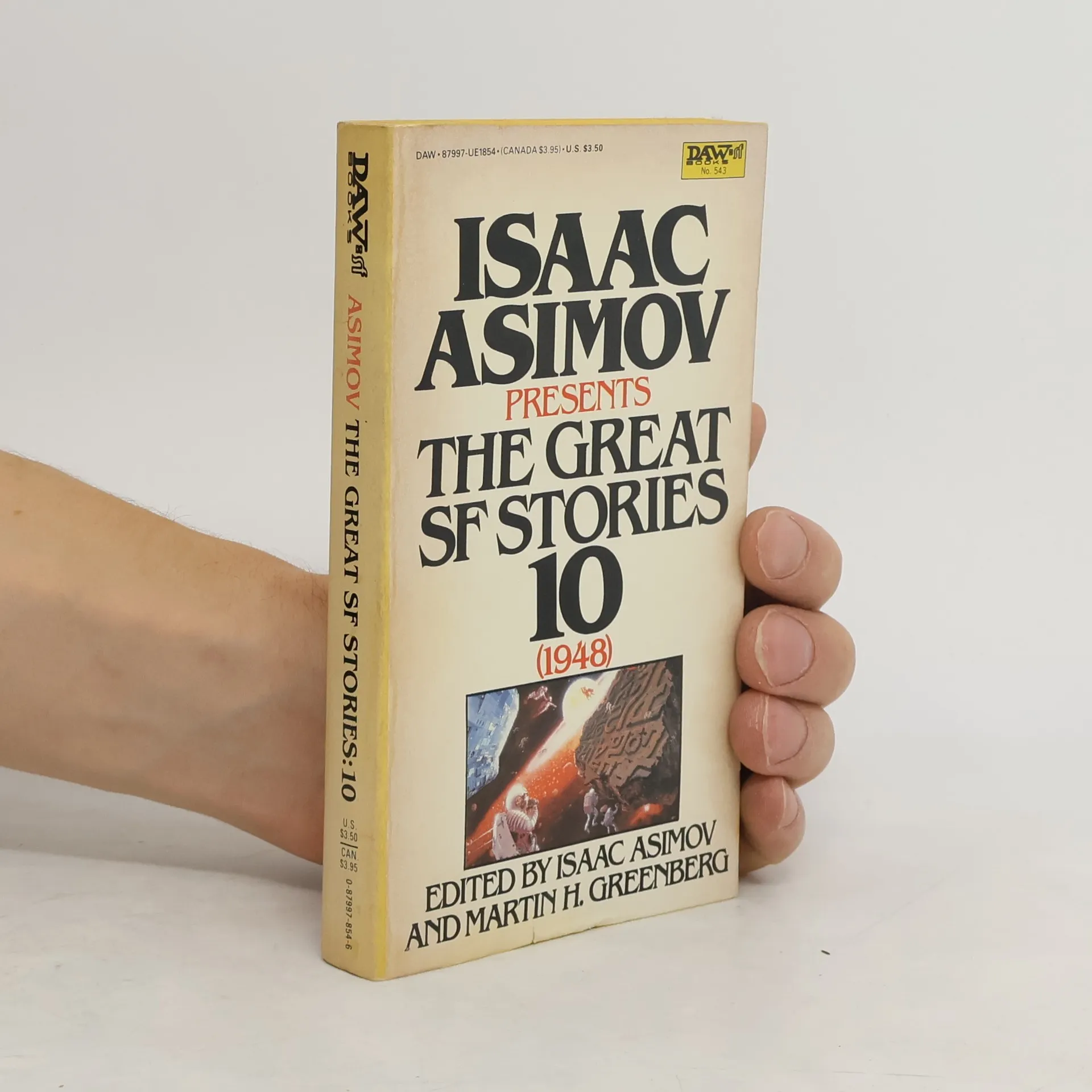
Isaac Asimov Presents the Great SF Stories #14
- 352pages
- 13 heures de lecture
Short stories deal with underground cities, robot rulers, alien invasions, nuclear war, time travel, artificial life, telepathy, and space exploration
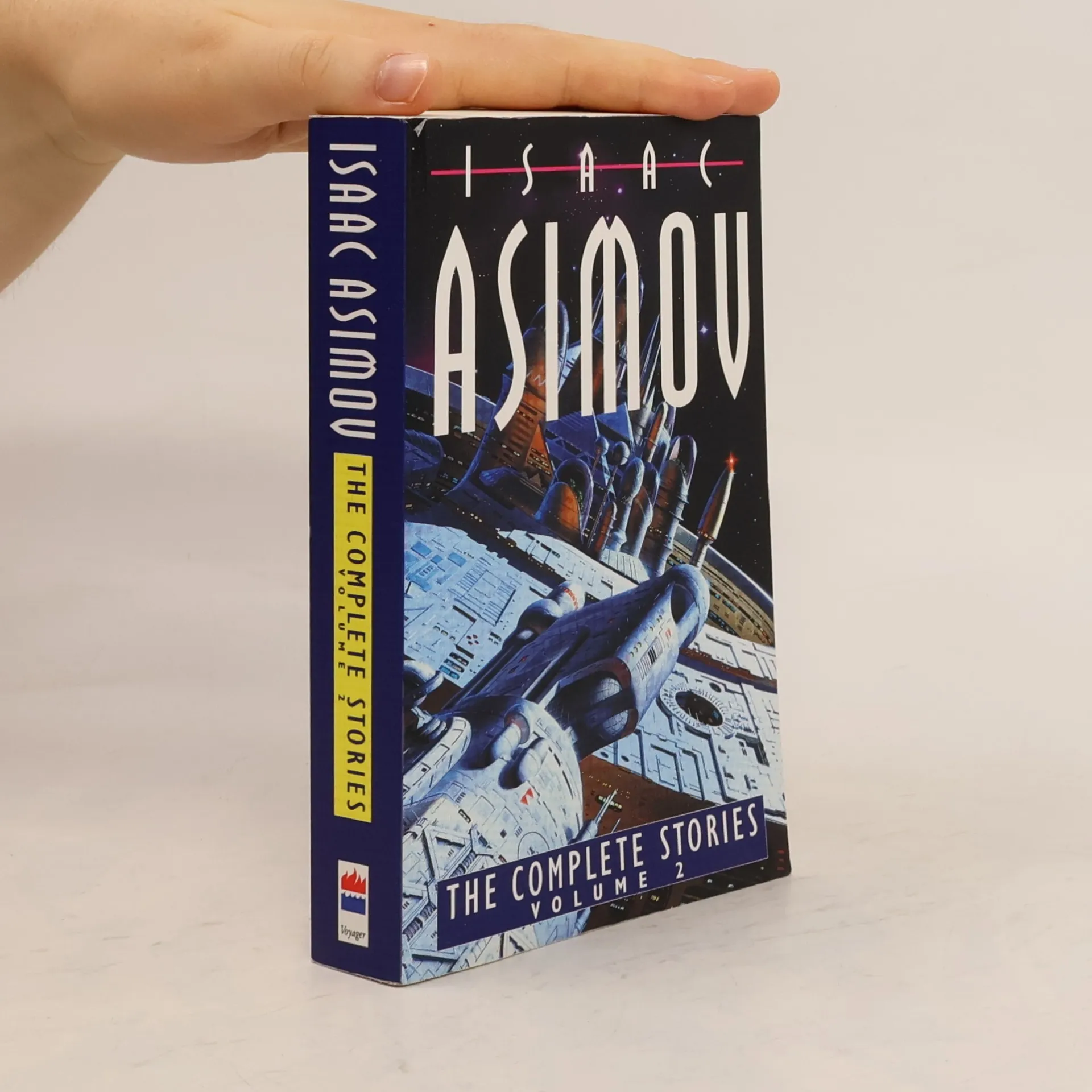
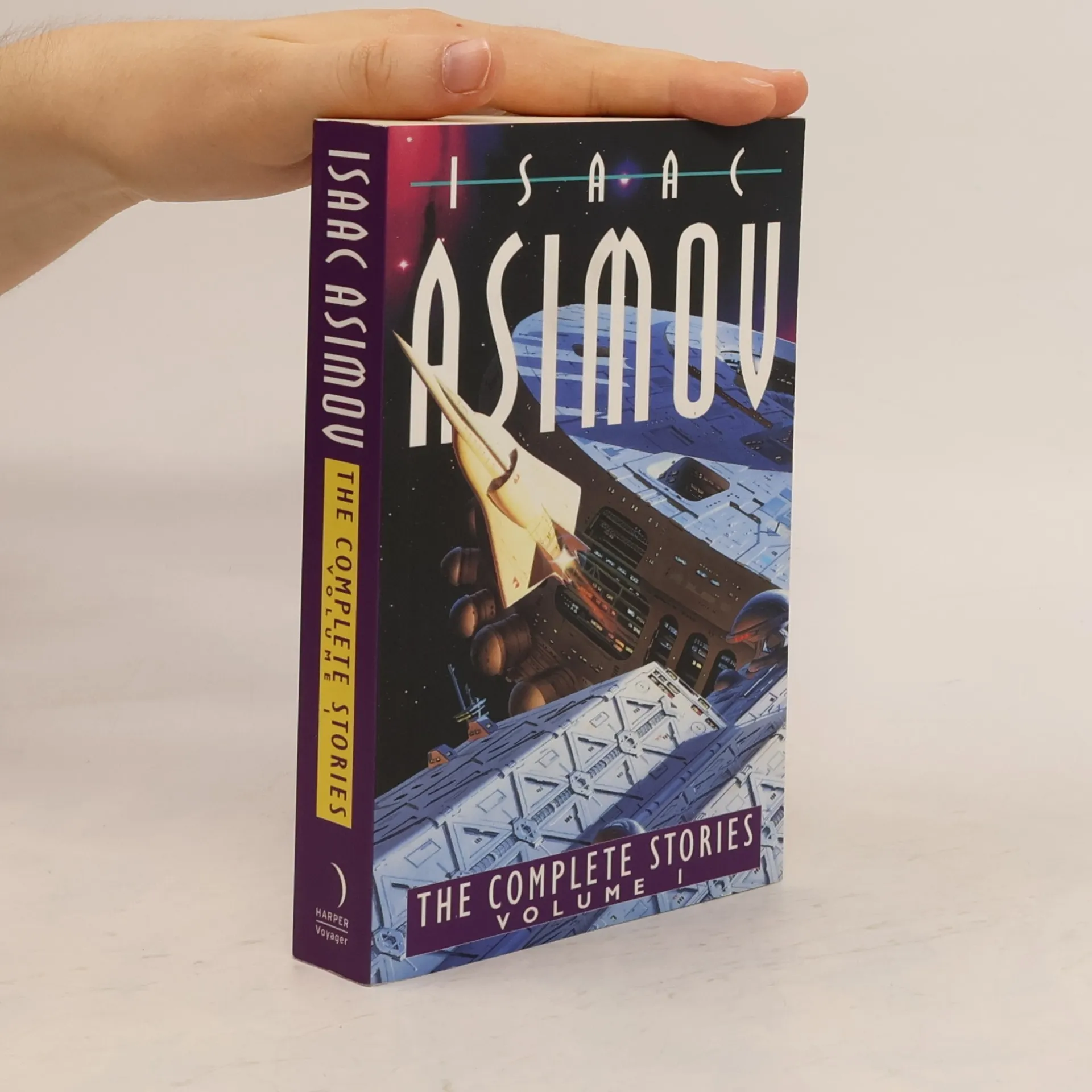
The complete stories. Volume 2
- 432pages
- 16 heures de lecture
The second volume in an extraordinary collection published shortly after the author's death. In these twenty-three stories, Asimov's vivid awareness of the potential of technology is translated into human dilemmas.
First published fifteen years ago, shortly after his death, inside this collection are some of the finest short stories of science fiction writing from one of the genre's greatest writers, Isaac Asimov. Isaac Asimov was the Grand Master of the Science Fiction Writers of America, the founder of robot ethics, and one of the world's most prolific authors of fiction and non-fiction. The Good Doctor's short fiction has been enjoyed by millions for more than half a century. Now the definitive Asimov collection is underway with Volume One of The Complete Stories. Many of these stories are classics of the genre, and the last, 'The Last Question', the absolute personal favourite of Asimov himself. Always entertaining and thought provoking, these stories display Asimov's mastery of the short story form. He remains supreme as the thinking person's science fiction writer.
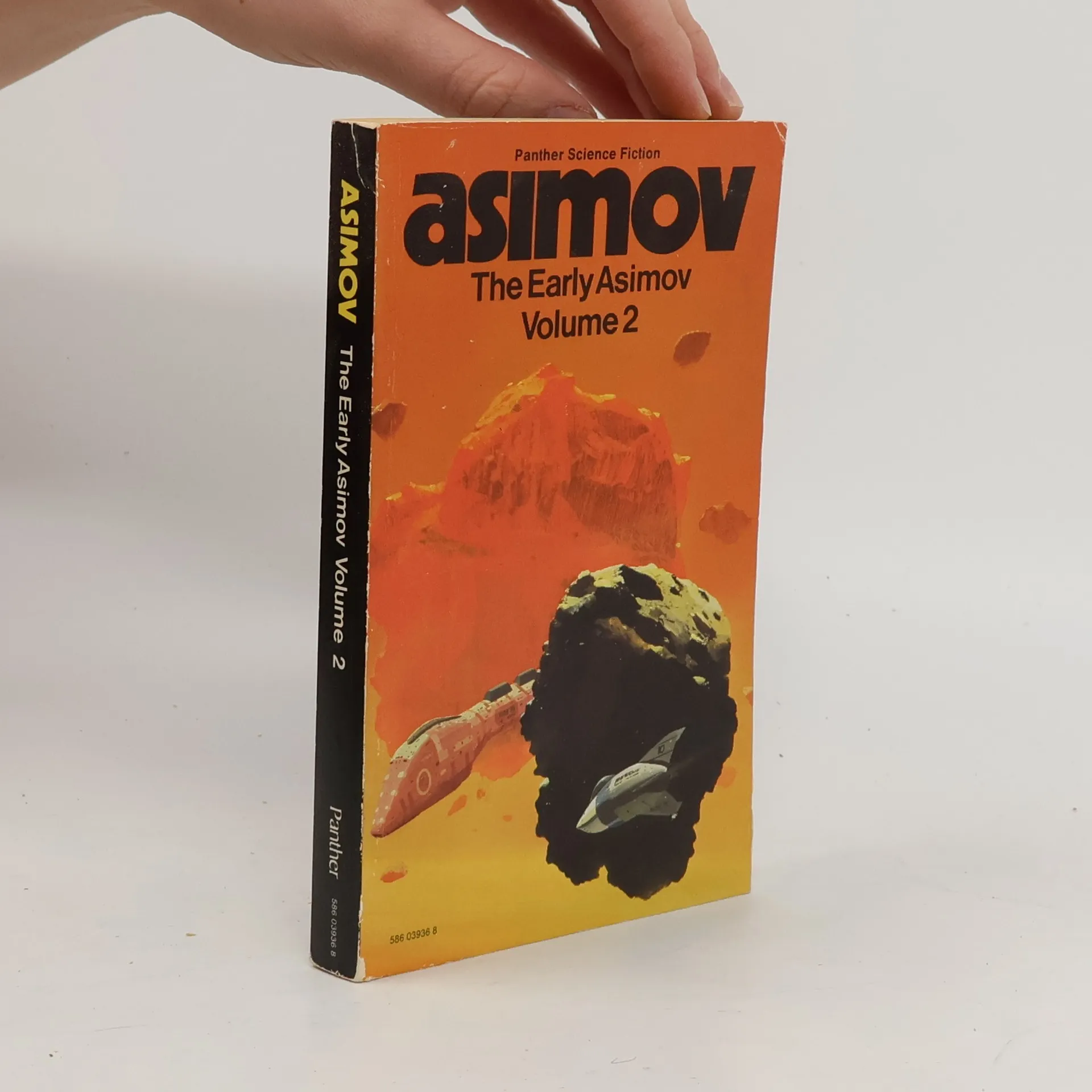
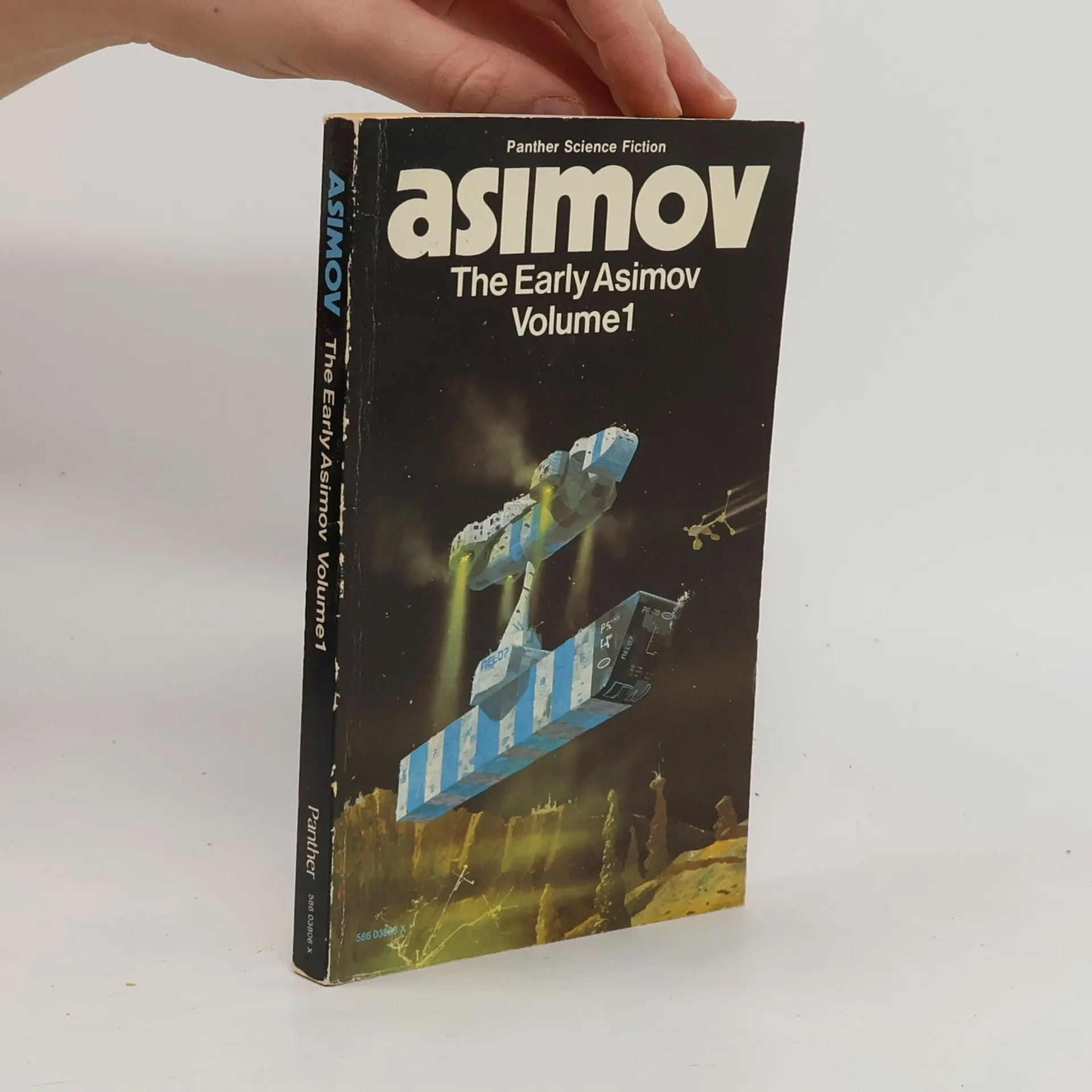
Isaac Asimov began his literary career as a science fiction writer, exclusively penning short stories for magazines during the first eleven years. The idea of publishing a book seemed far-fetched due to his inherent modesty. However, as he transitioned to writing books, he sought to compile the materials he had previously created for magazines. Between 1950 and 1969, he published ten collections. While this might seem sufficient, it did not satisfy the insatiable appetite of his readers. When publishers suggested he create a collection of stories that had not made it into those earlier volumes, accompanied by brief introductions, he could not refuse. This volume showcases Asimov's early works, reflecting his imaginative storytelling and the themes that would come to define his illustrious career in science fiction.
Stories deal with social planning, evolution, immortality, computers, sea farming, invaders, time travel, a tragic stowaway, androids, experiments, and war
The Great Science Fiction Stories 17
- 349pages
- 13 heures de lecture
Contents:9 · 1955 Introduction · Martin H. Greenberg · in 13 · The Tunnel Under the World · Frederik Pohl · nv Galaxy Jan ’55 46 · The Darfsteller · Walter M. Miller, Jr. · na Astounding Jan ’55 112 · The Cave of Night · James E. Gunn · ss Galaxy Feb ’55 130 · Grandpa · James H. Schmitz · nv Astounding Feb ’55 153 · Who? · Theodore Sturgeon · nv Galaxy Mar ’55 187 · The Short Ones · Raymond E. Banks · nv F&SF Mar ’55 209 · Captive Market · Philip K. Dick · ss If Apr ’55 228 · Allamagoosa · Eric Frank Russell · ss Astounding May ’55 243 · The Vanishing American · Charles Beaumont · ss F&SF Aug ’55 254 · The Game of Rat and Dragon · Cordwainer Smith · ss Galaxy Oct ’55 270 · The Star [Star of Bethlehem] · Arthur C. Clarke · ss Infinity Science Fiction Nov ’55 277 · Nobody Bothers Gus [as by Paul Janvier] · Algis Budrys · ss Astounding Nov ’55 292 · Delenda Est [Manse Everard (Time Patrol)] · Poul Anderson · nv F&SF Dec ’55 333 · Dreaming Is a Private Thing · Isaac Asimov · ss F&SF Dec ’55
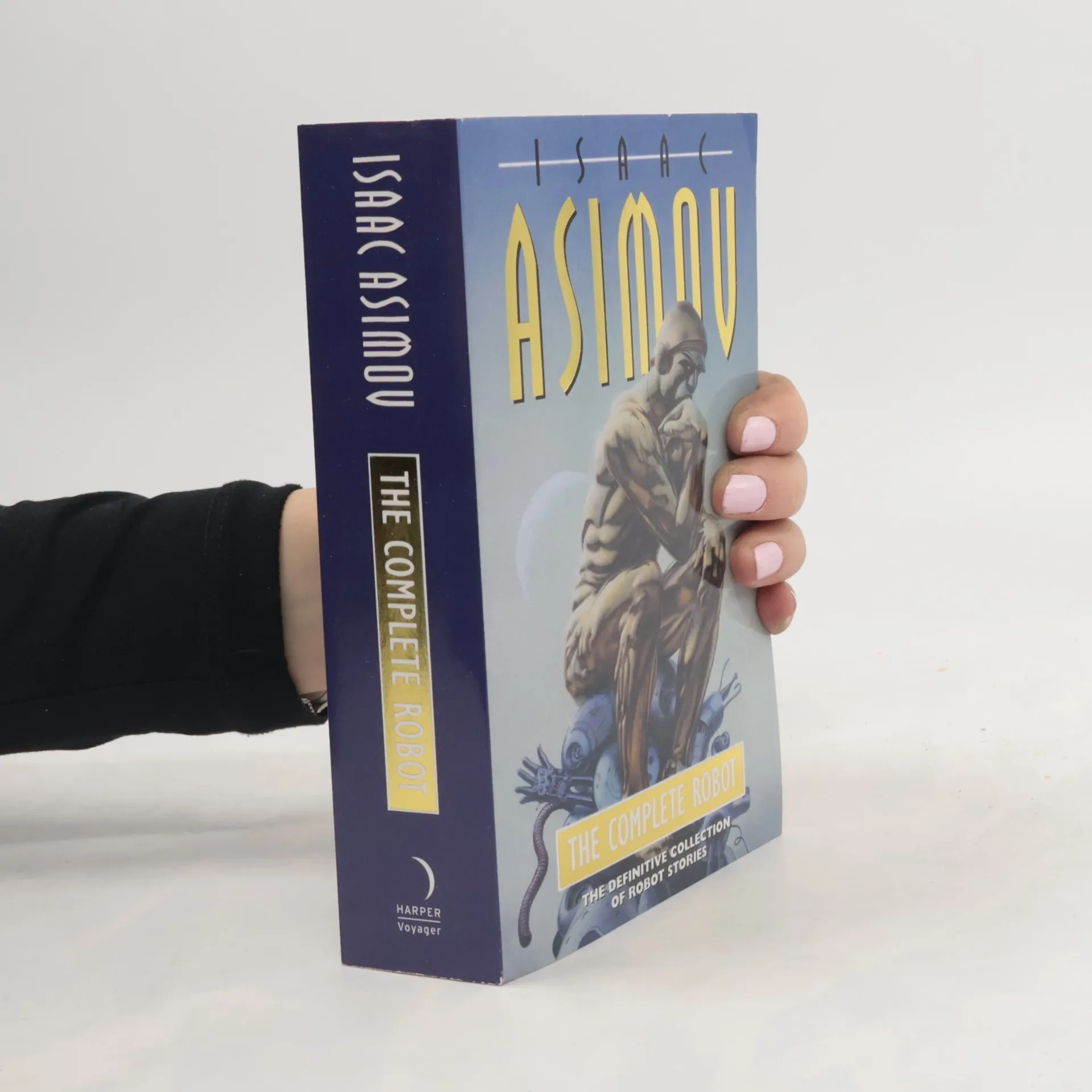
The Complete Robot
- 680pages
- 24 heures de lecture
The complete collection of Isaac Asimov's classic Robot stories.
The Foundation trilogy is a saga of humaity's struggle against darkness played on the the grandest possible scale - is one of the corner-stones of modern science fiction. It is the story of the Galactic empire, crumbling after 12,000 years of rule, and the story of psycho-historian Hari Seldon, the only man who can see the horrors the future has in store..
The Best of Isaac Asimov
- 320pages
- 12 heures de lecture
Contents: - Marooned Off Vesta (1939) - Nightfall (1941) - The C-Chute (1951) - The Martian Way (1952) - The Deep (1952) - The Fun They Had (1951) - The Last Question (1956) - The Dead Past (1956) - The Dying Night (1956) - Anniversary (1959) - The Billiard Ball (1967) - Mirror Image (1972)
Isaac Asimov began his literary career as a science fiction writer, focusing exclusively on short stories for magazines during the first eleven years. The idea of publishing a book seemed distant due to his inherent modesty. However, as he transitioned to writing books, he sought to compile materials previously created for magazines. Between 1950 and 1969, he published ten collections. While this might seem sufficient, it did not satisfy the insatiable appetite of his readers. When publishers suggested he create a collection of stories that did not fit into those earlier volumes, accompanied by brief introductions, he could not refuse. This collection showcases Asimov's early works, reflecting his imaginative storytelling and the themes that would define his career, offering readers a glimpse into the origins of his literary contributions to the science fiction genre.
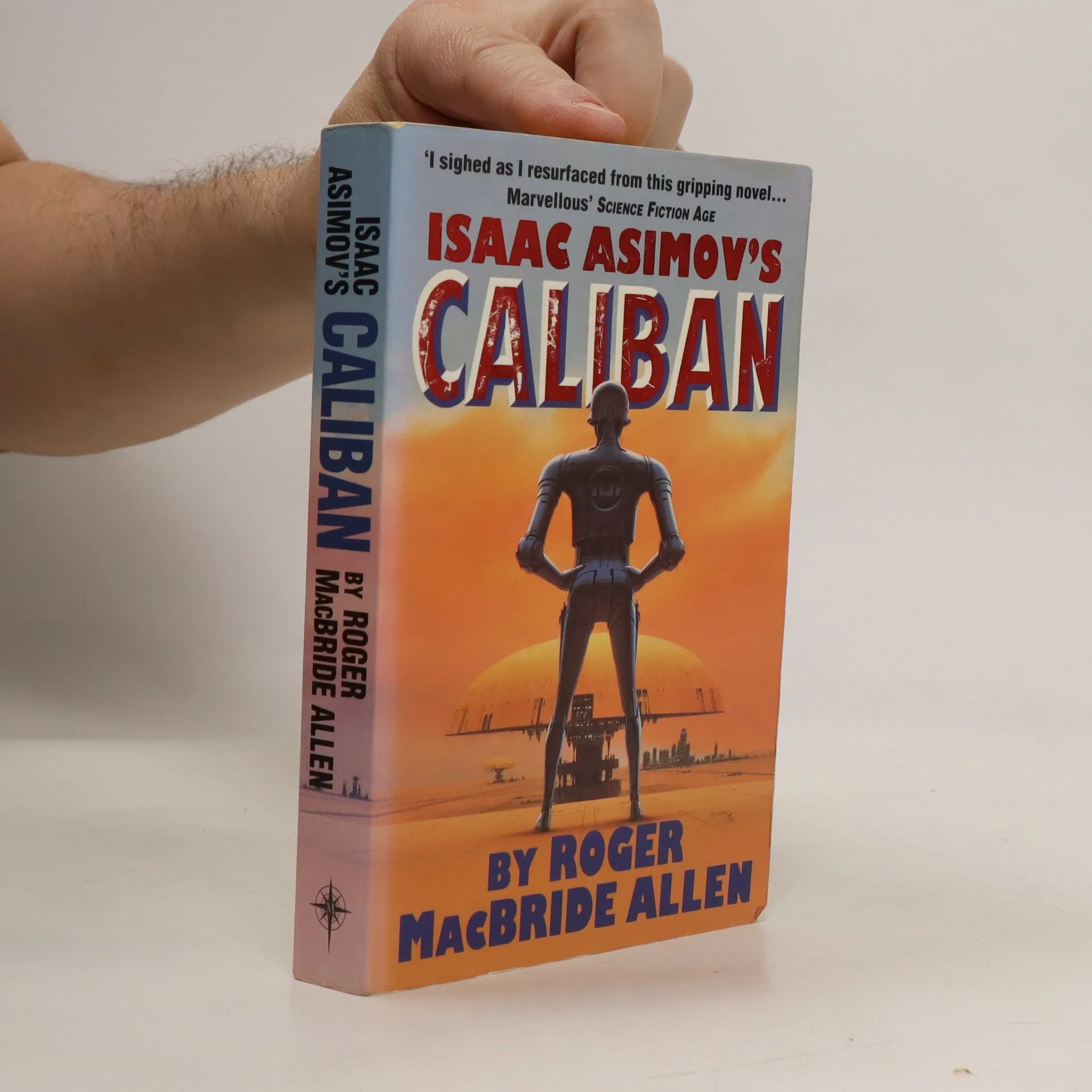
Isaac Asimov's Caliban
- 312pages
- 11 heures de lecture
In a universe protected by the Three Laws of Robotics, humans are safe. The First Law states, A robot may not injure a human being, or, through inaction, allow a human being to come to harm. When an experiment with a new type of robot brain goes awry, the unthinkable happens. Caliban is created... A robot without guilt or conscience. A robot with no knowledge of or compassion for humanity. A robot without the Three Laws. Caliban is a searing examination of Asimov's Three Laws of Robotics, a challenge welcomed and sanctioned by Isaac Asimov, the late beloved genius of science fiction, and written with his cooperation by one of today's hottest talents, Roger MacBride Allen, New York Times bestselling author of Ambush at Corella, The Modular Man, and The Ring of Charon.
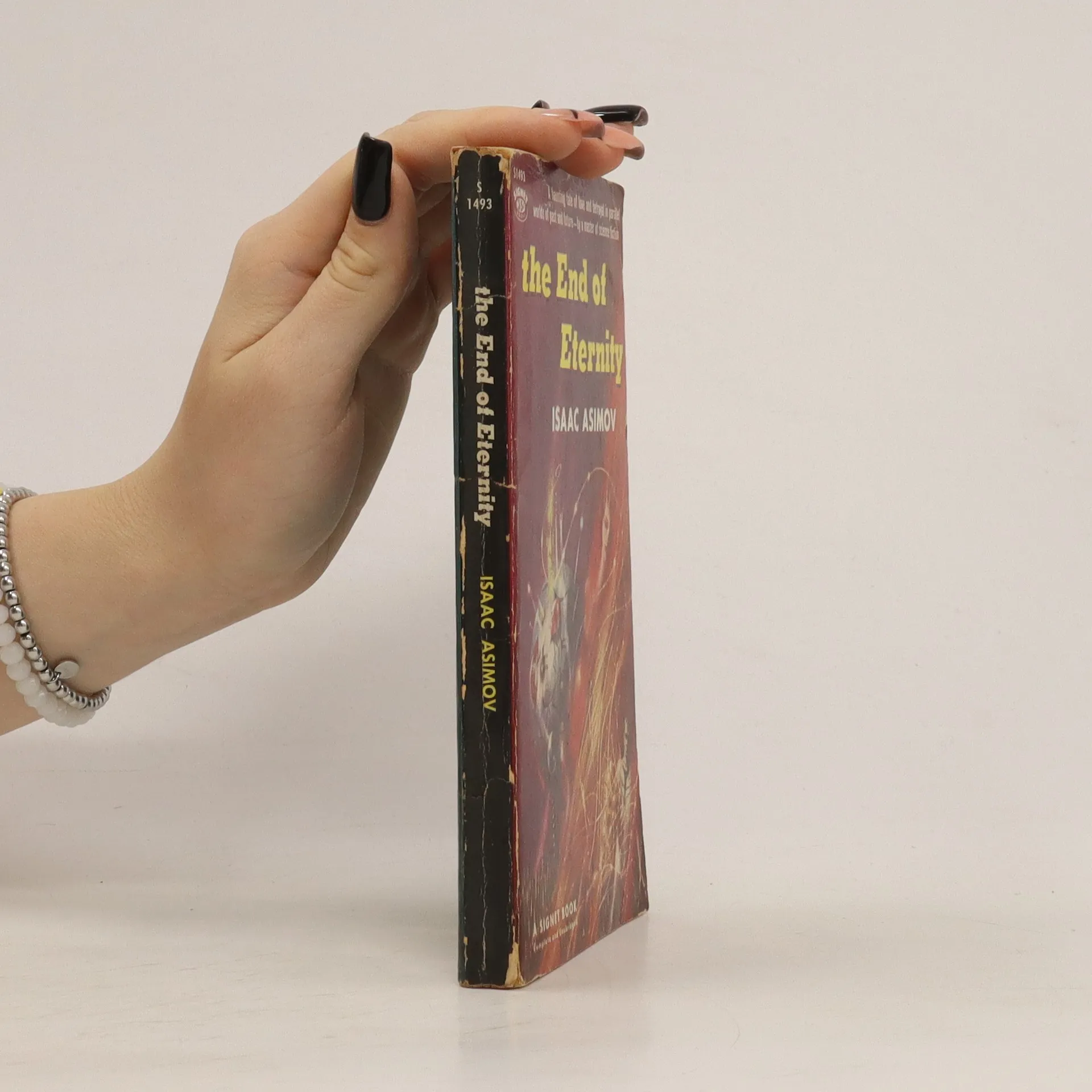
Andrew Harlan, one of the operatives who help control human history, breaks the rules to help Noys Lambent, the woman he loves, escape a reality change
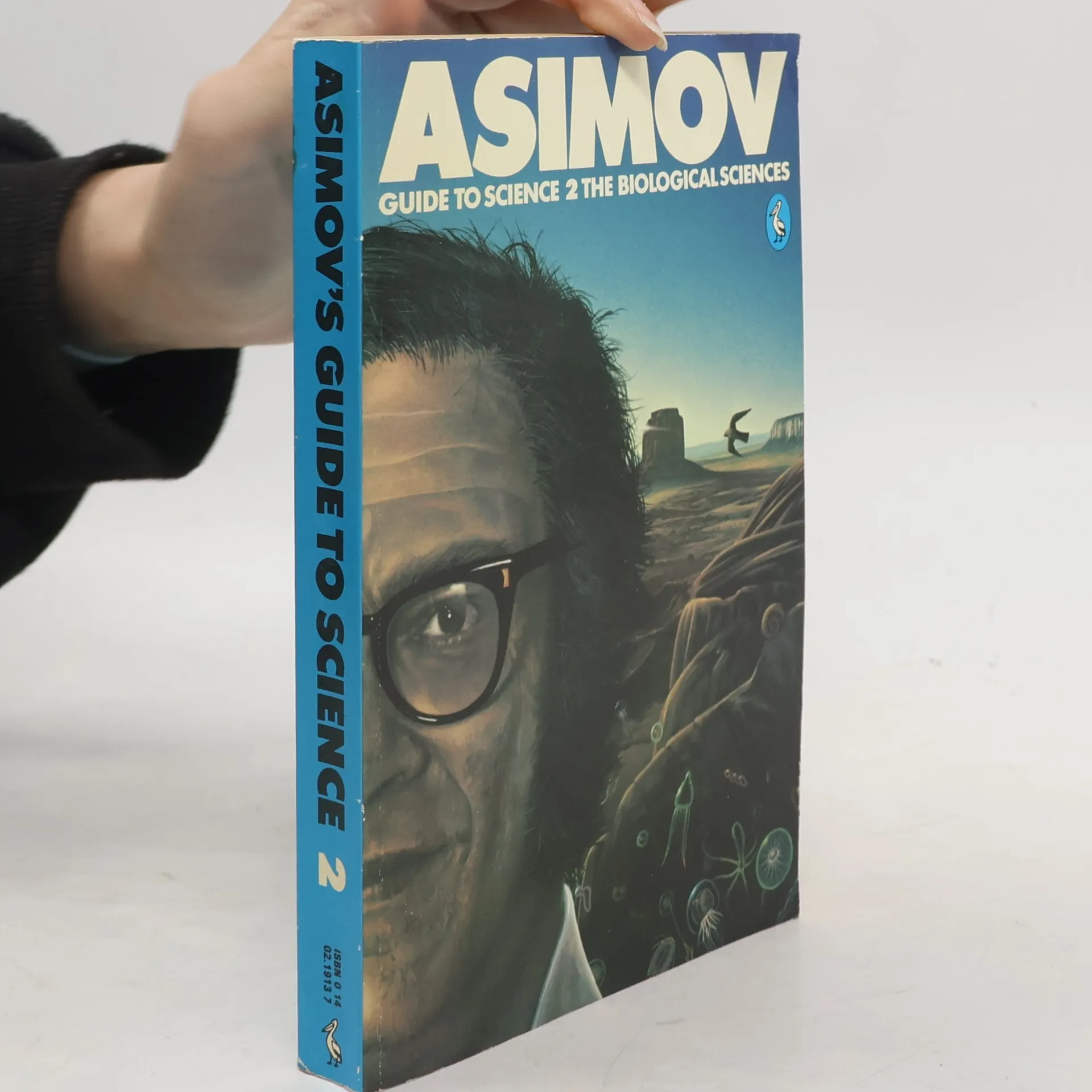
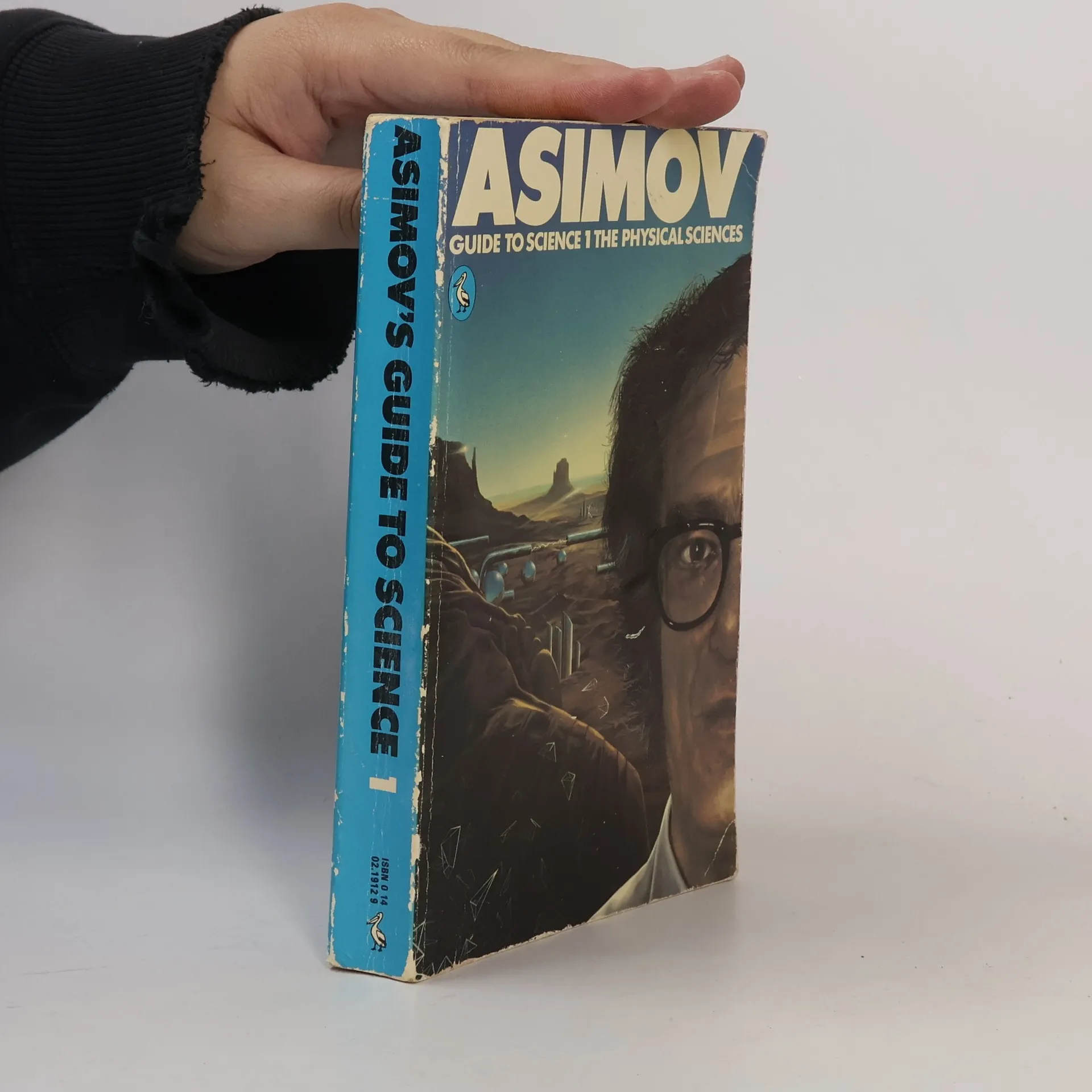
The Biological Sciences
- 438pages
- 16 heures de lecture
Isaac Asimov gives an explanation of living cells and the chemistry of life; evolution and the family tree of the animal world; human behavior and the human brain.
This anthology contains:Don't Look Now by Henry KuttnerRedhead by John D. MacDonaldKnock by Fredric BrownHe Walked Around the Horses by H. Beam PiperThe Strange Case of John Kingman by Murray LeinsterThat Only a Mother by Judith MerrilThe Monster Dormant by A.E. Van VogtDreams are Sacred by Peter PhillipsMars is Heaven by Ray BradburyThang by Martin GardnerBrooklyn Project by William TennPeriod Piece by J.J. CouplingIn Hiding by Wilmar H. Shirasand Late Night Final by Eric Frank Russell.
Robot Visions
- 496pages
- 18 heures de lecture
From Isaac Asimov, the Hugo Award-winning Grand Master of Science Fiction, comes five decades of robot visions: thirty-four landmark stories and essays—including three rare tales—gathered together in one volume. Meet all of Asimov’s most famous creations including: Robbie, the very first robot that his imagination brought to life; Susan Calvin, the original robot psychologist; Stephen Byerley, the humanoid robot; and the famous human/robot detective team of Lije Bailey and R. Daneel Olivaw, who have appeared in such bestselling novels as The Robots of Dawn and Robots and Empire. Let the master himself guide you through the key moments in the fictional history of robot-human relations—from the most primitive computers and mobile machines to the first robot to become a man. “It’s good to have Isaac’s classic robot stories, and his commentary on them, in one handsome volume.”—Arthur C. Clarke
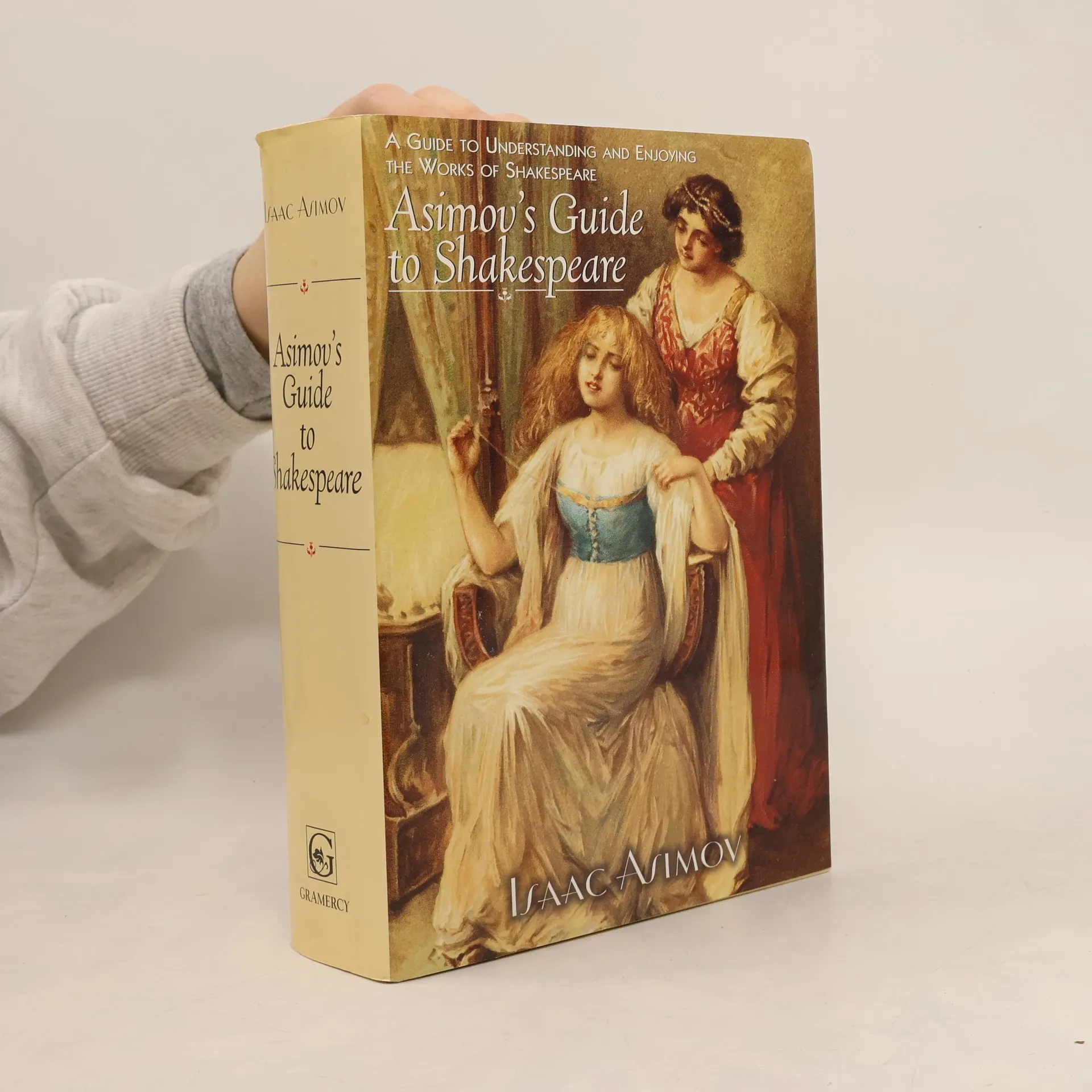
Asimov's Guide to Shakespeare
- 843pages
- 30 heures de lecture
Highly respected and widely read author Isaac Asimov offers a fresh, easy-to-read approach to understanding the greatest writer of all time.Designed to provide the modern reader with a working knowledge of topics pertinent to Shakespeare's audience, this book explores, scene-by-scene, thirty-eight plays and two narrative poems, including their mythological, historical and geographical roots.
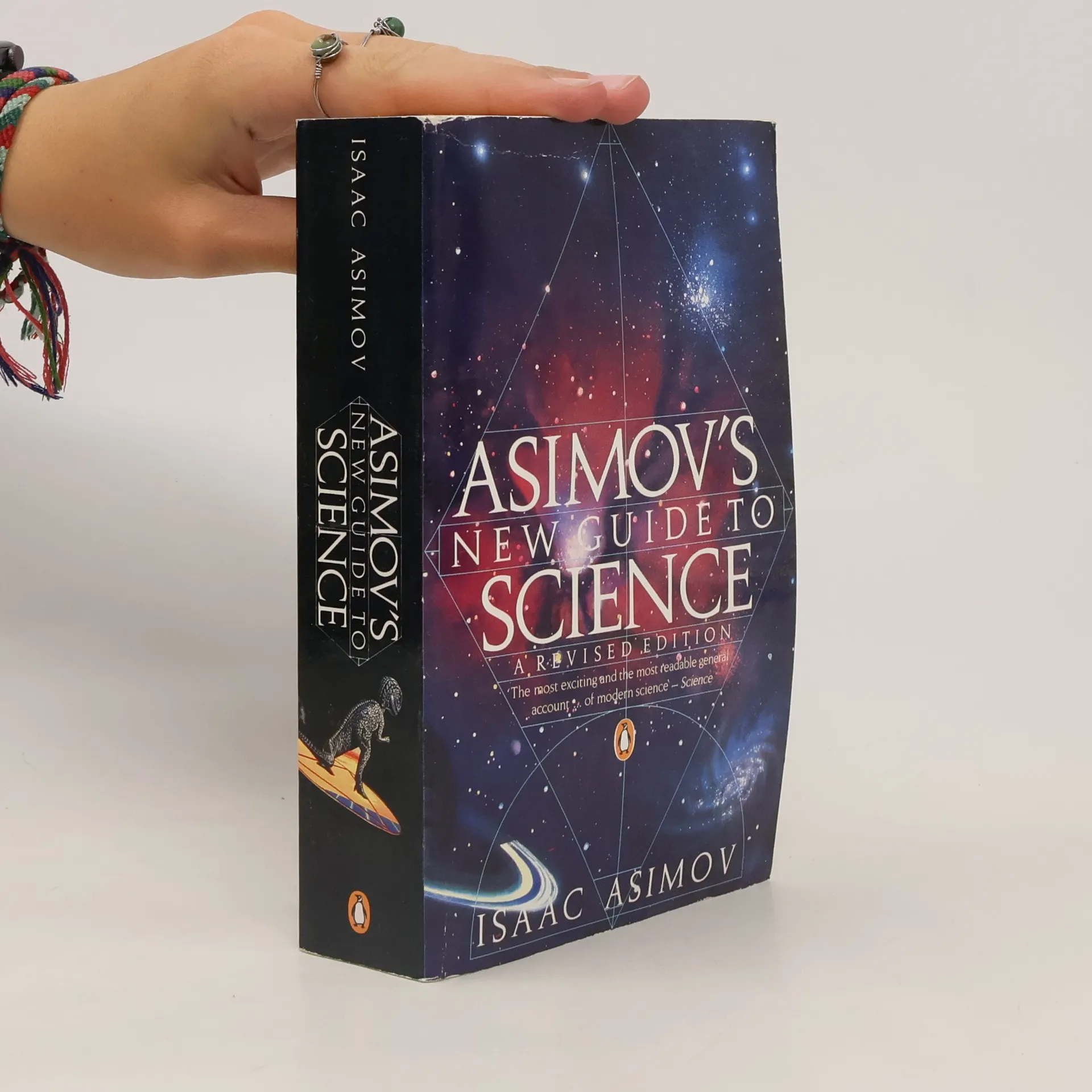
Asimov's New Guide to Science
- 896pages
- 32 heures de lecture
Tells the stories behind the science - the men and women who made the important discoveries and how they did it. Ranging from Galilei, Achimedes, Newton and Einstein, this title takes the complex concepts.
This anthology contains:A Logic Named Joe by Will F. JenkinsMemorial; Mewhu's Jet by Theodore SturgeonLoophole; Rescue Party; and Technical Error by Arthur C. ClarkeThe Nightmare by Chan DavisPlacet is a Crazy Place by Fredric BrownConqueror's Isle by Nelson S. BondLorelei of the Red Mist by Ray Bradbury and Leigh BrackettThe Million Year Picnic by Ray BradburyThe Last Objective by Paul A. CarterMeihem in Ce Klasrum by Dolton EdwardsVintage Season by Lawrence O' DonnellAbsalom by Henry KuttnerEvidence by Isaac Asimov
A collection of some of the greatest science fiction tales features Fred Saberhagen's "Berserker" series, John Brunner's "The Totally Rich," and other tales. Reprint.
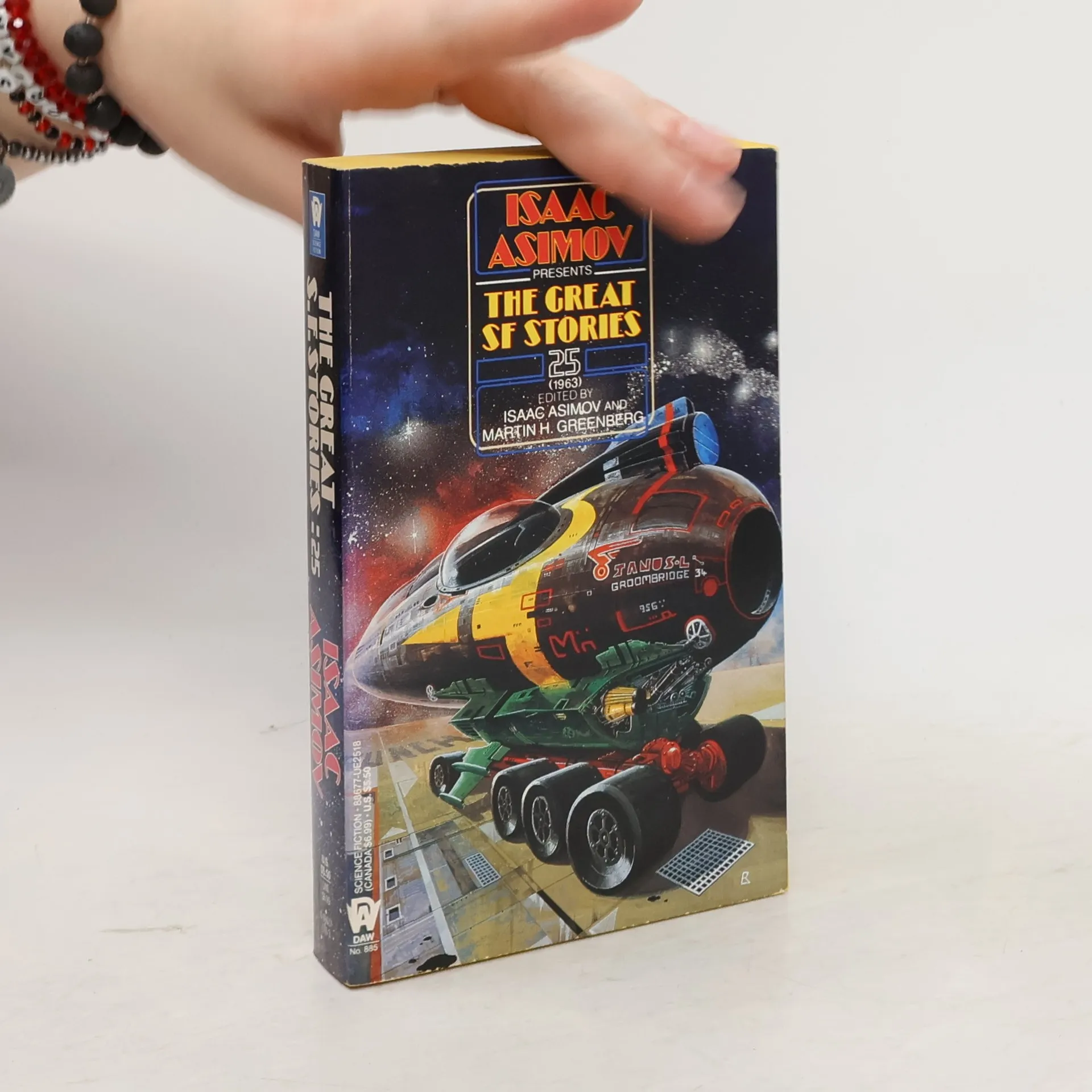
Isaac Asimov Presents the Great SF Stories #24 (1962)
- 348pages
- 13 heures de lecture
Another excellent volume in this unique, ongoing series which, year by year, provides a fascinating overview of both society's and the science fiction community's ever shifting hopes, concerns, and fears about the future. Authors include Fritz Leiber, Poul Anderson, Gordon R. Dickson, Theodore Sturgeon, and others.
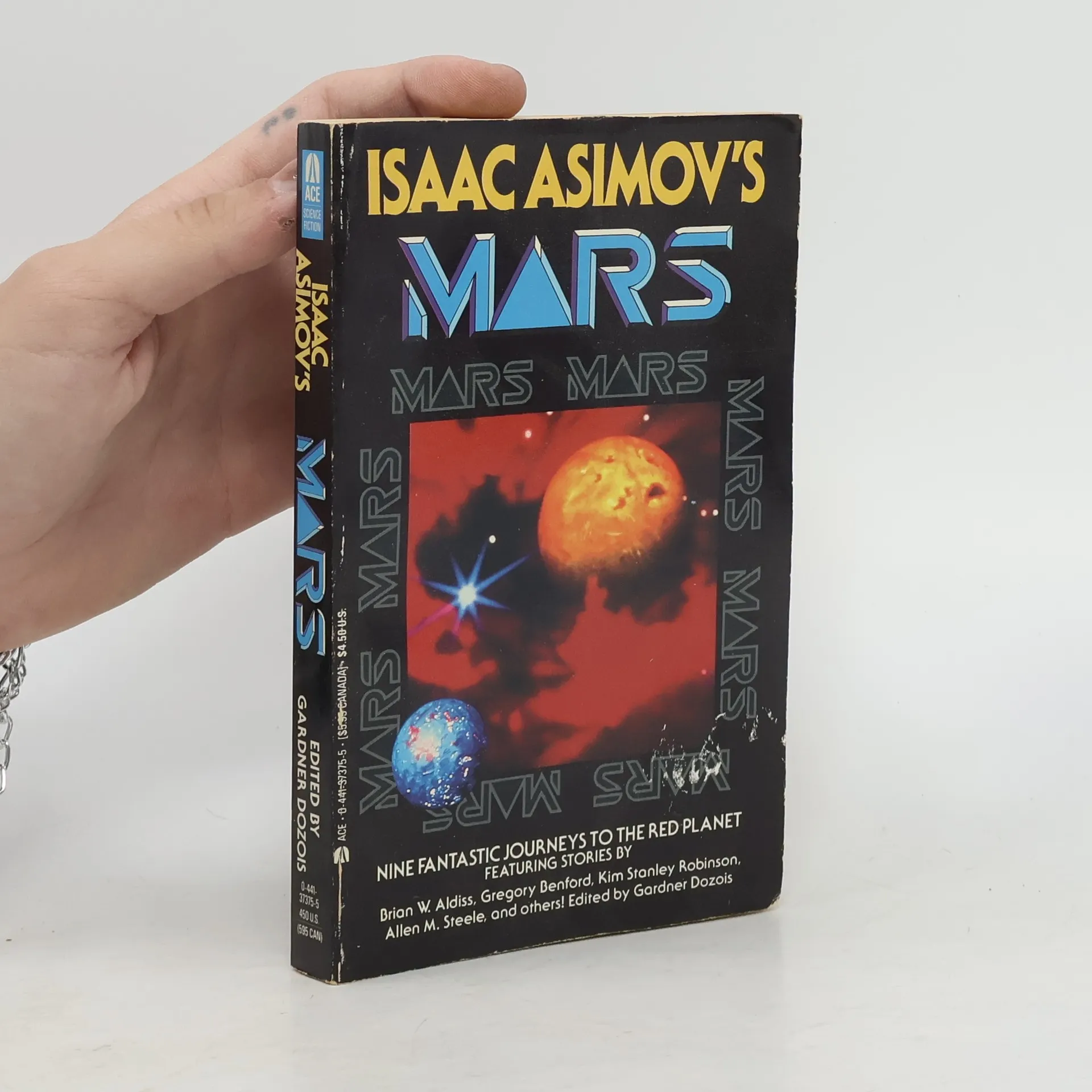
Isaac Asimov's Mars
- 225pages
- 8 heures de lecture
Contents 1 • Live from the Mars Hotel • [Near Space] • (1988) • shortstory by Allen Steele21 • The Difficulties Involved in Photographing Nix Olympica • (1986) • shortstory by Brian W. Aldiss39 • Windwagon Smith and the Martians • (1989) • shortstory by Lawrence Watt-Evans55 • Retrovision • (1988) • shortstory by Robert Frazier69 • The Great Martian Railroad Race • (1988) • shortstory by Eric Vinicoff87 • All the Beer on Mars • (1989) • shortstory by Gregory Benford107 • The Catharine Wheel • (1984) • novelette by Ian McDonald (aka The Catharine Wheel (Our Lady of Tharsis))129 • Mars Needs Beatniks • (1984) • shortstory by George Alec Effinger145 • Green Mars • (1985) • novella by Kim Stanley Robinson
Isaac Asimov Presents the Great Science Fiction Stories
- 350pages
- 13 heures de lecture
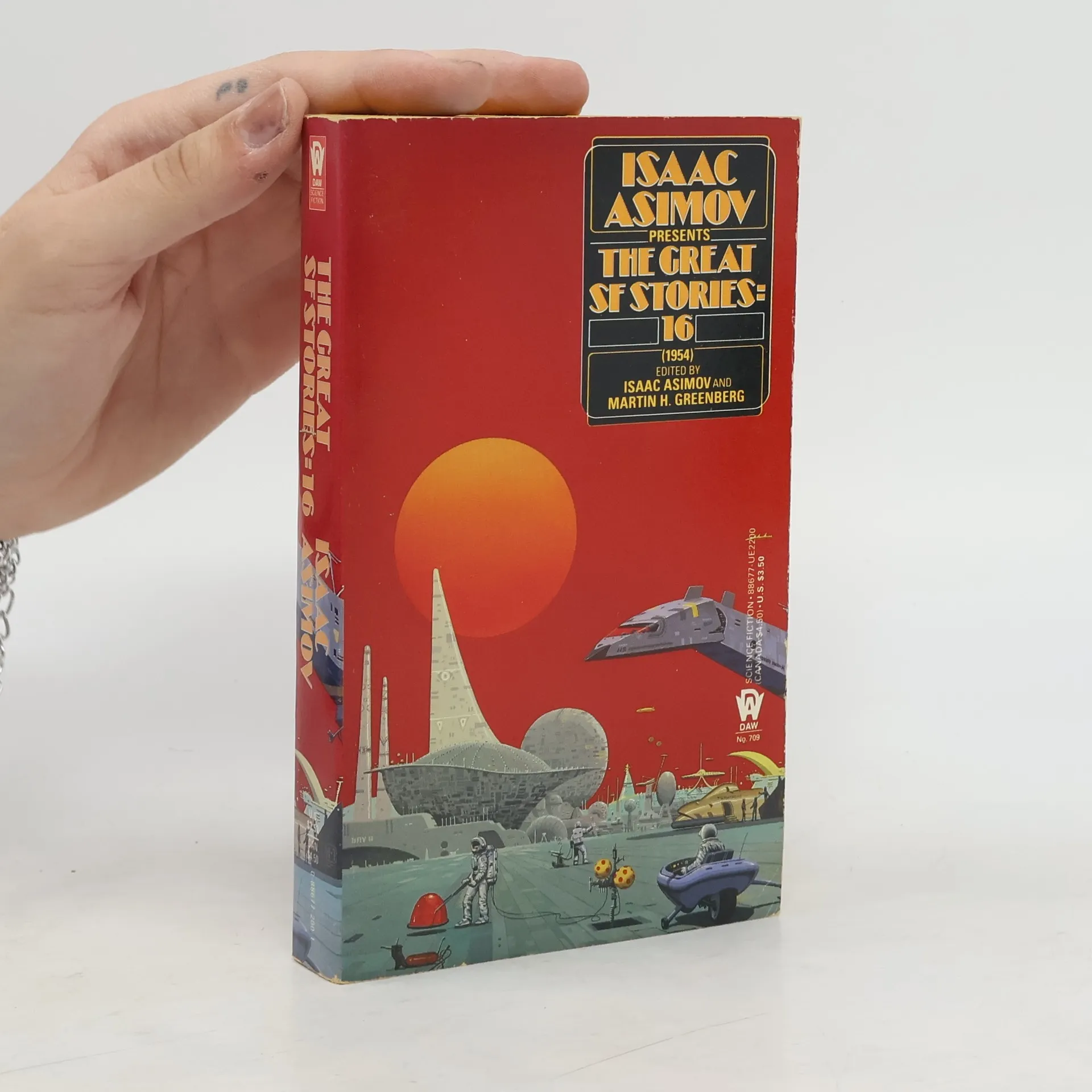
Contents:9 · 1954 Introduction · Martin H. Greenberg · in 13 · The Test · Richard Matheson · ss F&SF Nov ’54 34 · Anachron · Damon Knight · ss If Jan ’54 54 · Black Charlie · Gordon R. Dickson · ss Galaxy Apr ’54 72 · Down Among the Dead Men · William Tenn · nv Galaxy Jun ’54 100 · The Hunting Lodge · Randall Garrett · nv Astounding Jul ’54 138 · The Lysenko Maze · Donald A. Wollheim · ss F&SF Jul ’54 151 · Fondly Fahrenheit · Alfred Bester · nv F&SF Aug ’54 174 · The Cold Equations · Tom Godwin · nv Astounding Aug ’54 203 · Letters from Laura · Mildred Clingerman · ss F&SF Oct ’54 211 · Transformer · Chad Oliver · ss F&SF Nov ’54 227 · The Music Master of Babylon · Edgar Pangborn · nv Galaxy Nov ’54 258 · The End of Summer · Algis Budrys · nv Astounding Nov ’54 289 · The Father-Thing · Philip K. Dick · ss F&SF Dec ’54 304 · The Deep Range · Arthur C. Clarke · ss Star Science Fiction Stories #3, ed. Frederik Pohl, Ballantine, 1954 315 · Balaam · Anthony Boucher · ss 9 Tales of Space and Time, ed. Raymond J. Healey, Holt, 1954 332 · Man of Parts · Horace L. Gold · ss 9 Tales of Space and Time, ed. Raymond J. Healey, Holt, 1954 349 · Answer · Fredric Brown · vi Angels and Spaceships, Dutton, 1954
Before the Golden Age
A Science Fiction Anthology of the 1930s
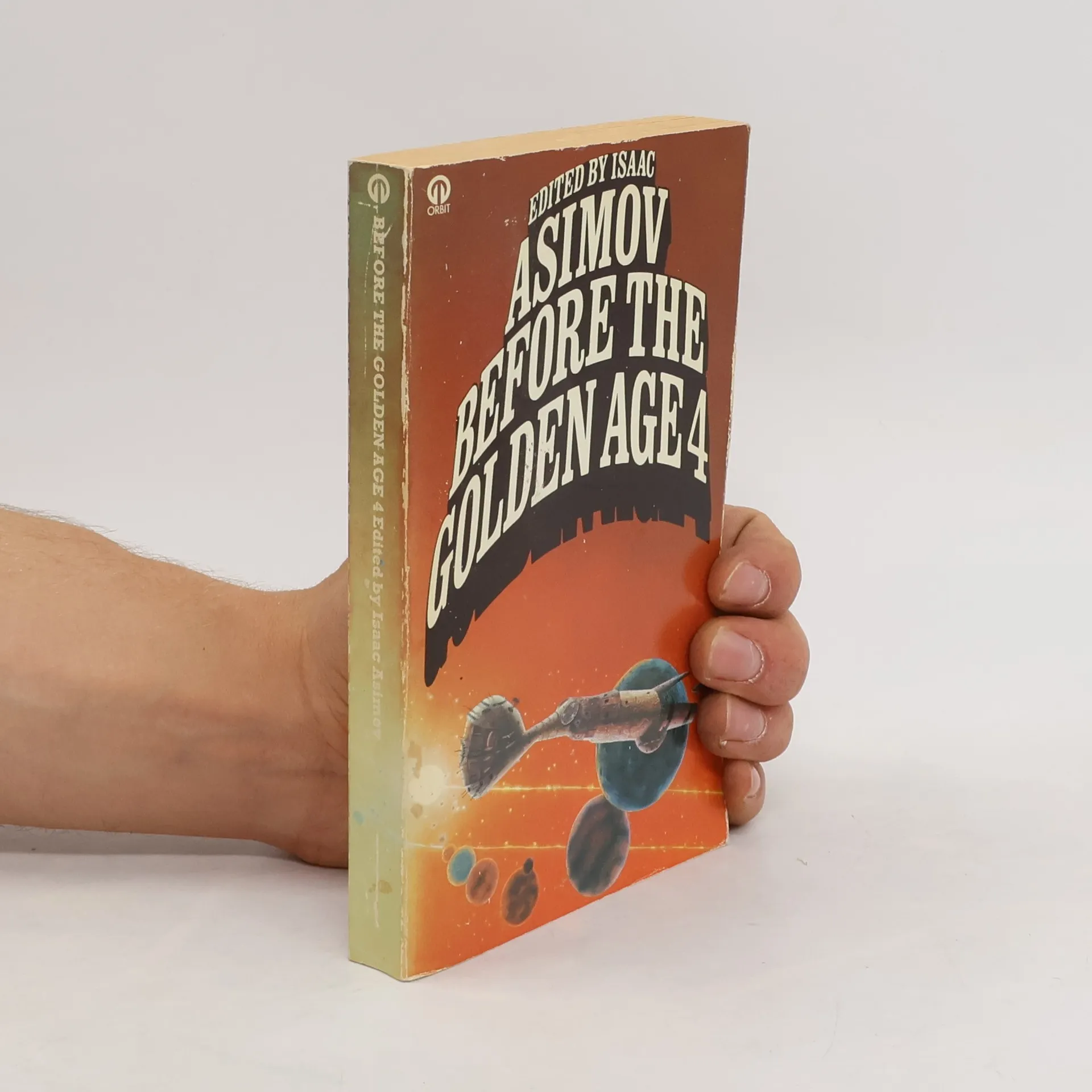
A Science Fiction Anthology of the 1930s, vol 4 of 4Contents* He Who Shrank / Henry Hasse;* The Human Pets of Mars / Leslie Frances Stone;* The Brain Stealers of Mars / John W. Campbell Jr.;* Devolution / Edmond Hamilton;* Big Game / Isaac Asimov, [Written 11/18/41];* Other Eyes Watching / John W. Campbell Jr.;* Minus Planet / John D. Clark,;* Past, Present, and Future / Nat Schachner;* The Men and the Mirror / Ross Rocklynne.Originally 26 stories published in one hardcover volume.
All the Troubles of the World
- 32pages
- 2 heures de lecture
Multivac, the gigantic computer that controls the entire world and can even predict the probabilities of potential crimes before they happen, suddenly announces that someone is plotting to destroy Multivac.
The Collapsing Universe
The Story of Black Holes: Extraordinary New Findings on the Birth—and Death—of the Cosmos
- 248pages
- 9 heures de lecture
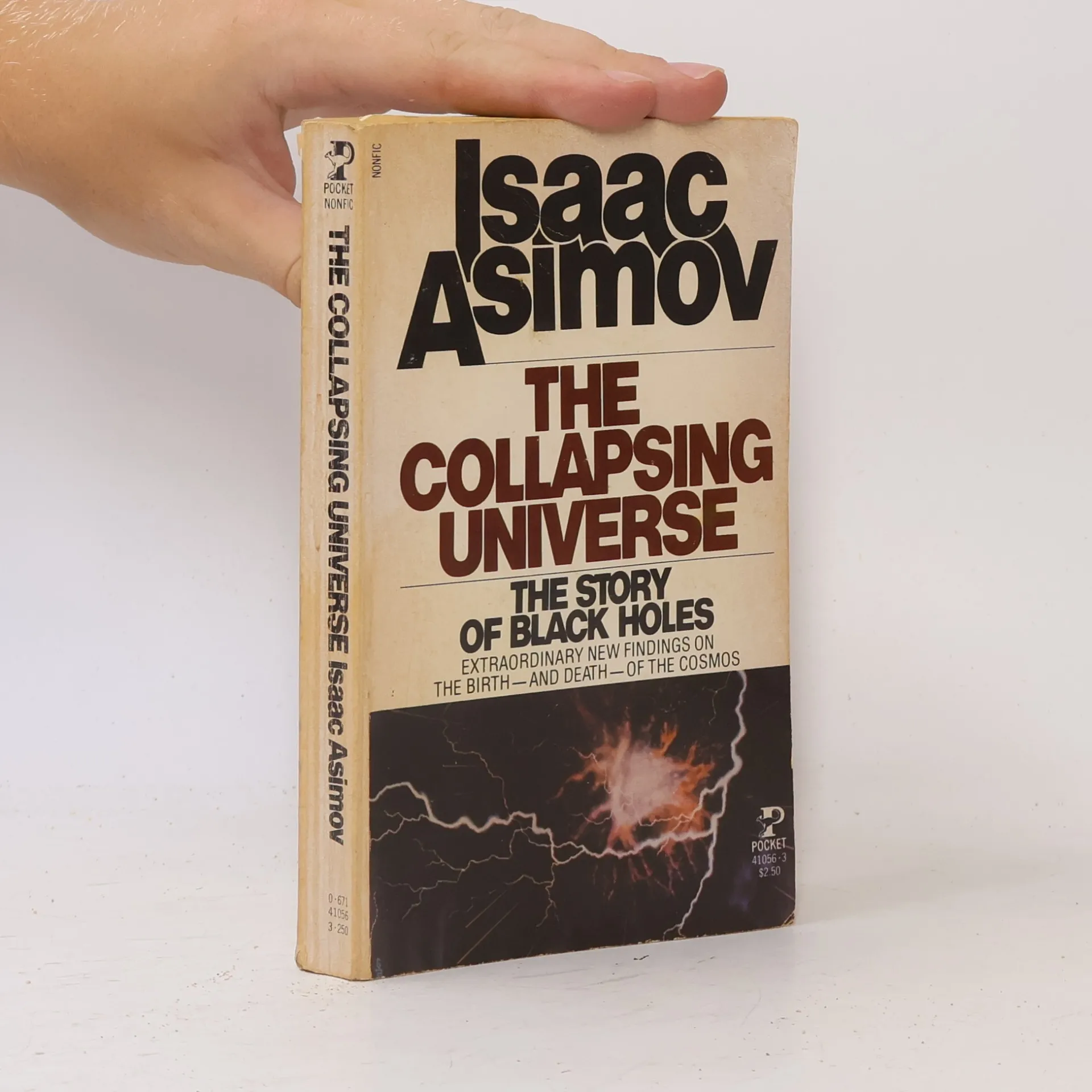
Was the mysterious 30-megaton blast that flattened a Siberian forest in 1908 actually caused by a small black hole? Does matter drawn into a black hole reappear out the 'other side' as anti-matter, a sort of mirror-image of the universe as we know it? Could back holes explain the 'Big Bang'? Does their existence raise the possibility that matter can move faster than the speed of light? The noted scientist and science fiction author explores the exciting implications of black holes, taking the reader on an engaging tour from the atom's innermost core to the outermost reaches of the universe.
Panther Science Fiction: Buy Jupiter And Other Stories
- 196pages
- 7 heures de lecture
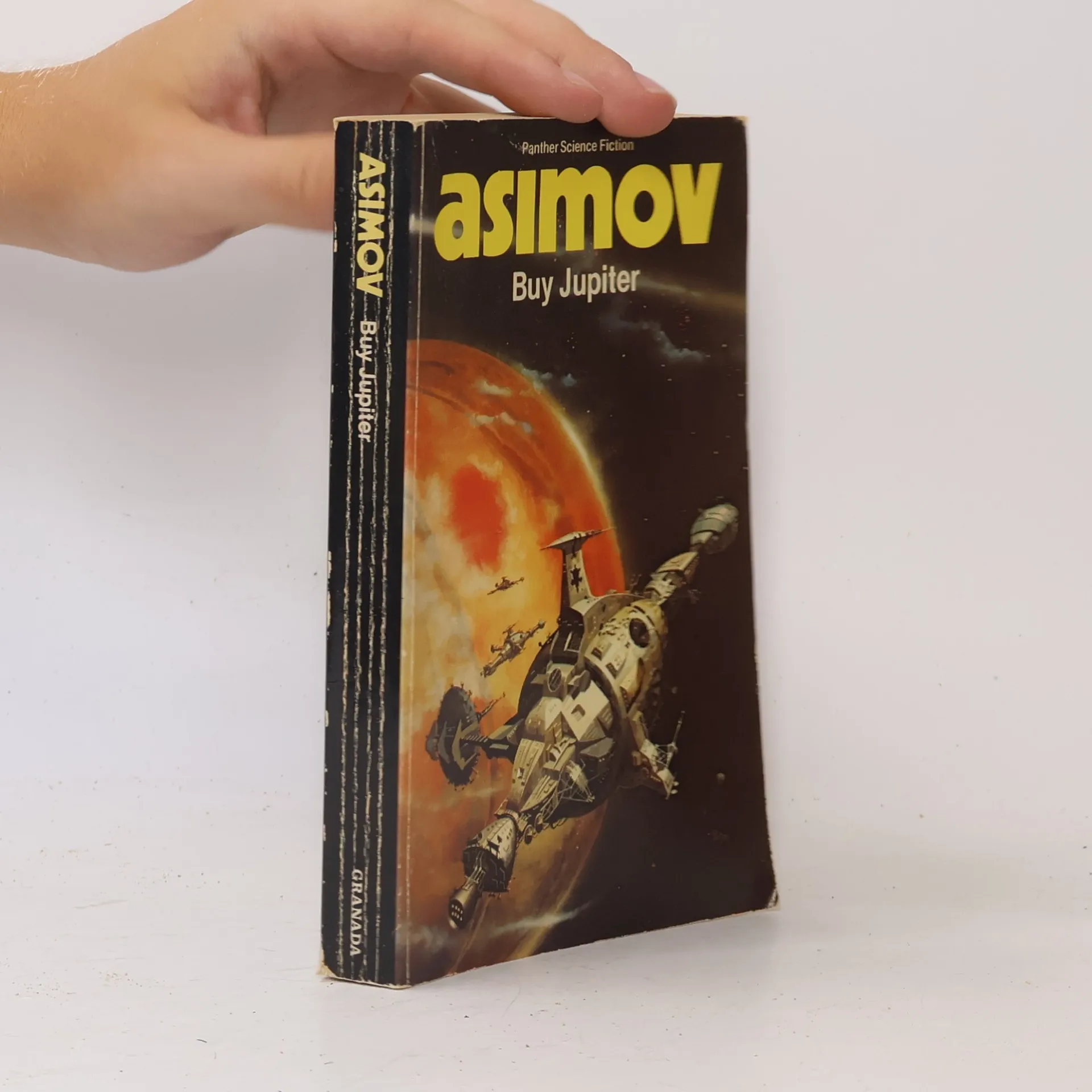
From backyard miracles to cosmic conundrums, enter the incredible world of Isaac Asimov. Spanning twenty-three years of Asimov's amazing career, these stories display to the full the exhilarating power of one of science fiction's most astonishing writers. Each tale is accompanied by Asimov's own intriguing account of how and why it came to be written.Contents:• Darwinian Pool Room • (1950)• Day of the Hunters • (1950)• Shah Guido G. • (1951)• Button, Button • (1953)• The Monkey's Finger • (1953)• Everest • (1953)• The Pause • (1954)• Let's Not • (1954)• Each an Explorer • (1956)• Blank! • (1957)• Does a Bee Care? • (1957)• Silly Asses • (1958) • Buy Jupiter • (1976)• A Statue for Father • (1959)• Rain, Rain, Go Away • (1959)• Founding Father • (1965)• Exile to Hell • (1968)• Key Item • [Multivac] • (1968)• The Proper Study • (1968)• 2430 A.D. • (1970)• The Greatest Asset • (1972)• Take a Match • (1972)• Thiotimoline to the Stars • [Thiotimoline 4] • (1973)• Light Verse • (1973)
Tomorrow's Children
- 431pages
- 16 heures de lecture
Eighteen stories edited by the master of science-fiction, Isaac Asimov: "No Life of Their Own" by Clifford D. Simak"The Accountant" by Robert Sheckley"Novice" by James M. Schmitz "Child of Void" by Margaret St. Claire "When the Bough Breaks" by Lewis Padgett "A Pail of Air" by Fritz Leiber "Junior Achievement" by William Lee "Cabin Boy" by Damon Knight "The Little Terror" by Will F. Jenkins "Gilead" by Zenna Henderson "The Menace From Earth" by Robert Heinlein "The Wayward Cravat" by Gertrude Friedberg "The Father-Thing" by Philip K. Dick "Star Bright" by Mark Clifton "All in a Summer Day" by Ray Bradbury "It's a Good Life" by Jerome Bixby "The Place of the Gods" by Stephen Vincent Benet "The Ugly Little Boy" by Isaac Asimov
The Tragedy of the Moon
- 224pages
- 8 heures de lecture
Good reading copy. Some wear from normal use and age.
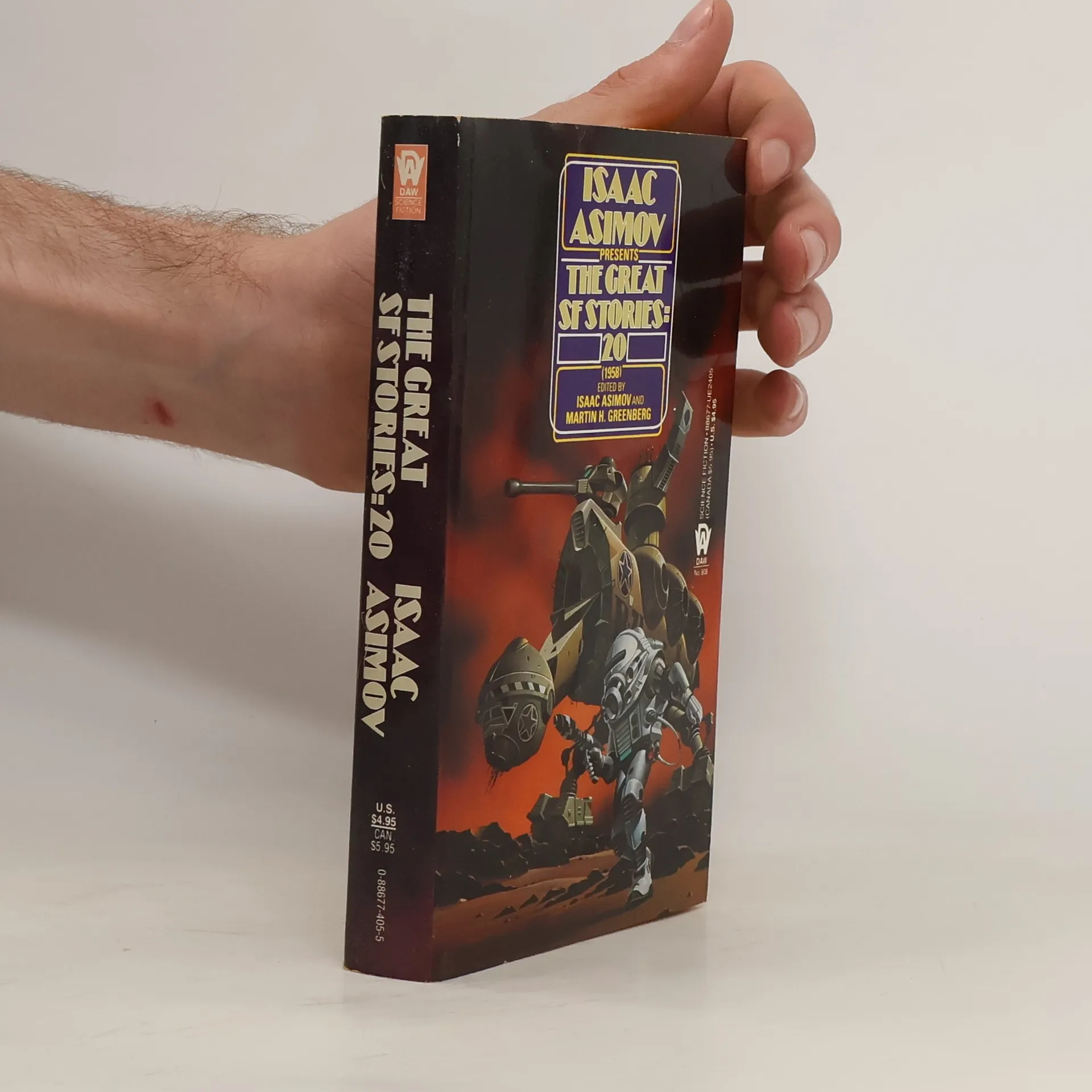
Isaac Asimov Presents the Great SF Stories #20
- 351pages
- 13 heures de lecture
An anthology of science fiction tales from 1958 features works by Robert Silverberg, Poul Anderson, Brian Aldiss, C.M. Kornbluth, and Clifford Simak, among others
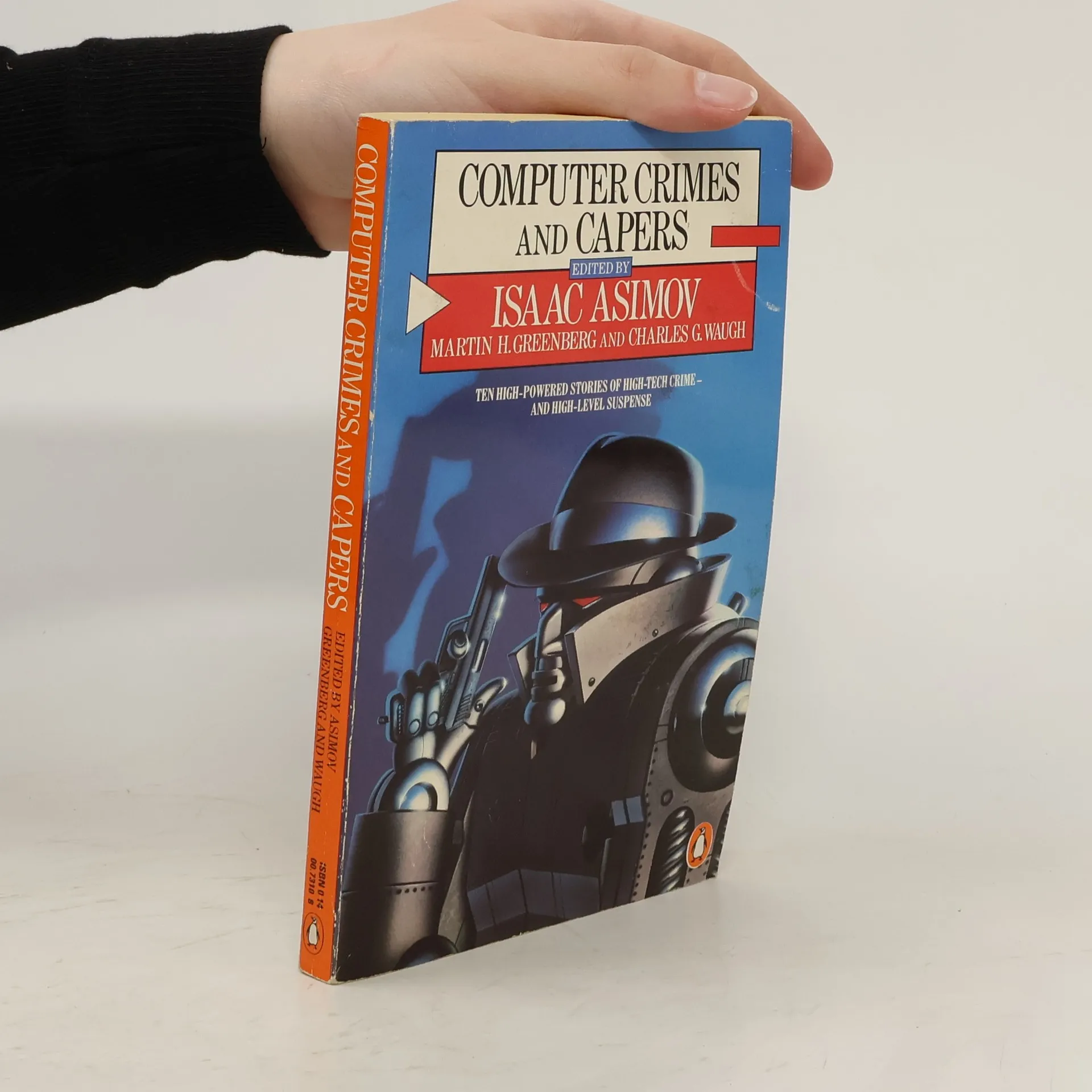
In these stories computers appear as both the abused and as abusers. Among the writers represented are Robert Silverberg, Joe Cores, Edward Wellen, Edward Hoch, Gordon R. Dickson, Stan Dryer, J.T. Mcintosh and Isaac Asimov.
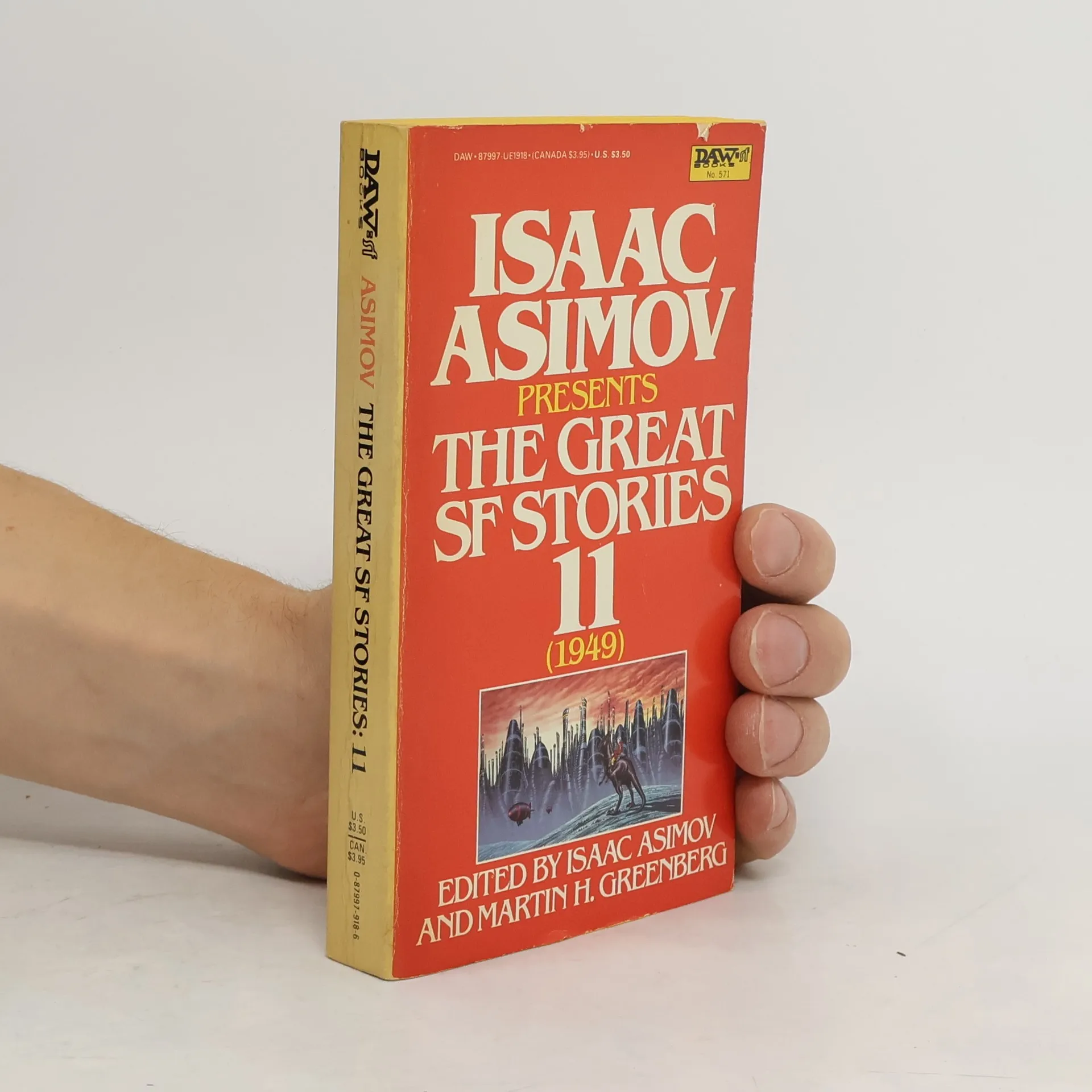
Isaac Asimov Presents the Great Science Fiction Stories, 1949
- 320pages
- 12 heures de lecture
This anthology contains:The Witches of Karres by James H. SchmitzFlaw by John D. MacDonaldManna by Peter PhillipsPrivate Eye by Lewis Padgett (Henry Kuttner and C.L. Moore)Cold War by Henry KuttnerAlien Earth by Edmond HamiltonHistory Lesson by Arthur C. ClarkeEternity Lost by Clifford D. SimakPrivate - Keep Out by Philip MacDonaldThe Hurkle is a Happy Beast by Theodore SturgeonKaleidoscope by Ray BradburyDefense Mechanism by Katherine MacLeanand The Red Queen's Race by Isaac Asimov.
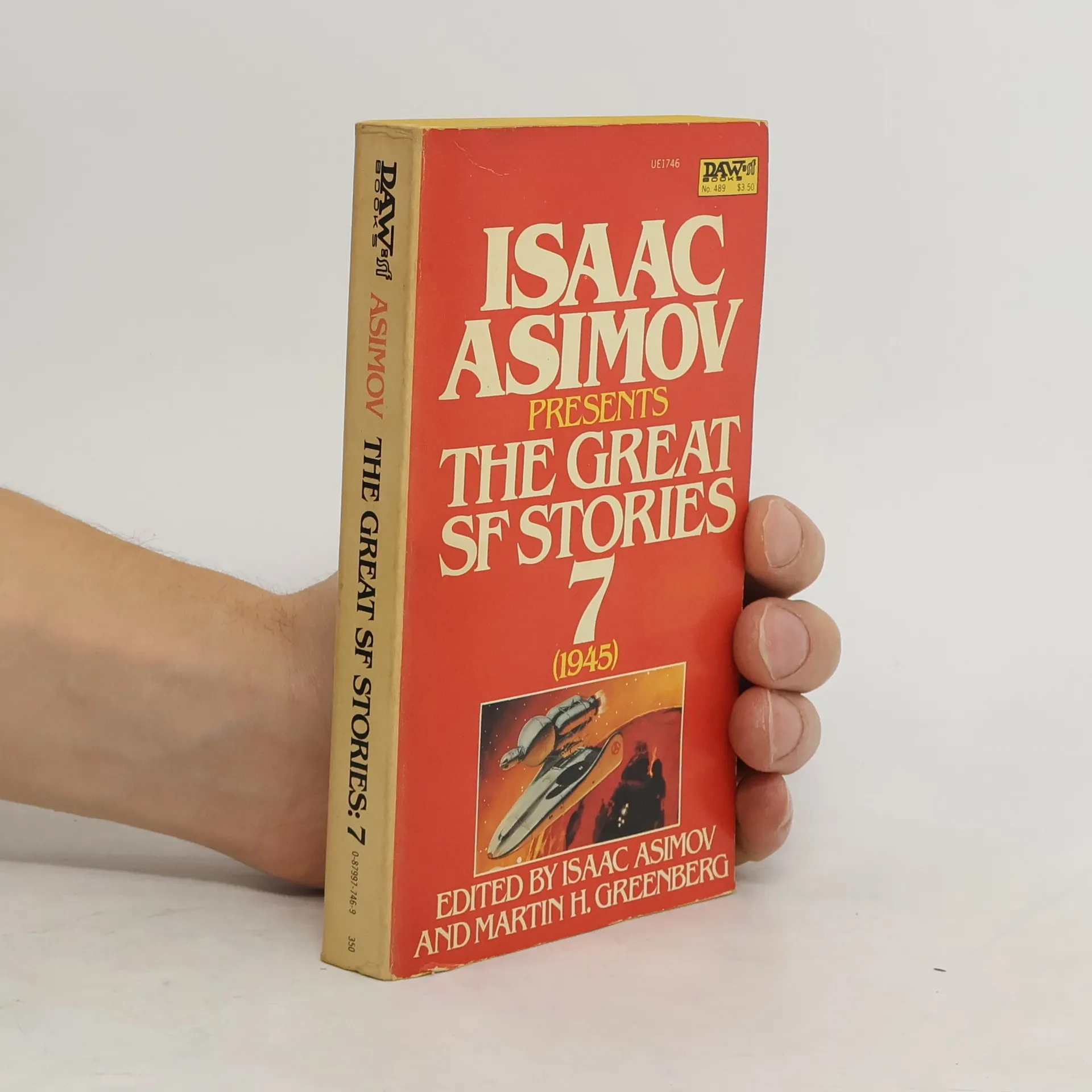
Isaac Asimov Presents the Great Science Fiction Stories 7
- 368pages
- 13 heures de lecture
1945-a momentous year: January 9, U.S. forces invade the Philippines; February 13, Dresden firebombed; Iwo Jima falls March 16; F.D.R. dead on April 12; Hitler, April 30. And on August 6, the Enola Gay dropped an atomic bomb on Hiroshima, altering the fate of humanity. And most certainly altering the face of science fiction. Stories of dramatic mutations, "outsiders," aliens, superhumans, were in high gear and the tremendous transition of the times was reflected in powerful stories by Fritz Leiber, Leigh Brackett, Fredric Brown, Lester del Rey, Henry Kuttner, A. Bertram Chandler, Isaac Asimov and more. The world was expanding at a rapid rate, but no more quickly than the world of science fiction!
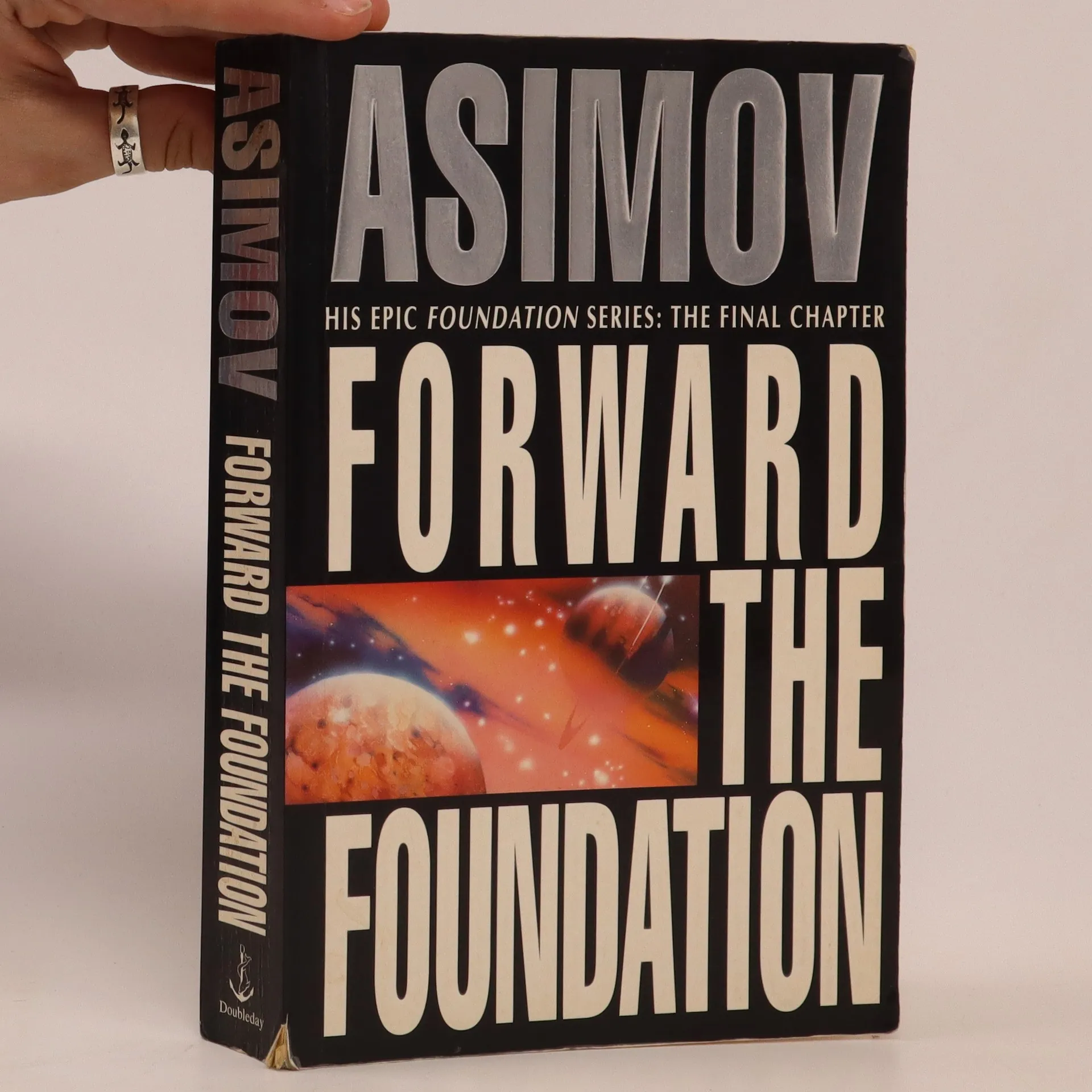
Forward the Foundation
- 419pages
- 15 heures de lecture
For use in schools and libraries only. In the final novel of the "Foundation" series, Hari Seldon struggles to perfect his revolutionary theory of psychohistory while the great Galactic Empire totters on the brink of apocalyptic collapse.
Featuring an extensive anthology of one hundred stories, this collection showcases over three hundred thousand words from renowned authors in science fiction, fantasy, and horror. Readers can immerse themselves in a diverse range of narratives, offering hours of captivating entertainment and a glimpse into the imaginative realms crafted by some of the genre's greatest writers.
Featuring Asimov's personal choices, this collection offers a variety of science fiction stories that cover the period from 1949 to the present, each accompanied by a brief introduction
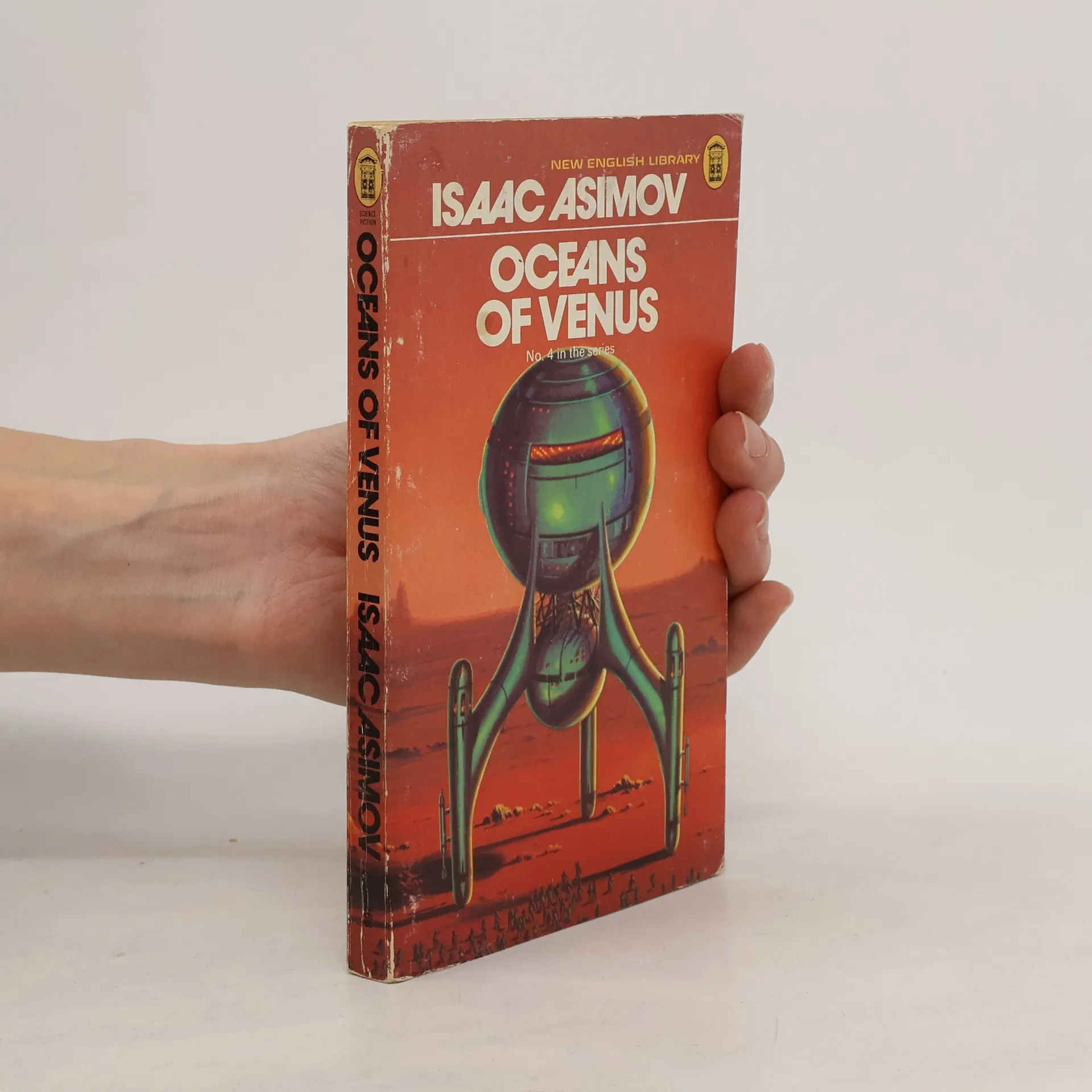
The Oceans of Venus
- 142pages
- 5 heures de lecture
From the distance it seemed an emerald green, fairyland bubble! Aphrodite, the largest city of Venus, deep under the planet's sea. There Earthmen had established an incredible civilization, but now it was threatened by some awesome force which preyed on men's minds.
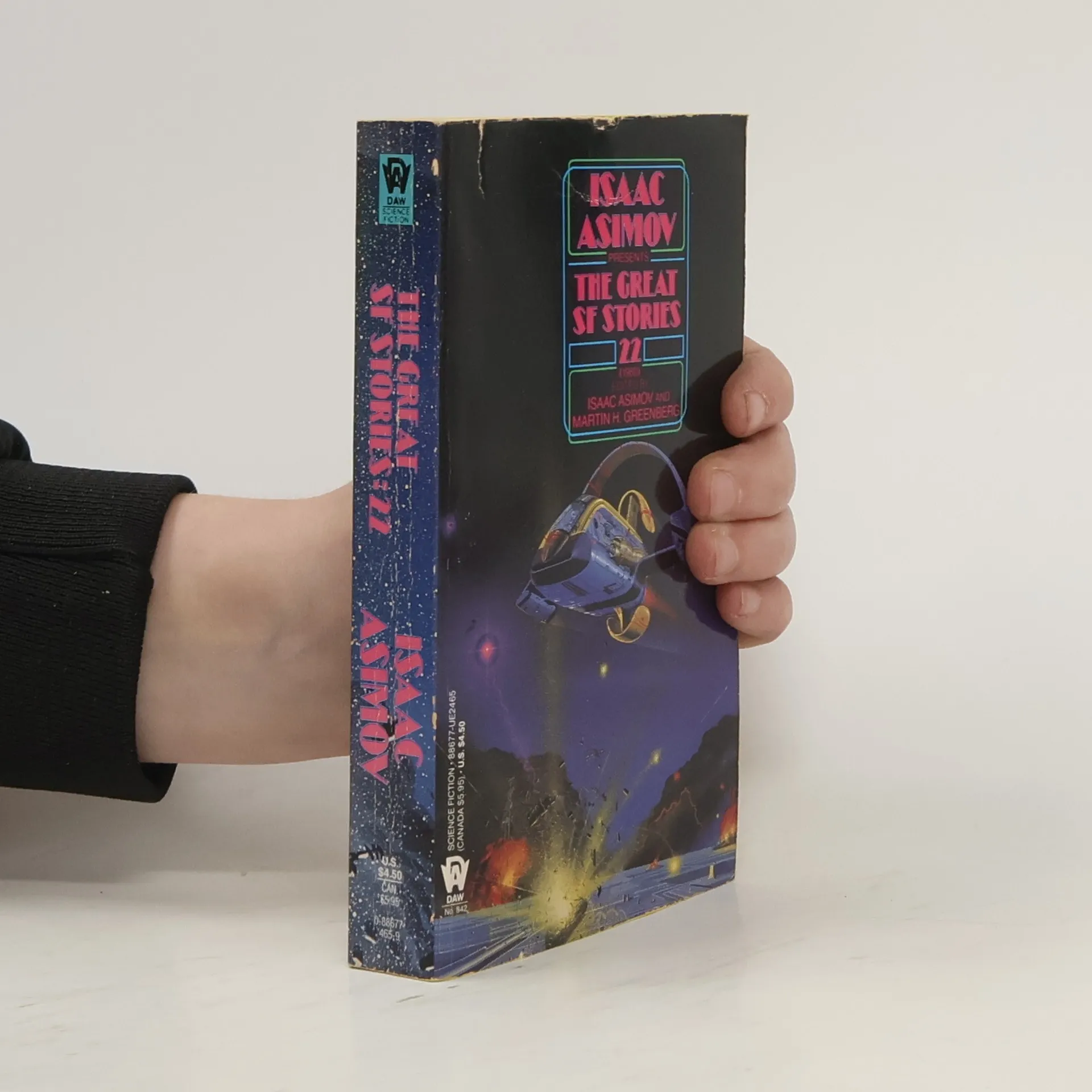
9 · Introduction · Martin H. Greenberg · in 15 · Mariana · Fritz Leiber · ss Fantastic Feb ’60 23 · The Day the Icicle Works Closed · Frederik Pohl · nv Galaxy Feb ’60 70 · The Fellow Who Married the Maxill Girl · Ward Moore · nv F&SF Feb ’60 108 · Mine Own Ways · Richard M. McKenna · ss F&SF Feb ’60 132 · Make Mine Homogenized · Rick Raphael · nv Astounding Apr ’60 196 · The Lady Who Sailed the Soul · Cordwainer Smith · nv Galaxy Apr ’60 231 · I Remember Babylon · Arthur C. Clarke · ss Playboy May ’60 247 · Chief · Henry Slesar · vi Playboy Jun ’60; After, gp 250 · Mind Partner · Christopher Anvil · nv Galaxy Aug ’60 297 · The Handler · Damon Knight · ss Rogue Aug ’60 304 · The Voices of Time · J. G. Ballard · nv New Worlds Oct ’60
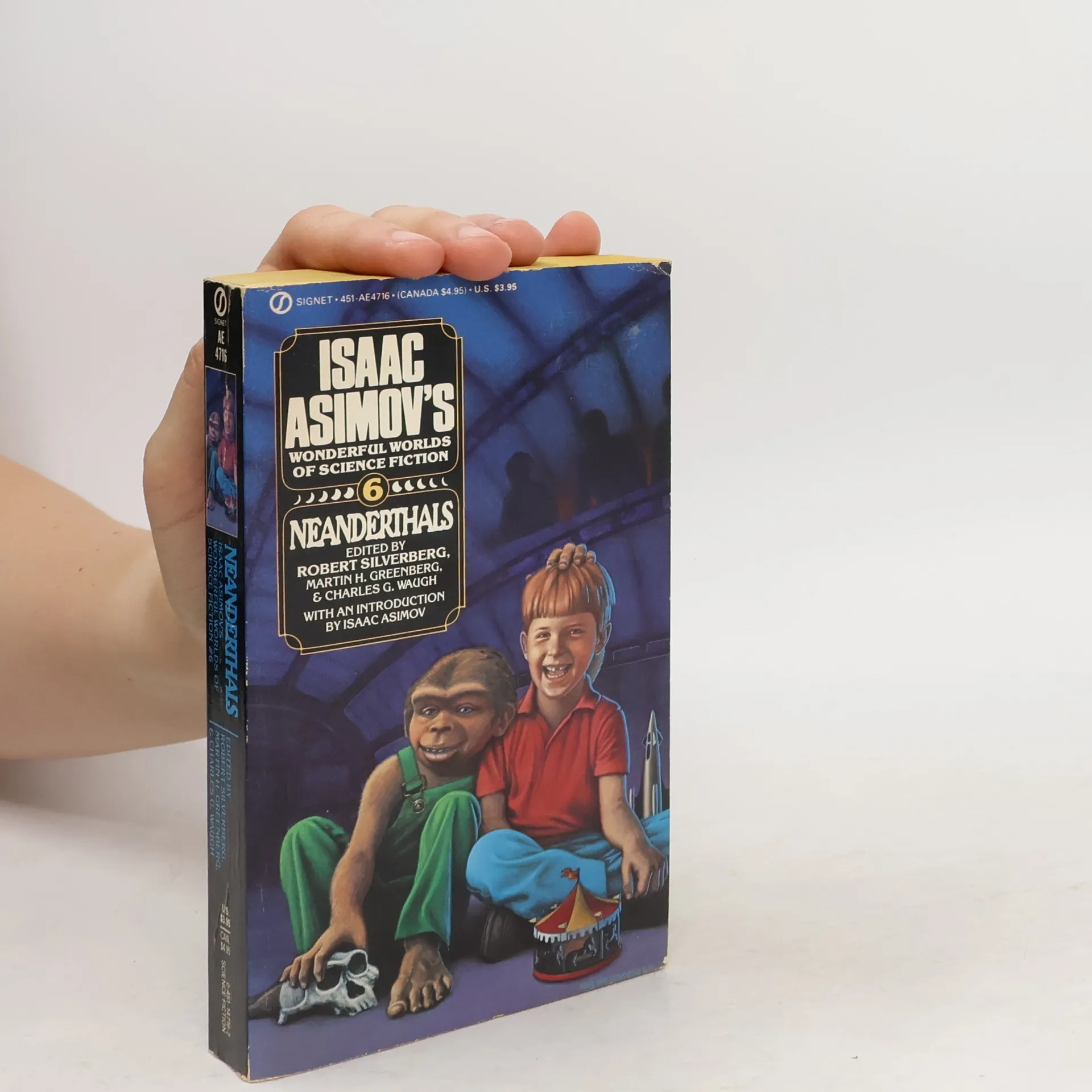
A medley of tales focusing on humankind's ancestor, the Neanderthal, features works by Poul Anderson, Philip Jose Farmer, Isaac Asimov, L. Sprague de Camp, and Bertram Chandler
A thrilling nonfiction tour of the cosmos that brings the universe down to Earth, from one of the all-time masters of science fiction. No one makes sense out of science like Isaac Asimov. Are you puzzled by pulsars? Baffled by black holes? Bewildered by the big bang? If so, here are succinct, crystal-clear answers to more than one hundred of the most significant questions about the essential nature of the universe—questions that have fired the imagination since the beginning of history. Over the course of this fantastic voyage, the origins, the discoveries, and the stunning achievements of astronomy will unfold before your eyes. You will experience close encounters with giant planets, exploding stars, distant galaxies, and more. For anyone who has ever asked the ultimate questions, who has ever looked up at the sky and asked What in heaven is going on? , Isaac Asimov’s unique vision, skill, and authority will bring the big picture into focus. “A fine introduction to modern astronomical theory.”— Library Journal