
Bookbot

Walker Evans

    3 novembre 1903 – 10 avril 1975

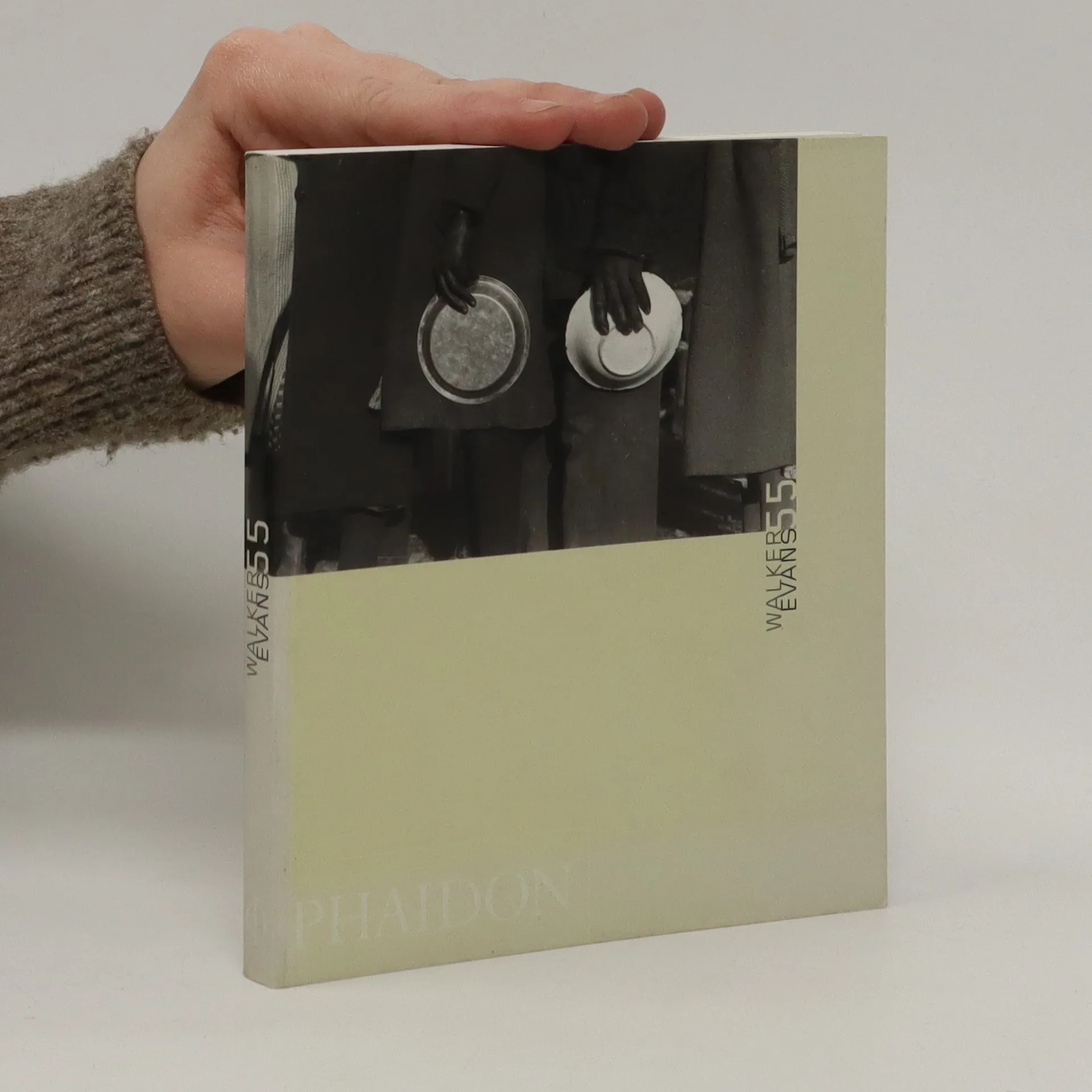
    Ce photographe américain est surtout connu pour son travail auprès de la Farm Security Administration (FSA), documentant les effets de la Grande Dépression. Son objectif déclaré était de créer des images « cultivées, faisant autorité, transcendantes », souvent capturées avec un appareil photo grand format. Ses œuvres, considérées comme fondamentales dans l'histoire visuelle, se trouvent dans d'importantes collections de musées et ont fait l'objet de nombreuses expositions rétrospectives. L'approche d'Evans se caractérise par une honnêteté brute et une observation profonde de la vie quotidienne.

    American Photographs 2
    Metropolitan Museum of Art Series: Many Are Called
    Walker Evans
    Walker Evans
    Unclassified
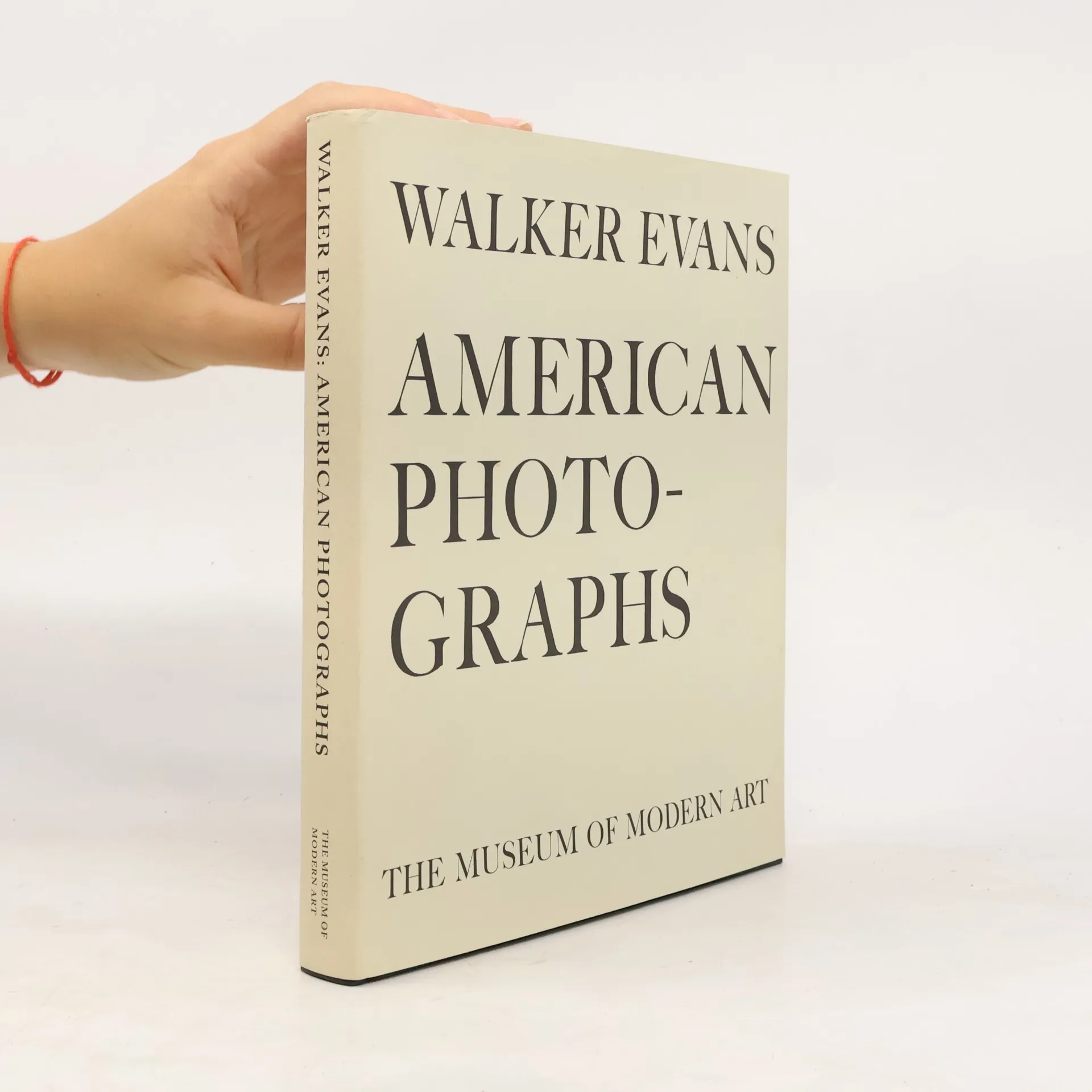
    American Photographs: Fiftieth-anniversary Edition
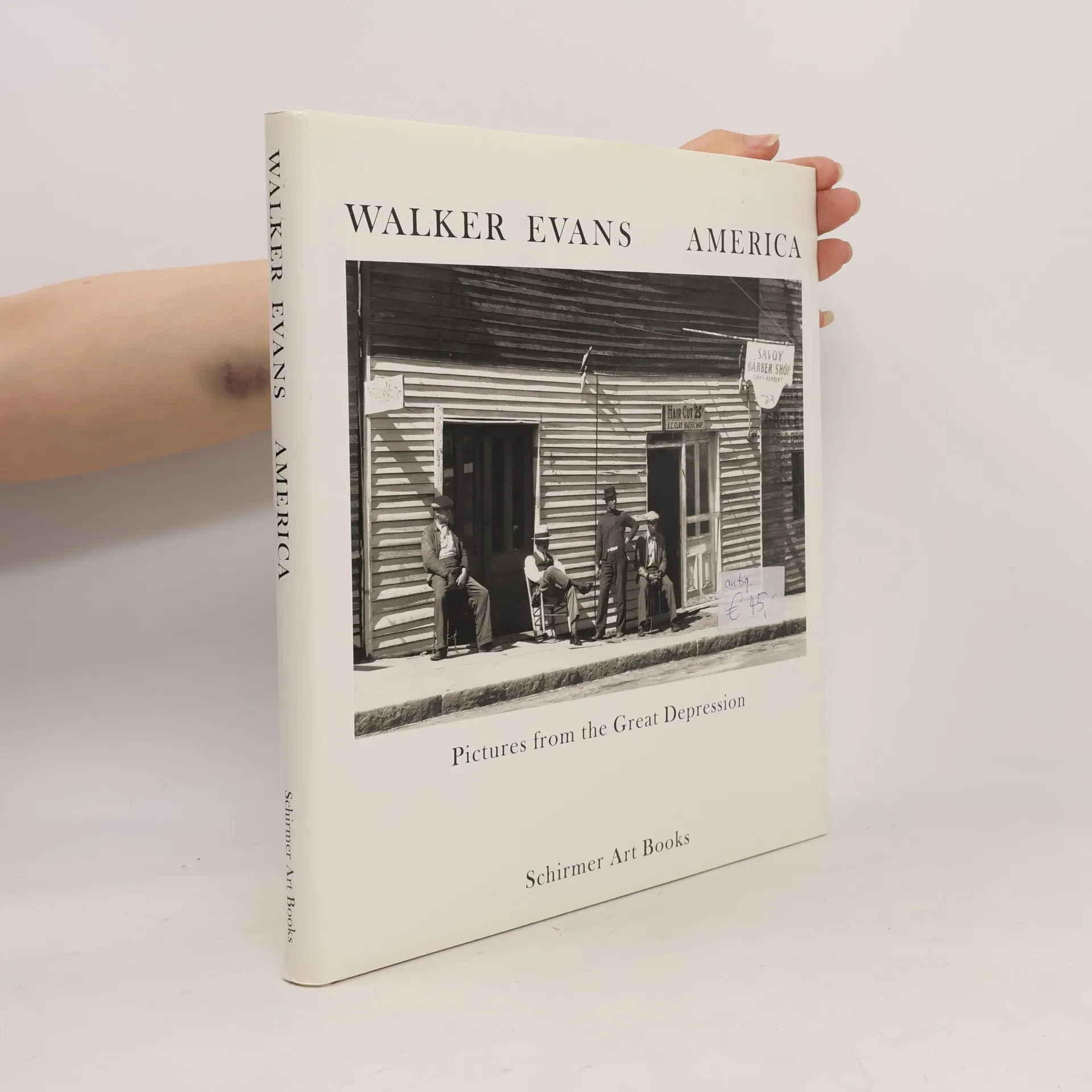
    • An album of eighty-seven of Evans' pictures of houses, factories, people, and city streets offers an unadorned look at American society between 1929 and 1937.

      American Photographs: Fiftieth-anniversary Edition
      4,7
    • Unclassified

      • 280pages
      • 10 heures de lecture

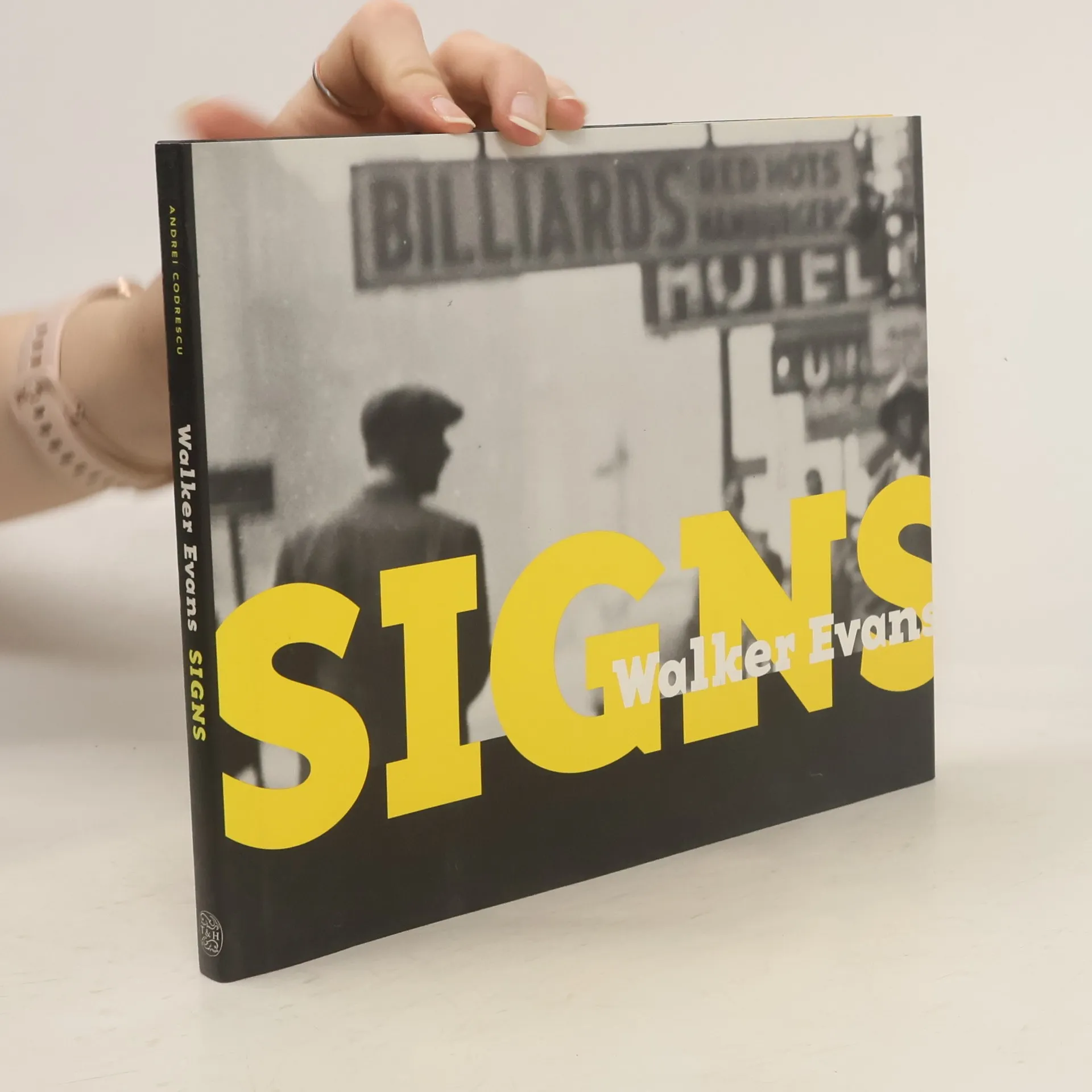
      Edited by Jeff L. Rosenheim. Essays by Jeff L Rosenheim and Douglas Eklund. Introduction by Maria Morris Hambourg. This book, published on the occasion of the artist's first retrospective exhibition in three decades, presents a selection of mostly unpublished material from the Walker Evans Archive, the vast collection of negatives and papers acquired in 1994 from the artist's estate by The Metropolitan Museum of Art. Evans left to posterity an amazingly rich record of his creative process and inner life. From his earliest boyhood snapshots to the seldom-seen color Polaroids made in the year before his death, Unclassified - A Walker Evans Anthology traces the development of this American master through previously unpublished writings (fiction, diaries, essays, and criticism); his fascinating and copious early correspondence with the German artist, Hanns Skolle (Evan's best friend at the time); and revealing letters from Robert Frank, Lee Friedlander, and Diane Arbus. Previously-unknown photographs from the Metropolitan's collection of 40,000 negatives and transparencies reveal the artist at work. The anthology concludes with telling selections from Evan's seminal collection of vernacular roadside signs, picture postcards, printed ephemera, and a shockingly prescient album of newspaper clippings from the 20s and 30s that prefigures Andy Warhol and Pop and Conceptual Art by three decades.

      Unclassified
      4,9
    • Walker Evans

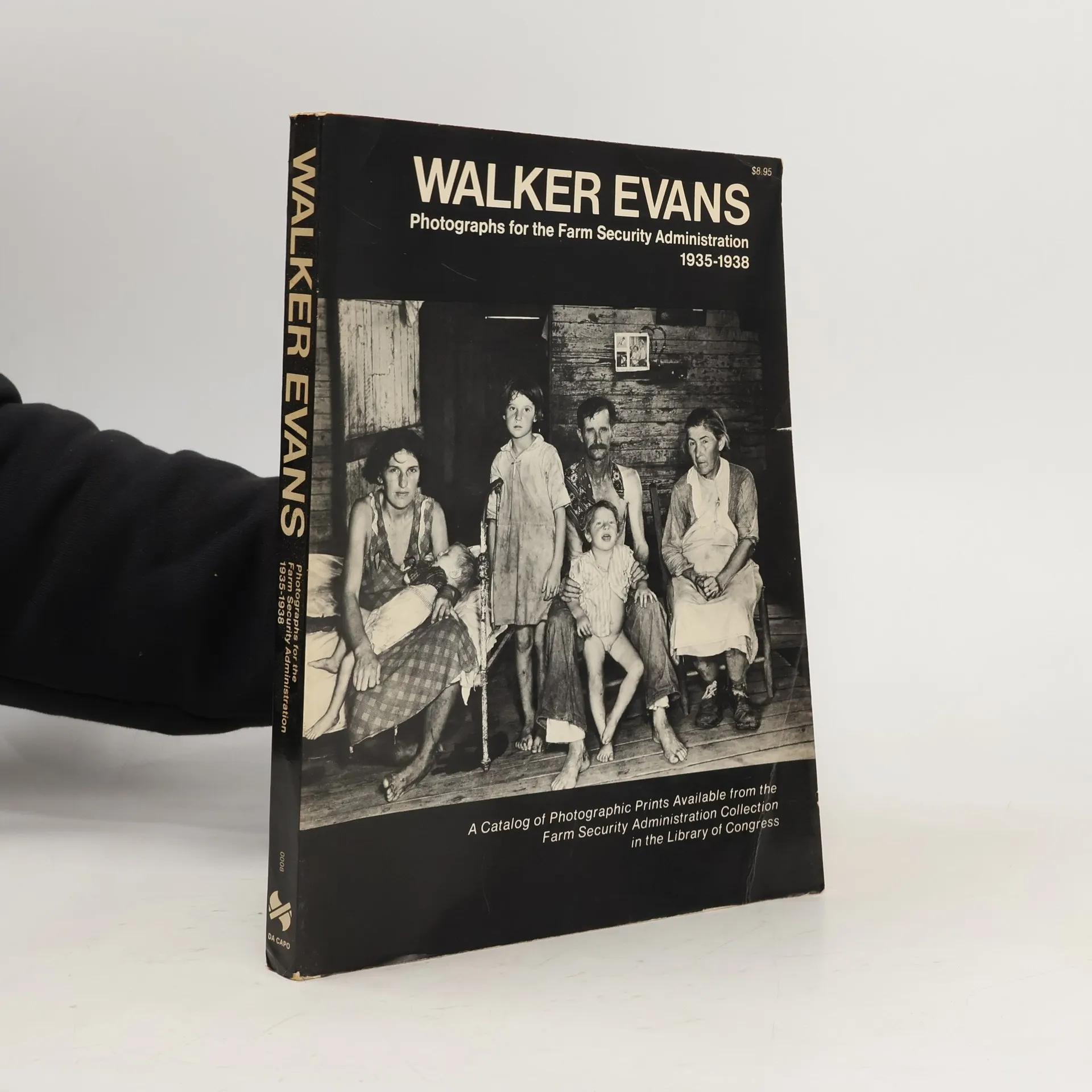
      Photographs For The Farm Security Administration, 1935-1938

      Lily Dale is a 122-year-old town populated solely by people who believe the dead live among them. It is the oldest and largest community of spiritualists in the world. Twenty thousand visitors a year travel to this Victorian village in upstate New York to consult mediums in order to communicate with dead relatives and peer into their own futures.

      Walker Evans
      4,5
    • Walker Evans

      • 95pages
      • 4 heures de lecture

      Walker Evans, more than any other photographer in the thirties and forties, defined the documentary aesthetic. He is generally acknowledged as America's finest documentary photographer of the century.

      Walker Evans
      4,7
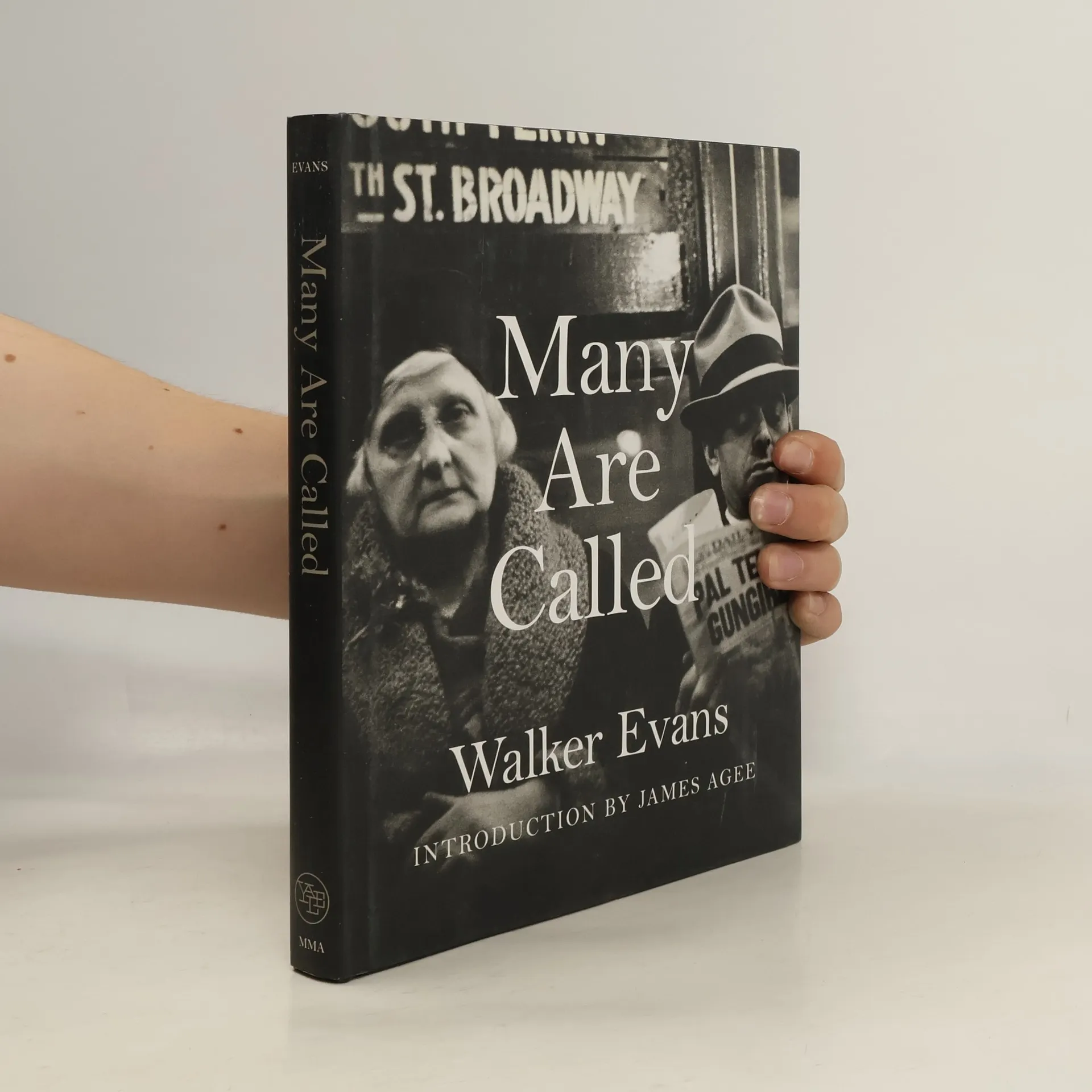
    • Between 1936 and 1941 Walker Evans and James Agee collaborated on one of the most provocative books in American literature, Let Us Now Praise Famous Men (1941). While at work on this book, the two also conceived another less well-known but equally important book project entitled Many Are Called. This three-year photographic study of subway passengers made with a hidden camera was first published in 1966, with an introduction written by Agee in 1940. Long out of print, Many Are Called is now being reissued with a new foreword and afterword and with exquisitely reproduced images from newly prepared digital scans.Many Are Called came to fruition at a slow pace. In 1938, Walker Evans began surreptitiously photographing people on the New York City subway. With his camera hidden in his coat—the lens peeking through a buttonhole—he captured the faces of riders hurtling through the dark tunnels, wrapped in their own private thoughts. By 1940-41, Evans had made over six hundred photographs and had begun to edit the series. The book remained unpublished until 1966 when The Museum of Modern Art mounted an exhibition of Evans’s subway portraits.This beautiful new edition—published in the centenary year of the NYC subway—is an essential book for all admirers of Evans’s unparalleled photographs, Agee’s elegant prose, and the great City of New York.

      Metropolitan Museum of Art Series: Many Are Called
      4,4
    • American Photographs 2

      • 112pages
      • 4 heures de lecture

      Text by John Hill, Lincoln Kirstein, Jeffrey Ladd.

      American Photographs 2
      4,5
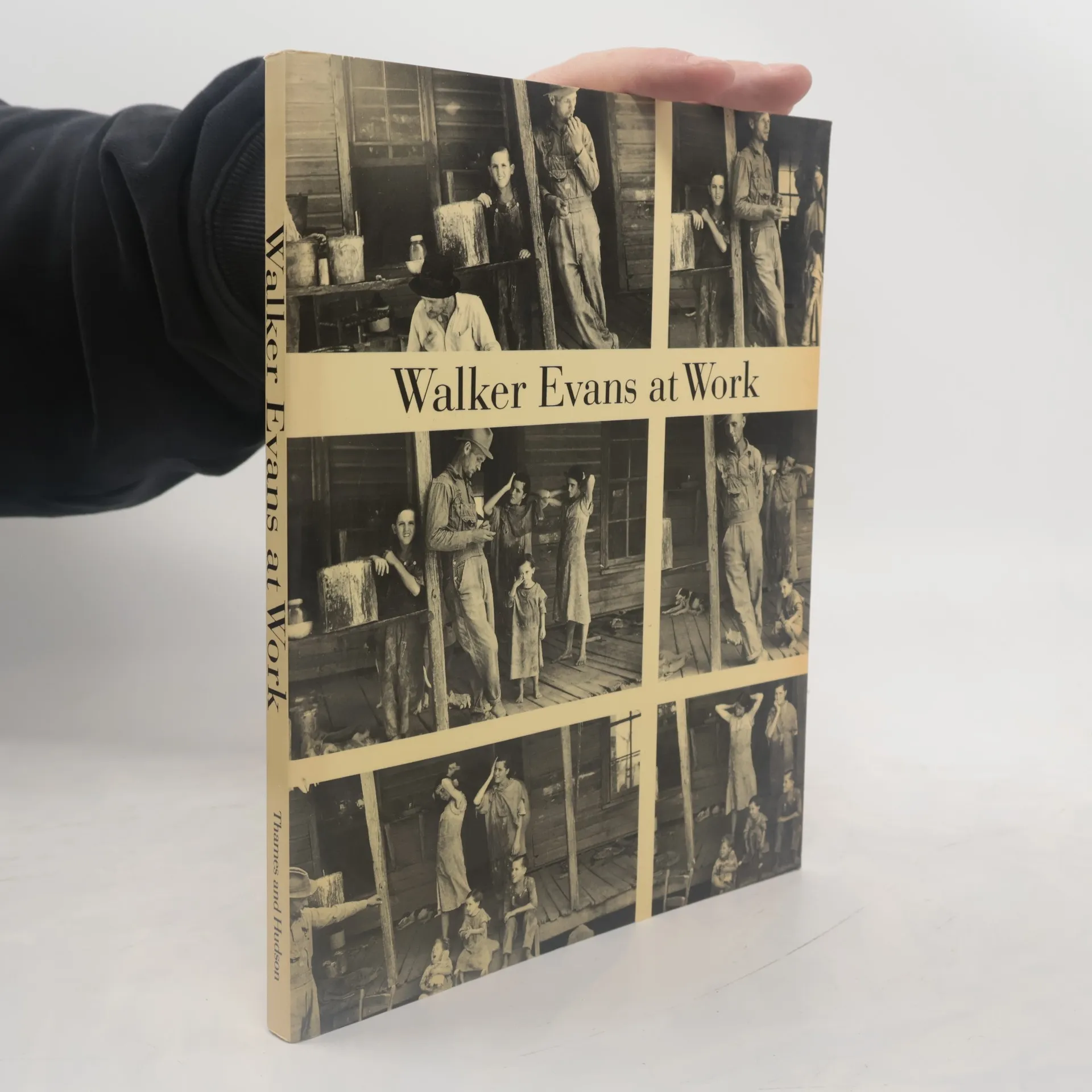
    • Through the evidence of trial and error in successive images and through his own word's, this book shows how Hunter Evans worked. The 747 photographs document chronologically his choice of subject and his lifelong technical experimentation.

      Walker Evans at Work
      4,4
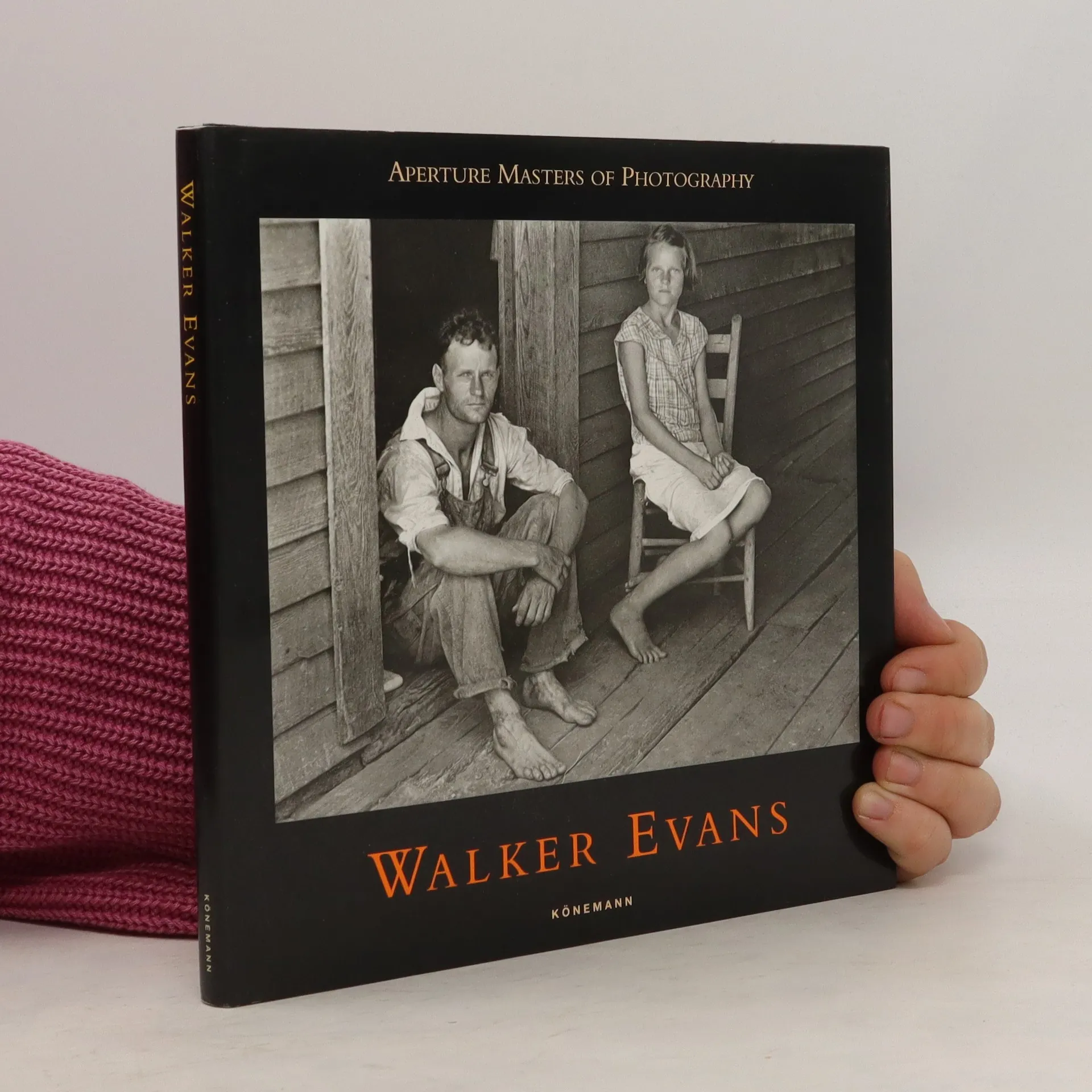
    • Walker Evans' photography, a cornerstone of documentary art, is explored in this redesigned and expanded edition. Celebrated for his profound impact on 20th-century photography, Evans' work vividly captures the American experience from the late 1920s to the early 1970s. This volume features some of his most iconic images, complemented by a new introduction and commentary from photography historian David Campany, providing fresh insights into Evans' artistic vision and legacy.

      Walker Evans: Aperture Masters of Photography
      4,3
    • Walker Evans (1903–75) is now considered perhaps the finest documentary photographer ever and his images have had considerable influence on other artists, and not only in the field of photography. He is well known for his 1930s work for the Farm Security Administration, documenting the effect of the Great Depression o

      Walker Evans
      4,3
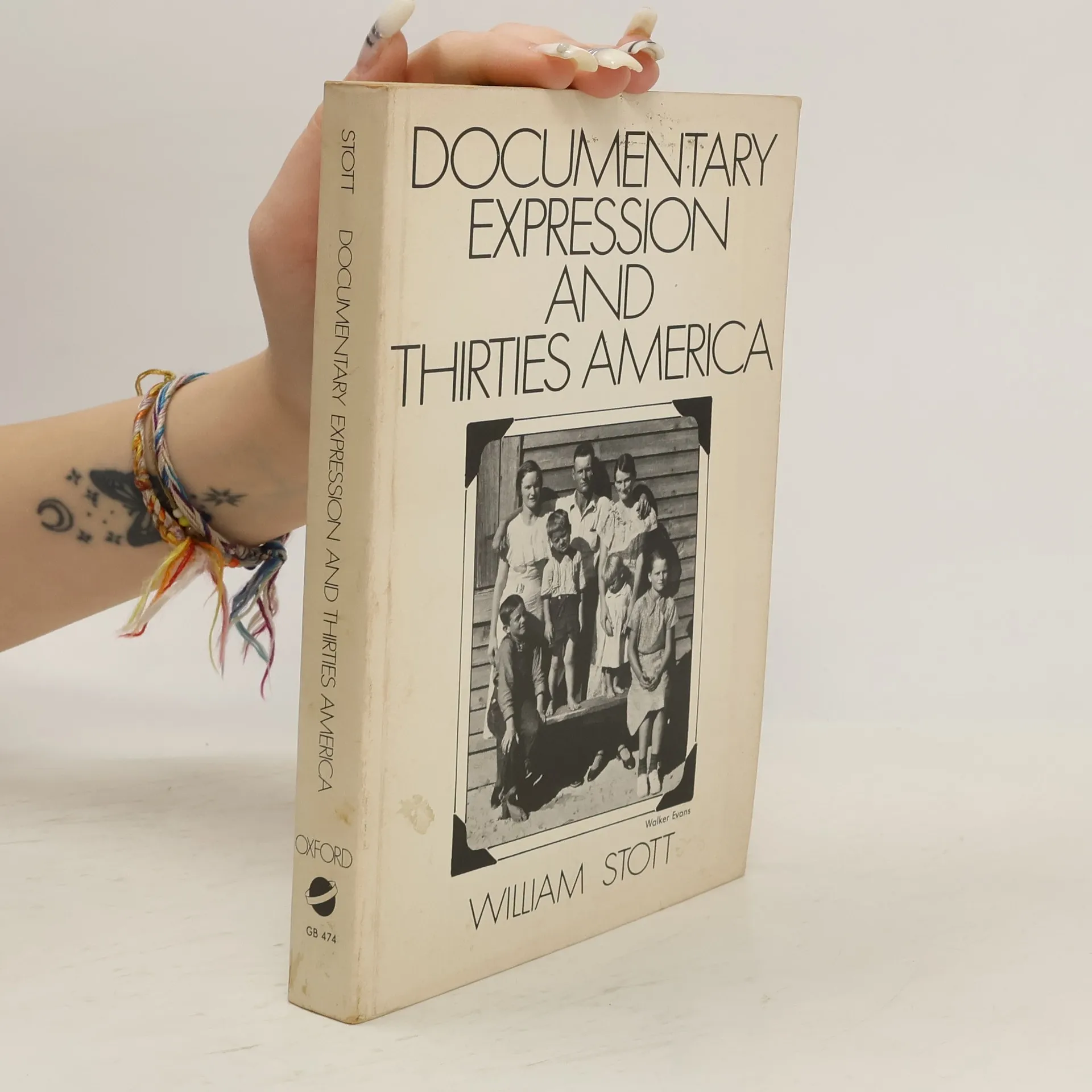
    • "A comprehensive inquiry into the attitudes and ambitions that characterized the documentary impulse of the thirties. The subject is a large one, for it embraces (among much else) radical journalism, academic sociology, the esthetics of photography, Government relief programs, radio broadcasting, the literature of social work, the rhetoric of political persuasion, and the effect of all these on the traditional arts of literature, painting, theater and dance. The great merit of Mr. Stott's study lies precisely in its wide-ranging view of this complex terrain."--Hilton Kramer," New York Times Book Review "[Scott] might be called the Aristotle of documentary. No one before him has so comprehensively surveyed the achievement of the 1930s, suggesting what should be admired, what condemned, and why; no one else has so persuasively furnished an aesthetic for judging the form."--"Times Literary Supplement

      Documentary Expression and Thirties America
      3,5