Adam Zamoyski’s bestselling account of Napoleon’s invasion of Russia and his catastrophic retreat from Moscow, events that had a profound effect on European history. In 1812 the most powerful man in the world assembled the largest army in history and marched on Moscow with the intention of consolidating his dominion. But within months, Napoleon’s invasion of Russia – history’s first example of total war – had turned into an epic military disaster. Over 400,000 French and Allied troops perished and Napoleon was forced to retreat. Adam Zamoyski’s masterful work draws on the harrowing first-hand accounts of soldiers and civilians on both sides of the conflict. The result takes the reader beyond the invasion of Russia to present both a poignant tale of the individual foot soldier and a sweeping history of a turbulent time.
Adam Zamoyski Livres
Cet auteur, issu de l'ancienne famille noble polonaise Zamoyski, est historien de profession. Ses œuvres plongent dans le passé avec une profonde compréhension des complexités du destin humain et des structures sociétales. À travers son écriture, il offre une perspective unique sur les événements historiques et leur impact sur le présent. Son affiliation à la Fondation des Princes Czartoryski souligne son engagement dans la préservation du patrimoine culturel.


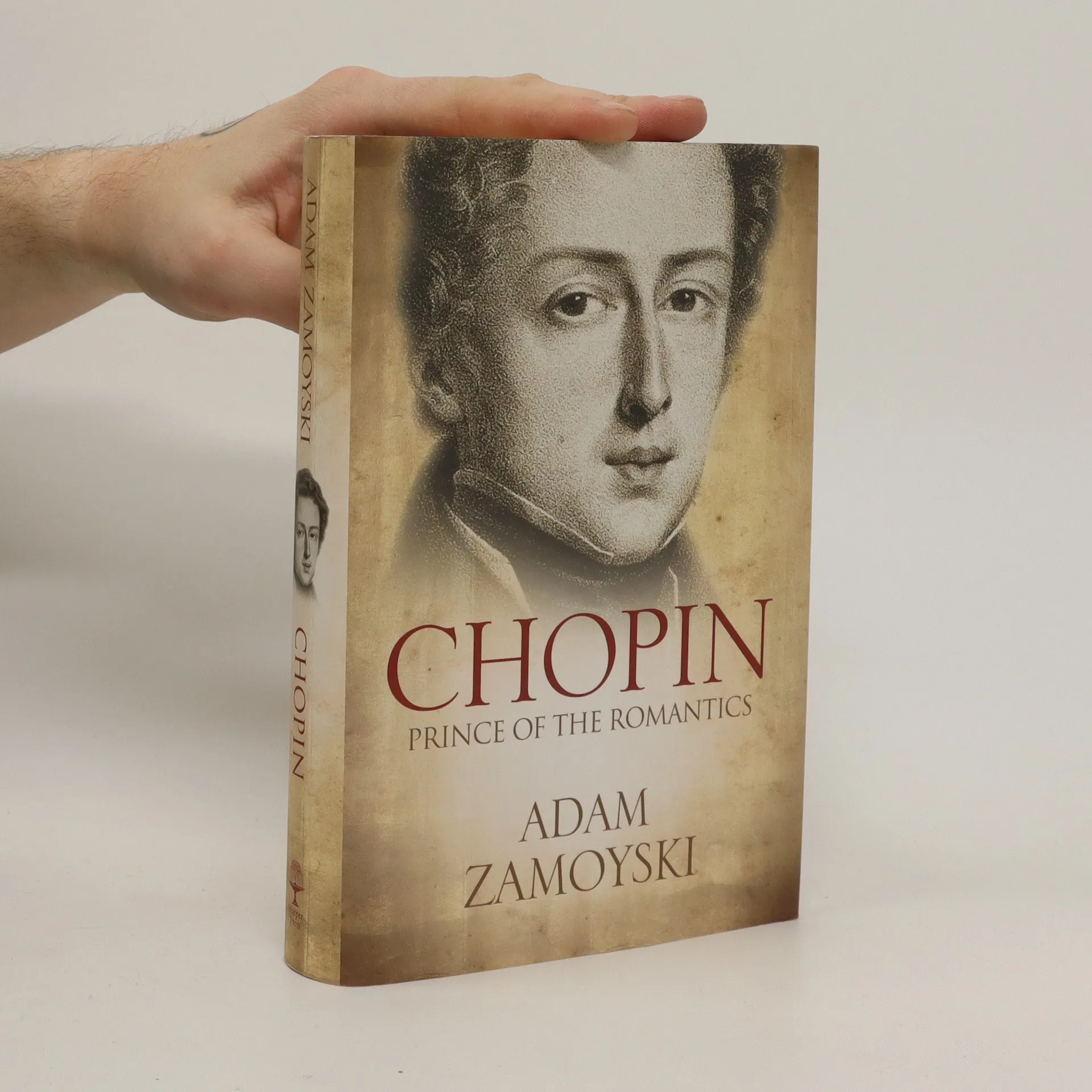
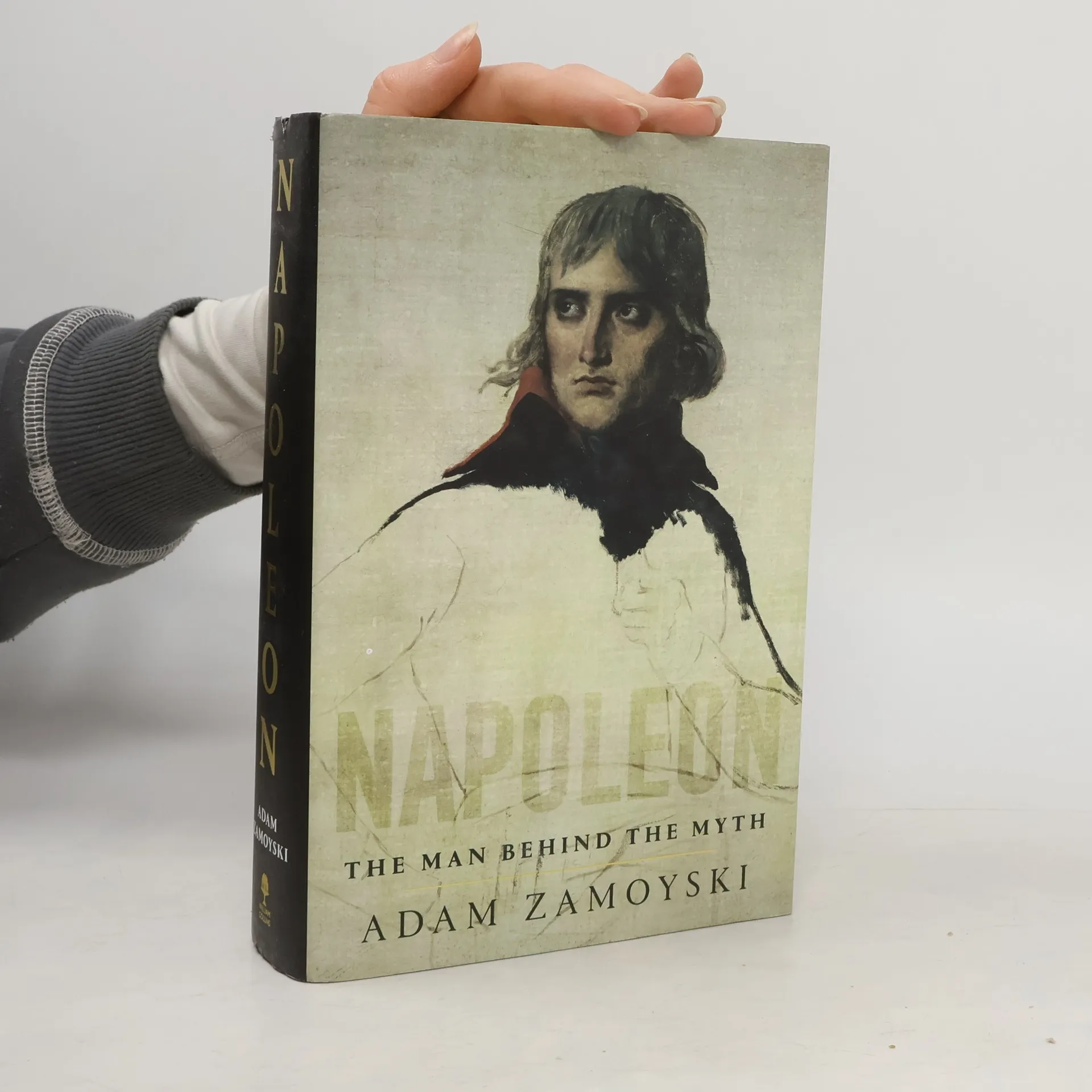
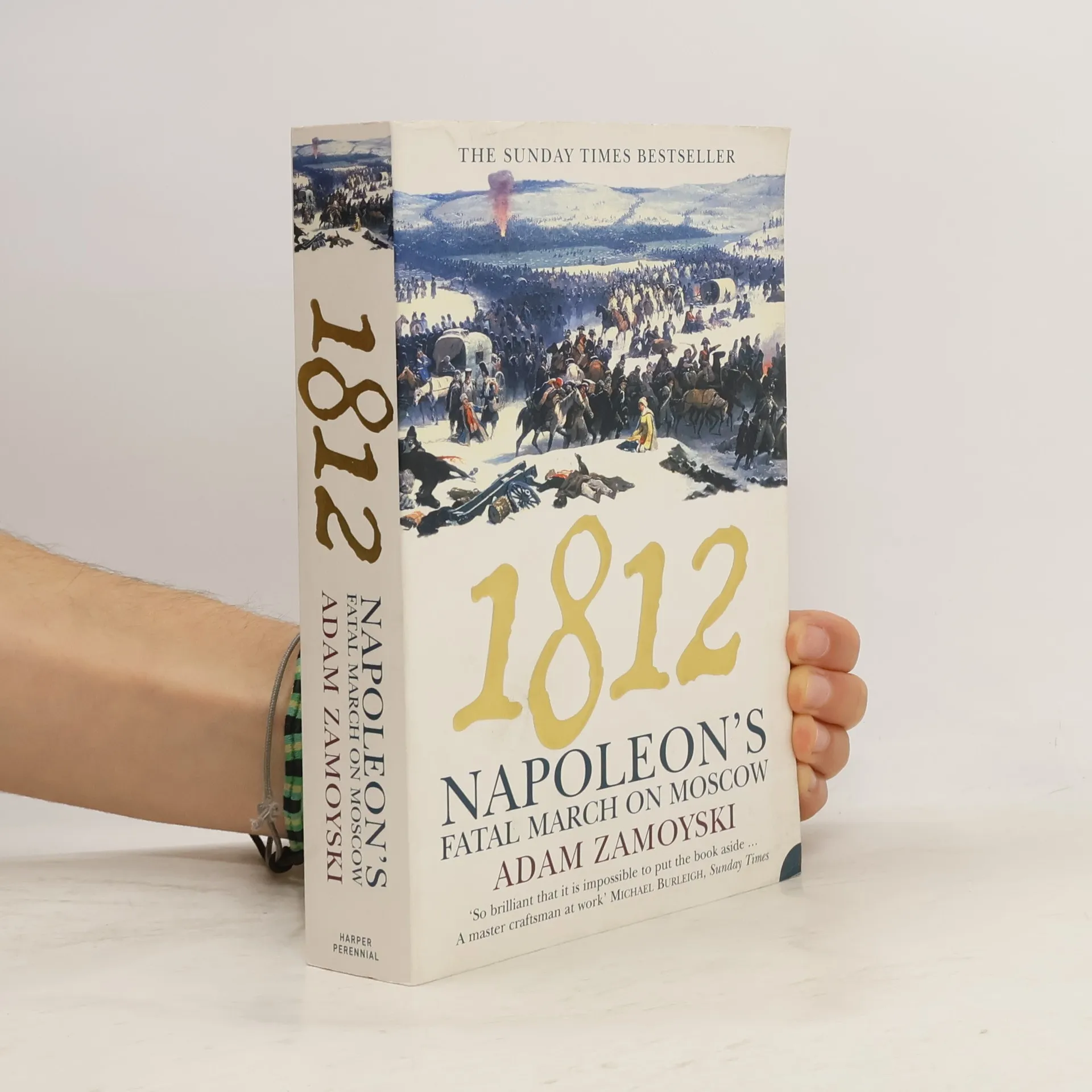
Napoleon: The Man Behind The Myth
- 576pages
- 21 heures de lecture
Based on primary sources in many European languages, and illustrated with portraits done only from life, this biography examines how Napoleone Buonaparte, the boy from Corsica, became `Napoleon', how he achieved what he did, and how it came about that he undid it
Chopin : Prince of the romantics
- 356pages
- 13 heures de lecture
A completely new edition of the definitive biography of Chopin, unavailable for many years, by one of the finest of contemporary European historians. Two centuries have passed since Chopin's birth, yet his legacy is all around us today. The quiet revolution he wrought influenced the development of Western music profoundly, and he is still probably the most widely studied and revered composer. For many, he is the object of a cult. Yet most people know little of his life, of the man, his thoughts and his feelings; his public image is a sugary blur of sentimentality and melodrama. Adam Zamoyski cuts through the myths and legends to tell the story of Chopin's life, and to reveal all that can be discovered about him as a person. He pays particular attention to recent revelations about the composer's health, and places him within the intellectual and spiritual environment of his day.
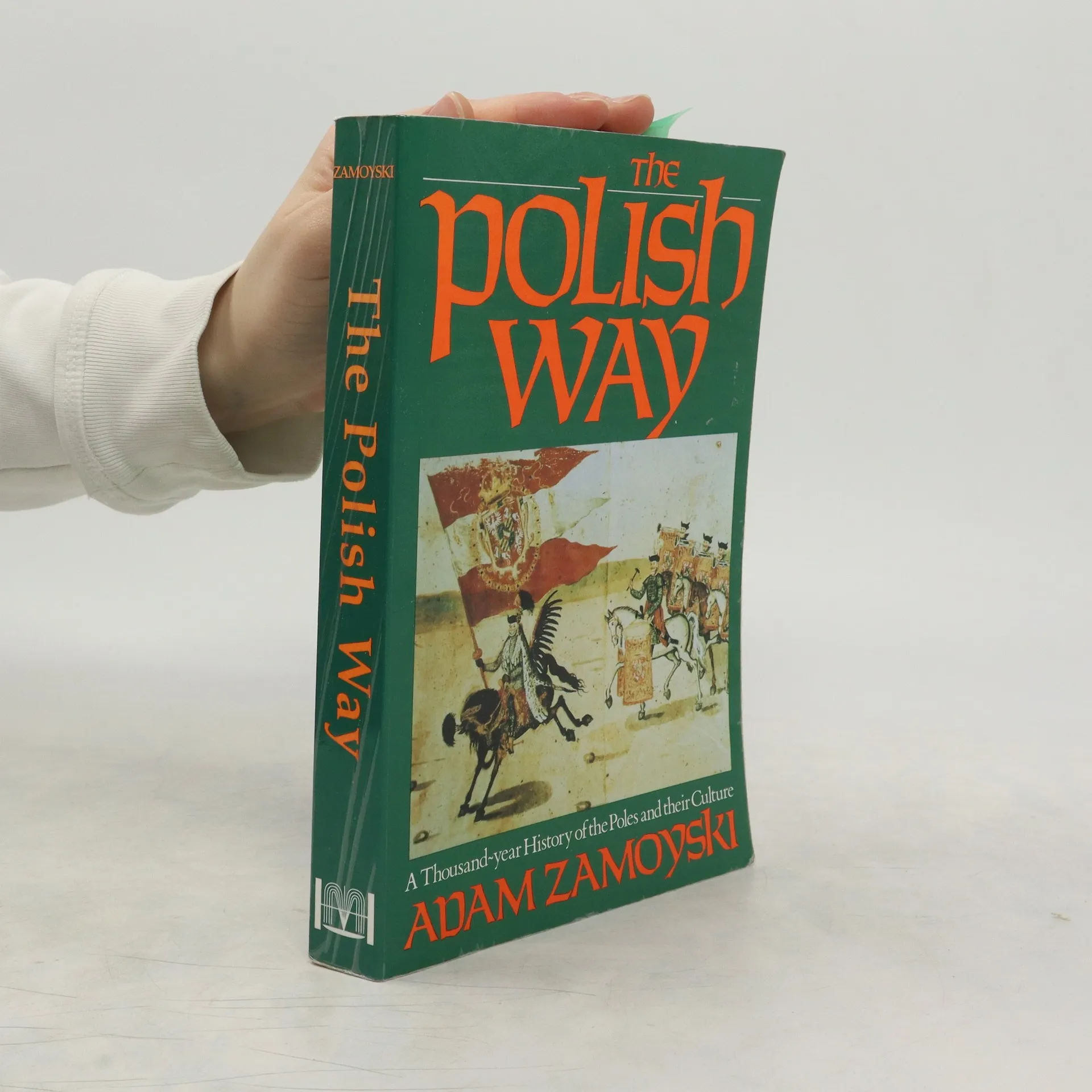
The Polish Way
- 422pages
- 15 heures de lecture
This title is now out of print. Please see Adam Zamoyski's new book A HISTORY , available September 1, 2012.
In the aftermath of Napoleon's failed Russian campaign in 1812, his control over Europe began to falter, prompting discussions on the continent's reconstruction post-defeat. The Treaty of Paris in 1814 ended a quarter-century of upheaval but left Europe’s future uncertain. The major powers—Britain, Austria, Prussia, and Russia—along with various smaller nations, convened in Vienna for a series of sessions that blended political negotiations with lavish social events over eight months. This gathering, while resulting in unprecedented stability, came at a steep price, as many pivotal decisions were made amid the chaos of war rather than in the refined atmosphere often depicted. Internationally bestselling author Adam Zamoyski utilizes a diverse array of original sources, including official documents, private letters, and firsthand accounts, to uncover the tumultuous backdrop of greed and desire that shaped the new Europe. His meticulous research and compelling narrative highlight the influential figures of the time, such as Tsar Alexander, Metternich, Talleyrand, and the Duke of Wellington, as they navigated the complexities of these historic events and their lasting impact on the continent.
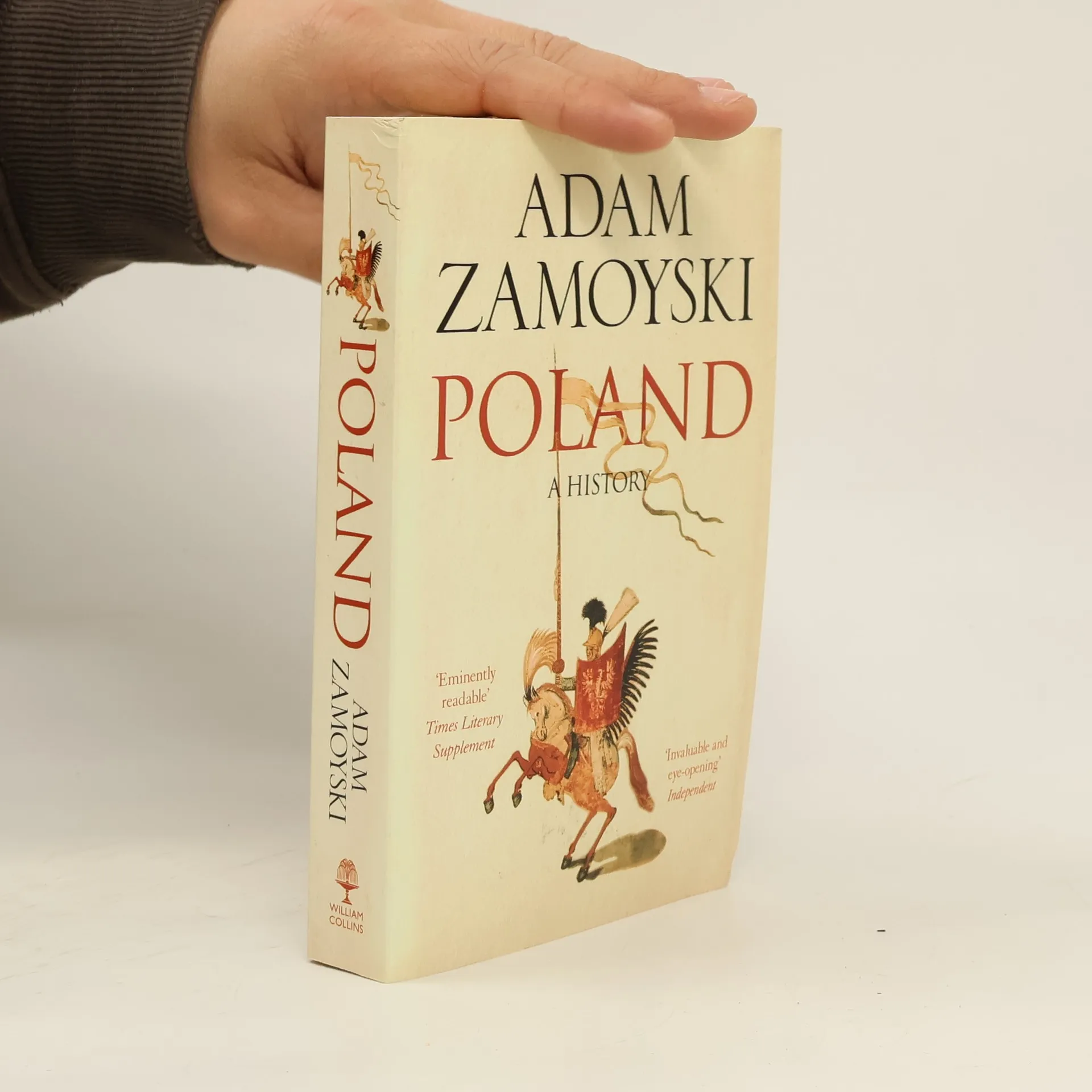
Poland
- 448pages
- 16 heures de lecture
Adam Zamoyski first wrote his history of Poland two years before the collapse of the Soviet Union. This substantially revised and updated edition sets the Soviet era in the context of the rise, fall and remarkable rebirth of an indomitable nation.
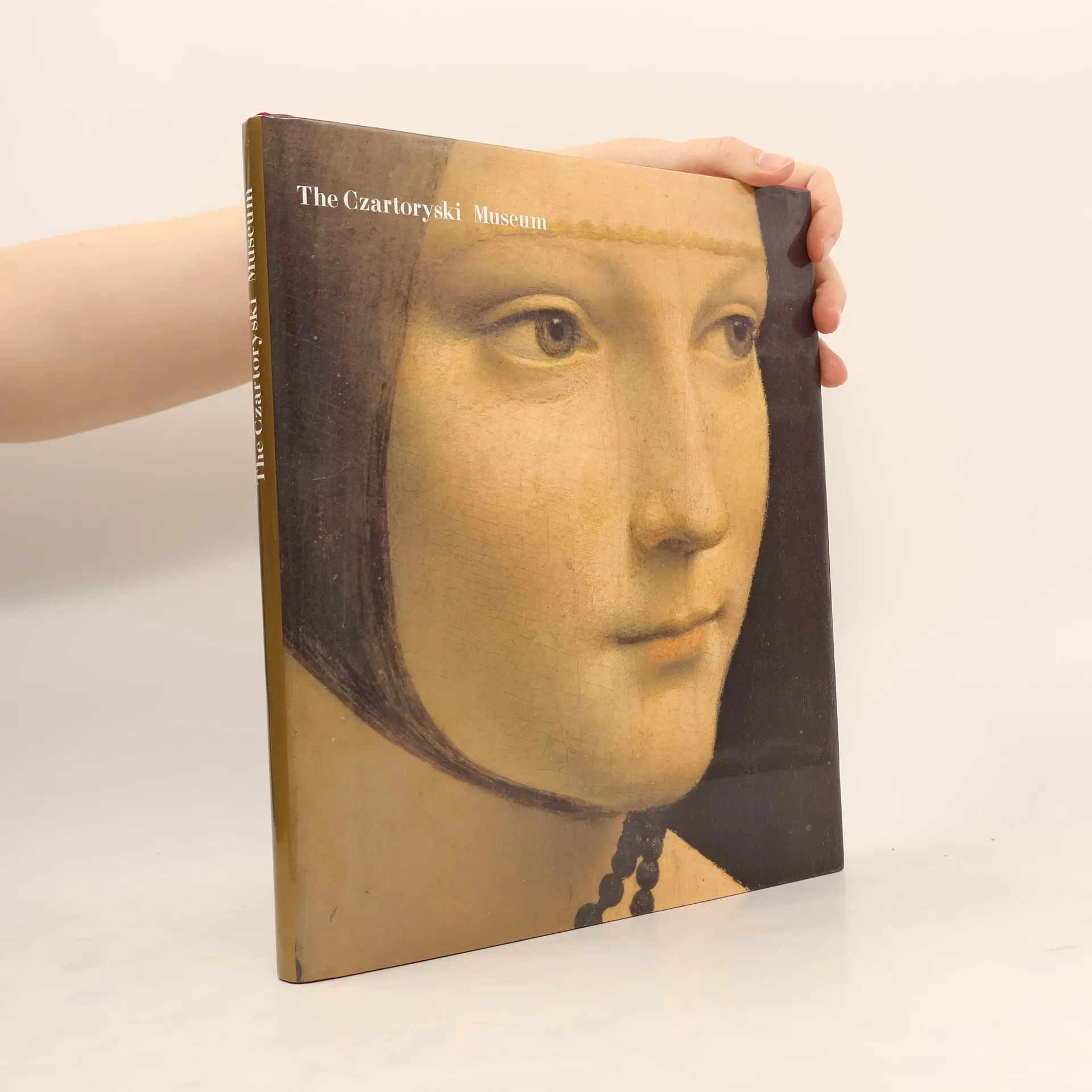
The Czartoryski Museum
- 143pages
- 6 heures de lecture
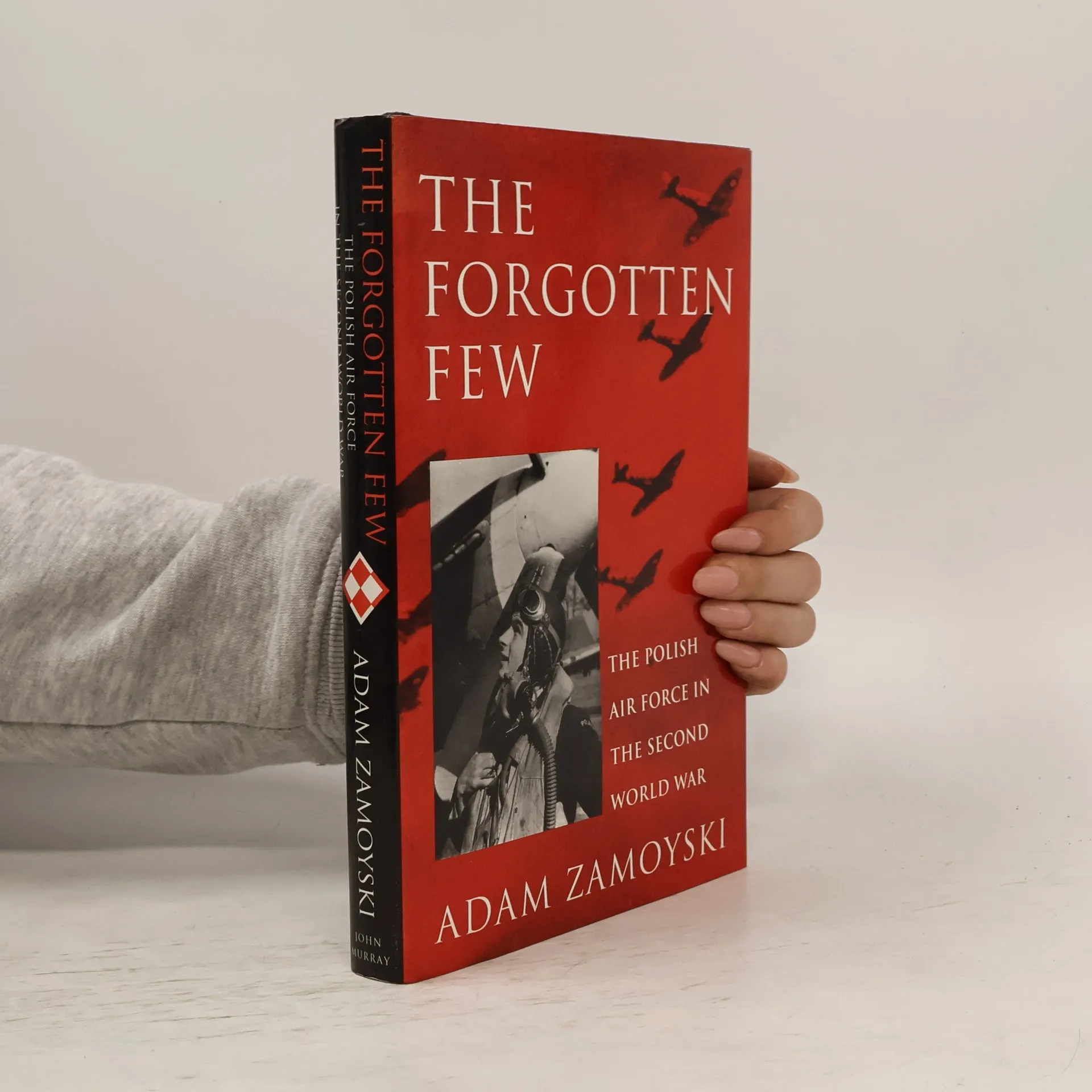
Examines the Polish Air Force of the Second World War, looking at who they were, where they came from, how they got there, what they did and their collaboration with the RAF
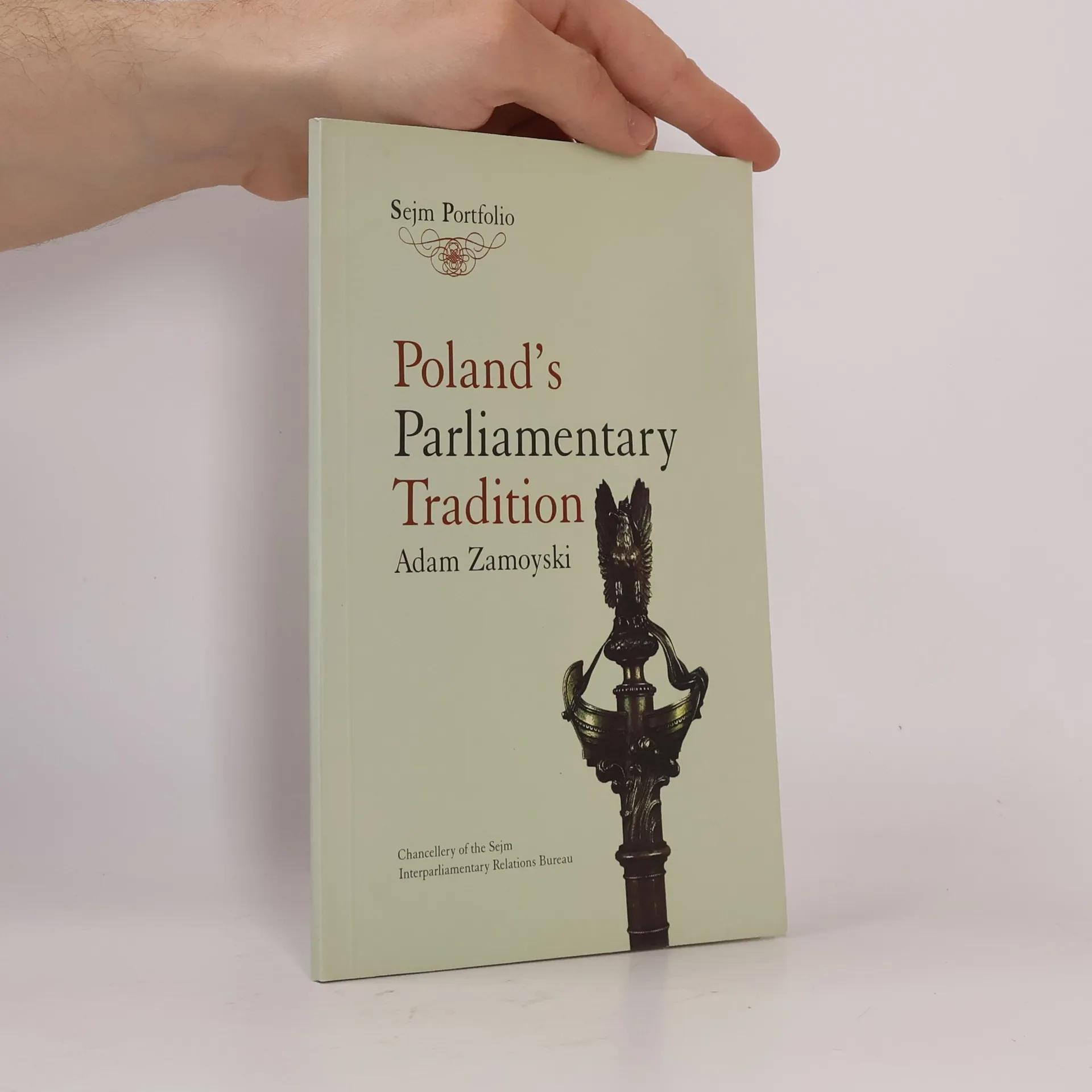
Sejm Portfolio: Poland's Parliamentary Tradition
- 45pages
- 2 heures de lecture
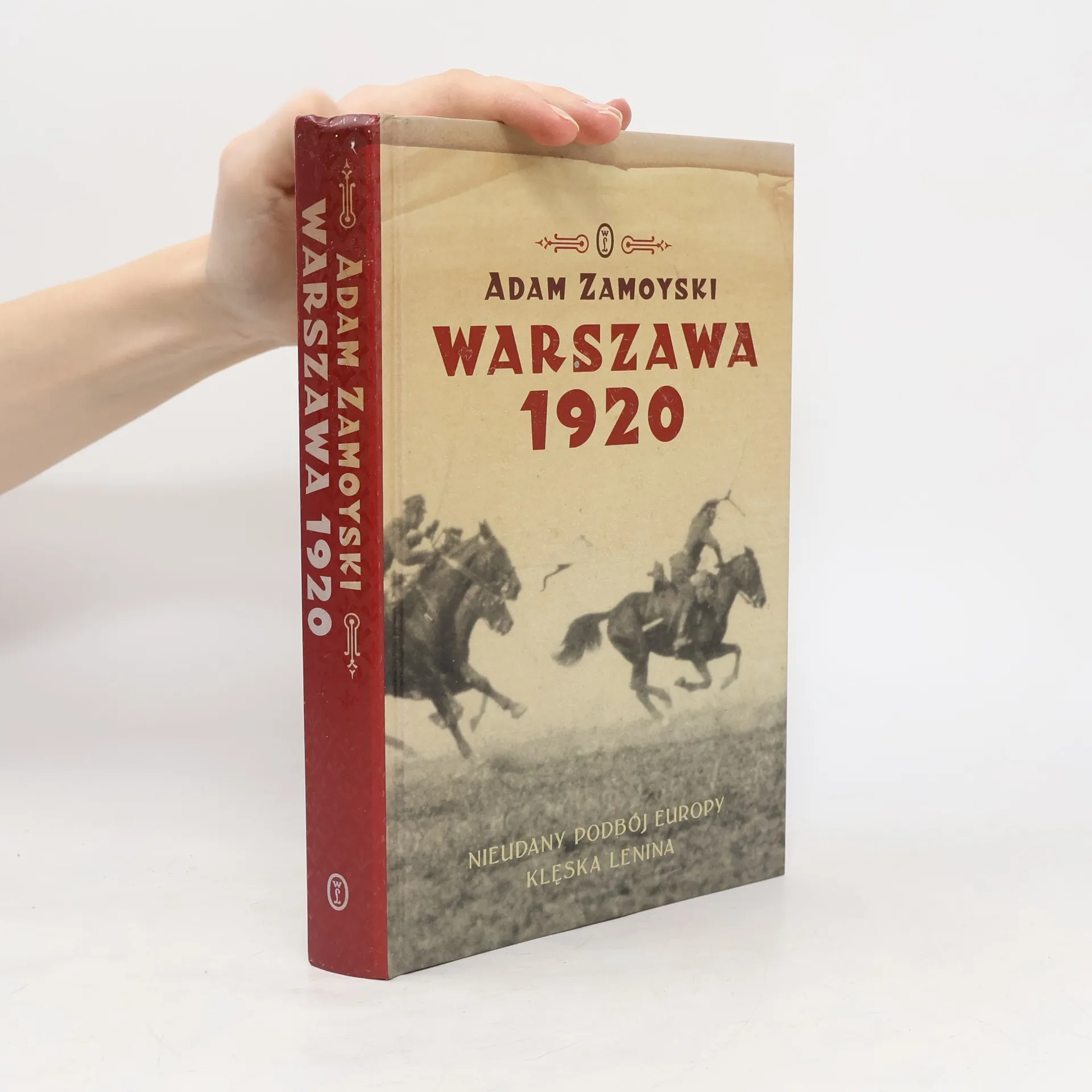
Bitwa Warszawska 1920 roku uznana została przez historyków i politologów za jedną z kilkunastu bitew decydujących o losach świata. Pisząc tę książkę, Adam Zamoyski spotykał się z uczestnikami walk, co zaowocowało żywą i wartką narracją, przetykaną relacjami świadków tamtych wydarzeń. W książce można znaleźć barwne epizody oddające klimat epoki, a także świetnie naszkicowane portrety najważniejszych postaci konfliktu. Co ważne, książka powstała z myślą o czytelnikach zagranicznych, dzięki czemu opis wydarzeń sprzed lat jest przejrzysty i pełny. Zamoyski poświęca tyle samo uwagi obu stronom konfliktu, nie zaniedbując kontekstu europejskiego. Przebieg bitwy warszawskiej opisuje szczegółowo, choć unika niezbyt przyjaznych dla czytelnika specjalistycznych opisów taktyki wojennej.
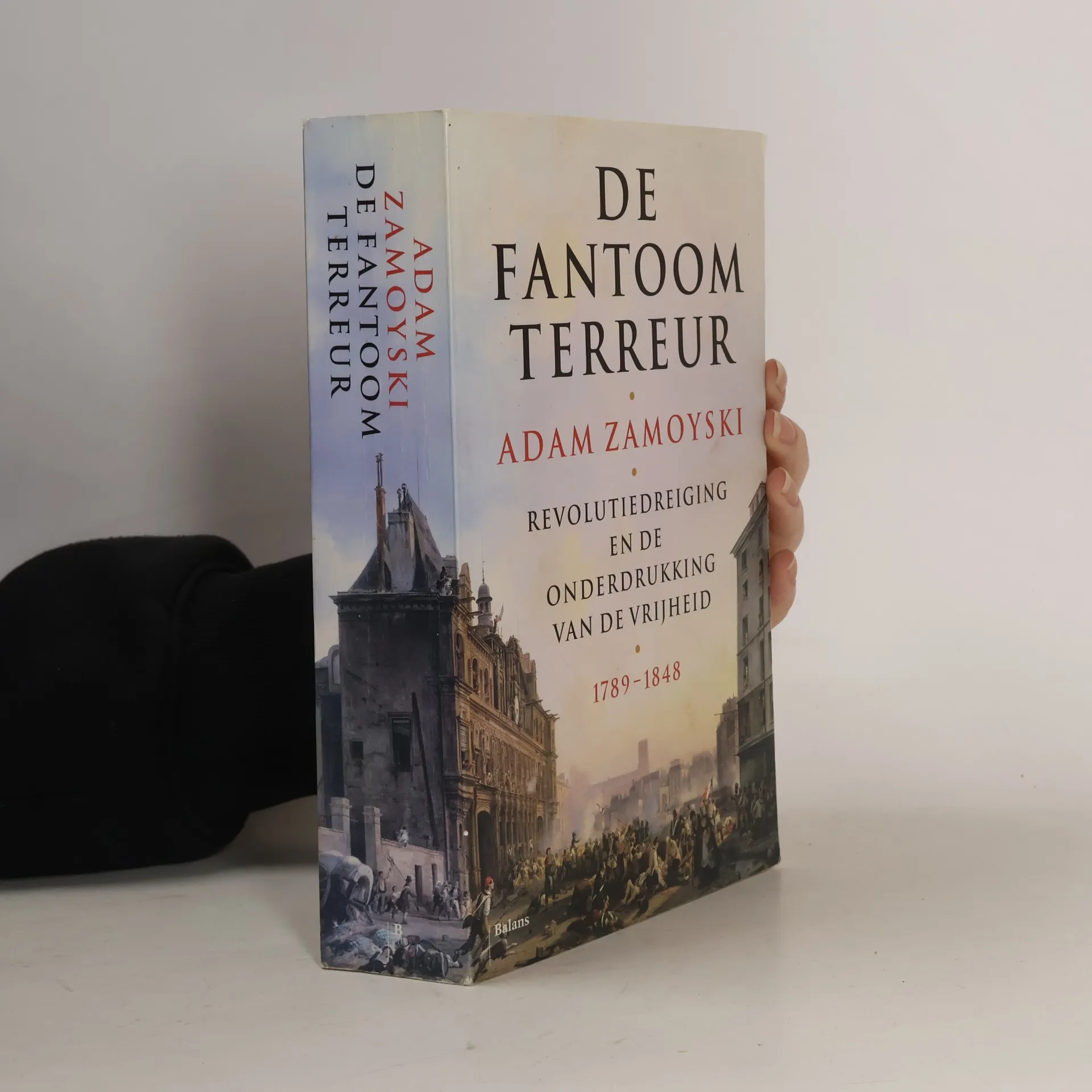
De Fantoomterreur. Revolutiedreiging en de onderdrukking van de vrijheid 1789 - 1848
- 560pages
- 20 heures de lecture
In 1789 veroorzaakte de Franse Revolutie een ongekende angst onder de bezittende klassen van Europa. De verschrikkingen leidden tot de conclusie dat er een duivelse samenzwering achter zat, geïnspireerd door de Verlichting, met als doel de sociale orde en de fundamenten van wet en religie te ondermijnen. In reactie op deze dreiging werd er een ongekende onderdrukking ingesteld, waarbij het politie- en spionagenetwerk snel werd uitgebreid. Na de nederlaag van Napoleon in 1815 bij Waterloo begonnen de overwinnaars gezamenlijk met het herstel van de oude orde. Ze onderdrukten elke oppositie en jagen op vermeende samenzweerders. In dit grensverleggende werk laat de bestsellerauteur zien hoe de heersers van Europa hun toevlucht namen tot ongerichte onderdrukking via politie, spionage en geweld, wat hun eigen angst voedde en de gewone mensen aanspoorde tot verzet. Dit leidde tot een groeiende weerstand tegen hun bewind. De fascinerende geschiedenis, die zowel huiveringwekkend als hilarisch is, biedt inzicht in de ontwikkeling van de moderne staat en zijn controlemechanismen. De lessen uit deze periode zijn relevant voor de hedendaagse samenleving.
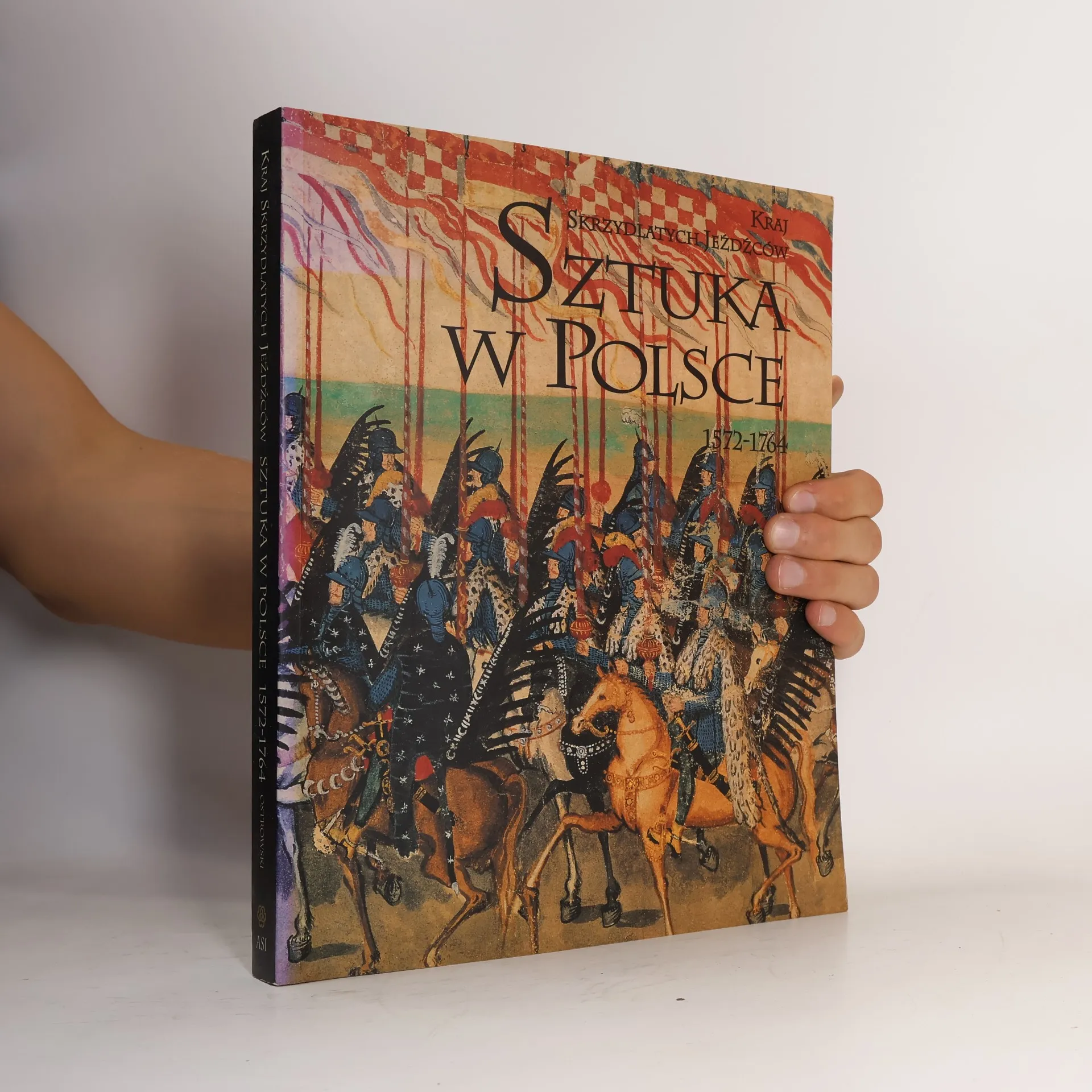
Sztuka w Polsce
1572-1764