Paul Bishop apporte une richesse d'expérience réelle issue de ses décennies en tant que détective, spécialisé dans les crimes sexuels et la lutte contre le terrorisme. Les points forts de sa carrière comprennent des taux d'arrestation et de résolution d'affaires constamment élevés, ce qui lui a valu des distinctions en tant que Détective de l'année. Bishop a transformé cette expertise en une carrière d'écrivain à succès, auteur de nombreux romans et scénarios, explorant souvent des récits criminels sombres. Il partage également ses connaissances par le biais de séminaires d'interrogatoire et est apparu dans une émission de téléréalité.
Goethe, Schiller, and Jung Volume 2: The Constellation of the Self
260pages
10 heures de lecture
Exploring the intellectual connections between Weimar classicism and analytical psychology, this book serves as a valuable resource for students and scholars in these fields. It delves into the interplay of ideas, enhancing the understanding of both literary and psychological frameworks during this pivotal period.
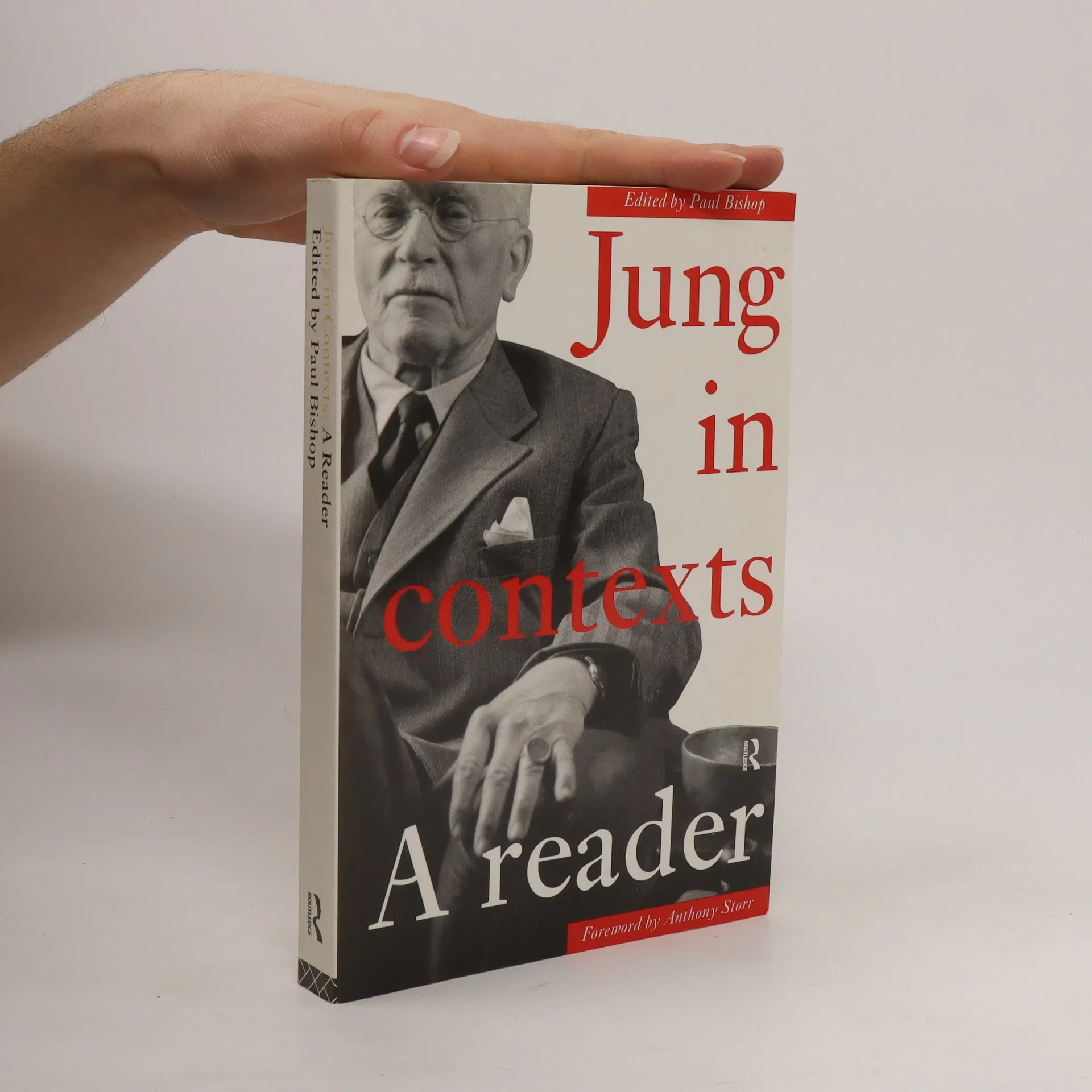
This is a unique collection of the most important essays on Jung and analytical psychology over the past two decades. The essays place Jung, the man and his work, in three important contexts: historical, literary and intellectual.
Ancient Wisdom, German Classicism, and Jung [ZLS Edition]
302pages
11 heures de lecture
The book delves into the concept of the midlife crisis through the lenses of C.G. Jung and Goethe, examining its significance in contemporary life. It traces the evolution from "the ages of humankind" to "the stages of life," emphasizing the midlife crisis as a crucial transition. Paul Bishop analyzes Jung's insights and Goethe's exploration of Orphic wisdom, particularly in his poem "Primal Words. Orphic." By integrating Jungian psychology with Goethe's commentary, the author reveals profound implications for understanding this pivotal life stage.
Wolfram von Eschenbach's "Parzival" and the Grail as Transformation
396pages
14 heures de lecture
Exploring the connection between the Middle Ages and contemporary life, the book delves into Jung's assertion that understanding this historical period is essential for personal growth. It emphasizes the significance of integrating medieval elements within oneself to achieve a deeper self-awareness and psychological development. Through this lens, the text invites readers to reflect on how the past continues to shape our identities and experiences today.
Im November 1925 veröffentlichte Ludwig Klages in der Zeitschrift Die Tat. Monatsschrift für die Zukunft deutscher Kultur einen Beitrag mit dem Titel »Über Sexus und Eros«, den er im folgenden Jahr in die zweite, erweiterte Auflage des schmalen Buches Vom kosmogonischen Eros aufnahm. Wie zukunftsweisend war dieser Aufsatz von Klages – und ist er überhaupt noch zeitgemäß? In diesem Band, der aus einer internationalen Tagung zum Thema »Eros und Sexus in der Philosophie von Ludwig Klages« hervorgeht, wird die Problematik der Eros-Sexus-Beziehung aus verschiedenen Perspektiven untersucht und beleuchtet. Unter anderem werden folgende Aspekte erörtert: Theorien der Erotik bei Klages, Bataille, Fromm und Maffesoli; Ausdruckskunde und Ausdruckstanz in der Künstlerkolonie auf dem Monte Verità; Ausdruck und Bewegung als Grundimpulse des Eros; die Rolle des Eros in Platons Symposion; die Klages-Rezeption bei Per Leo und Gerd-Klaus Kaltenbrunner; Klages’ Auffassung des Eros und dessen Konzeption im George-Kreis sowie seine Beziehung zu diversen Personen wie etwa Friedrich Huch, Franziska zu Reventlow, Martin Heidegger und Plotin. Angesichts der eifrig verfochtenen Gender-Debatten der heutigen Zeit versuchen die Autorinnen und Autoren, die »Kosmogonität« des Eros kritisch zu prüfen und für zukünftige Diskussionen zu erschließen.