The Handbook of Linguistics
- 840pages
- 30 heures de lecture
Presupposing no prior knowledge of linguistics, The Handbook of Linguistics is the ideal resource for people who want to learn about the subject and its subdisciplines.


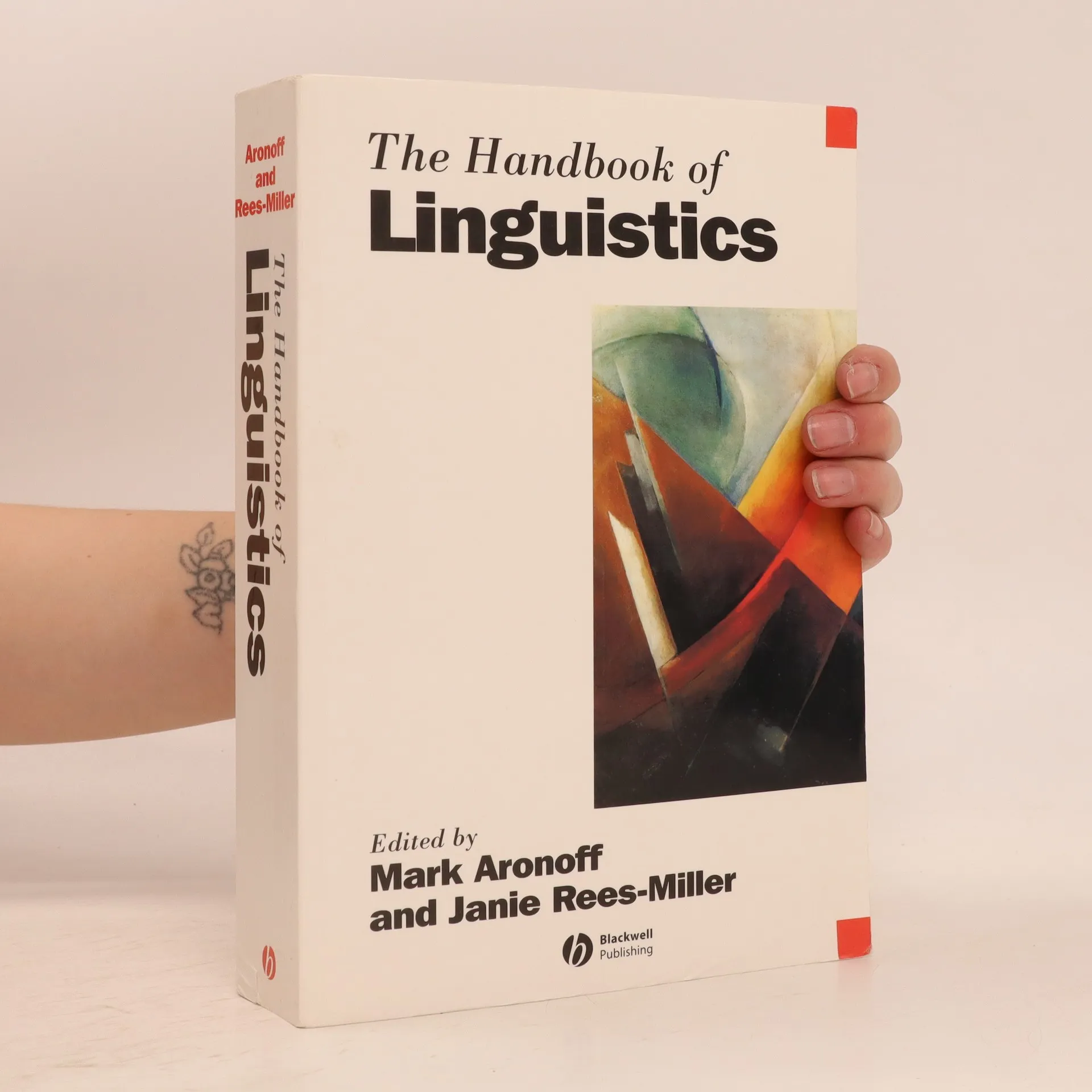
Presupposing no prior knowledge of linguistics, The Handbook of Linguistics is the ideal resource for people who want to learn about the subject and its subdisciplines.
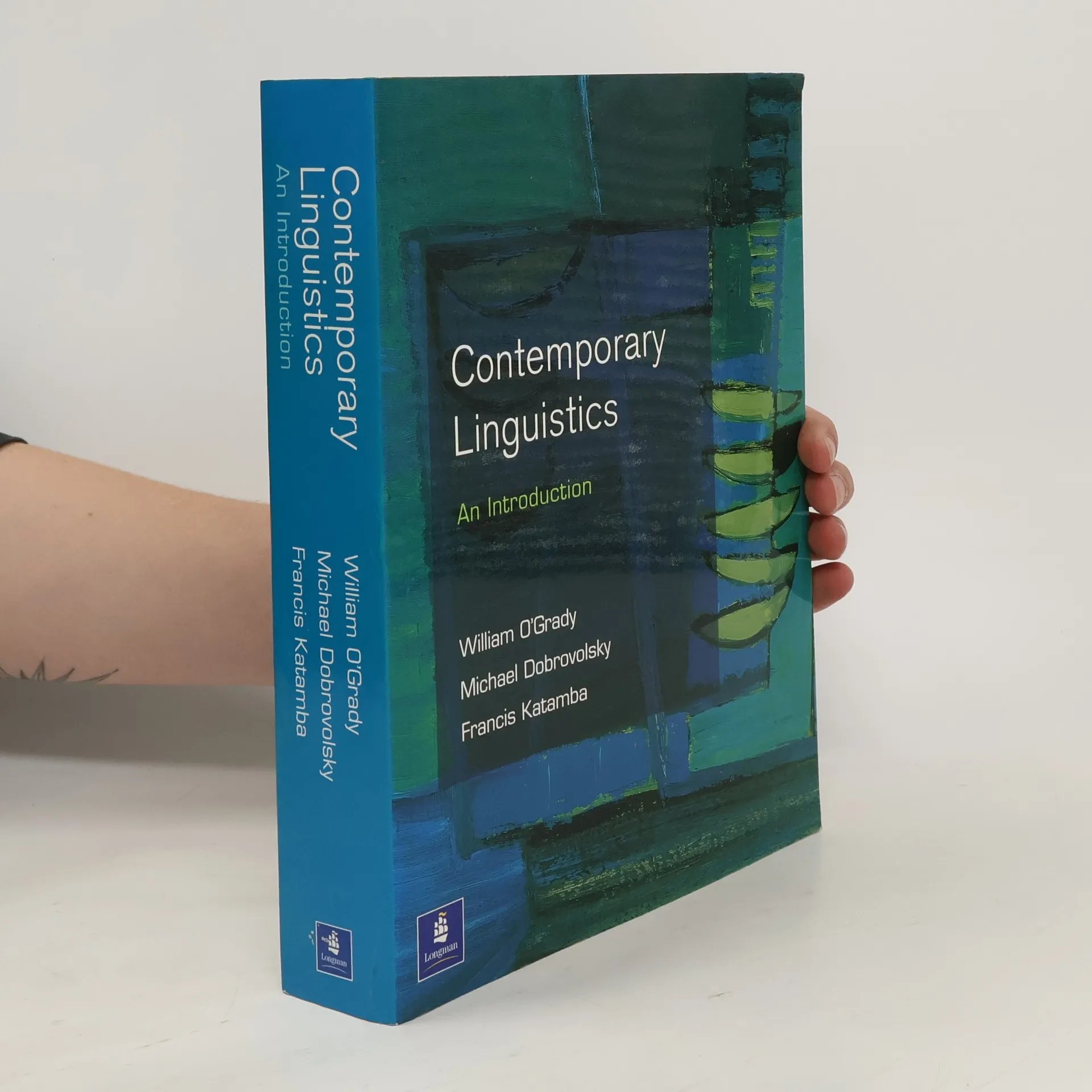
Contemporary Linguistics: An Introduction is a comprehensive, fully up-to-date introduction to linguistics. All the core topics of linguistics are covered, including phonetics, phonology, morphology, syntax, semantics, the genetic and typological classification of the languages of the world, and historical linguistics. Interdisciplinary areas discussed include language and the brain, psycholinguistics - the study of language processing, first and second language acquisition, language in social contexts and the fast-growing area of computational linguistics. Adapted from the Canadian edition by O'Grady and Dobrovolsky, this new European edition has been fully adapted and updated by Francis Katamba with appropriate UK and international phonetic and sociolinguistic material.
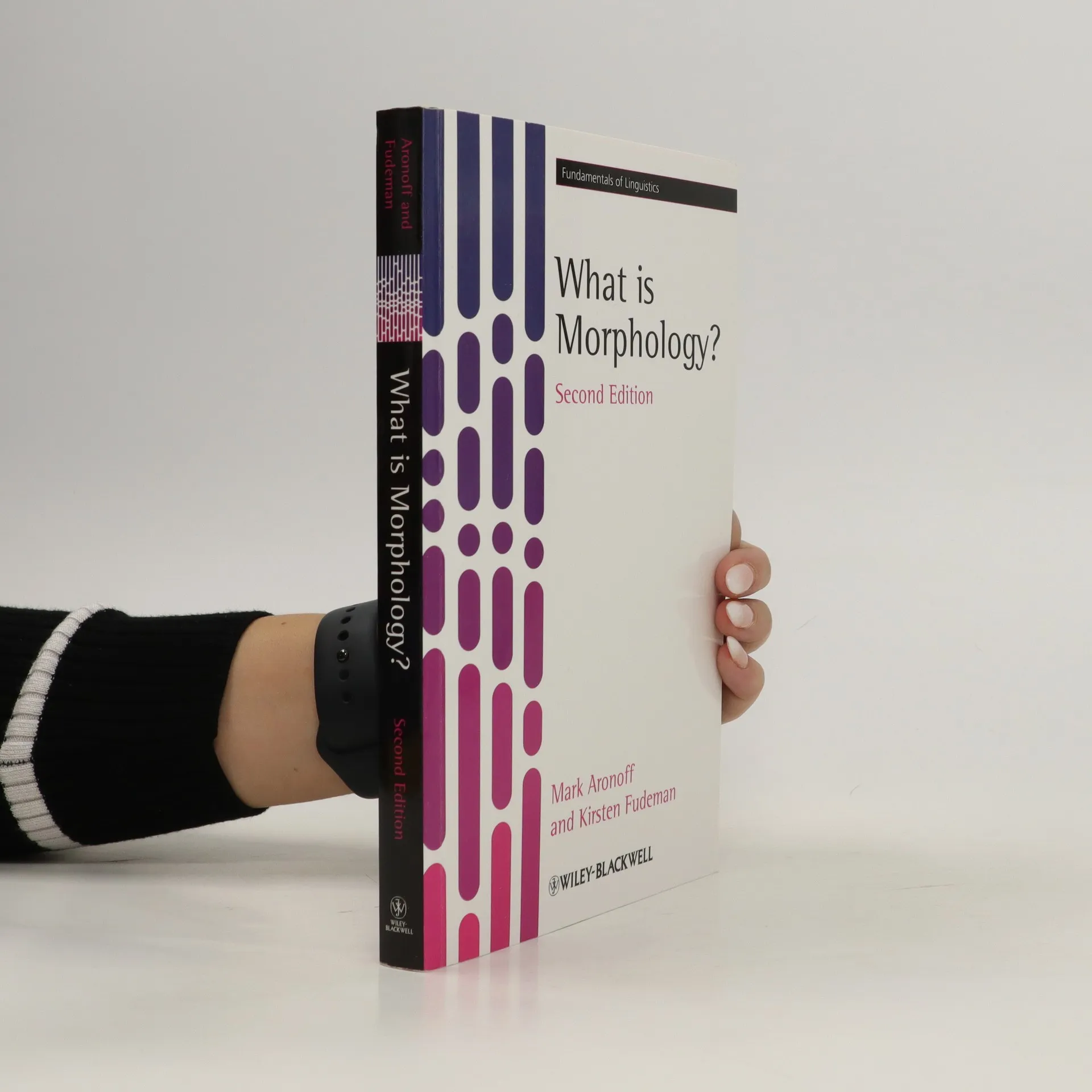
What is Morphology? is a concise and critical introduction to the central ideas of morphology, which has been revised and expanded to include additional material on morphological productivity and the mental lexicon, experimental and computational methods, and new teaching material.
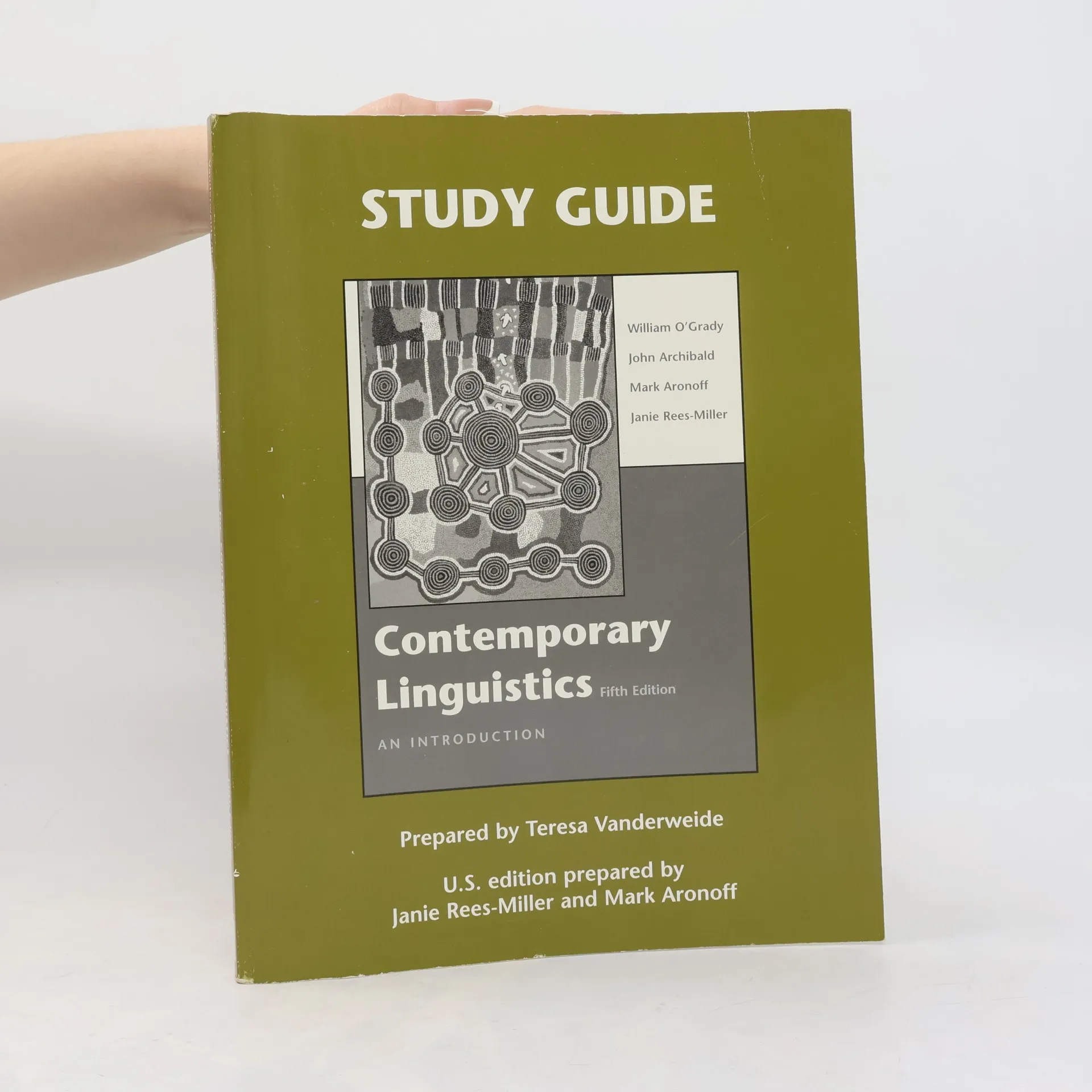
Offers a range of supplemental exercises and an answer key. Revised for the fifth edition.