

Focusing on a metatheory for educational philosophy, this book emphasizes the need for democratization, reconstruction, and decolonization of education. It addresses the challenges posed by a global and technological society, advocating for transformative approaches that reshape educational practices and theories to better serve diverse communities and foster critical engagement among learners.
Douglas Kellner Ordre des livres (chronologique)
31 mai 1943
Douglas Kellner est un éminent théoricien critique de troisième génération, profondément engagé dans l'impact de la culture médiatique sur la société. Pionnier de la littératie médiatique critique, il analyse comment les paysages médiatiques contemporains sont de plus en plus façonnés par le spectacle et le méga-spectacle. Son travail explore également les dynamiques de l'altermondialisation, défendant les mouvements contre-hégémoniques et les expressions culturelles alternatives dans la quête d'une société plus démocratique. Kellner étudie le potentiel politique des nouveaux médias, prônant un concept de « multiples littératies technologiques » comme alternative aux formes standardisées de littératie informatique.

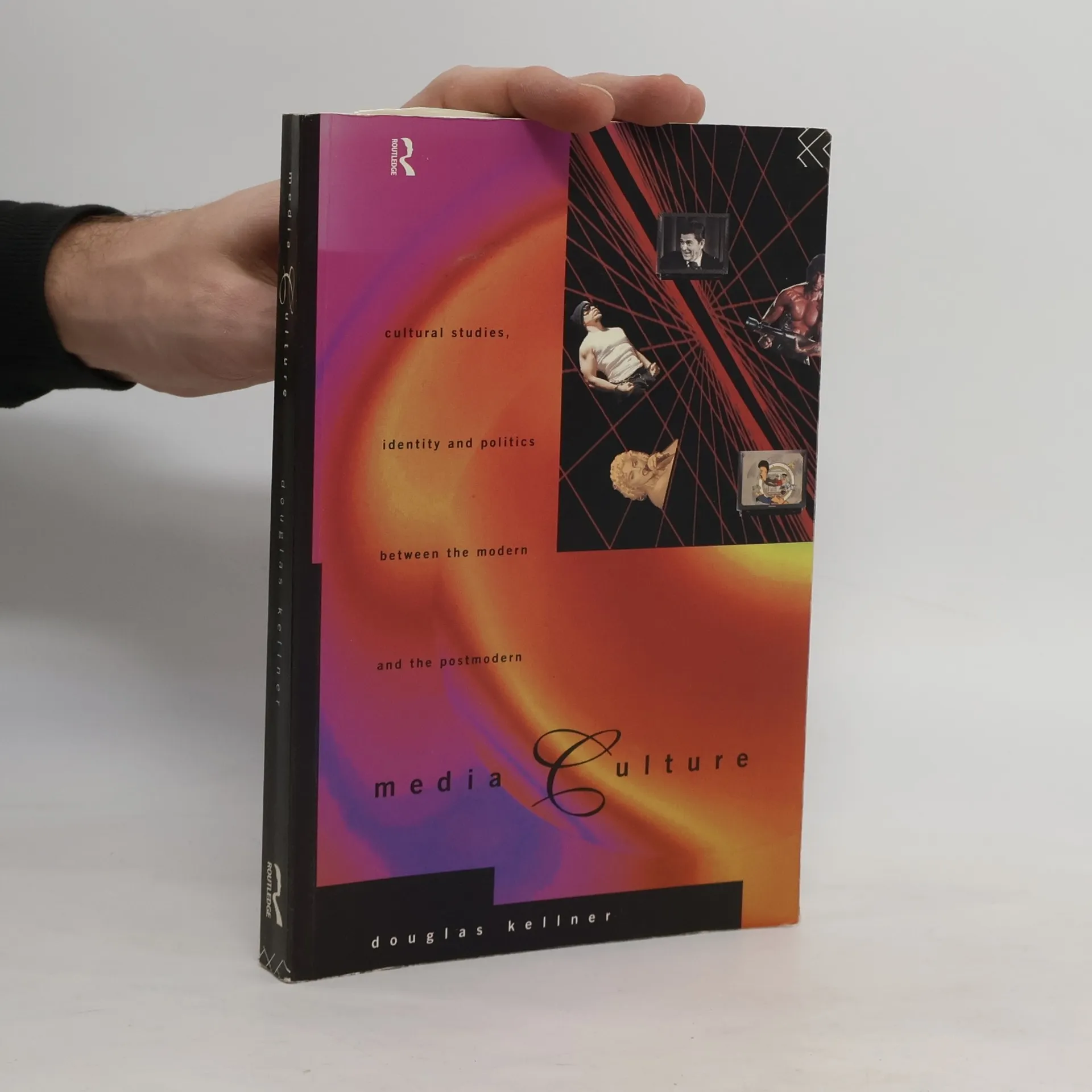
Media Culture
Cultural Studies, Identity, and Politics in the Contemporary Moment
- 326pages
- 12 heures de lecture
Kellner examines the pervasive influence of mediated culture as the primary force shaping socialization and impacting various aspects of life, including the economy and politics. This updated edition of a classic text in media and cultural studies delves into how media serves as a crucial player in contemporary society, highlighting its significance in cultural and social interactions.
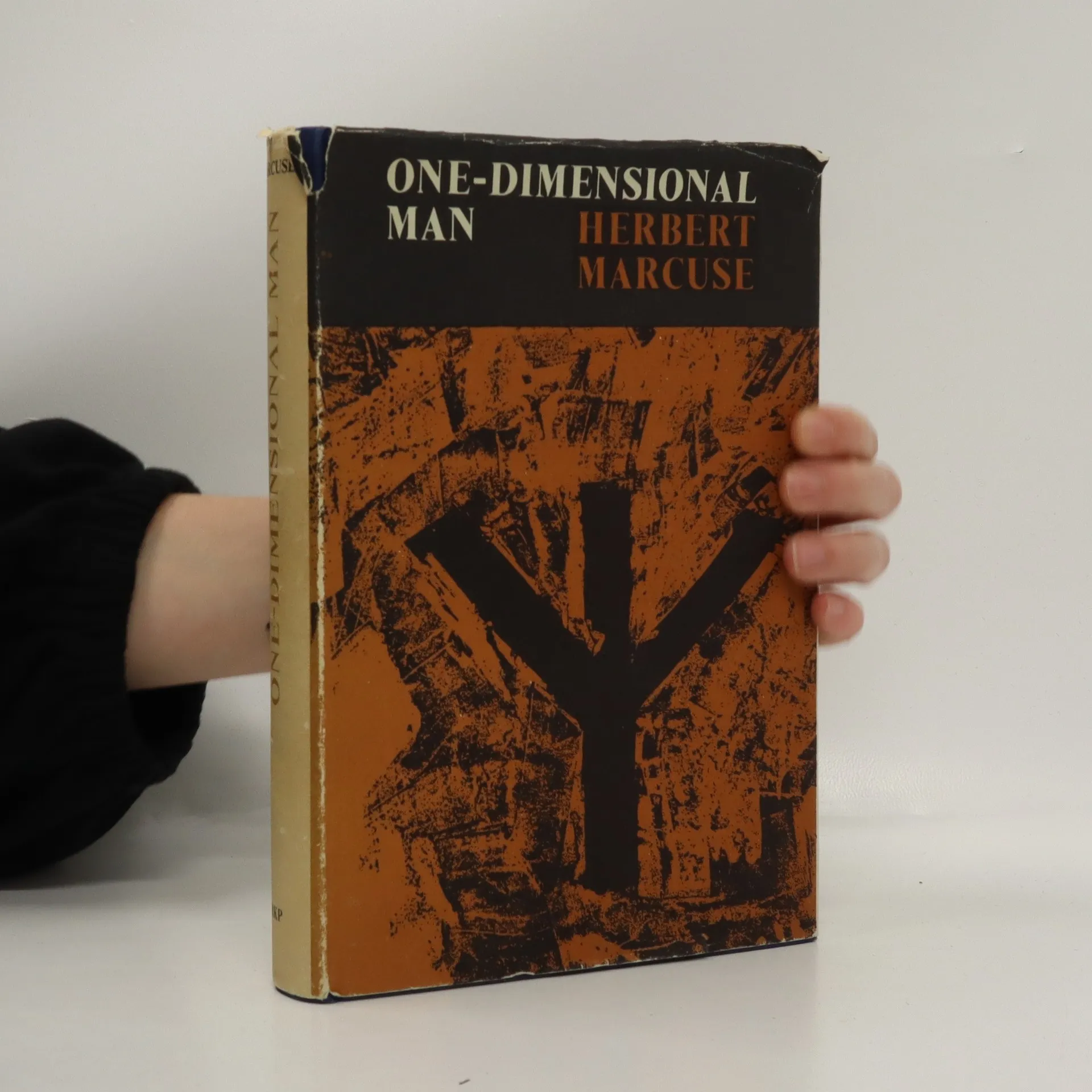
One of the most important texts of modern times, Herbert Marcuse's analysis and image of a one-dimensional man in a one-dimensional society has shaped many young radicals' way of seeing and experiencing life. Published in 1964, it fast became an ideological bible for the emergent New Left. As Douglas Kellner notes in his introduction, Marcuse's greatest work was a 'damning indictment of contemporary Western societies, capitalist and communist.' Yet it also expressed the hopes of a radical philosopher that human freedom and happiness could be greatly expanded beyond the regimented thought and behaviour prevalent in established society. For those who held the reigns of power Marcuse's call to arms threatened civilization to its very core. For many others however, it represented a freedom hitherto unimaginable.
First published in 1995. Routledge is an imprint of Taylor & Francis, an informa company.
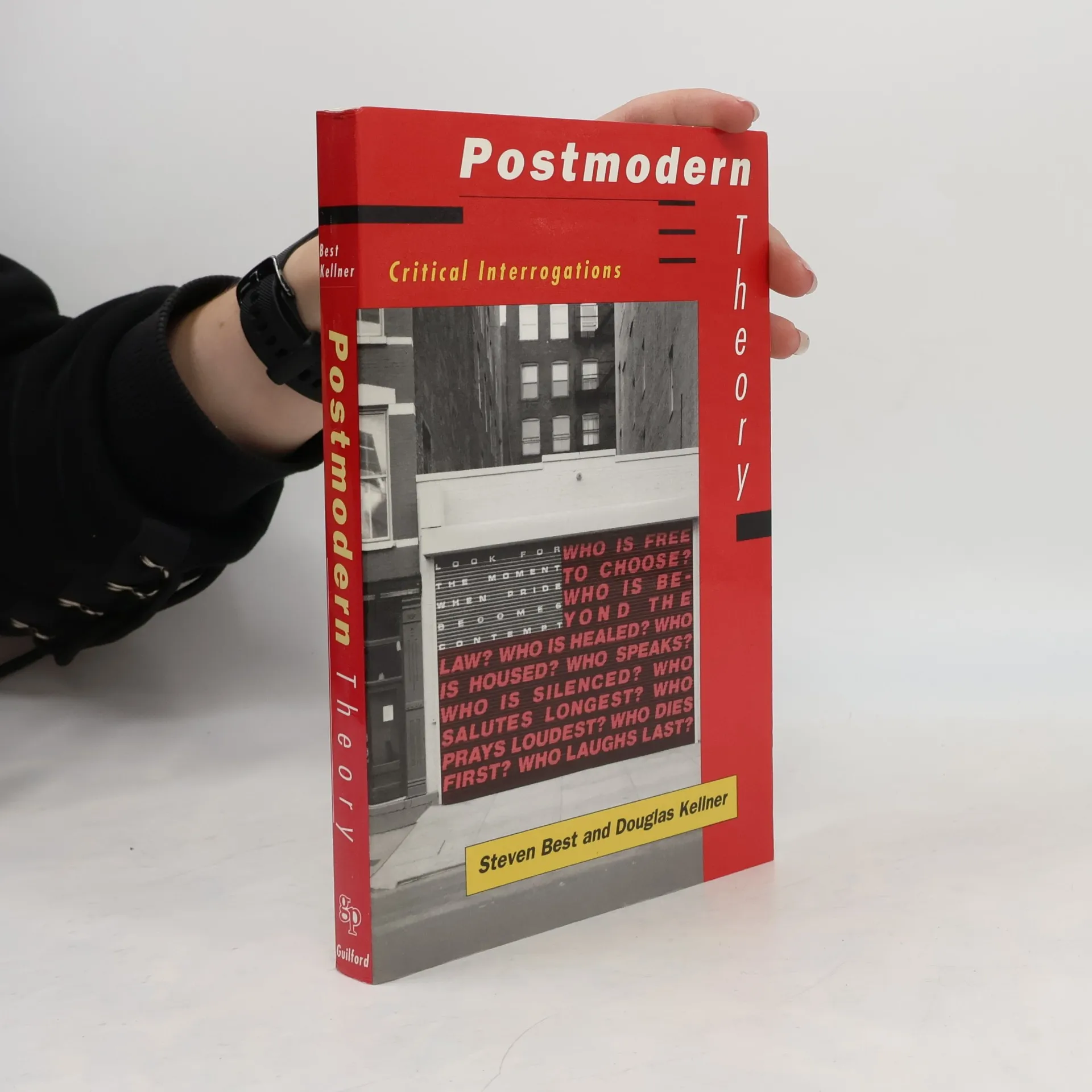
In this timely volume, the authors systematically analyze postmodern theory to evaluate its relevance for critical social theory and radical politics today.Best and Kellner provide:* An introduction and critique of the work of Foucault, Deleuze and Guattari, Baudrillard, Lyotard, Laclau and Mouffe, and Jameson, which assess the varying contributions and limitations of postmodern theory* A discussion of postmodern feminist theory and the politics of identity* A systematic study of the origin of the discourse of the postmodern in historical, sociological, cultural, and philosophical studies.The authors claim that while postmodern theory provides insights into contemporary developments, it lacks adequate methodological and political perspectives to provide a critical social theory and radical politics for the present age.