

Bookbot

Sinclair McKay

    Sinclair McKay se spécialise dans la découverte de récits oubliés et de facettes méconnues de l'histoire britannique, en particulier durant les périodes de guerre. Son œuvre redonne vie à des événements passés et à des figures souvent négligées, avec un sens aigu du détail et de la dimension humaine. McKay plonge dans les complexités des opérations de renseignement et dans la vie quotidienne de personnes ordinaires confrontées à des circonstances extraordinaires. Son approche révèle des significations plus profondes et les échos du passé qui résonnent dans le présent.

    Meeting Churchill
    Berlin
    100 People You Never Knew Were at Bletchley Park
    FIRE & THE DARKNESS
    Secret Life of Bletchley Park Spec
    Dresden
    • Dresden

      • 400pages
      • 14 heures de lecture

      In February 1945, the Allies devastated Dresden, known as the 'Florence of the Elbe,' with explosive bombs dropping every seven and a half seconds, resulting in an estimated 25,000 deaths. This raises the question: was Dresden a legitimate military target, or was the bombing an act of senseless mass murder in a war that was already won? The narrative unfolds with a detailed account of the attack, from the first flares to flames soaring nearly a mile high, creating a searing wind that scorched lungs. Sinclair McKay brings this history to life, weaving in poignant human stories, including a Jewish woman who believed the bombs were divine retribution, novelist Kurt Vonnegut likening the destruction to the moon's surface, and 15-year-old Winfried Bielss, who wished to return home to his stamp collection, unaware of the impending tragedy. Through meticulous research and previously unseen sources, McKay shares untold civilian stories, capturing the essence of their lives amid the chaos. While Dresden symbolizes the brutalities of war, time allows for a clearer understanding of the ordinary lives affected. McKay writes with warmth and insight about morality in warfare, survival instincts, mass destruction, and the complexities of memory, showcasing his mastery as a historian.

      Dresden
      4,3
    • Secret Life of Bletchley Park Spec

      • 336pages
      • 12 heures de lecture

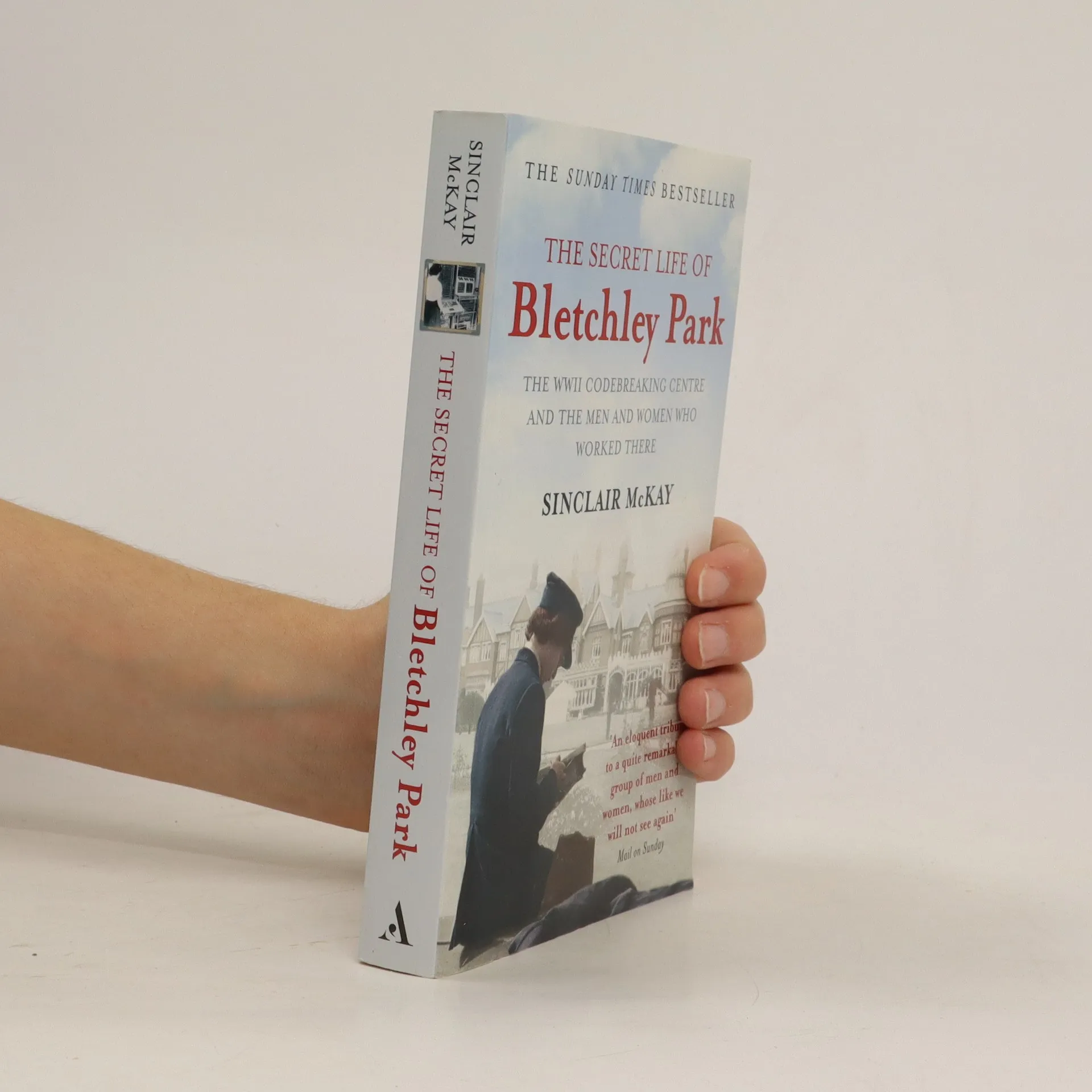
      Bletchley Park was where one of the war's most famous - and crucial - achievements was made: the cracking of Germany's "Enigma" code in which its most important military communications were couched. This country house in the Buckinghamshire countryside was home to Britain's most brilliant mathematical brains, like Alan Turing, and the scene of immense advances in technology - indeed, the birth of modern computing. The military codes deciphered there were instrumental in turning both the Battle of the Atlantic and the war in North Africa. But, though plenty has been written about the boffins, and the codebreaking, fictional and non-fiction - from Robert Harris and Ian McEwan to Andrew Hodges' biography of Turing - what of the thousands of men and women who lived and worked there during the war? What was life like for them - an odd, secret territory between the civilian and the military? Sinclair McKay's book is the first history for the general reader of life at Bletchley Park, and an amazing compendium of memories from people now in their eighties - of skating on the frozen lake in the grounds (a depressed Angus Wilson, the novelist, once threw himself in) - of a youthful Roy Jenkins, useless at codebreaking, of the high jinks at nearby accommodation hostels - and of the implacable secrecy that meant girlfriend and boyfriend working in adjacent huts knew nothing about each other's work.

      Secret Life of Bletchley Park Spec
      4,1
    • The Bombing of Dresden, 1945. A gripping work of narrative nonfiction recounting the history of the Dresden Bombing, one of the most devastating attacks of World War II. What happened that night in Dresden was calculated annihilation in a war that was almost over. Sinclair McKay's brilliant work takes a complex, human, view of this terrible night and its aftermath in a gripping book that will be remembered long after the last page is turned.

      FIRE & THE DARKNESS
      4,2
    • A hundred short biographies of people who worked at the secret wartime codebreaking base of Bletchley Park, and went on in their postwar lives to all manner of remarkable achievements, from government office to composing the score for Dracula films, by the author of the bestselling The Secret Life of Bletchley Park.

      100 People You Never Knew Were at Bletchley Park
      3,0
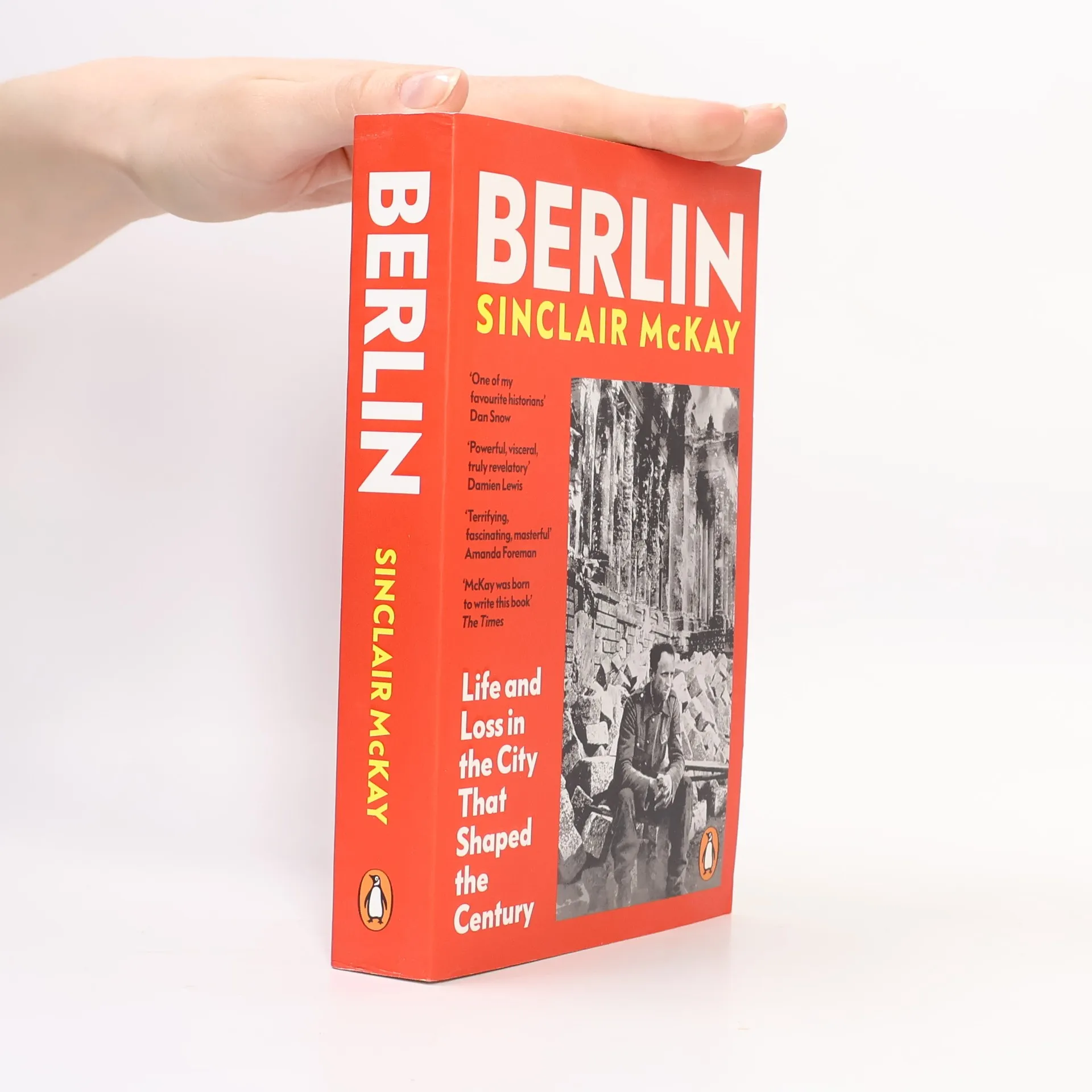
    • Berlin

      • 464pages
      • 17 heures de lecture

      Sinclair McKay's exploration of Berlin from 1919 onward delves into the city's rich human history, spanning from the aftermath of the Great War to the Blockade and the rise of the Wall. Beginning in 1919, McKay illustrates how Berlin transformed into a symbol of modernity in various fields such as art, cinema, architecture, and politics. He chronicles the city's tumultuous journey through the rise of Hitler and the harrowing Battle for Berlin, culminating in its conquest in 1945—a pivotal moment that brought global consequences and individual tragedies. The narrative highlights the suffering endured by countless civilians, including women facing brutalities from soldiers and young boys thrust into conflict with oversized gear. Amidst this devastation, a resilient spirit emerged, striving to revive urban life and creativity. Today, there is a growing acknowledgment of the importance of ordinary citizens' testimonies from 1919 onward, emphasizing the experiences of housewives, office clerks, factory workers, and spirited teenagers during these transformative years. McKay's work blurs generational lines, amplifying their voices to craft a vivid, living portrait of a city that remains a focal point in history.

      Berlin
      4,2
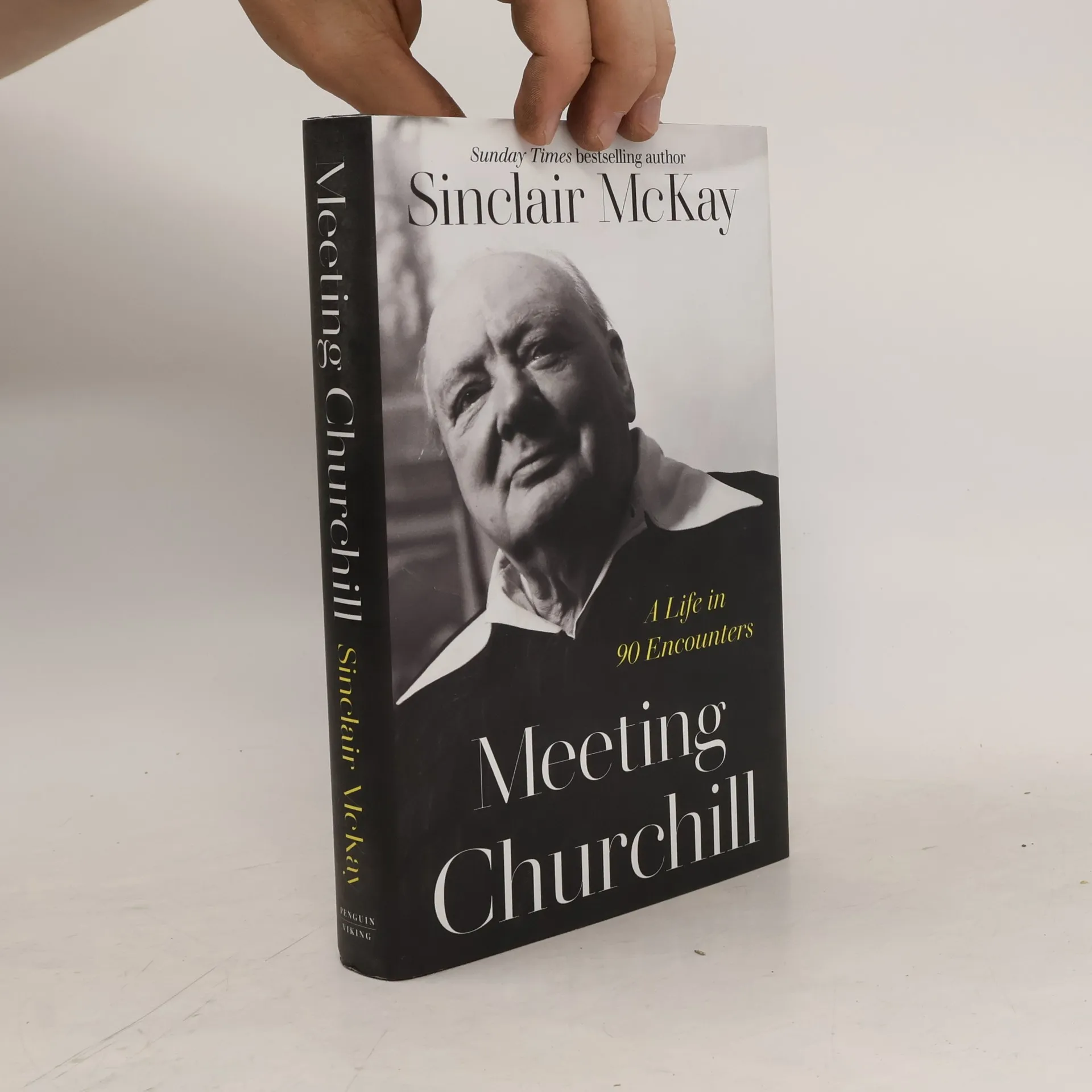
    • Meeting Churchill

      • 368pages
      • 13 heures de lecture

      This insightful portrait of Winston Churchill delves beyond well-known political moments, incorporating perspectives from various individuals who encountered him throughout his life. From Bletchley Park codebreakers to Hollywood stars, Harold Wilson to Gandhi, these lesser-known interactions reveal glimpses of the man behind the legend. We meet Churchill the mischievous schoolboy with a penchant for singing obscene songs, and Churchill the elder statesman shedding a tear in the House of Commons smoking room. Other incidents include a young journalist rudely dismissing a call from Churchill as a prank, and a visiting Dwight D. Eisenhower dreaming of being strangled, only to awake entangled in Churchill's borrowed nightshirt. The book showcases the profound transformations during Churchill's lifetime, which ran from Benjamin Disraeli's premiership to the release of the Rolling Stones' Route 66, and the shift from steam to atomic power. Examining controversial aspects of his legacy, this multifaceted portrait challenges preconceived notions, inviting readers to reconsider the complexities of Churchill.

      Meeting Churchill
      3,4
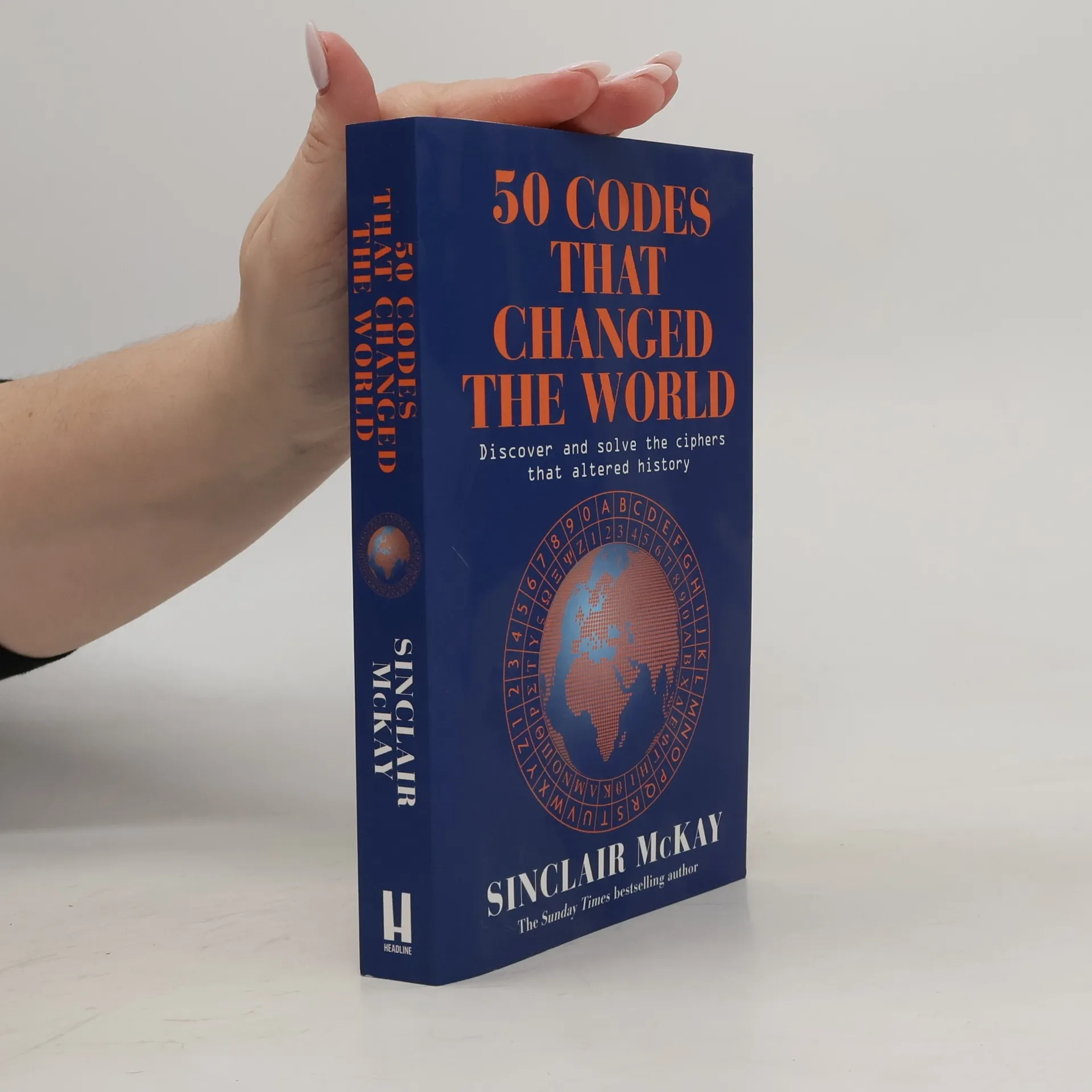
    • 50 Codes That Changed the World

      • 400pages
      • 14 heures de lecture

      Uncrackable codes and secret cyphers that helped win wars, spark revolutions and change the faces of nations, rediscovered and explored in the newest book by the bestselling author and historian, Sinclair McKay.

      50 Codes That Changed the World
      3,0
    • From the bestselling author of The Secret Life of Bletchley Park and Bletchley Park Brainteasers comes an exciting new book that journeys around the top secret and hidden WWII bases and battlegrounds in the UK, and tells the story of the brave men and women who fought and trained in them.

      Secret Britain
      3,7
    • The Hidden History of Code-Breaking

      • 400pages
      • 14 heures de lecture

      A fascinating exploration of the uncrackable codes and secret cyphers that helped win wars, spark revolutions and change the faces of nations. There have been secret codes since before the Old Testament, and there were secret codes in the Old Testament, too. Almost as soon as writing was invented, so too were the devious means to hide messages and keep them under the wraps of secrecy. In The Hidden History of Code Breaking, Sinclair McKay explores these uncrackable codes, secret cyphers and hidden messages from across time to tell a new history of a secret world. From the temples of Ancient Greece to the court of Elizabeth I; from antique manuscripts whose codes might hold prophecies of doom to the modern realm of quantum mechanics, we will see how a few concealed words could help to win wars, spark revolutions and even change the faces of great nations. Here is the complete guide to the hidden world of codebreaking, with opportunities for you to see if you could have cracked some of the trickiest puzzles and lip-chewing codes ever created

      The Hidden History of Code-Breaking
      3,6
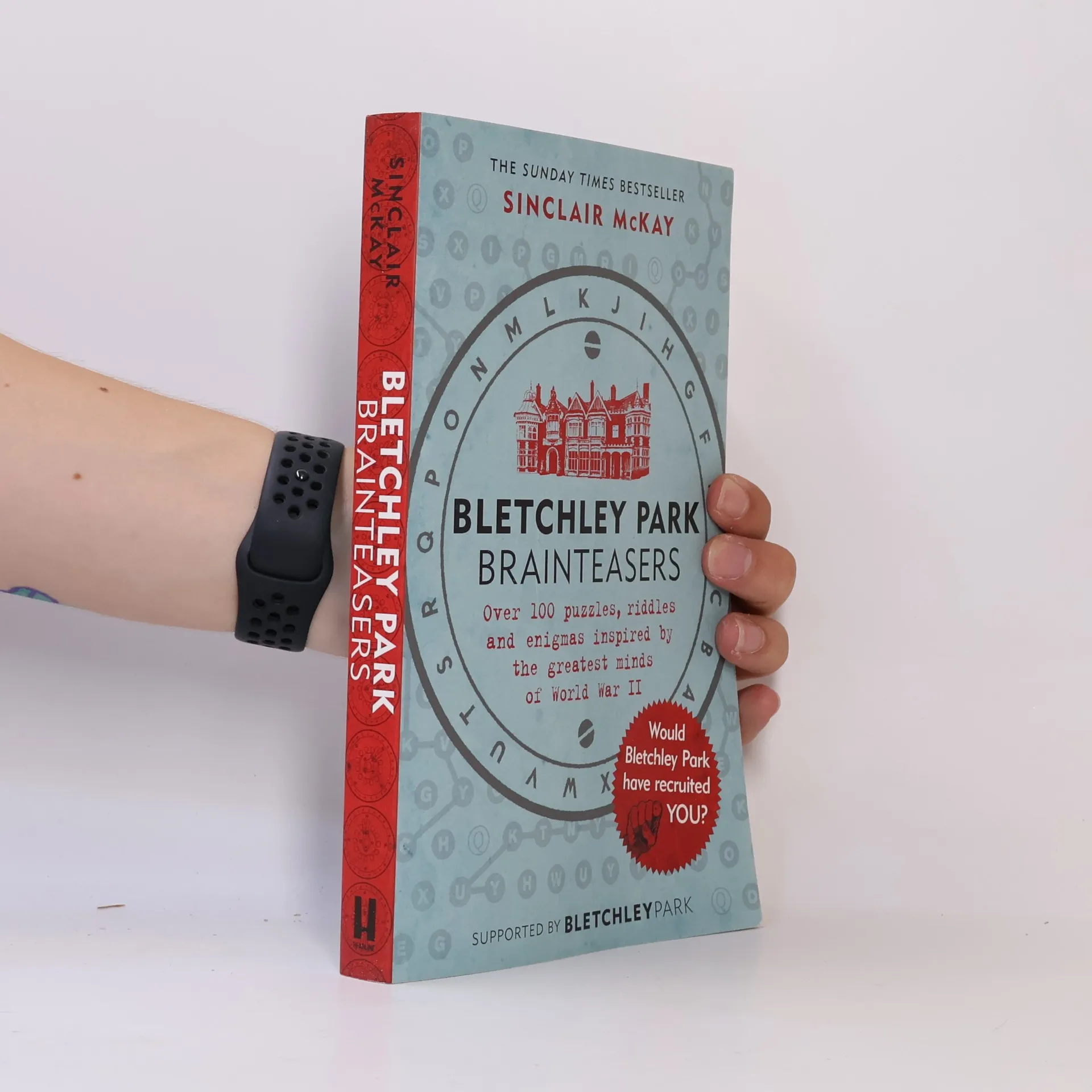
    • Bletchley Park Brainteasers

      • 288pages
      • 11 heures de lecture

      Put your brain to the test with never-before-seen mind benders, riddles and puzzles inspired by the code breakers of Bletchley Park.

      Bletchley Park Brainteasers
      3,7
    • This country house in the Buckinghamshire countryside was home to Britain’s most brilliant mathematical brains and the scene of immense advances in technology—indeed, the birth of modern computing. The military codes deciphered there were instrumental in turning both the Battle of the Atlantic and the war in North Africa. McKay's book is the first history for the general reader of life at Bletchley Park, and an amazing compendium of memories from people who were once its habitants—of skating on the frozen lake in the grounds, of the high jinks at nearby accommodation hostels—and of the implacable secrecy that meant girlfriend and boyfriend working in adjacent huts knew nothing about each other’s work.

      The secret life of Bletchley Park : the WWII codebreaking centre and the men and women who worked there
      3,8
    • The Secret Listeners

      • 354pages
      • 13 heures de lecture

      Before Bletchley Park could break the German war machine's code, its daily military communications had to be monitored and recorded by 'the Listening Service', the wartime department whose bases moved with every theatre of war (Cairo, Malta, Gibraltar, Iraq, Cyprus) as well as having listening stations along the eastern coast of Britain to intercept radio traffic in the European theatre. This is the story of the - usually very young - men and women sent out to farflung outposts to listen in for Bletchley Park, an oral history of exotic locations and ordinary lives turned upside down by a sudden remote posting - the heady nightlife in Cairo, filing cabinets full of snakes in North Africa, and flights out to Delhi by luxurious flying boat.

      The Secret Listeners
      3,6
    • Murder at No. 4 Euston Square

      • 320pages
      • 12 heures de lecture

      Bestselling author Sinclair McKay gives a gripping account of a murder in the heart of Victorian London, which intrigued and scandalised Bloomsbury society.

      Murder at No. 4 Euston Square
      3,4
    • Bletchley Park Puzzles and Brainteasers

      Could YOU be a top secret codebreaker? (Children's Edition)

      • 288pages
      • 11 heures de lecture

      Delve into the intriguing world of codebreaking at Bletchley Park with this engaging book. Featuring a variety of puzzles including crosswords, riddles, and number games, it offers young readers a hands-on experience while exploring the historical significance of codebreaking efforts during wartime. Authored by bestselling writer Sinclair McKay, this book is designed to captivate and challenge aspiring puzzlers, providing both entertainment and education about a pivotal moment in history.

      Bletchley Park Puzzles and Brainteasers
    • Saint Petersburg

      Sacrifice and Redemption in the City That Defied Hitler

      • 400pages
      • 14 heures de lecture

      The book features insights from a renowned historian, offering a compelling exploration of historical events and figures. It presents a unique perspective that engages readers with vivid storytelling and thorough research. The author's ability to connect past occurrences with contemporary relevance makes it a thought-provoking read for history enthusiasts and casual readers alike. Expect to find a blend of narrative flair and scholarly depth that brings history to life.

      Saint Petersburg
    • Dresde 1945

      Fuego y oscuridad

      En los últimos días de la Segunda Guerra Mundial, los aliados destruyeron la llamada "Florencia del Elba": en una sola noche sobrevolaron Dresde 796 bombarderos, murieron veinticinco mil personas, muchas más quedarían profundamente traumatizadas y una magnífica ciudad quedó en ruinas. Sinclair McKay ofrece el relato minuto a minuto de aquella noche fatídica desde la perspectiva de sus habitantes. Nos muestra desde qué se proyectaba en las salas de cine hasta la porcelana que había en las repisas, y nos cuenta las muchas historias personales, nunca antes contadas, de habitantes, refugiados, trabajadores, niños, pilotos y prisioneros. McKay da vida a la ciudad antes y después de la tragedia, al tiempo que explora el rico contexto cultural.

      Dresde 1945
      4,6
    • In der Endphase des Zweiten Weltkrieges, im Februar 1945, bombardierten die Alliierten Dresden: Circa 25.000 Menschen fanden den Tod, die Überlebenden waren zutiefst traumatisiert, das einst prächtige Elbflorenz lag in Schutt und Asche. In »Die Nacht, als das Feuer kam« begibt sich der britische Journalist und Autor Sinclair McKay auf eine ganz besondere Spurensuche. In den Archiven der Stadt entdeckte er tief verborgene persönliche Aufzeichnungen, die es ihm ermöglichen, die Geschehnisse dieser drei verhängnisvollen Tage und Nächte aus der Perspektive der Bewohner der Stadt zu erzählen: Schülern, Mitgliedern der Hitlerjugend und des Kreuzchors, Künstlern, Musikern, aber auch des Kriegsgefangenen Kurt Vonnegut und nicht zuletzt Victor Klemperer sowie Piloten und Besatzungsmitgliedern der britischen und amerikanischen Verbände. Noch nie zuvor wurde das Ausmaß dieses Luftangriffs für die Zivilbevölkerung der Stadt so vielstimmig, emotional und zutiefst menschlich geschildert wie in diesem Meisterwerk der narrativen Geschichtsschreibung – und das noch lange, nachdem die letzte Seite umgeblättert ist, im Gedächtnis bleiben wird. Ausstattung: 24-seitiger Bildteil s/w

      Die Nacht, als das Feuer kam
      4,7
    • Drezno 1945 Ogień i mrok

      • 448pages
      • 16 heures de lecture

      13 lutego 1945 roku alianci zachodni przeprowadzili jeden z najtragiczniejszych nalotów w historii – na Drezno. To zabytkowe miasto, znane z pięknej architektury i artystycznego dziedzictwa, zostało niemal całkowicie zniszczone. 796 maszyn zrzuciło 2680 ton bomb, powodując zniszczenia porównywalne do wybuchu bomby atomowej w Hiroszimie. W wyniku pożarów i eksplozji zginęło 35 tysięcy ludzi, a wielu odniosło poważne obrażenia. Pojawia się pytanie, czy tej masakry dało się uniknąć, zwłaszcza gdy klęska Trzeciej Rzeszy była już przesądzona. Sinclair McKay analizuje przebieg nalotu oraz losy miasta, przytaczając relacje naocznych świadków, w tym młodych chłopców, lekarza operującego w trakcie bombardowania oraz lotników. Wśród amerykańskich jeńców był Kurt Vonnegut, który później napisał antywojenny manifest „Rzeźnia numer pięć”. Dzięki ich wspomnieniom czytelnik otrzymuje wstrząsający obraz wydarzeń. McKay ukazuje zarówno tragedię, jak i piękno Drezna, tworząc opowieść, która pozostaje w pamięci. Książka porusza emocje i skłania do refleksji nad granicą między wojenną koniecznością a terrorem.

      Drezno 1945 Ogień i mrok
      4,3
    • »Man kann das zwanzigste Jahrhundert nicht verstehen, ohne Berlin zu verstehen; und man kann Berlin nicht verstehen, ohne die Erfahrungen der Menschen dort zu verstehen.« Sinclair McKay, Berlin Kaum eine andere Stadt stand im zwanzigsten Jahrhundert so sehr im Zentrum des Weltgeschehens wie Berlin: Ihr Aufstieg zur kosmopolitischen Metropole während der Weimarer Republik, der wirtschaftliche Absturz, die Machtübernahme der Nationalsozialisten, der Zweite Weltkrieg, ihre Teilung, die Wende und der Mauerfall. Zwischen Kaufhäusern der Moderne, UFA-Studios, Uranium-Clubs und Rosinenbombern erzählt Sinclair McKay die Geschichte der Stadt durch die Augen derer, die in ihr lebten: Vom idealistischen Wissenschaftler Albert Einstein bis zum Nazi-Architekten Albert Speer, von der Revolutionärin Rosa Luxemburg bis zum ersten deutschen Nachkriegsstar Hildegard Knef – von einfachen Hausfrauen, Büroangestellten, Zwangsarbeitern in einer Marmeladenfabrik oder übermütigen Jugendlichen, die das Dauerwellenverbot der Nationalsozialisten, umgingen. Generationen von Berlinern gibt Sinclair McKay eine Stimme und zeichnet dabei ein fesselndes, lebendiges und mit neuen Details gespicktes Portrait dieser Stadt und ihrer Bewohner, die von den Ereignissen der Geschichte immer wieder durchgerüttelt wurden – ihren Überlebenswillen und ihren Sinn für Humor jedoch nie verloren.

      BERLIN – 1918–1989. Die Stadt, die ein Jahrhundert prägte
      4,0