


Bookbot

Thomas Hayden

    Puls Země : obrazová zpráva o globálních trendech
    Sex and War
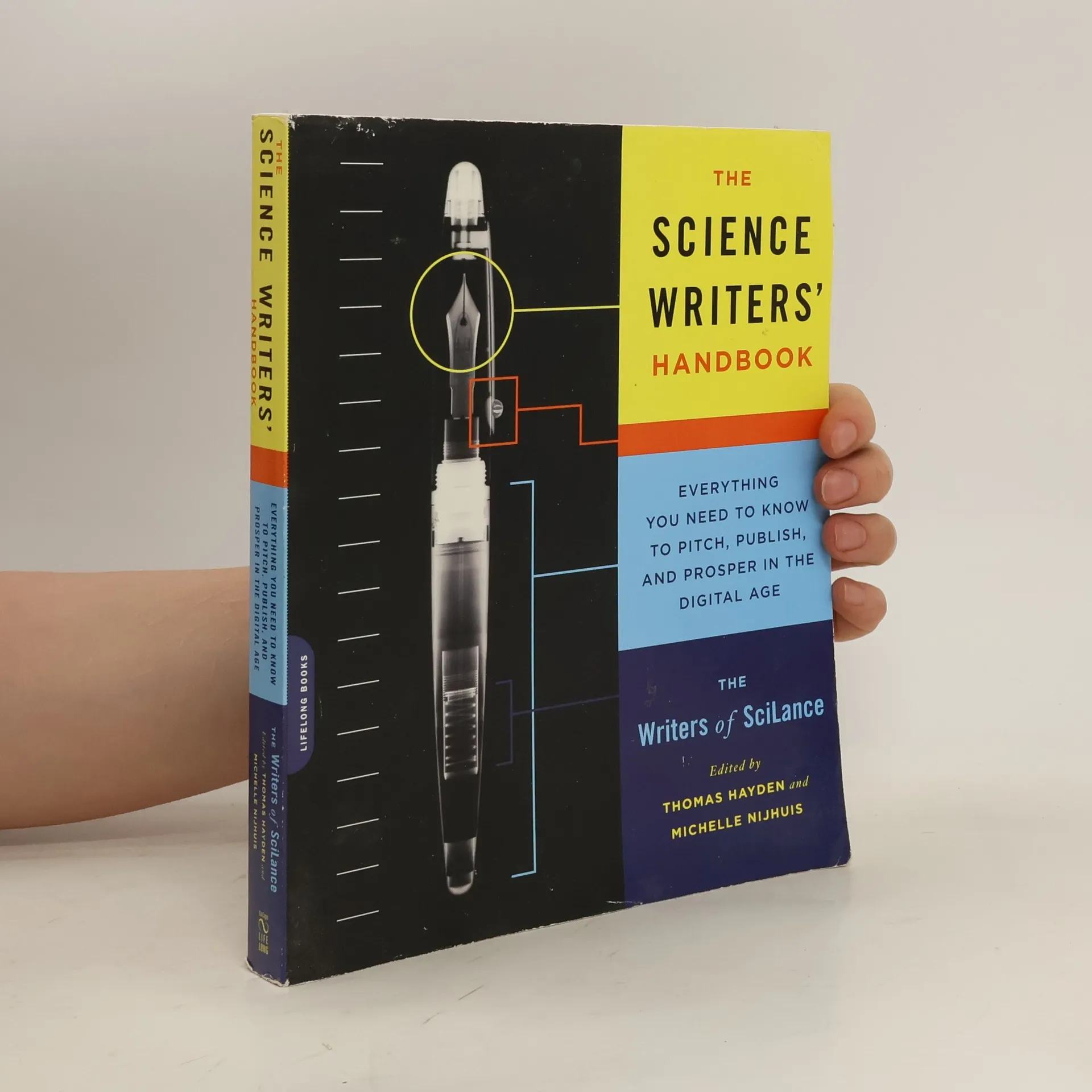
    The Science Writers' Handbook
    • The Science Writers' Handbook

      • 308pages
      • 11 heures de lecture

      "Popular science writing has exploded in the past decade, both in print and on-line. Who better to guide writers striving to succeed in the profession than a group of award-winning, well-published journalists with a combined 225 years of experience? From Thomas Hayden's chapter on the nuts and bolts of making the perfect pitch to Emma Maris's advice about putting together a book proposal to Mark Schrope's essential information on contracts, the members of SciLance give writers of all levels the practical information they need to succeed, either as a staffer or as a freelancer. Going beyond craft, The Science Writer's Handbook also tackles lifestyle issues such as office space, steady income, and financial and emotional resources, for the ultimate guide to the craft, business and life of science writing"--

      The Science Writers' Handbook
      4,4
    • Sex and War

      How Biology Explains Warfare and Terrorism and Offers a Path to a Safer World

      • 464pages
      • 17 heures de lecture

      As news of war and terror dominates the headlines, scientist Malcolm Potts and veteran journalist Thomas Hayden take a step back to explain it all. In the spirit of <i>Guns, Germs and Steel</i>, <i>Sex and War</i> asks the basic questions: Why is war so fundamental to our species? And what can we do about it? Malcolm Potts explores these questions from the frontlines, as a witness to war-torn countries around the world. As a scientist and obstetrician, Potts has worked with governments and aid organizations globally, and in the trenches with women who have been raped and brutalized in the course of war. Combining their own experience with scientific findings in primatology, genetics, and anthropology, Potts and Hayden explain war’s pivotal position in the human experience and how men in particular evolved under conditions that favored gang behavior, rape, and organized aggression. Drawing on these new insights, they propose a rational plan for making warfare less frequent and less brutal in the future. Anyone interested in understanding human nature, warfare, and terrorism at their most fundamental levels will find <i>Sex and War</i> to be an illuminating work, and one that might change the way they see the world.

      Sex and War