Bookbot

B. D. Hames

    RNA Processing
    Instant Notes in Biochemistry
    Gel Electrophoresis of Nucleic Acids. A Practical Approach
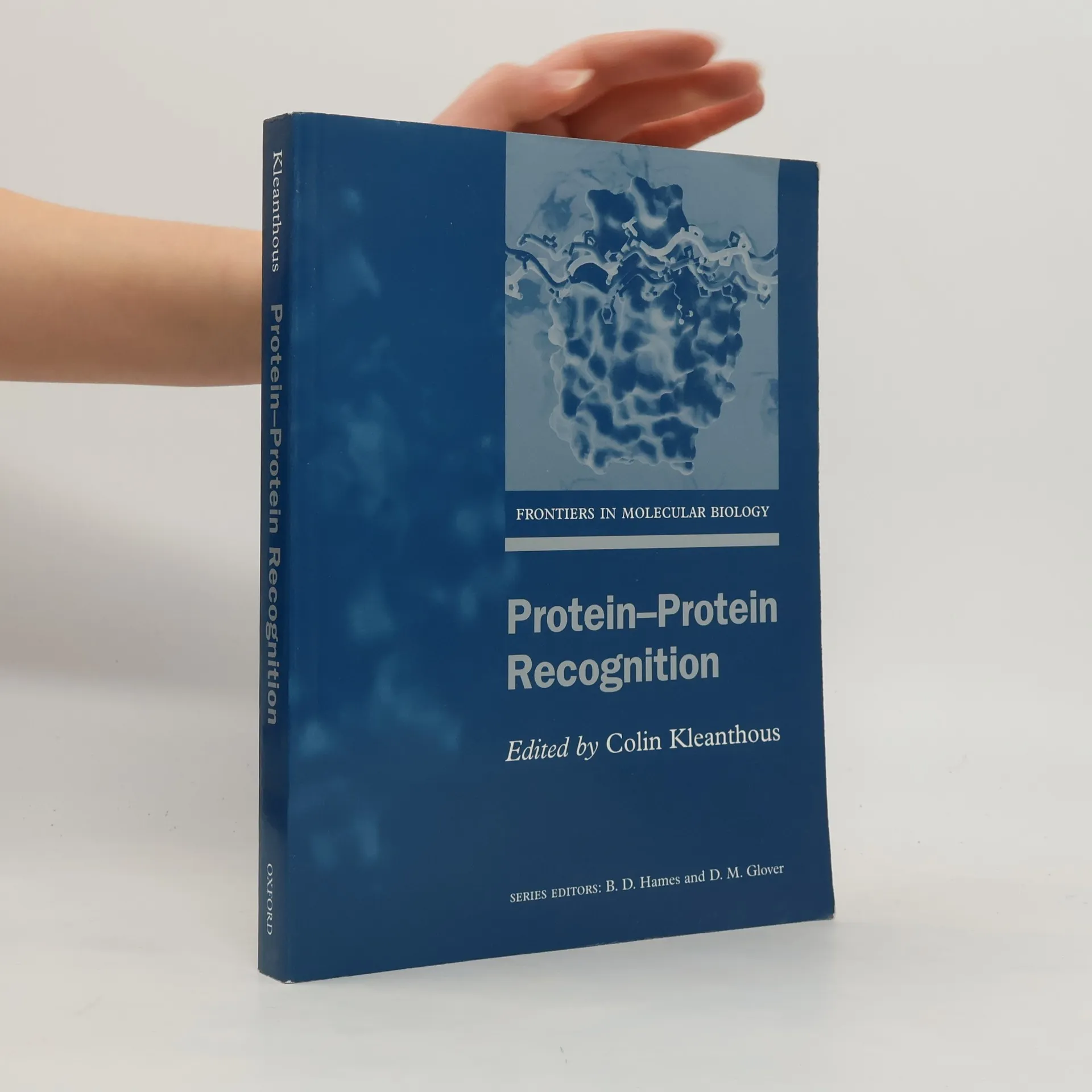
    Frontiers in Molecular Biology - 31: Protein-Protein Recognition
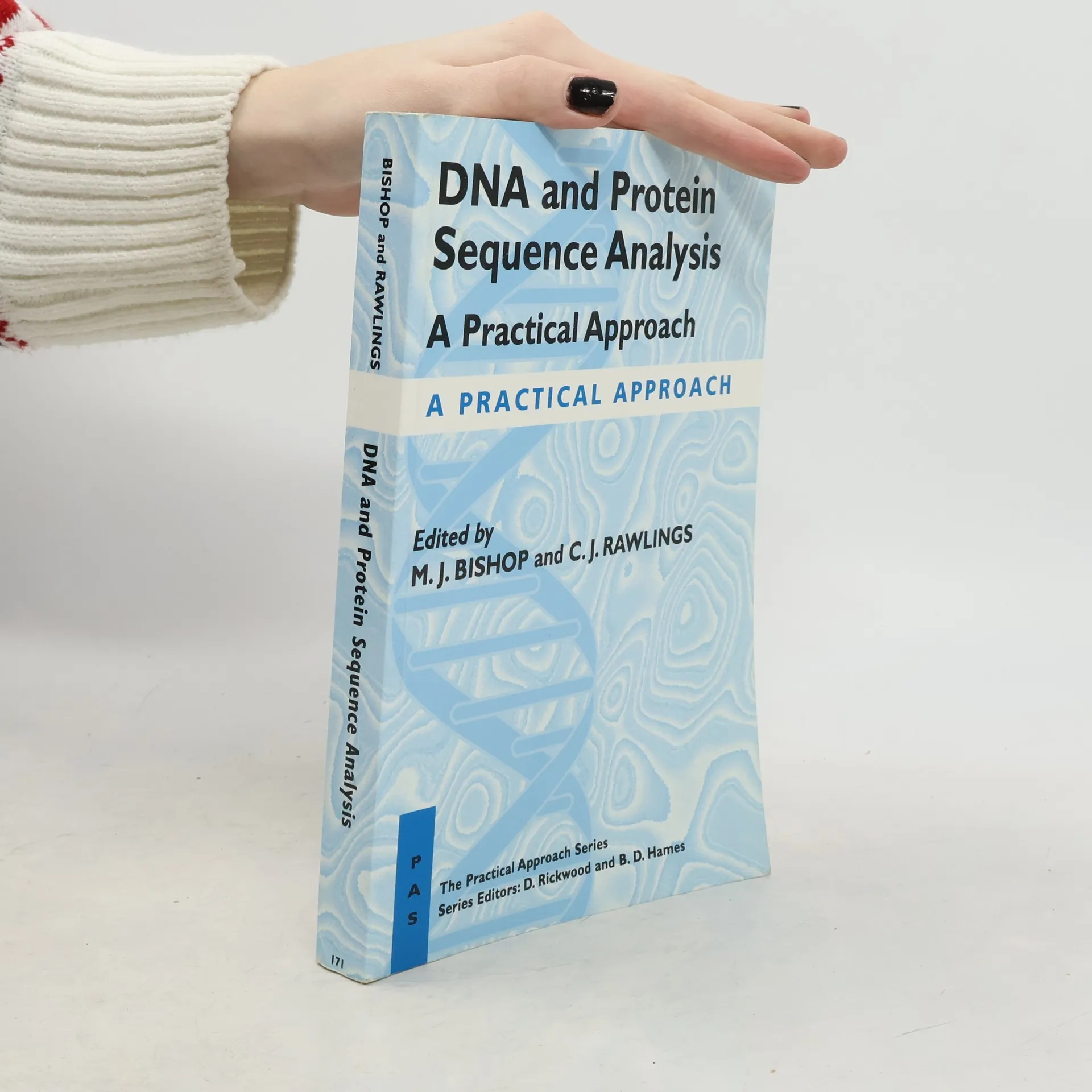
    The Practical Approach Series: DNA and Protein Sequence Analysis
    PCR 2. A Practical Approach
    • PCR 2. A Practical Approach

      • 358pages
      • 13 heures de lecture

      PCR is now one of the most widely used of basic molecular biology techniques and is an indispensable research tool for the molecular biologist. The basic PCR technique provides the cornerstone for in vitro DNA amplification, upon which further features can be built to expand the range ofPCR-based applications. A Practical Approach Volume 2 is not a revised version of Practical Approach , but sets out to address some of the new and exciting applications of PCR including direct sequencing, mRNA quantitation and expression, genomic DNA mapping, and mutation analysis.

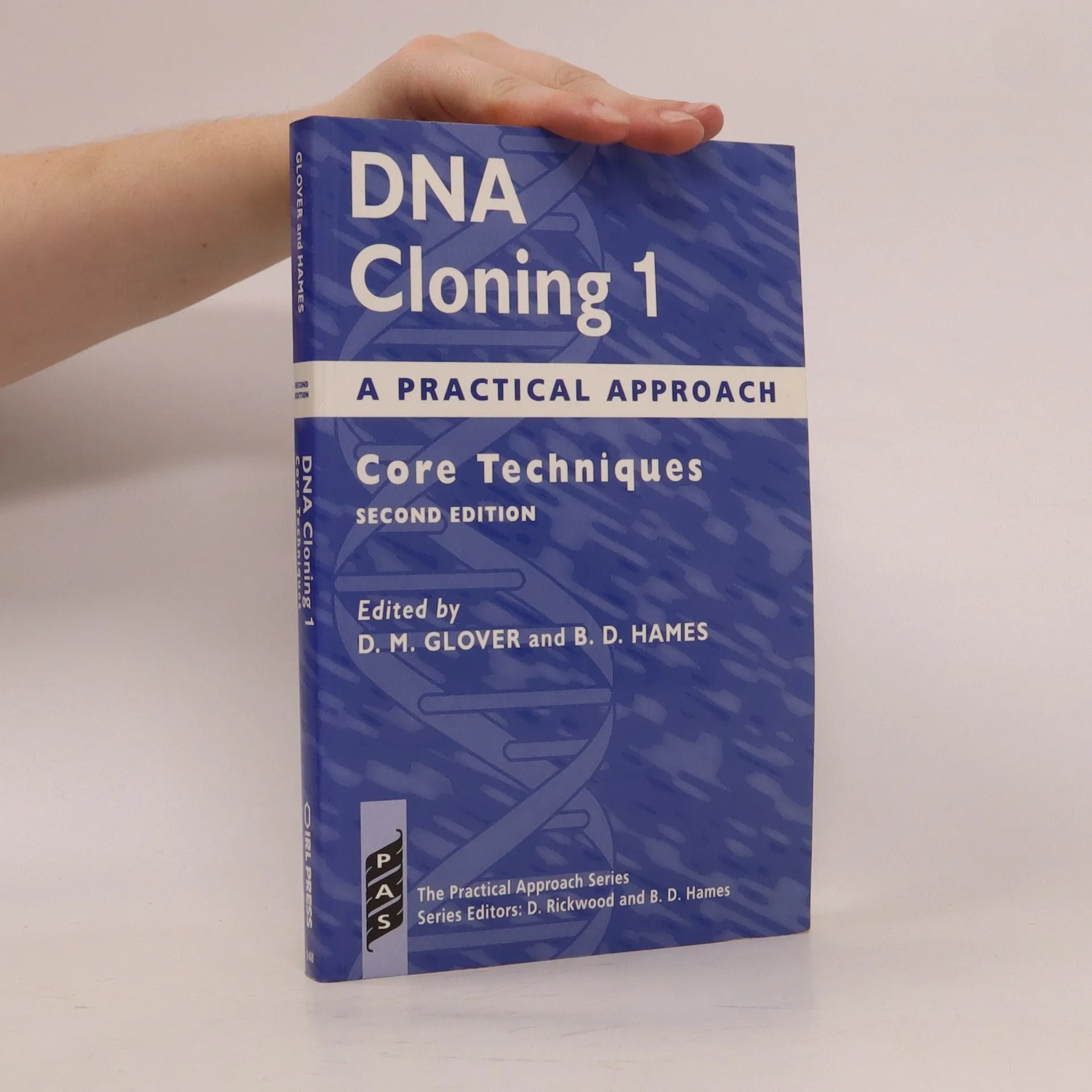
      PCR 2. A Practical Approach
      4,0
    • The Practical Approach Series: DNA and Protein Sequence Analysis

      A Practical Approach

      • 374pages
      • 14 heures de lecture

      Sequence data--either lists of nucleotides or of amino acids--are now easily gathered using automated equipment; the real effort is involved in interpreting the data to produce predictions of protein structure or function. With the advent of worldwide computer networks, a plethora of software is now available for sequence analysis. This book describes the techniques for computer analysis of sequence data, with the emphasis on general issues rather than specific algorithms. Unlike many books on these topics, which focus on the "how-to" aspects of software packages, this one places more emphasis on the science behind the packages and on interpretation of the results.

      The Practical Approach Series: DNA and Protein Sequence Analysis
      2,0
    • In the light of new information from the genome sequencing projects and the increase in structural information, this book brings together concepts and systems pertaining to protein-protein interactions in an examination of how and why proteins form complexes with each other. The emphasis of the text is on heteromeric complexes and uses well-studied model systems to explain the processes of forming complexes. There is an introductory section on the kinetics, thermodynamics, analysis, and classification of protein-protein interactions. Electron transfer proteins and integrin complexes represent weak affinity complexes. Anti-lysosomal antibodies, the MHC proteins and their interactions with T-cell receptors, and the protein interactions of eukaryotic signal transduction are the systems used to explain complexes with intermediate affinities. Throughout the book the common themes are the technologies which have had the greatest impact, how specificity is determined, how complexes are stabilized, and medical and industrial applications.

      Frontiers in Molecular Biology - 31: Protein-Protein Recognition
      2,0
    • Instant Notes in Biochemistry

      • 380pages
      • 14 heures de lecture

      This is a major update of the highly popular second edition, with changes in the content and organisation that reflect advances in the subject. New and expanded topics include cytoskeleton, molecular motors, bioimaging, biomembranes, cell signalling, protein structure, and enzyme regulation. As with the first two editions, the third edition of Instant Notes in Biochemistry provides the essential facts of biochemistry with detailed explanations and clear illustrations.

      Instant Notes in Biochemistry
    • RNA Processing

      A Practical Approach volume I.

      • 232pages
      • 9 heures de lecture

      This two-volume set provides detailed practical guidance on all major aspects of RNA processing. Each procedure is clearly explained so that the reader can follow all of the key stages of a successful experimental investigation.

      RNA Processing
    • Practical Approach Series: Gene Targeting

      A Practical Approach

      • 264pages
      • 10 heures de lecture

      The book details the rationale behind designing gene targeting vectors, focusing on basic replacement vectors for null mutations and advanced two-step methods for subtle mutations. It covers the latest techniques for culturing and manipulating embryonic stem (ES) cells, as well as approaches for identifying rare targeted cell clones. The text discusses culturing and assaying mouse and human hematopoietic progenitors both in vitro and in vivo, and outlines the design and use of retrovirus vectors for gene introduction and expression in bone marrow cells. Two methods for creating ES cell chimeras are presented: the standard approach of injecting ES cells into blastocysts and morula injection, alongside techniques for making aggregation chimeras, particularly using tetraploid host embryos to generate entirely ES cell-derived embryos and mice. Critical steps for achieving germline chimeras are also examined. The book concludes with a discussion on the various applications of enhancer, gene, and promoter trap vectors, detailing the advantages of each and the techniques for producing and analyzing "trap" vector insertions in ES cells. The protocols are designed to be accessible for novices, serving as a manual for producing mutant mice, from embryonic stem cells to chimeric mice suitable for breeding.

      Practical Approach Series: Gene Targeting
    • The Practical Approach Series - 69: Postimplantation Mammalian Embryos

      A Practical Approach

      • 408pages
      • 15 heures de lecture

      In recent years, the quest for greater understanding of postimplantation mammalian development has led research workers to devise techniques which overcome the problems of inaccessibility posed by embryos in the uterus, and to adapt analytic techniques such as in situ hybridization andantibody labelling to the unique requirements of mammalian embryonic material. This book fulfills the need for a detailed practical instruction in these methods, providing an illustrated account of the morphological stages of postimplantation development. Research workers in mammalian embryologywill find this book invaluable both as a laboratory manual and reference work.

      The Practical Approach Series - 69: Postimplantation Mammalian Embryos
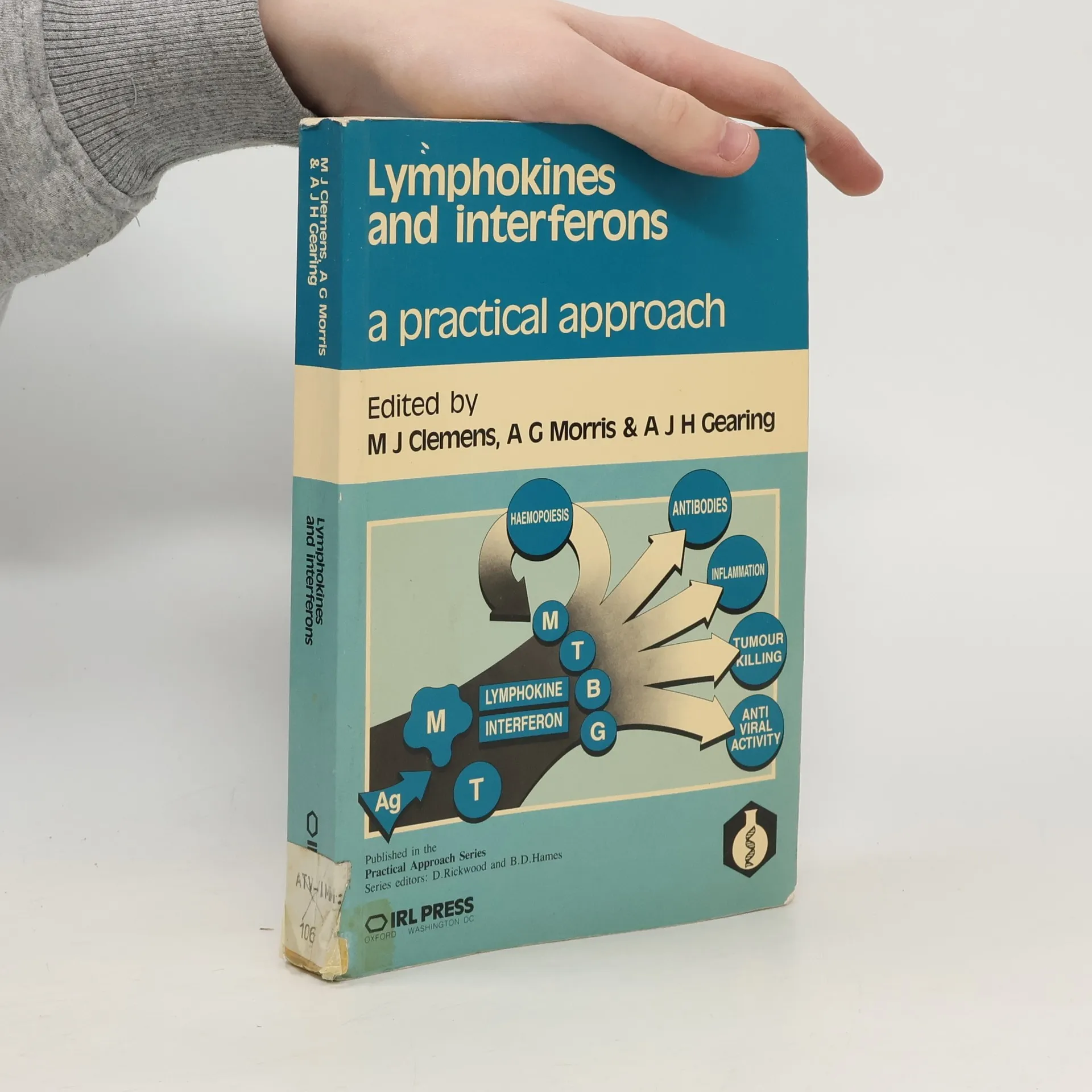
    • Practical Approach Series: Lymphokines and Interferons

      A Practical Approach

      • 376pages
      • 14 heures de lecture

      A practical response to the increase of interest in the fields of interferon and lymphokine research, this volume presents the techniques involved with these independent areas of research. Reflecting recent progress in these fields, contributors describe protocols for working with interferons including antibody preparation, immuno-assay, purification, expressing recombinant genes in heterologous systmes and quantitating mRNA with cDNA probes; the chapters on techniques for lymphokines address aspects unique to each different lymphokine. Readership: immunology, biology researchers, postgraduates.

      Practical Approach Series: Lymphokines and Interferons