

Bookbot

Thomas Dixon

    Thomas Dixon Jr. était un auteur américain dont les œuvres explorent les questions sociales et raciales complexes du sud des États-Unis. Son écriture examine souvent le conflit entre tradition et progrès, plongeant dans de profonds dilemmes moraux et des relations humaines. Le style de Dixon se caractérise par une narration forte et des explorations perspicaces de la psychologie de ses personnages. Son héritage littéraire reflète un profond engagement envers la justice sociale et la condition humaine.

    The Traitor
    The Leopard's Spots
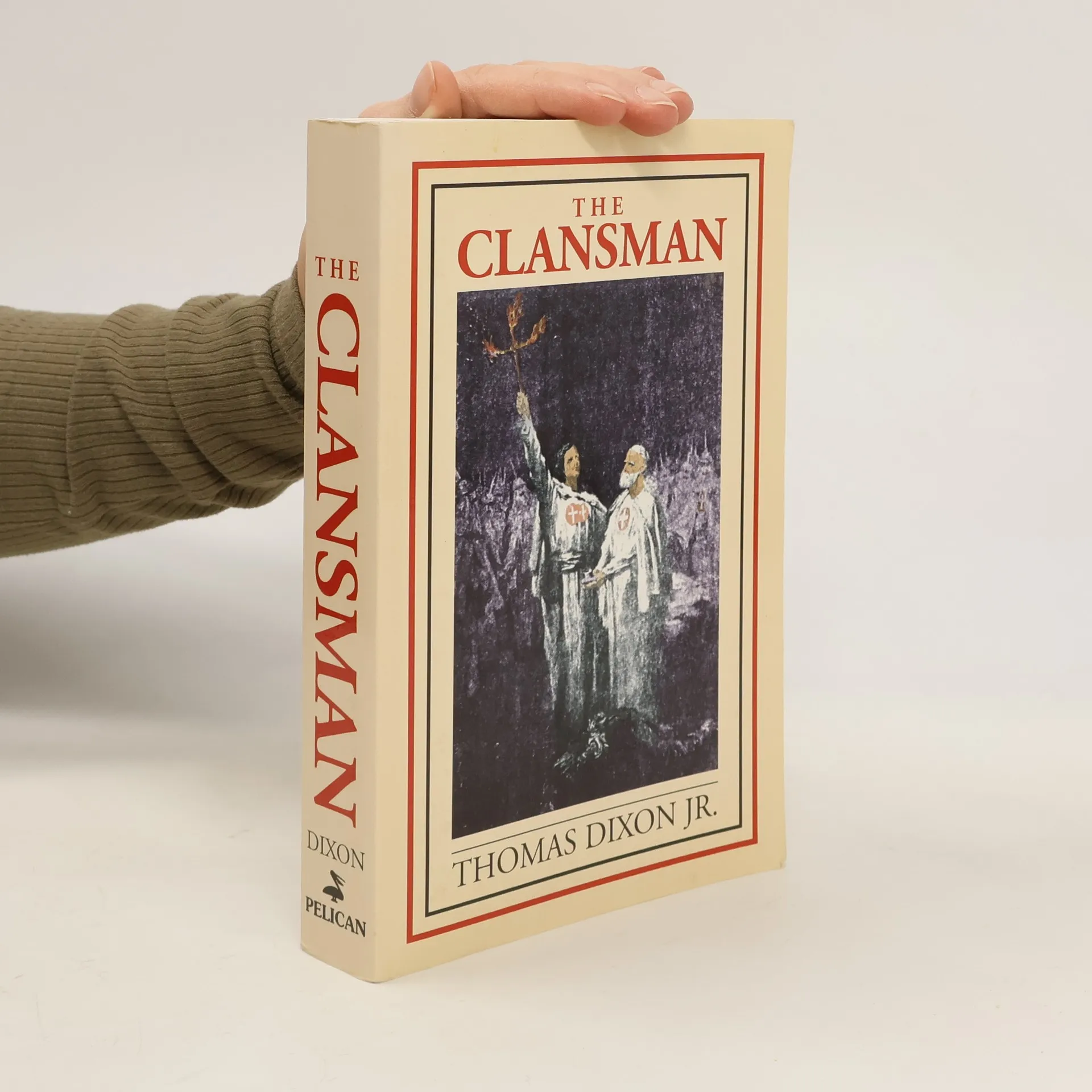
    The Clansman
    Science and Religion: A Very Short Introduction
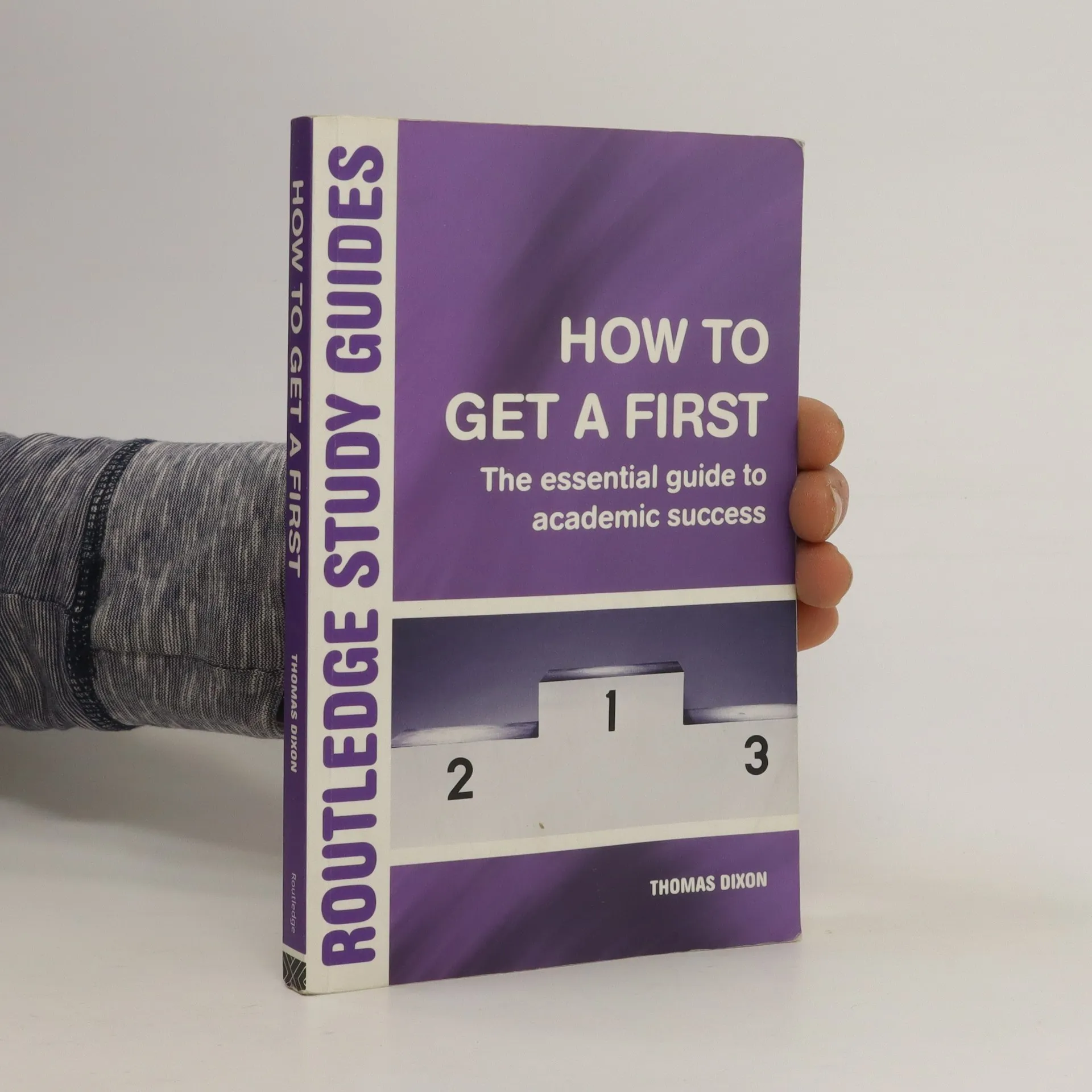
    How to Get a First
    • The Traitor

      • 232pages
      • 9 heures de lecture

      Focusing on the decline of the Ku Klux Klan, this novel explores the life of John Graham, a lawyer and Grand Dragon from North Carolina. As he grapples with personal struggles, including alcoholism and financial hardships, the narrative delves into themes of downfall and redemption against the backdrop of a turbulent historical period. Graham's journey reflects the broader societal changes of the time, highlighting the intersection of personal and political crises.

      The Traitor2023
    • The Leopard's Spots

      • 370pages
      • 13 heures de lecture

      Set in the aftermath of the US Civil War, this historical novel explores the complex social dynamics and challenges faced in the South during Reconstruction. It delves into themes of race, identity, and the responsibilities of the "White Man's Burden," capturing the struggles and aspirations of its characters as they navigate a transformed society. As the first volume of a trilogy, it lays the groundwork for an in-depth examination of this pivotal era in American history.

      The Leopard's Spots2015
    • The Clansman

      • 408pages
      • 15 heures de lecture

      Describing the anxiety and confusion of the years immediately after the South's defeat, the leaders of the Confederation called upon the spirits of their ancestors, the clansmen of old Scotland, to guide them. Thus, the Ku Klux Klan was conceived as an 'invisible empire' which pledged to protect the people of the South.

      The Clansman2008
      2,3
    • This book explains the philosophical and historical concepts that shape current debates about science and religion. It also considers some of the themes and issues that have become more prominent in the past decade, such as science denial, climate change and environmentalism, and religion and public health - including responses to Covid-19.

      Science and Religion: A Very Short Introduction2008
      3,7
    • This concise, no-nonsense guidebook de-mystifies first-class degrees in the arts, humanities and social sciences by explaining how to develop excellent reading, thinking and writing skills.

      How to Get a First2005
      4,2