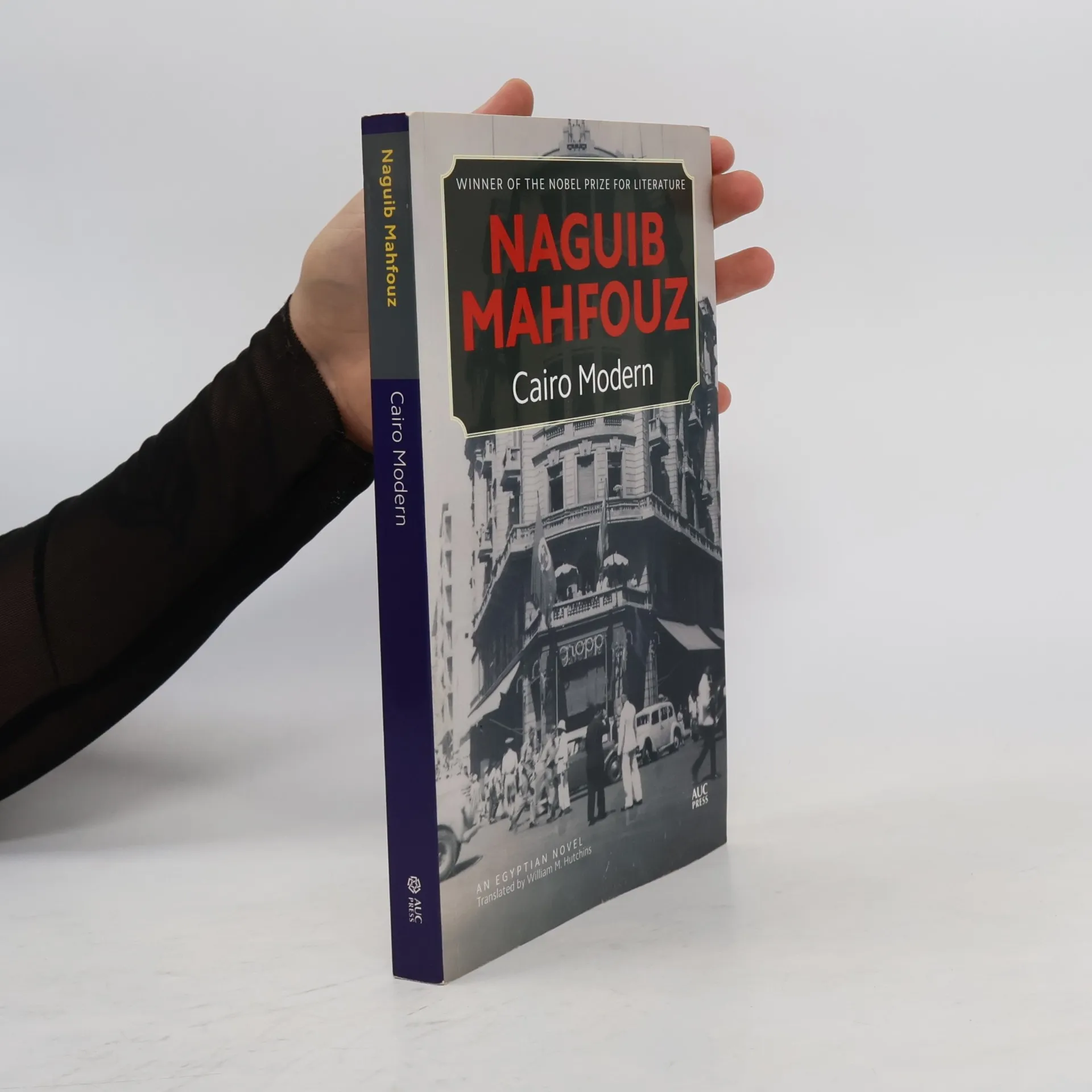
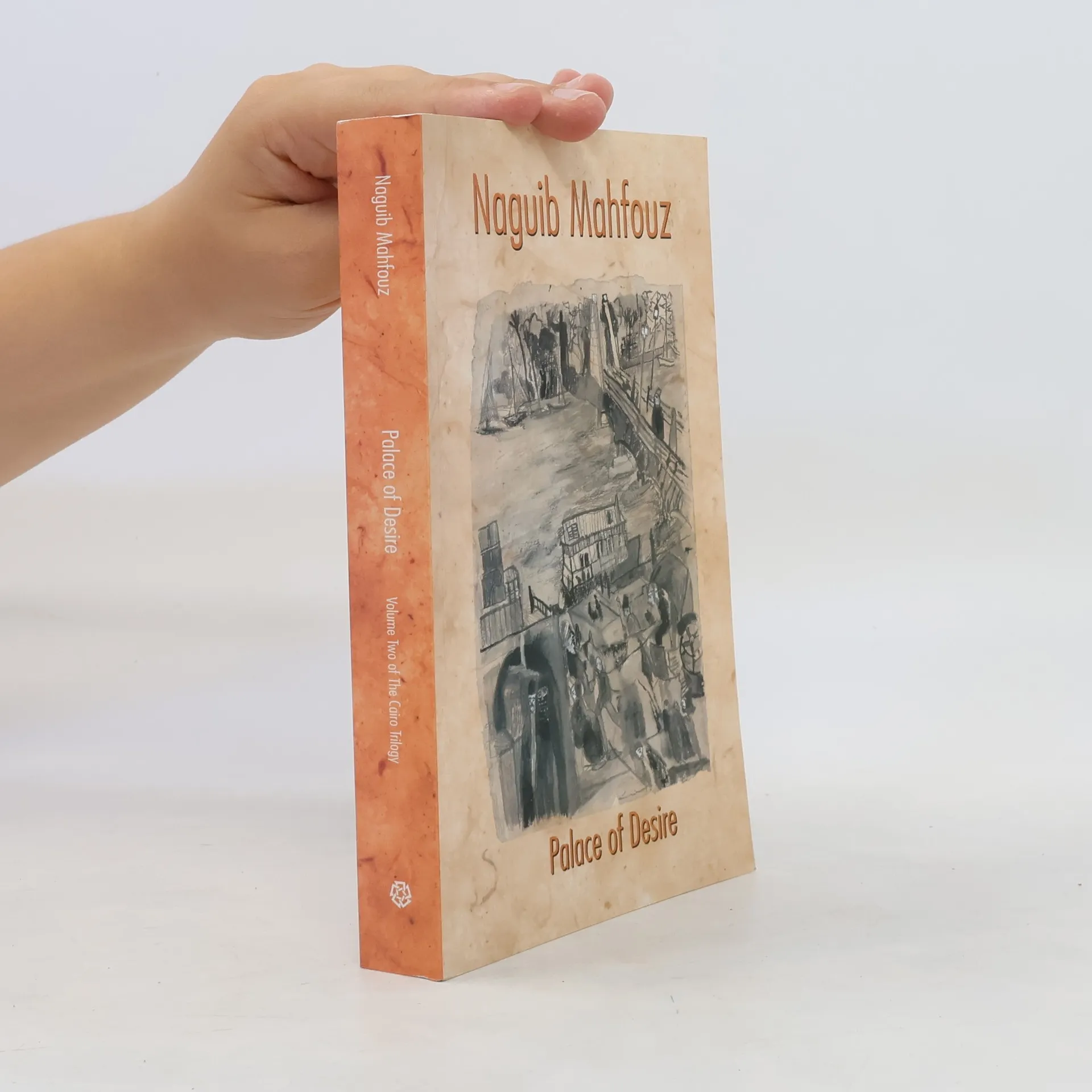
The second volume of the highly acclaimed Cairo Trilogy from the winner of the Nobel Prize for Literature. Filled with compelling drama, earthy humor, and remarkable insight, Palace Of Desire is the unforgettable story of the violent clash between ideals and realities, dreams and desires.
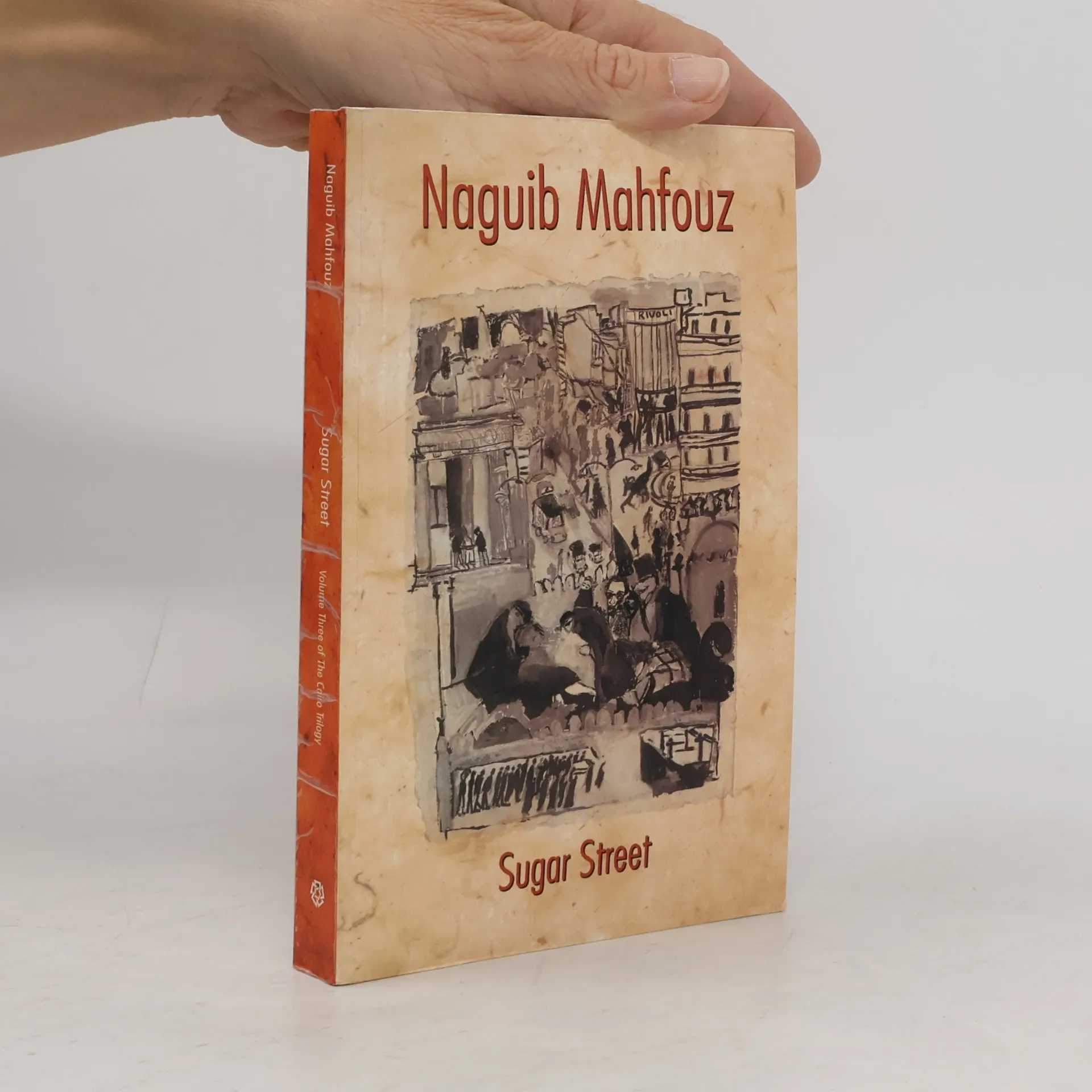
رواية الجزء الثالث من ثلاثية القاهرة, سلسلة مكونة من ثلاث روايات حائزة على جائزة نوبل للأدب. الثلاثية تعتبر أفضل رواية عربية في تاريخ الأدب العربي حسب اتحاد كتاب العرب
Le point de vue de l'éditeur La rue d'Al-Nahhasin n'était pas une rue calme ... La harangue des camelots, le marchandage des clients, les invocations des illuminés de passage, les plaisanteries des chalands s'y fondaient en un concert de voix pointues ... Les questions les plus privées en pénétraient les moindres recoins, s'élevaient jusqu'à ses minarets ... Pourtant, une clameur soudaine s'éleva, d'abord lointaine, comme le mugissement des vagues, elle commença à s'enfler, s'amplifier, jusqu'à ressembler à la plainte sibilante du vent ... Elle semblait étrange, insolite, même dans cette rue criante ... C'est ici, dans les rues du Caire, que Naguib Mahfouz, le Zola du Nil, a promené son miroir et capté toutes les facettes d'une société égyptienne en pleine évolution. Naguib Mahfouz est le premier écrivain de langue arabe à avoir reçu, en 1988, le prix Nobel de Littérature.
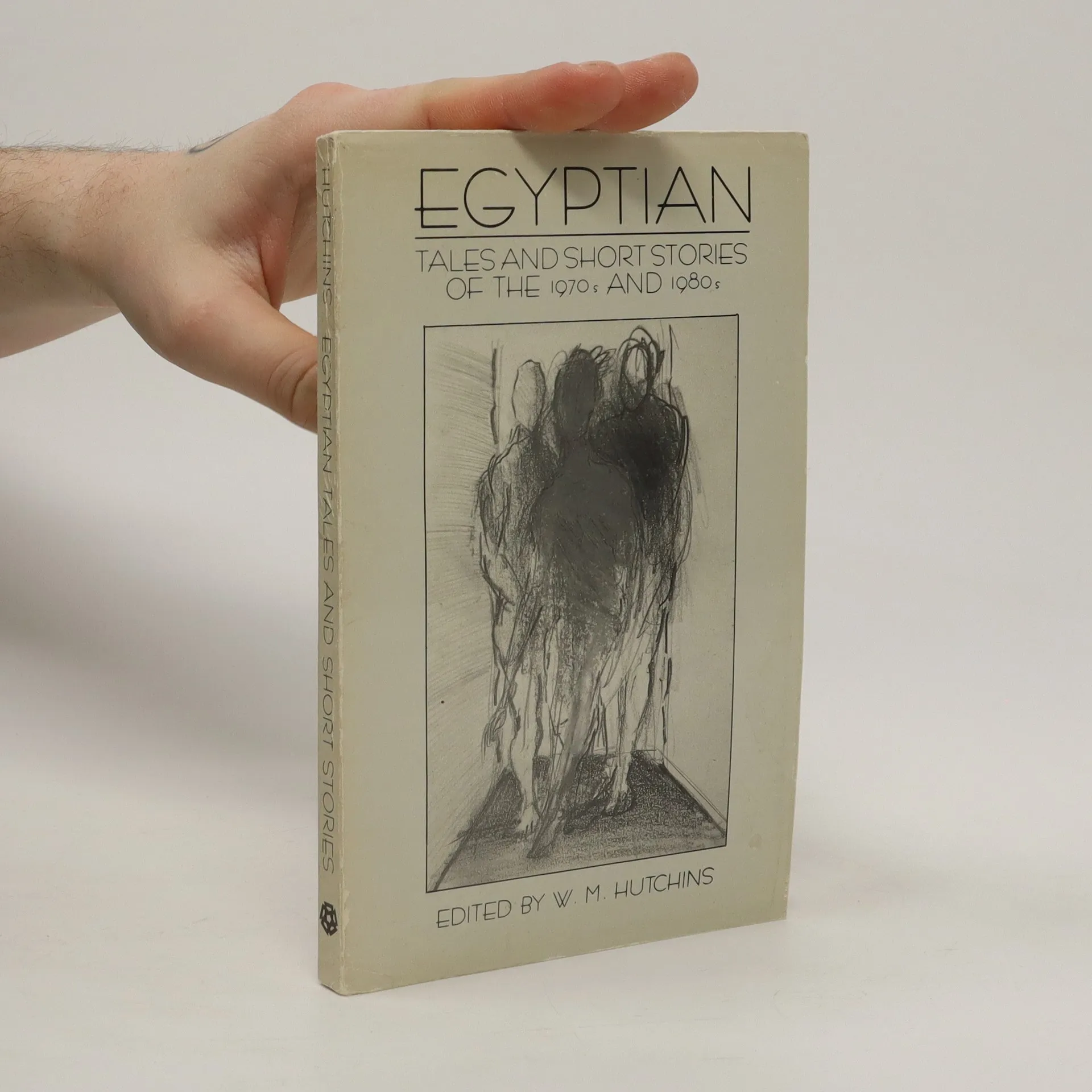
From extraordinary folk tales to intriguing character sketches, "The Eleven O'Clock Train" introduces the works of Egyptian writers to the international stage. The thirty-two short stories in this anthology showcase a variety of themes and settings - urban, rural, contemporary, timeless, political, realistic, and bizarre - all stirring our hearts with profound questions of humanity. The stories are arranged to reflect the cycle of life, beginning with engagement, marriage, birth, childhood, various adult activities, relationships with parents, and ultimately, death. This anthology can be seen as an effort to introduce contemporary Egyptian society alongside modern Egyptian literature.