

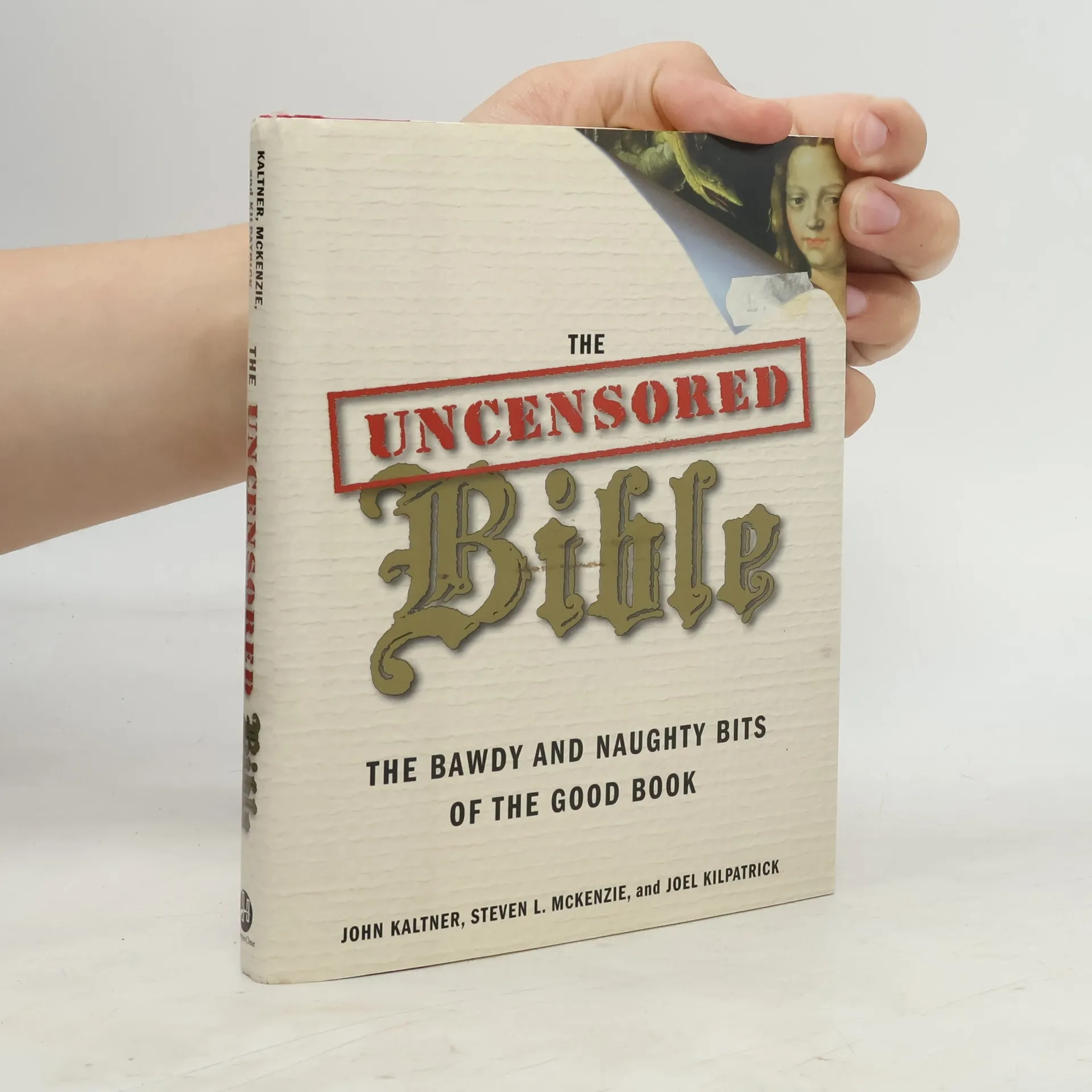
We all know the story of how Eve was created from Adam's rib. But what if, perhaps, "rib" was a mistranslation and the body part she was really created from was Adam's penis bone? This would explain why human males don't have such a bone, unlike other male mammals. That's only one of many surprising and fun biblical twists readers will encounter in The Uncensored Bible . Here readers will learn that King David swore like a sailor, mandrakes were the biblical equivalent of Viagra ® , Cain was depressed, and Joseph's "coat of many colors" might have actually been a dress (which may explain why his brothers picked on him). Authors Kaltner, McKenzie, and Kilpatrick bring some of the most outrageous speculations about the scriptures to light—all based on legitimate scholarship—revealing a stranger, bawdier side of the Good Book. The Uncensored Bible is a shocking, hilarious, and thought-provoking collection of the most recent, compelling, and racy interpretations of the Bible from the newest voices of Bible scholarship.
Steven L. McKenzie Livres
Steven L. McKenzie est Professeur de Bible hébraïque/Ancien Testament dont l'érudition explore l'histoire de l'ancien Israël, la littérature de la Bible hébraïque et les complexités de la langue hébraïque. Ses intérêts de recherche s'étendent aux Manuscrits de la mer Morte, aux méthodes d'interprétation biblique et à l'archéologie, offrant aux lecteurs une compréhension globale de ces textes anciens. L'œuvre de McKenzie éclaire des récits bibliques complexes et leurs contextes culturels avec une profonde appréciation des nuances historiques et linguistiques. Il engage les lecteurs dans des discussions sur l'interprétation et le sens, rendant les anciennes écritures accessibles et pertinentes.
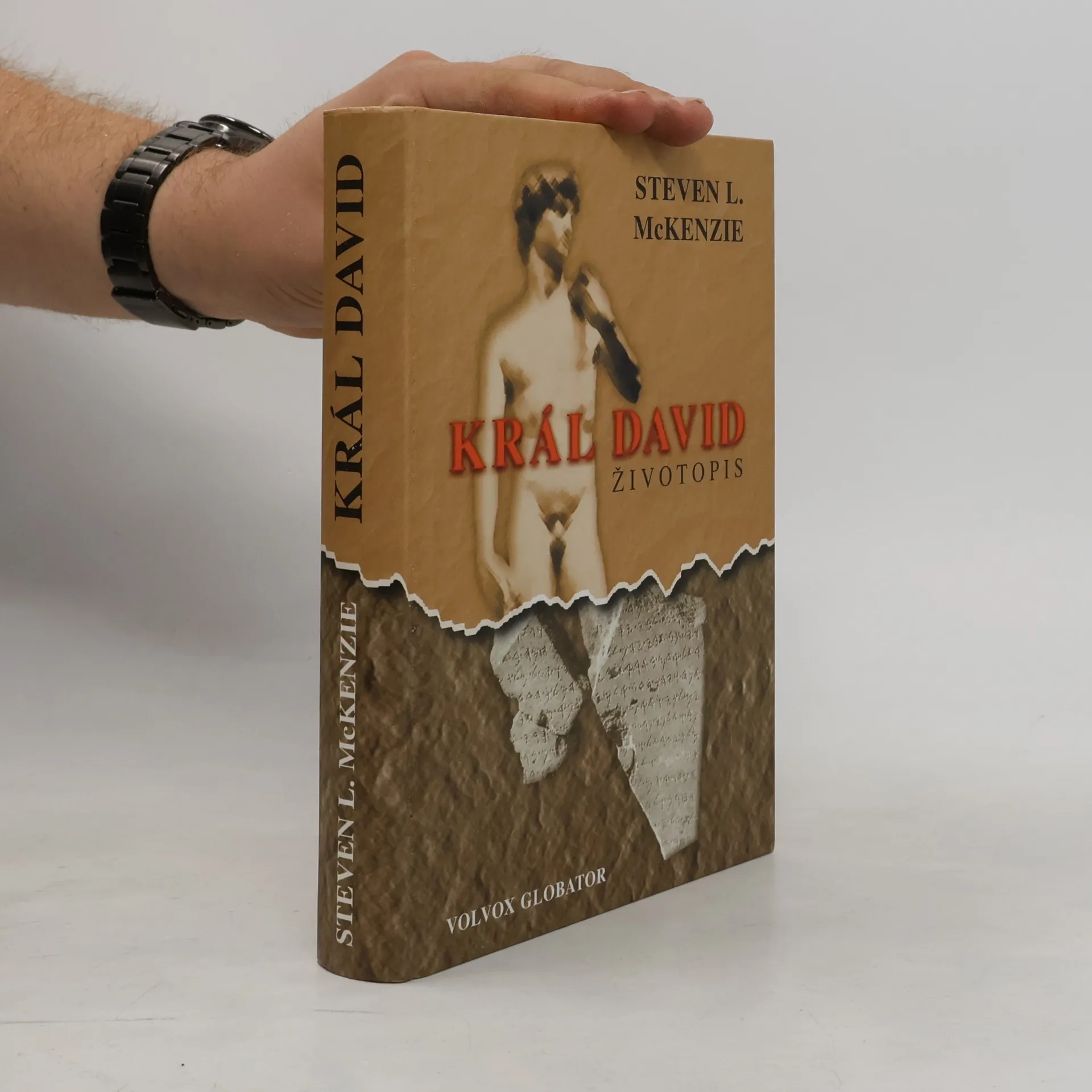
Pozoruhodná publikace přibližuje čtenáři postavu biblického sjednotitele židovských kmenů – krále Davida. Autor se zabývá touto osobností jednak jako symbolem určitých vlastností, ale především pátrá v dobových písemných i archeologických pramenech po Davidovi historickém, čímž vytváří zajímavý obraz doby a prostředí, v nichž židovský král skutečně žil.