

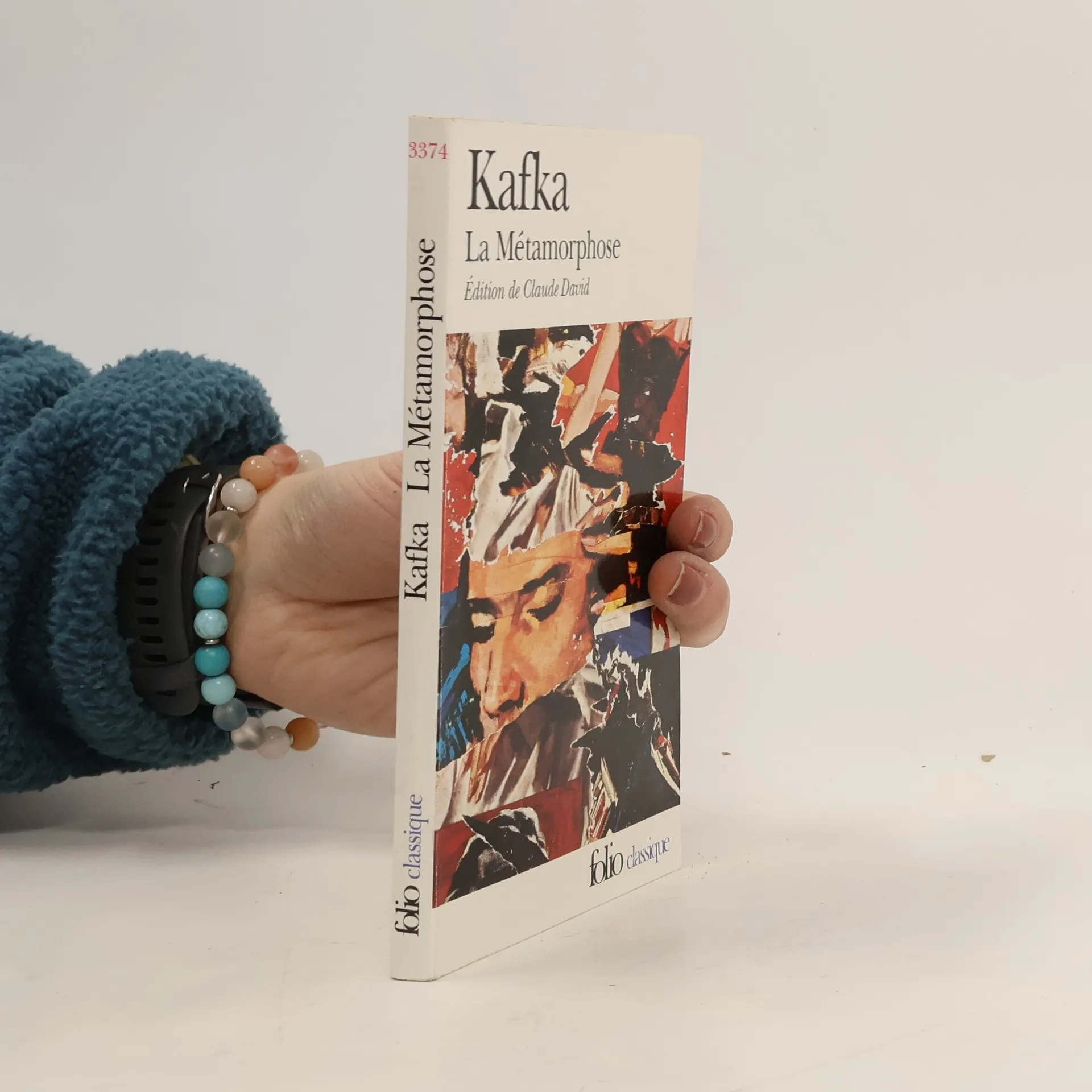
Voici l'histoire ... excessivement répugnante, dit l'auteur d'un homme qui se réveille changé en cancrelat. Cette transformation est le châtiment imaginaire que Kafka s'inflige. Et son personnage est celui qui ne peut plus aimer, ni être aimé.
Stanley Corngold Livres
11 juin 1934
Stanley Corngold est un éminent professeur émérite de littérature allemande et comparée. Ses traductions acclamées plongent profondément dans les œuvres originales, offrant aux lecteurs des interprétations nuancées. L'approche académique de Corngold met l'accent sur l'analyse critique, apportant un nouvel éclairage sur des textes littéraires classiques et enrichissant la compréhension des traditions littéraires allemandes. Son travail sert de pont essentiel pour apprécier la complexité de ces récits durables.

The Mind in Exile
- 280pages
- 10 heures de lecture
Between 1938 and 1941, Princeton became a hub for a remarkable group of émigré intellectuals, notably including Thomas Mann, Hermann Broch, Albert Einstein, and Eric Kahler, a lesser-known yet influential professor at the Institute for Advanced Study. This narrative explores their collaborative artistic, political, and intellectual endeavors during Mann's tenure as a Professor of Humanities. Frequently gathering at Kahler's or Mann's home, this collective was dubbed the "Kahler-Circle" by young poet Charles Greenleaf Bell. During this period, Mann completed his "Goethe-novel" Lotte in Weimar, crafted the surrealistic novella The Transposed Heads, and continued his epic tetralogy Joseph and His Brothers, sharing drafts with Kahler and Broch. Kahler provided critical feedback on Mann's fiction while discussing his own political essays. Although Einstein shared political views with Mann, he preferred the company of Kahler and Broch, whom he supported financially. Kahler was writing his notable work, Man the Measure, for which Einstein contributed a foreword. Corngold aims to illuminate the intertwined lives and thoughts of these four thinkers during a politically and culturally tumultuous time, utilizing rich sources like Mann's diaries and correspondence among the group, filling a gap in the understanding of their vibrant intellectual life.
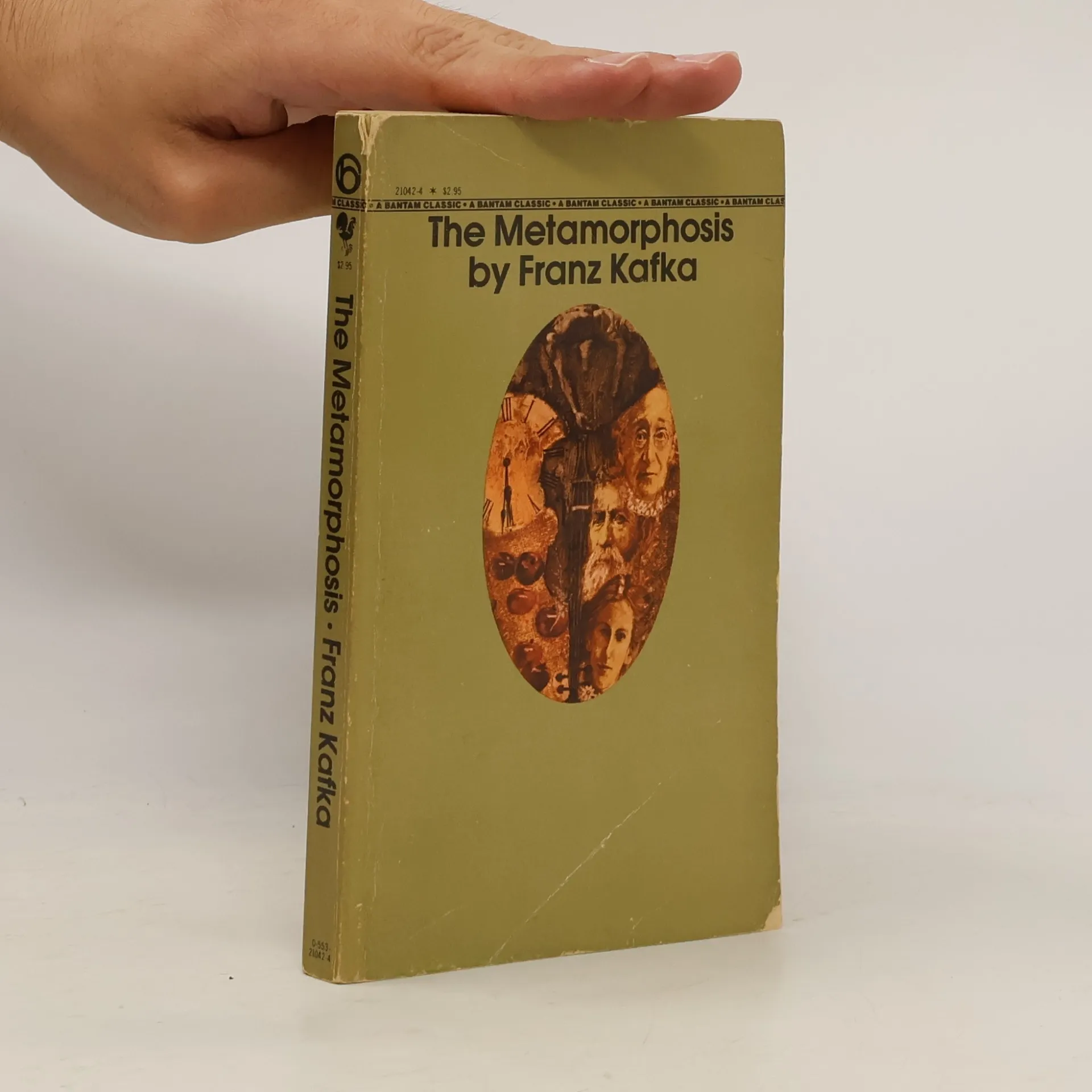
Bantam Classic: The Metamorphosis
- 201pages
- 8 heures de lecture
For use in schools and libraries only. Writings by and about Kafka and textual notes accompany his translations of his early 20th-century work.