

Bookbot

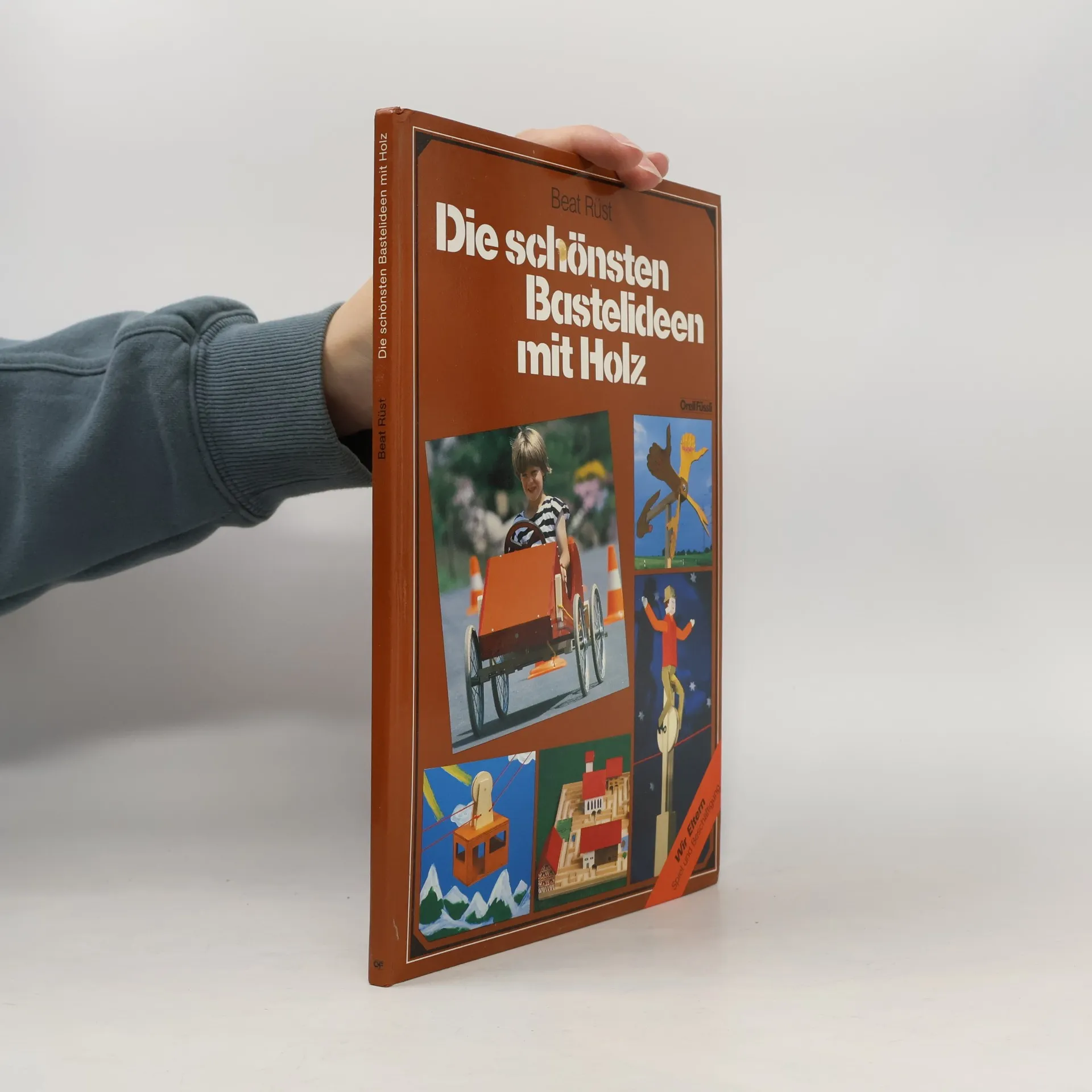
Hainer Kober

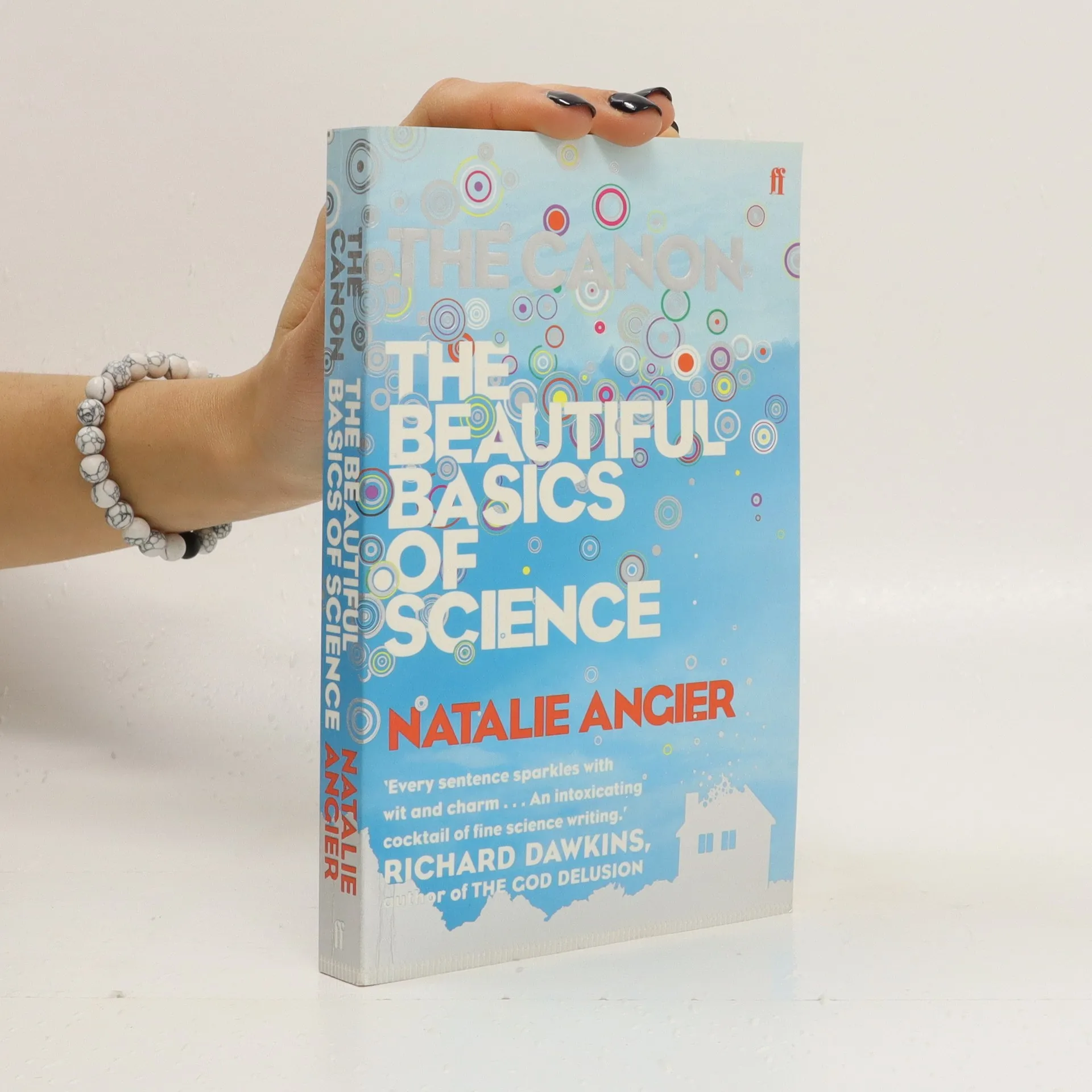
    The canon : the beautiful basics of science
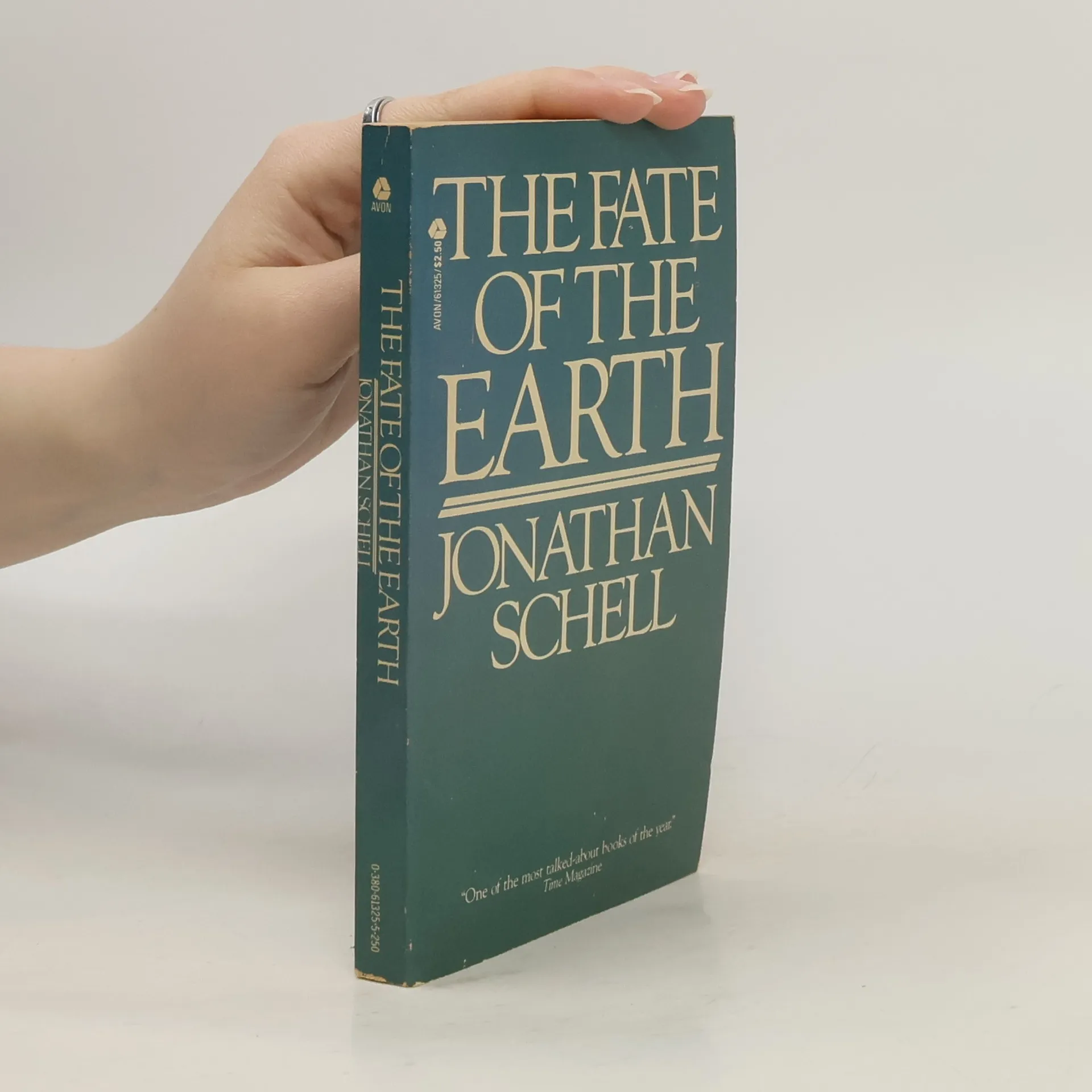
    The Fate of the Earth
    Seventeen Contradictions and the End of Capitalism
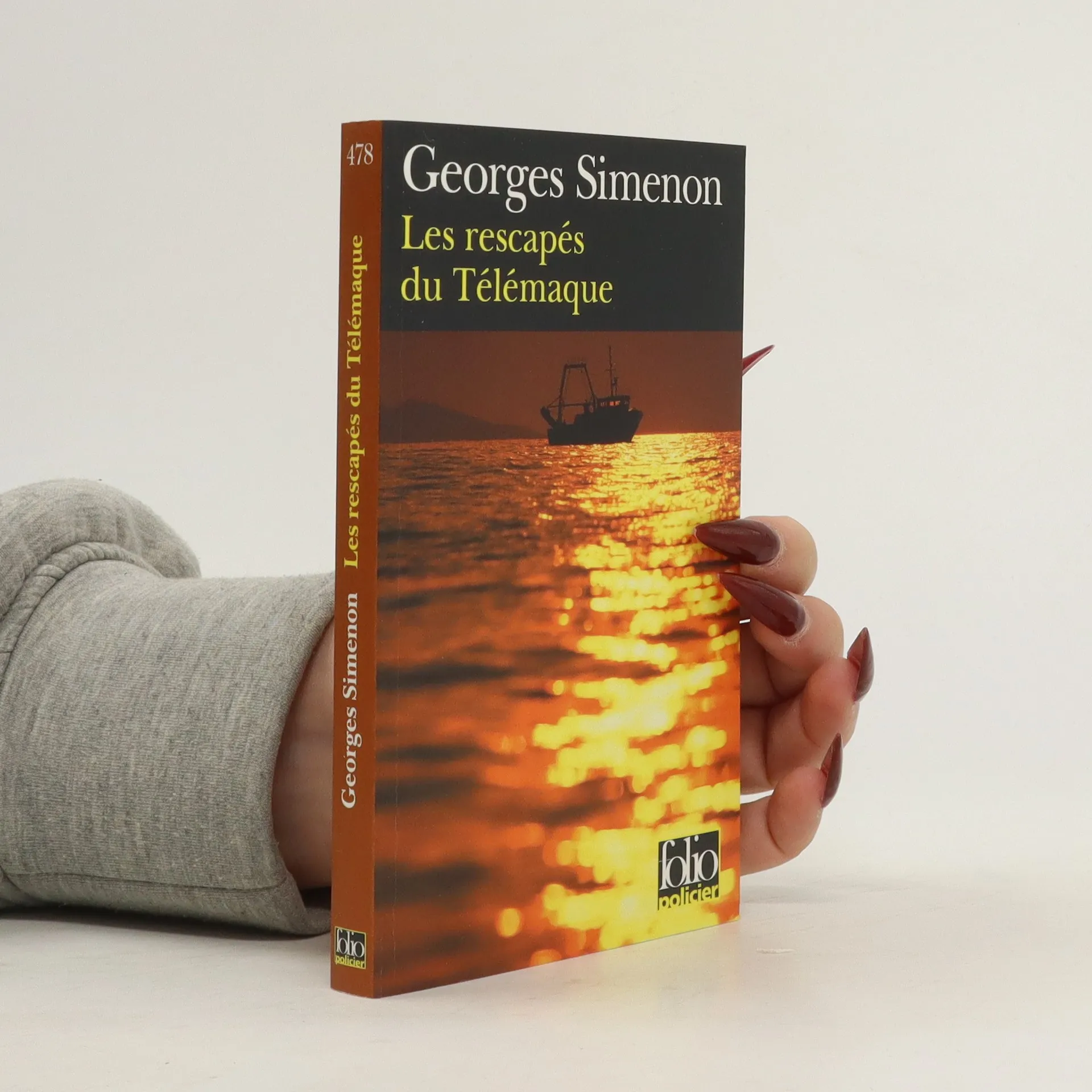
    Les rescapés du Télémaque
    Tschetschenien, Jahr III
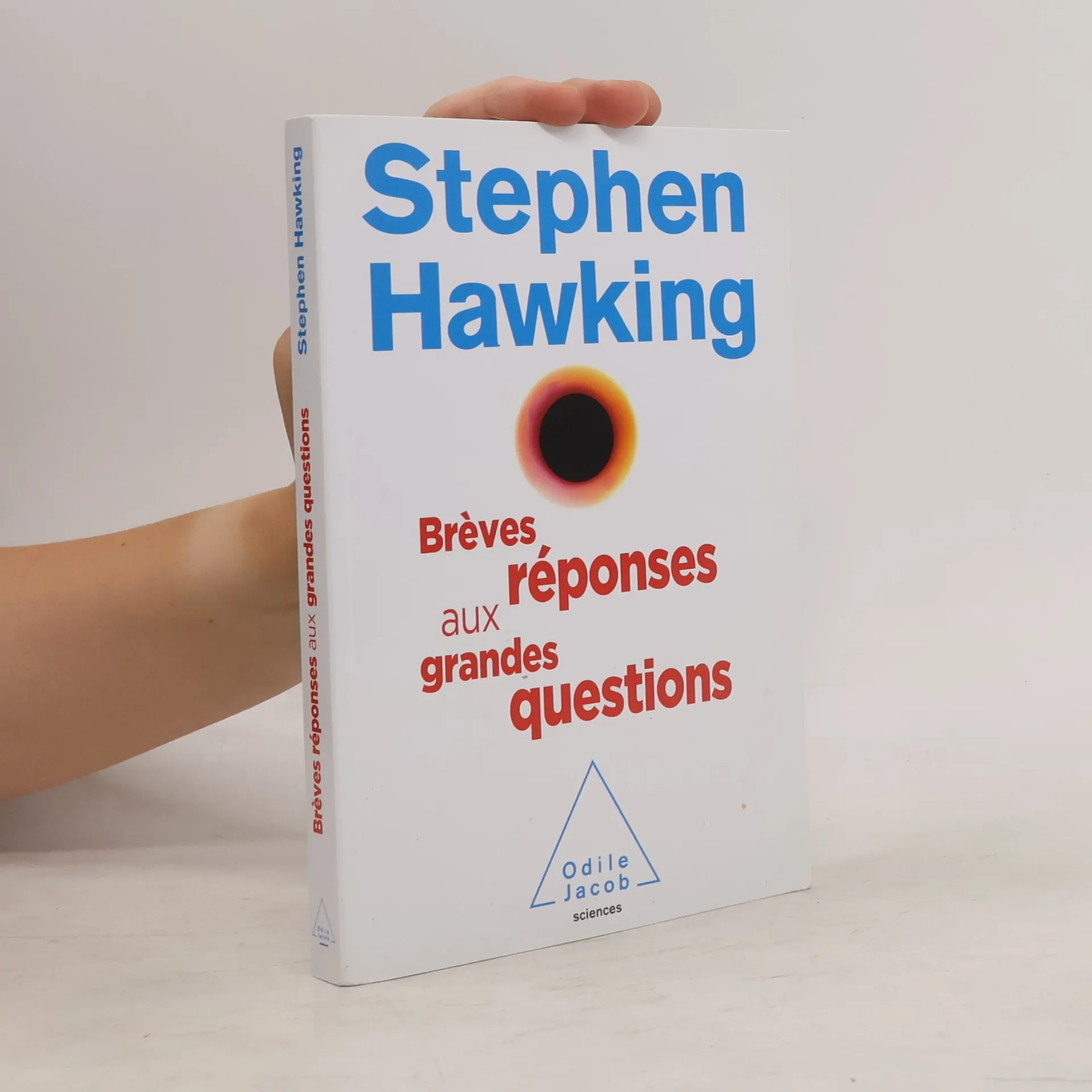
    Brief Answers To The Big Questions
    • Brief Answers To The Big Questions

      • 272pages
      • 10 heures de lecture

      Dr. Stephen Hawking was the most renowned scientist since Einstein, known both for his groundbreaking work in physics and cosmology and for his mischievous sense of humor. He educated millions of readers about the origins of the universe and the nature of black holes, and inspired millions more by defying a terrifying early prognosis of ALS, which originally gave him only two years to live. In later life he could communicate only by using a few facial muscles, but he continued to advance his field and serve as a revered voice on social and humanitarian issues. Hawking not only unraveled some of the universe's greatest mysteries but also believed science plays a critical role in fixing problems here on Earth. Now he turns his attention to the most urgent issues facing us. Will humanity survive? Should we colonize space? Does God exist? These are just a few of the questions Hawking addresses in this wide-ranging, passionately argued final book from one of the greatest minds in history

      Brief Answers To The Big Questions
      4,3
    • Tschetschenien, Jahr III

      • 142pages
      • 5 heures de lecture

      Jonathan Littell war schon in den beiden Tschetschenienkriegen 1996 und 1999 für eine Menschenrechtsorganisation in Tschetschenien tätig. Seitdem gilt er als gut informierter und scharfsinniger Kenner des Landes. In diesem Frühjahr 2009 hat er erneut diese Region bereist - entstanden ist eine ebenso beeindruckende wie beängstigende Reportage über die Entwicklung, die das Land seit Kriegsende und dem Regierungsantritt Ramzan Kadryrows im Jahre 2007 genommen hat.

      Tschetschenien, Jahr III
      4,0
    • À peine le Centaure, chalutier de Fécamp, est-il arrivé au port que son capitaine, Pierre Canut, est arrêté. Il aurait tué, juste avant de prendre la mer, un vieil homme retrouvé à son domicile la gorge tranchée. Ce serait une vengeance. La victime, rescapée vingt ans plus tôt des suites d'un naufrage au large du Brésil, aurait été sur la même barque de fortune que le père de Pierre Canut. Les secouristes avaient retrouvé ce dernier mort avec le poignet entaillé par ses camarades qui avaient commencé à le manger...

      Les rescapés du Télémaque
      3,0
    • Following on from The Enigma of Capital, the world's leading Marxist thinker explores the hidden workings of capital and reveals the forces that will lead inexorably to the demise of our system.

      Seventeen Contradictions and the End of Capitalism
      4,0
    • The Fate of the Earth

      • 244pages
      • 9 heures de lecture

      When Jonathan Schell heard all that loose talk about attainment of objectives in a limited nuclear war, it was too much for him. He did what all of us would like to do: he wrote a book. It's very pessimistic. The mere presence of all those weapons is enough to ensure that sometime, somewhere, someone is going to set one off. Schell makes sure all of us know the horrendous possibilities of a nuclear exchange and all the reasons for bringing such possibilities to a halt. Everyone agrees. The question is, how do we get these monsters under control?A republic of insects and grassThe second deathThe choiceIndex

      The Fate of the Earth
      4,0
    • How Was The Earth Formed? How Big Is An Atom? What Is A Quantum Leap? Most Of Us, However Well Educated, Still Find It Impossible To Answer Even The Most Basic Questions About Science. It Is Something We Associate With Childish Pleasures (Trips To The Science Museum, A Love Of Dinosaurs); We Leave It Behind In Adolescence To Pursue The Canon Of Literature And The Arts. But A Truly Cultured Adult, Natalie Angier Argues, Should Know The Classic Ideas Of Physics And Evolutionary Biology As Well As The Classic Works Of Beethoven And Shakespeare. In The Canon, Angier Takes Us On A Dazzling Joyride Through The Beautiful Basics Of Science . With Great Energy And Passion, She Tackles Each Of The Main Scientific Disciplines - From Chemistry To Astrology - Using Familiar Examples, Memorable Analogies And A Considerable Amount Of Good Humour To Illuminate And Entertain. She Draws On Interviews With Hundreds Of Eminent Scientists To Create A Vivid, Informative Primer For Scientific Literacy. The Canon Is Vital Reading For Anyone Who S Ever Been The Slightest Bit Curious About How Our World Works. It S For Anyone Who Wished They Understood The Great Issues Of Our Age - Global Warming, Stem-Cell Research, Nuclear Arms - Or For Parents Who Panic When Their Child Ask Them How Electricity Works. It S The Essential Guide To The Ideas That Underpin Our Universe - A Book That Will Enrapture, Enlighten And Inspire.

      The canon : the beautiful basics of science
      3,6
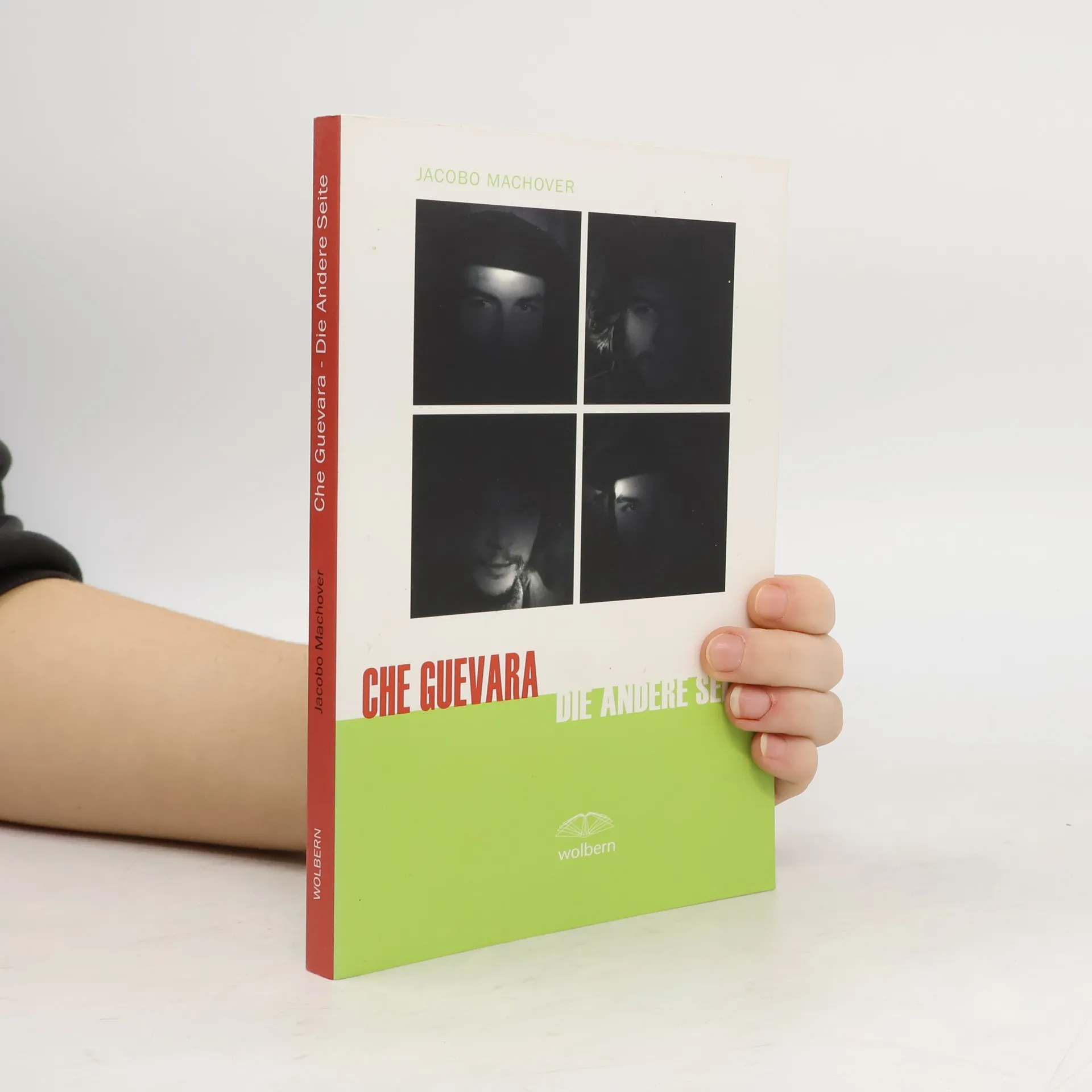
    • Che Guevara - Die andere Seite

      • 152pages
      • 6 heures de lecture

      Knapp, schonungslos, sehr informiert, beleuchtet Machovers Buch die Person und den Mythos des argentinischen Revolutionärs Che Guevara. Dies geschieht unvergleichlich genauer als andere Biografien, die im Dunstkreis einer Legende verharren. Hinter den bekannten Bildern dieses argentinischen Guerilleros erblickt man einen fanatischen Menschen, der getrieben von ideologischen Wahnvorstellungen und Todessehnsucht, für Diktatur und Kollektivismus in den Tod stolpert.

      Che Guevara - Die andere Seite
      2,5
    • Das Prinzip Empathie

      Was wir von der Natur für eine bessere Gesellschaft lernen können

      • 351pages
      • 13 heures de lecture

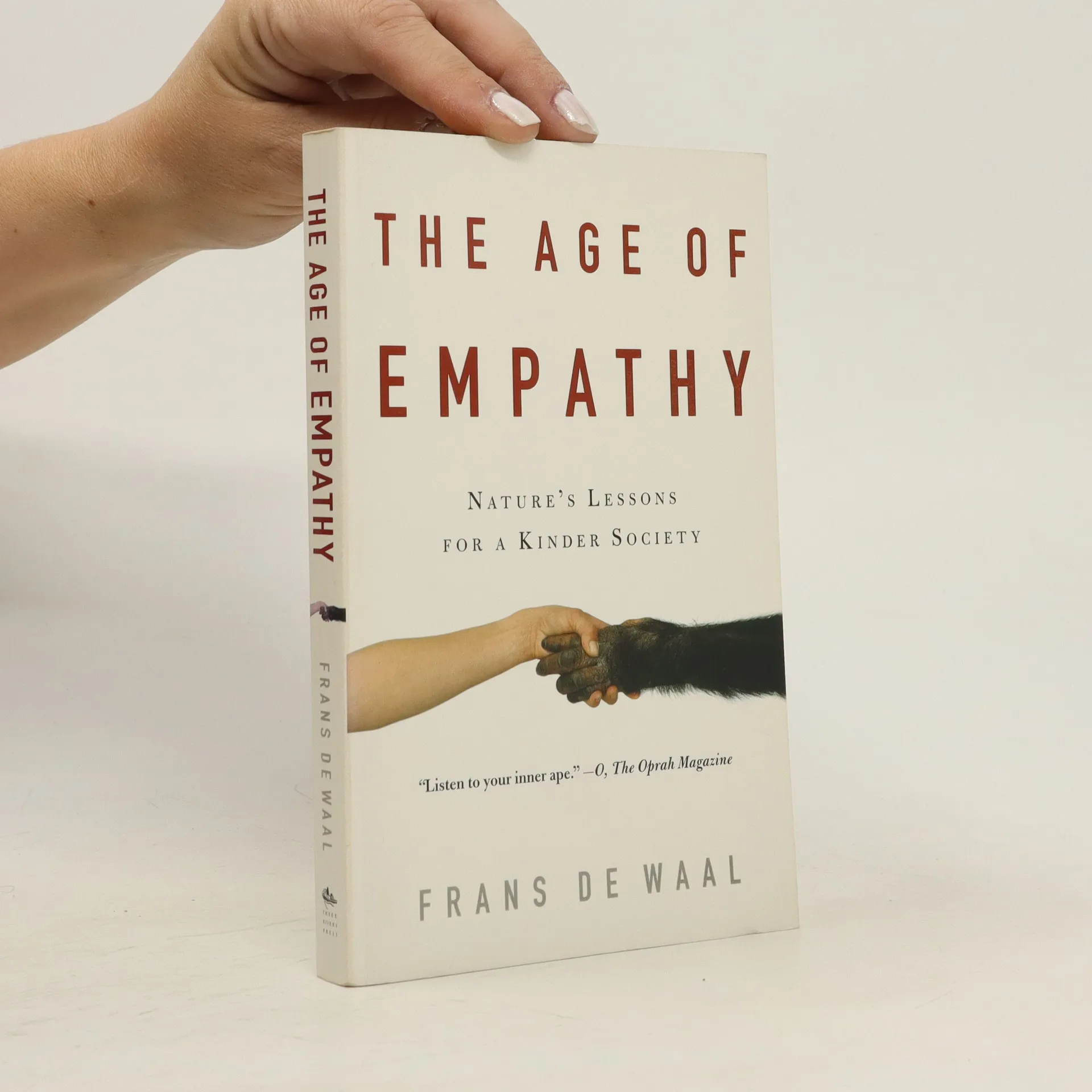
      Gier ist out, Empathie ist in. In der Natur tobt ein Kampf ums Überleben, in der Evolution herrscht das Recht des Stärkeren. Zumindest, wenn man Darwins Theorie verkürzt betrachtet. Frans de Waal, der große Humanist unter den Verhaltensforschern, widerlegt diese These. Seine Beobachtungen an Hunden, Katzen und Schimpansen zeigen: Offenbar erkennen auch Tiere in ihrem Gegenüber eine verwandte Kreatur und zeigen Empathie und Solidarität. Auf den Menschen übertragen, heißt das: Kooperation gehört zu unserer Grundausstattung. Engagiert und anschaulich erklärt de Waal, warum Stärke allein nichts zählt und was wir von der Natur für eine bessere Gesellschaft lernen können.

      Das Prinzip Empathie