12 Angry Men
- 314pages
- 11 heures de lecture



...and the Eight Other Business Delusions That Deceive Managers
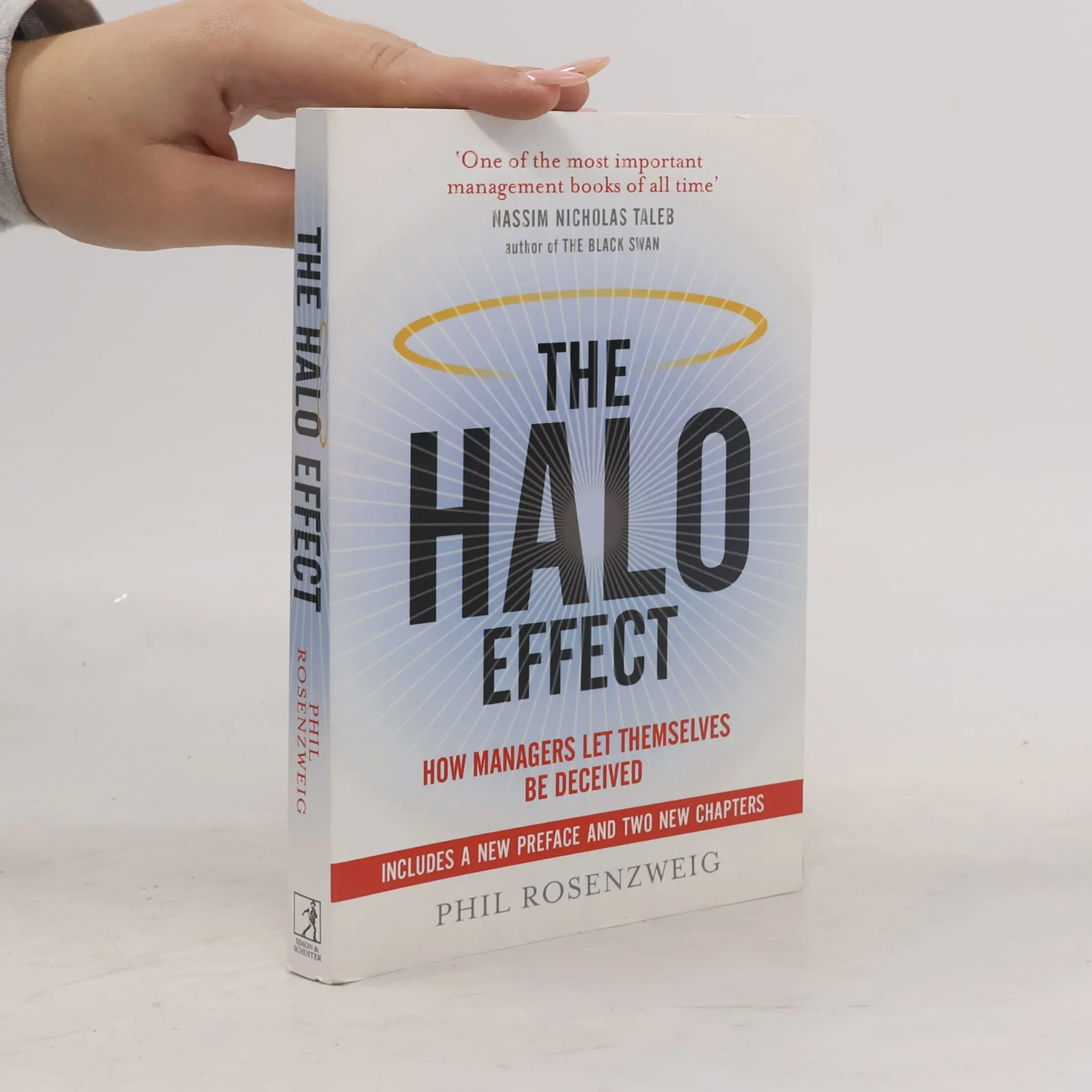
Newly updated, award winning management book The Halo Effectcontinues to pull away the blinders that prevent us from telling what is good management.
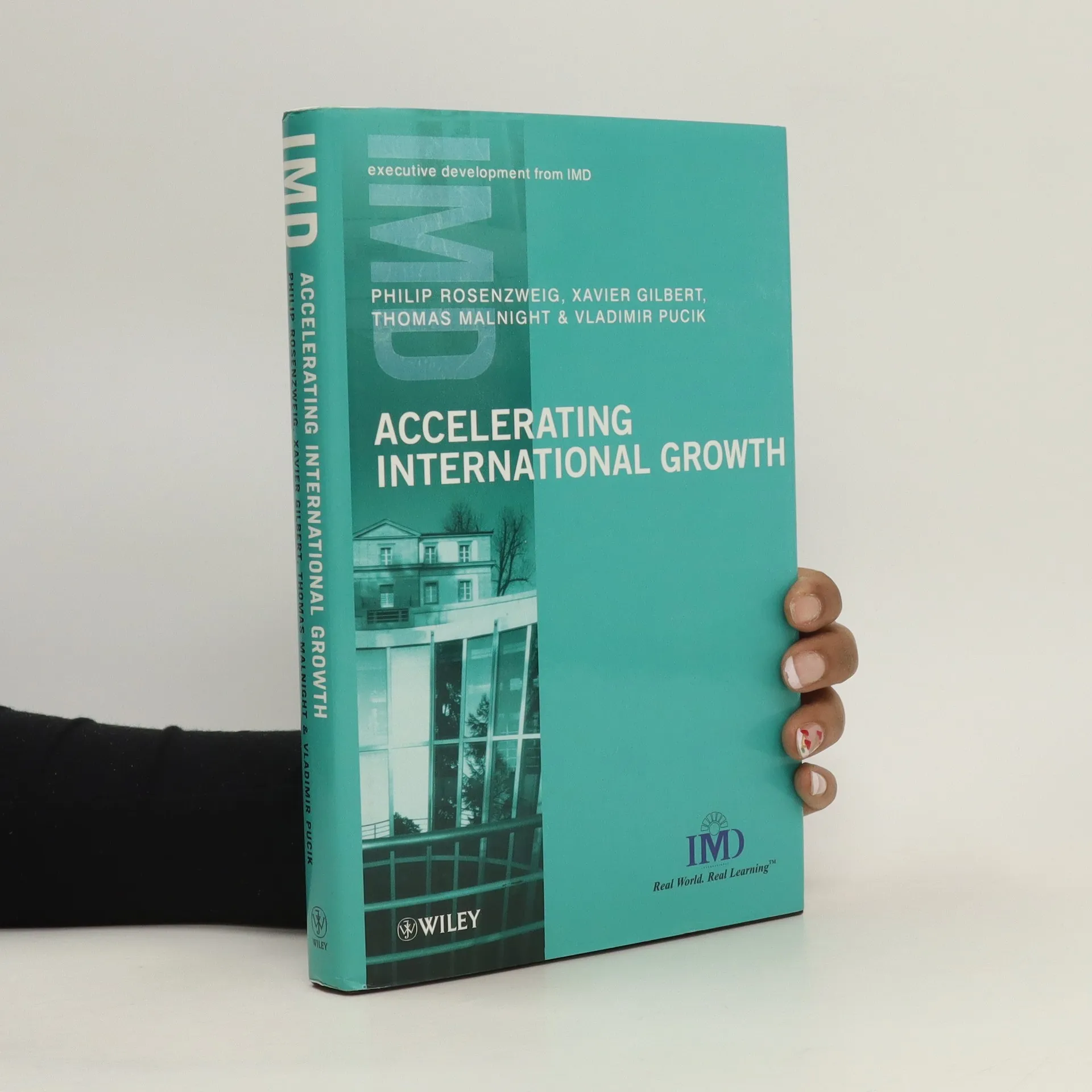
The third title from Executive Development from IMD is devoted toAccelerating International Growth, one of today's most crucialbusiness challenges. It provides the knowledge and the tools neededto speed up the development process and reach a stronger globalposition efficiently and quickly, and is firmly focused onanswering the real questions facing leading companies as theyundertake expansion in the field. Accelerating International Growthfocuses on the strategic, organizational and human aspects ofinternational growth. The book is aimed at practising managers incompanies that are either in the process of expandinginternationally, or are considering whether to do so.Philip Rosenzweig and his IMD colleagues combine a thoroughconceptual understanding of the attractions and challenges ofinternational growth with a practical explanation of the keyelements of successful implementation. Foreign entry modes,managing entry and post-entry phases, cross-border joint ventures,organizational learning, and human resource management are allexplored in detail. Readers will emerge with the skills to clearlyunderstand what drives the process, identify the key challenges,and avoid the greatest pitfalls.
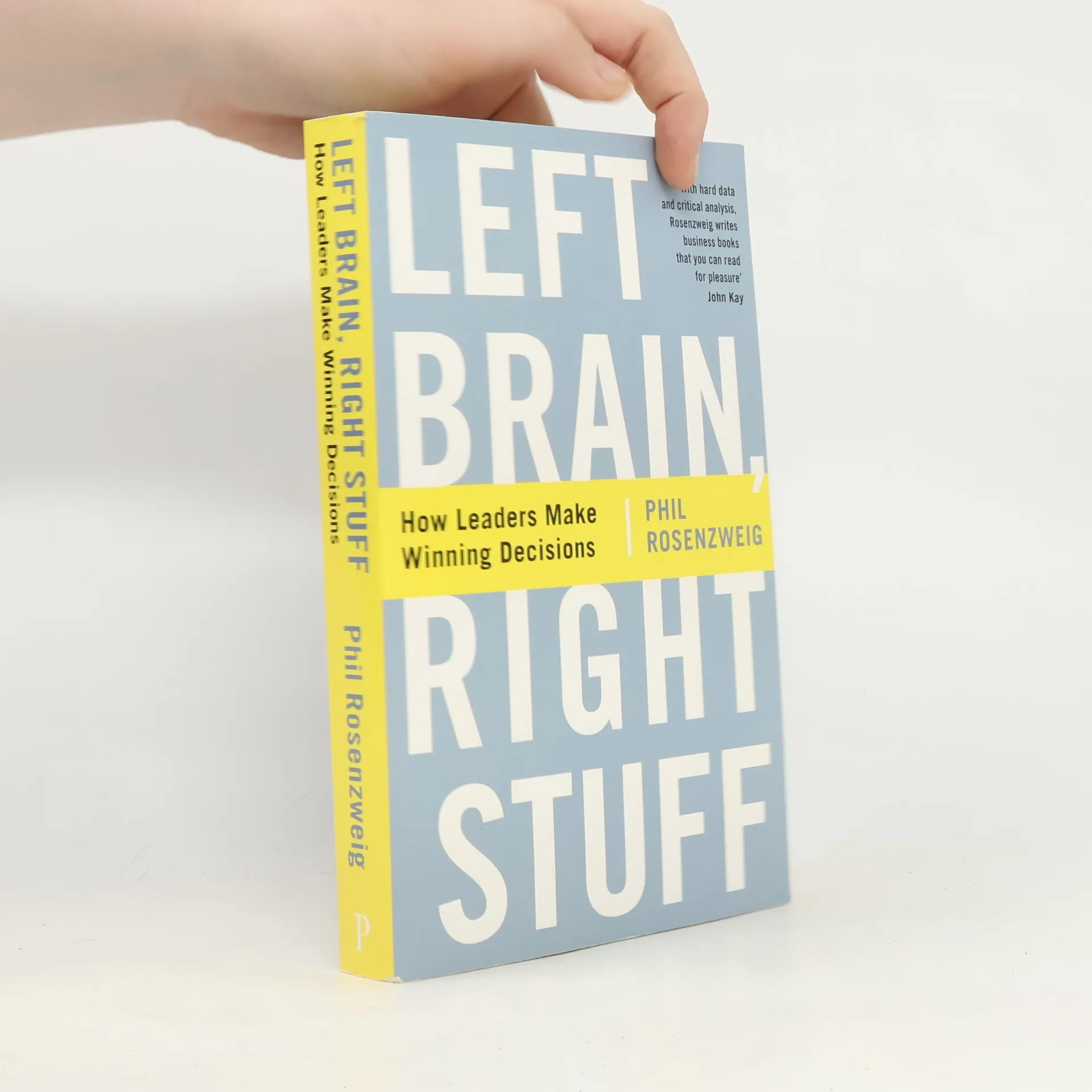
Dozens of books have been published recently on the errors and biases that affect our judgments and choices. Drawing on cognitive science, their lessons are excellent for many kinds of decisions - consumer choice and financial investments, for example - but stop short of addressing many of the most important decisions we face in management, where we can actively influence outcomes and where competitive forces mean we have to outperform rivals. As Phil Rosenzweig shows, drawing on examples from business, sports and politics, this sort of decision-making relies on mastering two very different abilities. First, the analytical problem-solving skills associated with the brain's left hemisphere; and second, what Tom Wolfe called 'the Right Stuff': the ability to take calculated risks. Bringing fresh and often surprising insights to topics including confidence and overconfidence, the uses and limits of decision models, leadership and authenticity, expert performance and deliberate practice, competitive bidding and new venture management, Left Brain, Right Stuff, the myth-busting follow-up to The Halo Effect, explains how to perform when making even the most difficult decisions.