Margaret Visser explore l'histoire, l'anthropologie et la mythologie de la vie quotidienne, déterrant les profondes racines culturelles et historiques des choses apparemment ordinaires. Par une recherche méticuleuse et une prose captivante, elle éclaire les récits fascinants intégrés dans nos coutumes et rituels communs. Son travail offre une perspective unique sur la société humaine et nos besoins universels. L'approche distinctive de Visser révèle la tapisserie complexe de sens tissée dans le tissu de notre existence quotidienne.
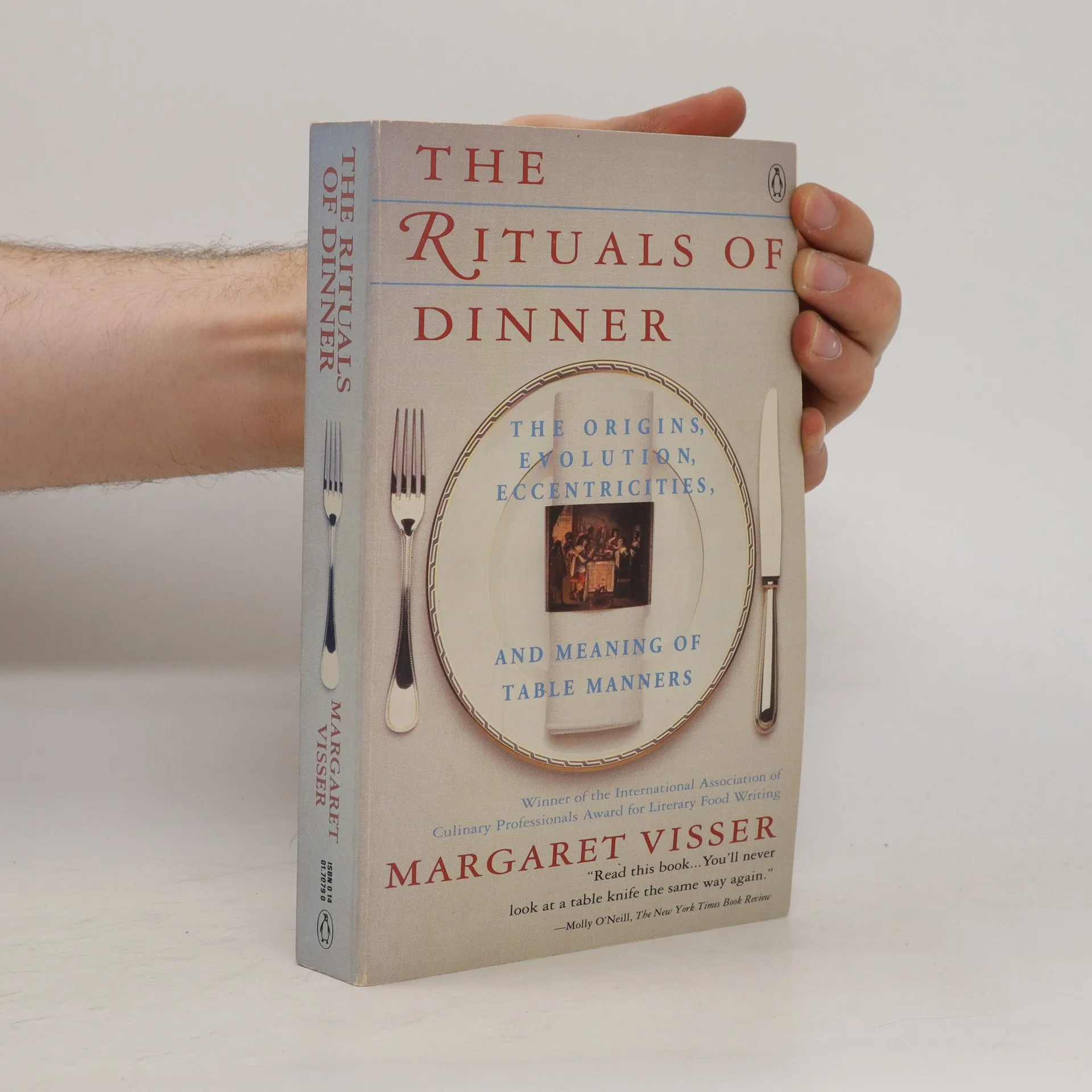
With an acute eye and an irrepressible wit, Margaret Visser takes a fascinating look at the way we eat our meals. From the ancient Greeks to modern yuppies, from cannibalism and the taking of the Eucharist to formal dinners and picnics, she thoroughly defines the eating ritual. "Read this book. You'll never look at a table knife the same way again."— The New York Times .
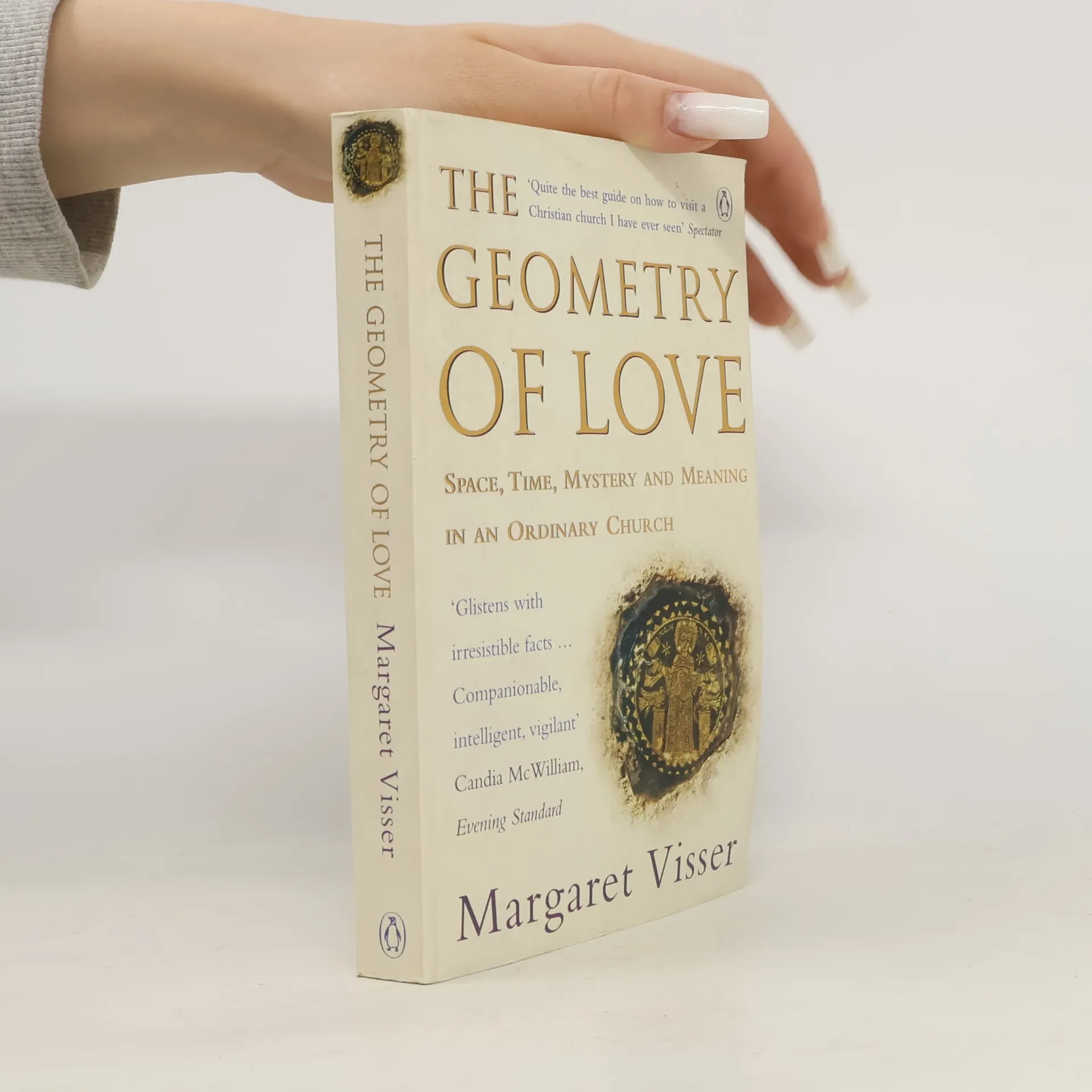
Space, Time, Mystery and Meaning in an Ordinary Church
336pages
12 heures de lecture
"More than any other kind of edifice, a church is intentionally meaningful in all its aspects, and Visser decided to find out what it was trying to express, in its nuances as well as in its grand gestures. She deliberately chose a relatively simple church just outside the walls of Rome, Sant'Agnese fuori le Mura, and takes in history, theology, anthropology, and folklore, among other disciplines, to illuminate its physical and spiritual architecture. As she guides us through the building, from apse to nave, catacombs to campanile, Visser explores the symbolism of lambs, the Christian fascination with virgins, the meanings of martyrdom, and the history of relics. At the same time, she moves back through the centuries to reveal Christianity in its earliest forms and purposes. The book ends at the church's beginning, with the grave of Agnes, a twelve-year-old girl who was murdered seventeen hundred years ago and whose remains lie buried beneath the altar."--BOOK JACKET.
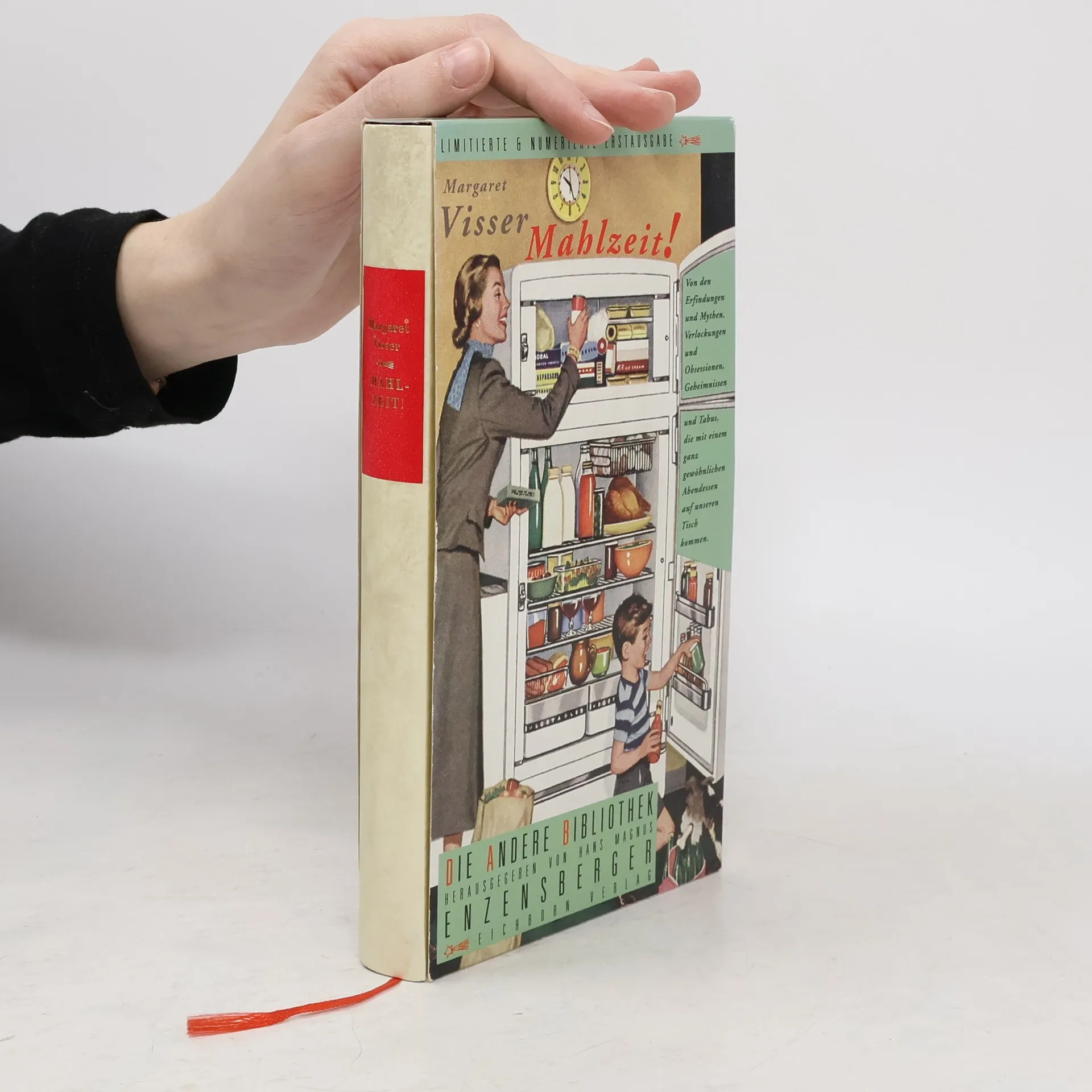
"Viel hängt vom Abendessen ab" ist eine delightful und intelligente Geschichte über die Nahrung, die wir essen. Jeder Kapitel präsentiert einen anderen Gang oder eine Beilage. Die Autorin Margaret Visser widmet sich dem gewöhnlichen amerikanischen Abendessen – Maiskolben mit Butter und Salz, Brathähnchen mit Reis, Salat mit Zitronensaft und Olivenöl sowie Eiscreme – und taucht in die Geschichte hinter jedem Lebensmittel ein. In diesem genussvollen und aufmerksamen Leitfaden erfahren wir die Geschichte von Corn Flakes, warum Dosenoliven aus Kalifornien so unbefriedigend sind (sie werden grün gepflückt, chemisch schwarz gefärbt und dann sterilisiert) und dass in Afrika Zitrusfrüchte mit Schale gegessen werden. Für Feinschmecker aller Art ist dieses unerwartet humorvolle und ernste Buch ein Schatz an Informationen, der einen Einblick in eines unserer liebsten Freizeitbeschäftigungen gibt.