
Bookbot

Viktor Nekrassow

    4 juin 1911 – 3 septembre 1987

    Viktor Nekrassov était un écrivain russe dont l'œuvre fut profondément marquée par ses expériences de guerre et sa position critique à l'égard des régimes totalitaires. Ses premiers écrits, inspirés par son passage à Stalingrad, offraient un réalisme cru, tandis que ses romans ultérieurs devinrent de plus en plus critiques envers les époques stalinienne et post-stalinienne. Nekrassov défia courageusement les idéologies dominantes, allant jusqu'à plaider pour un monument à Babi Yar, ce qui le conduisit finalement à son expulsion du Parti Communiste et à son émigration. Sa prose conserve une voix authentique, explorant les thèmes du courage, de l'identité et de la lutte pour la liberté de pensée.

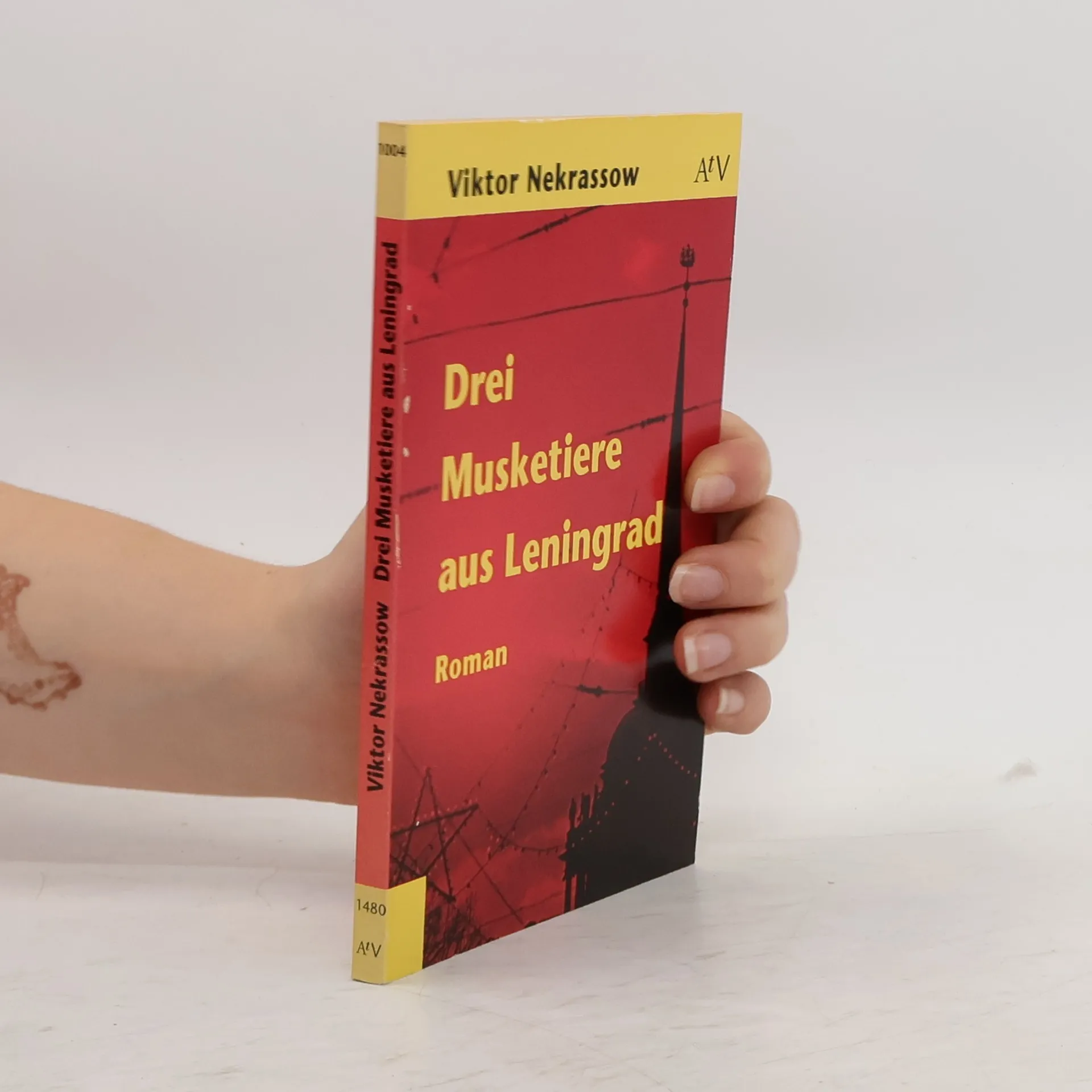
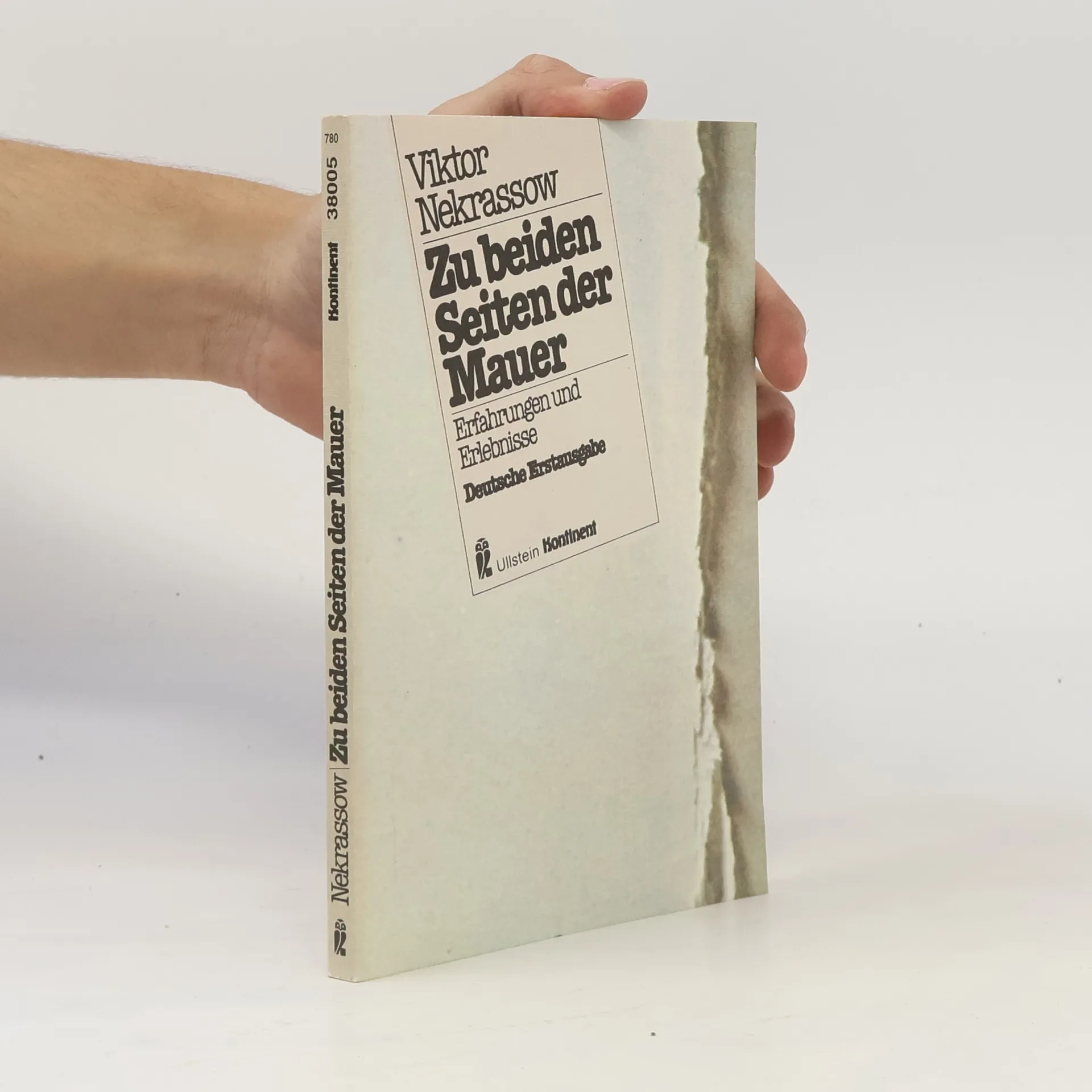
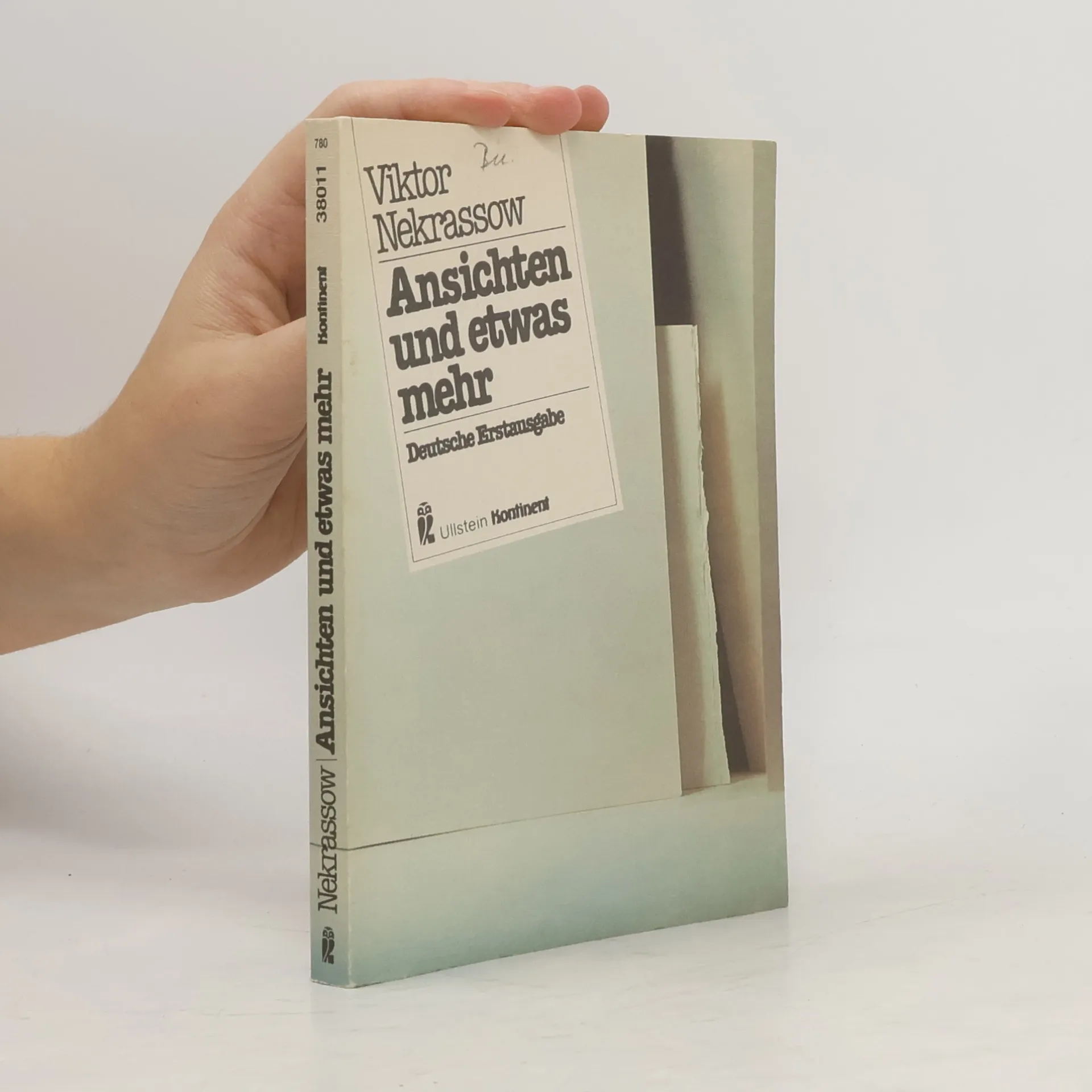
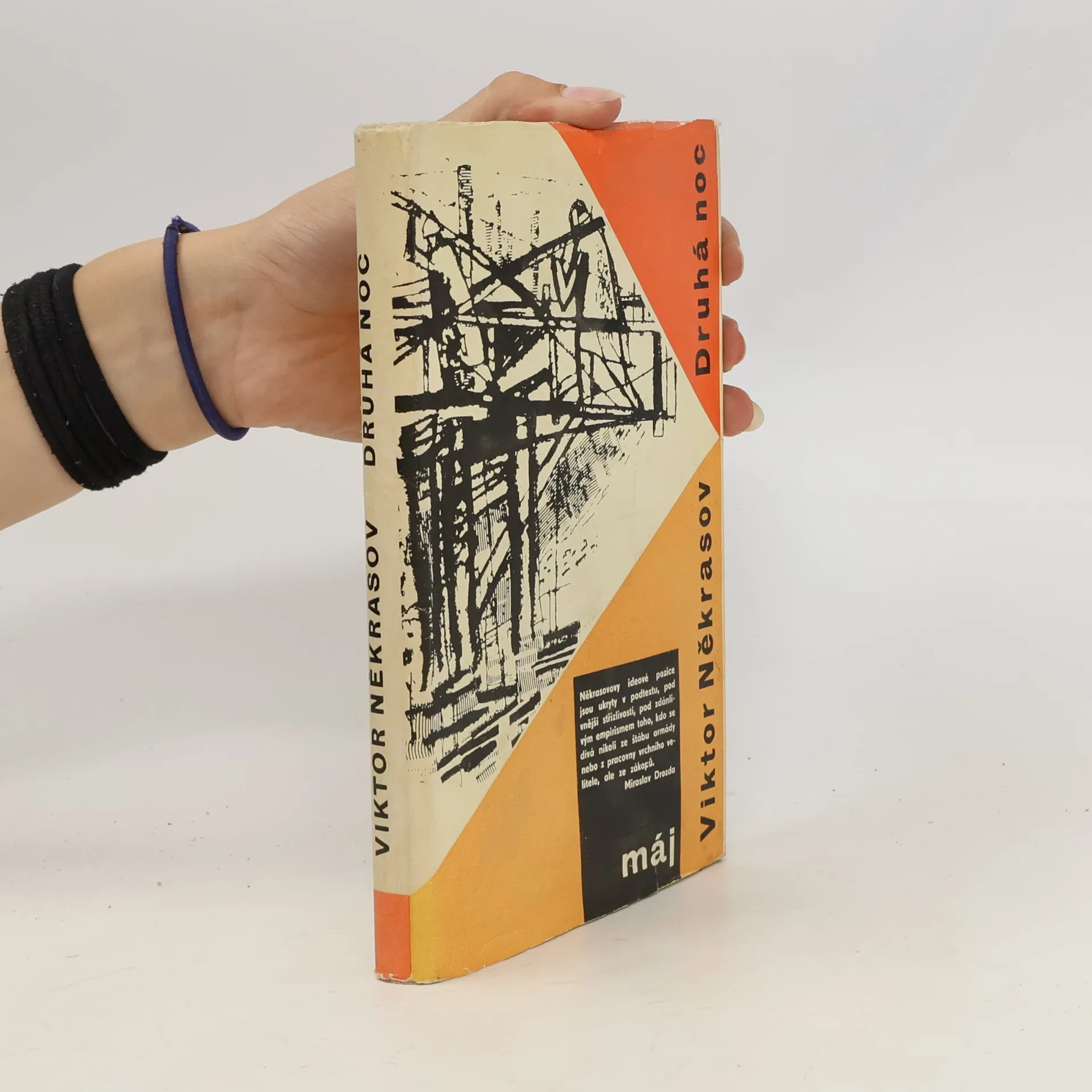
    Viktor Nekrassow
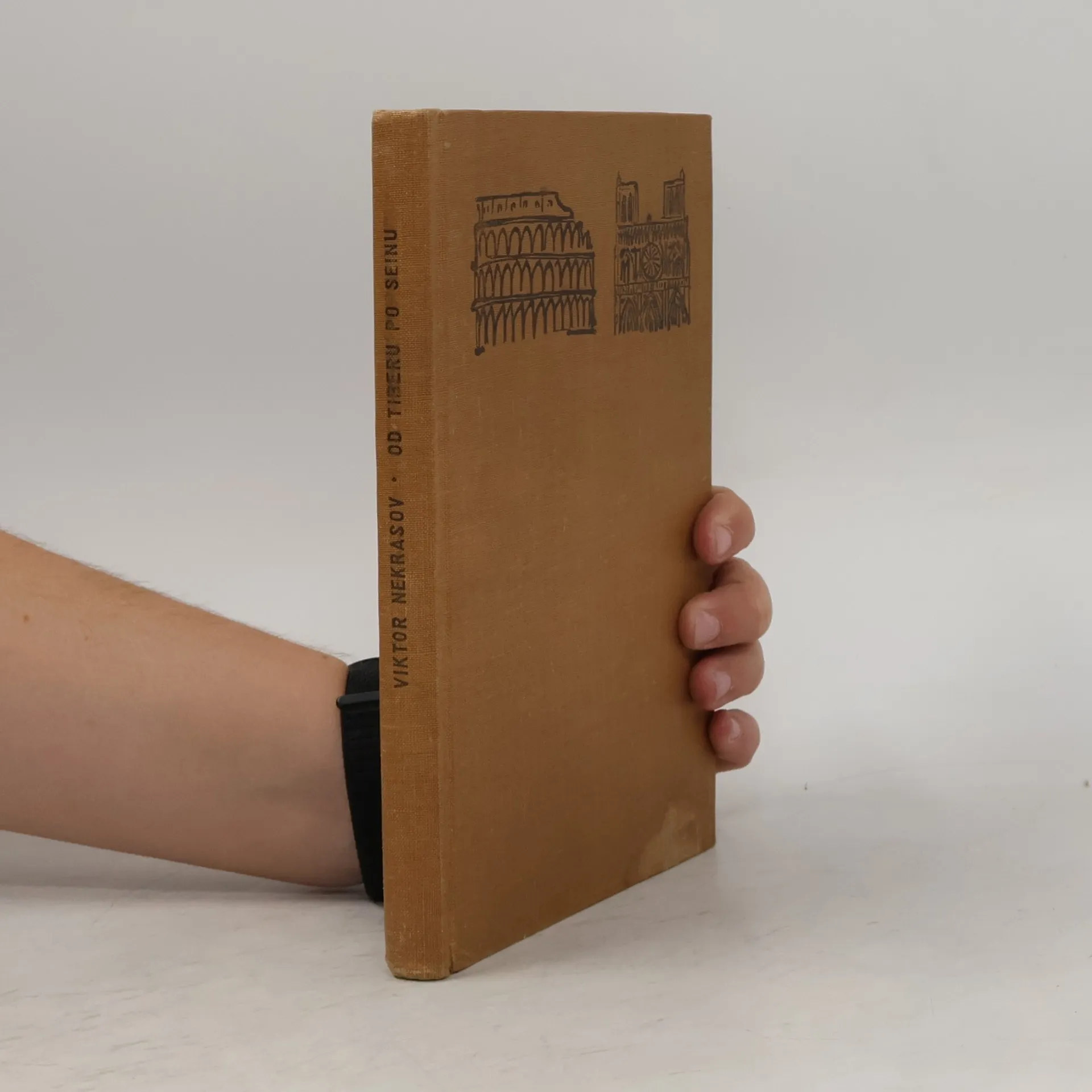
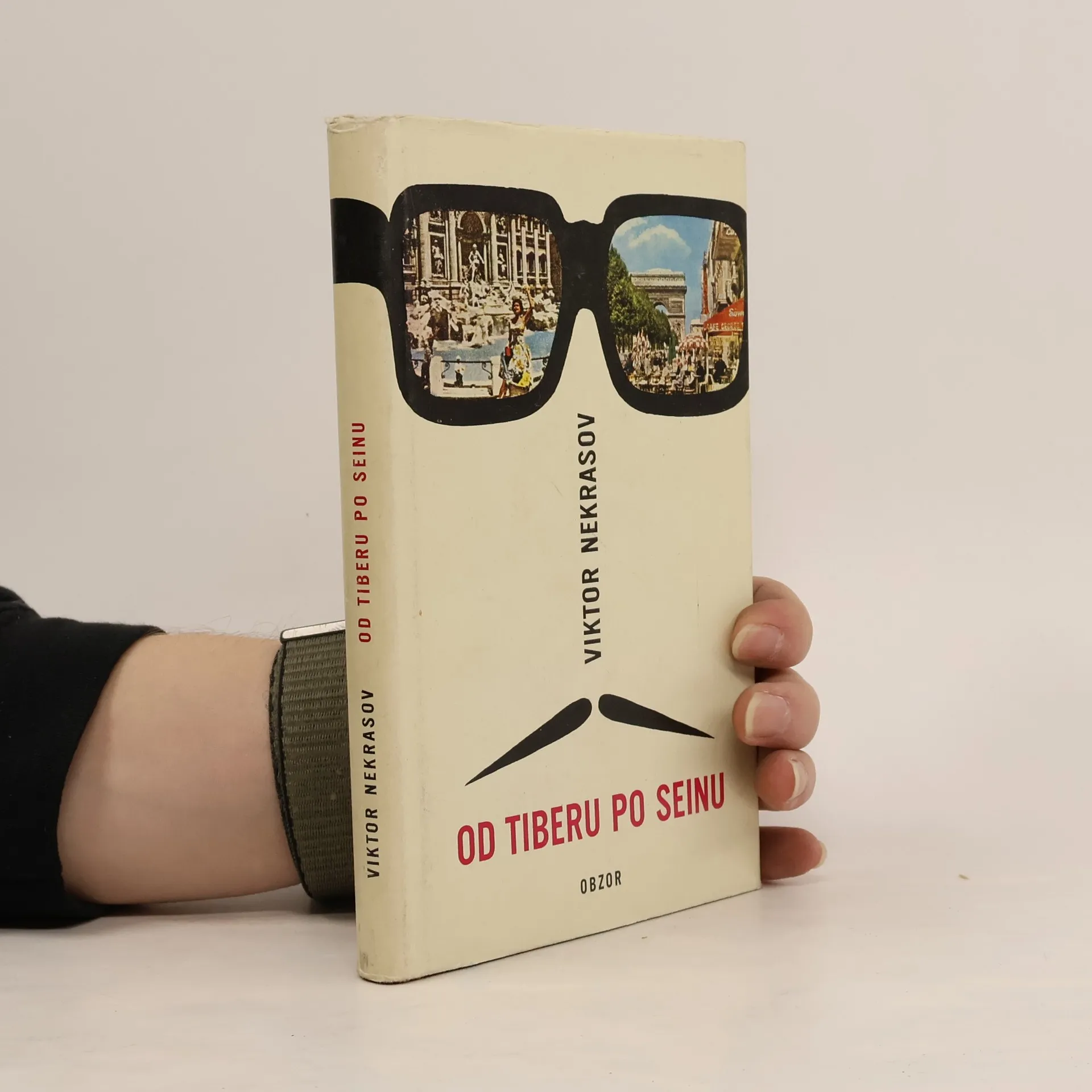
    Od Tiberu po Seinu
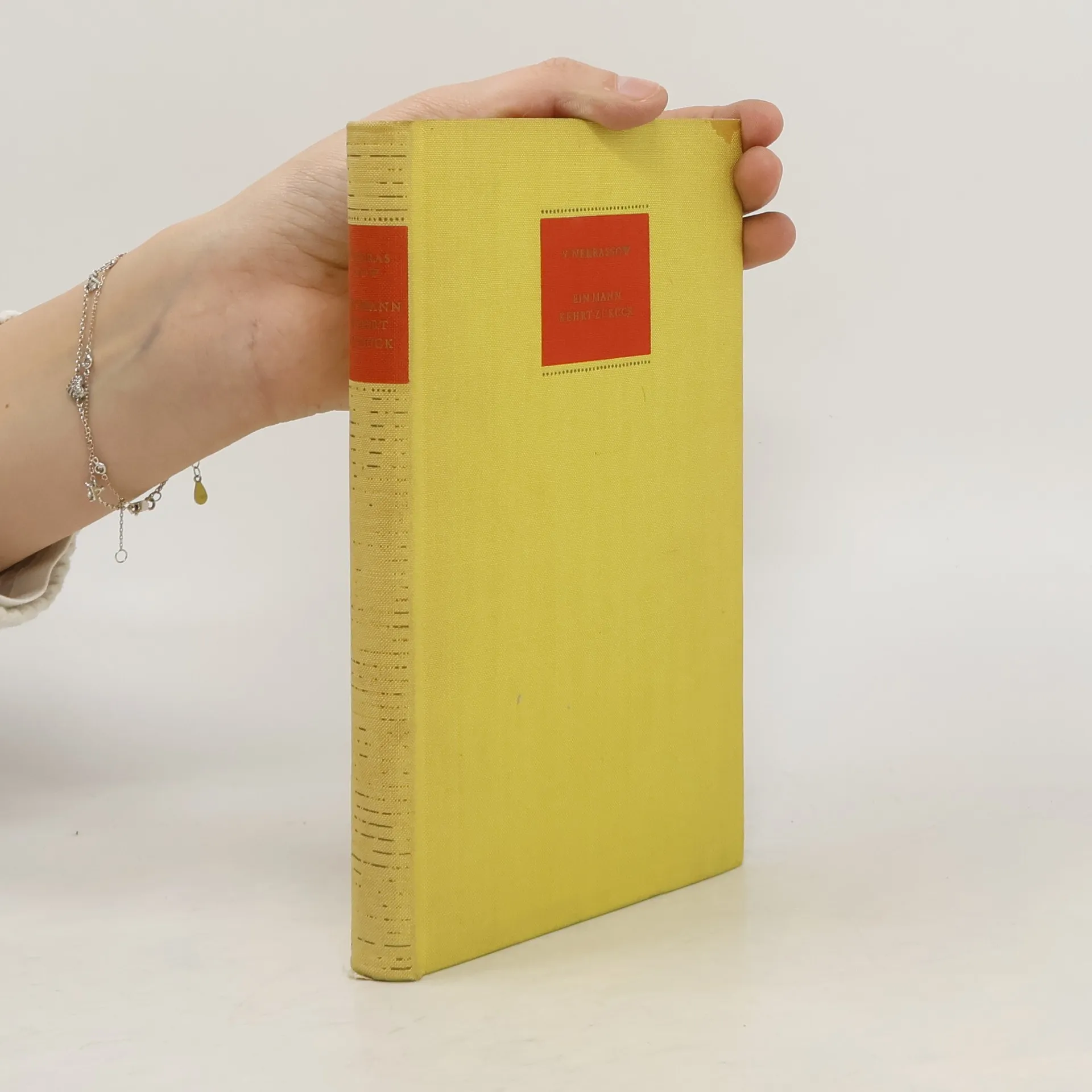
    Ein Mann kehrt zurück
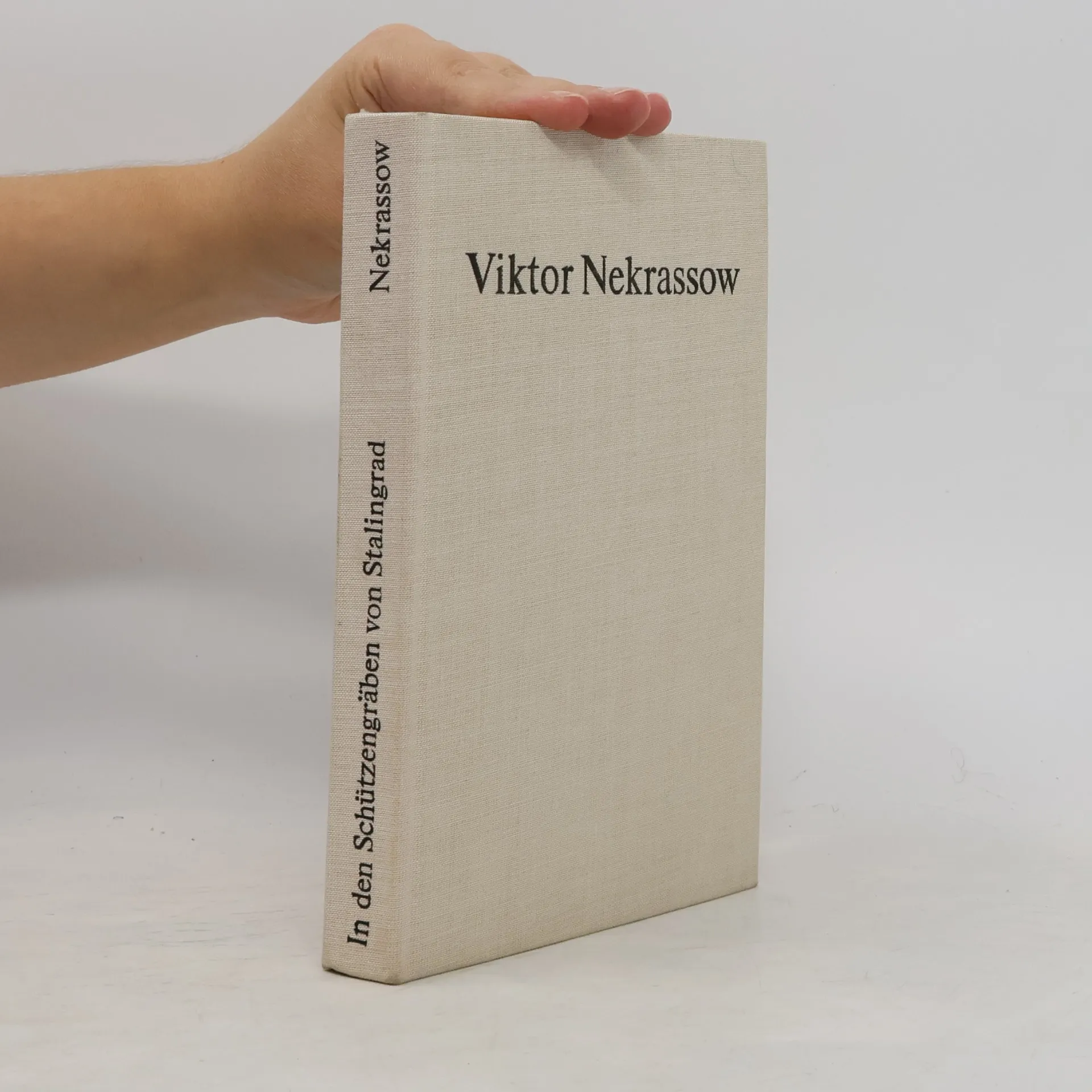
    In den Schützengräben von Stalingrad
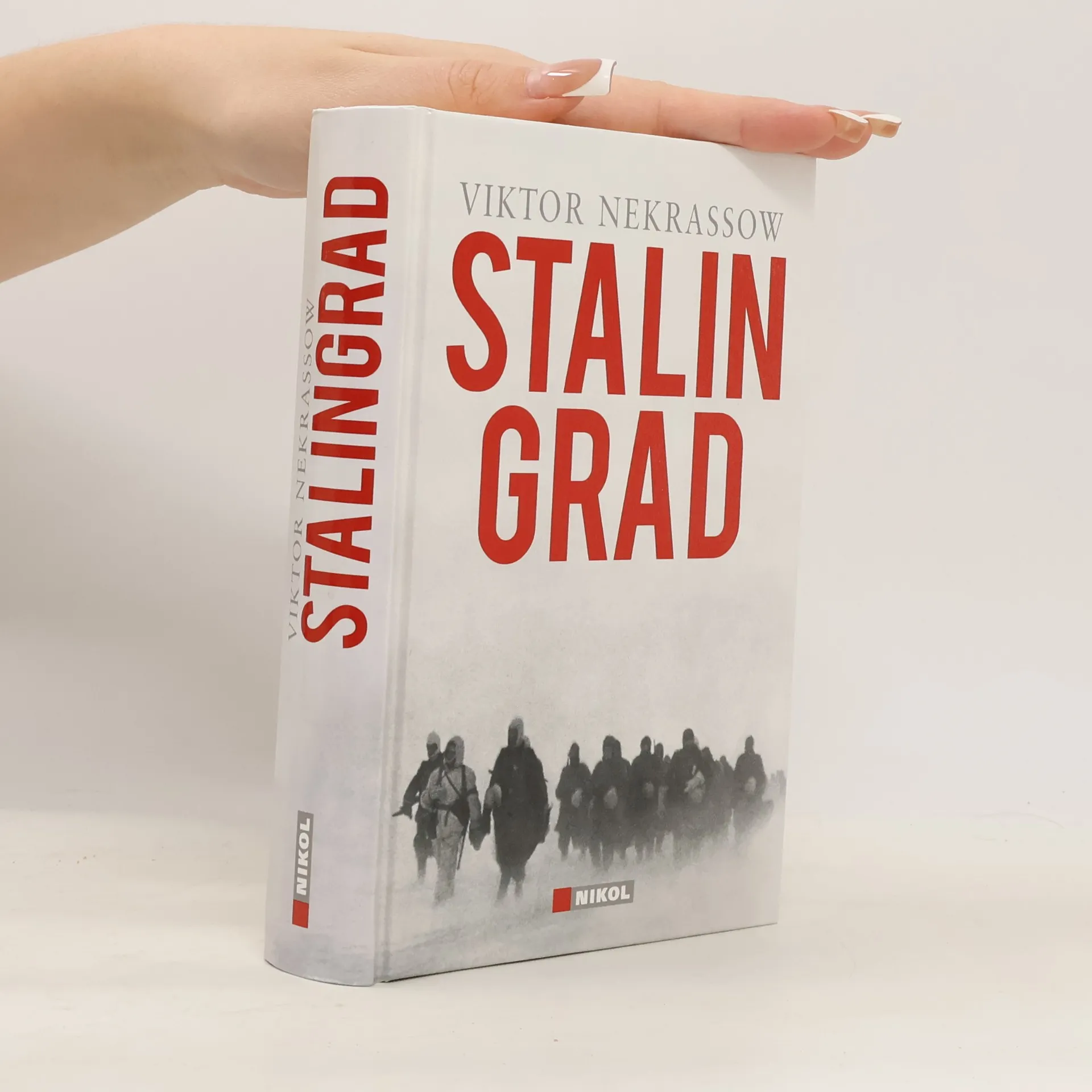
    Stalingrad
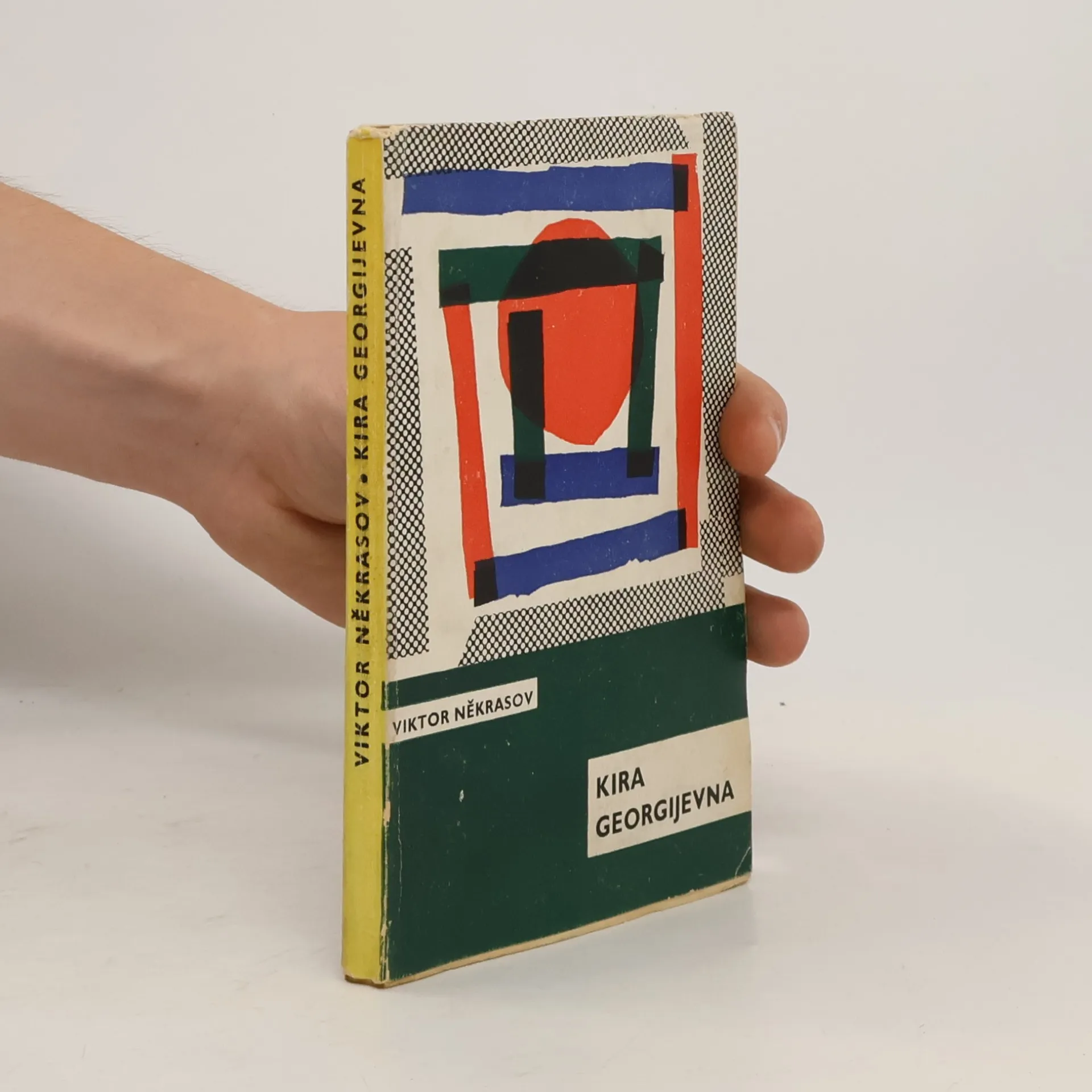
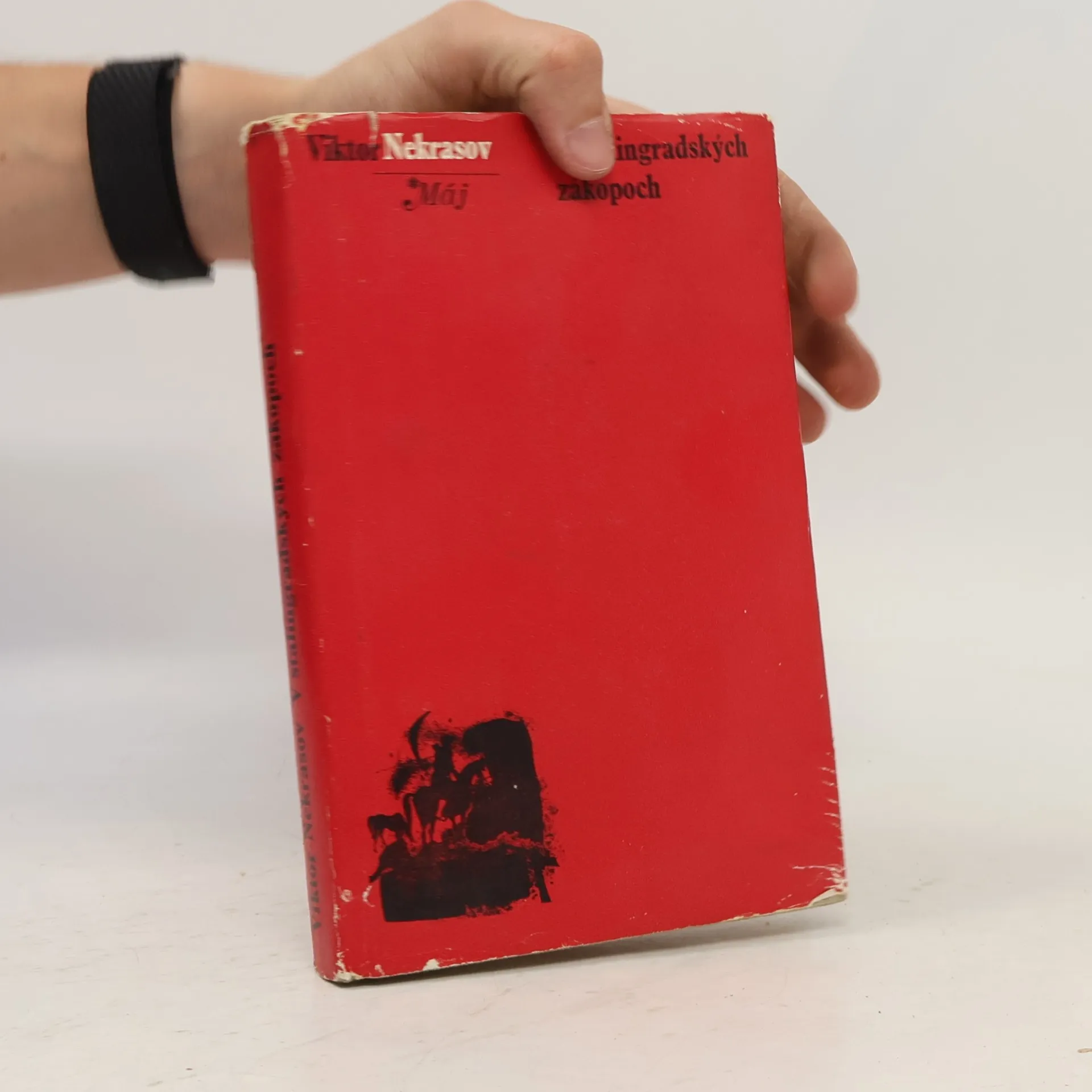
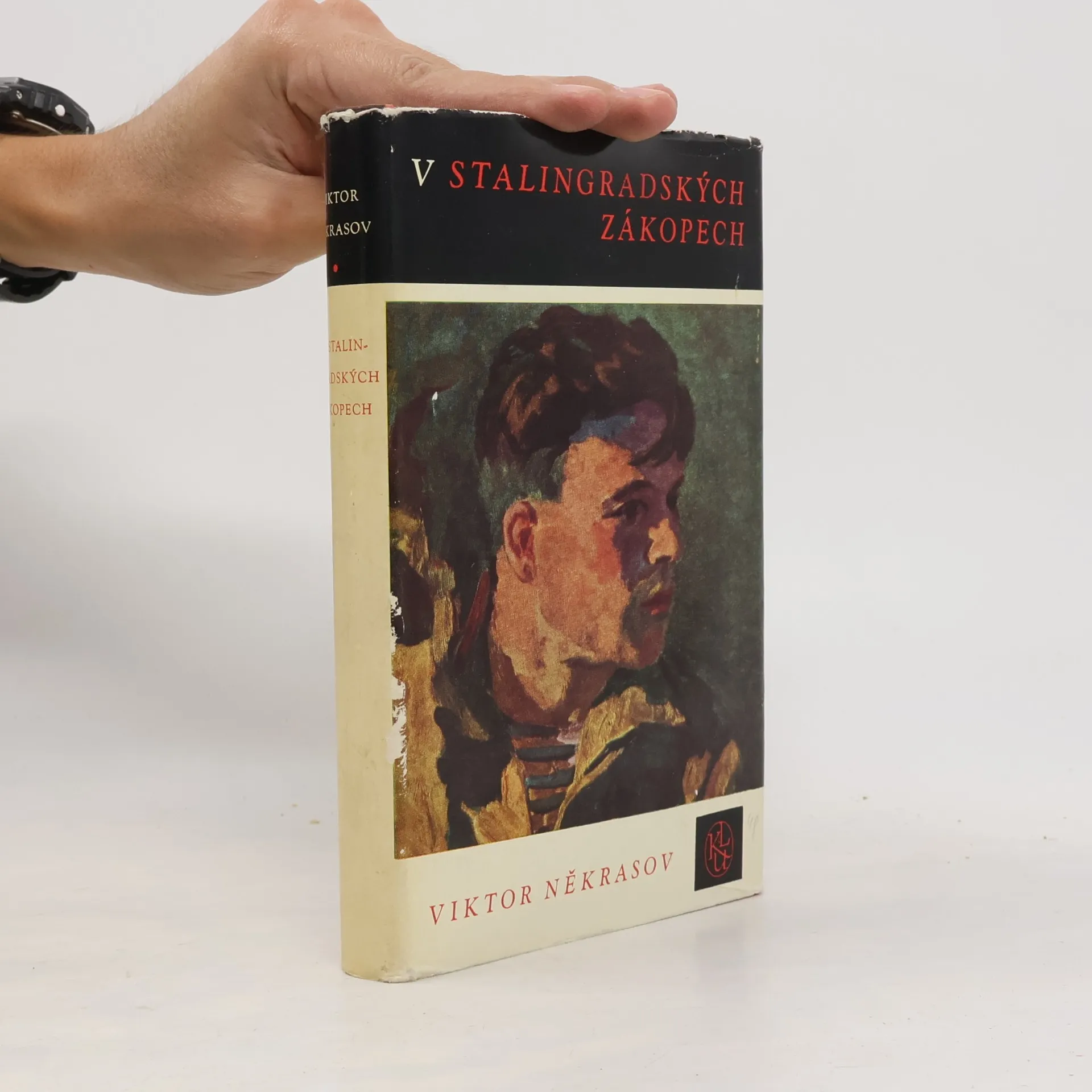
    V Stalingradských zákopech
    La Garde blanche
    • La Garde blanche

      • 317pages
      • 12 heures de lecture

      Bulgakov's elegant first novel, recently reissued by Melville House in Michael Glenny's translation, explores the October Revolution's impact on Kiev, referred to as The City. The narrative unfolds over two pivotal days during the Russian Civil War, December 13 and 14, 1918, as Kiev transitions from the control of the Ukrainian Hetman Skoropadsky, a German ally, to the forces of Petlyura, a mysterious Ukrainian nationalist. Petlyura's troops particularly target Russian officers who supported the corrupt regime. Central to the story is the Turbin family: Alexei, a doctor returning from WWI; his 17-year-old brother Nikolai, a military cadet; and their sister Elena, who inspires Alexei's officer friends. They are joined by their comic foil, Vasily Lisovich, affectionately called Vasilisa, an almost Dostoevskian character. The novel showcases Bulgakov's skills as both a dramatist and prose artist, with surreal elements foreshadowing his later work, Master and Margarita. It vividly depicts the chaos of civil war while exploring themes of family loyalty and friendship. Initially published as a magazine serial in 1925, the project was interrupted when the magazine folded. Despite its complexities, the story's stage adaptation ran in Soviet Russia from 1926 to 1941, while the book itself was not published until 1966.

      La Garde blanche
      4,1
    • Jeden z nejpozoruhodnějších válečných románů, který představuje v autorově tvorbě dílo nejvýznamnější a který ovlivnil další generaci sovětských spisovatelů svým nepatetickým pojetím války. Román doplňuje v tomto vydání několik kapitol (Ta zatracená sedmička) z "nenapsaného" třetího dílu V stalingradských zákopech a cestopisná črta Na Mamajově mohyle, v níž se Někrasov vrací na dějiště své prvotiny a setkává se s jejími hrdiny.

      V Stalingradských zákopech
      4,2
    • Die Schlacht um Stalingrad 1942/43 war eine der größten und entscheidendsten Schlachten des Zweiten Weltkriegs. Stalin war entschlossen, den deutschen Vorstoß ins Kaukasusgebiet mit allen Mitteln zu verhindern und keine weiteren Gebietsverluste hinzunehmen. Je länger die Schlacht dauerte, desto mehr wurde sie für Hitler und Stalin zu einer Prestigefrage. Sie kostete allein auf deutscher Seite etwa 60.000 Soldaten das Leben. Viktor Nekrassow kämpfte als Offi zier auf sowjetischer Seite, er schildert die Schlacht um Stalingrad aus der Sicht des unmittelbar Beteiligten. Sein Roman, den er im Lazarett zu schreiben begann und der bereits 1946 erschien, gilt auch heute noch als einer der authentischsten zu diesem Thema.

      Stalingrad
      4,0
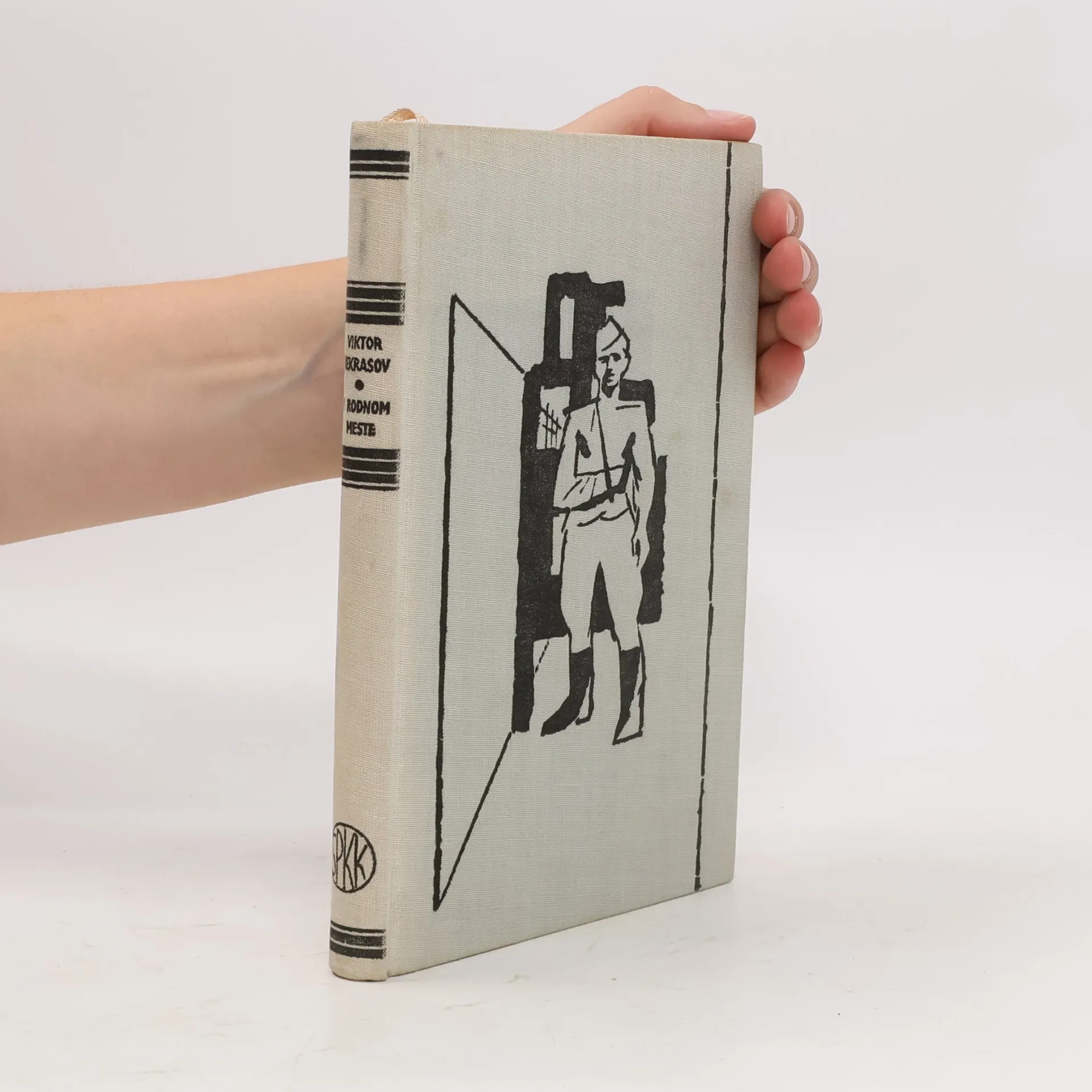
    • Román líčí životní osudy demobilisovaného sovětského kapitána, který ve válce ztratil zdraví a i teď v míru musí přemáhat těžké osobní krise a překážky, jež jsou mnohdy horší než válečná vřava. Román je ostrou polemikou proti přikrašlování skutečnosti. Druhé vydání má připojen doslov Vladislava Stanovského, zhodnocující autorovo dílo.

      V rodném městě