
What is the value of conversation measured by? Are there more valuable and inferior types of conversation? What role do the contents, the people, and the circumstances play? Do times and epochs shape their own conversations? Conversation norms from handbooks as well as conversations reproduced in texts or reconstructed from texts shed light on these questions. The contributions in this volume are grouped around conceptual questions, specific contexts such as the salon and the table conversation, bring studies on individual literary texts and cover the European cultural history from Plato to the 20th century.
Christoph Strosetzki Livres


Manual Work and Mental Work
Humanist Knowledge for Professions in the Siglo de Oro
- 284pages
- 10 heures de lecture
Information Text: In the early modern period, numerous texts deal with professions by presenting the knowledge required in each case, individual fields of activity, purpose, origin and prestige. The course of argumentation is humanistic, insofar as it mostly starts from the human being. The ancient idea of the primacy of mental work over manual work is formative here. The importance of Spain results from the fact that the Spanish king Charles V was both emperor and ruler of the colonies in America, i. e. he ruled a world empire by the standards of the time. After discussing some central categories, overall representations of knowledge, professions, and prominent professional representatives are presented. Here, the hierarchization and its relativization by satire is revealing. The mechanical arts and the artes liberales are then presented on the basis of individual professions selected as characteristic examples, each with its own specific knowledge. The higher faculties of medicine, theology and jurisprudence with their representatives form the conclusion.
The 17 contributions in this volume pursue a positioning of the philologies, which - based on the 'Volksgeist' (popular spirit) of the 19th century and the cultural studies of the 20th century - must reposition themselves in the 21st century. The contributions address questions such as: What changes are occurring with increasing globalization? Are national literatures increasingly being absorbed into the so-called „world literature“? The authors come from the fields of Romance studies, German studies and English studies. They deal with topics of literary historiography, canonization, comparative literature, and also questions of the future.
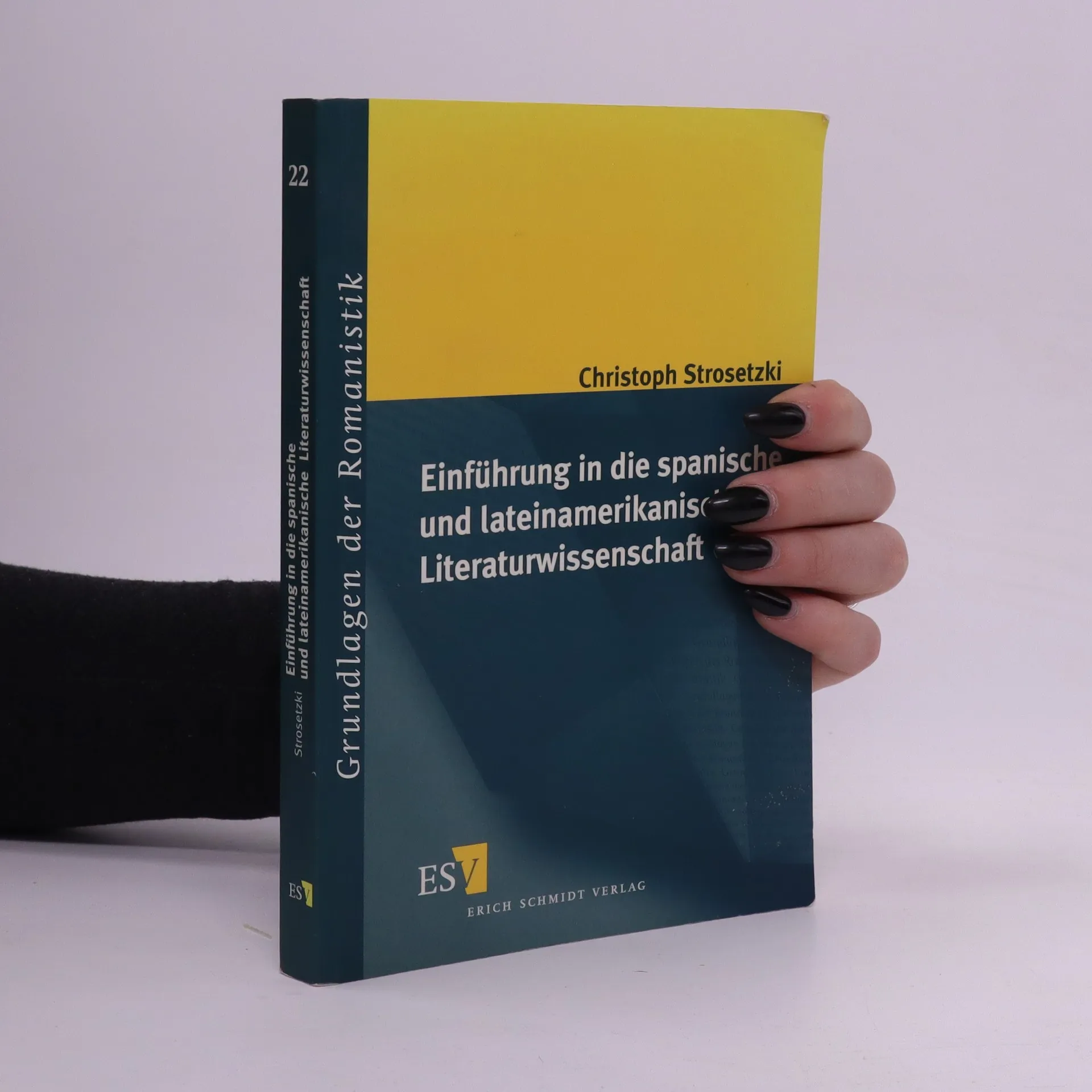
Einführung in die spanische und lateinamerikanische Literaturwissenschaft
- 238pages
- 9 heures de lecture
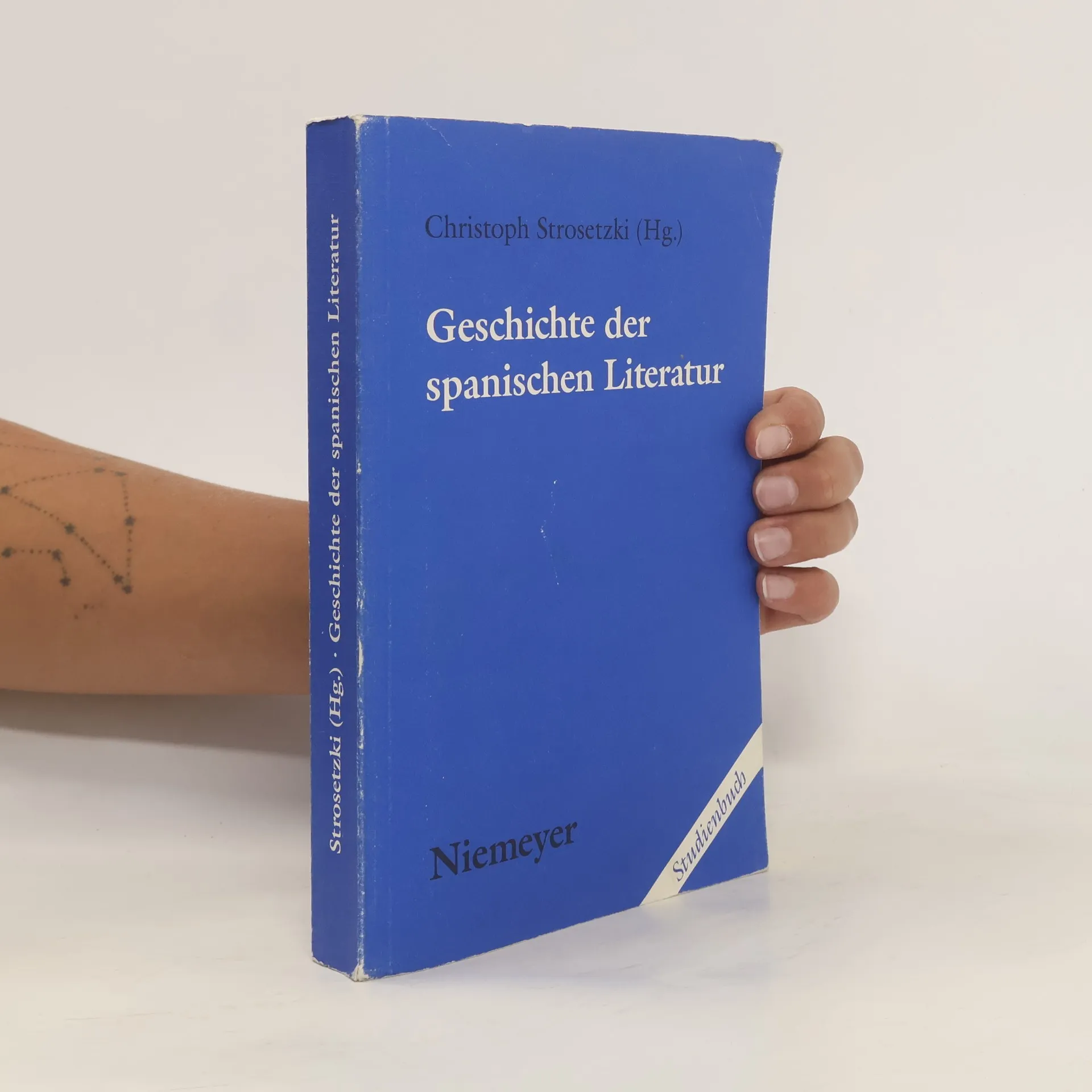
Der jetzt in zweiter, neu bearbeiteter Auflage vorliegende Band bietet einen umfassenden Überblick über Geschichte und zentrale Grundbegriffe der spanischsprachigen Literatur und Literaturwissenschaft und zeigt zugleich die faszinierende Palette gegenwärtiger Forschung. Vorgestellt werden bewährte Zugänge und Hilfsmittel wie Semiotik, Rhetorik, Poetik, Hermeneutik, Rezeptionsästhetik sowie exemplarische Gattungs- und Epochenbegriffe, dazu Thematologie und Imagologie. Traditionelle Anschauungsformen kommen ebenso wie beliebte neuere heuristische Modelle mit Blick auf die spanischsprachige Literatur zur Sprache. Als Kontexte werden Themen wie der literarische Kanon, Zensur, Schreiben im Exil sowie der Lateinamerika- und Spanienboom der letzten Jahre genannt. Der Blick auf Bild und Text, Film und Literatur, Filmanalyse und Medialität zeigt, wie breit das Spektrum hispanistischer Forschung geworden ist. Der Band eignet sich für alle Studierenden der spanischen Philologie, sowohl für den Einstieg als auch zur vertiefenden Lektüre.
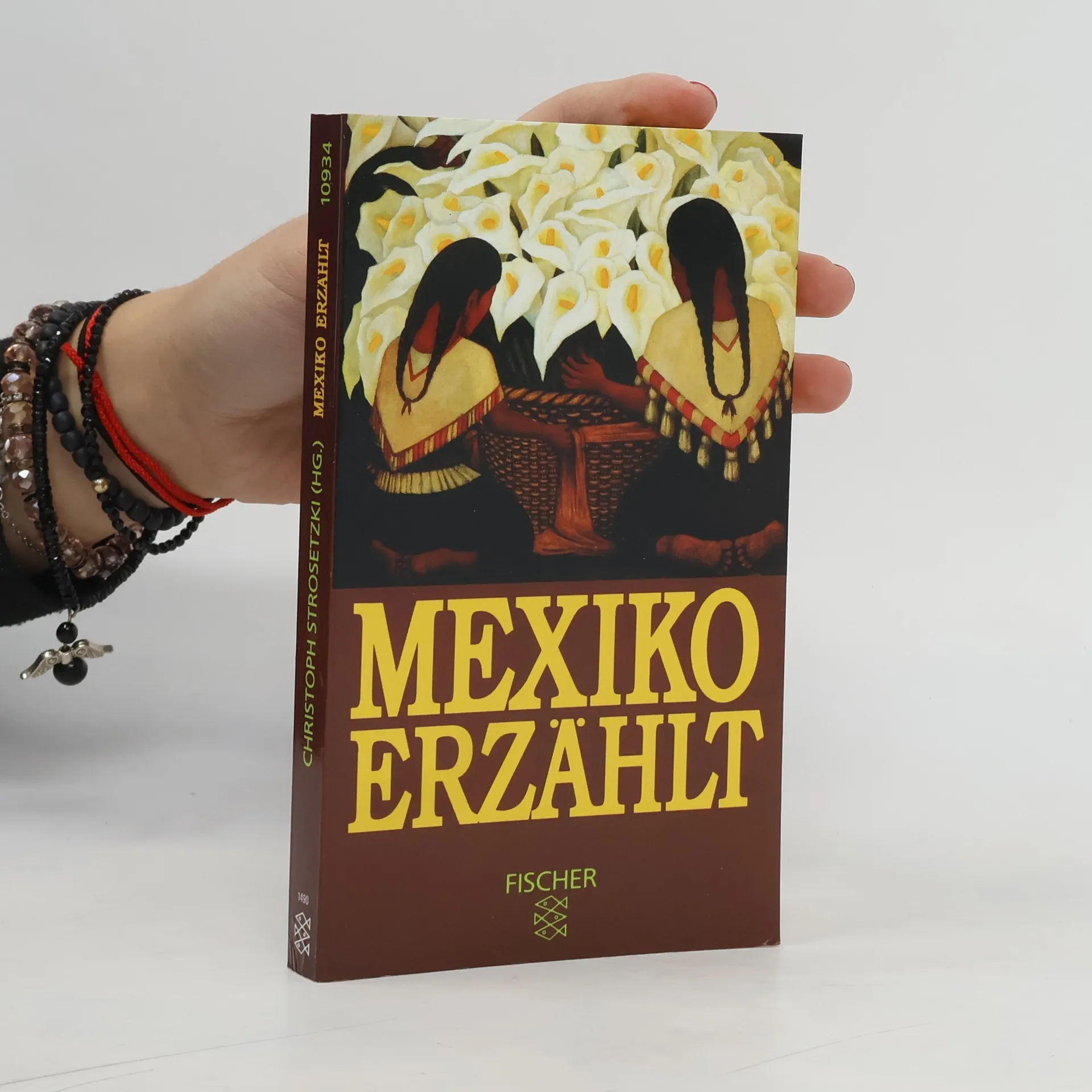
Mexiko erzählt
- 256pages
- 9 heures de lecture
Mexiko erzählt - 16 Erzählungen - bk1478; Fischer Verlag; 16 verschiedene AutorenInnen; pocket_book; 1992
Literatur im Dialog mit den Naturwissenschaften
Konkurrierende Ansprüche von der frühen Neuzeit bis zum 20. Jahrhundert
- 293pages
- 11 heures de lecture
In der frühen Neuzeit beanspruchte die Literatur Vorrang gegenüber der Naturbetrachtung, was sich in verschiedenen Phasen bis ins 20. Jahrhundert entwickelte. Die Auseinandersetzung zwischen literarischen und naturwissenschaftlichen Ansätzen wird anhand von Autoren wie Montaigne, Pascal, Voltaire und Zola beleuchtet. Während der Aufklärung orientieren sich Denker am englischen Modell, was zu einer kritischen Reflexion über Erfahrungswissenschaften führt. Im 19. Jahrhundert setzen sich Schriftsteller wie Balzac und Pérez Galdós mit den Naturwissenschaften auseinander, während Ortega y Gasset, Borges und Sábato die Grenzen des naturwissenschaftlichen Denkens thematisieren.
Die Untersuchung beleuchtet die Darstellung von Berufen in der frühen Neuzeit, wobei der Fokus auf dem erforderlichen Wissen und den spezifischen Aufgaben liegt. Der humanistische Ansatz betont die Vorrangstellung der Kopfarbeit gegenüber der Handarbeit, während Spaniens historische Rolle unter Karl V. im Kontext eines Weltreiches hervorgehoben wird. Durch die Analyse zentraler Kategorien werden die Hierarchien der Berufe sowie deren satirische Relativierung thematisiert. Anhand ausgewählter Berufe werden die mechanischen Künste und deren Bedeutung detailliert erörtert.
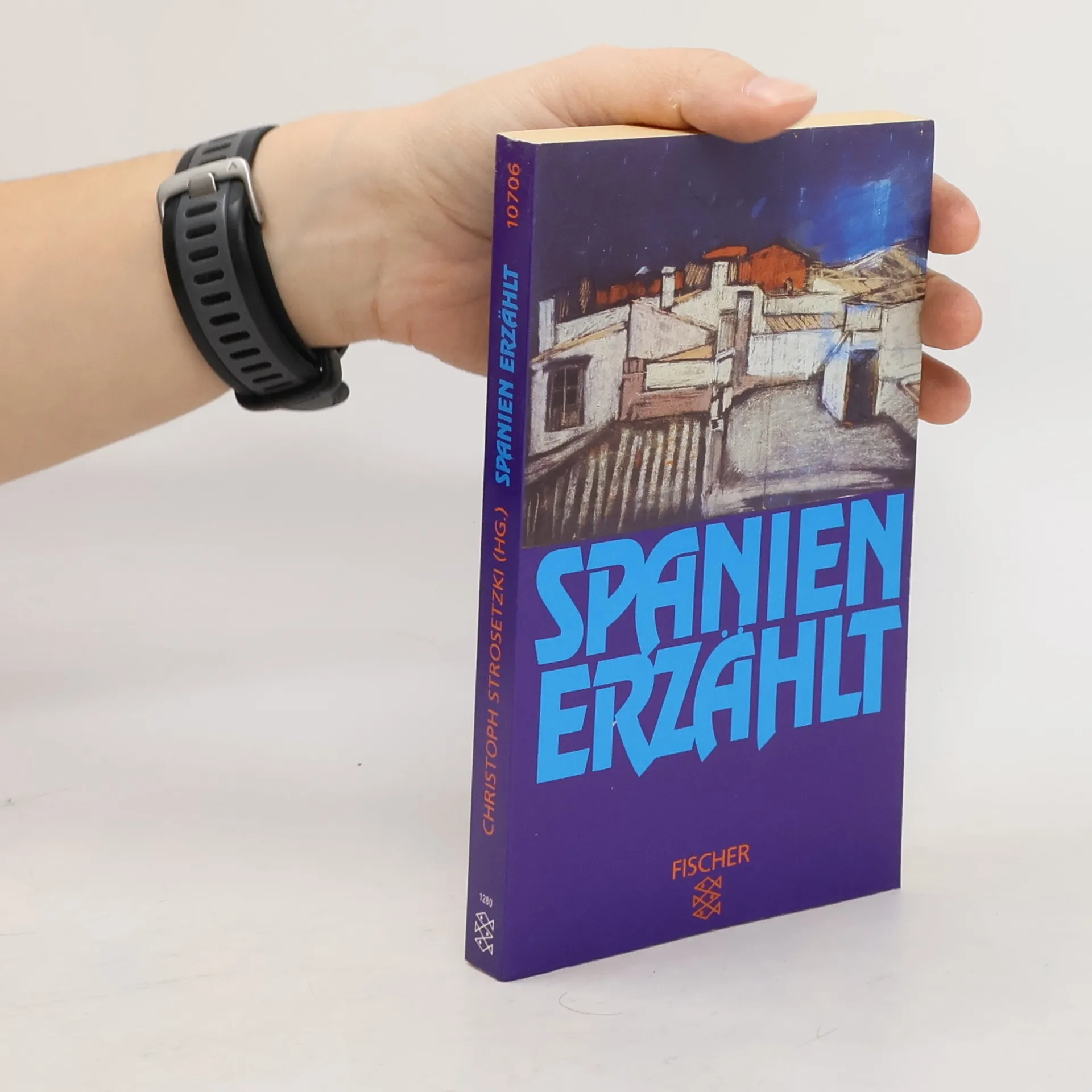
Spanien erzählt
- 271pages
- 10 heures de lecture
El teólogo en la España de la temprana modernidad
- 412pages
- 15 heures de lecture
Este volumen analiza el lugar y perfil del teólogo en el Siglo de Oro español, abarcando no solo a miembros del clero católico, sino también a seguidores de corrientes religiosas como el recogimiento, dejamiento, alumbradismo y devotio moderna. La figura del teólogo se examina desde las perspectivas de estudios literarios, culturales, teológicos y filosóficos. Se presta atención a la concepción que el teólogo tenía de sí mismo, su actitud, conocimiento, formación, influencias y actividades, evidenciadas en tratados, textos ficcionales y literatura religiosa de la época. Se plantean cuestiones sobre las consecuencias de la Reforma y la Contrarreforma en la imagen de los teólogos, así como sus relaciones familiares y económicas con otros miembros de la sociedad. Además, se destaca el papel significativo que tuvieron como autores literarios en este periodo. Este análisis incluye también a representantes de corrientes religiosas no católicas, considerando su influencia en el contexto del Siglo de Oro. Se discuten complejidades sobre el impacto de los movimientos reformistas en el autoconcepto de los teólogos, sus vínculos familiares y su relevancia en la producción literaria de la época.
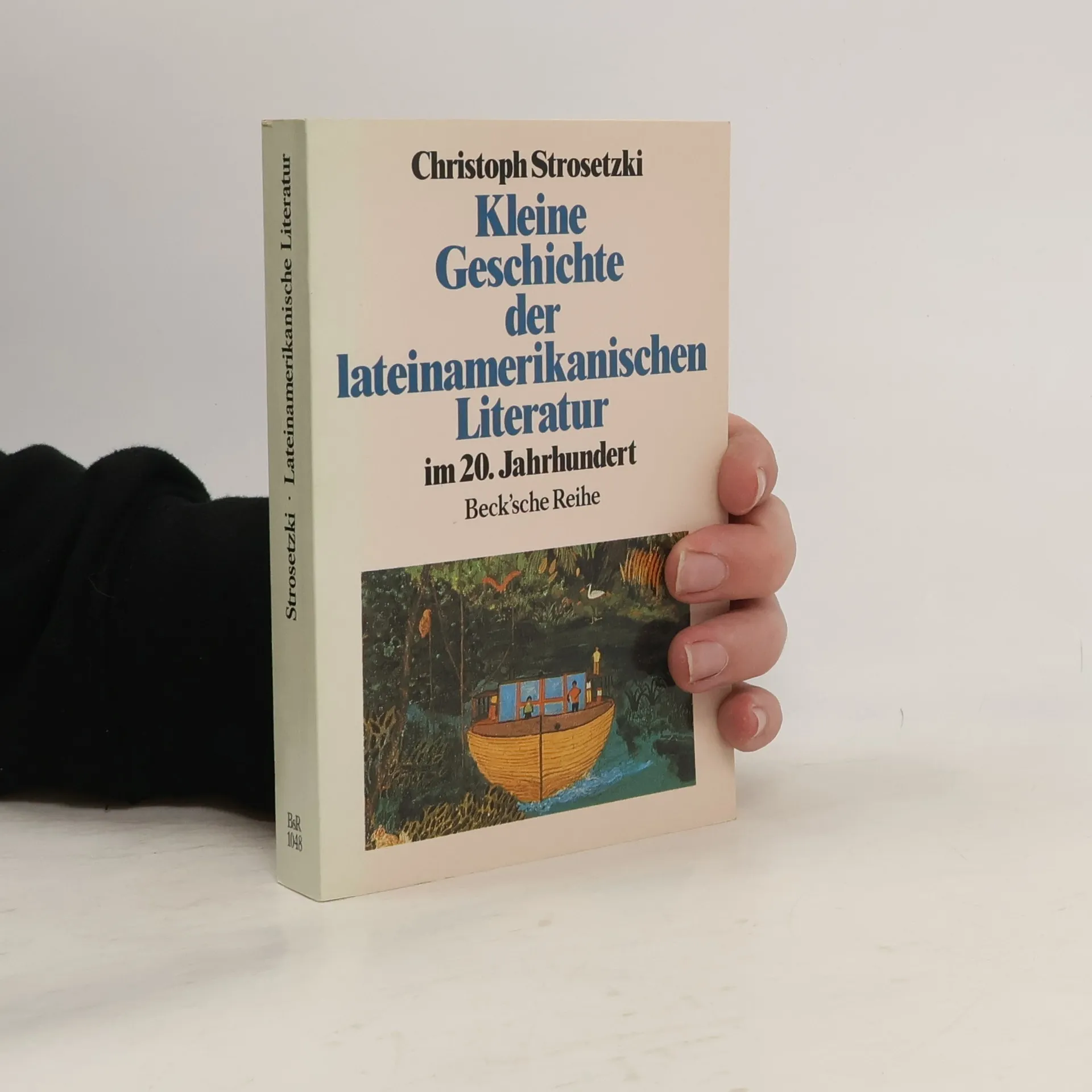
Kleine Geschichte der lateinamerikanischen Literatur im 20. Jahrhundert
- 367pages
- 13 heures de lecture