Matthew Restall est un historien de l'Amérique latine coloniale, axé sur l'ethnohistoire et les dynamiques complexes de conquête, de colonisation et de la diaspora africaine. Son érudition explore les impacts culturels et sociaux de ces processus historiques, offrant une compréhension nuancée des interactions entre diverses populations. Le travail de Restall éclaire les héritages durables de l'ère coloniale et la formation des Amériques.
The Black Middle is the first book-length study of the interaction of black
slaves and other people of African descent with Mayas and Spaniards in the
Spanish colonial province of Yucatan (southern Mexico).
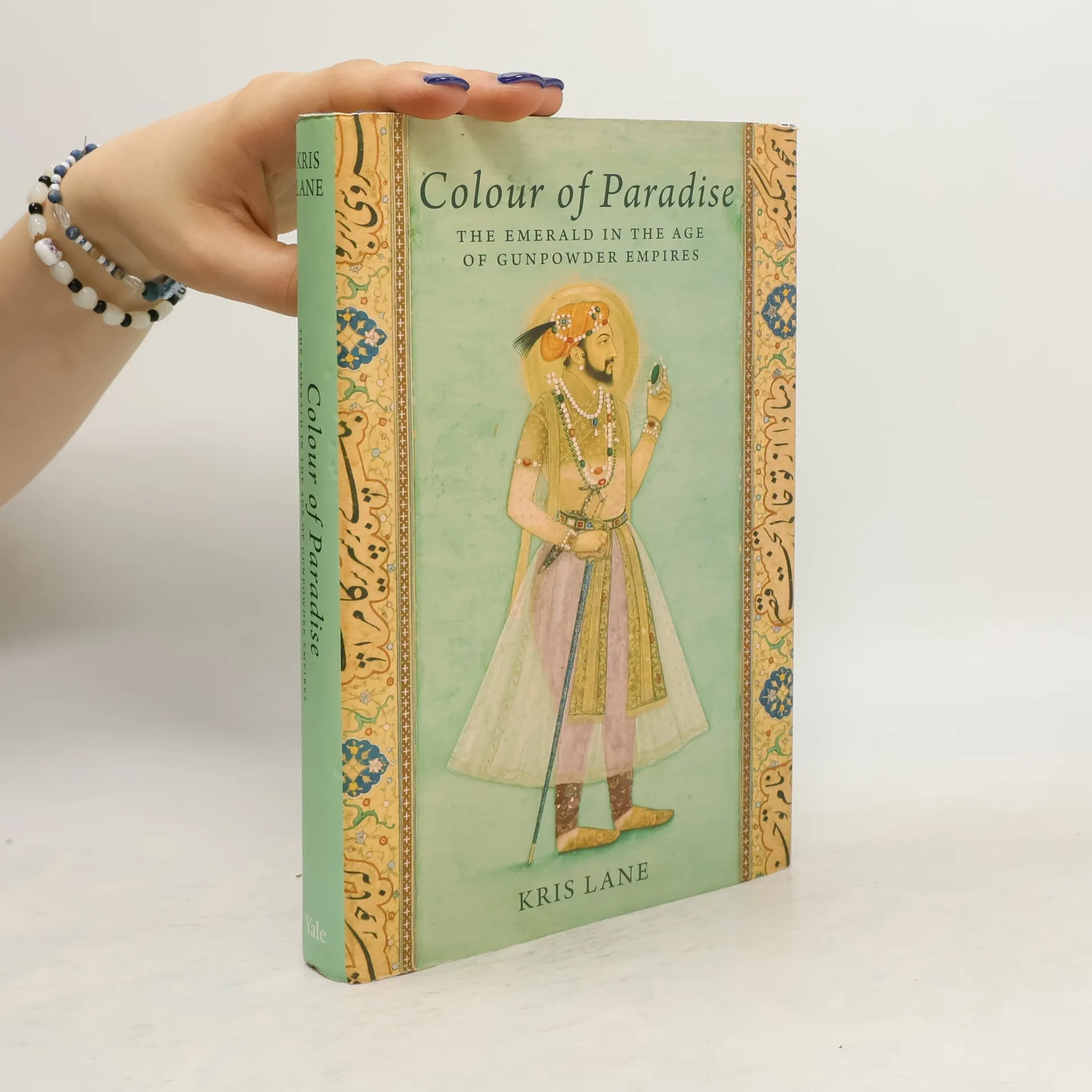
Among the magnificent gems and jewels left behind by the great Islamic
empires, emeralds stand out for their size and prominence. This title presents
the story of trade and also of transformations - how members of profoundly
different societies at opposite ends of the globe assigned value to a few
thousand pounds of imperfectly shiny green rocks.
This vividly written and authoritative book offers an updated account of the
activities of the best-known conquistadors and explorers, including Columbus,
Cortes, and Pizarro, and reveals the true stories behind the key events in the
history of the Americas.
This Very Short Introduction examines the Spanish conquistadors who invaded
the Americas in the sixteenth century, as well as the Native American Kingdoms
they invaded.
The Maya have lived in parts of Mexico and Central America for thousands of years, forging one of the greatest societies in the history of the Americas -- indeed, of humankind. Long before European contact, Mayas built spectacular cities, created complex agricultural systems, mastered the visual arts, and developed a sophisticated writing system that recorded calendrical, mathematical, and astronomical knowledge. Yet there was never a Maya empire or unified state, only numerous, evolving ethnicities speaking dozens of distinct Mayan languages. So how did "the Maya" come to be invented and how have they persisted to this day? In this Very Short Introduction, Matthew Restall and Amara Solari reveal the triumphs and tribulations of Maya culture and history from ancient to colonial to modern times. -- From publisher's description
Firsthand accounts from Maya nobles reveal a complex narrative of the conquest, highlighting that the conquistadors included both Spaniards and Mayas. This unique perspective illustrates how the Maya adapted their governance and society in response to Spanish colonization, portraying it as part of a long history of resilience and survival. The book sheds light on previously untranslated texts, offering a fresh understanding of this pivotal period in Maya history.
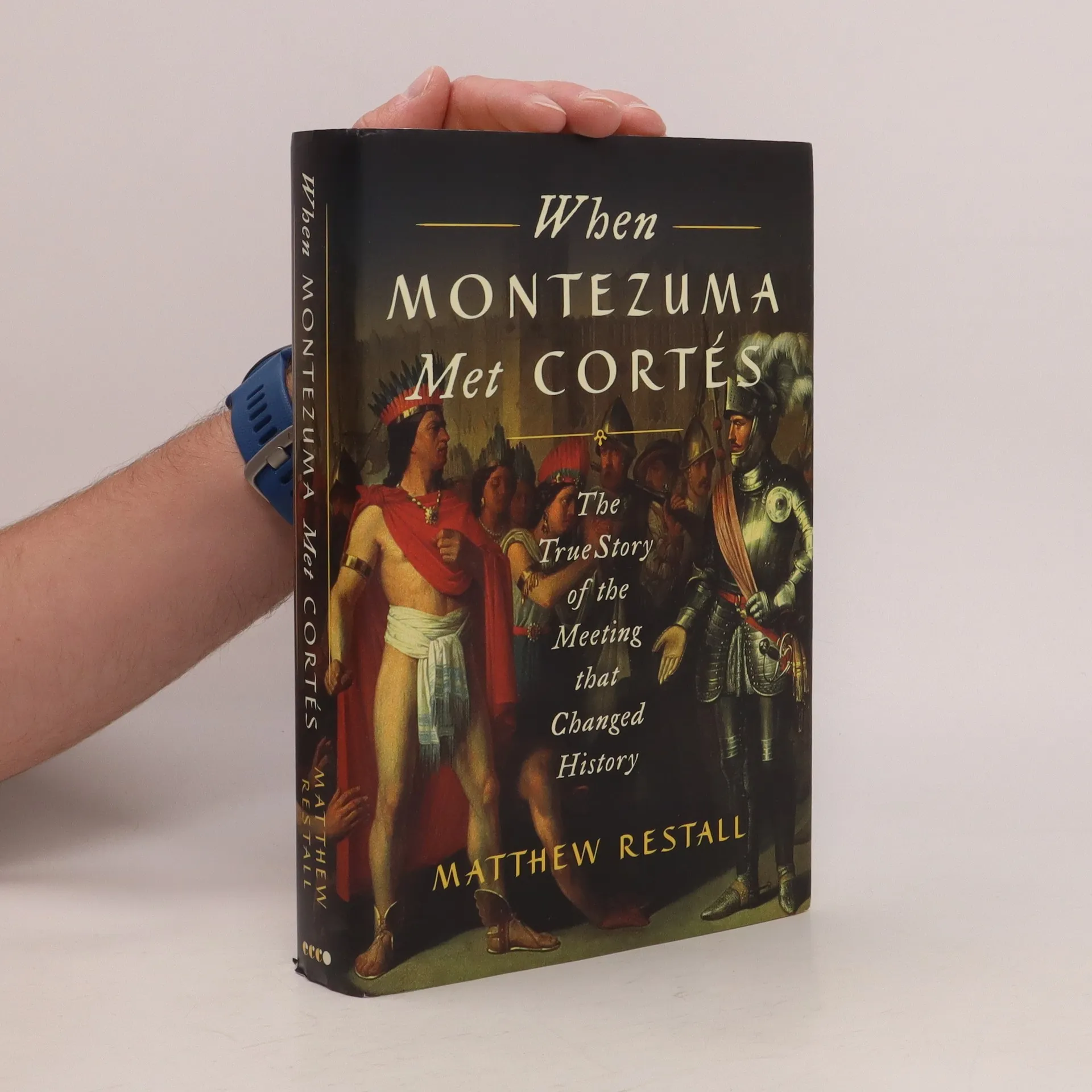
A dramatic rethinking of the encounter between Montezuma and Hernando Cortés that completely overturns what we know about the Spanish conquest of the Americas On November 8, 1519, the Spanish conquistador Hernando Cortés first met Montezuma, the Aztec emperor, at the entrance to the capital city of Tenochtitlan. This introduction—the prelude to the Spanish seizure of Mexico City and to European colonization of the mainland of the Americas—has long been the symbol of Cortés’s bold and brilliant military genius. Montezuma, on the other hand, is remembered as a coward who gave away a vast empire and touched off a wave of colonial invasions across the hemisphere. But is this really what happened? In a departure from traditional tellings, When Montezuma Met Cortés uses “the Meeting”—as Restall dubs their first encounter—as the entry point into a comprehensive reevaluation of both Cortés and Montezuma. Drawing on rare primary sources and overlooked accounts by conquistadors and Aztecs alike, Restall explores Cortés’s and Montezuma’s posthumous reputations, their achievements and failures, and the worlds in which they lived—leading, step by step, to a dramatic inversion of the old story. As Restall takes us through this sweeping, revisionist account of a pivotal moment in modern civilization, he calls into question our view of the history of the Americas, and, indeed, of history itself.