

Franz Kafka wrote this letter to his father, Hermann Kafka, in November 1919. Max Brod, Kafka’s literary executor, relates that Kafka actually gave the letter to his mother to hand to his father, hoping it might renew a relationship that had lost itself in tension and frustration on both sides. But Kafka’s probing of the deep flaw in their relationship spared neither his father nor himself. He could not help seeing the failure of communication between father and son as another moment in the larger existential predicament depicted in so much of his work. Probably realizing the futility of her son’s gesture, Julie Kafka did not deliver the letter but instead returned it to its author.
Eithne Wilkins Ordre des livres (chronologique)
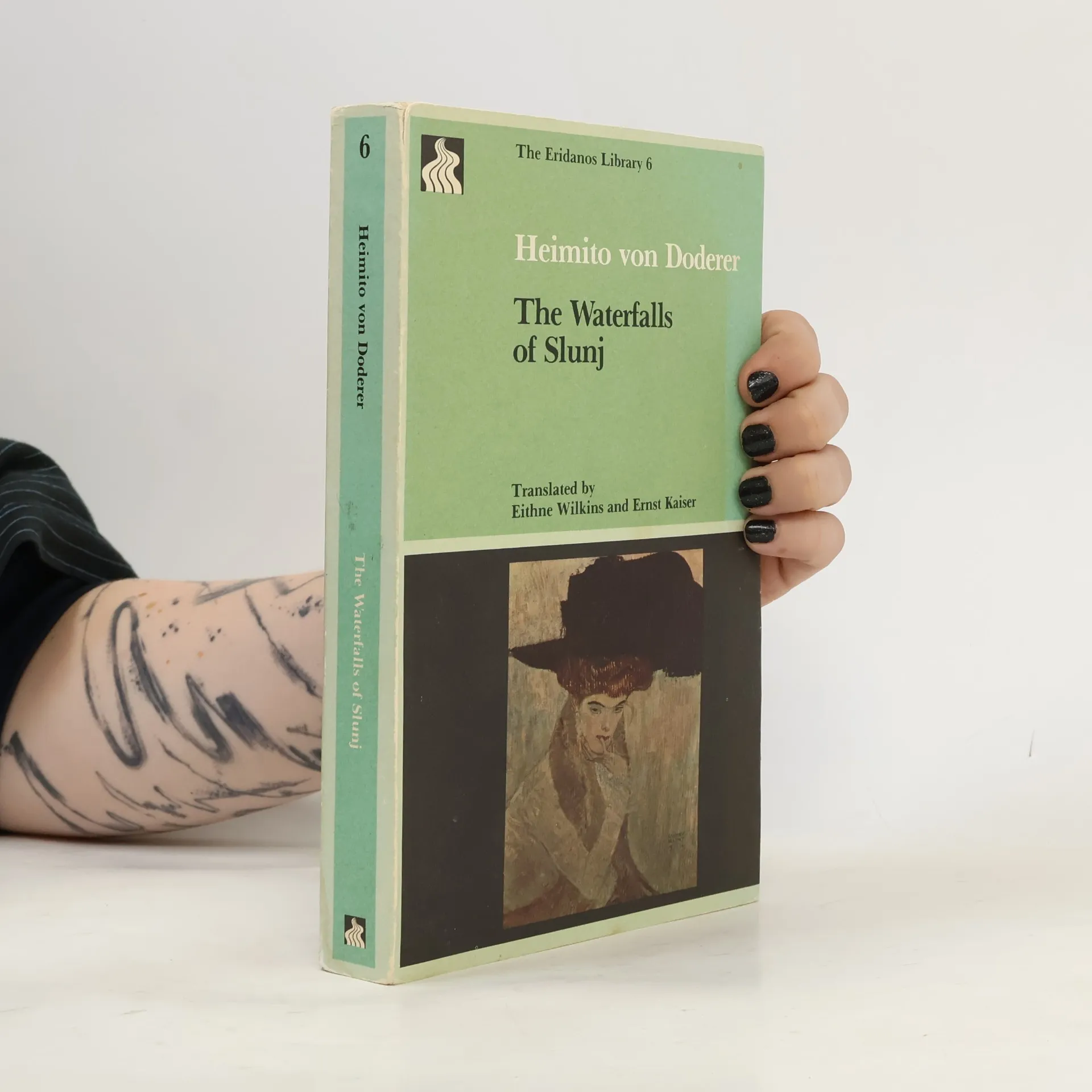

The Eridanos Library - 6: The Waterfalls of Slunj
- 406pages
- 15 heures de lecture
This book, the final and most mature work of the great Austrian novelist, revolves around the father and son team of English industrialists, Robert and Donald Clayton. The Claytons open a branch office of their business in Vienna, the center of that incredibly varied and complex universe that was the Austro-Hungarian Empire before World War I. Their ensuing social and personal entanglements furnish the materials of a superbly civilized family chronicle (quite the opposite from Sun & Moon's recent von Doderer novel, The Merowingians), whose central symbol is a gigantic, thundering mass of water -- a force that may be life-giving or terribly destructive. Beneath a staunchly bourgeois surface, von Doderer's story telling is heavily tinged with ironic social commentary and suffused with acute, post-Freudian psychology.
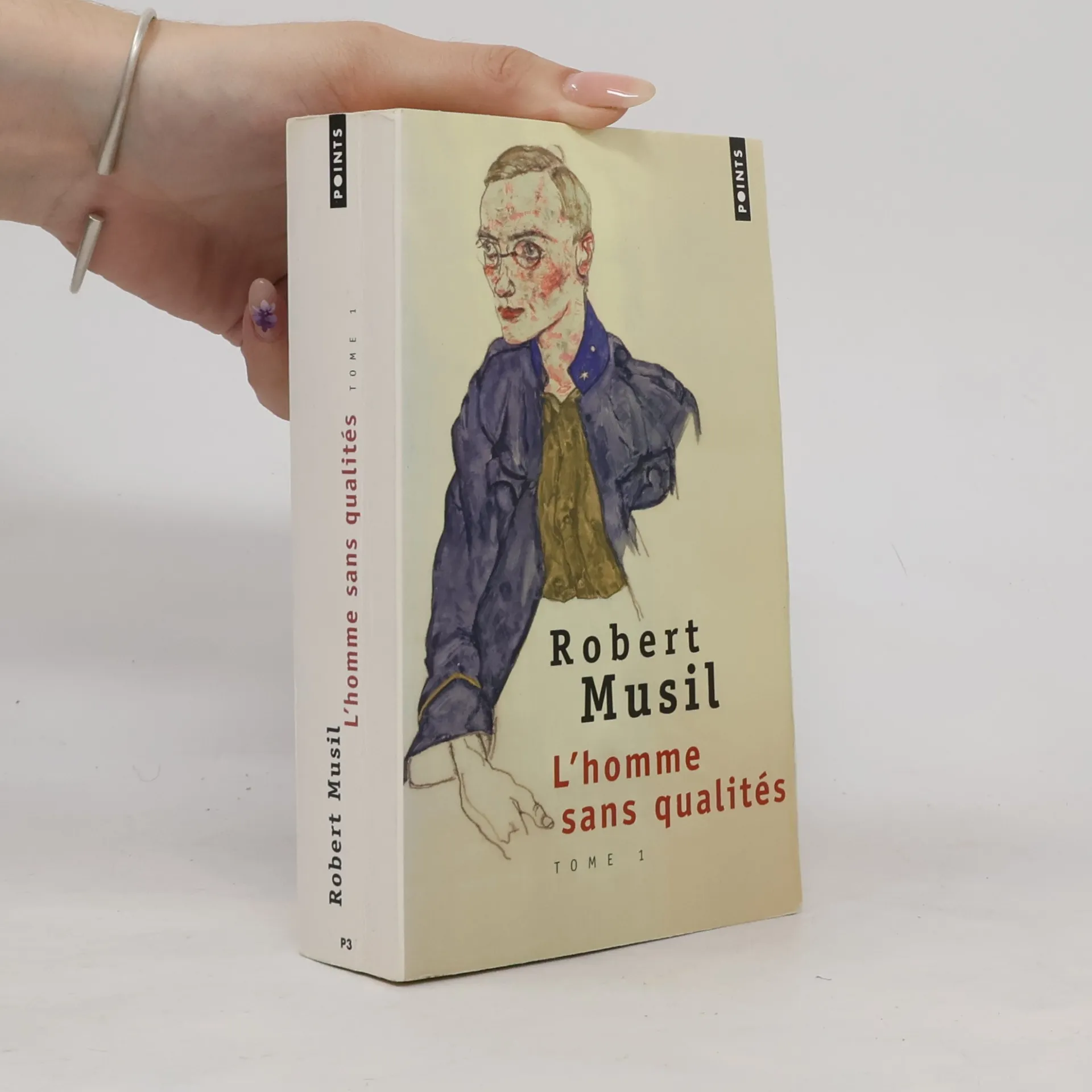
L'homme sans qualités. Tome 1
- 864pages
- 31 heures de lecture
" Ce livre étincelant, qui maintient de la façon la plus exquise le difficile équilibre entre l'essai et la comédie épique, n'est plus, Dieu soit loué, un " roman " au sens habituel du terme" : il ne l'est plus parce que, comme l'a dit Goethe, " tout ce qui est parfait dans son genre transcende ce genre pour devenir quelque chose d'autre, d'incomparable ". Son ironie, son intelligence, sa spiritualité relèvent du domaine le plus religieux, le plus enfantin, celui de la poésie ". Thomas Mann, Journal, 1932 Traduit de l'allemand par Philippe Jaccottet
The Man Without Qualities
- 454pages
- 16 heures de lecture
"Musil belongs in the company of Joyce, Proust, Kafka, and Svevo. . . . (This translation) is a literay and intellectual event of singular importance."--New Republic.