En se concentrant sur les enjeux du matérialisme, de la célébrité et des médias, le Pop Art s’est inspiré de la culture de masse, de l’imagerie publicitaire aux comics, des têtes les plus connues de Hollywood aux emballages de produits de consommation, dont les boîtes de soupe Campbell’s d’Andy Warhol sont le meilleur exemple. Tout en défiant l’establishment en élevant au rang d’œuvre d’art des images aussi populaires, banales et kitsch, le Pop Art a également déployé des méthodes de production de masse, plaçant l’artiste singulier en retrait par des techniques mécanisées comme la sérigraphie.À travers Andy Warhol, Allen Jones, Ed Ruscha, Robert Indiana, Jasper Johns, Robert Rauschenberg et Roy Lichtenstein, entre autres, ce livre illustre toute la portée et l’influence de ce mouvement moderniste déterminant. (4e de couverture)
Roy Lichtenstein Livres
- Lichtenstein, Roy
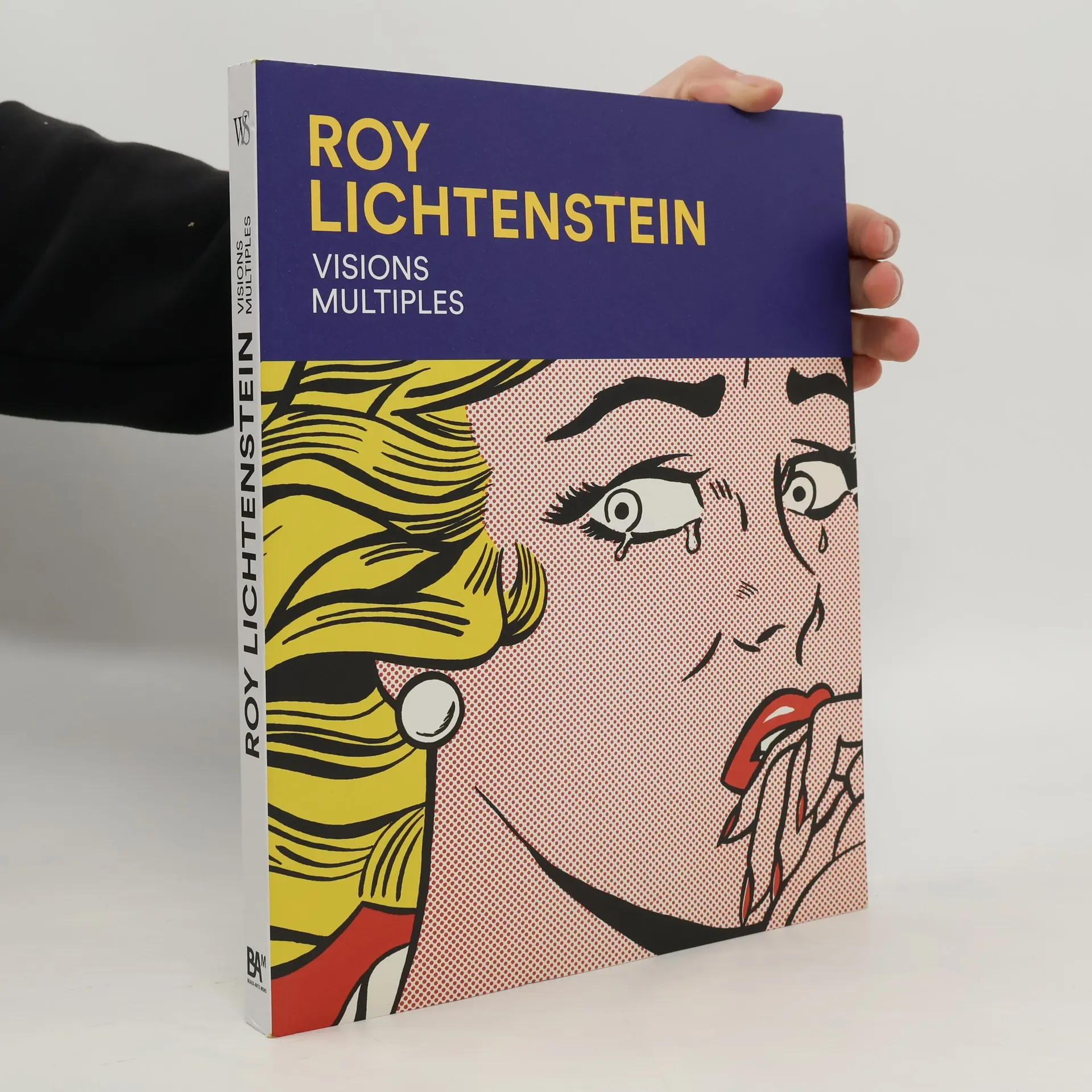
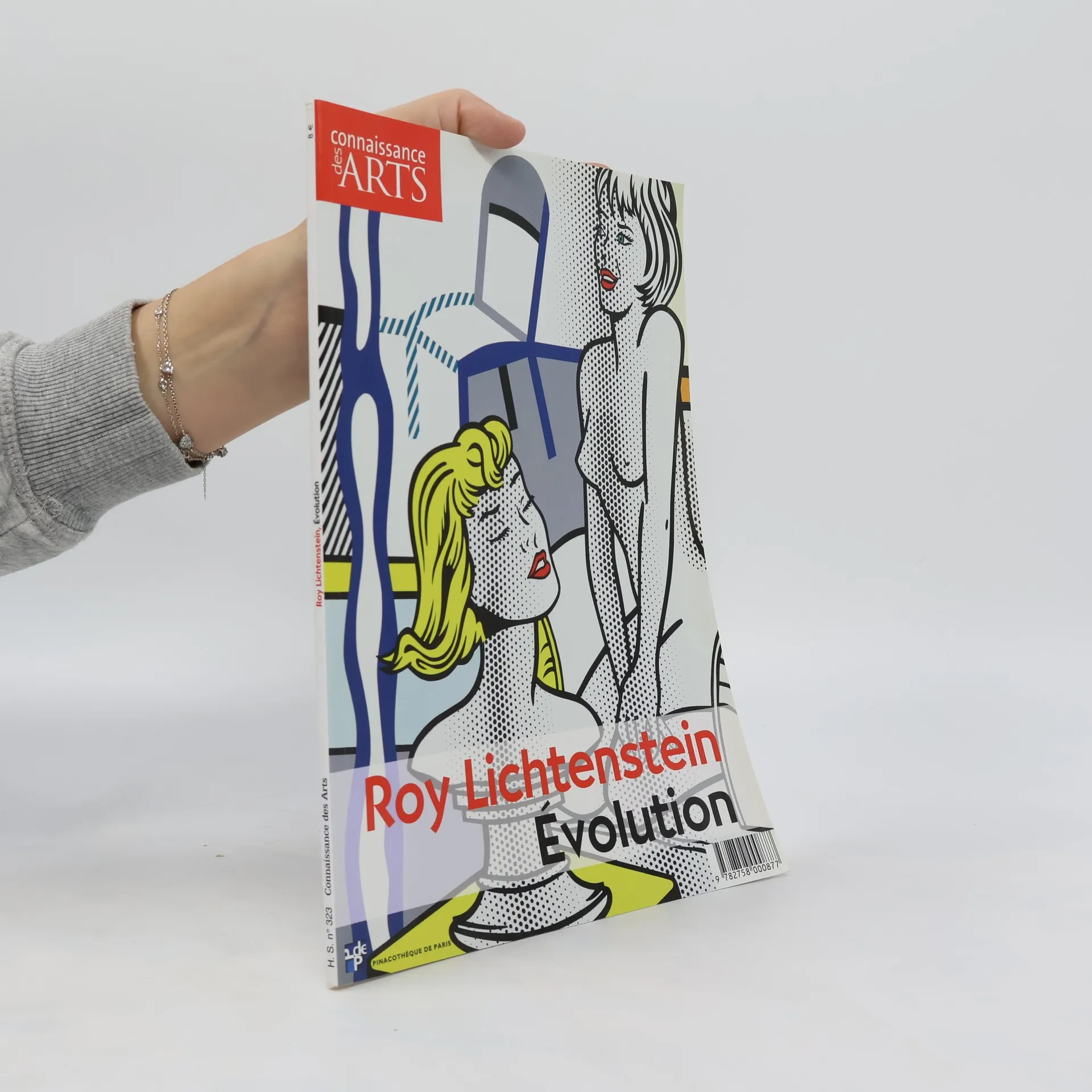
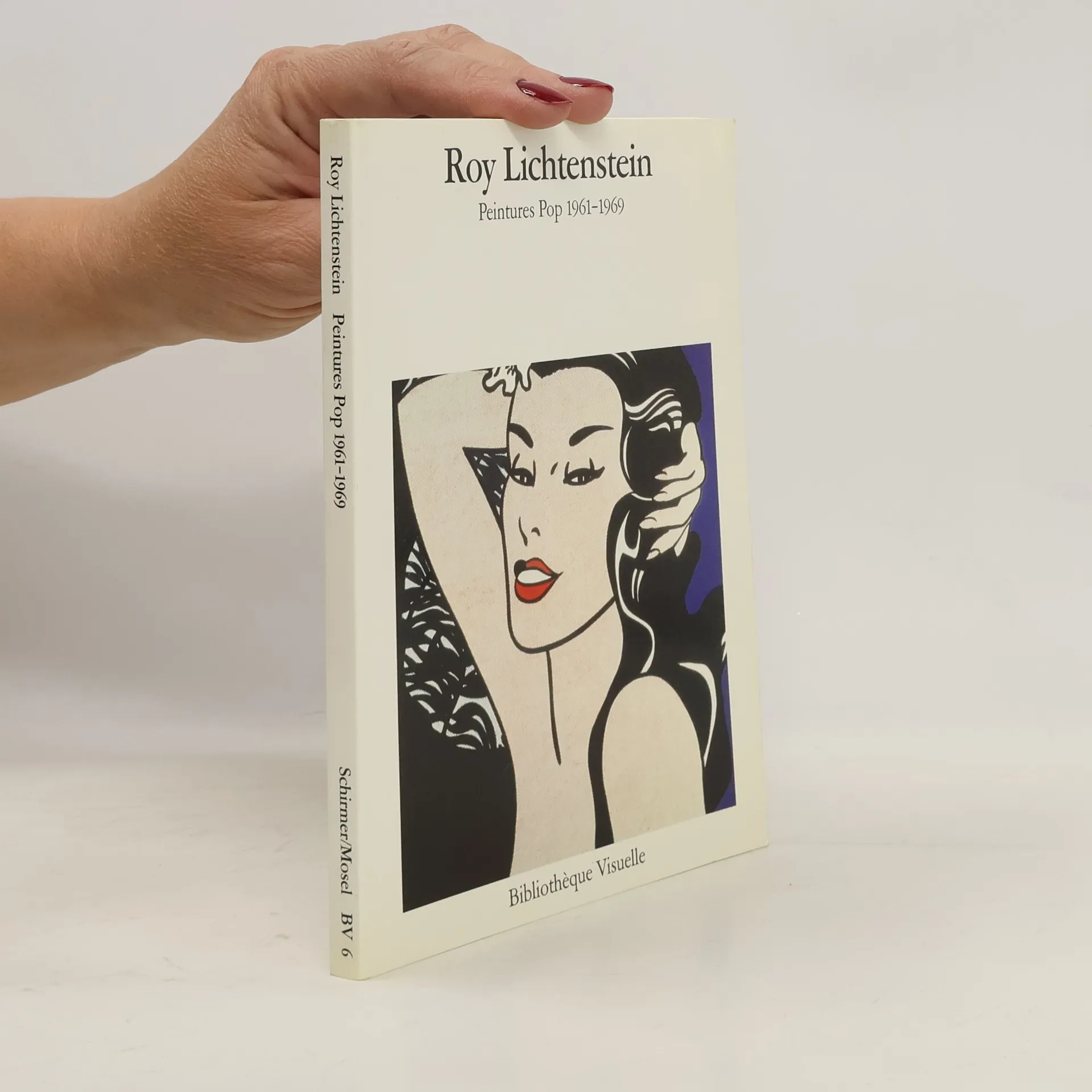
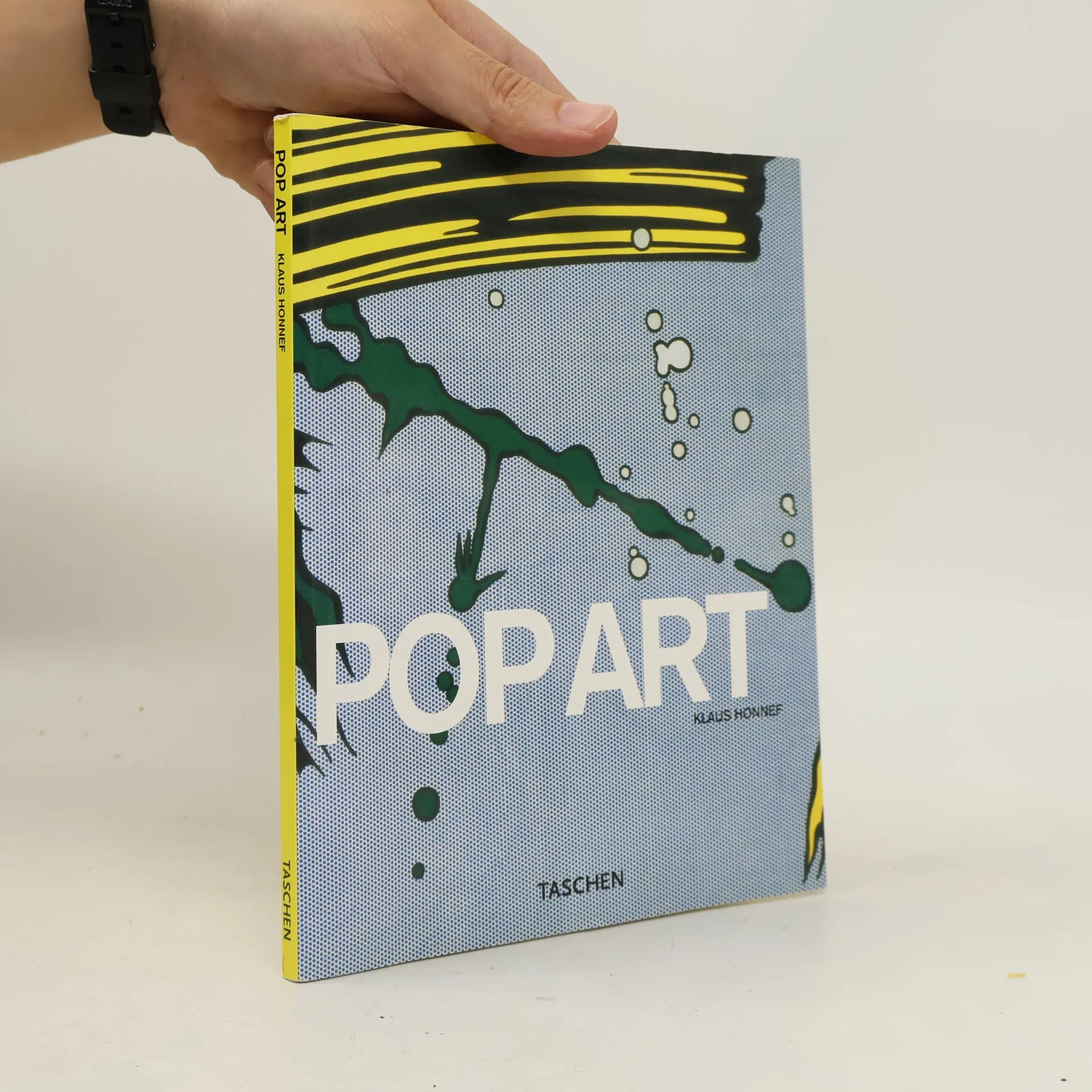
L'art a quelque chose d'artificieux par essence et il est en réalité impossible de dire où il y a de l'art dans ses propres oeuvres, ni ce qu'il est ... Nous avons tous appris que ce n'est pas bien de copier les oeuvres des autres, or il semble que c'est exactement ce que je fais - et il en est réellement bien souvent ainsi. Il s'agit là d'un de ces tabous que les artistes méprisent continuellement. Les bandes dessinées par exemple n'ont pas été prises pour de l'art, et ce tabou s'est tout de même effondré. Selon moi, l'art commercial a généralement été jugé inférieur. Nous l'avons appris à l'Ecole des Beaux-Arts: tout ce qui ressemble un tant soit peu au design publicitaire est inférieur par nature. Mais Je crois que ce point de vue est faux et que moi, justement, je transforme ce qui est apparemment "commercial" en quelque chose d'autre, que je crée de l'art. Naturellement je ne peux pas le prouver. Tout ce que je peux dire c'est que je crois qu'avec mon "matériau" je crée quelque chose de tout à fait nouveau.
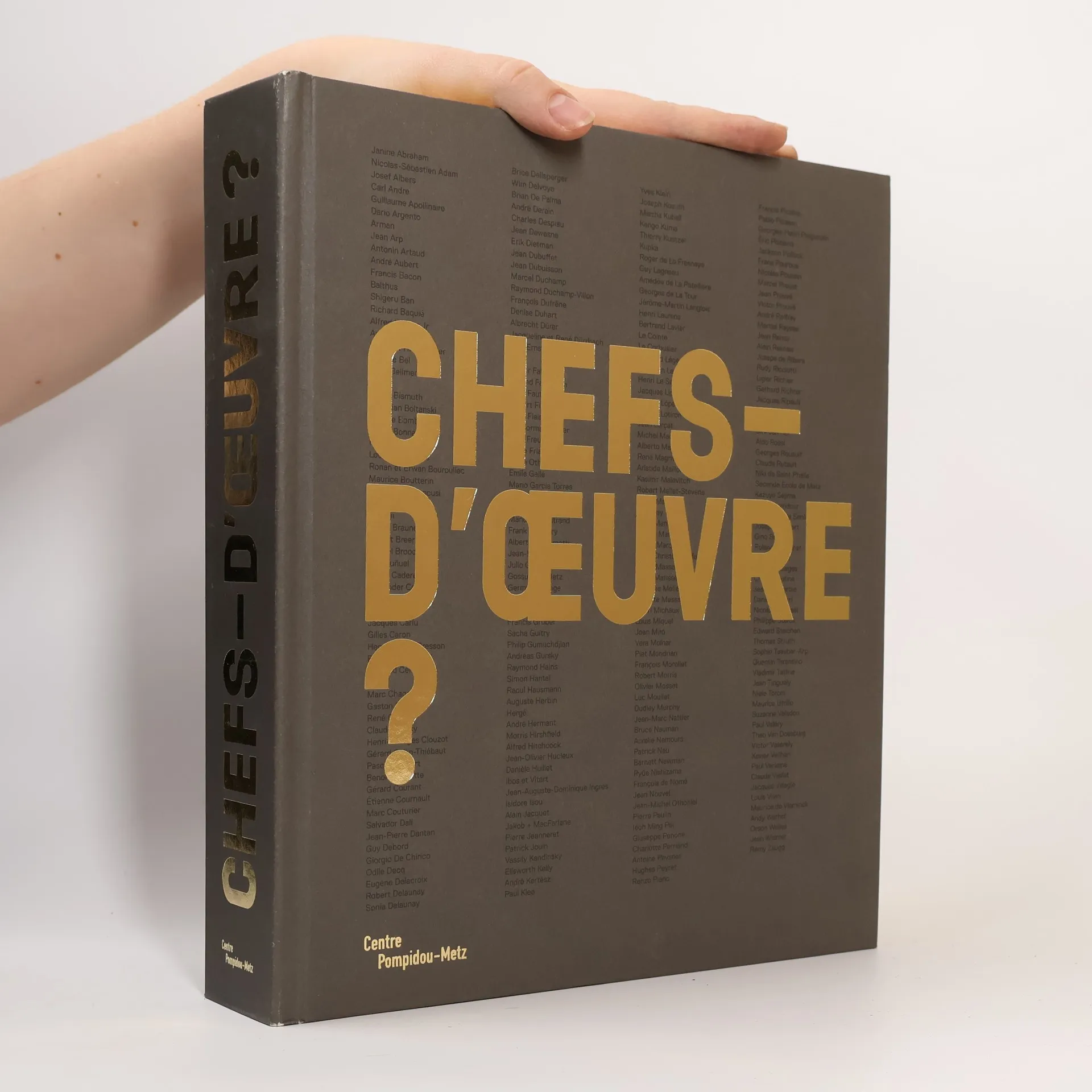
Chefs-d'œuvre ?
- 570pages
- 20 heures de lecture
Chefs d'uvre L'exposition d'ouverture du centre Pompidou-Metz.
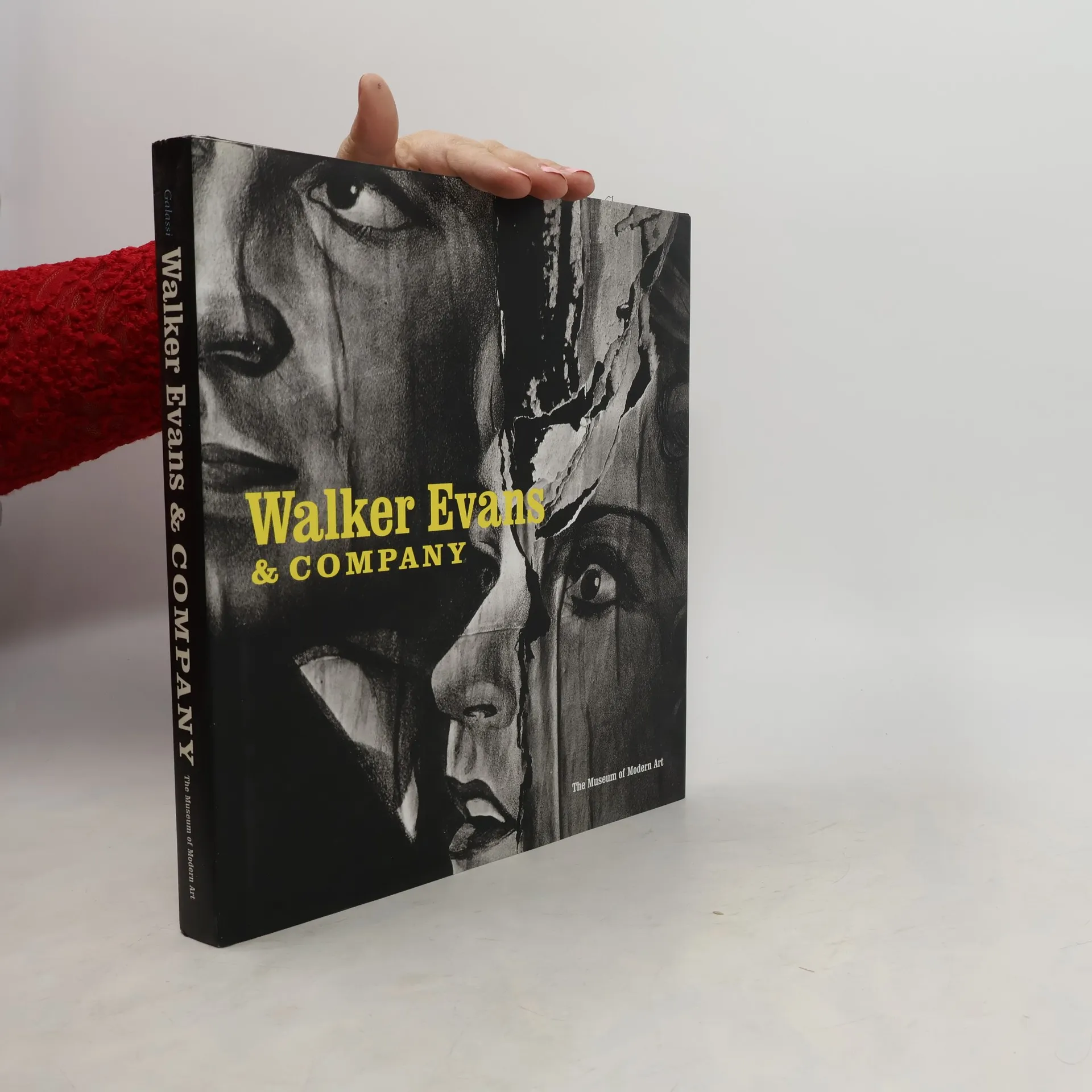
Walker Evans & Company
- 272pages
- 10 heures de lecture
Walker Evans' radical photography of the 1930s demonstrated that unembellished photographic fact could serve as a highly poetic language. These works expanded the potential of the art of photography and at the same time defined a lasting iconography that recognized advertising, movies and car culture as central images of modern American identity. Walker Evans & Company focuses on Evans as a central figure in the arts of the 1920s and 30s, and includes works in photography and other mediums that influenced Evans or were influenced by him, or which resonate in a significant way with aspects of his imagery, sensibility and style. Among the other artists whose work is featured Eugene Atget, Mathew Brady, Stuart Davis, Robert Frank, Lee Friedlander, Edward Hopper, Roy Lichtenstein, Ed Ruscha, August Sander, Andy Warhol and Edward Weston. Published in conjunction with the second of three cycles of millennial exhibitions at The Museum of Modern Art, New York.
Encompasses all the artist's early works, including authoritative notes and commentary
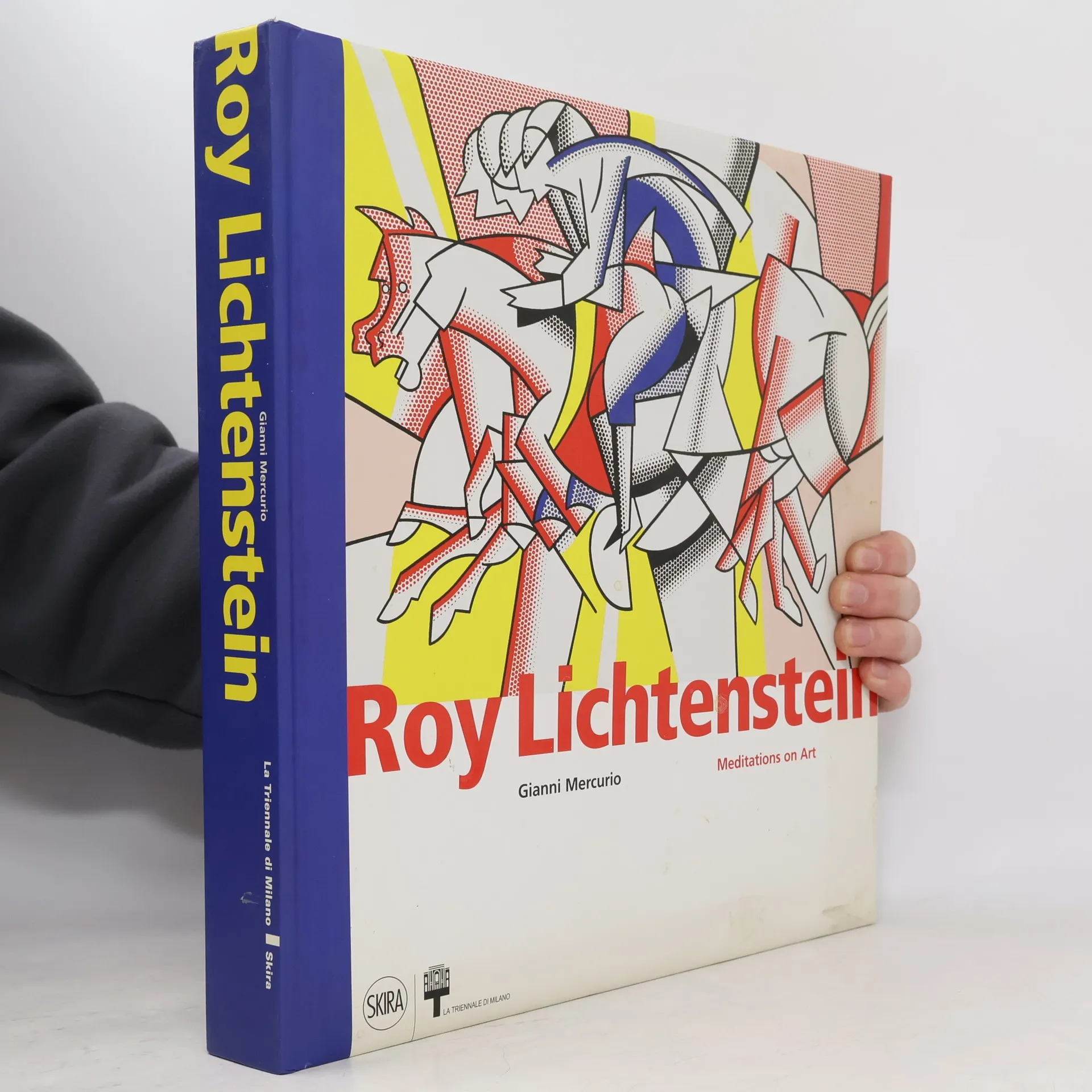
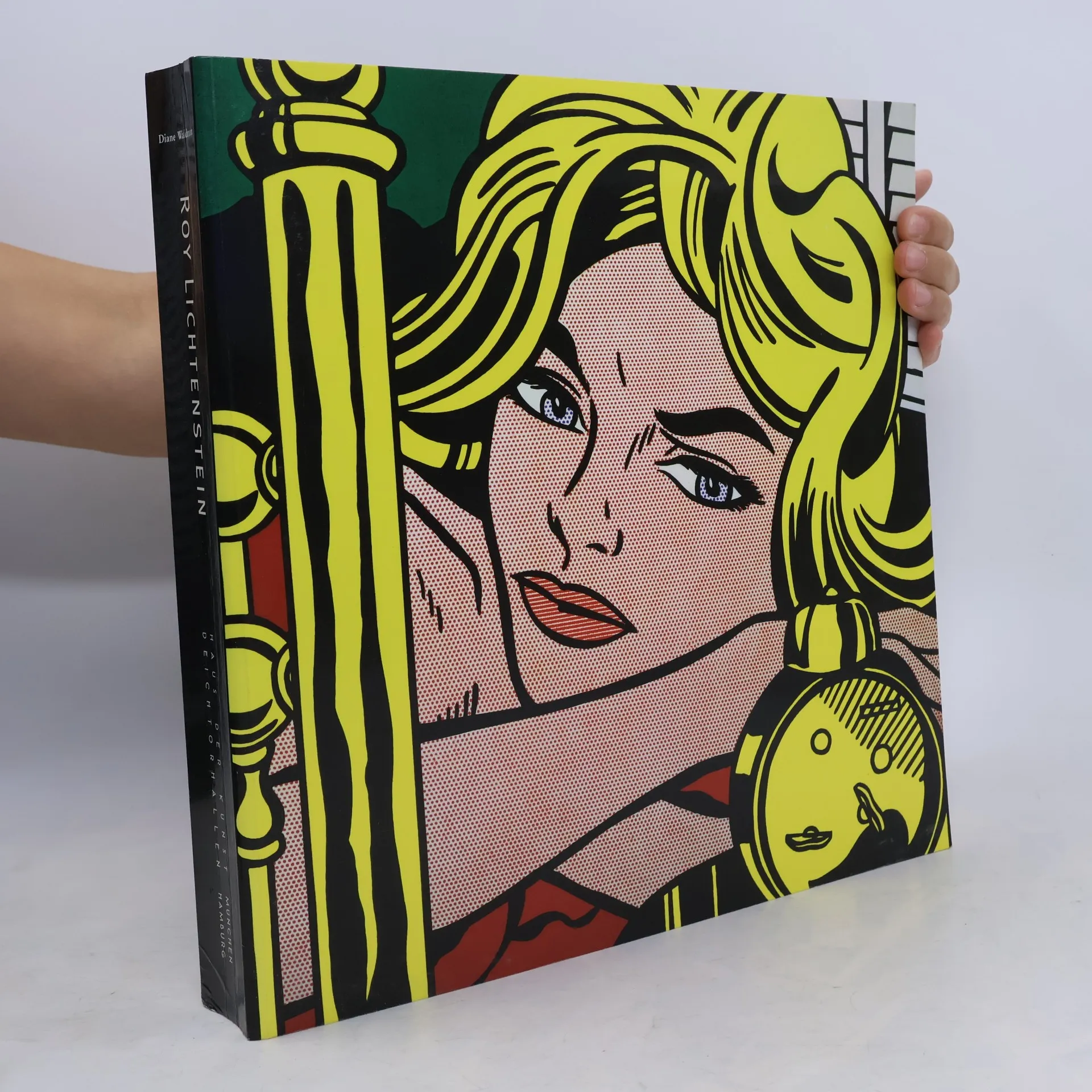
One of the most complete monographs of the artist to date, this volume depicts the career of Roy Lichtenstein, one of the finest American pop artists of his era. Roy Lichtenstein (1923-1997) was the master of the stereotype, and the most sophisticated of the major pop artists. An emblematic protagonist of the New York art scene of the second half of twentieth century, he became a legend in his prolific lifetime. Even now, thirteen years after his death, his works and lexicon of symbols, subjects and themes continue to intrigue the art world. Published on the occasion of the major exhibition at the Milan Triennial, this monograph covers the entire artistic development of Roy Lichtenstein, through more than 250 paintings and sculptural works, a rich photographic section including unpublished material, and critical text. The reproductions of Lichtenstein’s work are large-format, in full color. The insightful quotes and most of the references to his personal life serve to explain how his art evolved or how he came to be in a particular place in the world. This deluxe edition (large square format with padded cover) offers a dynamic and provocative look at the works of Lichtenstein through a powerful combination of text and visual elements. It will appeal to Lichtenstein fans, critics, dealers, and anyone interested in contemporary art.
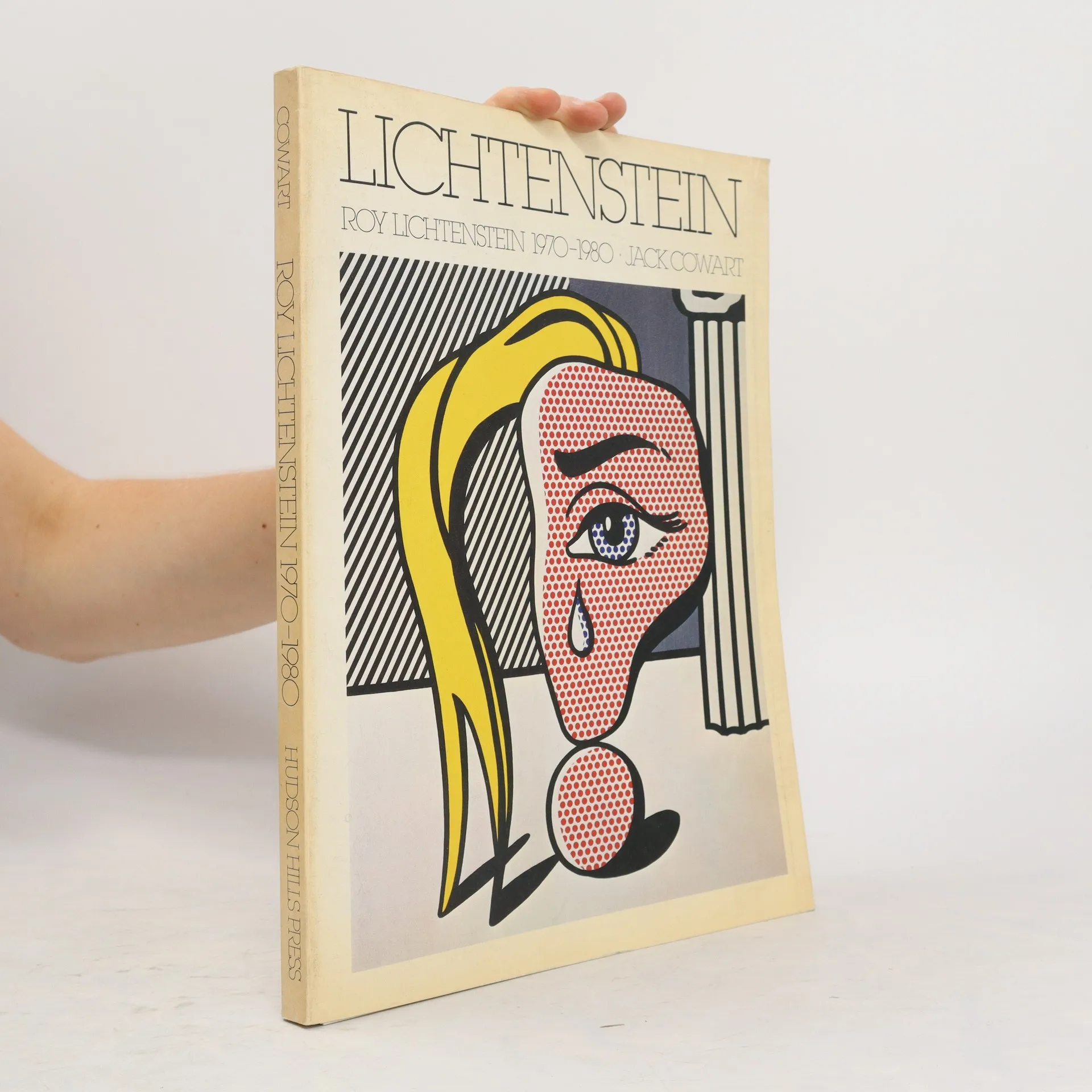
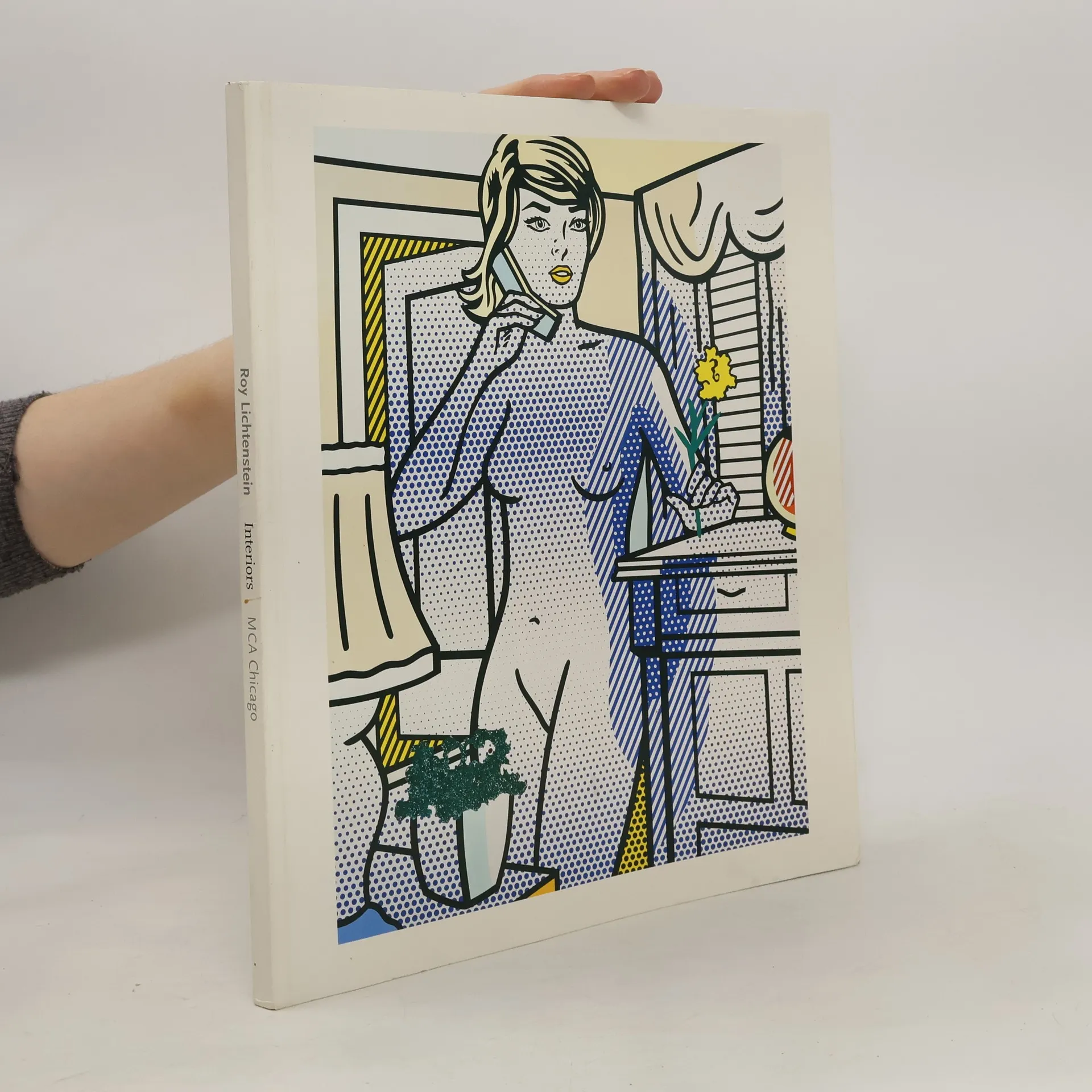
This English catalog features a selection of 97 works by Roy Lichtenstein (1923-1997) created between 1966 and 1997. Alongside Andy Warhol, he was a significant US Pop Art artist. Organized with the Roy Lichtenstein Foundation and curated by Jack Cowart, it provides a comprehensive overview of the artist's various stages of work.
Themes and Movements: Pop
- 304pages
- 11 heures de lecture
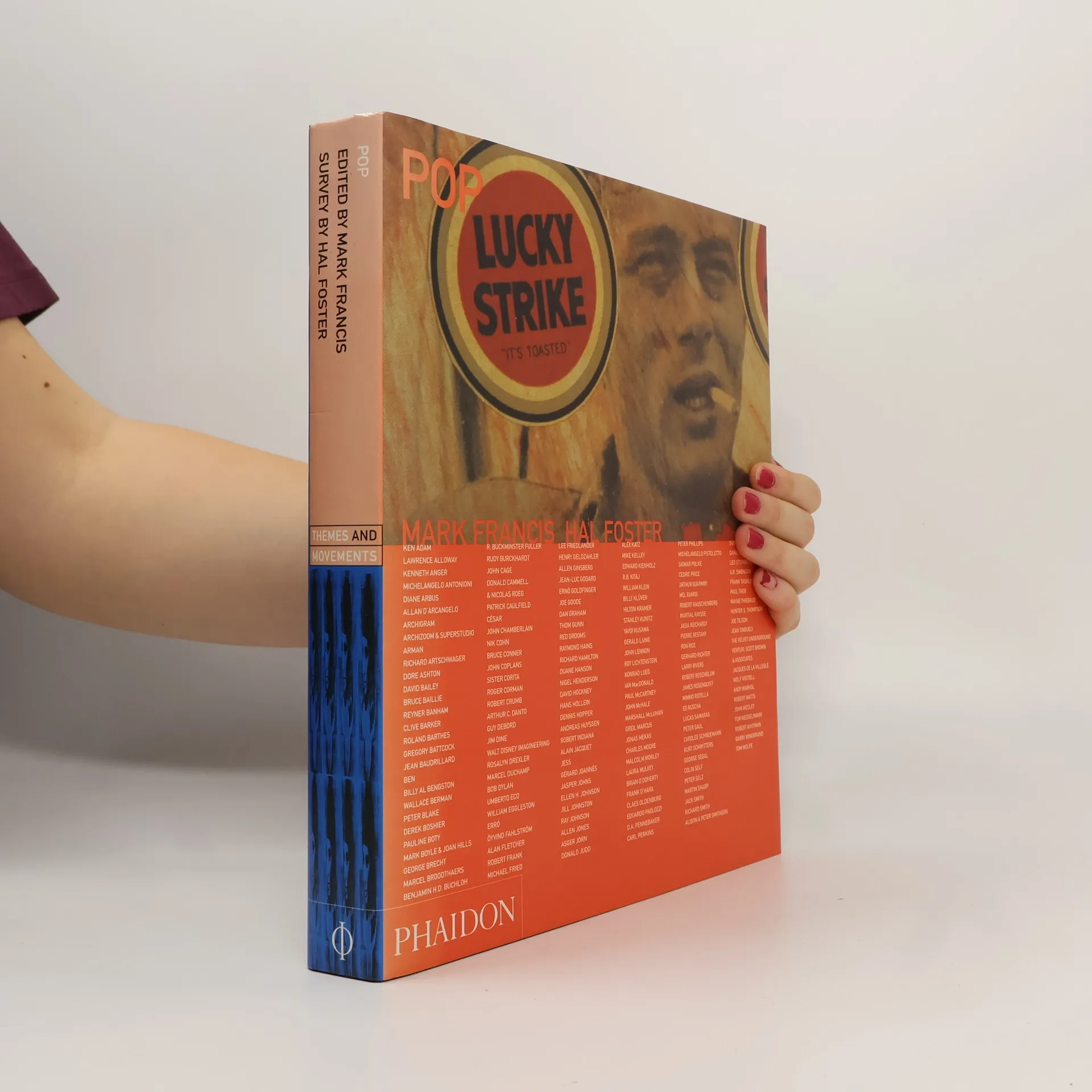
Exploring the evolution of Pop culture from the late 1950s to the late 1960s, this comprehensive survey examines its impact on art, film, photography, and architecture, highlighting the interplay between mass production and mass media. Unlike other works that focus solely on Pop art, it offers a holistic view of the movement's influence across America, Britain, and Europe, showcasing its diverse manifestations and cultural significance during this transformative era.
Lichtenstein
- 96pages
- 4 heures de lecture
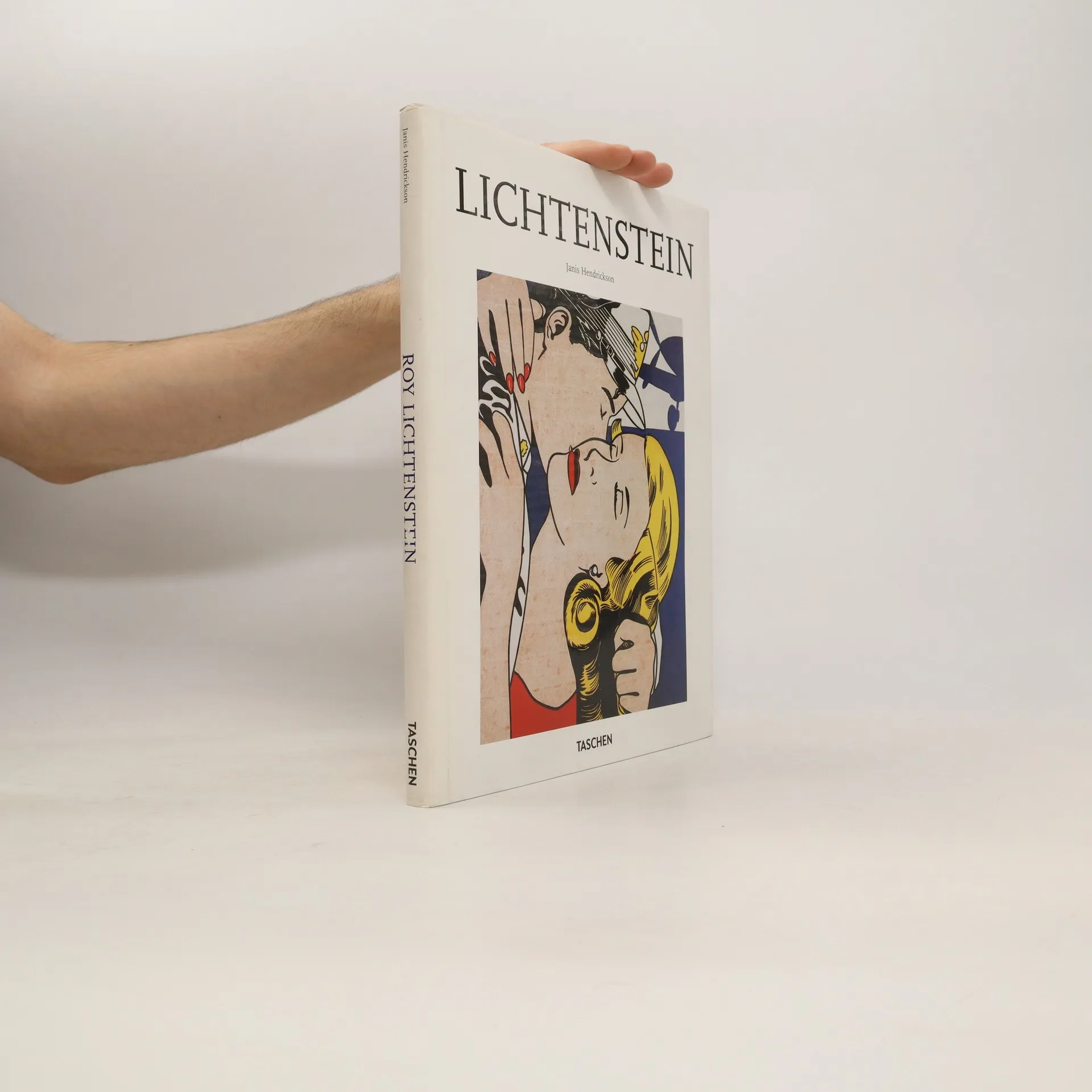
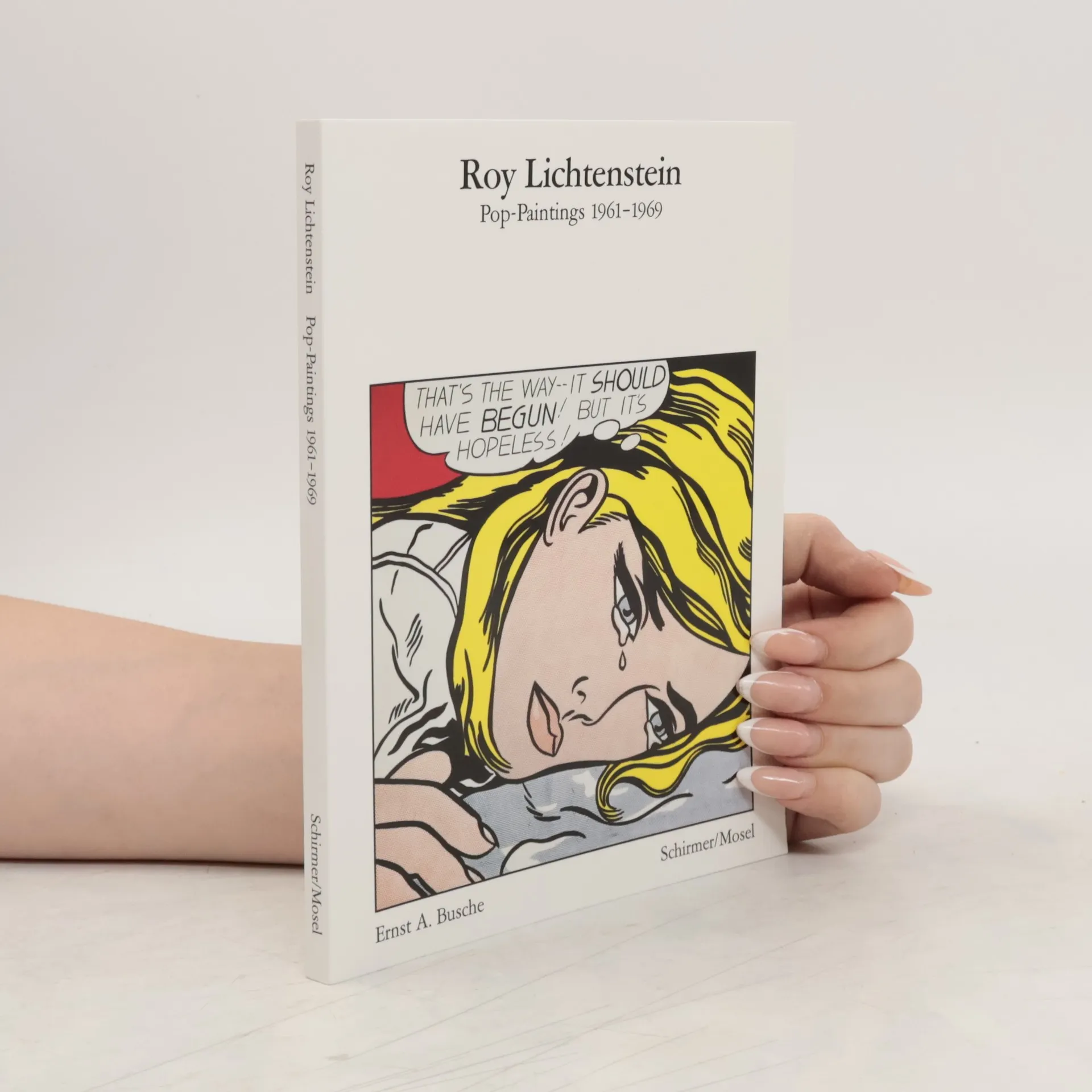
L'artiste américain Roy Lichtenstein (1923–1997) a découvert, à la fin des années 1950, sa langue visuelle unique après des doutes initiaux sur sa carrière. Une image colorée de chewing-gum de son enfance l'a inspiré à créer les célèbres œuvres avec des bulles de dialogue en pointillés, qui, bien que choquantes au départ, l'ont rapidement établi comme une figure emblématique de la Pop Art aux côtés de Warhol et Rauschenberg. Lichtenstein a utilisé des images triviales du quotidien tirées de bandes dessinées et de publicités, le reliant à des contemporains tels qu'Andy Warhol et James Rosenquist, qui exploraient également les mondes visuels des médias de masse américains. Des œuvres comme Look, Mickey! (1961), Drowning Girl (1963) et Whaam! (1963) imitaient la technique d'impression industrielle avec des points de Benday, transformant des motifs quotidiens en art monumental. Ce style est indissociable de Lichtenstein. Le livre offre un aperçu complet de son œuvre, de ses premières déclarations en Pop Art à ses réinterprétations innovantes de chefs-d'œuvre modernes, y compris des versions en pointillés de Picasso, Mondrian et Dalí.
Roy Lichtenstein. 20 Notecards Perfect for Greetings, Birthdays or Invitations
- 20pages
- 1 heure de lecture
einer der wichtigsten Maler der Pop Art legendäre Comic-Strip Bilder ungebrochene Beliebtheit
Water lilies
- 20pages
- 1 heure de lecture
Lichtenstein - Posters
- 152pages
- 6 heures de lecture
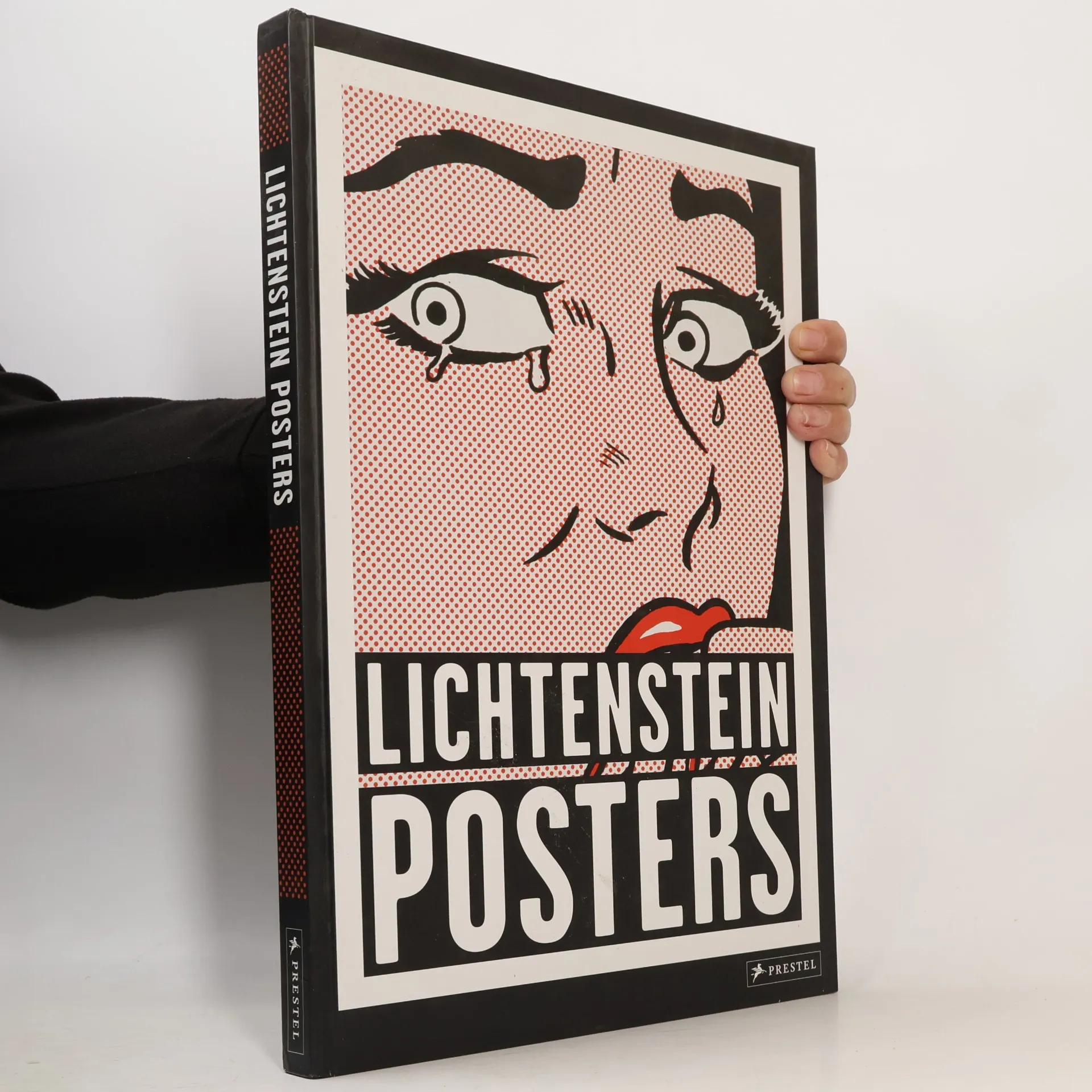
Rasterpunkte, gezoomte Comicmotive mit Sprechblasen wie „Pow! Sweet dreams, baby!“ und farbintensive Primärfarben sind Roy Lichtensteins Markenzeichen, mit denen er zum Inbegriff der amerikanischen Pop Art wurde. Aus dem Zusammenspiel seiner kühlen Rastertechnik und den trivialen Motiven erwächst eine faszinierende Energie, die den Betrachter in seine Bilder förmlich hineinsaugt - besonders trifft dies auf Lichtensteins Plakate zu. Im Laufe seiner Karriere entwarf er rund 70 Plakate - das erste für seine Ausstellung 1962, das letzte kurz vor seinem Tod 1997. Die äußerst seltenen Exemplare sind bislang noch nie in ihrer Gesamtheit gezeigt wurden. Nun stehen sie im Mittelpunkt: Hier begegnen einem die legendären „Girls“, die Kriegsbilder nach Comic-Szenen, die „Brushstrokes“, die Stillleben und Interieurs der späteren Jahre oder die „Imperfect Paintings“. Hinzu kommen viele unabhängige Plakatentwürfe, in denen Lichtenstein die verschiedensten Themen aufgreift, vom New Yorker Filmfest bis hin zu Amnesty International. Das erste vollständige Werkverzeichnis über Roy Lichtensteins Plakate ist ein Kunstwerk an sich: erstklassiges Layout und aufwändige Gestaltung lassen tief in die blauen Augen melancholischer Schönheiten blicken, begleiten Bomberpiloten mit knalligen Farben und „Whamm!“-Botschaften durch die Lüfte oder zeigen Stillleben in kristalliner, kühler Klarheit - ein Kunstgenuss, der nicht zu toppen ist.
Roy Lichtenstein 2013
Masterpieces
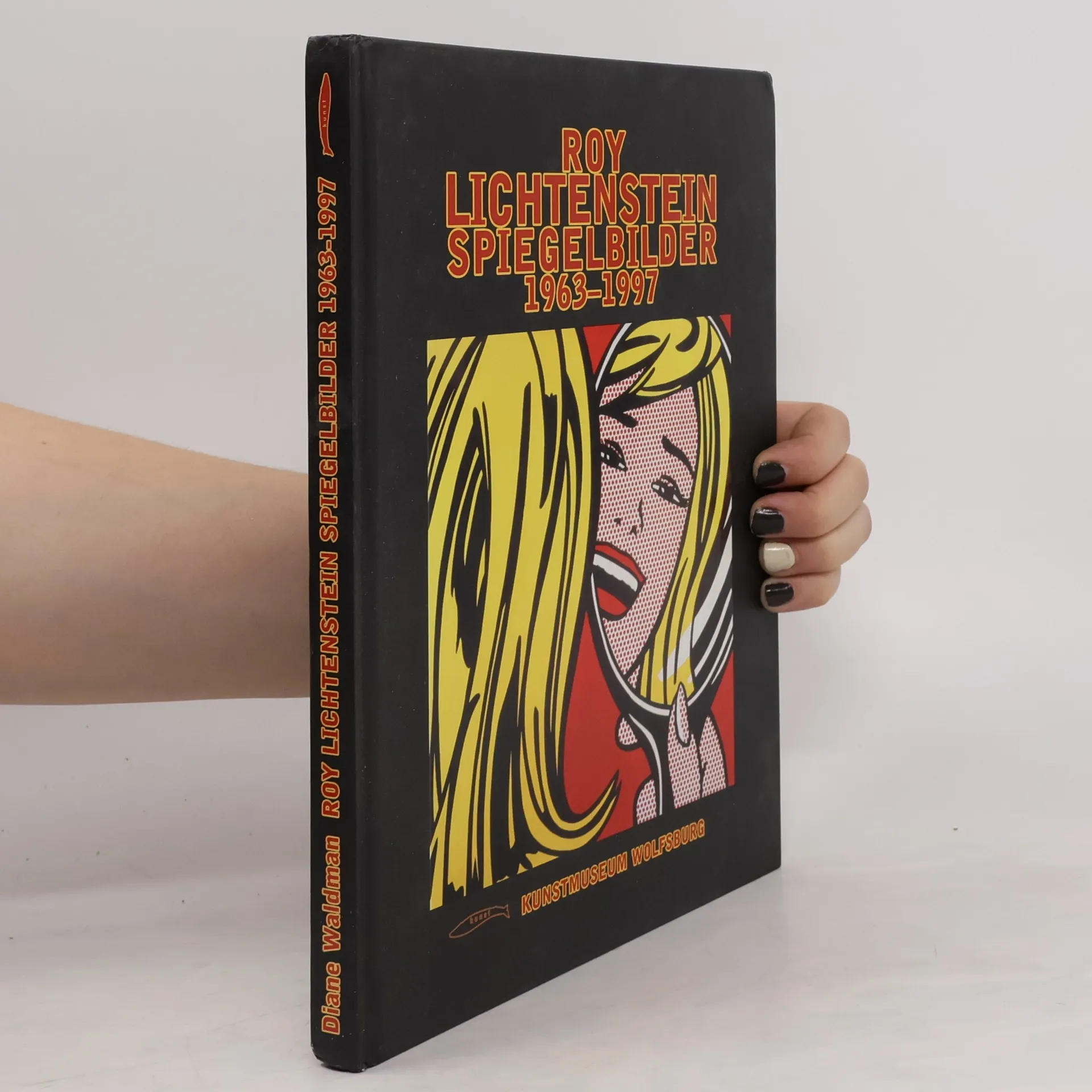
Roy Lichtenstein - Spiegelbilder 1963 - 1997
- 117pages
- 5 heures de lecture
Roy Lichtenstein Guggenheim
- 391pages
- 14 heures de lecture
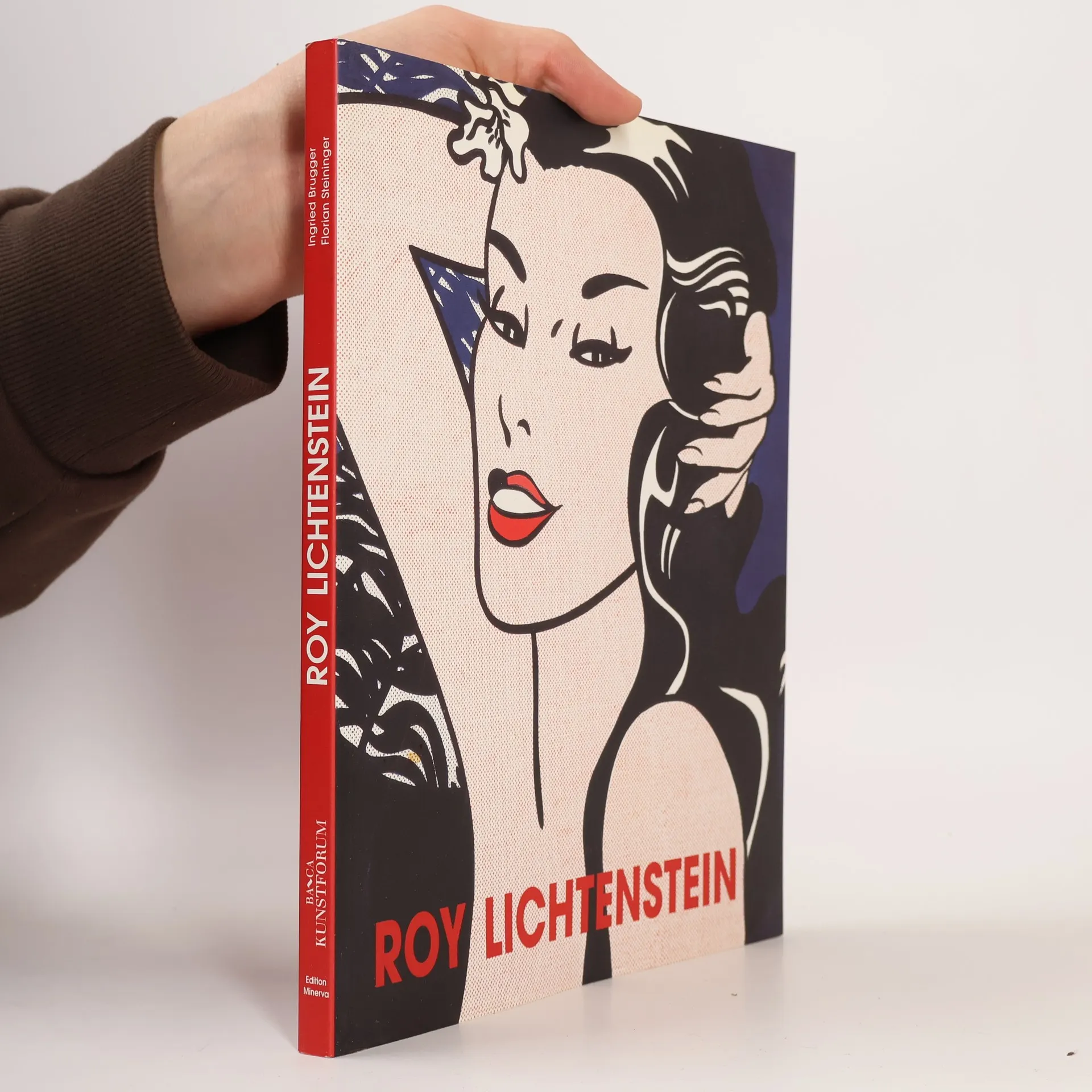
Roy Lichtenstein
- 156pages
- 6 heures de lecture