

Bookbot

Benjamin R. Barber

    2 août 1939 – 24 avril 2017
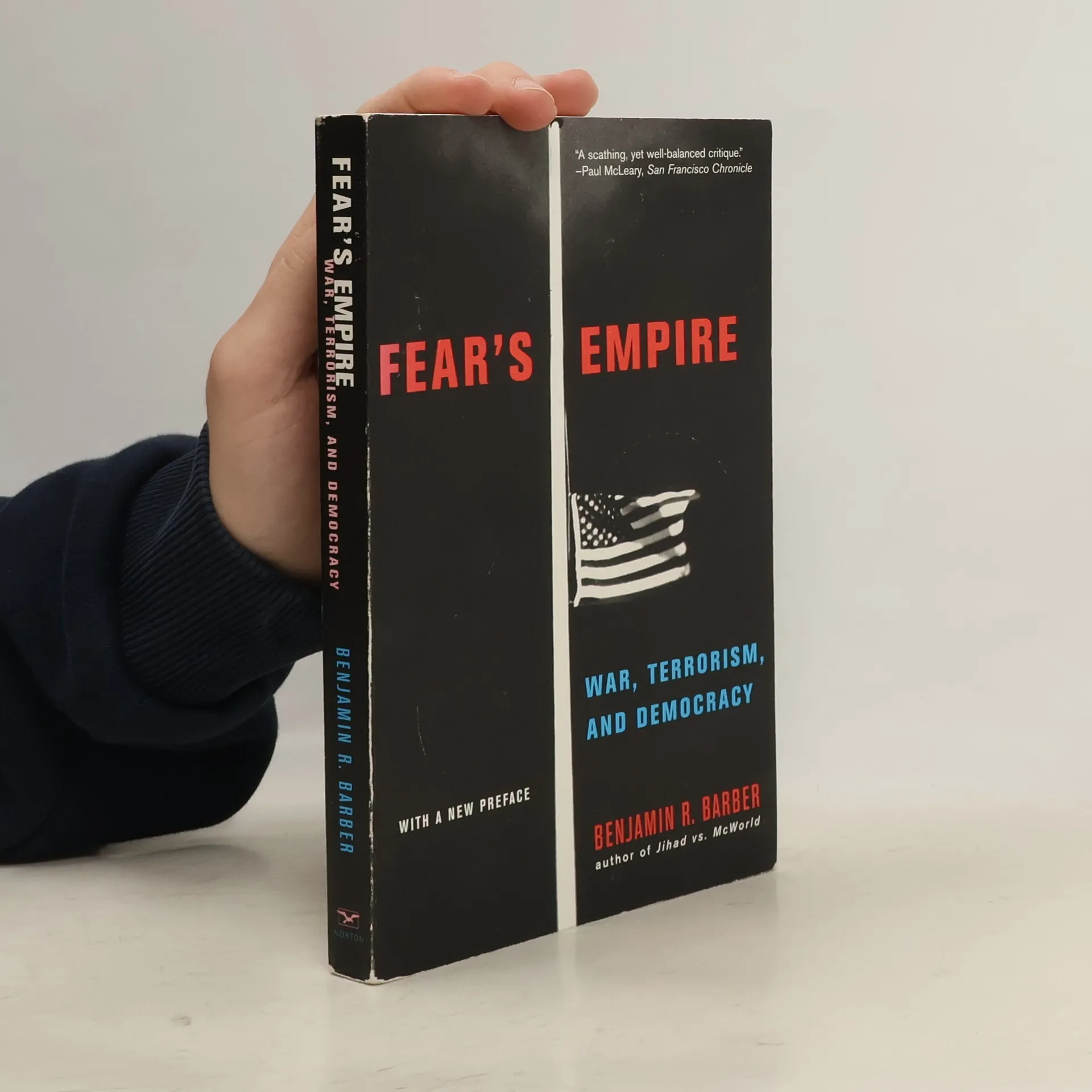
    Fear's Empire
    The Truth of Power
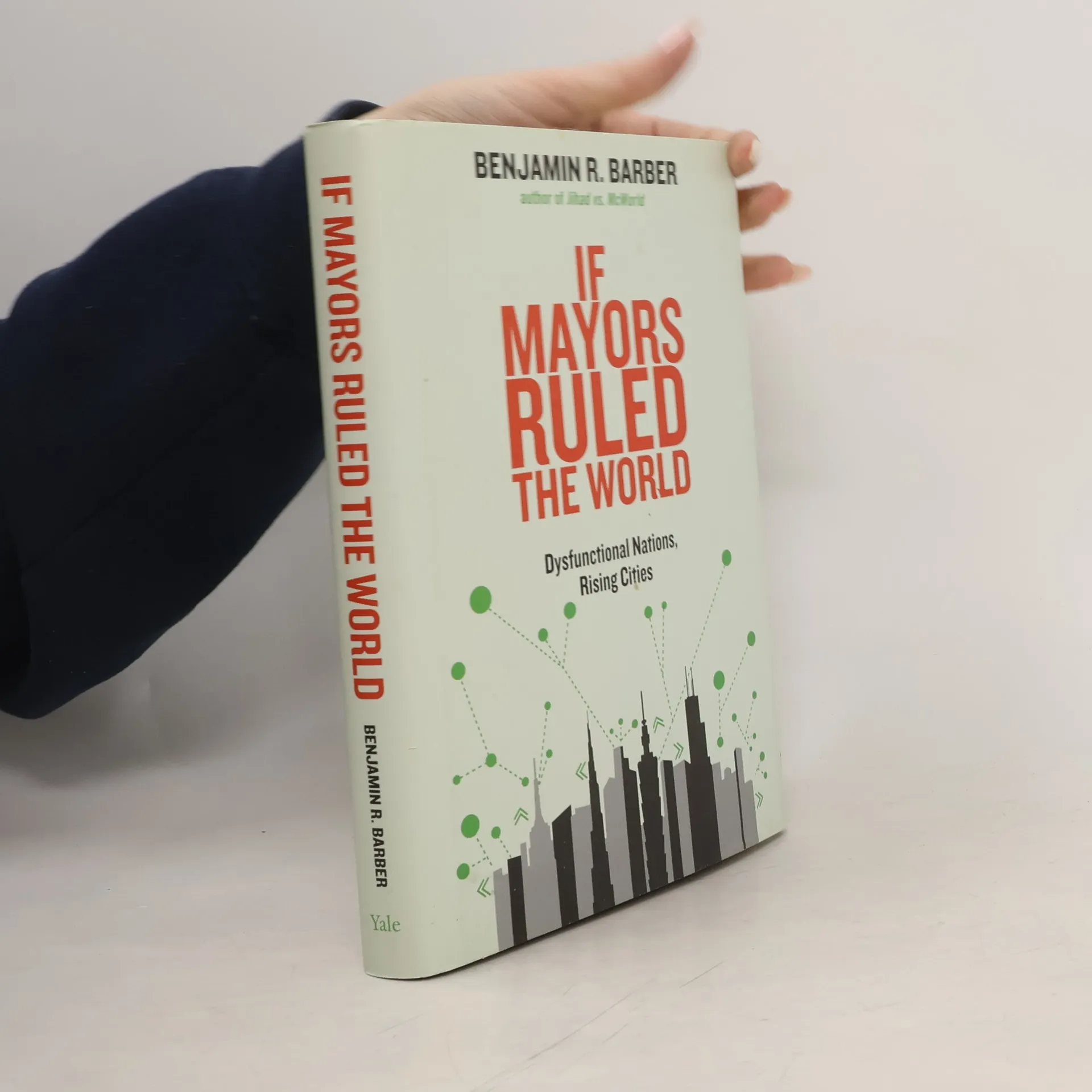
    If Mayors Ruled the World
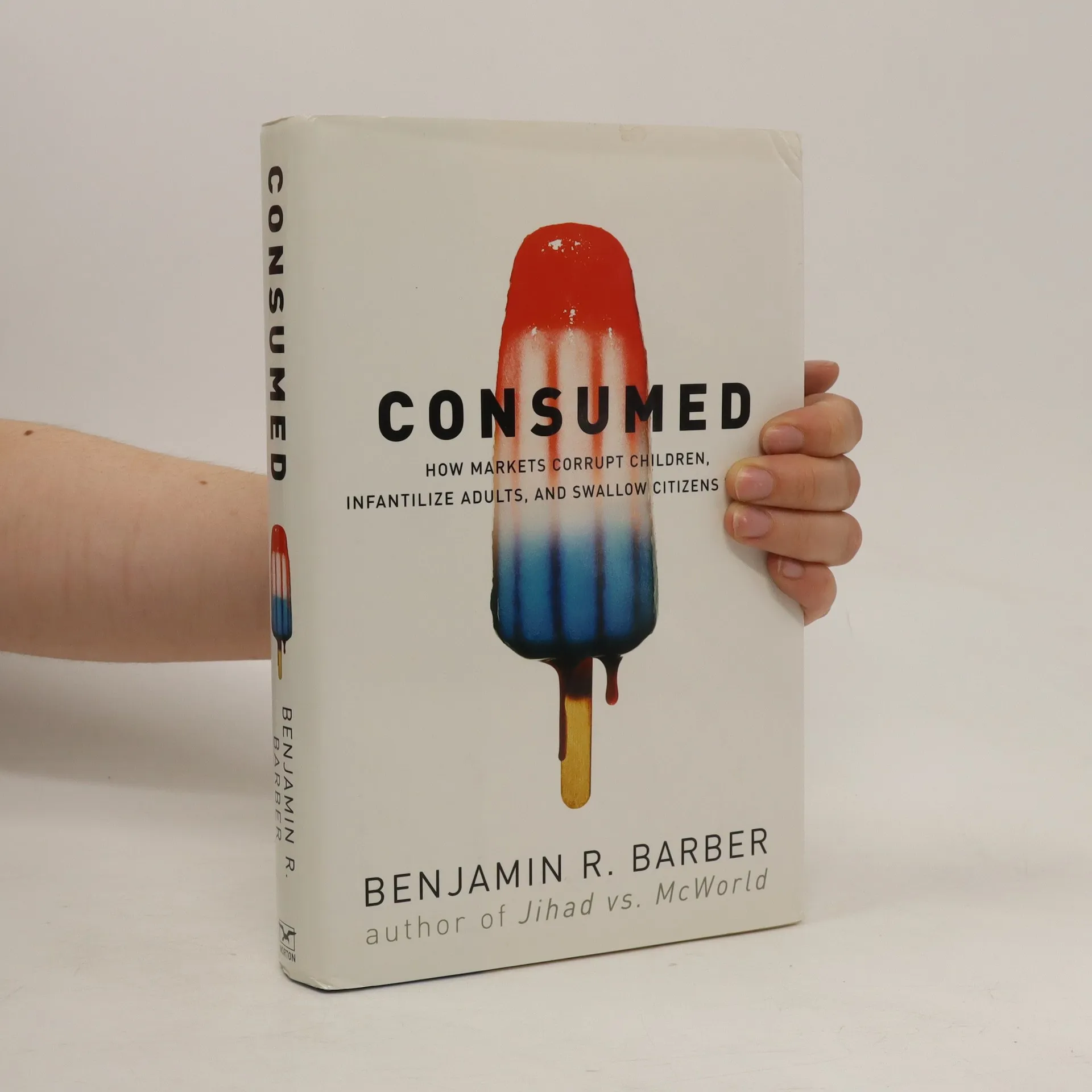
    Consumed: How Markets Corrupt Children, Infantilize Adults, and Swallow Citizens Whole
    Jihad Vs.McWorld
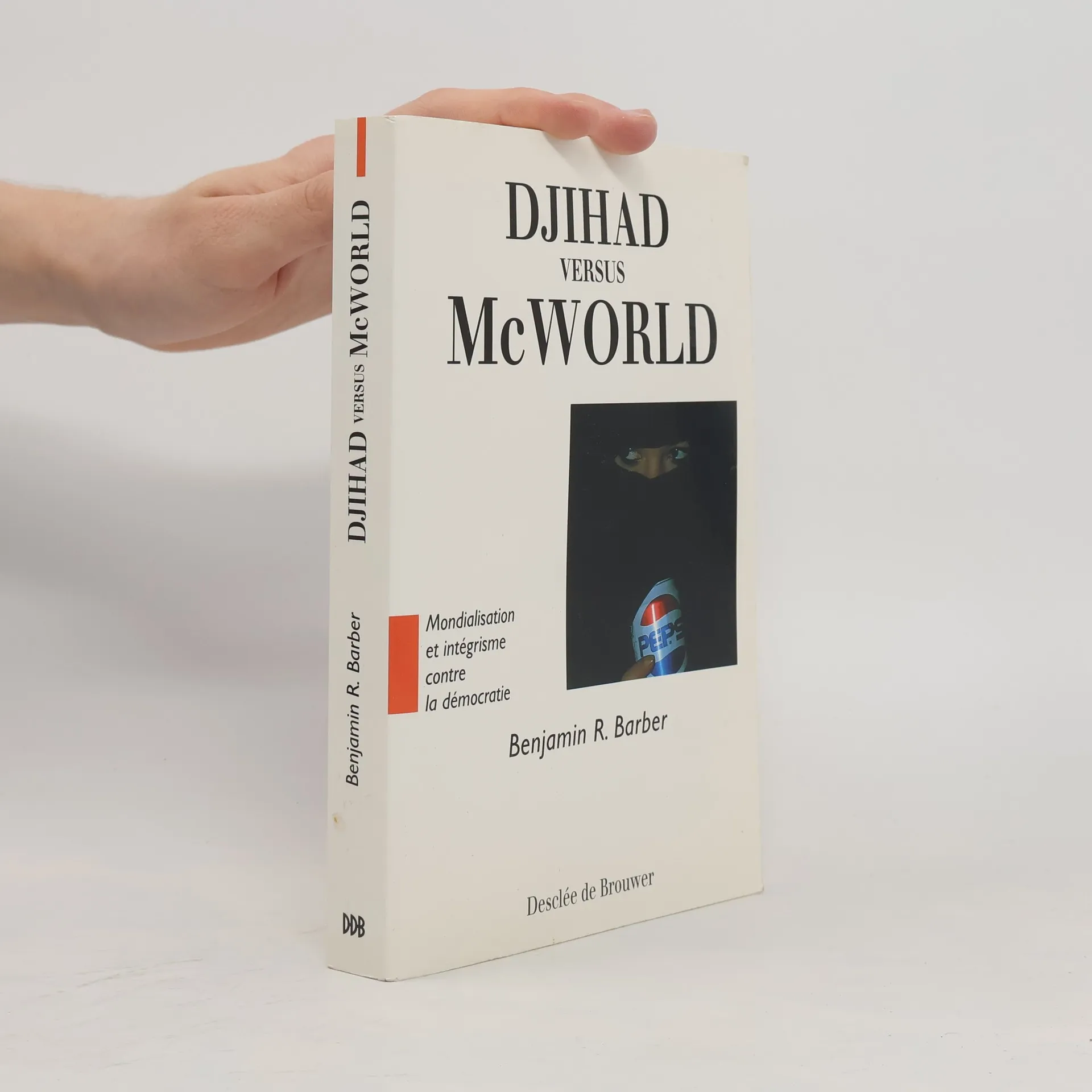
    Djihad versus McWorld
    • Djihad versus McWorld

      • 303pages
      • 11 heures de lecture

      Jihad contre McWorld est une œuvre novatrice, une analyse élégante et éclairante du conflit central de notre époque : le capitalisme consumériste face au fondamentalisme religieux et tribal. Ces forces diamétralement opposées mais étrangement entrelacées déchirent et unissent le monde tel que nous le connaissons, sapant la démocratie et l'État-nation dont elle dépend. D'une part, le capitalisme consumériste à l'échelle mondiale dissout rapidement les barrières sociales et économiques entre les nations, transformant les diverses populations en un marché uniformément terne. D'autre part, les haines ethniques, religieuses et raciales fragmentent le paysage politique en unités tribales de plus en plus petites. Jihad contre McWorld est le terme que l'écrivain et politologue Benjamin R. Barber a inventé pour décrire l'interdépendance puissante et paradoxale de ces forces. Dans ce livre important, il explore les répercussions alarmantes de cette dialectique sur la démocratie. Une œuvre d'originalité persuasive et d'insight pénétrant, Jihad contre McWorld offre un prisme clair sur le chaos dangereux du monde post-Guerre froide.
      Djihad versus McWorld
      3,6
    • Jihad Vs.McWorld

      Terrorism's Challenge to Democracy

      • 432pages
      • 16 heures de lecture

      Political scientist Benjamin R. Barber analyzes the conflict between consumerist capitalism and religious, tribal fundamentalism, coining the term "Jihad versus McWorld" to describe their powerful and paradoxical interdependence.

      Jihad Vs.McWorld
      3,5
    • If Mayors Ruled the World

      • 416pages
      • 15 heures de lecture

      "In the face of the most perilous challenges of our time--climate change, terrorism, poverty, and trafficking of drugs, guns, and people--the nations of the world seem paralyzed. The problems are too big for governments to deal with. Benjamin Barber contends that cities, and the mayors who run them, can do and are doing a better job than nations. He cites the unique qualities cities worldwide share: pragmatism, civic trust, participation, indifference to borders and sovereignty, and a democratic penchant for networking, creativity, innovation, and cooperation. He demonstrates how city mayors, singly and jointly, are responding to transnational problems more effectively than nation-states mired in ideological infighting and sovereign rivalries. The book features profiles of a dozen mayors around the world, making a persuasive case that the city is democracy's best hope in a globalizing world, and that great mayors are already proving that this is so"--

      If Mayors Ruled the World
      3,1
    • The Truth of Power

      Intellectual Affairs in the Clinton White House

      • 322pages
      • 12 heures de lecture

      The book explores President Clinton's relationships with influential intellectuals, highlighting his charm and the allure of political engagement he offered. Despite his efforts to connect and collaborate, he frequently left these thinkers disillusioned, revealing a pattern of unmet expectations and unfulfilled potential in their interactions.

      The Truth of Power
    • Fear's Empire

      War, Terrorism, and Democracy - With a New Preface

      • 220pages
      • 8 heures de lecture

      " Fear's Empire lays the foundation for a principled opposition based on America's truest and best values."--Senator Gary Hart The author of Jihad vs. McWorld analyzes how American foreign policy has gone wrongand how it could go right. In this hard-hitting but pragmatic new critique of the Bush administration's foreign policy, Benjamin R. Barber exposes in detail the folly of an agenda of preventive war, placing it in the context of two hundred years of American strategic doctrine (including the recent history of deterrence and containment). He shows how chosen "rogue states" have been made to stand in for terrorists too difficult to locate and destroy, and how the United States continues to support dictatorship in nations it regards as friends, while still believing we can impose democracy on vanquished enemies at the barrel of a gun. Barber argues for an America that promotes cooperation, multilateralism, international law, and pooled sovereignty. For as law and citizenship alone secure liberty within nations, law and citizenship alone can secure liberty among them, freeing them from fear.

      Fear's Empire
    • Una critica radicale all'idea di guerra preventiva a cui Berber oppone il modello di una democrazia del futuro, questa sì "preventiva". L'autore ripercorre la storia della politica e della diplomazia americana e condanna la scelta di Bush di ricorrere all'uso delle armi come risposta al terrorismo. Barber evidenzia la tendenza a confondere la propaganda di un modello di società democratica con la reclamizzazione di una miscela seduttiva di libero mercato e marchi il cosiddetto "Mac World". A tutto ciò si contrappone l'idea di un'America esportatrice di alti valori democratici e civili, perché come la legalità e l'impegno civile dei cittadini garantiscono la libertà interna alle nazioni, così la possono garantire fra Stati diversi.

      L'impero della paura. Potenza e impotenza dell'America nel nuovo millennio
      4,0
    • Ein neues Ethos prägt das Gesicht des globalen Kapitalismus: überflüssige Güter werden in großer Zahl produziert, Kinder zu Konsumenten gemacht und Erwachsene in infantile Schnäppchenjäger transformiert. Zielte früher die Wirtschaft auf die Herstellung richtiger und nützlicher Produkte, so ist die neue verbraucherorientierte Ökonomie darauf aus, Bedürfnisse und Marken zu schaffen. An die Stelle eines demokratischen Kapitalismus ist eine infantile Konsumwelt getreten, deren Pathologien die Freiheit der liberalen Welt bedrohen.

      Consumed!
      3,0
    • Coca-Cola und Heiliger Krieg

      • 319pages
      • 12 heures de lecture

      In diesem Buch wird die unheilige Allianz zwischen globalem Kapitalismus und tribalistischem Fundamentalismus untersucht, die als die größten Bedrohungen für die Demokratie angesehen werden. Benjamin Barber argumentiert, dass der Kapitalismus, der in Demokratien gedeihen konnte, nun dazu neigt, das Individuum als verantwortungsbewusstes Mitglied der Gesellschaft zu untergraben. Die gegenwärtige Denkweise wird oft von transnationalen Konzernen, insbesondere Medienunternehmen, geprägt, deren Einfluss die Selbstbestimmung und den Gemeinsinn gefährdet. Diese Entwicklung hat zu einem Tribalismus geführt, der, wie in Bosnien und Ruanda sichtbar, nur der lokalen Elite zugutekommt. Barber schlägt vor, die regierungs- und kommerzfreien Bereiche des Lebens, die er "Bürgerbereiche" nennt, zu revitalisieren, um echten Gemeinsinn zu fördern. Er analysiert den Konflikt zwischen konsumistischem Kapitalismus und religiösem Fundamentalismus, der die Welt nach dem Kalten Krieg prägt. Während die Wirtschaft eine zunehmende Globalisierung suggeriert, zeigen die Nachrichten eine Welt, die durch Konflikte und Zersplitterung geprägt ist. Barber zeigt, dass sowohl Kapitalismus als auch Fundamentalismus den Nationalstaat untergraben, der bisher die Bedingungen für Demokratie sicherte. Er warnt vor einem doppelten Angriff auf die Demokratie: durch einen nihilistischen Kapitalismus und intolerante Fanatiker. Letztlich stellt er die Frage, wie Demokratie

      Coca-Cola und Heiliger Krieg