

The Visuddhimagga - here rendered Path of Purification systematically summarizes and interprets the teaching of the Buddha contained in the Pali Tipiṭaka. As the principal non-canonical authority of the Theraváda, it forms the hub of a complete and coherent method of exegesis of the Tipiṭaka, using the "Abhidhamma method" as it is called. It sets out detailed practical instructions for developing purification of mind.
Buddhaghosa Livres
Bhadantācariya Buddhaghoṣa était un érudit et commentateur bouddhiste Theravada indien du 5ème siècle. Ses œuvres se concentrent sur une compréhension approfondie des enseignements bouddhistes et leur application pratique. Buddhaghoṣa est connu pour son approche systématique et analytique de l'interprétation des textes sacrés, contribuant à la préservation et à la diffusion du Dharma. Son érudition reste une pierre angulaire pour l'étude du bouddhisme Theravada, offrant aux lecteurs des aperçus profonds de son essence.
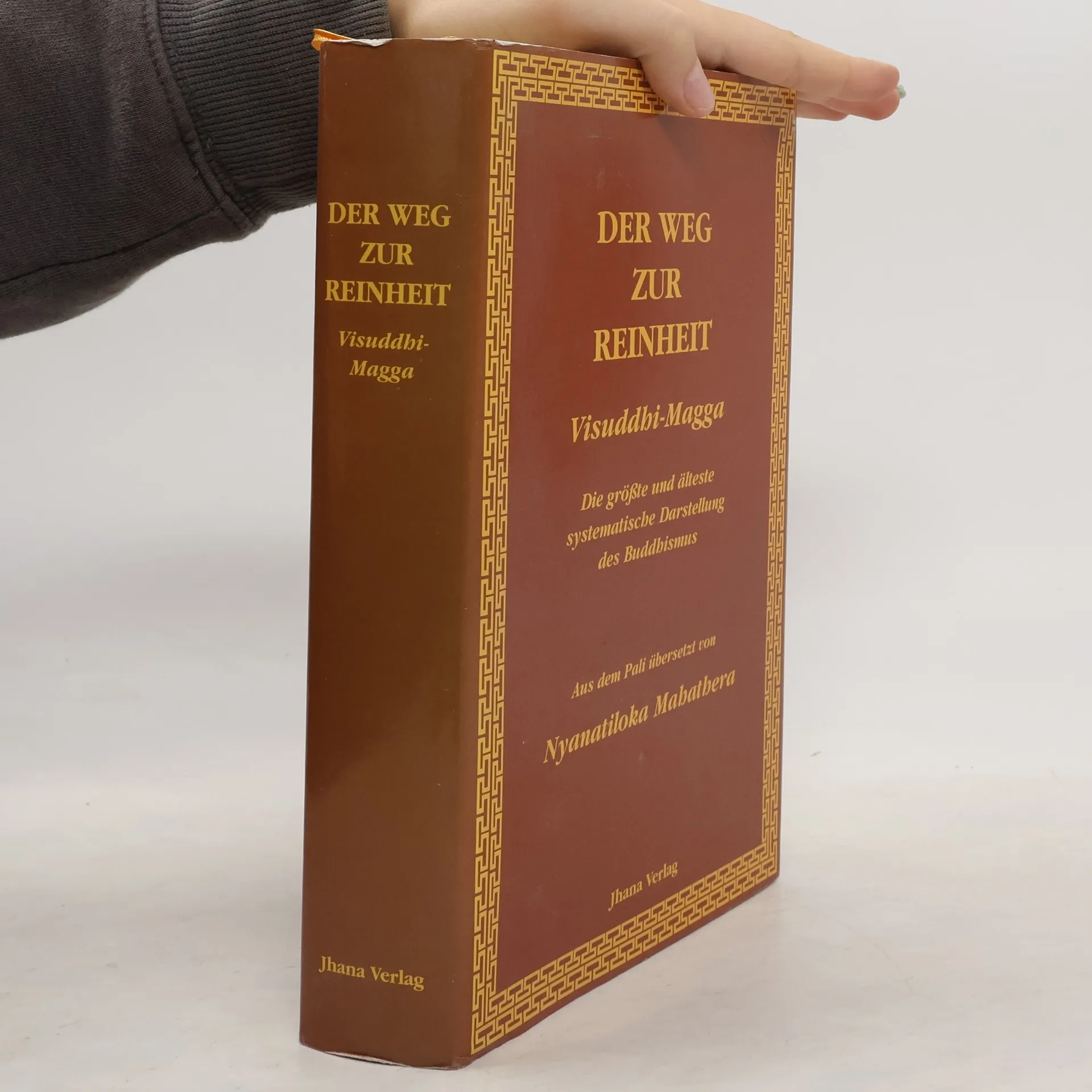
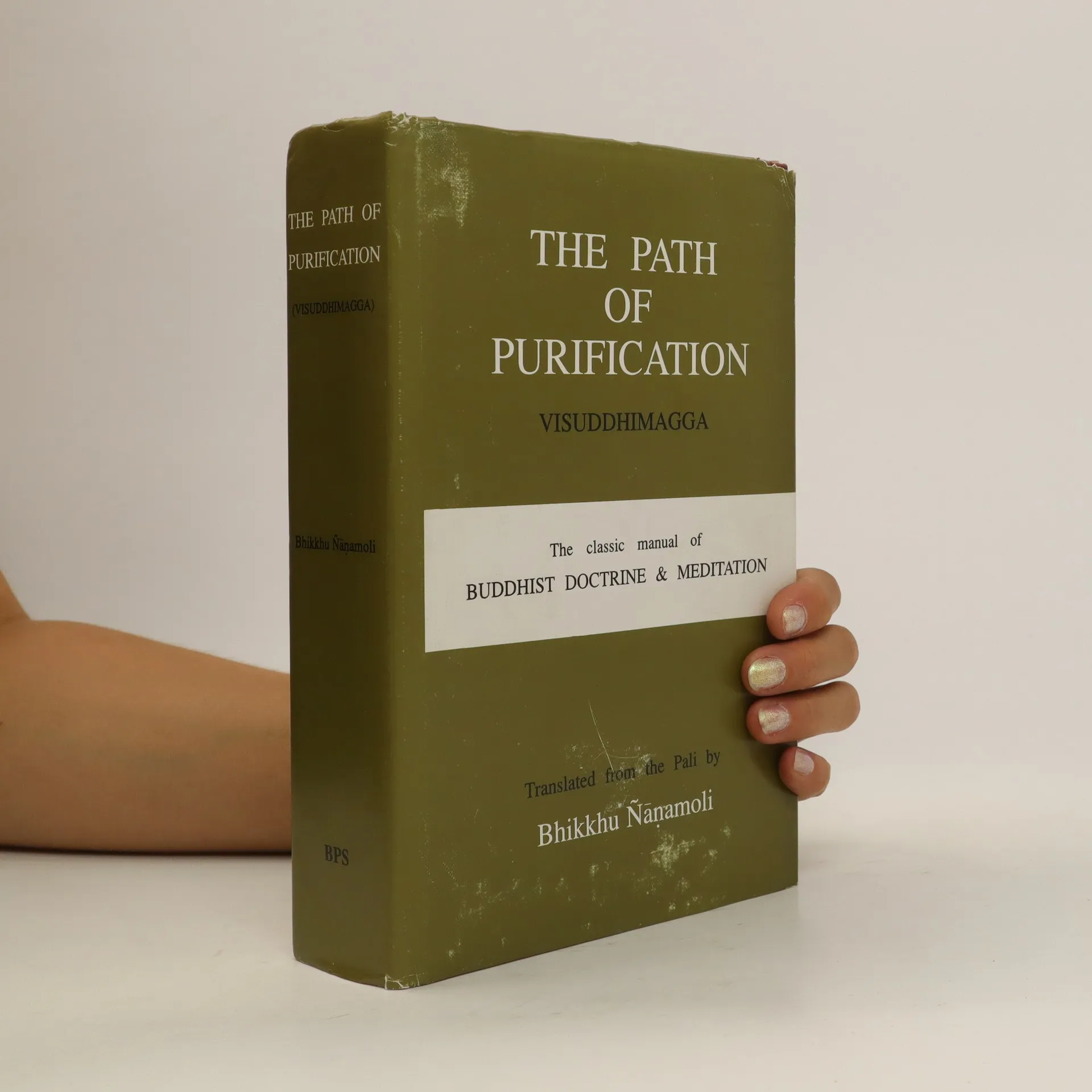
Einer der grundlegenden Texte des Buddhismus, der Visuddhimagga, ist eine systematische Untersuchung und Verdichtung der buddhistischen Lehre und Meditationspraxis. Die verschiedenen Lehren des Buddha, die im Pali-Kanon zu finden sind, sind in einem klaren, umfassenden Weg organisiert, der zum endgültigen Ziel des Nibbana, dem Zustand der vollständigen Reinheit, führt. In diesem Traktat werden vollständige und detaillierte Anweisungen zu 40 Meditationsgegenständen gegeben, die auf Konzentration abzielen, eine ausführliche Darstellung der buddhistischen Abhidhamma-Philosophie und explizite Beschreibungen der Einsichtsphasen, die in der endgültigen Befreiung kulminieren.