Chez Weininger me fascinaient l'exagération vertigineuse, l'infini dans la négation, le refus du bon sens, l'intransigeance meurtrière, la quête d'une position absolue, la manie de conduire un raisonnement jusqu'au point où il se détruit lui-même et où il ruine l'édifice dont il fait partie. Ajoutez à cela le culte de la formule géniale et de l'excommunication arbitraire, l'assimilation de la femme au Rien et même à quelque chose de moins. Cioran
Otto Weininger Ordre des livres (chronologique)
3 avril 1880 – 4 octobre 1903
Otto Weininger était un philosophe autrichien dont l'œuvre radicale et provocatrice explore la nature du sexe, du caractère et de la relation à l'univers. Son texte fondamental, publié peu avant sa mort prématurée, a suscité la controverse et continue de diviser les critiques. Bien que souvent examiné pour ses opinions controversées, beaucoup y trouvent de profondes intuitions spirituelles et un génie philosophique. Le style de Weininger est intense et auto-examinateur, marqué par un fervent désir de découvrir les vérités fondamentales de l'existence.



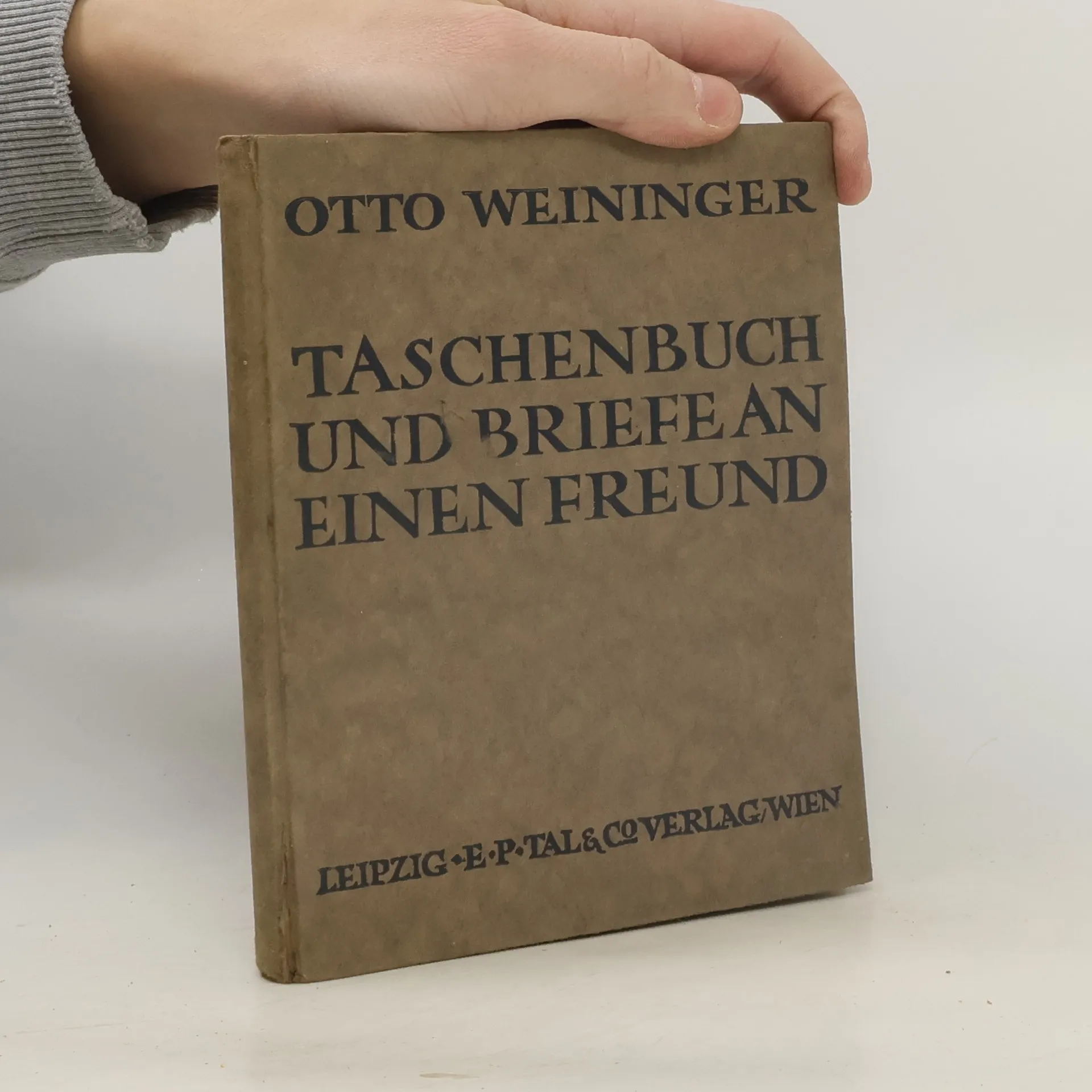
O krajnjim životnim svrhama
- 218pages
- 8 heures de lecture
Eros und Psyche
- 223pages
- 8 heures de lecture
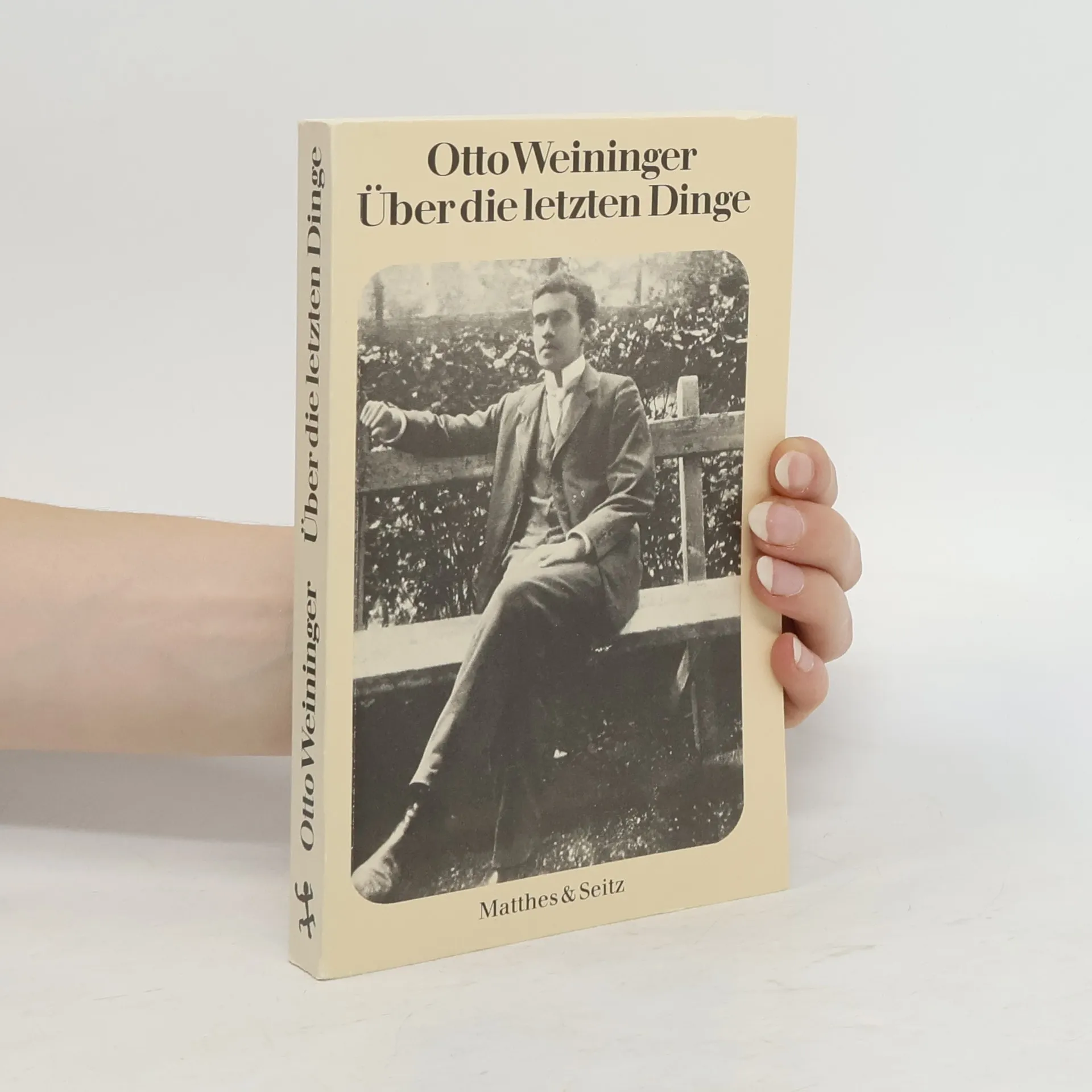
Über die letzten Dinge
- 212pages
- 8 heures de lecture
Are femeia vreun rol în evoluția spirituală a bărbatului? Ce anume, în iubire și în erotism, declanșează intuiții și trăiri care depășesc datul, ordinarul, norma? Otto Weininger, un gânditor catalogat drept misogin și antisemit, repune în discuție opera Peer Gynt al lui Ibsen, stăruind asupra temelor sale favorite: superioritatea masculinului, asociat spiritului, față cu femininul, asociat instinctualității oarbe, lipsite de spirit, de perspectivă, deci și de valoare. Aforistica acestui autor, deopotrivă prezentă în volumul de față, abordează problematica sadismului și a masochismului, imoralitatea dusă până la ilegalitate și crimă, culminând cu – sau decurgând din – păcatul originar.
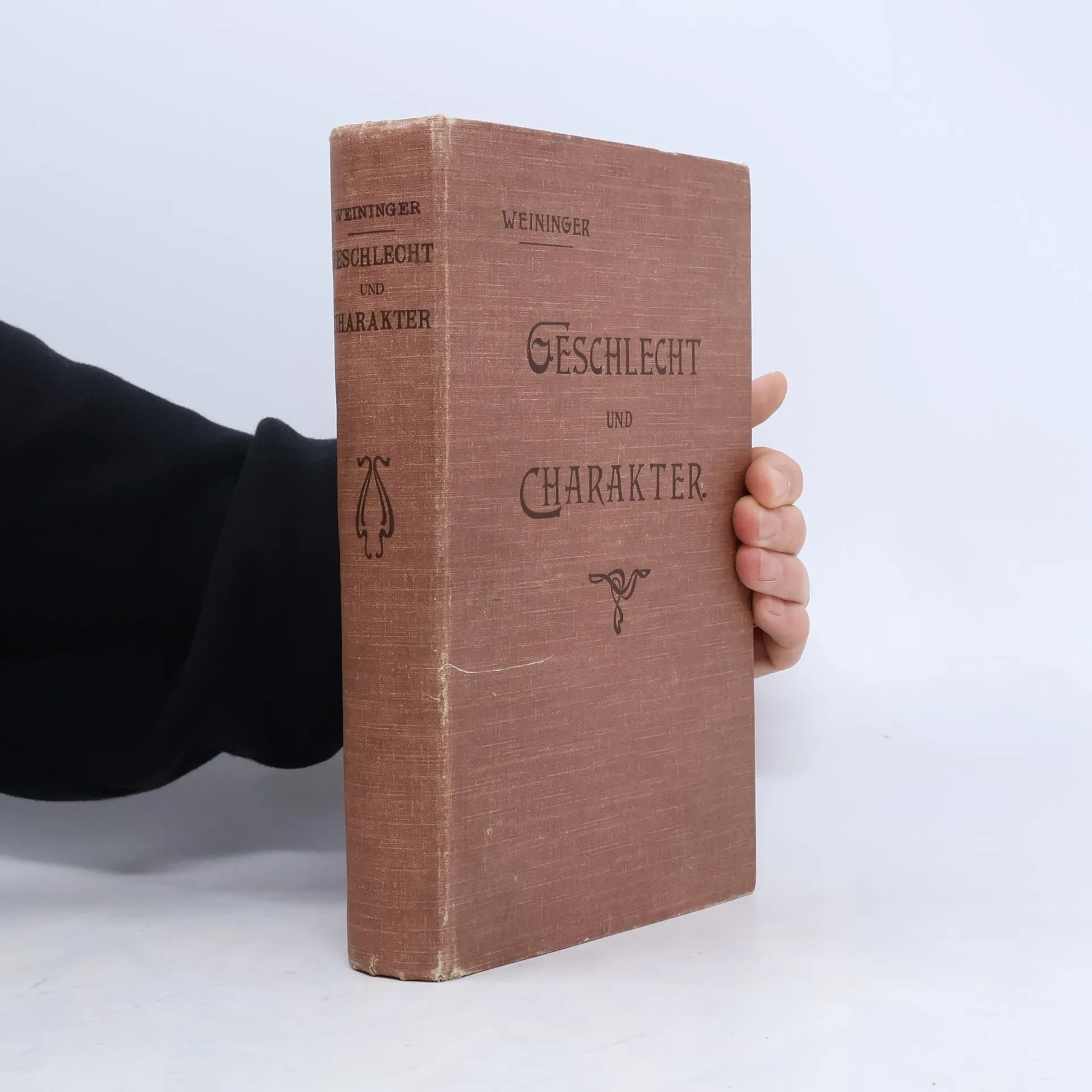
Geschlecht und Charakter
Fünfzehnte Auflage
Geschlecht und Charakter
Eine prinzipielle Untersuchung
Sex and character
- 437pages
- 16 heures de lecture
Otto Weininger's controversial book Sex and Character, first published in Vienna in 1903, is a prime example of the conflicting discourses central to its time: antisemitism, scientific racism and biologism, misogyny, the cult and crisis of masculinity, psychological introspection versus empiricism, German idealism, the women's movement and the idea of human emancipation, the quest for sexual liberation, and the debates about homosexuality. Combining rational reasoning with irrational outbursts, in the context of today's scholarship, Sex and Character speaks to issues of gender, race, cultural identity, the roots of Nazism, and the intellectual history of modernism and modern European culture. This new translation presents, for the first time, the entire text, including Weininger's extensive appendix with amplifications of the text and bibliographical references, in a reliable English translation, together with a substantial introduction that places the book in its cultural and historical context.