Vasant Lad est une autorité distinguée en Ayurveda, apportant une richesse d'expérience théorique et pratique de l'Inde aux États-Unis. Son approche de la médecine s'appuie sur une étude approfondie de l'Ayurveda traditionnelle, enrichie par des connaissances en médecine occidentale et en chirurgie, ce qui permet une perspective holistique sur la santé. À travers ses nombreux livres et conférences mondiales, Vasant Lad a rendu les principes complexes de l'Ayurveda accessibles à un large public. Son œuvre sert de pont entre la sagesse ancienne et la vie moderne, aidant les lecteurs à explorer des voies vers l'équilibre et le bien-être.
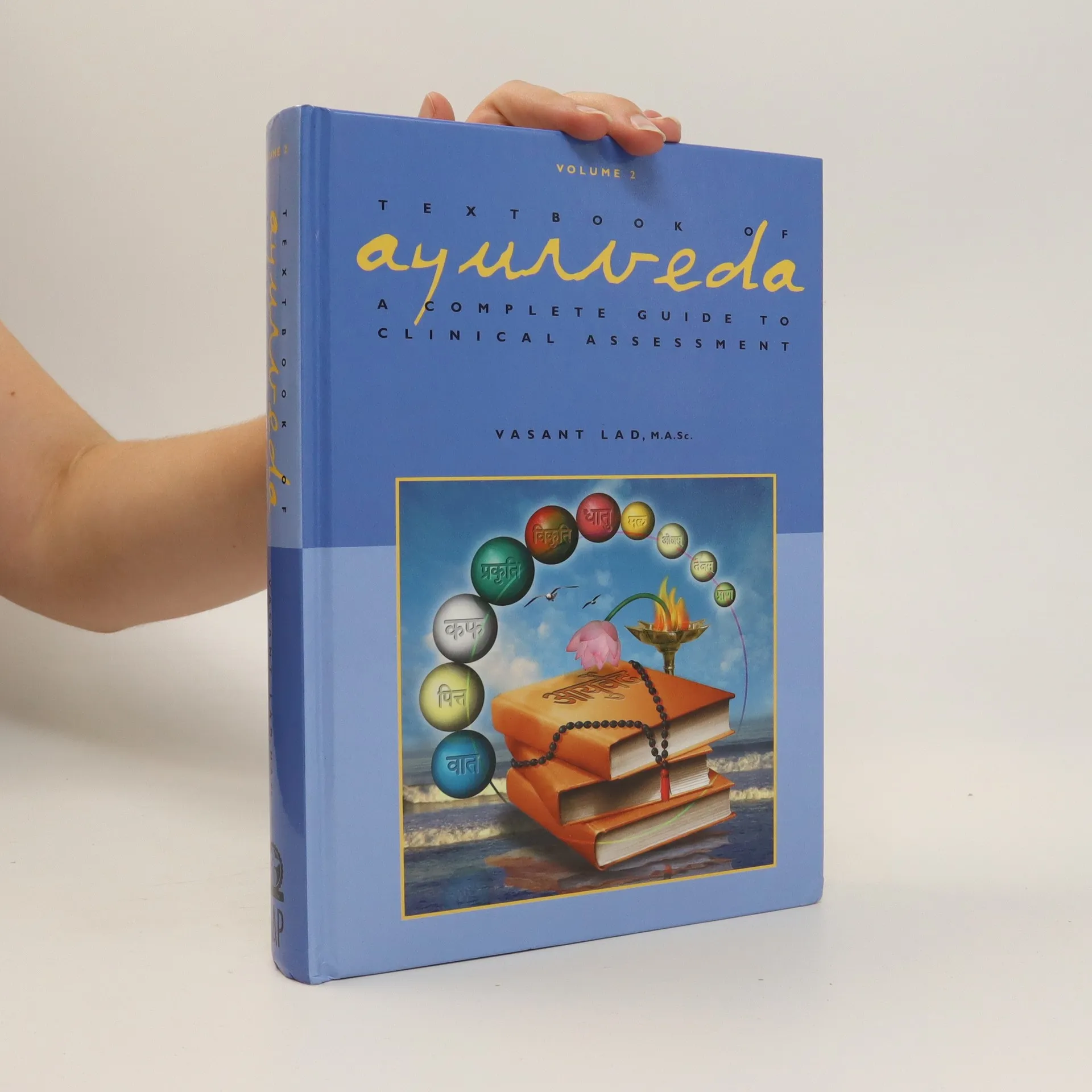
Dr Lad teaches a systematic method for identifying the causes of illness and the stages in which a disease unfolds. This paradigm of cause and effect (etiology and pathogenesis) is the key to understanding how disease can be prevented through awareness of the subtle energetic disturbances that precede structural or functional damage. Sharing from a wealth of clinical experience, Dr Lad presents principles and methods of assessment using a combination of the most helpful Ayurvedic and modern techniques.
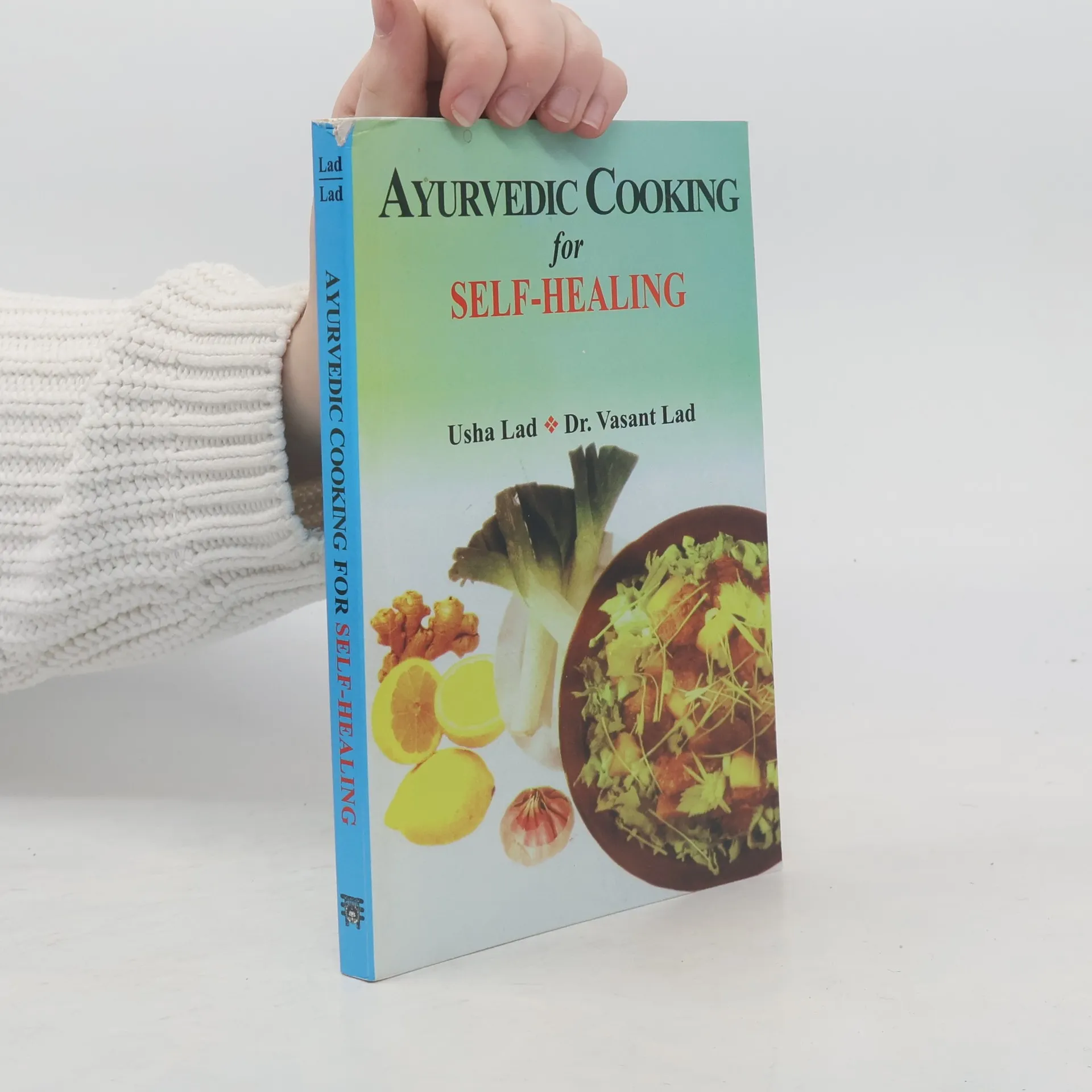
A guide to the Ayurvedic approach to food and tasty vegetarian cooking. It contains recipes which are formulated using herbs and spices to help balance the constitution of various individuals.
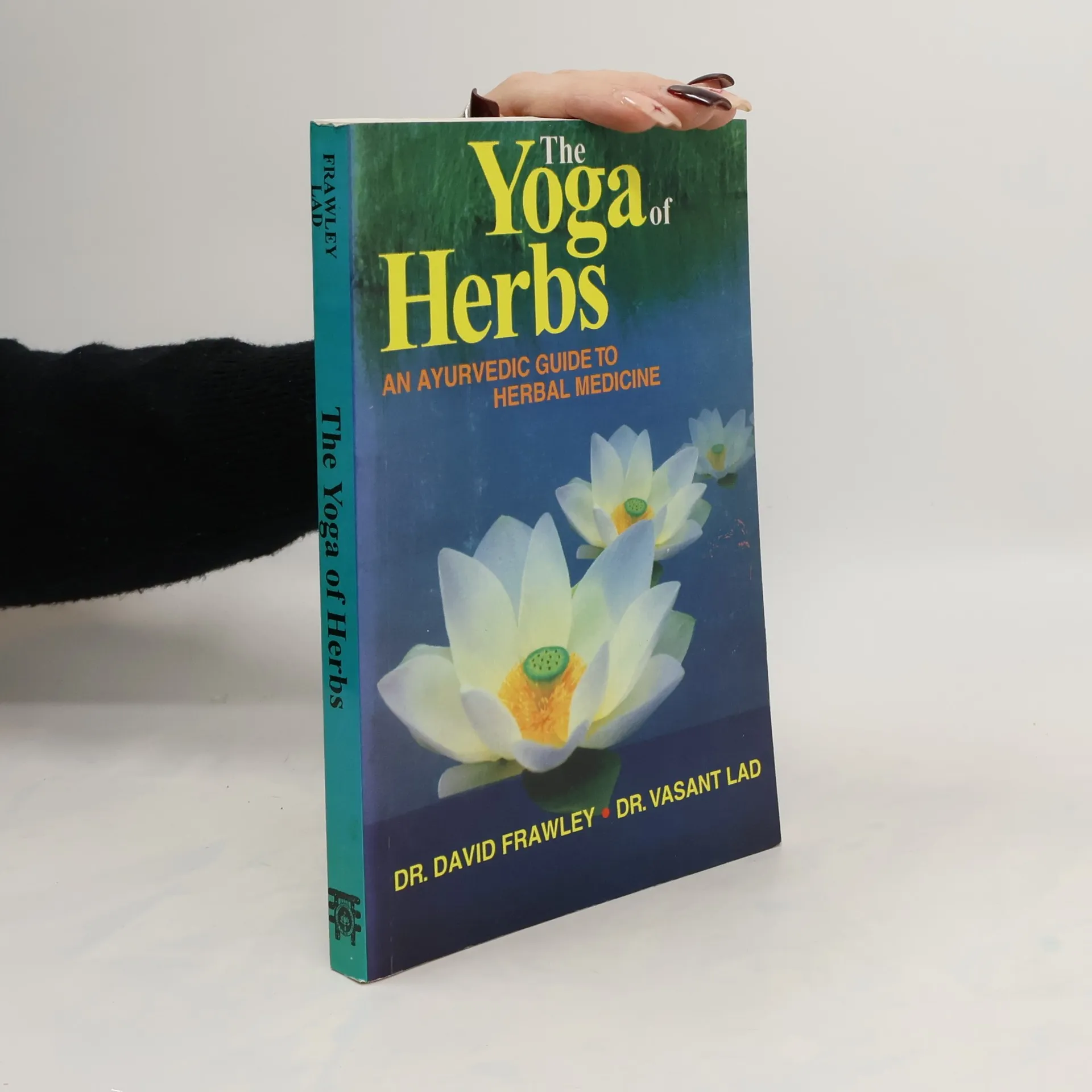
The term yoga has many traditional meanings. In Ayurveda, the medical science of India, yoga refers to the right usage and right combination of herbs. A special combination of substances designed to bring about a specific effect upon the body or mind is thus called yoga. This coordinated or integrated usage of herbs is based upon the ancient Ayurvedic science of herbal energetics. This is a system for determining the qualities and powers of herbs according to the laws of nature, so that herbs can be used objectively and specifically according to individual condition. A yogic usage of herbs implies such an harmonic application of the potencies of herbs. In this book, for the first time, this Ayurvedic herbal science is applied to western herbs, as well as to a few major oriental herbs, both Indian and Chinese. It is the purpose of this book not to present Ayurveda in the distance, as some-thing foreign or anci-ent, but to make it a practically applied syst-em of herbalism. This book is just a presentation of traditi-onal Ayurvedic know-ledge. It attempts to show living Ayurveda, its creative and practical application to changing conditions. It is meant as a bridge between east and west. In this regard, it has been a collaboration of an easterner with profound knowledge of the west and a westerner with profound knowledge of the east.