
Bookbot

Mario Vargas Llosa

    28 mars 1936

    Mario Vargas Llosa est une voix essentielle de la littérature sud-américaine contemporaine, réputé pour ses explorations perspicaces des structures de pouvoir et de la résistance individuelle. Ses romans plongent dans les complexités des paysages politiques et sociaux, présentant souvent des portraits saisissants de la corruption et de la lutte contre les régimes oppressifs. Avec un style narratif distinctif, il crée magistralement des personnages et leurs conflits intérieurs, reflétant un profond engagement à examiner la condition humaine. Au-delà de la fiction, Vargas Llosa est un essayiste respecté qui estime que les écrivains ont une responsabilité civique de participer aux débats sociétaux, enrichissant la littérature par son lien avec la vie elle-même.

    Mario Vargas Llosa
    Les chiots
    Folio: Qui a tué Palomino Molero?
    Éloge de la marâtre
    Tours et détours de la vilaine fille
    Le héros discret
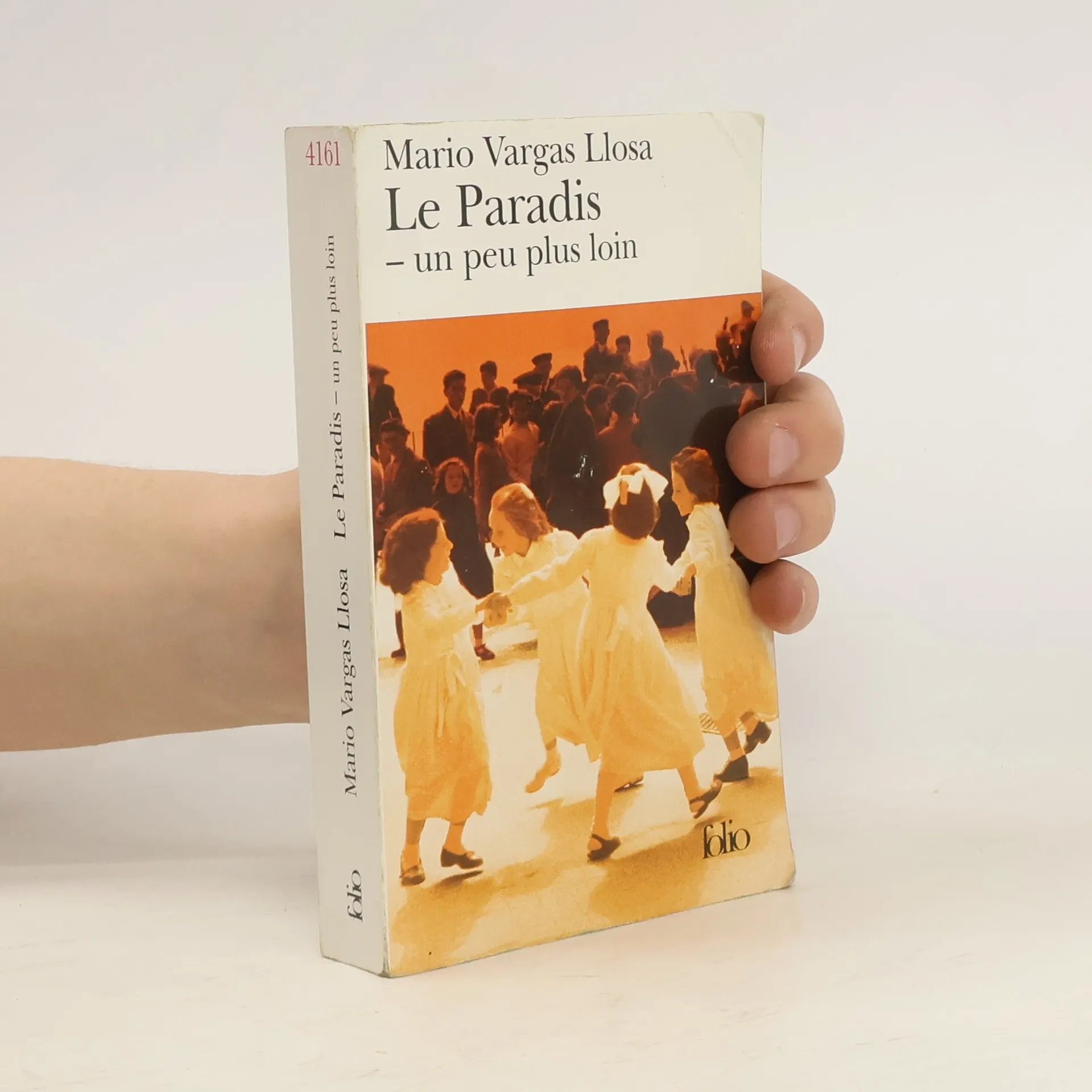
    Le paradis - un peu plus loin
    • Le paradis - un peu plus loin

      • 595pages
      • 21 heures de lecture

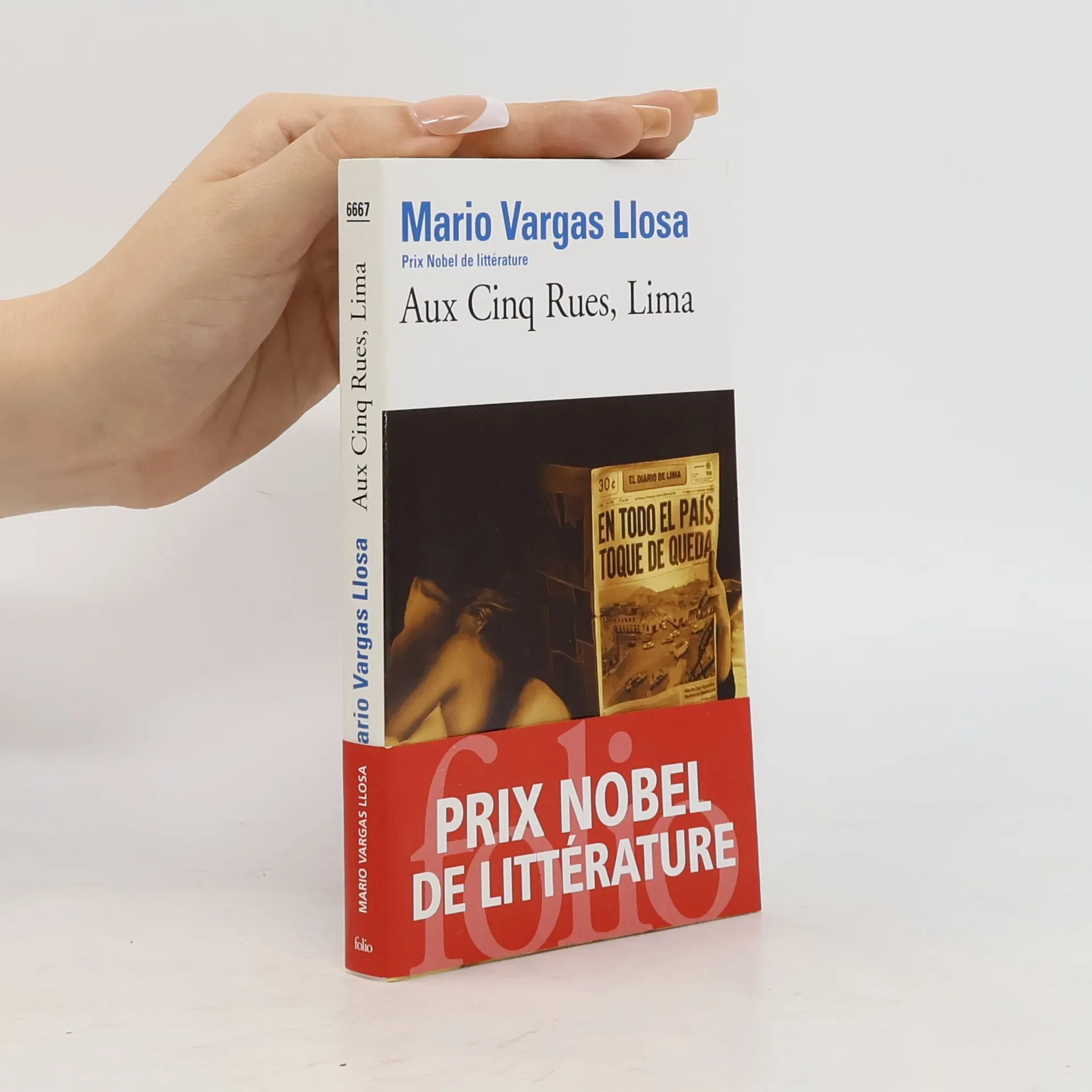
      Le 7 avril 1803 naît à Paris la militante féministe et ouvriériste Flora Tristan. Un siècle plus tard, le 8 mai 1903, son petit-fils, Paul Gauguin, meurt seul et presque aveugle dans son faré des îles Marquises. Sous la plume de Mario Vargas Llosa, Flora Tristan et Paul Gauguin deviennent Florita l'Andalouse et Koké le Maori, deux êtres libertaires, passionnés, profondément humains, hantés par une quête de l'absolu qui donne à leur vie une dimension tragique, et qui vécurent l'enfer pour avoir désespérément voulu bâtir le Paradis. A travers les destins croisés d'une militante et d'un artiste, Mario Vargas Llosa évoque, dans un roman à la construction magistrale, les grandes utopies politiques et artistiques des temps modernes.

      Le paradis - un peu plus loin
      3,9
    • Le héros discret

      • 496pages
      • 18 heures de lecture

      "Felicito Yanaqué, d'origine modeste, possède une entreprise de transport qui prospère. Il subit les menaces d'une bande de mafieux qui veut lui extorquer de l'argent. Le capitaine Silva et le sergent Lituma mènent l'enquête sur ces criminels. A Lima, Ismael, patron d'une riche compagnie d'assurances, se voit menacé par ses deux fils, qui convoitent sa fortune. L'homme saura répondre à ces menaces."

      Le héros discret
      3,7
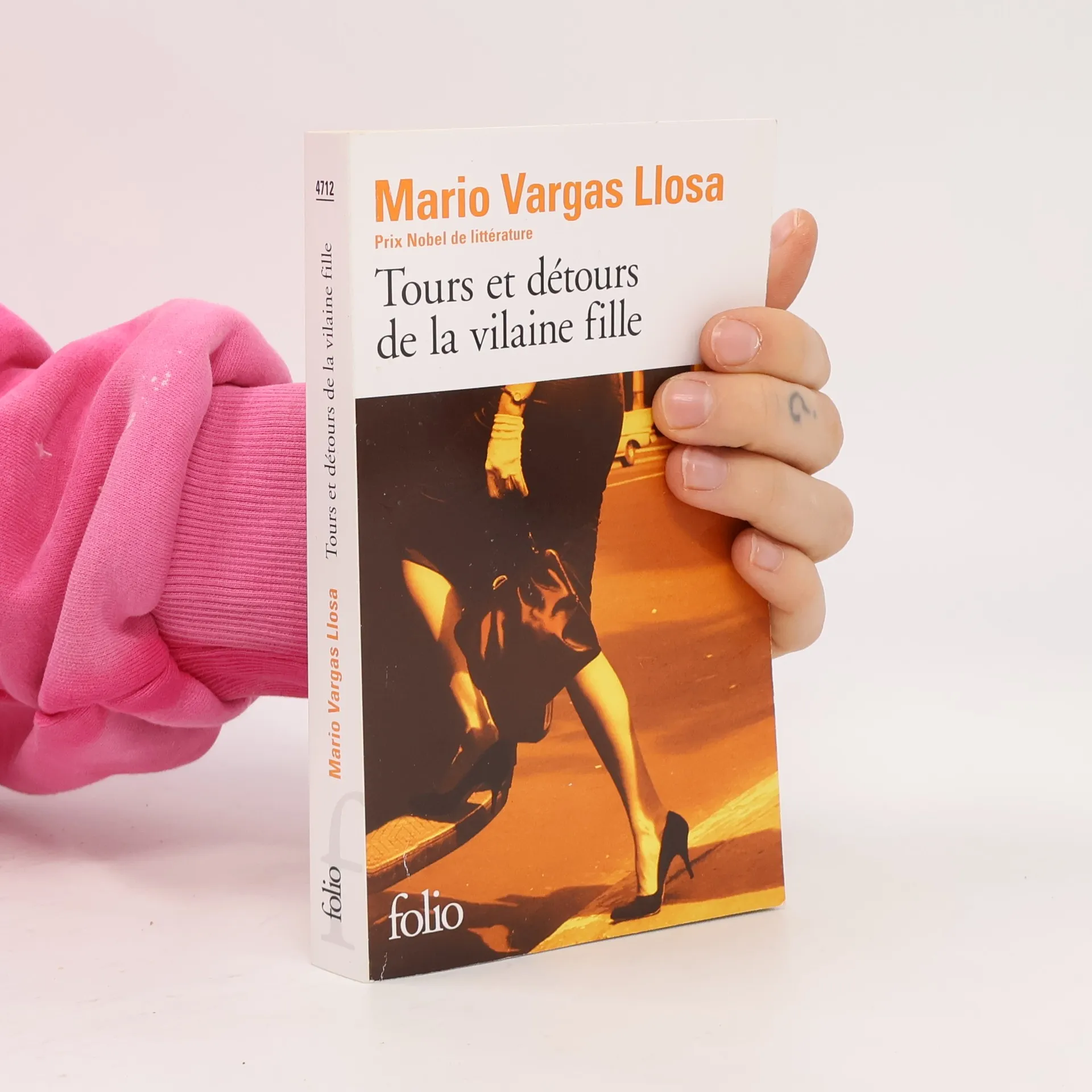
    • Tours et détours de la vilaine fille

      • 417pages
      • 15 heures de lecture

      « Que de tours et de malices chez cette "vilaine fille", toujours et tant aimée par son ami Ricardo, le "bon garçon". Ils se rencontrent pour la première fois au début des années cinquante en pleine adolescence, dans l'un des quartiers les plus huppés de Lima, Miraflores. Joyeux, inconscients, ils font partie d'une jeunesse dorée qui se passionne pour les rythmes du mambo et ne connaît d'autre souci que les chagrins d'amour. Rien ne laissait alors deviner que celle qu'on appelait à Miraflores "la petite Chilienne" allait devenir, quelques années plus tard, une farouche guérillera dans la Cuba de Castro, puis l'épouse d'un diplomate dans le Paris des existentialistes, ou encore une richissime aristocrate dans le "swinging London". D'une époque, d'un pays à l'autre, Ricardo la suit et la poursuit, comme le plus obscur objet de son désir. Et, bien entendu, ne la perd que pour mieux la rechercher. Mario Vargas Llosa nous offre un cadeau inattendu : une superbe tragi-comédie où éros et thanatos finissent par dessiner une autre Carte de Tendre entre Lima, Paris, Londres et Madrid. Car "Tours et détours de la vilaine fille" est bien cela : la géographie moderne d'un amour fou. »

      Tours et détours de la vilaine fille
      3,7
    • Éloge de la marâtre

      • 220pages
      • 8 heures de lecture

      Don Rigoberto découvre le plaisir des sens entre les bras de doña Lucrecia, sa seconde épouse. Mais il a un rival en la personne de son propre fils, Alfonsito, qui, avec une blonde, enfantine et désarmante perversité, séduit sa marâtre. "Depuis cette nuit, elle avait la certitude que les rencontres clandestines avec l'enfant, d'une façon abscure et tortueuse, difficile à expliquer, enrichissaient sa relation matrimoniale, la rendaient piquante et inédite. Mais quelle sorte de morale est-ce là, Lucrecia ? se demandait-elle, effrayée. Comment est-ce possible que tu sois devenue ainsi, à ton âge, du jour au lendemain ? Elle ne pouvait le comprendre, mais ne s'efforçait pas non plus d'y parvenir. Elle préférait s'abandonner à cette situation contradictoire, où ses actes défiaient et transgressaient ses principes, à la suite de cette intense exaltation périlleuse qui était devenue pour elle la félicité. Un matin, en ouvrant les yeux, cette phrase lui vint aux lèvres : "J'ai conquis la souveraineté". Elle se sentit heureuse et émancipé, mais elle n'aurait pu préciser de quoi". Dressant un malicieux catalogue de la luxure, Mario Vargas Llosa, sans s'écarter vraiment de la galerie de ses personnages habituels, avec ironie et truculence, réinvente le roman érotique.

      Éloge de la marâtre
      3,6
    • Folio: Qui a tué Palomino Molero?

      • 192pages
      • 7 heures de lecture

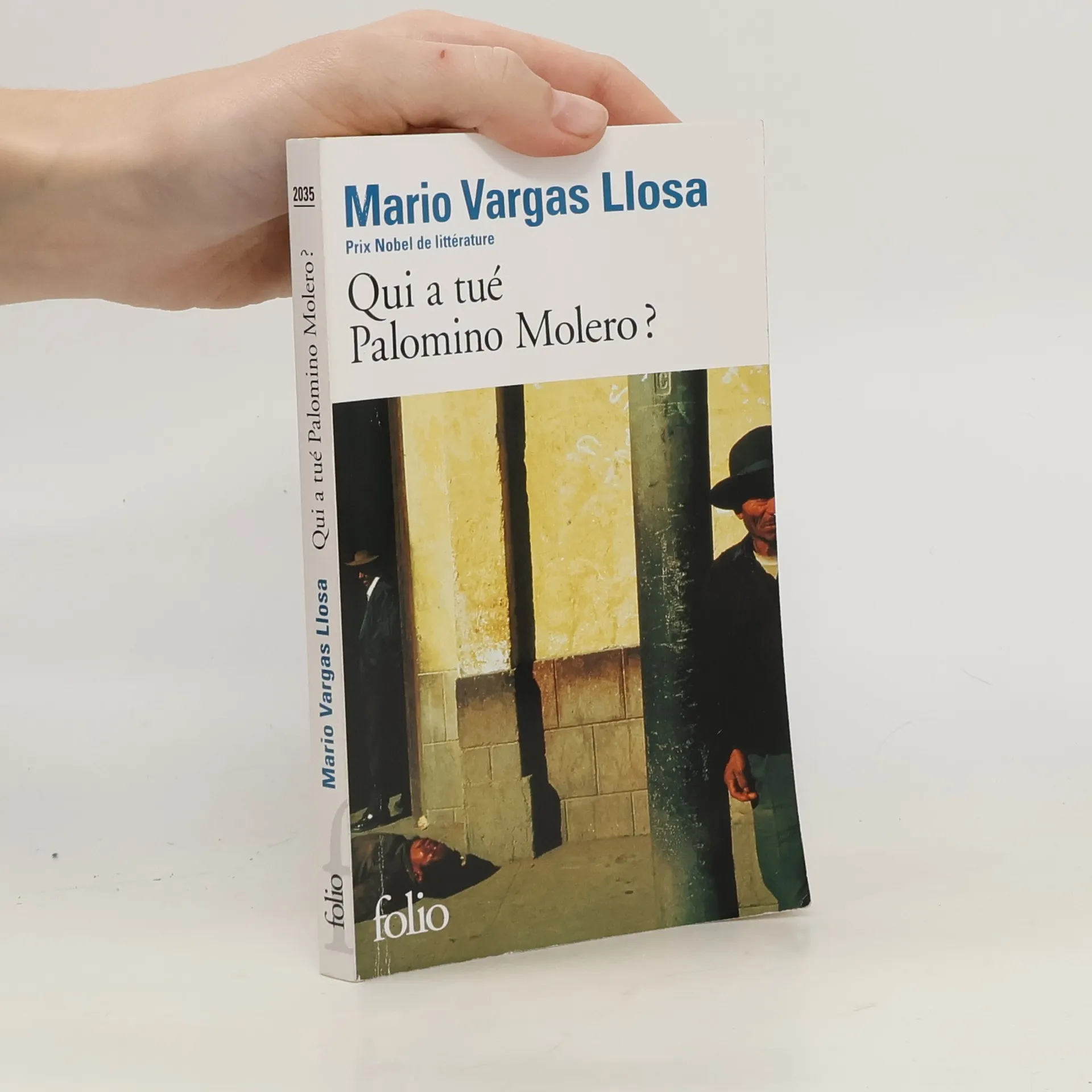
      Le corps d'un jeune homme affreusement mutilé, accroché à un arbre, a été découvert par un jeune chevrier. L'enquête conduit le lieutenant Silva et le sergent Lituma dans l'univers préservé d'une base militaire dirigée par le colonel Mindreau, et dans le labyrinthe de la petite ville de Talara organisée autour de la gargote de Doña Adriana. D'un côté, le monde secret de l'armée, de l'autre toute une population haute en couleur, pitoyable, mesquine, truculente. Qui, dans tout cela, a tué Palomino Molero ? Au suspense sans faille d'un véritable roman policier, Mario Vargas Llosa greffe une rigoureuse analyse des problèmes sociaux du Pérou et une dénonciation ironique, implicite, des mécanismes du pouvoir.

      Folio: Qui a tué Palomino Molero?
      3,5
    • Les chiots

      • 126pages
      • 5 heures de lecture

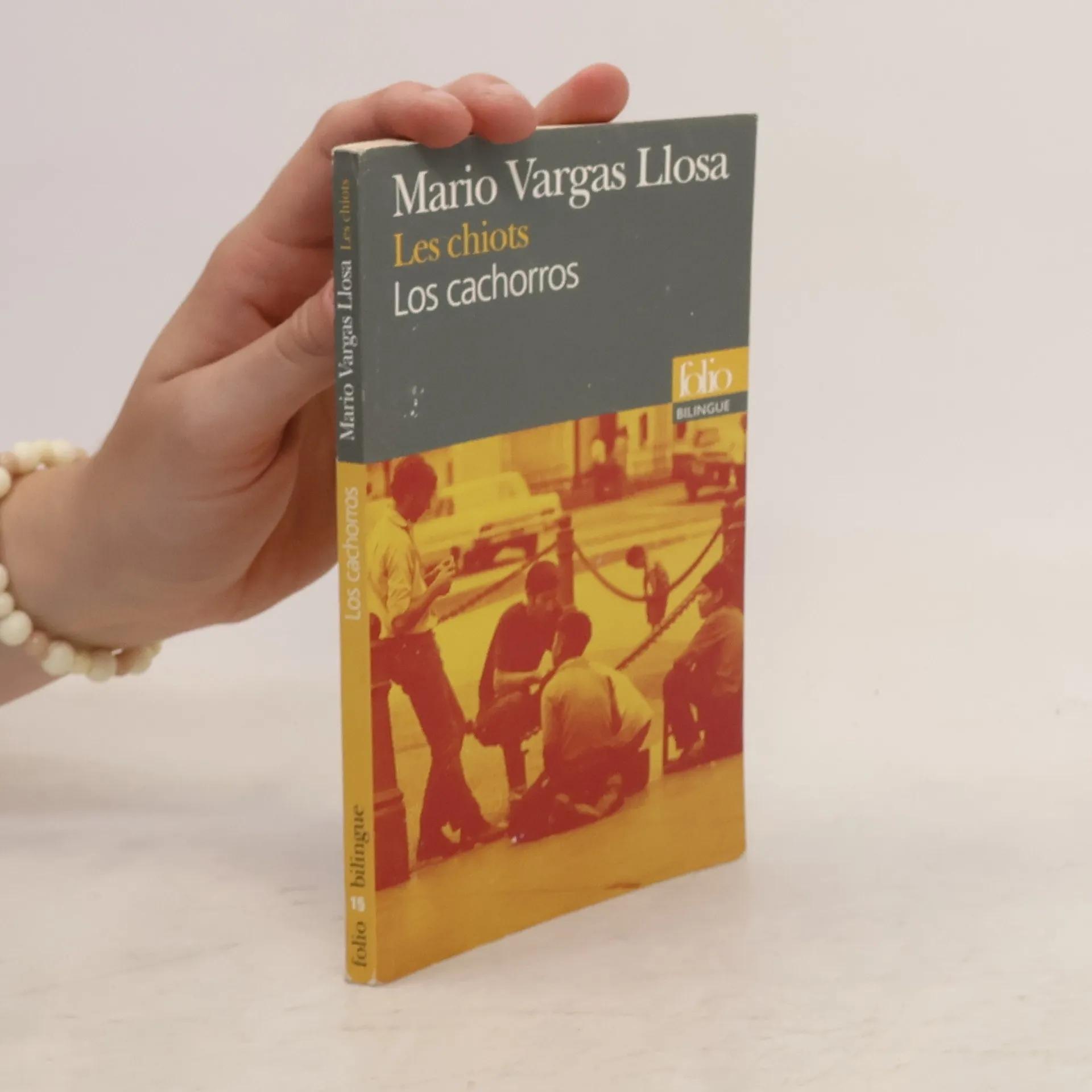
      Cuéllar est un "chiot", c'est-à-dire un de ces jeunes garçons turbulents de la banlieue de Lima. Adolescents, ils se heurtent à la difficulté de devenir adultes et peinent à trouver leur place dans une société où la virilité prime sur tout le reste. Parmi eux, Cuéllar, plus faible, plus fragile, se trouve marginalisé jusqu'au drame... Mario Vargas Llosa, l'un des chefs de file de la littérature sud-américaine, offre avec Les chiots une fable bouleversante sur l'intégration, fable qui mêle langage enfantin et expressions populaires pour un authentique plaisir de lecture.

      Les chiots
      3,1
    • Urania Cabral, a New York lawyer, returns to the Dominican Republic after a lifelong self-imposed exile. Once she is back in her homeland, the elusive feeling of terror that has overshadowed her whole life suddenly takes shape. Urania's own story alternates with the powerful climax of dictator Rafael Trujillo's reign.In 1961, Trujillo's decadent inner circle (which includes Urania's soon-to-be disgraced father) enjoys the luxuries of privilege while the rest of the nation lives in fear and deprivation. As Trujillo clings to power, a plot to push the Dominican Republic into the future is being formed. But after the murder of its hated dictator, the Goat, is carried out, the Dominican Republic is plunged into the nightmare of a bloody and uncertain aftermath. Now, thirty years later, Urania reveals how her own family was fatally wounded by the forces of history. In The Feast of the Goat Vargas Llosa eloquently explores the effects of power and violence on the lives of both the oppressors and those they victimized.

      The Feast of the Goat. Das Fest des Ziegenbocks, englische Ausgabe
      4,5
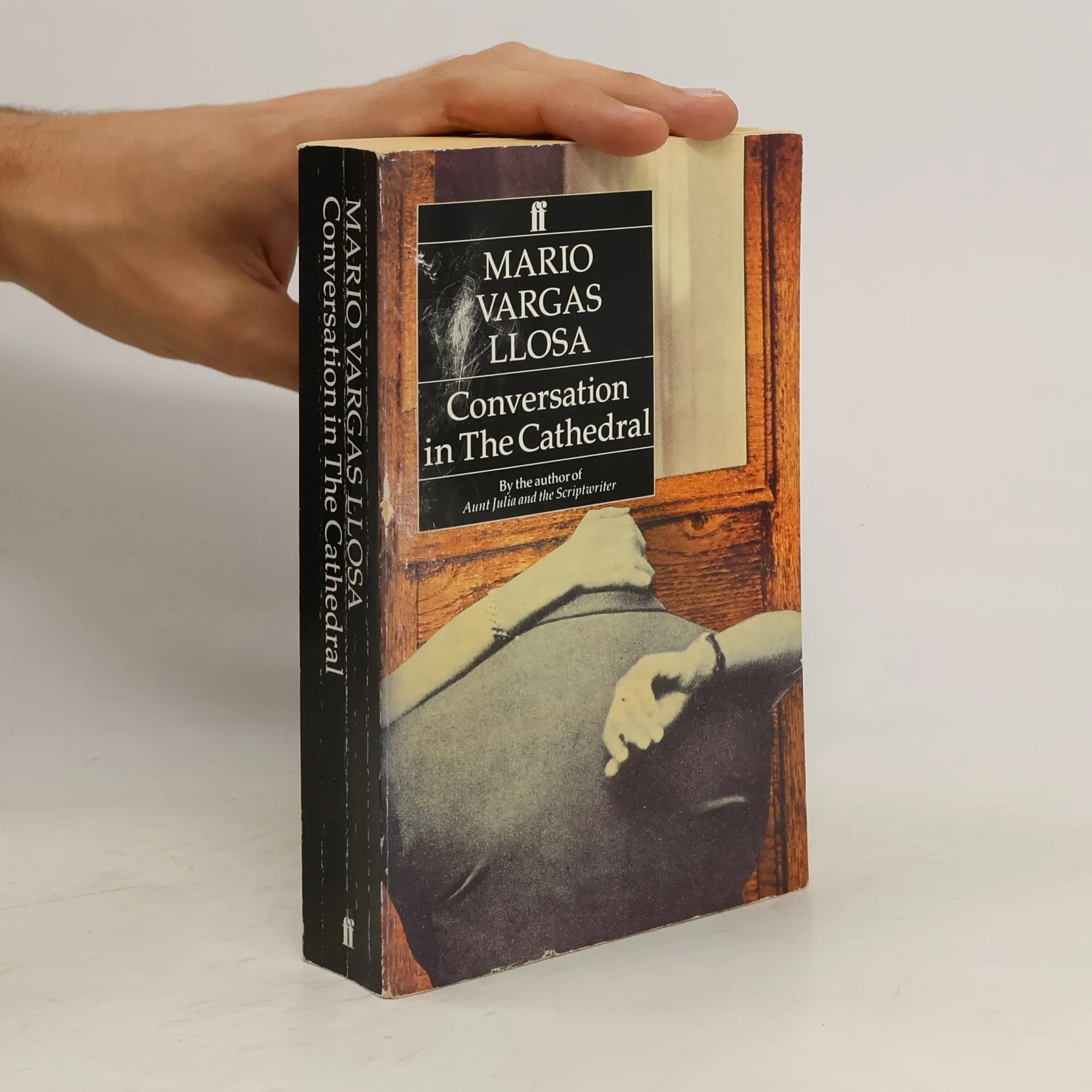
    • The conversation flows between two individuals, Santiago and Ambrosia, who talk of their tormented lives and of the degradation and frustration that has taken over their town. In this groundbreaking novel, Mario Vargas Llosa explores the mental and moral mechanisms that govern power and the people behind it.

      Conversation in the Cathedral
      4,3
    • The Feast of the Goat

      • 416pages
      • 15 heures de lecture

      Haunted all her life by feelings of terror and emptiness, forty-nine-year-old Urania Cabral returns to her native Dominican Republic - and finds herself reliving the events of l961, when the capital was still called Trujillo City and one old man terrorized a nation of three million. Rafael Trujillo, the depraved ailing dictator whom Dominicans call the Goat, controls his inner circle with a combination of violence and blackmail. In Trujillo's gaudy palace, treachery and cowardice have become a way of life. But Trujillo's grasp is slipping. There is a conspiracy against him, and a Machiavellian revolution already underway that will have bloody consequences of its own. In this 'masterpiece of Latin American and world literature, and one of the finest political novels ever written' (Bookforum), Mario Vargas Llosa recounts the end of a regime and the birth of a terrible democracy, giving voice to the historical Trujillo and the victims, both innocent and complicit, drawn into his deadly orbit.
      The Feast of the Goat
      4,3
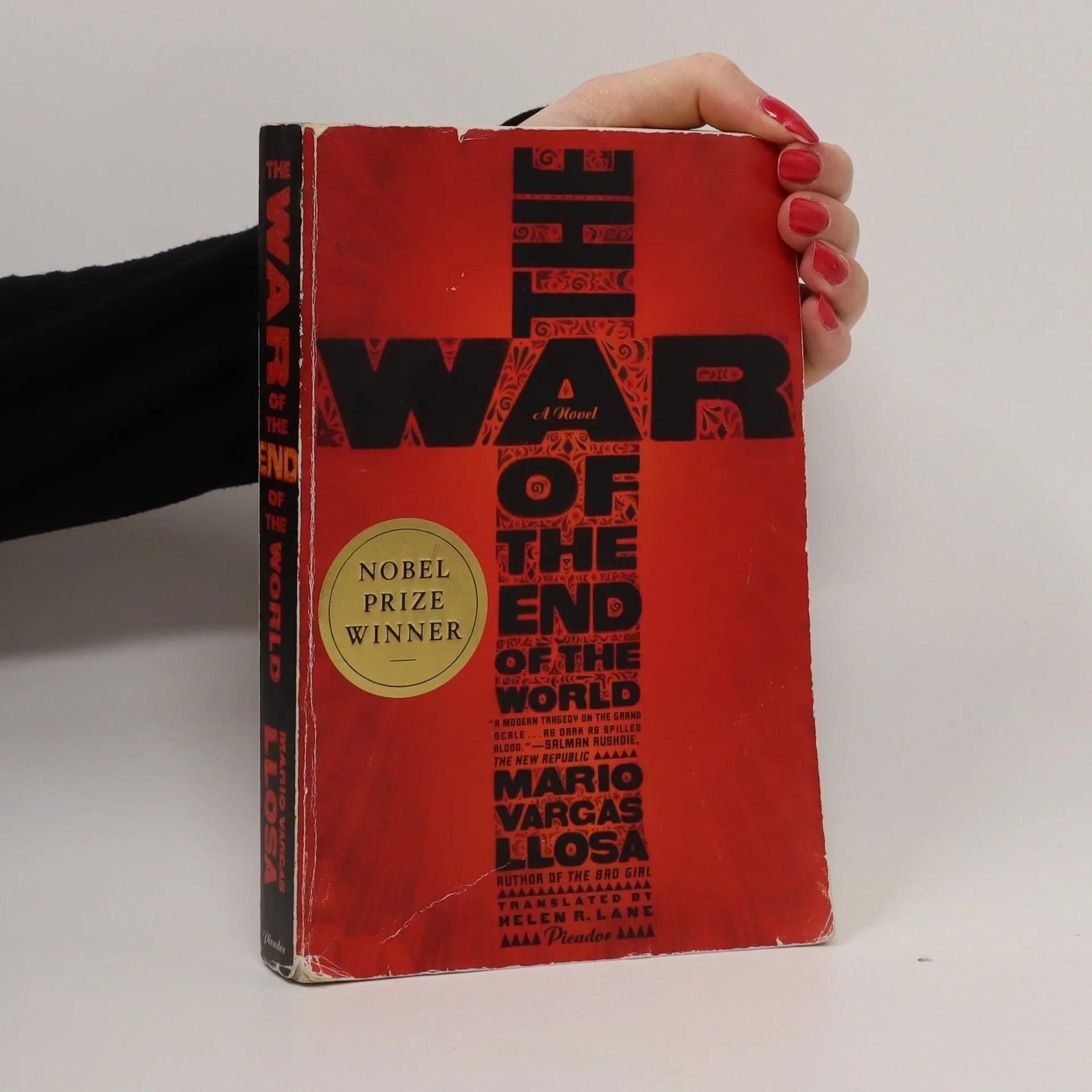
    • The War of the End of the World

      • 568pages
      • 20 heures de lecture

      An apocalyptic prophet in the Brazilian backlands creates the state of Canudos. In it there is no money, property, marriage, income tax, decimal system, or census.

      The War of the End of the World
      4,3
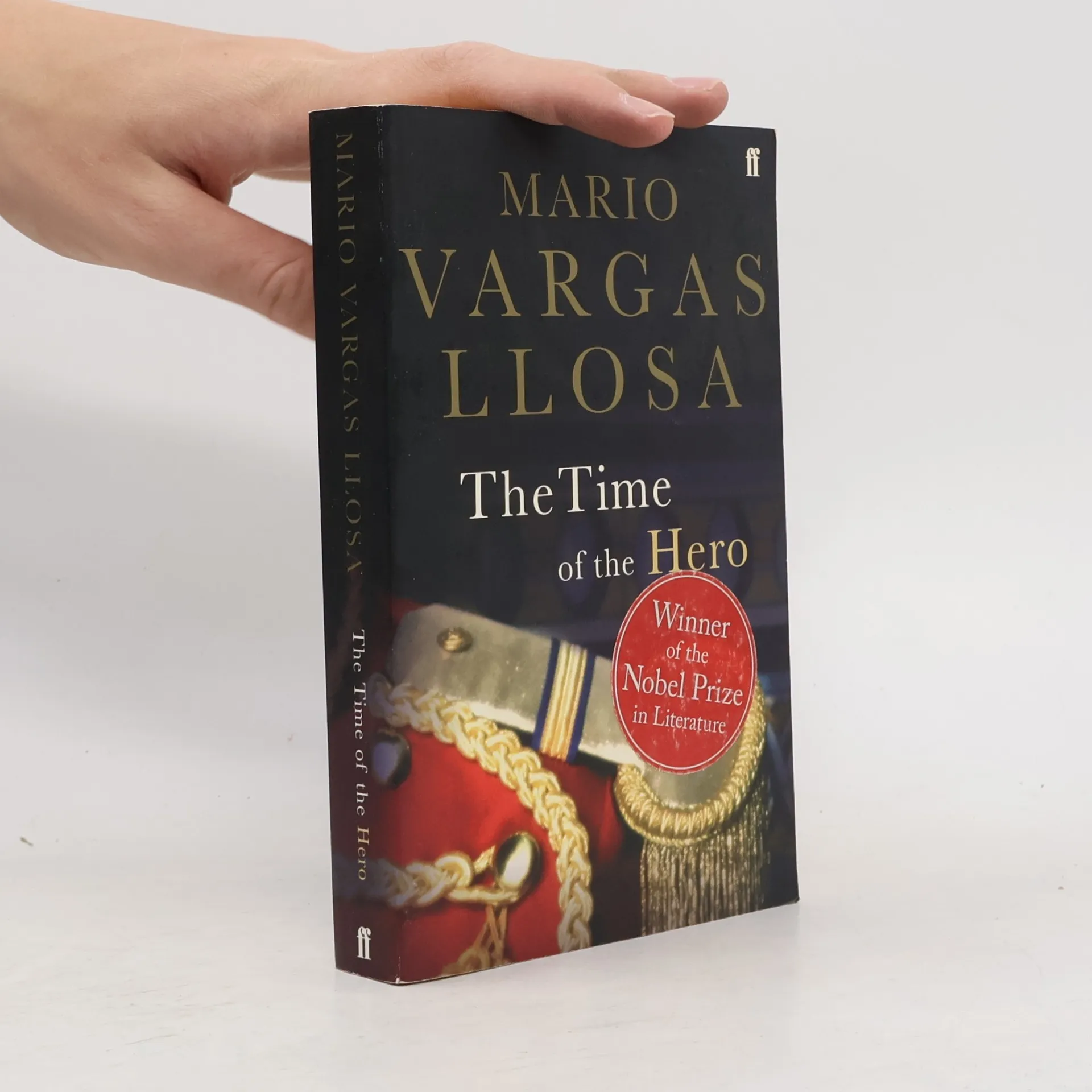
    • In the author's native Peru, this powerful social satire so outraged the authorities that a thousand copies were publicly burned. The novel is set in Leoncio Prado Military Academy in Lima, where a group of cadets attempt to break out of the vicious round of sadistic ragging, military discipline, confinement and boredom.

      The Time of the Hero
      4,2
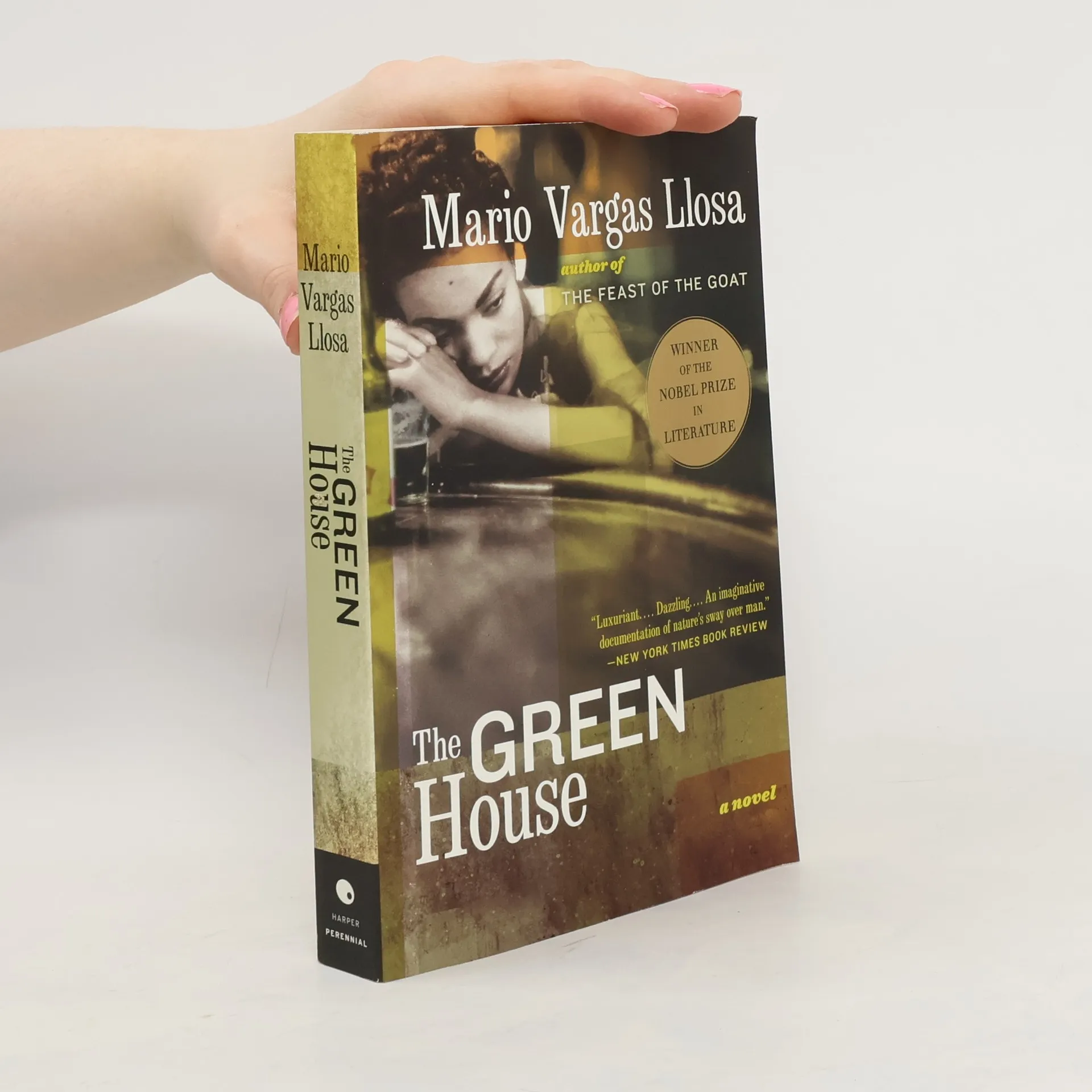
    • Mario Vargas Llosa's classic early novel takes place in a Peruvian town, situated between desert and jungle, which is torn by boredom and lust. Don Anselmo, a stranger in a black coat, builds a brothel on the outskirts of the town while he charms its innocent people, setting in motion a chain reaction with extraordinary consequences. This brothel, called the Green House, brings together the innocent and the corrupt: Bonificia, a young Indian girl saved by the nuns only to become a prostitute; Father Garcia, struggling for the church; and four best friends drawn to both excitement and escape. The conflicting forces that haunt the Green House evoke a world balanced between savagery and civilization -- and one that is cursed by not being able to discern between the two.
      The Green House
      4,1
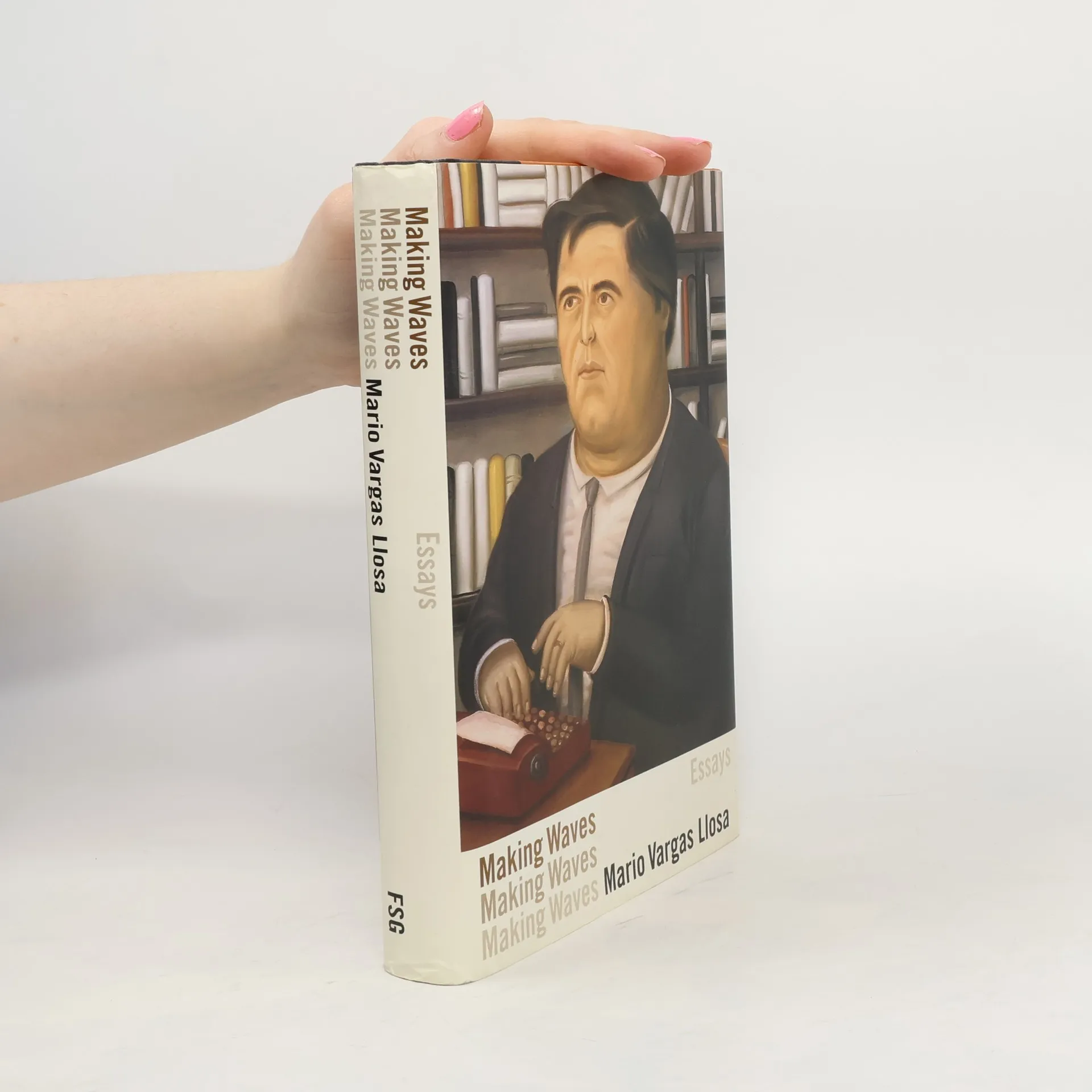
    • Spanning 30 years of writing, these essays traces the development of Mario Vargas Llosa's thinking on politics and culture, and show the breadth of his interests and passions. A "Publishers Weekly" Best Book of 1997.

      Making Waves
      4,0
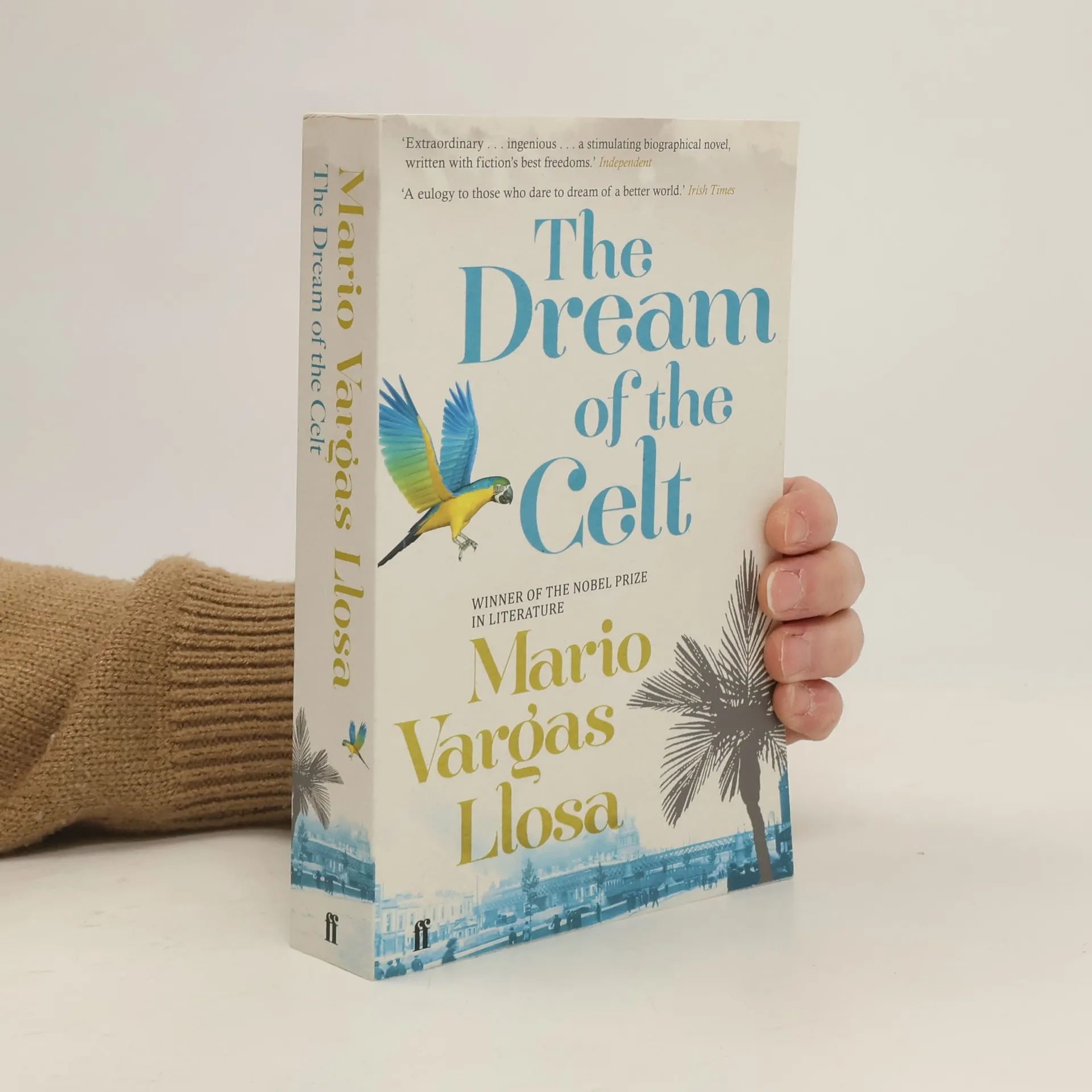
    • As The Dream of the Celt opens, it is the summer of 1916 and Roger Casement awaits the hangman in London's Pentonville Prison. Dublin lies in ruins after the disastrous Easter Rising led by his comrades of the Irish Volunteers. He has been caught after landing from a German submarine. For the past year he has attempted to raise an Irish brigade from prisoners of war to fight alongside the Germans against the British Empire that awarded him a knighthood only a few years before. And now his petition for clemency is threatened by the leaking of his private diary and his secret life as a gay man.... Vargas-Llosa, with his incomparable gift for powerful historical narrative, takes the reader on a journey back through a remarkable life dedicated to the exposure of barbaric treatment of indigenous peoples by European predators in the Congo and Amazonia. Casement was feted as one of the greatest humanitarians of the age. Now he is about to die ignominiously as a traitor.

      The Dream of the Celt. Der Traum des Kelten, englische Ausgabe
      4,0
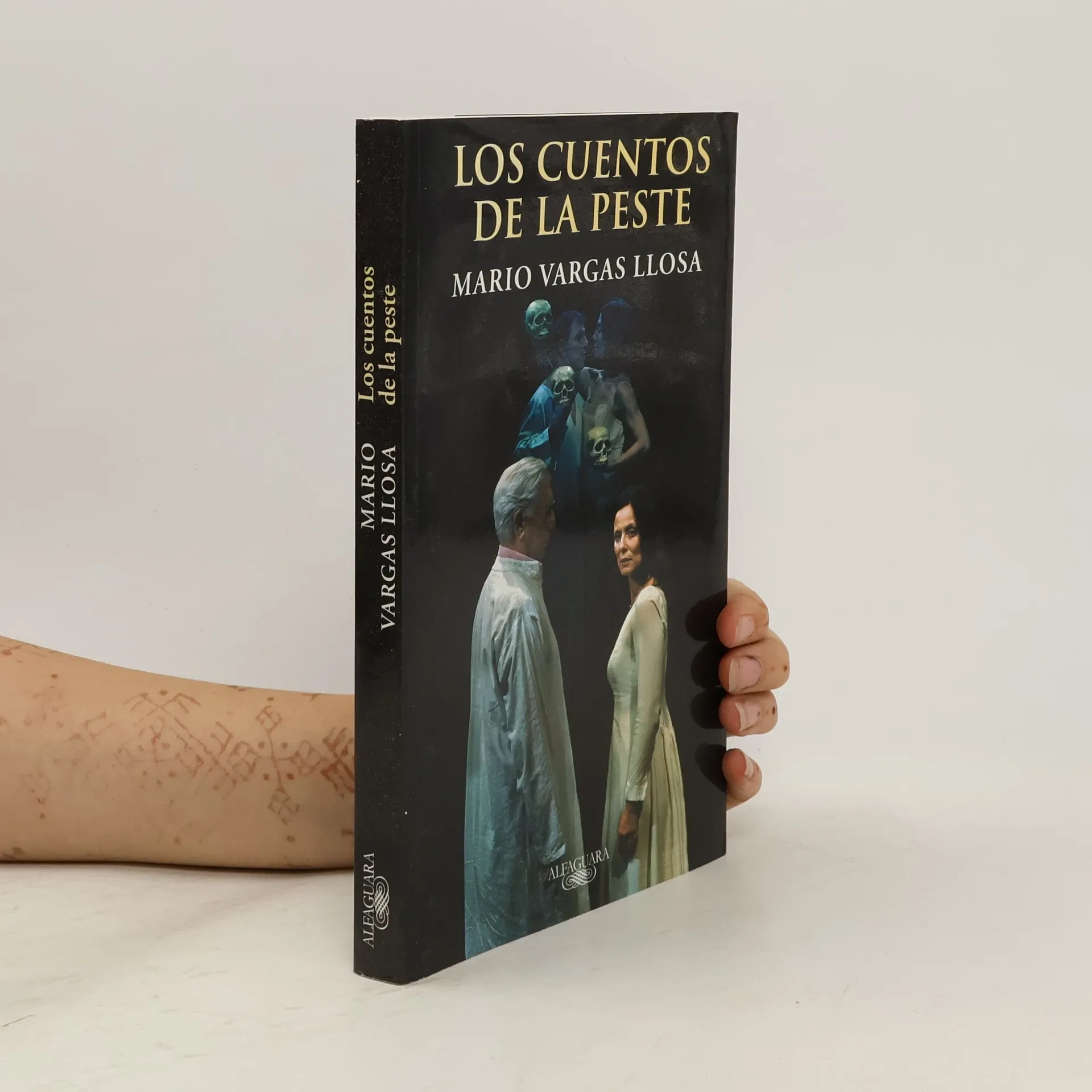
    • The Chronicles of Sin: Lust

      Lascivious Love Stories and Passionate Poems

      • 129pages
      • 5 heures de lecture

      All the yearning, the passion, and the wantonness of lust are explored in this broad-ranging anthology of sensual stories, poems, and fables on a perennially hot topic. From Italo Calvino's humorous observations in The Loves of the Tortoises and Simone de Beauvoir's bittersweet reflections in The Prime of Life to the dark desires of The Vampire Lestat and the taboo obsession of Lolita, Lust offers an uncensored collection by some of the world's most respected writers, both classic and contemporary. With an elegant, two-color design as alluring as its contents are captivating, Lust makes a thoroughly pleasurable gift for a lover, or a perfect literary bedside companion.

      The Chronicles of Sin: Lust
      3,8
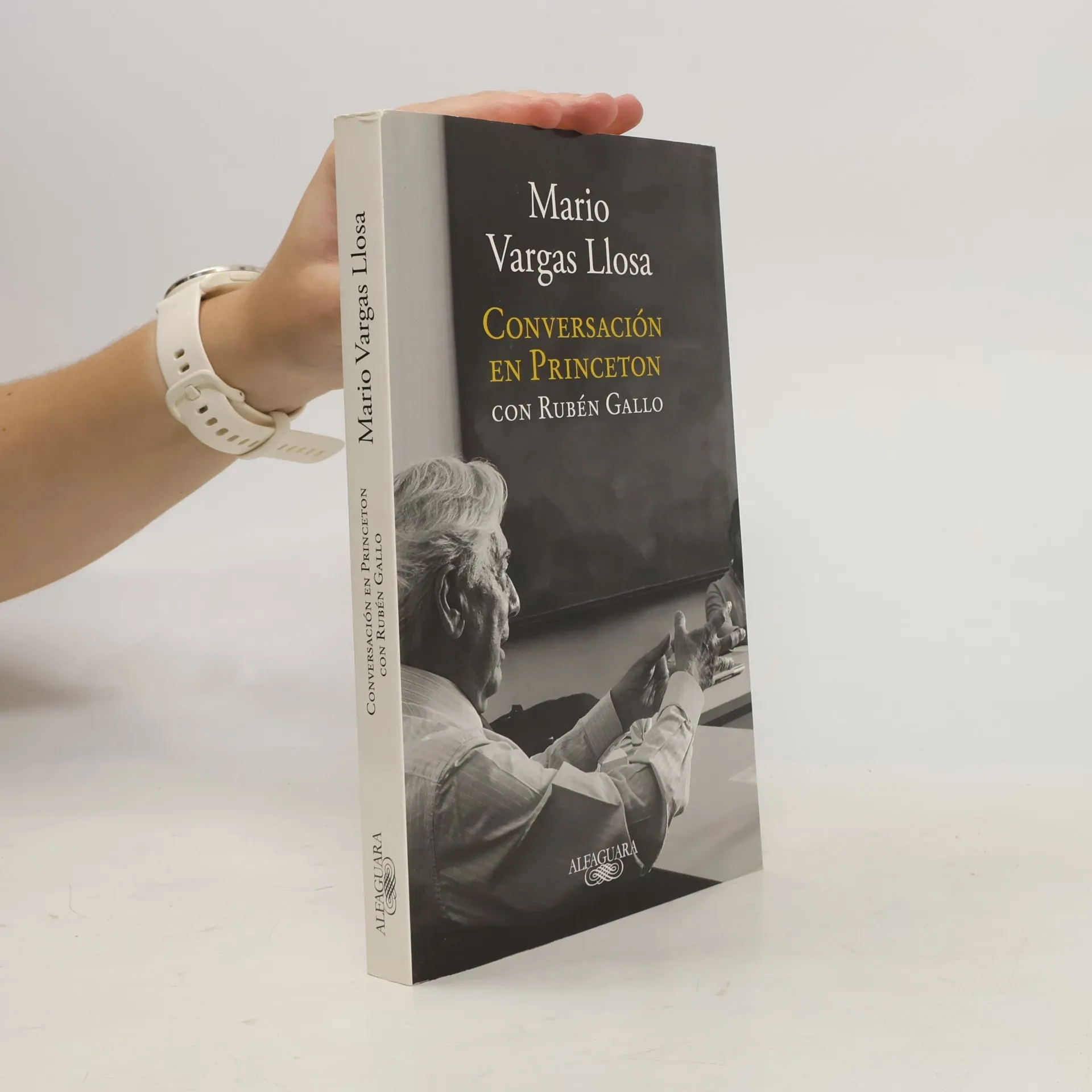
    • Conversation at Princeton

      • 272pages
      • 10 heures de lecture

      A series of conversations held at Princeton University between the Nobel laureate Mario Vargas Llosa and Rubén Gallo. Princeton University, 2015. For one semester, Mario Vargas Llosa taught a course on literature and politics with Rubén Gallo. Over the course of several classes, the two writers spoke to students about the theory of the novel and the relationship between journalism, politics, and literature through five beloved books by the Nobel laureate: Conversation in the Cathedral, The Real Life of Alejandro Mayta, Who Killed Palomino Molero?, A Fish in the Water, and The Feast of the Goat. Conversation at Princeton records these discussions and captures the three complementary perspectives that converged in the classroom: that of Vargas Llosa, who reveals the creative process behind his novels; that of Rubén Gallo, who analyzes the different meanings the works took on after their publication; and that of the students, whose reflections and questions give voice to millions of Vargas Llosa’s readers. During these talks, Vargas Llosa not only speaks with intelligence and lucidity about the craft of writing, but also offers an absorbing, inquisitive analysis of today’s political and cultural landscape. Conversation at Princeton is a singular opportunity to attend a master class on literature and society, taught by one of our greatest writers and thinkers.

      Conversation at Princeton
      3,9
    • Captain Pantoja and the Special Service

      • 244pages
      • 9 heures de lecture

      In this delightful farce, the prim and proper Captain Pantoja is sent to Peru's Amazon frontier on a secret Army mission - he must find females for the amorous recruits.

      Captain Pantoja and the Special Service
      4,0
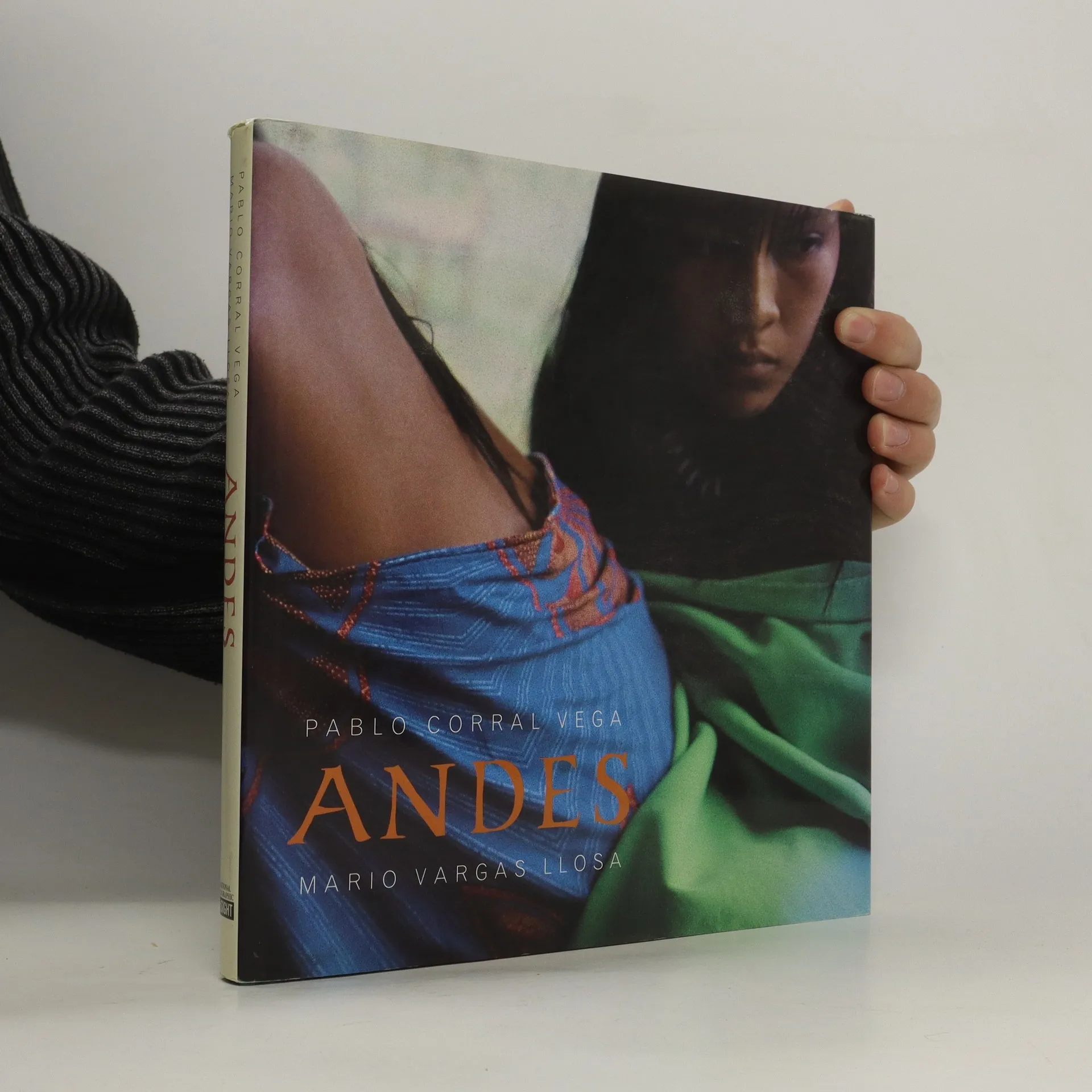
    • Andes

      • 160pages
      • 6 heures de lecture

      A lavish tour of the Andes traces the photographer's quest for identity in the wake of geographic extremes and diverse cultures, in a volume complemented by a lyrical tribute to the mountains as seen by someone who grew up near them.

      Andes
      3,8
    • Notes on the Death of Culture

      • 240pages
      • 9 heures de lecture

      'The most approachable and exhilarating Latin American writer of our times.' Robert McCrum, ObserverIn the past, culture was a kind of vital consciousness that constantly rejuvenated and revivified everyday reality.

      Notes on the Death of Culture
      3,7
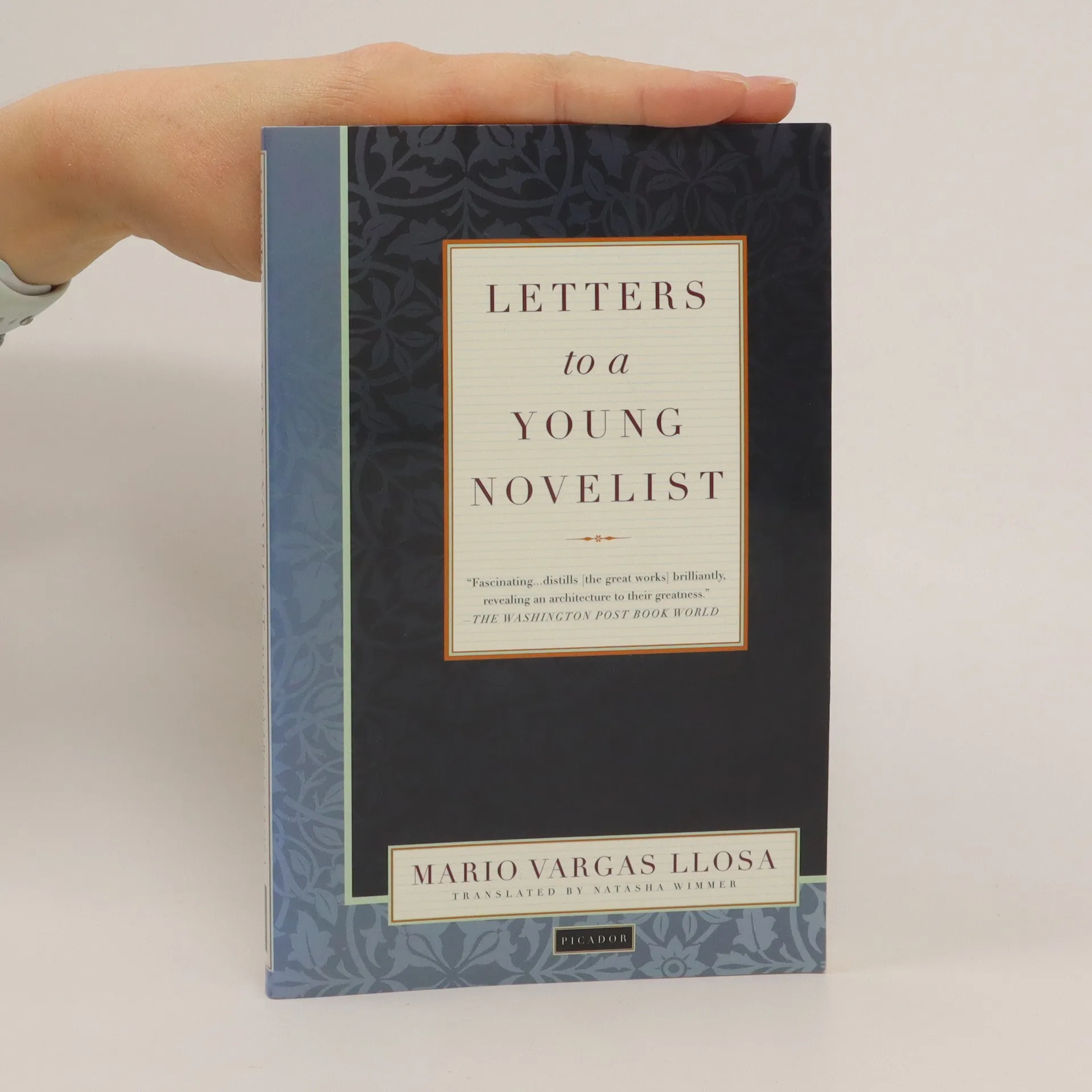
    • In the tradition of Rilke's "Letters to a Young Poet," Mario Vargas Llosa condenses a lifetime of writing, reading, and thought into an essential manual for aspiring writers, revealing in the process his deepest beliefs about the world of letters. A literary apprenticeship in eleven letters, by the internationally acclaimed master of the novel In the tradition of Rilke's Letters to a Young Poet, Mario Vargas Llosa condenses a lifetime of writing, reading, and thought into an essential manual for aspiring writers, revealing in the process his deepest beliefs about our common literary endeavor. A writer, in his view, is a being seized by an insatiable appetite for creation, a rebel, and a dreamer. But dreams, when set down on paper, require disciplined development, and so Vargas Llosa undertakes to supply the tools of transformation. Drawing on the stories and novels of writers from around the globe-Borges, Bierce, Celine, Cortazar, Faulkner, Kafka, Robbe-Grillet-he lays bare the inner workings of fiction, examining time, space, style, and structure, all the while urging young novelists not to lose touch with the elemental urge to create. Conversational, eloquent, and effortlessly erudite, this little book is destined to be read and reread by young writers, old writers, would-be writers, and all those with a stake in the world of letters.

      Letters to a young novelist
      3,9
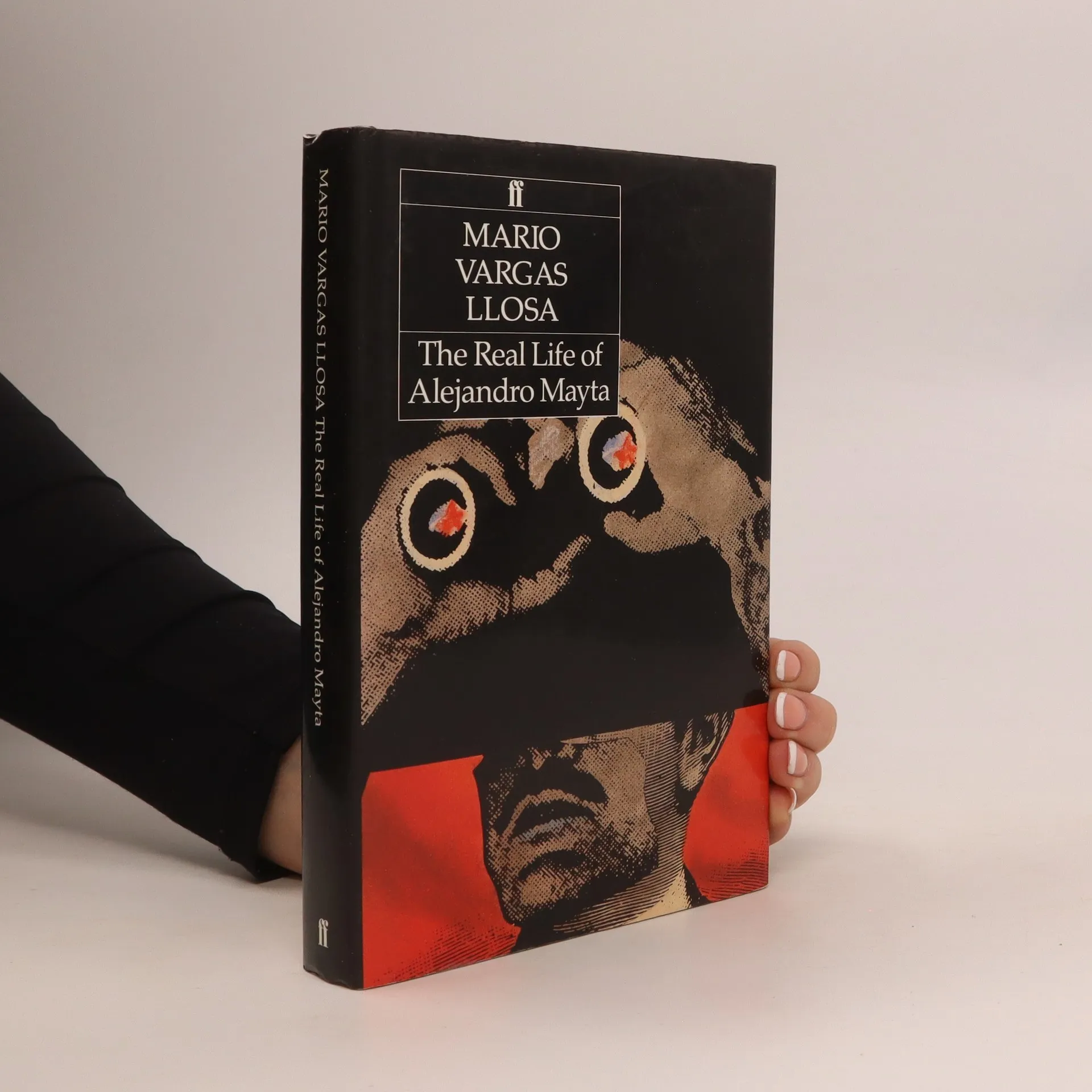
    • The Real Life of Alejandro Mayta

      • 309pages
      • 11 heures de lecture

      A revolutionary army is taking on the failing government and the US Marines, and the cities have become vast garbage-strewn slums. In The Real Life of Alejandro Mayta, Mario Vargas Llosa offers not just a brilliant psychological portrait, but also a searing account of Latin America's political scene.

      The Real Life of Alejandro Mayta
      3,8
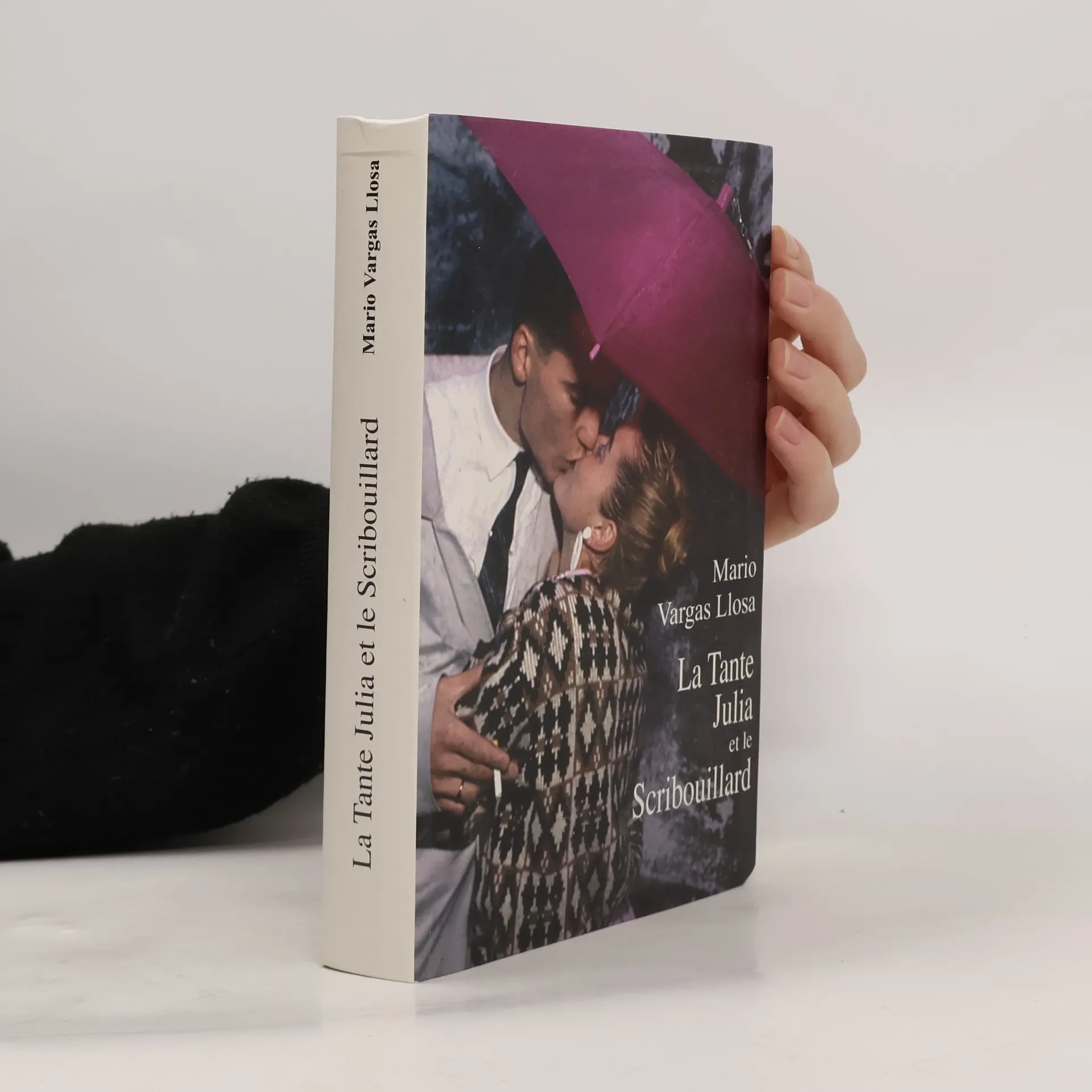
    • Mario, an aspiring writer, works at a radio station that broadcasts up to a half-dozen short-run soap operas. At the same time that the author meets his 'Aunt Julia', the radio station, which had been buying scripts by weight from Cuba, hires a Bolivian scriptwriter named Pedro Camacho to write the serials.

      Aunt Julia and the scriptwriter
      3,8
    • The new novel from the Nobel Prize-winning master of fiction - the true story of Guatemala's political turmoil of the 1950s.

      Harsh Times
      3,8
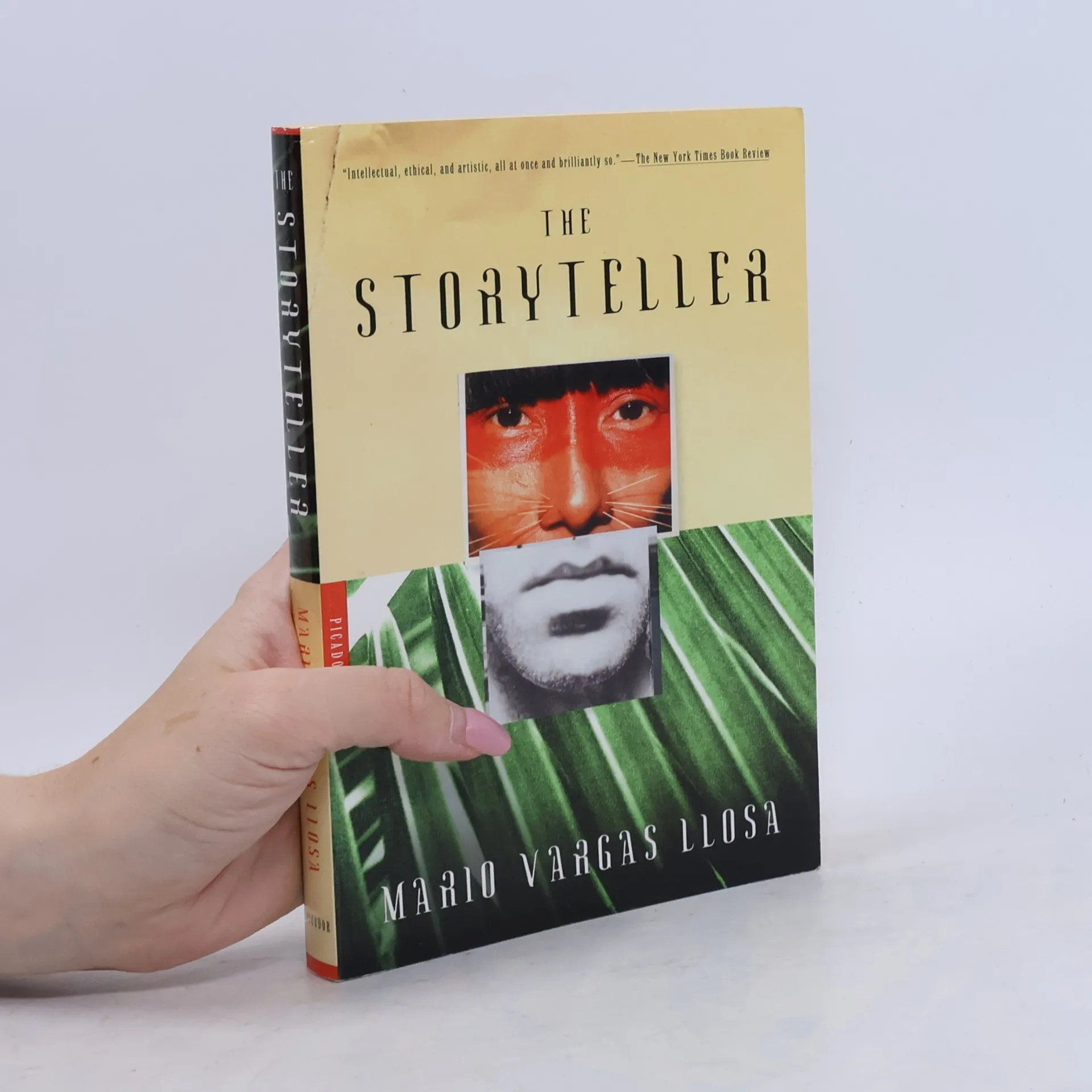
    • The Storyteller

      • 256pages
      • 9 heures de lecture

      In a small gallery in Florence, a Peruvian writer happens upon an exhibition of photographs from the Amazon jungle. As he stares at a picture of a tribal storyteller who holds a circle of Machiguenga Indians entranced, he is overcome by the eerie sense that he knows this man, that the storyteller is not an Indian at all, but an old school friend.

      The Storyteller
      3,7
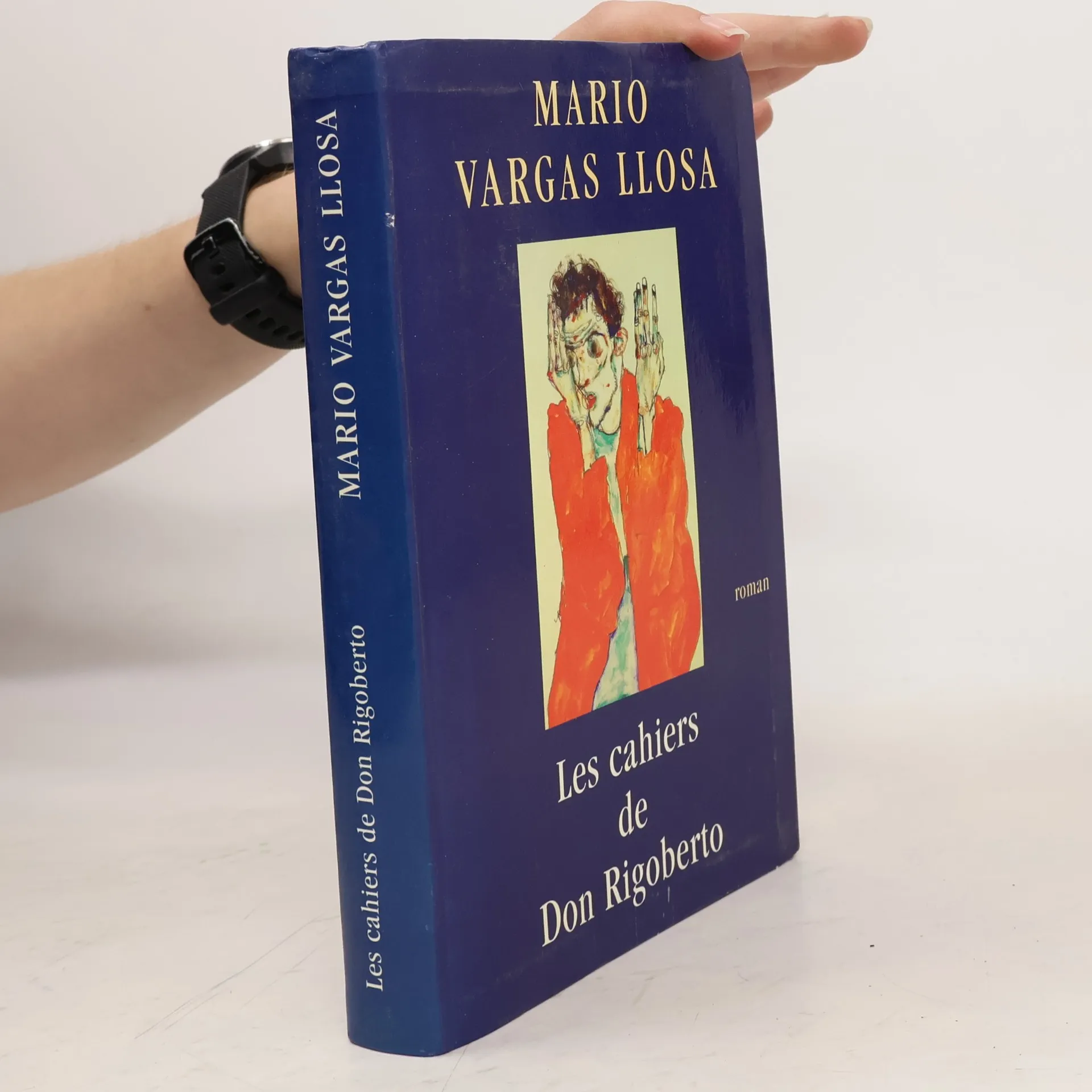
    • The Notebooks of Don Rigoberto

      • 375pages
      • 14 heures de lecture

      Don Rigoberto - insurance executive by day, pornographer and sexual enthusiast by night - misses his estranged second wife. As he compensates for her absence by filling notebooks with a steamy mix of memory and sexual fantasy, readers are drawn into his confusion between imagination and reality.

      The Notebooks of Don Rigoberto
      3,7
    • The Dream of the Celt

      • 512pages
      • 18 heures de lecture

      As The Dream of the Celt opens, it is the summer of 1916 and Roger Casement awaits the hangman in London's Pentonville Prison. Dublin lies in ruins after the disastrous Easter Rising led by his comrades of the Irish Volunteers. He has been caught after landing from a German submarine. For the past year he has attempted to raise an Irish brigade from prisoners of war to fight alongside the Germans against the British Empire that awarded him a knighthood only a few years before. And now his petition for clemency is threatened by the leaking of his private diary and his secret life as a gay man... Mario Vargas Llosa, with his incomparable gift for powerful historical narrative, takes the reader on a journey back through a remarkable life dedicated to the exposure of barbaric treatment of indigenous peoples by European predators in the Congo and Amazonia. Casement was feted as one of the greatest humanitarians of the age. Now he is about to die ignominiously as a traitor.

      The Dream of the Celt
      3,5
    • In the star-studded world of the Latin American novel, Mario Vargas Llosa is a supernova. Raymond Sokolov The Wall Street Journal

      The Neighbourhood
      3,5
    • Fonchito and the Moon

      • 32pages
      • 2 heures de lecture

      The story follows Fonchito, a young boy determined to win the affection of his beautiful classmate Nereida. To earn her shy consent for a kiss on the cheek, she sets an impossible challenge: he must bring her the moon. Driven by love, Fonchito embarks on a whimsical quest to achieve the unthinkable, showcasing the innocence and determination of childhood romance.

      Fonchito and the Moon
      3,4
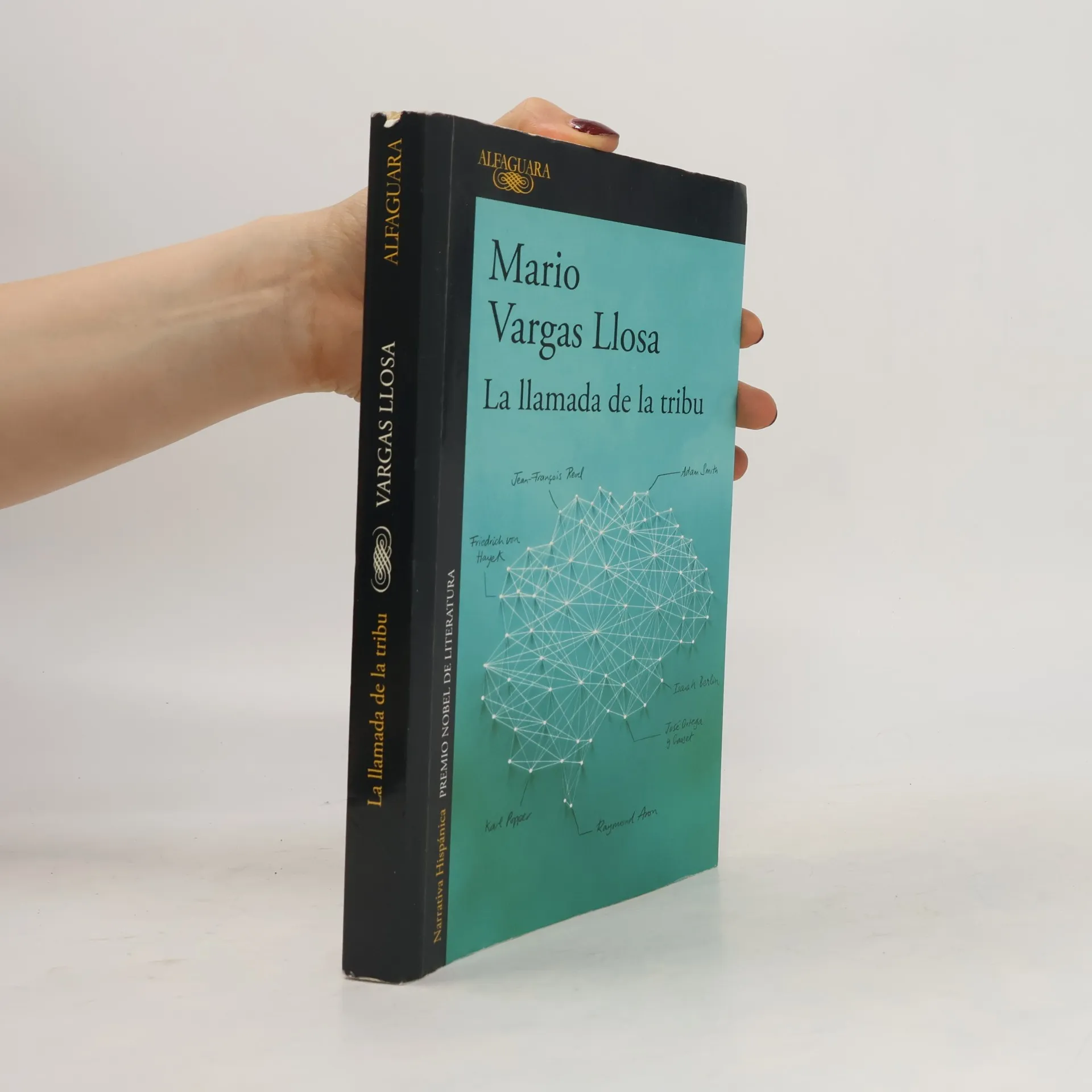
    • The Call of the Tribe

      • 288pages
      • 11 heures de lecture

      In The Call of the Tribe, Mario Vargas Llosa surveys the readings that have shaped the way he thinks and has viewed the world over the past fifty years.

      The Call of the Tribe
    • Die Wahrheit der Lügen

      • 210pages
      • 8 heures de lecture

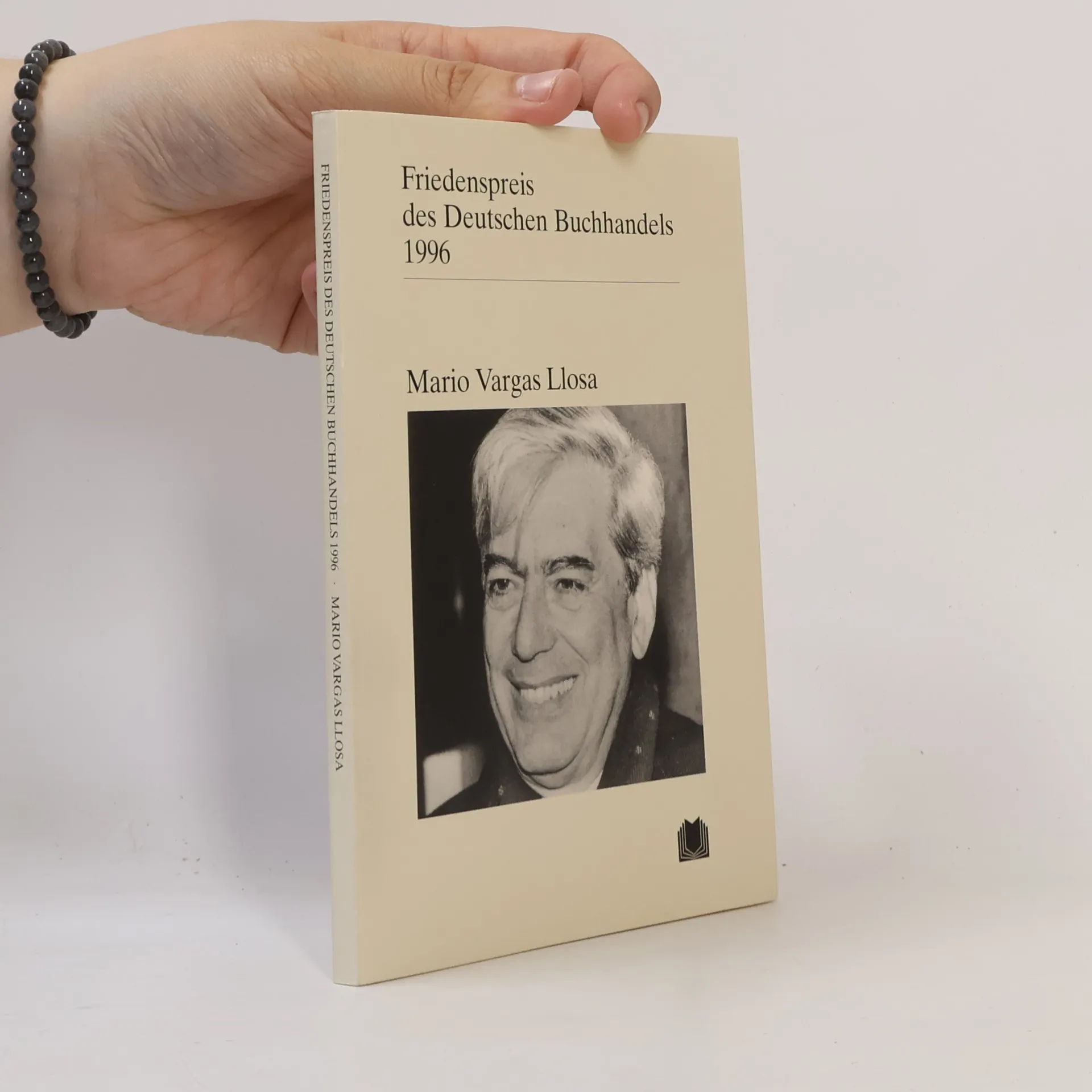
      Mario Vargas Llosa, geboren 1936 in Arequipa/Peru, studierte Geistes- und Rechtswissenschaften in Lima und Madrid. Während seines Studiums begann er, für verschiedene Zeitschriften zu schreiben und veröffentlichte erste Erzählungen, bevor 1963 sein erster Roman erschien. Der peruanische Romanautor und Essayist hat sich als politischer Autor einen Namen gemacht und ist international erfolgreich. Zu seinen bedeutendsten Werken zählen unter anderem "Das grüne Haus" und "Das böse Mädchen". Er erhielt Ehrendoktorwürden von verschiedenen Universitäten und hatte Gastprofessuren in Harvard, Princeton und Oxford. 1990 kandidierte er für die oppositionelle Frente Democrático bei den peruanischen Präsidentschaftswahlen, unterlag jedoch in der Stichwahl und zog sich danach aus der aktiven Politik zurück. Für seine literarischen Leistungen wurde er unter anderem mit dem Friedenspreis des Deutschen Buchhandels 1996 und dem Nobelpreis für Literatur 2010 ausgezeichnet. Heute lebt er in Madrid und Lima. Elke Wehr, geboren 1946 in Bautzen und verstorben 2008 in Berlin, studierte Romanistik in Paris und Heidelberg, wobei sie sich zunächst auf Italienisch und Französisch konzentrierte, später jedoch auf Spanisch. Seit den 1970er Jahren übersetzte sie spanische und lateinamerikanische Prosa ins Deutsche und lebte in Madrid und Berlin.

      Die Wahrheit der Lügen
      4,5
    • Orgía perpetua

      • 215pages
      • 8 heures de lecture

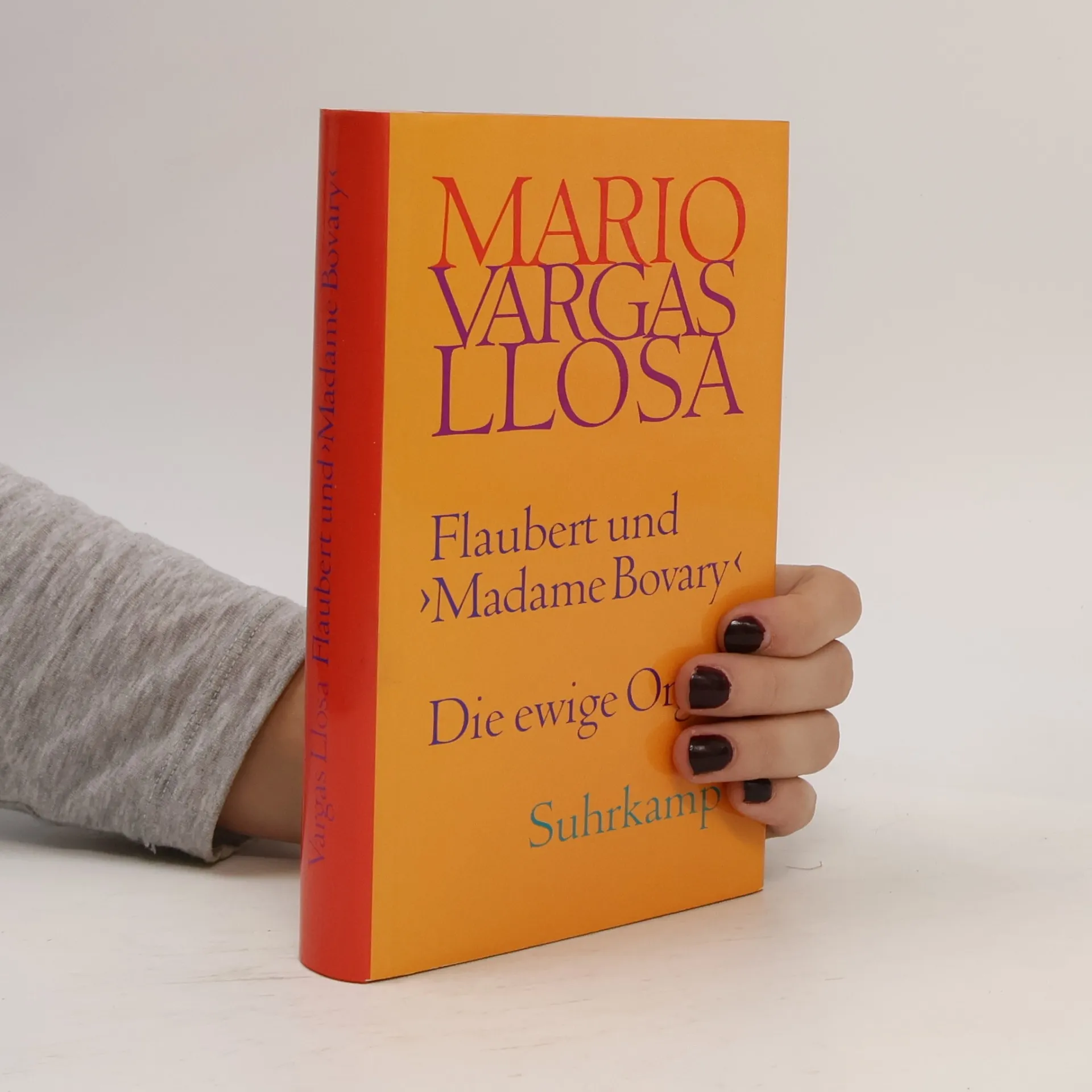
      The book's first section is a tete-a-tete with Emma Bovary; the second traces the gestation and birth of the novel, as well as Flaubert's method, his mania for documentation, and the novel's literary sources; the third situates it in literary history. Vargas Llosa's first work of non-fiction will send the reader back to Flaubert's masterpiece with renewed interest.

      Orgía perpetua
      4,3
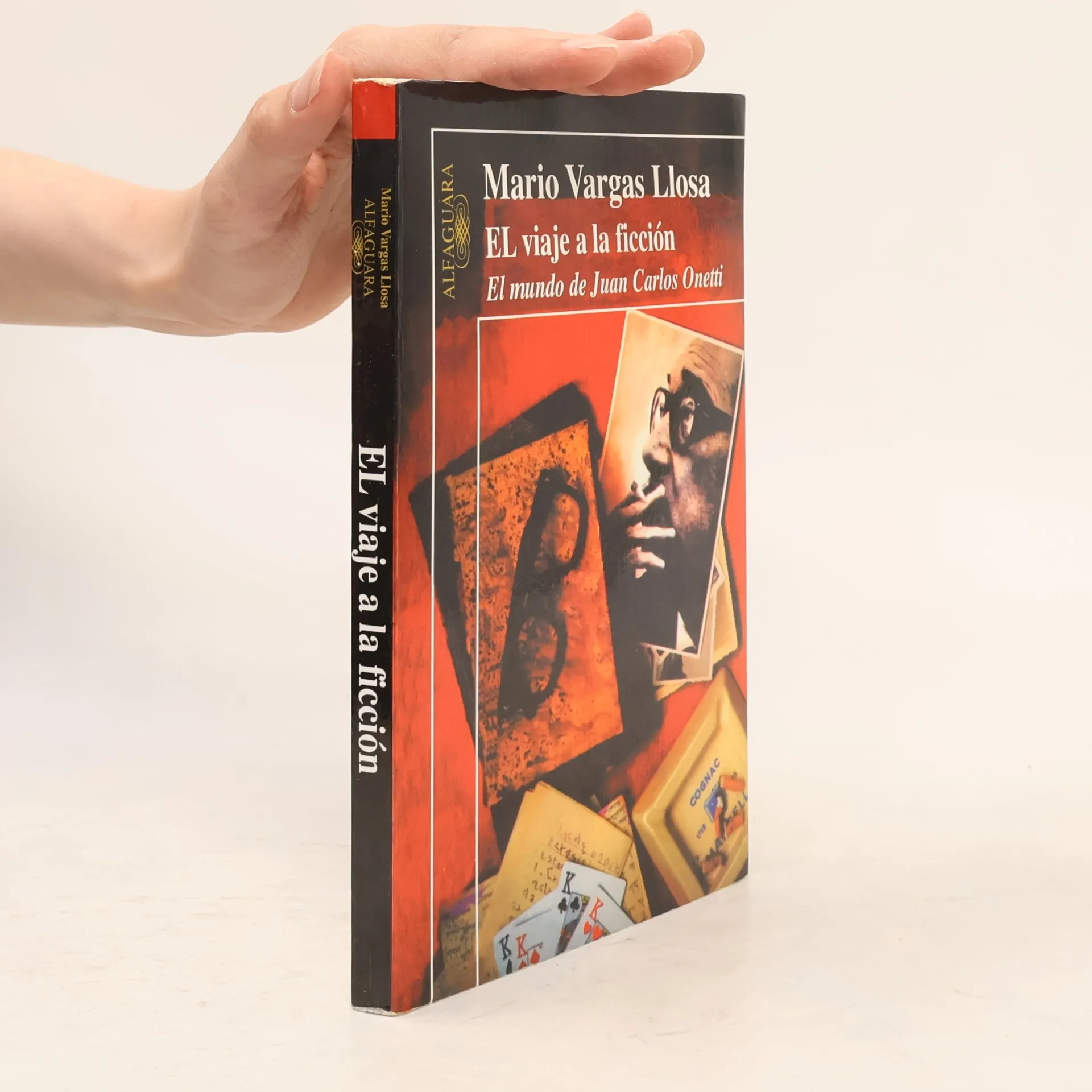
    • El viaje a la ficción

      • 250pages
      • 9 heures de lecture

      La pequeña Jonna nace durante la Segunda Guerra Mundial. Al comienzo de estas páginas tiene diez años y su historia nos traslada a un pequeño pueblo danés. Jonna es una observadora atenta y lúcida de la vida cotidiana: admira a su hermano mayor, se conmueve con las historias de su padre, ayuda a su infatigable madre. Gracias a su perspicacia, es capaz de percibir la hipocresía de los demás y la pobreza de su propia familia (de hecho, sufre la vergüenza de ser pobre y el miedo a caer aún más bajo debido a las malas cosechas y los desmanes económicos de la posguerra mundial). Son muchos los personajes extraordinarios que pueblan esta novela, pero destaca especialmente la hermosa y trabajadora Betty, la excepcional madre de Jonna. Decir «una mujer ejemplar» es decir muy poco: raramente se encuentran en la ficción personajes tan bien dibujados, tan vívidos como ella. Tan humana, diríamos incluso sin exageración alguna. Betty representa a todas esas mujeres que, a lo largo del siglo XX, y en medio de las guerras, o tras ellas, tuvieron que ponerse al frente de cada familia, de cada hogar, para sacarlo adelante. ENGLISH DESCRIPTION The subject of fiction—and life—is a constant that has been expressed through literature since distant times. Yet, in the work of no other modern author does it have the force and inventiveness as it does in the short stories of Juan Carlos Onetti.

      El viaje a la ficción
      4,5
    • Tante Julia en meneer de schrijver

      • 419pages
      • 15 heures de lecture

      In de jaren vijftig speelt zich in Lima een ongewone romance tussen een jonge schrijver en een oudere vrouw af.

      Tante Julia en meneer de schrijver
      4,3
    • Der Ruf der Horde

      Eine intellektuelle Autobiografie

      Gegen den »Ruf der Horde« (Karl Popper), gegen den weltweit grassierenden, primitiven Populismus vergegenwärtigt Mario Vargas Llosa die Traditionen des Liberalismus, die ihn geprägt, bereichert und ein ganzes Leben lang geleitet haben – als politischen Schriftsteller wie als schreibenden Politiker. Für seine politischen Überzeugungen ist der peruanische Nobelpreisträger jahrzehntelang kritisiert, beschimpft und angefeindet worden – aber was, wenn er recht hatte? Und welche Denker, welche Bücher haben ihm zu diesen Überzeugungen verholfen? Mit essayistischer Verve und analytischem Scharfsinn schreibt Mario Vargas Llosa über seine Heroen des historischen Liberalismus, über Adam Smith, José Ortega y Gasset, Friedrich Hayek, Karl Popper, Raymond Aron, Isaiah Berlin und Jean-François Revel. Denn sie haben ihn mit einer ganz anderen Denkungsart vertraut gemacht, mit einer Denkungsart, die das Individuum stets höher stellte als die »Horde«, die Nation, die Klasse oder die Partei und die die freie Meinungsäußerung immer schon als fundamentalen Wert für das Gedeihen von Demokratie zu verteidigen wusste.

      Der Ruf der Horde
      4,3
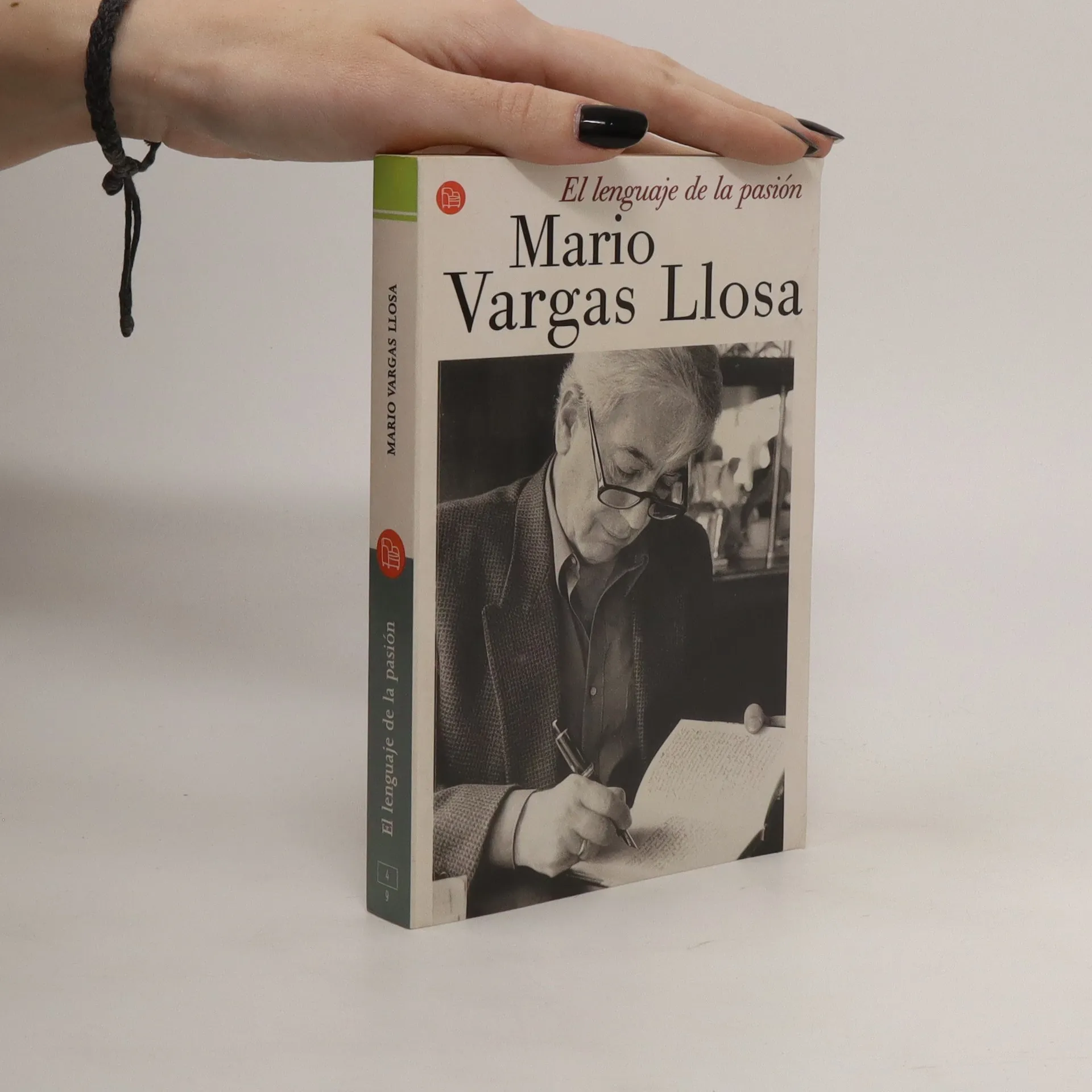
    • El lenguaje de la pasión

      • 352pages
      • 13 heures de lecture

      El Lenguaje de la pasión es una selección de artículos que, en su columa "Piedra de Toque", Mario Vargas Llosa publicó en el diario El País entre los años 1992 y 2000. En ellos nos ofrece su visión y análisis de la convulsa sociedad de fin de siglo abordando temas como la despenalización del aborto en España, los problemas derivados de la emigración o sucesos como el presidio de Nelson Mandela en Robben Island. Un libro que aporta claves significativas para entender la complejidad de nuestro tiempo.

      El lenguaje de la pasión
      4,3
    • Scala stranieri: Storia di Mayta

      • 312pages
      • 11 heures de lecture

      The Real Life of Alejandro Mayta is an astute psychological portrait of a modern revolutionary and a searching account of an old friend's struggle to understand him. First published in English in 1986, the novel probes the long and checkered history of radical politics in Latin America.

      Scala stranieri: Storia di Mayta
      4,0
    • En La Fiesta del Chivo asistimos a un doble retorno. Mientras Urania Cabral visita a su padre en Santo Domingo, volvemos a 1961, cuando la capital dominicana aún se llamaba Ciudad Trujillo. Allí un hombre que no suda tiraniza a tres millones de personas sin saber que se gesta una maquiavélica transición a la democracia. Vargas Llosa, un clásico contemporáneo, relata el fin de una era dando voz, entre otros personajes históricos, al impecable e implacable general Trujillo, apodado el Chivo, y al sosegado y hábil doctor Balaguer (sempiterno presidente de la República Dominicana). Con un ritmo y una precisión difícilmente superables, este peruano universal muestra que la política puede consistir en abrirse camino entre cadáveres, y que un ser inocente puede convertirse en un regalo truculento.

      Biblioteca Vargas Llosa: La fiesta del chivo
      4,2
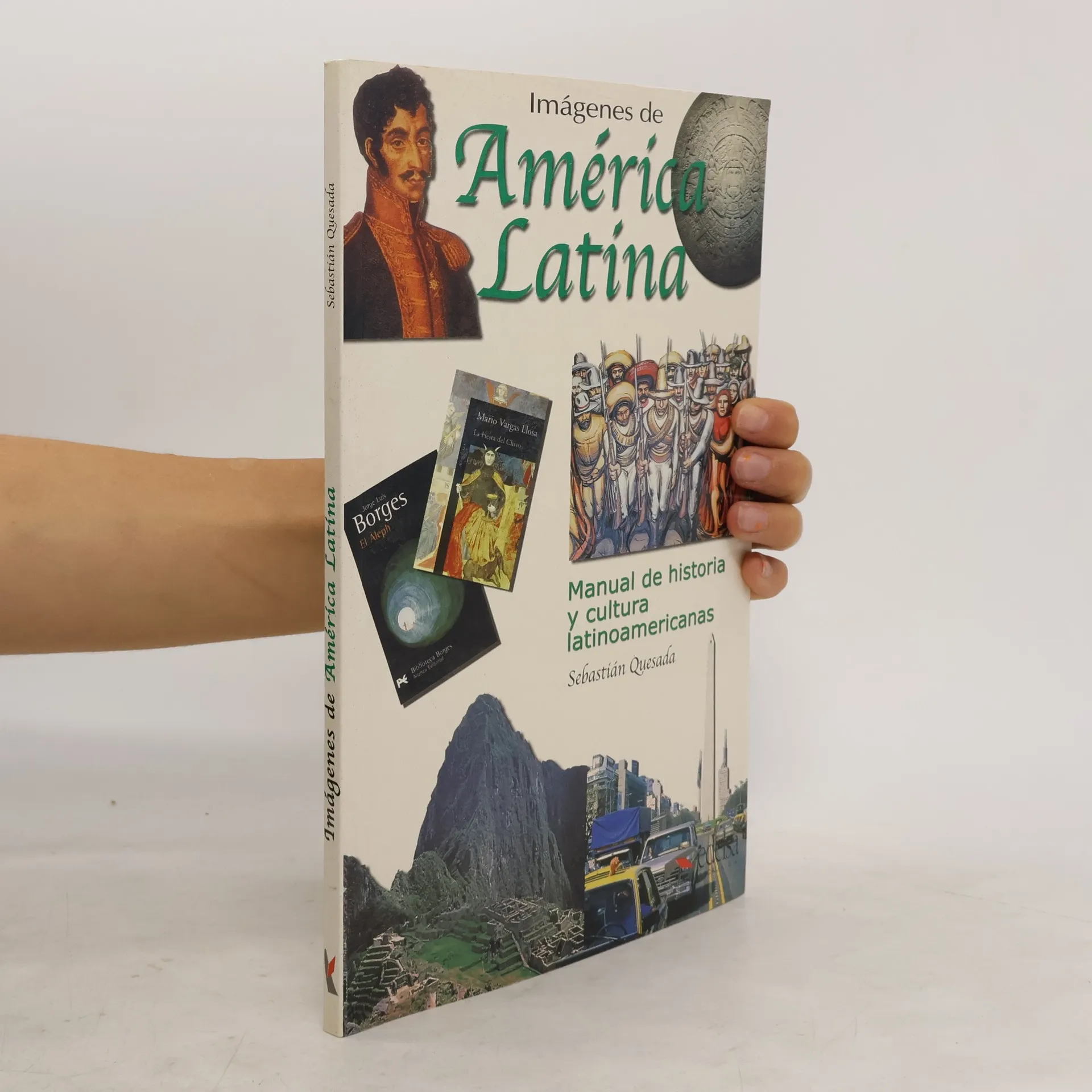
    • Imágenes de América Latina

      Manual de historia y cultura latinoamericanas

      • 140pages
      • 5 heures de lecture

      Material de practicas es un complemento al libro de cultura y civilizacion Imagenes de America Latina. En el se desarrolla la competencia discursiva y se profundiza en el conocimiento del lexico, a la vez que propone una reflexion intercultural sobre la realidad historica descrita en el manual.Este Material de practicas esta concebido para trabajar tanto en autonomia como en el aula. A partir de una misma estructura, el lector puede acercarse en cada capitulo a la historia de un modo activo, para lo cual se aprovechan los recursos ofrecidos por las nuevas texto en su contexto. Revision de los contenidos historicos.El orden del texto. Reflexion y practica con el vocabulario.La imagen del texto. Trabajo de escritura a partir de una imagen.Mas alla del texto. Diversidad de modelos textuales y trabajo sobre su contenido.Propuestas para el debate. Reflexion intercultural a partir del analisis de la realidad iberoamericana.Internet. Las nuevas tecnologias al servicio de la ensenanza intercultural.

      Imágenes de América Latina
      4,0
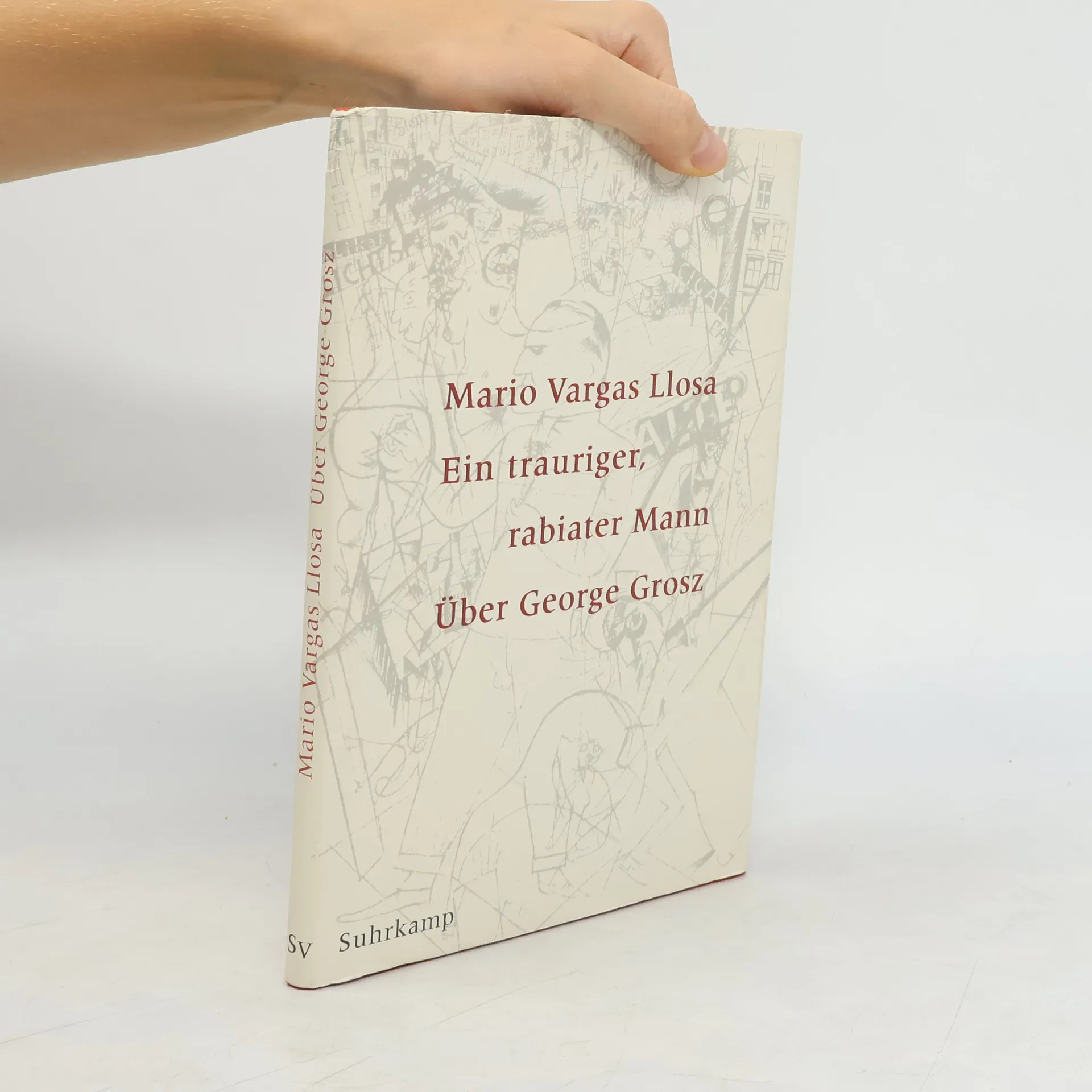
    • Ein trauriger, rabiater Mann

      • 76pages
      • 3 heures de lecture

      Ein lebhaftes Porträt des Künstlers ist hier gezeichnet - eine Lektüre des Werks von Grosz und eine scharfsinnige Auseinandersetzung mit einer Kunst, die die Verbindung zur wirklichen Welt nie gekappt hat und von sehr vitalen Kräften bewegt wurde. So ist dieser Essay auch eine Art 'Selbstporträt im Spiegel' des Schriftstellers Vargas Llosa.

      Ein trauriger, rabiater Mann
      4,0
    • Volání kmene

      • 245pages
      • 9 heures de lecture

      „Nezdá se to, ale jedná se o knihu autobiografickou. Popisuje můj vlastní intelektuální a politický příběh, cestu vedoucí od marxismem a sartrovským existencialismem načichlého mládí až k liberalismu ve zralém věku přes přehodnocení demokracie, k němuž mi pomohly knihy spisovatelů jako Albert Camus, George Orwell nebo Arthur Koestler. K pozdějšímu liberalismu mě posunuly jisté politické zkušenosti, ale především myšlenky sedmi autorů, kterým jsou věnovány tyto stránky: Adam Smith, José Ortega y Gasset, Friedrich von Hayek, Karl Popper, Isaiah Berlin, Raymond Aron a Jean-François Revel.“ Mario Vargas Llosa

      Volání kmene
      4,0
    • Reclams Universal-Bibliothek: Los cachorros

      Spanischer Text mit deutschen Worterklärungen. B2 (GER)

      • 98pages
      • 4 heures de lecture

      Die kurze Erzählung nimmt im erzählerischen Werk Vargas Llosas eine zentrale Bedeutung ein. Ihr 'Held' ist Pichula Cuéllar, der zusammen mit seinen Freunden eine Klosterschule in Miraflores, einem Vorort von Lima, besucht. Bei einem Fußballspiel wird der Halbwüchsige von einem Hund angefallen und durch einen Biss kastriert. Vargas Llosa beschreibt das Leben dieses körperlich und bald auch seelisch verstümmelten Jungen, der es nicht schafft, als 'halber Mann' einen Platz in der Gesellschaft zu finden.

      Reclams Universal-Bibliothek: Los cachorros
      3,0
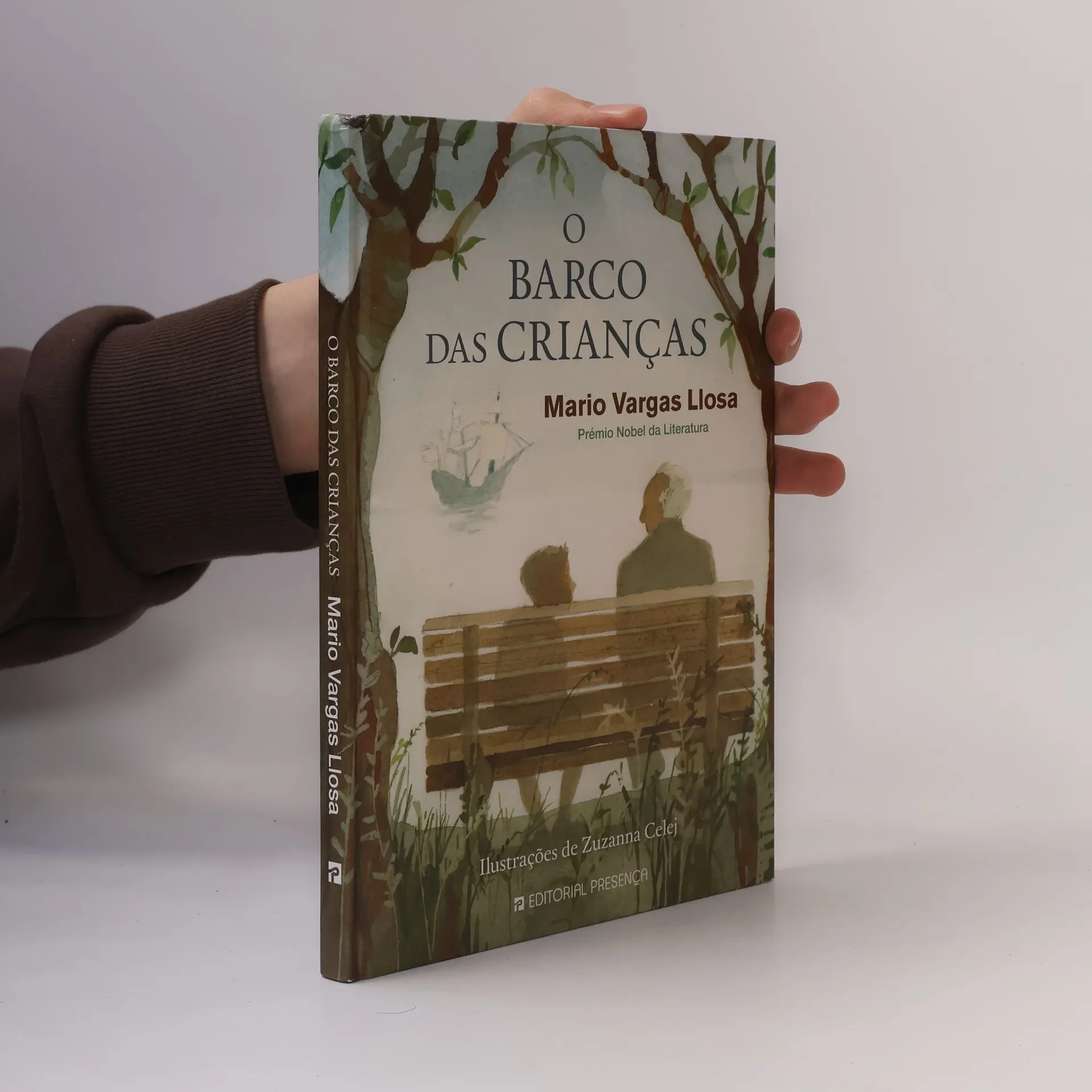
    • O Barco das Crianças

      • 112pages
      • 4 heures de lecture

      De manhã, ao preparar-se para ir para a escola, Fonchito vê um homem sentado num banco do parque, contemplando o mar, Intrigado, por vê-lo ali a cada manhã, decide ir ao seu encontro para lhe perguntar o que procura ele, sempre sentado no mesmo banco, O velhinho, com um sorriso nos lábios, decide partilhar com Fonchito uma história muito antiga e extraordinária. E todos os dias, antes de o autocarro da escola chegar, Fonchito passa a ouvir um novo capítulo das aventuras de um barco cheio de crianças que, desde a época das Cruzadas, navega nos mares do mundo.

      O Barco das Crianças
      4,0
    • Święto Kozła wyd. 2022

      • 524pages
      • 19 heures de lecture

      WNIKLIWE STUDIUM TERRORU Ojciec Uranii Cabral był ministrem w rządzie dyktatora Rafaela Trujillo i jego zaufanym człowiekiem, częścią nieludzkiej machiny okrucieństwa. Jego posłuszeństwo wystawione zostało na najwyższą próbę w dniu, kiedy dyktator sięgnął po to, co dla Augustina Cabrala było najcenniejsze – jego córkę. Urania opuściła Dominikanę jako dziewiętnastolatka. Po trzydziestu latach wraca do Santo Domingo, by zmierzyć się z koszmarną przeszłością i towarzyszącą jej od dzieciństwa traumą. Święto Kozła to jedna z najważniejszych książek Llosy. Noblista zgłębia mechanizmy terroru, analizuje postępowanie ludzi zwykłych i tych na szczytach władzy, kreśli portrety niepokornych i oportunistów żyjących w cieniu wszechmocnego tyrana. MARIO VARGAS LLOSA – noblista (2010), o którym mówi cały świat. Jeden z najwybitniejszych współczesnych pisarzy. Polityk, w 1990 kandydował na prezydenta Peru. Autor bestsellerowych powieści (m.in. Rozmowa w „Katedrze” , Szelmostwa niegrzecznej dziewczynki i Dzielnica występku ).

      Święto Kozła wyd. 2022
      3,0
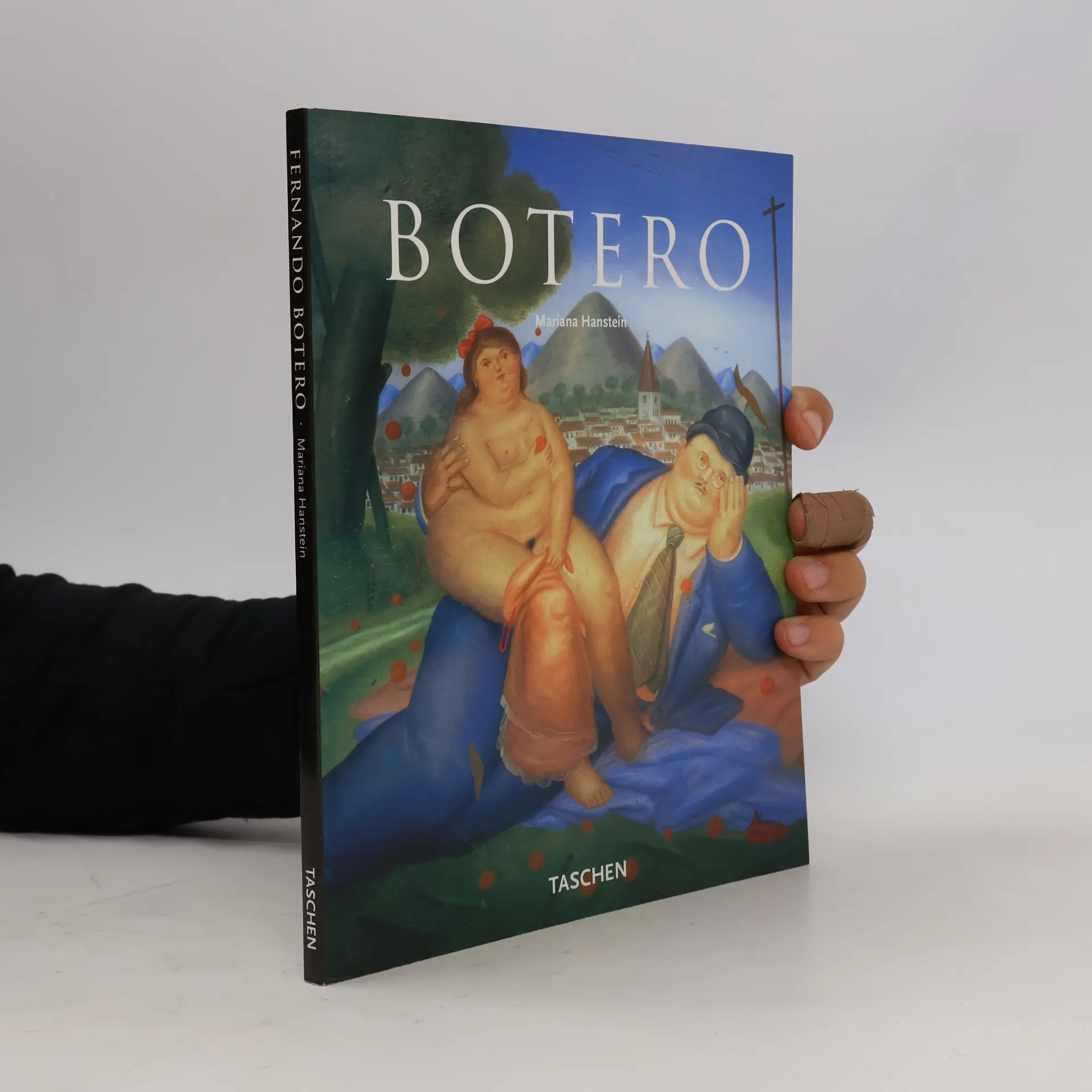
    • Fernando Botero

      • 60pages
      • 3 heures de lecture

      Monografie over de Colombiaanse beeldend kunstenaar (1932).

      Fernando Botero
      3,0
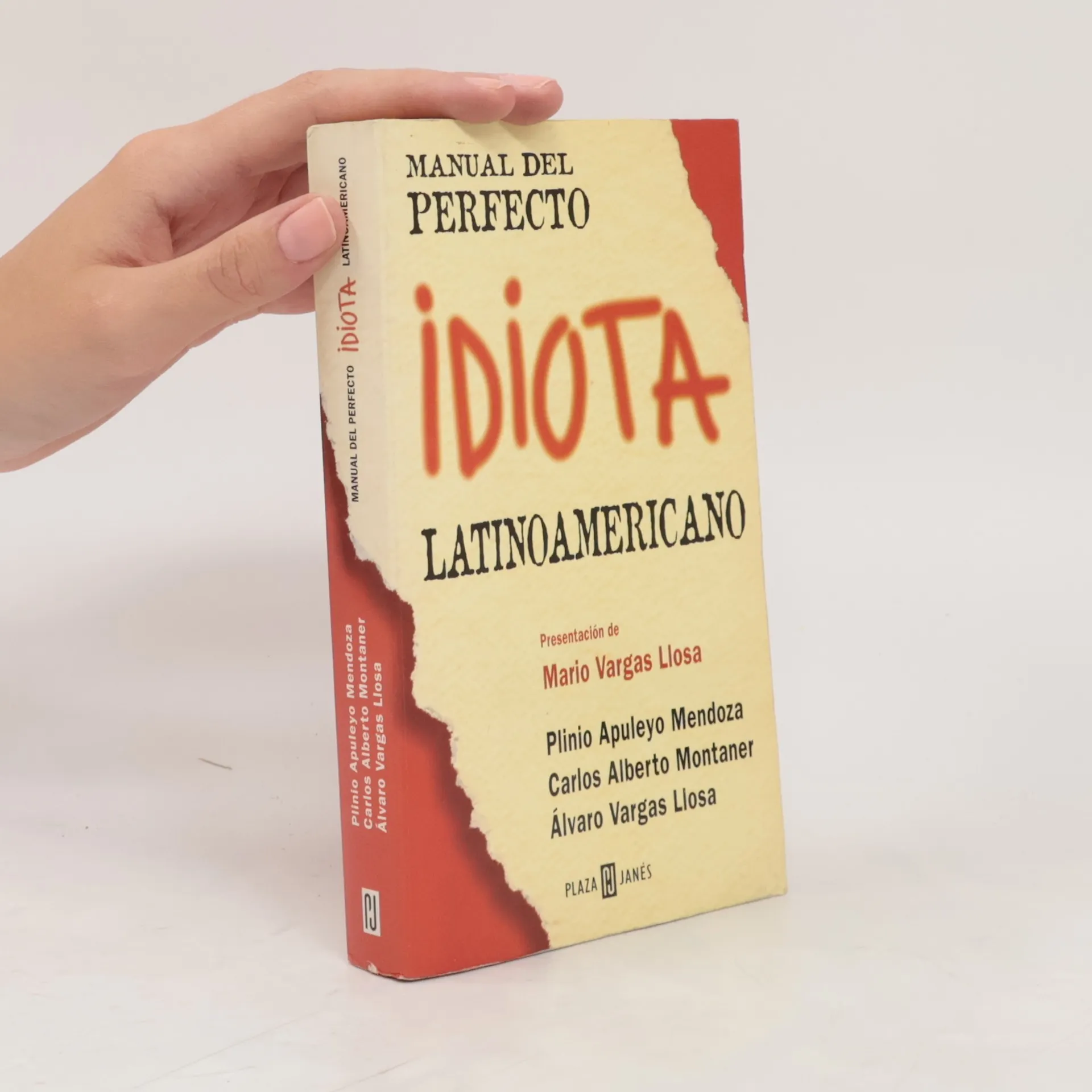
    • Manual del Perfecto Idiota Latinoamericano

      • 393pages
      • 14 heures de lecture

      Cree que somos pobres porque ellos son ricos y viceversa, que la historia es una exitosa conspiración de malos contra buenos en la que aquéllos siempre ganan y nosotros siempre perdemos (él está en todos los casos entre las pobres víctimas y los buenos perdedores), no tiene ganas de navegar en el espacio cibernético, sentirse en linea (on line) y (sin advertir la contradicción) reprochar al consumidor y, cuando habla de cultura dice: "Lo que se lo aprendé en la vida, no en los libros, y por eso mi cultura no es libresca sino vital." *Quién es él? Es el Idiota Latinoamericano. Tres escritores (latinoamericanos por supuesto) lo citan, lo analizan minuciosamente, e inmortalizan en este libro, que está escrito como los buenos matadores torean a los Miuras: dejando trozos de piel en la faena. Pero la ferocidad de la crítica que lo anima está amortiguada por las carcajadas que salpican cada página y por una despiadada autocrítica que lleva a sus autores a incluir sus propias idioteces en la deliciosa antología de la estupidez que, a modo de indice clausura el libro.

      Manual del Perfecto Idiota Latinoamericano
      4,0
    • Ústrednou dejovou niťou románu je príbeh kapitána peruánskej armády Pantaleóna Pantoju, povereného nezvyčajným poslaním - sformovať osobitný ženský oddiel, Stredisko dámskeho servisu - pre príslušníkov vojenských posádok v povodí Amazonky, kde roztúžení vojaci prepadávajú ženy a dievčatá indiánskych kmeňov...

      Pantaleón a jeho ženský regiment
      4,1
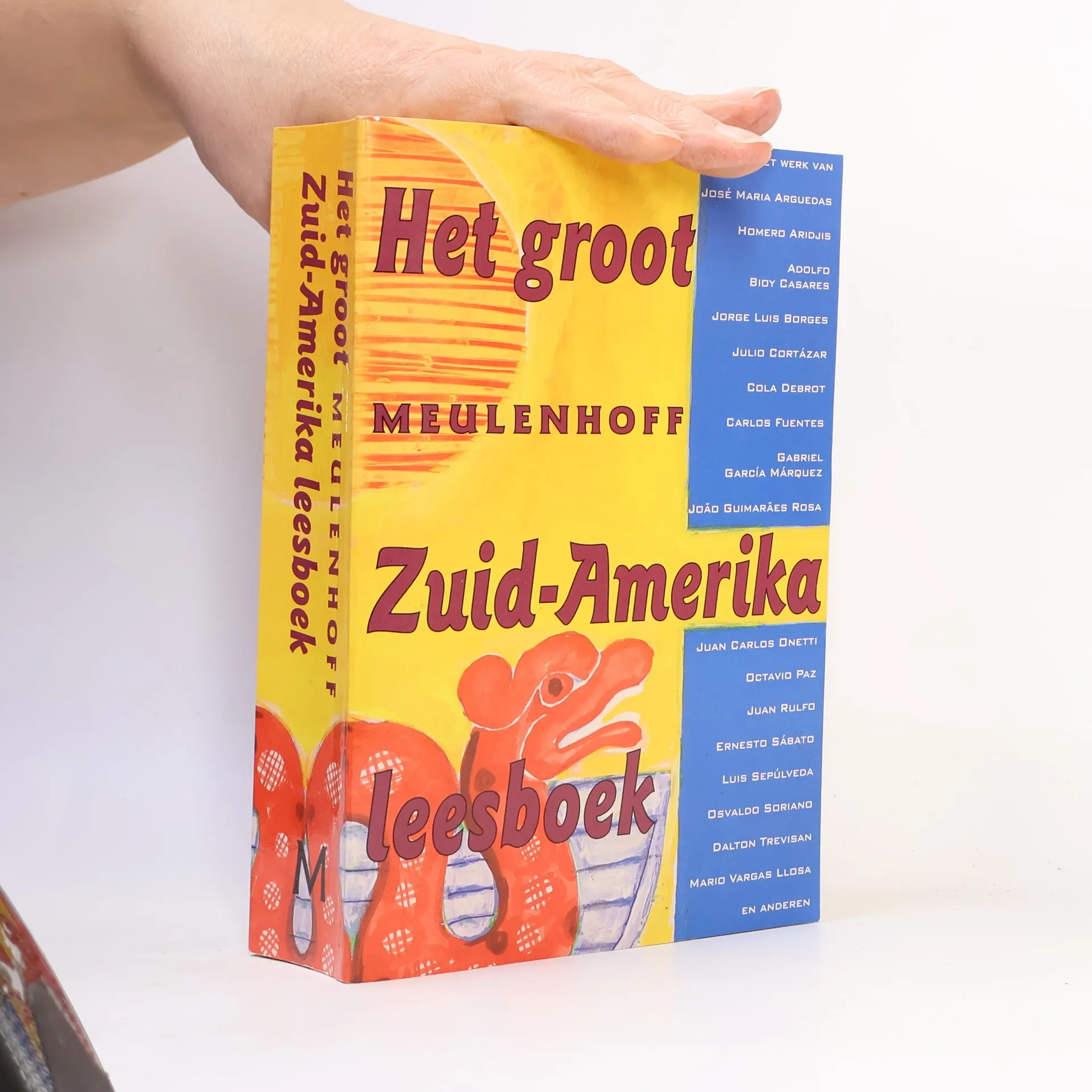
    • Het groot Meulenhoff Zuid-Amerika leesboek

      • 639pages
      • 23 heures de lecture

      Drieëntwintig romans, novellen en verhalen van José Maria Arguedas, Carlos Fuentes, Cola Debrot, Julio Cortázar, Adolfo Bioy Casares, Gabriel García Márquez, Jorge Luis Borges, João Guimarães Rosa, Juan Carlos Onetti, Octavio Paz, Juan Rulfo, Ernesto Sábato, Luis Sepúlveda, Osvaldo Soriano, Dalton Trevisan, Mario Vargas Llosa en anderenHet is nog maar een kwarteeuw geleden dat de Zuidamerikaanse literatuur de wereld stormenderhand veroverde. Sindsdien zijn meesterlijke vertellers als Gabriel García Márquez, Carlos Fuentes, Joâo Guimarâes Rosa en Mario Vargas Llosa niet meer weg te denken uit de alom gelezen wereldliteratuur. Het groot Meulenhoff Zuid-Amerika leesboek geeft een rijk overzicht van alle aspecten van de magische werkelijkheid van Zuid-Amerika, zoals die wordt opgeroepen in de vierentwintig romans en verhalen die deze bundel telt. Naast vele beroemde namen biedt dit boek natuurlijk ook alllerlei bijzondere ontdekkingen.

      Het groot Meulenhoff Zuid-Amerika leesboek
      3,0
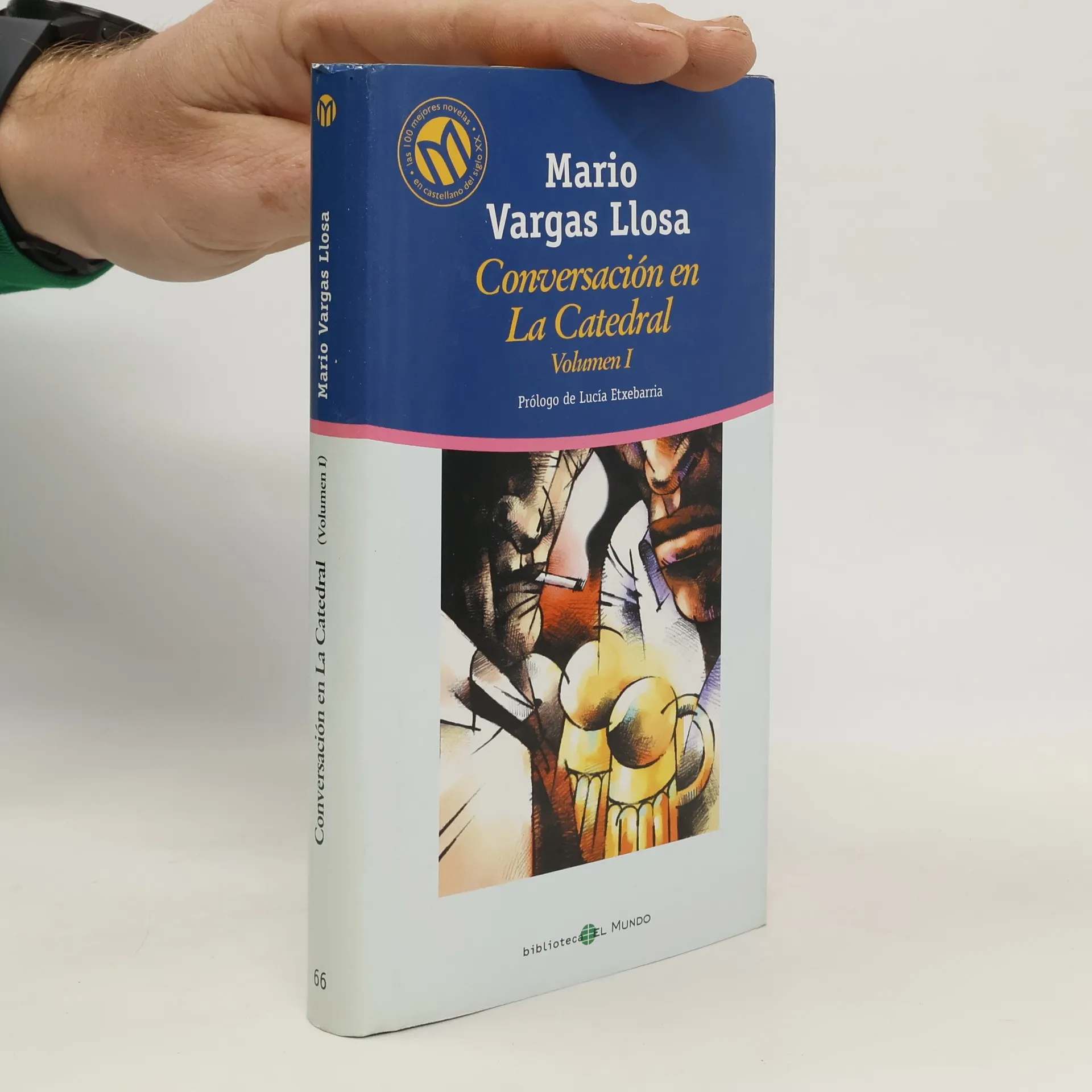
    • Parte del diálogo entre Santiago y Ambrosio y se extiende por una innumerable serie de caminos que se entrelazan para explicar la situación a la que Perú ha llegado a lo largo de varios años de historia. No es una novela histórica, más bien política. Diseccionada en cuatro partes, este volumen contiene las dos primeras.

      Conversación En La Catedral. Vol. I
      3,6
    • Die Anführer

      Erzählungen

      • 128pages
      • 5 heures de lecture

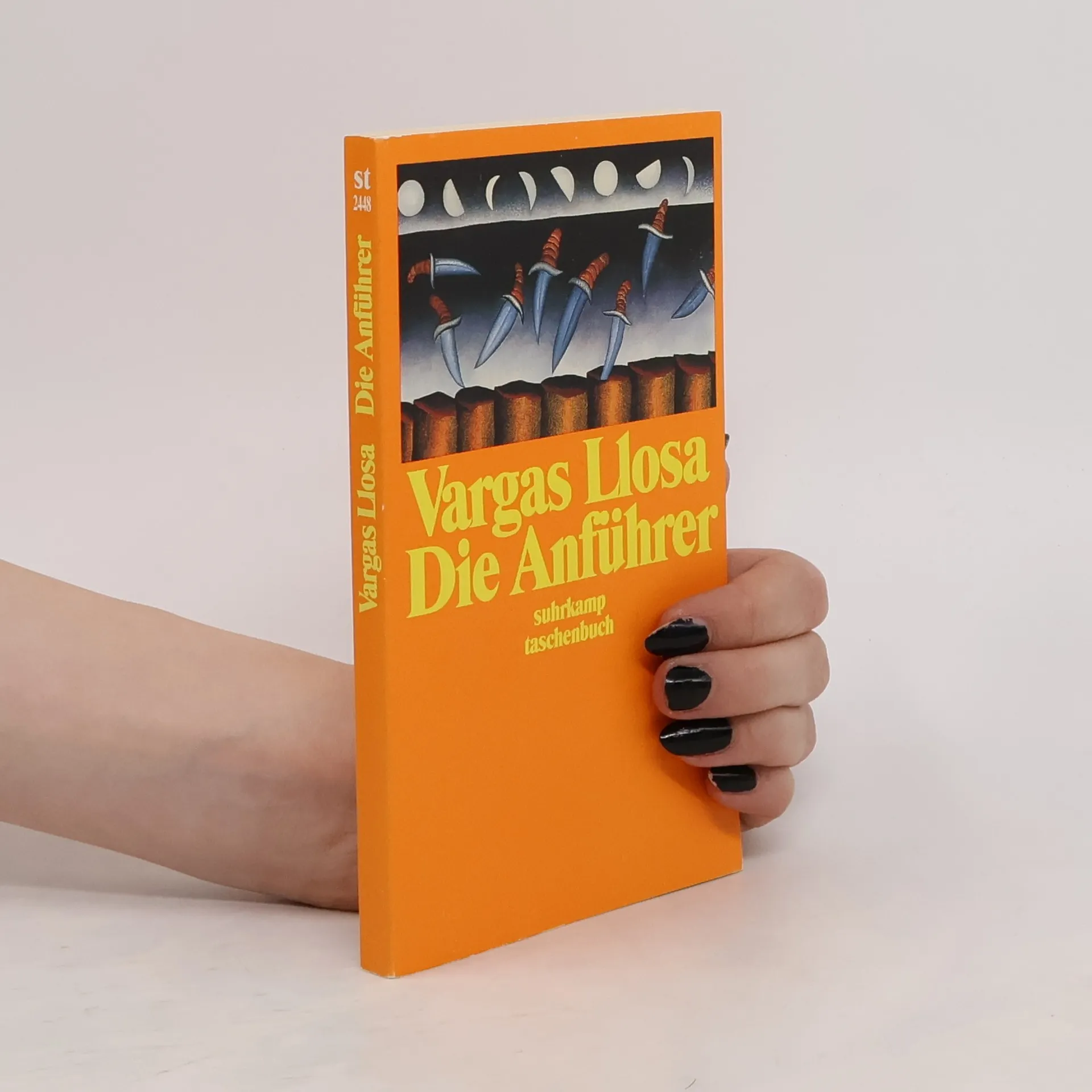
      Sechs Erzählungen von Mario Vargas Llosa, dem neben Gabriel García Márquez bekanntesten lateinamerikanischen Autor: »Die Anführer«, das sind die Chefs zweier um die Vorrangstellung rivalisierenden Schülerbanden im Salesianerkolleg in Piura, die sich gegen den autoritären Direktor auflehnen. In der Erzählung »Der jüngere Bruder« jagen und töten zwei Brüder einen Indio, der – in ihren Augen und nach ihrem gesellschaftlichen Kodex – ihre Schwester belästigt hat. Was für den jüngeren Bruder wie eine erwünschte Bewährung erscheint, wird zur Initiation in die Ausübung männlicher Gewalt. Mario Vargas Llosa trifft in diesen frühen Erzählungen – sie erschienen in spanischer Sprache 1959, der Autor war gerade 23 Jahre alt – bereits den Ton und das Thema seiner weltberühmten Romane: Es geht um den einzelnen und die Kräfte, die auf ihn einwirken, um ihn in die geltenden gesellschaftlichen Verhaltensweisen einzuüben, und um das, was er dagegenzusetzen hat: Freundschaft, die immer prekäre Solidarität der Gruppe, einen persönlichen Kodex von Moral und Ehre. »Der spätere Vargas Llosa hat als Romancier die Welten Südamerikas zwischen später und früher Zivilisation zusammengeführt, aber die Intensität der gelungensten seiner frühen Erzählungen hat er dabei nicht übertroffen.«

      Die Anführer
      3,6
    • La Tentacion De Lo Imposible

      • 240pages
      • 9 heures de lecture

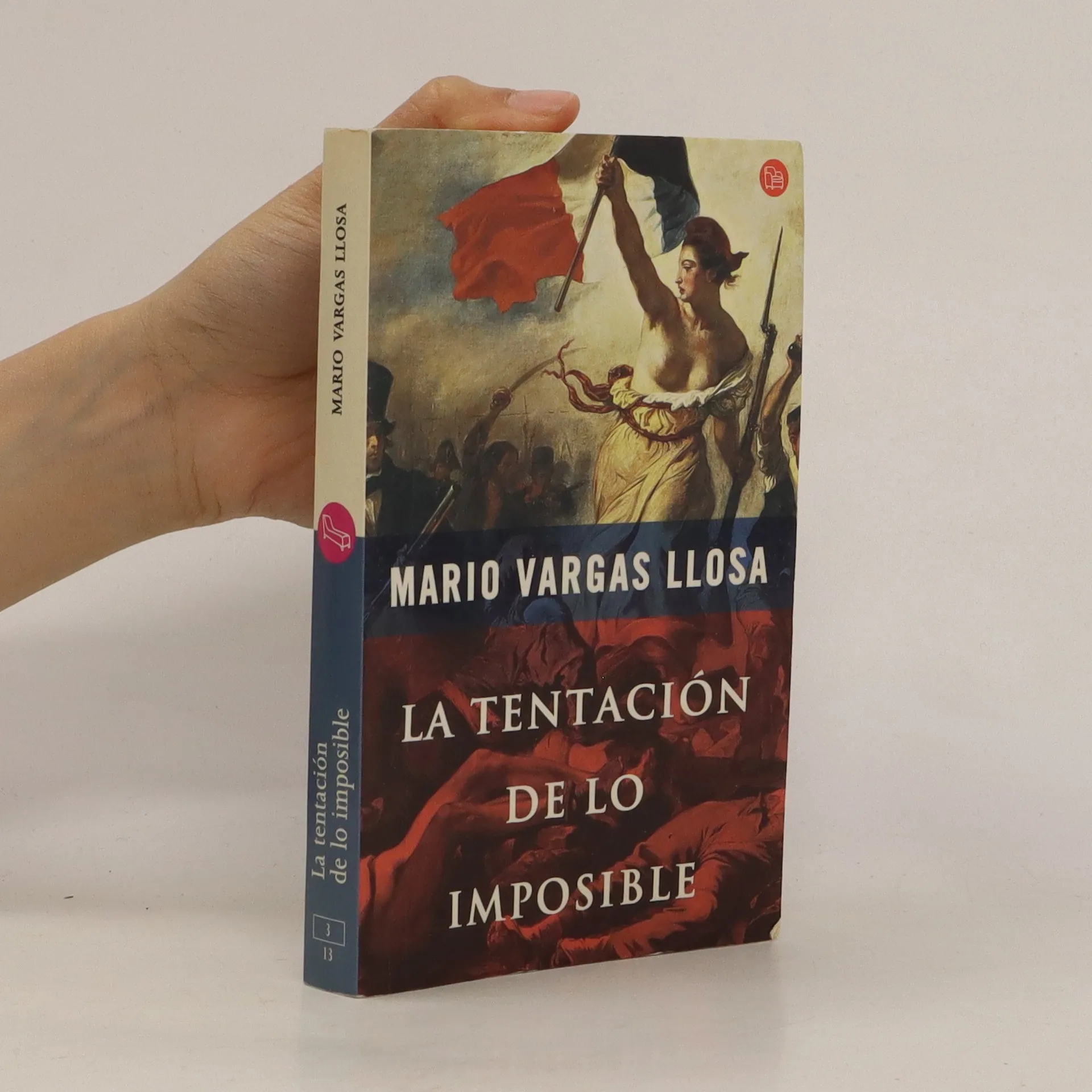
      Del siglo XIX al siglo XXI. De novelista a novelista. De genio a genio. Mario Vargas Llosa, un clásico contemporáneo, se acerca a Victor Hugo y a su gran obra, Los miserables, con pasión de lector y conocimiento de creador, para rastrear las claves del narrador francés en su novela. Buceando en las palabras, Vargas Llosa se sumerge en el mundo de Victor Hugo ùescritor, político, ser humanoù y saca a la superficie las huellas de su vida y de su talento.

      La Tentacion De Lo Imposible
      3,4
    • De vis in het water

      een autobiografie

      • 512pages
      • 18 heures de lecture

      De vis in het water bevat Vargas Llosa's herinneringen aan twee cruciale perioden in zijn leven. In de oneven hoofdstukken beschrijft hij zijn ontwikkelingsjaren tot hij in 1958 naar Parijs vertrekt; de even beginnen in het Peru van 1987, als de schrijver aan het begin van drie jaar intensieve politieke activiteit staat: de organisatie van de Movimiento Libertad, het fatale samengaan met twee afsplitsingen van de christendemocraten, het ijveren voor moderne democratie, privatisering en vrije-markteconomie, en ten slotte de mislukte gooi naar het presidentschap in 1990, waarbij Vargas Llosa het onderspit delft tegen de onbekende Peruaan van Japanse afkomst Fujimoro. De vis in het water is het relaas van 'waarom Peru naar de verdommenis is gegaan', spannend als een politieke thriller, maar ook vol herkenbare portretten, scherpe analyses en 'gekleurde' weergaven van de werkelijkheid.

      De vis in het water
      3,6
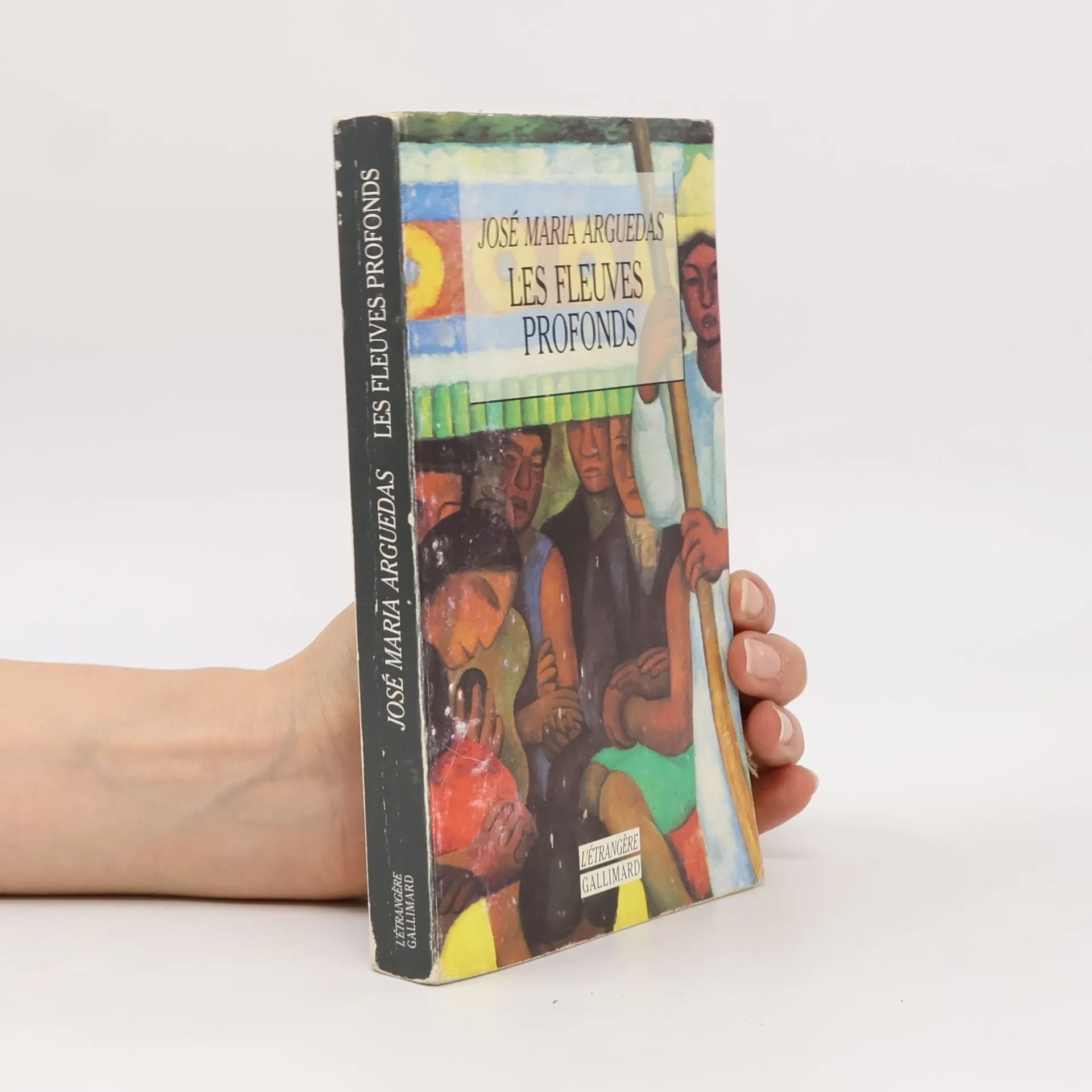
    • Dans les vallées du Pérou du Sud arrosées par l'Apurímac, le Pachachaca, un avocat pauvre erre de ville en village à la recherche d'une résidence idéale. Son jeune fils, Ernesto, l'accompagne dans ce périple et raconte avec beaucoup de gravité et de poésie comment il découvre le monde à travers cette existence nomade. Et lorsque son père le laisse dans un collège religieux de la province, Ernesto connaît le désarroi au milieu de camarades brutaux ou vulnérables. Au cours de ses escapades, il voit le misérable sort des péons. Lors d'une révolte, il suit les métisses dans leur bruyante émeute. Une épidémie de typhus s'abat sur les hameaux indiens : cette vision digne de l'Apocalypse constitue pour l'enfant le sommet d'une crise où tout, dans sa solitude, lui aura été révélé.

      Les fleuves profonds
      3,9
    • È un universo leggero e affollato, fondato meno sul dramma che sull'ironia, che ruota intorno a due straordinari personaggi: da una parte Pedro Camacho, prolifico autore di radiodrammi per Radio Central a Lima, e dall'altra Mario, giovane studente perdigiorno che coltiva una sua ambizione letteraria e che si innamora della zia divorziata, Julia appunto, con la quale finirà per convolare a nozze con grande scandalo dei familiari. E mentre Pedro scivolerà a poco a poco in una dolce e inconcludente follia, confondendo sempre più gravemente le trame dei suoi sceneggiati e condannandosi infine al silenzio, Mario diventerà invece uno scrittore di successo, che quando incontrerà di nuovo il suo antico "modello", potrà vedere nell'oblio di lui una sorta di prefigurazione del suo futuro, o forse del destino di tutti gli uomini.

      La Biblioteca di Repubblica - 86: La zia Julia e lo scribacchino
      3,8
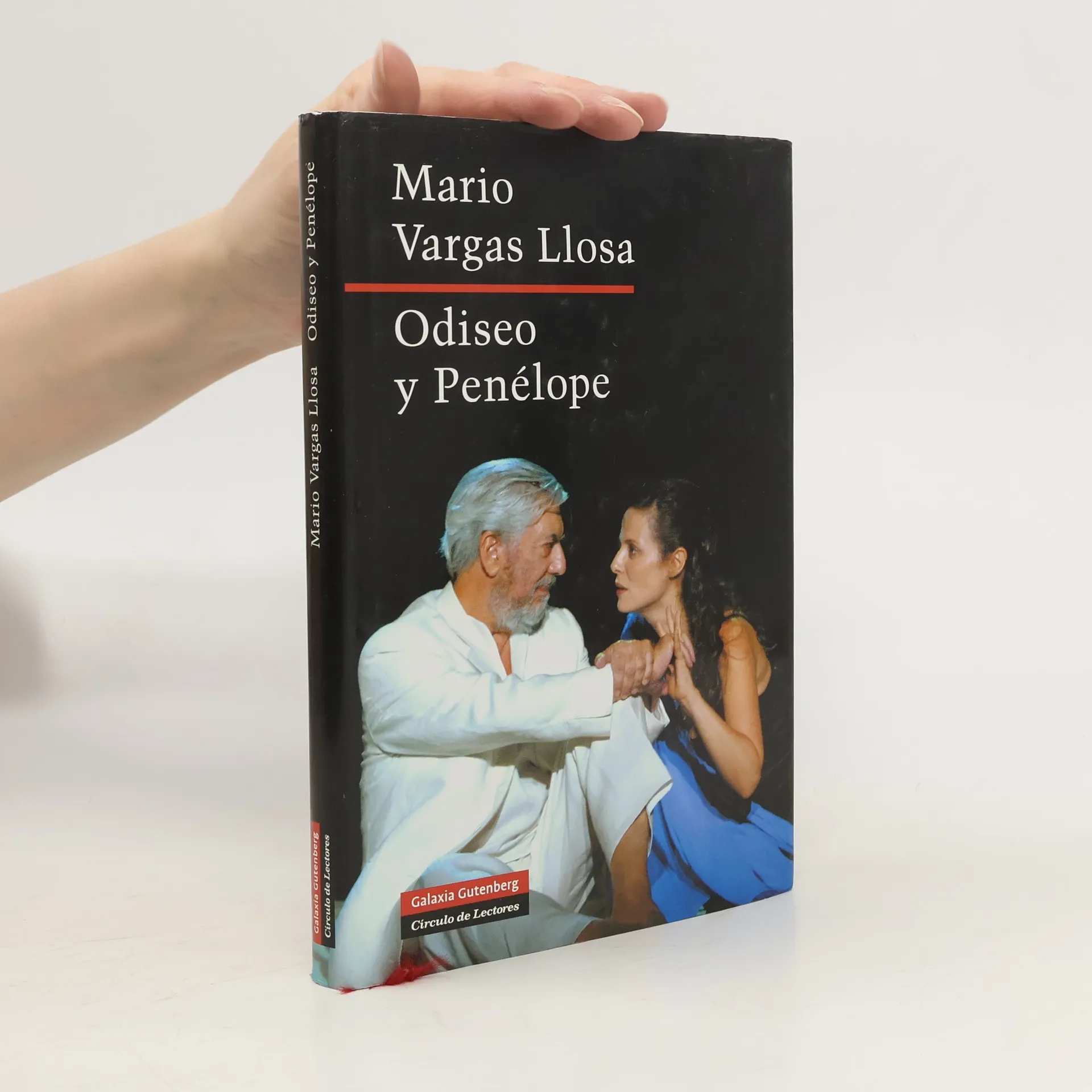
    • Odiseo y Penélope

      • 155pages
      • 6 heures de lecture

      ¿Vivió Odiseo las historias maravillosas que refiere a los deslumbrados feacios en la corte del rey Alcino? No hay manera de saberlo. Pudiera ser que sí y que su excelente memoria y su habilidad narradora enriquecieran sus credenciales de hombre de acción. Pero podría ser también que fuera un genial embaucador, el primero de esa estirpe de grandes fabricantes de mentiras literarias , tan seductoras que los lectores las vuelven a veces verdaderas, creyendo en los fabuladores. Mario Vargas Llos

      Odiseo y Penélope
      3,6
    • De droom van de Ier - druk 2

      • 399pages
      • 14 heures de lecture

      De Britse diplomaat Roger Casement wordt uitgezonden naar Congo om daar een bijdrage te leveren aan de civilisering van de inheemse volkeren. Bij aankomst blijkt hij te zijn terechtgekomen in een gruwelijke wereld van uitbuiting en moordpartijen. Casement besluit hierover te rapporteren en wordt een van de eerste voorvechters voor de mensenrechten - niet alleen in Congo maar ook in het Amazonegebied en in zijn thuisland Ierland, waar hij de onderdrukking van zijn eigen landgenoten moet erkennen. Maar terwijl zijn vrijheidsstrijd hem een zeer gerespecteerde positie oplevert moet hij steeds meer zijn best doen om zijn eigen donkere geheimen verborgen te houden. In deze op waarheid geinspireerde roman begint zijn omgeving steeds meer aan de integriteit van de held Casement te twijfelen. De droom van de Ier is een epische roman over een dappere man die genoeg lef heeft om de uitbuiting van anderen bespreekbaar te maken, maar zijn eigen keuzes niet kan verantwoorden.

      De droom van de Ier - druk 2
      3,6
    • Medio siglo con Borges

      • 112pages
      • 4 heures de lecture

      Colección de artículos, conferencias, reseñas y notas da testimonio de más de medio siglo de lecturas, una fuente inagotable de placer intelectual. A diferencia de otros escritores que marcaron mi adolescencia, nunca me decepcionó; revelándome nuevos secretos y sutilezas de ese mundo borgiano tan inusitado en sus temas y tan diáfano y elegante en su expresión

      Medio siglo con Borges
      3,6
    • La maestría de Mario Vargas Llosa se hace patente en estas páginas, un impresionante mosaico de situaciones humanas a las que sólo un escritor de su calibre podía dar tanto dramatismo y profundidad En el campamento minero de Naccos en las montañas del Perú han desaparecido tres hombres. El cabo Lituma, asignado a esta zona, vive agobiado por el misterio de las desapariciones y no cesa en su intento por dar con los responsables de estas muertes. Con su adjunto Tomás, se hallan sumidos en un ambiente bárbaro y hostil de desconfianza generalizada, donde se funden mito y realidad bajo la constante amenaza de los guerrilleros maoístas del Sendero Luminoso. Como contrapunto a este drama colectivo está la historia íntima de estos personajes, en especial la de un antiguo amor de Tomás, que él mismo narra en forma de episodios intercalados que se dan en las noches de desvelo y conversaciones con su superior. El aliento mítico de la narración, en la que se entrevén otras muchas siluetas enérgicamente trazadas, infunde una extraordinaria vida a realidades que se observan de un modo implacable y minucioso, haciendo de esta novela un clásico.

      Biblioteca El Mundo - 20: Lituma en los Andes
      3,1
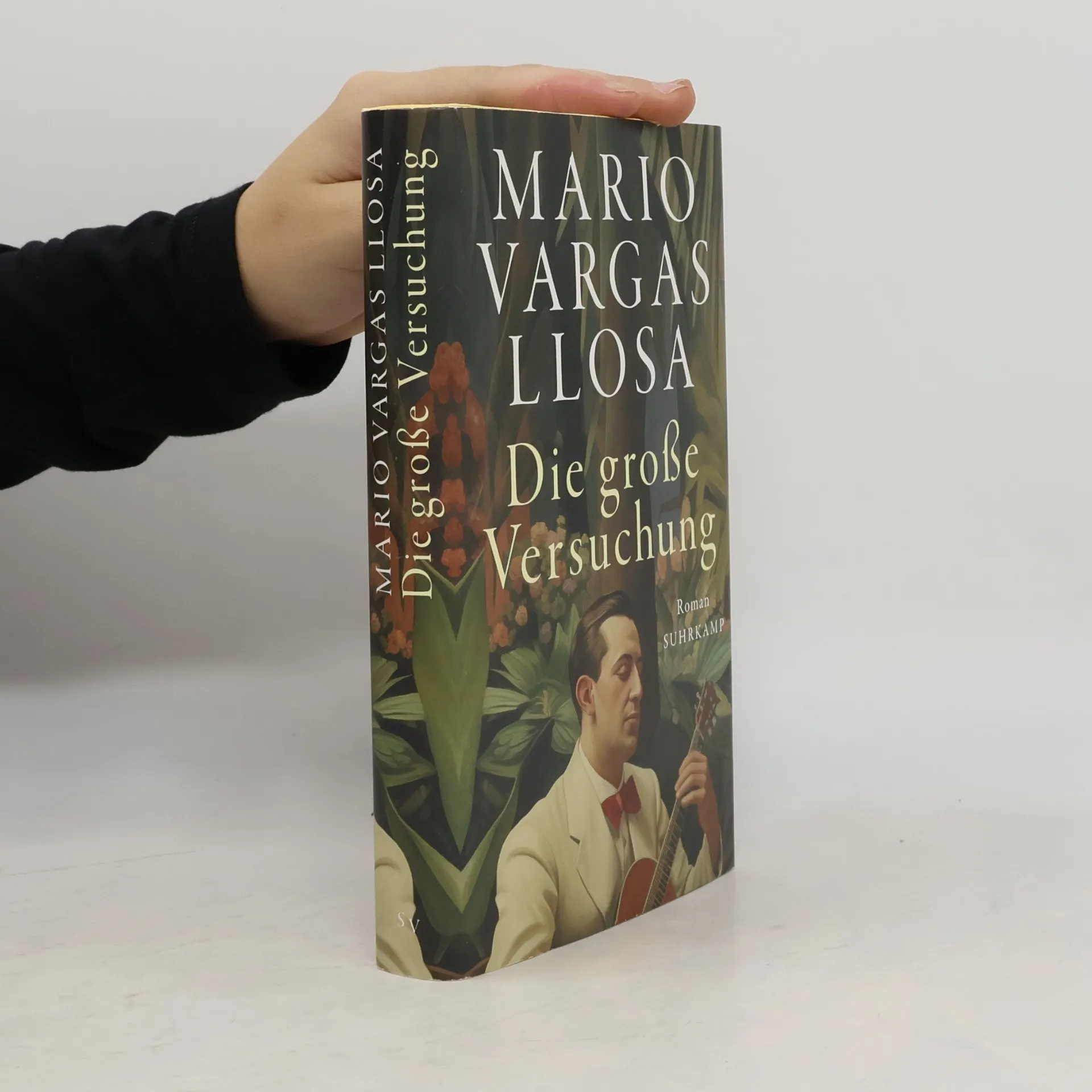
    • Mario Vargas Llosa präsentiert in seinem späten Meisterwerk die Geschichte von Toño Azpilcueta, der durch die Begegnung mit dem talentierten Gitarristen Lalo Molfino seine Leidenschaft für die peruanische Musik neu entdeckt. Seine Mission, ein Buch über Molfino und die Kunst zu schreiben, führt zu Ruhm, doch Toños manische Schreibweise belastet seine Familie.

      Die große Versuchung. Roman | Das ganze Leben, die ganze Welt in einem Buch
      3,2
    • La ninfa incostante

      • 267pages
      • 10 heures de lecture

      Estela Morris, la conturbante ninfa del titolo di questa storia nostalgica e spassosa, solare e rocambolesca, ha appena sedici anni quando il protagonista - alter ego dell'autore - la incontra sulla Calle 23 dell'Avana, e si lascia trascinare in una relazione che dura solo un'estate ma gli resterà nel ricordo per sempre. Il romanzo è lo scanzonato ritratto di questa ragazzina capricciosa e irresistibile e una divertita rivisitazione delle più classiche storie d'amore letterarie; ma anche un omaggio alla Cuba del passato, "isola incantata" che non ha mai smesso di ispirare la vena più profonda di Cabrera Infante. Fra slanci lirici, calembour e gag comiche, il romanzo postumo di un grande narratore da riscoprire.

      La ninfa incostante
      3,3
    • Conversaciones en la catedral

      • 669pages
      • 24 heures de lecture

      Un cuento inquietante sobre el poder, la corrupción y la compleja búsqueda de la identidad, Conversación en La Catedral tiene lugar en el Perú de los años 50 durante la dictadura de Manuel Apolinario Odría Amoretti. A través de cervezas y un mar de palabras libres, la conversación fluye entre dos individuos, Santiago y Ambrosio, que hablan de sus atormentadas vidas y de la degradación y frustración general que lentamente se ha apoderado de su ciudad. A través de una complicada red de secretos y referencias históricas, Mario Vargas Llosa analiza los mecanismos mentales y morales que rigen el poder y las personas que lo respaldan. Más que un análisis histórico, Conversación en La Catedral es una novela innovadora que aborda la identidad así como el papel de un ciudadano y cómo la falta de libertad personal puede marcar para siempre a un pueblo y una nación.

      Conversaciones en la catedral
    • A guerra do fim do mundo

      • 706pages
      • 25 heures de lecture

      Depois de um mergulho no sertão baiano, garimpando em todas as fontes disponíveis, inclusive da tradição oral, o peruano Mario Vargas Llosa elaborou sua versão da epopéia de Antônio Conselheiro. Mesclando personagens reais e imaginários, ele reconstitui a Guerra de Canudos como se estivesse na posição de testemunha ocular, com uma visão privilegiada das partes em conflito.

      A guerra do fim do mundo
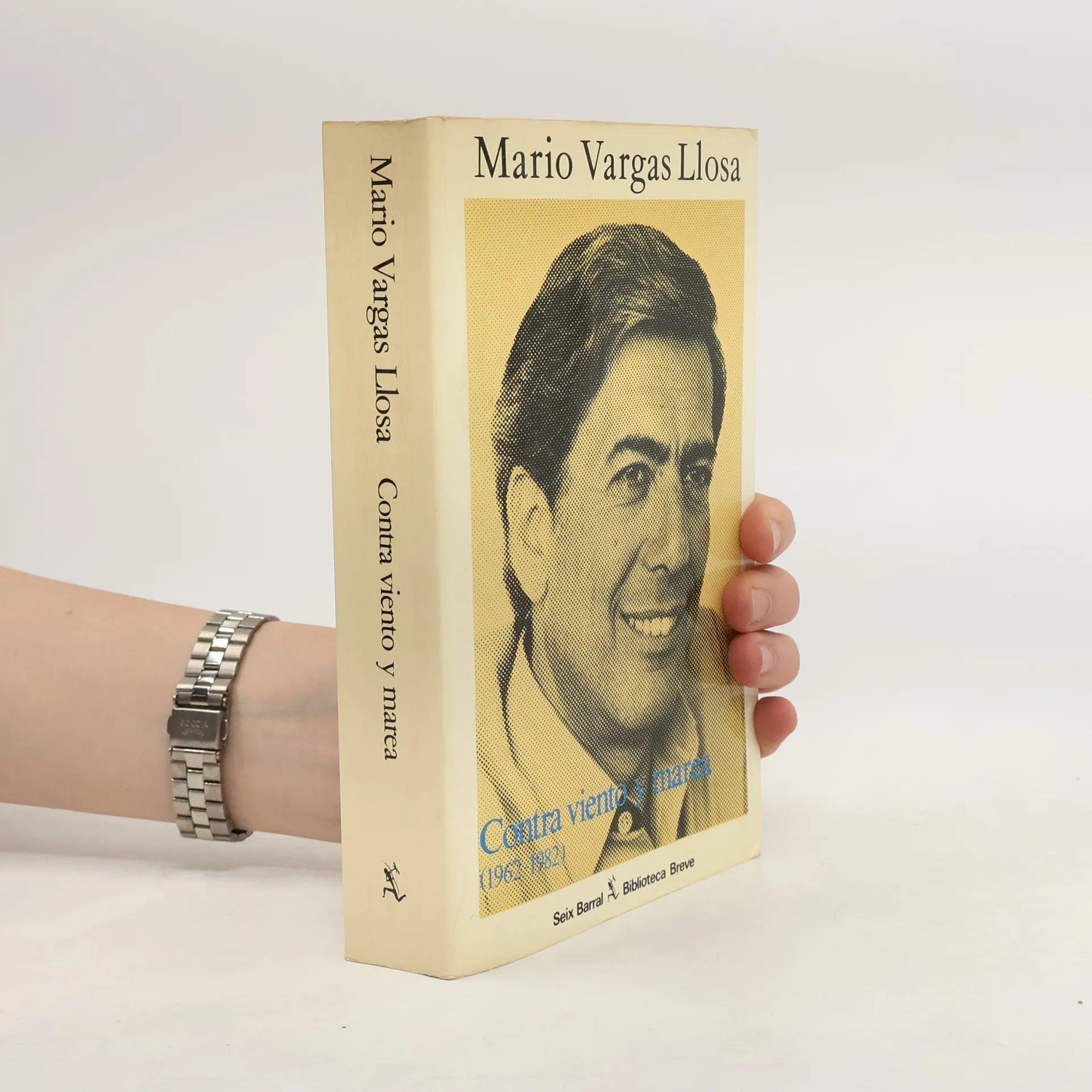
    • Gegen Wind und Wetter

      • 284pages
      • 10 heures de lecture

      Seit mehr als 25 Jahren nimmt Mario Vargas Llosa zu literarischen und politischen Themen Stellung. Die Lektüre des vorliegenden Bandes macht deutlich, mit welchem Ernst und mit welcher Leidenschaft sich der Autor mit den unterschiedlichsten Gebieten beschäftigt, von denen viele quasi leitmotivisch wiederkehren: seine literarischen Vorbilder, seine Rebellion gegen jede Art von Unterdrückung persönlicher Freiheiten, die Entwicklung Lateinamerikas, die Pflichten des Intellektuellen. Vargas Llosa hat die Zusammenstellung seiner journalistischen Arbeiten folgendermaßen kommentiert: »Der Leser wird mit der gleichen Perplexität wie ich feststellen, daß es mehr Zweifel als Gewißheiten gibt und daß diese so simpel und kurz sind, daß sie in wenigen Worten zusammengefaßt werden können: die Literatur ist letztlich wichtiger als die Politik; Freiheit ist nicht trennbar von sozialer Gerechtigkeit; der zeitgenössische Intellektuelle wird aus Opportunismus, Feigheit oder Blindheit häufig zum Verbündeten der Barbarei; der Pessimismus scheint eine realistischere Haltung als der Optimismus zu sein, was die unmittelbare Zukunft Lateinamerikas betrifft, aber das heißt keineswegs, zu resignieren.«

      Gegen Wind und Wetter
    • Široko komponovaný román peruánskeho autora zachytáva strhujúci obraz života obyvateľov Piury, mestečka opklopeného piesočinami a ľudí z povodia Amazonky. Autor odvíja päť samostatných príbehov - príbeh Anselma, cudzinca, zakladateľa domu rozkoše, zvaného Zelený dom a jeho lásky k slepej anemej dievčine a osudy štyroch fičúruv, pikareskných predstaviteľov piurského predmestia, žijúcich zo dňa na deň....

      Zelený dom
    • El sueño del Celta

      • 454pages
      • 16 heures de lecture

      La aventura que narra esta novela empieza en el Congo en 1903 y termina en una cárcel de Londres, una mañana de 1916. Aquí se cuenta la peripecia vital de un hombre de leyenda: el irlandés Roger Casement. Héroe y villano, traidor y libertario, moral e inmoral, su figura múltiple se apaga y renace tras su muerte. Casement fue uno de los primeros europeos en denunciar los horrores del colonialismo. De sus viajes al Congo Belga y a la Amazonía sudamericana quedaron dos informes memorables que conmocionaron a la sociedad de su tiempo. Estos dos viajes y lo que allí vio cambiarían a Casement para siempre, haciéndole emprender otra travesía, en este caso intelectual y cívica, tanto o más devastadora. La que lo llevó a enfrentarse a una Inglaterra a la que admiraba y a militar activamente en la causa del nacionalismo irlandés. También en la intimidad, Roger Casement fue un personaje múltiple: la publicación de fragmentos de unos diarios, de veracidad dudosa, en los últimos días de su vida, airearon unas escabrosas aventuras sexuales que le valieron el desprecio de muchos compatriotas. El sueño del celta describe una aventura existencial, en la que la oscuridad del alma humana aparece en su estado más puro y, por tanto, más enfangado. Una novela mayor de Mario Vargas Llosa.

      El sueño del Celta
    • Wie heeft Palomino Molero vermoord?

      Roman - 'Apolitiek? Waarover gaat de ruzie dan? Eigenlijk denk ik dat het een vrouwenhistorie is' Sus van Elzen in Knack

      • 149pages
      • 6 heures de lecture

      Bij de gruwelijke moord op een jonge luchtmachtsoldaat blijkt een luchtmachtkolonel betrokken te zijn.

      Wie heeft Palomino Molero vermoord?