

Il est encore temps de passer ta commande pour Noël (1 jour, 7 heures)
Bookbot

Guy Cools

    Dialogues in Performance Practices
    Performing Mourning: Laments in Contemporary Art
    • Each person's grief is as unique as their fingerprint. But what everyone has in common is that no matter how they grieve, they share a need for their grief to be witnessed. David Kessler (2019) The pandemic has once again made us more aware of the fragility of life and the importance of being able to properly mourn the dead. Dramaturg Guy Cools has been researching laments and other rituals of mourning. He is particularly interested in how the emotions of loss need to be externalized. The laments are a formal device, used in many cultures to express and contain the emotions of grief. In a poetic, meandering, personal way Cools explores cultural habits, traditions, rituals, and artists' performances. His narrative looks into many forms of laments: literary, anthropological, philosophical, and in contemporary art practices. The latter part delves into artistic strategies to address or embody mourning: dialogical strategies that deal with personal losses; collective mourning rituals and how they invite communities to witness these losses; contemporary examples of laments that are not only used to dialogue with the dead but also to communicate with loved ones who are absent because of migration or exile; a very specific form of mourning that occurs when we grieve for the unrealized potential of a child's unlived life, including that of an unborn child. And finally, the very recent phenomenon of lamenting not just the losses of the past, but also the loss of a future

      Performing Mourning: Laments in Contemporary Art
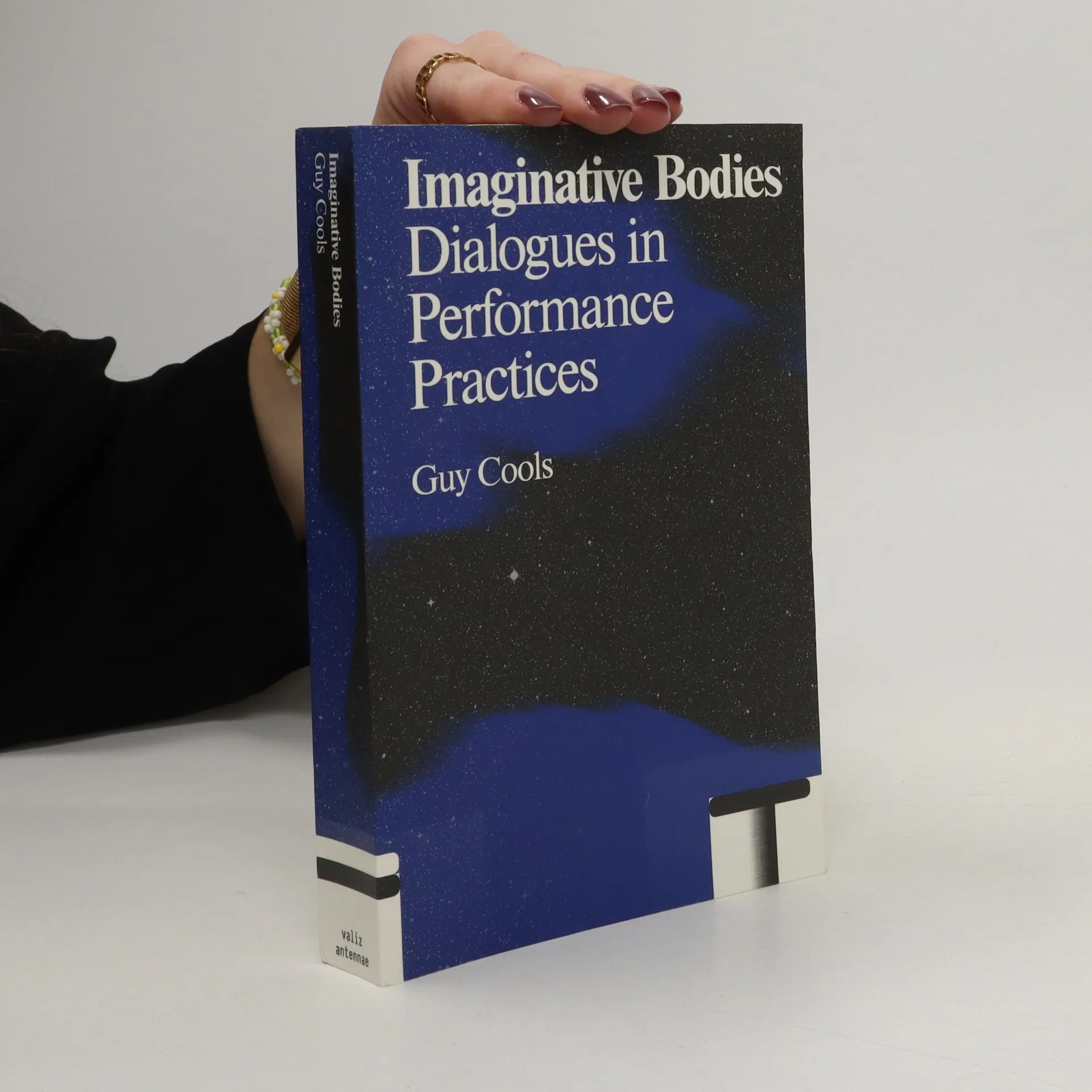
    • La 4e de couverture indique : "Imaginative Bodies' contains a series of in-depth conversations with dancers and choreographers, composers, visual artists, Hip Hop artists, dramaturgs, a lighting designer and a puppeteer. The overall theme is defined by the body, both in relation to the place it takes in the artist's work, and in relation to wider debates on the body in philosophy, science, medicine, anthropology, and the arts. Depending on the affinities of the artist, a more specific theme has been defined for each dialogue, ranging from poetics to politics, from mythology to ecology, from intercultural studies to conflict management. The associative chains of thoughts of these talks give an intimate insight into the creative process, inspirations, sources, identity, and ways of collaborating. It is through the sentient body that we experience, know and imagine. 'Imaginative Bodies' reaffirms the central position of the body in many artistic practices."

      Dialogues in Performance Practices