Bookbot

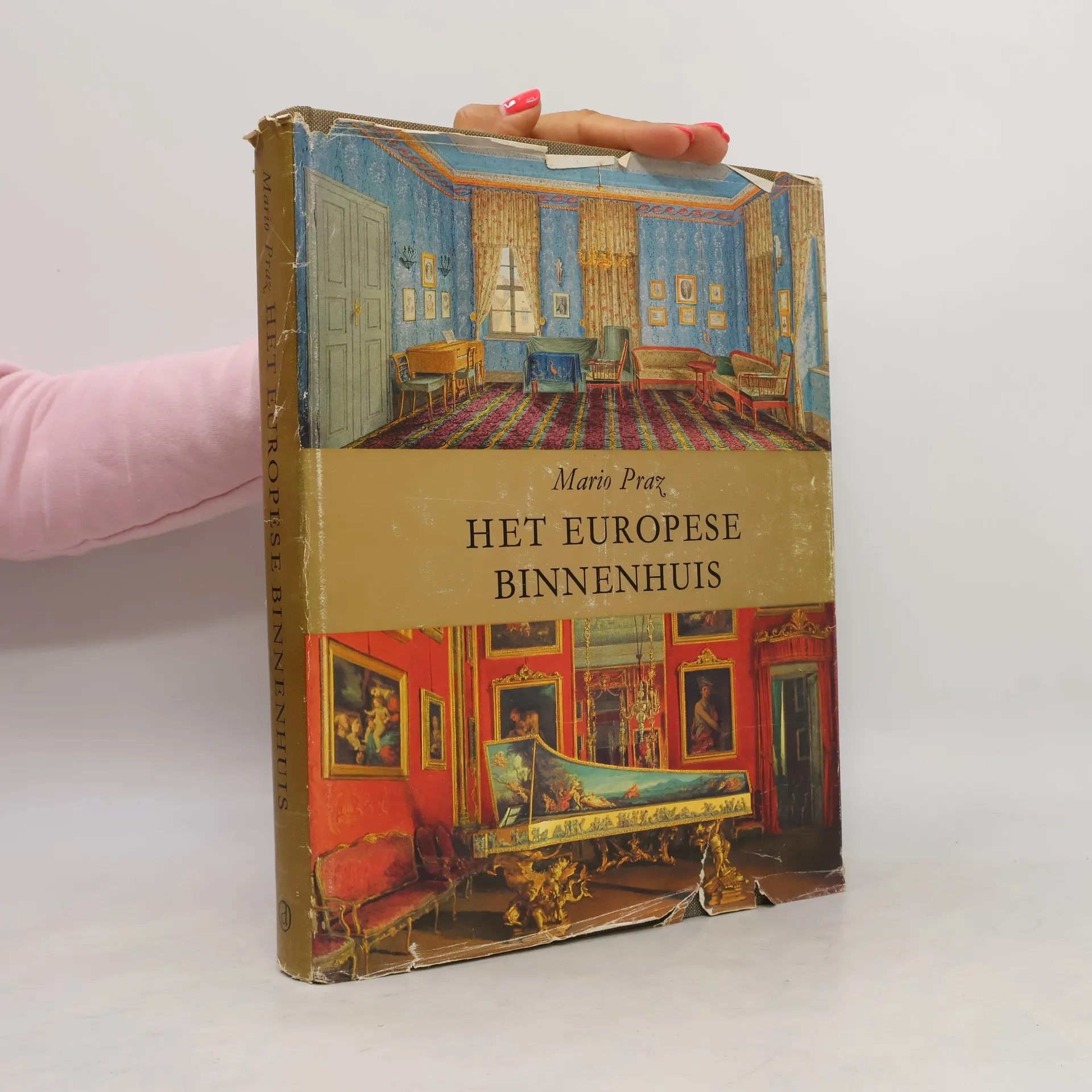
Mario Praz

    6 septembre 1896 – 23 mars 1982

    Mario Praz fut un critique éminent dont l'œuvre a exploré les fascinations esthétiques et morbides de la littérature européenne, particulièrement à l'époque romantique. Son étude fondamentale a minutieusement examiné les thèmes entrelacés de l'érotisme et de la mort qui imprégnaient les œuvres des auteurs de la fin du XVIIIe et du XIXe siècle. L'approche de Praz se caractérisait par un engagement profond envers les styles artistiques et les courants psychologiques de ses sujets, offrant aux lecteurs une exploration captivante des aspects plus sombres de l'art et de la littérature. Son héritage englobe non seulement l'analyse littéraire, mais aussi des perspectives sur l'histoire de l'art et de la décoration intérieure.

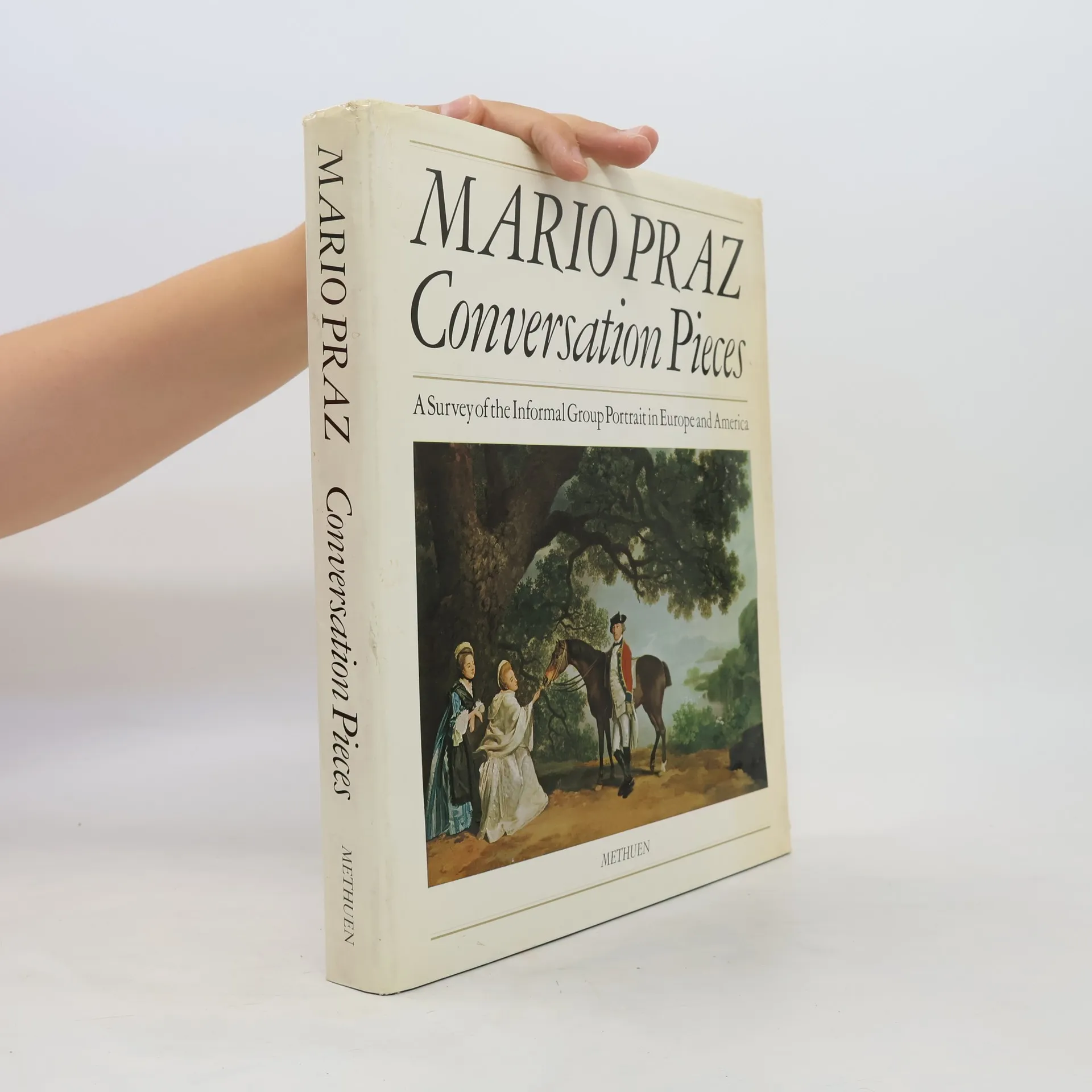
    Conversation Pieces
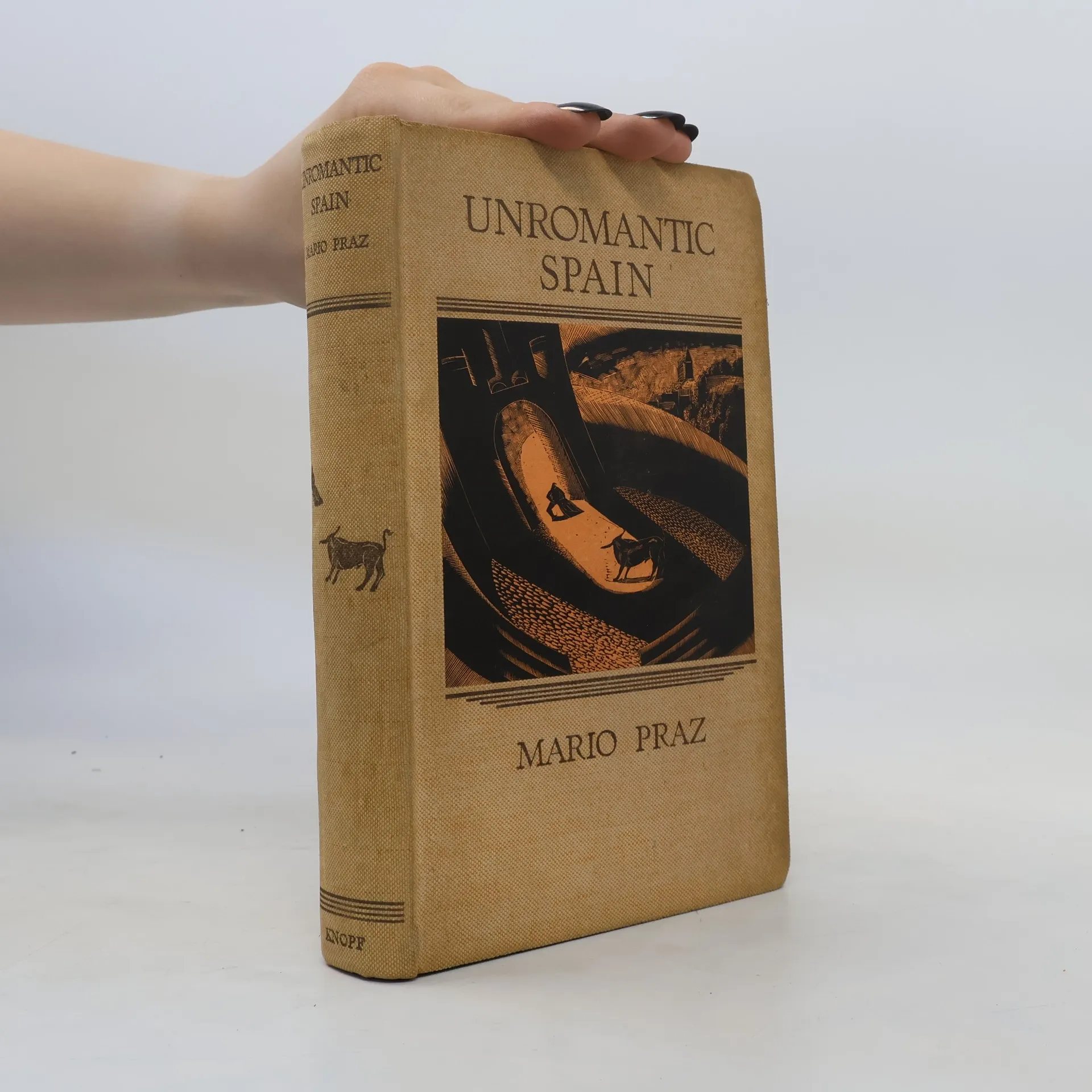
    Unromantic Spain
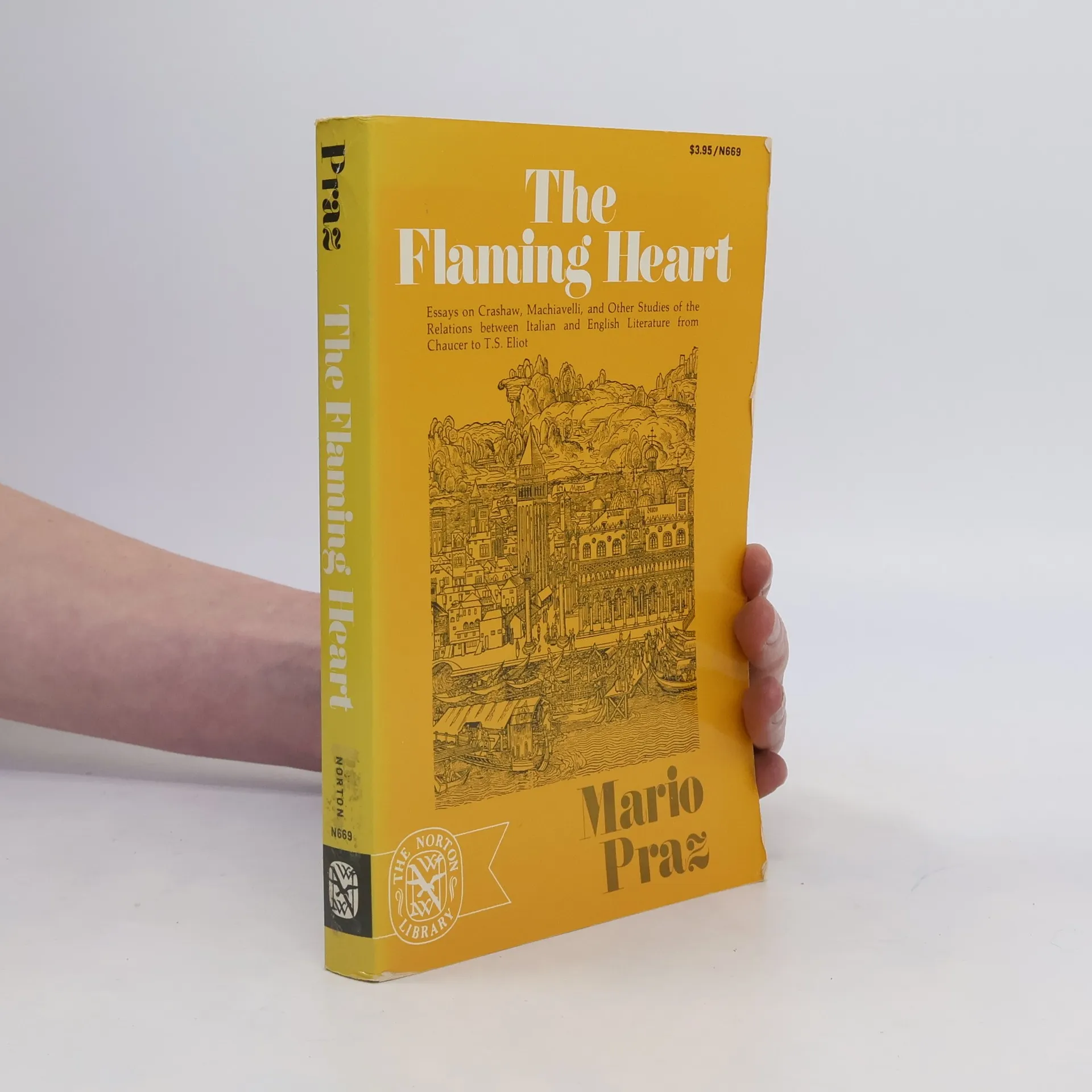
    The Flaming Heart
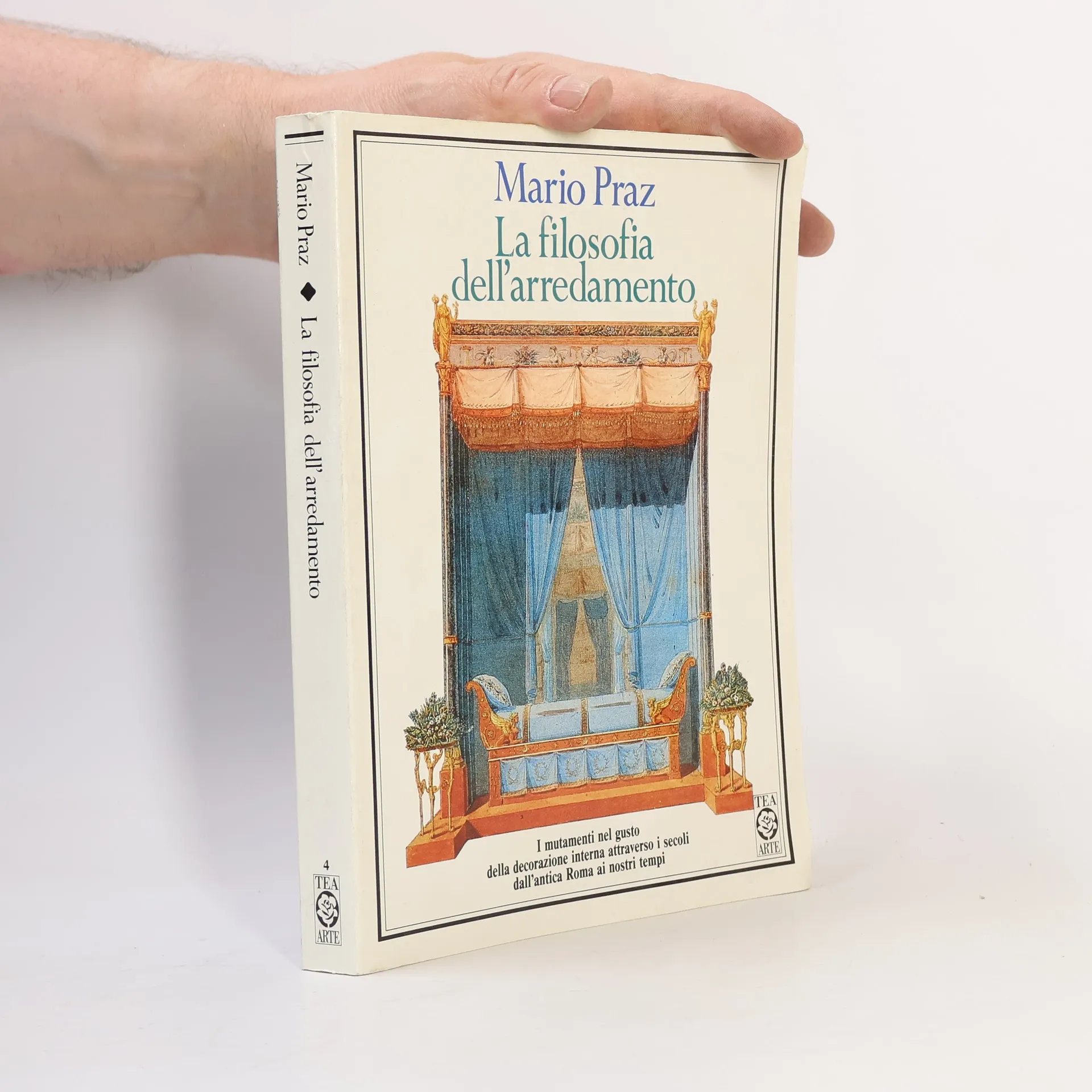
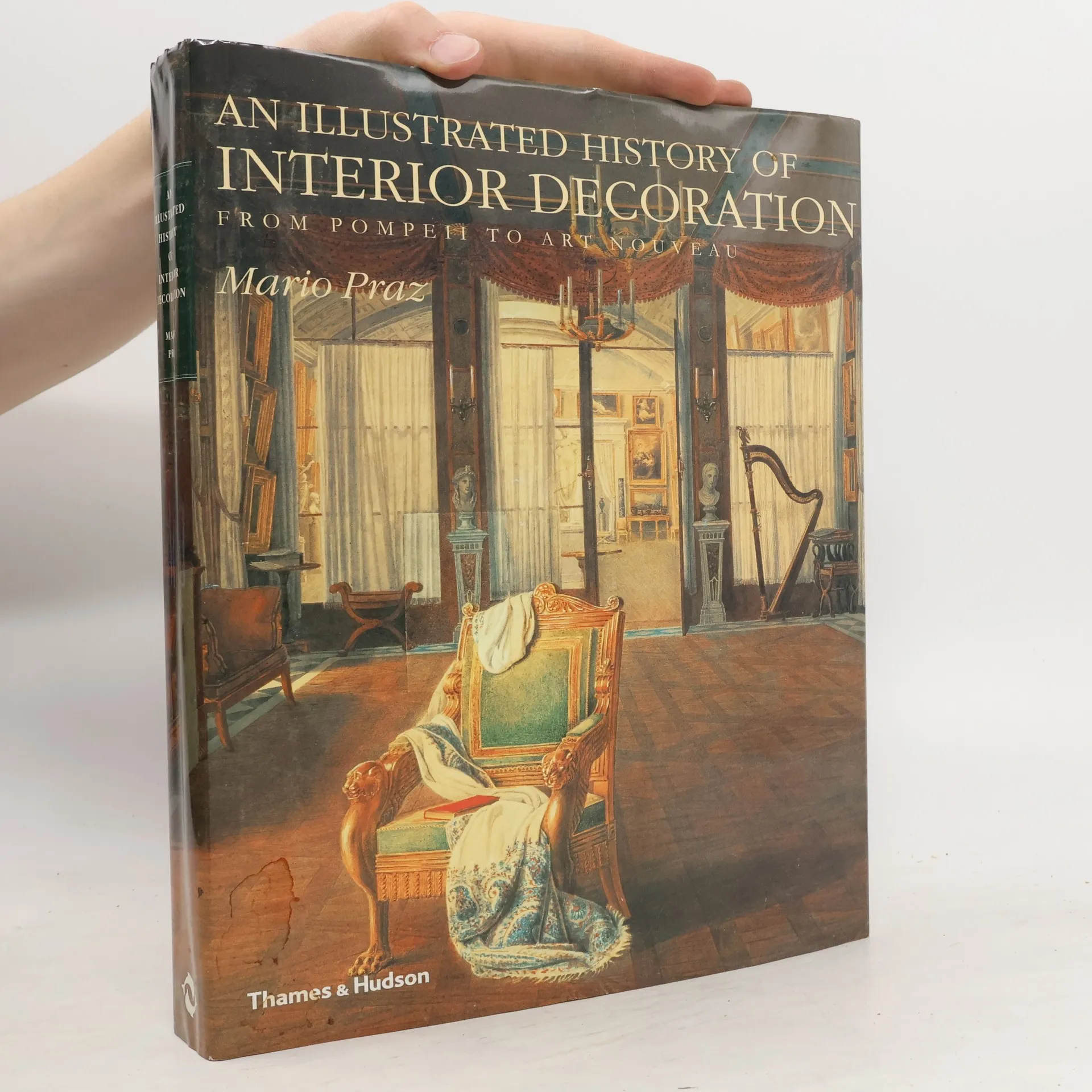
    An Illustrated History of Interior Decoration from Pompeii to Art Nouveau
    Le Monde que j'ai vu
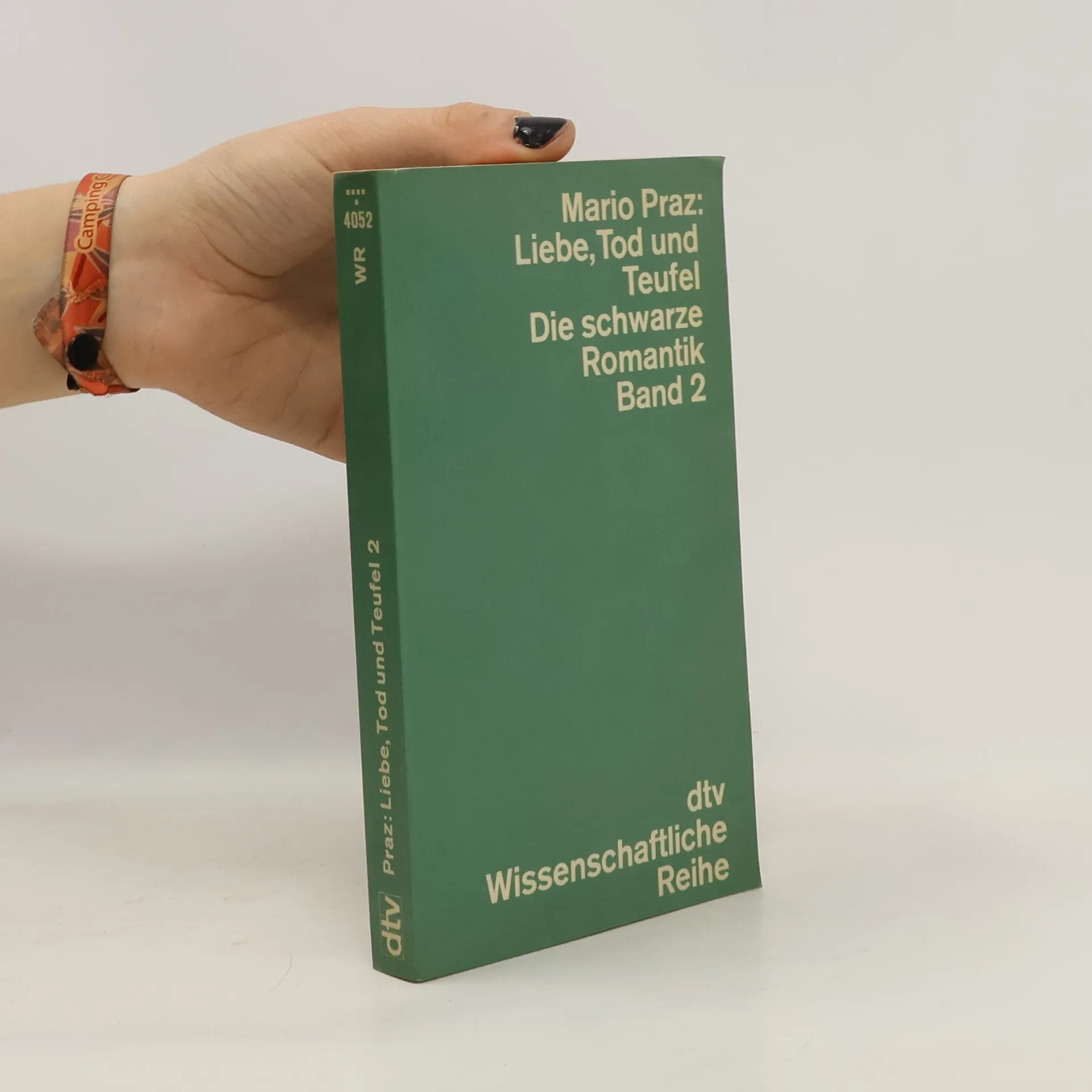
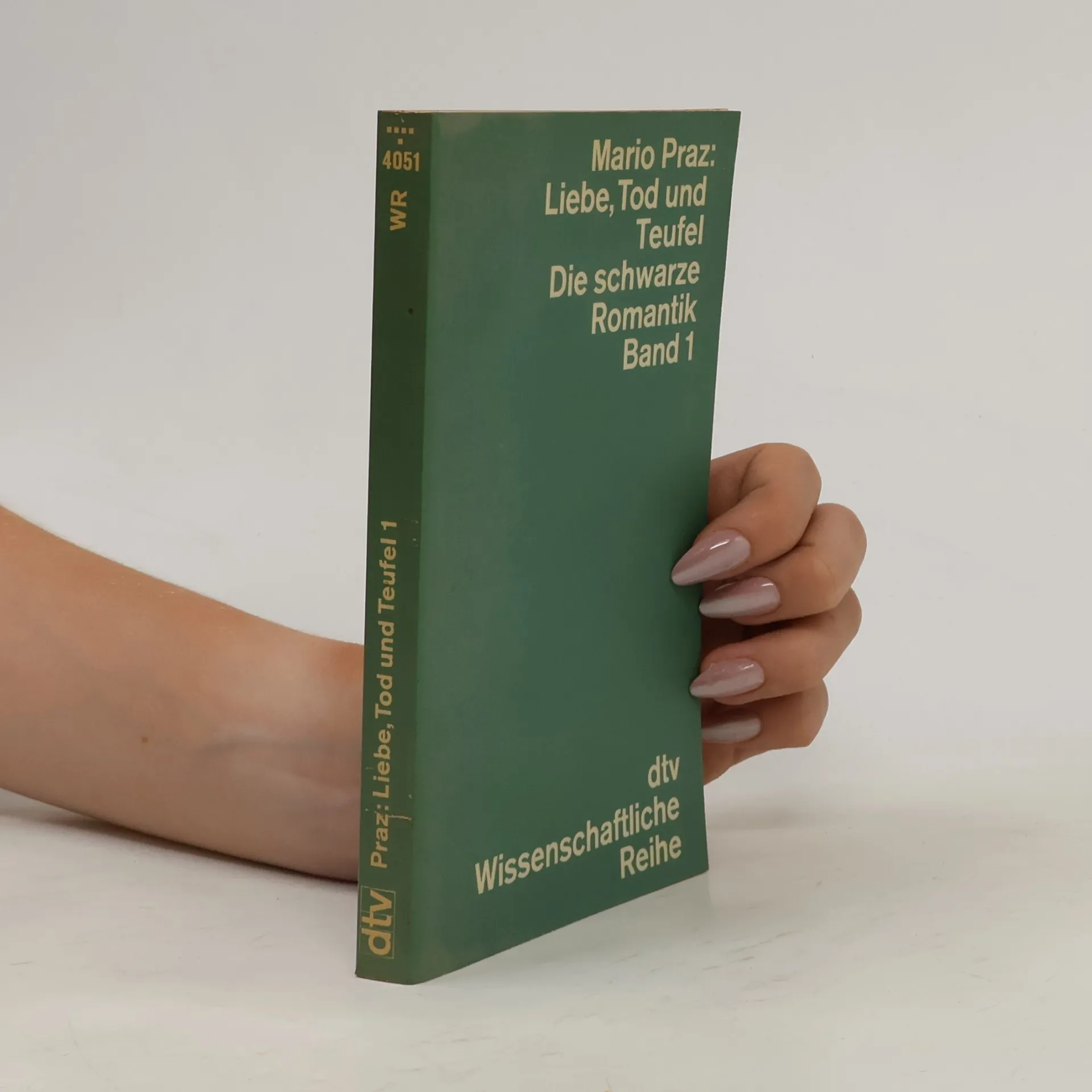
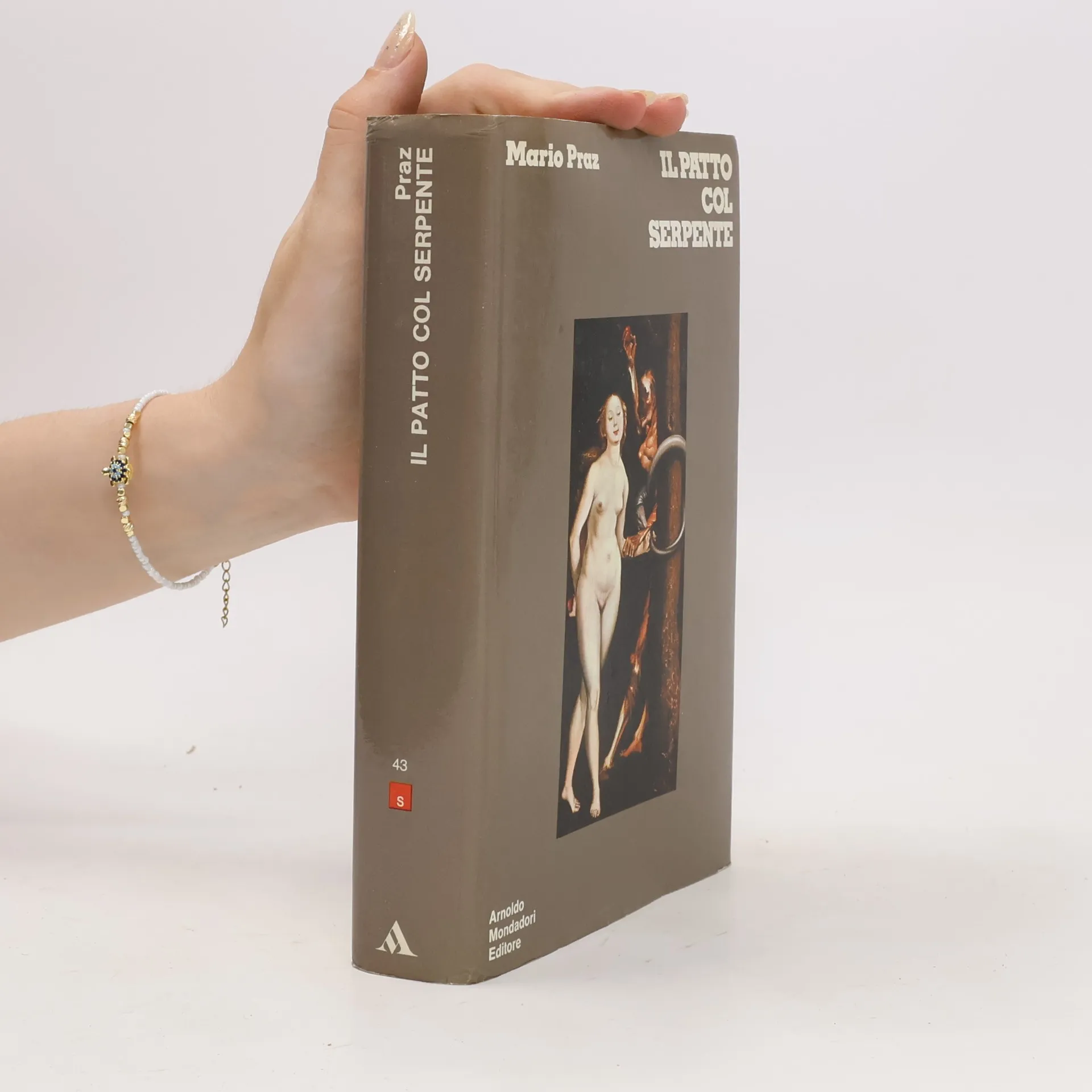
    La chair, la mort et le diable dans la littérature du XIXe siècle
    • 2025

      Kniha vychází z přesvědčení, že literatura 19. století představuje organický celek, jehož jednotu zavedené formule romantismus, verismus, dekadence zastírají či fragmentarizují. Charakteristickým momentem této jednoty je orientace romantické a postromantické „imagery“ na téma pohlaví. Praz analyzuje tento fenomén v řadě pronikavých kapitol. První kapitola je věnována „kráse Medúzy“, tj. kráse, jež budí děs či smutek – motivu, jejž můžeme nalézt v dlouhé řadě textů od Goetha a Shelleyho po Baudelaira a D’Annunzia. Druhá kapitola je věnována metamorfózám „Satana“, prastarého symbolu (Tasso, Marino, Milton, Blake atd.), jenž znovu ožívá jakožto symbol transgrese v romantických figurách psanců, „osudových mužů“ či ve fenoménu vampyrismu. Sadistické tendence jsou zkoumány v kapitolách Ve znamení Božského Markýze, „La belle dame sans merci“ a „Byzanc“. Korpus soustavných a drobnohledných analýz uzavírá kapitola věnovaná D’Annunziovi a jeho „smyslné lásce ke slovu“. Prazova kniha patří k dnes již klasickým velkým syntézám typu Curtiovy Evropské literatury a latinského středověku, Frazerovy Zlaté ratolesti či Burckhardtovy Renesanční kultury v Itálii.
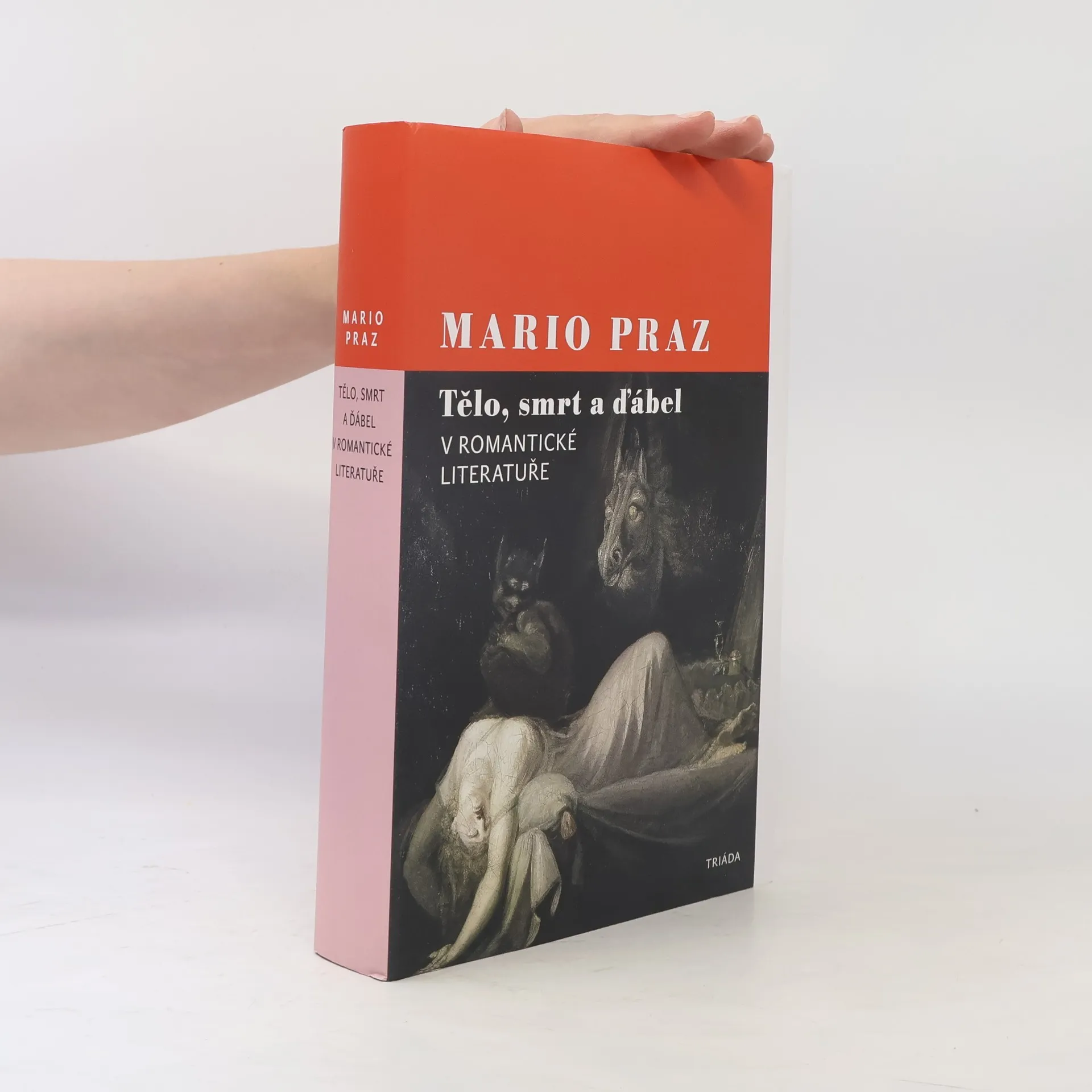
      Tělo, smrt a ďábel v romantické literatuře
    • 2012
    • 2010

      „Książka poświęcona jest w zasadniczej mierze rozważaniom nad literaturą romantyczną […] w jednym z najbardziej charakterystycznych aspektów – w aspekcie wrażliwości erotycznej. Jest to więc studium o stanach duchowych i osobliwościach obyczajów, ujęte według określonych typów bohaterów i wątków, które powracają z uporem niczym mity zrodzone ze wzburzonej krwi. […] Sądzę, że w żadnej innej epoce literackiej zmysły nie były w sposób bardziej oczywisty podstawowym tematem dzieł wyobraźni. Lepiej więc zbadać tę orientację w jej historycznym rozwoju, niż powtarzać ze słuchu i prawie bez zastanowienia ogólnikowe obwinienia o zmysłowość i perwersję, którymi krytycy tego okresu zazwyczaj kwitowali tego rodzaju zainteresowania twórców." Mario Praz

      Zmysły, śmierć i diabeł w literaturze romantycznej
    • 2009

      Shakespeare Our Contemporary

      • 372pages
      • 14 heures de lecture
      4,1(308)Évaluer

      This book is a provocative, original study of the major plays of Shakespeare; more than that, however, it is one of the few critical works to have strongly influenced theatrical productions. Peter Brook and Charles Marowitz are among the many directors who have acknowledged their debt to Jan Kott, finding in his analogies between Shakespearean situations and those in modern life and drama the seeds of vital new stage-conceptions. Readers all over the world― Shakespeare Our Contemporary has been translated into nineteen languages since it appeared in 1961―have similarly found their responses to Shakespeare broadened and enriched. Mary McCarthy called the work "the best, the most alive, radical book about Shakespeare in at least a generation."

      Shakespeare Our Contemporary
    • 2006

      The classic study of the timeless relationship between literature and the visual arts In his search for a common link between literature and the visual arts, Mario Praz draws on the abundant evidence of mutual understanding and correspondence they have long shared. Praz explains that within literature, each epoch has “its peculiar handwriting or handwritings, which, if one could interpret them, would reveal a character, even a physical appearance,” and while these characteristics belong to the general style of a given period, the personality of the writer does not fail to pierce through. Praz contends that something similar occurs in art. He shows how the likeness between the arts within various periods of history can ultimately be traced to structural similarities that arise out of the characteristic way in which the people of a certain epoch see and memorize facts aesthetically. Mnemosyne, at once the goddess of memory and the mother of the muses, presides over this view of the arts. In illustrating her influence, Praz ranges widely through Western sources, providing an incomparable tour of the literary and pictorial arts.

      Mnemosyne
    • 1999
    • 1998

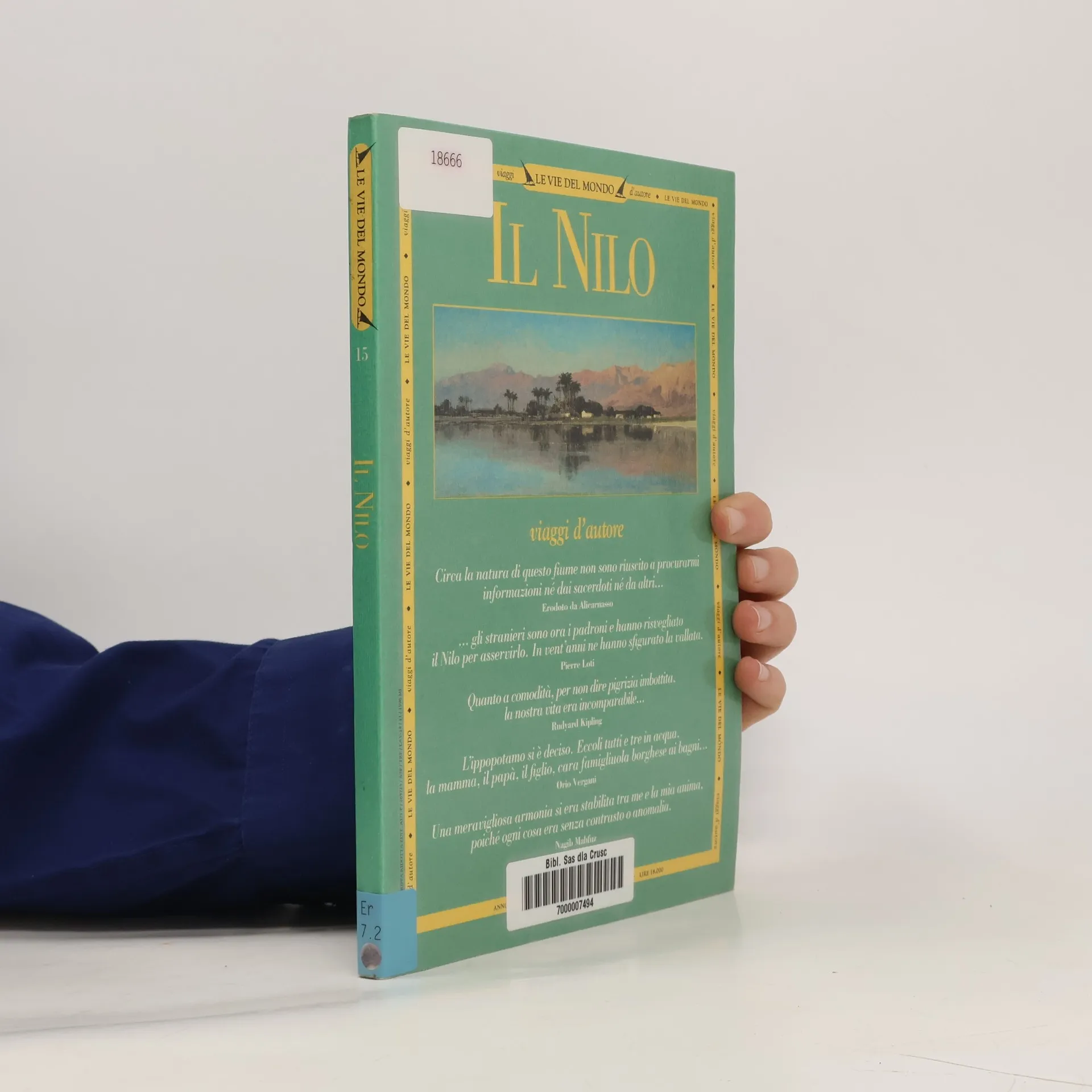
      Il Nilo

      • 164pages
      • 6 heures de lecture
      Il Nilo
    • 1988
    • 1988