Cette artiste polonaise, œuvrant comme conceptrice de costumes, écrivaine et peintre, puise profondément dans ses expériences de guerre traumatisantes. Son œuvre reflète souvent les difficultés et les souffrances qu'elle a endurées pendant l'occupation allemande de la Pologne, où sa famille a subi la persécution nazie. Bien que sa vie ait été marquée par des luttes personnelles et un combat contre la toxicomanie, elle s'en est remise et continue de créer un art qui porte l'empreinte de son parcours de vie unique. Son expression artistique est profondément façonnée par son histoire personnelle, explorant les thèmes de la recherche d'identité et de la réconciliation avec le passé.
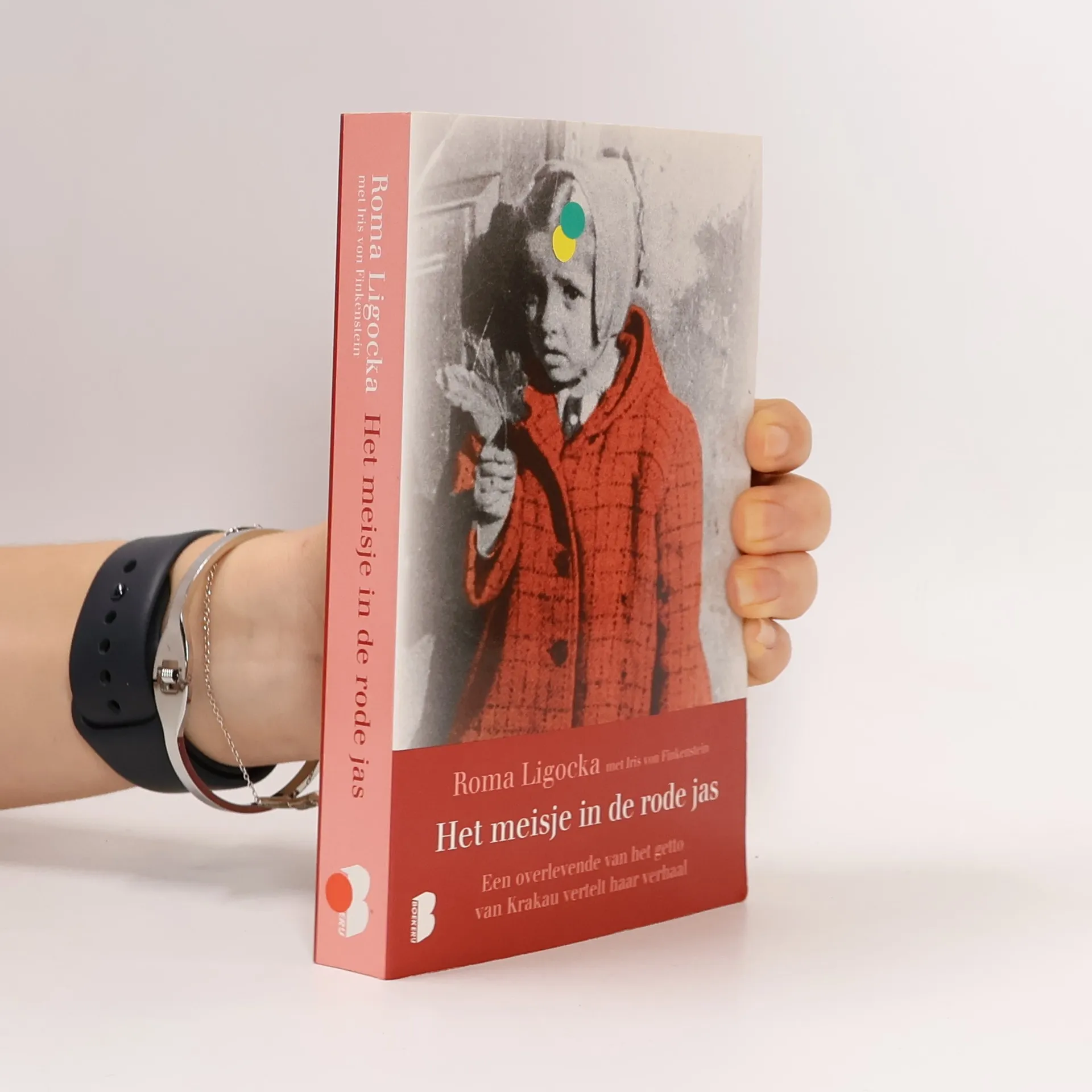
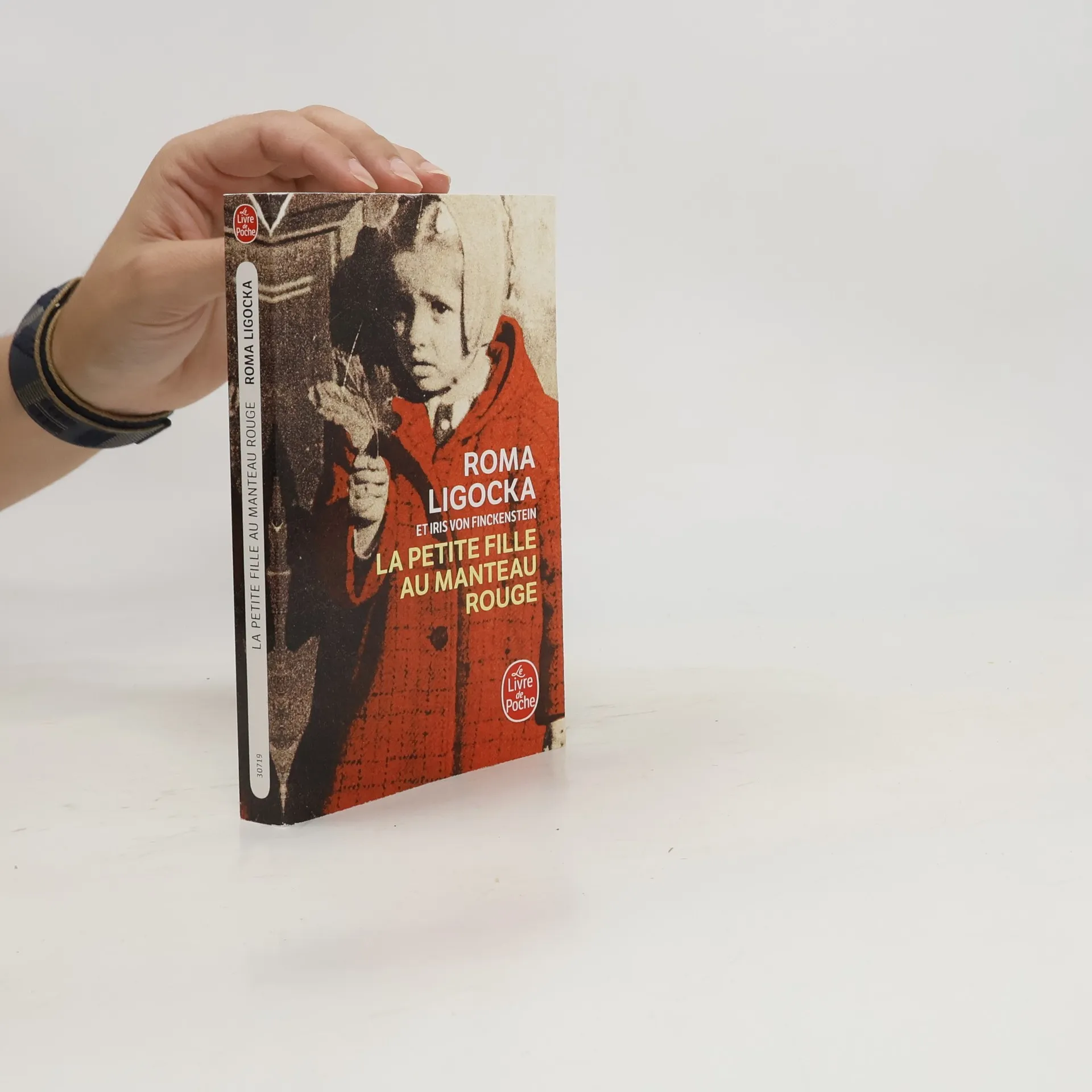
"Récit autobiographique. L'enfance d'une petite fille juive dans un ghetto, son évasion avec sa mère, sa survie durant deux ans à Cracovie, l'épreuve de vingt ans de stalinisme et enfin son passage à l'Ouest.
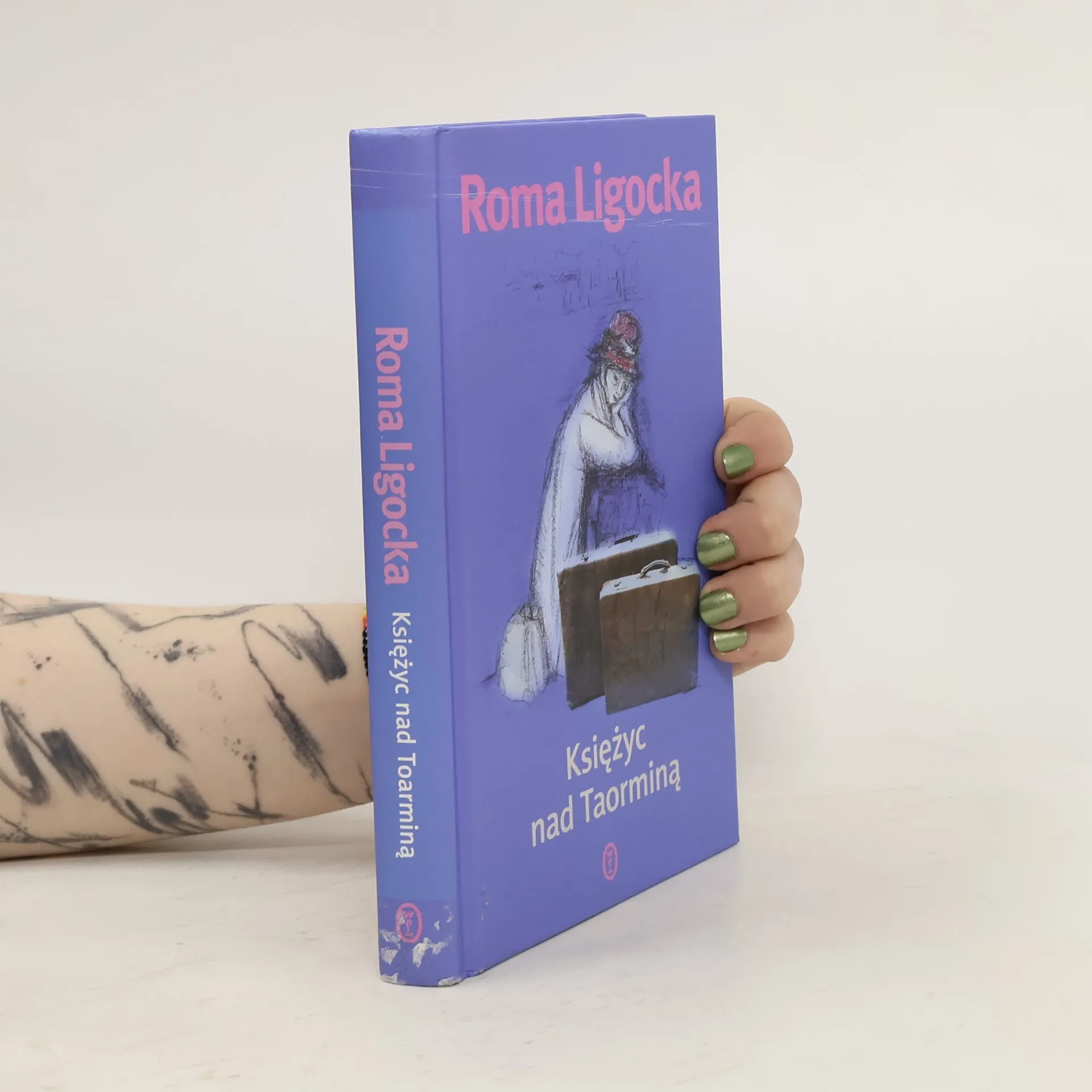
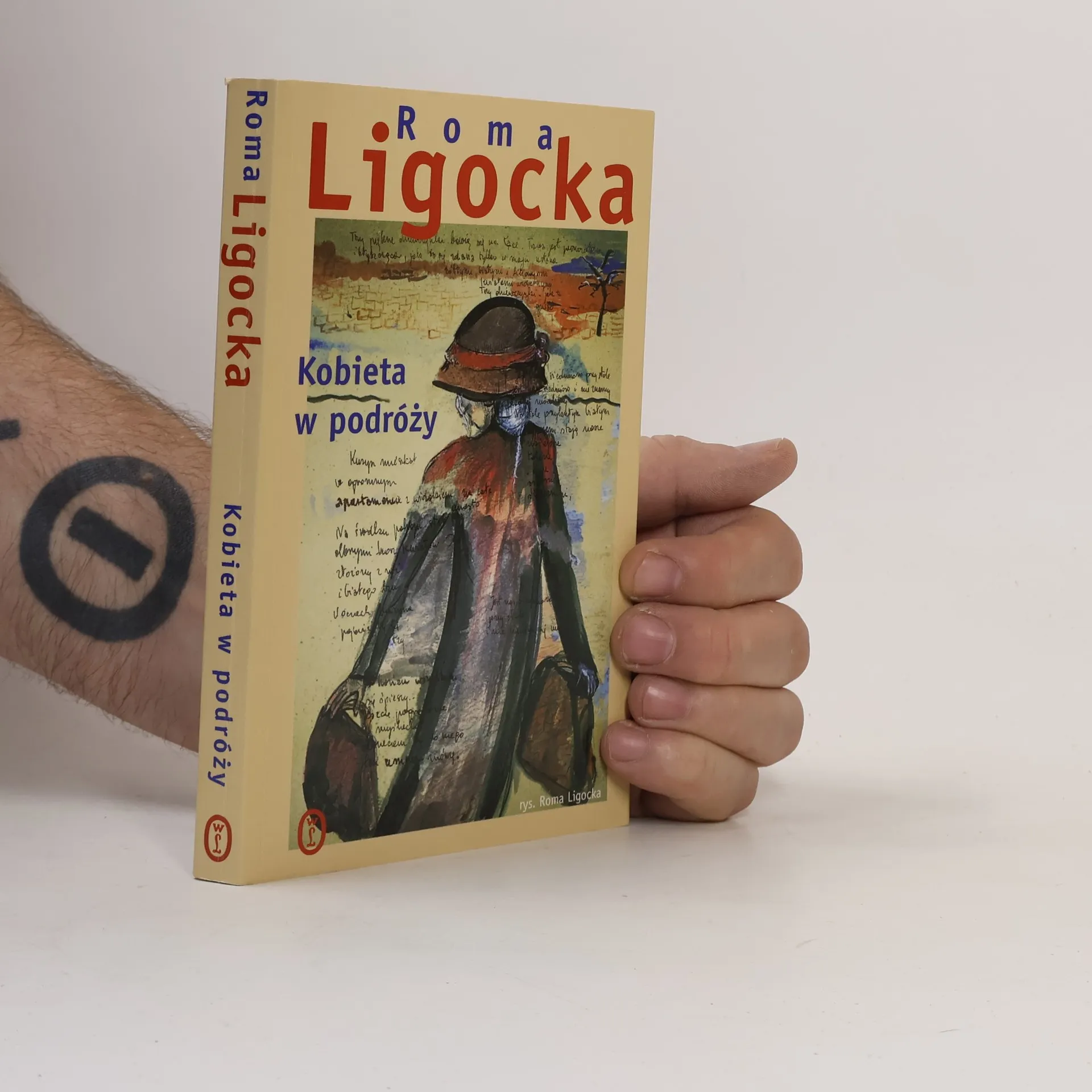
Nowa książka Romy Ligockiej, wątkami autobiograficznymi nawiązuje do bestsellerowej Dziewczynki w czerwonym płaszczyku. Osnute na autentycznych wydarzeniach opowieści tworzą kalejdoskop przeżyć i doświadczeń Autorki jako kobiety, artystki, Żydówki, obcej w wielkim mieście. Roma Ligocka zapisując codzienność, w której potrafi dostrzec małe cuda życia - urodę świata, uśmiech losu, radość istnienia, z dystansem i humorem pokazuje jak w świecie bez wartości można odnaleźć nadzieję, jak przeszłość rzutuje na przyszłość, jak pozorne nieszczęście z perspektywy czasu okazuje się darem od losu.
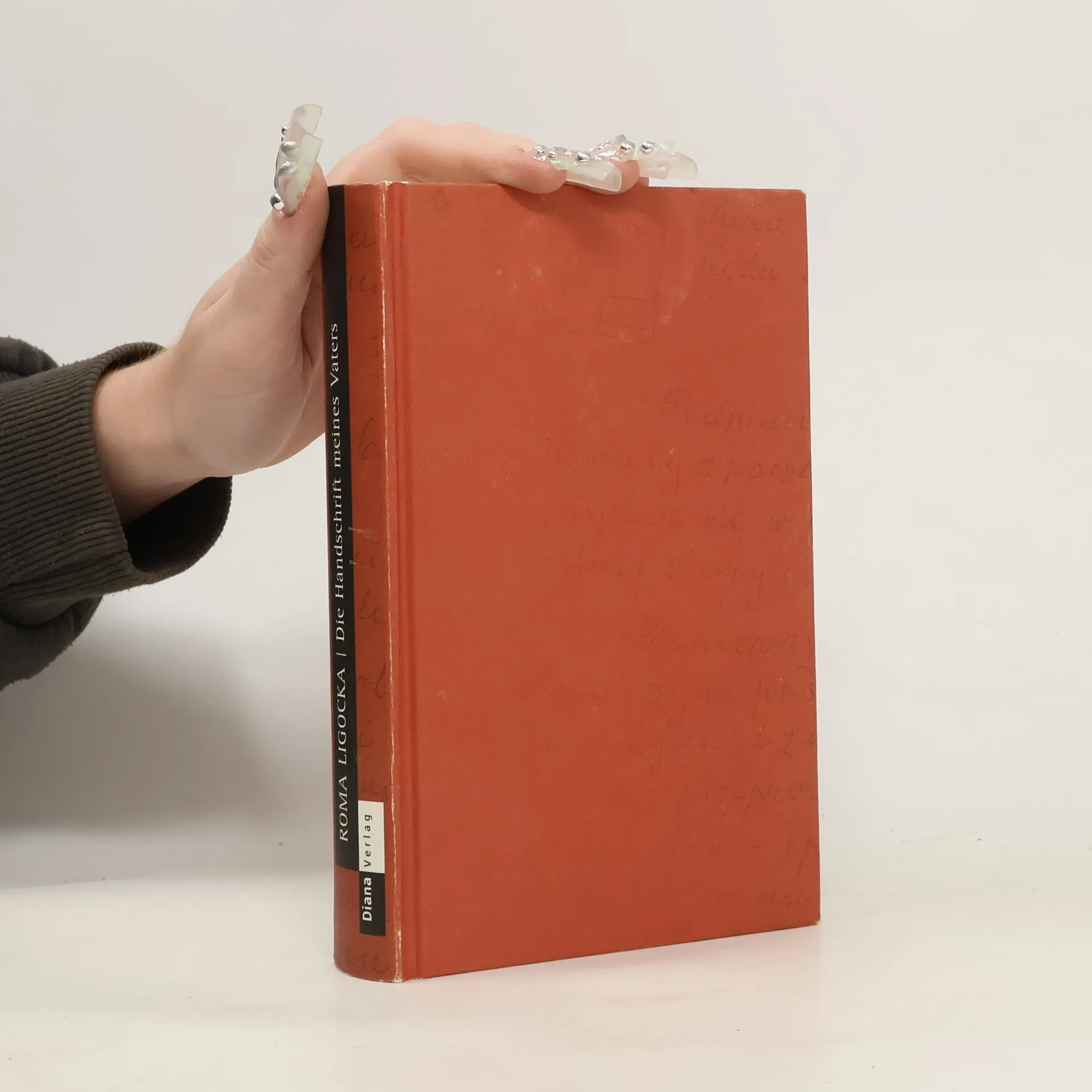
Ich wollte die Schuld meines Vaters aufdecken - heute weiß ich, dass ich ihn lieben kann, wer immer er auch war.
Als ein Journalist mehr als fünfzig Jahre später den Vorwurf erneut erhebt, ist Roma Ligocka gerade in David, einen Diplomaten aus Israel, glücklich verliebt. Ohne ihn ins Vertrauen zu ziehen, macht sie sich auf, die Unschuld des Vaters zu beweisen. Sie ist wütend und beschämt, aber auch bereit zu kämpfen, und das gibt ihr Kraft. Mehr als ein Jahr dauert es, bis sie Gewissheit hat - Gewissheit darüber, ob David weiterhin zu ihr hält und wer ihr Vater wirklich war.
Istotnym elementem tej książki jest podróż. Sama się sobie dziwię, ale stale do tego temat wracam. Na pewno nie jestem typowym podróżnikiem ani tym bardziej turystą – ja po prostu wciąż szukam najlepszego miejsca – nie, nie po to żeby "odnaleźć siebie", bo nigdy się nie zgubiłam – ale żeby odnaleźć takie miejsce, gdzie będę mogła ze sobą wytrzymać.Roma Ligocka
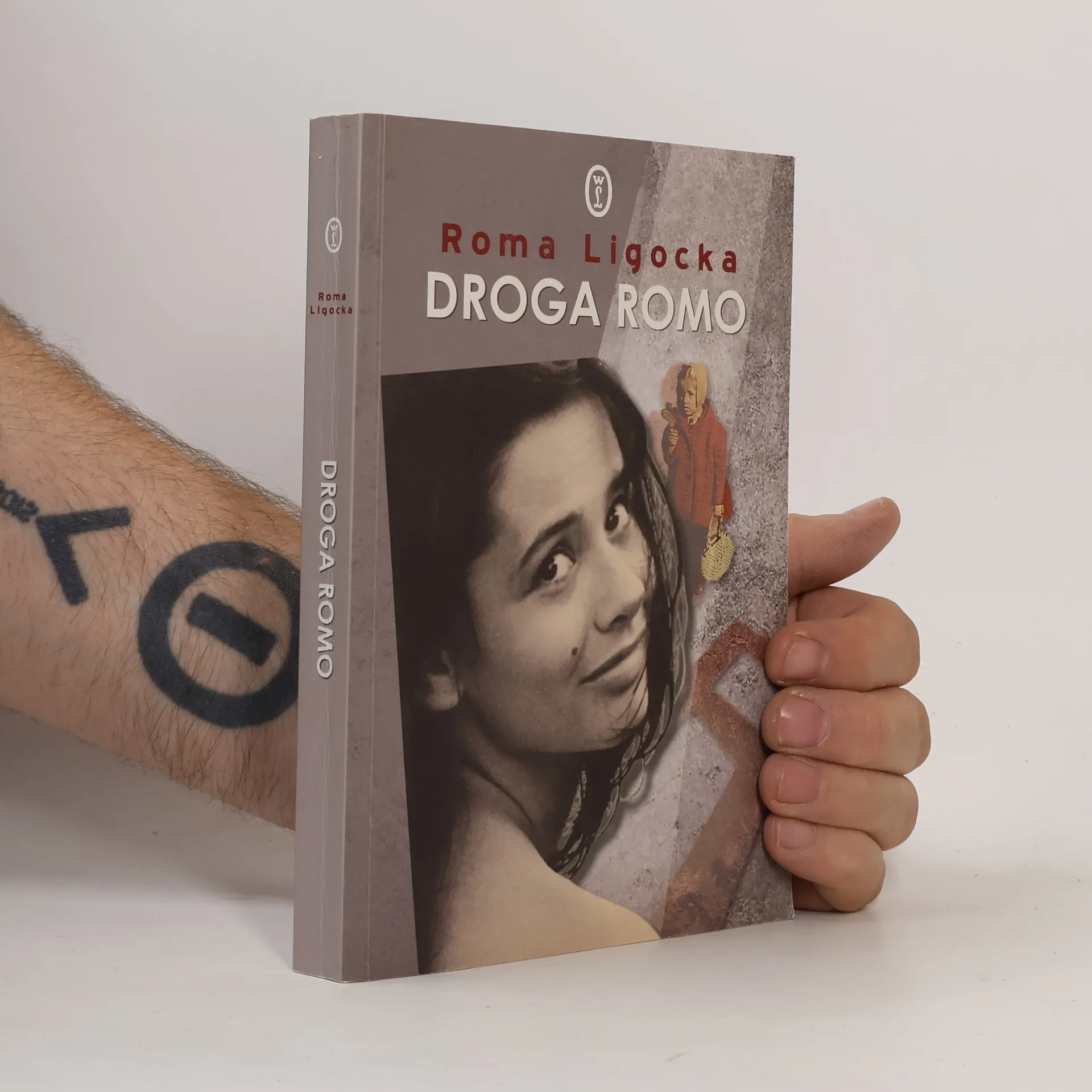
Najnowsza autobiograficzna powieść Romy Ligockiej Kontynuacja bestsellerowego 'Dobrego dziecka' Kraków, lata 50-te XX wieku. Roma ma już 18 lat i samodzielnie wchodzi w dorosłe życie. Pozostawiona przez matkę, bez kontaktu z doświadczoną osobą, która mogłaby w trudnych życiowych sytuacjach służyć radą i pomocą, młoda dziewczyna wpada we wszelkie pułapki swojego wieku. Środowisko artystów, w którym zaczyna się obracać, fascynuje Romę, ale i przynosi wiele niebezpieczeństw. Alkohol, anoreksja, niechciana ciąża… Sytuację dodatkowo komplikuje powrót matki z emigracji. Roma, nauczona już samodzielności, na nowo musi się oswoić i zaakceptować jej obecność. Droga Romo to do bólu szczera opowieść popularnej pisarki, dzięki której czytelniczki jeszcze bardziej ją pokochają i lepiej zrozumieją jej życiowe wybory.