
Bookbot

Bapsi Sidhwa

    11 août 1938

    Bapsi Sidhwa est la principale écrivaine diasporique du Pakistan, dont les œuvres explorent l'histoire tumultueuse du sous-continent indien et les expériences des femmes dans un monde patriarcal. Faisant preuve d'une observation pointue et d'un style empathique, Sidhwa retrace les répercussions de la Partition de l'Inde, documentant l'oppression des femmes et explorant les complexités de l'immigration et de l'identité culturelle au sein de la communauté Parsi/Zoroastrienne. Sa prose, profondément ancrée dans l'expérience personnelle, offre une exploration poignante de la survie, de la résilience et de la quête d'appartenance. À travers ses récits méticuleusement élaborés, Sidhwa non seulement met en lumière les voix marginalisées, mais aborde également des thèmes universels de perte, de mémoire et de la résistance de l'esprit humain.

    La spartizione del cuore
    Acqua
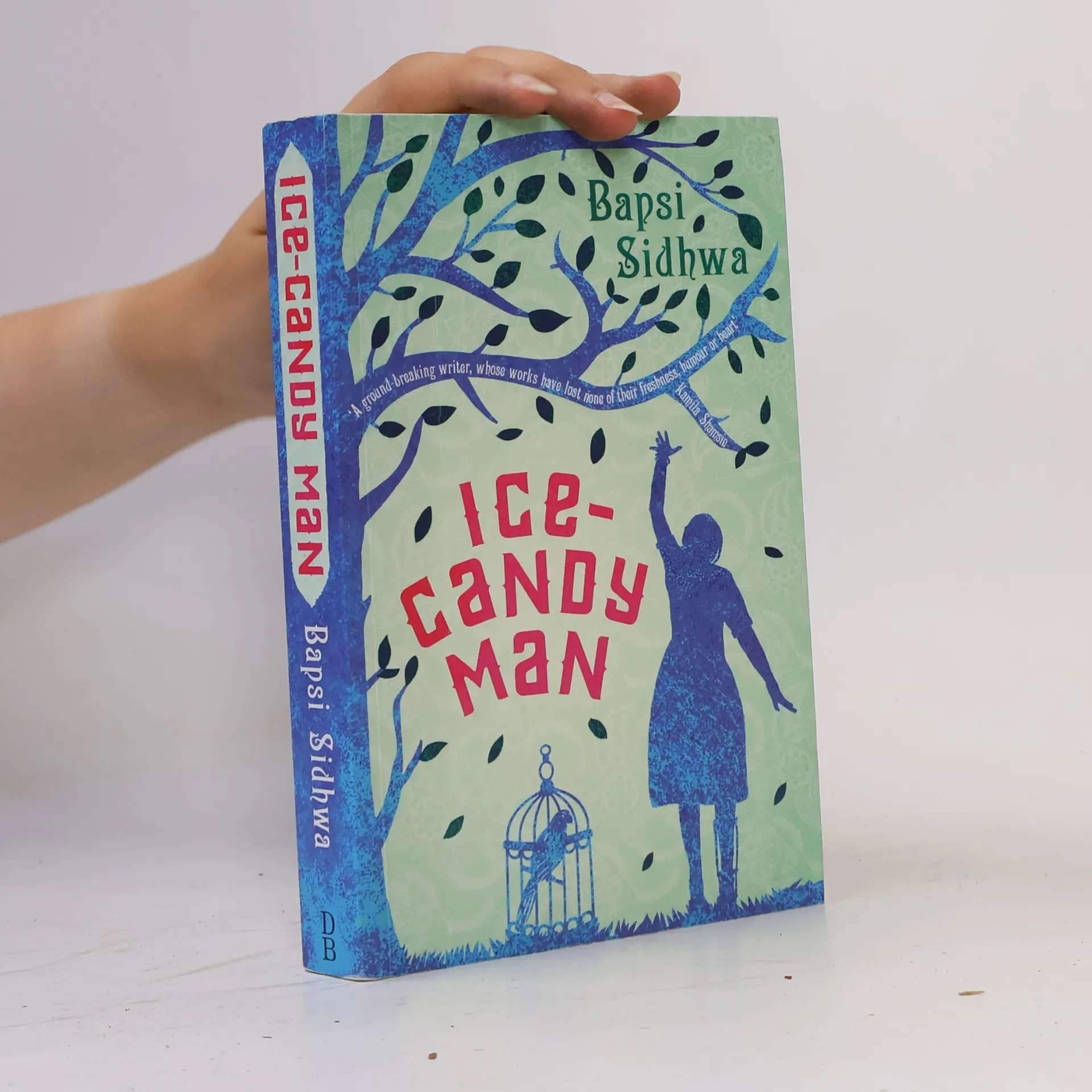
    Ice-Candy-Man. Roman
    Beloved City: Writing on Lahore
    The Crow Eaters
    Water
    • The unique collaboration between Bapsi Sidhwa and Deepa Mehta brings the controversial themes of Mehta's film "Water" into literary form. Sidhwa's adaptation explores complex social issues surrounding gender, tradition, and the impact of colonialism in India. Through her narrative, Sidhwa delves into the lives of women affected by societal norms, offering a poignant commentary on their struggles and resilience. This work showcases the powerful interplay between cinema and literature, highlighting the shared vision of both artists.

      Water
      4,0
    • The Crow Eaters

      • 269pages
      • 10 heures de lecture

      Faredoon (Freddie) Junglewalla is either the jewel of the Parsi community or a murdering scoundrel. Freddie s mother-in-law, Jerbanoo, thinks he is planning to do away with her, but Freddie has always been a pragmatist: if the old woman were to die (be murdered?) the body would have to be placed on the open-roofed Towers of Silence, in keeping with custom, and that would never do. Insurance fraud and arson, however, are well within Freddie s repertoire in fact he thinks he has invented the idea, so advanced is it for India, in 1901. As his skills grow he becomes a man of consequence among the Parsis, with people travelling thousands of miles to see him in Lahore, especially if they wish to escape tight spots they have got themselves into. In this wickedly comic novel, the celebrated author of Ice-Candy Man takes us into the heart of the Parsi community, portraying its varied customs and traits with contagious humour.

      The Crow Eaters
      3,6
    • This anthology brings together verse and essays, stories, chronicles, and profiles by people who have shared a relationship with Lahore. From the mystical poems of Madho Lal Hussain and Bulleh Shah to Iqbal’s ode and Faiz’s lament; from McLagan’s and Aijazuddin’s historical treatises and Kipling’s ‘chronicles’ to Samina Quraeshi’s intricate portraits of the Old City and Irfan Husain’s delightful account of Lahori cuisine, Beloved City is a marriage of the sacred and profane. Significant Pakistani writers like Intezar Hussain, Aamer Hussain, Kishwar Naheed, Bapsi Sidhwa, Sara Suleri, and Ashfaq Ahmed have also contributed to this volume.

      Beloved City: Writing on Lahore
    • Ice-Candy-Man. Roman

      • 339pages
      • 12 heures de lecture

      Belletristik : Pakistan/Lahore ; Kindheit - Bürgerkrieg (1940/49).

      Ice-Candy-Man. Roman
      4,4