Keith Ward est célèbre pour son engagement profond envers la théologie et la philosophie, perfectionné au cours d'une carrière universitaire distinguée. Ses écrits explorent la relation complexe entre la foi et la raison, disséquant la nature du divin avec clarté et accessibilité. La prose distinctive de Ward offre aux lecteurs une exploration réfléchie de thèmes spirituels et intellectuels complexes. Son œuvre est très appréciée pour sa rigueur intellectuelle et sa capacité à susciter une profonde contemplation.
Keith Ward's theology is explored through the lens of personal idealism, addressing key Christian doctrines such as God, revelation, and the Trinity. The book delves into significant topics like the kingdom of God, life after death, the incarnation, and atonement, presenting Ward's insights in relation to contemporary science and philosophical thought. This comprehensive account provides a thoughtful examination of how traditional beliefs can be understood in modern contexts.
Exploring the relationship between mind and matter, this philosophical work defends the idea that mind is fundamental and precedes material reality. It presents idealism as a key teaching of classical philosophers while aligning it with contemporary scientific understanding. Written in an accessible style, the book invites readers to reconsider the nature of consciousness and reality, challenging the notion that the mind is merely a by-product of brain activity.
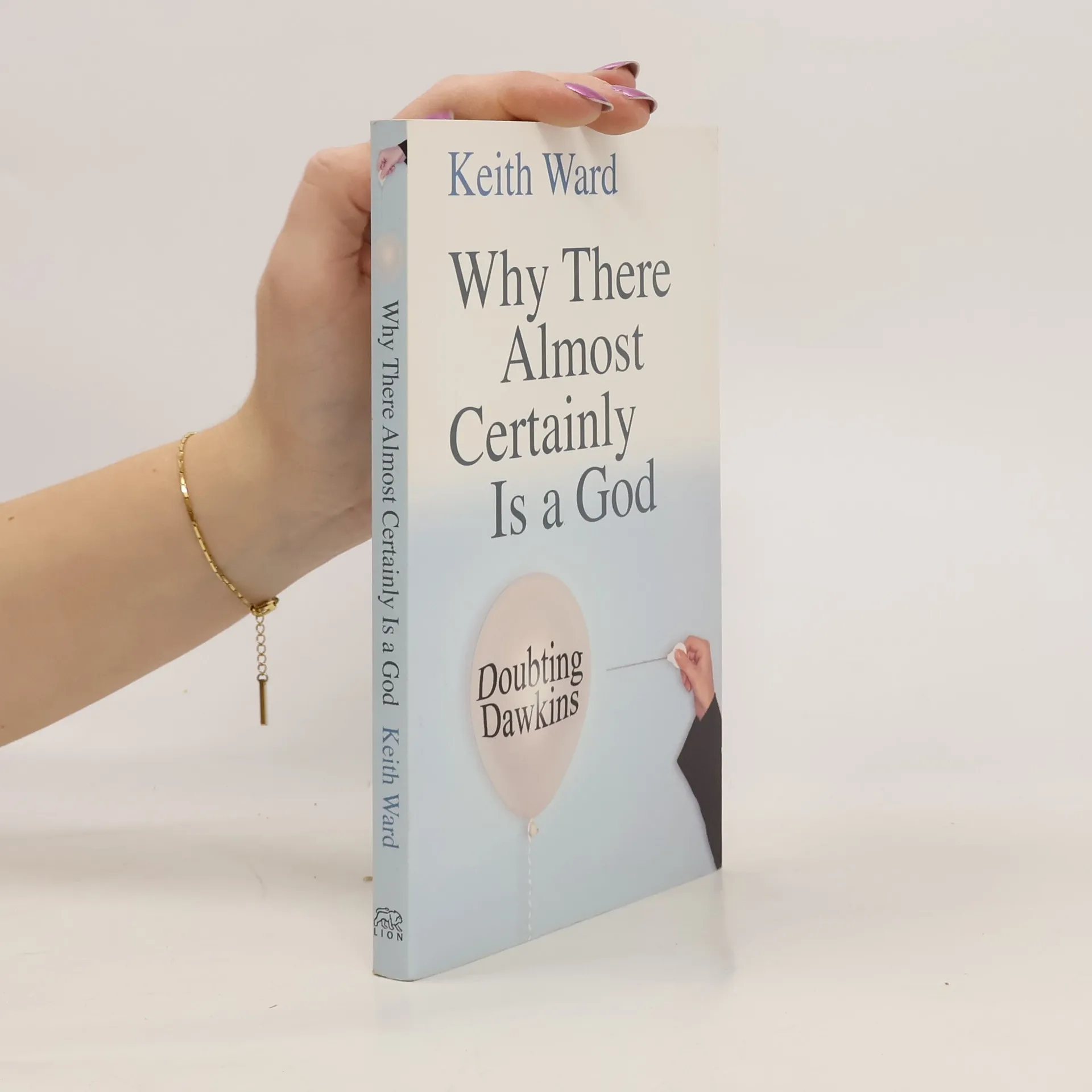
The 'new materialism' argues that science and religious belief are
incompatible. This book aims to debunk such arguments, whose proponents have
included figures from Hawkings to Dawkins.
Richard Dawkins claimed that 'no theologian has ever produced a satisfactory response to his arguments'. This book demonstrates that not only how Dawkins' arguments are flawed, but that a perfectly rational case can be made that there, almost certainly, is a God.
Exploring the themes of Jesus' parables, this book delves into the concept of the kingdom of God, examining the apparent contradictions between messages of judgment and compassion, such as those found in the Parable of the Prodigal Son and the search for lost sheep. It questions traditional interpretations, including the identity of the "Son of Man" and the potential misinterpretation of biblical language regarding predictions of the end times, offering a fresh perspective on these foundational teachings.
A journey through academia and faith, the author shares his experiences as a philosopher, ethicist, and Anglican priest, reflecting on his impressive career across prestigious institutions like Cambridge and Oxford. With a blend of humor and surprise, he recounts his intellectual pursuits and personal growth, revealing the joy found in grappling with life's big questions. His narrative showcases not just his scholarly achievements but also the vibrant life he led, making profound insights accessible and engaging.
Challenging traditional Christian doctrines, the book presents an alternative view of spirituality, asserting that the ultimate reality is a cosmic mind aimed at liberating all beings from suffering. It posits that God defines the goal of unity, Jesus exemplifies this journey, and the Spirit provides guidance. This perspective emphasizes a spiritual path to God, rooted in the Abrahamic tradition, while questioning the infallibility of the Bible and the nature of Jesus and hell.
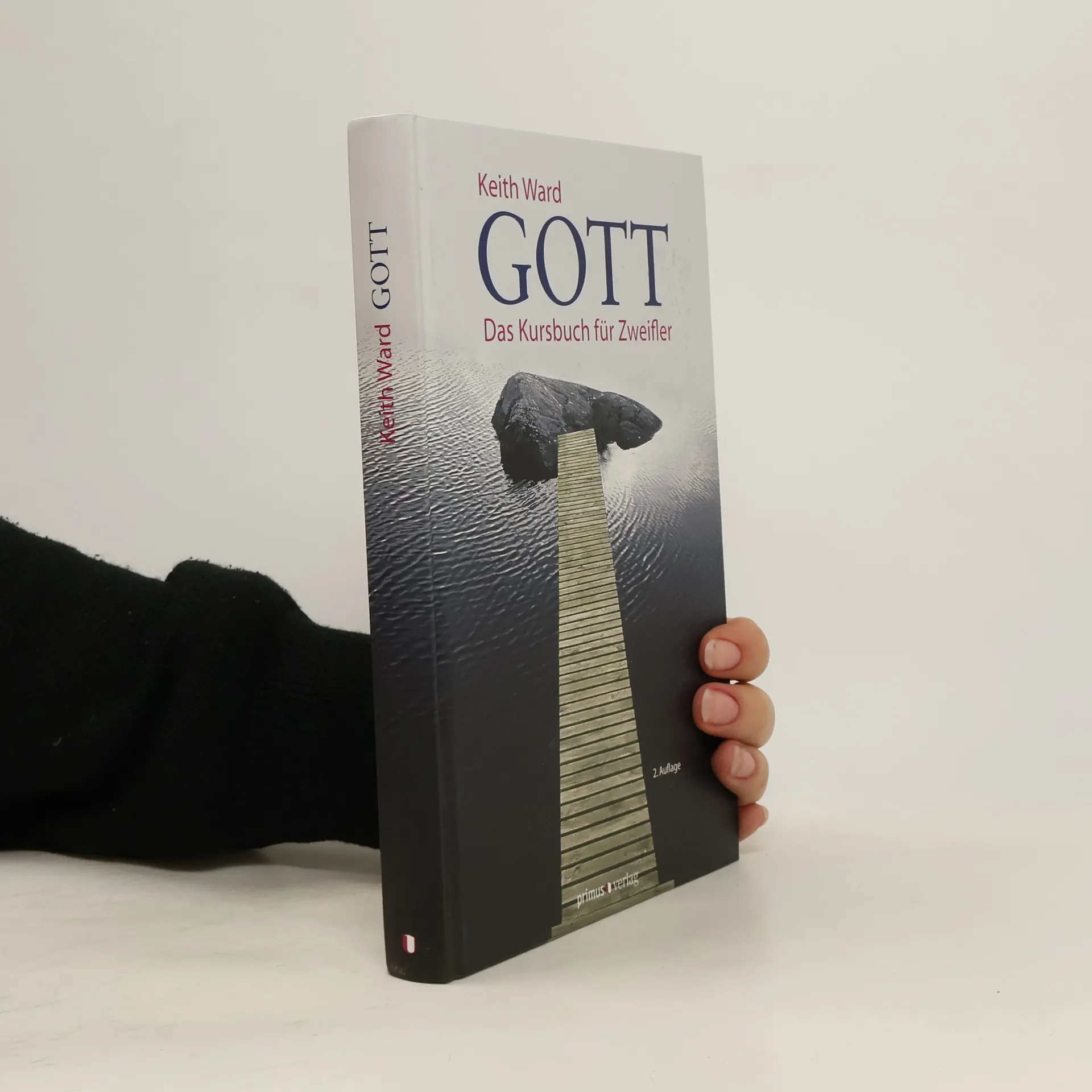
Diese ungewöhnliche Einführung in die Geschichte des theologischen Denkens stellt einen großen Unbekannten in den Mittelpunkt. Wie können wir über einen Gott oder mehrere Götter denken? Welche Begriffe sind angemessen und wie könnte man Erfahrungen mit Göttlichem beschreiben? Wenn Keith Ward sich und seinen Lesern solche Fragen stellt, dann will er nicht nur die theologischen und philosophischen Feinheiten in der jahrhundertealten Denktradition des Glaubens vorstellen, sondern vor allem Lust machen auf das intellektuelle Abenteuer Religion. In vergnüglicher und durchaus respektlos scheinender Weise werden die Wege und Irrwege der Theologiegeschichte referiert, theologisches Vorwissen ist dabei nicht nötig. Skurrilität kommt dabei ebenso vor wie Weisheit, plumpe Annäherungen neben ausgefeilten Systembauten. Am Ende hat der Leser oft Bekanntschaft mit Philosophen geschlossen, oft große Gläubige und Systembauer kennengelernt - aber er hat mindestens genauso oft einfach gelacht.