

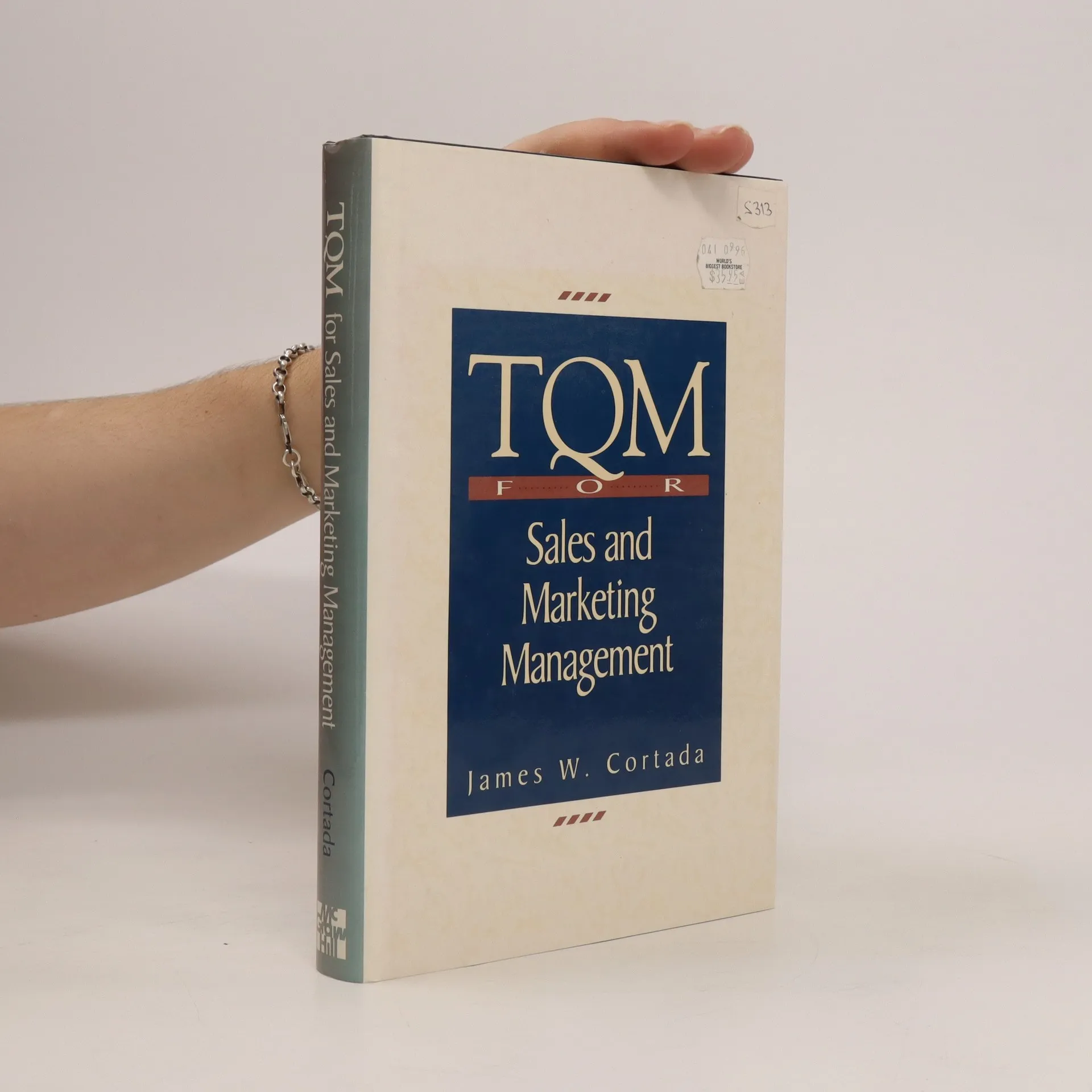
With good management practices firmly embedded in their manufacturing operations, cutting edge companies are looking to get the total job done, across all departments, including sales and marketing. This clear, realistic guide presents all the issues, answers, and concrete working examples needed to apply TQM to any firm's sales and marketing process. Illustrated.
James W. Cortada Livres
1 janvier 1946
James W. Cortada est l'auteur de nombreux livres qui explorent l'histoire et l'application de l'information et de l'informatique au sein de la société américaine. Son œuvre considérable se penche sur l'évolution de l'ère de l'information, examinant comment la technologie a façonné le développement de la nation. Grâce à ses recherches, Cortada offre des perspectives critiques sur l'impact profond de l'information et de l'informatique sur le progrès social et économique. Son écriture est reconnue pour sa profondeur et son approche méticuleuse dans la documentation de cet aspect vital de l'histoire humaine.
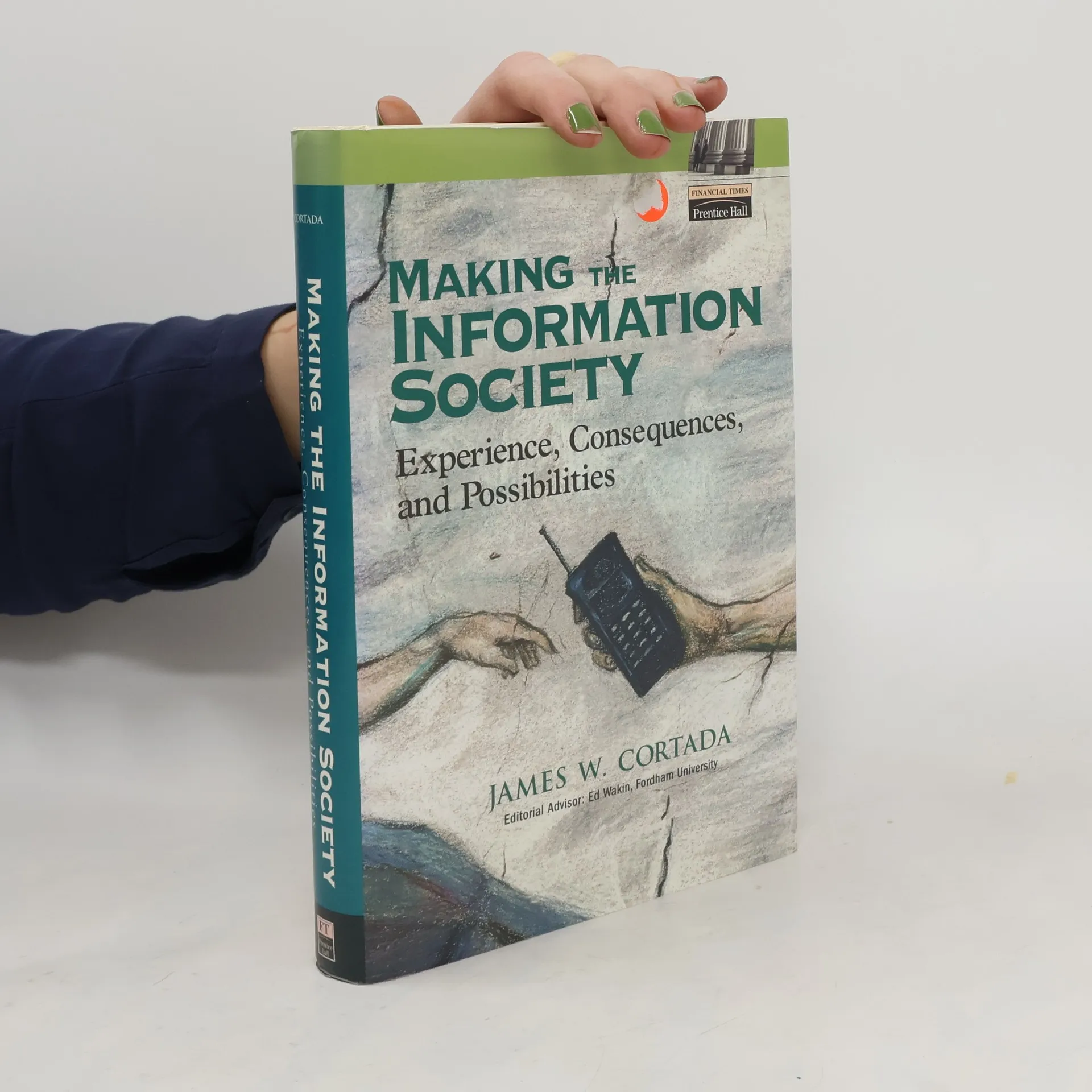

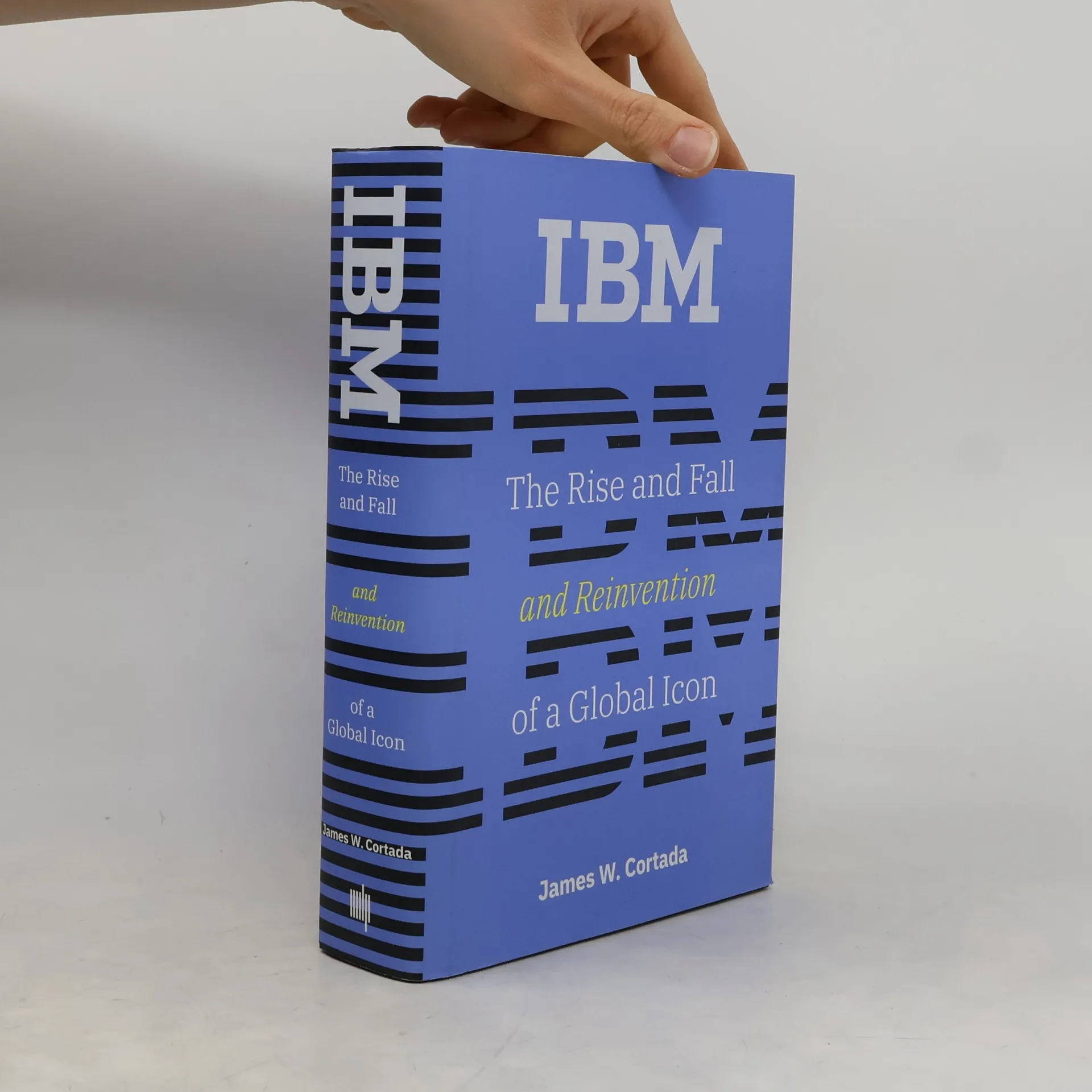
This history chronicles one of the most influential American companies of the last century. For decades, IBM shaped global business practices, with its products embedded in large organizations and its corporate culture inspiring management styles worldwide. Known as "Big Blue," IBM faced both failures and successes, navigating periods of stagnant revenue and necessary reinvention. In the early 1990s, the company nearly collapsed but rebounded with new strategies and a focus on artificial intelligence. In this comprehensive account, James Cortada, a historian and former IBM employee, details the company's technological breakthroughs, such as the punch card for the 1890 census, the first Social Security checks in the 1930s, and the mass introduction of the PC in the 1980s. He explores IBM's employee and customer-centric culture, its global expansion, regulatory challenges, and the leadership of its CEOs. Cortada emphasizes that IBM's remarkable longevity in the information technology market stems from its ability to adapt to evolving circumstances and technologies.
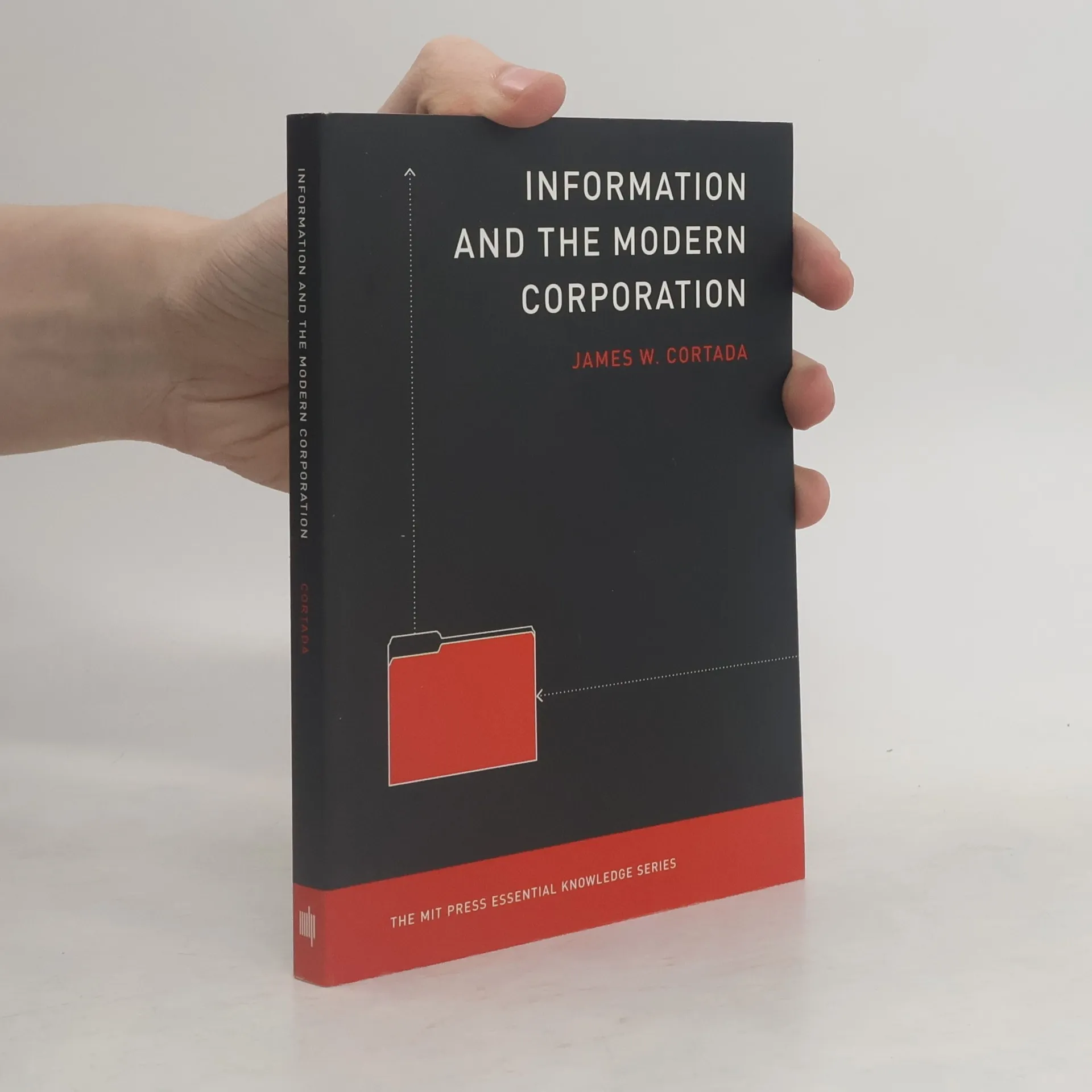
In an era dominated by the latest gadgets and tech expansions, we may overlook a significant shift: the transformation of entire firms and industries into vast information-processing entities. Currently, over eighty percent of workers engage in collecting and analyzing information, primarily in digital formats, as part of their roles. This guide explores the pivotal role of information in contemporary business, detailing its application in work processes and tracing its flow through supply-chain management, product development, customer relations, and sales. Focusing on information rather than technology, the author—a seasoned IBM manager and consultant—distinguishes between data, facts, information, and knowledge. He illustrates how analytics have replaced intuition-driven decision-making with fact-based approaches. The book also highlights the working style of "road warriors," who operate from anywhere with their laptops and cell phones, using their expertise as a valuable currency. Ultimately, information is the essence of the modern enterprise, shaping its activities. This guide equips managers and employees with strategies to effectively leverage information, emphasizing intentional design over chance.
The 2002 ASTD Training and Performance Yearbook
- 528pages
- 19 heures de lecture
This fifth annual edition of The ASTD Training and Performance Yearbook gives readers the best articles and reference information of the past year from leading training industry periodicals so that trainers can stay current with the changes and cutting-edge thinking in their field. Covering the planning, delivery, and evaluation of performance improvement and training programsplus a directory of contact information for key training industry organizations, conferences, and periodicalsthis handy yearbook packs the most important industry trends into one comprehensive guide.