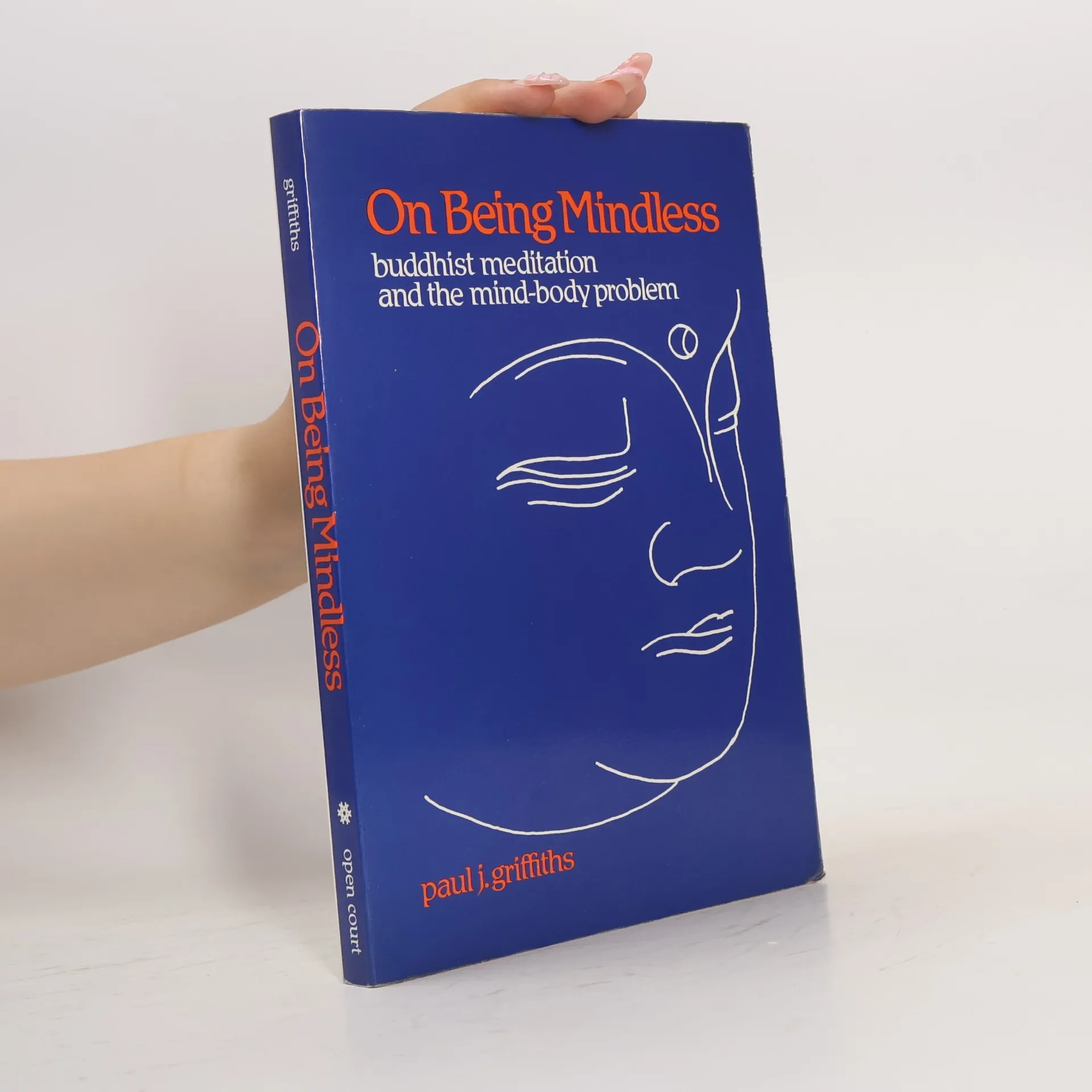
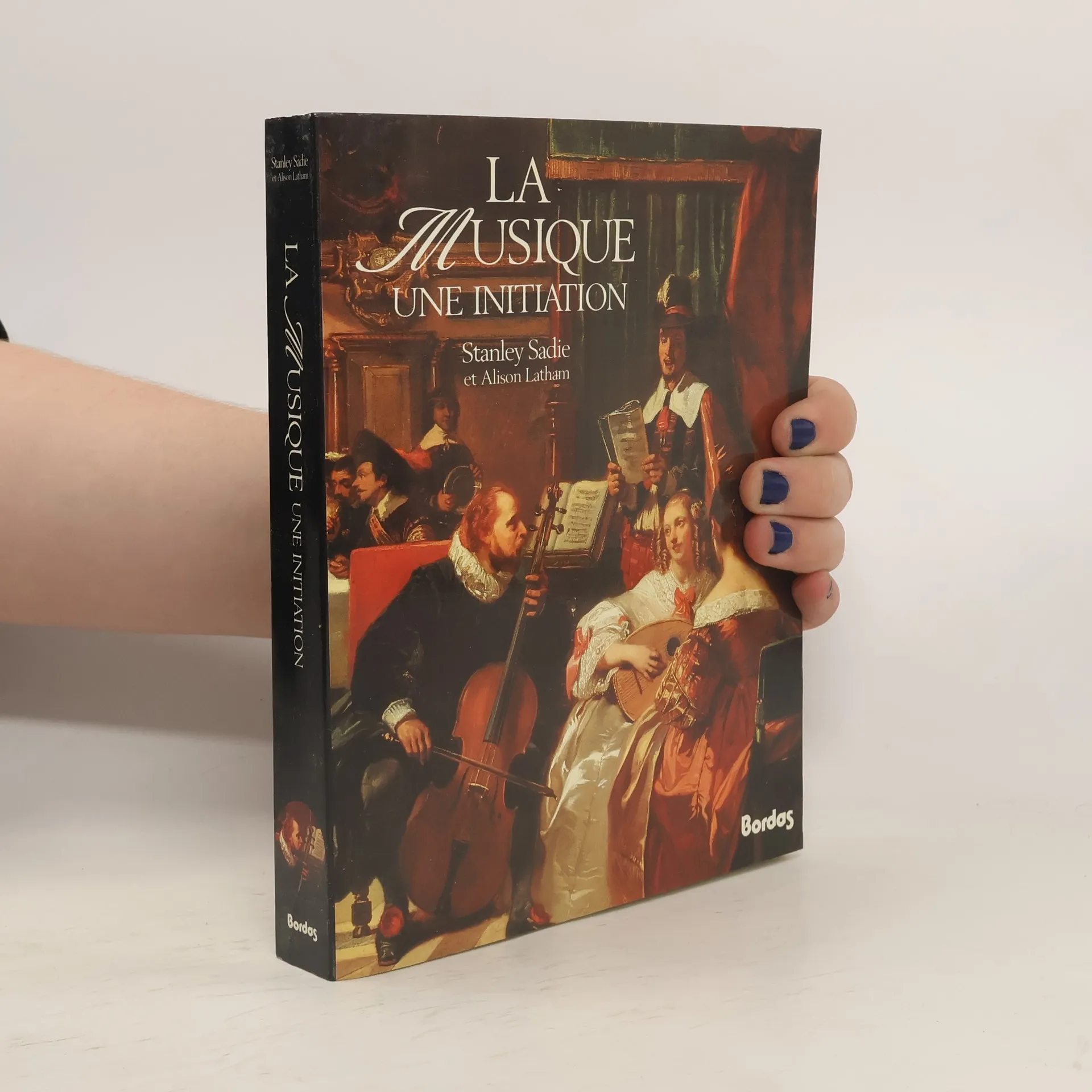
1/Les bases de la musique 2/Les instruments 3/Les structures de la musique 4/Le Moyen Age 5/Le Renaissance 6/L'âge baroque 7/L'époque classique 8/L'époque romantique 9/Fin de siècle 10/Les temps modernes 11/Les musique populaires / Chronologie synoptique / Les hauts lieux de la musique /Index / Source des illustrations. Voir cassette SCC
Paul Griffiths Livres
24 novembre 1947
Paul Griffiths est un distingué critique musical et romancier britannique, réputé pour ses écrits perspicaces sur la musique classique moderne. Au-delà de son travail de critique, il élabore également de la prose et des livrets d'opéra, faisant preuve d'une profonde compréhension des structures musicales et de leur résonance émotionnelle. Ses contributions littéraires explorent la relation complexe entre le son, le langage et l'expérience humaine, offrant aux lecteurs une perspective unique.


"To various degrees, all human beings experience regret. In this concise theological grammar, Paul J. Griffiths analyzes this attitude toward the past and distinguishes its various kinds. He examines attitudes encapsulated in the phrase, "I would it were otherwise," including regret, contrition, remorse, compunction, lament, and repentance. By using literature (especially poetry) and Christian theology, Griffiths shows both what is good about regret and what can be destructive about it. Griffiths argues that on the one hand regret can take the form of remorse-an agony produced by obsessive and ceaseless examination of the errors, sins, and omissions of the past. This kind of regret accomplishes nothing and produces only pain. On the other hand, when regret is coupled with contrition and genuine sorrow for past errors, it has the capacity both to transfigure the past-which is never merely past-and to open the future. Moreover, in thinking about the phenomenon of regret in the context of Christian theology, Griffiths focuses especially on the notion of the LORD's regret. Is it even reasonable to claim that the LORD regrets? Griffiths shows not only that it is but also that the LORD's regret should structure how we regret as human beings." --Book cover
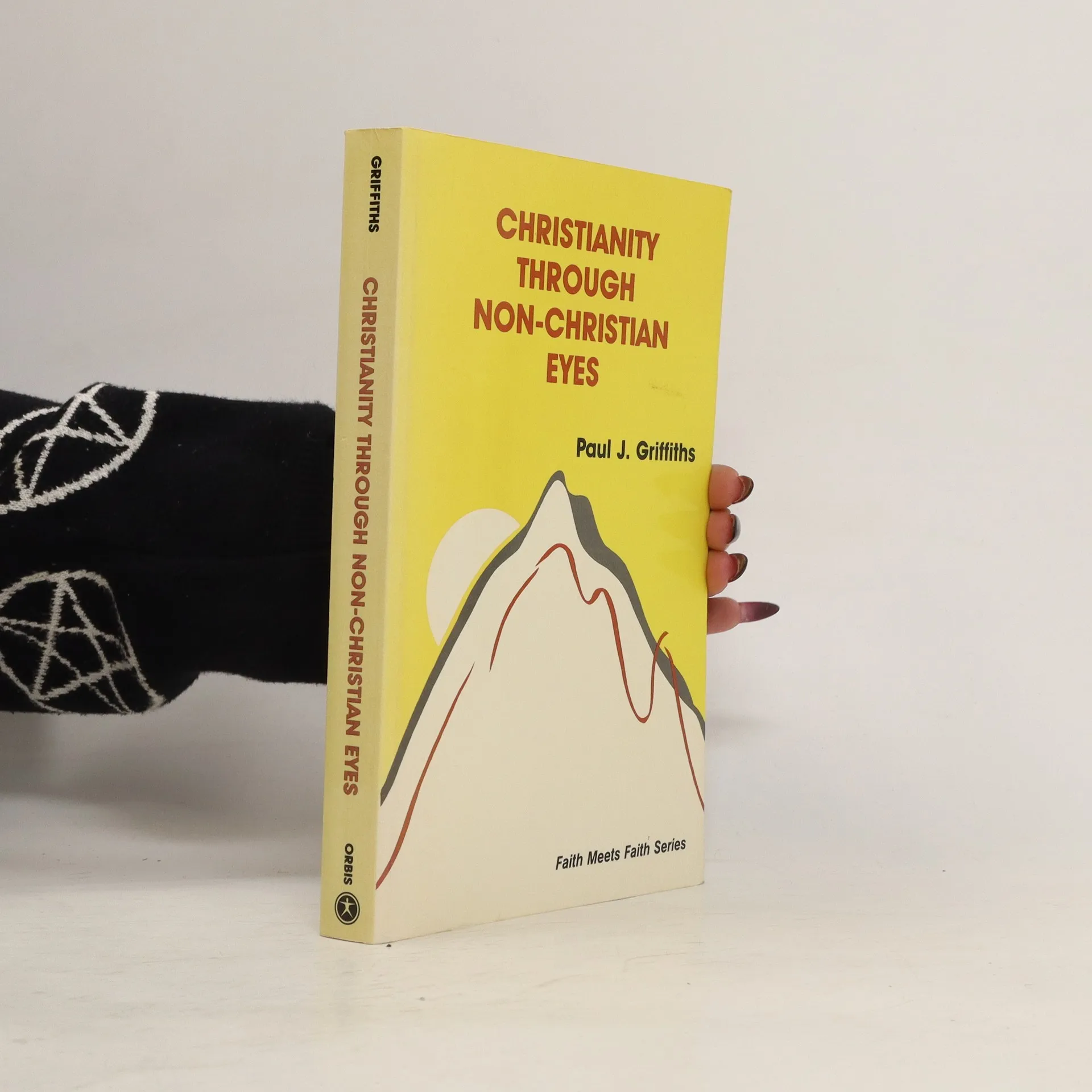
Christianity Through Non-Christian Eyes
- 286pages
- 11 heures de lecture
Eye-opening essays by Buddhist, Hindus, Jews, Muslims provide insights to how Christianity is viewed in their communities--and why.
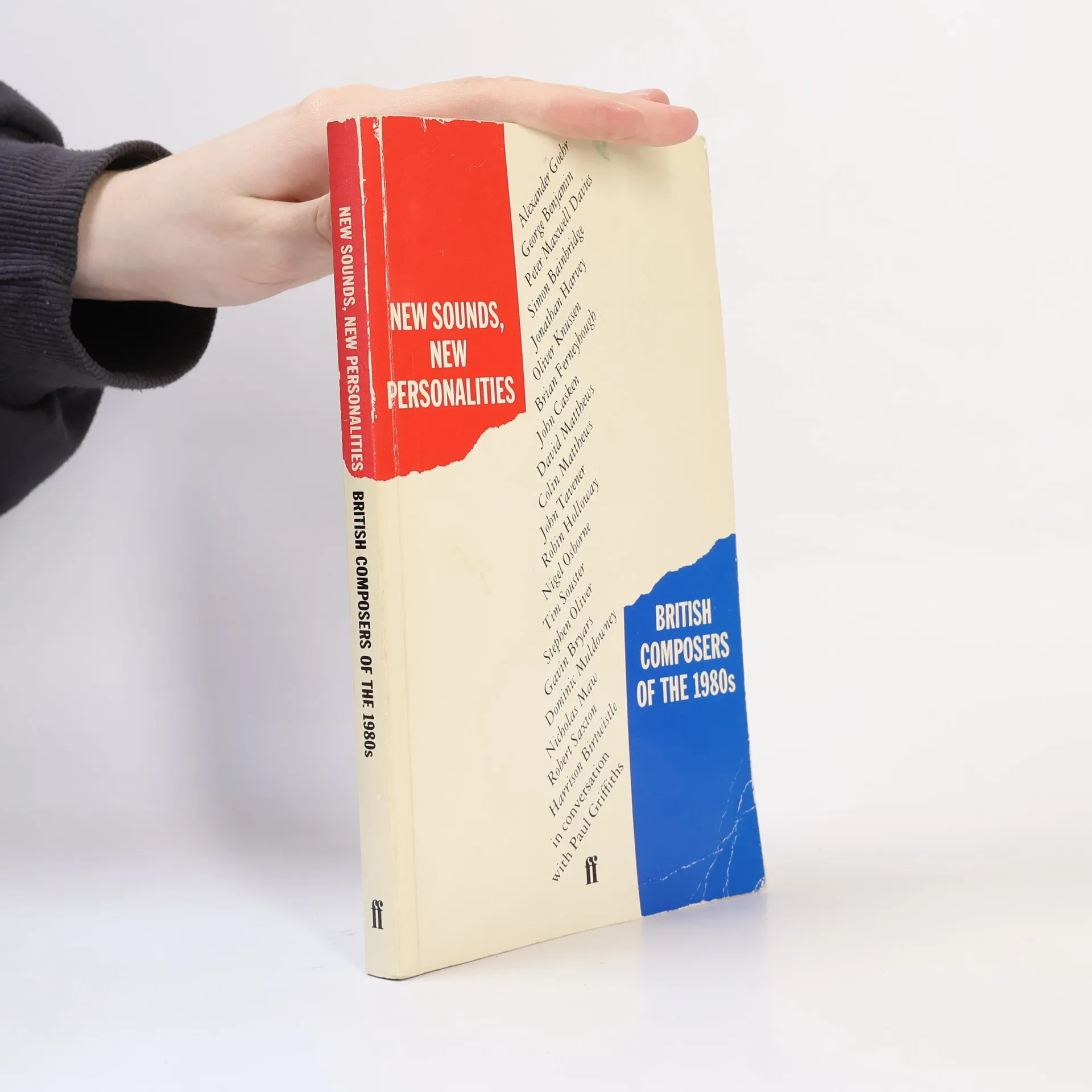
New Sounds, New Personalities
British Composers of the 1980s in Conversation with Paul Griffiths
- 212pages
- 8 heures de lecture
, 212 pages, black and white photographs
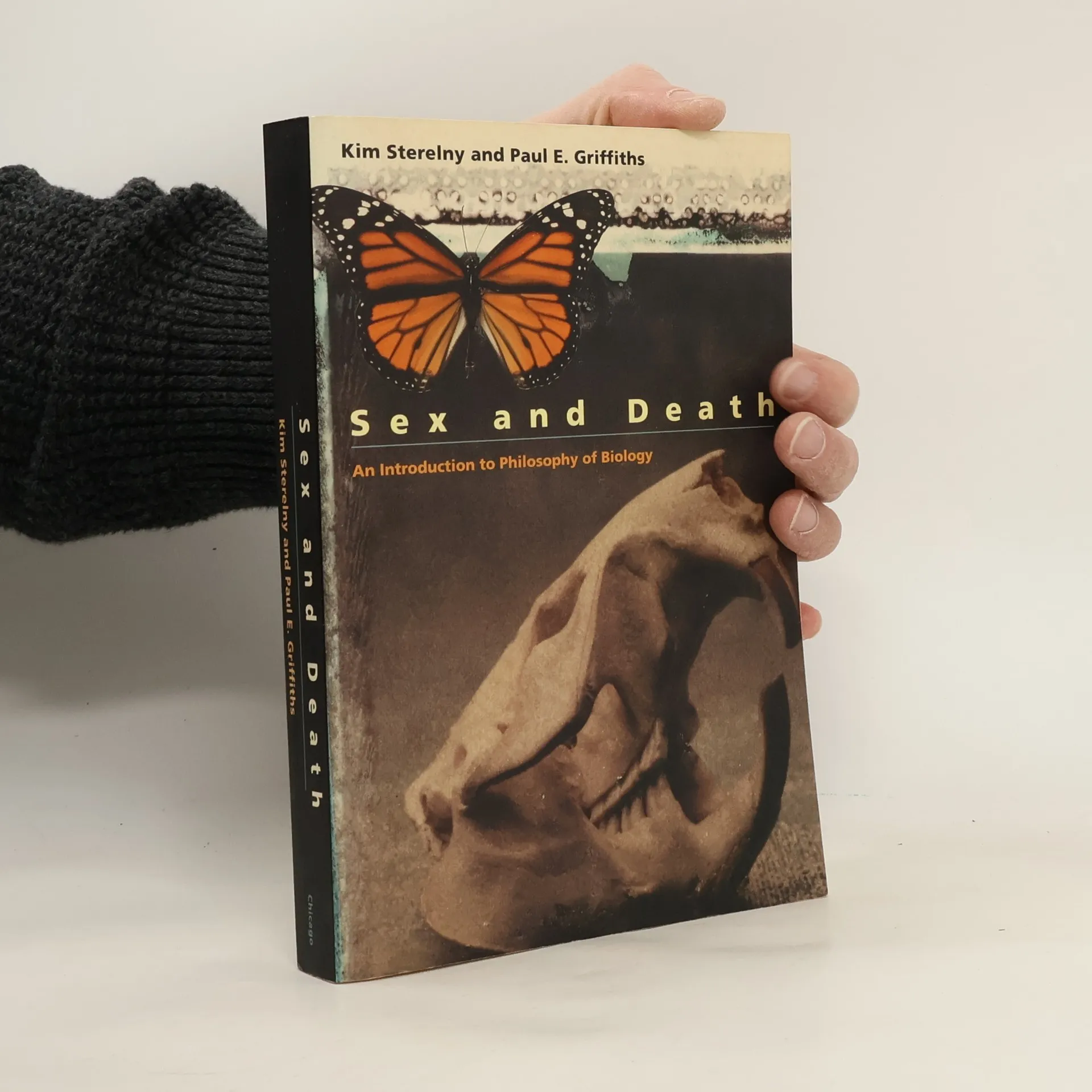
Is the history of life a series of accidents or a drama scripted by selfish genes? Is there an "essential" human nature, determined at birth or in a distant evolutionary past? What should we conserve—species, ecosystems, or something else?Informed answers to questions like these, critical to our understanding of ourselves and the world around us, require both a knowledge of biology and a philosophical framework within which to make sense of its findings. In this accessible introduction to philosophy of biology, Kim Sterelny and Paul E. Griffiths present both the science and the philosophical context necessary for a critical understanding of the most exciting debates shaping biology today. The authors, both of whom have published extensively in this field, describe the range of competing views—including their own—on these fascinating topics.With its clear explanations of both biological and philosophical concepts, Sex and Death will appeal not only to undergraduates, but also to the many general readers eager to think critically about the science of life.
Let Me Tell You
- 139pages
- 5 heures de lecture
" now I come to speak. At last. I will tell you all I know...." These are the words of Ophelia at the beginning of this short literally her words, in that her narrative is composed entirely of the vocabulary she is allotted in Hamlet. Within these meagre resources, she manages to express herself on topics including her love for her father (Polonius), her care for her younger brother (Laertes), her puzzlement in the face of the Prince himself, and her increasing sense that she must escape the fate awaiting her in the play. This is no mere technical exercise or prequel to the the use of such a restricted vocabulary means that Ophelia's voice, while direct and passionate, gains musical qualities as words keep recurring in perpetually changing contexts. Paul Griffiths, born in Bridgend, Wales, is a well-known writer on contemporary and classical music.
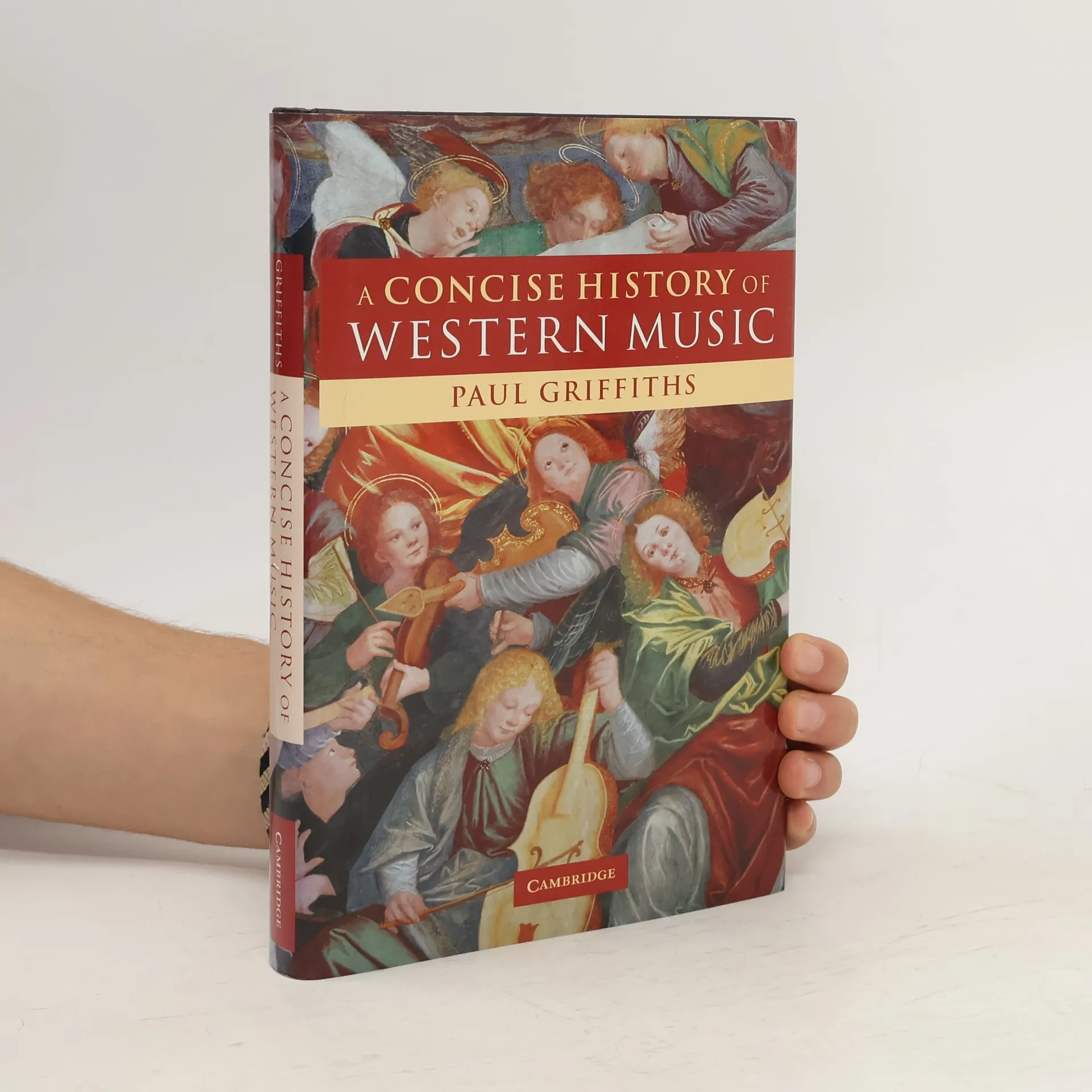
A Concise History of Western Music
- 348pages
- 13 heures de lecture
Engaging, clear and informative, this is the story of western music - of its great composers and also of its performers and listeners, of changing ideas of what music is and what it is for. Paul Griffiths shows how music has evolved through the centuries, and suggests how its evolution has mirrored developments in the human notion of time, from the eternity of heaven to the computer's microsecond. The book provides an enticing introduction for students and beginners, using the minimum of technical terms, all straightforwardly defined in the glossary. Its perspective and its insights will also make it illuminating for teachers, musicians and music lovers. Suggestions for further reading and recommended recordings are given for each of the 24 short chapters.
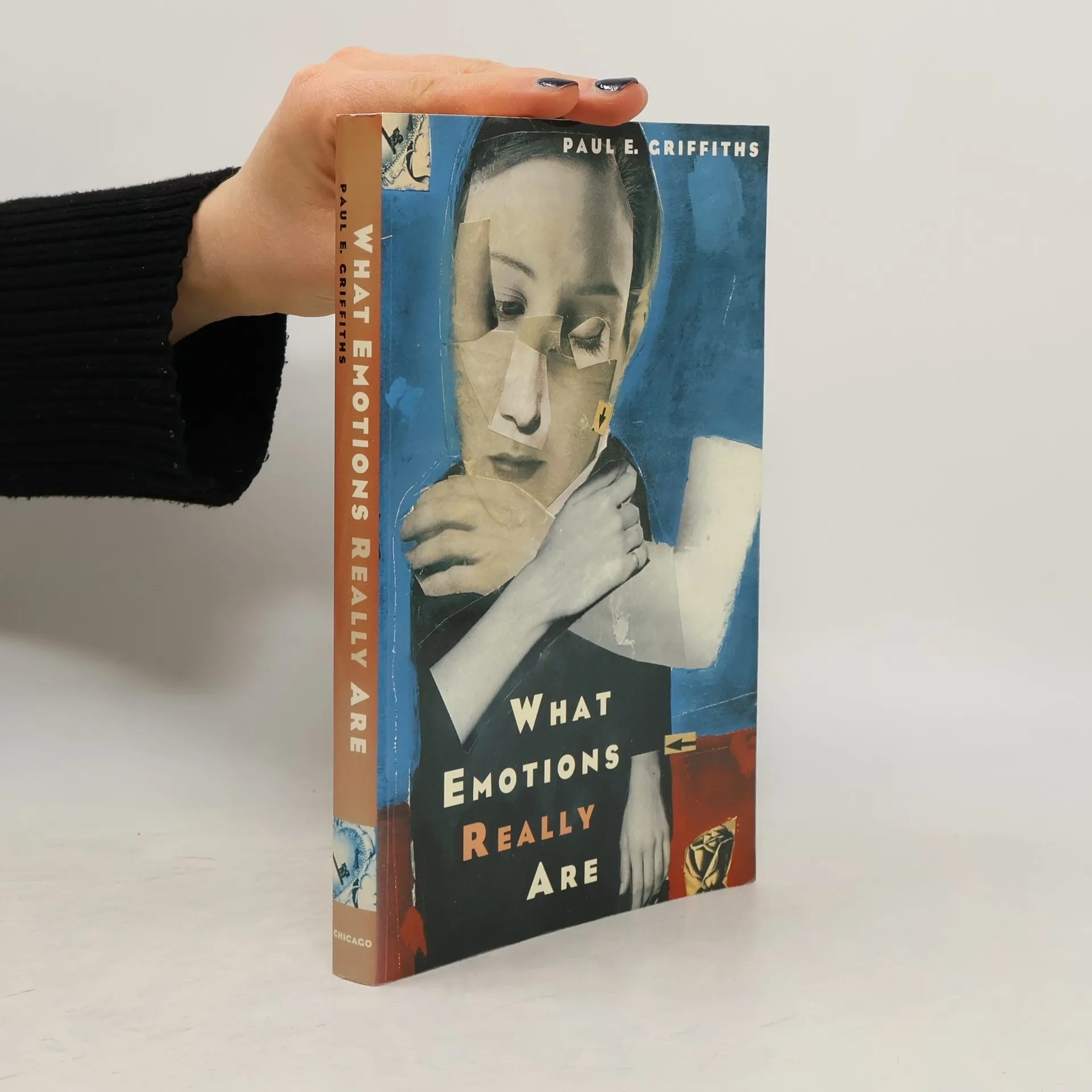
In this provocative contribution to the philosophy of science and mind, Paul E. Griffiths criticizes contemporary philosophy and psychology of emotion for failing to take in an evolutionary perspective and address current work in neurobiology and cognitive science. Reviewing the three current models of emotion, Griffiths points out their deficiencies and constructs a basis for future models that pay equal attention to biological fact and conceptual rigor."Griffiths has written a work of depth and clarity in an area of murky ambiguity, producing a much-needed standard at the border of science, philosophy, and psychology. . . . As he presents his case, offering a forthright critique of past and present theories, Griffiths touches on such issues as evolution, social construction, natural kinds (categories corresponding with real distinctions in nature), cognition, and moods. While addressing specialists, the book will reward general readers who apply themselves to its remarkably accessible style."— Library Journal" What Emotions Really Are makes a strong claim to be one of the best books to have emerged on the subject of human emotion."—Ray Dolan, Nature
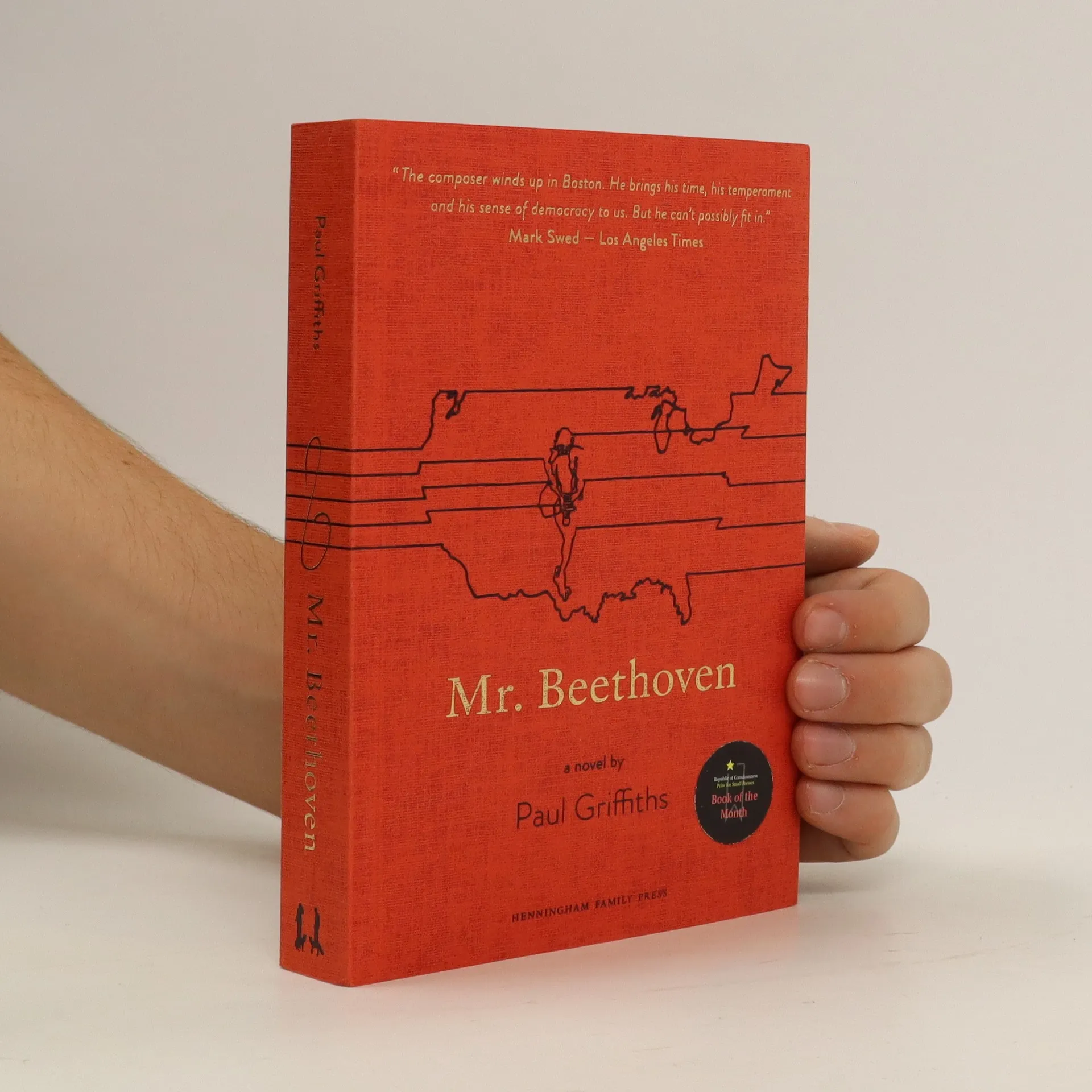
What if Beethoven had travelled to the United States in their infancy, taking up his commission to write a Biblical oratorio for Boston's Handel and Haydn Society?As Beethoven wrestles with his muse, and his librettist, he comes to rely on two women. Thankful, who conducts his conversations using Martha's Vineyard sign language, and a kindred spirit: the widow, Mrs. Hill. Meanwhile all Boston waits in anxious expectation of a first performance the composer will never hear.Variously admonishing the amateur music society and laughing in the company of his hosts' children, the immortal composer is brought back to the fullness of life.Griffiths invents only what is strictly possible. His historiography weaves through the text in counterpoint, making this also a story about the fragility of the past and the remaining traces of the man: Mr. Beethoven.'In Griffiths' latest novel... the composer brings his time, his temperament and his sense of democracy to us. But he can’t possibly fit in. The challenge of Beethoven 250 will be to retain a Beethoven who is among us but refuses to fit in.'- Mark Swed, Los Angeles Times
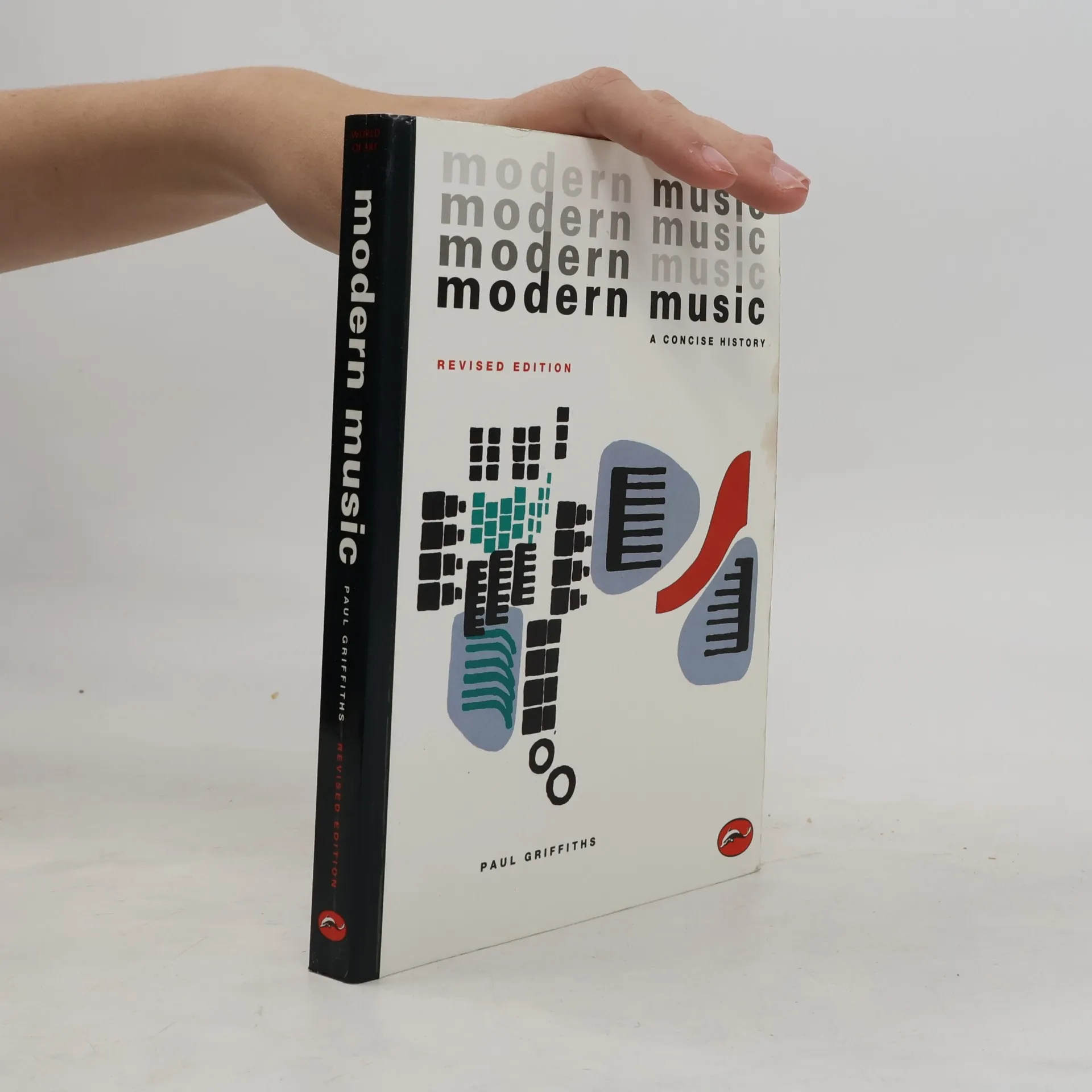
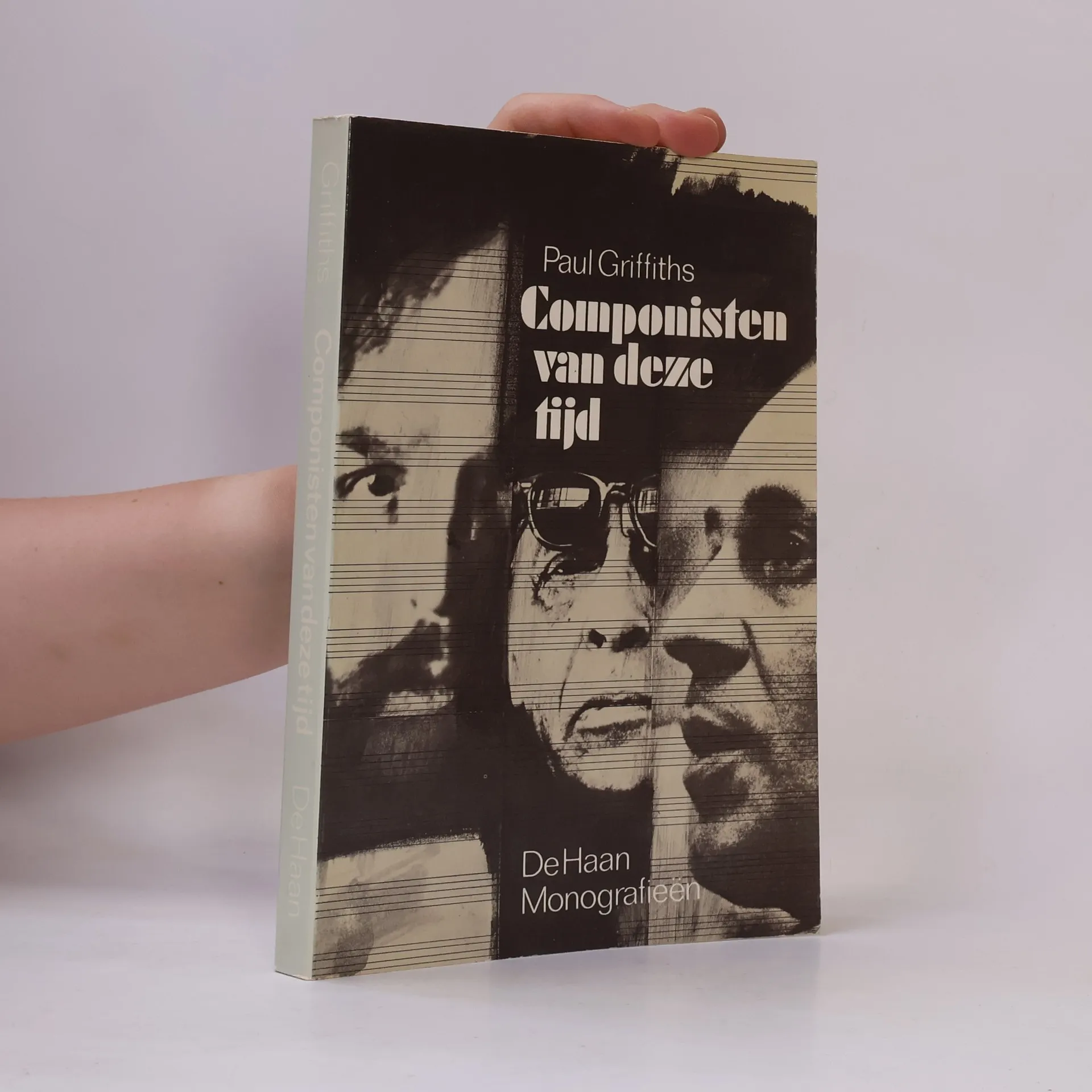
Beginning at the threshold of the modern era, with the late Romanticism of Debussy and Mahler, the author traces the new directions of music through composers such as Alban Berg and Anton Webern, Charles Ives, Edgard Varese and Olivier Messiaen, Karlheinz Stockhausen, Pierre Boulez, Philip Glass and Elliott Carter. The various paths are made clear by a concentration on the major works and turningpoints in the music of our time: the new rhythmic force that came in with The Rite of Spring, the unbounded universe of Schoenberg's atonality, the undreamed-of possibilities opened up by electronics, the role of chance in the music of John Cage and the astonishing diversity of minimalism.
Book by Griffiths, Paul J.
Nové trendy pri syntetických drogách v Európskej únii
- 136pages
- 5 heures de lecture
Musik bewegt sich in der Zeit und darin gleicht sie unserem Leben. An 24 Stationen der Geschichte halt er inne und betrachtet anhand der Komponisten, ihrer Werke und des gesellschaftlichen Umfelds die sich wandelnden Vorstellungen daruber, was Musik ist und wofur sie gemacht wird.