

Ivan Mestrovic, a young sculptor in his early thirties, collaborated with Serbian associates and pupils to create a remarkable exhibition featuring statuary and paintings. This collective effort brought together young Serbo-Croat artists from Serbia, Montenegro, Bosnia, and Dalmatia, united under the Serbian flag and Mestrovic's leadership. Their work embodies a fervent spirit of national memories and aspirations, creating a unique expression in modern art. The energy within these forms resonates like a tempest, transforming the landscape with its dynamic shapes, much like a storm reshapes trees or the flames of a forest fire. Forgotten Books is dedicated to publishing rare and classic works, utilizing advanced technology to digitally reconstruct historical texts while preserving their original format. Although some imperfections from the original copies may remain, most are repaired to maintain the integrity of these important works. This commitment ensures that readers can access significant historical literature in a format that honors the past while making it accessible for contemporary audiences.
Ivan Meštrović Livres
- Mestrovic, Ivan


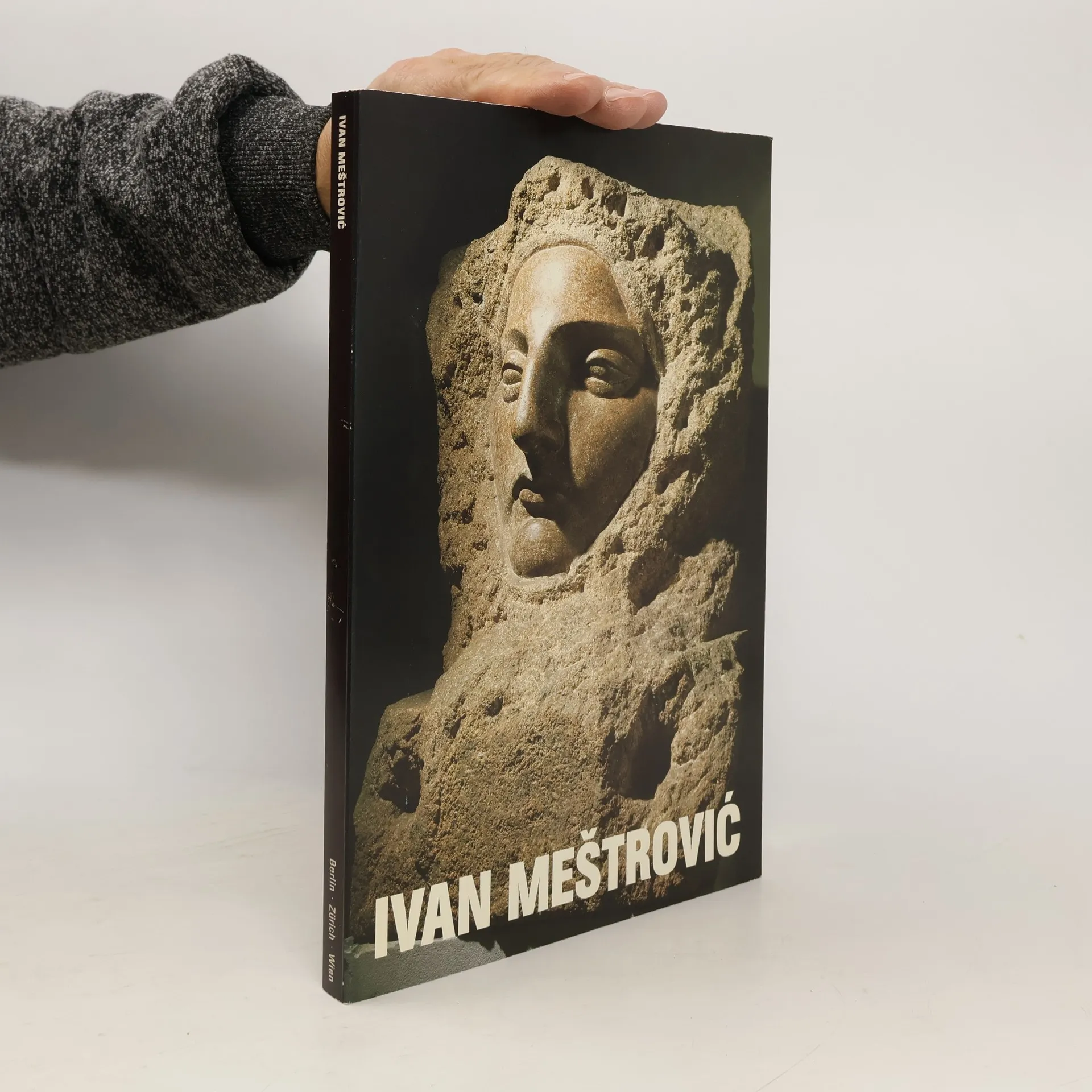
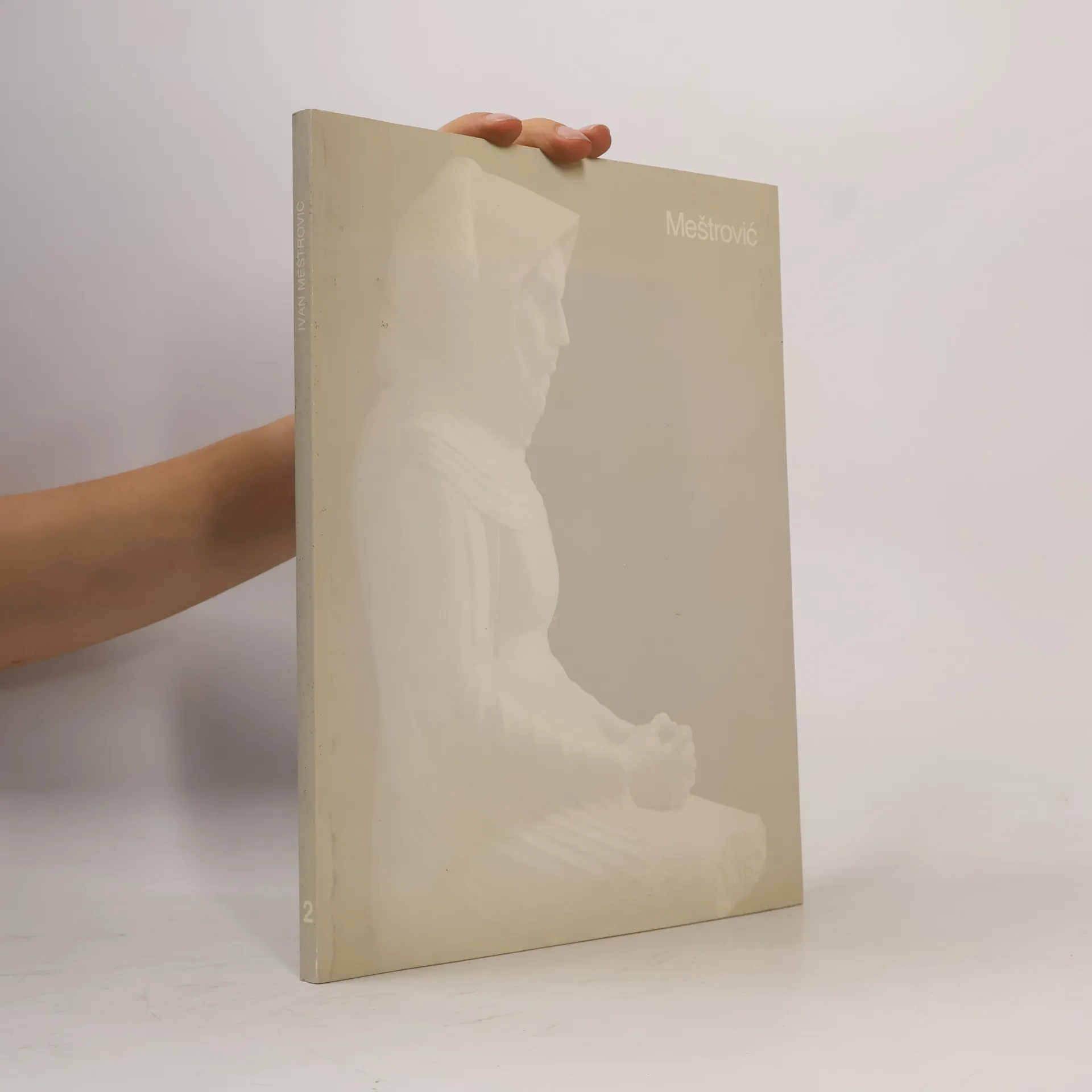
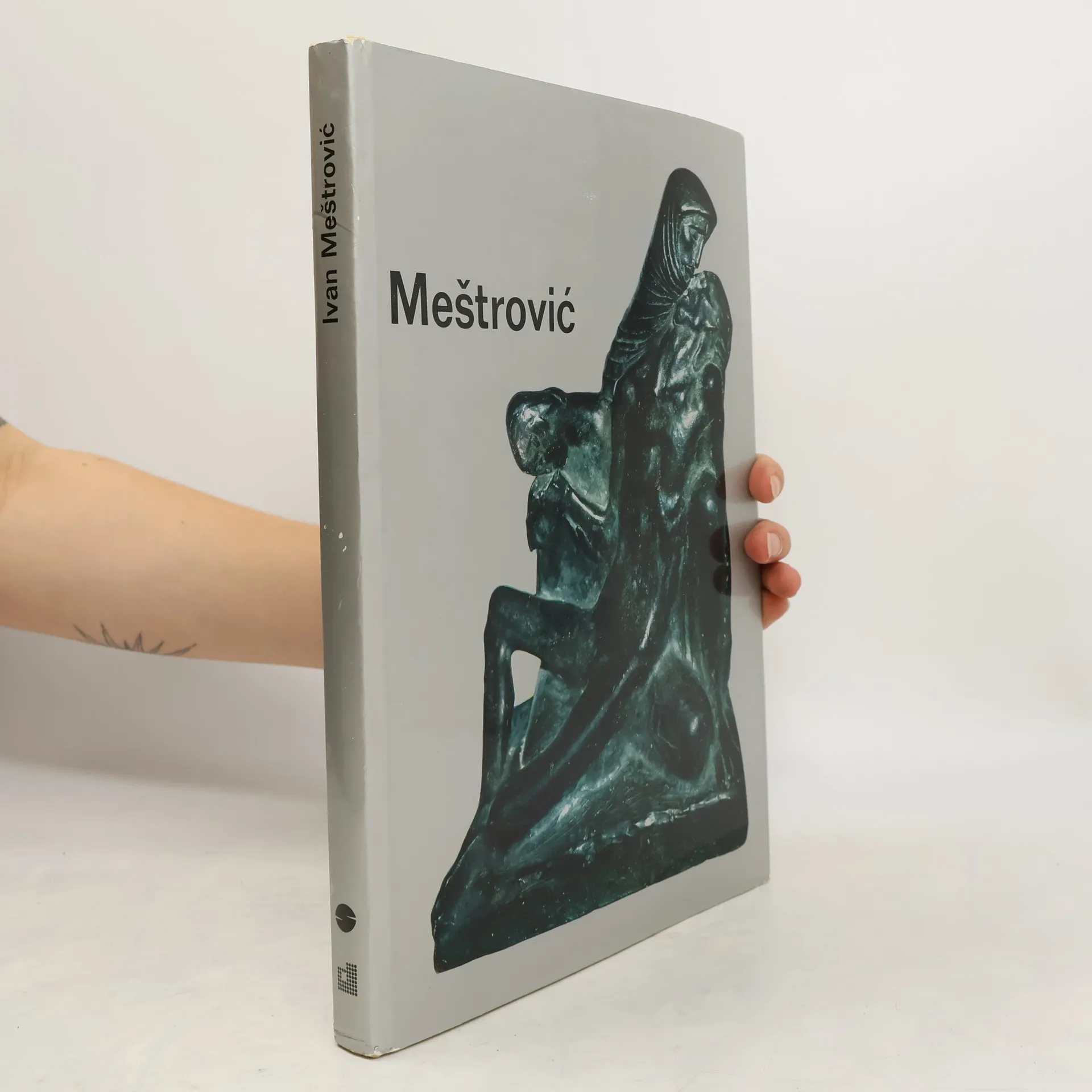
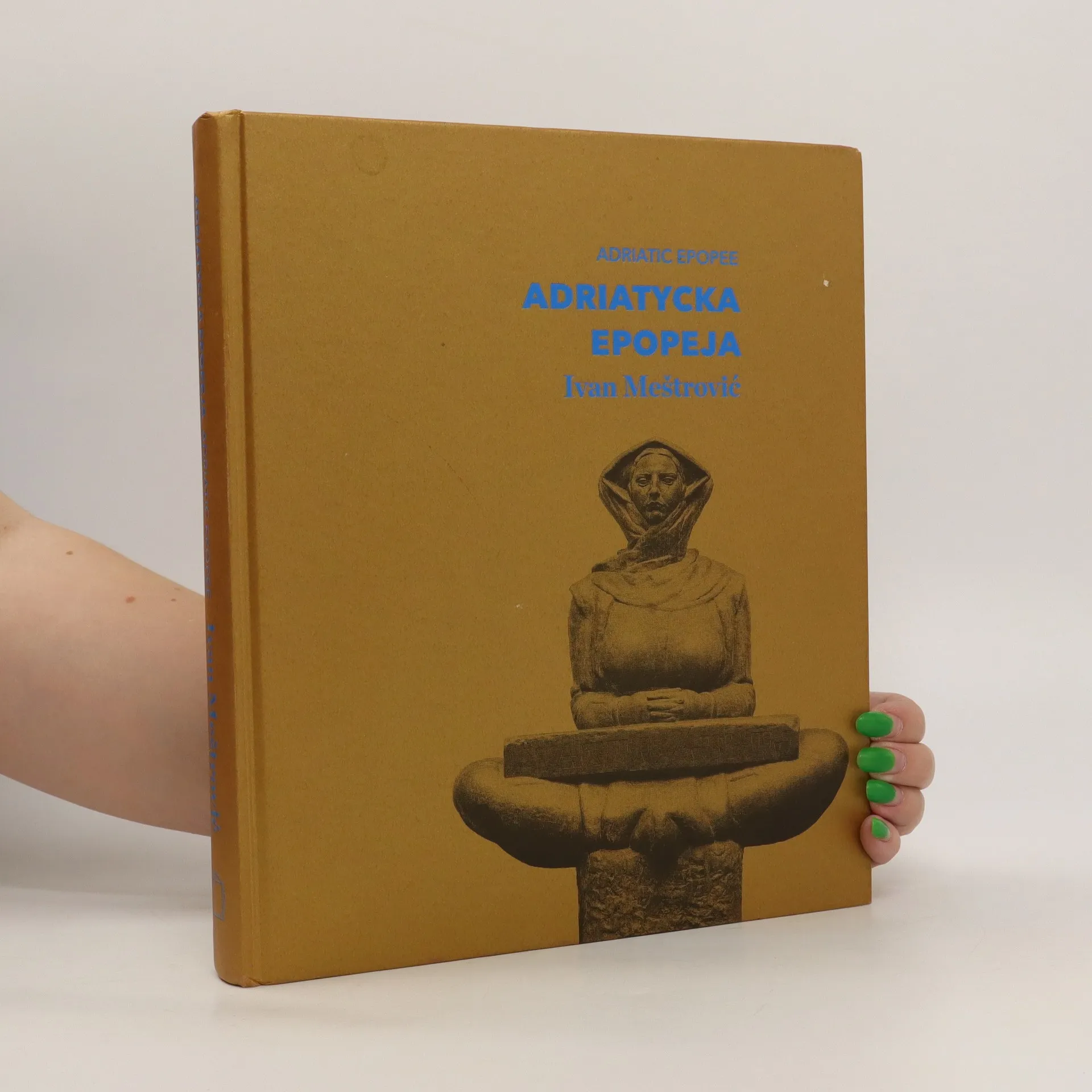
Ivan Meštrović, with his creativity, exibition activity, and life, built bridges and relationships between Croatia, its culture and the United States of America. From the earliest days of his youth spent studying in Vienna until his final days in South Bend (USA) this sculptor and architect consistently built his international career, always mindful of his own heritage.Every Croatian citizen carries a reproduction of Meštrović's sculpture the "History of the Croats" with them around the world, imprinted in their passport. Meštrović is to this day a central reference figure in both Croatian modern art and history of the first half of the 20th century. He also has a place in the pantheon of the greatest Central European artists of that century, as one of Croatia's most important artists. With this exceptional talent, he made his mark on many cityscapes around the world, and wove parts of the formative heritage that saturated his work into the consciousness of other nations.Meštrović maintained contacts with Poland, which were particularly intense for the duration of the design competition for the monument to Marshall Pilsudski in Warsaw, on the eve of World War II, which would fundamentally change the course of his life and careeer. It is, therefore, our great pleasure to present his opus to the Polish public for the first time and to demonstrate his connection to Poland.