

Bookbot

Sarvepalli Radhakrishnan

    5 septembre 1888 – 17 avril 1975

    Radhakrishnan fut un philosophe et homme d'État indien qui servit comme premier vice-président et deuxième président de l'Inde. Il fut l'un des plus influents spécialistes indiens des religions et philosophies comparées. En fournissant des exégèses faisant autorité de la littérature religieuse et philosophique de l'Inde au monde anglophone, il est considéré comme un bâtisseur de ponts entre l'Orient et l'Occident. Sa carrière universitaire inclut des chaires prestigieuses à l'Université de Calcutta et à l'Université d'Oxford.

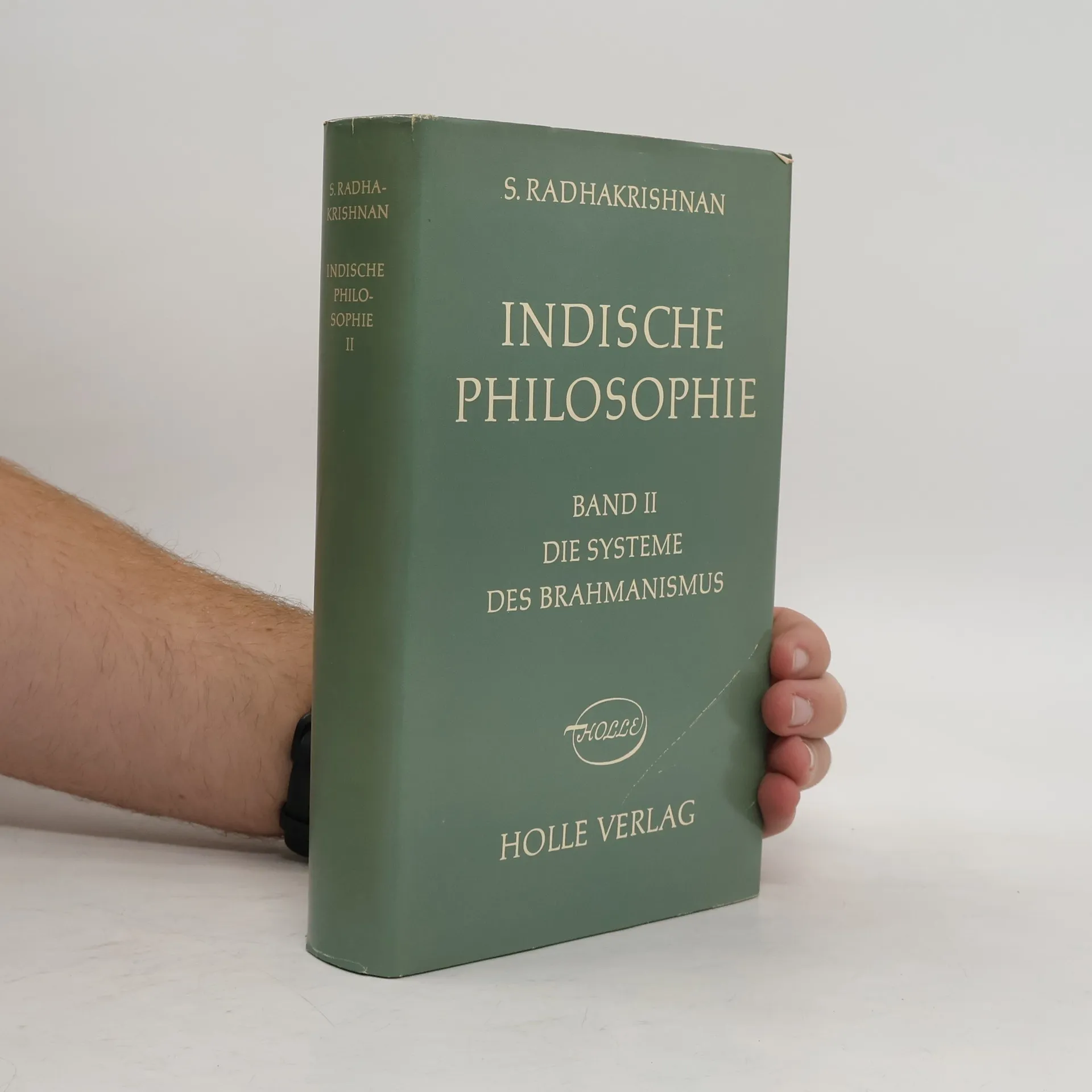
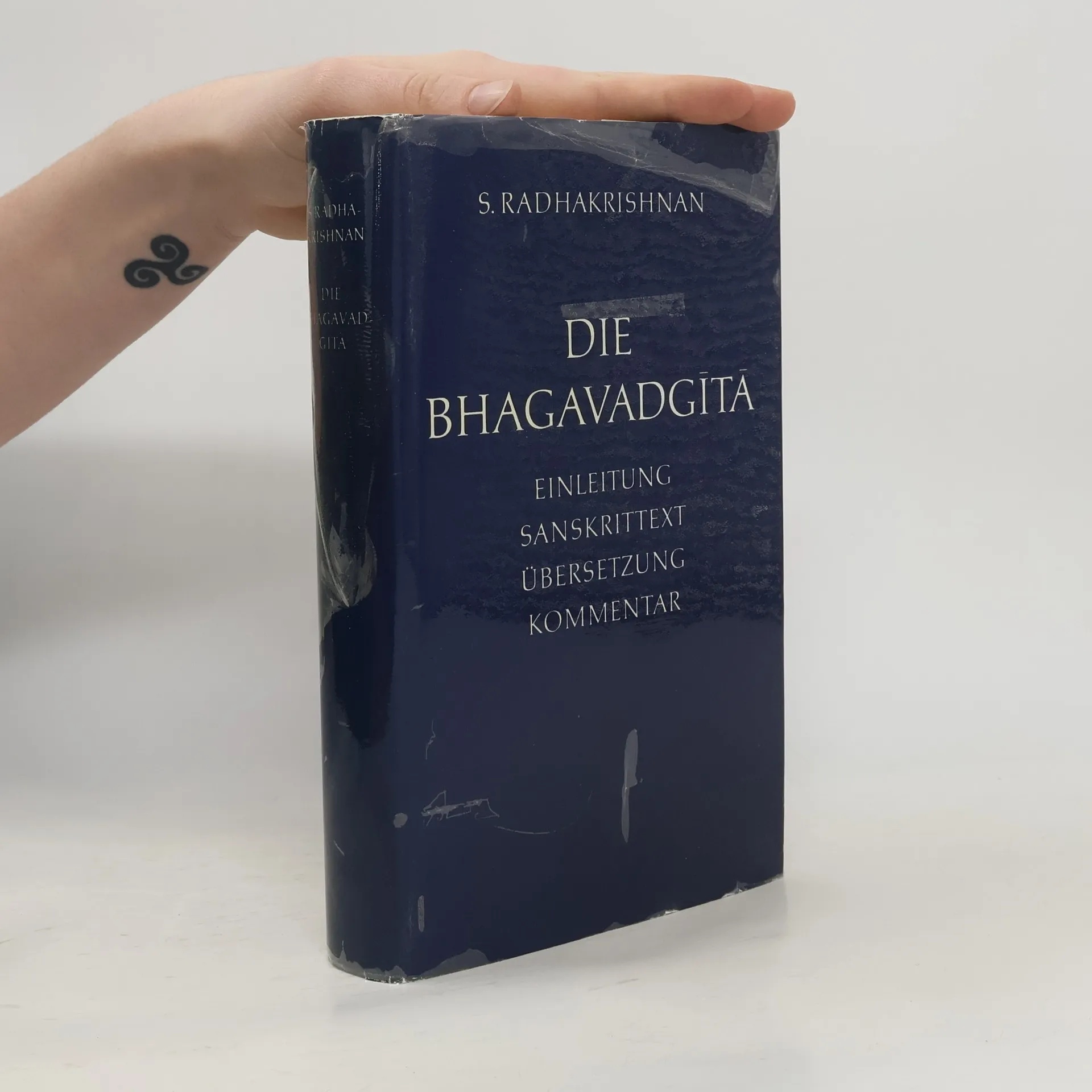
    Die Bhagavadgítá
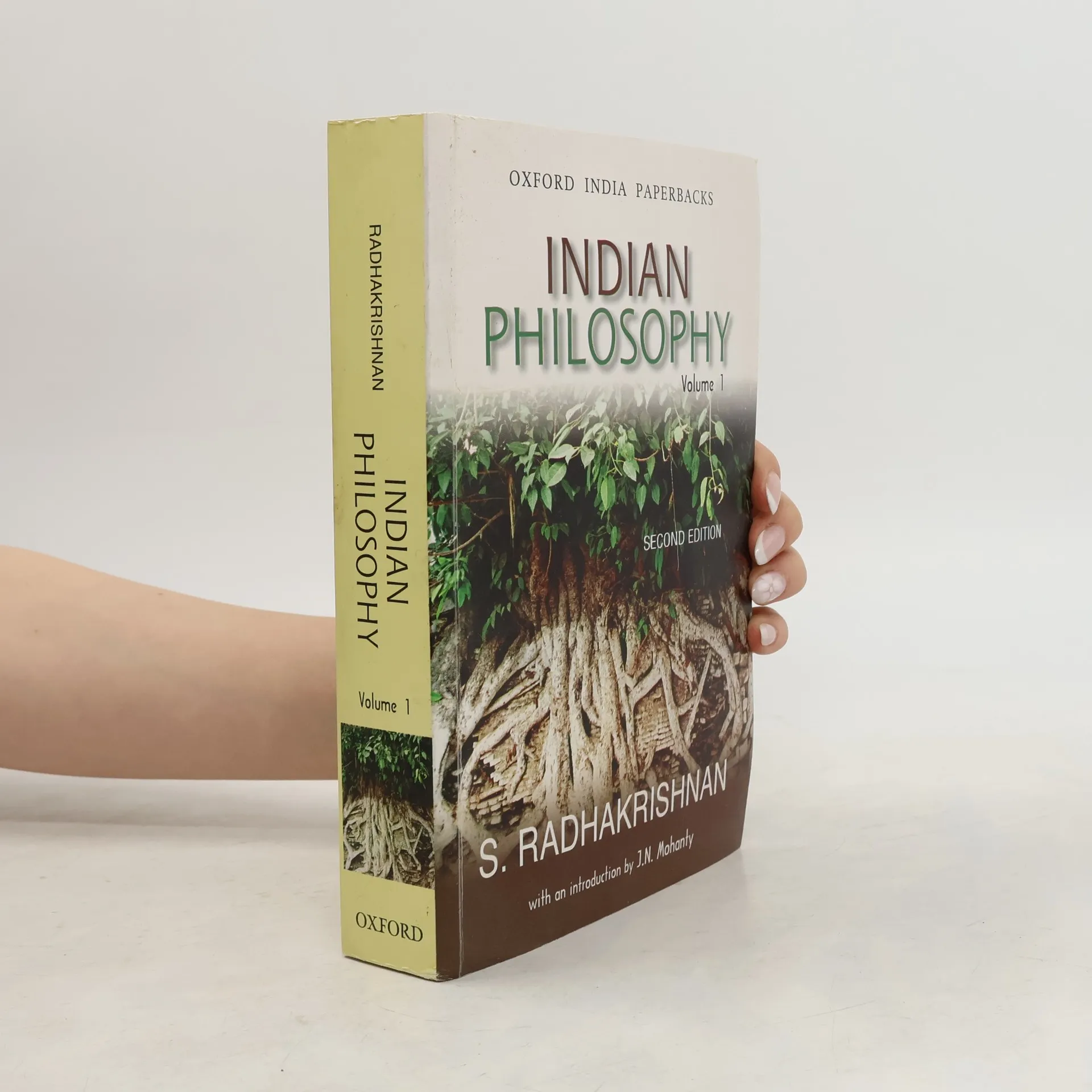
    The Principal Upanishads
    Eastern Religions and Western Thought
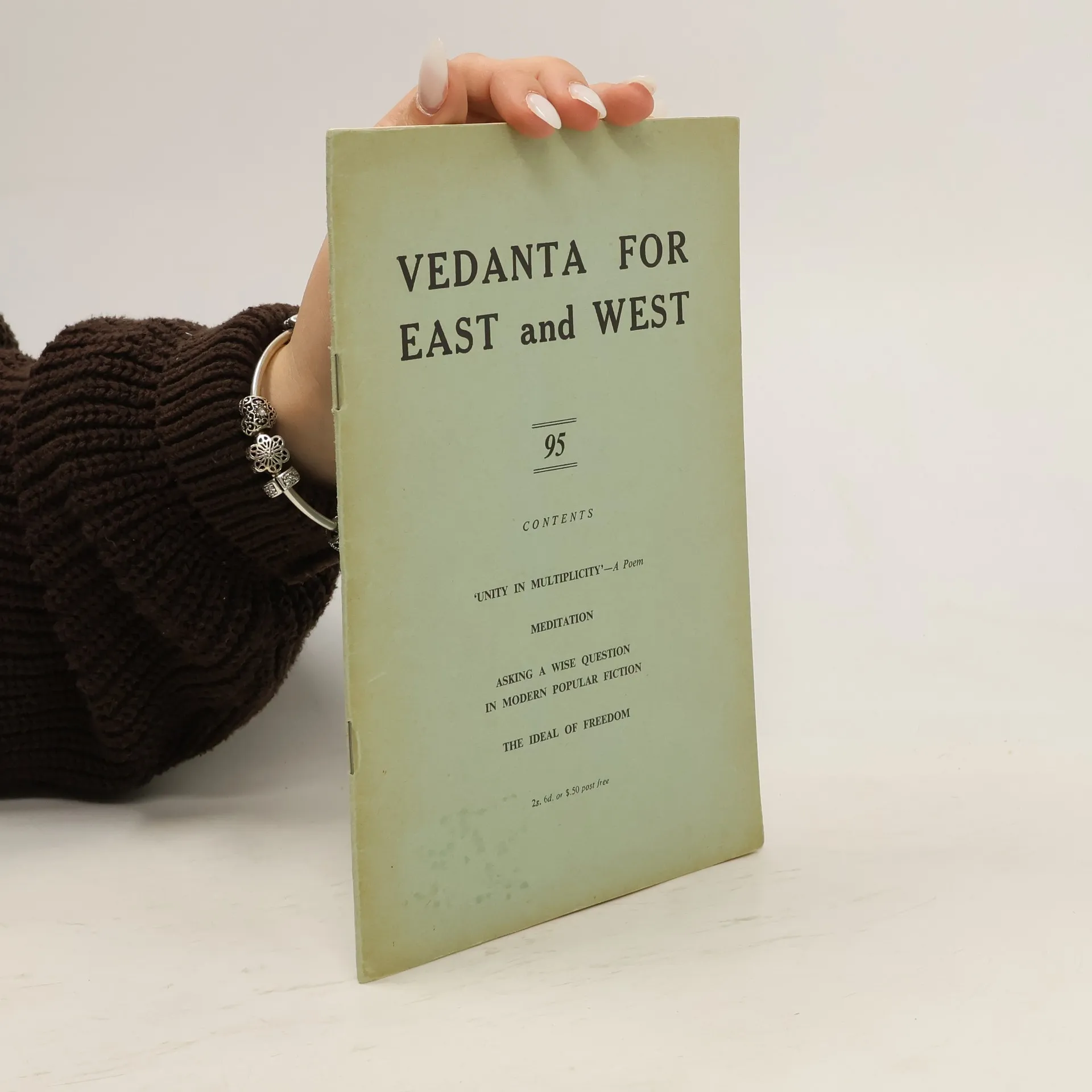
    Vendata for East and West 95
    The Philosophy of Rabindranath Tagore
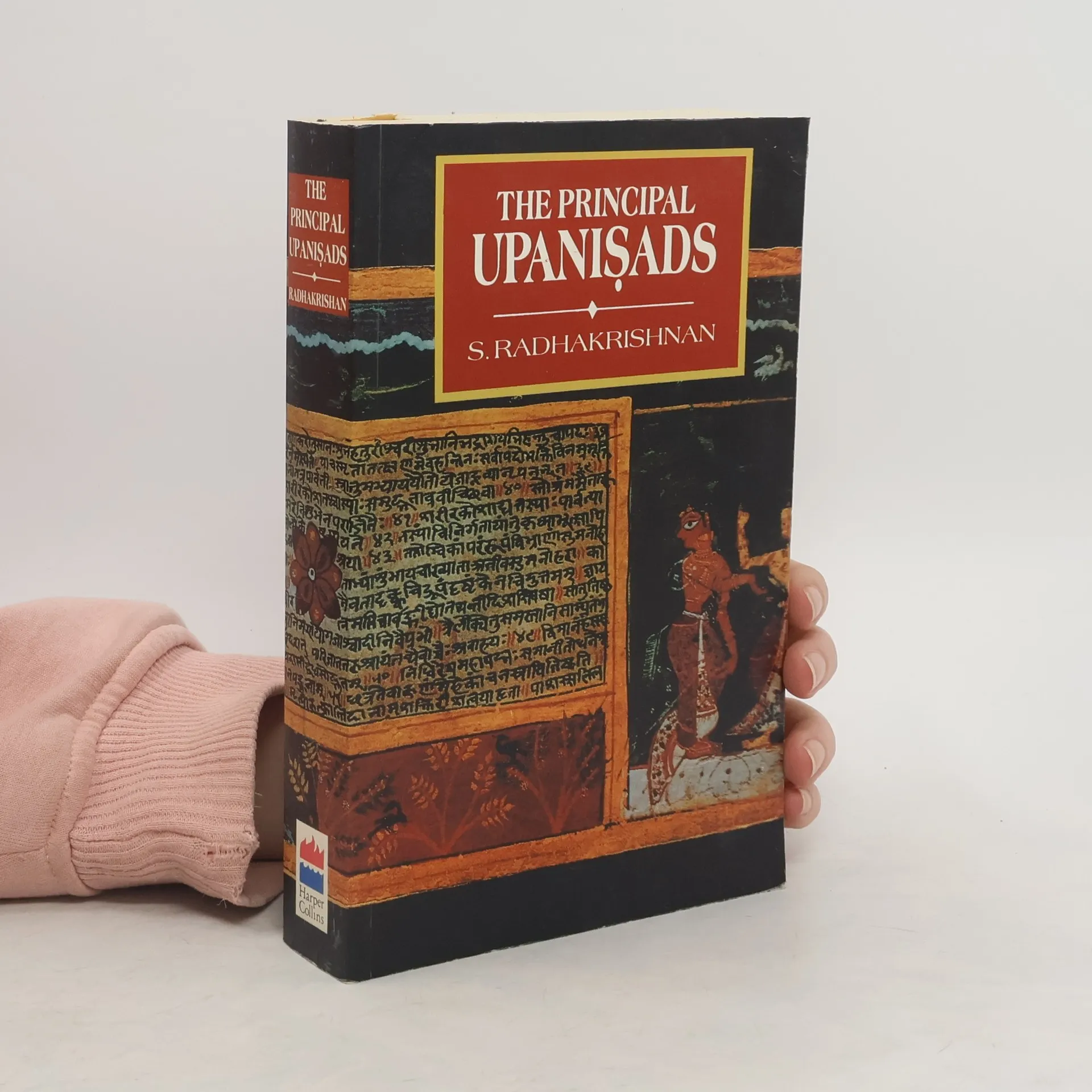
    The Principal Upanishads
    • The Principal Upanishads

      • 958pages
      • 34 heures de lecture

      Believed to hold the secrets of unseen reality, The Upanishads are the most ancient of the Hindu texts. They hold the secrets of the divine and have inspired generations of devotees by their vision and inexhaustible spiritual powers. Now everyone, from serious scholars to spiritual seekers, can glimpse into the texts that have shaped a vital spiritual history.
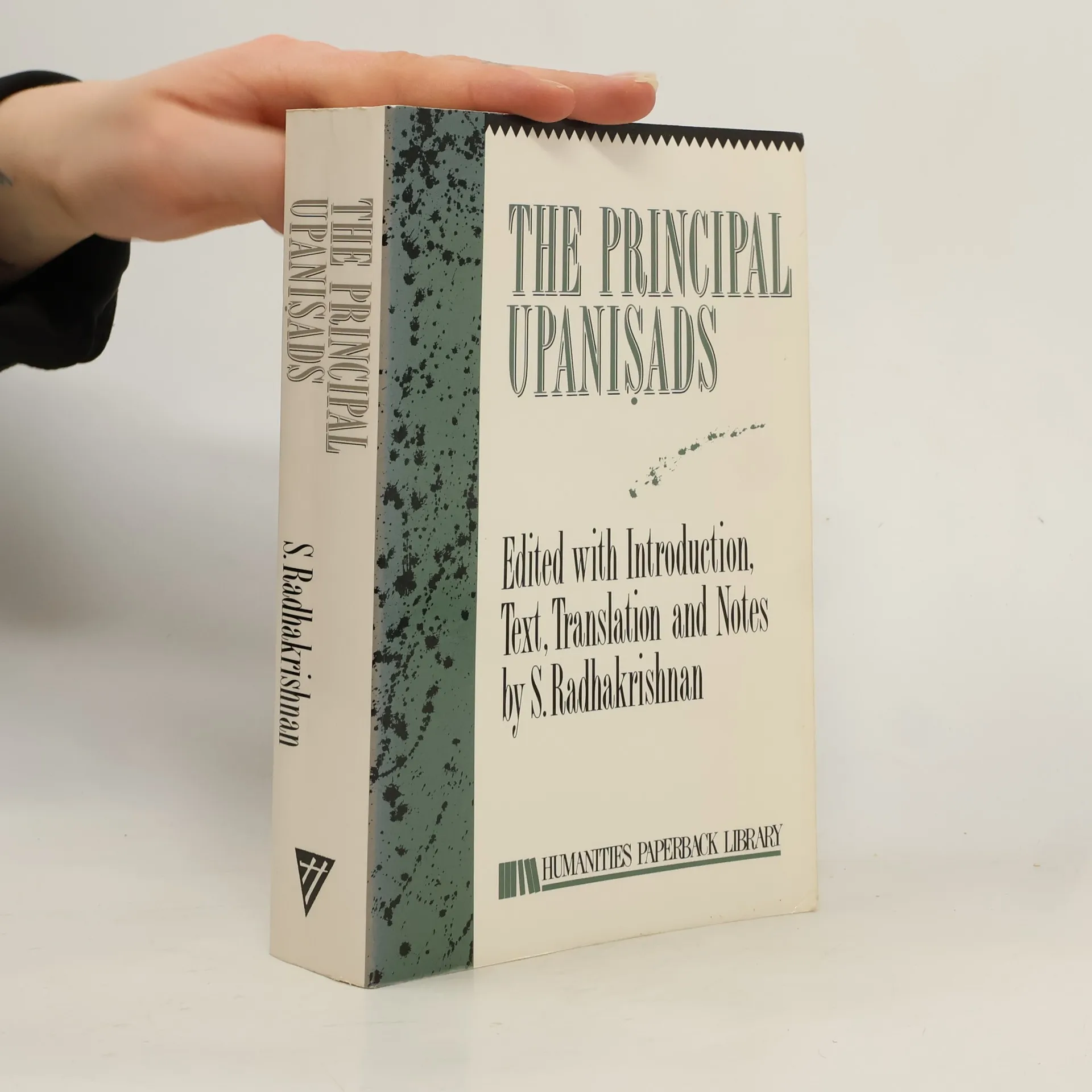
      The Principal Upanishads
      4,4
    • The Philosophy of Rabindranath Tagore

      • 154pages
      • 6 heures de lecture

      The book offers a profound exploration of Rabindranath Tagore's philosophical teachings, emphasizing his belief in the spiritual forces that uplift humanity, especially during tumultuous times. Sarvepalli Radhakrishnan, an esteemed professor of comparative religion, delves into the interplay between Tagore's poetry and philosophy across five chapters. He highlights Tagore's significant contributions to Indian culture and his advocacy for the oppressed, reflecting on the enduring relevance of his ideas amidst the challenges of the modern world.

      The Philosophy of Rabindranath Tagore
      5,0
    • Eastern Religions and Western Thought

      • 396pages
      • 14 heures de lecture

      This challenging and beautifully written book describes the leading ideas of Indian philosophy and religion. It traces the probable influence of Indian mysticism on Greek thought and Christian development, through Alexandrian Judaism, Christian Gnosticism, and Neo-Platonism. The author argues that Christianity, which arose out of an eastern background and became wedded to Graeco-Latin culture, will find rebirth in a renewed alliance with this Eastern heritage.

      Eastern Religions and Western Thought
    • Die Bhagavadgítá

      • 448pages
      • 16 heures de lecture

      Umfassende erläuternde Kommentare von Sarvepalli Radhakrishnan helfen, diesen grundlegenden Text richtig zu verstehen. Der Weise sieht in der Handlung die Untätigkeit und in der Untätigkeit die Handlung. Er ist ein Yogi und hat all seine Tätigkeiten vollendet. Wer die ihm auferlegte Arbeit verrichtet und nicht nach den Früchten sucht, ist ein Sannyasin, ein Yogi, nicht jedoch derjenige, der das heilige Feuer nicht entzündet und keine Rituale vollzieht. Diejenigen, die von Stolz und Täuschung befreit sind, die das Übel der Anhaftung überwunden haben, die ihre Begierden gezähmt haben und stets dem höchsten Geist ergeben sind, die von den Dualitäten von Freude und Schmerz befreit sind und frei von Verwirrung, erreichen den unsterblichen Zustand.

      Die Bhagavadgítá
      4,0