Samuel Eliot MorisonOrdre des livres (chronologique)
Samuel Eliot Morison fut un historien américain éminent, réputé pour ses récits vivants et détaillés de l'histoire navale. Son œuvre se caractérise par un profond engagement à transmettre l'aventure et les défis de l'exploration et de la guerre maritimes. Morison ne s'est pas contenté de recherches théoriques ; il a activement participé à des opérations navales pour offrir des perspectives authentiques et de première main sur des événements historiques. Son style distinctif allie une rigoureuse érudition historique à une narration captivante, donnant vie au passé pour les lecteurs contemporains.
Bitwa o Guadalcanal to bodaj najdziwniejsza i najbardziej dramatyczna bitwa na
Pacyfiku. Oto bowiem jak w filmie Polańskiego „Nosferatu wampir” dzień należał
do ludzi (Amerykanów) a noc do wampirów (Japończyków, nie ubliżając im
oczywiście). Wampiry nocą wysysały krew z Amerykanów, bombardując lotnisko
Hendersona i niepodzielnie panując na morzu. Gdy jednak nie udało im się
zniknąć przed świtem, same stawały się łatwym łupem lotnictwa amerykańskiego.
Bitwa o Leyte to historia największej bitwy morskiej drugiej wojny światowej, w której wzięło udział najwięcej okrętów z obu stron. To tutaj pancerniki zbliżyły się do lotniskowców na strzał artyleryjski, a Amerykanie wykazali niezrównaną odwagę i poświęcenie. Po raz pierwszy zaatakowały jednostki kamikadze, a amerykańskie kutry torpedowe i niszczyciele osiągnęły nieosiągalne dotąd dni chwały. Bitwa obfitowała w zaskakujące zwroty akcji, a nastroje obu stron zmieniały się dynamicznie. Autor obiektywnie zauważa, że mimo przewagi materialnej, to Japończycy dyktowali przebieg wydarzeń, zaskakując admirała Halsey’a, który zostawił siły inwazyjne na pastwę japońskich pancerników. Admirał Ozawa, wykonując swoje samobójcze zadanie, również zasługuje na miano moralnego zwycięzcy. Amerykańscy obrońcy zatoki Leyte, w kulminacyjnym momencie bitwy, wykazali się niezwykłą odwagą, rzucając się na japońskie okręty. Praca autora jest fundamentalna dla badaczy tej bitwy, gdyż miał on możliwość spotkania wielu uczestników walk. W książce zawarte są także przesłuchania japońskich oficerów. Opisane epizody ilustrują niezwykłe przykłady odwagi, a także akcje ratunkowe, które pokazują, jak amerykańska armia dbała o swoich ludzi. Leyte oznacza początek końca Japonii, a po tej bitwie większość japońskich dowódców zdawała sobie sprawę z przegranej wojny.
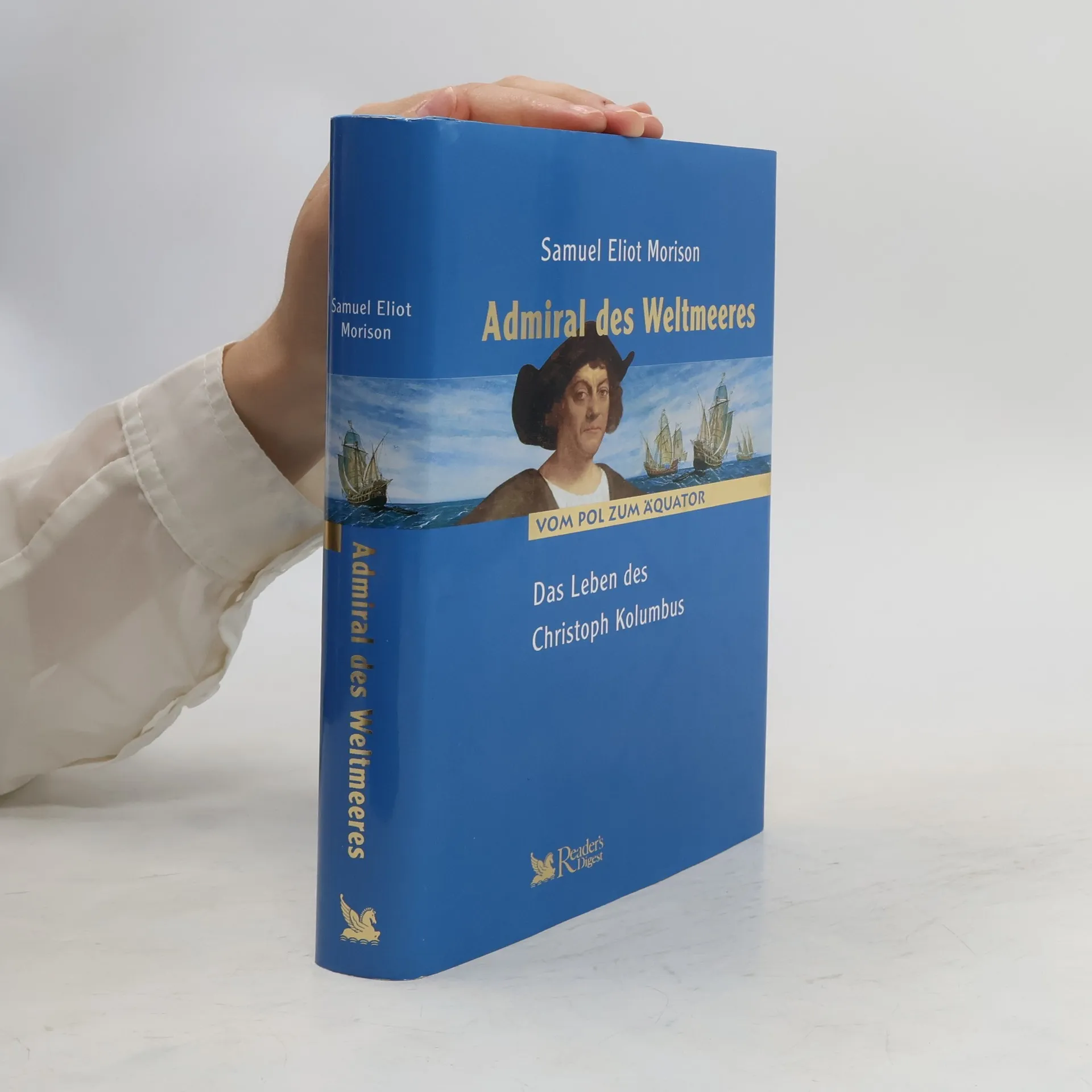
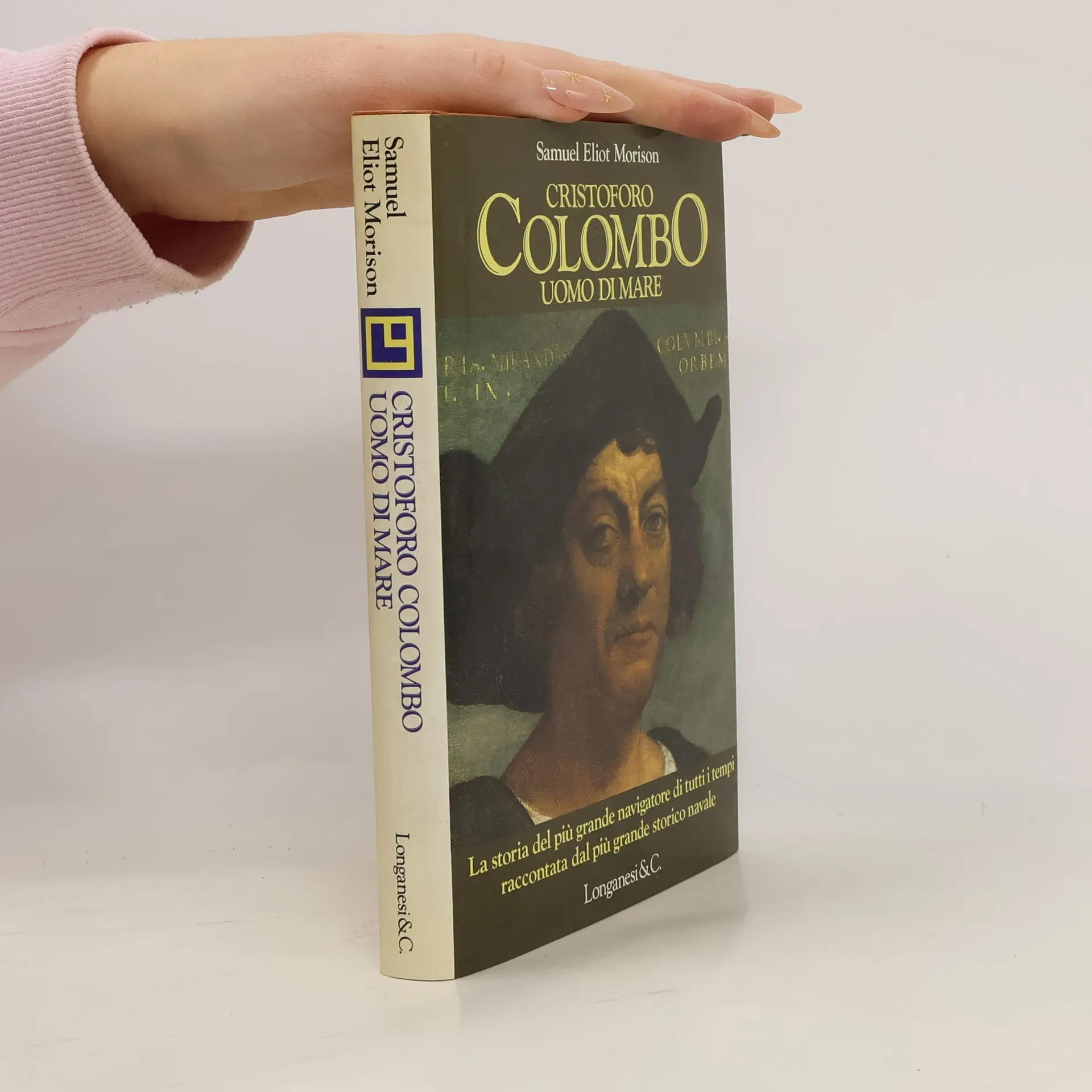
Nicht zufrieden damit, lediglich eine trockene Aufzählung der Ereignisse und Fakten im Leben von Columbus zu bieten, entschloss sich Samuel Eliot Morison, das gewagte Abenteuer zu wagen, die See auf Columbus' Route zu befahren, soweit sie rekonstruiert werden konnte. Mit der Unterstützung zahlreicher begeisterter Kollegen organisierte er die Harvard Columbus Expedition und begann, seinen Kurs festzulegen. Alle Anstrengungen wurden unternommen, um die Atmosphäre und Bedingungen nachzuahmen, die Columbus begegneten, von den Schiffen selbst bis zu den Navigationsmethoden. Im Spätsommer 1939, fast 450 Jahre nach Columbus' eigenen historischen Reisen, stachen Morison und seine Crew in See. Das Ergebnis war dieser mit dem Pulitzer-Preis ausgezeichnete Bericht über Christoph Columbus – den Mann, den Seemann, den Vater der modernen Neuen Welt. Sie haben die Möglichkeit, die Reisen Columbus' so zu sehen, wie er sie sah. Columbus' Reisen entfalten sich vor Ihnen mit einem scharfen Kommentar und einer Lebendigkeit, die nur durch die Erfahrung eines Mannes möglich ist, der denselben Weg gegangen ist. Historische Beobachtungen zu Wetterbedingungen, Vögeln und Meereslebewesen sowie zu den verschiedenen Ländern und Menschen, denen Columbus begegnete, werden mit großer Gefühlstiefe untersucht.
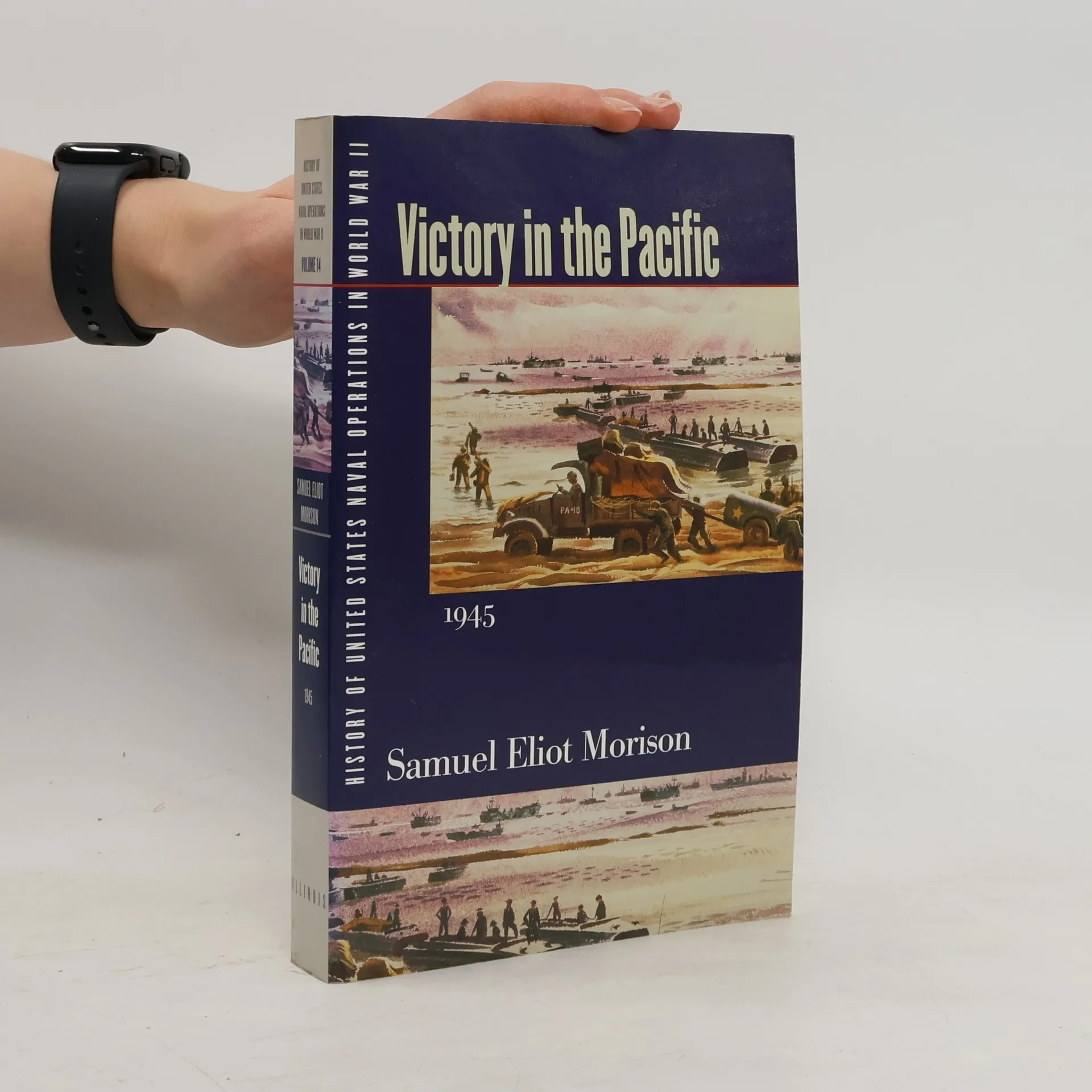
This final narrative volume of Morison's history recounts the infamous campaigns for Iwo Jima and Okinawa, two of the most bitterly contested campaigns of the war. When the U.S. Marines landed on Iwo Jima, they expected to secure it within a few days. No one had anticipated Japan's determination to defend the island to the last man. Morison describes the Japanese defense system of camouflaged rifle pits and fortified gunning positions that held the Allies at bay and the heavy and continuous cover of naval gunfire that prevented even greater losses. As it was, the securing of Iwo Jima cost the United States more casualties than had been incurred in taking any other island in the Pacific. On Okinawa, the conflict stretched over six long, bloody months. As land forces struggled for every inch they took on the islands, the U.S. Navy faced the desperate fury of the kamimaze corps and its harvest of flaming explosions, burning and flooded ships, searing injuries and death. Fierce weather, logistical complexities, Japanese submarines, and the unexpected death of President Roosevelt also took their toll. Morison concludes his epic account with the final skirmishes of the war, the fateful decision to drop the atomic bomb, and the delicate negotiations leading to Japanese surrender.
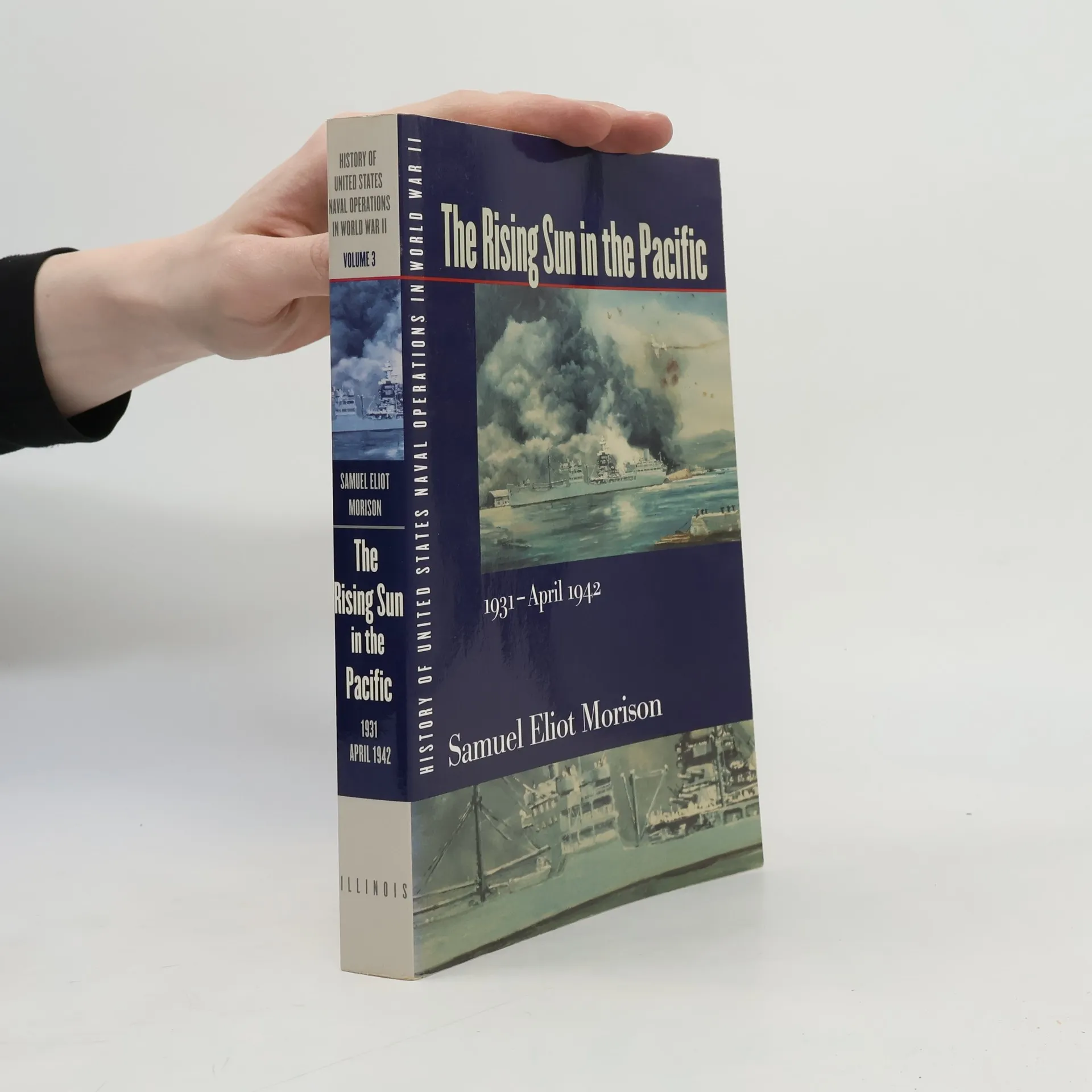
Chronicles the difficult early months of the campaign in the Pacific, detailing the navy's reverses at Wake Island, in the Philippines, and along the Malay Barrier.
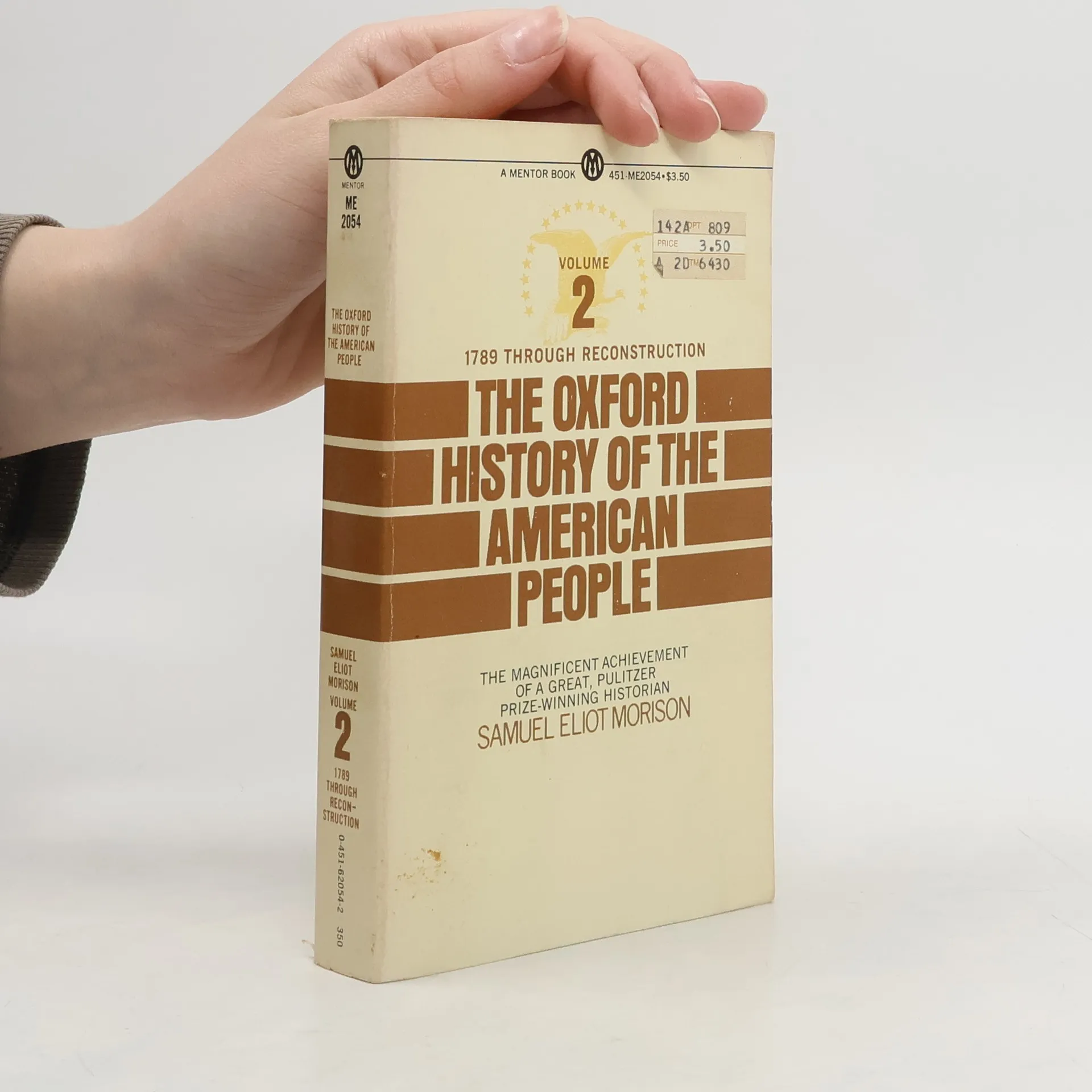
A political as well as social history which traces the major strands in America's history from prehistoric man to the assasination of President Kennedy. The parallel history of Canada is also briefly told.
A social, cultural, and economic as well as political history of the United States, this single volume unabridged edition of Morison's classic history traces the major strands in America's history all the way from prehistoric humans to the assasination of President Kennedy."Prospective readers may well ask wherein [this history] may differ in form and content from other American histories of similar length. Politics are not lacking; but my main ambition is to re-create for my readers American ways of living in bygone eras. Here you will find a great deal on social and economic development; horses, ships, popular sports, and pastimes; eating, drinking, and smoking habits. Pugilists will be found cheek-by-jowl with Presidents; rough-necks with reformers, artists with ambassadors."More…than in other histories will be found on sea power, on the colonial period in which basic American principles were established, on the American Indians, and the Caribbean. I am offering fresh, new accounts of the Civil War and the War of Independence. A brief account of the parallel history of Canada, so near and dear to us, yet so unknown in her historical development to most citizens of the United States, has been attempted." -- from the Preface