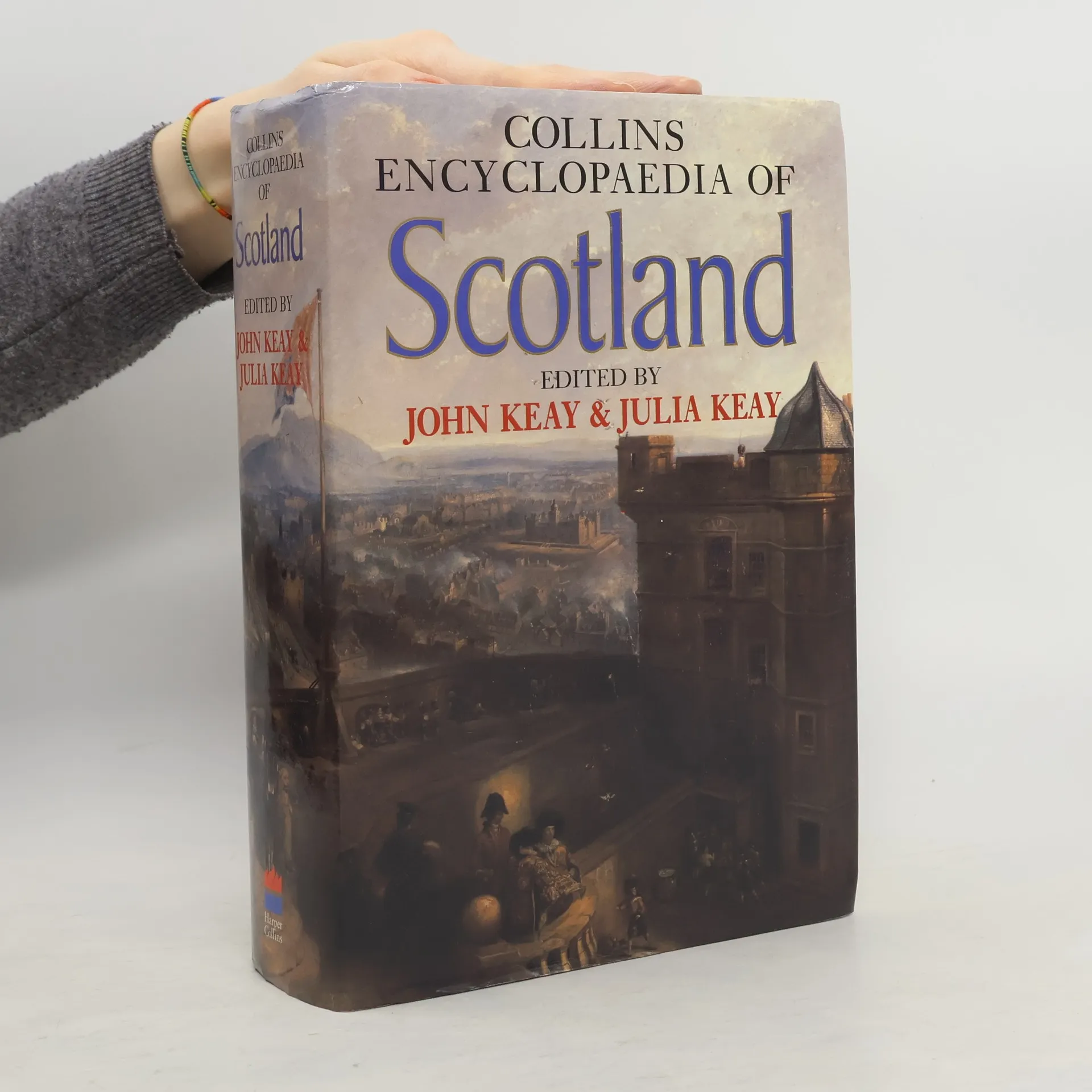
Collins encyclopaedia of Scotland
- 1046pages
- 37 heures de lecture
Encyclopaedia covering every aspect of Scotland's past: her people, arts, industries, environment and continuing traditions


John Keay est un journaliste et auteur anglais réputé pour ses histoires populaires axées sur l'Inde et l'Extrême-Orient, en particulier sur leurs rencontres avec l'exploration et la colonisation européennes. Son écriture est célébrée pour un mélange magistral de recherche méticuleuse, d'esprit irrévérencieux et de narration captivante. La prose vivante et la narration engageante de Keay ont fait de nombre de ses œuvres des classiques durables. Il offre aux lecteurs une perspective distinctive et perspicace sur l'histoire asiatique.



Encyclopaedia covering every aspect of Scotland's past: her people, arts, industries, environment and continuing traditions
The End of Empire in the Far East
John Keay's epic, expert study of the twenthieth-century demise of colonial rule in the Far East The names echo like the last long notes of a bugle call: Hiroshima, Dien Bien Phu, Tiananmen Square; MacArthur and Mountbatten; The Quiet American and Bridge over the River Kwai. In a twentieth-century welter of war, Depression and Communism four empires crumbled and the West was bundled out of the East. John Keay's acclaimed study of this imperial finale draws on contemporary sources ranging from Ho Chi Minh to Dirk Bogarde. The narrative swoops from the showpiece cities of Shanghai, Saigon and Manila to the tough backwaters of Borneo and the tinkling rice fields of Bali. Grandeur of treatment is matched by trenchant analysis; unexpected continuities are revealed; and to the interaction of West and East is traced the dynamism of the Far East today.
Sowing the Wind examines the critical political underpinnings of conflict in the Middle East. Keay (known for his best-selling history of India) focuses on the hard-core countries of the Middle East known as the fertile Egypt, Jordan, Israel/Palestine, Lebanon, Syria, and Iraq. Keay's account is absolutely riveting as he follows the West's manipulation, management, and mismanagement of the Middle East from 1900 up through the ascent of Arafat to power in the early 1960s. He ends with a forty-page tour-de-force update of the last forty years of American negotiation of economic and political fault lines in the Middle East.Keay's sweeping history pre-Balfour to post-Suez unearths a host of surprising firsts, from the Gulf's first "gusher" to the first aerial assault on Baghdad, the first of Syria's innumerable coups, and the first terrorist outrages and suicide bombers.
A groundbreaking exploration of the Himalaya reveals how climate change is reshaping this unique region, which encompasses Tibet and six of the world's eight major mountain ranges, housing nearly all of its highest peaks. With around 50,000 glaciers and the most extensive permafrost outside the polar regions, the Himalaya is vital for 35% of the global population, providing freshwater for agriculture, protein, and hydro-power. The vast area, comparable to Europe, has a sparse, often nomadic population that speaks numerous languages—many unwritten—and holds diverse religious beliefs. Politically fragmented, the region's borders span multiple nations, complicating efforts to address environmental risks, including extreme temperature fluctuations. Historically, the Himalaya has captivated explorers, botanists, and mountaineers alike. Today, it faces seismic instability as tectonic plates shift, amid a global dialogue on climate change. The author presents a compelling case for the Himalaya as one of the planet's most essential wonders, emphasizing the urgent need for an ethos of respect and understanding to preserve its extraordinary features before they vanish.
Two hundred years ago, India was seen as a place with little history and less culture.Today it is revered for a notable prehistory, a magnificent classical age and a cultural tradition unique in both character and continuity. How this extraordinary change in perception came about is the subject of this fascinating book. The story, here reconstructed for the first time, is one of painstaking scholarship primed by a succession of sensational discoveries. The excitement of unearthing a city twice as old as Rome, the realization that the Buddha was not a god but a historical figure, the glories of a literature as rich as anything known in Europe, the drama of encountering a veritable Sistine chapel deep in the jungle, and the sheer delight of categorizing 'the most glorious galaxy of monuments in the world' fell, for the most part, to men who were officials of the British Raj. Their response to the unfamiliar -- the explicitly sexual statuary, the incomprehensible scripts, the enigmatic architecture -- and the revelations which resulted, revolutionized ideas not just about India but about civilization as a white man's prerogative. A companion volume by the author of the highly praised A History and The Great Arc.
Where men and mountains meet -- The Gilgit game.
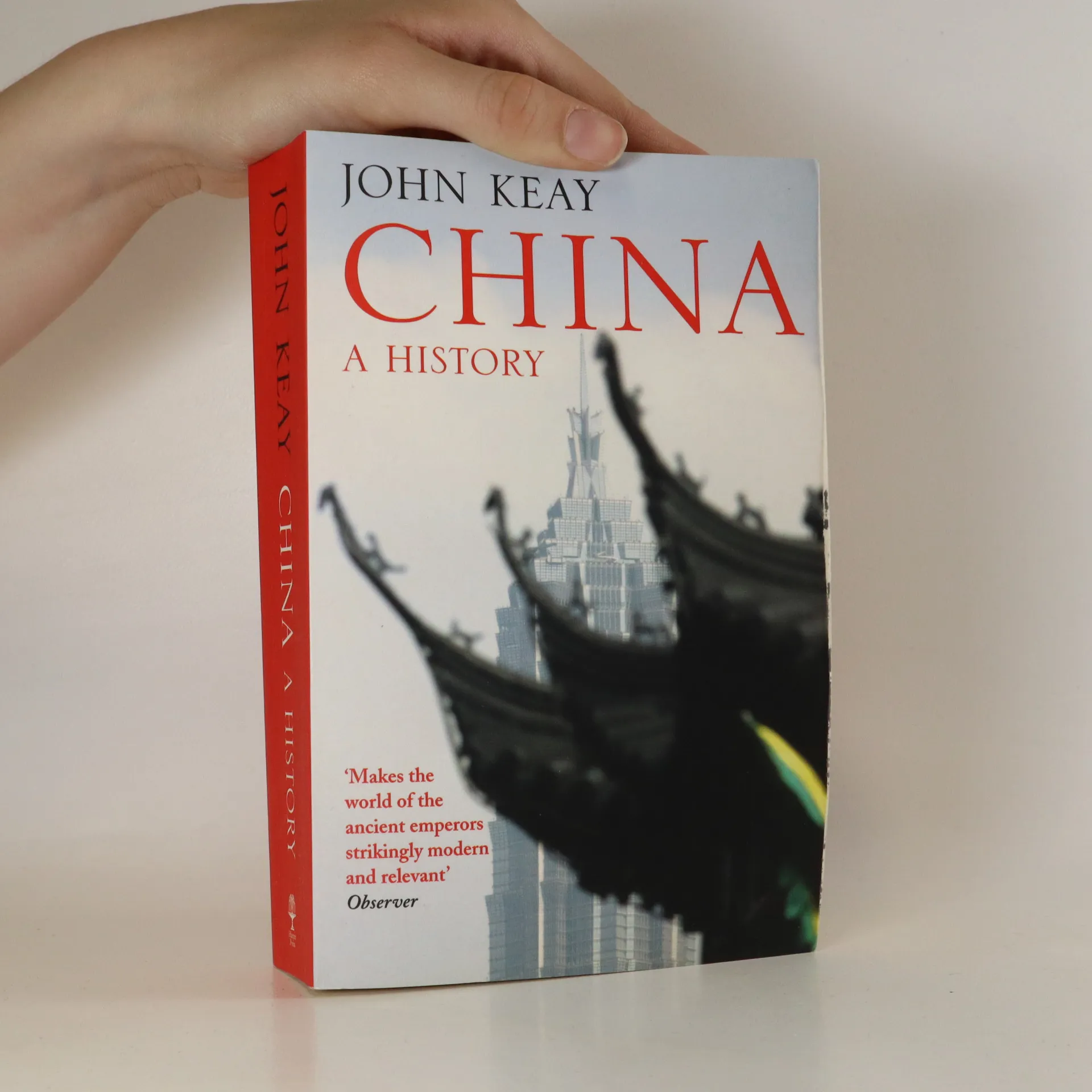
Three thousand years of Chinese history in an accessible and authoritative single volume.
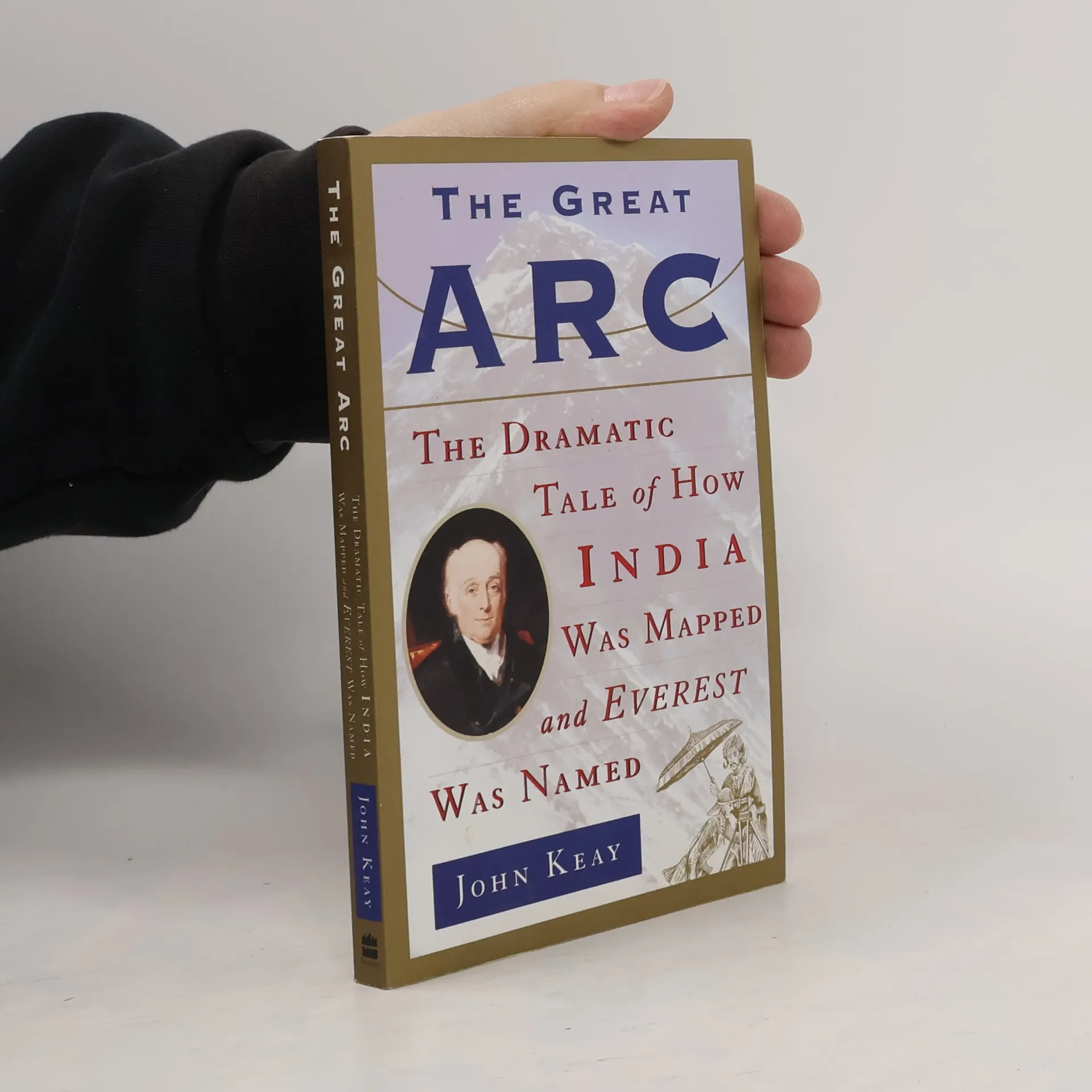
Chronicles the Great Trigonometrical Survey of India, a venture initiated by British army officer William Lambton to measure the earth's surface, and discusses its completion under Lambton's successor, George Everest.
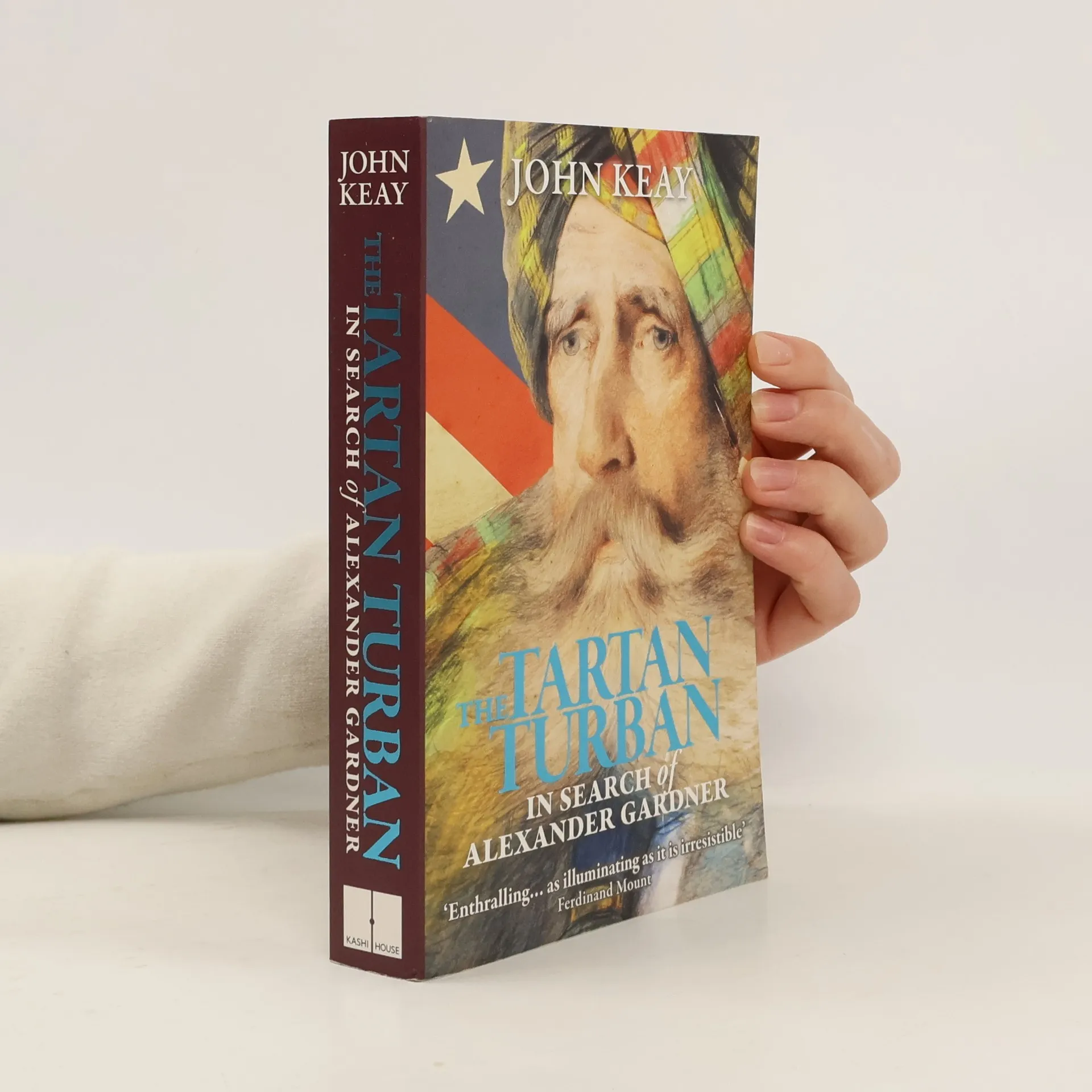
Alexander Gardner spent his life adventuring in Inner Asia. His story changed people's understanding of the world. The urge to contest or prove it contributed to the scientific and political penetration of much of Asia. Readers will see the region in a new light and gain a fresh perspective on its last years under native rule.
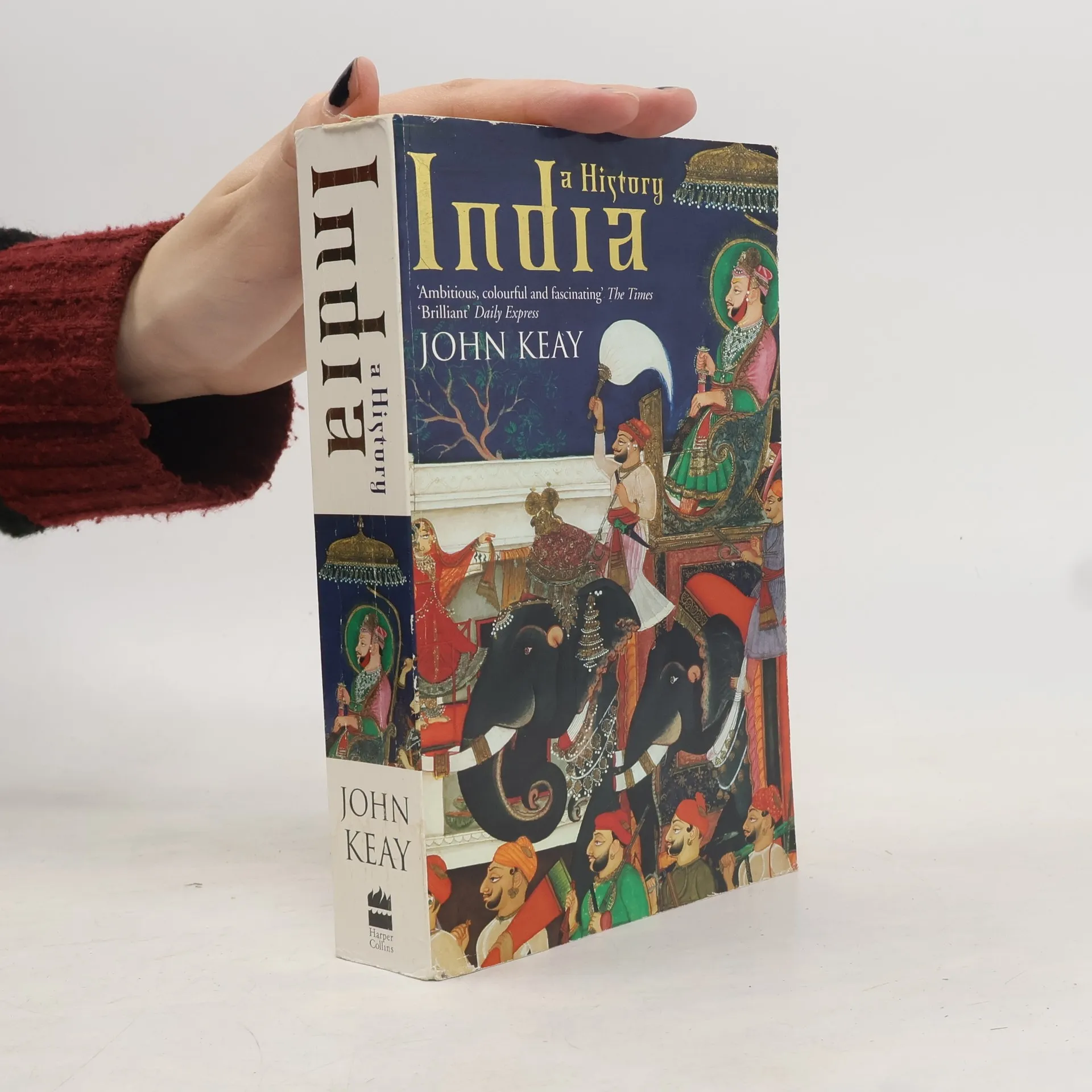
Accommodating Pakistan and Bangladesh and other embryonic nation states like the Sikh Punjab, Muslim Kashmir and Assam, this text examines the legacy of the 1947 partition, and looks at the colonial era from the overall context of Indian history.
During 200 years the East India Company grew from an association of Elizabethan tradesmen into a powerful organization. As a commercial enterprise it came to control half the world's trade and as a political entity it administered an empire. This book looks at the history of the Company.
True courage and endurance, adventure and triumph from the great age of exploration. First-hand accounts of exploration by David Livingstone, James Cook, Meriwether Lewis, Ernest Shackleton, Roald Amundsen, Sir Edmund Hillary and many others
A dramatic journey that both retraces the historic voyage of France's greatest 19th-century explorer up the mysterious Mekong river and paints a portrait of the river and its peoples today. Any notion of sailing up the Mekong in homage to Francis Garnier has been unthinkable till now. From its delta in Vietnam up through Cambodia, Laos, Thailand, Burma and on into China, the Mekong has been a no-go river, its turbulent waters fouled by ideological barriers as formidable as its natural obstacles. But recently the political obstacles have begun to be river traffic is reviving. John Keay describes the world of the Mekong as it is today, rehabilitating a traumatised geography while recreating the thrilling and historic voyage of Garnier in 1866. The French expedition was intended to investigate the 'back door' into China by outflanking the British and American conduits of commerce at Hong Kong and Shanghai. Two naval gunboats headed upriver into the green unknown, bearing crack troops, naturalists, geologists and artists. The two-year expedition's failures and successes, and the tragedy and acrimony that marked it, make riveting reading.
This exciting encyclopedia contains Over 500 pages of lively informative text More than 1,000 colourful illustrations Six sections covering the many aspects of the world we live in Wide-ranging appeal for children with enquiring minds
Verfolgt die Abenteuer von sieben außergewöhnlichen Entdeckern, von Father Gifford Palgrave, dem ersten Westler, der Riyadh erreichte, bis zu Thomas Manning, dem ersten Europäer, der die verbotene Bergfestung Lhasa besuchte.