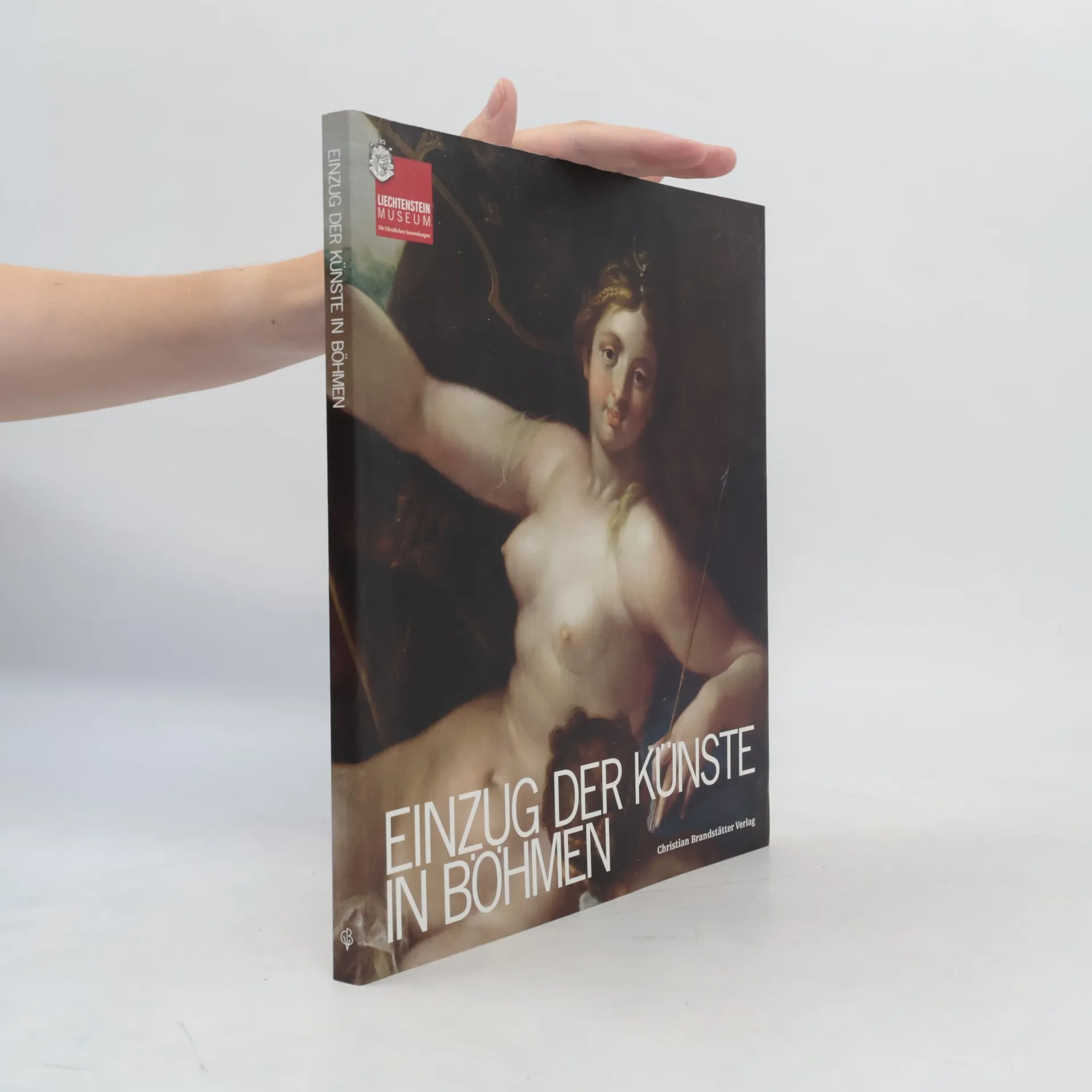
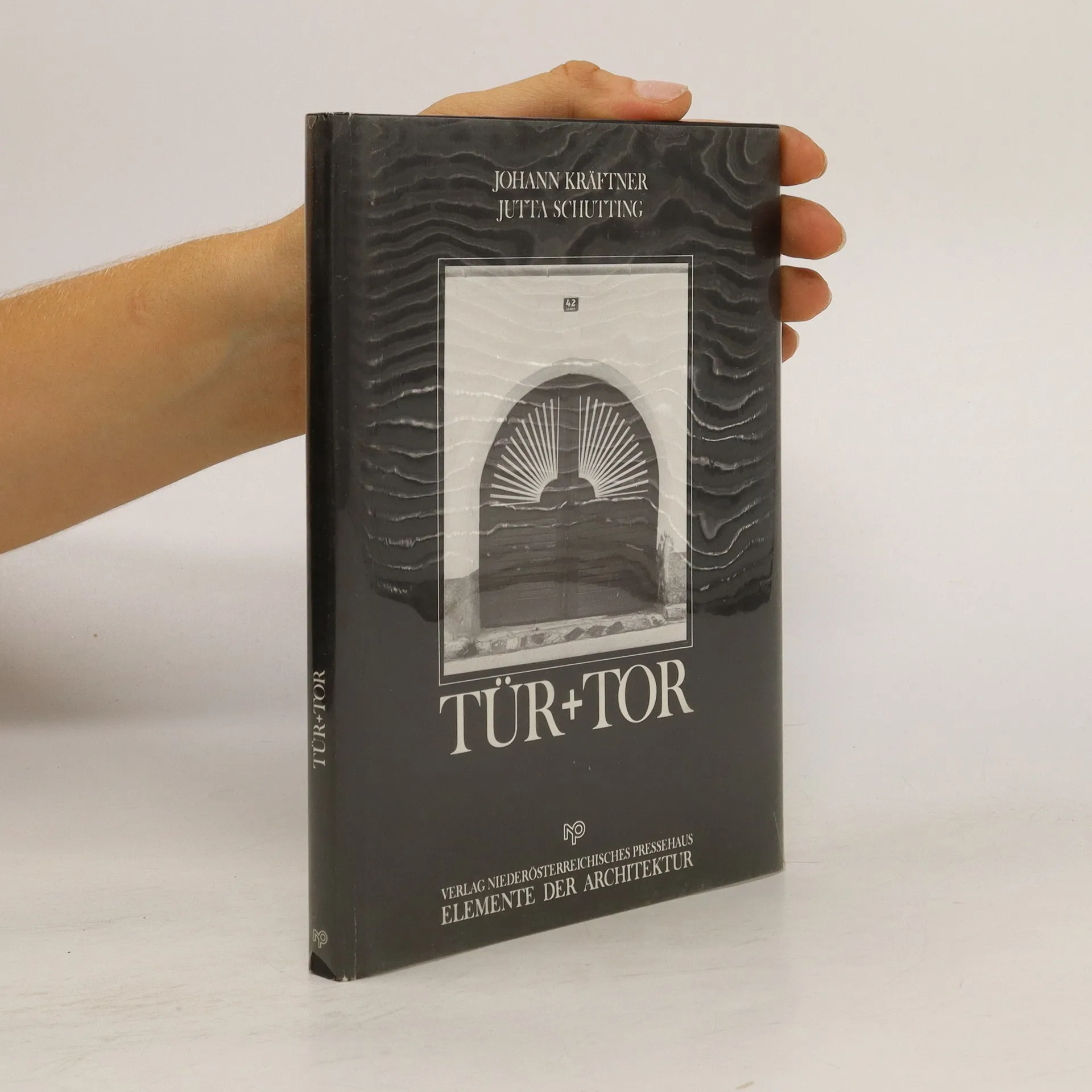
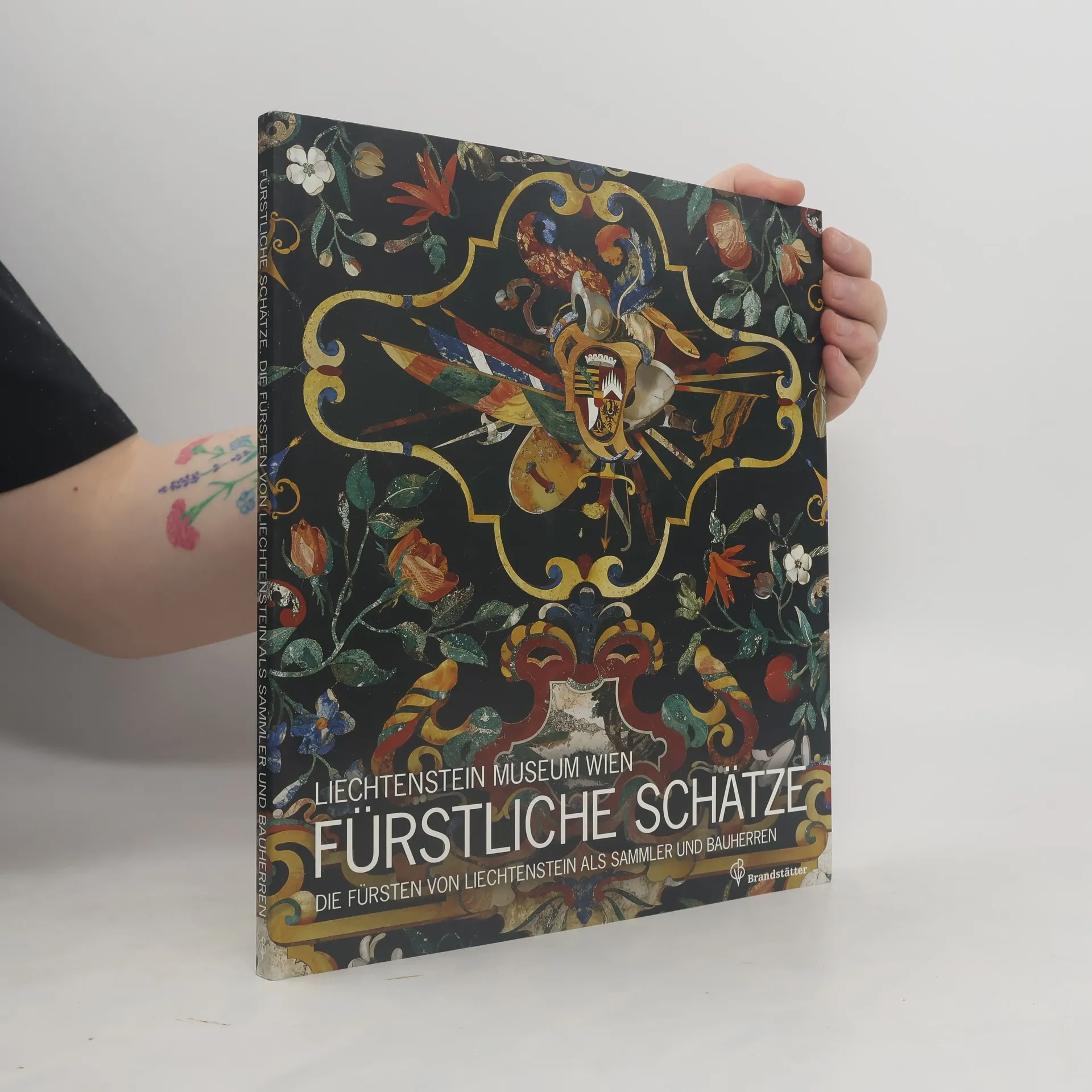
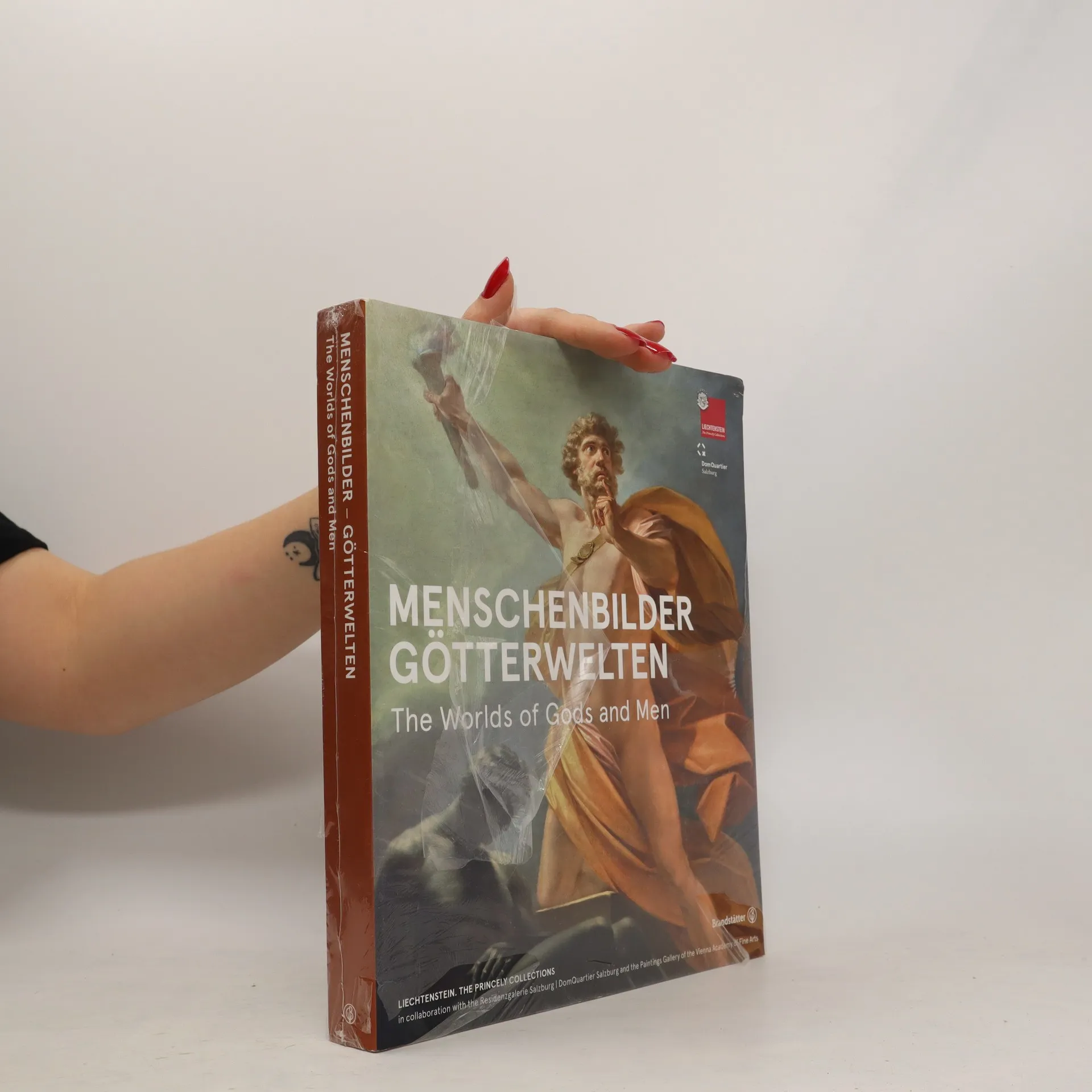
The Worlds of God and Men
- 320pages
- 12 heures de lecture


Johann Kräftner, concepteur d'expositions et directeur de musée autrichien, se concentre sur les dimensions architecturales et historico-artistiques du patrimoine autrichien. Son travail explore souvent les interactions entre l'architecture, l'art et la vie sociale. Avec une profonde compréhension des contextes historiques et des formes artistiques, il crée des expositions et des présentations muséales captivantes. Son approche révèle la richesse et la complexité des héritages culturels en mettant l'accent sur la narration visuelle.

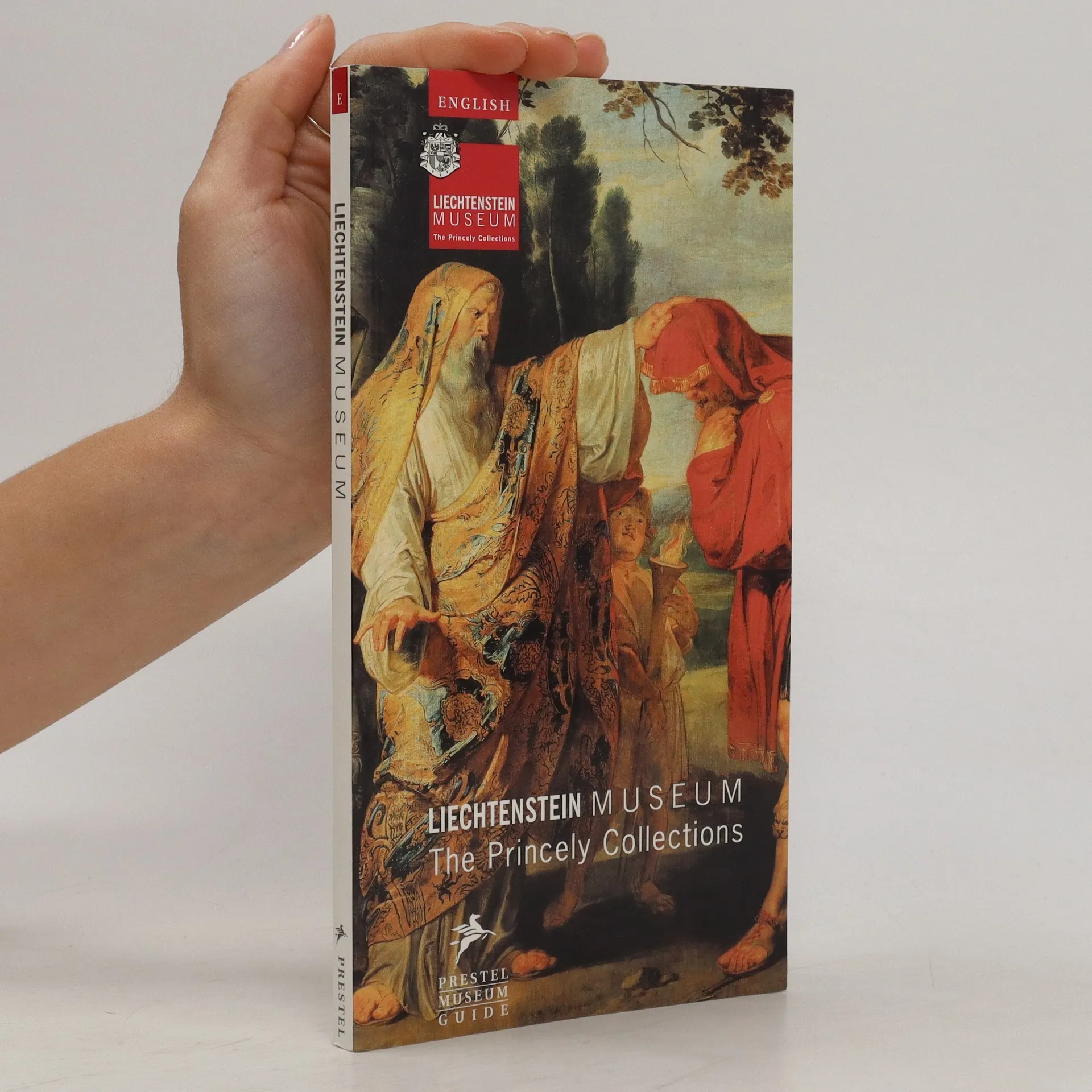
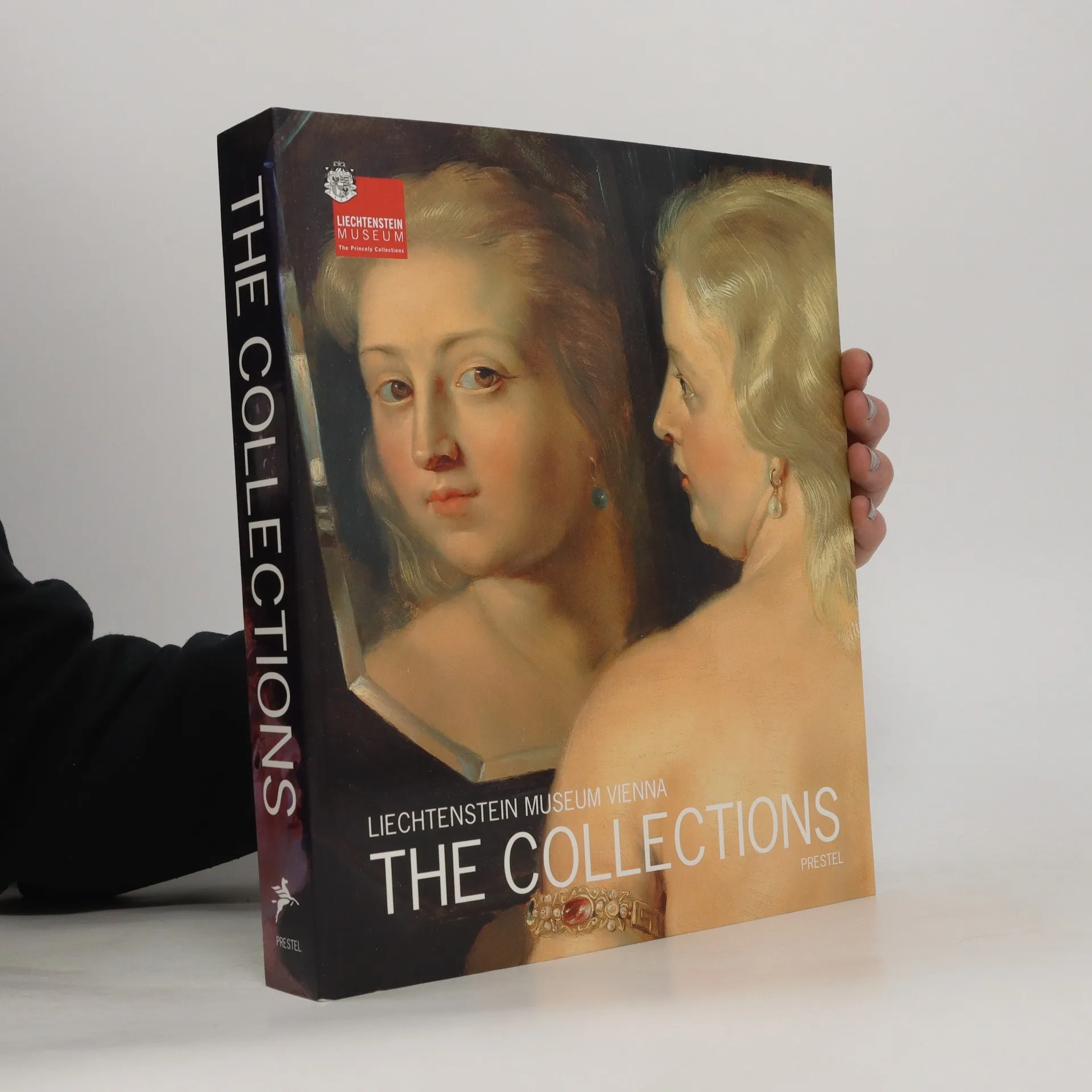
With the opening of the Liechtenstein Museum in Vienna, and incomparable collection of artworks from six centuries returns to its original home. Masterful paintings, sculptures and furniture are displayed at the Liechtenstin Palace, famous for its Baroque architecture and sumptuous gardens. A visit to the the museum is a journey through time, from the Baroque to the Biedermeier eras. In these beautiful publications, explore the collections of this latest world-class museum. Fully illustrated with a bright, informative accompanying text, these titles bring the Liechtenstein Museum to life.
This major illustrated monograph explores the history of gardens, landscape design, and architecture, encompassing both Western and Eastern traditions. Lavishly illustrated, it surveys every period in garden design, from classical antiquity and medieval cloisters to modern trends. The book presents a comprehensive photo documentary of garden history, featuring two millennia of design evolution. It highlights historical and contemporary gardens, emphasizing the connection between gardens and their corresponding houses. The text delves into the transformations, influences, and trends that shape these landscapes, contextualizing their aesthetic appeal. Gardens are portrayed as unique reflections of their environments, influenced by local flora, climate, and societal heritage. From the fountain gardens of Persia to prairie-style designs, and from Zen gardens to the Impressionist gardens of Giverny, the diversity of gardens showcases humanity’s enduring desire to reshape nature. This beautifully photographed volume will engage travelers and garden enthusiasts, inspiring gardeners with fresh ideas for design, horticulture, and practical use.
With the opening of the Liechtenstein Museum in Vienna, an incomparable private collection of artworks from six centuries returns to its original home. Masterful paintings, sculptures and furniture are displayed in the Liechtenstein Palace, famous for its Baroque architecture and sumptuous gardens. A visit to the museum is a journey through time from the Baroque to the Biedermeier eras.
History and restoration of the Princely Palace on Bankgasse in Vienna. Baroque, Neo Rococo, Biedermeier
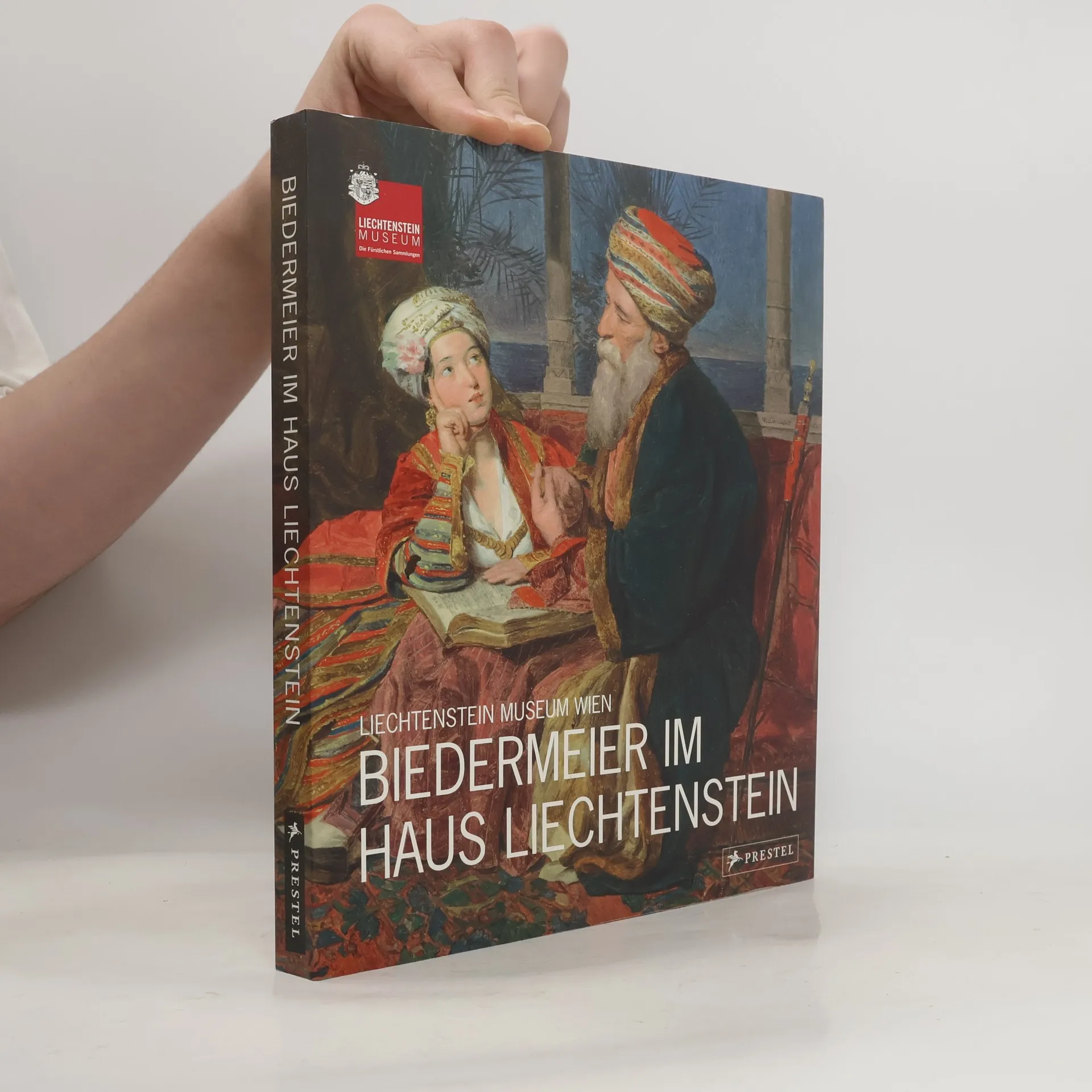
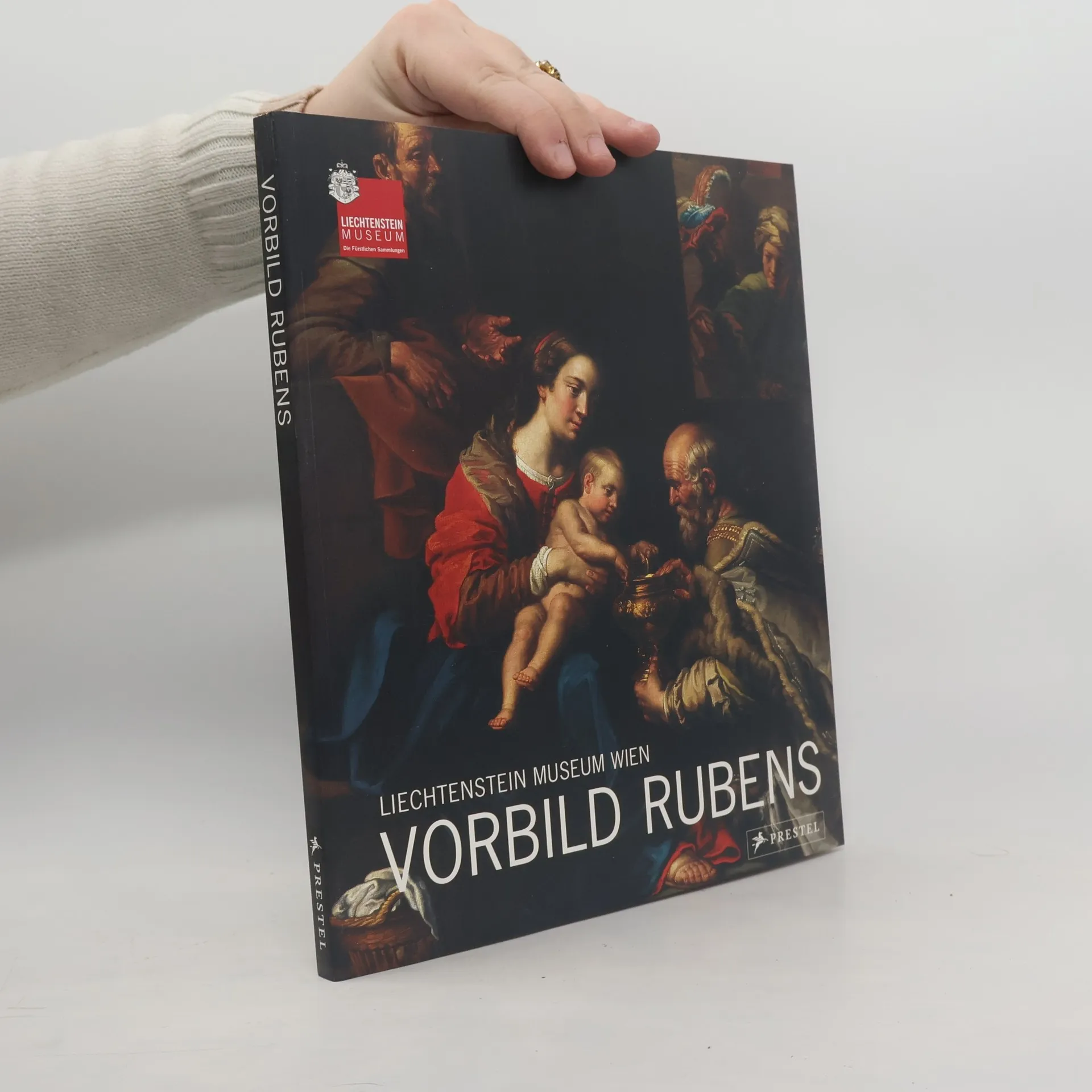
The palace was the first major Baroque structure of this kind in Vienna to take inspiration from the monumentality of its Italian models. From the very outset, it was designed with the idea of accommodating the Princely Collection. The prince set great store by engaging only the very best Italian artists. When it was completed in 1705, the palace must have been a true temple of the muses. It also provided Austrian artists with an opportunity to familiarise themselves with the international world of the Baroque. Almost all of the works by Rubens contained within the Princely Collection were already hanging on the palace walls at the time. From 2004 onwards, Prince Hans-Adam II von und zu Liechtenstein launched a revitalisation project which culminated in a grand reopening in the spring of 2014. The return of the famous Biedermeier Collection of the Princely House of Liechtenstein means that visitors can also now view the same pictures that adorned the wall of the palace following its previous reopening in the mid-19th century. As they proceed from the facade via the High Baroque staircase to the Ceremonial Rooms, the overall work of art that astounded those who travelled to Vienna 150 years ago once again comes alive.
Presents an exhibition catalogue from the Museum Liechtenstein.
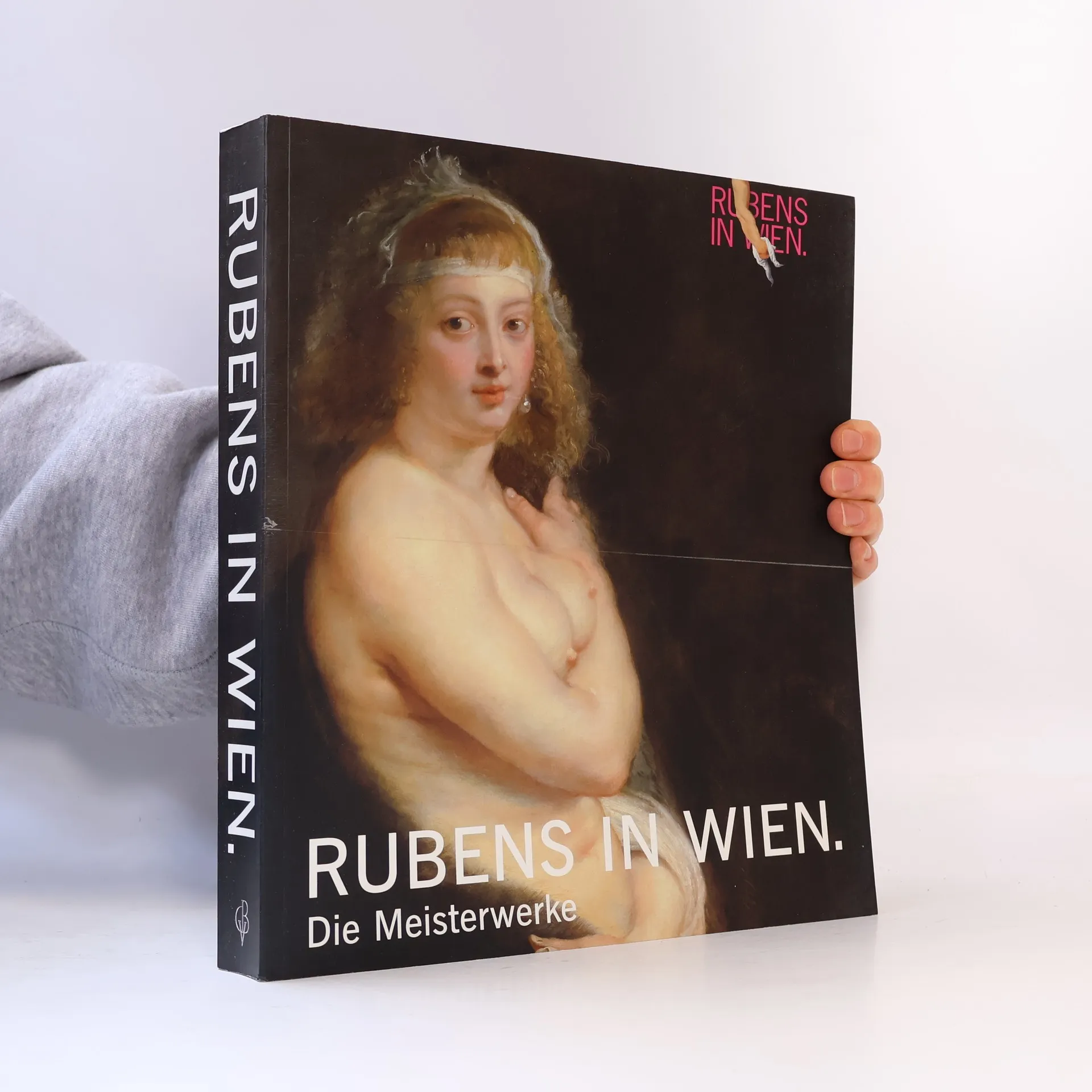
Die Gemälde in den Sammlungen des Fürsten von und zu Liechtenstein, des Kunsthistorischen Museums und der Gemäldegalerie der Akademie der bildenden Künste in WienPeter Paul Rubens : 1577-1640 : die Meisterwerke ; die Gemälde in den Sammlungen des Fürsten von und zu Liechtenstein, des Kunsthistorischen Museums und der Gemäldegalerie der Akademie der Bildenden Künste in Wien.Ausstellung, 5.12.2004-27.2.2005, Liechtenstein-Museum Wien
Das Palais orientiert sich als erstes der großen Wiener Barockpalais an der Monumentalität römischer Vorbilder und war von Anbeginn so ausgelegt, dass es die Sammlung des Fürsten aufnehmen konnte. Der Bauherr legte allergrößten Wert darauf, nur die besten Künstler aus Italien zu beschäftigen. Bei seiner Fertigstellung 1705 muss das Palais ein wahrer Musentempel gewesen sein, in dem auch österreichische Künstler die Welt der internationalen Barockkunst kennenlernen konnten. Fast alle wichtigen Rubens-Werke der Sammlung des Fürstenhauses hingen damals schon an den Wänden. 2004 wurde durch Fürst Hans Adam II. von und zu Liechtenstein das Palais einer Revitalisierung unterzogen. Mit der Rückkehr der berühmten Biedermeiersammlung des Fürstenhauses sind nun auch jene Bilder wieder zu sehen, die die Wände seit der Wiedereröffnung des Gebäudes Mitte des 19. Jahrhunderts schon einmal geschmückt hatten. Heute ist damit von der Fassade über das hochbarocke Treppenhaus bis zu den Prunkräumen wieder jenes Gesamtkunstwerk erlebbar, das schon einmal vor mehr als hundertfünfzig Jahren alle Besucher Wiens zum Staunen gebracht hatte.
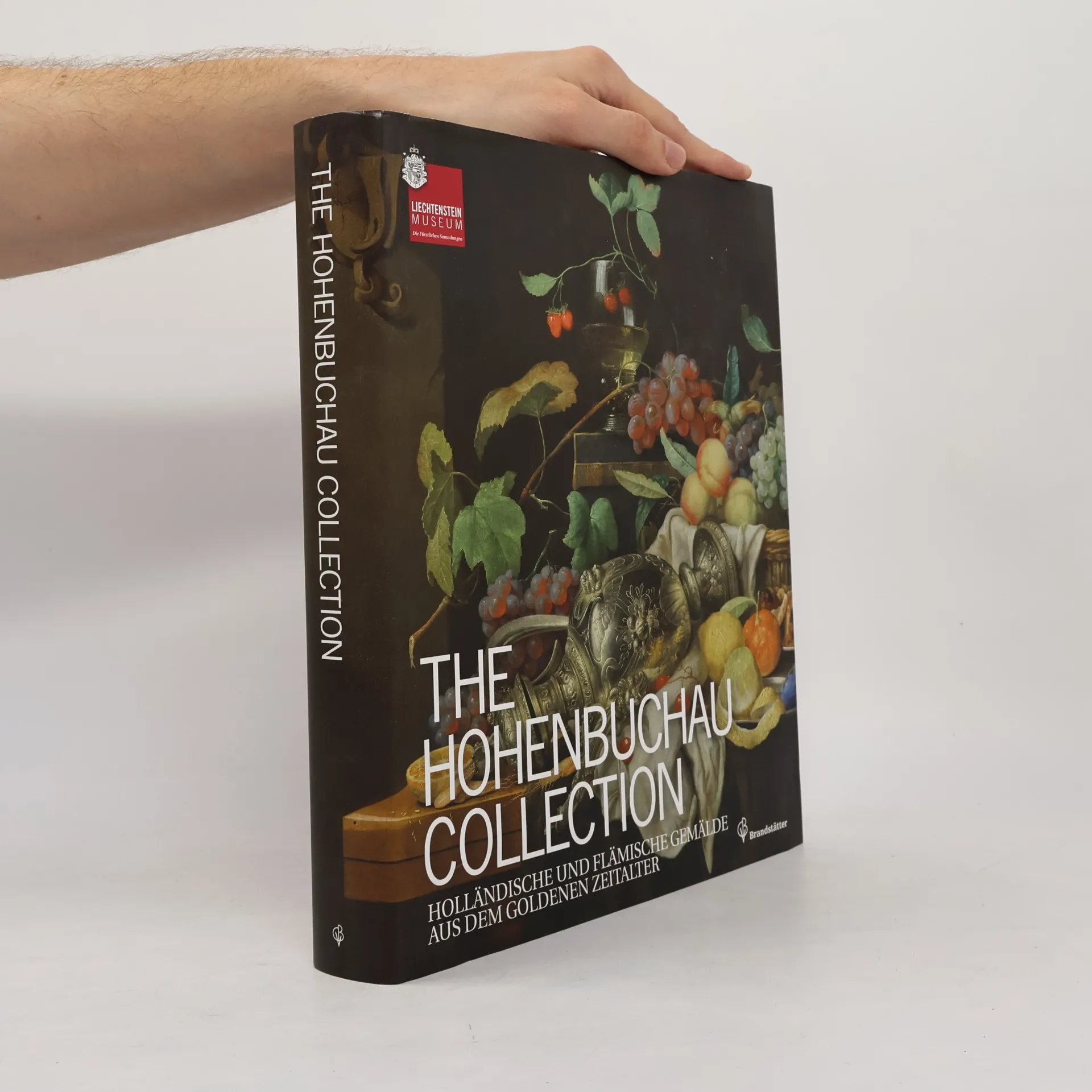
Die Hohenbuchau Collection ist eine der größten Sammlungen nordeuropäischer Barockkunst, mit Schwerpunkt auf der Malerei des 17. Jahrhunderts, insbesondere dem holländischen und flämischen Barock. Sie umfasst eine breite Palette von Bildgattungen und zeigt sowohl bekannte Meister als auch weniger bekannte Künstler.
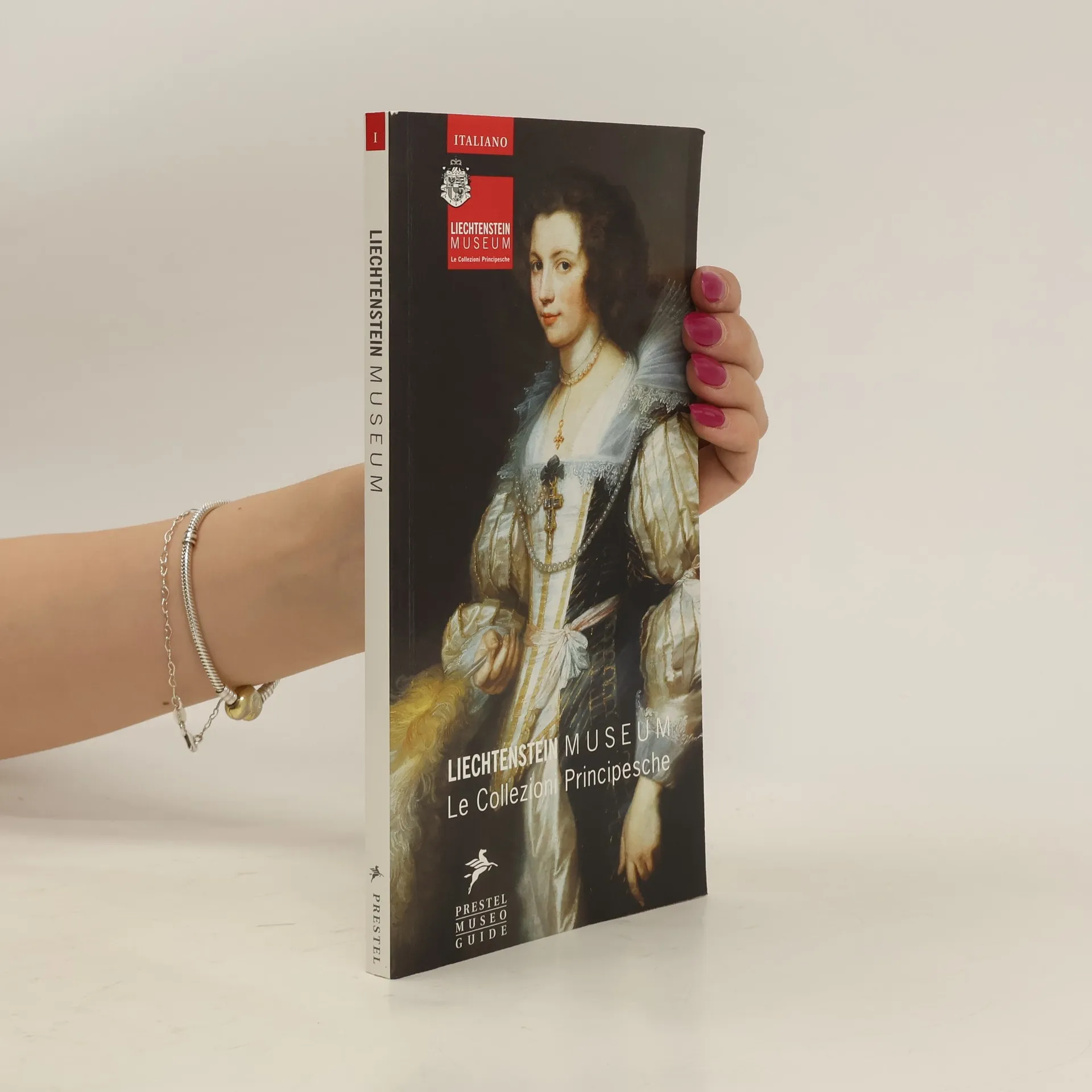
Il volume presenta le collezioni del Principe di e per Liechtenstein, che includono capolavori di Mantegna, Raffaello, Giambologna, Rubens e Rembrandt, nella loro pienezza e bellezza. Riccamente illustrato e accompagnato da testi esplicativi, offre su oltre 400 pagine uno spettro dell'attività di collezionismo dei principi di Liechtenstein, che si è concentrata non solo su dipinti, ma anche su sculture, oggetti di camera delle meraviglie, arazzi e mobili. Viene inoltre presentato il Palazzo con i suoi straordinari affreschi di Johann Michael Rottmayr e Andrea Pozzo, nonché il vasto giardino paesaggistico inglese, fondato su una struttura barocca.
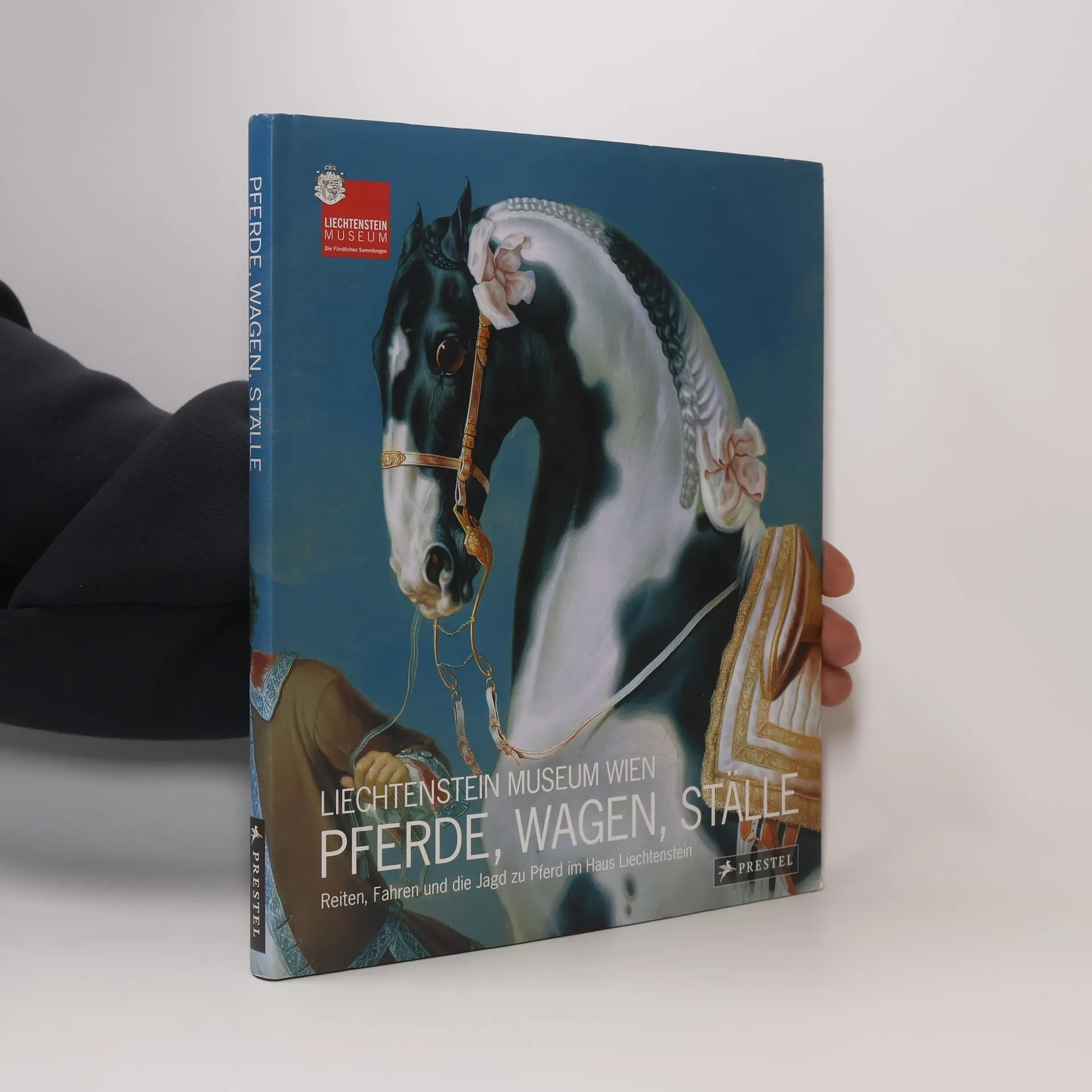
Für das Haus Liechtenstein spielten Pferde bis ins 19. Jahrhundert hinein eine wichtige Rolle. Seit dem 17. Jahrhundert wurden sie zur Repräsentation bei prachtvollen Ausritten und Ausfahrten mit den Prunkwagen eingesetzt. Daneben dienten die edlen Tiere als wertvolle diplomatische Geschenke und manchmal sogar als Tauschobjekte gegen ein Kunstwerk, das so seinen Weg in die Fürstlichen Sammlungen fand. Die prächtigen Kunstwerke, Stiche und Fotografien entführen den Leser und Betrachter in die Welt der Familie Liechtenstein und lassen ihn teilhaben an ihrer Leidenschaft für edle Rosse, prunkvolle Karossen sowie die Jagd zu Pferd. Diese Publikation wird Kunst- und Pferdeliebhaber gleichermaßen begeistern.
Das Mäzenatentum und die Sammeltätigkeit der Familie Liechtenstein reichen über 600 Jahre zurück. Jeder der Vorfahren von Fürst Hans-Adam II. von und zu Liechtenstein hat in dieser langen Zeitspanne Kunstwerke erworben und seinen eigenen Geschmack eingebracht. Schon früh kristallisierten sich Schwerpunkte heraus, die den Sammlungen noch heute ihr unverwechselbares Profil geben: Fürst Karl I. begründete mit Werken von Adrian de Fries die Skulpturensammlung, Fürst Karl Eusebius I. und Fürst Johann Adam Andreas I. bauten eine der bedeutendsten Sammlungen flämischer Malerei auf. 1810–1938 waren die Bestände der Familie Liechtenstein im Gartenpalais in der Rossau ausgestellt. Gegen Ende des 2. Weltkrieges wurde die Kunstsammlung nach Vaduz verbracht. Seit 2004 sind wesentliche Teile der Sammlungen, durch Neuerwerbungen der letzten Jahre ergänzt, im restaurierten Gartenpalais und seit 2012 im ebenfalls revitalisierten Stadtpalais wieder dem Publikum zugänglich.
Seit dem beginnenden 17. Jahrhundert sammelten die Fürsten von Liechtenstein Bronzen. Den monumentalen Plastiken des Adrian de Fries, dem „Christus im Elend“ und dem „Heiligen Sebastian“, folgten bald auch Kopien nach den großen Antiken und den zeitgenössischen Skulpturen der Familie Medici in Florenz, zum Teil in Originalgröße, zum Teil in reduziertem Maßstab in Bronze gegossen. Nicht zuletzt durch die Ankäufe des heute Regierenden Fürsten Hans-Adam II. von und zu Liechtenstein, der kapitale Bronzen von Mantegna, Sansovino, Antico und Tacca erworben hat, um nur die wichtigsten Namen zu nennen, ist die Bronzensammlung heute eine der weltweit bedeutendsten. Dieser Band (erschienen im Rahmen einer Ausstellung im März 2023 im Wiener Gartenpalais Liechtenstein) zeigt beinahe alle dieser Bronzen der Fürstlichen Sammlungen, ergänzt durch kostbare Leihgaben, vom Adlerpult aus dem Dommuseum in Hildesheim über Leonardo da Vincis Reiterstatuette aus Budapest bis zu Plastiken von Giambologna und Adrian de Fries aus Braunschweig und der Kunstkammer des Kunsthistorischen Museums in Wien.
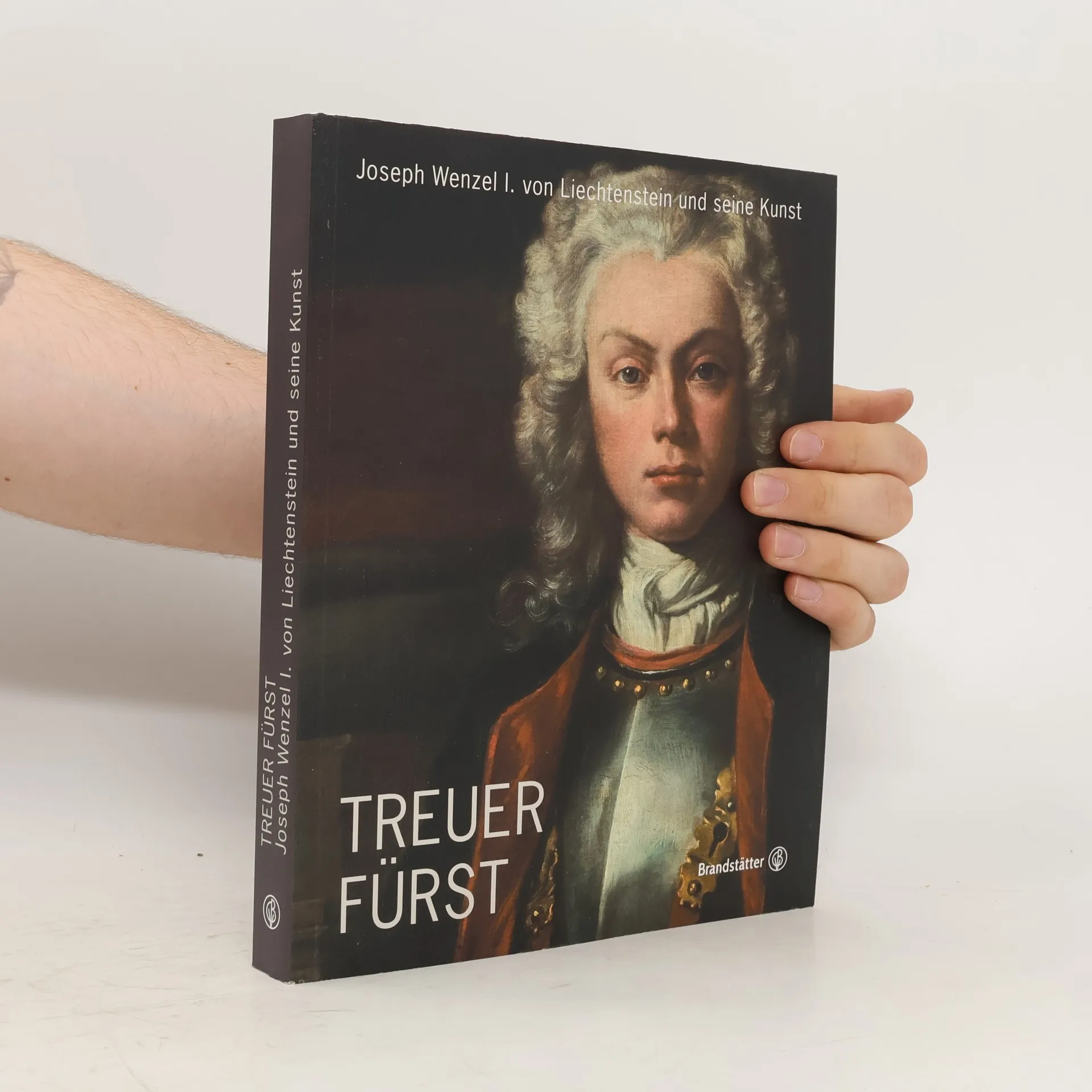
Joseph Wenzel von Liechtenstein (1696–1772) war einer der bedeutendsten Fürsten aus dem Haus Liechtenstein, Militär, Diplomat und Kunstsammler. Mit den großen Herrscherpersönlichkeiten seiner Zeit, Maria Theresia von Österreich, Friedrich dem Großen in Preußen und dem französischen König Ludwig XV. stand er in regem Austausch. Bei der Beauftragung und dem Ankauf von Kunstwerken richtete sich sein Blick nicht nur auf Vergangenes, sondern in den Ateliers von Chardin in Paris oder Canaletto in Venedig kaufte er auch die Kunst seiner Gegenwart. Dieser Band (erschienen im Rahmen einer Ausstellung im Wiener Gartenpalais Liechtenstein) gibt anhand von 142 Sammlerexponaten und Objekten (vom Goldenen Wagen über Gemälde, Büsten, Porzellan, Urkunden und vielen weiteren Kunstobjekten) eindrucksvoll Einsicht in das Leben und Wirken des Fürsten und seine Zeit.
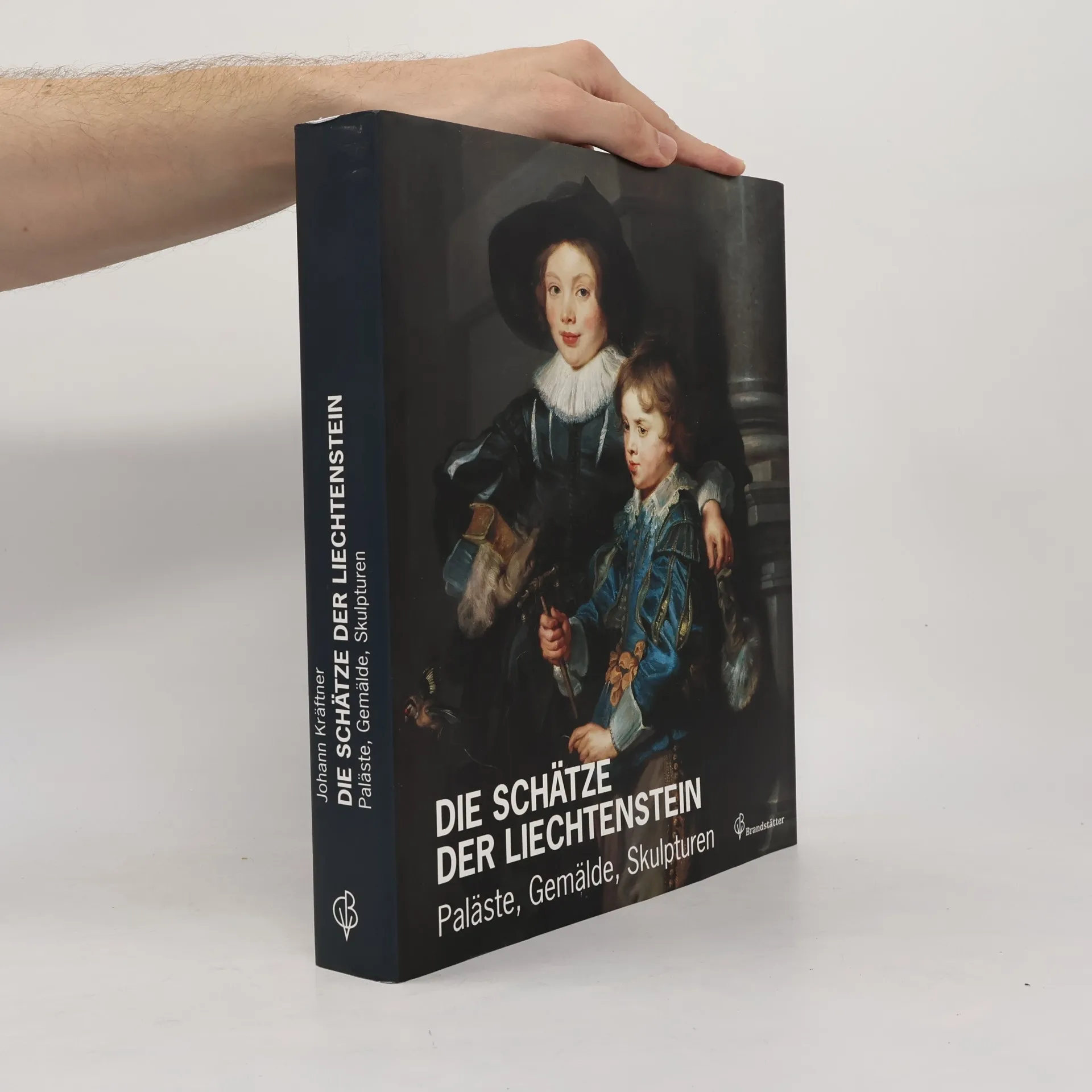
Fast programmatisch für die gesamte Geschichte der bildenden Kunst ist bereits in der Genesis festgehalten: „Und Gott schuf den Menschen in seinem Bilde, im Bilde Gottes schuf er ihn; als Mann und Weib schuf er sie.“ Dieser Band widmet sich folgerichtig dem schönsten Thema der bildenden Kunst, der Darstellung des Menschen- und Gottesbildes in über 300 Jahren klassischer europäischer Malerei und Skulptur. Begeben Sie sich auf eine Entdeckungsreise durch die Kunstgeschichte: von den antiken Göttermythen über die christliche Darstellungswelt bis hin zur Porträtmalerei im 19. Jahrhundert zeigt dieses Buch hochkarätige Gemälde sowie Plastiken und Skulpturen, ergänzt durch spannende Essays internationaler Experten.
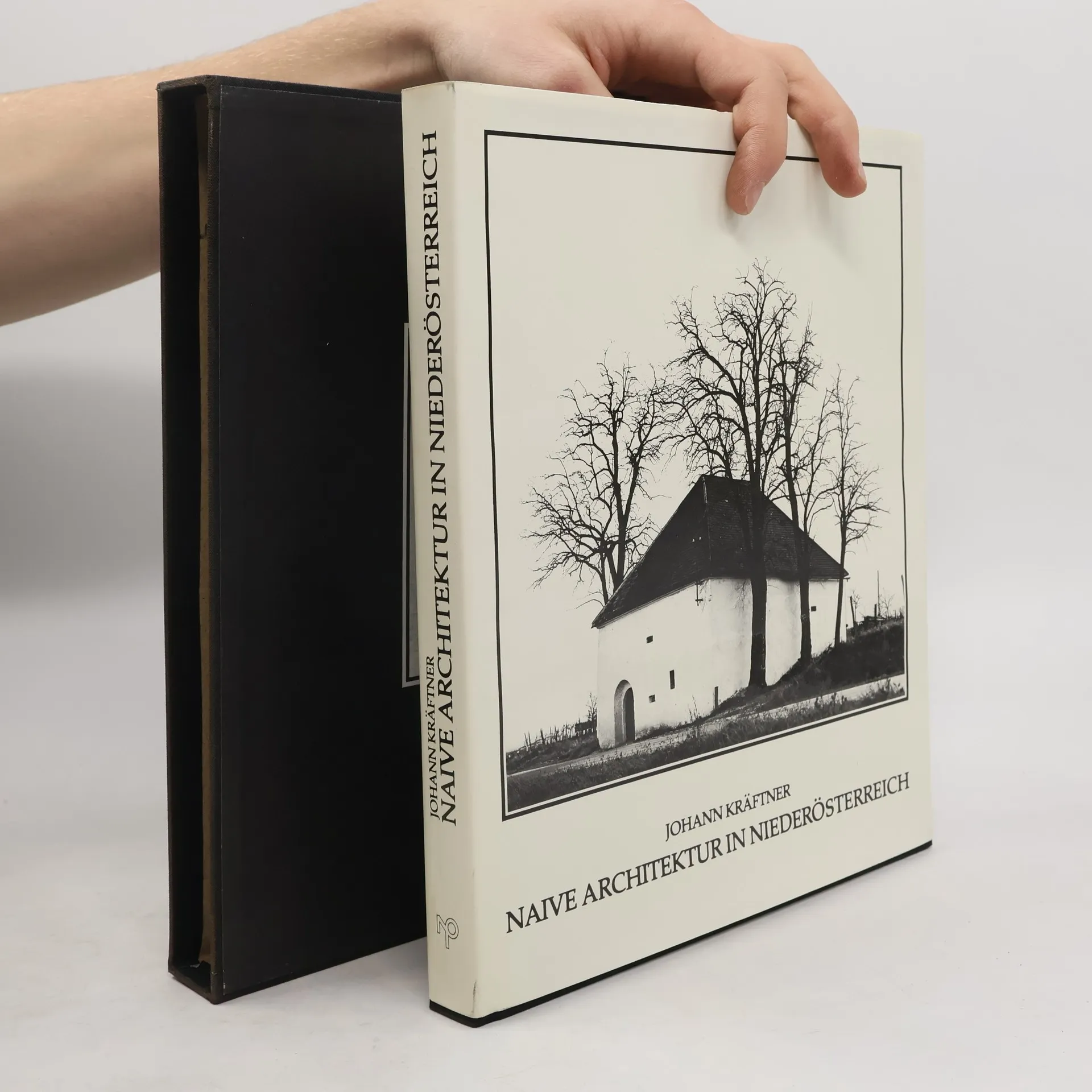
Johann Kräftner gelingt mit diesem Buch die erste umfassende Darstellung der Epoche des Klassizismus und Biedermeier in Mitteleuropa. Erstmals werden nicht nur die adeligen Prunkbauten, sondern auch die bahnbrechenden Neuerungen beim Bau öffentlicher Vergnügungsstätten wie Oper, Theater und Ballsaal, Bauten der öffentlichen Wohlfahrt sowie Industriebauten beleuchtet. Viele heute selbstverständliche, damals aber revolutionäre Bautypen wurden im Klassizismus und vor allem im Biedermeier erstmals voll durchentwickelt: das öffentliche Bad, das Museum, die Bank, die Fabrik, ja sogar das Projekt eines „Kunstforums“ mit einem Theater, einem Opernhaus, einem Museum und einer Akademie im Vorfeld der Hofburg war geplant. Jahrelange Recherche und eine überbordende Fülle an Anschauungsmaterial liegen dieser fundierten Neubewertung einer zukunftsweisenden Epoche zugrunde. Zum ersten Mal werden in diesem Buch auch die Nutzbauten der Zeit untersucht, und die bild- und detailreiche Analyse der Innenräume – im Spannungsfeld zwischen adeligem Raffinement und industrieller Fertigung – ermöglicht einen frischen Blick auf die Architektur- und Designgeschichte.
Seit der Fertigstellung des Stadtpalais Liechtenstein 1705 und der Öffnung des fast gleichzeitig entstandenen Gartenpalais in der Rossau als Galeriegebäude für das allgemeine Publikum 1810 bildete die Sammlung des Fürsten von Liechtenstein einen Brennpunkt der Wiener Kultur- und Museumsszene. Der Bildband stellt die wichtigsten Wiener und darüber hinaus auch die mährischen und böhmischen Palais und Schlösser der Fürstenfamilie vor, wobei der Schwerpunkt auf den drei Palais in der Haupt- und Residenzstadt der Habsburger liegt. Den zweiten Schwerpunkt der Publikation bildet die Vorstellung der wichtigsten Werke der Fürstlichen Sammlungen, heute die bedeutendste noch existierende Privatsammlung der Welt und in den letzten Jahren um ganz wesentliche Werke erweitert.
Gärten sind Paradiese von Menschenhand: Natur und Architektur werden eins. Von den Gärten der Antike ausgehend, präsentiert dieser in jeder Hinsicht opulente Bildband die großen historischen Gartentypen der nördlichen Hemisphäre: den italienischen – die Wiedergeburt Arkadiens –, die „geordnete Natur“ des französischen und die inszenierten Landschaften des englischen Gartens. Die Wunderwelt des chinesischen Gartens sowie die japanische Gartenkunst, deren Abstraktion eine Einladung zur Meditation ist. Die spektakulären Fotografien von Johann Kräftner lenken den Blick auf die dazugehörigen grünen, gläsernen und steinernen Architekturen und erlauben auch Einblicke in kleine private Gärten und verborgene royale Hofgärten. Den Abschluss bilden Gärten der Moderne, die auf die neuen urbanen und ästhetischen Bedingungen seit der Gründerzeit stimmige Antworten gefunden haben. Das Ortsregister im Anhang ist wie ein Reiseführer zu den großartigsten, spektakulärsten und gelungensten Gartenparadiesen der Welt zu lesen.
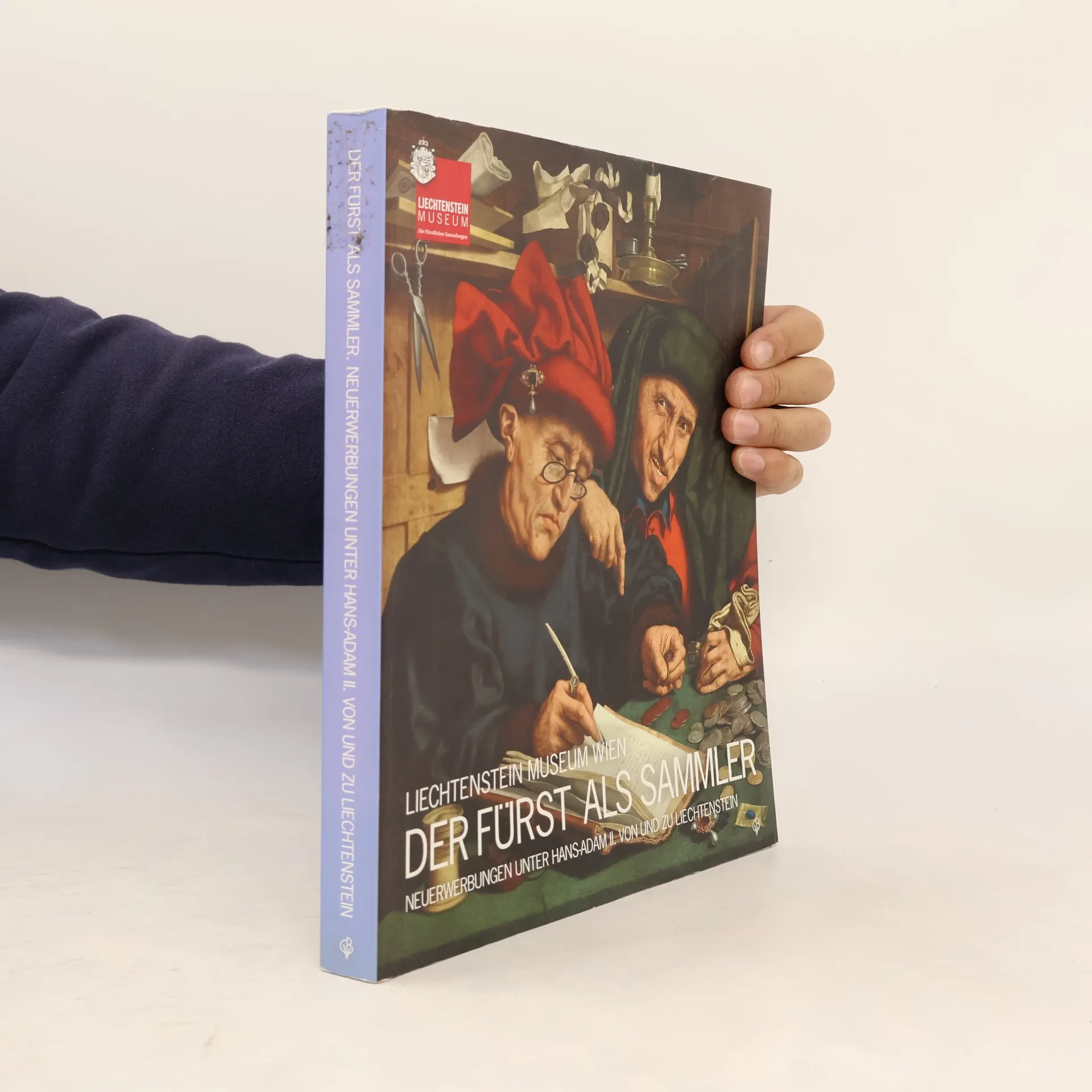
Fürst Hans-Adam II. von und zu Liechtenstein ist im Besitz einer der größten und bedeutendsten Kunstsammlungen der Welt. Meisterwerke europäischer Kunst aus fünf Jahrhunderten von der Frührenaissance bis zum Barock bilden den Kernbestand dieser Privatsammlung. Durch die aktive Ankaufspolitik des heute regierenden Fürsten konnten die Bestände in den letzten Jahren durch zahlreiche Neuerwerbungen ergänzt werden. Rund 140 Highlights der mittlerweile über 700 hochkarätige Akquisitionen werden anlässlich des 65. Geburtstags des Fürsten in einer Ausstellung im Liechtenstein Museum präsentiert. Der reich illustrierte Katalog stellt eine repräsentative Auswahl der bedeutendsten Neuerwerbungen des Fürsten in ausführlichen Beschreibungen vor. Außerdem enthält er einen Verzeichnisteil sämtlicher Objekte, die in den letzten Jahrzehnten für die Fürstlichen Sammlungen angekauft wurden.
Die Publikation „Halt und Zierde“ zeigt einen Querschnitt durch die Geschichte und die Typologie des Rahmens vom späten Mittelalter bis ins 19. Jahrhundert. Beleuchtet werden auch die unterschiedlichen Techniken: von der konstruktiven Holzarbeit bis zur Fassung, Vergoldung oder Patinierung. Etwa 100 Objekte aus den Beständen des Liechtenstein Museums werden ergänzt durch Werke bedeutender Privatsammlungen in England, Frankreich und Deutschland sowie durch kostbare Exemplare von Museen aus dem In- und Ausland. Dem Betrachter eröffnet sich so der Blick auf Originalrahmen der Fürstlichen Sammlungen, darunter zahlreiche spektakuläre Prunkstücke: ein monumentaler Tondo aus dem 15. Jahrhundert, ein barocker Spiegelrahmen römischen Ursprungs von gewaltigen Dimensionen, ein Bilderrahmen nach einem Entwurf Gian Lorenzo Berninis oder ein reich beschlagener Ebenholzrahmen Massimo Soldani-Benzis. Dieses Buch illustriert das Phänomen des Rahmens im Kontext mit Möbeln, Metallarbeiten, Majoliken, Textilien und Porzellanen sowie Zeichnungen und Ornamentstichen bis hin zu kostbar gefassten Miniaturen.
In Neapel, der Stadt am Fuße des Vesuvs, brannte vom 17. bis zum Beginn des 19. Jahrhunderts geradezu die Luft vor Kreativität. Die Stadt war zu der Zeit nicht nur die größte Südeuropas, sondern auch eines der wichtigsten Kunstzentren des Barock. Der Maler Caravaggio, der sich 1606 dort niederließ, löste eine Zuwanderungswelle von Künstlern aus, die Neapel nicht nur auf dem Gebiet der Malerei, sondern auch auf dem der Bildhauerei, des Kunsthandwerkes und der Musik zum Mittelpunkt der internationalen Kunstentwicklung machte. Dieser üppig bebilderte Ausstellungskatalog zeigt die kostbarsten und beeindruckendsten Kunstwerke aus dieser Zeit und schenkt dem Leser eine überwältigende Reise zur barocken Kunst.
Zur Ausstellung „Rubens in Wien“ erscheint ein Zusatzkatalog, der die große Bedeutung von Rubens für seine Zeitgenossen, Schüler und Nachfolger aufs Prächtigste dokumentiert
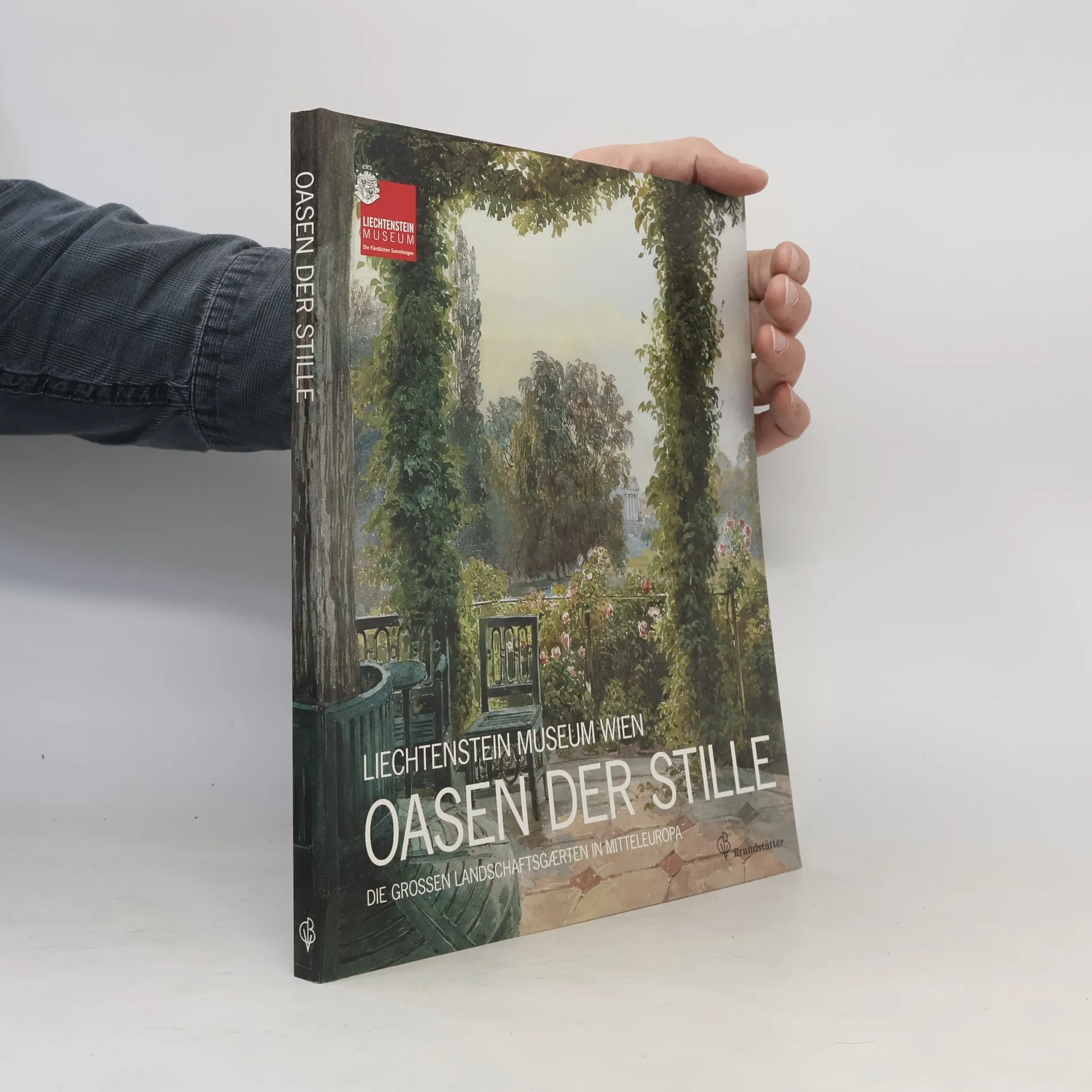
Der Katalog zeichnet in über 200 Gemälden, Grafiken, Plänen, Karten, Fotos und Skulpturen Geschichte und Schönheit dieser Gartenwelten nach und entführt aus der Hektik der heutigen Zeit in die Stille grüner und blühender Oasen. Ausgehend von frühen Beispielen, wie etwa dem Wiener Prater oder dem Park in Laxenburg, bei denen zum Teil weitläufige Jagdgebiete des Herrscherhauses öffentlich zugänglich gemacht wurden, spannt sich der Bogen über die Gärten an den östlichen Ausläufern des Wienerwaldes (Kahlenberg, Leopoldsberg, Gallitzinberg und Predigtstuhl, Neuwaldegg, Hinterbrühl) über die Anlagen von Schönau/Triesting, Vösendorf, Bruck/Leitha, Eisenstadt und Göllersdorf bis hin zu den grossen liechtensteinischen Landschaftsgärten im nördlichsten Niederösterreich und in Südmähren. Bilder von Bellotto, Hackert, Rebell, Waldmüller, Alt oder Höger vermitteln ein umfassendes Bild dieses kulturhistorischen Themas, das eng mit der Philosophie und Geschichte der Zeit zwischen 1760 und 1850 verwoben ist.
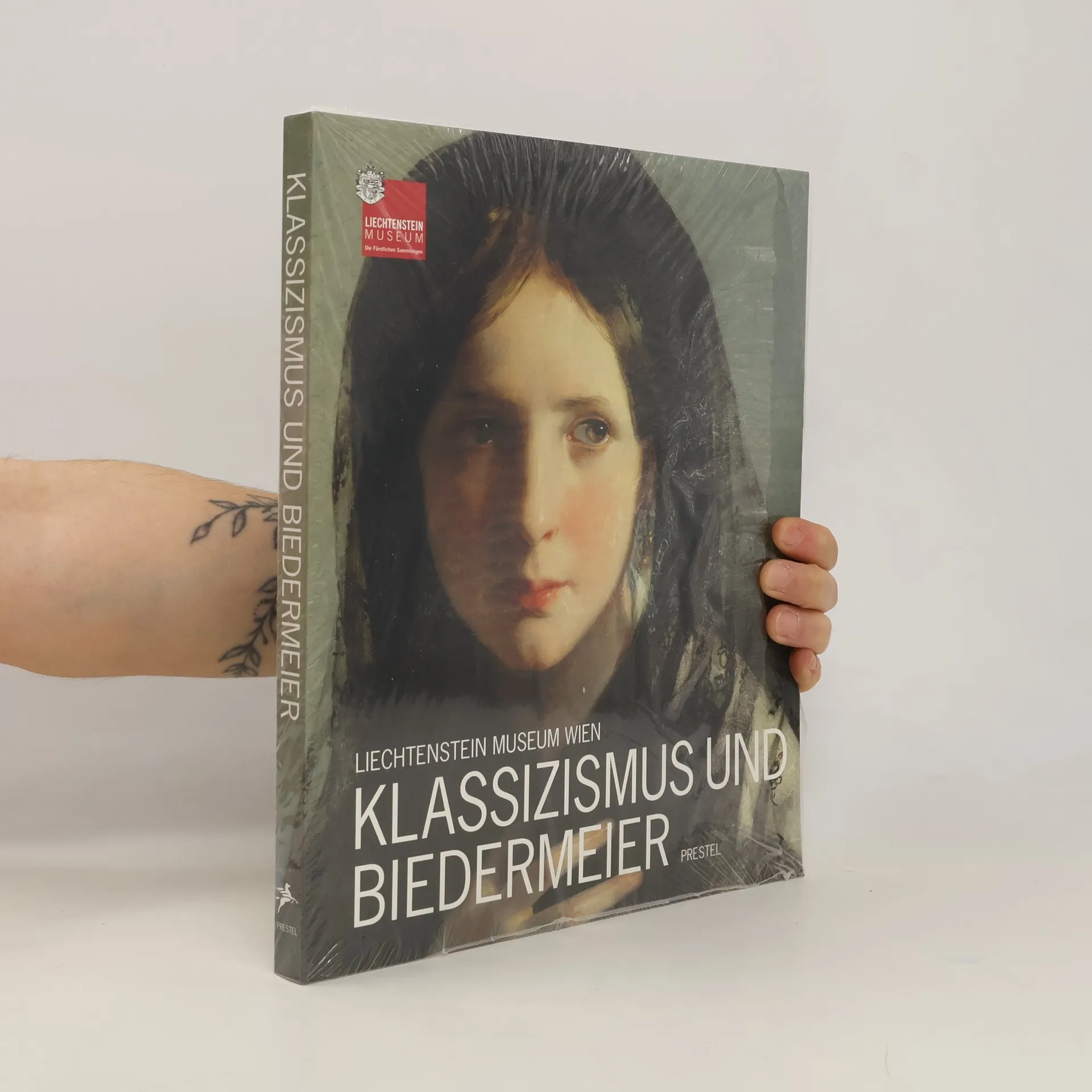
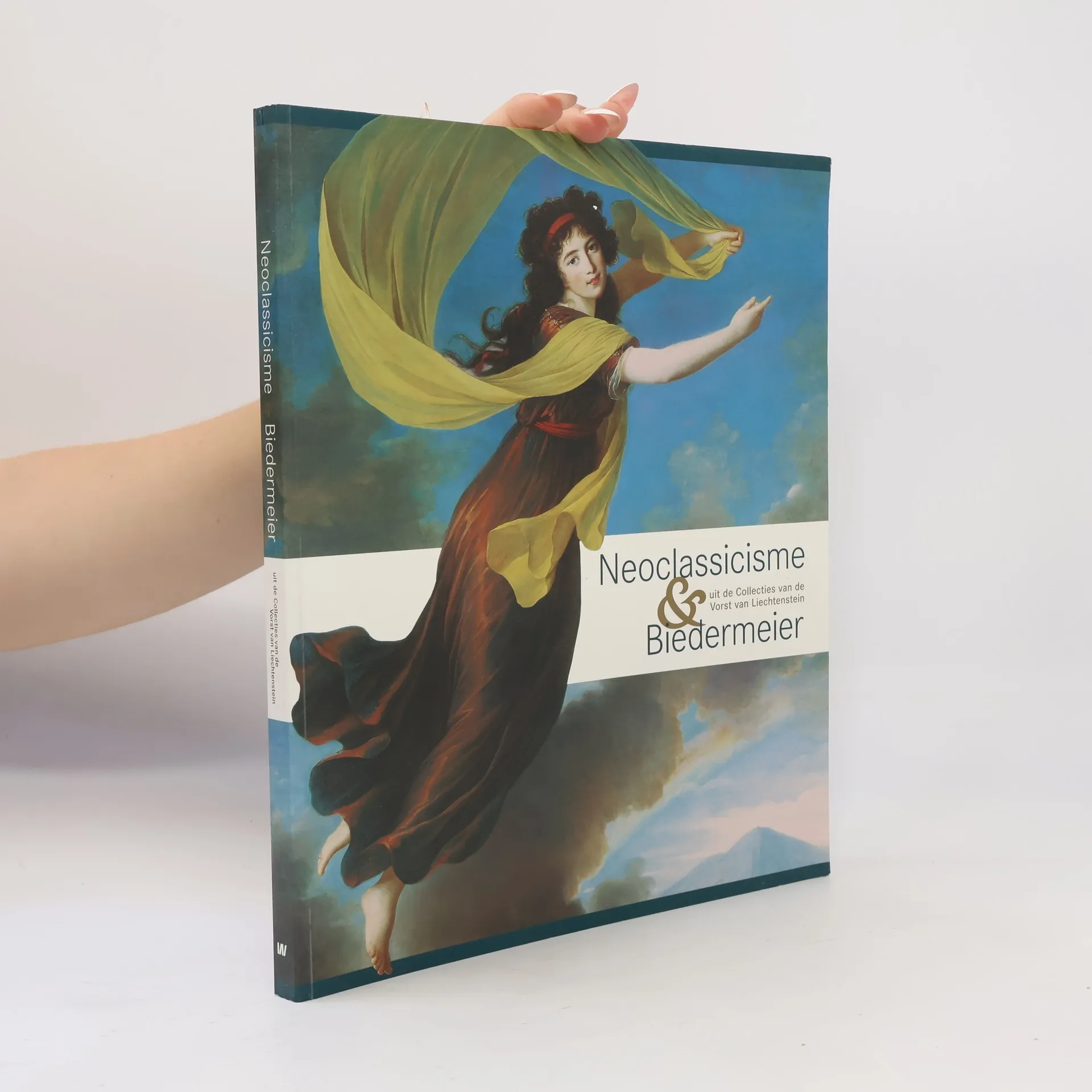
Anlässlich der Eröffnung des Liechtenstein Museums in Wien bilden frühe Antikenrezeption, Klassizismus und Biedermeier den Thematischen Schwerpunkt der ersten Wechselausstellung im Damenappartement des Gartenpalais. Auf diesen künstlerischen Epochen liegt ein Schwerpunkt der Fürslichen Sammlungen; die Eröffnungsausstellung zeigt Glanzstücke von Posthumus, Panini, Waldmüller, Amerling, Hayez, Canova, Zauner oder Fischer.
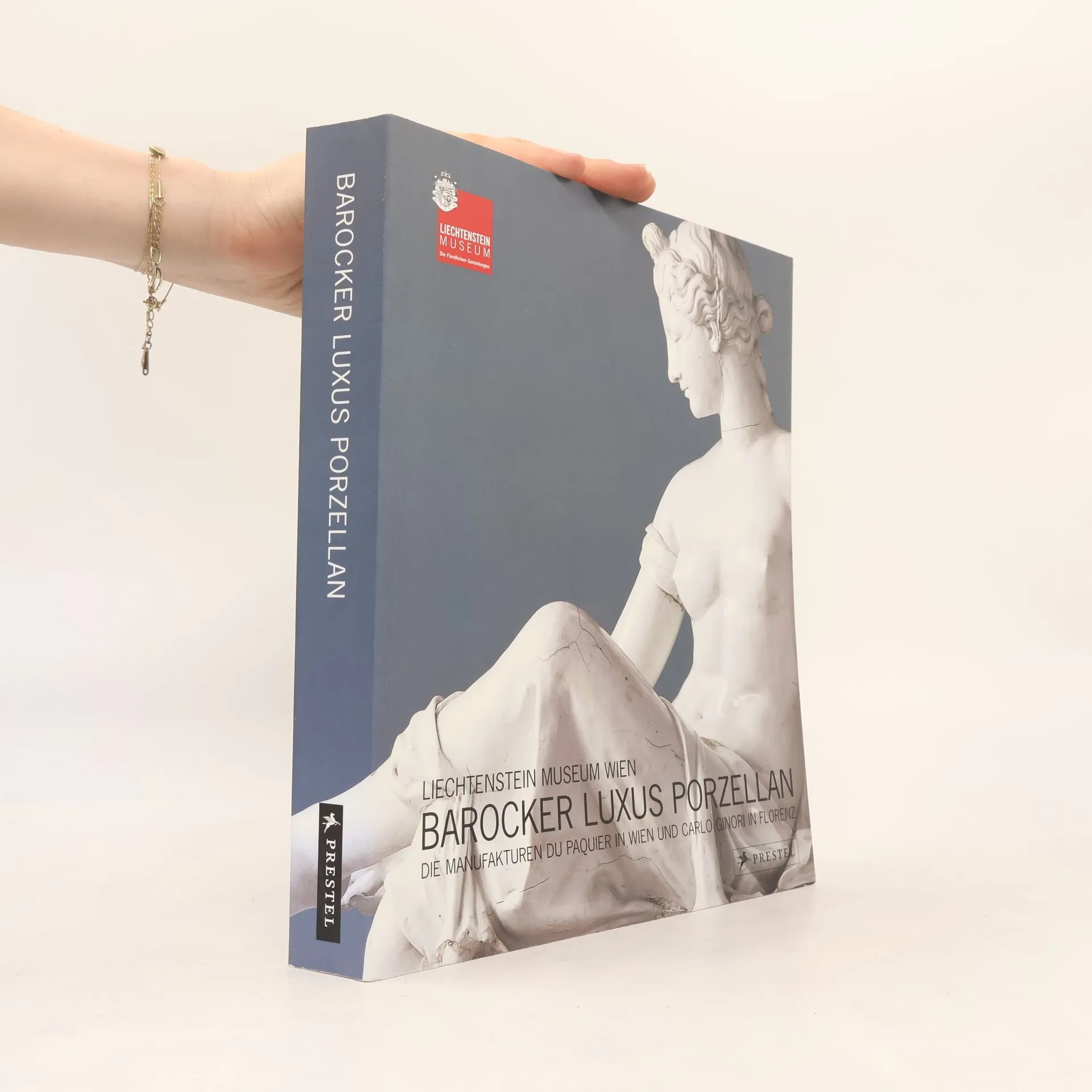
Die Manufakturen Du Paquier in Wien und Carlo Ginori in Florenz
Porzellan galt seit jeher als Zeichen des besonderen Reichtums und Luxus, nicht ohne Grund wird es auch „weißes Gold“ genannt. Mit welcher Leidenschaft fürstliche Auftraggeber und rege Unternehmer gemeinsam die edelsten Produkte auf dem Gebiet der Skulptur aber auch des Gebrauchsporzellans entwickelten, zeigt diese Publikation, die sich den Manufakturen Du Paquier in Wien und Carlo Ginori in Florenz sowie deren fürstlichen Auftraggebern widmet.
De tentoonstelling "Neoclassicisme en Biedermeier uit de Collecties van de Vorst van Liechtenstein" geeft met een bijzondere selectie van schilderijen, sculpturen, meubels en porselein uit de Sammlungen des Fürsten von und zu Liechtenstein te Vaduz en Wenen een inspirerend beeld van de kunst uit de periode 1775-1850. Het is voor het eerst dat de collectie neoclassicistische en biedermeierkunst van de Vorst van Liechtenstein, Hans-Adam II, in Nederland wordt getoond, na presentaties in het Liechtenstein Museum te Wenen, het Kunstmuseum in Vaduz, het Pushkin Museum in Moskou en het Kunstgewerbemuseum (locatie Waldstein'sche Reithalle) in Praag. Exhibition: Museum de Fundatie, Heino/Wijhe and Zwolle.
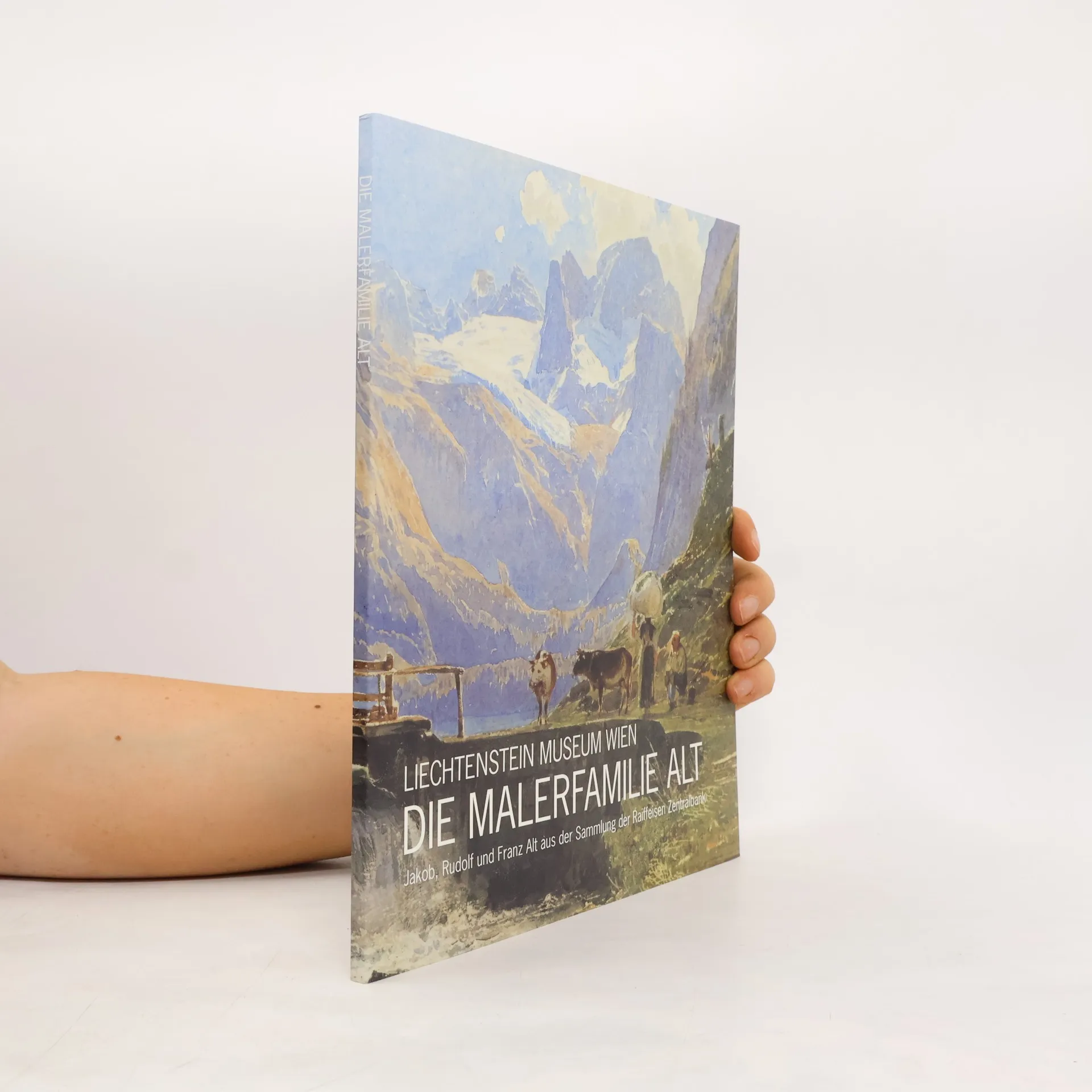
Jakob, Rudolf und Franz Alt in der Sammlung der Raiffeisen-Zentralbank; anlässlich der Ausstellung "Die Malerfamilie Alt. Jakob, Rudolf und Franz Alt in der Sammlung der Raiffeisen-Zentralbank" im Liechtenstein-Museum Wien, 29. Juni bis 20. August 2007