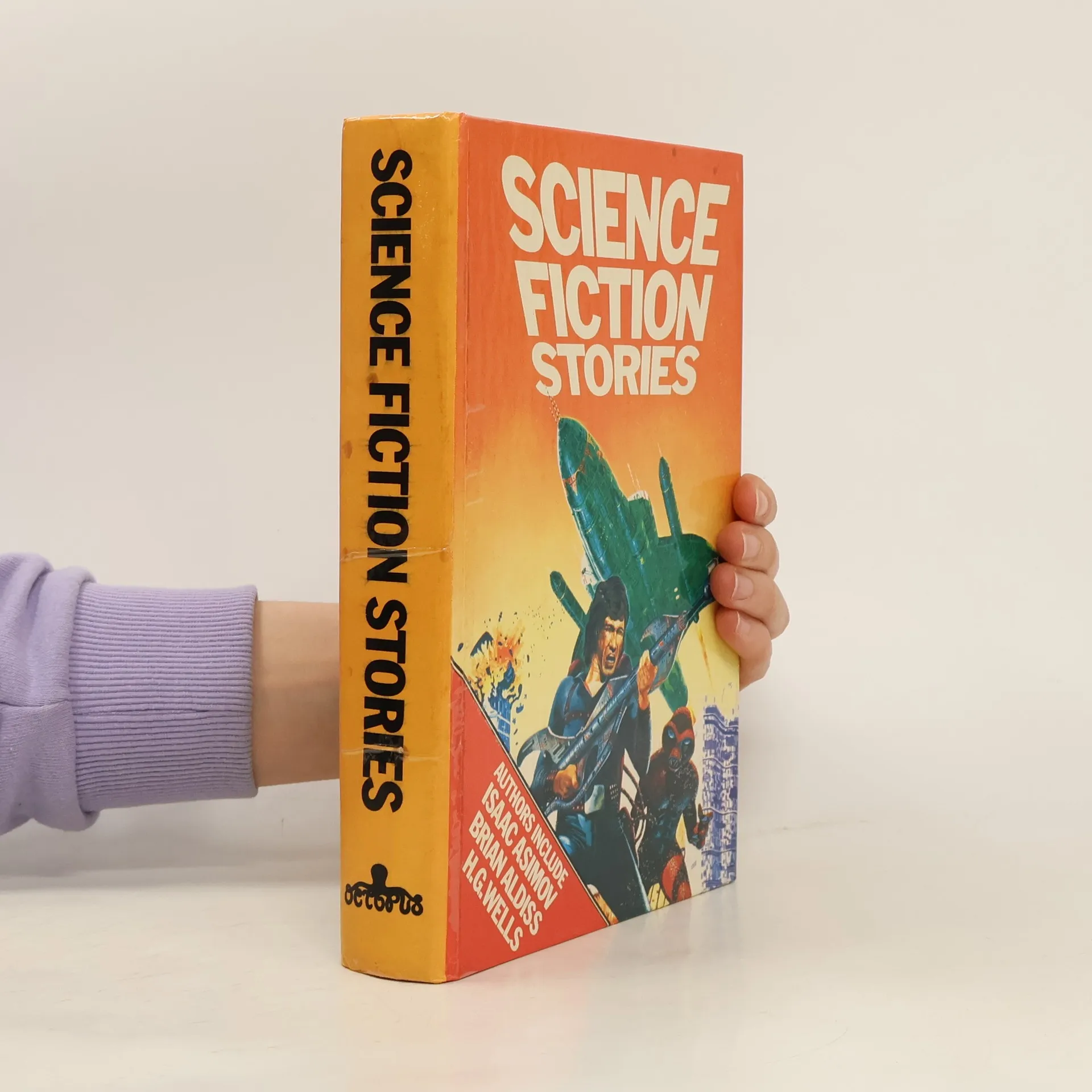
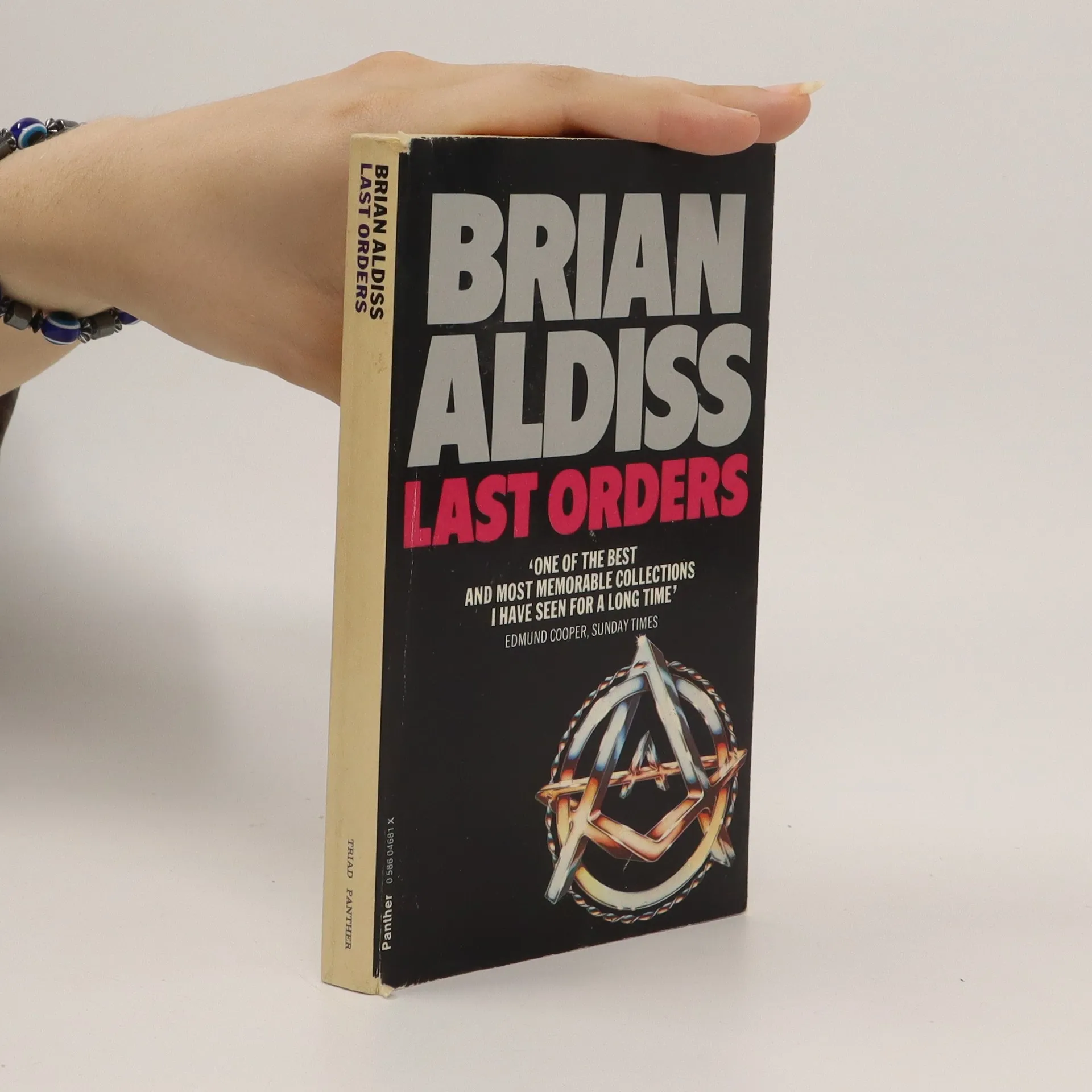
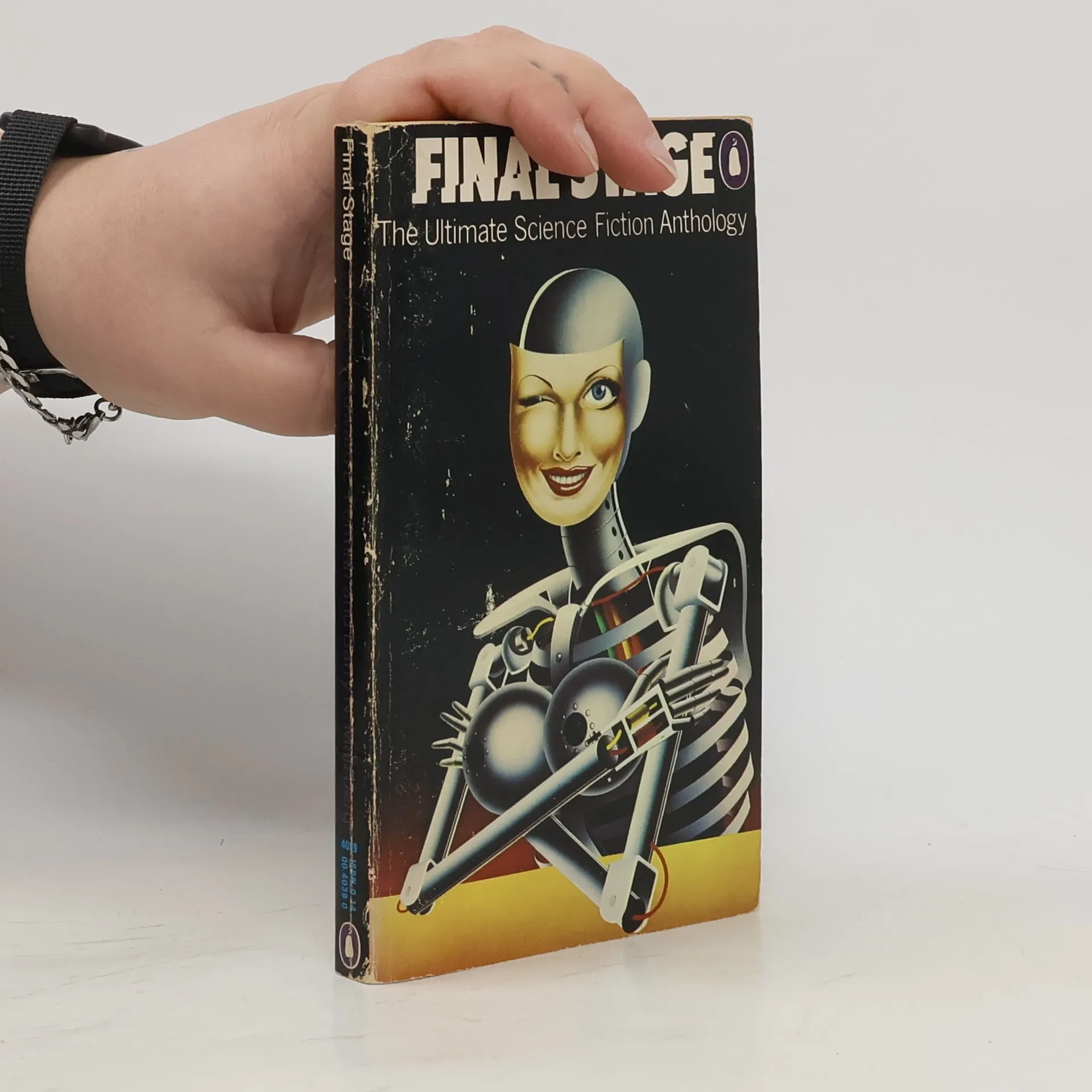
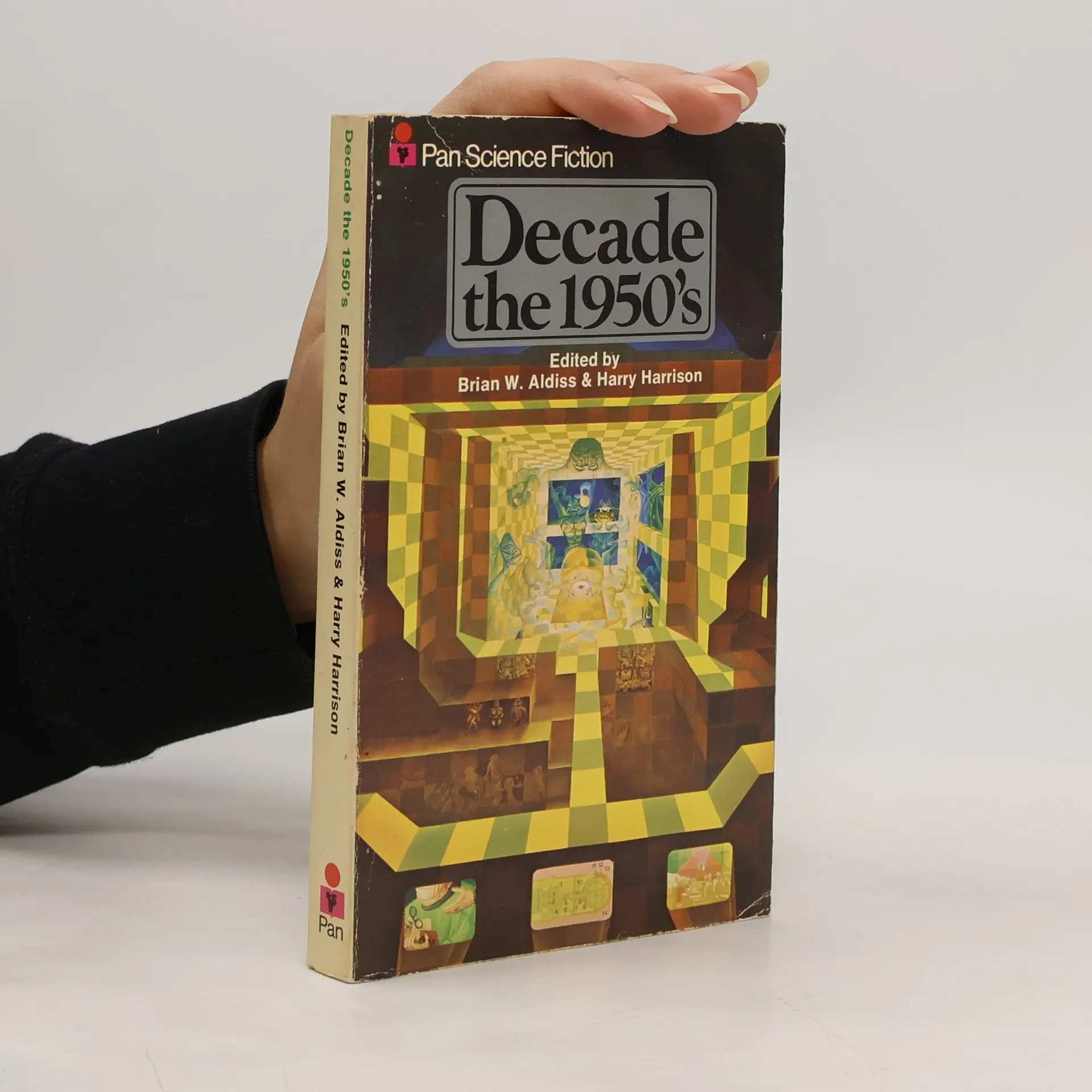
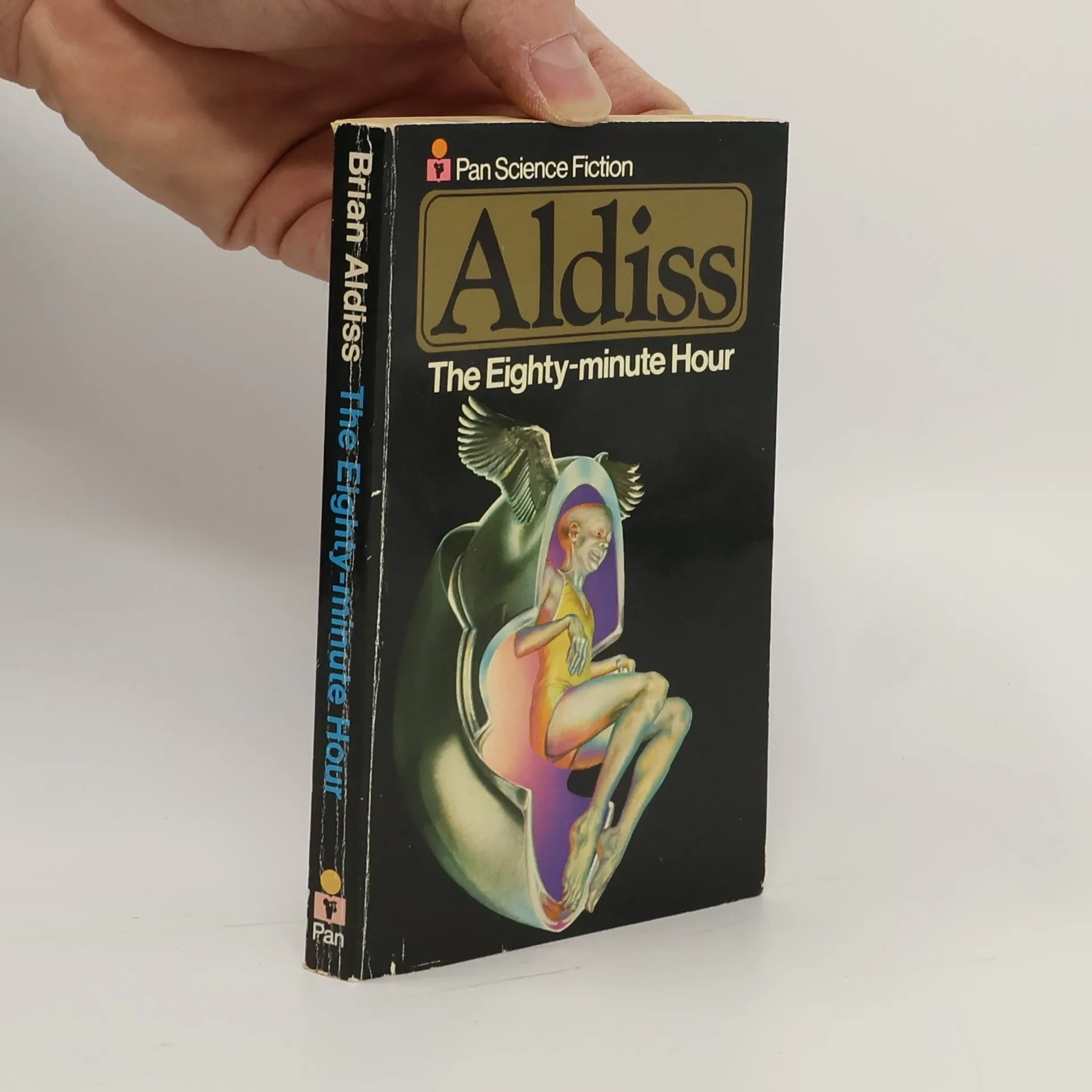
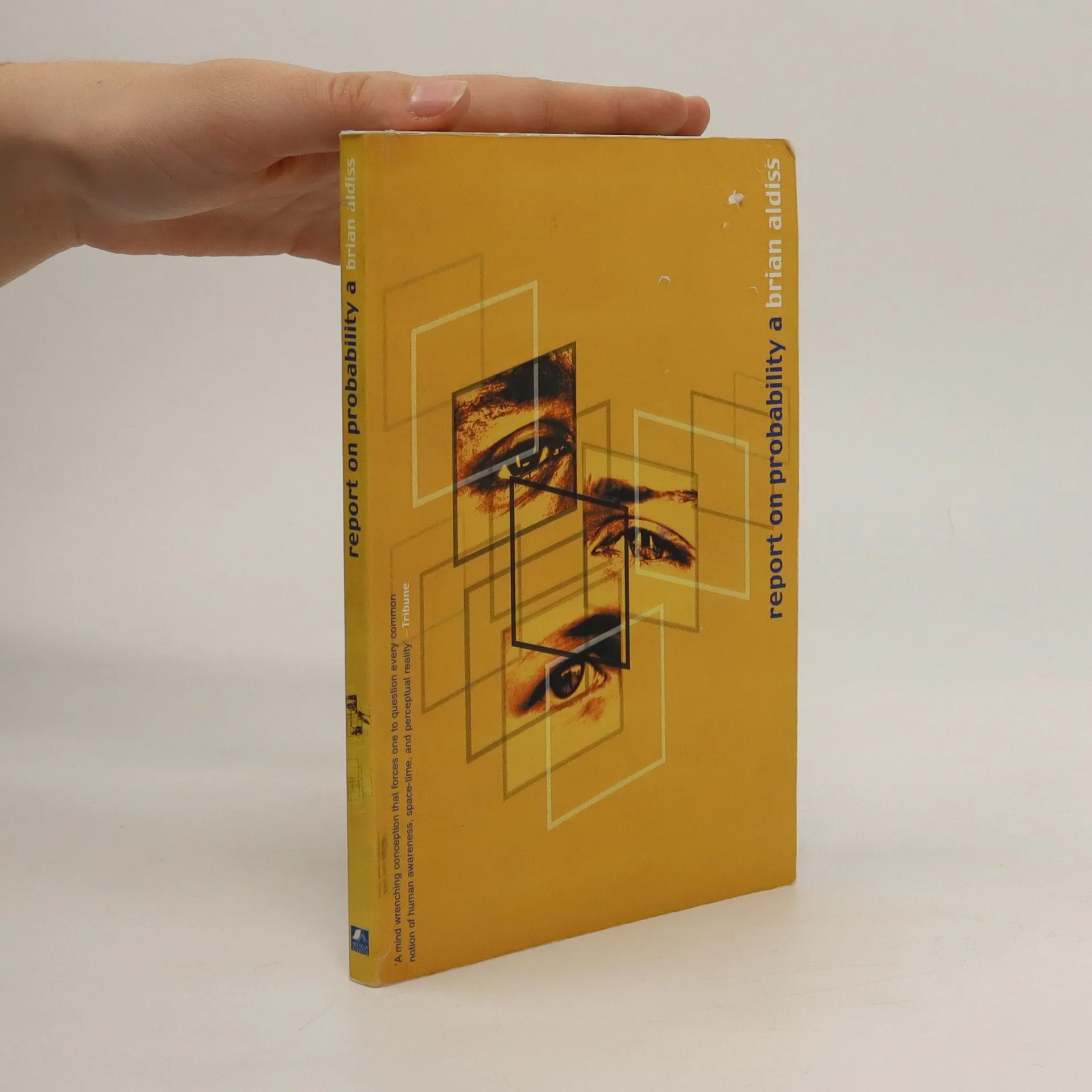
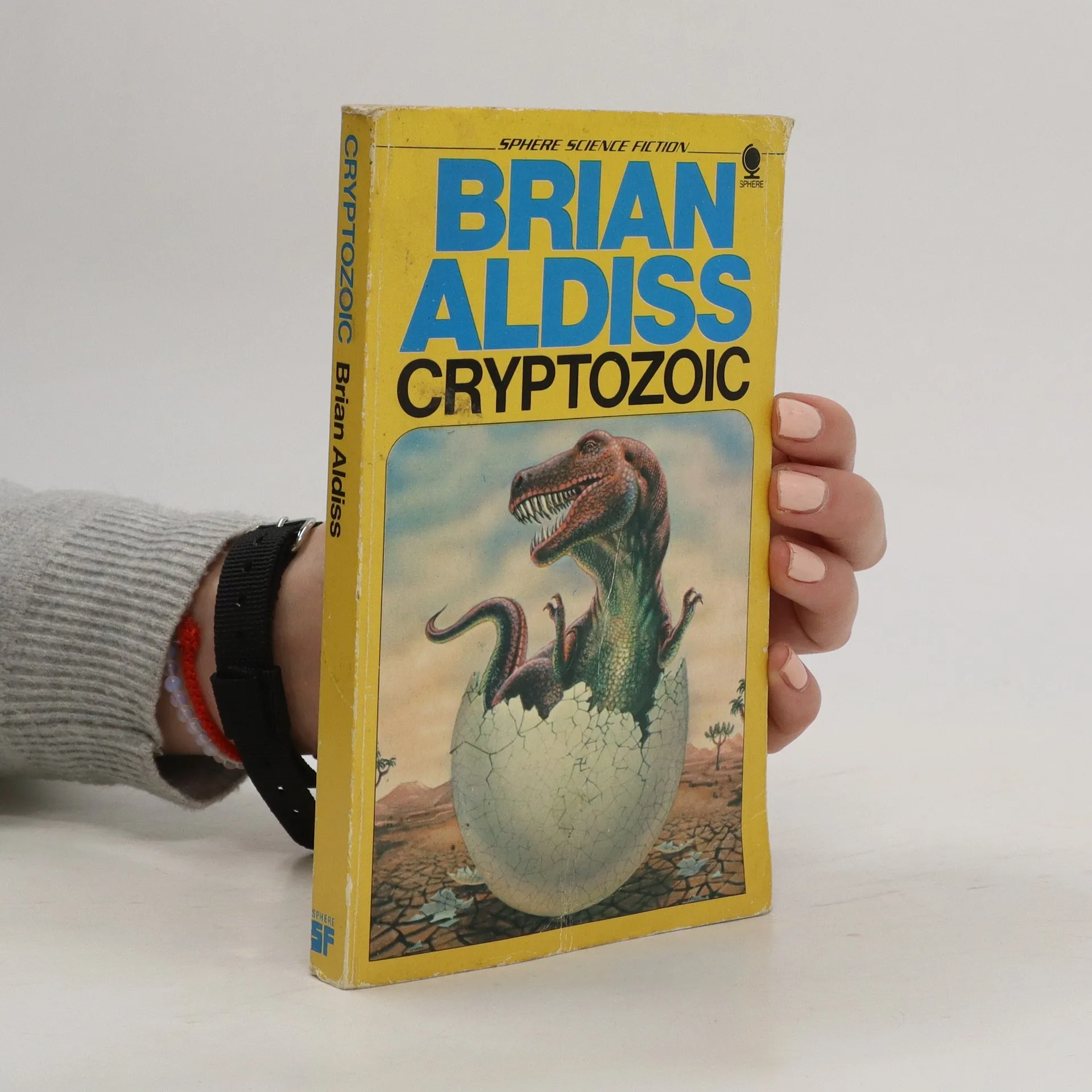
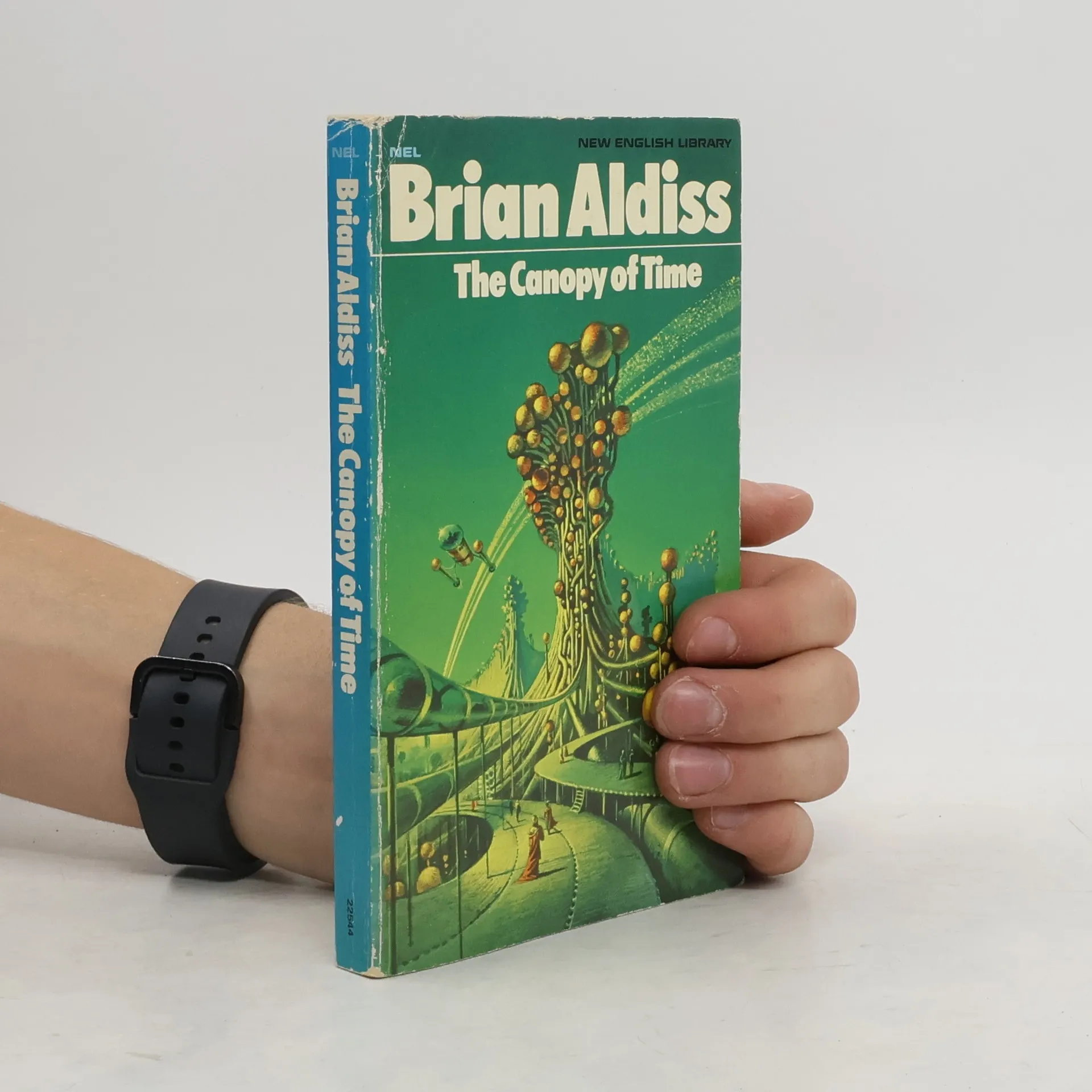
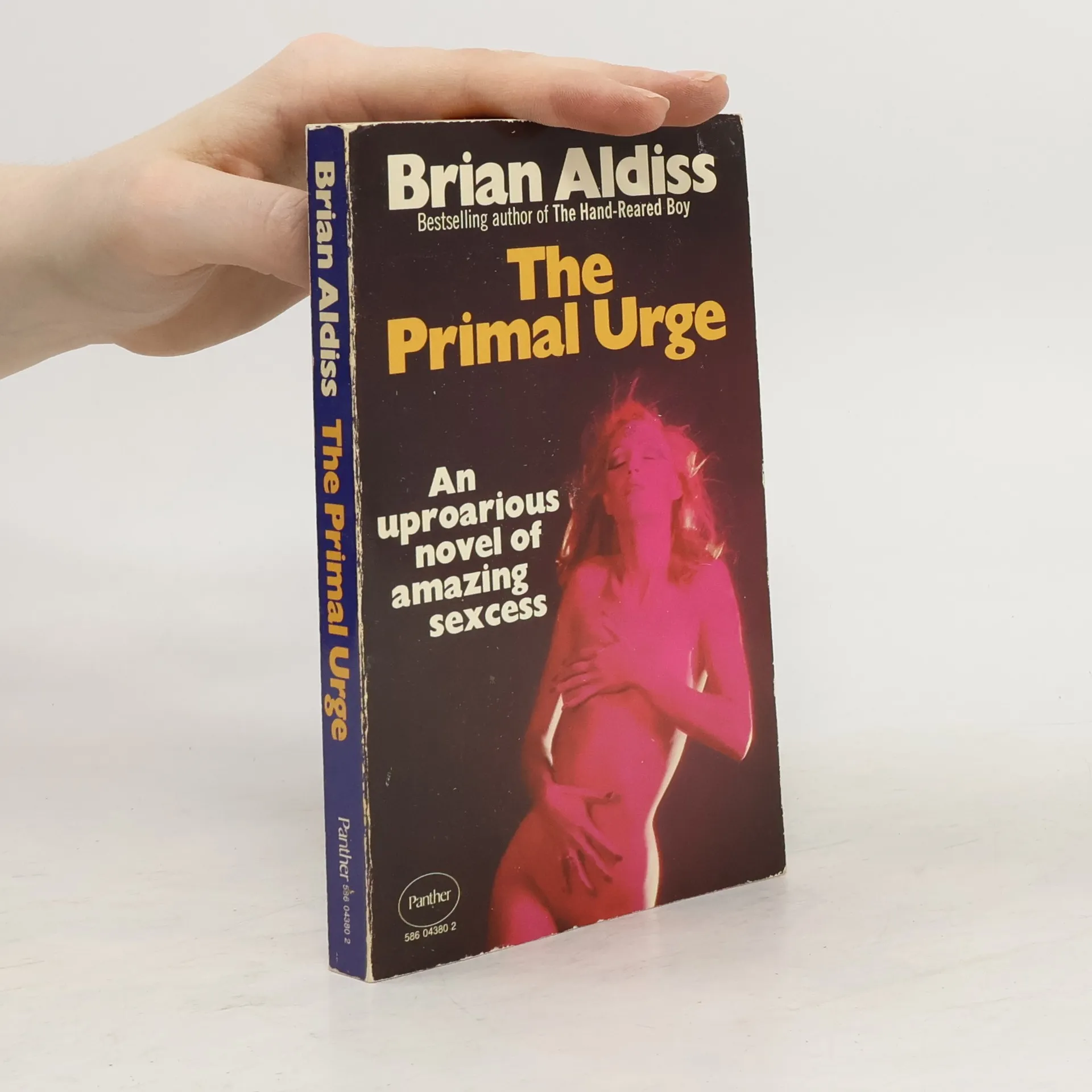
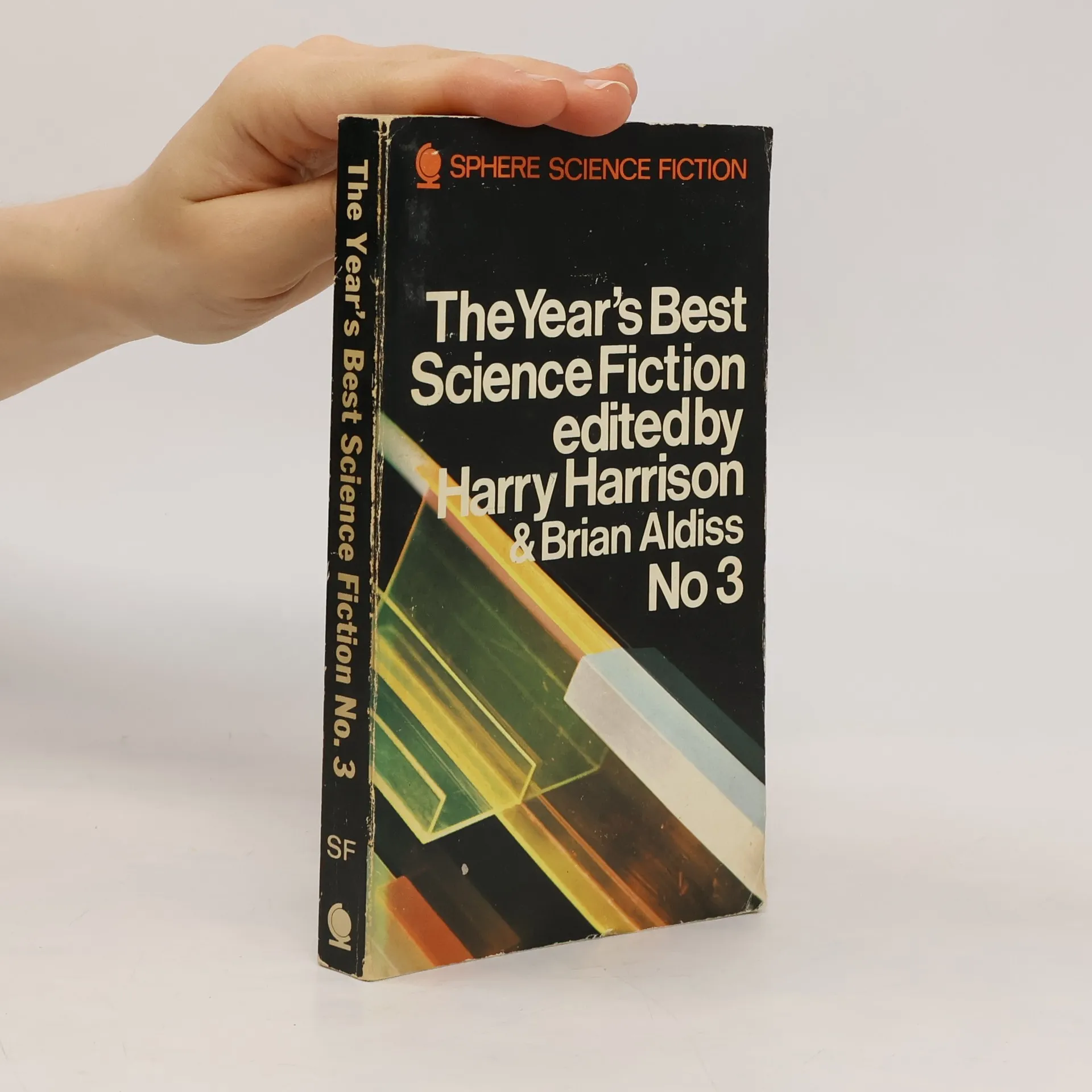
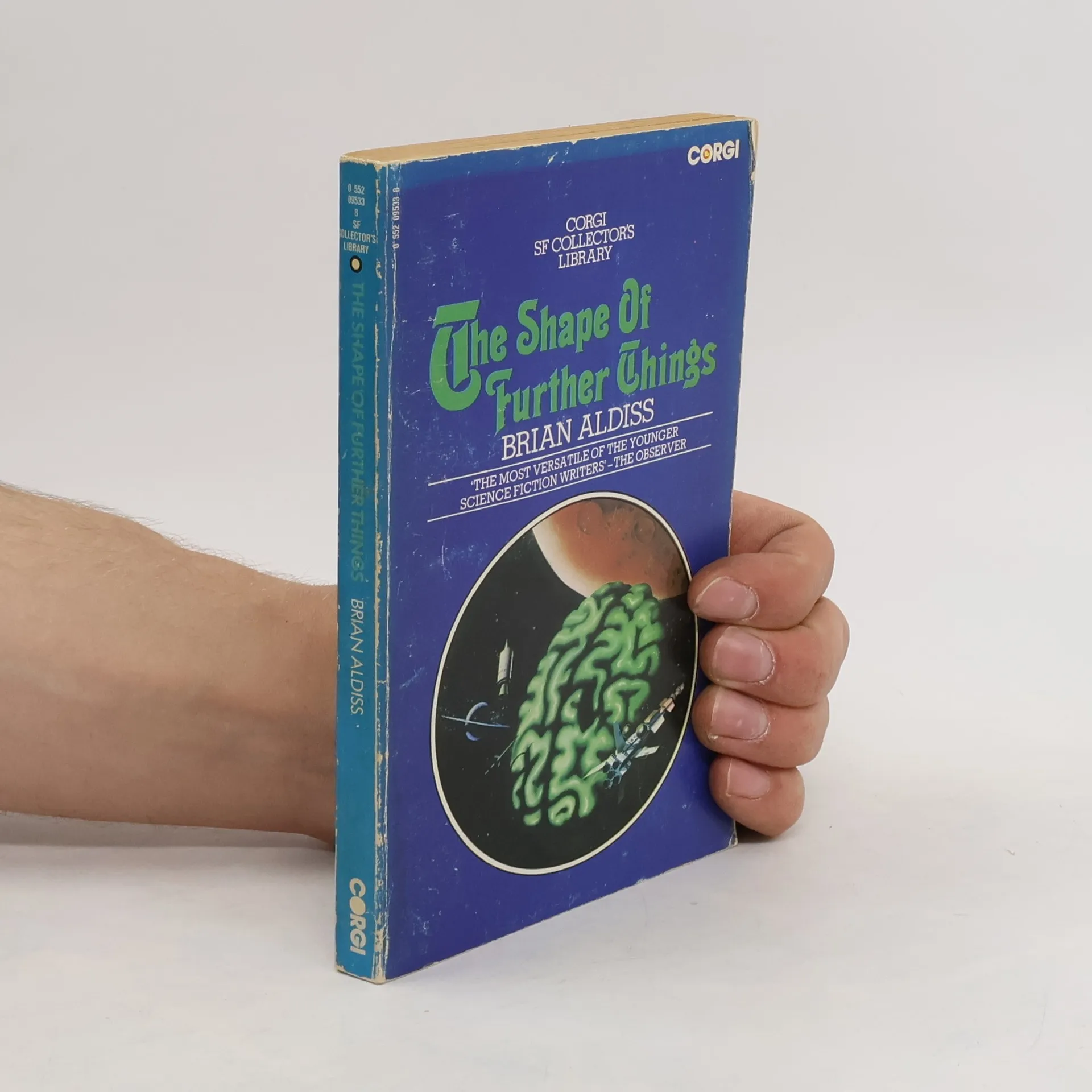
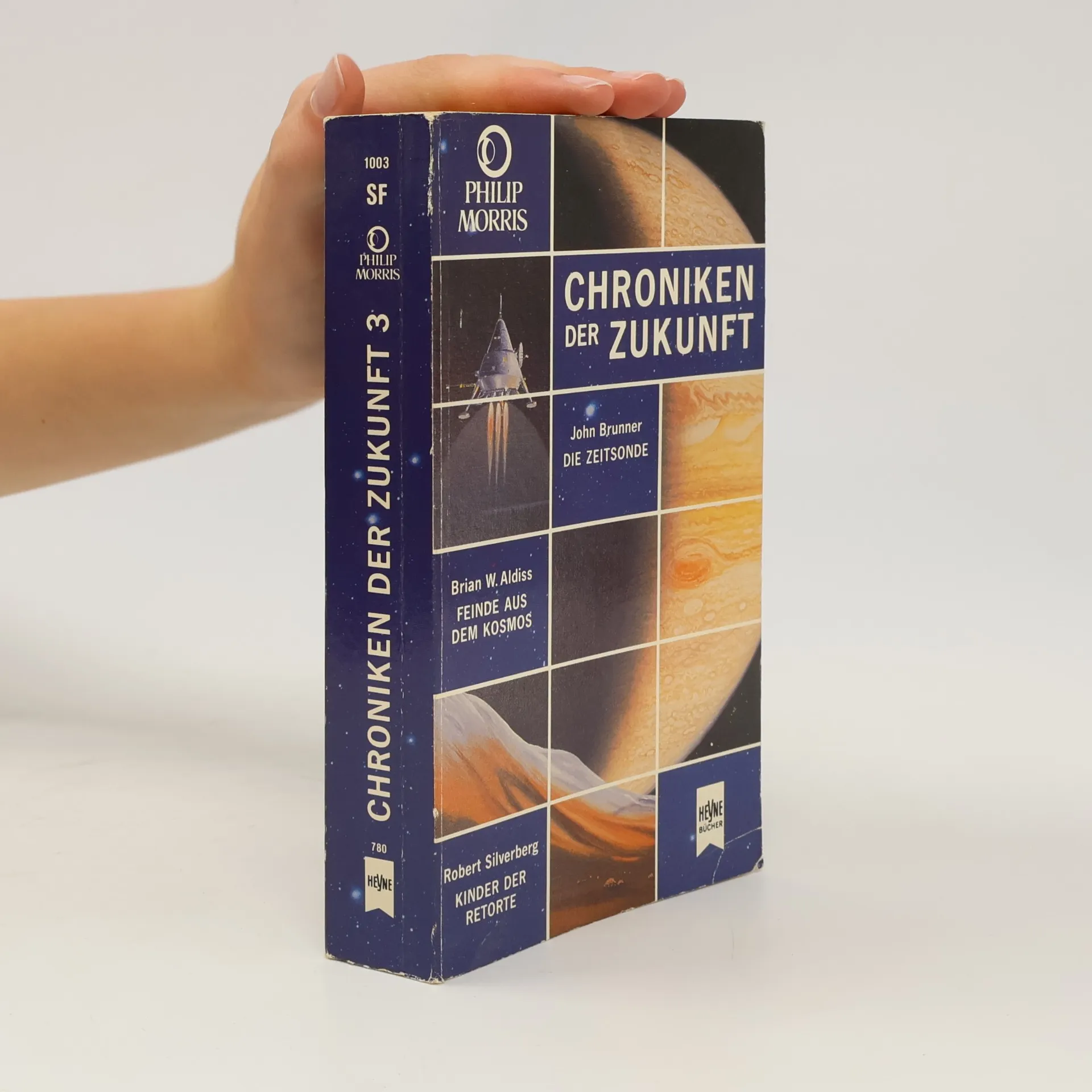
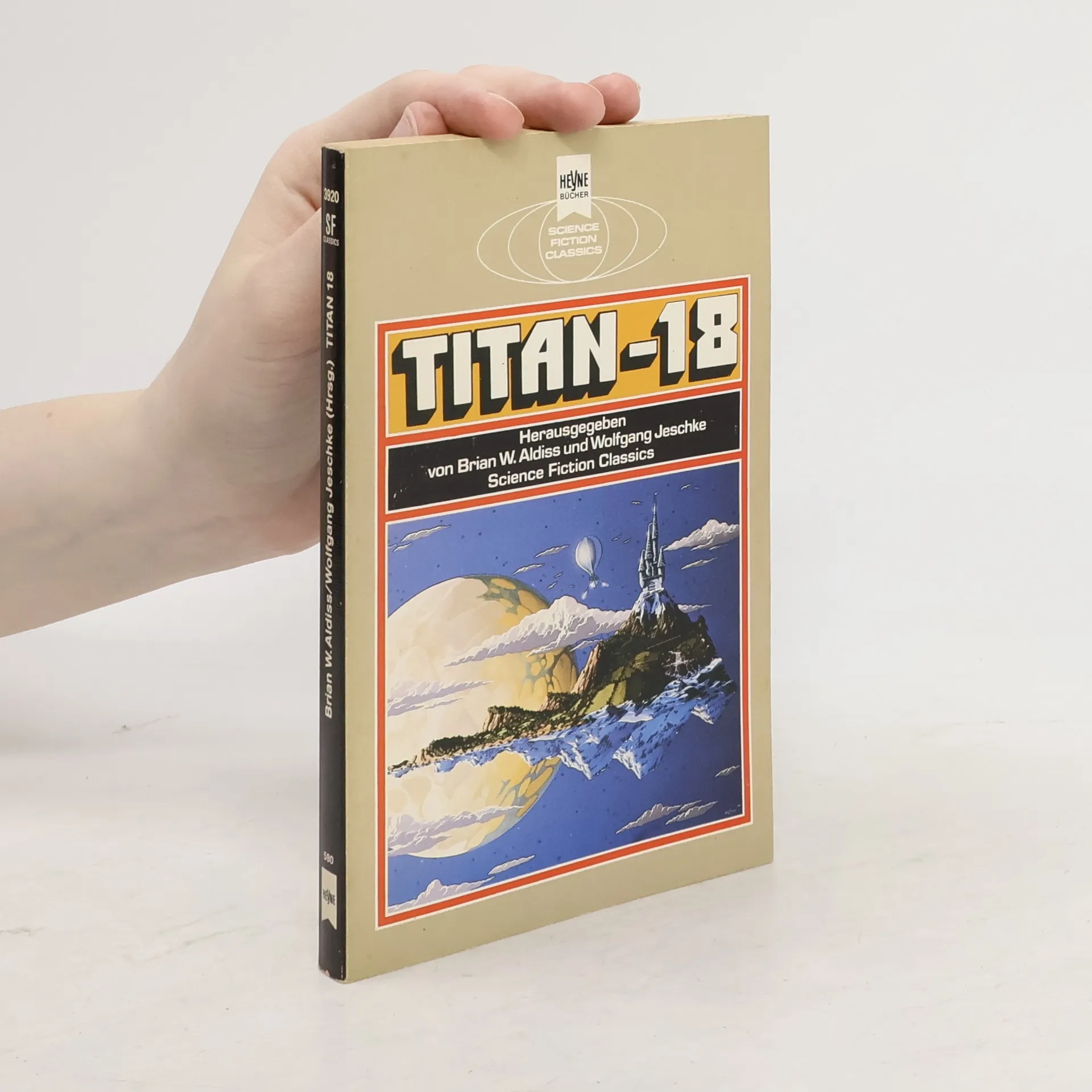
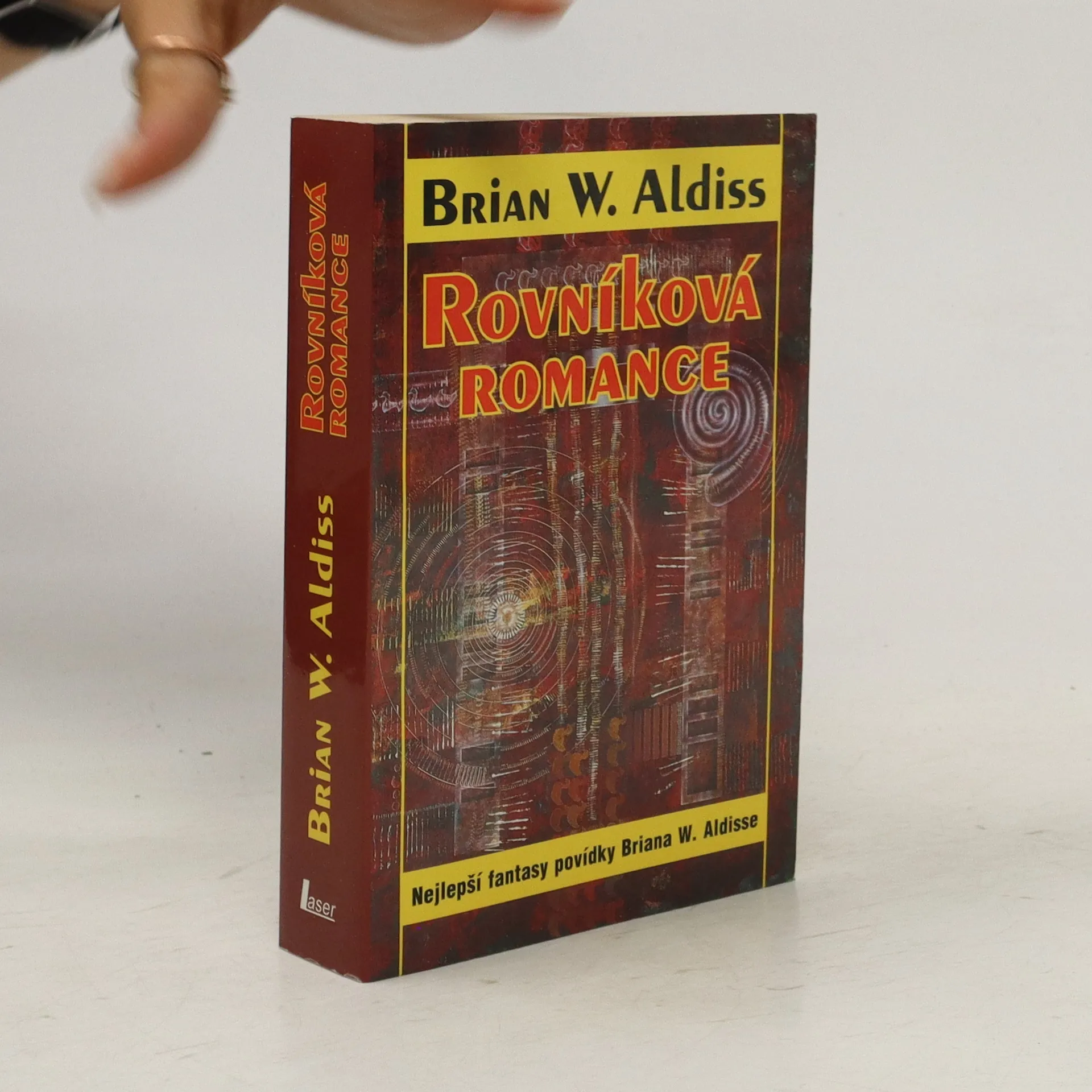
Brian Aldiss fut l'une des voix les plus importantes de la science-fiction contemporaine. Il débuta son écriture alors qu'il était libraire à Oxford, acquérant rapidement une reconnaissance internationale. Ses techniques littéraires innovantes, ses intrigues évocatrices et ses personnages irrésistibles ont fait de lui un Grand Maître de la Science-Fiction.
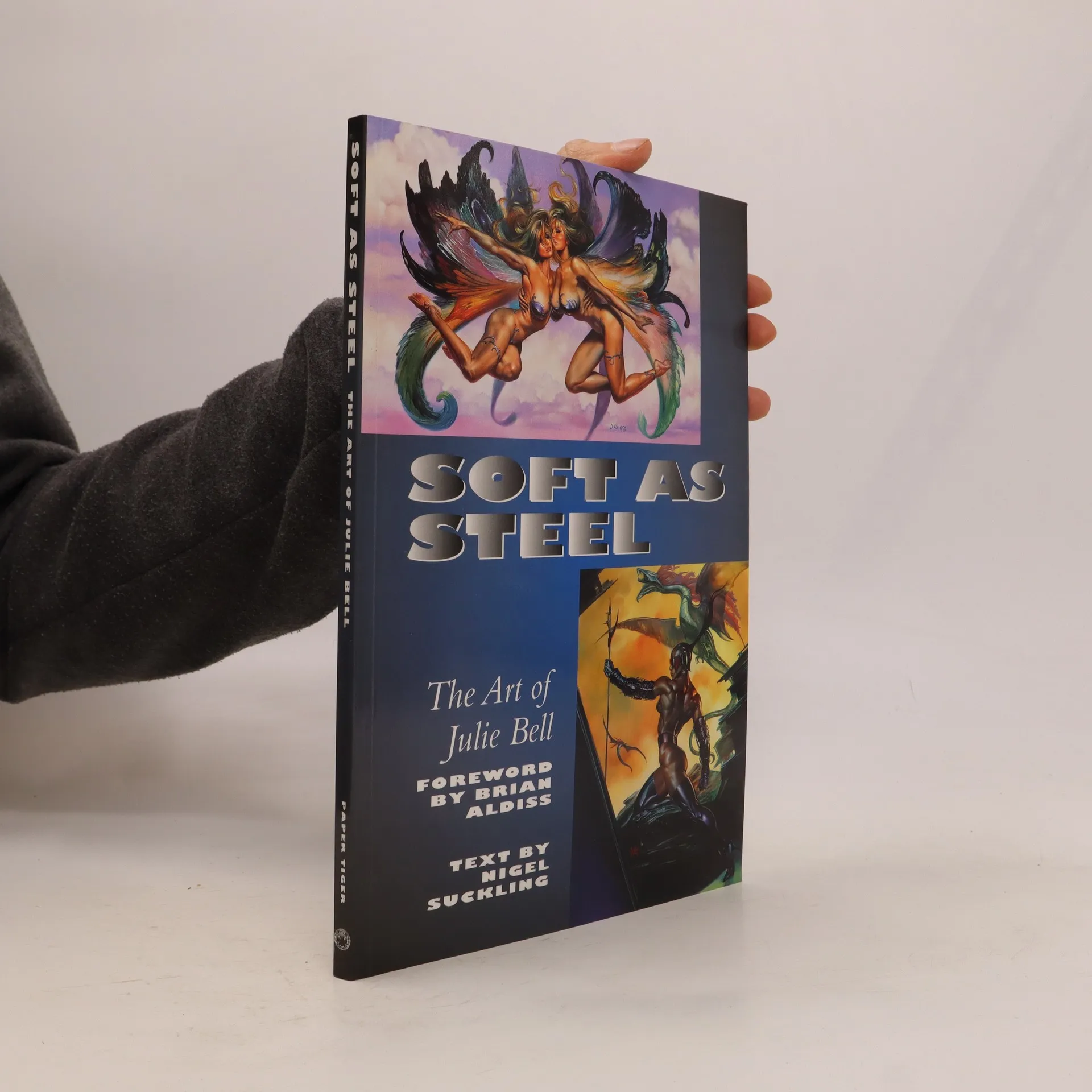
This original collection of Julie Bell's paintings depicts the power of the human form as well as characters from Marvel Comics. Her work combines strength with sensuality and the shimmering colours and fantastic detail bring great battles and imaginary creatures to life.
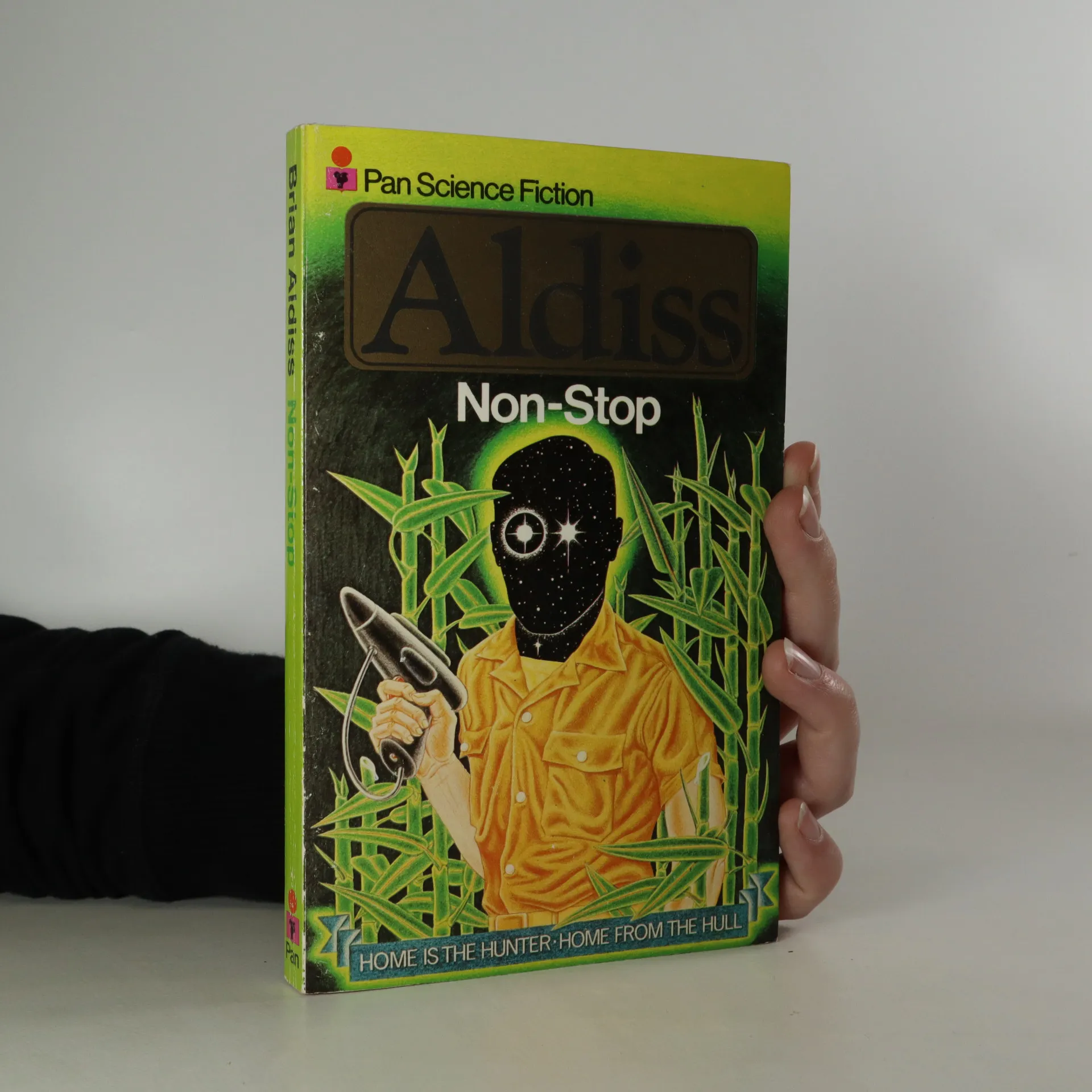
Curiosity was discouraged in the Greene tribe. Its members lived out their lives in cramped Quarters, hacking away at the encroaching ponics. As to where they were - that was forgotten. Roy Complain decides to find out. With the renegade priest Marapper, he moves into unmapped territory, where they make a series of discoveries which turn their universe upside-down ... Non-Stop is the classic SF novel of discovery and exploration; a brilliant evocation of a familiar setting seen through the eyes of a primitive.
Collection of short stories, linked by themes of life, death and transformation. By the author of "Somewhere east of life", "Remembrance day" and "A tupolev too far".
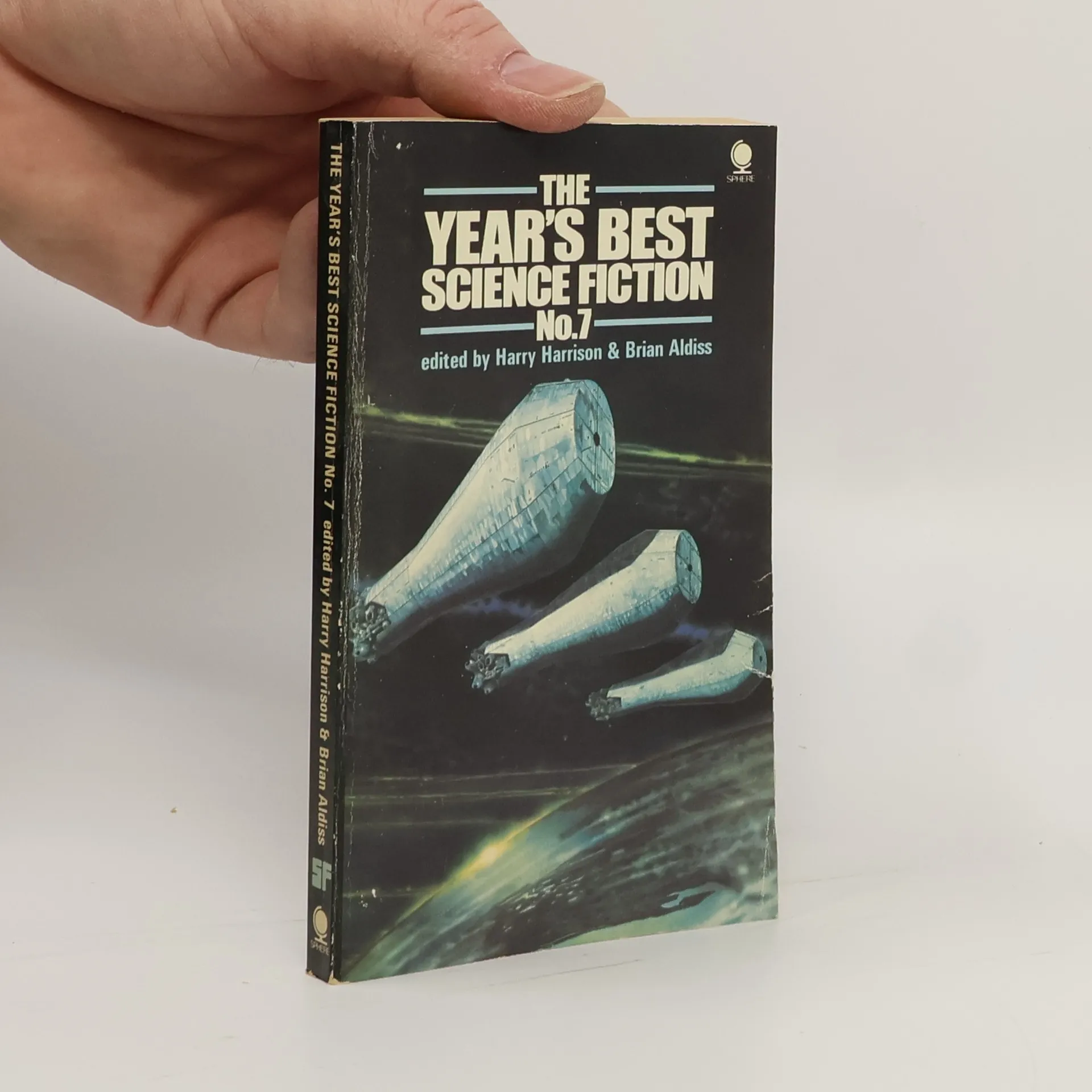
Contents: Introduction / Harry Harrison -- Roller ball murder / William Harrison -- Mason's life / Kingsley Amis -- Welcome to the standard nightmare / Robert Sheckley -- Serpent burning on an altar / Brian W. Aldiss -- We are very happy here / Joe W. Haldeman -- The birds / Thomas M. Disch -- The wind and the rain / Robert Silverberg -- Ten years ago ... / Max Beerbohm -- Parthen / R.A. Lafferty -- The man who collected the first of September 1973 / Tor Åge Bringsvaerd ; translated by Oddrun Grønvik -- Captain Nemo's last adventure / Josef Nesvadba : translated by Iris Urwin -- La befana / Gene Wolfe.
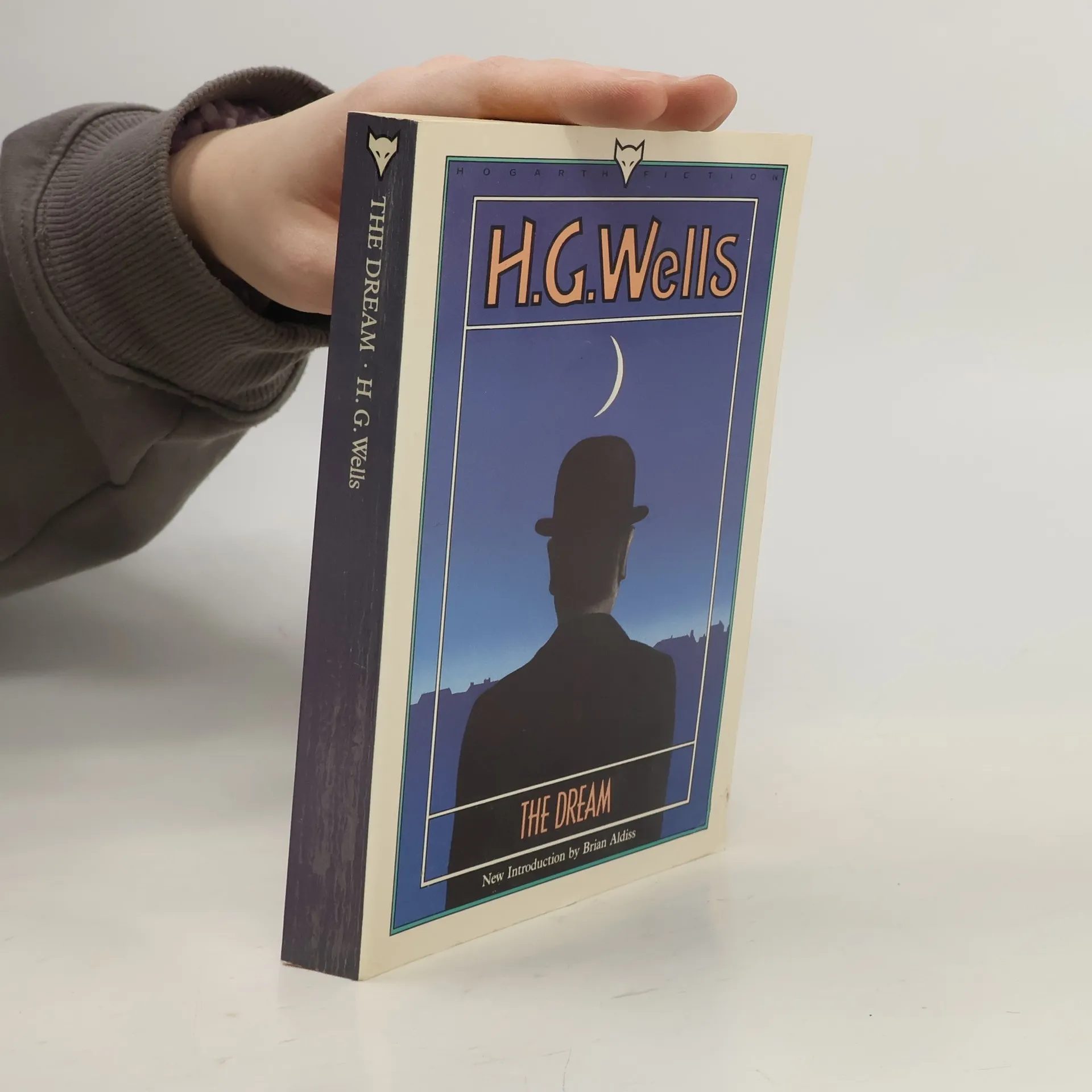
What would a man from a fortieth-century utopia make of Edwardian England? In this, one of Wells's funniest and most perceptive scientific romances, the bewildered here, Sarnac, basking in a sunny, trouble-free world, is hurtled back 2000 years into the gaslit gloom of the streets of London - and into the life of the splendid Henry Mortimer Smith, a character to rival Mr Polly. Henry, a chemist's apprentice, is destined for greatness as a publishing tycoon, whisked along by his wilful sister Fanny and hindered only by his wayward loves. Looking back from the future, 'The Dream' is a wonderfully comic saga in which the mysteries of British life and the eccentricities of Wells's own day are alarmingly, and irresistibly recovered from oblivion.
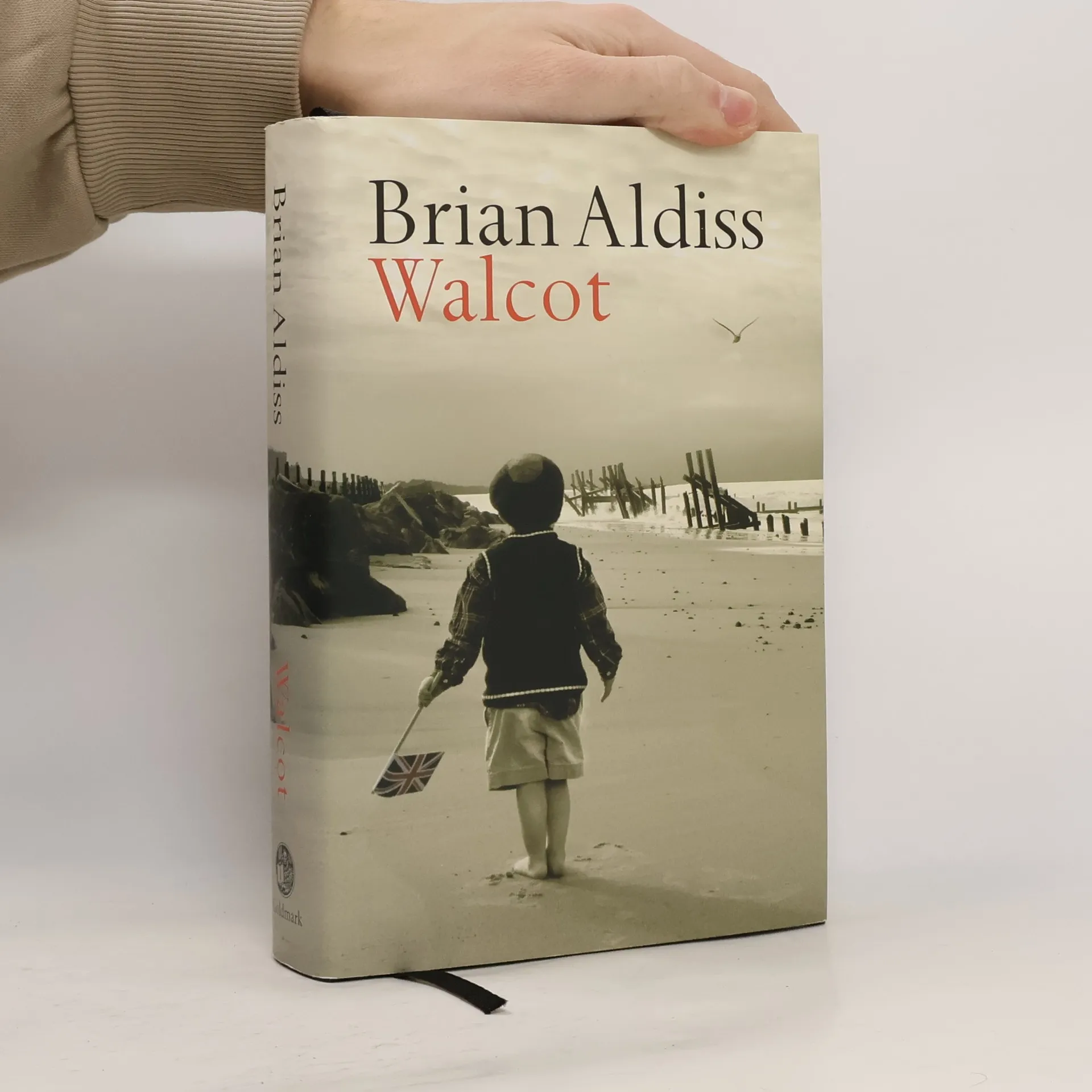
Brian Aldiss has described this novel as his magnum opus."Walcot" reveals Aldiss at his formidable and all-embracing best.........................................................On the glorious sands of the North Norfolk coast, Steve, the youngest member of the Fielding family, plays alone. But are these halcyon days?The great events of the Twentieth Century are about to sweep Steve and his sister Sonia into deep waters. Chance is all.The fortunes of the Fielding family continue through the storms of world events marking the outrageous years of the Twentieth Century.(From publishers website)
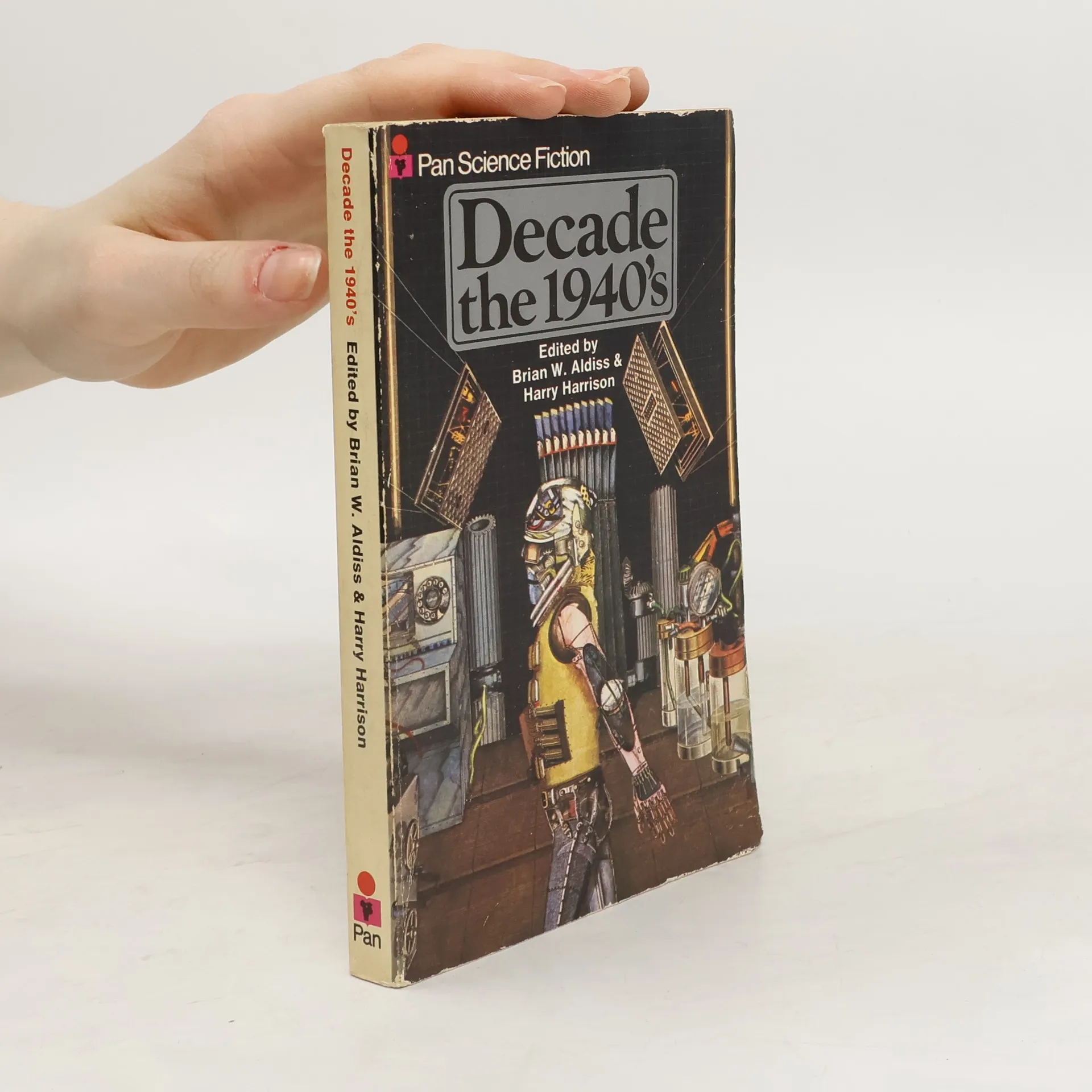
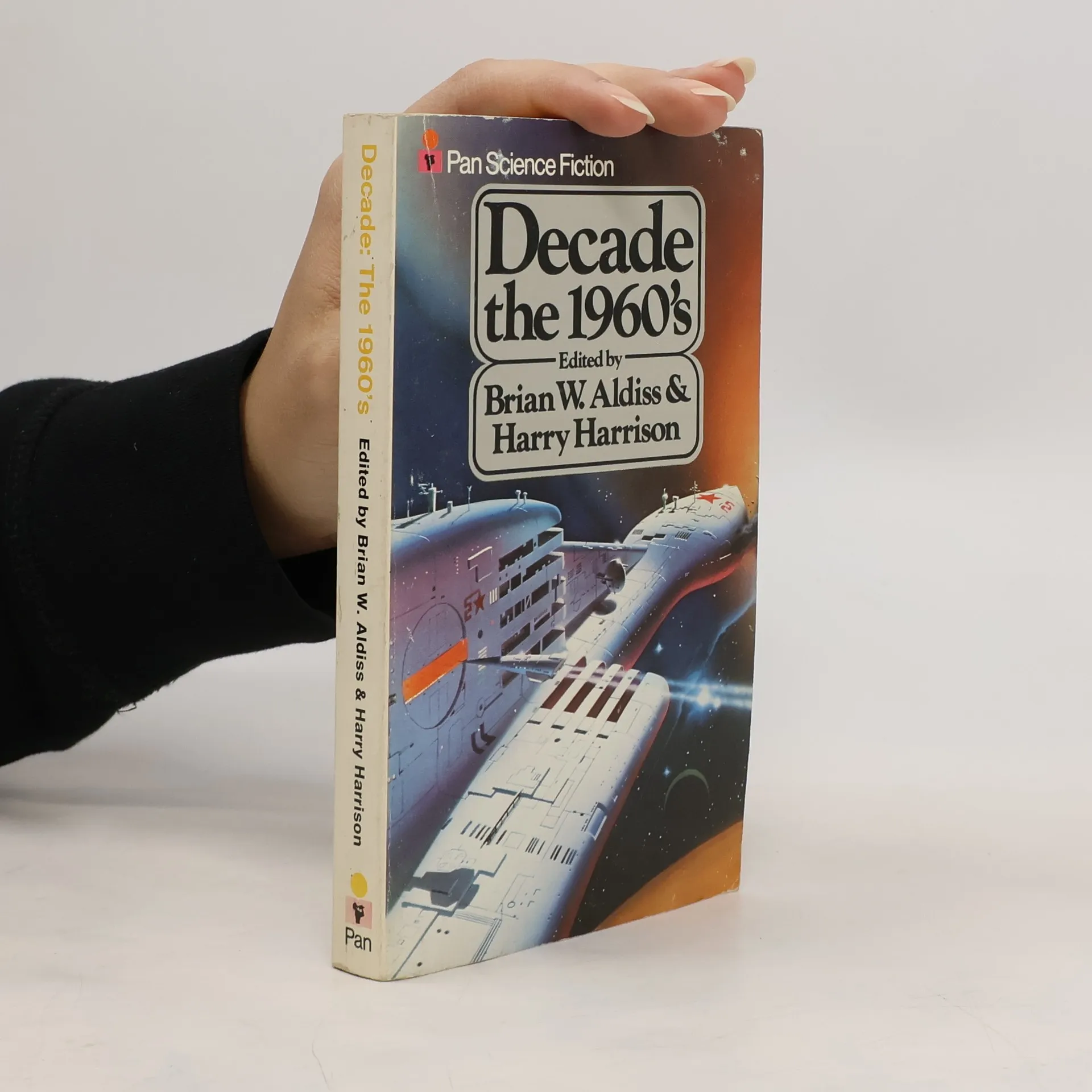
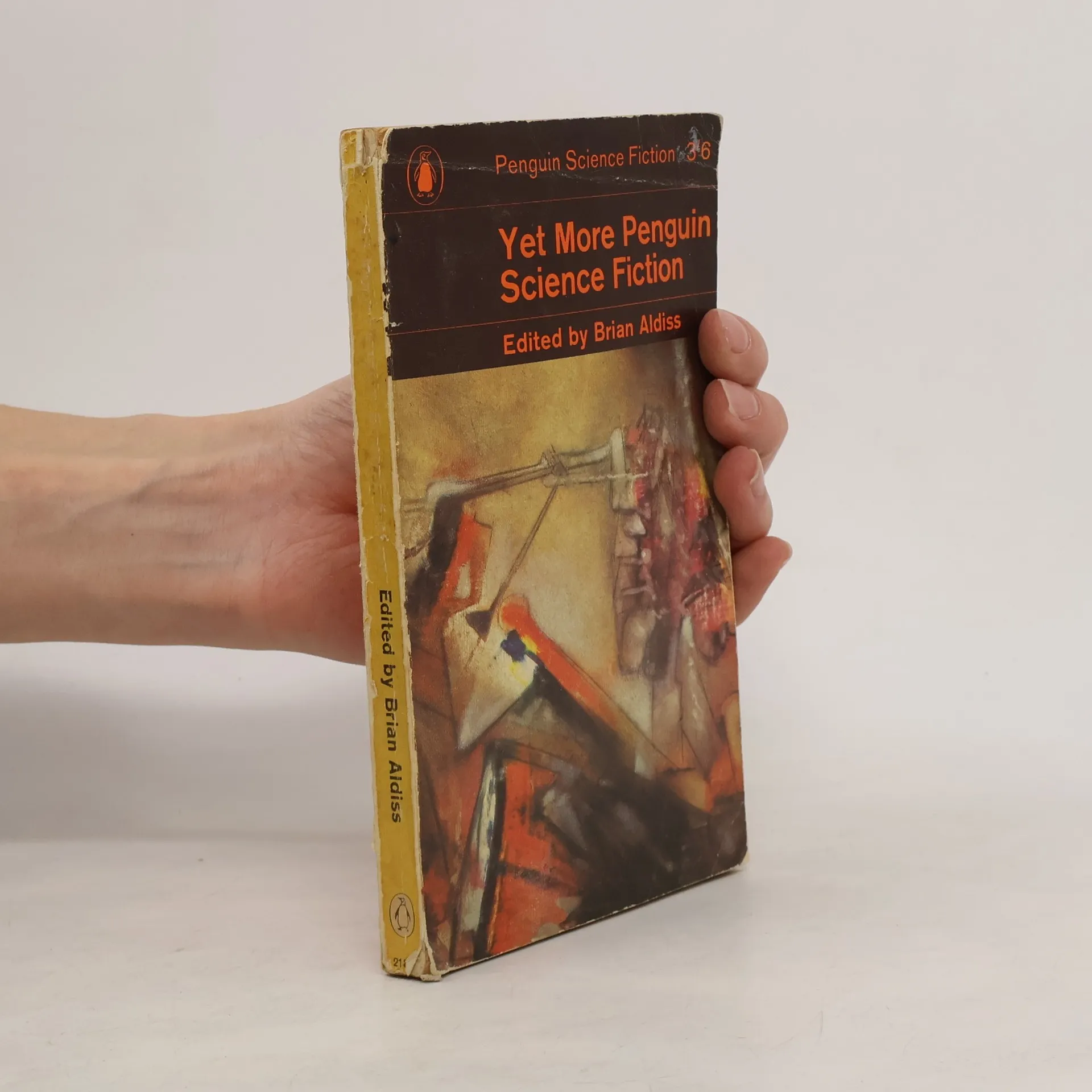
The Decade anthologies present the eighty-year history of science fiction in the most relevant way - by collecting the stories which have gone to make it up. Each volume, complete in itself, takes from a single decade the tales which are best, not only as history, but as entertainment.
Planetfall. Beyond the helmet’s visor beckons an unknown, unexplored planet, awaiting the footprint of man. Walk across the sunward side of Mercury; meet with the Lizard People who murder their excess womenfolk; shelter with the telepathic Quogs during their unearthly monsoon; view the granite goddess, an icon as vast as a continent.
contents:"Sole Solution" - Eric Frank Russell"Lot" - Ward Moore"The Short-Short Story of Mankind" - John Steinbeck"Skirmish" - Clifford Simak"Poor Little Warrior!" - Brian W. Aldiss"Grandpa" - James H. Schmitz"The Half Pair" - Bertram Chandler"Command Performance" - Walter M Miller"Nightfall" - Isaac Asimov"The Snowball Effect" - Katherine MacLean"The End of Summer" by Algis Budrys"Track 12" - J. G. Ballard"The Monkey Wrench" - Gordon R. Dickson"The First Men" - Howard Fast"Counterfeit" - Alan E. Nourse"The Greater Thing" - Tom Godwin"Build Up Logically" - Howard Schoenfeld"The Liberation of Earth" - William Tenn"An Alien Agony" - Harry Harrison"The Tunnel under the World" - Frederik Pohl"The Store of the Worlds" - Robert Sheckley"Jokester" - Isaac Asimov"Pyramid" - Robert Abernathy"The Forgotten Enemy" - Arthur C. Clarke"The Wall Around the World" - Theodore Cogswell"Protected Species" - H. B. Fyfe"Before Eden" - Arthur C. Clarke"The Rescuer" - Arthur Porges"I Made You" - Walter M. Miller Jr."The Country of the Kind" - Damon Knight"MS Found in a Chinese Fortune Cookie" - C. M. Kornbluth"The Cage" - Bertram Chandler"Eastward Ho!" - William Tenn"The Windows of Heaven" - John Brunner"Common Time" - James Blish"Fulfilment" - A. E. van Vogt
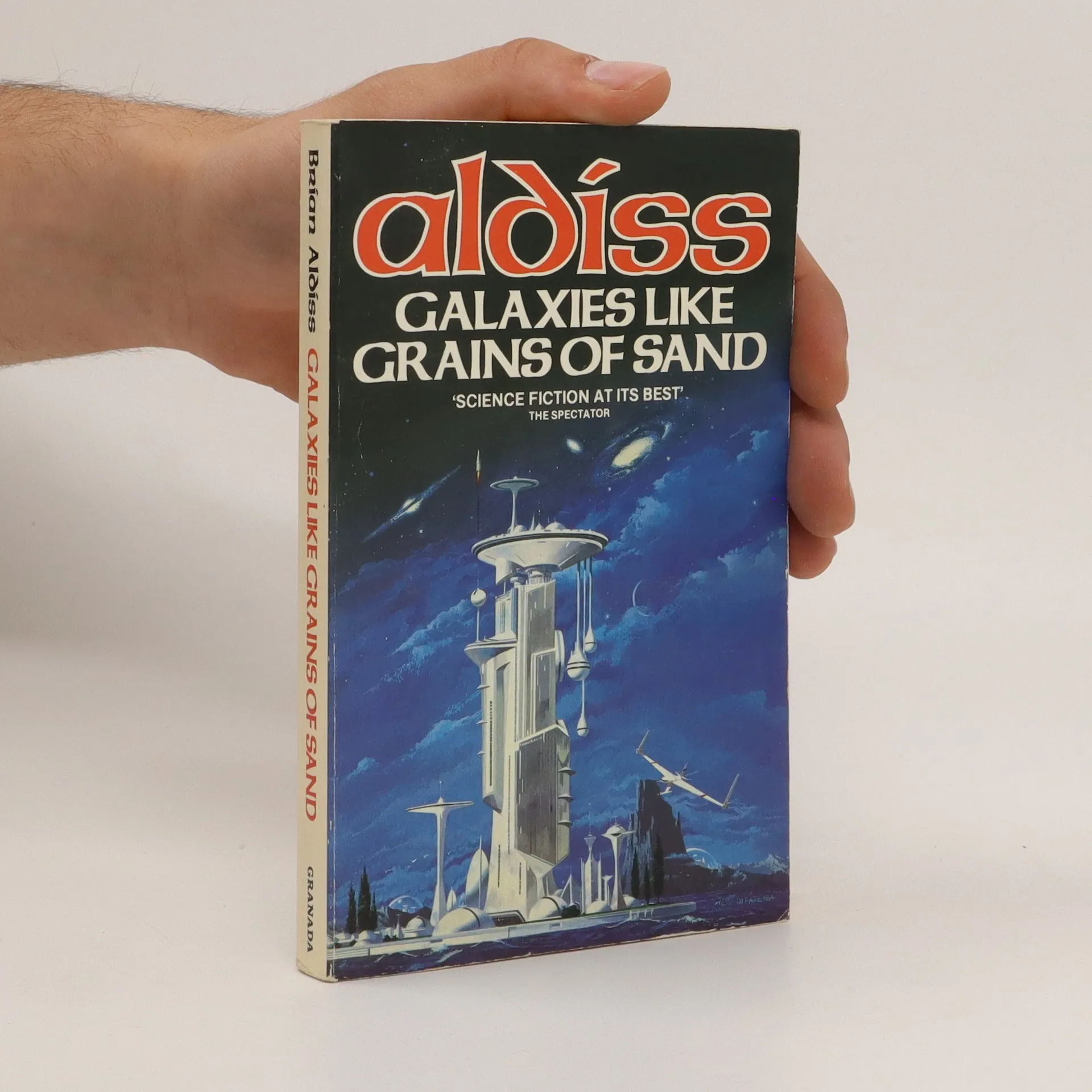
In Galaxies Like Grains of Sand, Brian W. Aldiss tells the tale of mankind’s future over the course of forty million years. Each of these nine connected short stories highlights a different millennia in which man has adapted to new environments and hardships.
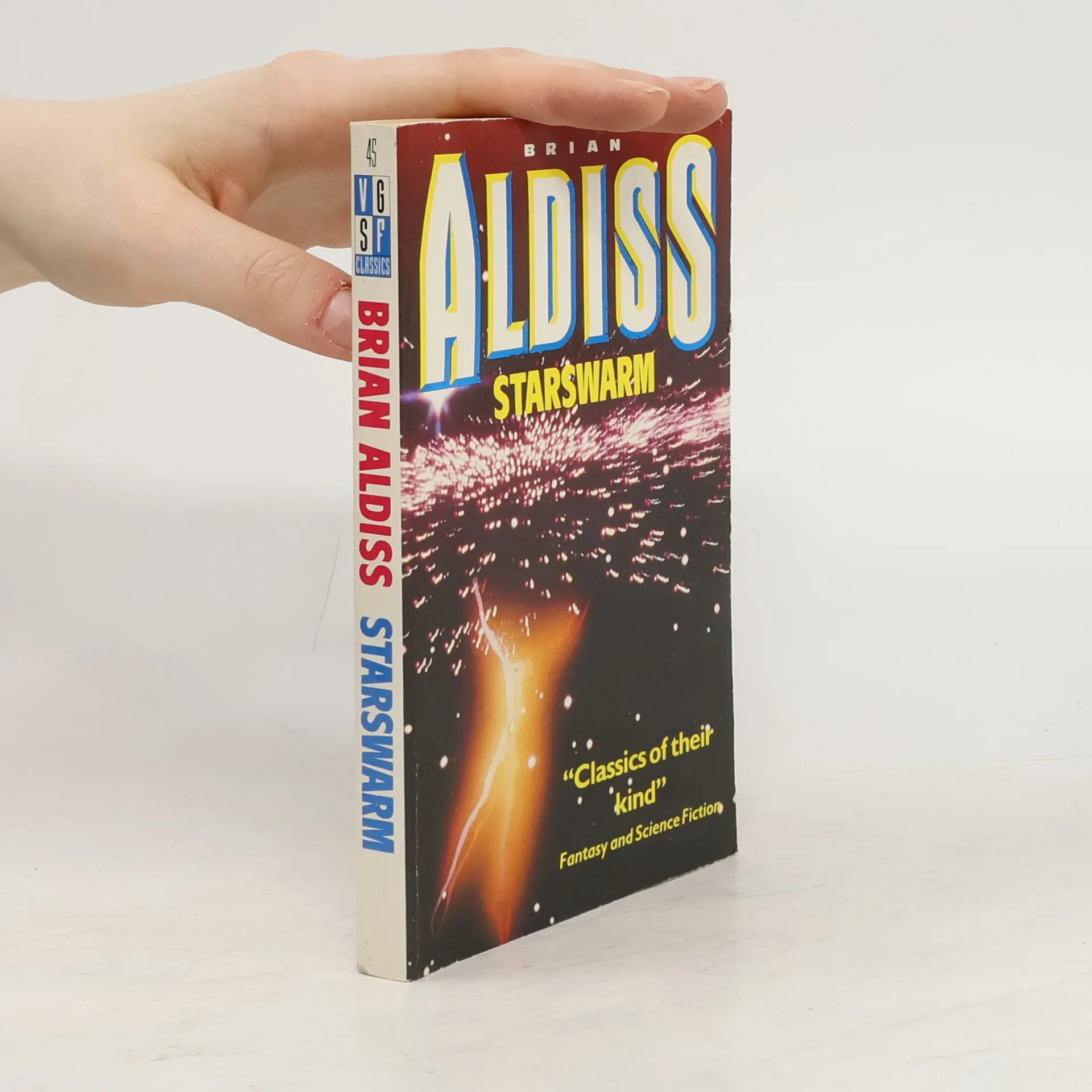
An interconnected set of stories set on a distant, vast galactic cluster. Each world in the cluster contains the descendants of Old Earth, and though light years apart from its neighbours, forms part of a sprawling island universe called Starswarm. The author also wrote the Helliconia Trilogy.
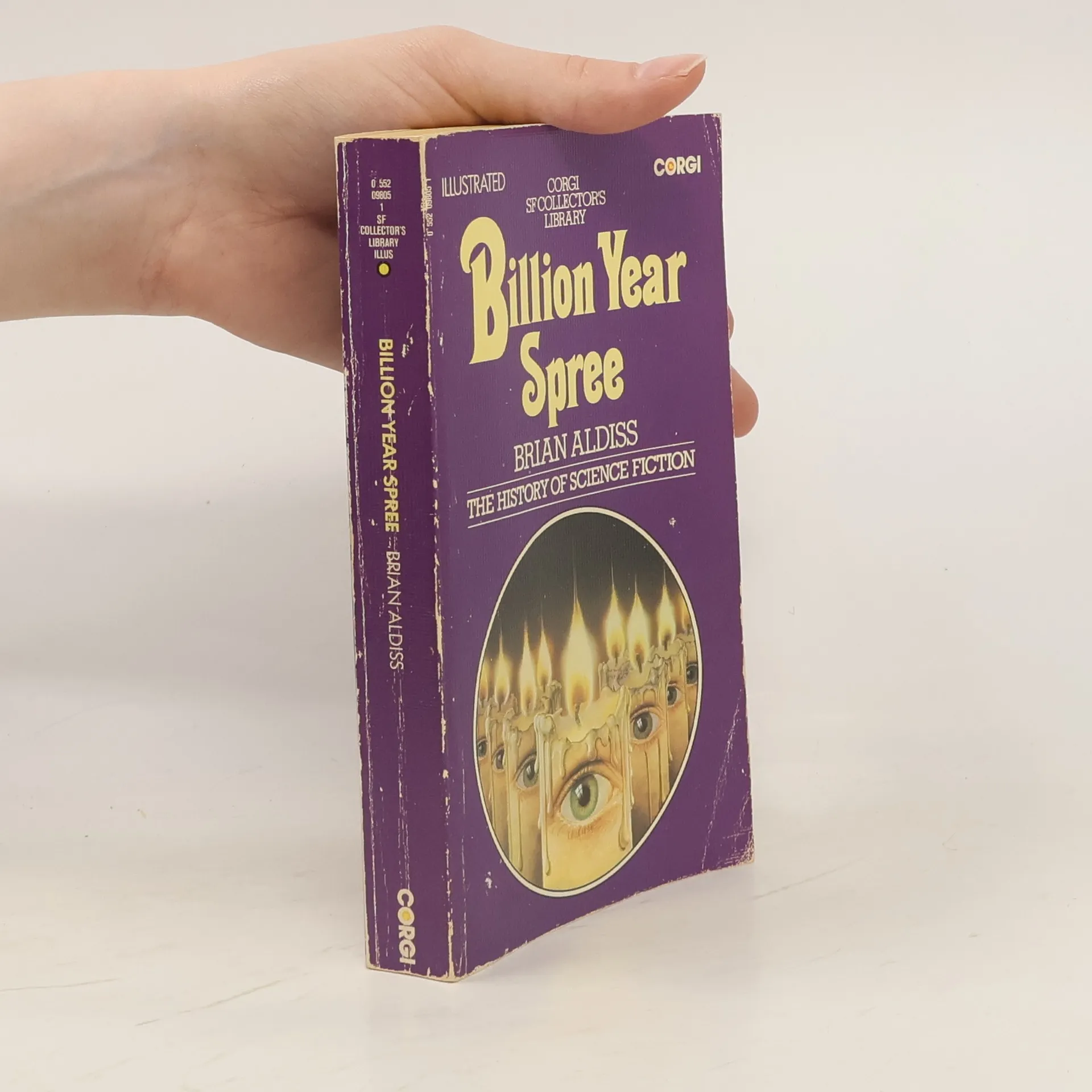
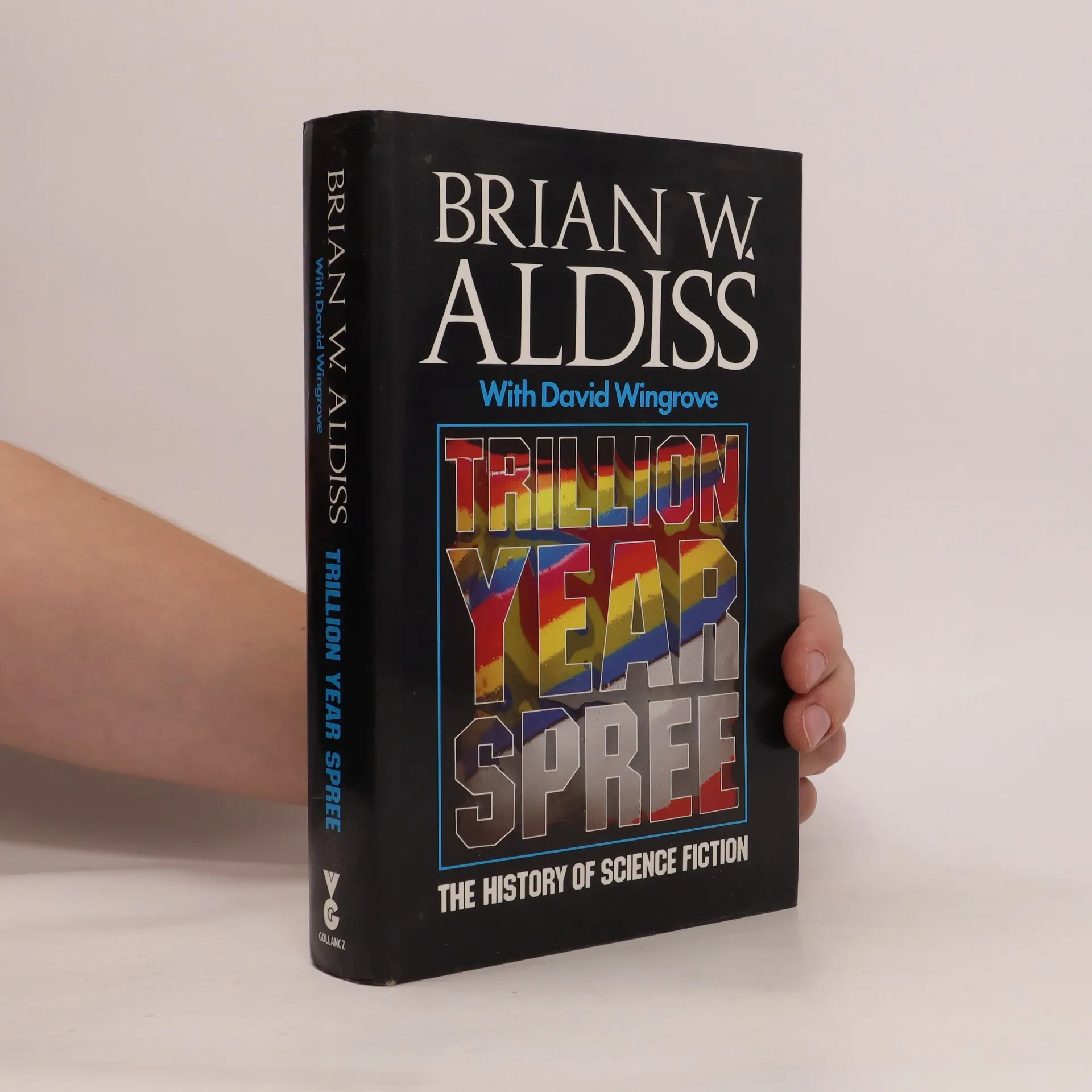
Britain's most illustrious SF writer, Brian Aldiss, provides a witty and perceptive history of this extraordinary phenomenon, set in its social and literary context. Crammed with fascinating insights, this generous spree takes us through decades of treats for the imagination: escape to other dimensions, flights to other planets, lost worlds, utopias, mechanical creatures and intelligent aliens. Amusing, intelligent and authoritative, it takes us on a tour through that zone where literature and science engage in an eternal flirtation. Examining the great writers SF has produced, and the images that have become the cultural wallpaper of the present day, this comprehensive expedition is for buffs and tenderfoots alike.
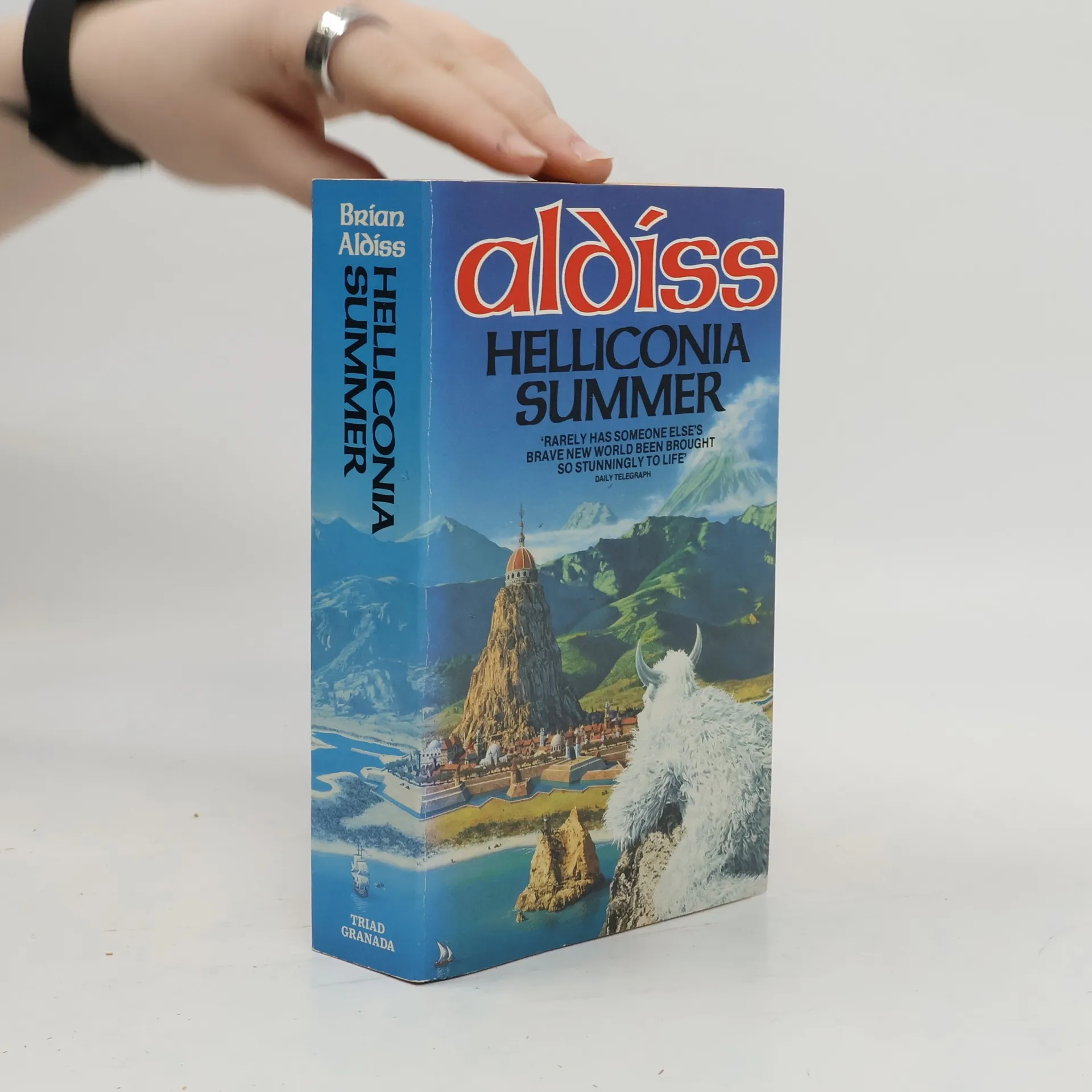
It is the summer of the Great Year on Helliconia. The humans are involved with their own affairs. Their old enemies, the phagors, are comparitively docile at this time of year; yet they can afford to wait, to take advantage of human weakness - and of the king's weakness. How they do so brings to a climax this powerfully compelling novel, in which the tortuous unwindings of circumstance enmesh royalty and commoners alike, and involve the three Helliconia continents.
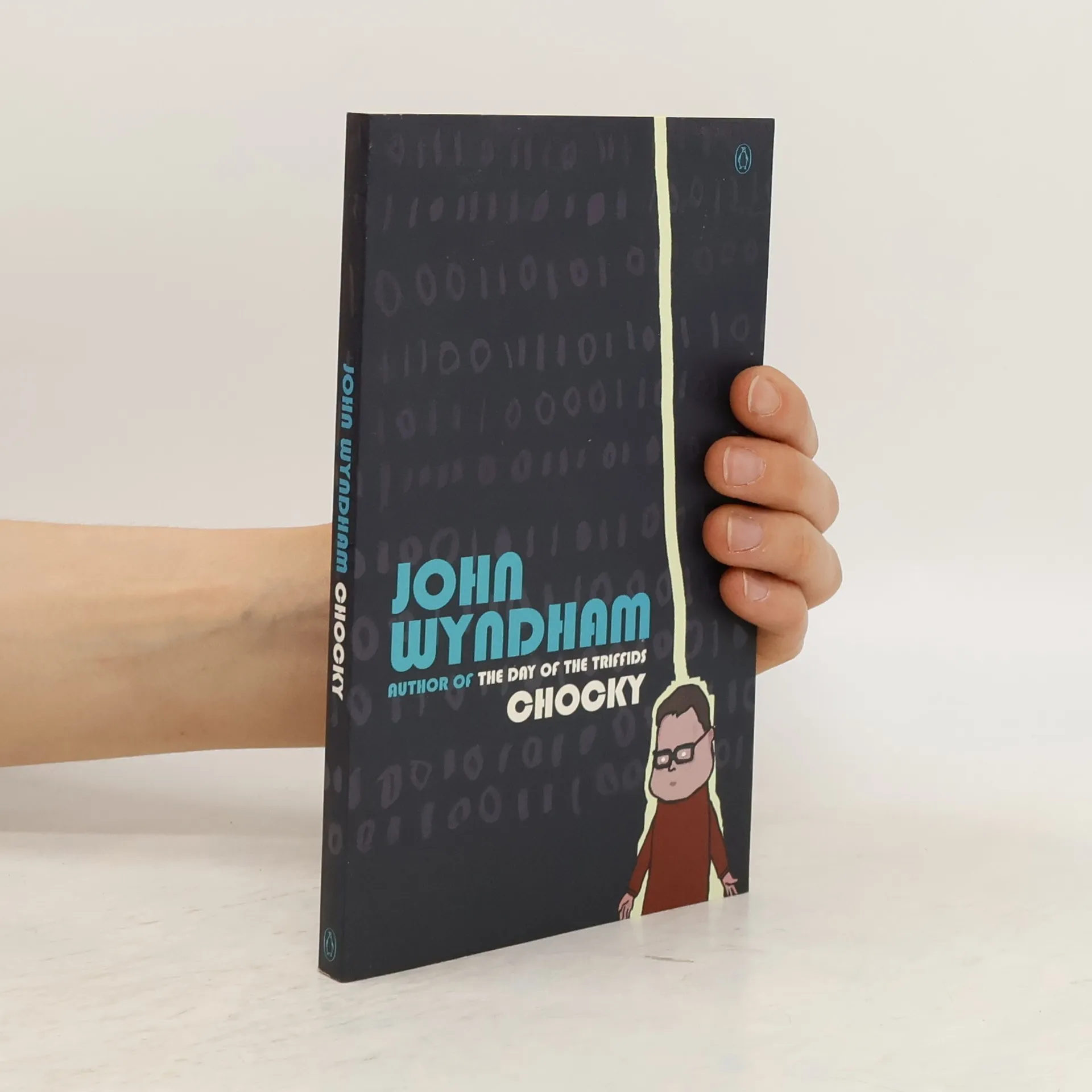
Matthew, they thought, was just going through a phase of talking to himself. And, like many parents, they waited for him to get over it, but it started to get worse. Then Matthew started doing things he couldn't do before, like counting in binary-code mathematics. So he told them about Chocky - the person who lived in his head.
The Decade anthologies present the eighty-year history of science fiction in the most relevant way - by collecting the stories which have gone to make it up. Each volume, complete in itself, takes from a single decade the tales which are best, not only as history, but as entertainment.
The scope and intensity of Aldiss' imagination is once again revealed in this collection of powerful and evocative stories in which he explores central issues by contemplating the personal problems experienced by ordinary people - a fisherman who crosses a lake that divides two villages and thereby challenges the taboos which separate him from the girl he loves; a young prince whose attempts to liberate his slaves fails because of his failure to understand human nature. The austere conclusions Aldiss draws are counterbalanced by a spark of optimism and humour and by a sense of survival.
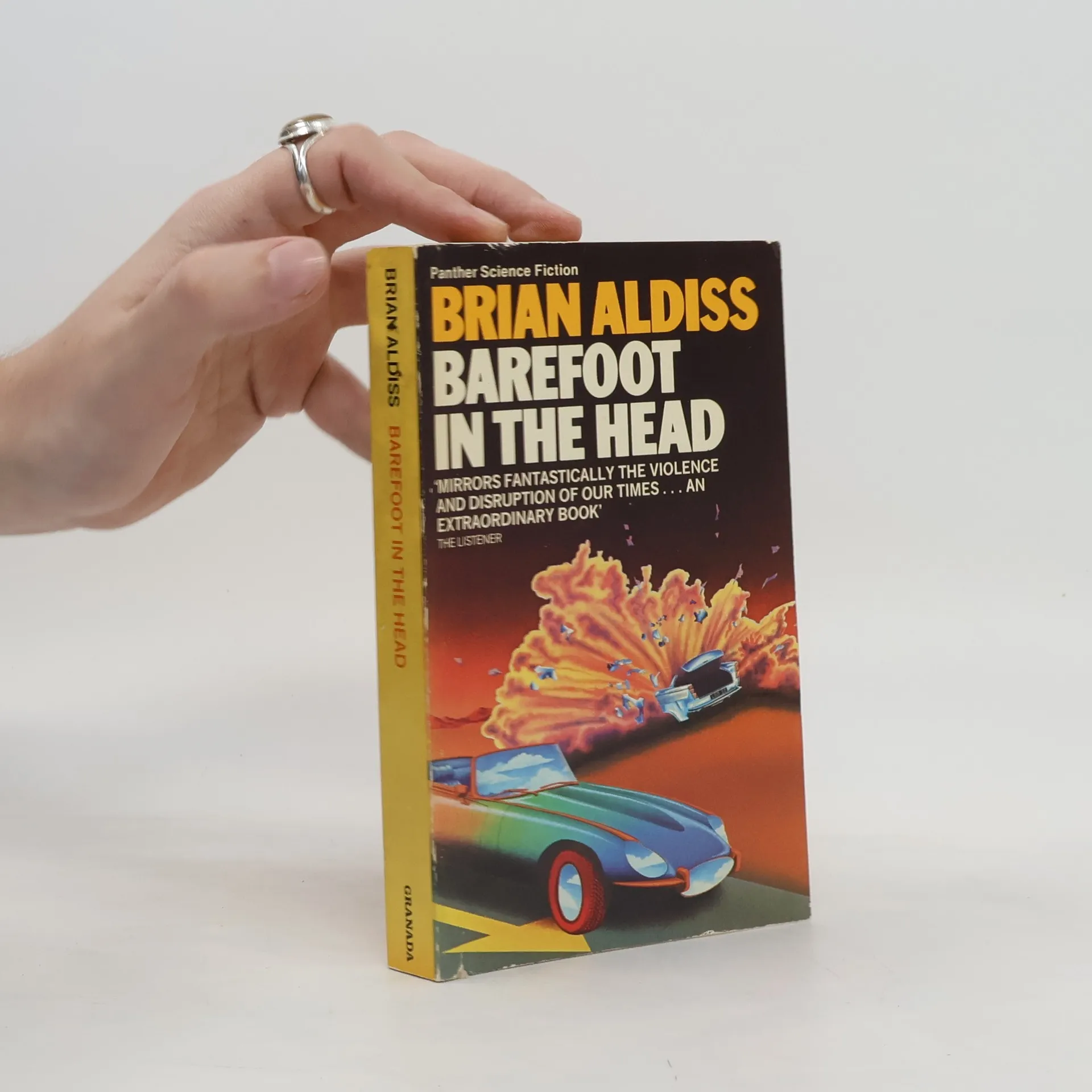
When an undeclared Acid Head War breaks out, Britain is the first to be devastated by Psycho-Chemical Aerosols--tasteless, odourless, colourless psychedelic drugs, which distort the minds of thousands of civilians into extreme terror or extreme joy. When the warped citizens of Europe proclaim Colin Charteris their hero, he finds himself leading an unfathomable crusade in a devastated world. Perhaps Aldiss's most experimental work, this first appeared in several parts as the 'Acid Head War' series in New Worlds. Set in a Europe some years after a flare-up in the Middle East led to Europe being attacked with bombs releasing huge quantities of long-lived hallucinogenic drugs. Into an England with a population barely maintaining a grip on reality comes a young Serb, who himself starts coming under the influence of the ambient aerosols & finds himself leading a messianic crusade. The narration & dialog reflects the shattering of language under the influence of the drugs, in mutating phrases & puns & allusions, in a deliberate echo of Finnegans Wake.--Wikipedia
Thirteen fantastic new stories on the classic themes of Science Fiction by Isaac Asimov, Poul Anderson, Robert Silverberg, HarlanEllison, Frederick Pohl, Brian Aldiss, Harry Harrison, Philip K. Dick, and others.Between them the contributors have won all the awards bestowed by Science Fiction: seventeen Hugos, ten Nebulas and the John W. Campbell Memorial Award. In this very special original collection, each writer is at the top of his form, each attempting to create the ultimate on a given theme.Edited by Edward L. Ferman and Barry N. Malzberg. Cover illustration by David Pelham.
The Decade anthologies present the eighty-year history of science fiction in the most relevant way - by collecting the stories which have gone to make it up. Each volume, complete in itself, takes from a single decade the tales which are best, not only as history, but as entertainment. Contents : Grandpa / James H. Schmitz The snowball effect / Katherine Maclean The edge of the sea / Algis Budrys Scanners live in vain / Cordwainer Smith The pedestrian / Ray Bradbury The last day / Richard Matheson The holes around Mars / Jerome Bixby The star / Arthur C. Clarke Two-handed engine / Henry Kuttner The large ant / Howard Fast Early model / Robert Sheckley Sail on! Sail on! / Philip José Farmer
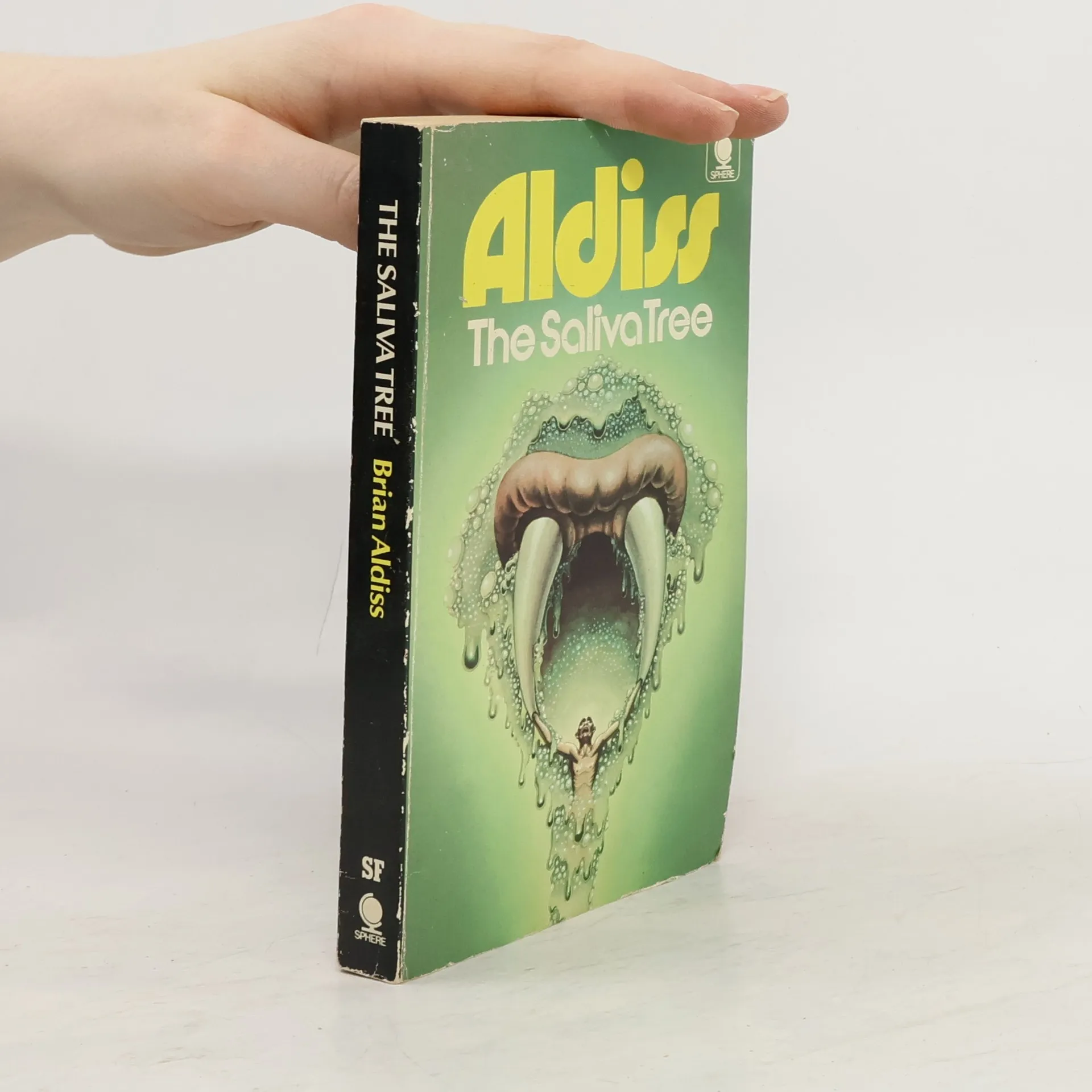
Brian Aldiss marked the centenary year of H G Wells' birth with this ingenious novella combining comedy, terror and, intriguingly, late nineteenth-century period charm. In a sleepy East Anglian town we meet Bruce Fox and Gregory Rolles - two young men who have sworn to Think Large in order to distinguish themselves from the masses of Cottersall. When a meteor lands in the pond of a local farm, Gregory seeks the advice of Mr Wells. Nine short stories complete the collection, including the highly autobiographical 'Girl and Robot With Flowers', which was taken up as a seminal story demarcating the new SF from the old.The saliva tree --Danger, religion! --The lonely habit --A pleasure shared --One role with relish --Legends of Smith's Burst --Day of the doomed king --Paternal care --The girl and the robot with flowers.
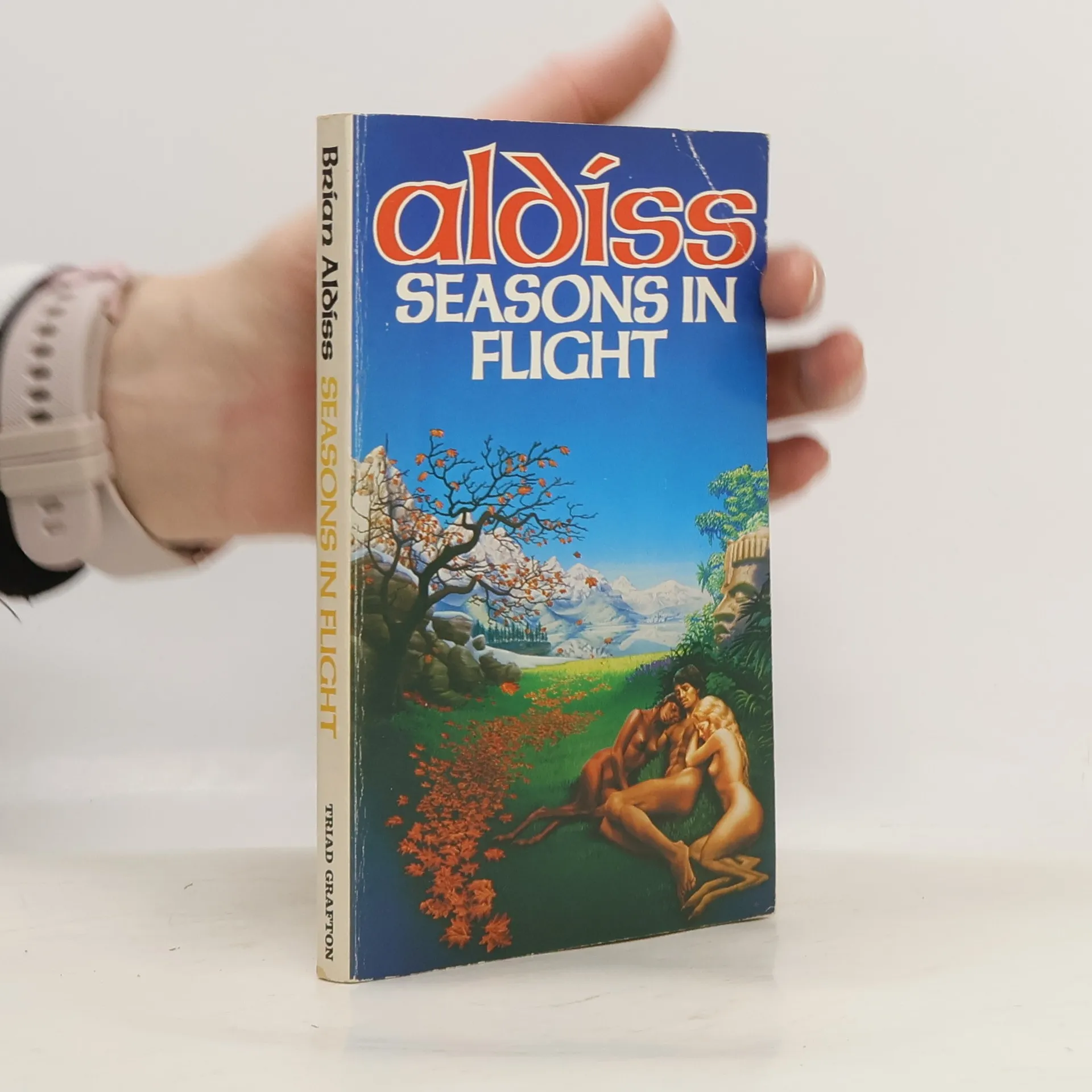
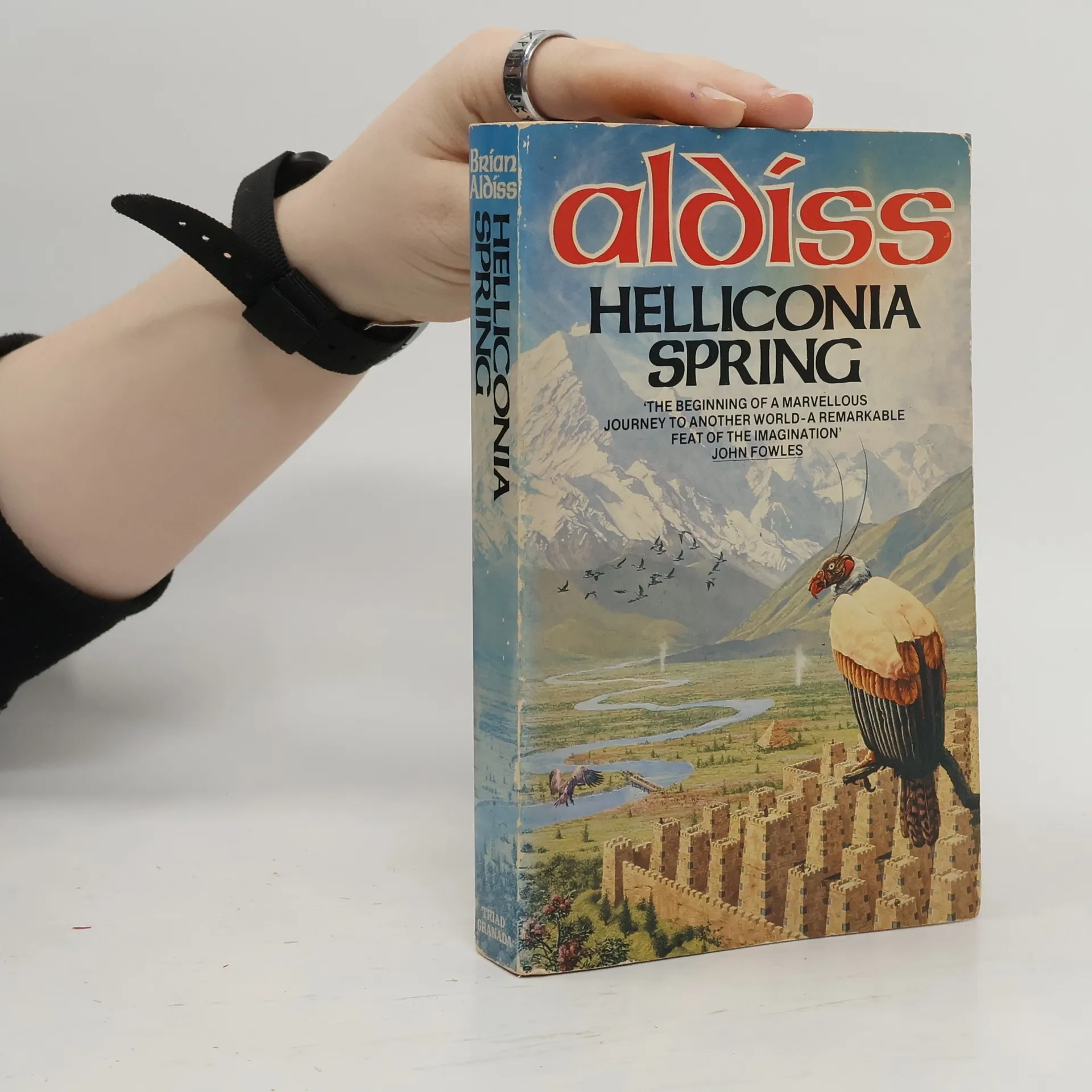
This is the first volume of the Helliconia Trilogy - a monumental sage which goes beyond anything yet created by this master among today's imaginative writers. An entire solar system is revealed, and with it a world disturbingly reflecting our own, Helliconia: an Earth-like planet where dynasties change with the seasons . . . . . . Events and characters and animals stream across the pages of this gigantic novel. Cosmic in scope, it keeps an eye lovingly on the humans involved. So the 5,000 inhabitants of the Earth's observation station above Helliconia keep their eyes trained on the events of Oldorando and may long to intervene though the dangers are too great. So we on Earth have them all in our vision in one of the most consuming and magnificent novels of scientific romance.
The narrative explores the complexities of first contact with the Utod, intelligent and pacifist aliens misunderstood by humans due to their unconventional behaviors. Initially perceived as mere animals, the Utod face violence and exploitation until one explorer begins to understand their true nature. This prompts a profound reevaluation of intelligence and what it means to be sentient, challenging human assumptions about life forms and their customs. The story delves into themes of empathy, ethics, and the nature of intelligence across species.
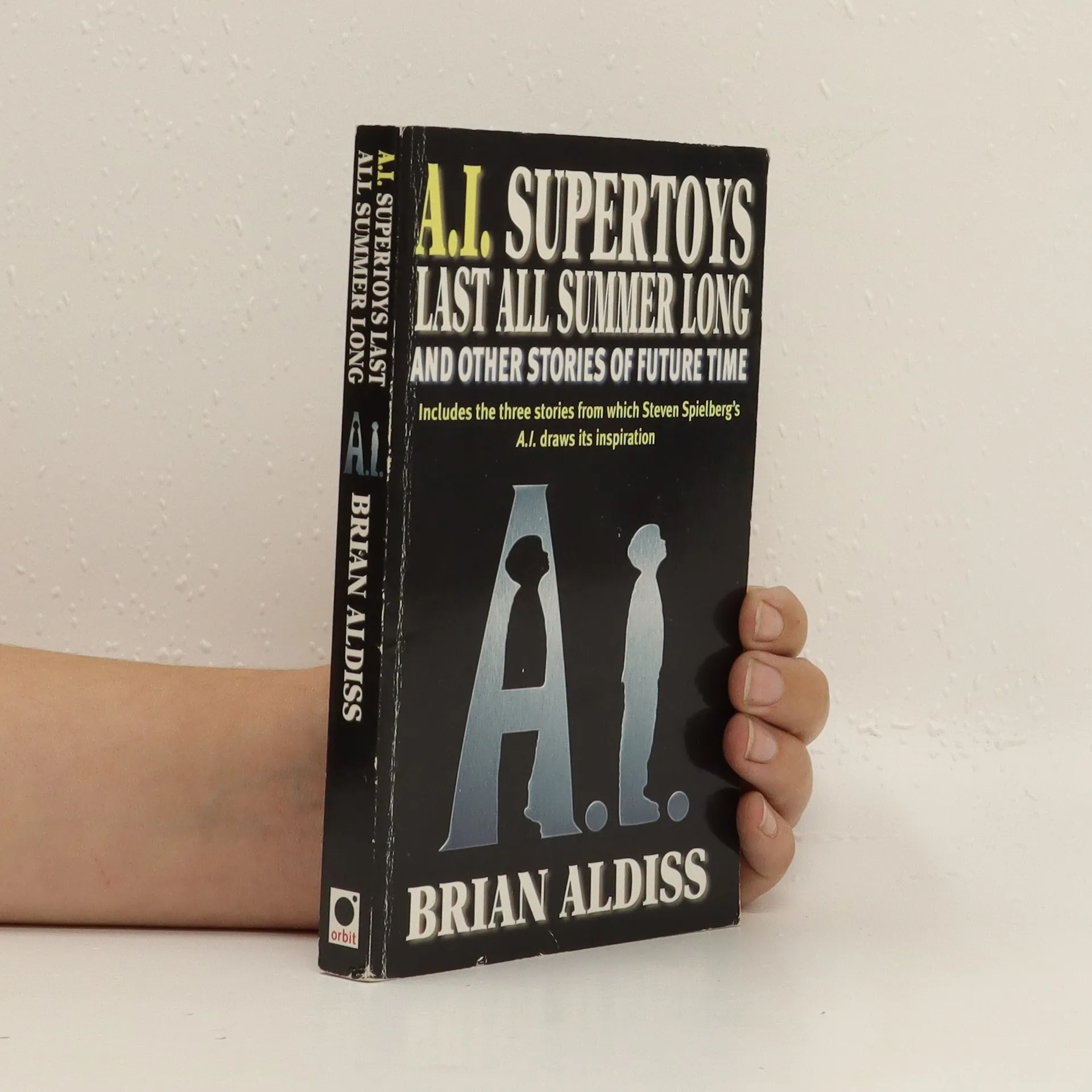
The title story, Supertoys Last All Summer Long, soon to be a major film directed by Steven Spielberg, tells of a young boy who, whatever he does, cannot please his mother. He is puzzled by this, not realising that he is an android, a cunning construct of artificial intelligence - as is his one ally, his teddy bear. It was a story that hugely affected Stanley Kubrick (director of 2001) and Steven Spielberg (who perhaps saw in his forthcoming movie AI (Artificial Intelligence) a complement to his ET!). This collection contains three SUPERTOYS stories, and they are the fabric of Spielberg's movie. The other stories in the collection, whether SF, utopian fantasy or dark fable show a master writer at the peak of his considerable powers.
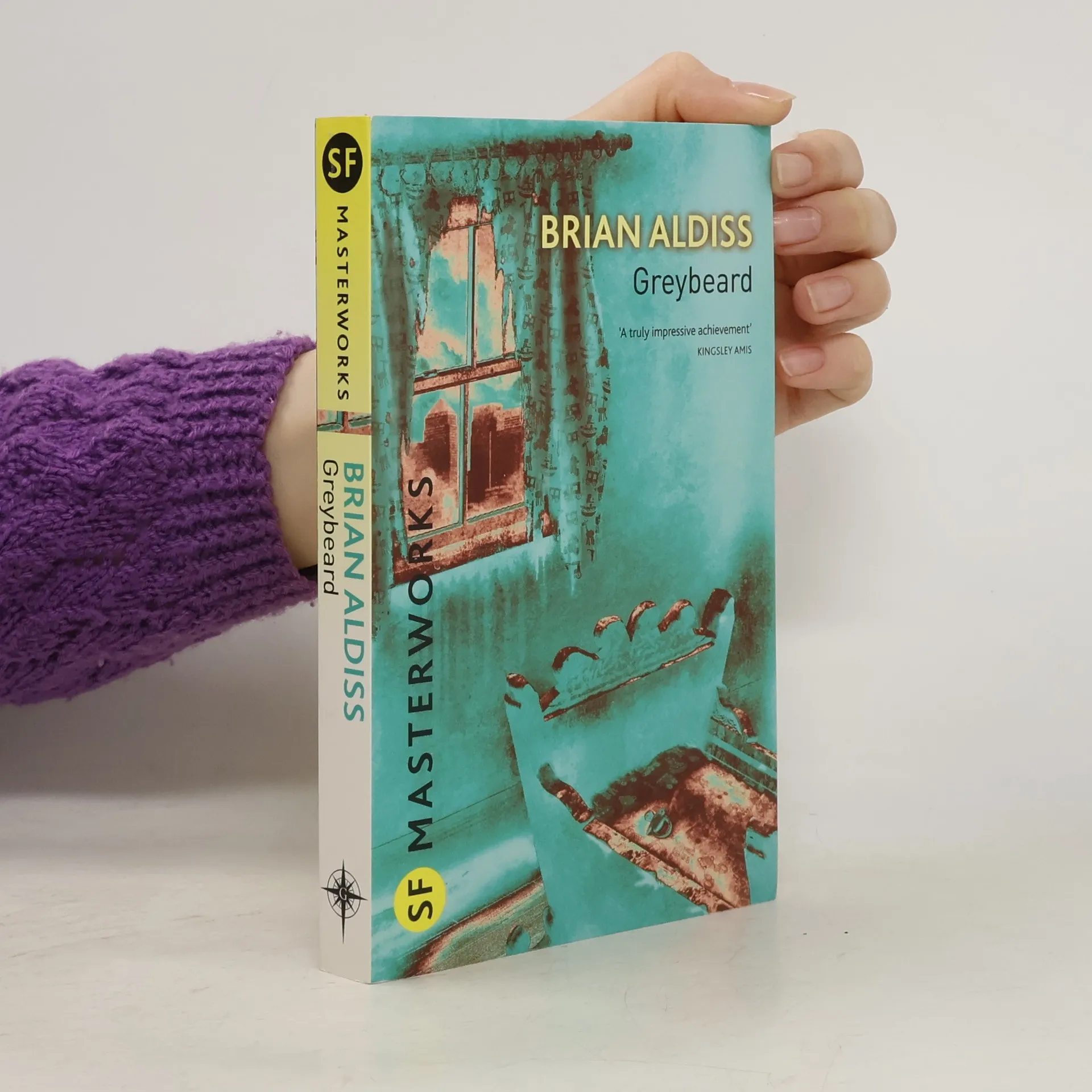
Ecological disaster has left the English countryside a wasteland. Humanity faces extinction, unless Greybeard and his wife Martha are successful in their quest for the scarcest and most precious of resources: human children.
The Sun is about to go Nova. Earth and Moon have ceased their axial rotation
and present one face continuously to the sun. The bright side of Earth is
covered with carnivorous forest. This is the Age of vegetables. Gren and his
lady - not to mention the tummybelly men - journey to the even more terrifying
Dark side.
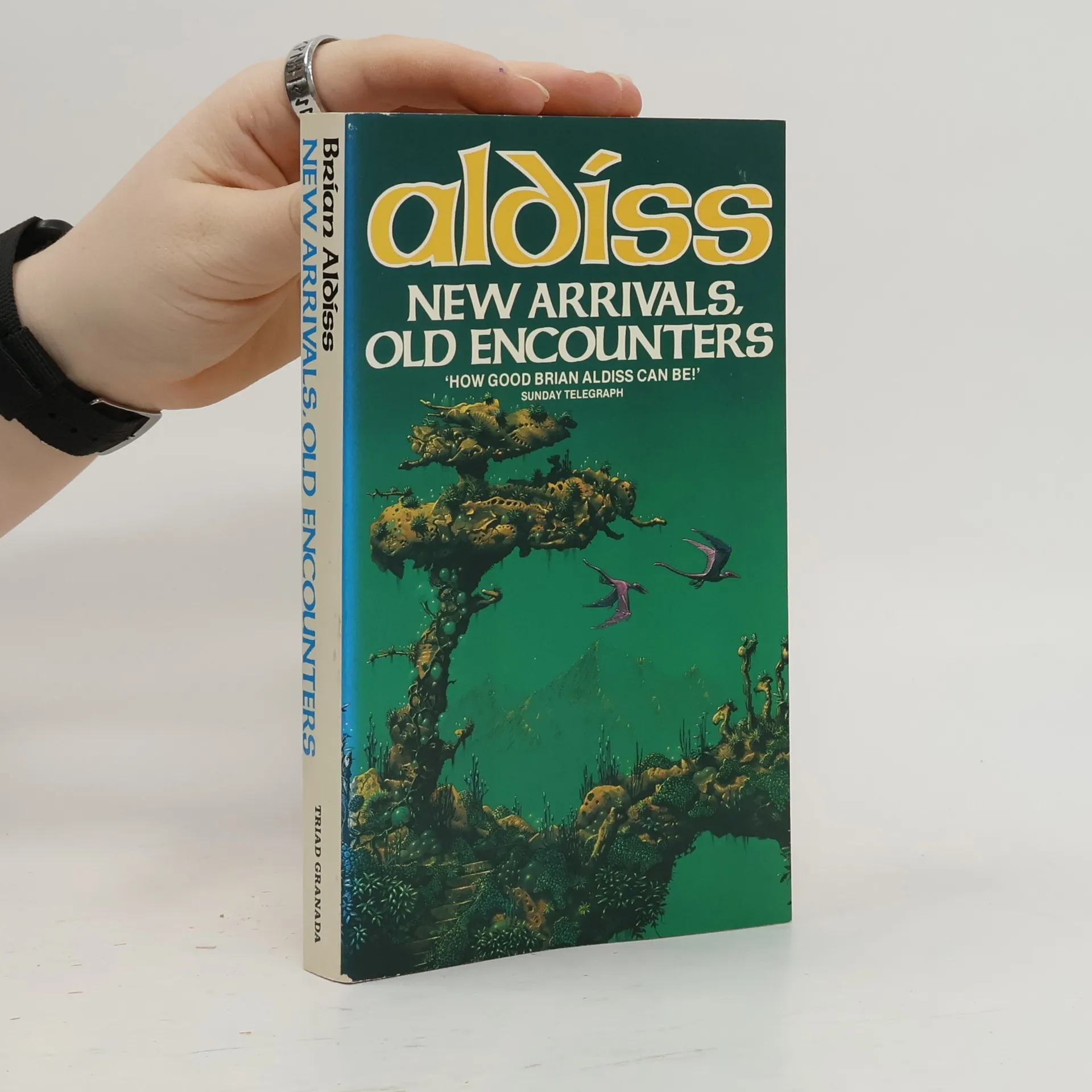
Ranging across the mind-blowing wastes of space and time, the dozen stories in New Arrivals, Old Encounters are by Brian Aldiss at his sharpest and most inventive. Here are space colonizers, god creators, god implanters, visions of future Earths (on one of which the EEC has become a horrifying bureaucracy where people speak SpEEC) and new stories of the zeepees-the Zodiacal Planets. [Taken from the back cover]
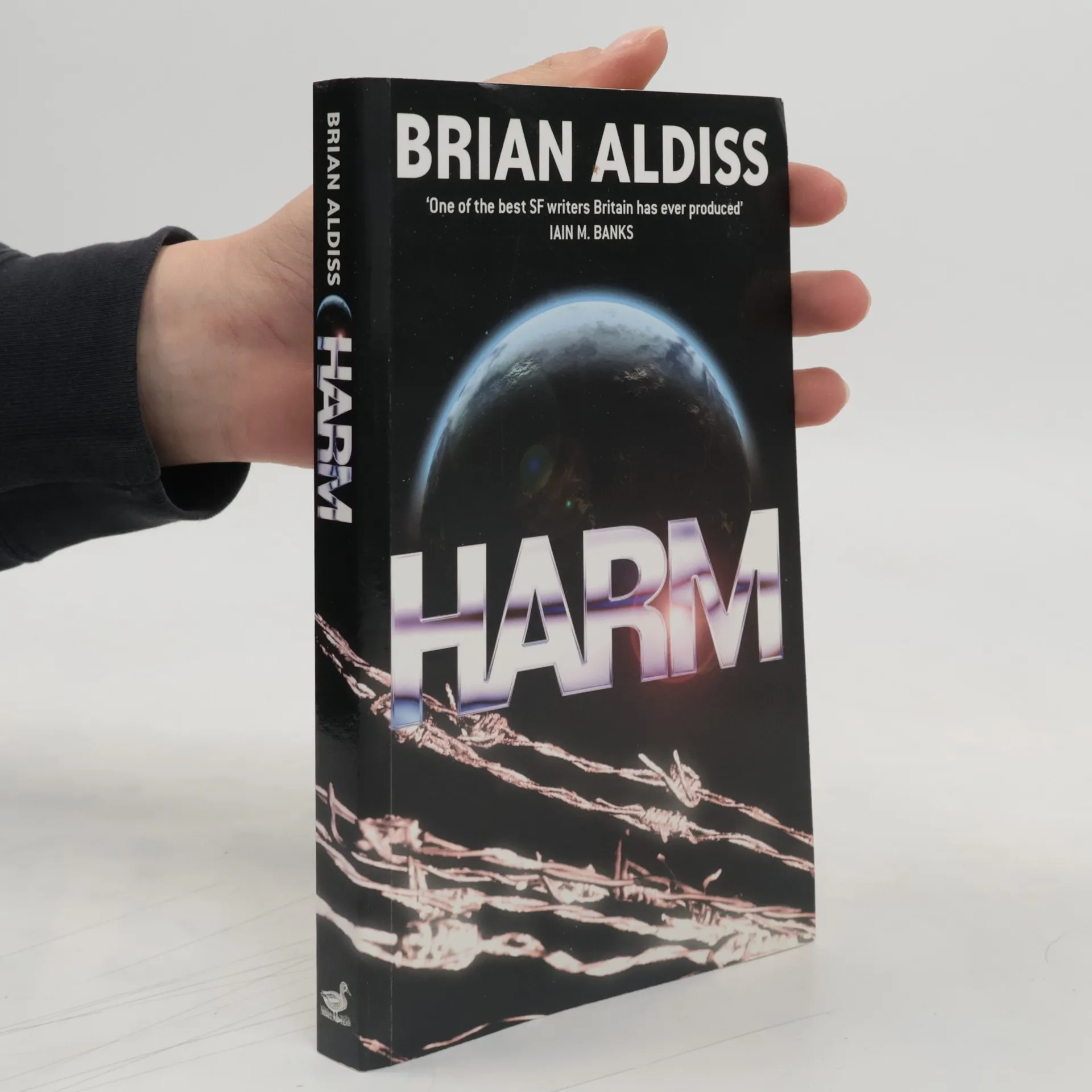
It is the very near future. Paul Ali, a young science fiction writer, who has
the perceived misfortune of a Muslim heritage, has been arrested for no
compelling reason. He is held as prisoner B, without a lawyer and isolated.
Whenever the powers-that-be fancy a diversion, they beat him up.
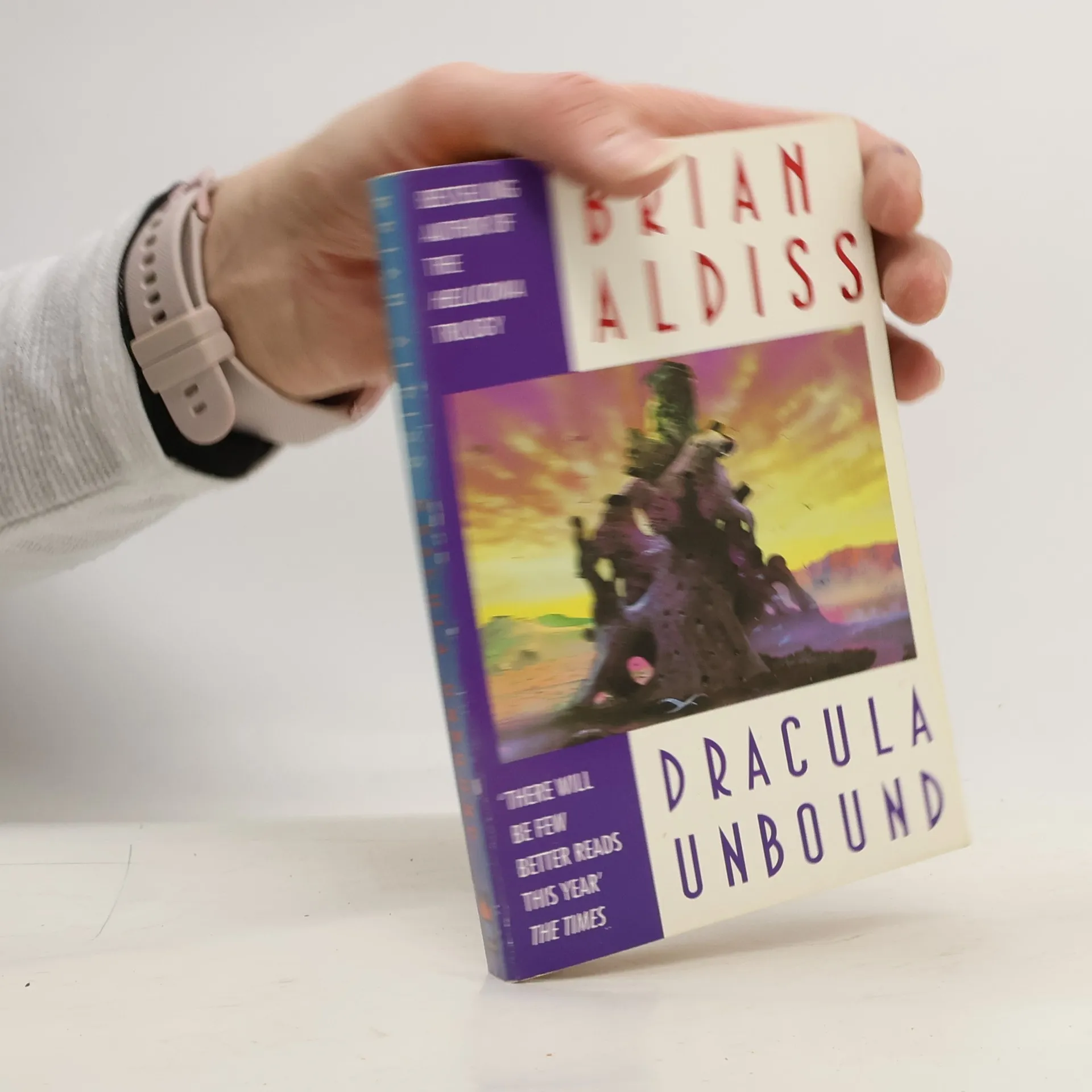
When Bram Stoker wrote one of the most famous novels in the world - Dracula - most people didn't realise that he had a little outside 'inspiration'. This came in the form of one Joe Bodenland from the 1990s who travelled back in time to secure Stoker's help on a desperate mission to save humanity from the Undead... For Dracula is no mere character conjured up by a gifted scribe - he is undead and kicking, shrouded in a wickedness bred by centuries of evolution. Stoker joins Bodenland in a crusade to exterminate all vampires once and for all. But the trail which begins in Utah in the 21st century ends far away in space and time, in aclimax of devastating destruction. A great page-whipping adventure merging supernatural horror with breathtaking science fantasy, Dracula Unbound displays Brian Aldiss at his romantic and imaginative best. [Taken from the back cover]
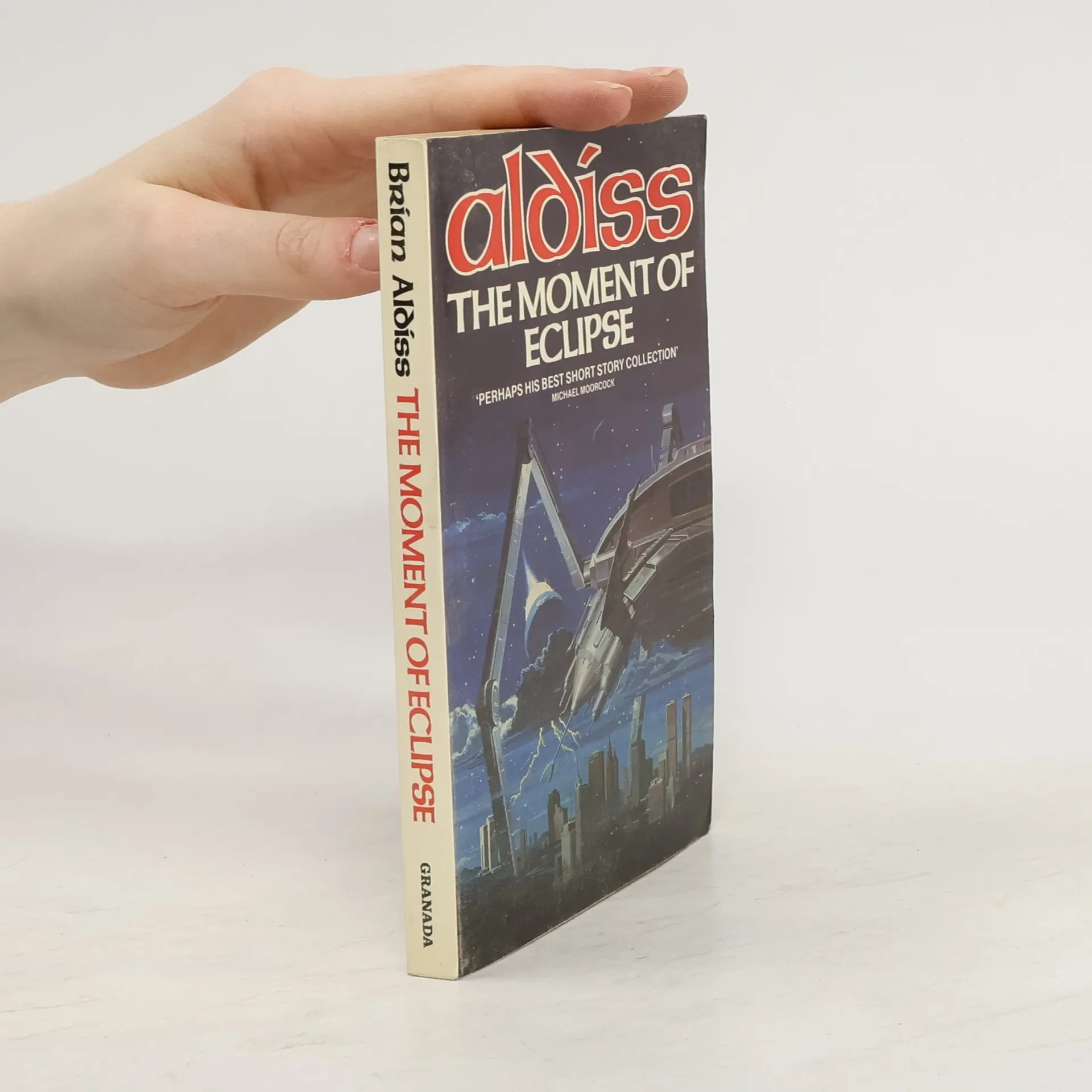
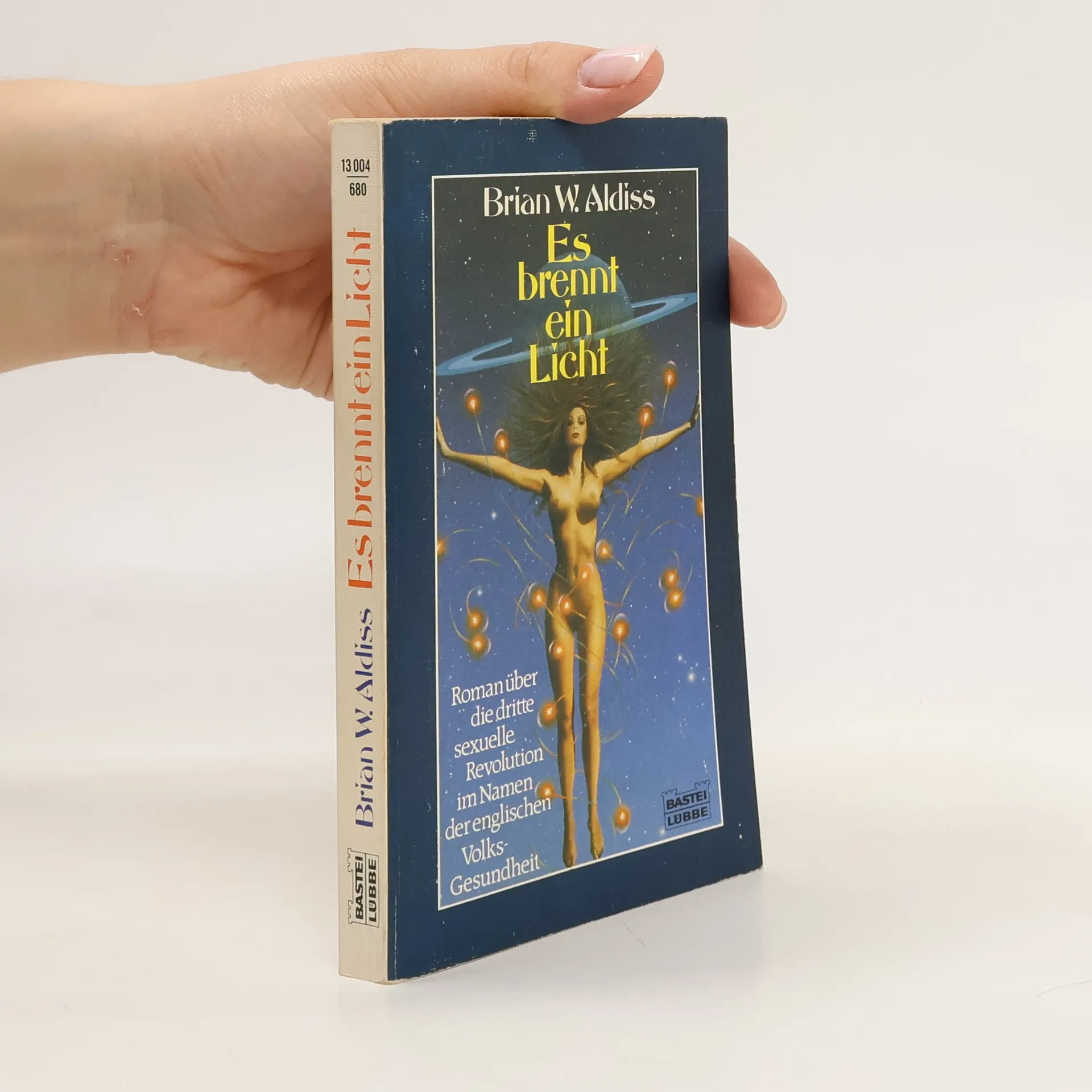
There's No Time Like the Future...... and here Brian W. Aldiss proves it brilliantly in fourteen stories of devastating power. From outrageous satire to haunting fantasy, the renowned author of such science fiction classics as Greybeard and Hothouse displays his unmatched talent for creating tales that illuminate times-to-come with the disconcerting intensity of a cobalt bomb's heat-flash...Perhaps his best short story collection for a long while - Michael MoorcockWeird, solid tales treated with polish and intelligence - Sunday ExpressCover illustration: Peter GoodfellowContents:The Moment of Eclipse (1969)The Day We Embarked for Cythera... (1970)Orgy of the Living and the Dying (1970)Super-Toys Last All Summer Long (1969)The Village Swindler (1968)Down the Up Escalation (1967)That Uncomfortable Pause between Life and Art... (1969)Confluence (1967)Heresies of the Huge God (1966)The Circulation of the Blood... (1966)...And the Stagnation of the Heart (1968)The Worm That Flies (1968)Working in the Spaceship Yards (1969)Swastika! (1970)
Spanning 50 years and three continents, from pre-war Suffolk to the Far East in the 1940s to Oxford and America in the present, this is the story of one man's re-examination of the meaning of his life, as juxtaposed with the lives of those around him.
The twelve stories in this, Brian Aldiss' fifteenth collection of short stories, reveal a mindscape of places as close as Prague, the Aswan Sheraton, an Oxford garden where an orgy takes place and Moscow, and as distant as the Afterworld, a cabbage planet and the heart of our galaxy.
Brian Aldiss, with the kind of science-fiction fantasy of which he is one of the finest exponents alive today. - Sunday Telegraph Joe Bodenland, a 21st century American, passes through a timeslip and finds himself with Byron and Shelley in the famous villa on the shore of Lake Geneva. More fantastically, he finds himself face to face with a real Frankenstein, a doppelganger inhabiting a complex world where fact and fiction may as easily have congress as Bodenland himself manages to make love to Mary Shelley. TheGuardian Brian Aldiss's monster is a beaut. The eerie, icy, last confrontation between it (and its mate) and Joe with his felder car and swivel-gun is intense and vivid - The Sunday Times
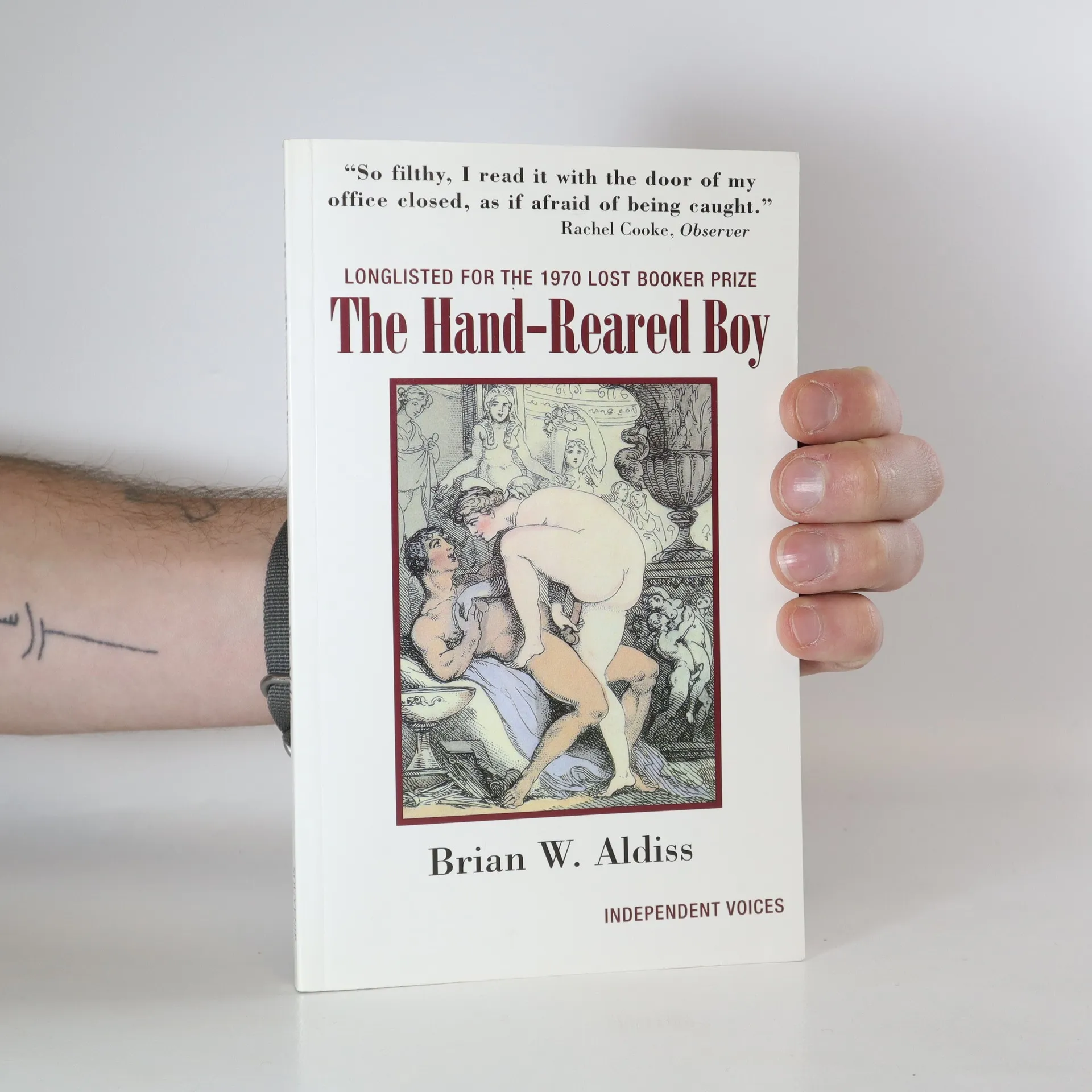
It was the first British novel to explore, frankly and with a gleeful honesty, the sexual awakening of a teenage boy. It was regarded as so outrageous that thirteen publishers initially refused to publish it. The Hand-Reared Boy no longer shocks, instead, it stands as the classic novel of teenage self-discovery and the realisation of a young boy of love, and the fact that other people are more than sexual objects.Depicting the preoccupations common to all young boys as they reach puberty, The Hand-Reared Boy is a delightfully funny account of burgeoning sexuality, marked by self-revelation, self-mockery and a complete absence of prurience. It was shortlisted for the Lost Booker Prize in 2010.
An ominous sequence unfolds when it is revealed that strangely intriguing Mrs Mary is being watched from her garden by a trio of strange characters - G, S and C - who are in turn being watched by another observer, who is being watched by a solitary figure on a hill in a third dimension, who is being watched by a group of men in New York, who are being watched by a clairvoyant's prying mind? In this bizarre and brilliant novel nothing is certain and everything is relative.Cover Illustration: Derek Edwards
WHITE MARS is Brian Aldiss' Utopian vision of mankind's future in space, written in collaboration with distinguished physicist Roger Penrose. Halfway through the next century, an organisation called EUPACUS, consisting of all the leading industrialised nations, has found a way to colonise Mars. They have, however, decided to protect the planet for scientific research. Human beings will live in great, self- perpetuating domes, producing their own food and oxygen, while drawing water from the planet's core. The option of terraforming the planet, bombarding it with CFCs in order to give it an atmosphere, has been discontinued. Owing to economic collapse on earth the martian colony is cut off from the mother planet ('Downstairs' as they call it). The head of the colony, Tim Jefferies, sets out to create a perfect society. Some, however, only want to get home, and think that the Utopian ideals (which are all broadcast back to Earth) will only hamper their rescue. An arresting novel of ideals and conflicts WHITE MARS contrasts the warmth of community in the domes with the icy wastes of Mars.
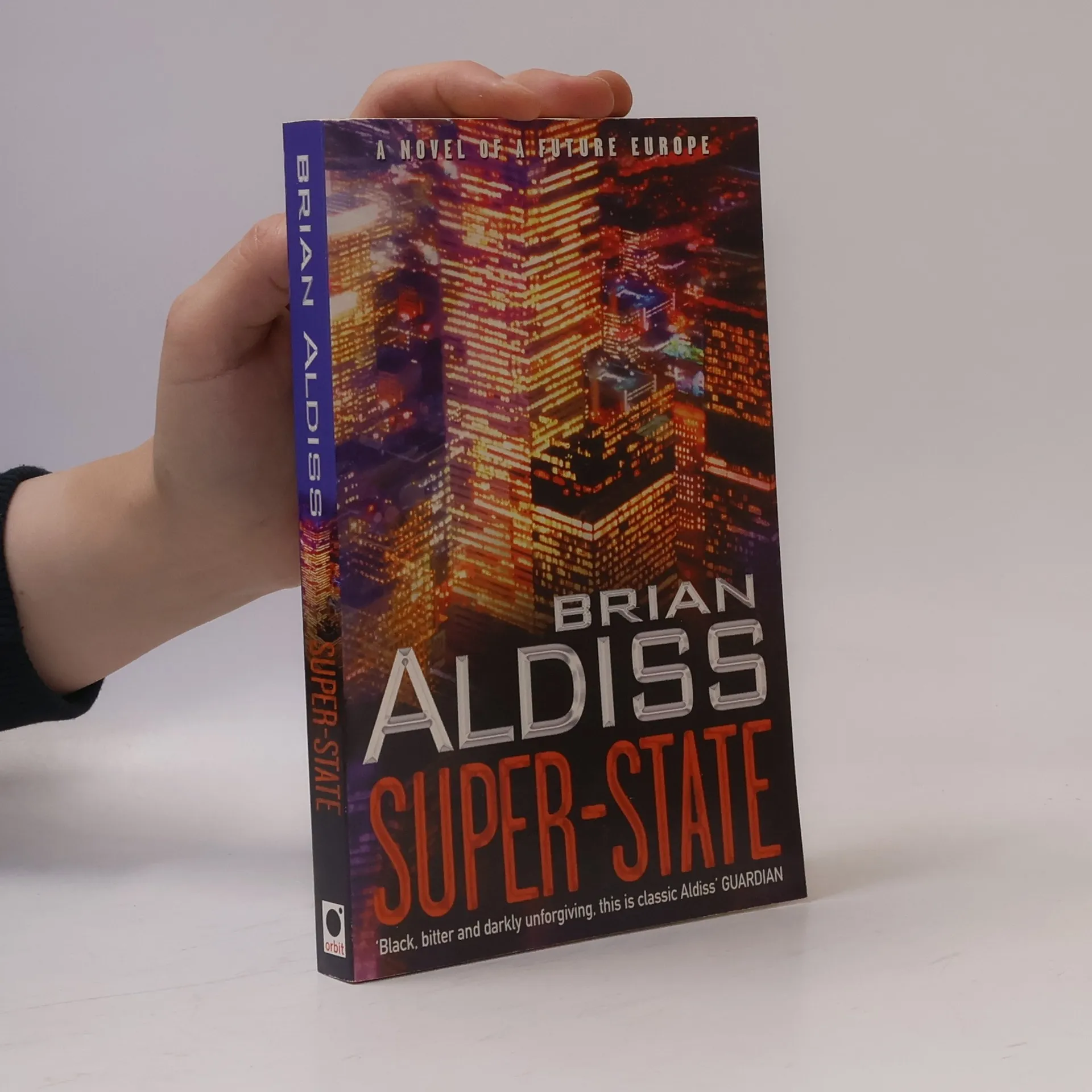
SUPER-STATE is Europe in a mere 40 years' time, where men and women are much like us, but despite technological advancement the basic questions of life have yet to be answered by either philosophers or scientists. The comedy emerges from human behaviour - as does the tragedy. While many go their own moderately sweet way, Britain and Europe are bedevilled by global warming and war with an external enemy. With cool wit, Aldiss shows us what might happen as Europe expands and Britain and Ireland shrink. Better times seem, as always, to be on the way, but a subversive group calling themselves the 'Insanatics' is sending out doleful messages to worry and provoke the population. Androids, too, prove nothing but a nuisance, and are generally kept locked in the cupboard. However, life goes on as usual - except for the crew of an expedition to another planet. But the least said about that the better.
Brian Aldiss. The Malacia Tapestry. New York: Harper & Row, [1977]. First edition, first printing. Octavo. 313 pages.In the timeless city of Malacia, a place swathed in magic and on the brink of war, lives a young man named Perian de Chirolo - a free-spirit, a fearless lover - who embarks on a harrowing odyssey with dramatic consequences for himself and all Malacians. This is a gripping tale of wonder, lust and destiny.
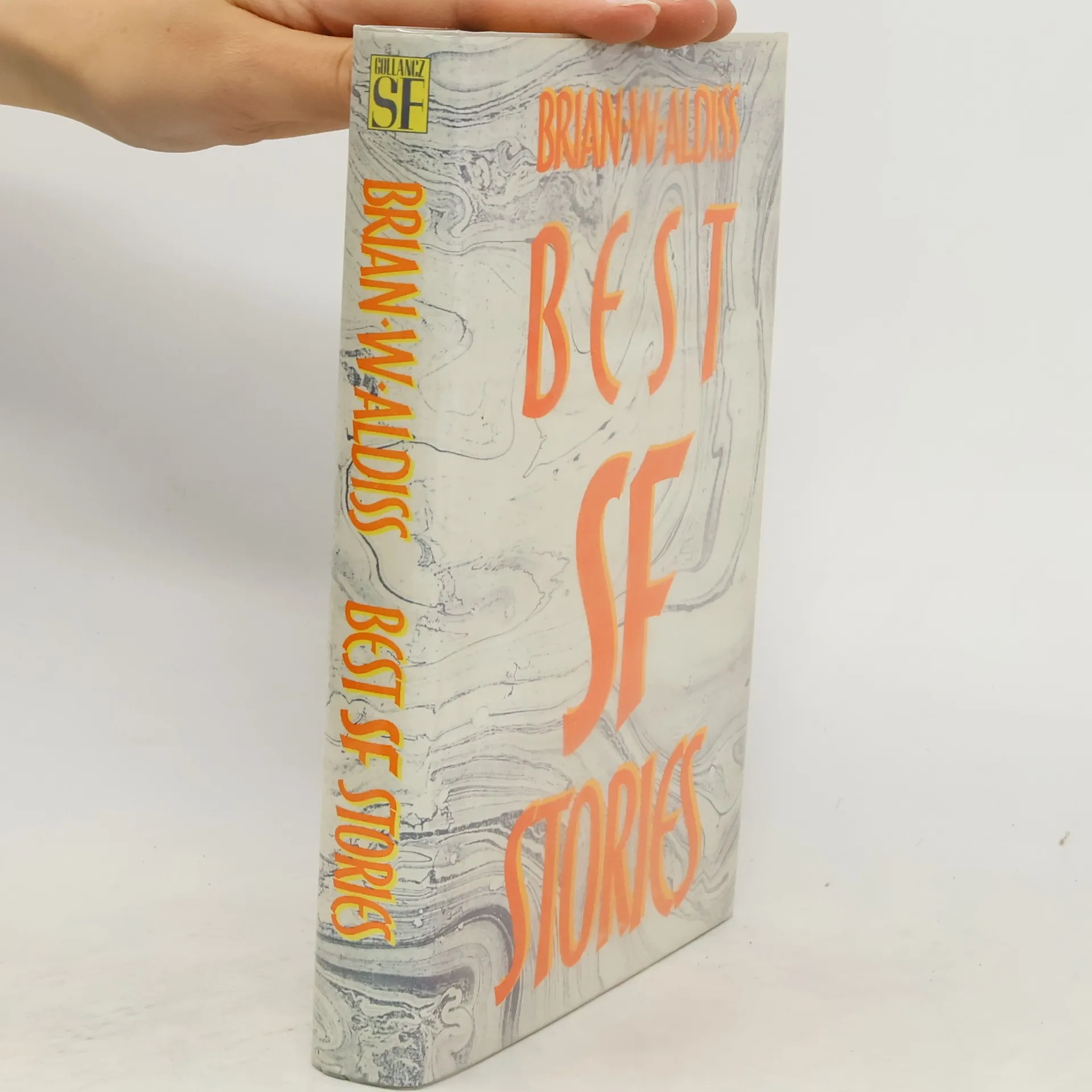
A selection of Brian Aldiss' best science fiction chosen by the author himself and representative of the full range of his career.Contents:Who can replace a man? --Not for an age --Outside --Poor little warrior! --Man on bridge --The impossible star --Old hundredth --Man in his time --Shards --Girl and robot with flowers --The moment of eclipse --Swastika! --Sober noises of morning in a marginal land --Judas danced --Still trajectories --Another little boy.
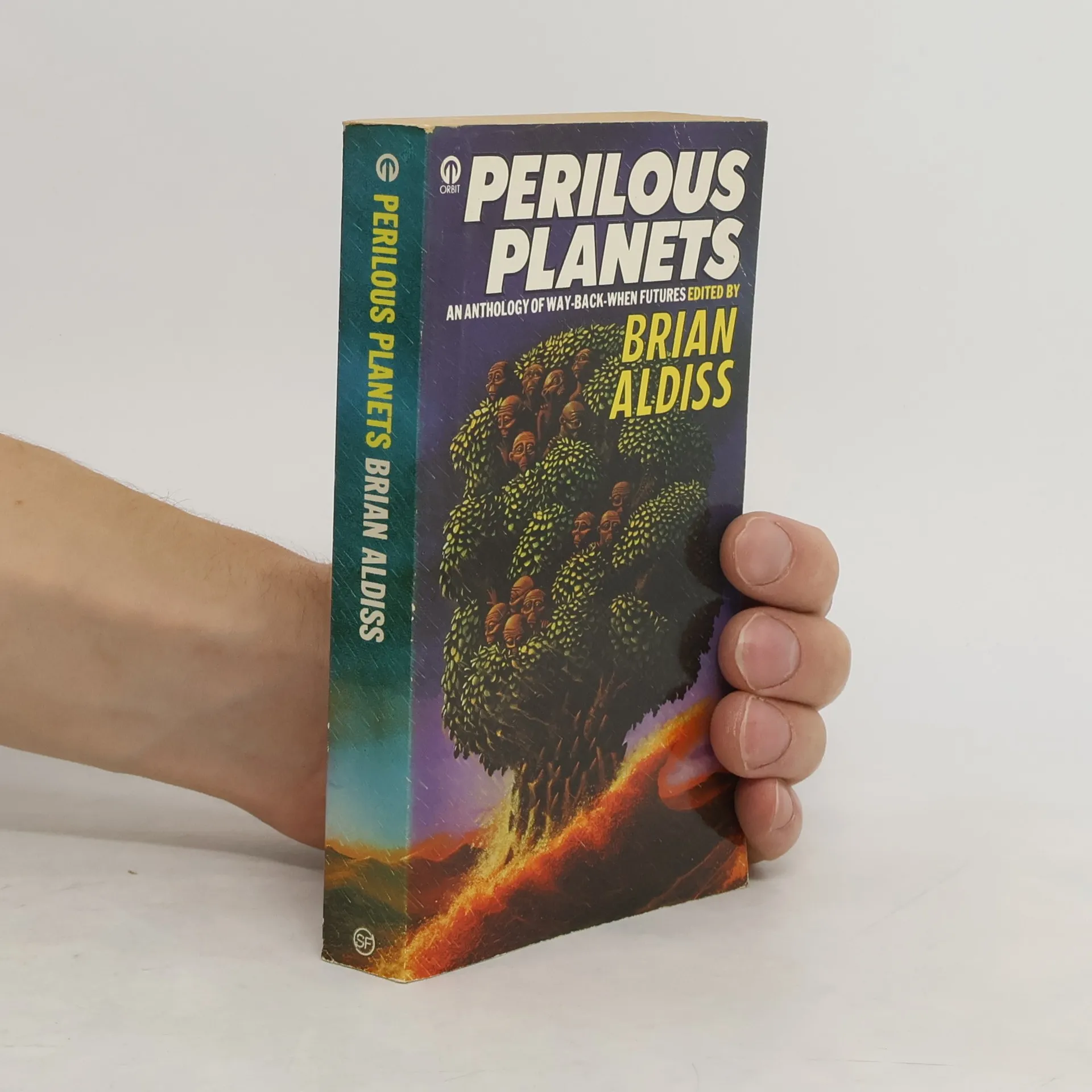
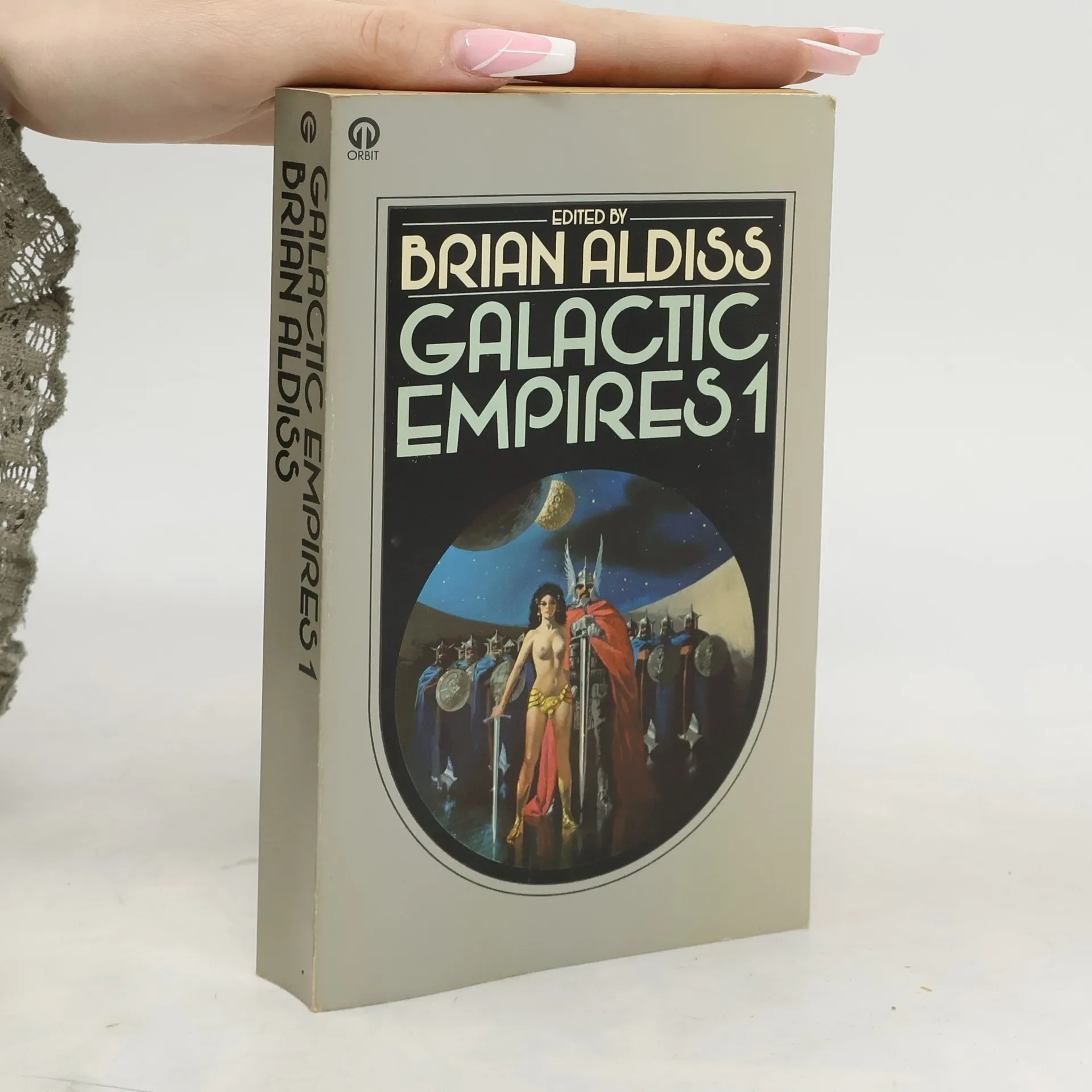
In the second in this unusual new SF series, Brian Aldiss has assembled a rich anthology of 'way-back-when futures' penned by such masters of the SF genre as Asimov, Clark, Poul Anderson, Alfred Bester, Philip K. Dick, and E. E. Smith.
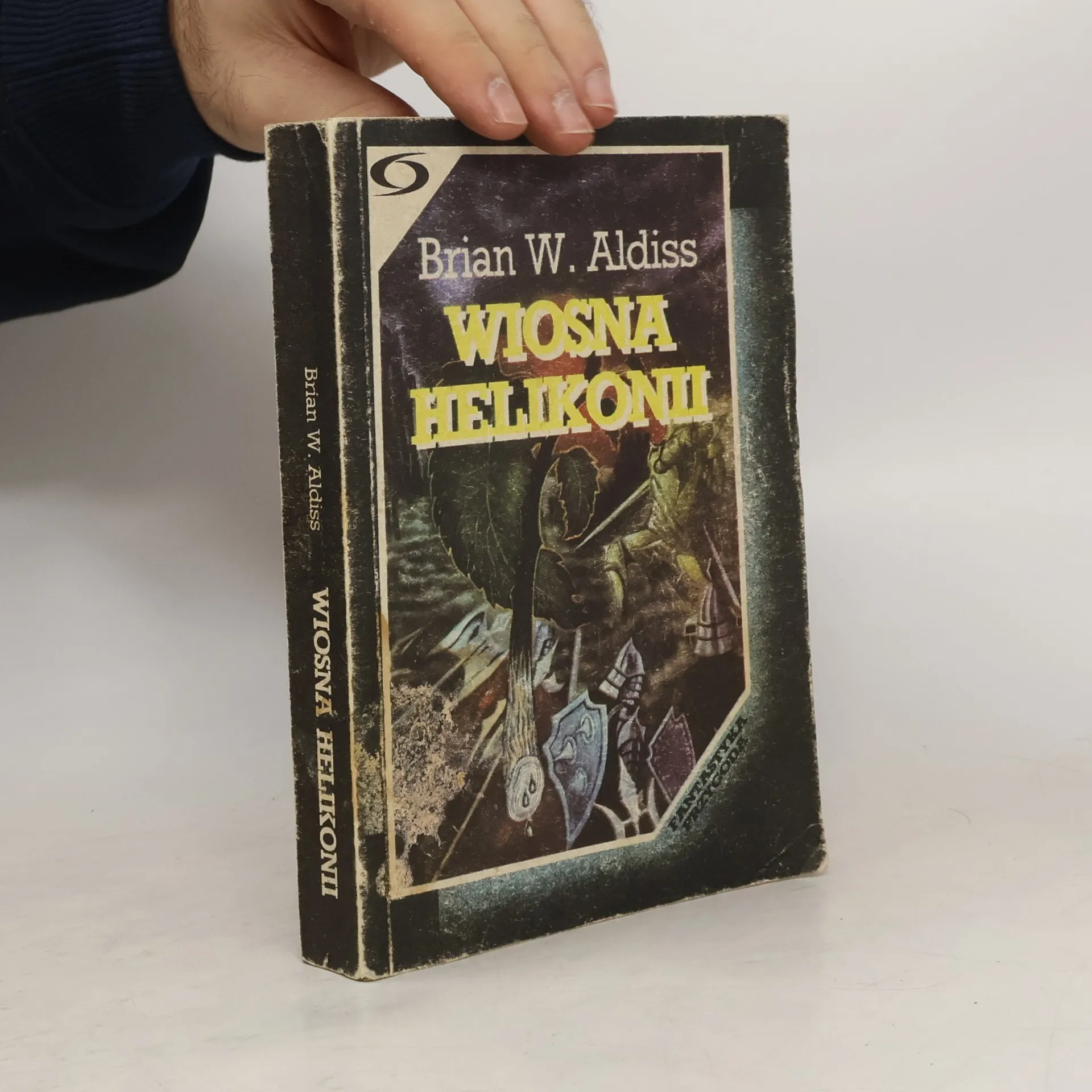
Brian W. Aldiss to jeden z najwybitniejszych pisarzy science fiction. Za swoją
twórczość wielokrotnie nagradzany. Takie powieści jak Cieplarnia, Non stop,
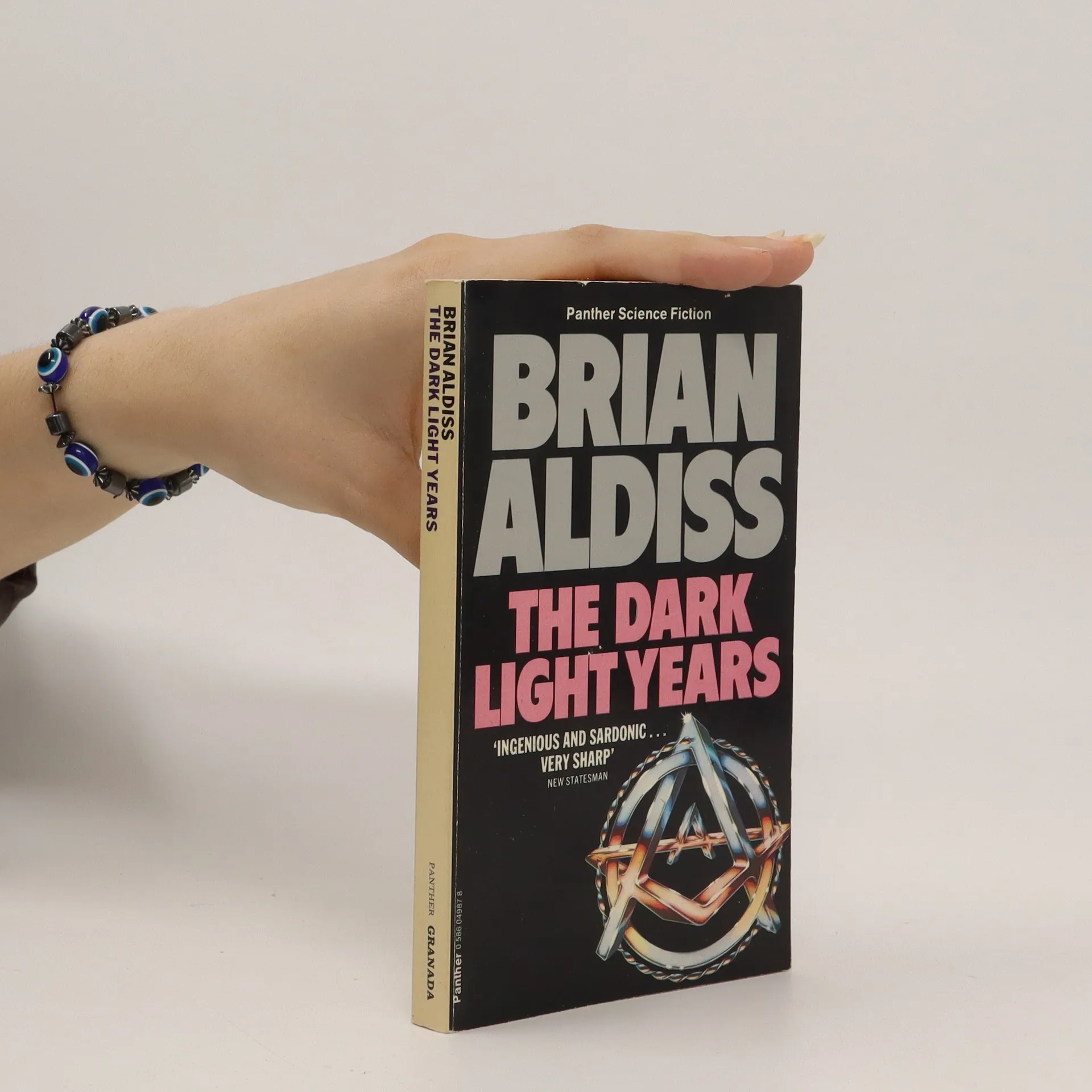
Mroczne lata świetlne, Siwobrody – weszły do kanonu dzieł SF. Ale
najsłynniejszą jego książką, od lat niezmiennie cieszącą się największą
popularnością wśród czytelników jest Trylogia Helikonii, stawiana w jednym
szeregu z Diuną Herberta, Majipoorem Silverberga czy Hyperionem Simmonsa.
Helikonia to planeta należąca do układu z dwoma gwiazdami, które obiega po
długiej, karkołomnej orbicie. Planetą raz rządzi sroga zima, innym razem
upalne lato. Niby nic nadzwyczajnego, tylko że te pory roku trwają setki lat,
przez wiele pokoleń. Pory roku determinują też życie na Helikonii. Zimą włada
nią cywilizacja ancipitów, a latem humanoidów. Obie rasy są do siebie
nastawione wrogo i dążą do wyniszczenia przeciwników. Budowanie i upadek
cywilizacji śledzą zaś ze stacji Avernus, umieszczonej na orbicie Helikonii,
wysłannicy Ziemi. Aldiss pisze science fiction w niewyobrażalnej,
monumentalnej skali… wspaniały sukces. New York Times
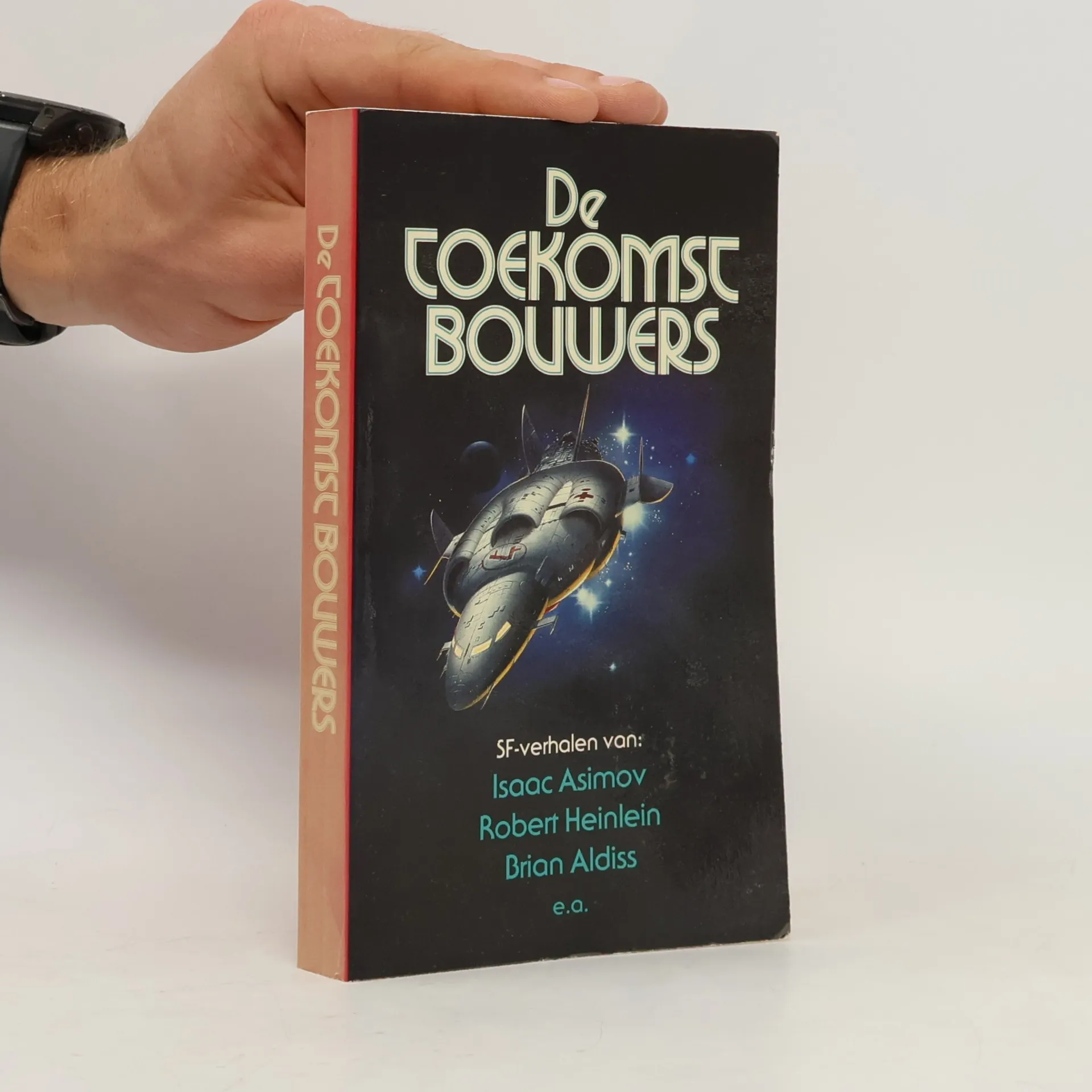
SF-verhalen van Brian W. Aldiss, Isaac Asimov, Ray Bradbury, Arthur C. Clarke, Robert A. Heinlein, Murray Leinster, Robert Sheckley, Theodore Sturgeon
232pages
9 heures de lecture
De toekomstbouwers is een opmerkelijke verzameling Science Fiction verhalen van grote meesters, geselecteerd uit hun vroege werken. Deze unieke collectie biedt de mogelijkheid om de schrijfstijlen van topauteurs te vergelijken, evenals hun ontwikkeling van eerdere naar latere werken. Van Aldiss tot Sturgeon, deze meesterlijke verhalen zijn nog nooit eerder gezamenlijk gepubliceerd.
De bundel bevat onder andere een inleiding van Peter Haining en verhalen zoals "Het wapen, te vreselijk om te gebruiken" van Isaac Asimov, geschreven op 17-jarige leeftijd en voor het eerst gepubliceerd in Amazing Stories in 1939. Daarnaast zijn er bijdragen van Theodore Sturgeon met "Abreactie" (Weird Tales, 1939), Ray Bradbury's "De fluit" (Thrilling Wonder Stories, 1943) en Murray Leinster's "Het eeuwigdurende nu" (Thrilling Wonder Stories, 1944). Ook zijn er verhalen van Robert A. Heinlein, Arthur C. Clarke, Robert Sheckley en Brian W. Aldiss, elk met hun eigen unieke stijl en visie, gepubliceerd tussen de jaren 1940 en 1958. Deze bundel is een must-read voor elke liefhebber van het genre.
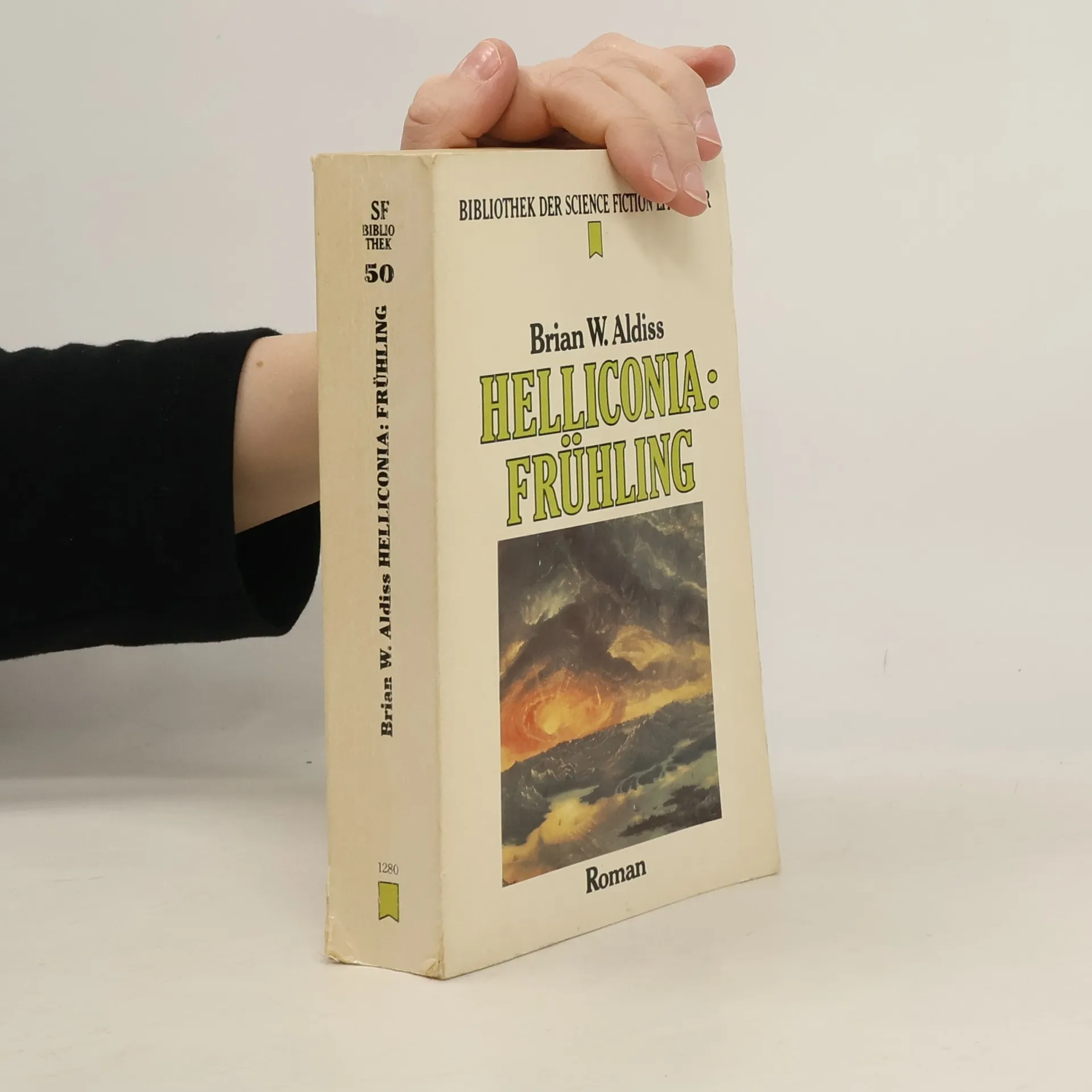
Einer der großen Weltentwürfe der neueren Science Fiction Helliconia - ein Planet in einem Doppelsternsystem, auf dem ein Jahr zweieinhalb irdische Jahrtausende dauert. Helliconia - eine Welt, die einst von Menschen entdeckt wurde, deren Nachfahren die Erde längst vergessen haben. Helliconia: Frühling - Nach mehr als 1000 Jahren erbarmungslosem Winter beginnen die Gletscher zurückzuweichen, zeigt sich das erste Grün. Die Tierwelt erwacht. Nach grausamem Überlebenskampf kriechen die Menschen aus den schützenden Höhlen unter der Erde; die Zivilisation erhebt sich von neuem aus der Barbarei und den Sklavenfesseln der einheimischen Phagoren. Ausgezeichnet 1982 mit dem John W. Campbell Memorial Award als bester Roman des Jahres in den USA, mit dem Preis der British Science Fiction Association als bester Roman des Jahres in Großbritannien und mit dem Kurd Laßwitz-Preis als bester ausländischer SF-Roman des Jahres in Deutschland.
James Solent, riservato e pacifico cittadino, è tra i primi a sperimentare la nuova scandalosa invenzione: un segnalatore del desiderio applicato alla fronte. Ma i dispositivi ER, registratori emotivi, si rivelano un'arma a doppio taglio e una continua fonte di micidiali, imbarazzanti avventure.
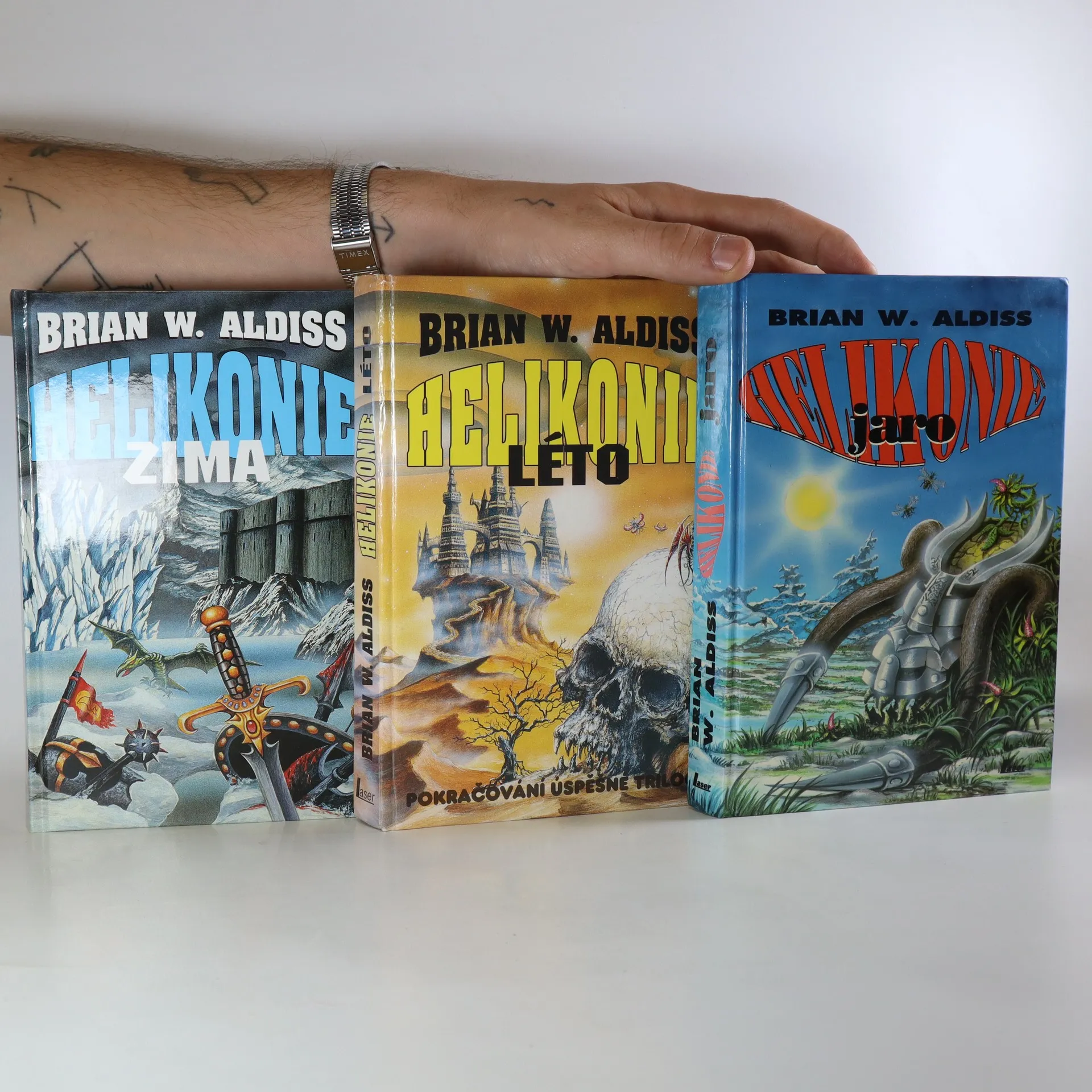
Sníh padá, zatímco Helikonie se na své eliptické dráze vzdaluje od tepla slunce. Stále horším životním podmínkám na planetě odpovídá nemilosrdá vláda krutého Oligarchy. A fagoři, odvěcí nepřátelé lidstva, začínají vést válku proti civilizaci. Před sebou máte magický příběh cest, podivných proměn a sledu událostí, které paralyzují nebo zcela změní životy mužů a žen. Je to příběh velké bitvy, jejíž vítězové jsou zrazeni a povražděni. Příběh krásné ženy, která padá do rukou manželova vraha. Příběh Luterina Šokerandita, který podniká postupující zimou nebezpečnou pouť do nejzaších polárních končin planety a vstupuje do Velkého kola Kharnabharu, v jehož celách vězňové valí planetu ke světlu. Účastny tohoto dramatu jsou i jiné dimenze: svět mrtvých; vzdálená Země – jež prochází svou vlastní zimou – a božstva, která ovládají život na obou planetách. Helikonská trilogie Briana Aldisse – již oslavovaná jako jeho nejvýznamnějšího dílo a možná jako největší epické dílo vědeckofantastické literatury naší doby – spěje v Helikonii – Zimě k okázalému závěru.
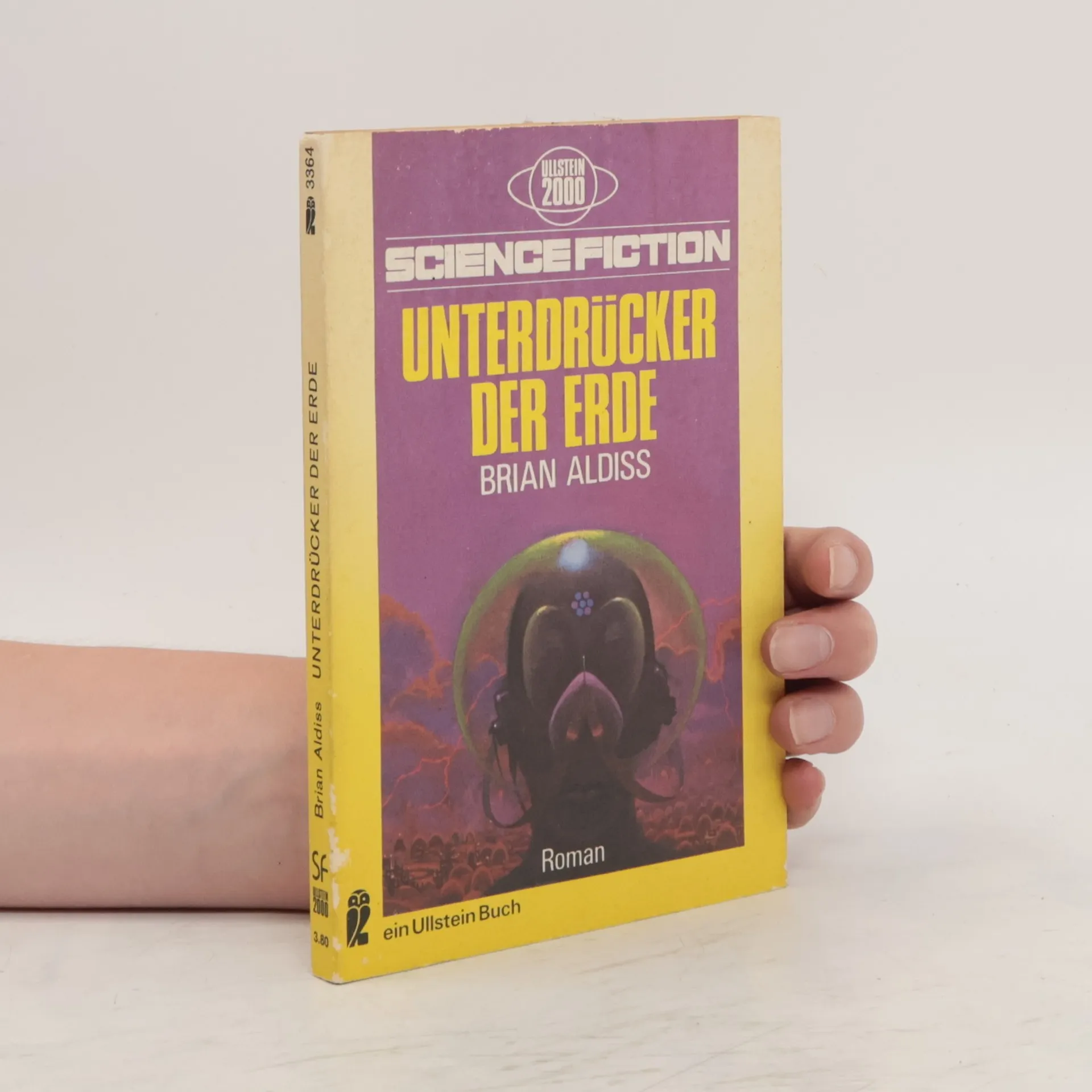
Klappentext: Im großen galaktischen Reich der Nal war der Planet Erde nur eine winzige, unbedeutende Welt am Rande der Milchstraße. Der Zufall und die Unzufriedenheit eines entlassenen Nal-Beamten sorgten dafür, daß Nachricht von Erde nach Partussy drang, dem Zentrum des Reiches und Sitz des Obersten Rates. Der Repräsentant des Nal-Reiches auf der Erde, hieß es, sei ein korrupter Ausbeuter der einheimischen Bevölkerung. Der Vorwurf war so schwerwiegend, daß der Oberste Rat beschloß, der Sache nachzugehen. Der unterdrückten Erdbevölkerung bot sich unverhofft die Gelegenheit, die Freiheit wiederzuerlangen. Doch die Schwierigkeiten begannen schon lange vor dem Eintreffen der Untersuchungskommission ...
Großbritannien in naher Zukunft: Der Krieg gegen den Terror hat aus dem Land einen Polizeistaat gemacht, in dem ein kafkaeskes Ministerium Bürger muslimischer Herkunft nach Belieben verhaften und foltern kann. Fadhil Abbas Ali gerät in die Fänge dieser Organisation und wird in ein Gefängnis gesteckt, dessen Vorbild Guantanamo nicht zu übersehen ist. Unter der Folter entwickelt er eine Persönlichkeitsstörung und flieht im Geiste auf den fernen Planeten Stygia, doch die Grausamkeit seiner Situation holt ihn auch dort ein …
V roce 1988 vyšly nejlepší SF povídky Briana W. Aldisse pod názvem Člověk svého času. A měly velký úspěch. Proto autor přistoupil k sestavení této sbírky, která představuje Briana W. Aldisse i jako autora povídek fantasy - žánru tak odlišného od SF. Sám autor o této své sbírce říká: „...některé z povídek v tomto svazku byly koncipovány jako science fiction. Nakonec se ukázalo, že jsou fantastické. Některé povídky byly napsány jako fantastické a změnily se v science fiction. Osvětlete prudce tmu a spatříte obnažené světlo. Jedním z principů fantasie je nechat kouzelnou událost, aby se odehrála kdesi daleko. Neboť i vzdálenost propůjčuje kouzlo, protože fakta jsou hůře ověřitelná. Tyto povídky se přesunují z Barnstaple, sychravého města, ve kterém jsem kdysi žil, a z Prahy do New Yorku, Řecka, Indie, na Kythéru, do souhvězdí Kozy, do Malacie, na Helikonii a jinam. Ty cesty jsou samozřejmě jen imaginární, ale obrazotvornost je cennější, než si umíme představit. Tento svazek je protějškem ke sbírce povídek science fiction. Jeho obsah je vybrán z asi tří set povídek publikovaných během let...“
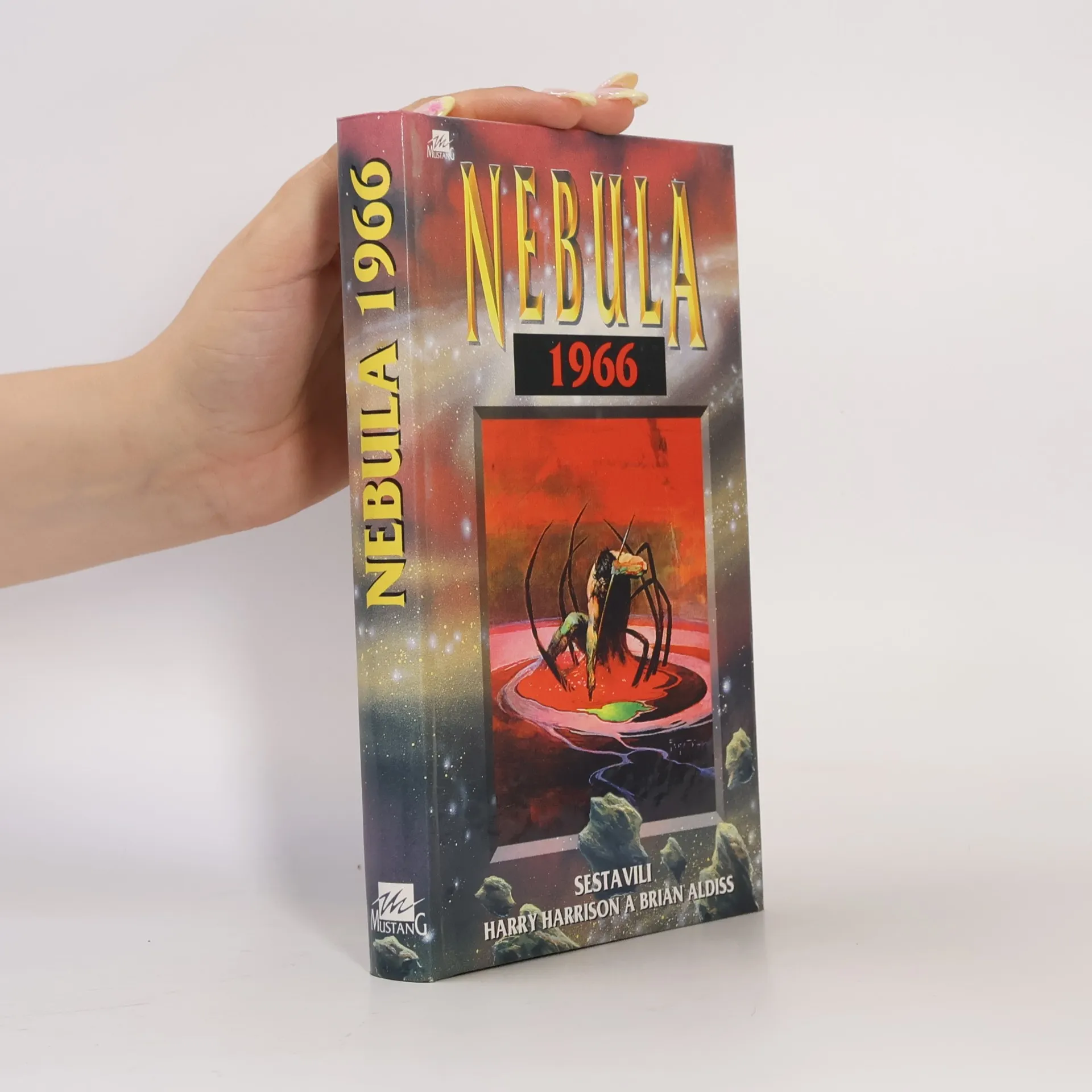
Cena Nebula Awards – počínaje rokem 1965 je každoročně organizována, volena a vyhlašována společností Američtí spisovatelé science fiction a fantasy (SFWA) k poctění nejlepších SF děl posledních 12 měsíců. Je udělována v pěti kategoriích: povídka, noveleta, novela, román a scénář (rozhlasový, televizní, filmový). Tento výběr seznamuje s vítěznými díly za rok 1966 ve dvou kategoriích a je doplněn o dalších osm nominovaných povídek.
enth. die Erzählungen: - Alle Tränen dieser Erde - Kurze Unsterblichkeit - Komisches Inferno - Die Unterprivilegierten - In der Arena - Angstträume - Die letzten Worte - Geplant im Jahre 2001
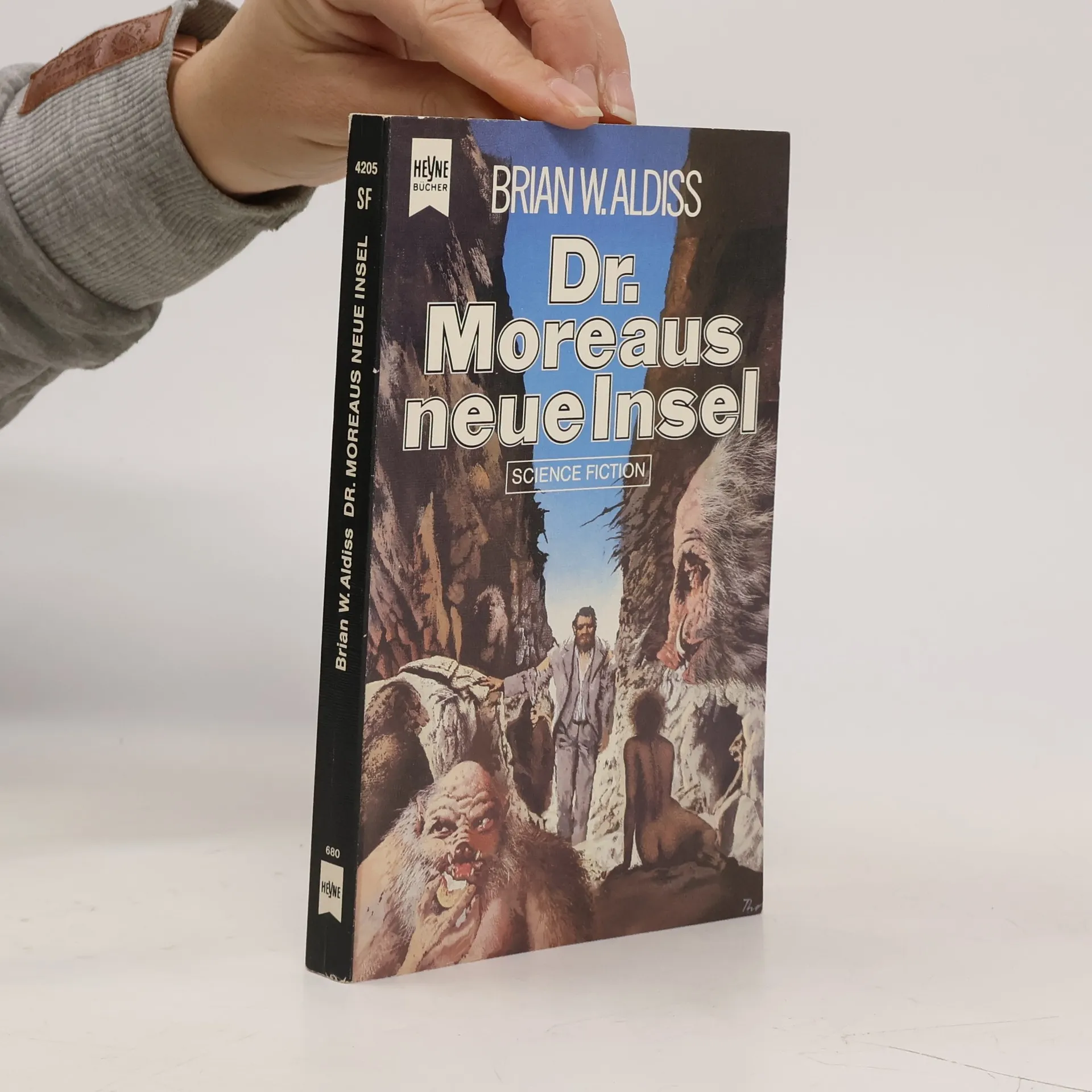
Neuer Meister, neuer Mensch... Er steht sehr groß, lange Prothesen glänzen in der grellen Sonne, der verwelkte Körper schwankt, Karabiner und Peitsche in künstlichen Händen. Mensch-Tiere kauern im Sand, während er sein Kaugummi in die Luft schwingt... Er ist Dr. Moreau, Herrscher einer fabelhaften, grotesken Insel, wo Menschen wie Bestien und Bestien wie Menschen sind, wo die Zukunft der gesamten Menschheit neu programmiert wird. Der Ort unermesslicher Schrecken, der Ort des Neuen Menschen...
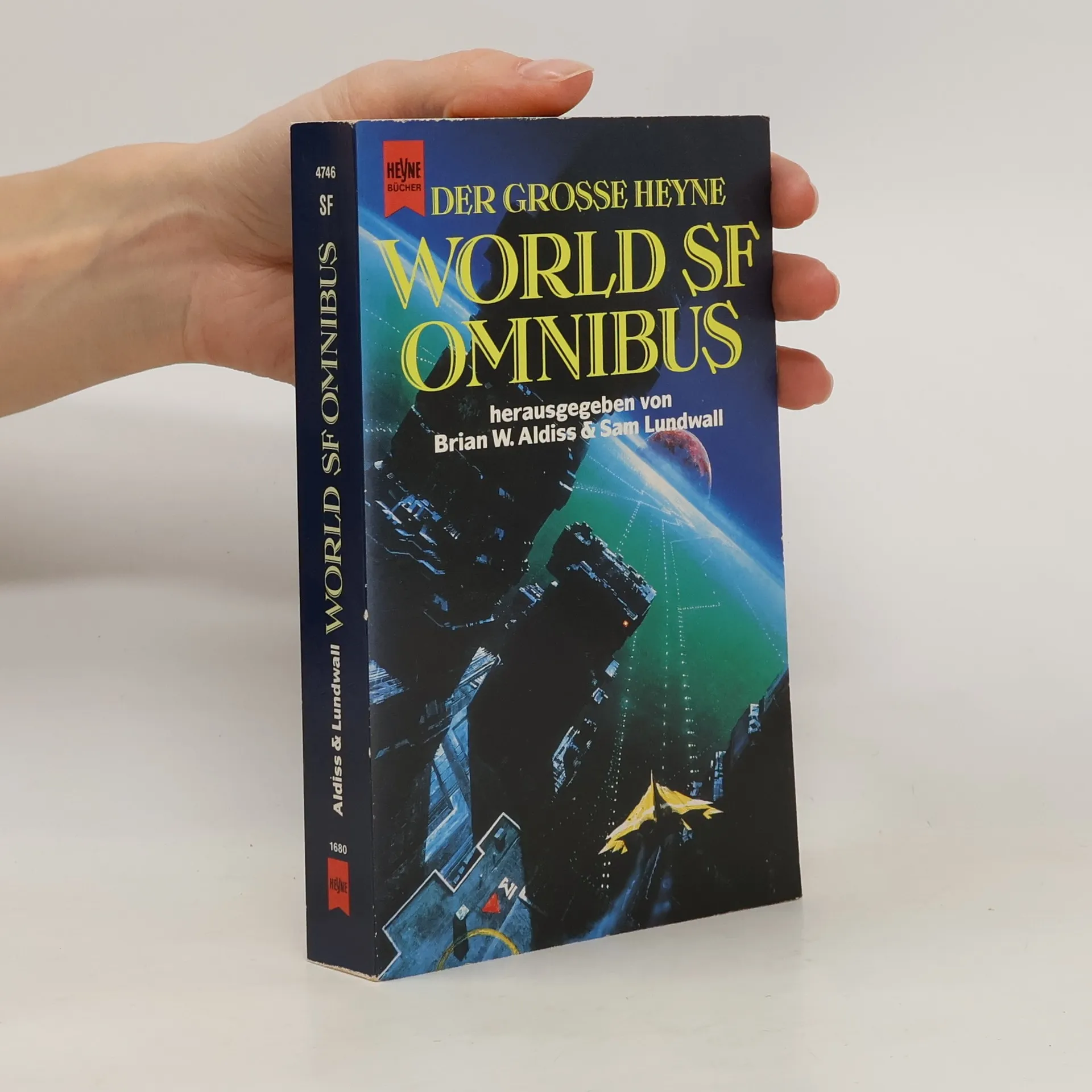
DIE SCIENCE FICTION DER WELT ORIGINELL -,FASZINIEREND - REPRÄSENTATIV 1976 wurde anläßlich einer internationalen Autorenkonferenz in Dublin WORLD SF gegründet, eine Vereinigung, die es sich zur Aufgabe machte, Sammelpunkt und Interessenvertretung für alle jene Autoren zu sein, die gezwungen sind, abseits vom großen SF-Markt der USA zu produzieren und deren Werk, oft höchst originell und ideenreich, zu Unrecht nur in der literarischen Provinz und ihren Sprachen veröffentlicht wurde, aber durchaus geeignet ist, die internationale Leserschaft zu interessieren und belebend und anregend auf die Hauptströmungen der SF einzuwirken. Brian W. Aldiss (England) und Sam J. Lundwall (Schweden) sind beide selbst bekannte SF-Autoren und Wortführer von World SF. Auf sie ging die Anregung und die Initiative zu dieser einzigartigen Anthologie zurück. Sie vereinigt Erzählungen aus 26 Nationen, die von den nationalen Komitees von World SF als Beitrag des jeweiligen Landes ausgewählt wurden. Mit diesem Band erscheint erstmals in deutscher Sprache ein im wahrsten Sinne des Wortes repräsentativer Querschnitt des SF-Schaffens in aller Welt. Science Fiction Deutsche Erstausgabe
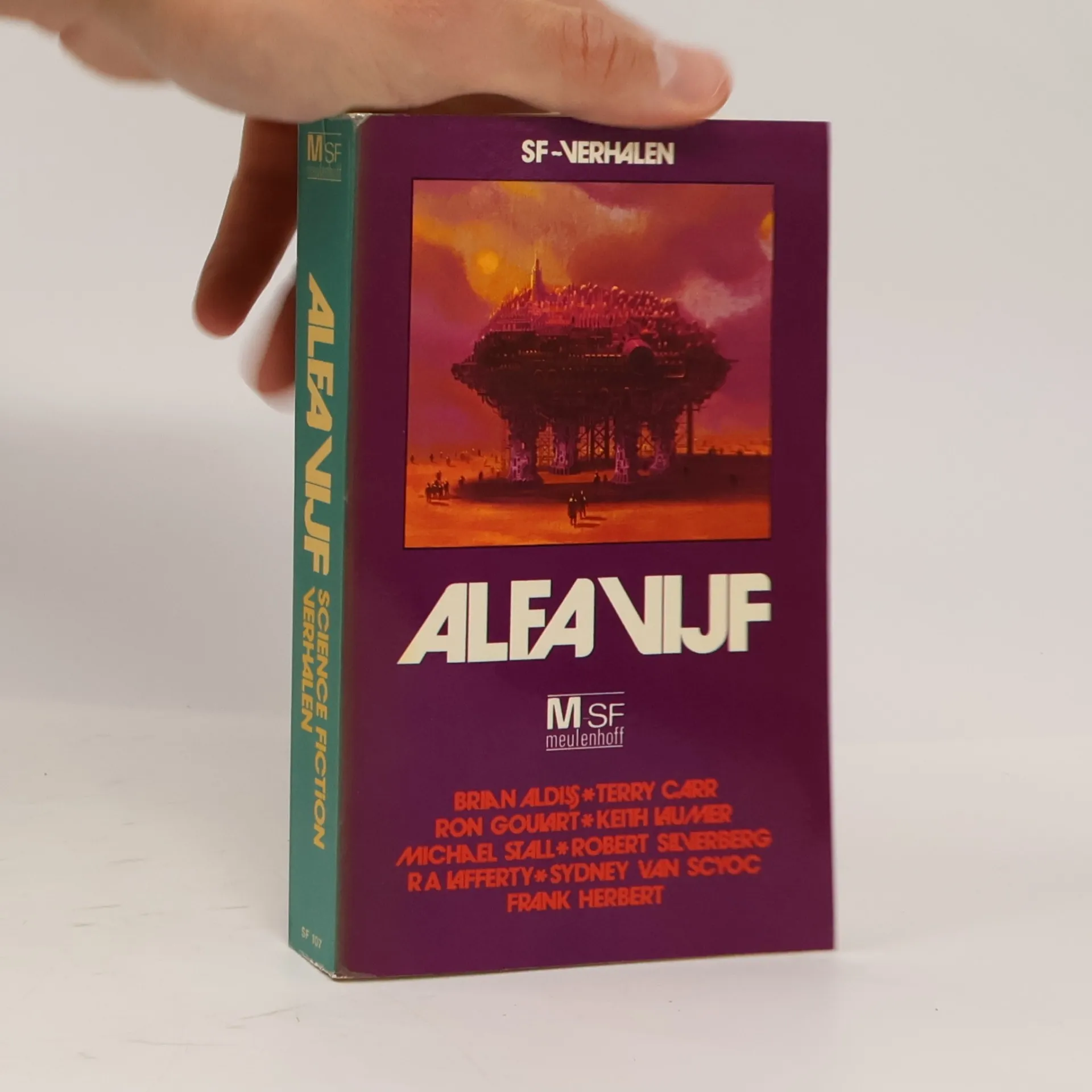
11 SF/Fantasy-verhalen: Frank Herbert: Groenslaven (Greenslaves, 1965) Ron Goulart: Het probleem met machines (The trouble with machines, 1968) Michael Stall: De vijf deuren (The five doors, 1973) R.A. Lafferty: De man die er helemaal niet was (The man who never was, 1967) Brain Aldiss: Totale omgeving (Total environment, 1968) Keith Laumer: De planeetvernielers (The planet wreckers, 1966) Terry Carr: Zij wonen op niveaus (They live on levels, 1973) R.A. Lafferty: Alle stukken van een rivieroever (All pieces of a rivershore, 1970) Sydney J. van Scyoc: Dodenzang (Deathsong, 1974) Ron Goulart: Hooizolder (Lofthouse, 1969) Robert Silverberg: Nadat de mythen naar huis gingen (After the myths went home, 1969)