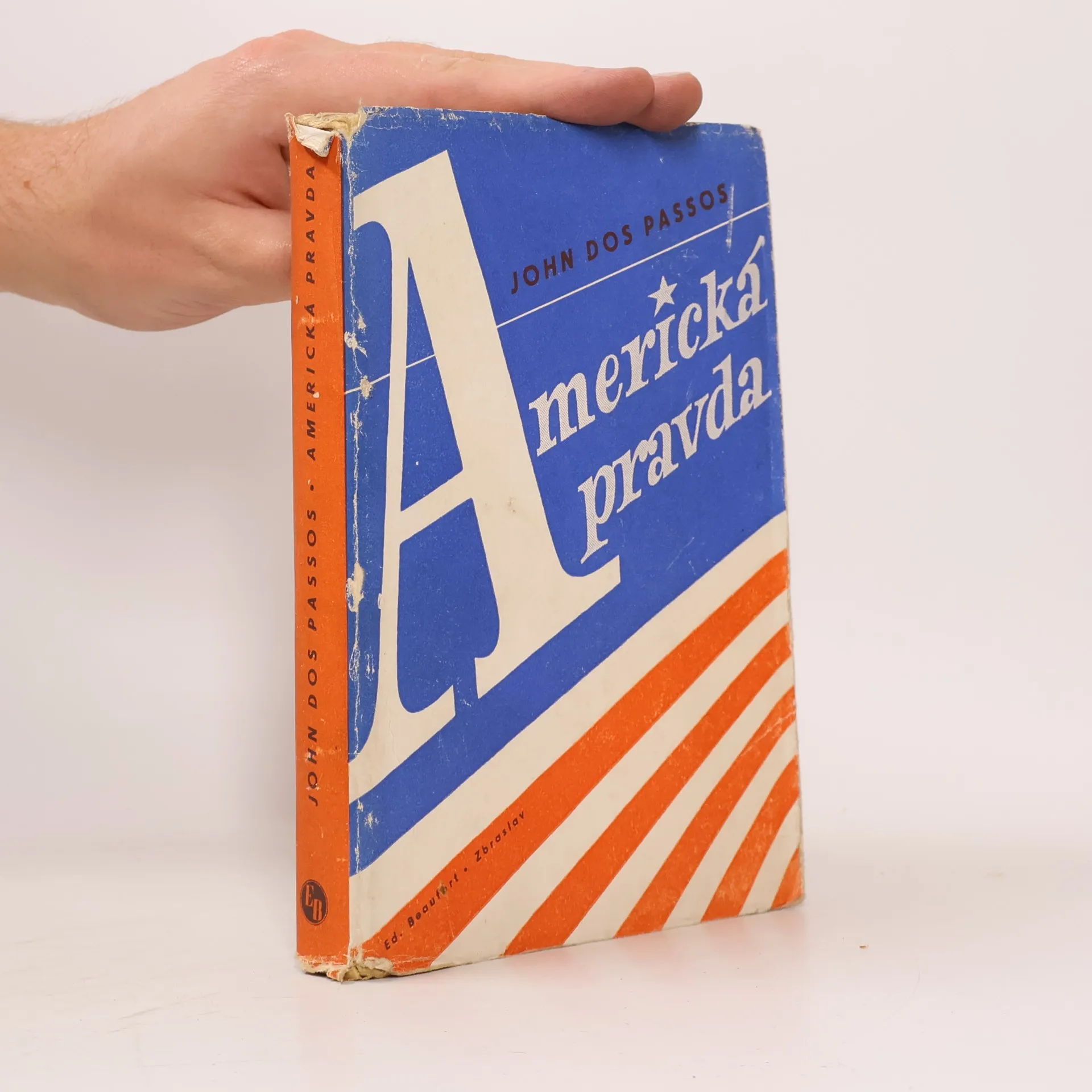
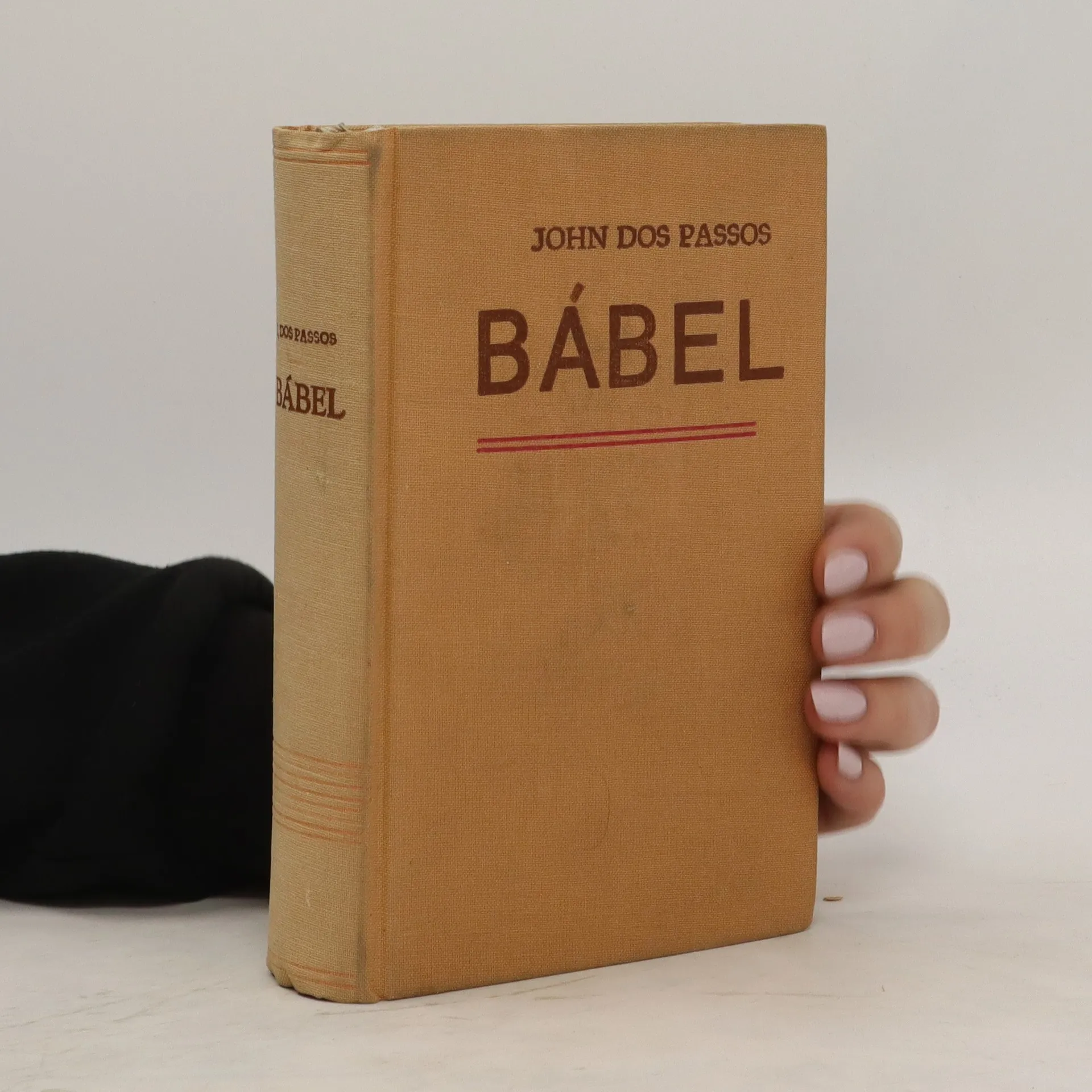
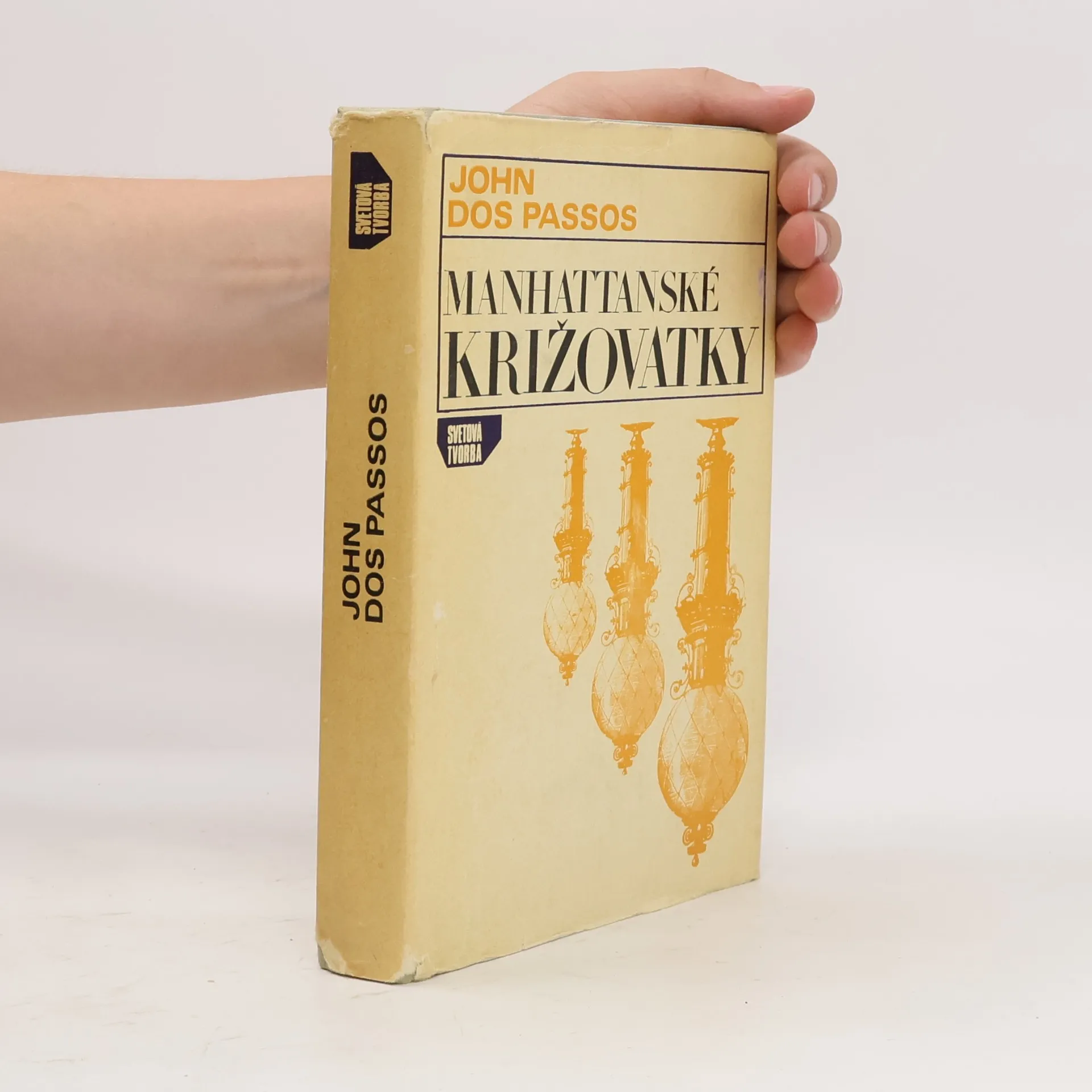
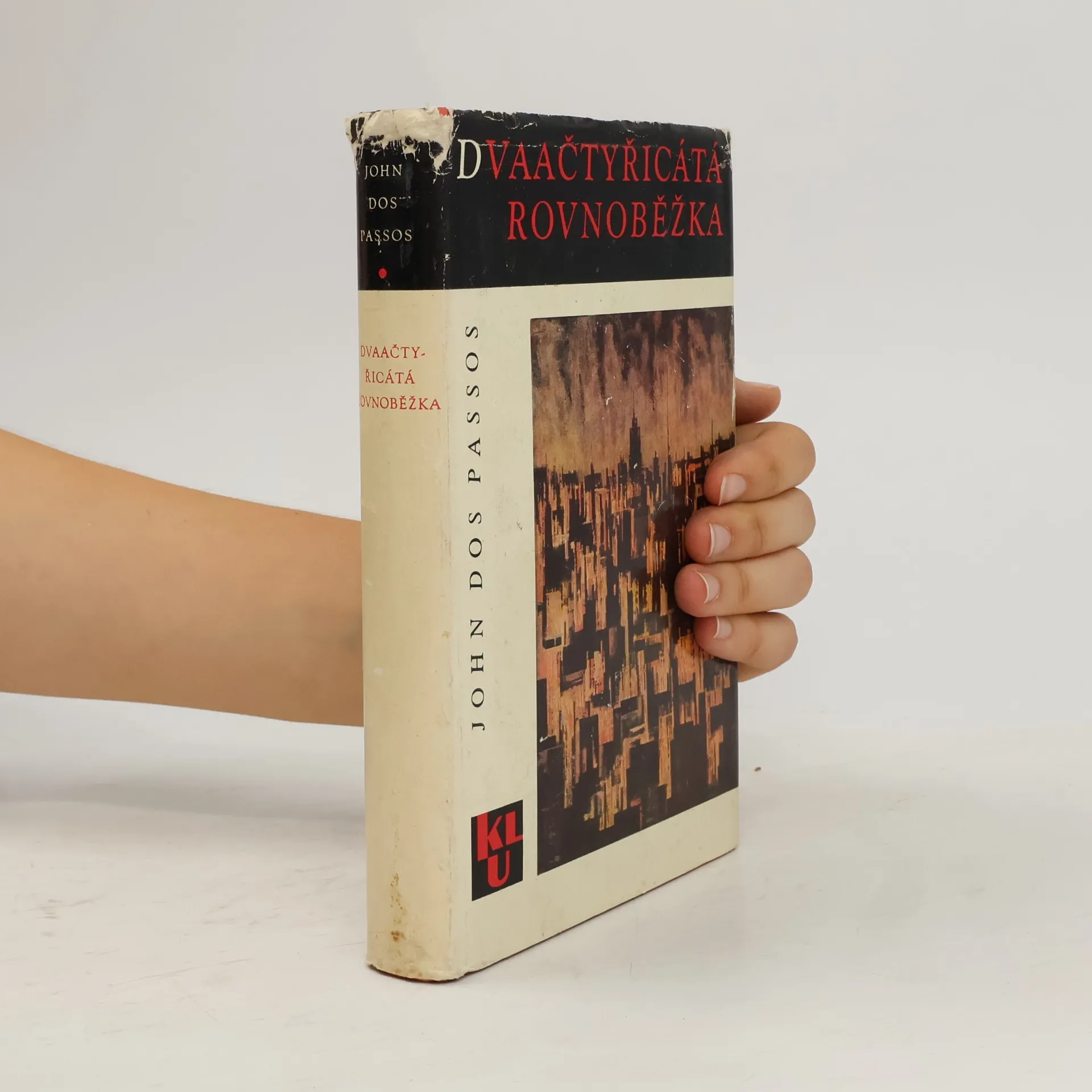
John Dos Passos Livres
John Dos Passos fut une voix essentielle de sa génération, son œuvre offrant des commentaires acerbes sur la société américaine et les horreurs de la guerre. Employant des techniques stylistiques novatrices telles que le montage et le flux de conscience, son écriture a capturé la nature chaotique et fragmentée de la vie moderne. Dos Passos a exploré les thèmes de l'aliénation, de l'injustice sociale et de la recherche d'identité dans le vaste paysage de l'expérience américaine. Sa signification littéraire réside dans sa solide expérimentation formelle et son examen inébranlable du terrain social et politique de son époque.



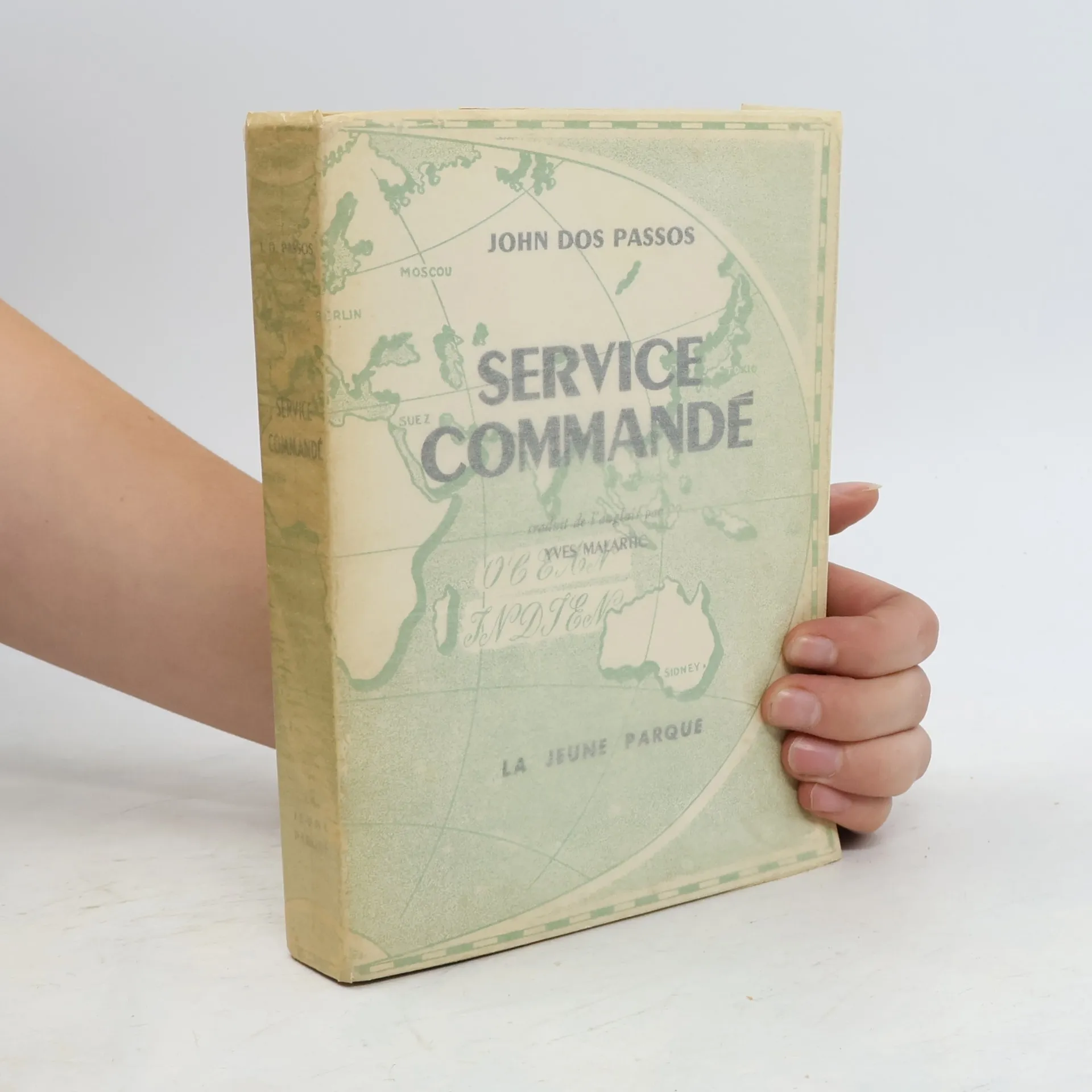
Service commandé
Tour of duty
One Man's Initiation-1917
- 130pages
- 5 heures de lecture
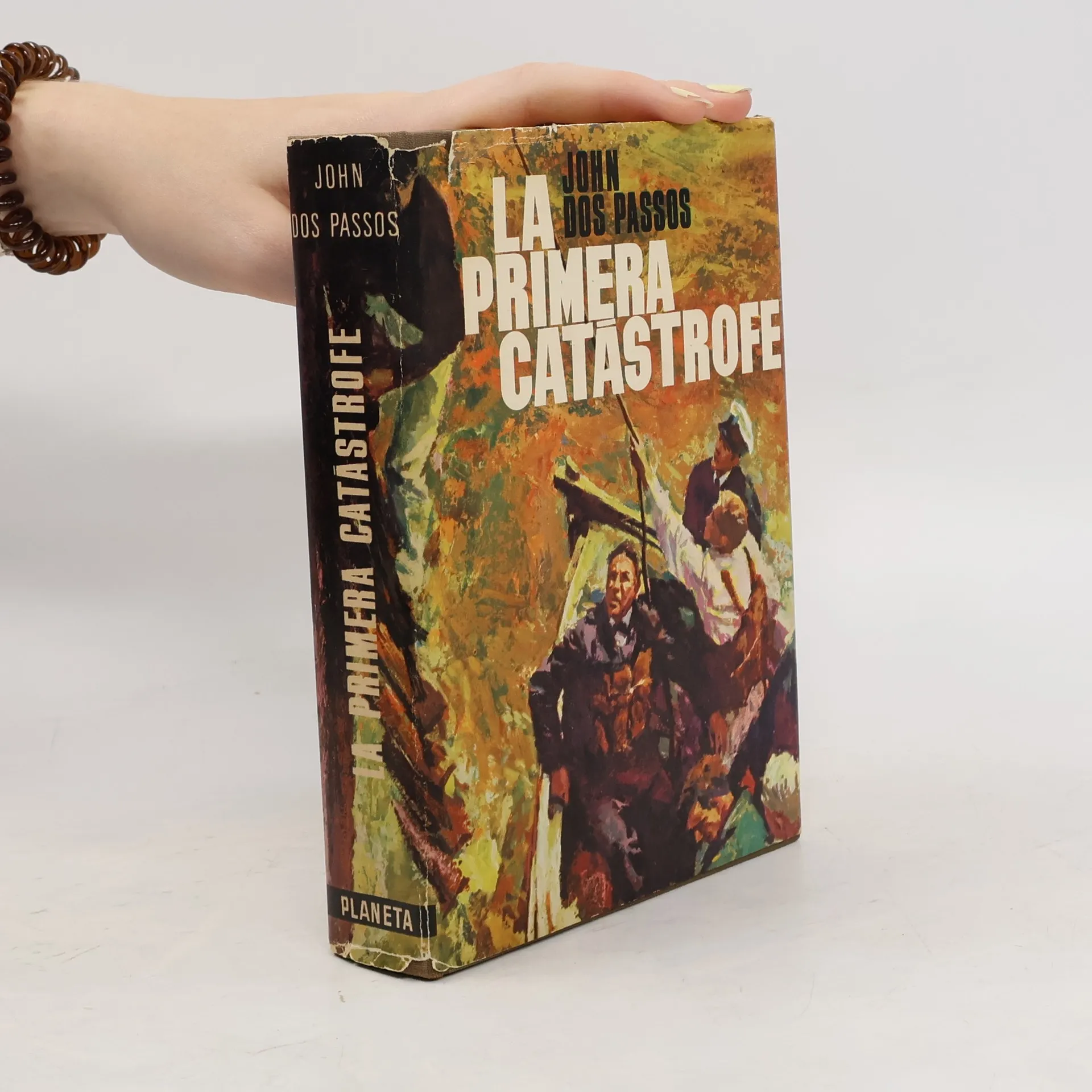
Set against the backdrop of World War I, the narrative follows an ambulance driver navigating the tumultuous landscapes of Italy, France, and Spain. This semi-autobiographical tale delves into the harrowing experiences of war, capturing the emotional and physical toll on those serving on the front lines. Through vivid storytelling, the protagonist's journey reveals both the chaos of battle and the profound impact of human connection amidst the horrors of conflict.
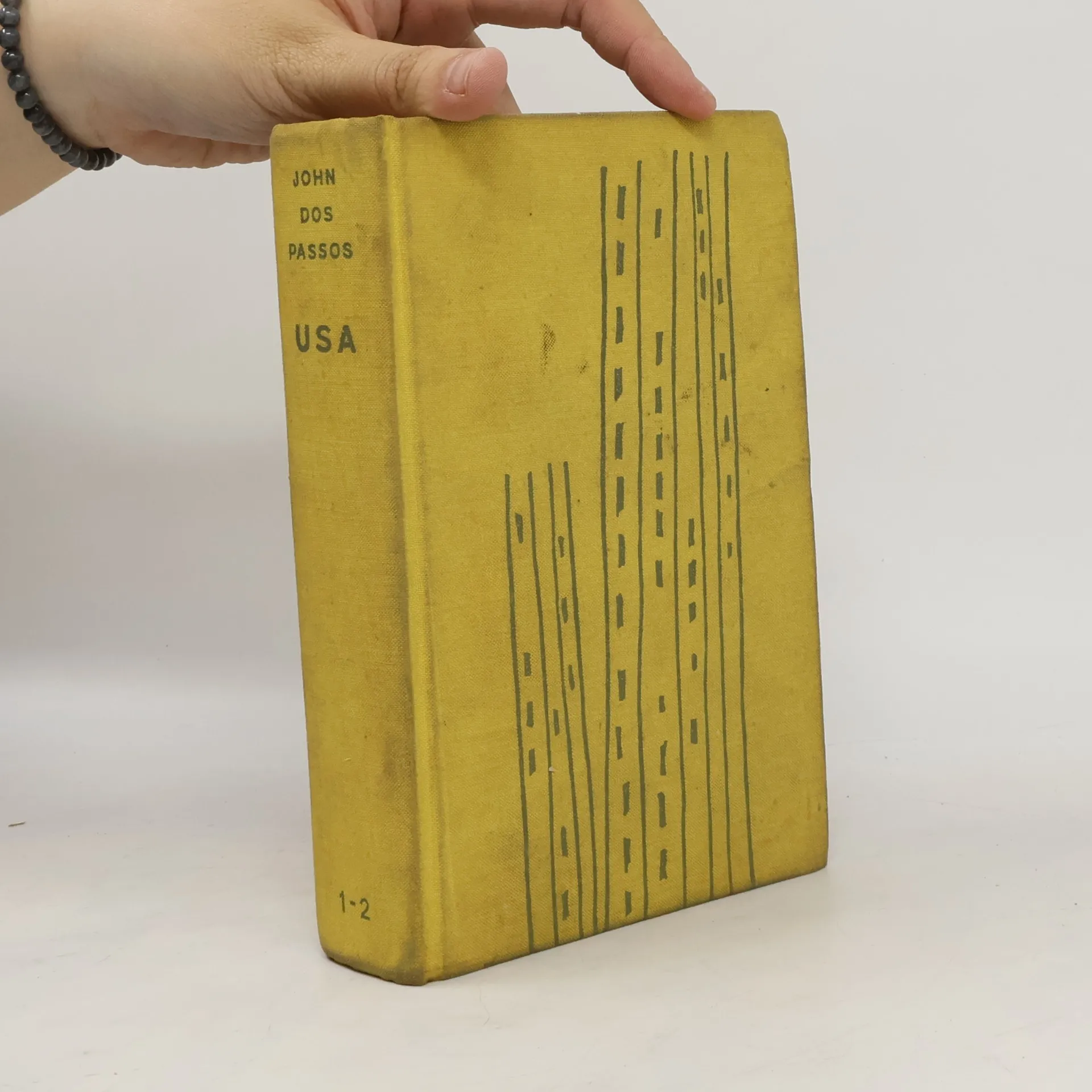
U.S.a.
- 1184pages
- 42 heures de lecture
Through the testimony of numerous characters, both fictional and historical figures, the author builds up a composite picture of American society in the first quarter of the 20th century. schovat popis
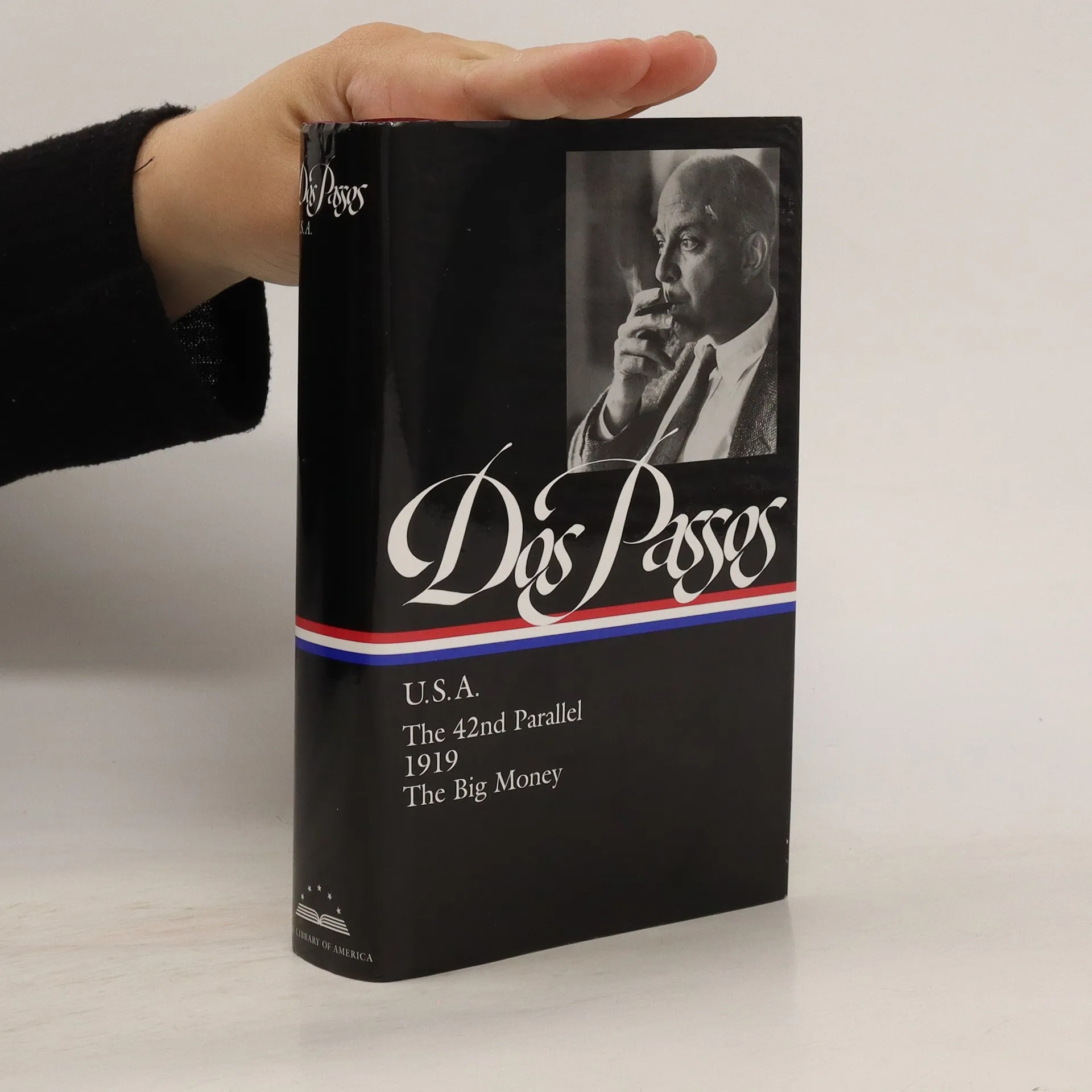
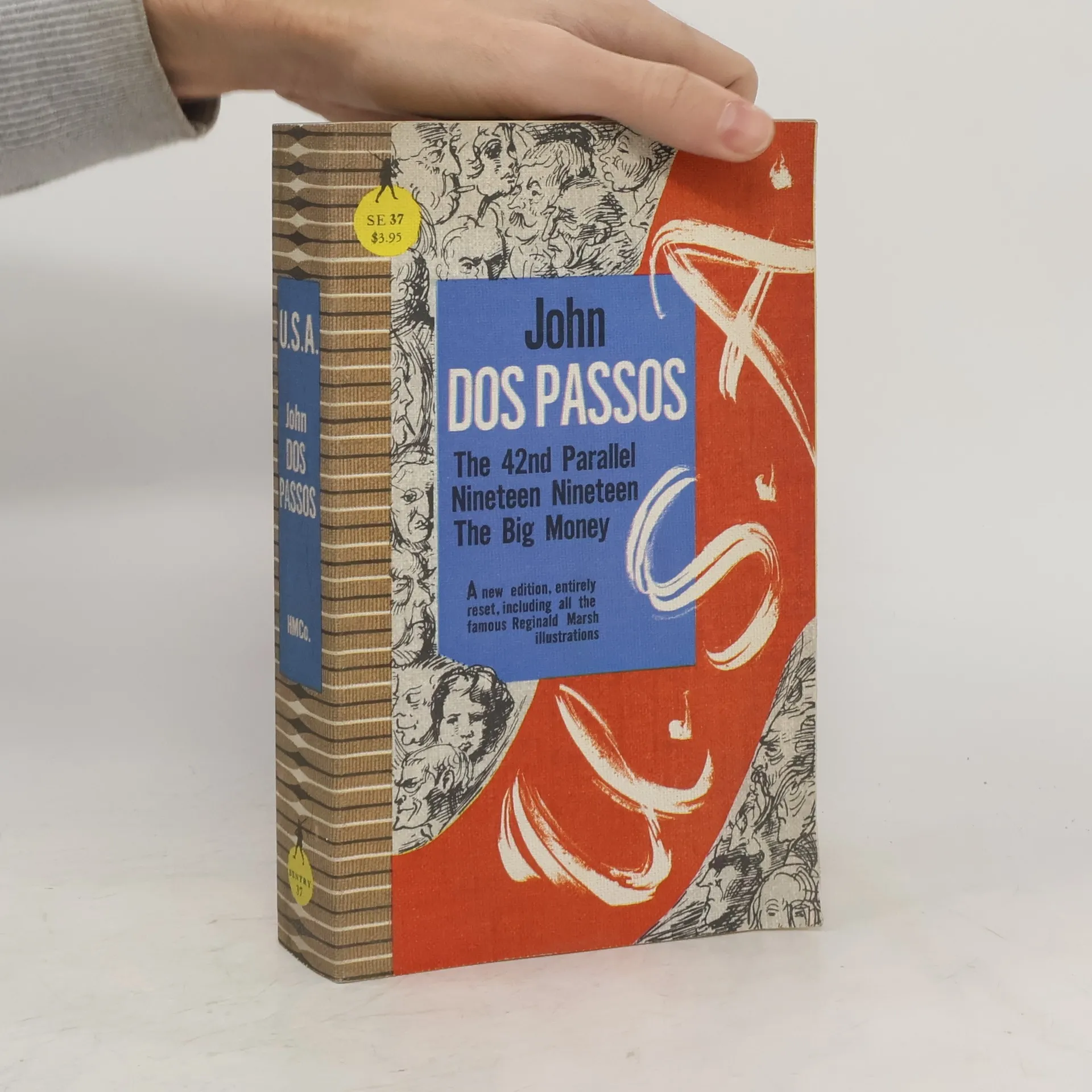
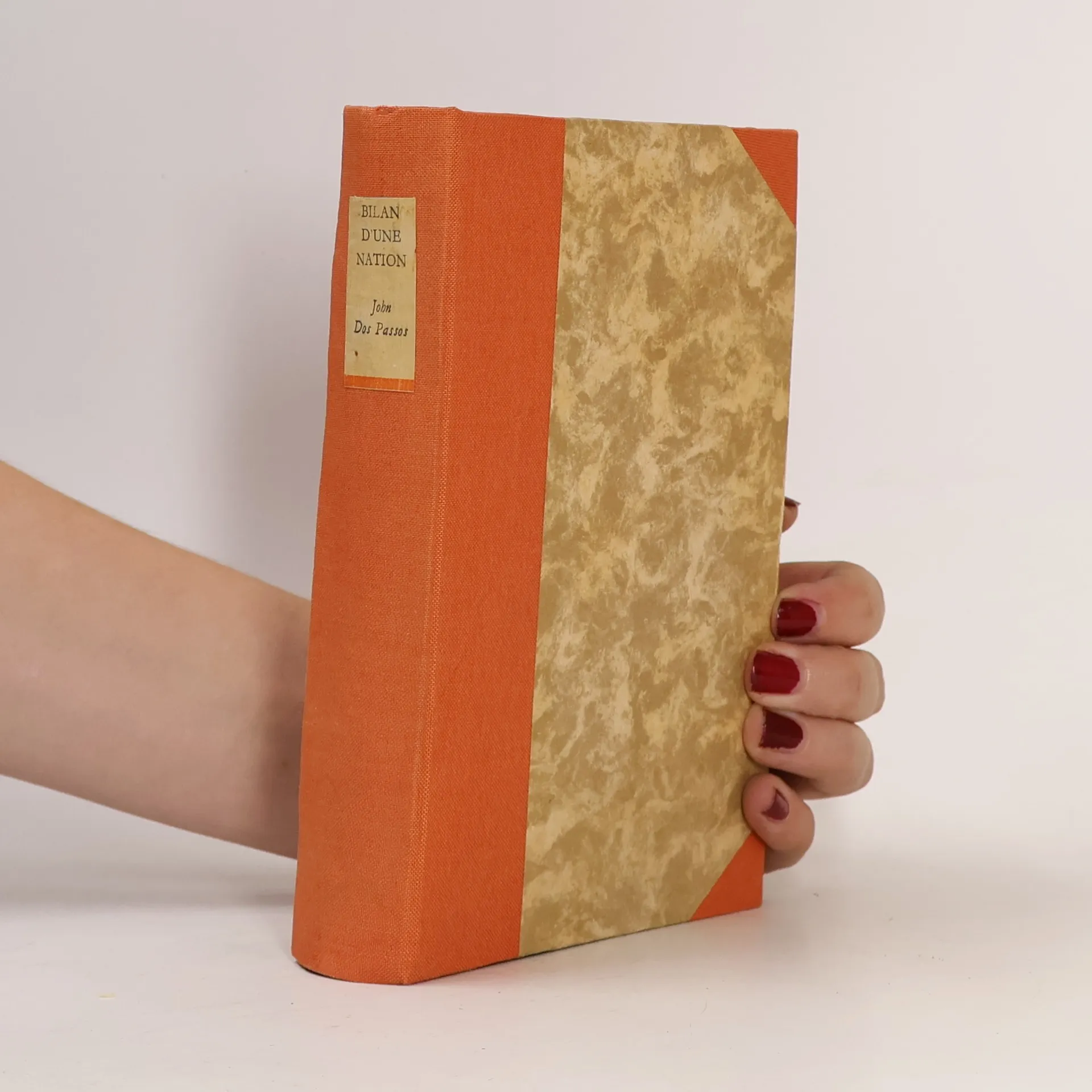
U.S.A.: The 42nd Parallel. 1919. The Big Money
- 1312pages
- 46 heures de lecture
Unique among American novels for its epic scope and panoramic and social sweep, John Dos Passos' U.S.A. has long been acknowledged as a monument of modern fiction. In the novels that make up the trilogy - The 42nd Parallel (1930), 1919 (1932), and The Big Money (1936) - Dos Passos creates an unforgettable collective portrait of America, shot through with sardonic comedy and brilliant social observation. He interweaves the careers of his characters and the events of their time with a narrative verve and breathtaking technical skill that make U.S.A. among the most compulsively readable of modern classics. In his prologue Dos Passos writes: "U.S.A. is the slice of a continent. U.S.A. is a group of holding companies, some aggregations of trade unions, a set of laws bound in calf, a radio network, a chain of moving picture theatres, a column of stock quotations rubbed out and written in by a Western Union boy on a blackboard, a public library full of old newspapers and dogeared history books with protests scrawled on the margins in pencil...But mostly U.S.A. is the speech of the people." The trilogy is filled with American speech: labor radicals and advertising executives, sailors and stenographers, interior decorators and movie stars. The volume contains newly researched chronologies of Dos Passos' life and of world events cited in U.S.A., notes, and an essay on textual selection
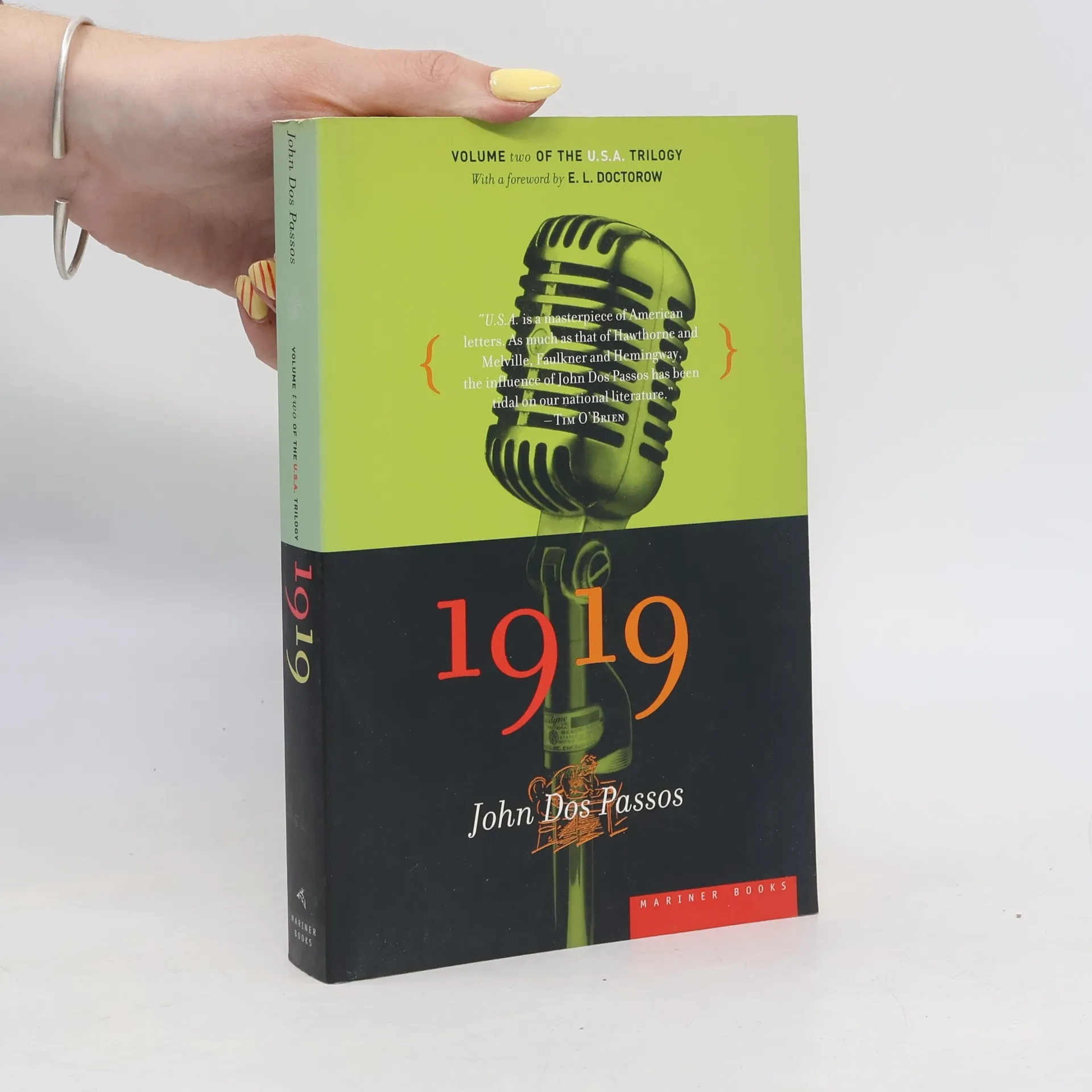
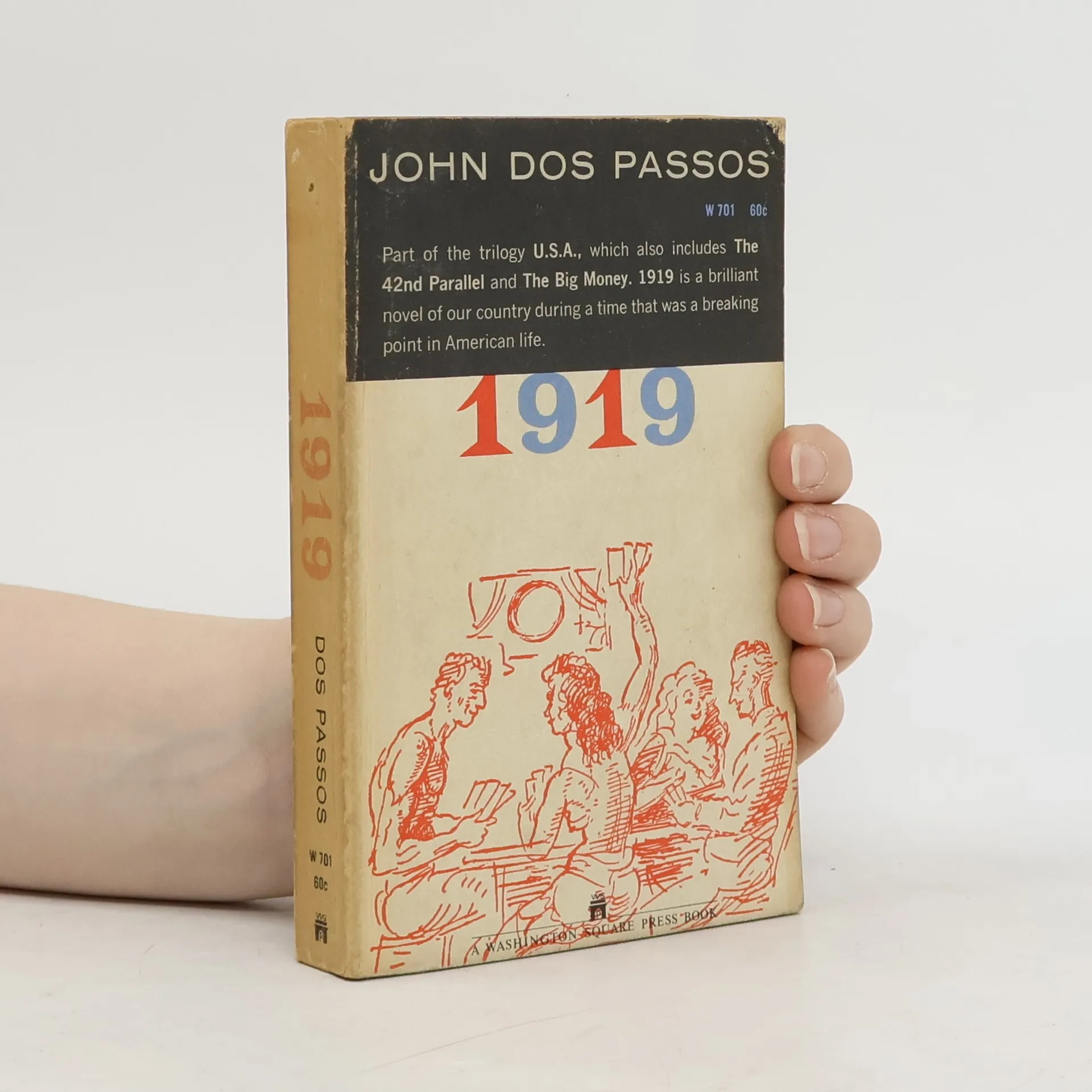
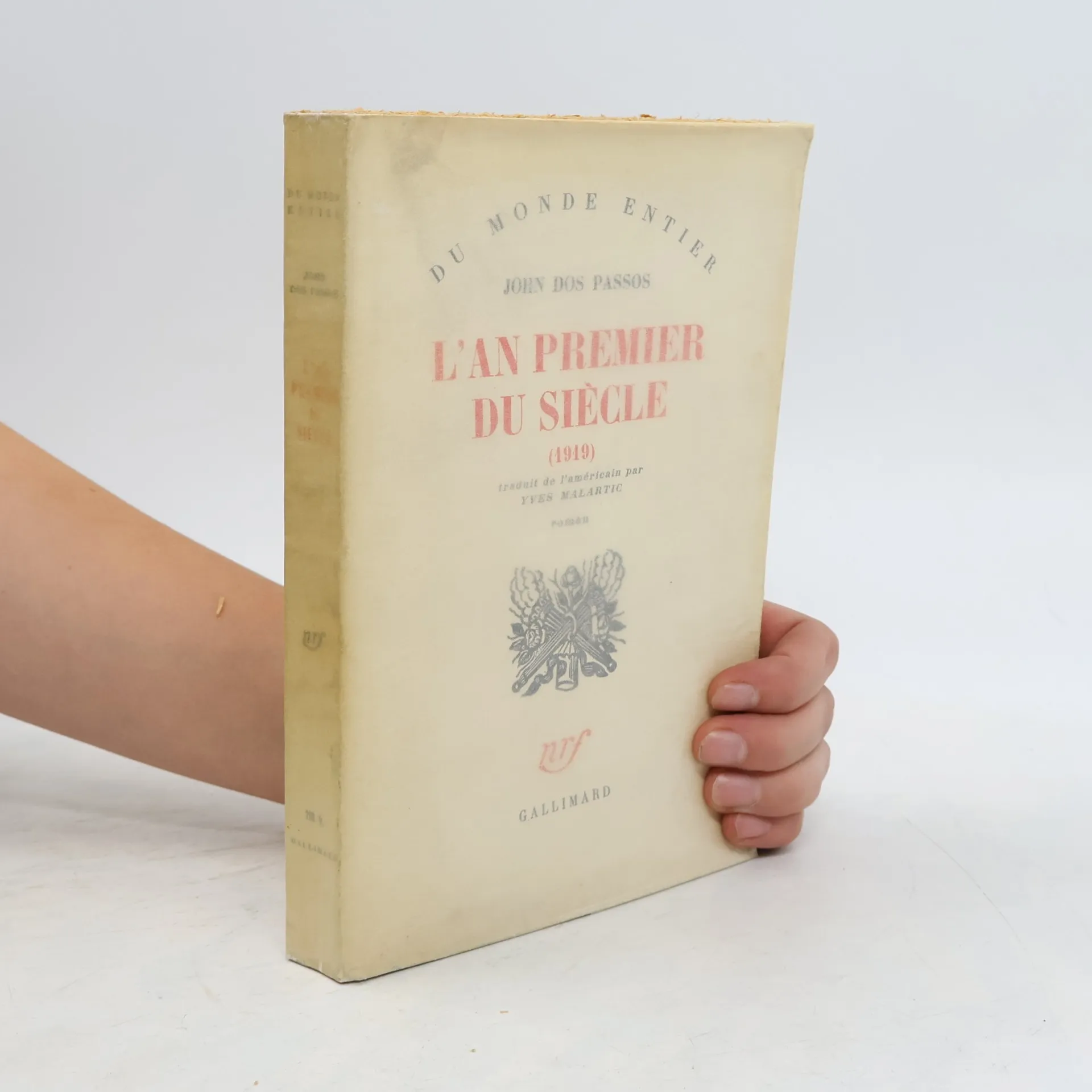
With 1919 , the second volume of his U.S.A . trilogy, John Dos Passos continues his "vigorous and sweeping panorama of twentieth-century America" ( Forum ), lauded on publication of the first volume not only for its scope, but also for its groundbreaking style.Again, employing a host of experimental devices that would inspire a whole new generation of writers to follow, Dos Passos captures the many textures, flavors, and background noises of modern life with a cinematic touch and unparalleled nerve.1919 opens to find America and the world at war, and Dos Passos's characters, many of whom we met in the first volume, are thrown into the snarl. We follow the daughter of a Chicago minister, a wide-eyed Texas girl, a young poet, a radical Jew, and we glimpse Woodrow Wilson, Theodore Roosevelt, and the Unknown Soldier. 1919 provides an incomparable portrait of America from the turn of the century to the Depression of 1929.
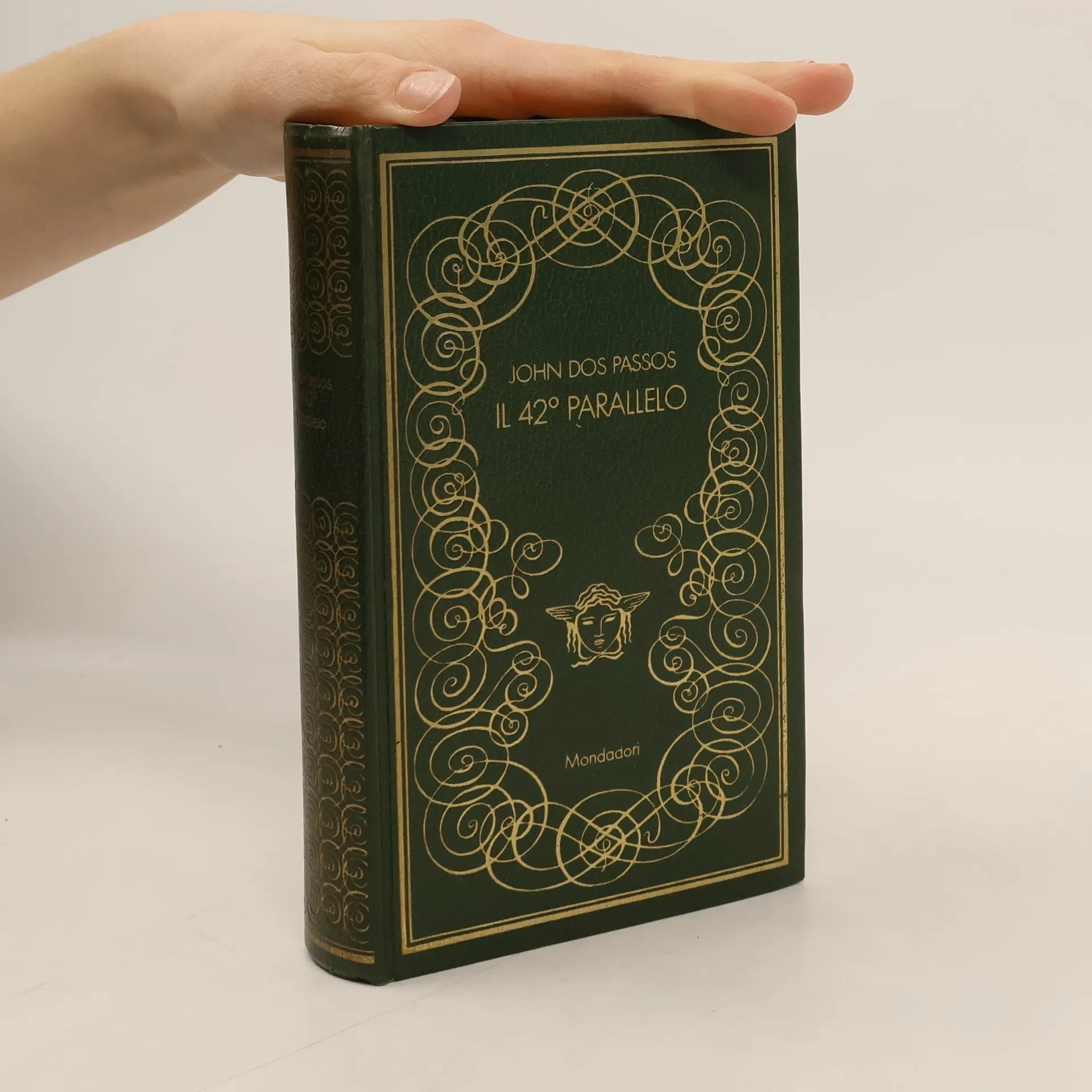
With his U.S.A. trilogy, comprising THE 42nd PARALLEL, 1919, and THE BIG MONEY, John Dos Passos is said by many to have written the great American novel. While Fitzgerald and Hemingway were cultivating what Edmund Wilson once called their "own little corners," John Dos Passos was taking on the world. Counted as one of the best novels of the twentieth century by the Modern Library and by some of the finest writers working today, U.S.A. is a grand, kaleidoscopic portrait of a nation, buzzing with history and life on every page. The trilogy opens with THE 42nd PARALLEL, where we find a young country at the dawn of the twentieth century. Slowly, in stories artfully spliced together, the lives and fortunes of five characters unfold. Mac, Janey, Eleanor, Ward, and Charley are caught on the storm track of this parallel and blown New Yorkward. As their lives cross and double back again, the likes of Eugene Debs, Thomas Edison, and Andrew Carnegie make cameo appearances.
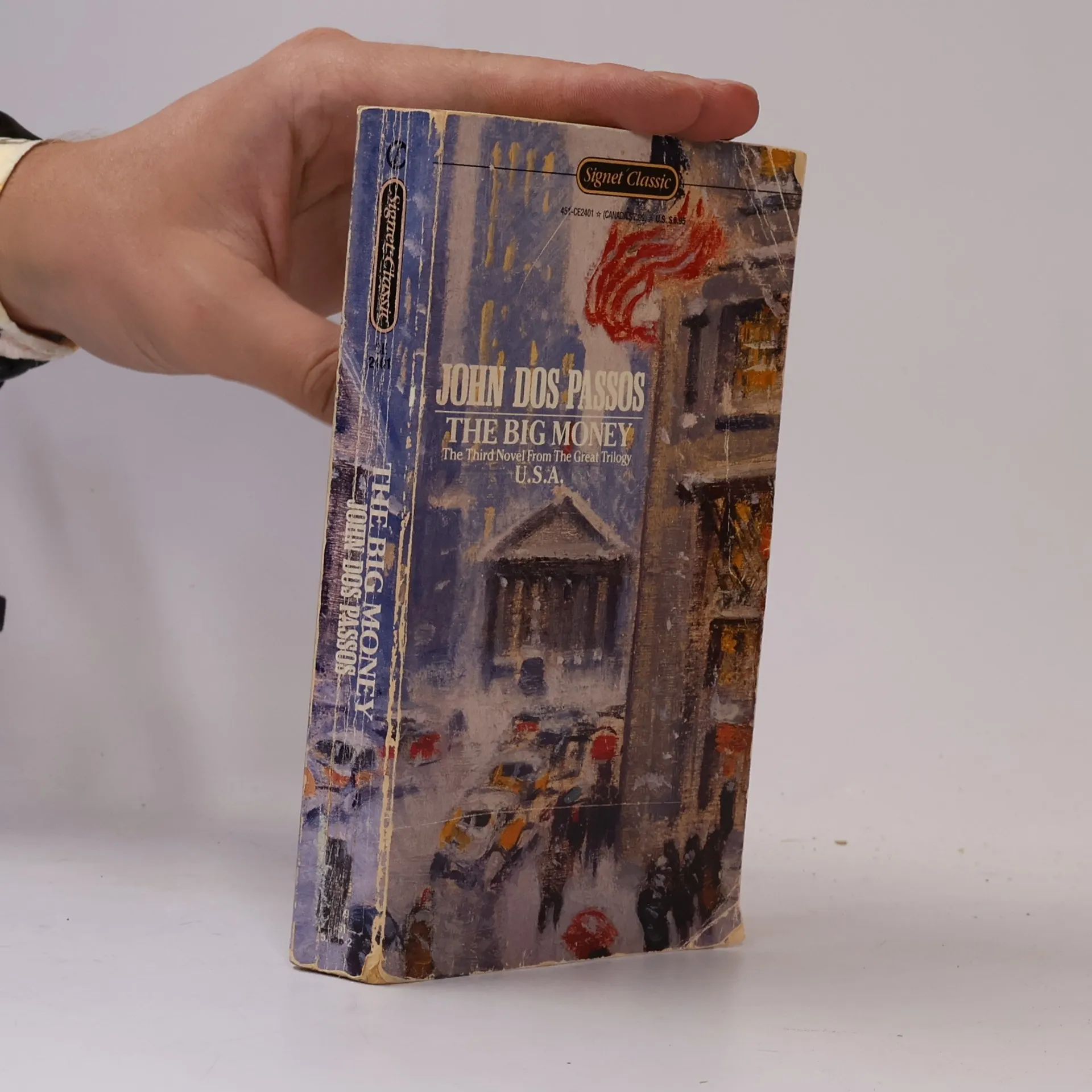
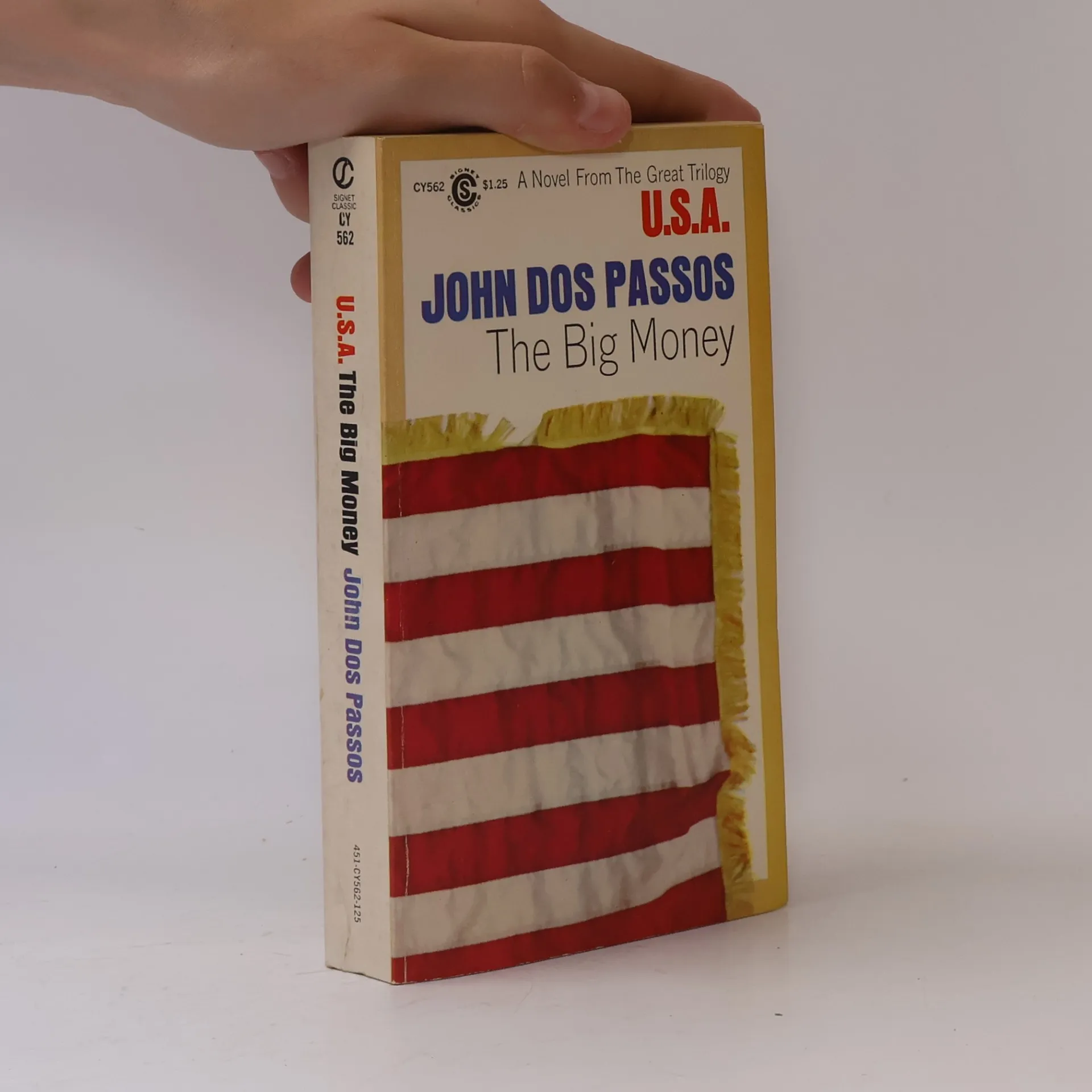
With U.S.A. John Dos Passos is said to have written the great American novel. While Fitzgerald and Hemingway were cultivating their "own little corners", said Edmund Wilson, Dos Passos was taking on the world. Counted among the best novels of the century by the Modern Library and by some of the finest writers working today, U.S.A. is being talked about, studied, and read again, not just by students of modernism but by readers of all ages both here and abroad. Here is a kaleidoscopic portrait of a nation, buzzing with history and life on every page.A "fable of America's materialistic success and moral decline" (American Heritage), The Big Money returns from the war to a nation on the upswing. The stock market surges, Lindbergh takes his solo flight, Henry Ford makes automobiles. It is an America speeding toward the crash of 1929.
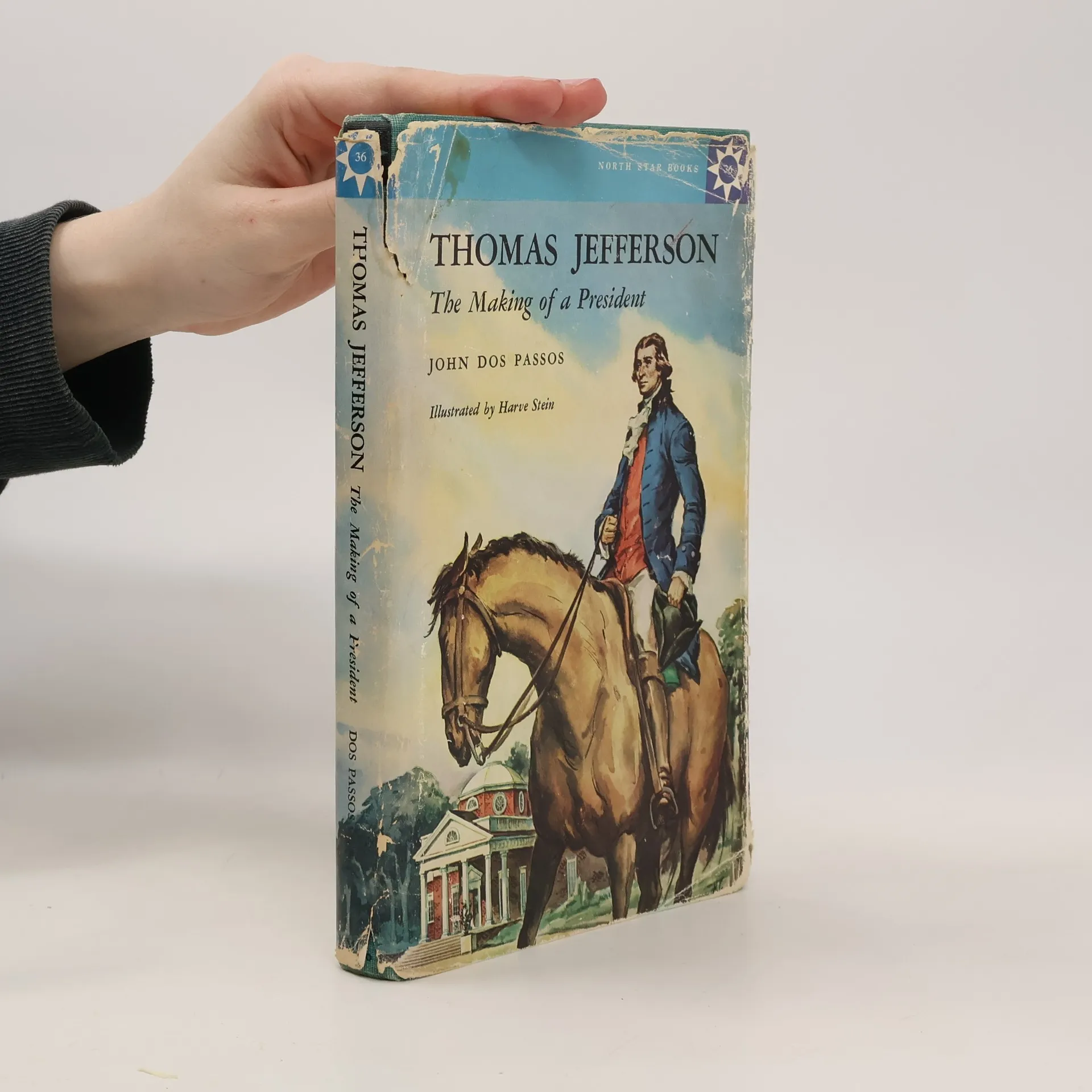
A book in the North Star series of biographies.
Streets of Night
- 148pages
- 6 heures de lecture
John Roderigo Dos Passos was an influential American novelist known for his groundbreaking U.S.A. trilogy, which explores the complexities of American society in the early 20th century. His works are characterized by innovative narrative techniques and a deep engagement with social and political issues, reflecting the tumultuous changes of his time. Through vivid characters and a rich tapestry of themes, Dos Passos captured the essence of the American experience, making significant contributions to modern literature.
Three Soldiers
- 226pages
- 8 heures de lecture
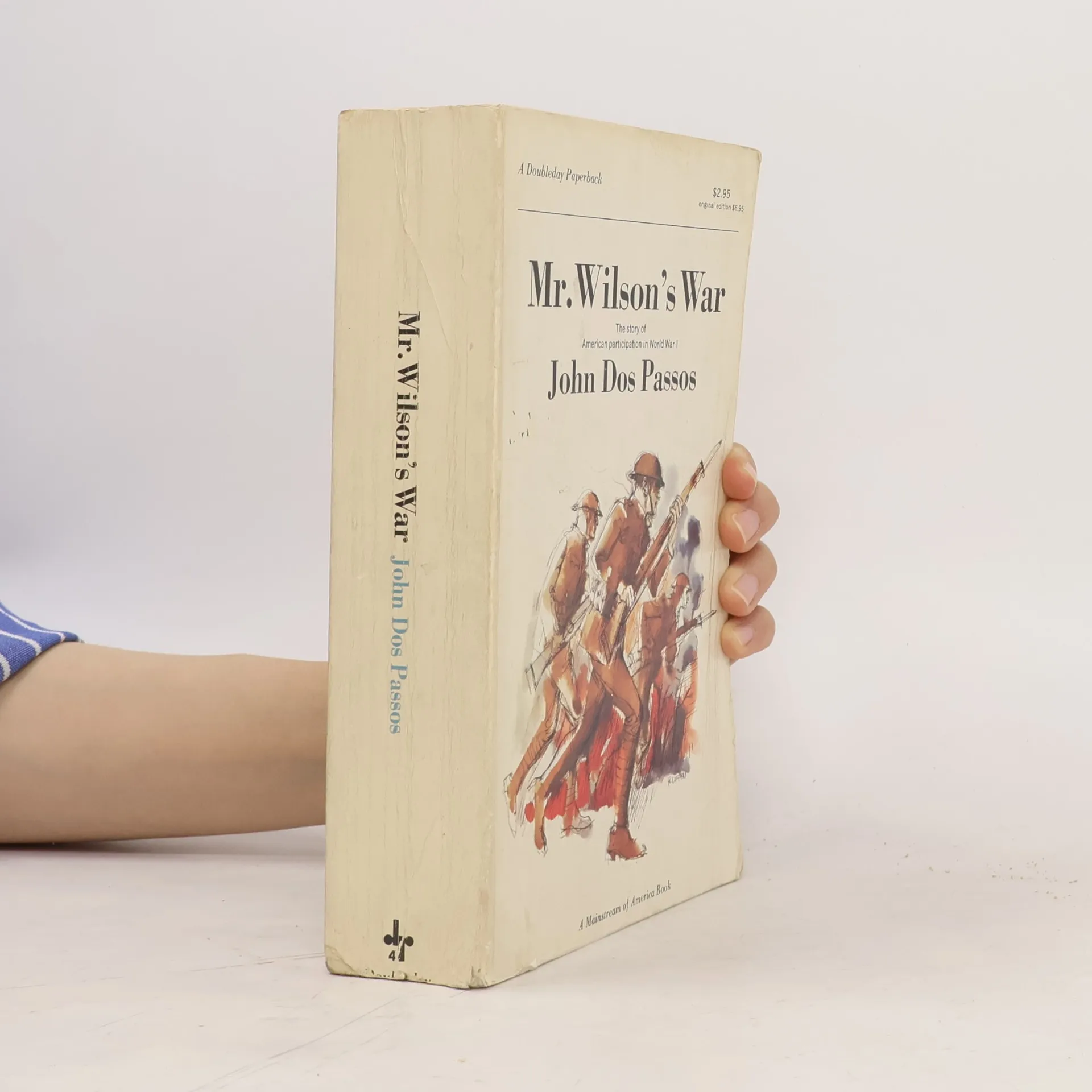
Part of the generation that produced Ernest Hemingway and Ford Madox Ford, John Dos Passos wrote one of the most grimly honest portraits of World War I. Three Soldiers portrays the lives of a trio of army privates: Fuselli, an Italian American store clerk from San Francisco; Chrisfield, a farm boy from Indiana; and Andrews, a musically gifted Harvard graduate from New York. Hailed as a masterpiece on its original publication in 1921, Three Soldiers is a gripping exploration of fear and ambition, conformity and rebellion, desertion and violence, and the brutal and dehumanizing effects of a regimented war machine on ordinary soldiers. "It is unquestionably the best war story yet produced in America and I have every confidence that it will make a sensation" - H. L. Mencken
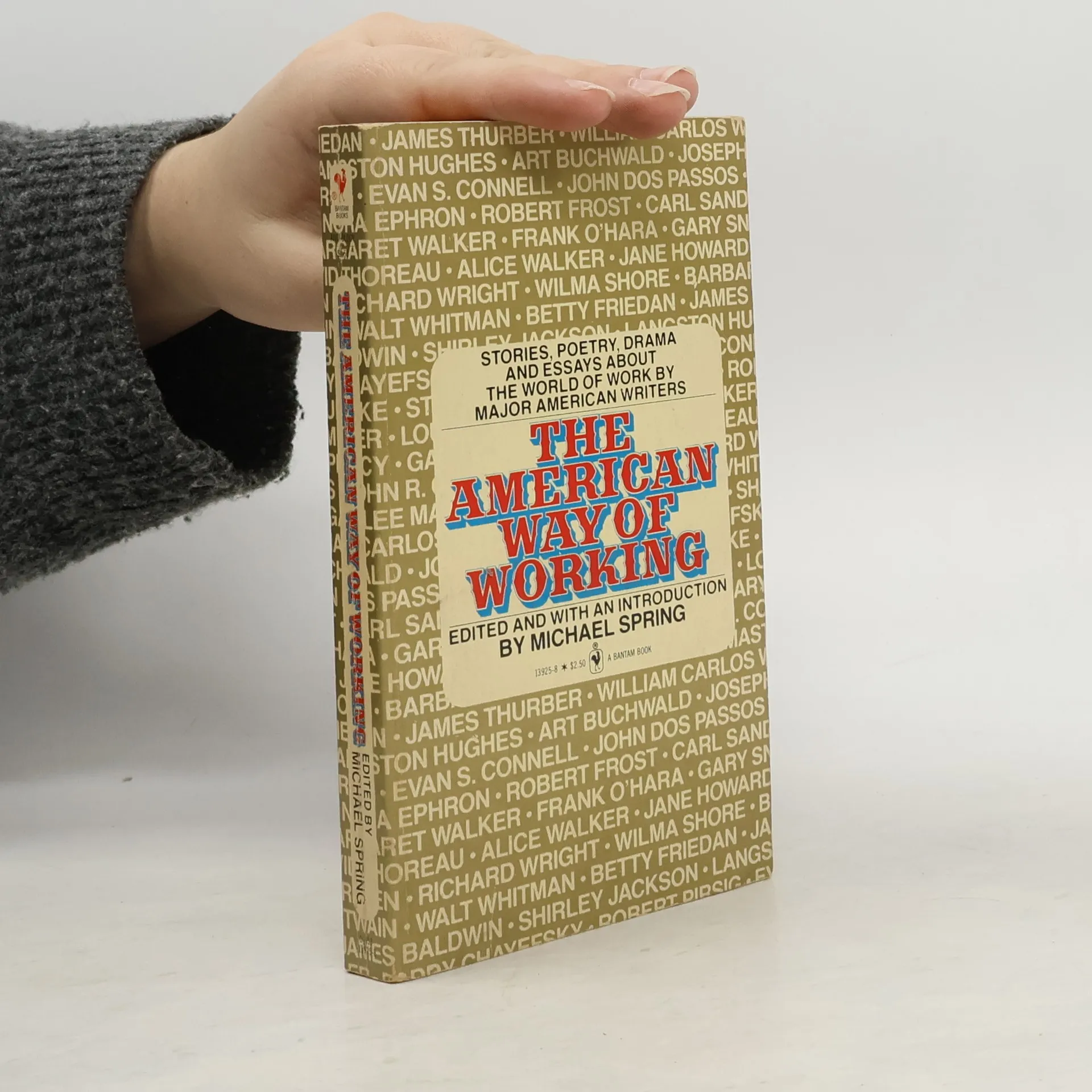
American Way of Working
A Collection of Writings from Henry David Thoreau to Joseph Heller
- 272pages
- 10 heures de lecture
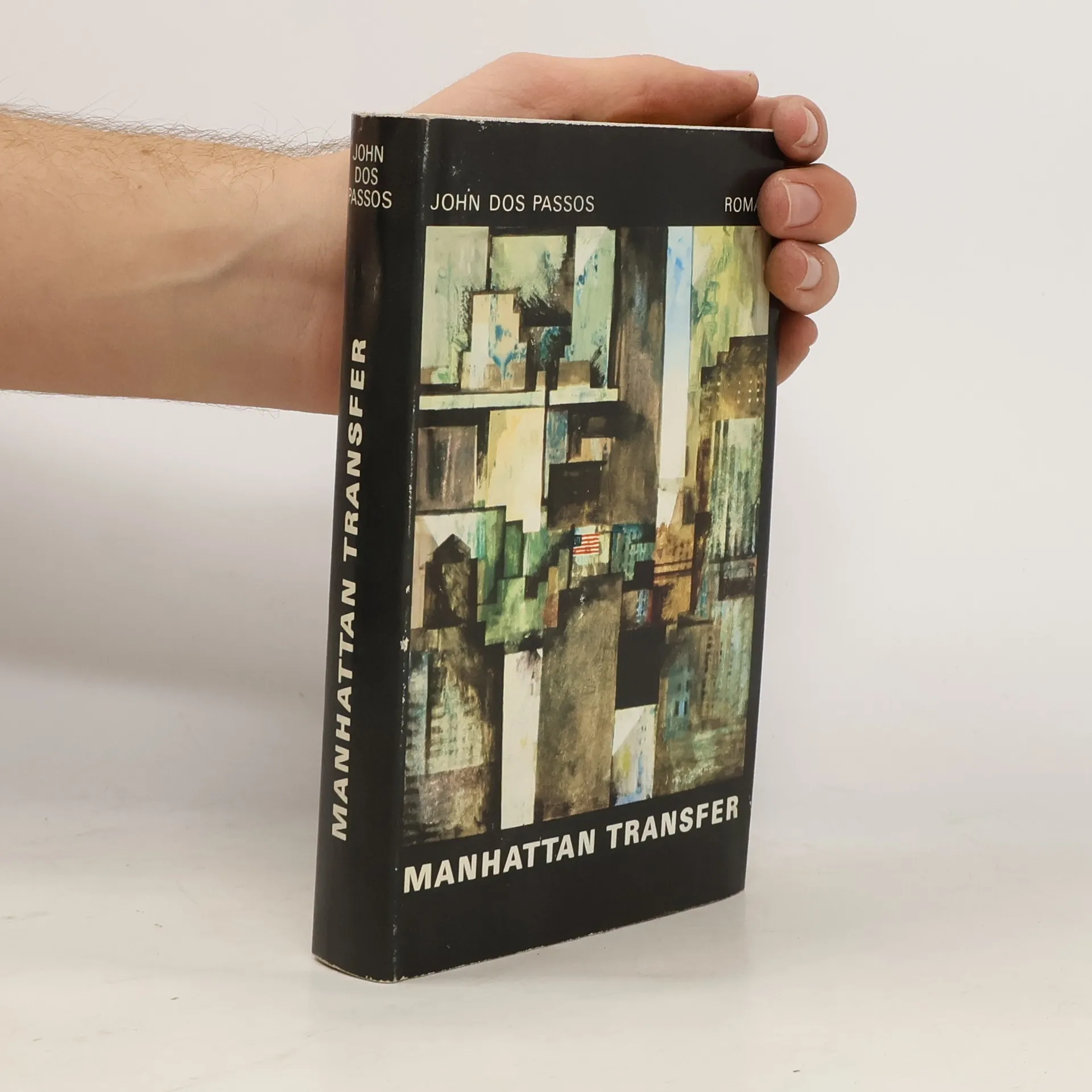
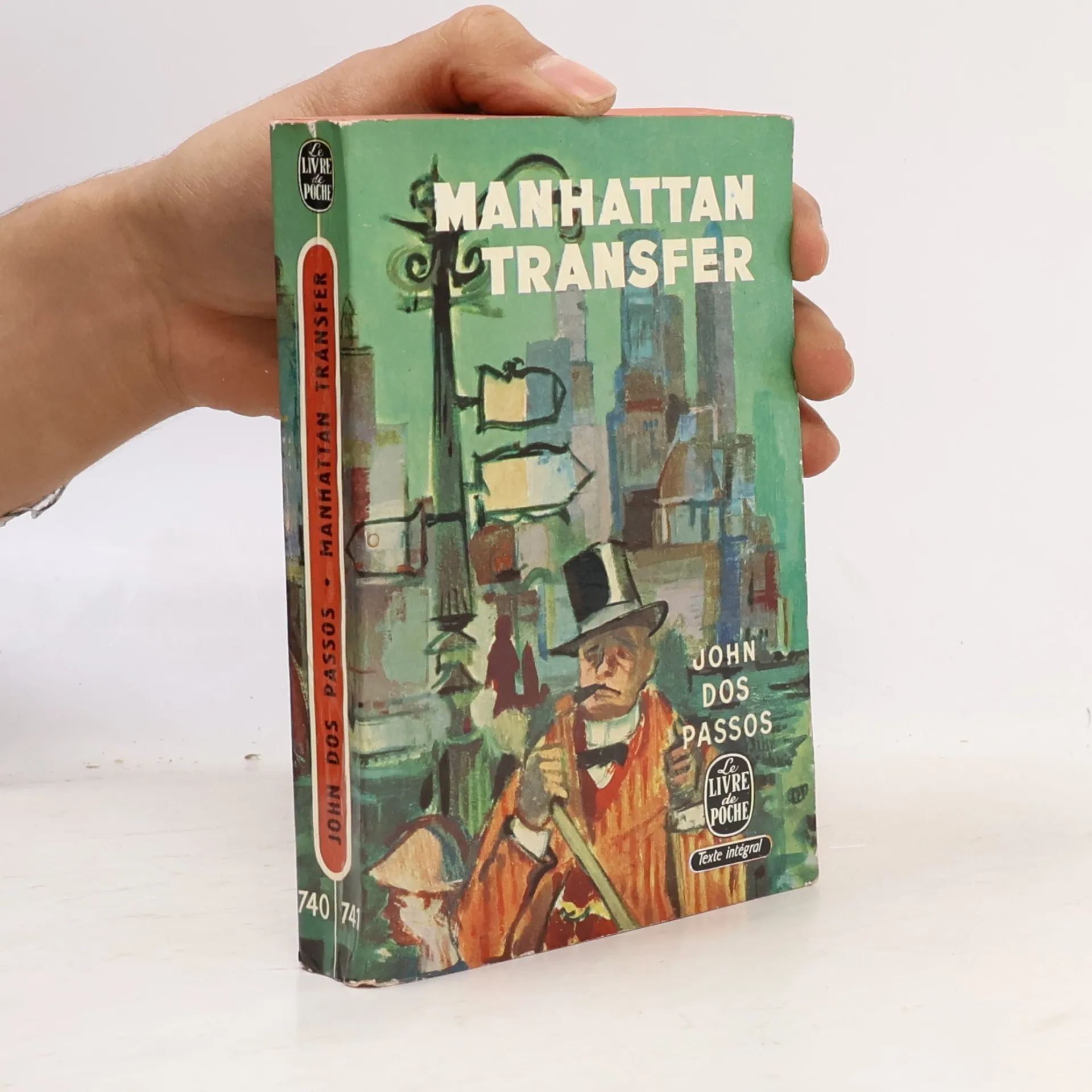
John Dos Passos wurde 1896 in Chicago geboren. Er studierte in Harvard und ging nach dem Abschluss 1916 nach Europa. Als Kunststudent in Spanien begann er zu malen und zu schreiben; unter dem Eindruck des Ersten Weltkrieges verfasste er zwei pazifistische Romane, bevor er mit dem multiperspektivischen Großstadtpanorama Manhattan Transfer 1925 den amerikanischen Roman revolutionierte. Später engagierte er sich im Spanischen Bürgerkrieg auf Seiten der Republikaner. Er gilt neben Hemingway, Faulkner und Fitzgerald als einer der wichtigsten Vertreter der amerikanischen Moderne. Seine Romane beeinflussten weltweit zahlreiche Schriftsteller, namentlich inspirierte Manhattan Transfer Alfred Döblin zu seinem großen Roman Berlin Alexanderplatz. John Dos Passos starb 1970 in Baltimore.
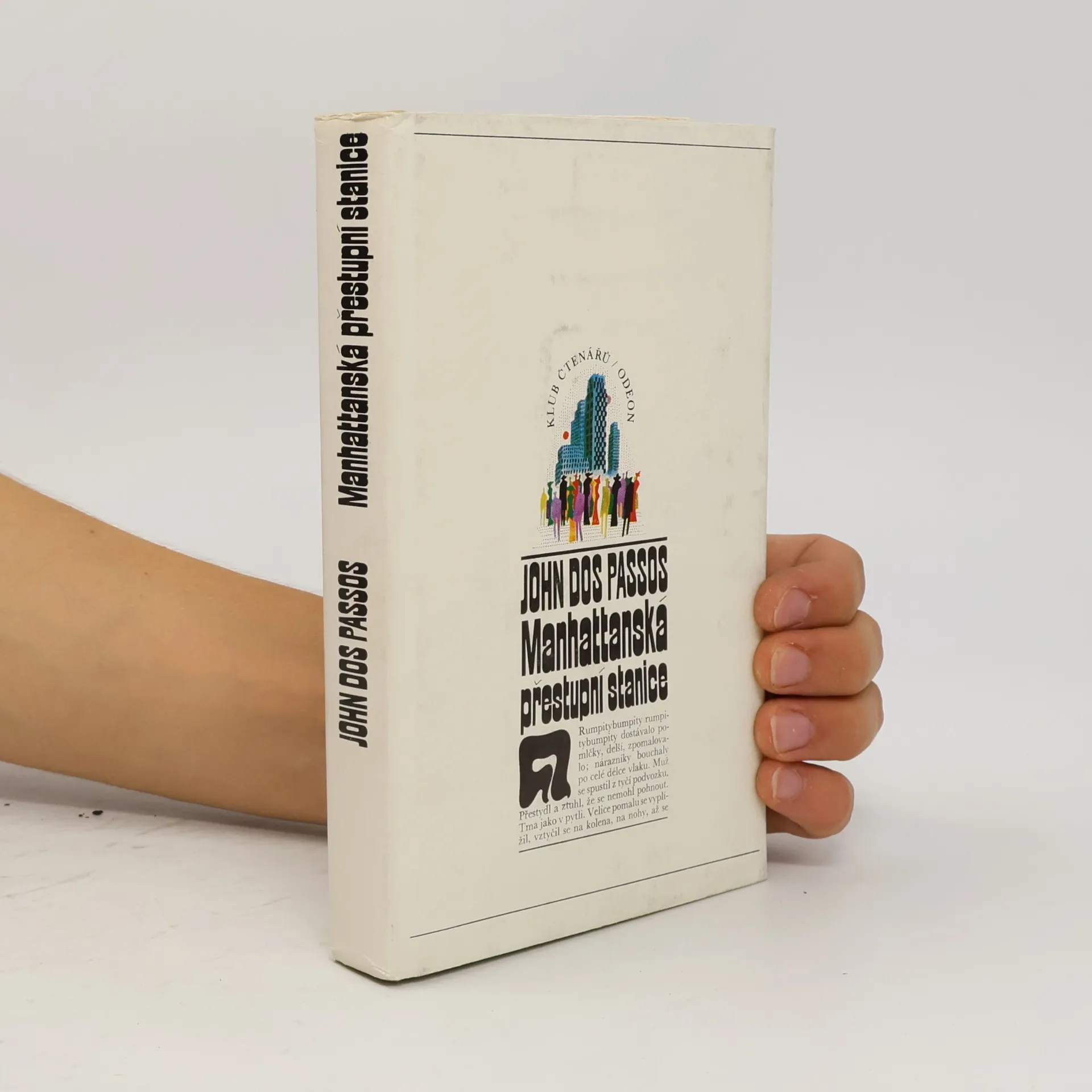
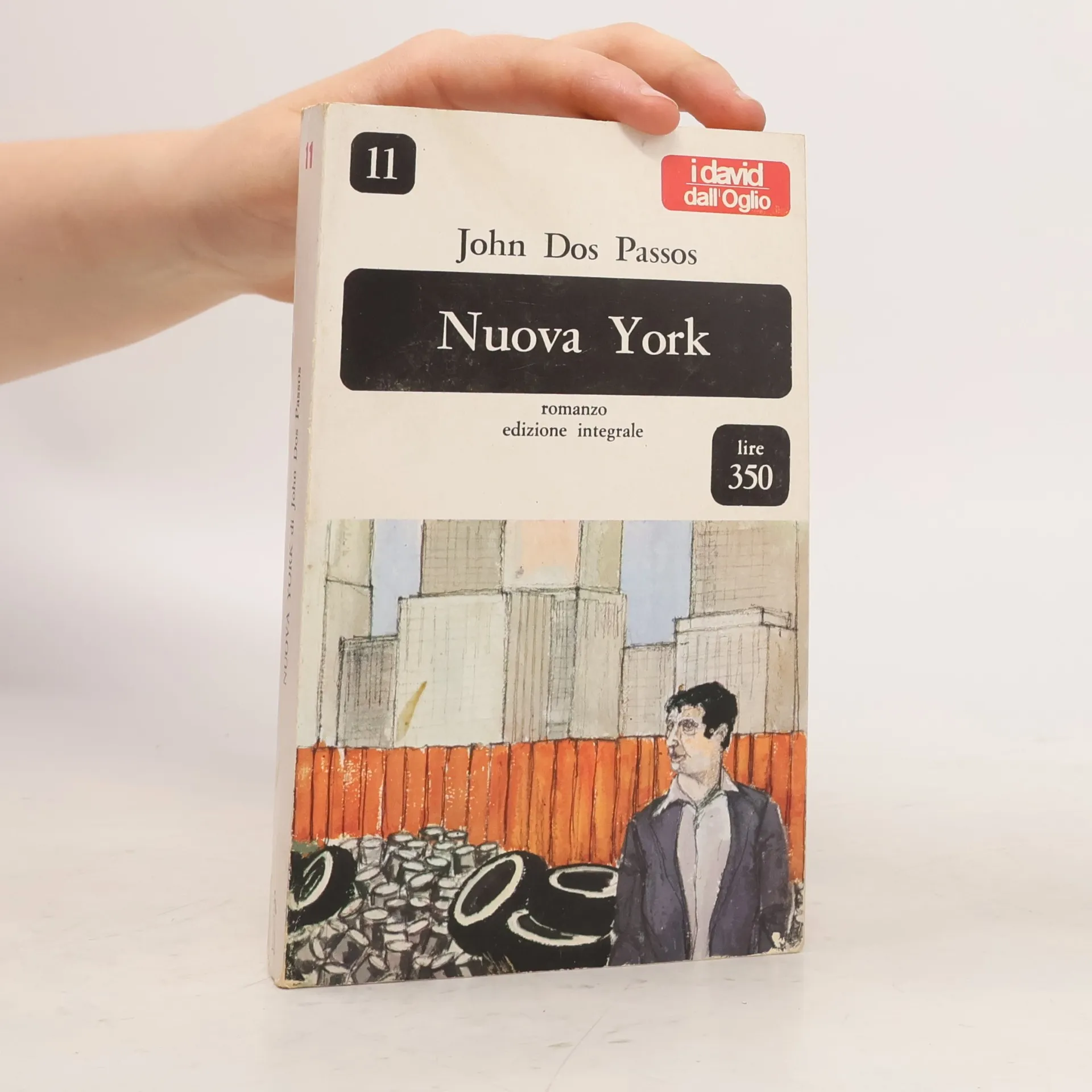
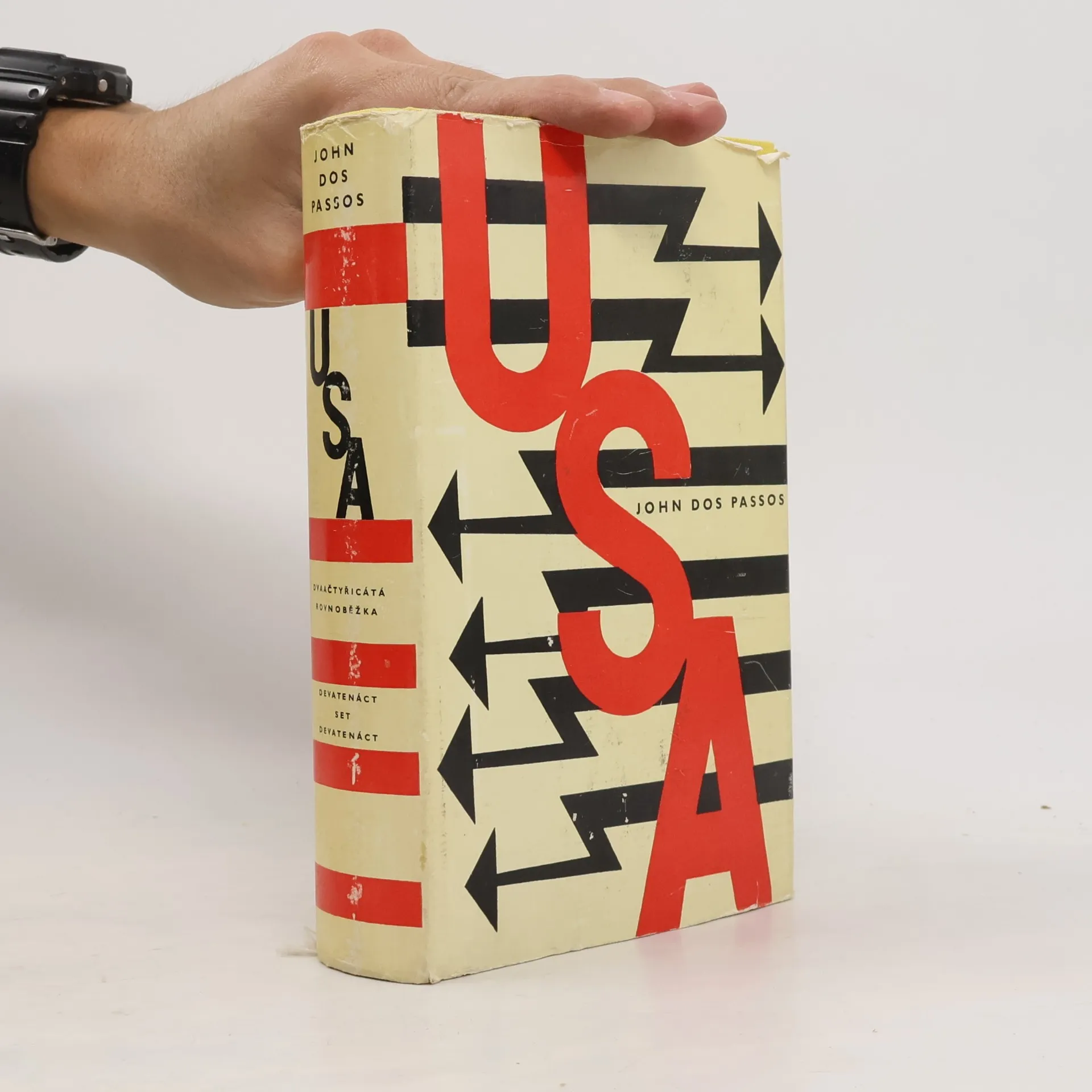
Kolektivní román o chaosu americké civilizace po první světové válce je dílem výrazného amerického spisovatele, jehož vrchol tvorby spadá do období mezi dvěma světovými válkami. Autor zde novou uměleckou metodou, poučenou nafilmové technice nespojitých dokumentárních scénických záběrůa pohledů, zachycuje život New Yorku v prvních desítiletích našeho století a tlumočí jej jako ohlušující, bezbřehý a vzhledem k jedinci necitelný a ničící chaos. Zpozadí řady lidských osudů, prolínajících se a střetajících v boji o dolar, vystupují ostřeji rychlé kariéry i pády jedinců, tragédie lidí zruinovaných a zklamání lidí mladých.
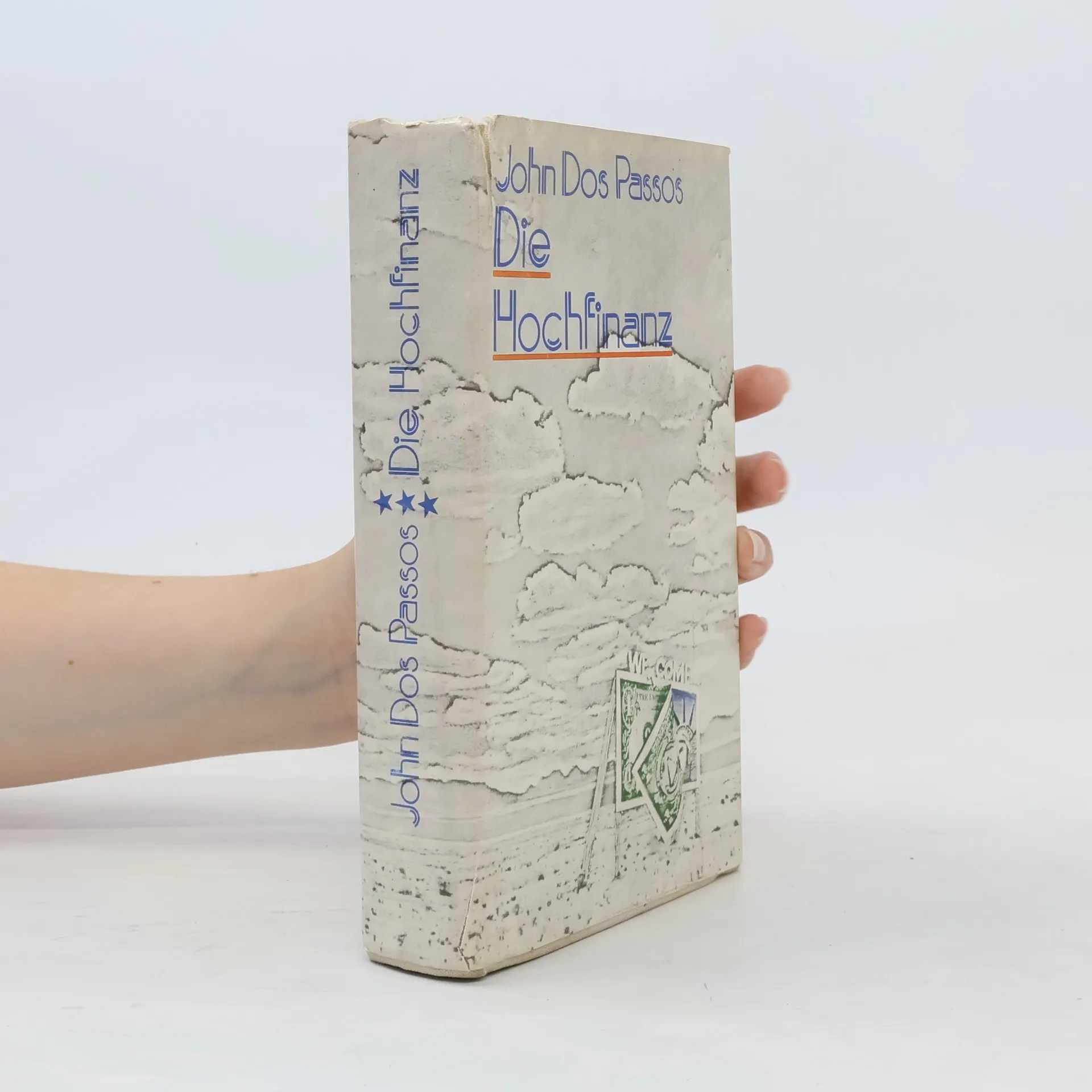
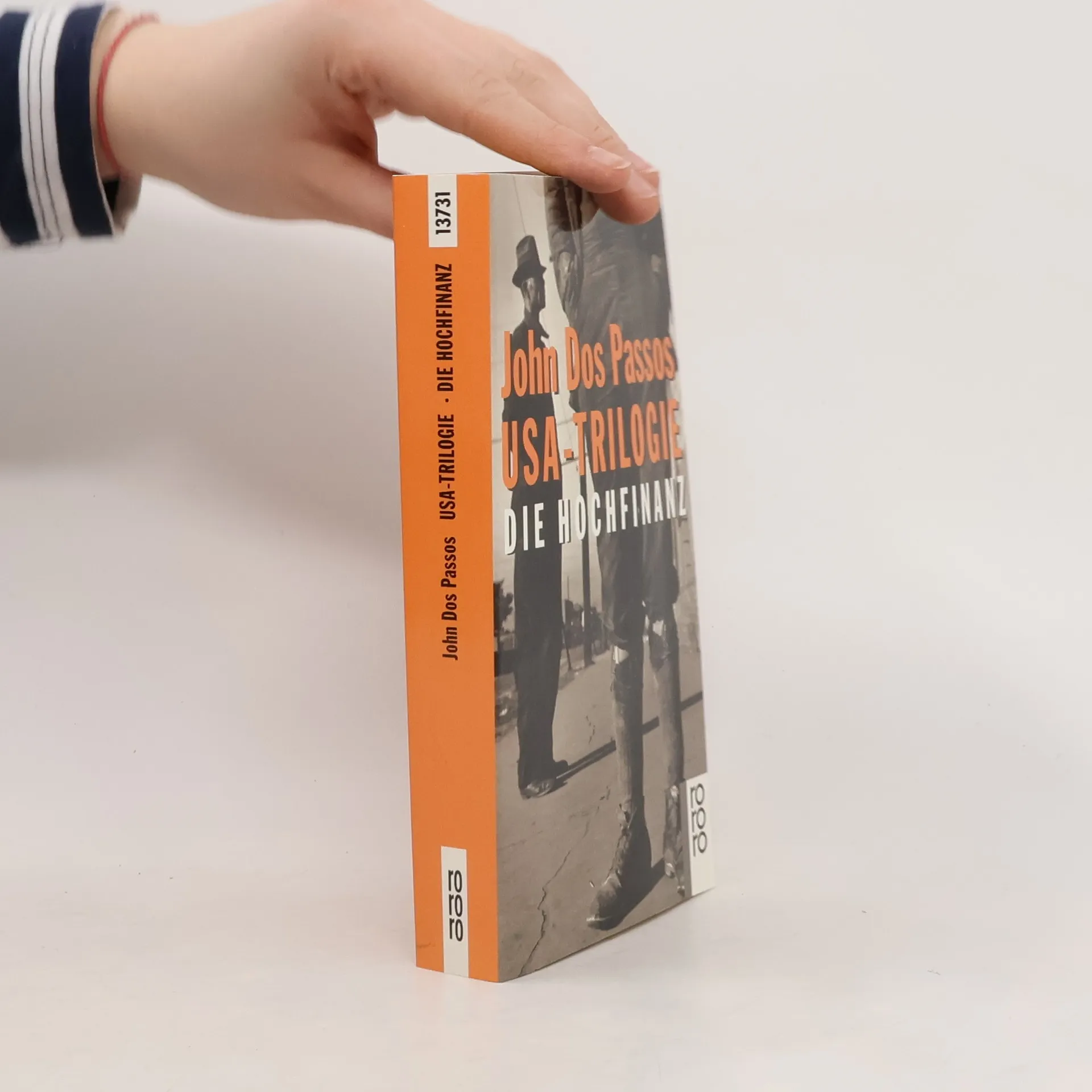
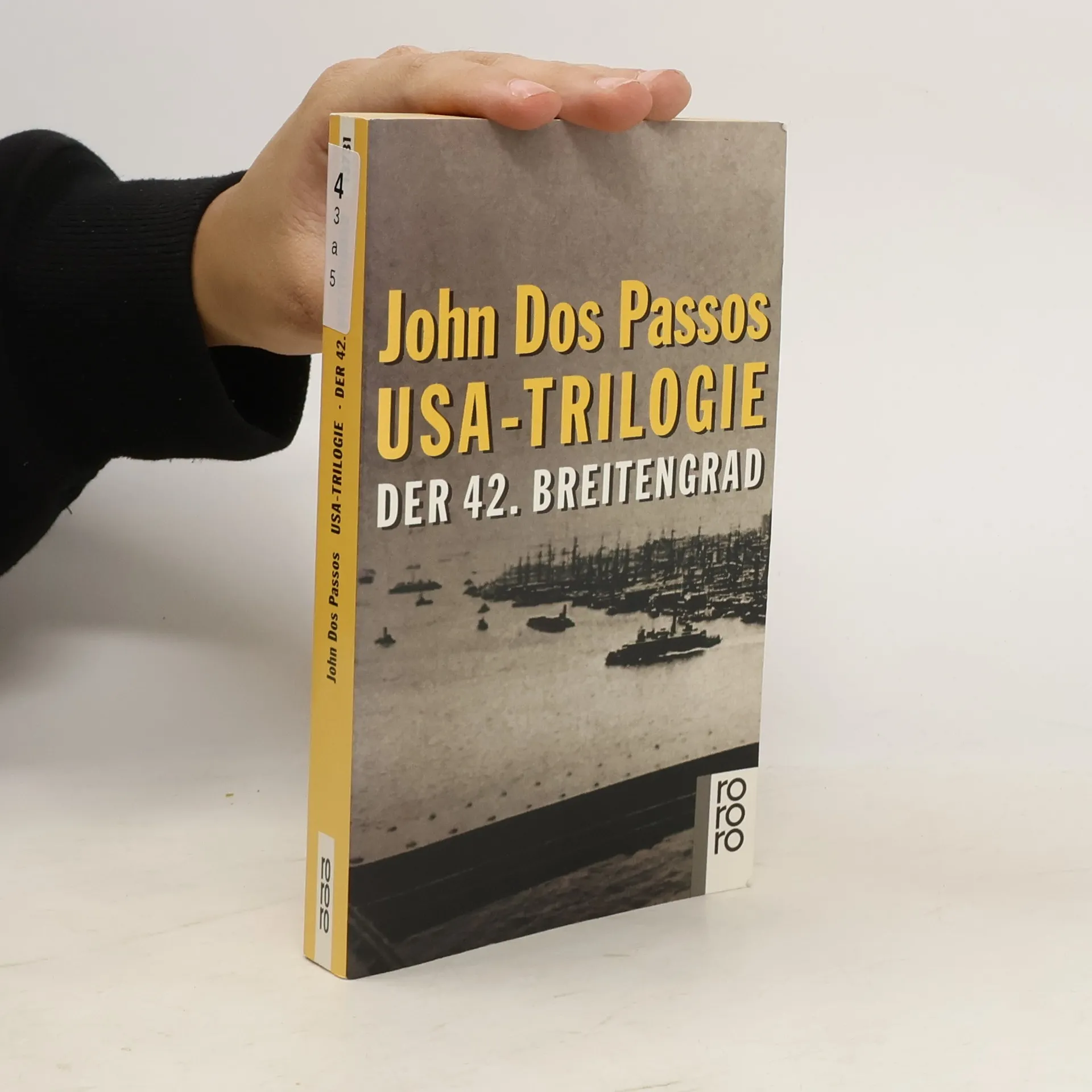
In der USA-Trilogie von John Dos Passos wird ein Porträt des Amerika der Jahre 1910-1930 gezeichnet, das als Hauptfigur der Trilogie fungiert. Es ist ein Bild von extremer Modernität, das die Fantasien derjenigen kreuzt, die feindliche Gefühle gegenüber diesem Land hegen. Das Werk bietet ein schonungsloses Porträt eines sich entwickelnden Amerikas, das eine revolutionäre Schreibweise fordert. Vier autonome Diskurse bilden das Gerüst: die 51 Passagen von „Das Kamera-Auge“, in denen der Autor der Stimme und den Erinnerungen freien Lauf lässt; die 68 „Nachrichten“, Auszüge aus öffentlichen Reden, Collagen von Zeitungsüberschriften, Werbung, populären Liedern und Gedichten; die 25 biografischen Notizen über historische Persönlichkeiten; sowie die Erzählungen und das Leben von 12 fiktiven Charakteren, die die Architektur dieses realistischen Romans in 52 Abschnitte gliedern.
In der USA-Trilogie von John Dos Passos, die die Amerika der Jahre 1910-1930 porträtiert, wird ein Bild von extremer Modernität gezeichnet, das die Fantasien derjenigen kreuzt, die feindliche Gefühle gegenüber diesem Land hegen. Es ist ein schonungsloses Porträt eines sich entwickelnden Amerikas, das eine revolutionäre Schreibweise erfordert. Vier autonome Diskurse bilden das Gerüst: die 51 Passagen von „Das Kamera-Auge“, in denen der Autor der Stimme und den Erinnerungen freien Lauf lässt; die 68 „Nachrichten“, Auszüge aus öffentlichen Reden, Collagen von Zeitungsüberschriften, Werbung, populären Liedern und Gedichten; die 25 biografischen Notizen zu historischen Persönlichkeiten; die Erzählungen und das Leben von 12 fiktiven Charakteren, die diesem realistischen Roman seine Struktur verleihen, verteilt auf 52 Abschnitte.
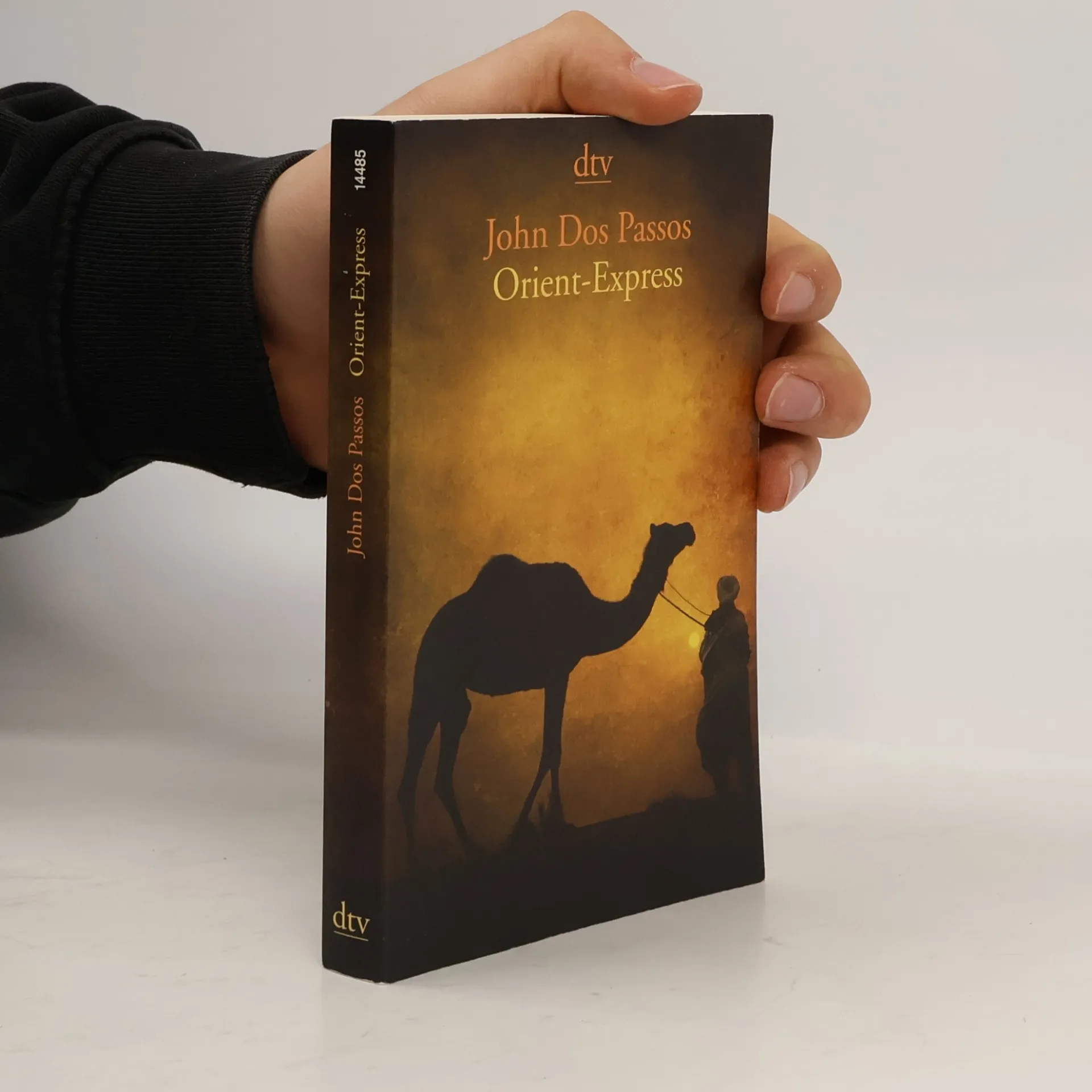
Reisejournal eines Unvoreingenommenen Dos Passos ist fünfundzwanzig, als er sich 1921 auf eine Reise durch den Orient macht: von der Türkei über Georgien, Armenien, den Iran und Irak bis nach Syrien. Istanbul hieß noch Konstantinopel, Ländergrenzen waren durchlässig, oft noch vorläufig; Konflikte aus dem Ersten Weltkrieg flackerten auf wie Moorbrände, eine Welt formierte sich neu und nahm langsam die sozialen und staatlichen Strukturen an, wie wir sie heute kennen. Dos Passos ist umsichtiger Beobachter und scharfzüngiger Chronist – unvoreingenommene Neugier prägt seinen Blick. Ein aufregendes Reisejournal, ein hochinteressantes Zeitdokument.
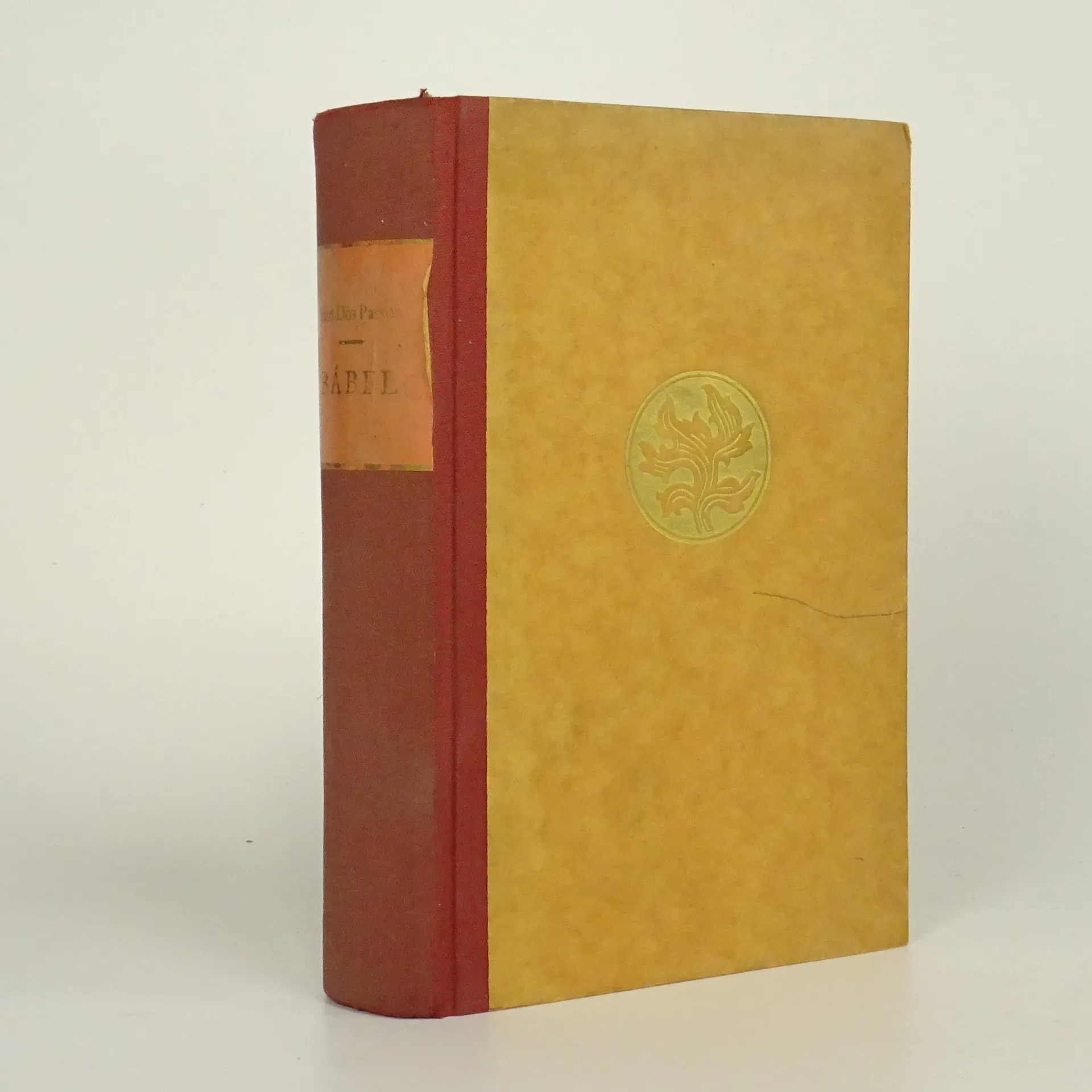
Kniha je označována jako typický "umělecký román" té doby. Hlavním hrdinou je citlivý chlapec, který se pokouší uniknout omezujícím konvencím tehdejší společnosti.
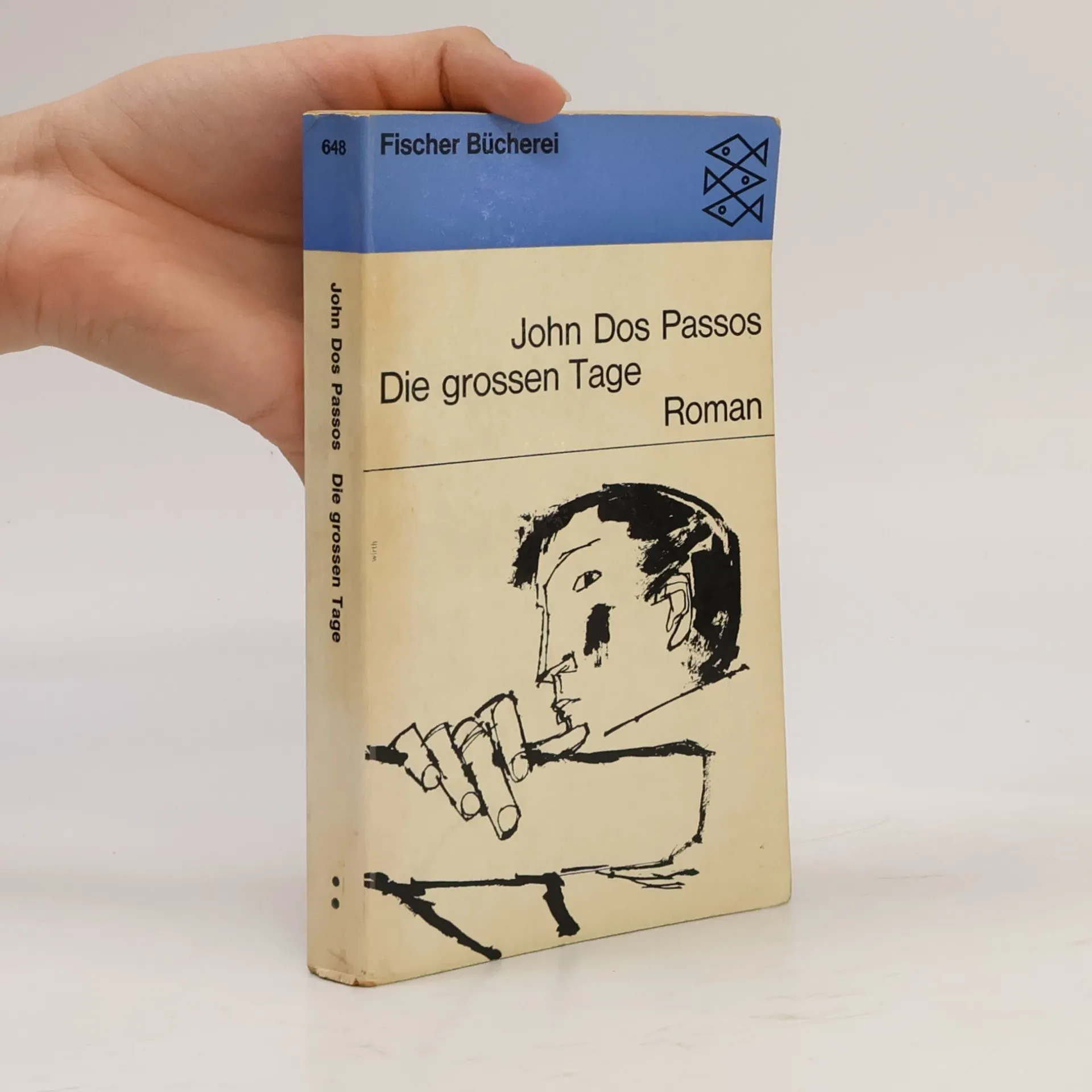
Autorovy zážitky a zkušenosti z cestování v době válek.
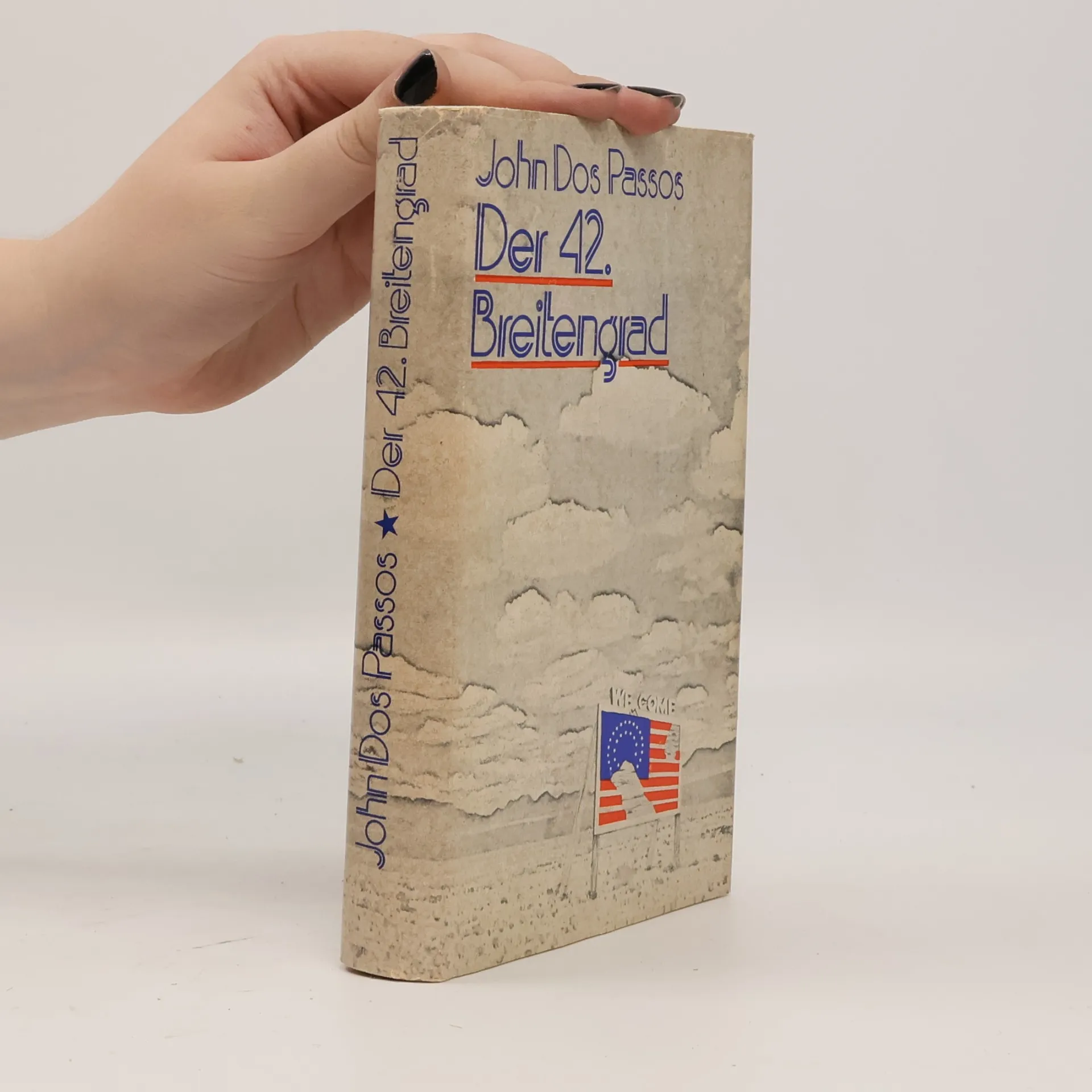
Americký život v prvních dvou desetiletích 20. století až po 1. světovou válku. Román se skládá ze 4 nezávislých, navzájem se prostupujících pásem - příběhy fiktivních hrdinů, jejichž osudy sledované od dětství, dokumentují společenský vývoj USA od konce 19.stol. do r. 1917 -dalším pásmem jsou krátké biografie osobností americké historie, politiky, dělnických vůdců, vynálezců - 3. pásmo tvoří vnitřní monolog vypravěče - 4. pásmo je montáží dobových titulů novin, krátkých zpráv, úryvků šlágrů Jednotlivá pásma se navzájem vrství, prostupují a doplňují, čímž vytvářejí panoramatický obraz vývoje společnosti.
První dva romány trilogie U.S.A., kterou autor napsal v impresionistickém stylu, mapuje U.S.A. jak se mu dobově jeví.
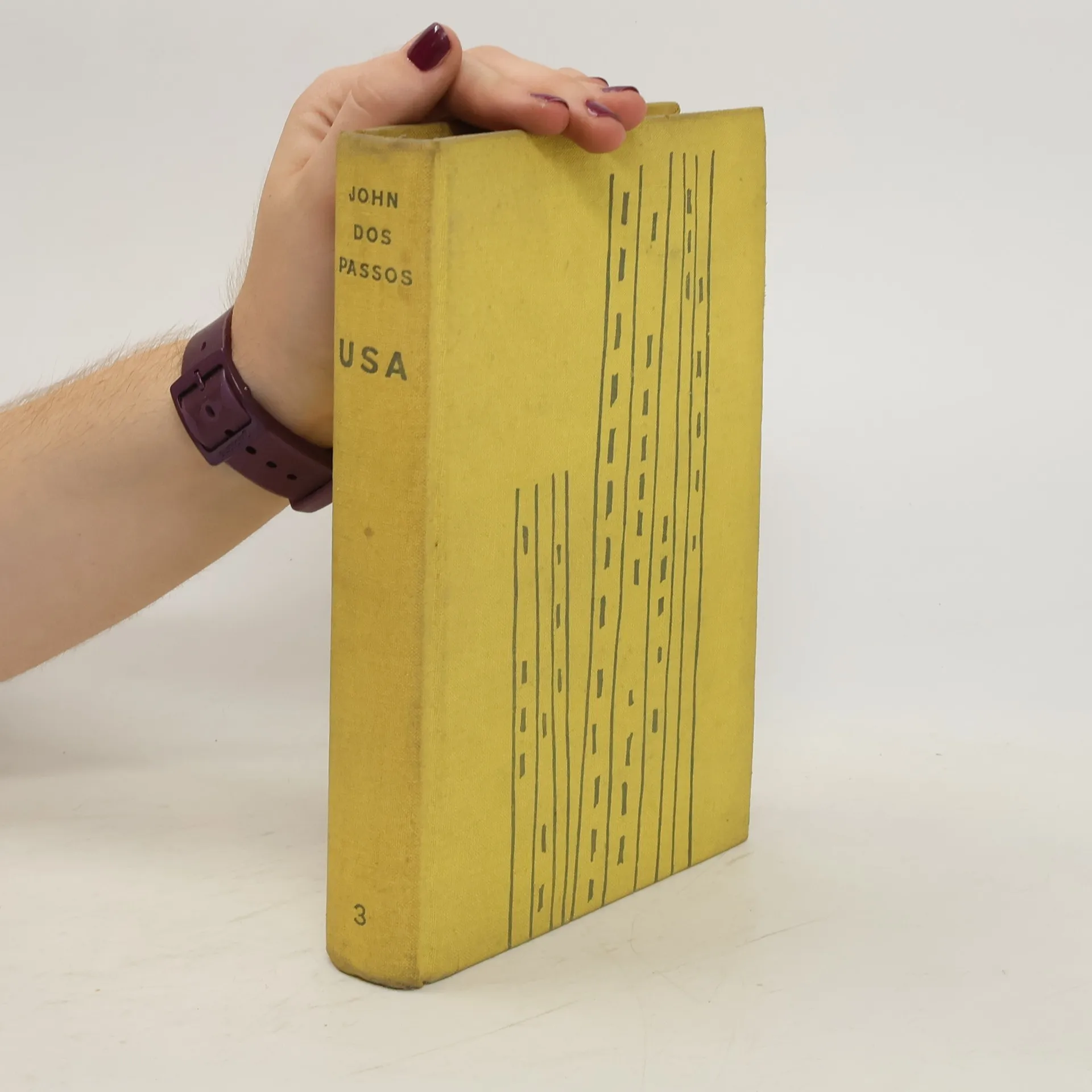
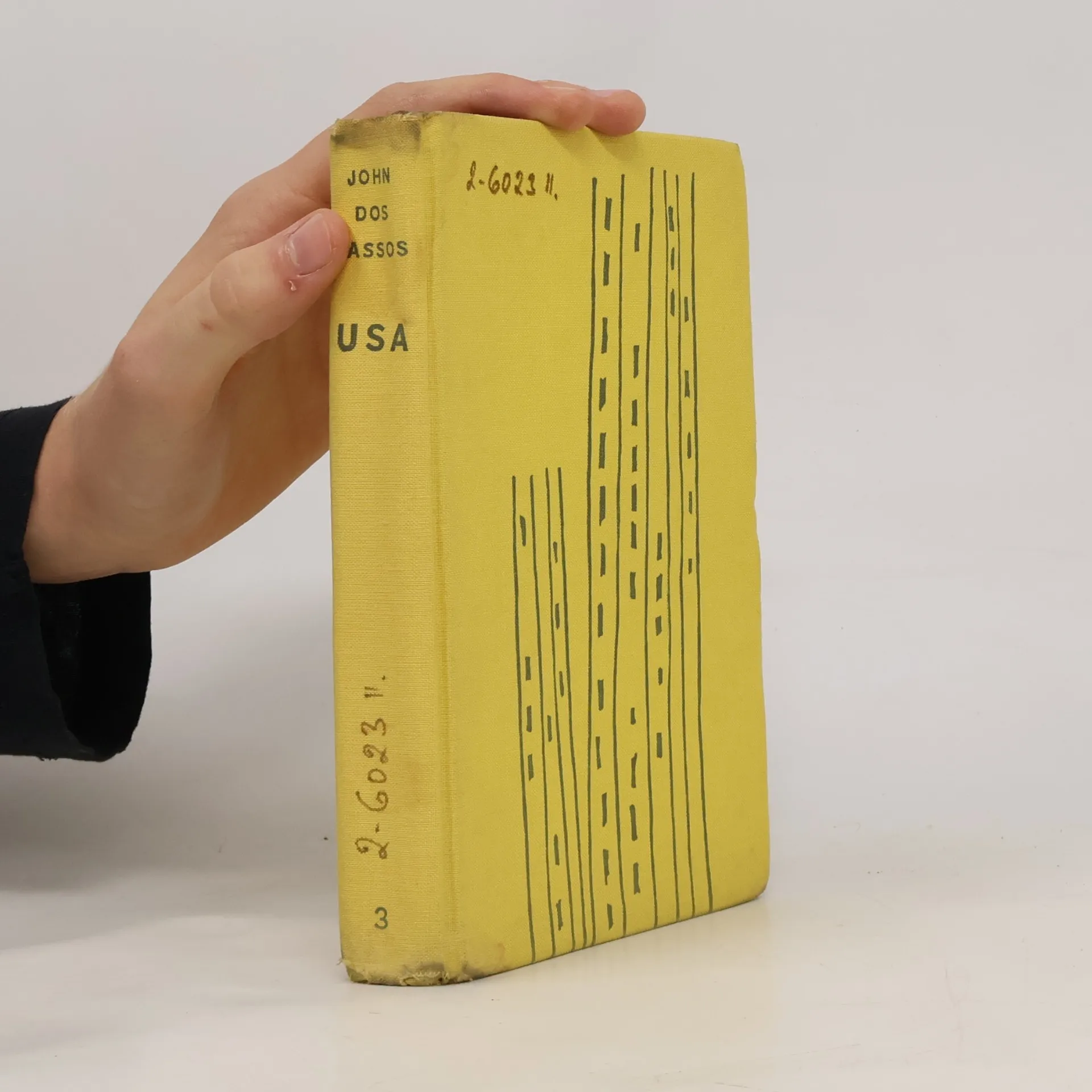
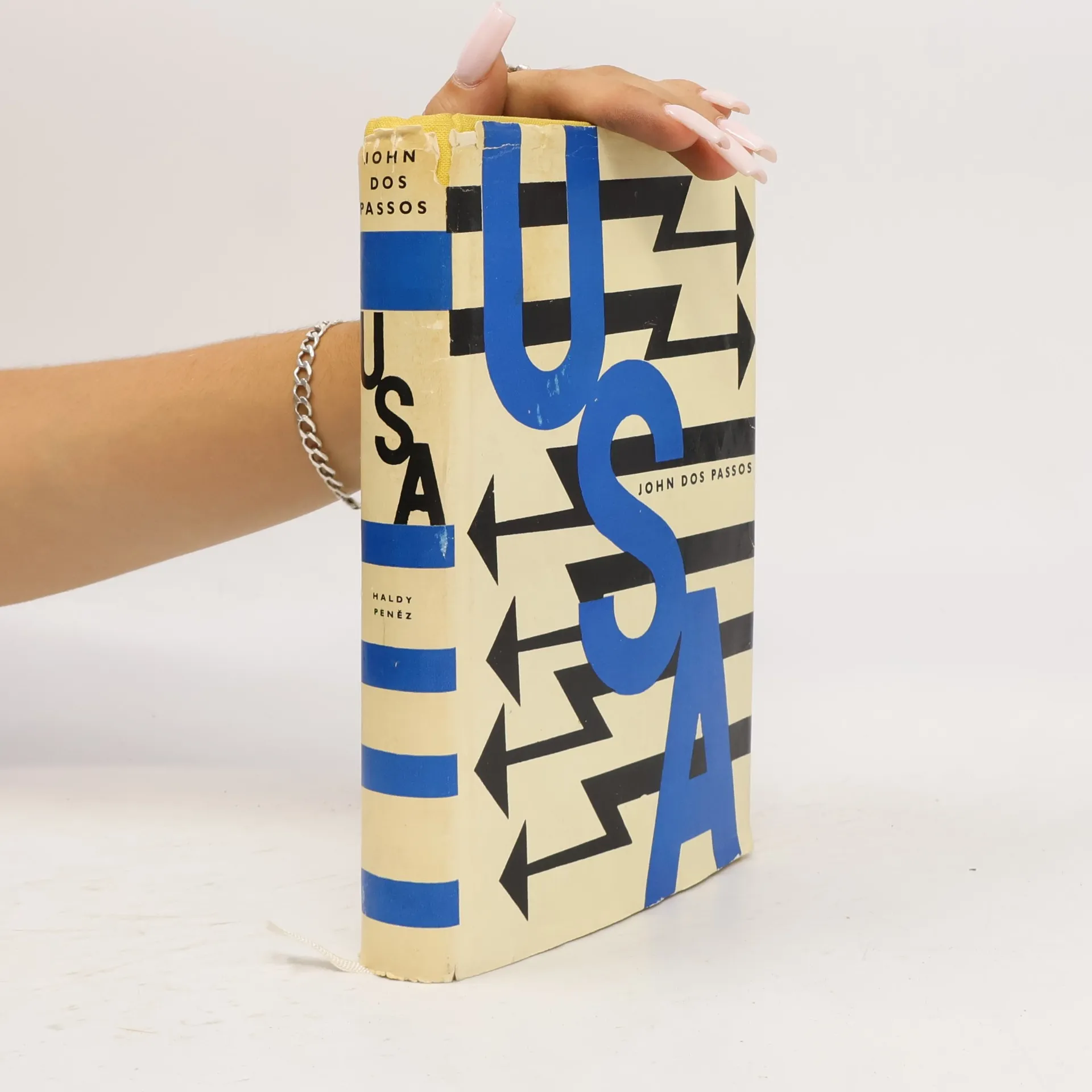
USA 3
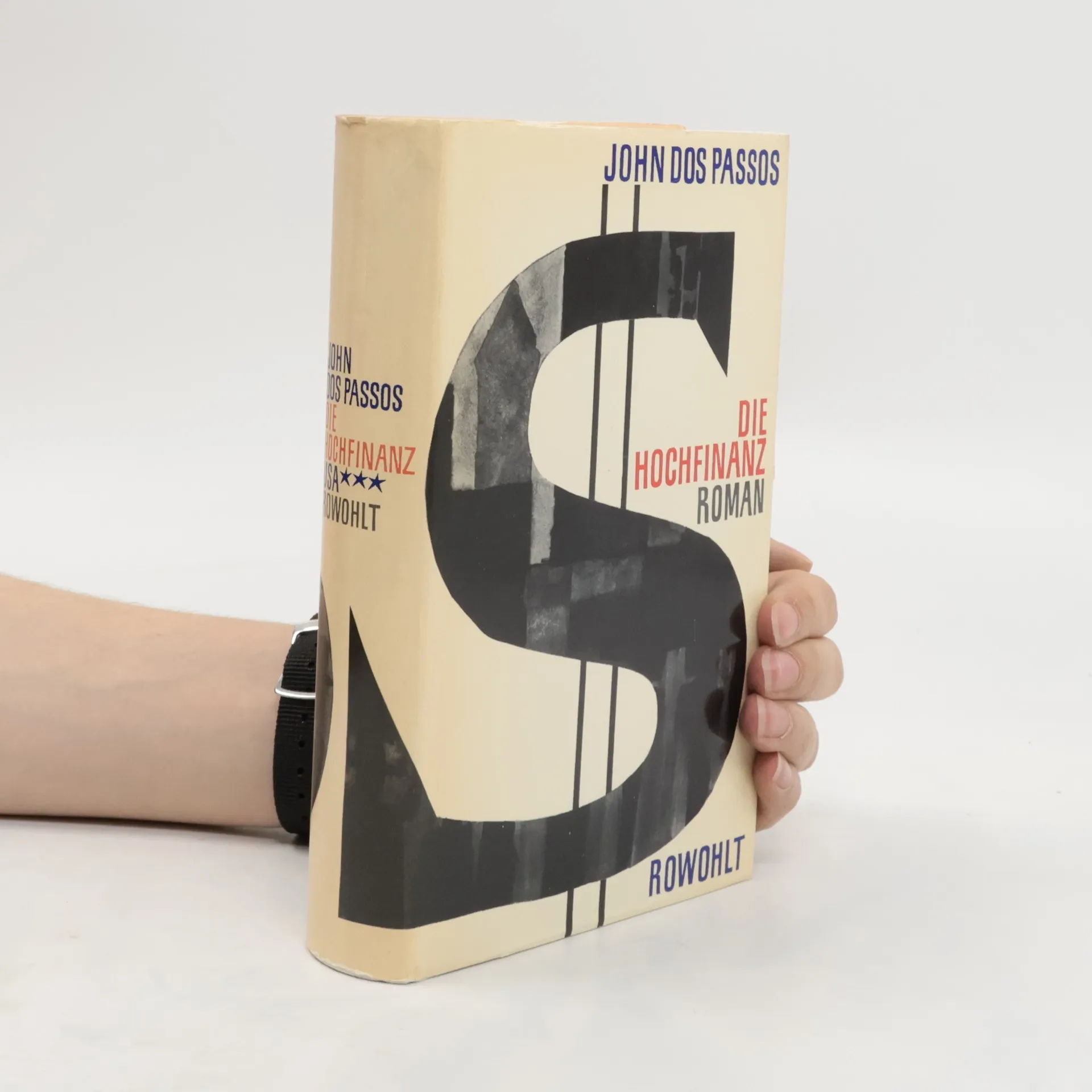
Haldy peněz
První dva romány trilogie U.S.A., kterou autor napsal v impresionistickém stylu, mapuje U.S.A. jak se mu dobově jeví.
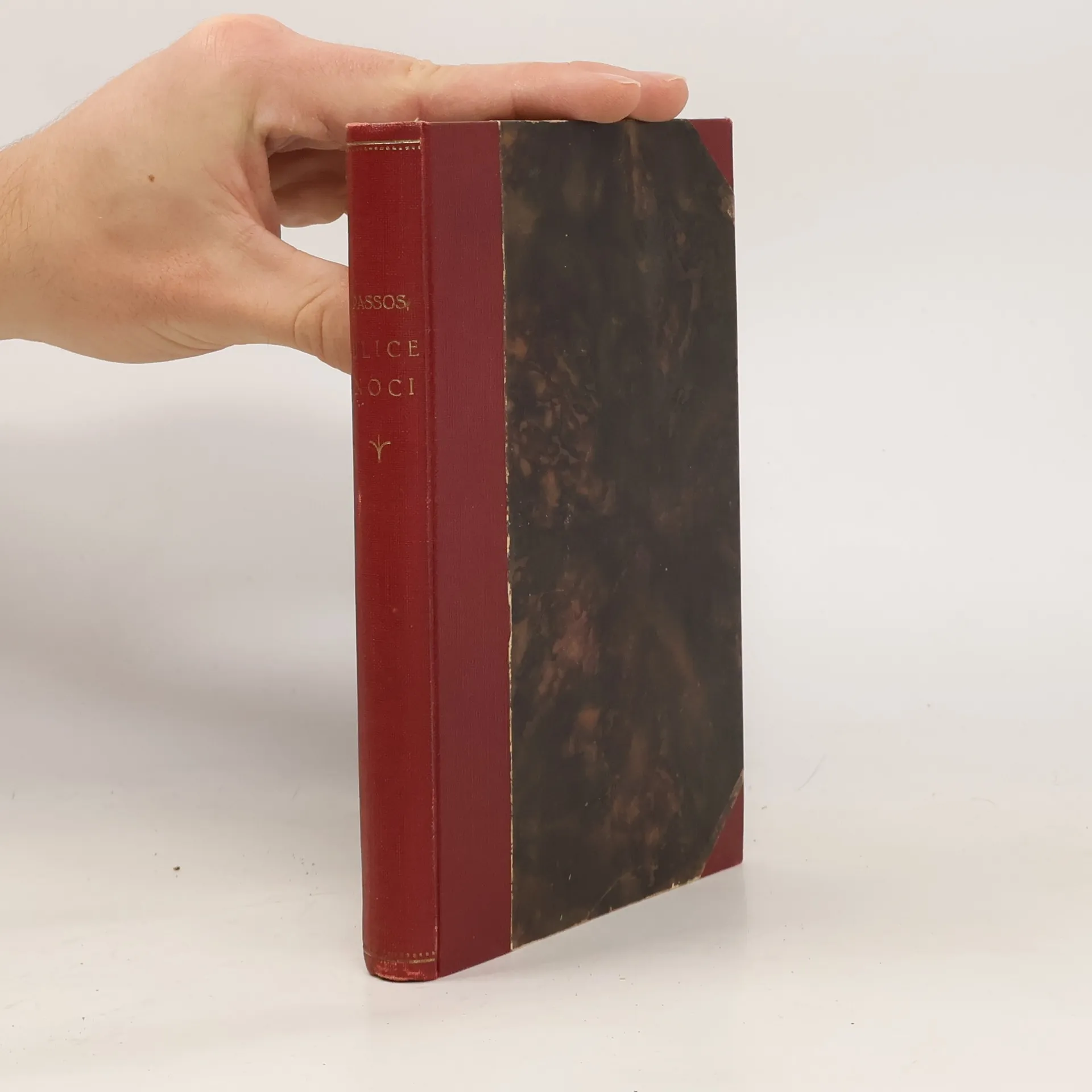
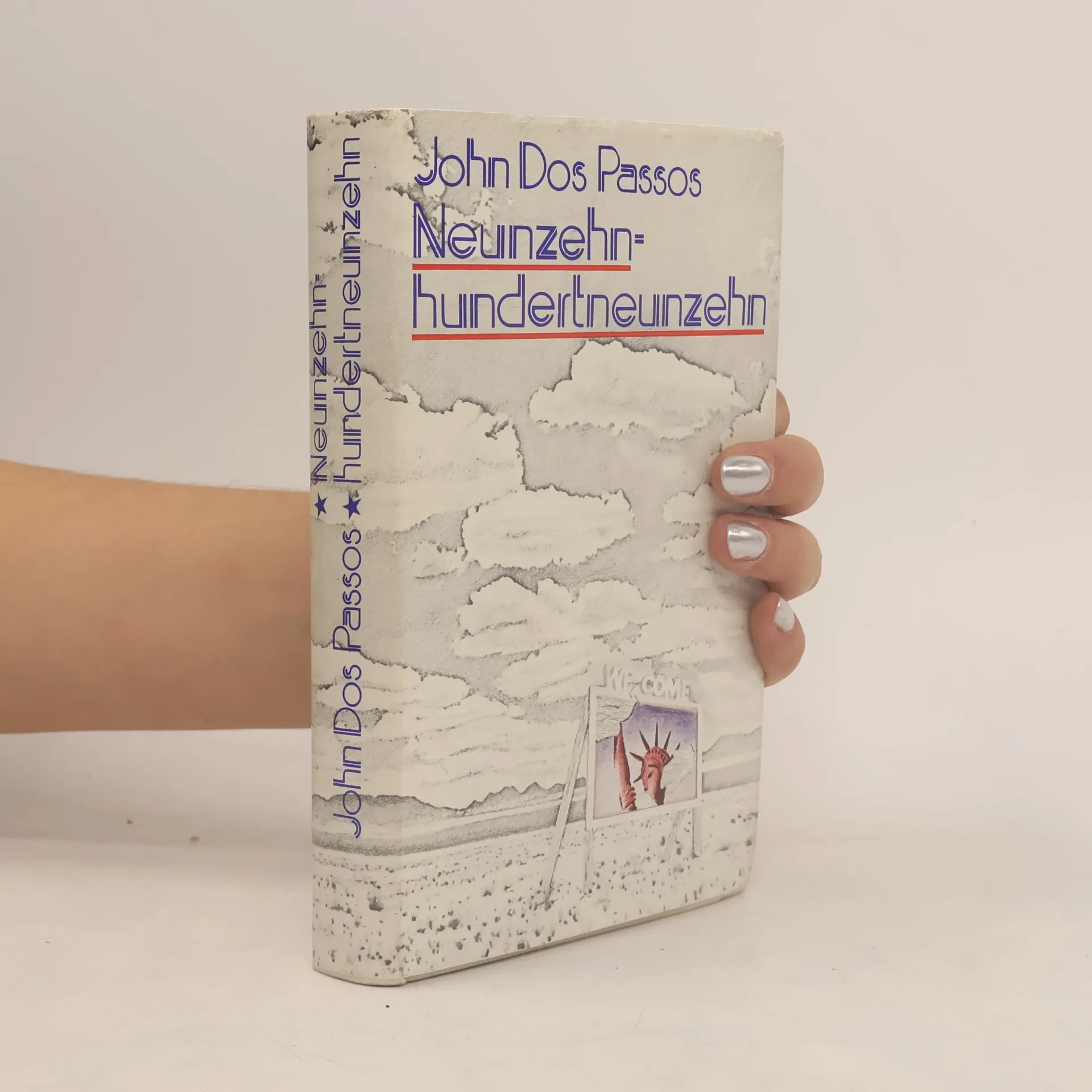
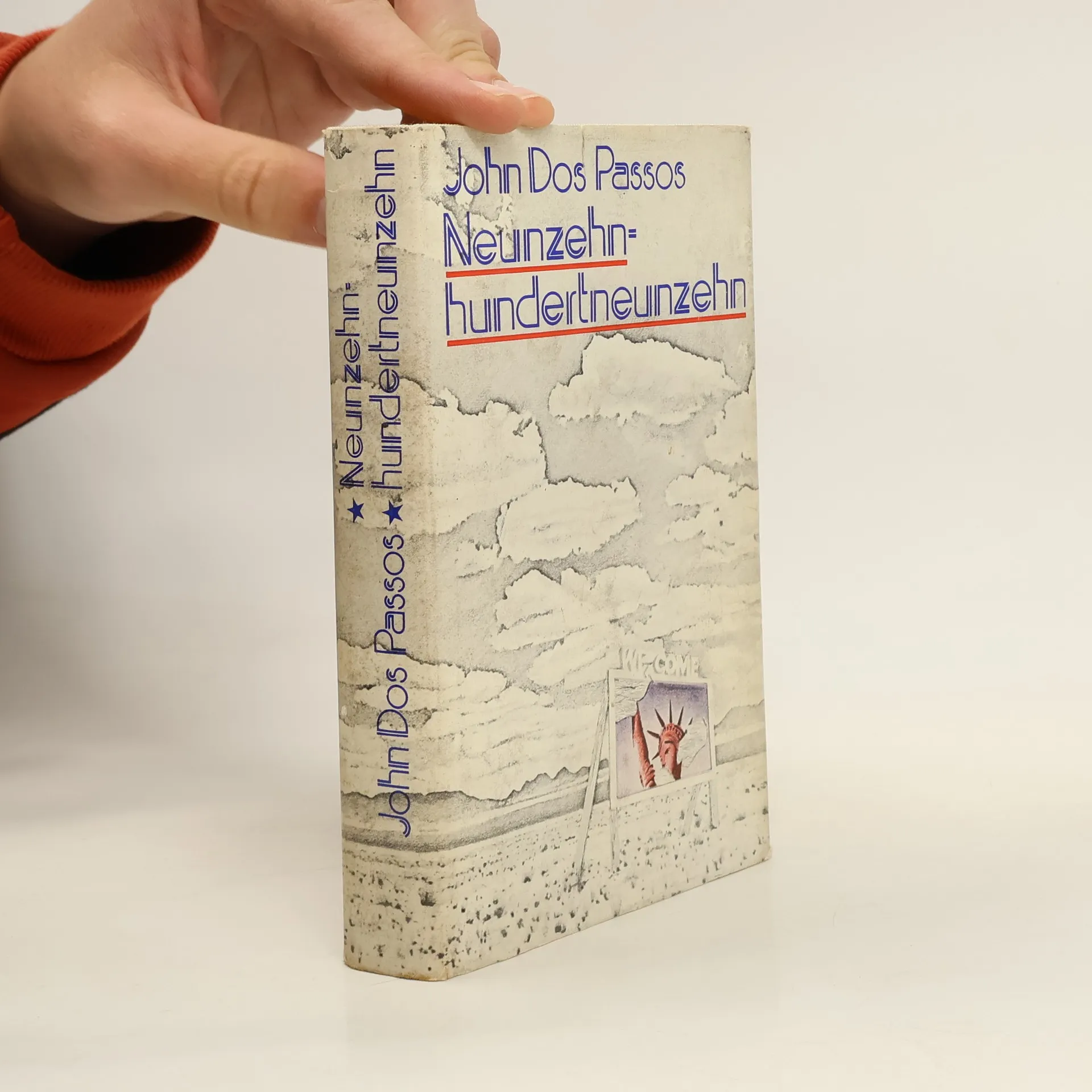
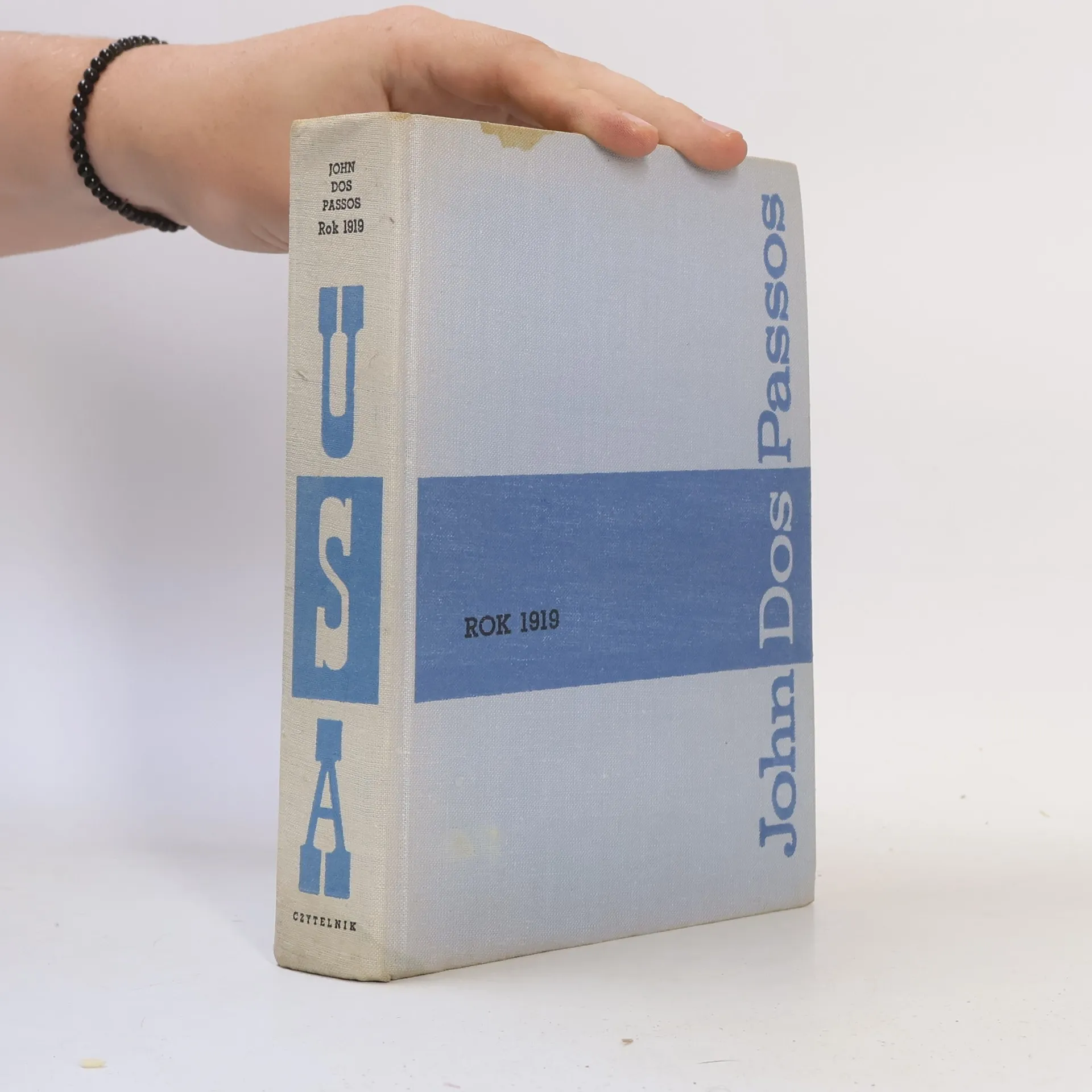
Rok 1919
- 546pages
- 20 heures de lecture
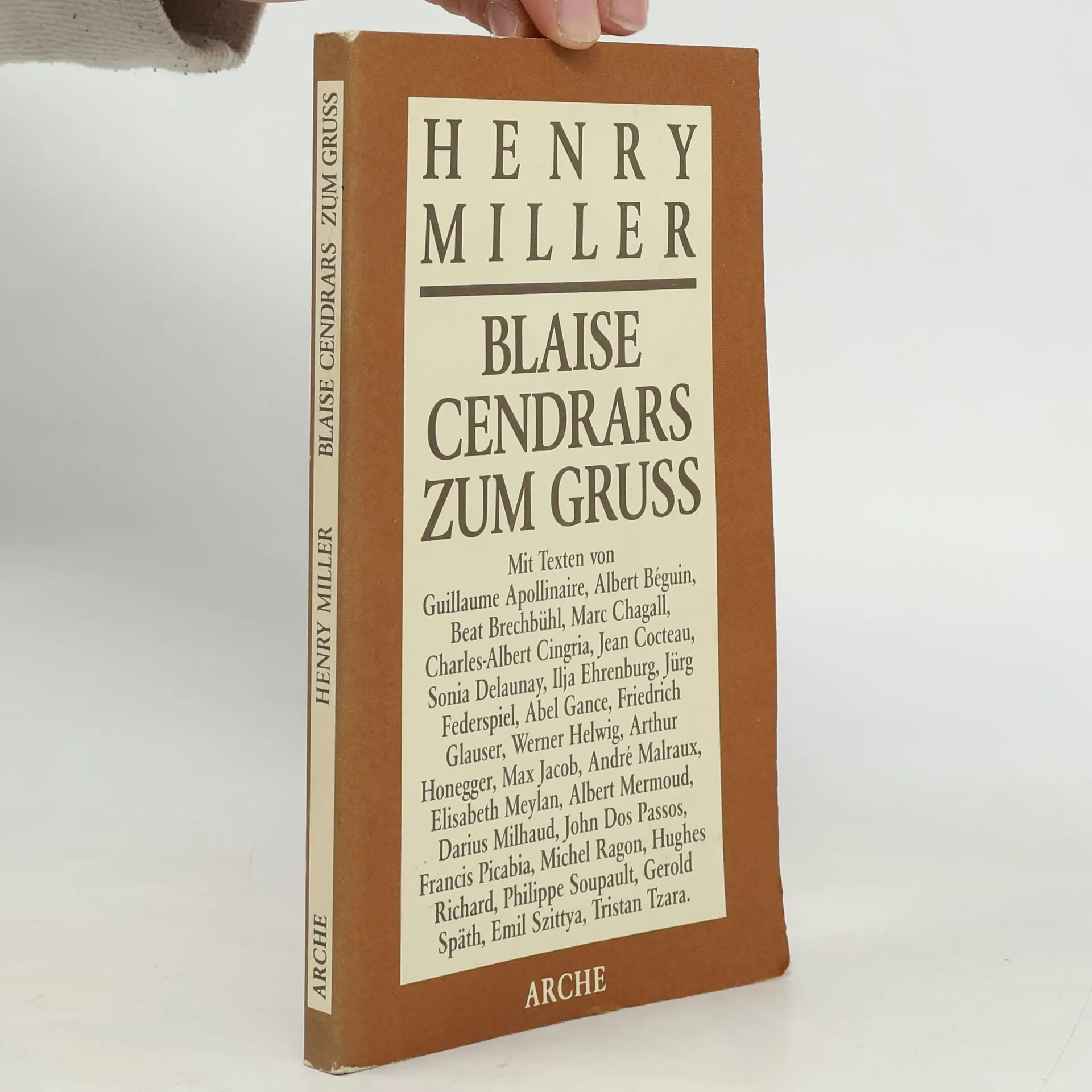
Blaise Cendrars zum Gruss
- 120pages
- 5 heures de lecture
German
In der Trilogie von Dos Passos, die die Amerika der Jahre 1910-1930 porträtiert, wird ein modernes Bild einer sich entwickelnden Nation gezeichnet, das die Fantasien derjenigen widerspiegelt, die feindliche Gefühle ihr gegenüber hegen. Es ist ein schonungsloses Porträt eines Amerikas, das eine revolutionäre Schreibweise erfordert. Vier autonome Diskurse bilden das Gerüst: die 51 Passagen von „Das Kamera-Auge“, in denen der Autor der Stimme und den Erinnerungen freien Lauf lässt; die 68 „Nachrichten“, die aus öffentlichen Reden, Zeitungsüberschriften, Werbung, Volksliedern und Gedichten bestehen; die 25 biografischen Notizen über historische Persönlichkeiten; sowie die Erzählungen und das Leben von 12 fiktiven Charakteren, die diesem realistischen Roman, der in 52 Abschnitte unterteilt ist, seine Struktur verleihen.
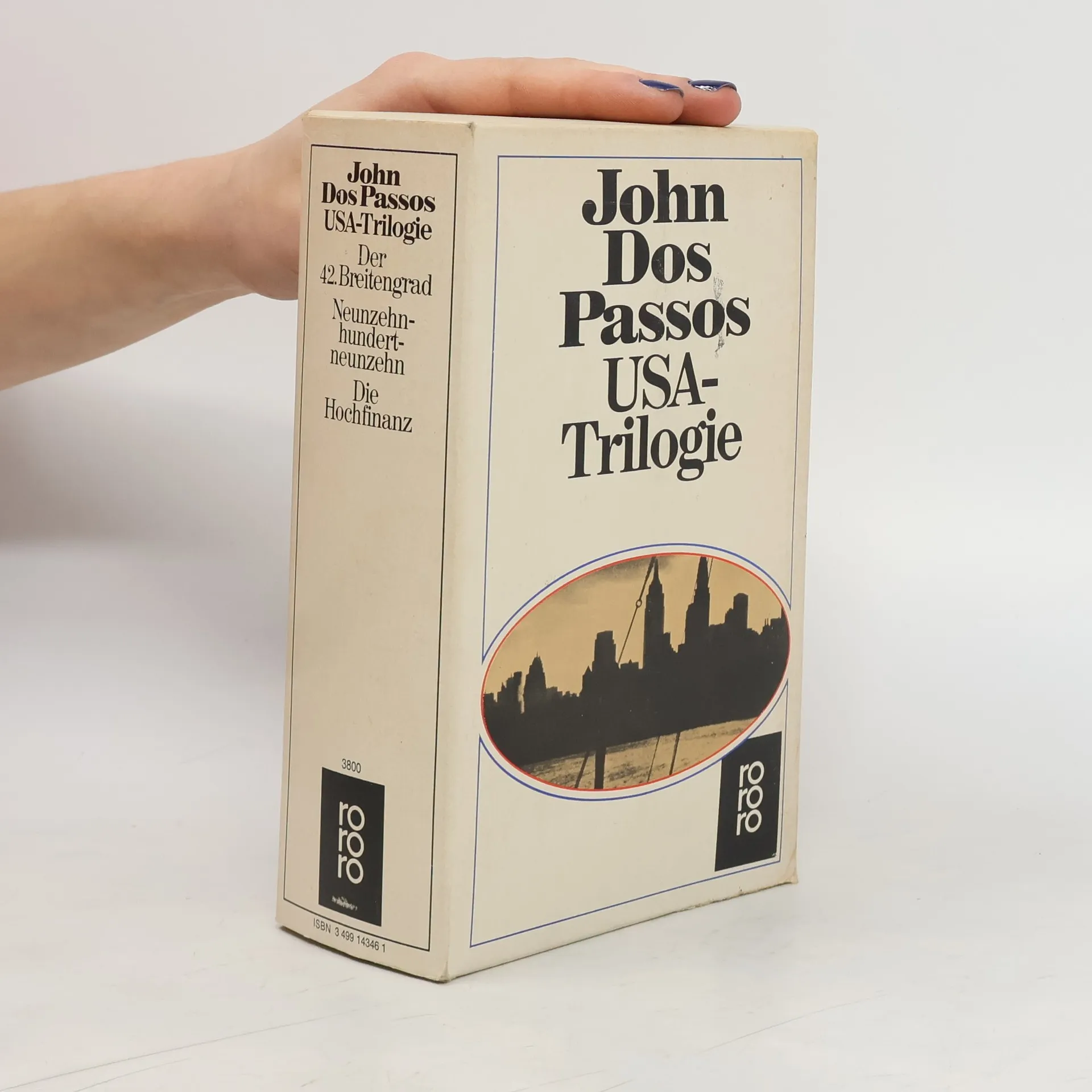
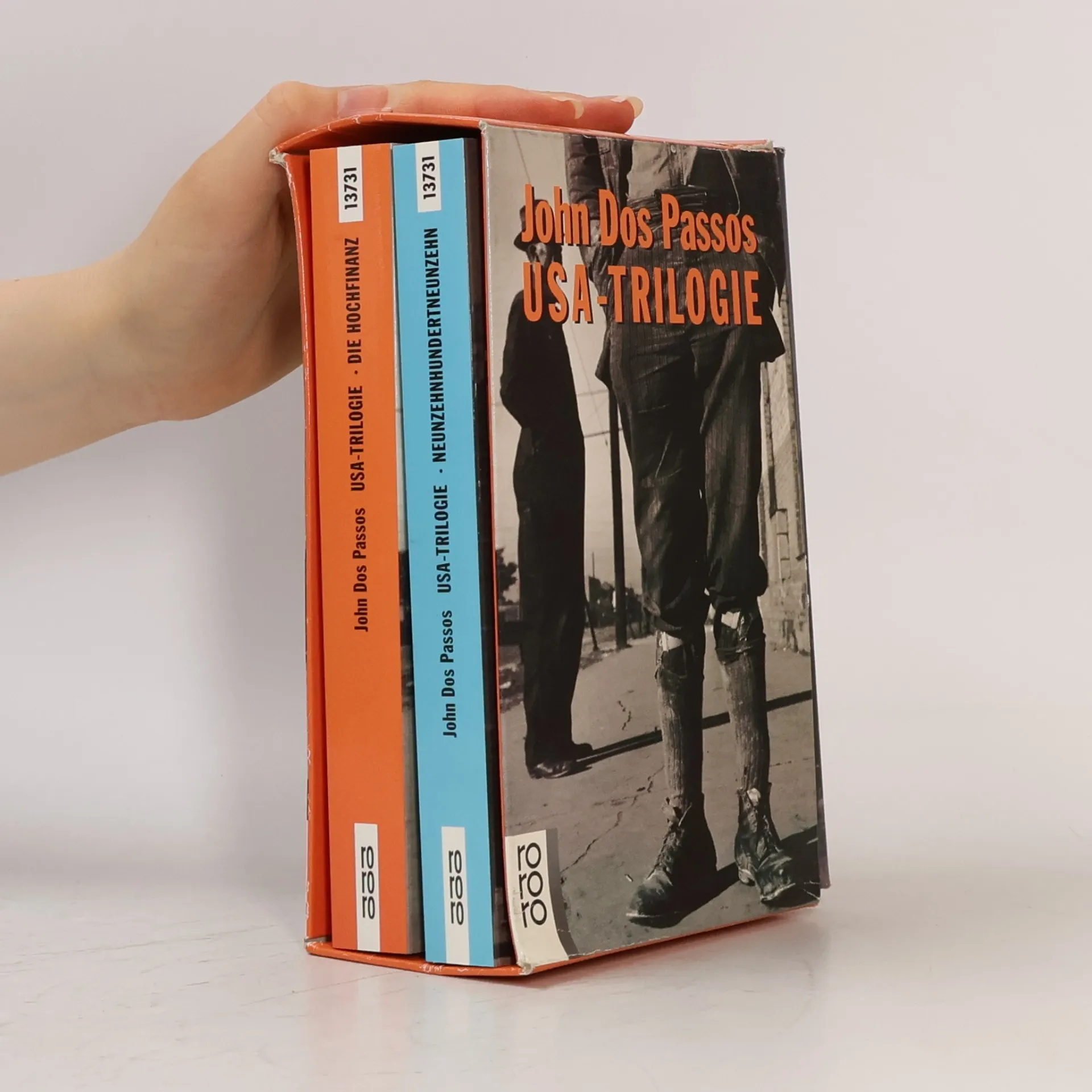
USA-Trilogie 1-3
- 4volumes
In der Amerika der Jahre 1910-1930, die hier als Hauptfigur der Trilogie dargestellt wird, entwirft Dos Passos ein Bild von extremer Modernität, das die Fantasien derjenigen kreuzt, die feindliche Gefühle ihr gegenüber hegen. Ein schonungsloses Porträt eines sich entwickelnden Amerikas, das eine revolutionäre Schreibweise verlangt. Vier autonome Diskurse bilden das Gerüst: die 51 Passagen von „Das Kamera-Auge“, in denen der Autor der Stimme und den Erinnerungen freien Lauf lässt; die 68 „Nachrichten“, Auszüge aus öffentlichen Reden, Collagen von Zeitungsüberschriften, Werbung, populären Liedern und Gedichten; die 25 biografischen Notizen über historische Persönlichkeiten; die Erzählungen und das Leben von 12 fiktiven Charakteren, die diesem realistischen Roman Struktur verleihen, der in 52 Abschnitte unterteilt ist.
USA-Trilogie
- 2volumes