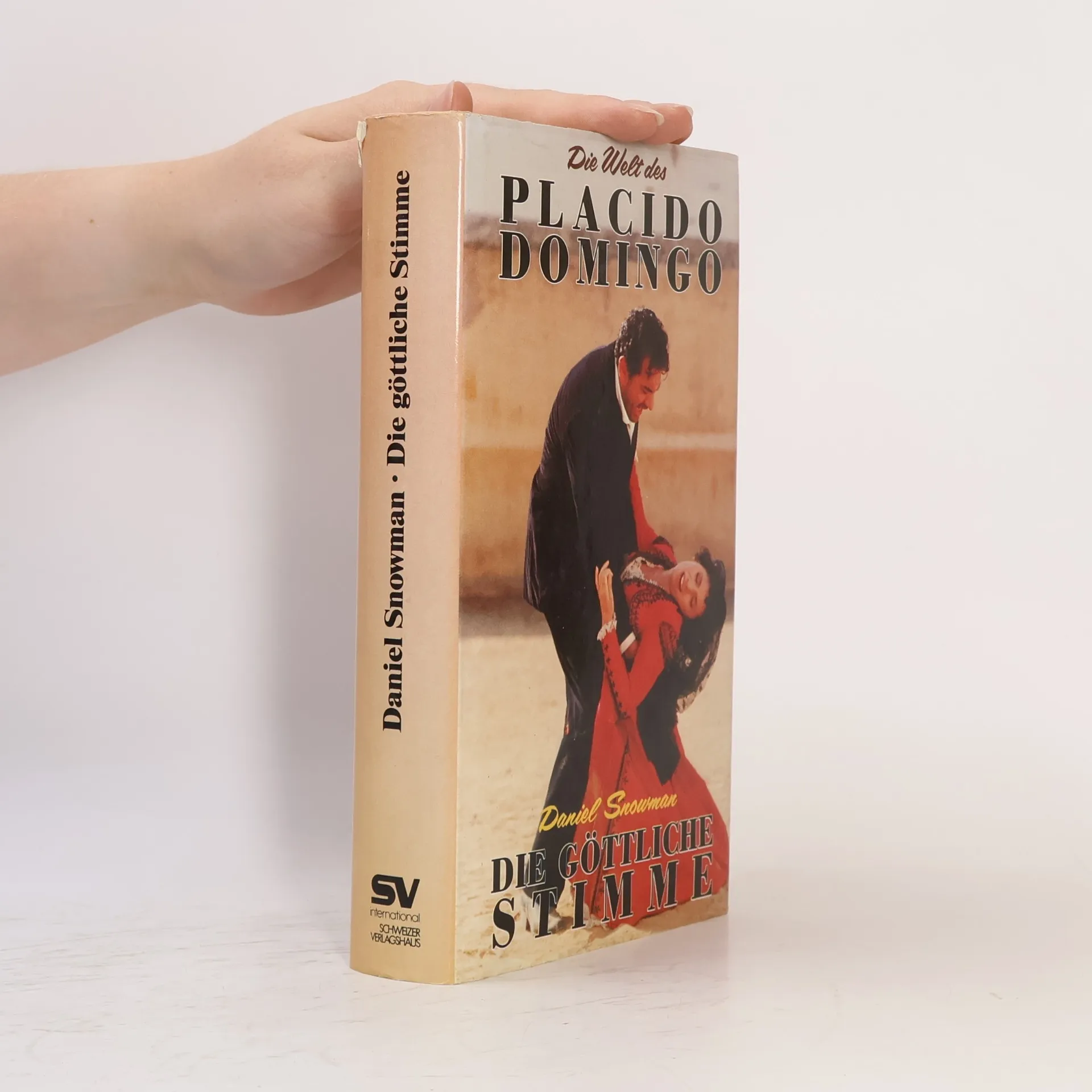
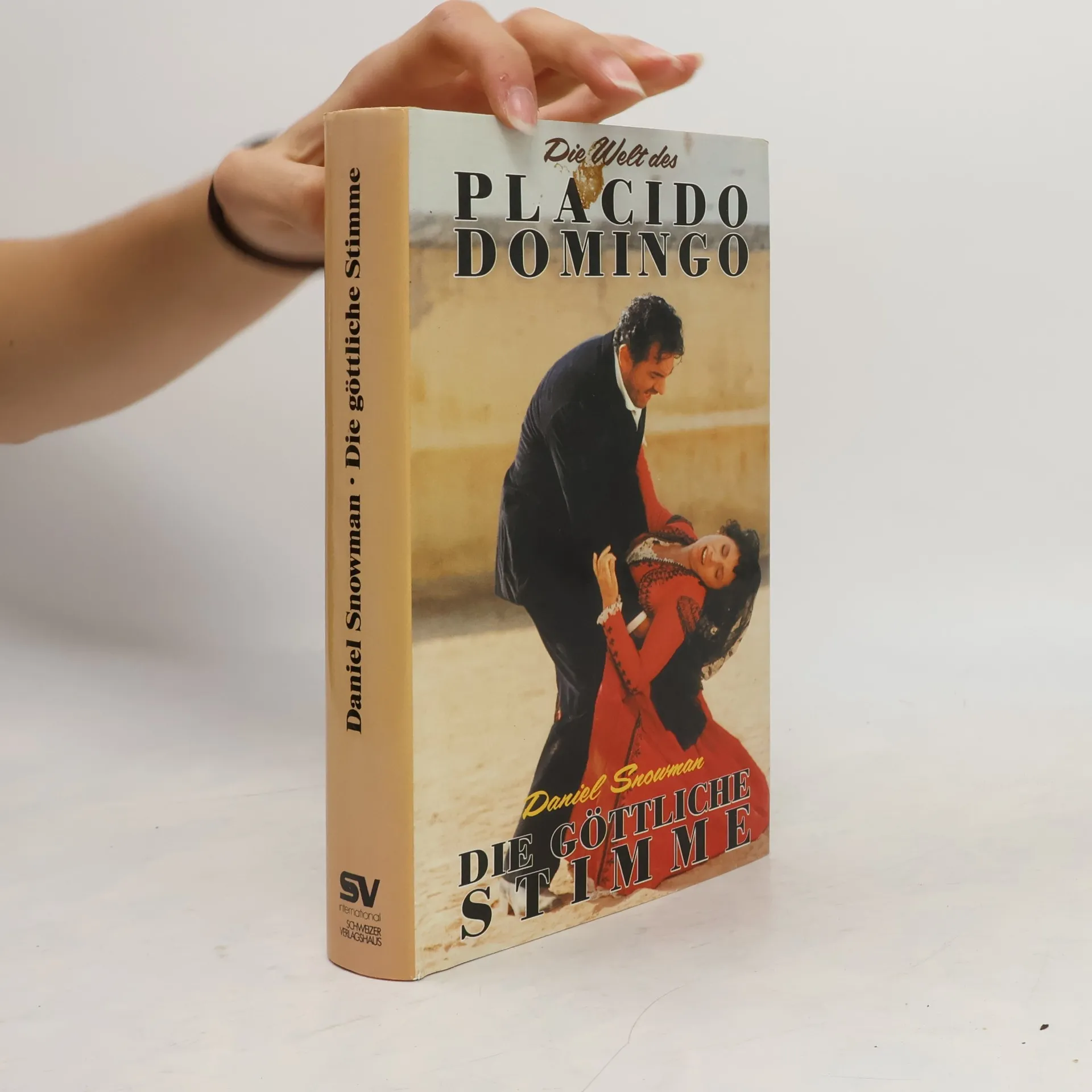
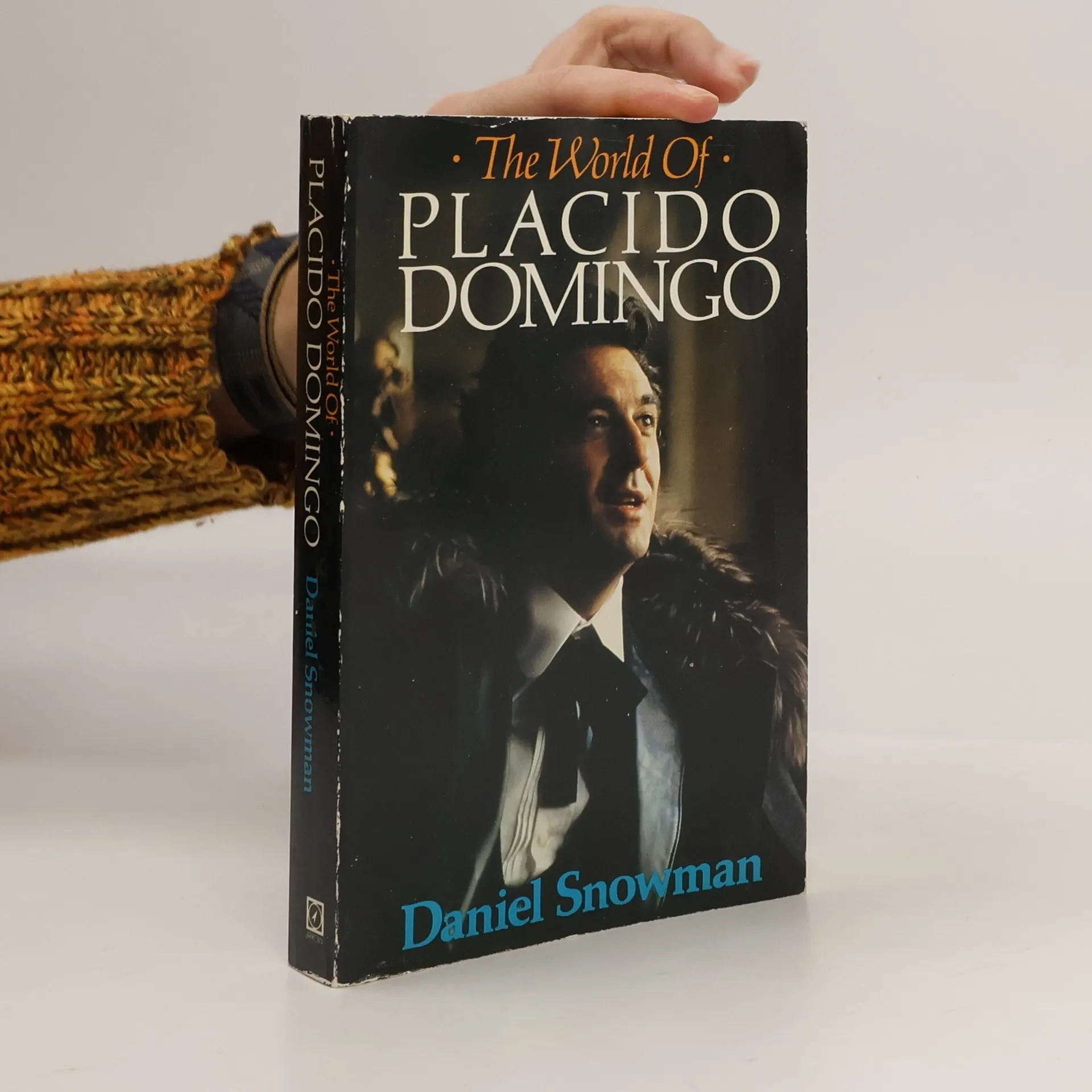
Plácido Domingo
- 445pages
- 16 heures de lecture




The Cultural Impact on Britain of Refugees from Nazism
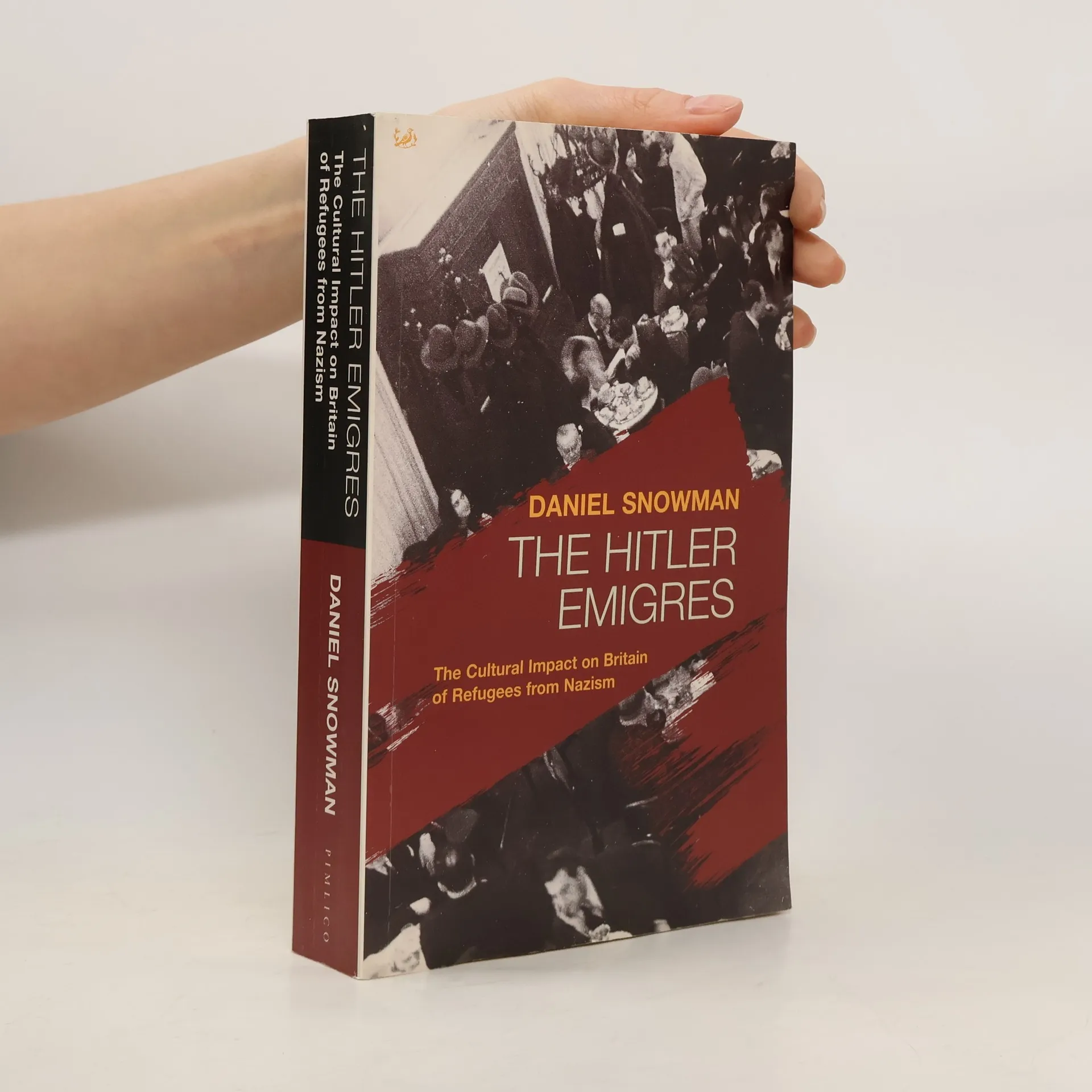
The story of those Central Europeans, many Jewish, who escaped Nazism and found refuge in Britain is vividly portrayed. The narrative highlights celebrated artists, architects, musicians, choreographers, filmmakers, historians, philosophers, scientists, writers, broadcasters, and publishers, all contributing to British cultural history from the 1930s onward. These émigrés played pivotal roles in creating the Glyndebourne and Edinburgh Festivals, the magazine Picture Post, films like The Red Shoes, and the Royal Festival Hall, as well as the cartoon character 'Supermac.' Notable figures include Ernst Gombrich, Nikolaus Pevsner, philosopher Karl Popper, biochemist Max Perutz, and historians Eric Hobsbawm and Geoffrey Elton. The author reflects on the irony of many refugees being interned as 'enemy aliens' by British authorities, with some deported to Canada and Australia. The narrative also captures the humor of George Mikes, 'Vicky,' and Hoffnung, along with the entrepreneurial spirit of Claus Moser and George Weidenfeld, and the compelling personalities of Arthur Koestler and Hans Keller. Many émigrés became bridge-builders, enriching Britain with insights from continental Europe, while some moved on to North America and beyond. Thus, Hitler's actions inadvertently helped spread the cosmopolitan culture he despised across the globe.
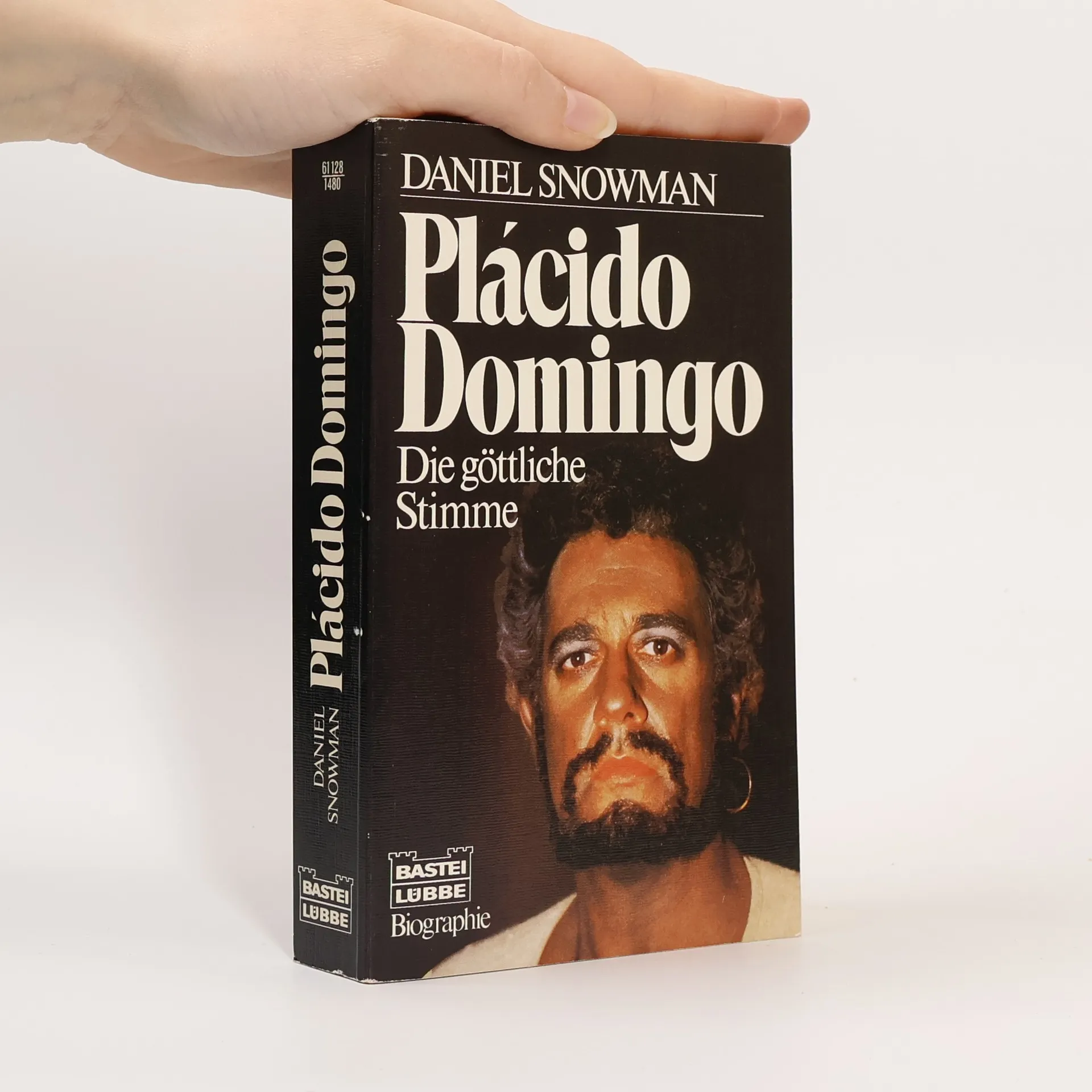
Placido Domingo has been one of the greatest stars in the operatic firmament for over a quarter of a century, a man whose combination of vocal, dramatic and musical gifts is probably unmatched in the history of opera. A massive public has learnt to revere his legendary portrayals, while millions all over the world know and love his art through television, film and an immense discography.What the public does not see is the detailed preparation and concentrated hard work that lie behind these towering performances. Now, Daniel Snowman takes us inside the rehearsal room and shows us something of the humour, the pathos, the tensions and the sheer hard work as the clock ticks away and the first night approaches.In a wide-ranging book, Snowman considers Domingo's vocal qualities, the nature and depth of his musicianship, his abilities as an actor and something of the inner motivation that has enabled him to achieve so much for so long.
3000 years of the most important stories from the past in 365 days -- from the Ides of March to D-Day, from Britain's favourite historian
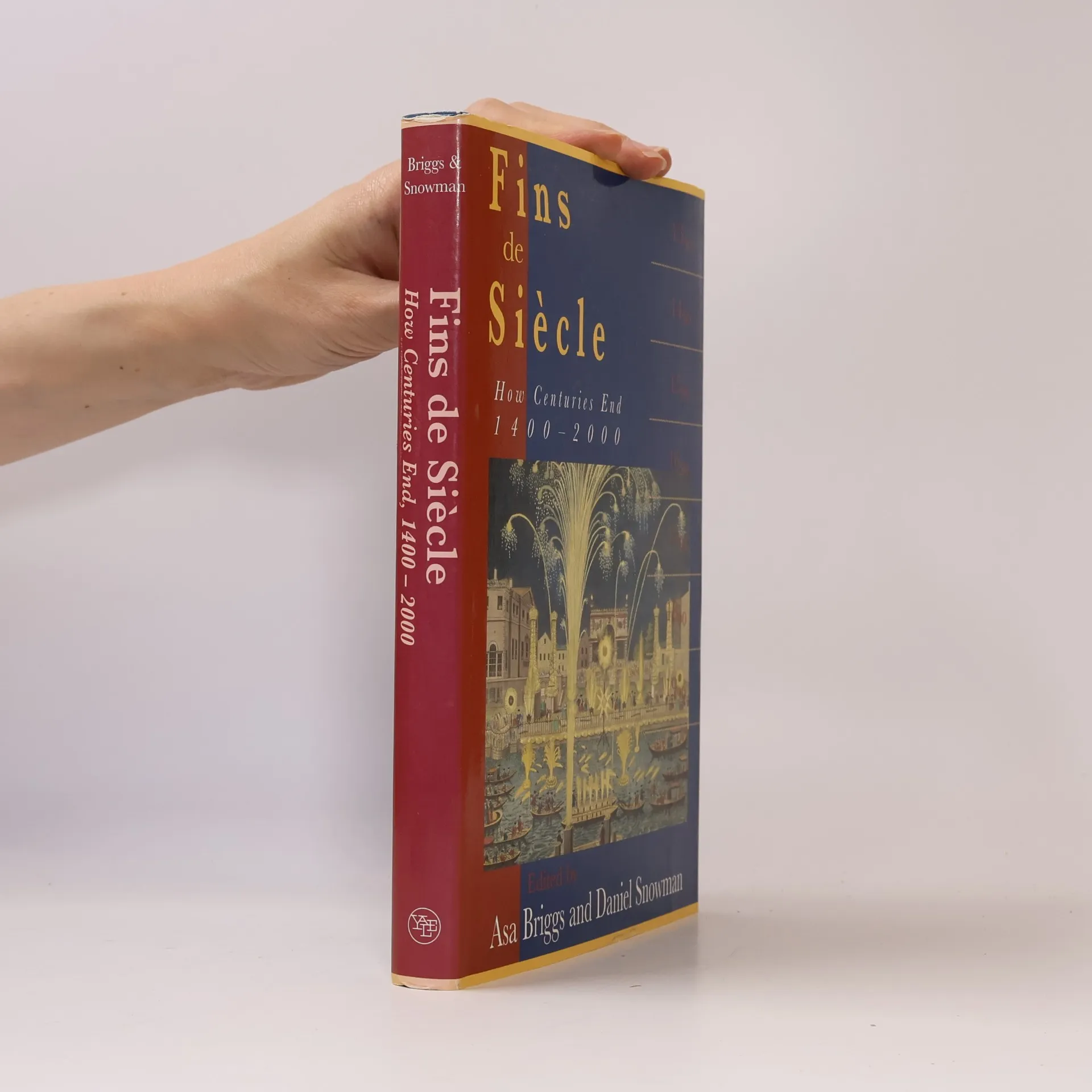
As we approach the new millennium, we find ourselves reassessing the past and looking forward to a new future. Has the prospect of a new century always provided a 'sense of an ending'? In this timely and stimulating book, experts on each century since the fourteenth explore the characteristics of history's final decades and find that a consciousness of time has indeed influenced the way people perceive their place in the past.The writers - Paul Strohm on the 1390s (when signs of a new time consciousness first emerged), Malcolm Vale on the 1490s, Ian Archer on the 1590s, Peter Earle on the 1690s, Roy Porter on the 1790s and Asa Briggs on the 1890s and 1990s - discuss what is common and what is distinctive to each period. Investigating cultural and intellectual attitudes, economic and technological developments, and artistic, scientific and political change, they capture the atmosphere of each end of century. As well as the great watersheds of history, the authors explore the daily lives of ordinary citizens, recounting personal histories and subtle shifts in diet, fashion and design, sex and gender roles, relations between rich and poor and the emergence of language. Illustrations from both high and popular art provide arresting images of the cultural and social fabric of each community.
Die göttliche Stimme