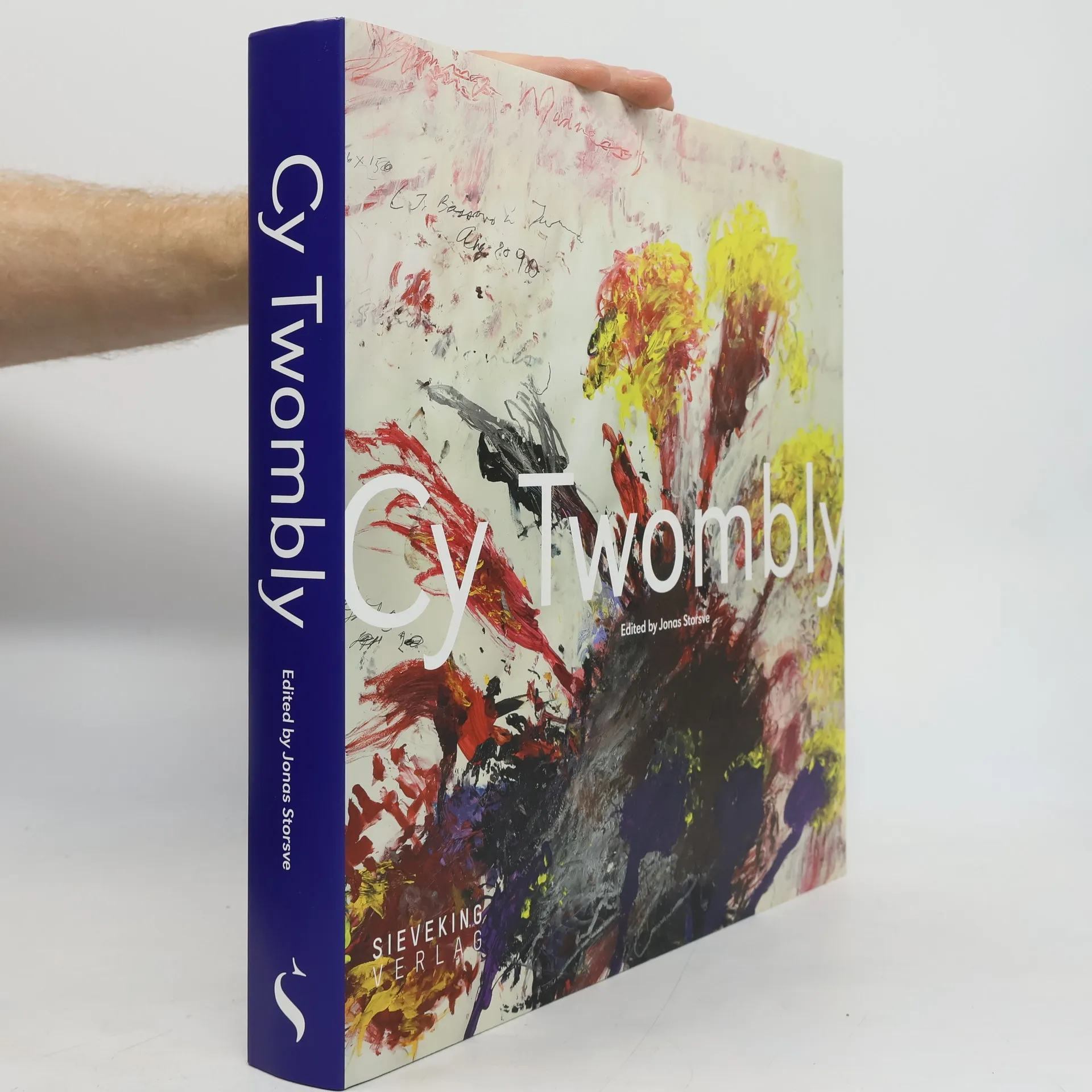
En tant que dernière surprise créative, Cy Twombly, l'un des plus grands artistes du XXe siècle, a offert au monde un vaste corpus d'œuvres photographiques mettant en avant sa vision artistique unique. Contrairement à ses dessins nets et foisonnants, ses photographies ne sont pas du tout nettes. Elles sont colorées, douces et chaudes, générant une impression picturale. Leur coloration est aussi unique que leur sens de la composition. Les photographies révèlent la vision de l'artiste ancrée à la fois dans le monde des objets et la nature qui l'entoure. Ses propres créations artistiques et sa collection d'objets d'art dans ses diverses maisons sont un sujet de prédilection de ses études photographiques. Le travail photographique de Twombly offre une nouvelle dimension pour comprendre ses peintures, dessins et sculptures. Le livre présente environ 120 tirages photographiques du Cy Twombly Estate à Gaeta, dont la plupart n'ont jamais été publiés auparavant.
Cy Twombly Livres
Edwin Parker (Cy) Twombly, Jr. était un artiste américain célèbre pour ses peintures à grande échelle, caractérisées par des marques calligraphiques librement griffonnées. Ses œuvres distinctives, souvent présentées sur des champs unis de couleurs sobres comme le gris, le beige ou le blanc cassé, ont créé un langage visuel unique qui a captivé le public mondial.


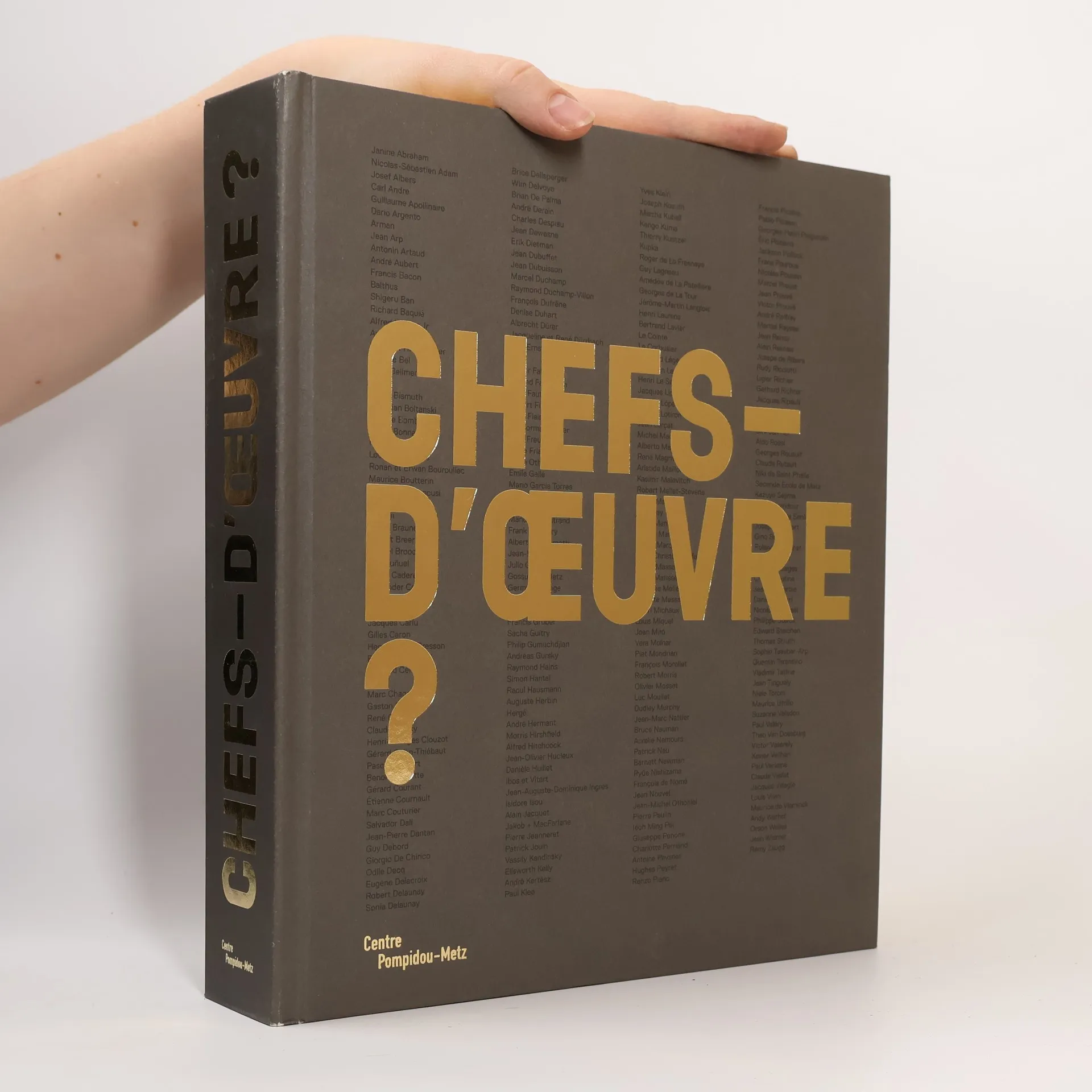

Chefs-d'œuvre ?
- 570pages
- 20 heures de lecture
Chefs d'uvre L'exposition d'ouverture du centre Pompidou-Metz.
Cy Twombly
- 317pages
- 12 heures de lecture
The Centre Pompidou will present a major retrospective of the work of American artist Cy Twombly bringing together works from public and private collections around the world. The comprehensive showcase will be structured around three major cycles: Nine Discourses on Commodus, 1963, Fifty Days at Iliam, 1978, and Coronation of Sesostris, 2000, and will span the artist's entire career, from his first works in the early 1950s to his last paintings. Presented chronologically and featuring some 140 paintings, drawings, photographs, and sculptures, the exhibition will provide what the Centre Pompidou describes as a clear picture of an extraordinarily rich body of work which is both intellectual and sensual. In addition to emphasizing the importance of series and cycles in Twombly's practice, through which he reinvented history painting, the exhibition will also highlight the artist's close relationship with Paris.
Catalogue raisonné of sculpture
- 350pages
- 13 heures de lecture
Cy Twombly is one of the most prominent artists of our time. Although primarily known for his paintings and drawings, which have been exhibited widely throughout the world, he has been engaged in sculpture making from the outset of his career. This volume presents 117 sculptures and 30 casts spanning the years 1946 to 1997, many of which have never been seen before. It represents the entirety of Twombly's sculptural output, which includes bronzes as well as pieces made in wood, plaster and other materials. These works have come to the attention of the public through a recent exhibition that travelled to the Menil Collection in Houston during 2000. Also included is an essay by the philosopher and art critic Arthur Danto, as well as comprehensive biographic, exhibition and bibliographic information.
Cy Twombly, born in Lexington, Virginia, in 1928, entered the stage of contemporary art with his drawings. His nervous line making distinguished him from all his colleagues who in the 50s and 60s were involved in Abstract Expressionism. His tumbling and nervous markings opened new psychological spaces to a personal and very conceptual art. At first mistaken for something between graffiti and criture auto matique, Cy Twombly s graphic notes eventually transformed into huge canvases of paintings in which he incorporated these notes as a maelstrom of emotional states. The Catalogue Raison of the Drawings and Sketchbooks edited by Nicola Del Roscio will be published in five volumes. The first volume contains the drawings of the years 1951 to 1955.
Cy Twombly - Die Skulptur - The sculpture
- 208pages
- 8 heures de lecture
One of the essential artists of our time, Cy Twombly is known primarily for his paintings, but his lesser-known sculpture oeuvre is an important dimension of his work as an artist. This large-format publication reveals his extensive body of sculptural work. Inspired by Kurt Schwitters, Giacometti and Surrealist object art, some of his early assemblages date back to the 1950s. These pieces are composed of everyday found objects, which Twombly arranged in the vein of magical or fetishistic objects. Later he began to cover them with a uniform coat of white paint. Thus placed in a new formal context, the original meaning of the individual pieces is blurred, connecting them with a wide range of cultural references. Literature and music, landscape and plantlife are all evoked. Twombly's sculptures are always white, exuding both an odd, ethereal quality and an aura of timeless poetry.
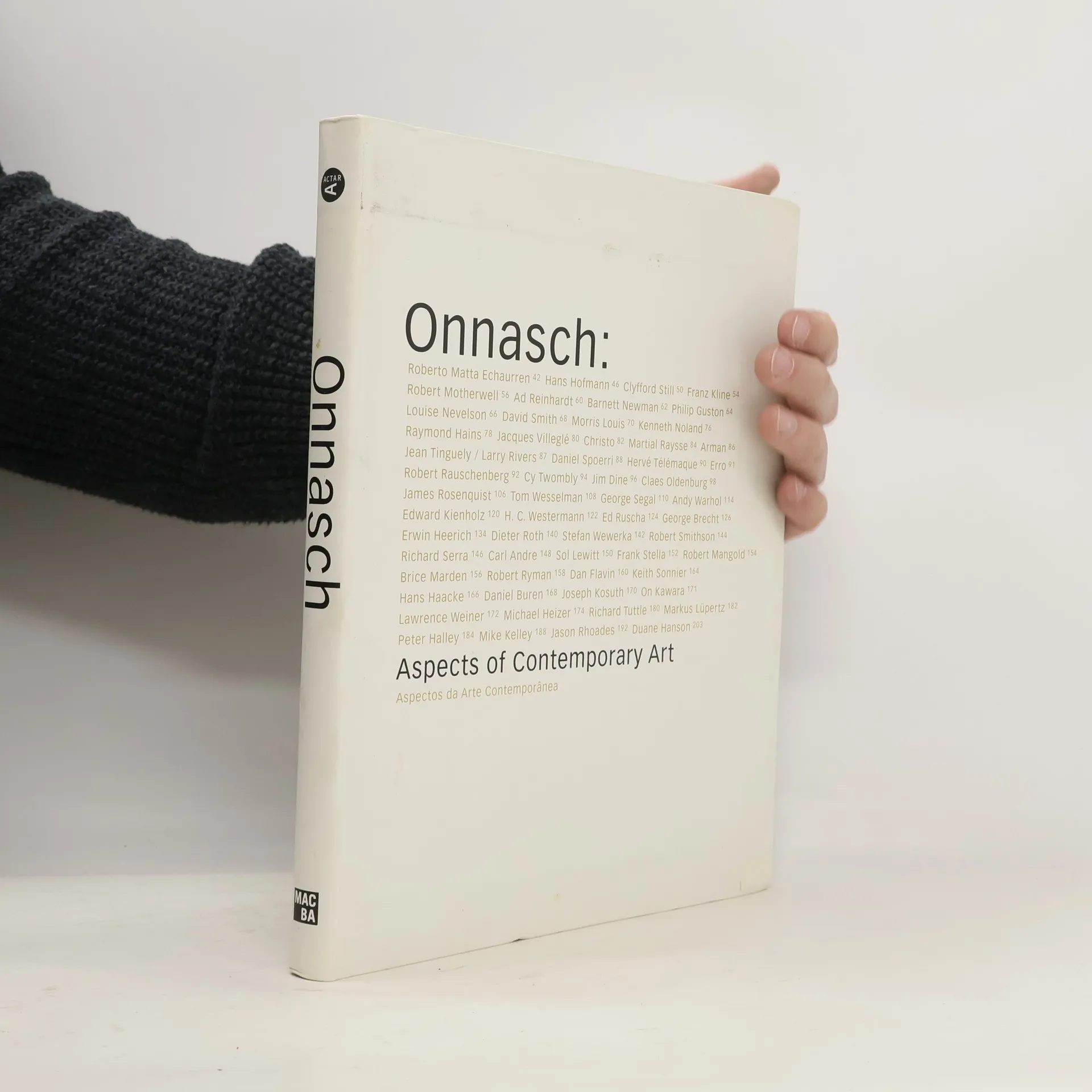
Onnasch Collection
- 208pages
- 8 heures de lecture
Some of the most representative tendencies of the second half of the 20th century are represented in the private collection of German Reinhard Onnasch, which features work by Hans Hofmann, Robert Motherwell, Morris Louis, Barnett Newman, Cy Twombly, Robert Rauschenberg, Claes Oldenburg, Andy Warhol, Edward Kienholz, Dan Flavin, Hans Haacke, Robert Smithson, Mike Kelley, Dan Graham, Lawrence Weiner, Jason Rhoades, and others.Essays by Boris Groys, Petra Kipphoff. Artworks by Dan Flavin, Dan Graham, Hans Haacke, Hans Hofmann, Mike Kelley, Edward Kienholz, Morris Louis, Robert Motherwell, Barnett Newman, Claes Oldenburg, Robert Rauschenberg, Robert Smithson, Cy Twombly, Andy Warhol, Lawrence Weiner. 8.75 x 10.5 in.110 color illustrationsEnglish/Portuguese
Cy Twombly - drawings 6
- 224pages
- 8 heures de lecture
Volume 6 covers the years 1972 to 1979, when Cy Twombly made several attempts to vigorously widen his artistic work. He completed his 24 Short Pieces followed by the series Natural History I and Natural History II. In both series he developed a kind of collage technique using postcards, found reproductions, and photographs—a stylistic device he integrated in his drawings and other works on paper, foreshadowing the future body of his own photographic work. In 1979 he staged the first exhibition of his sculptures premiering in Naples. Simultaneously he presented a solo exhibition at the Whitney Museum in New York and made a first attempt of a catalogue raisonné of drawings with Yvon Lambert in Paris. The ambitious project, for which Roland Barthes wrote an essay, was abandoned after two volumes and was resumed several years later by the present Schirmer/Mosel edition.
Cy Twombly - drawings 3
- 220pages
- 8 heures de lecture
Cy Twombly, born in Lexington, Virginia, in 1928, entered the stage of contemporary art with his drawings. His nervous line making distinguished him from all his colleagues who in the 50s and 60s were involved in Abstract Expressionism. His tumbling and nervous marking opened new psychological spaces to a personal and very conceptual art. At first mistaken for something between graffiti and ecriture automatique, Cy Twombly's graphic notes eventually transformed into huge canvases of paintings in which he incorporated these notes as a maelstrom of emotional states. The Catalogue Raisonne of Drawings, edited by Nicola Del Roscio, is published in five volumes. Volume 3, covering the years 1961-1963, documents the explosion of color in the artist's works on paper.
„Durch das Werk von TW hindurch gehen die Schriftkeime, von der äußersten Seltenheit bis zur irren Vervielfältigung: es ist wie ein graphisches Jucken. In ihrer Tendenz wird die Schrift somit Kultur. Wenn die Schrift insistiert und explodiert, dann kommt sie an die Idee des Buches heran. Das Buch, das mit Anmerkungen versehene Buch: ein hinzugefügtes Wort überschwemmt die Ränder, die Zeilenzwischenräume: es ist die Glosse.” Roland Barthes, Non Multa Sed Multum, 1976
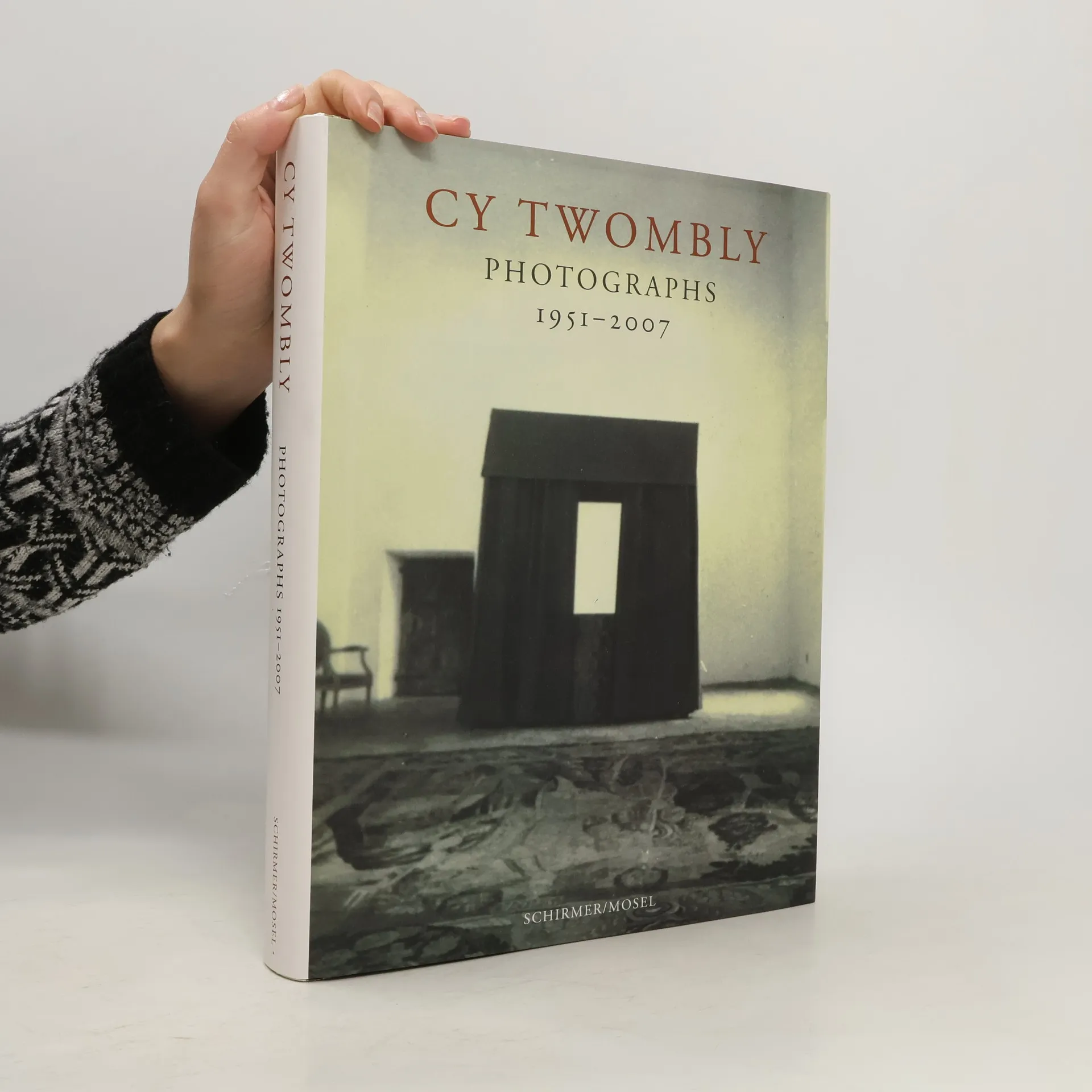
This world premiere is an aesthetic sensation. Since his student days in the early 50s, American painter and sculptor Cy Twombly, one of the greatest artists alive today, has concerned himself with photography. In this volume, he presents his photographic work of 50 years to the public for the first time ever. Taking up 19th-century Pictorialist traditions, Twombly’s photographs are, just like his paintings, drawings and sculptures, documents of a profound personal poetry. Studio shots, details of his own statuary, sculptures from his collection, romantic landscapes, flowers, and portraits of friends constitute the cosmos of his photographic oeuvre. Printed with matte colors on matte paper, a special "dryprint" process lends these images a velvety, porous, almost grainy quality. On the stage of today’s art, they touch long-lost chords. Resonant of the concepts of fin de siècle art they are, yet, thoroughly contemporary in their minimalism, creating an aesthetic vision by the commonest means.
Fifty Years of Works on Paper
- 160pages
- 6 heures de lecture
Cy Twombly is undoubtedly the most sensitive mind among the greats of contemporary art. His work finds its most personal expression in small, intimately sized drawings which he has from the very outset produced as of accompaniments to his paintings: they not only reflect all the stages in the development of his painterly oeuvre but also transcend it. Our book now available as a softcover reprint covers the major retrospective which the Hermitage organized to celebrate the 300th anniversary of the City of St. Petersburg. The eighty-four drawings, most of them from the artist's own collection, date from between 1953 and 2002 and thus embrace his entire oeuvre, from the early monotypes to the major mythological cycles of later years. This unique retrospective on fifty years of his marvelous drawings fully reveals just how fascinating Twombly's aesthetic approach is and attests to his great talent for invention.
Cy Twombly gilt als einer der bedeutendsten und vielseitigsten Künstler der Gegenwart. Sein Werk umfasst Gemälde, Skulpturen und Fotografien und spiegelt seinen persönlichen, literarischen Stil wider. Der Einfluss der mediterranen Kultur prägte seine Kunst, die Geschichte, Literatur und Mythologie thematisiert. Band V des Catalogue Raisonné erscheint anlässlich seines 80. Geburtstags.
Cy Twombly, Tulips
- 40pages
- 2 heures de lecture
Die Photographien von Cy Twombly (geb. 1928) sind eine späte Offenbarung im Werk dieses ungeheuer innovativen amerikanischen Künstlers. Der vorliegende Band versammelt fünfzehn Photographien von Tulpen aus dem Jahr 1985 und begleitet eine Ausstellung dieser delikat-eleganten, in samtenem Sepiaton gedruckten Blätter im Schirmer/Mosel Showroom im Sommer diesen Jahres (8. Juni bis Ende August 2010) in München. Das Tulpenfieber, das in dieser Zeit im Münchner Hofgarten ausbrechen dürfte, ist vorhersehbar. Vom Künstler ausgewählte Gedichte, Höhepunkte der angelsächsischen Poesie, machen den kleinen Band zu einem subtilen Geschenk für Augenmenschen und andere Poesiesüchtige. Unsere persönliche Einladung an Sie, die Münchner Ausstellung zu besuchen, ist das Büchlein außerdem.
Photographs 1951-2007
- 160pages
- 6 heures de lecture
Die Photographie hat Cy Twombly seit seiner Studienzeit beschäftigt, doch erst in den letzten Jahren entwickelte sich dieses Interesse zu einem eigenständigen künstlerischen Konzept. Unser Band mit Photographien aus den Jahren 1951–2007 ist eine ästhetische Sensation. Twomblys photographische Arbeiten sind Dokumente einer faszinierend verrätselten, persönlichen Poesie. Seine Ateliers in Lexington und Gaeta, Details seiner Skulpturen, Landschaftsmotive sowie Früchte und Blumen erscheinen in geheimnisvoller Verfremdung auf diesen delikaten Blättern. Mit matten Farben auf mattem Papier im Dryprint-Verfahren erhalten die Bilder eine samtene, fast körnige Tonigkeit, die an die piktorialistische Tradition der Fin de siècle-Photographie erinnert. In ihrer minimalistischen Art, mit einfachsten Mitteln ästhetische Visionen zu erzeugen, sind sie jedoch ganz zeitgenössisch und unverkennbar Zeugnisse von Twomblys künstlerischer Kreativität, voller Überraschungen und atemberaubender Schönheit. Der einführende Text stammt von Kunsthistoriker und -kritiker Laszlo Glozer, der mit seinen Kritiken und Ausstellungsrezensionen zur unverzichtbaren kritischen Instanz in der deutschsprachigen Kunst- und Kulturszene wurde. Glozer lebt in München und Hamburg.
Cy Twombly, the printed graphic work
- 112pages
- 4 heures de lecture
Cy Twombly (1928–2011) hat neben seinen Zeichnungen, Gemälden, Skulpturen und Photographien, für die er mittlerweile weltberühmt ist, auch ein stattliches druckgraphisches Werk hinterlassen. Bereits 1984 hat der Berliner Kunstschriftsteller und Twombly-Spezialist Heiner Bastian einen Catalogue Raisonné der Druckgraphik des Künstlers erarbeitet. Diese neue Ausgabe ist nun um die bis zu Twomblys Tod entstandenen Arbeiten ergänzt und wurde auf den neuesten Erkenntnisstand gebracht. Das graphische Werk von Cy Twombly zeichnet sich durch eine besondere Vielfalt der angewandten graphischen Techniken aus. Neben Monotypien, Radierungen, Lithographien und Siebdrucken erprobte der Künstler seine Meisterschaft auch an Offset-Lithographien und der Kombination verschiedener Druck- und Reproduktionstechniken. Der in englischer Sprache abgefasste wissenschaftliche Katalogteil umfasst 96 Werke, das erste aus dem Jahr 1952 und das letzte aus dem Jahr 2008. Sämtliche Werke sind in Farbe abgebildet. Sie machen das Verzeichnis zu einem unverzichtbaren Werkzeug für Sammler, Museen, Kunsthändler und Twombly-Fans. Ein Essay in deutscher und englischer Sprachversion von Heiner Bastian über das Werk Cy Twomblys leitet das Verzeichnis ein. Der von großer Sachkenntnis getragene Band erscheint mit einer Förderung der Cy Twombly Foundation, New York.
Cy Twombly - drawings 8
- 180pages
- 7 heures de lecture
Vol. 8 of the Cy Twombly Catalogue Raisonné completes the edition of the artist's graphic works. Starting with extraordinary pencil drawings at Black Mountain College, Twombly's artistic activities evolved into an enormous and unparalleled œuvre that also includes paintings, sculptures, and photographs. His graphic work, though, continued to be the primal ground of his creativity that constitutes one of the essential contributions to the human condition in the 20th century.
Cy Twombly - drawings 7
- 280pages
- 10 heures de lecture
Vol. 7 of the Cy Twombly Catalogue Raisonné of Drawings covers the years 1980 to 1989, when the artist moved his main residence to Gaeta, Italy. During these years, places, landscapes, and plants became the principal subjects of his art and his renown matured to worldwide fame.
Cy Twombly - drawings 5
- 240pages
- 9 heures de lecture
1970/71 was a very prolific period, in which Cy Twombly, influenced by Leonardo da Vinci’s Deluge drawings, created his iconic style: scribbled, calligraphic, and graffiti-like works on solid fields. His drawings of this phase include, among others, acclaimed extensive series such as Roman Notes, Study for Treatise on the Veil, and Beyond (A System of Passing).
Cy Twombly - drawings 4
- 200pages
- 7 heures de lecture
Cy Twombly first entered the stage of visual arts with drawings, his nervous line making quickly becoming a trademark of his art. Vol. 4 of the Cy Twombly Drawings Catalogue Raisonné covering the years 1964–1969 features, among others, his first whorl works—the artist’s response to Conceptual Art and Minimal Art—and his famous series Letters of Resignation.
The book explores Cy Twombly's unique artistic journey, highlighting his distinctive nervous line work that set him apart in the Abstract Expressionism movement of the 50s and 60s. Initially perceived as a blend of graffiti and automatic writing, his graphic notes evolved into expansive canvases that express a range of emotional states. This second volume of Twombly's catalogue raisonné covers his prolific output from 1970 to 2011, showcasing the development of his conceptual art and the psychological depth of his work.
Cy Twombly - ausgewählte Fotografien 1944-2006
- 71pages
- 3 heures de lecture
This elegant small volume presents 35 of Cy Twombly’s most impressive photographs taken between 1944 and 2006. Featuring the artist’s favorite sites, themes, and motifs – his early New York Fulton Street studio; his beloved peonies; interiors; landscapes; details of his own sculptures and paintings – it offers a representative insight into his poetic and sensuous photographic work fascinating by its particular aesthetics and the “silent presence” it exudes.
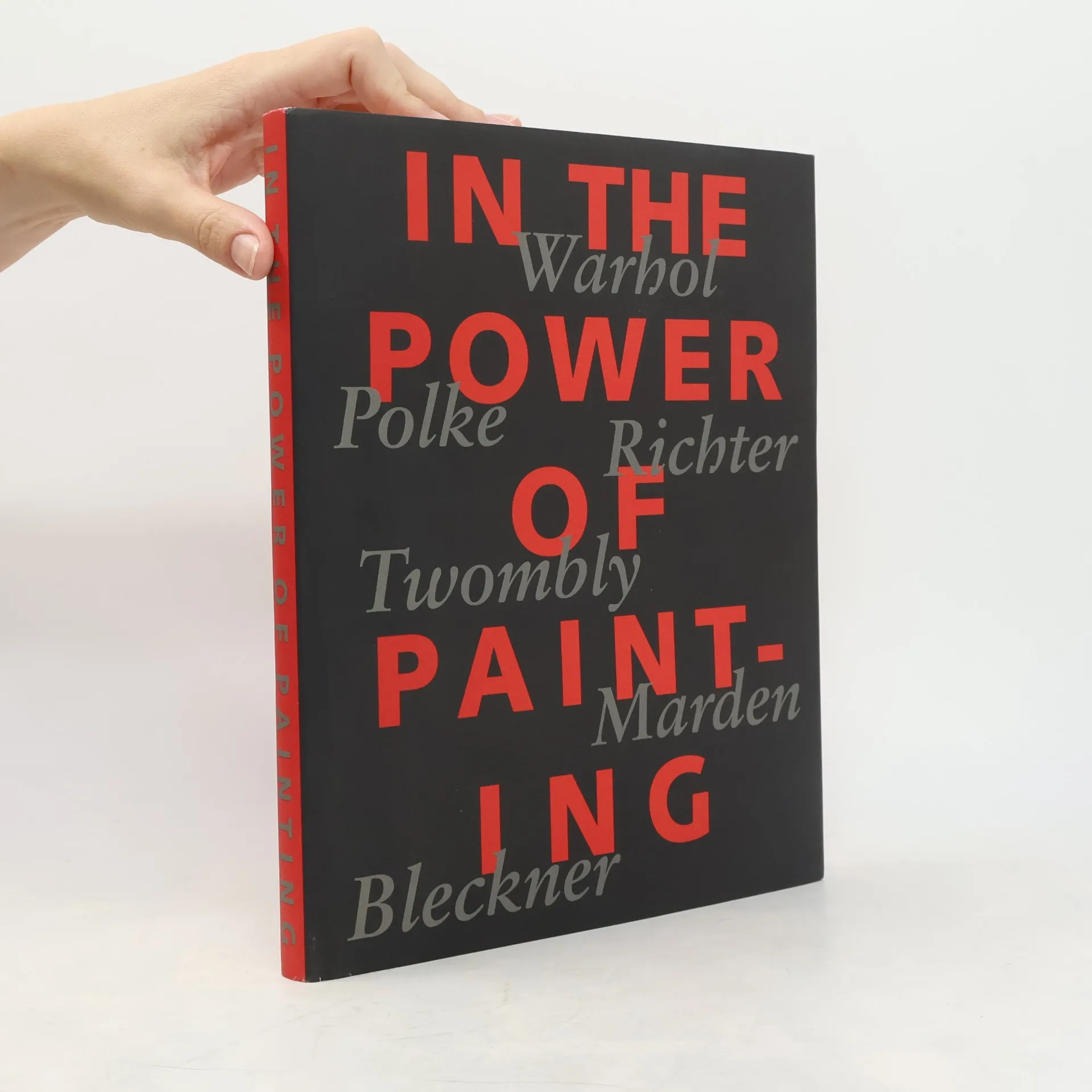
In the Power of Painting
Warhol, Polke, Richter, Twombly, A Selection from the Daros Collection, Deutsch/Englisch
- 144pages
- 6 heures de lecture
Time and again in recent decades, art world denizens have celebrated or mourned the demise and subsequent resurgence of painting. In the Power of Painting invites you to take a look at painting above and beyond the rather tiresome modernist myth of the end of painting. It proposes to consider the challenges and problems facing painters in the age of photography not as an omen of painting's eventual final exhaustion, but rather as a source of its lasting vitality. In the Power of Painting traces how six seminal postwar artists-Andy Warhol, Sigmar Polke, Gerhard Richter, Cy Twombly, Brice Marden, and Ross Bleckner-developed their signature approach to painting in response to the art form's perceived crisis. The six groups of works from the Daros collection impressively demonstrate how these painters re-wrote the rules of painting, from their initial experimenting to the canvases that heralded their maturity. A handsome and splendidly reproduced book, indispensable for all those looking for ways out of the restrictions and limitations of modernist and postmodernist approaches to art.
Fifty days at Iliam
a painting in ten parts
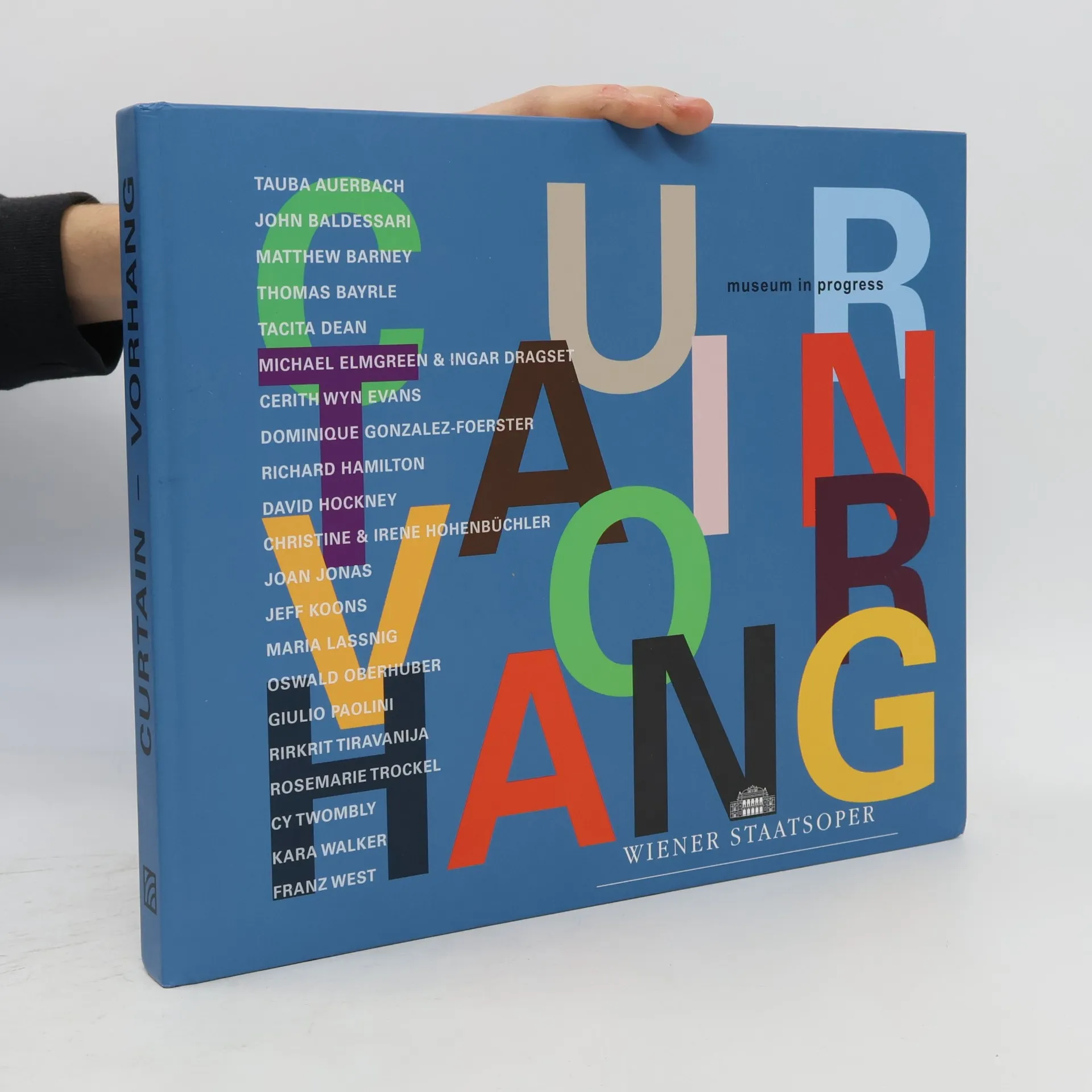
Curtain - Vorhang
A Living Museum Space - The Vienna State Opera Safety Curtain
- 206pages
- 8 heures de lecture
This volume documents the long-term initiative 'Safety Curtain' of Museum in progress, a project that is unique in the world. The exhibition series in the Vienna State Opera has represented a symbolic interface between performance and visual arts since 1998. It also creates a link between thorny historical questions and contemporary ways to address them. Beyond the actual curtain images that have originated over the years an associative and sensuous view to further related works of the participating artists in several different media forms is presented. The art project 'Safety Curtain', because of its exceptional quality, its year-long existence and its unusual dimension of 175 m² is singular and enables a distinctive perspective of art history of the past twenty years.
Fifty days at Iliam
- 17pages
- 1 heure de lecture
Dünner Band, unpaginiert (17 Seiten), 10 farbige Illustrationen. Accordion gebundene Blätter mit Kunststoffcover.
Cy Twombly. Paintings - Catalogue Raisonné Vol. VII - Addendum
- 110pages
- 4 heures de lecture
Das Werk von Cy Twombly ist eines der herausragendsten künstlerischen uvres des 20. und 21. Jahrhunderts. Der letzte Band des Catalogue Raisonné präsentiert fast 80 unpublizierte Werke sowie 35 unvollendete Stücke aus seiner Schaffenszeit von 1960 bis 2006.
Cy Twombly: Malerei & Skulptur
- 32pages
- 2 heures de lecture
Cy Twombly in der Alten Pinakothek
- 96pages
- 4 heures de lecture
Cy New Sculptures 1998–2005 Cy Twombly hat während seiner gesamten Karriere Skulpturen geschaffen. Sein charakteristischer Einsatz poetischer und mythischer Elemente ist auch in diesem Bereich offensichtlich. Aus "alltäglichen" Objekten wie Kisten, Besenstielen, Papierservietten, Stampfern, Hockern, Schnur und Papier komponiert er weiß lackierte Skulpturen. Die Bestandteile behalten ihre alltägliche Identität und Materialität, nehmen jedoch einen zeit- und wandelunabhängigen Zustand und ein eigenes Leben an. Fantasievoll, witzig und manchmal sarkastisch verwandelt Twombly seine Objekte, verleiht ihnen eine mythische Bedeutung und eine ganz neue Schönheit. Diese Veröffentlichung ist der Katalog zu einer Ausstellung in der Alten Pinakothek in München im Frühjahr 2006, die 33 neue Skulpturen präsentiert, die zwischen 1998 und 2005 entstanden sind.
Letter of resignation
- 88pages
- 4 heures de lecture
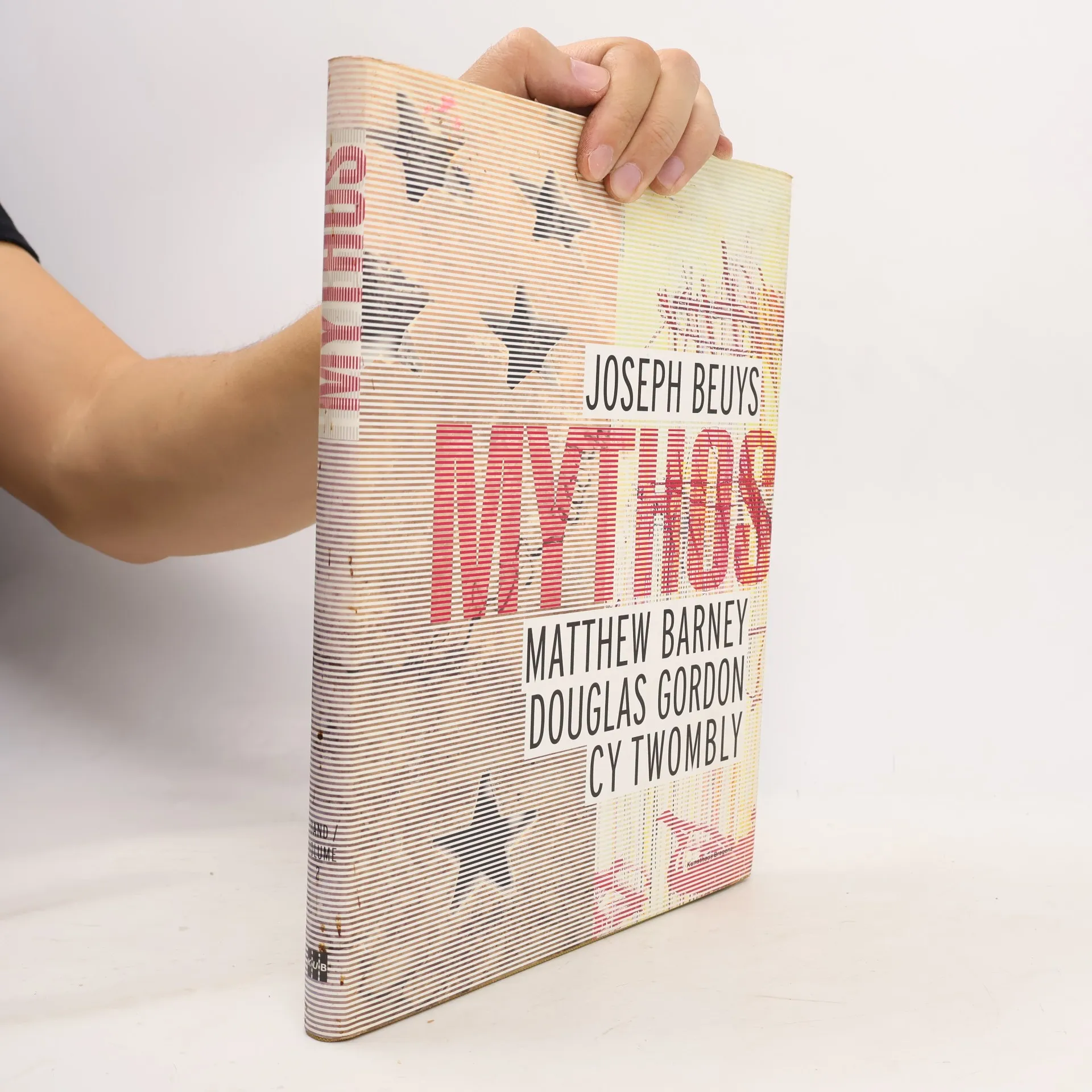
Mythos
- 191pages
- 7 heures de lecture
Als Marcel Duchamp 1913/14 seine Ready-Mades erfand, ahnte niemand, welchen Einfluss dies auf die zeitgenössische Kunst haben würde. Reale Gegenstände auf dem „leeren Thron“ der künstlerischen Schöpfung stellten die Rolle des Künstlers und die Bedingungen des Kunsturteils in Frage. Der Band „Re-Object“ präsentiert Marcel Duchamp sowie Gerhard Merz, Damien Hirst und Jeff Koons, die sich markant mit diesem Thema auseinandersetzen. Im Gegensatz dazu beleuchtet der Band „Mythos“ die Werke von Douglas Gordon, Matthew Barney und Cy Twombly in Verbindung mit Joseph Beuys. Jeder Band enthält zwei Essays, die das Thema aus historischer Perspektive und im Kontext zeitgenössischer Kunstentwicklungen einführen. „Re-Object“ zeigt aktuelle Positionen, bei denen das Objekt sowohl Ausgangspunkt als auch Fokus ist, während „Mythos“ eine verwandte, jedoch entgegengesetzte künstlerische Strategie präsentiert. Die Kataloge sind reich illustriert mit Fotos der Werke und großen Bildern der Installationen im Kunsthaus Bregenz. Sie dokumentieren, wie die ausgewählten Künstler den Themen „Objekt“ oder „Mythos“ zugeordnet werden können. Biografien sowie Ausstellungs- und Bibliografien runden die Erkundung zweier bedeutender Strömungen der Kunst des 20. Jahrhunderts ab.