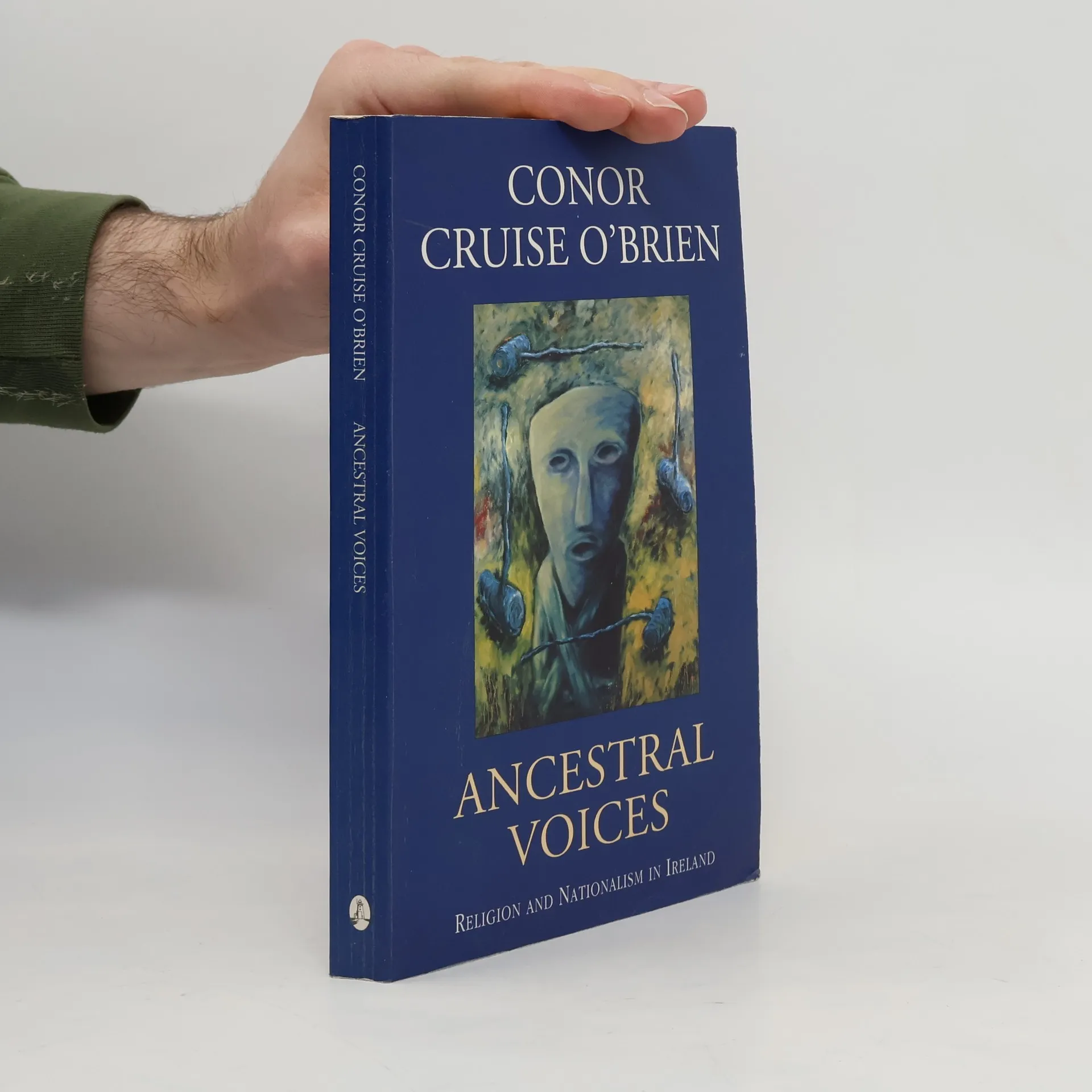
Scholar and statesman Conor Cruise O'Brien illuminates why peace has been so elusive in Northern Ireland. He explains the conflation of religion and nation through Irish history into our own time. Using his life as a prism through which he interprets Ireland's past and present, O'Brien identifies case after case of the lethal mixing of God with country that has spilled oceans of blood throughout this century of nationalism and that, from Bosnia to Northern Ireland, still curses the world."O'Brien's bravura performance [is] seductive in its intellectual sweep and literary assurance."—Toby Barnard, Times Literary Supplement"Has the magical insistence which Conor Cruise O'Brien can produce at his best. . . . Where he looks back to his own childhood the book shines. He writes of his mother and father with effortless grace and candor, with a marvelous, elegant mix of affection and detachment."— Observer
Conor Cruise O. Brien Ordre des livres (chronologique)
Cet auteur est connu pour ses perspectives profondes sur la politique et l'histoire. Ses œuvres explorent souvent des questions sociales et politiques complexes avec une perspective unique. À travers son écriture, il offre un regard pénétrant sur les événements historiques et leurs répercussions. Sa contribution littéraire réside dans une exploration constante des idéologies politiques et de leur impact sociétal.

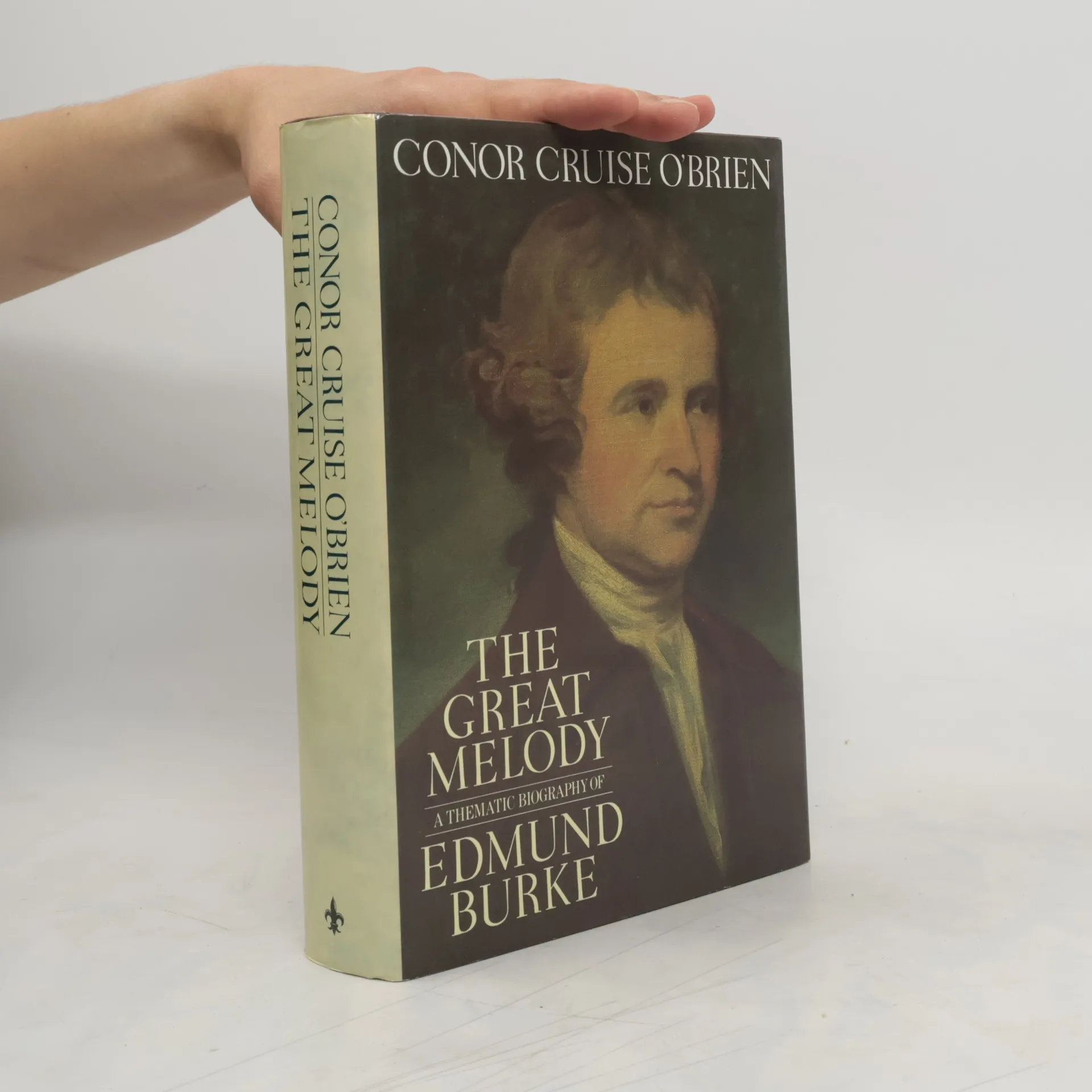
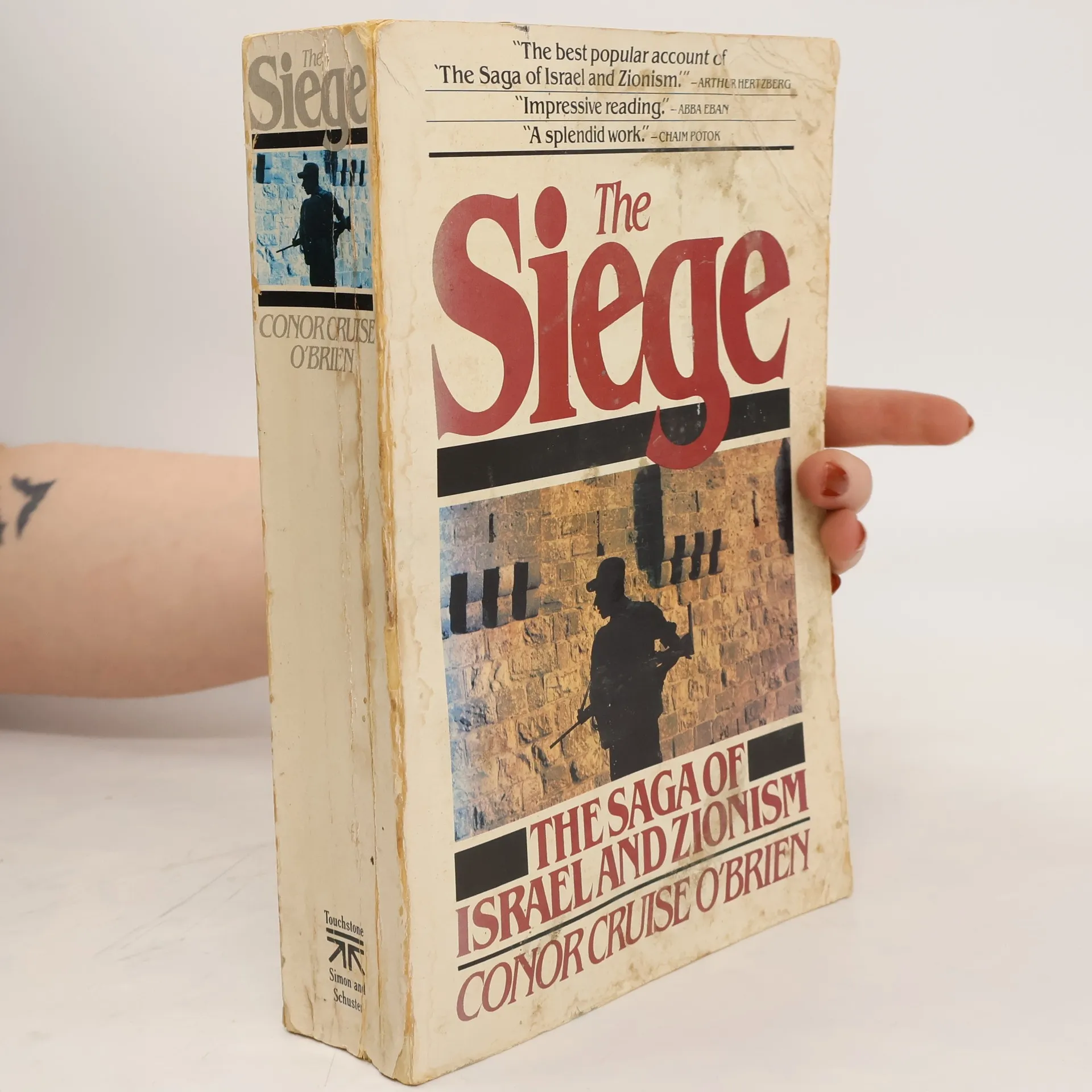
Statesman, political thinker, orator, and ardent campaigner, Edmund Burke was one of the most brilliant figures of the eighteenth century. This unorthodox biography focuses on Burke's thoughts, responses, and actions to the great events and debates surrounding Britain's tumultuous relationships with her three colonies—America, Ireland, and India—and archrival France.
In this historical analysis of Zionism and the state of Israel, a former diplomat writes sympathetically of the Jews' fierce resistance under siege to secure their nation, their heritage, and their future
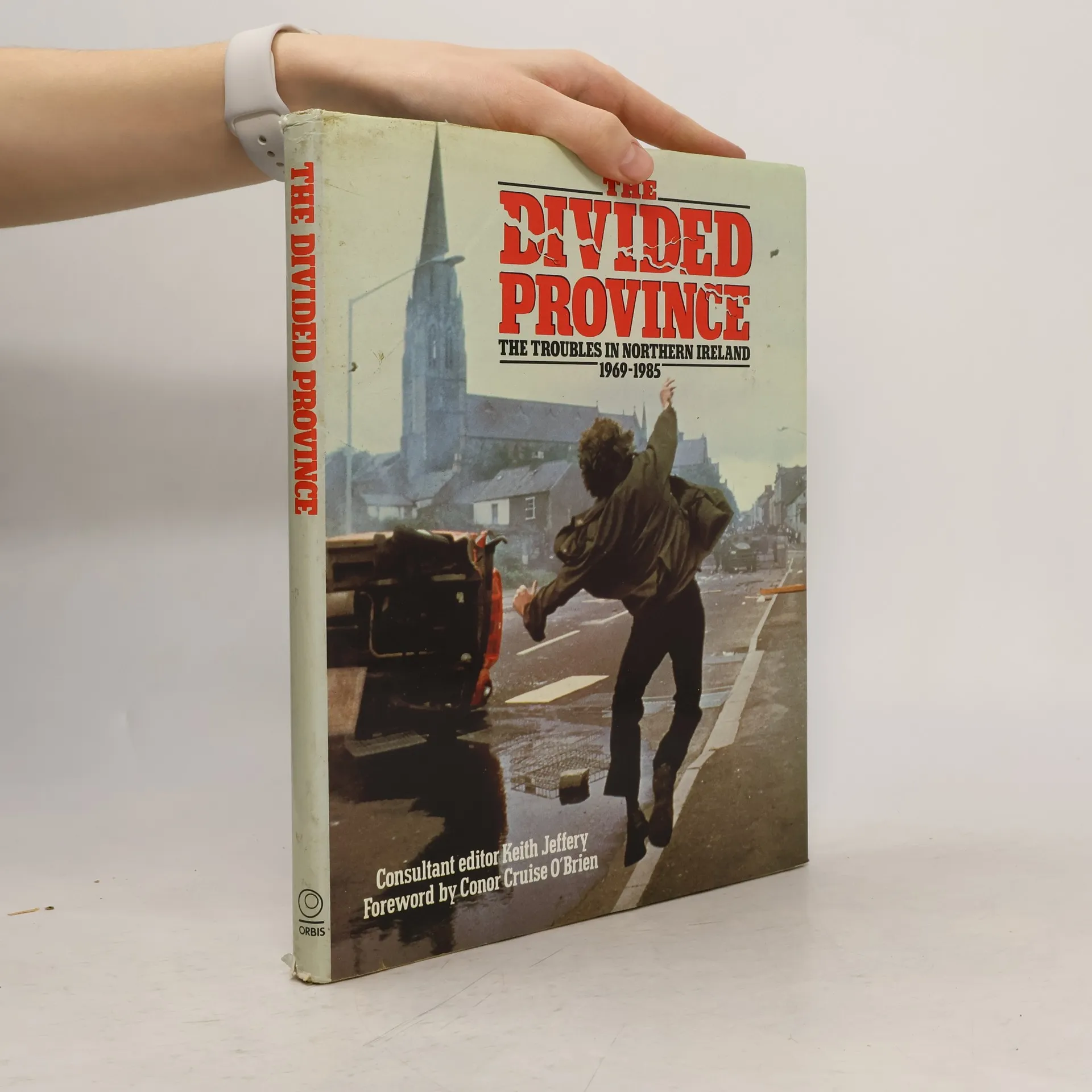
An historical summary of the conflict in Northern Ireland explains the origin of the violence, gives an account of the cause of the struggle, and focuses on recent issues from the late 1960s to the present.
Ireland
A Concise History
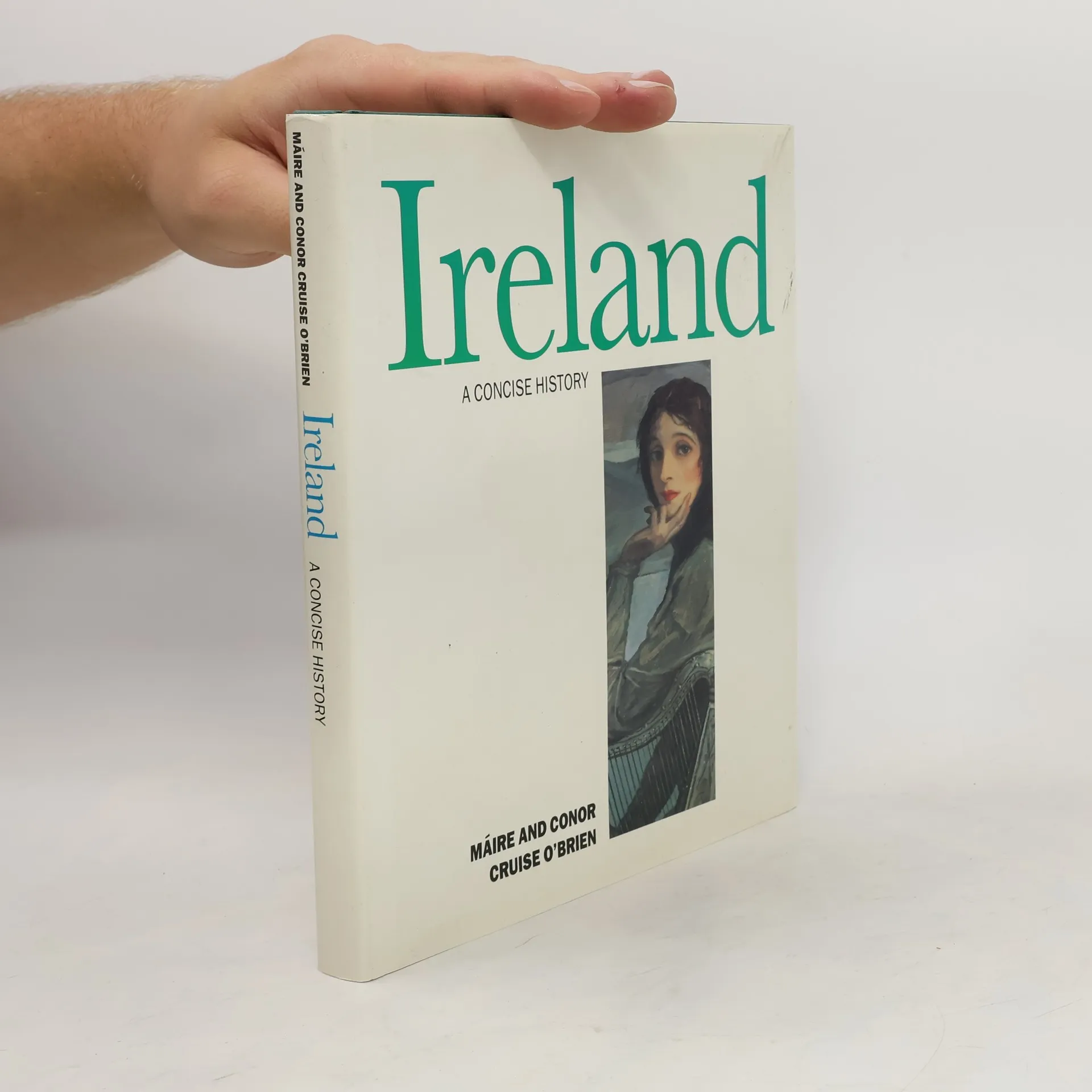
There is a tragic inevitability about Irish "hatred answering hatred", as Lady Gregory wrote. Four events in particular, Yeats' "four deep, tragic notes", ring through Irish the Catholic revolt against Elizabeth; the battle of the Boyne, which established the Protestant Ascendancy; the impact of the French Revolution; and the fall from power of Charles Stewart Parnell, which turned Ireland away from peaceful solutions to its ills. The authors bring the story up to the present, then look ahead to the end of the century.
Reflections on the Revolution in France
- 256pages
- 9 heures de lecture
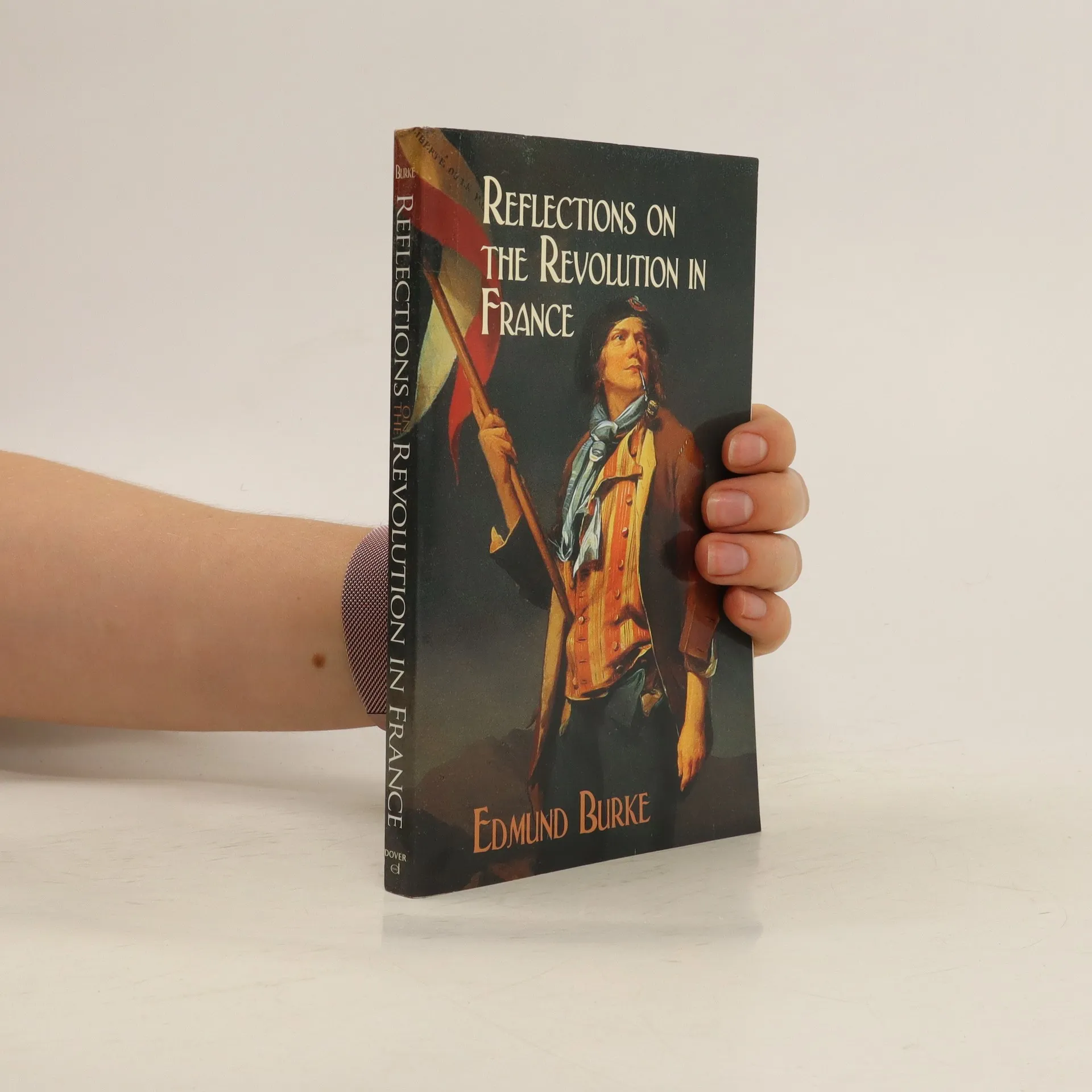
Published in 1790, two years before the start of the Terror, this work offered a remarkably prescient view of the chaos that lay ahead. It articulates a defense of property, religion, and traditional values.