Morts et résurrections de Dieter Appelt
- 95pages
- 4 heures de lecture


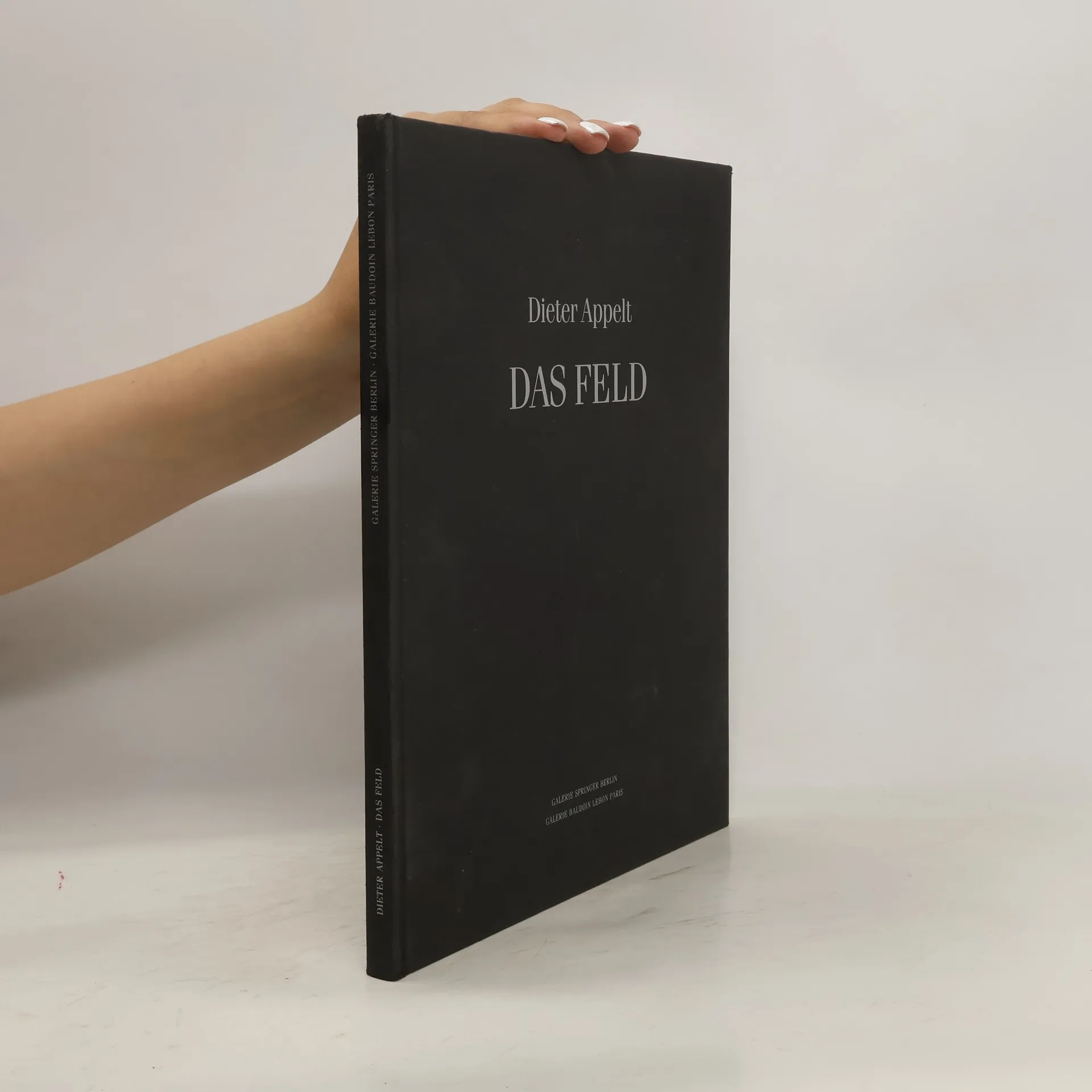
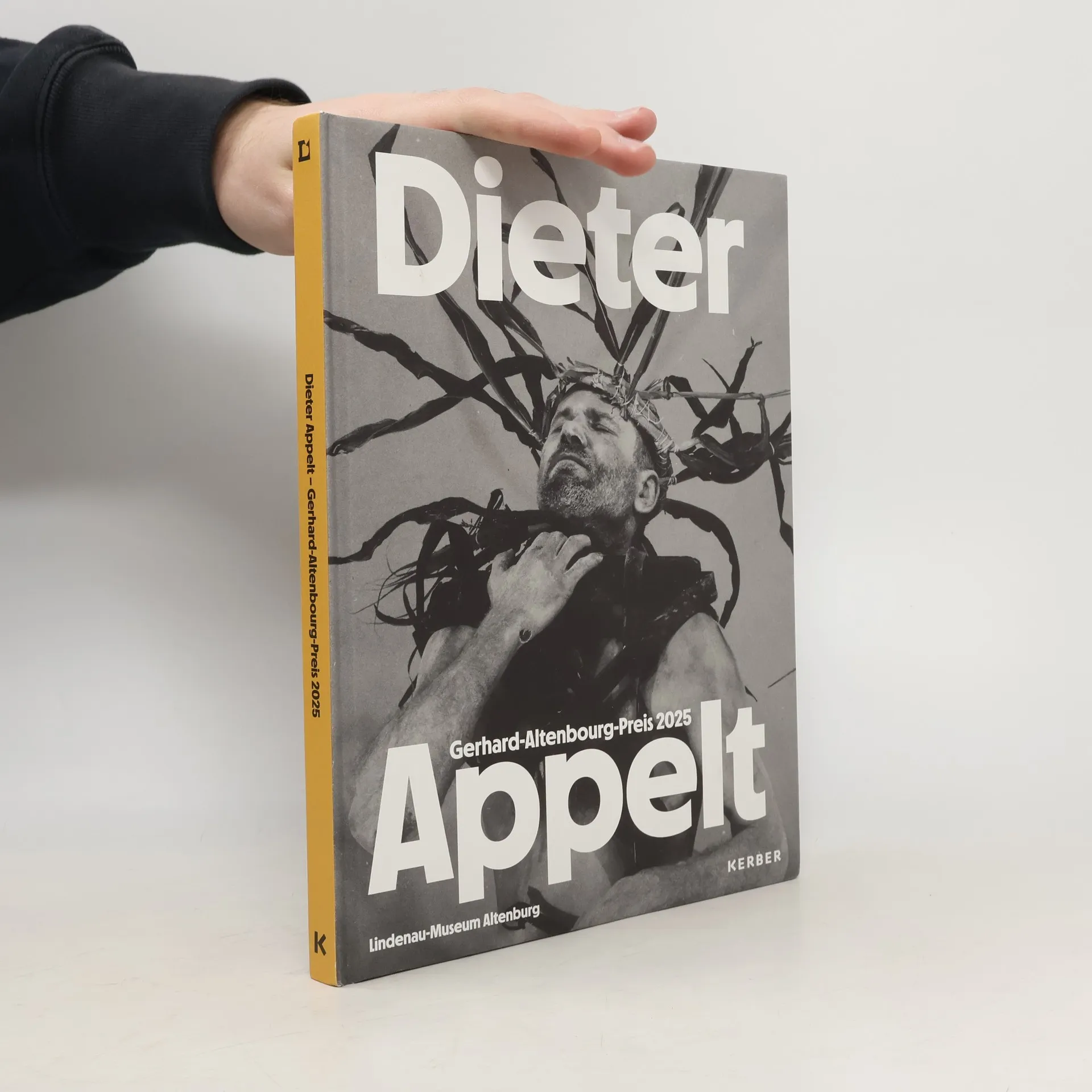
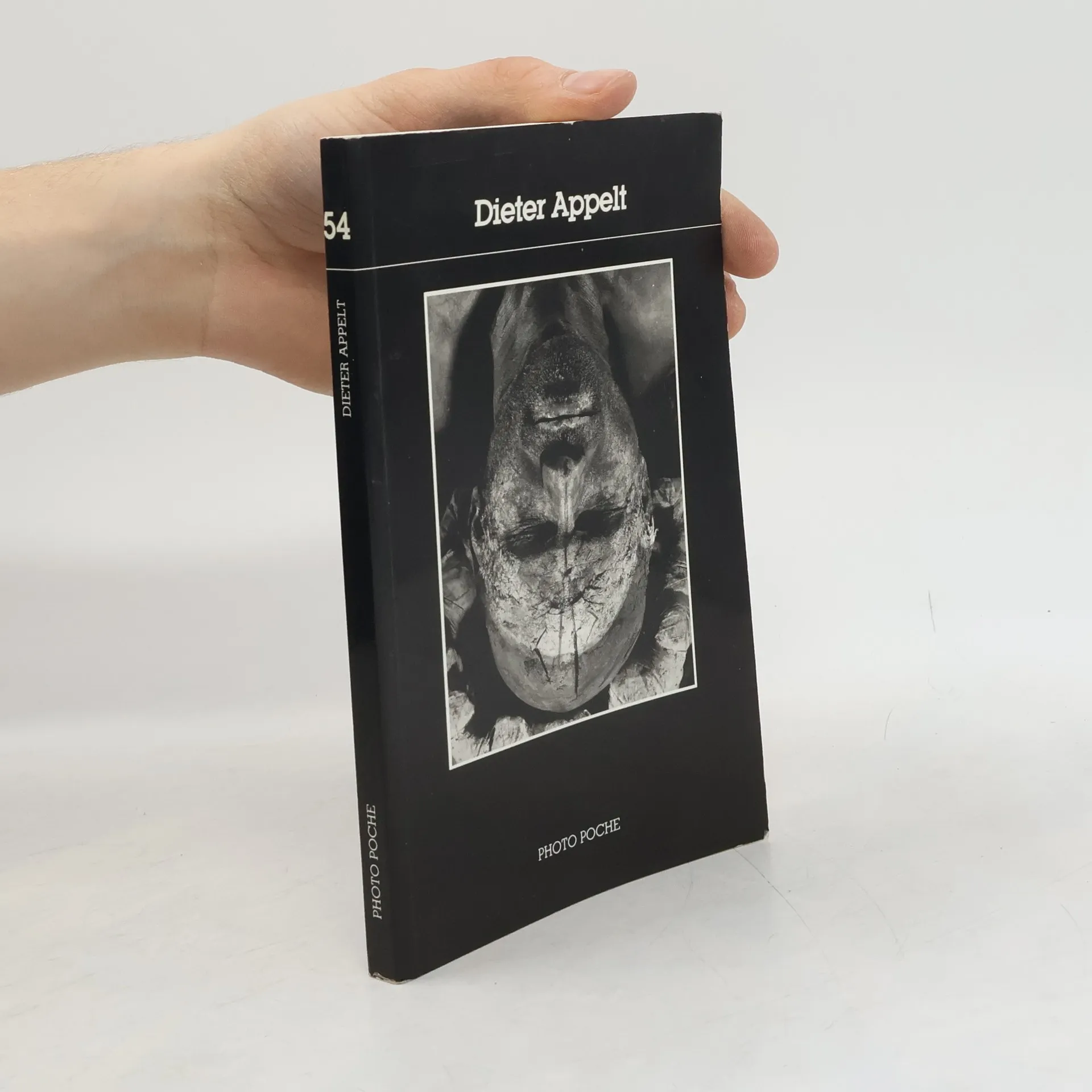

Artiste berlinois de première importance, Dieter Appelt pratique la photographie en référence à la construction du langage poétique. C'est par l'amoncellement des prises de vues qu'il construit des images de spectres imperceptibles détachés de la pierre, du corps, du bois, de la terre.
Gerhard-Altenbourg-Preis 2025
Trained as a musician and opera singer, Appelt uses black-and-white photography to create lyrical, theatrical compositions of the self versus nature Since the 1960s, Berlin-born artist Dieter Appelt (born 1935) has traced the losses of modern society through his camera lens. He discovered photography as a means of reconnecting with nature, mythology and mortality. Appelt incorporates his own body into the images with a poetic approach.
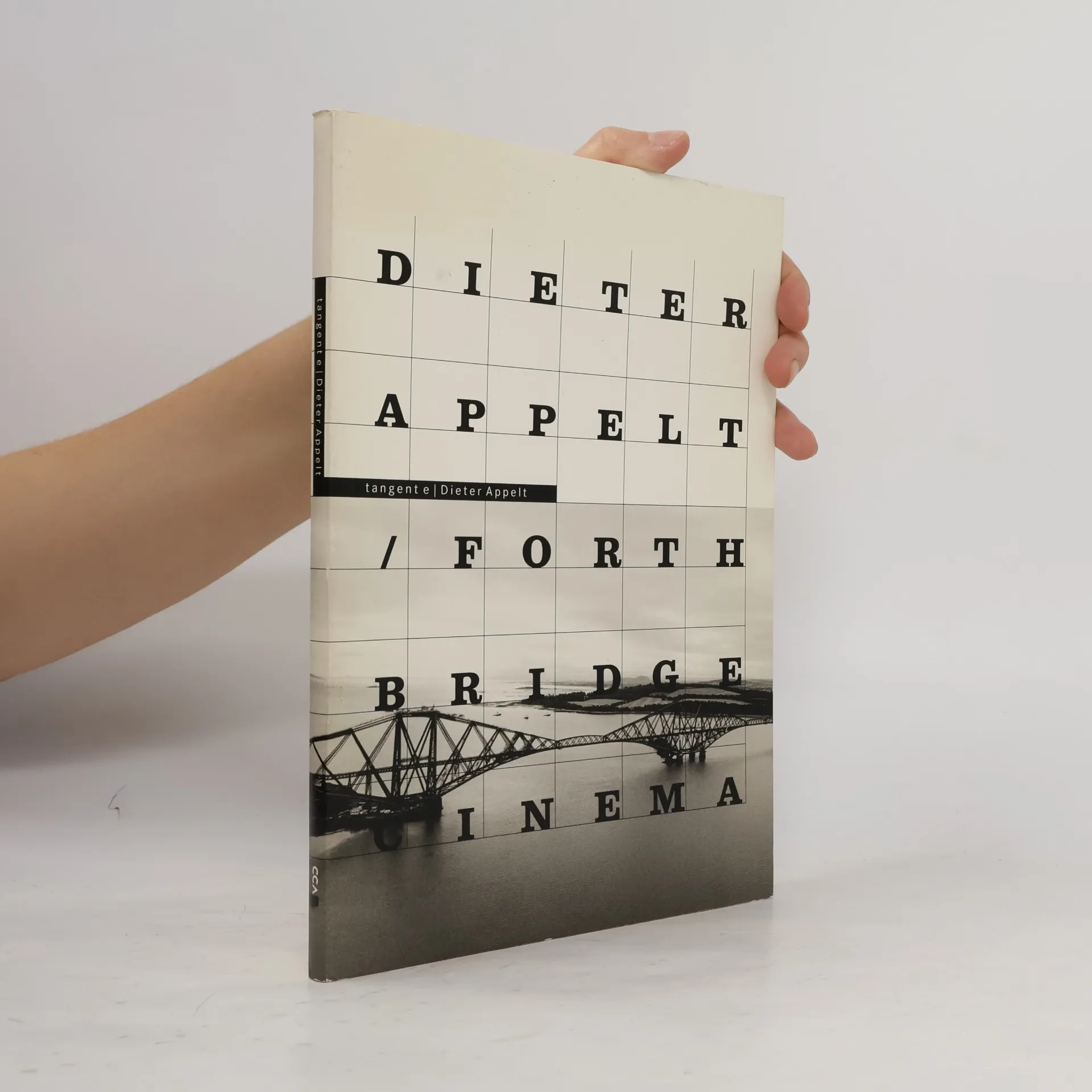
Forth Bridge-Cinema.Metric Space = Forth Bridge-Cinema.Espace Metrique
In the 1970s, German photographer and filmmaker Dieter Appelt first saw the Forth Rail Bridge, built in 1890 to cross the River Forth in Scotland. The spectacular cantilevered steel span, a marvel of 19th-century engineering over 8,000 feet long and still in regular use today, fascinated him with its kinetic and cinematic appearance. Invited by the Canadian Centre for Architecture to work with its collection for the mixing-of-disciplines Tangent series, he found photographs of the bridge in the archives and then revisited it in person. In keeping with his longstanding practice of analyzing architectural constructs in spatial and temporal terms, he produced a work of 312 black-and-white 35mm film stills and sound recordings. As Appelt says, "It is an organized dance of signs." The book contains some of CCA's archive photographs as well. Essays by Hubertus von Amelunxen and Louise Désy. Hardcover, 7.5 x 9 in./68 pgs / Illustrated throughout.
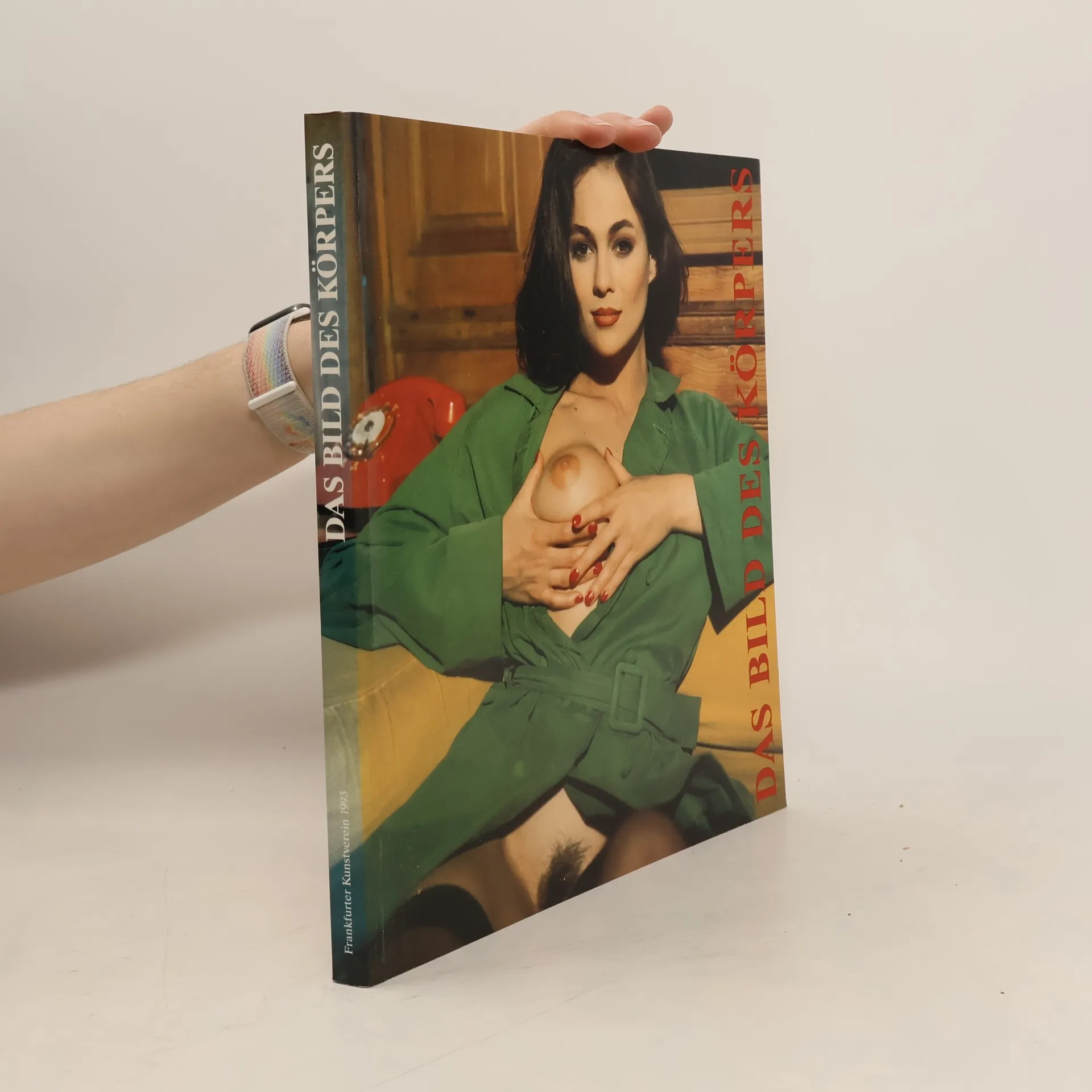
Fotografie, Erotik -- Ausstellungen. Fotografie des Nackten -- Ausstellungen. Katalog einer Ausstellung, die im Frankfurter Kunstverein stattfand.
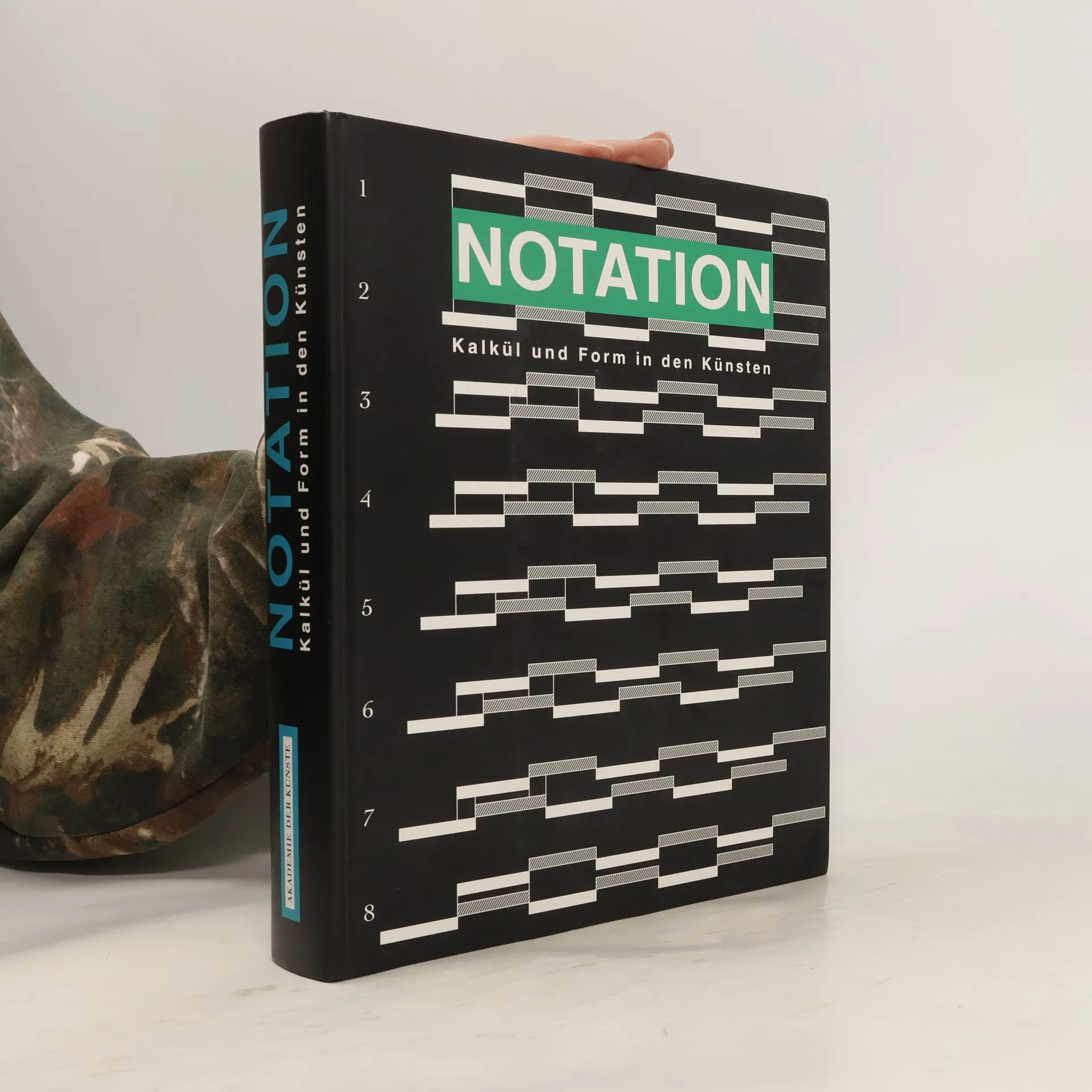
Die Notation verhalte sich zur Improvisation wie das Porträt zum lebendigen Modell, schrieb Ferruccio Busoni 1916 in seinem Entwurf einer neuen Ästhetik der Tonkunst. Der Vortragende habe die Starrheit der Zeichen aufzulösen und in Bewegung zu bringen. Diese Bewegung wirft Fragen zur Bestimmtheit und Unbestimmtheit des Kunstwerks auf. Im 20. Jahrhundert wurde das Verhältnis von Entwurf, Aufzeichnung, Wiederholung, Reproduktion und Werk radikal neu gefasst. 'Notation. Kalkül und Form in den Künsten' thematisiert diese Entwicklungen und stellt für alle Künste die Fragen nach dem offenen Kunstwerk und der Zeitlichkeit künstlerischer Übersetzung, sei es in Musik, Malerei, Architektur, Tanz, Literatur oder experimentellem Film. Technische Medien, beginnend mit der Fotografie, haben diese Fragen in die Zeit gesetzt. Der Katalog zur Ausstellung in der Berliner Akademie der Künste und dem ZKM Karlsruhe untersucht die künstlerischen Prozesse zwischen Konzept und Werk. Er bringt Arbeiten aus allen Kunstbereichen von 1900 bis heute in Beziehung: Partituren und Notationssysteme zu Literatur, Musik, Malerei, Choreografie, Architektur, Fotografie, Film und Medienkunst. Ausgewählte Künstler der Ausstellung umfassen Antonin Artaud, Walter Benjamin, John Cage, Paul Klee, Bridget Riley und viele andere.