

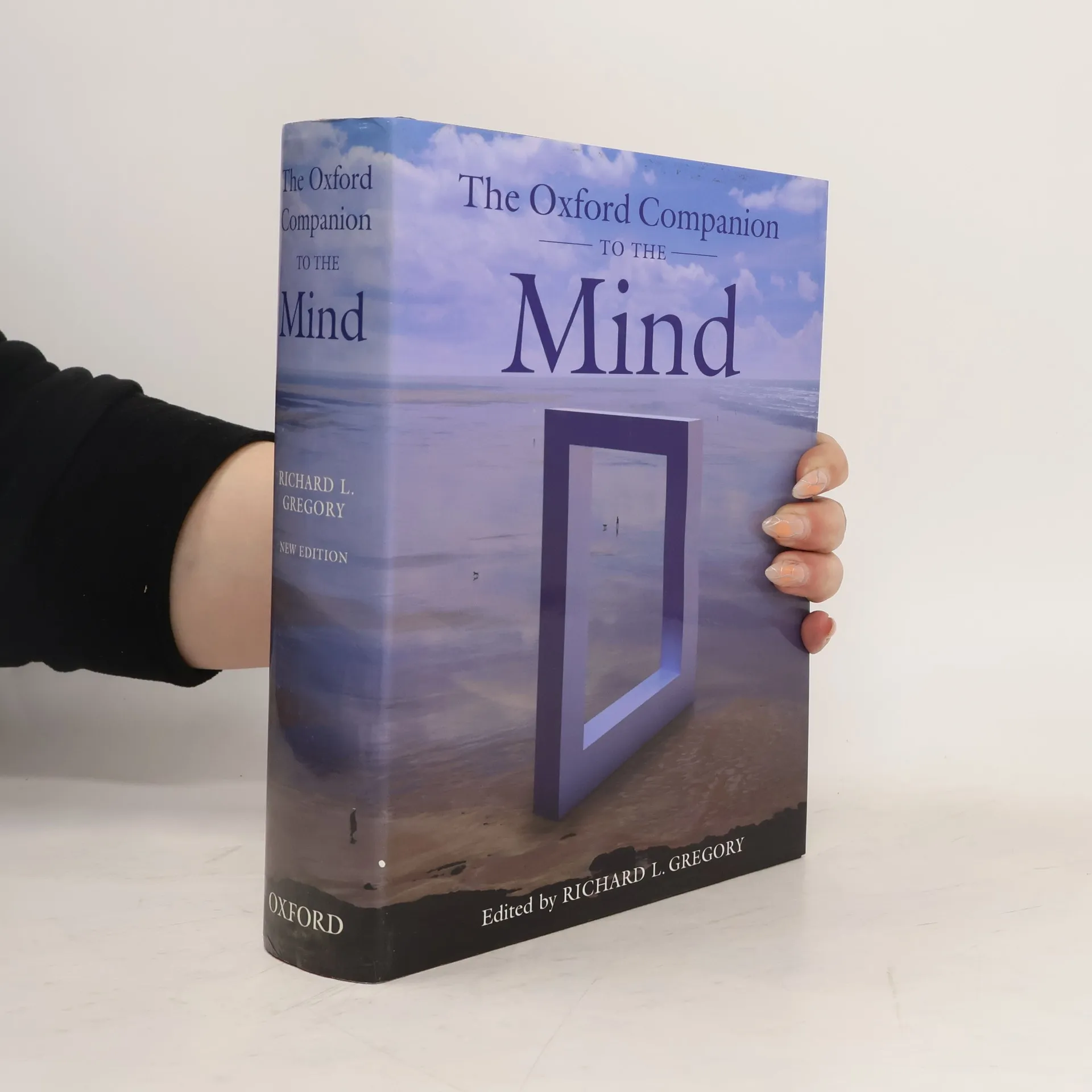
The Oxford Companion to the Mind is a classic. Published in 1987, to huge acclaim, it immediately took its place as the indispensable guide to the mysteries - and idiosyncracies - of the human mind. In no other book can the reader find discussions of concepts such as language, memory, and intelligence, side by side with witty definitions of common human experiences such as the 'cocktail-party' and 'halo' effects, and the least effort principle.Richard Gregory again brings his wit, wisdom, and expertise to bear on this most elusive of subjects. Research into the mind and brain has moved on in bounds in recent years, and interest in the subject has never been so high. There has been a shift in focus away from Freud's concept of the unconscious onto consciousness itself. The new edition of the Companion includes three 'mini symposia' - on consciousness, brain scanning, and artificial intelligence - with contributions from a number of specialists, and encompassing a range of approaches.Cultural as well as scientific in approach, this accessible book offers authoritative descriptions and analysis. With new entries on controversial topics such as artificial life, attachment theory, caffeine, cruetly, drama, extra-terrestrial intelligence, genetics of mental illness, imagination, lying, puzzles, and twins, this highly-anticipated second edition explores the most intriguing of subjects.
Richard L. Gregory Ordre des livres (chronologique)
Richard Gregory fut un astronome et communicateur scientifique britannique qui façonna le discours scientifique par ses écrits approfondis et son leadership éditorial. Son œuvre couvrit de nombreuses disciplines scientifiques, et sa direction de la prestigieuse revue Nature renforça considérablement sa stature internationale. Gregory se consacra à la promotion de l'éducation scientifique et de la collaboration mondiale, laissant un impact durable sur la communauté scientifique.
Mirrors in mind
- 320pages
- 12 heures de lecture
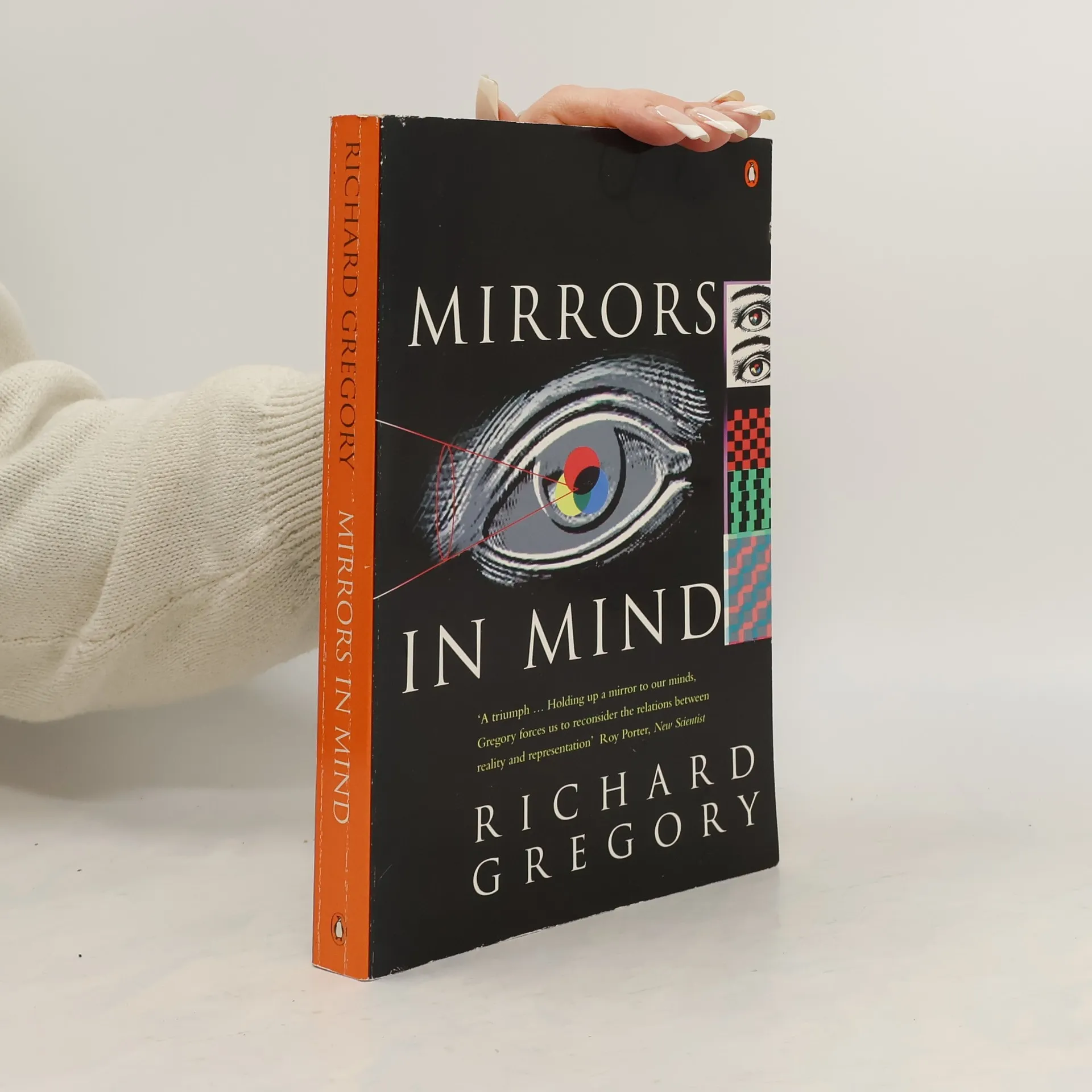
Written by a leading researcher into perception, a central area in current work on the brain and mind, this book looks at mirrors as fascinating objects in themselves, for what they can show about vision, and as a metaphor for the perception and understanding of the "real" world.
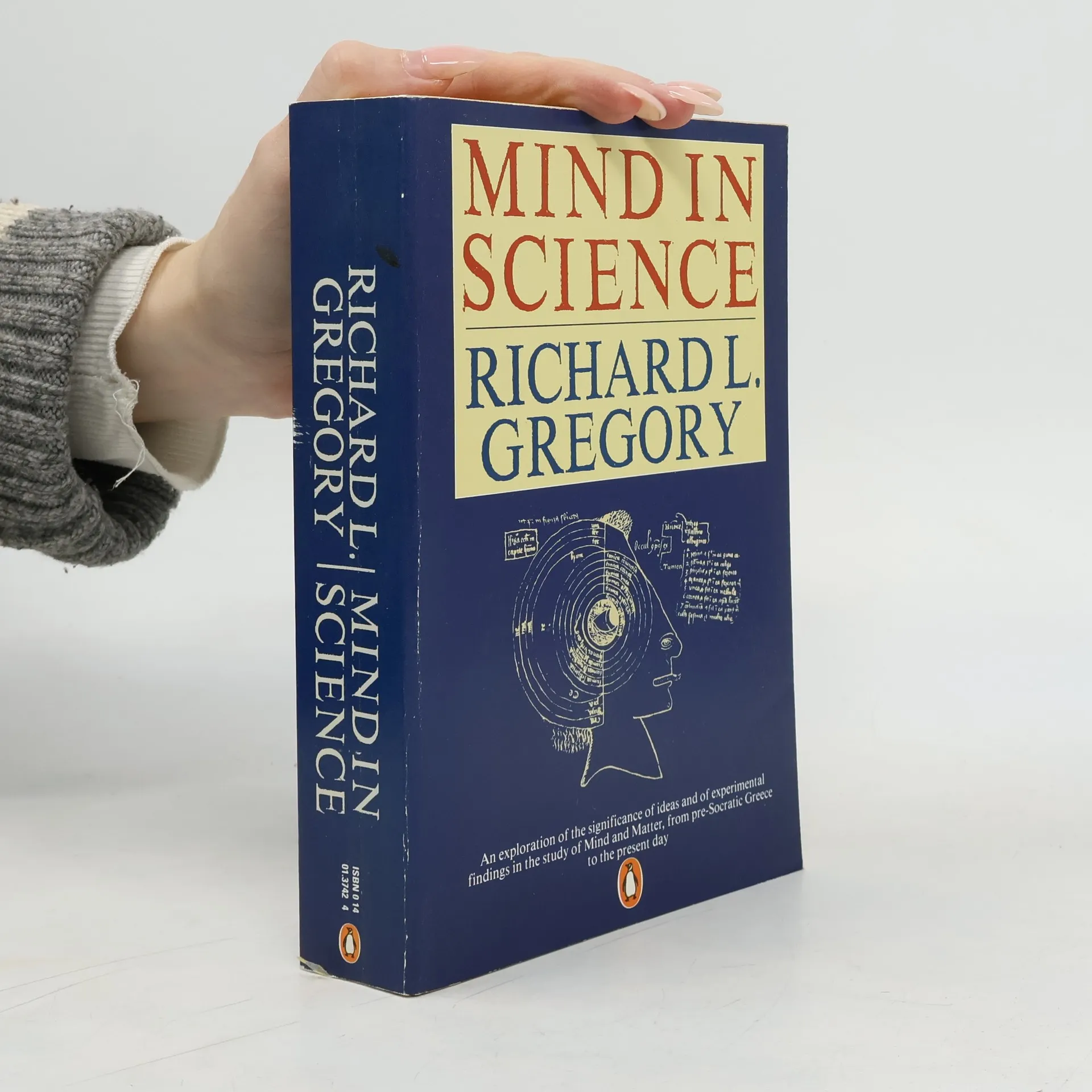
The history of thought is too often streamed into philosophy or science with a bit of psychology thrown in. This book is a jump from the academic mainstream and fascinates by a journey from the easliest recorded thinkers in the first known writing in Sumeria, through the gnomen (the Sumerian word for the finger on the sundial that measures time) to the knowledge and philosophy of Ancient Greece (they had cogwheels and gears) through classical times to the present. This is a history of science from a philosphical perspective, a reflection on the recorded mind of man. Richard Gregory is a philosopher, a scientist and a man who knows as much as anyone knows how the brain works. A tour de force, this book will change you by captivating and entertaining as well as profoundly altering your mind.
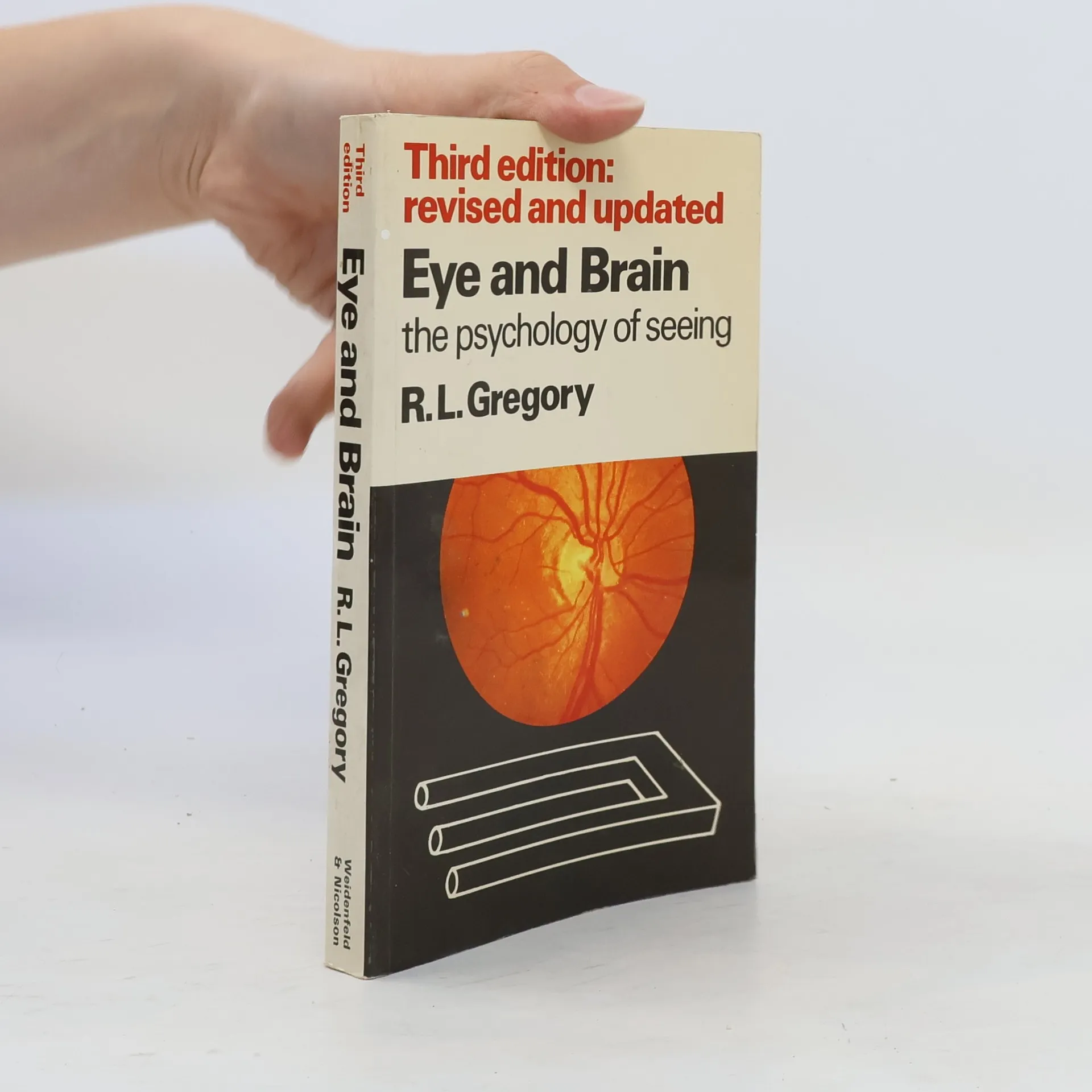
Since the publication of the first edition in 1966, Eye and Brain has established itself worldwide as an essential introduction to the basic phenomena of visual perception. In this book, Richard L. Gregory offers clear explanations of how we see brightness, movement, color, and objects, and he explores the phenomena of visual illusions to establish principles about how perception normally works and why it sometimes fails. Although successive editions have incorporated new discoveries and ideas, Gregory completely revised and updated the book for this publication, adding more than thirty new illustrations. The phenomena of illusion continue to be a major theme in the book, in which the author makes a new attempt to provide a comprehensive classification system. There are also new sections on what babies see and how they learn to see, on motion perception, and tantalizing glimpses of the relationship between vision and consciousness and of the impact of new brain imaging techniques. In addition, the presentation of the text and illustrations has been improved by the larger format and new page design. The thousands of readers of the previous editions of Eye and Brain will find this new revised edition even more attractive and enthralling.