Nikos Poulantzas fut un sociologue politique marxiste gréco-français, réputé pour son travail théorique sur l'État. Figure de proue du marxisme structural, ses analyses s'étendirent au fascisme, à la classe sociale et à l'effondrement des dictatures en Europe du Sud dans les années 1970. Il offrit des perspectives profondes sur la nature du pouvoir de l'État et son rôle dans la société contemporaine. Les contributions de Poulantzas demeurent influentes pour la compréhension de la sociologie politique d'un point de vue marxiste.
Nicos Poulantzas was one of the Marxist theorists of the twentieth century, developing seminal analyses of the state and social classes during the crisis of monopoly capitalism. This volume aims to bring together a selection of Poulantzas' key writings in legal philosophy and political sociology.
In State, Power, Socialism, the leading theorist of the state and European communism advances a vigorous critique of contemporary Marxist theories of the state. Arguing against a general theory of the state, Poulantzas identifies forms of class power crucial to socialist strategy that go beyond the state apparatus.
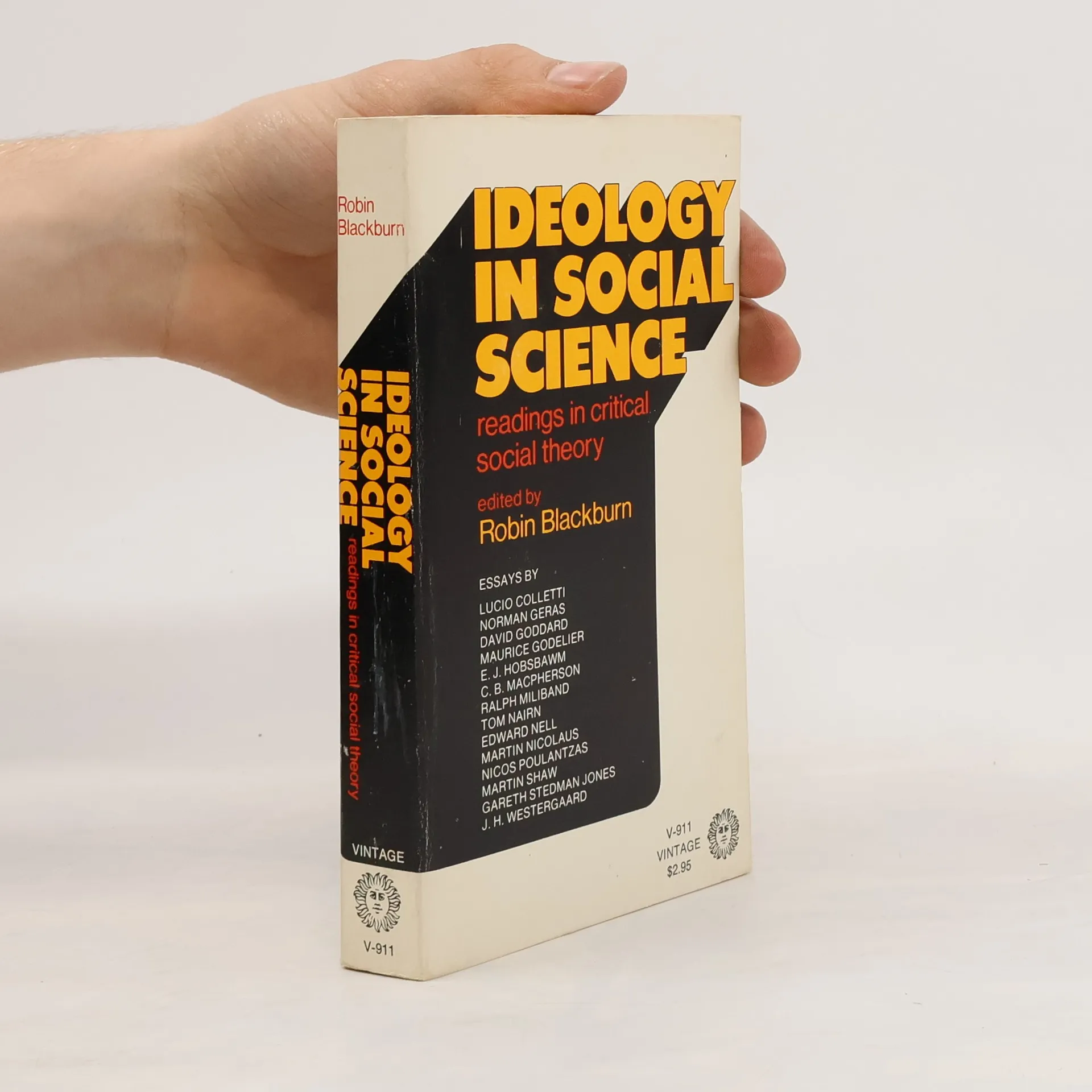
First Vintage Books Edition, March 1973. Mild shelf wear, small tear at top of back cover, pages moderately tanned, and spine has creases from reading. Everything looks good and perfectly readable. Overall pretty decent condition.
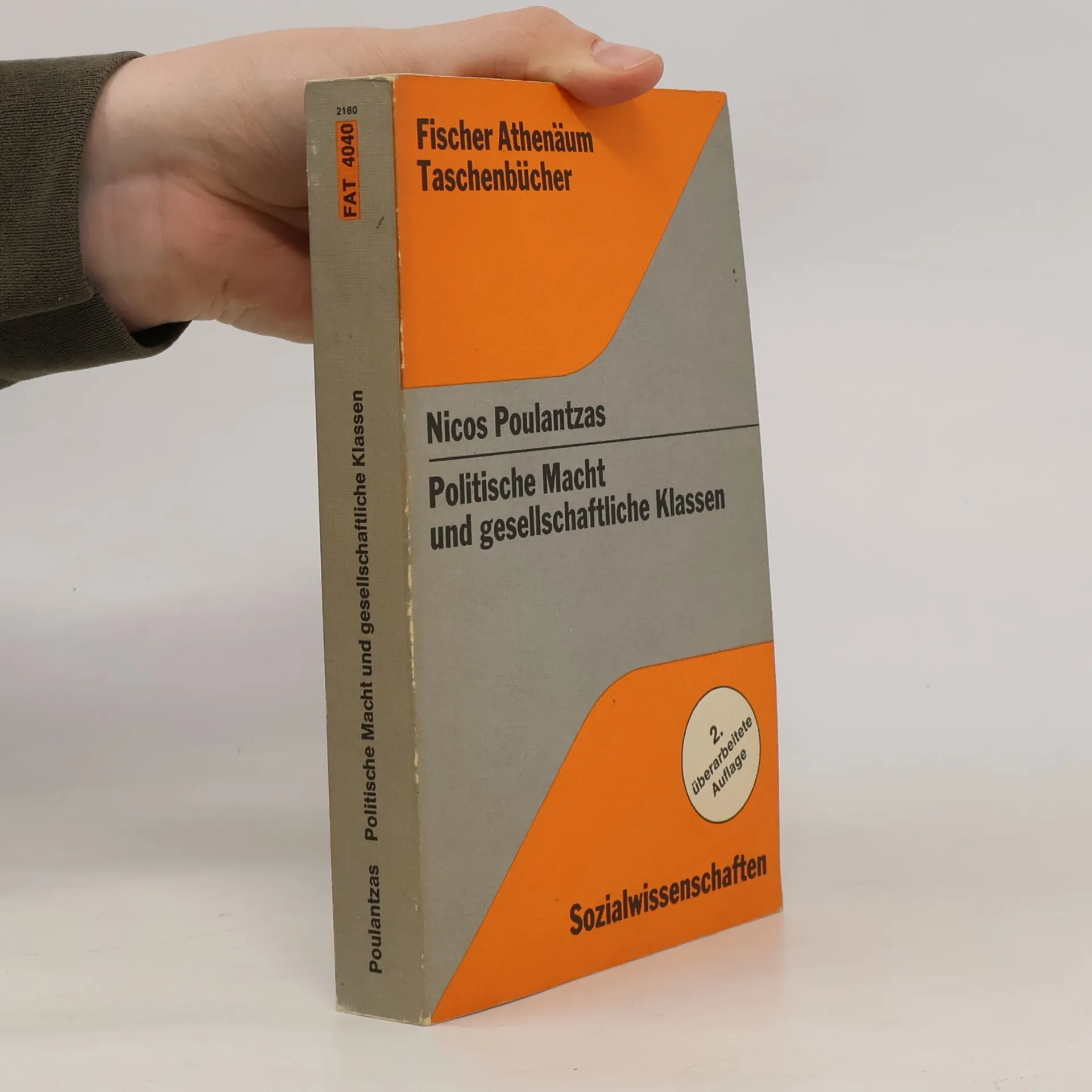
To understand the place occupied by Nicos Poulantzas and the void he fills, one must read and reread "Political Power and Social Classes." Nicos Poulantzas defines state power as "a totality of social relations." Through his studies on modern state - capitalist state - power concerning classes, he has made significant contributions to Marxism and political theory. Poulantzas's work describes how the modern state integrates the social body (laws, organization of laws, cultural life and its organization, education) with the individual body (state violence, citizenship rights, law, language, healthcare). "Political Power and Social Classes" undertakes the task of ending the sanctification of power and the state in capitalist society. However, the true value of this book lies in its answers to the question of how political theory should be evaluated as a science.
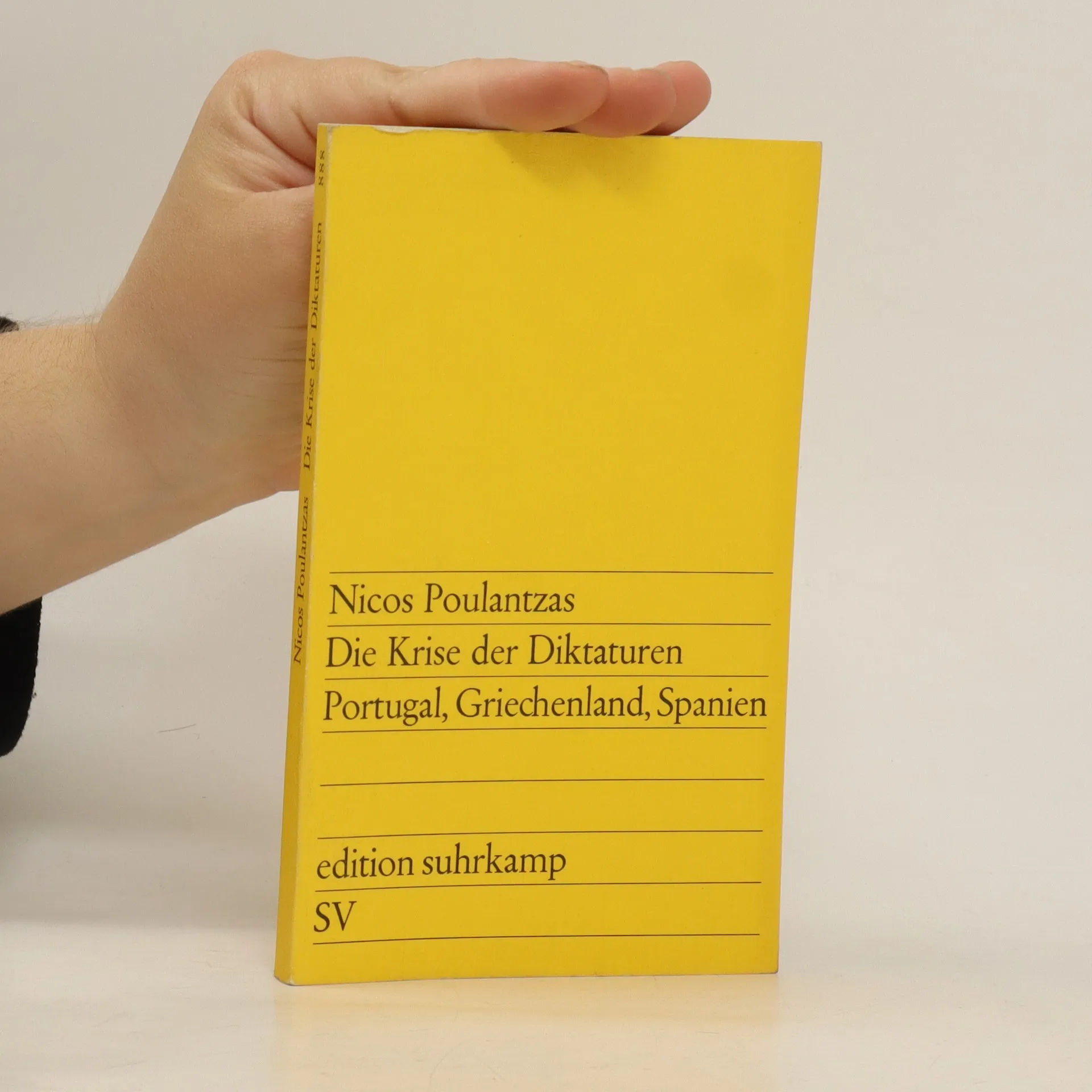
Was bedeutet der Niedergang der diktatorischen Regime in Südeuropa? Welche Tendenzen, Entwicklungen haben zu ihrer Krise oder ihrem Zusammenbruch beigetragen? Welche politischen und sozialen Kräfte werden im Innern dieser Staaten und von außen den Umbruch und seinen Verlauf auf lange Sicht bestimmen? Fest steht, daß die Wirtschaften sowohl Portugals als auch Griechenlands und Spaniens partiell abhängige Wirtschaften sind. Fest steht auch, daß über diese Abhängigkeit die innenpolitische Entwicklung dort gesteuert, notfalls »korrigiert« werden kann. Steht eine neue Strategie politischer Einflußnahme auf der Tagesordnung? Die Untersuchung des französischen Politikwissenschaftlers Poulantzas prüft die Chancen der Befreiung dieser Gesellschaften aus den Fesseln der Diktatur im Rahmen ihrer Abhängigkeit von den »Metropolen« und ihrer relativen »Unterentwicklung» innerhalb des europäischen Staatensystems. – Ganz ohne Zweifel sind die Entwicklungen bis zum Sommer 1976, die Poulantzas darstellt, von hoher politischer Bedeutung nicht nur für die unmittelbar betroffenen Länder, sondern auch für die Zukunft der westlichen Gesellschaften, für ihre Wirtschaftsstrategie, ihre Bündnisse und ihre Parteienkonstellationen. Veränderungen wie diejenigen in Portugal, Griechenland und Spanien beeinflussen zwangsläufig die politische Geographie Europas – vielleicht nicht nur Europas.