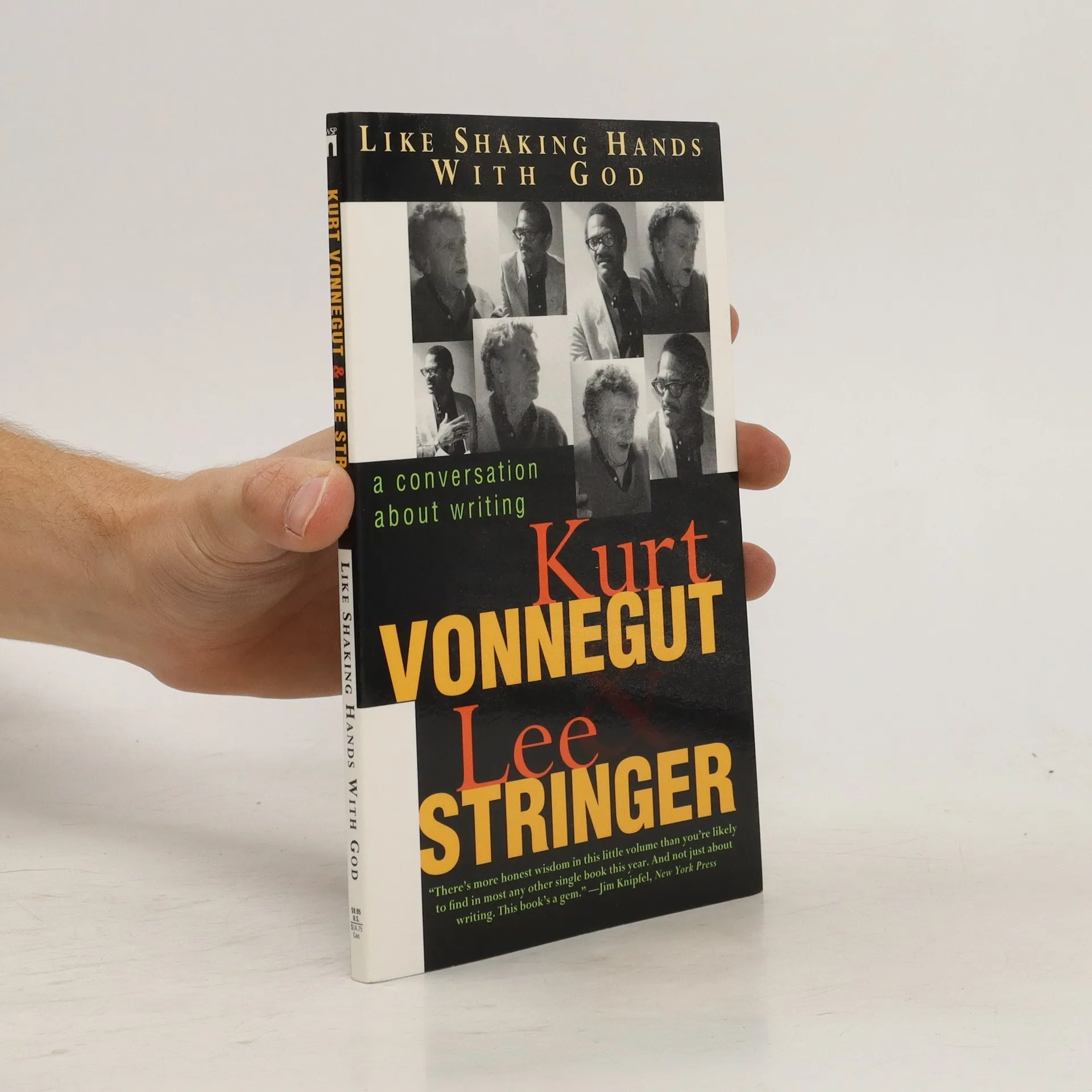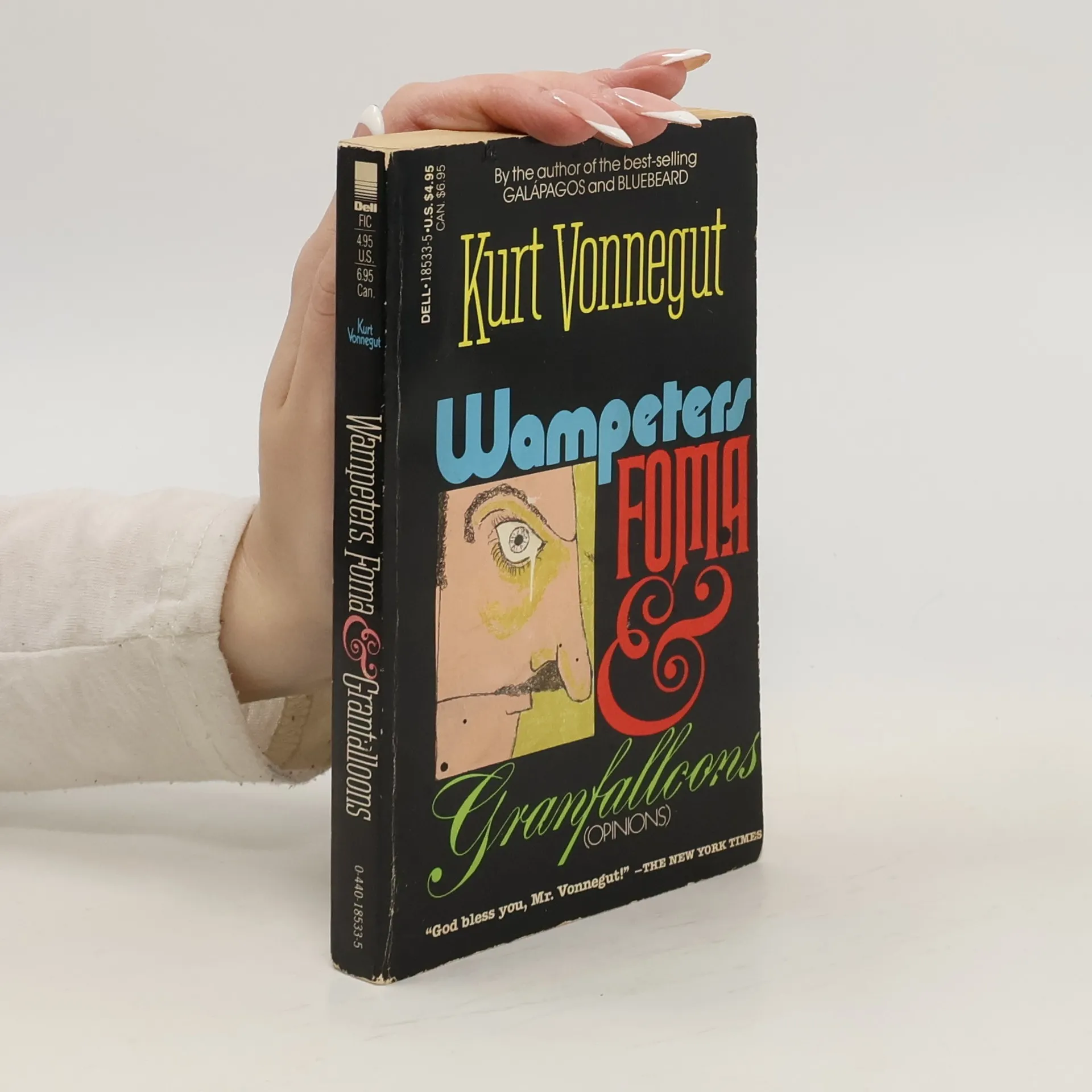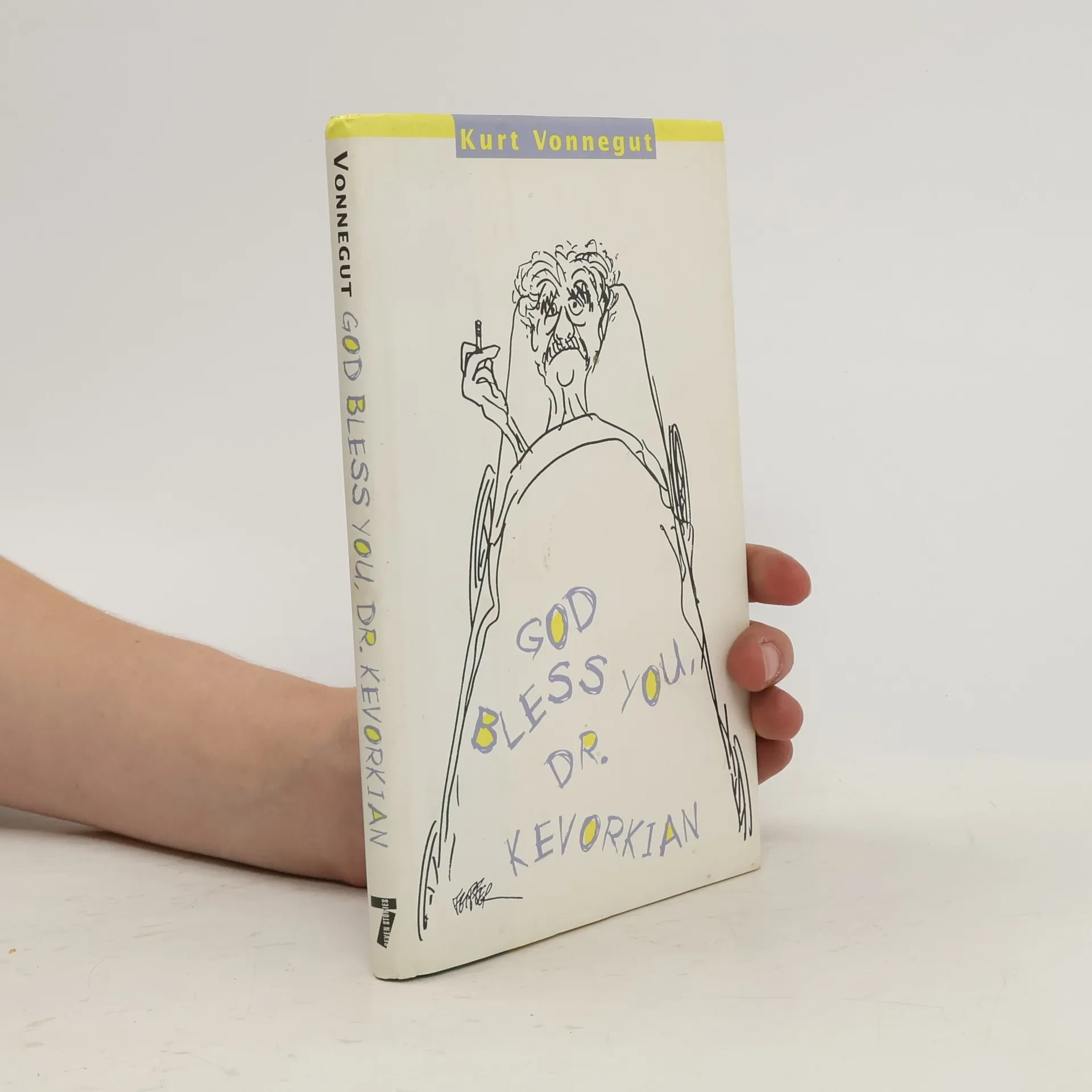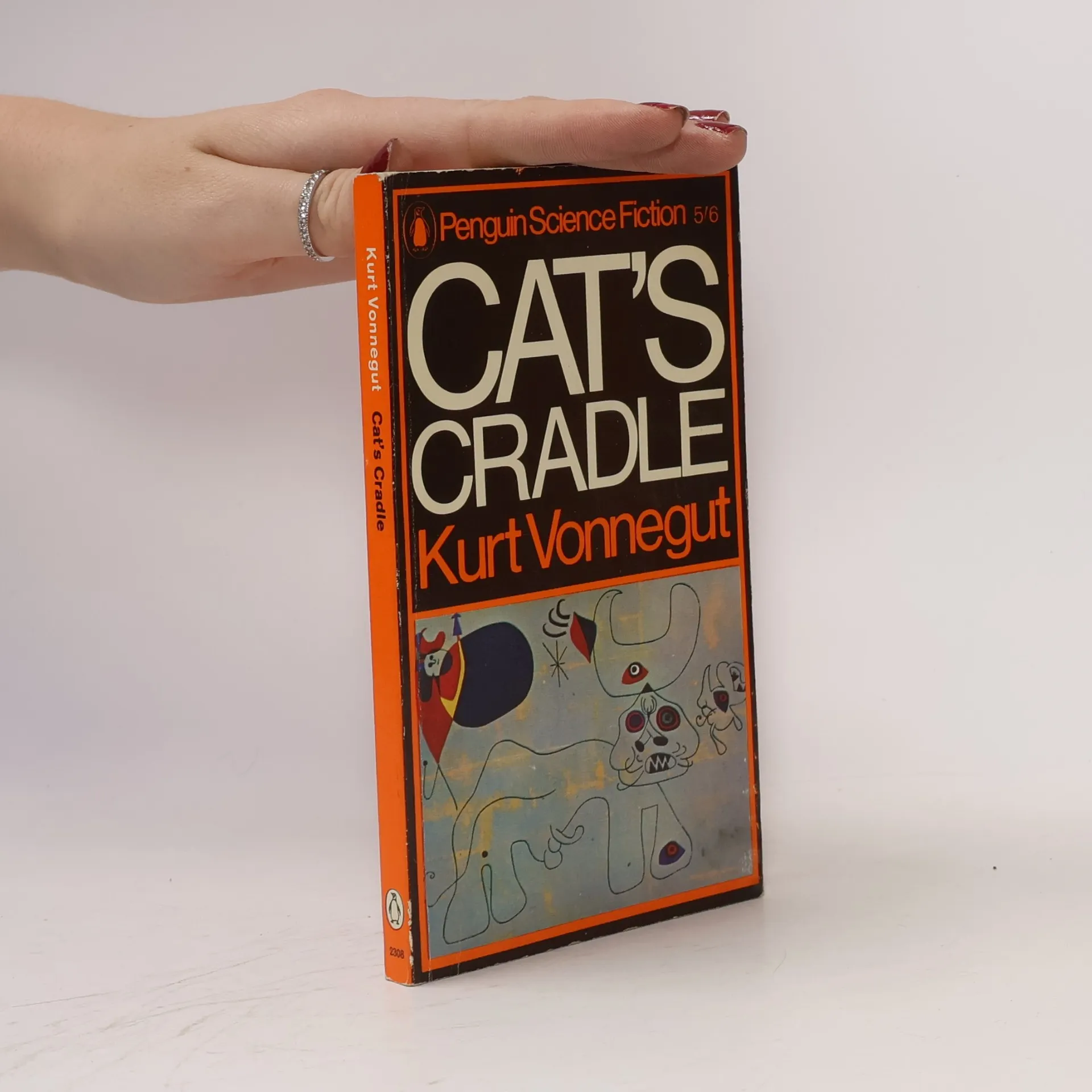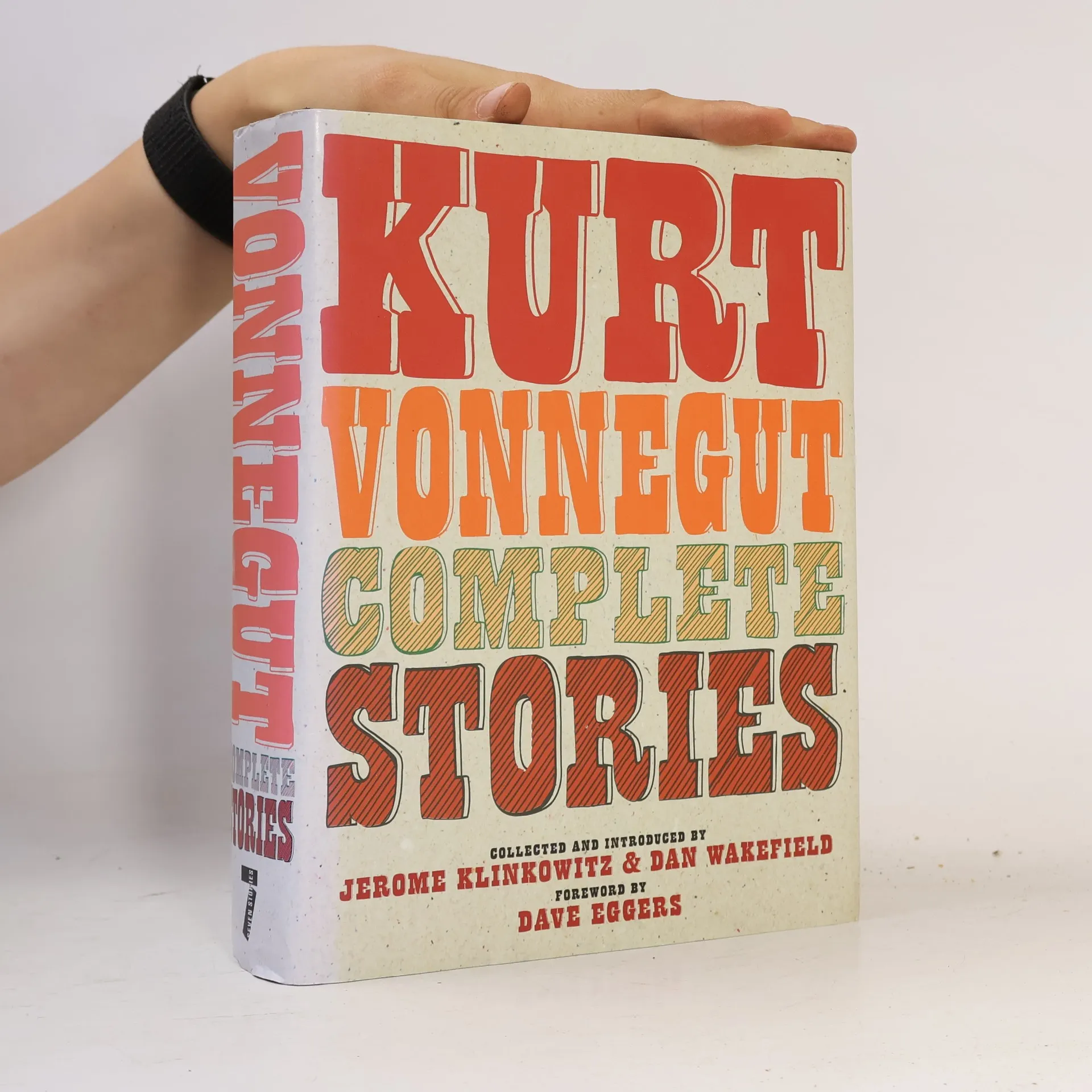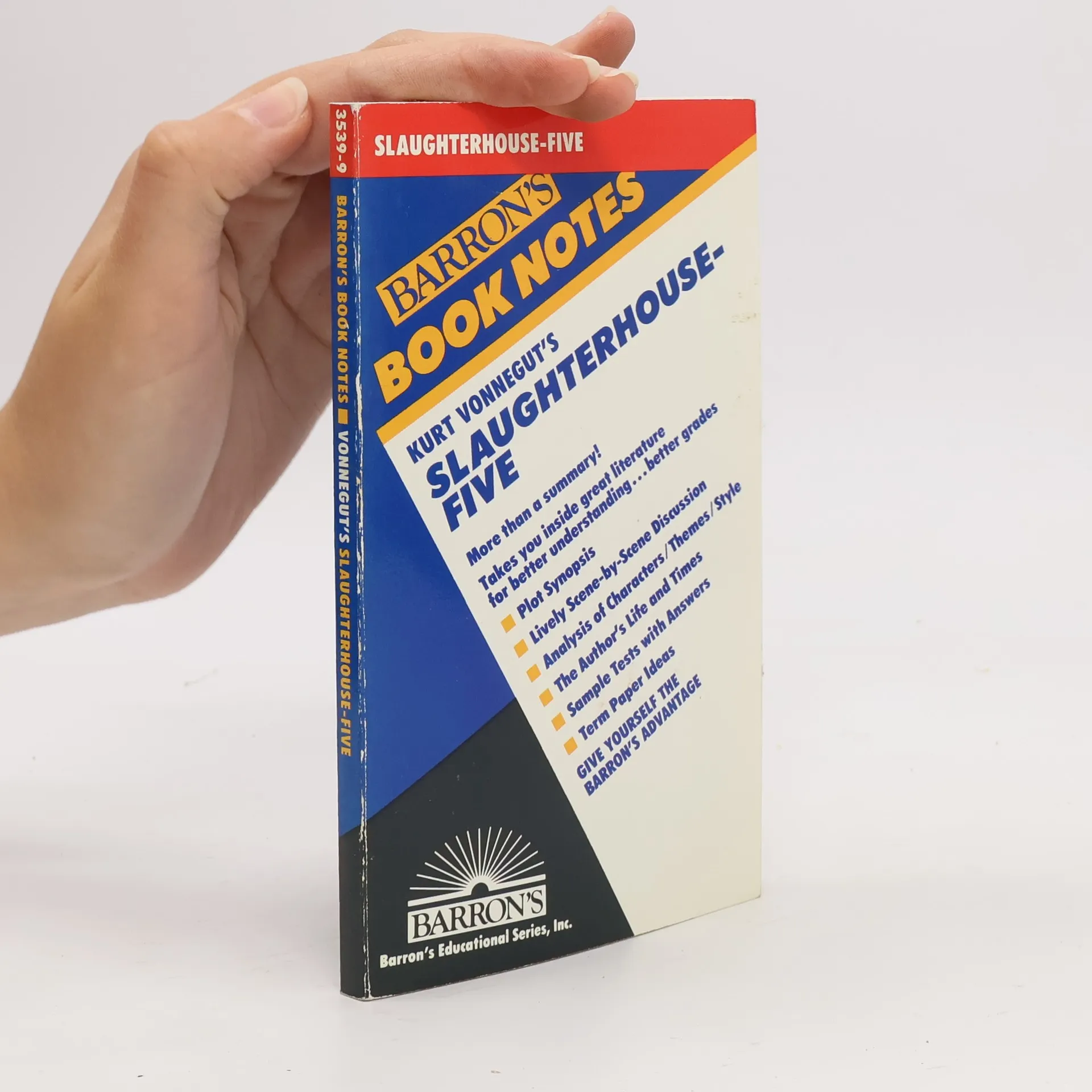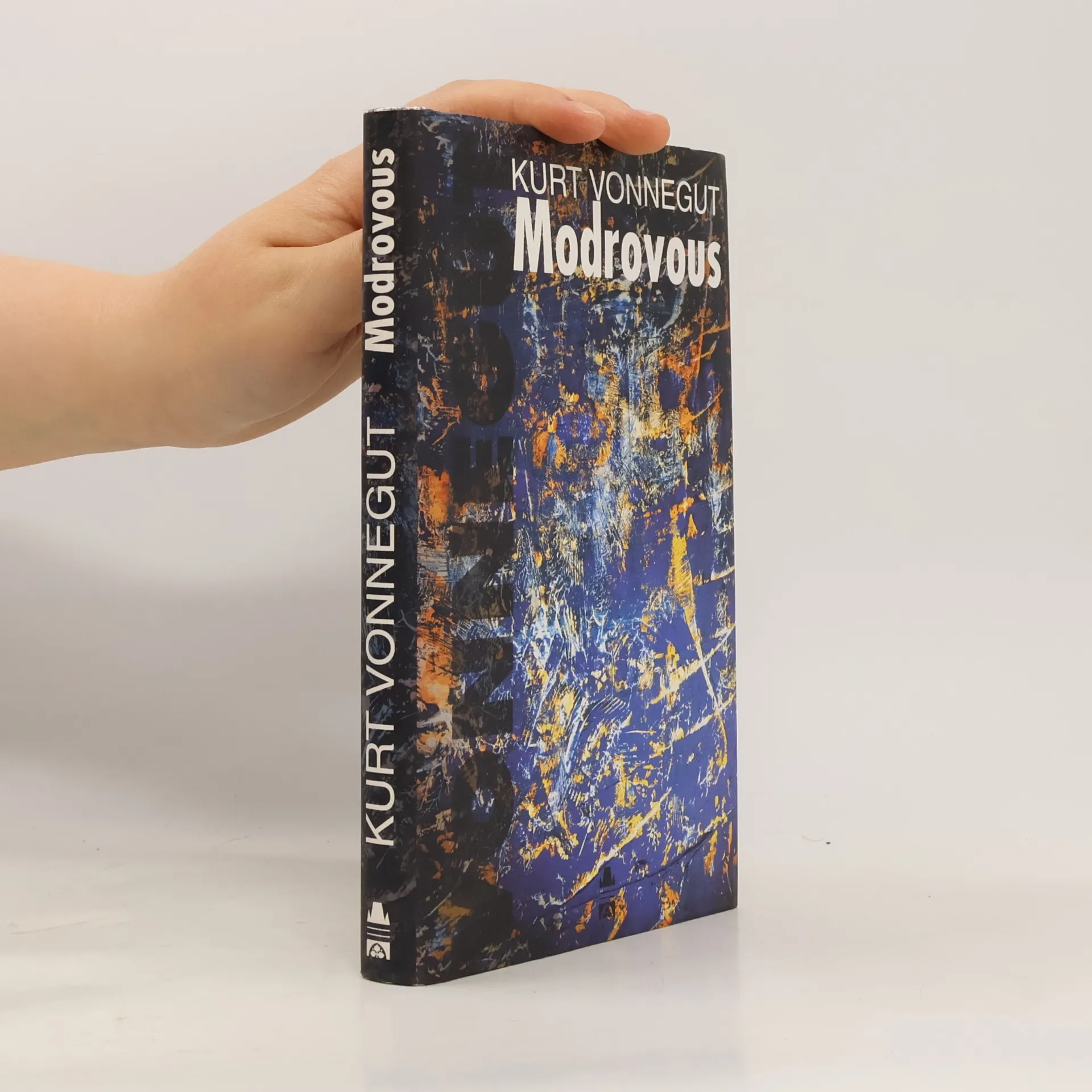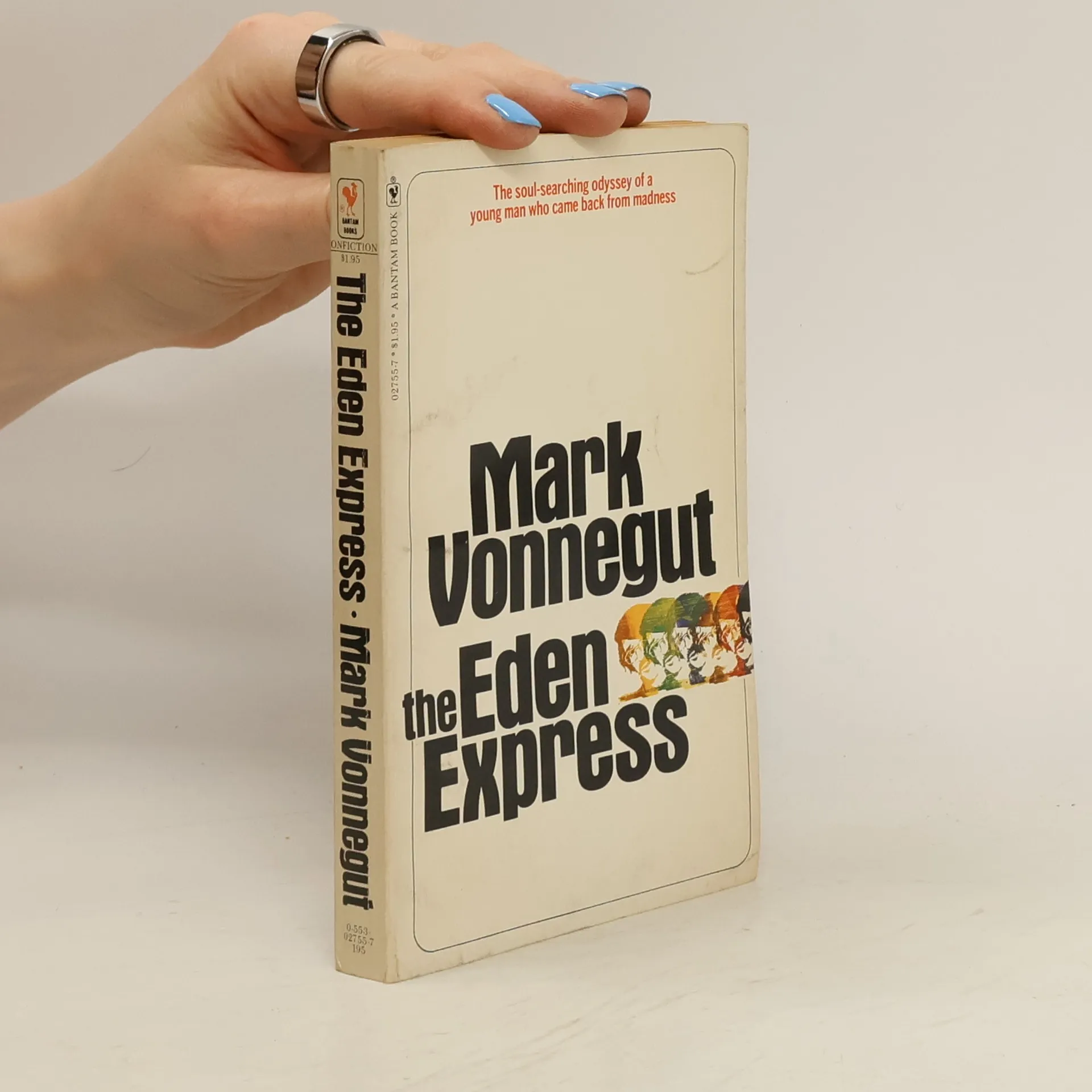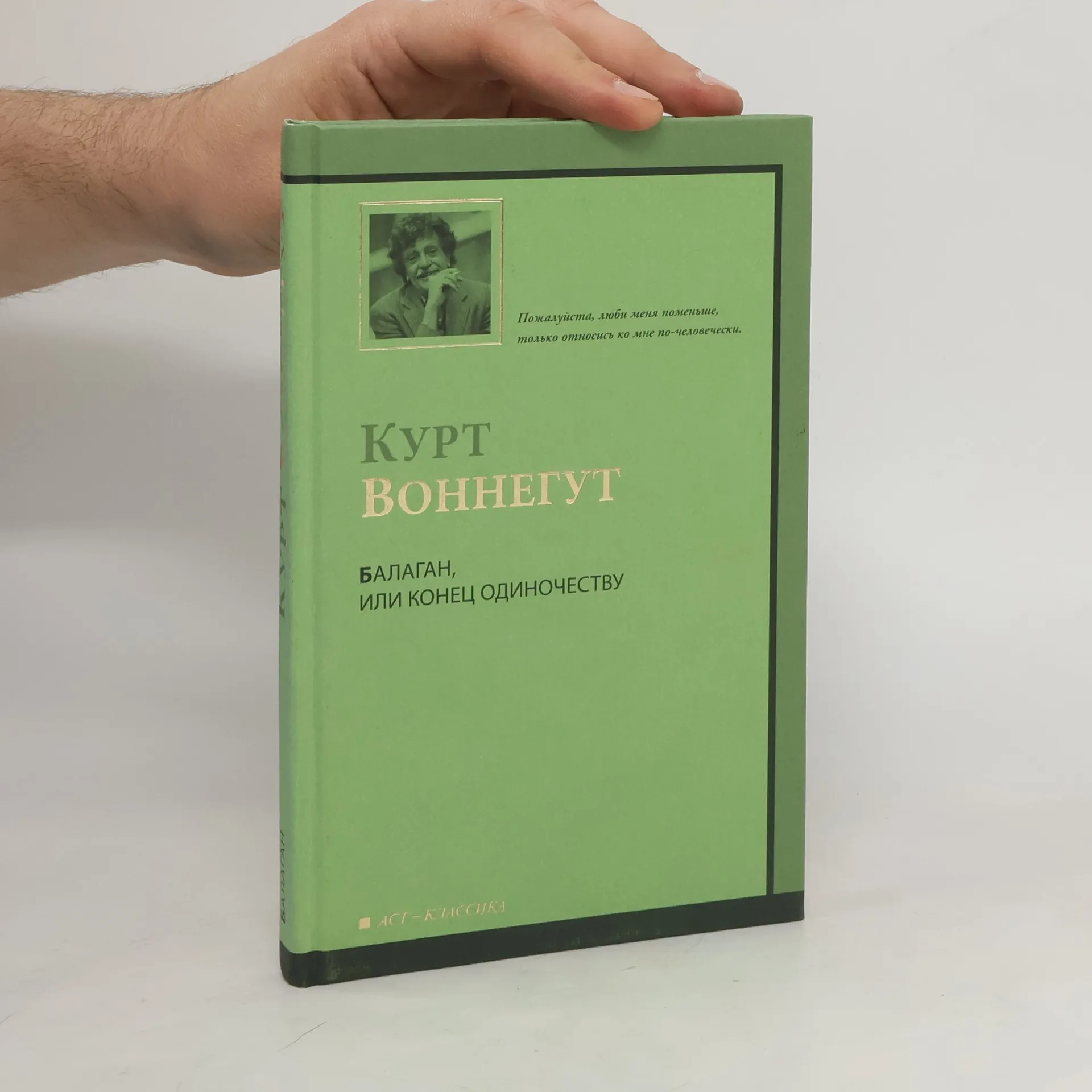
Abattoir 5
- 220pages
- 8 heures de lecture
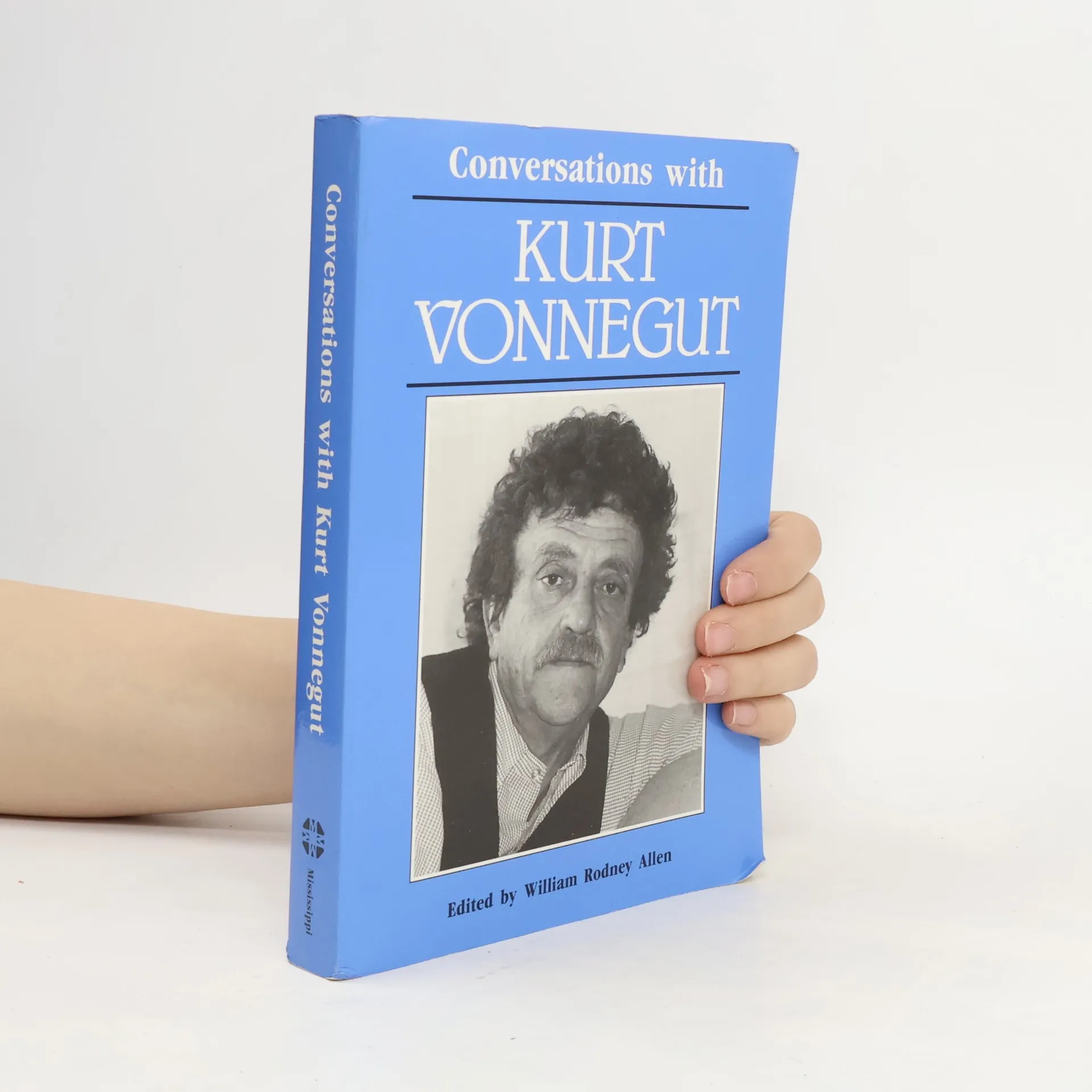
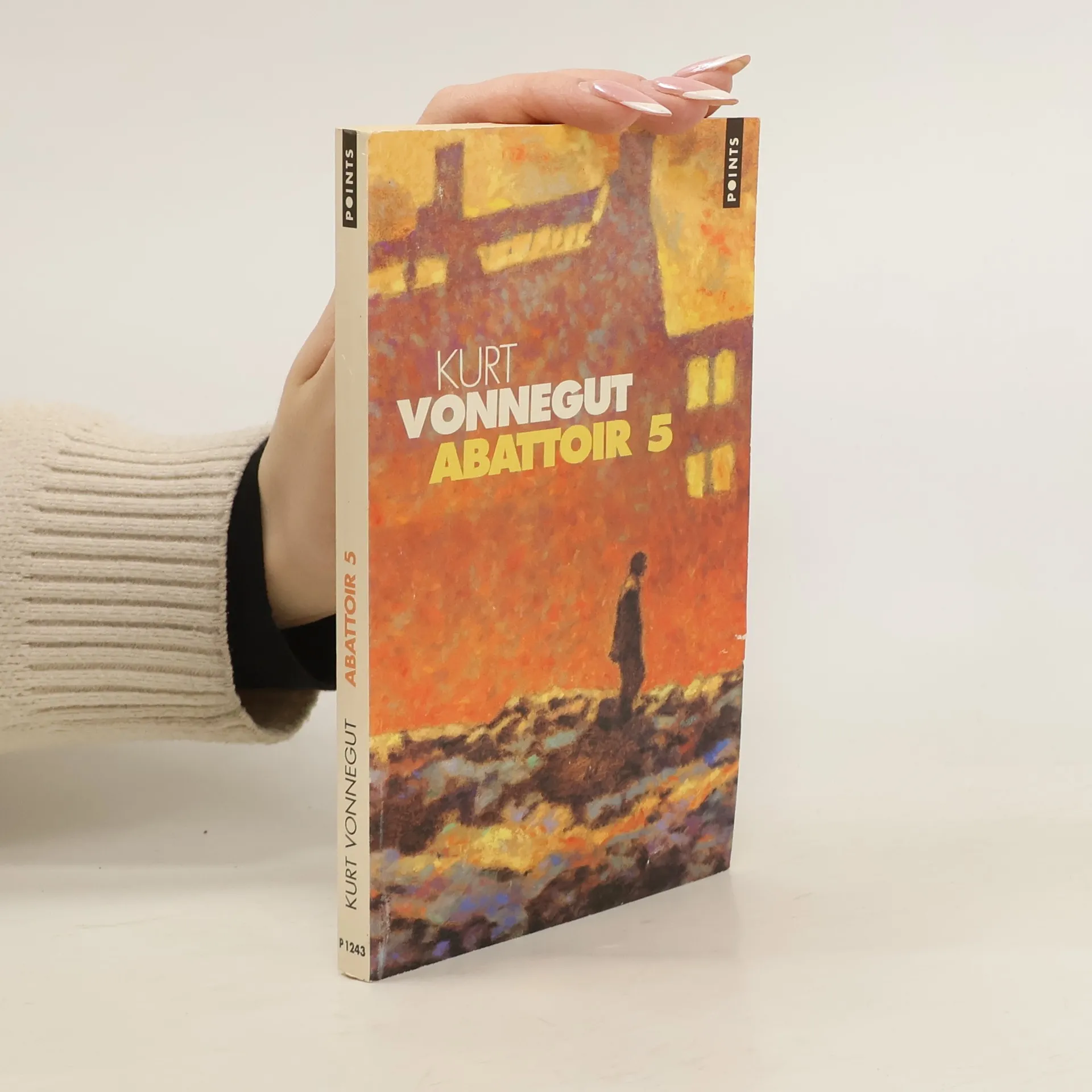
Kurt Vonnegut était un romancier, satiriste et graphiste américain, célèbre pour ses œuvres qui mêlent magistralement la satire, la comédie noire et la science-fiction. Son style distinctif, façonné par ses expériences de journaliste et ses rencontres déchirantes pendant la guerre, se caractérise par une prose sobre et des observations incisives sur la condition humaine. Humaniste et socialiste autoproclamé, les récits de Vonnegut explorent fréquemment les absurdités de la guerre, les complexités des structures sociales et la recherche de sens, le tout livré avec son mélange caractéristique d'esprit profond et de pathos.


Kurt Vonnegut, romancier et satiriste d'exception, était l'un des orateurs les plus demandés pour les cérémonies de remise de diplômes. Chaque fois, il savait trouver des mots originaux, pertinents et drôles. Elle n'est pas belle, la vie ? rassemble des discours que l'écrivain a prononcés dans neuf universités entre 1978 et 2004. Hilarantes, incisives ou du plus profond sérieux, ces réflexions sont parfaites pour quiconque fait l'expérience de ce que Vonnegut appelle " la cérémonie tant attendue de la puberté ", marquant la transition entre les études et la vie d'adulte. Un livre prophétique et exaltant dont chaque mot résonne avec une modernité cinglante.
Presents a collection of four novels, four short stories, and other writings, including a speech and letters
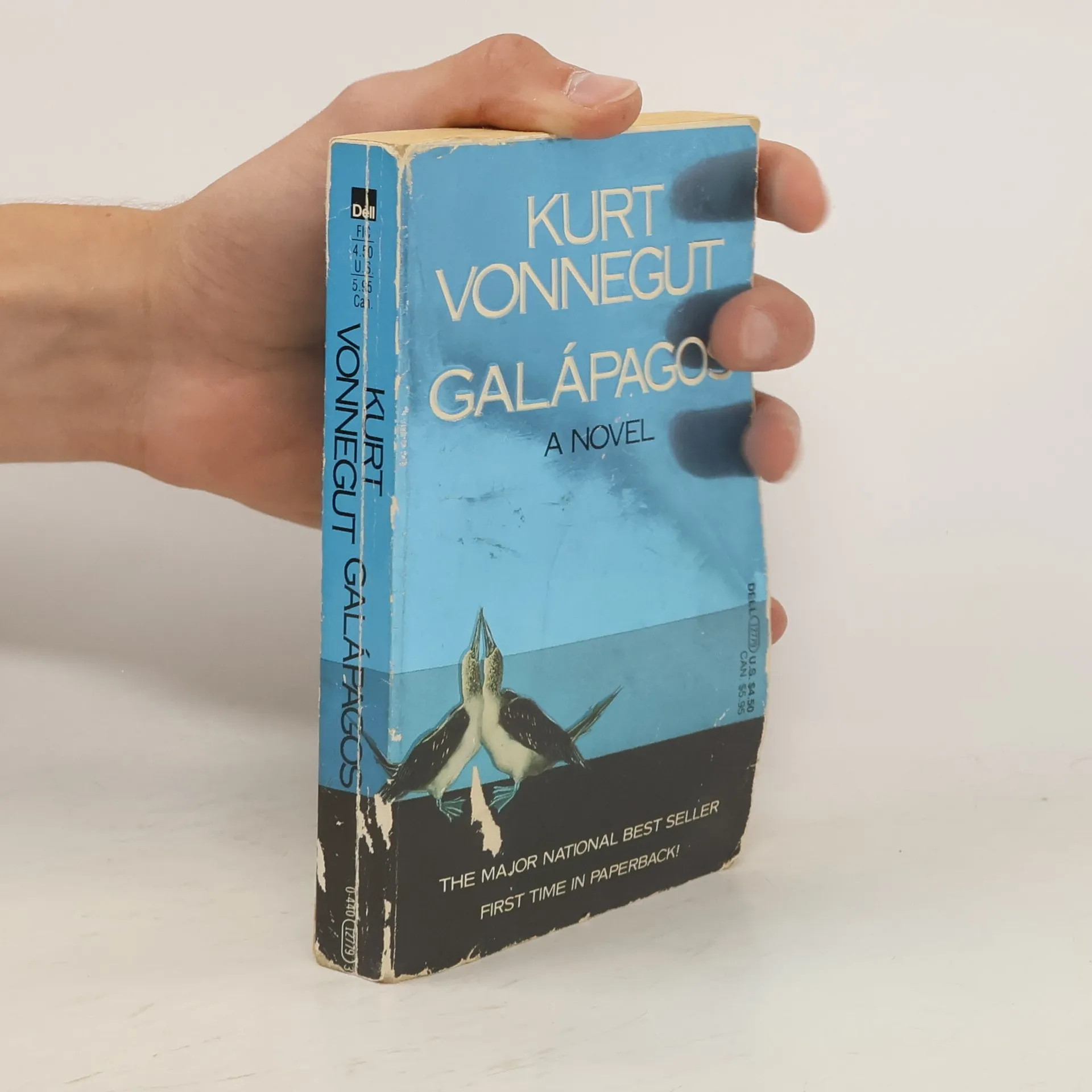
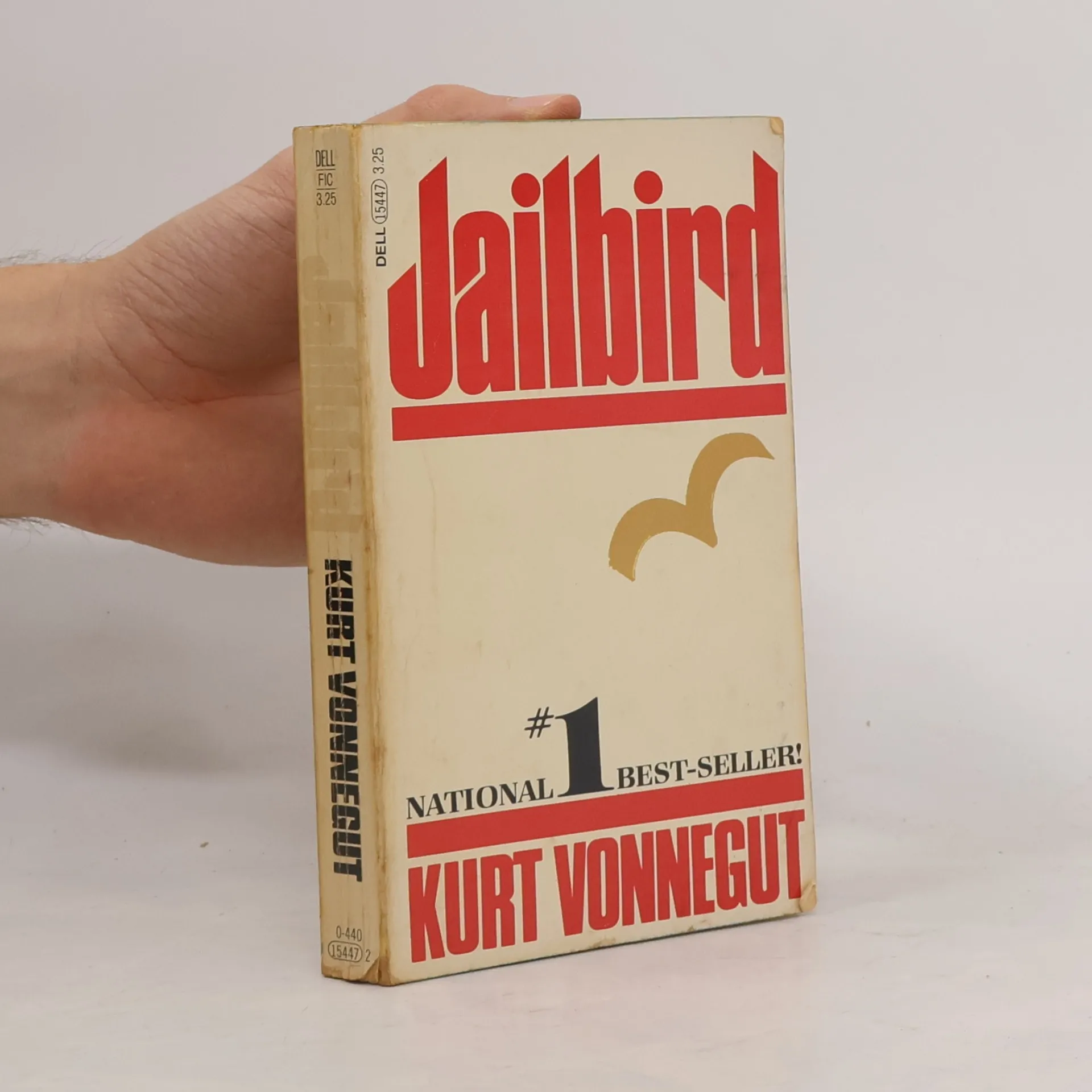
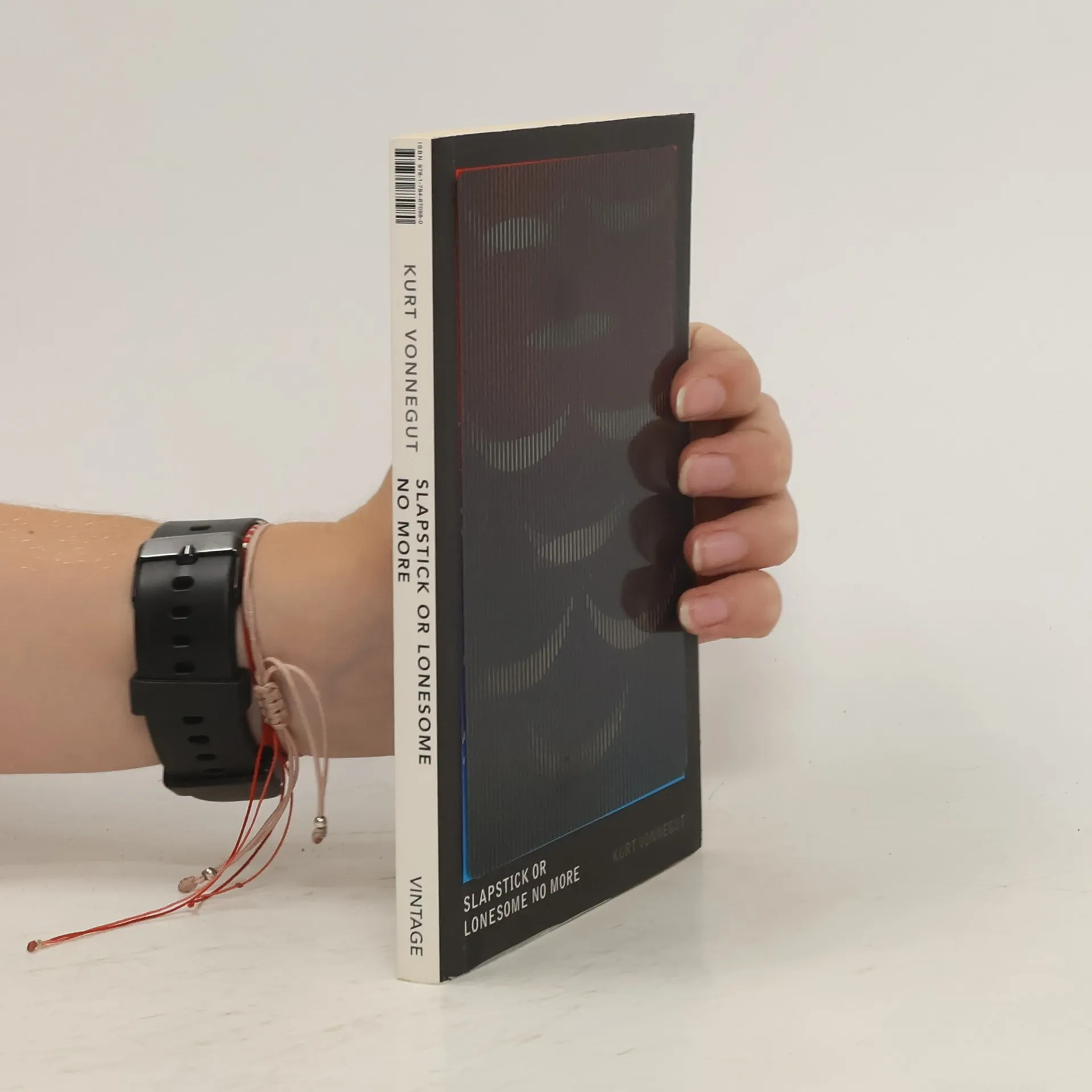
This collection features four novels by Kurt Vonnegut from the 1970s and '80s, showcasing his satirical brilliance. Included are "Slapstick," "Jailbird," "Deadeye Dick," and "Galápagos," alongside rare essays and speeches. It highlights Vonnegut's unique storytelling and exploration of profound themes.
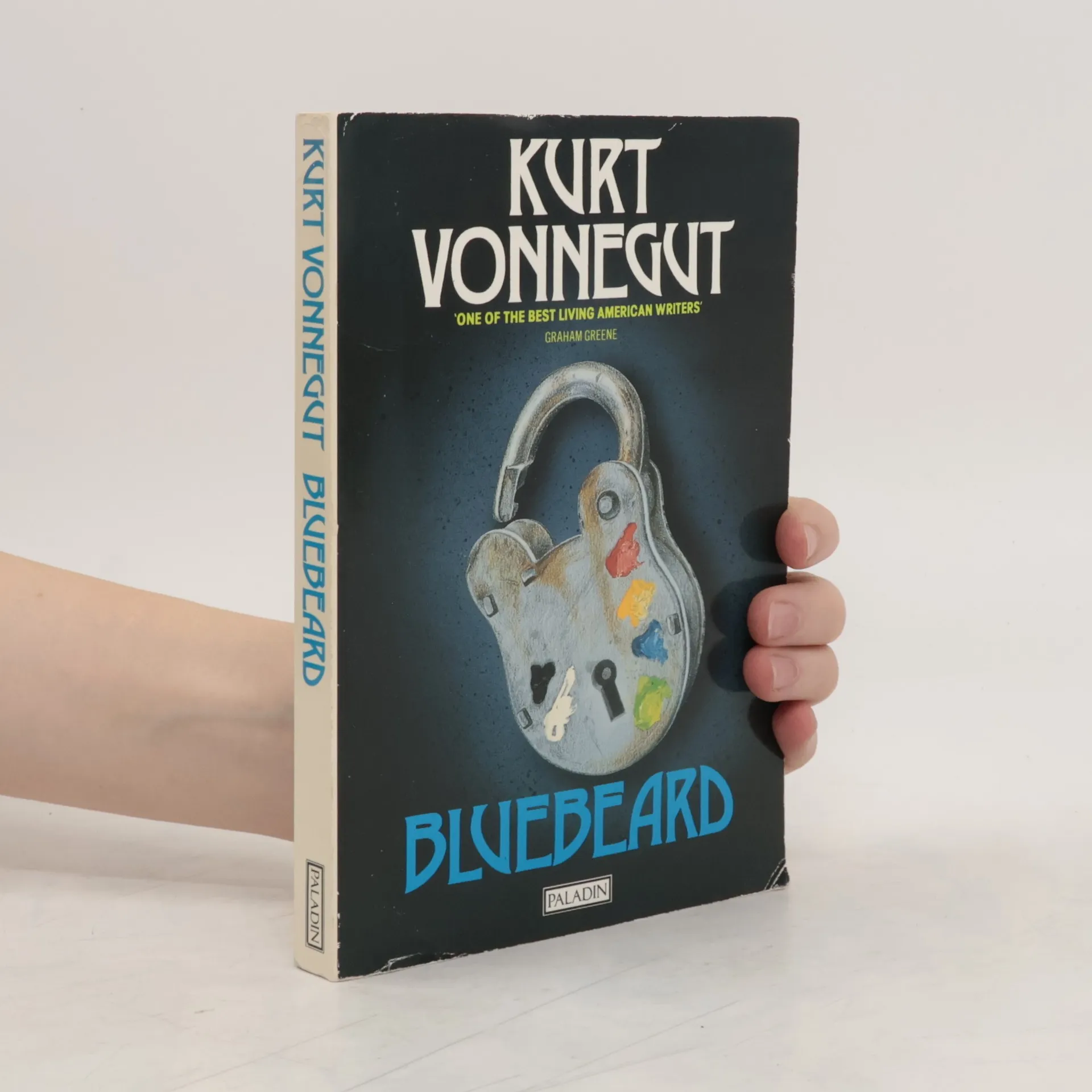
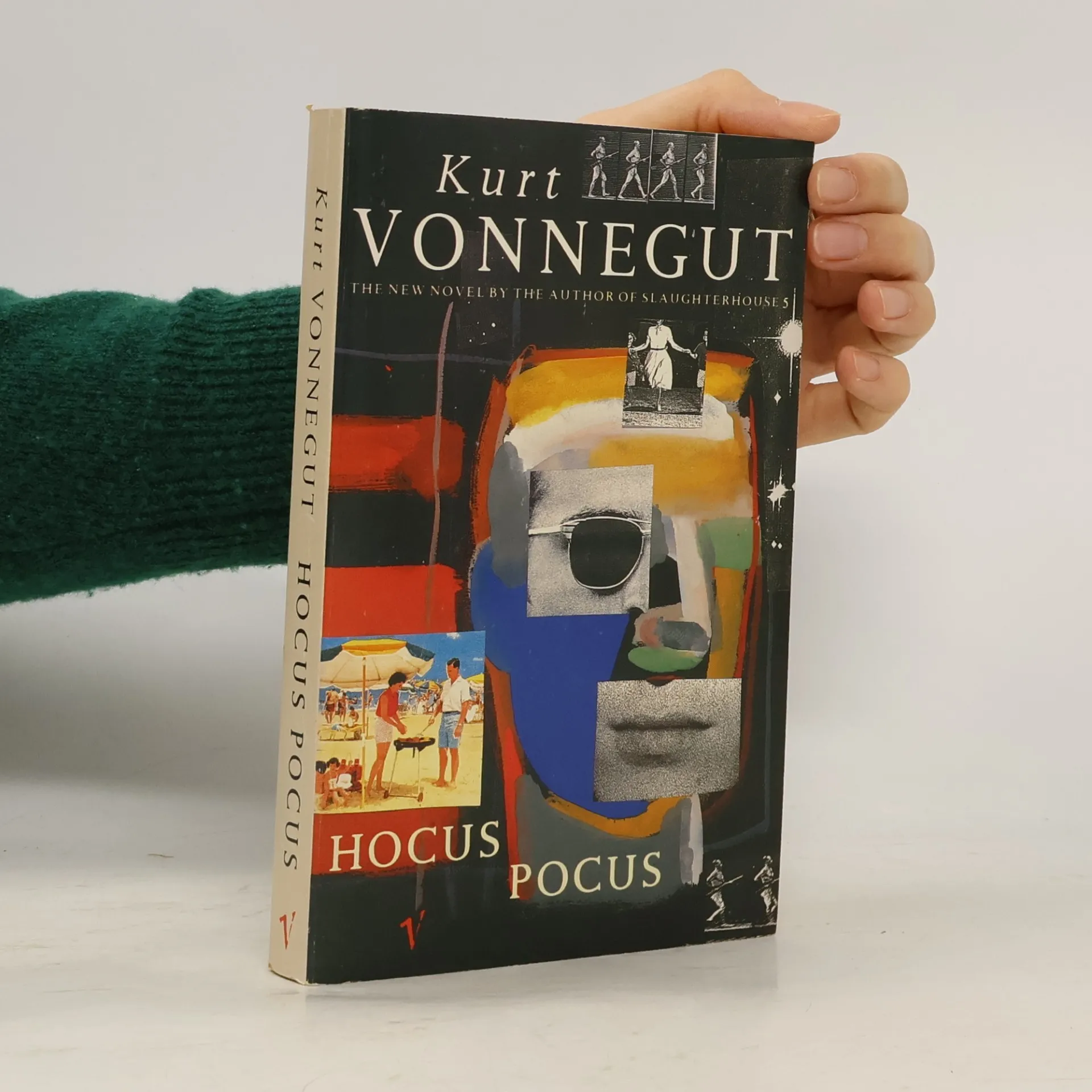
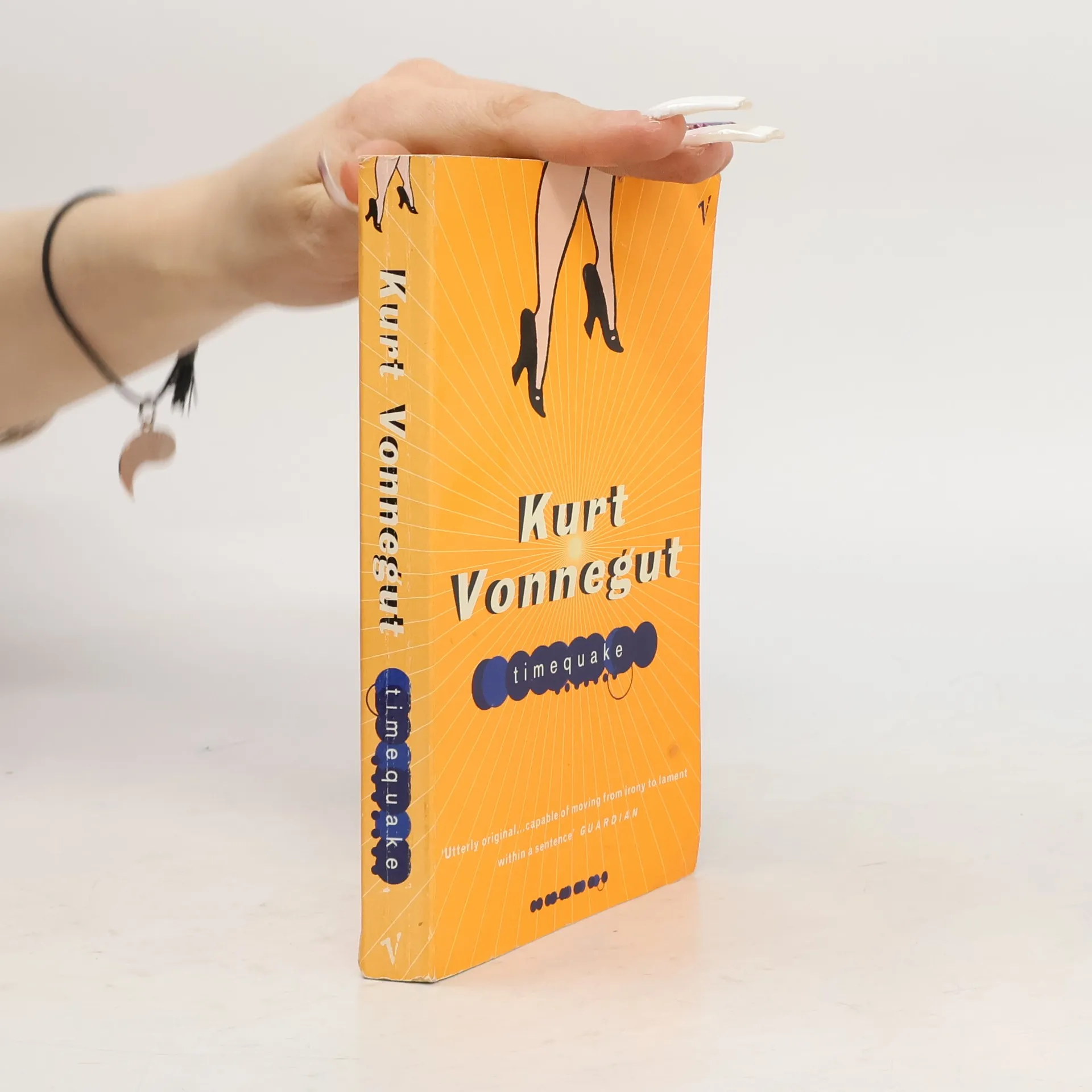
This definitive edition of Kurt Vonnegut's fiction compiles his last three novels: "Bluebeard," "Hocus Pocus," and "Timequake," showcasing his signature satirical style. It explores themes of artistic integrity, societal issues, and personal reflections, concluding with a selection of related nonfiction pieces. A fitting farewell from a literary master.
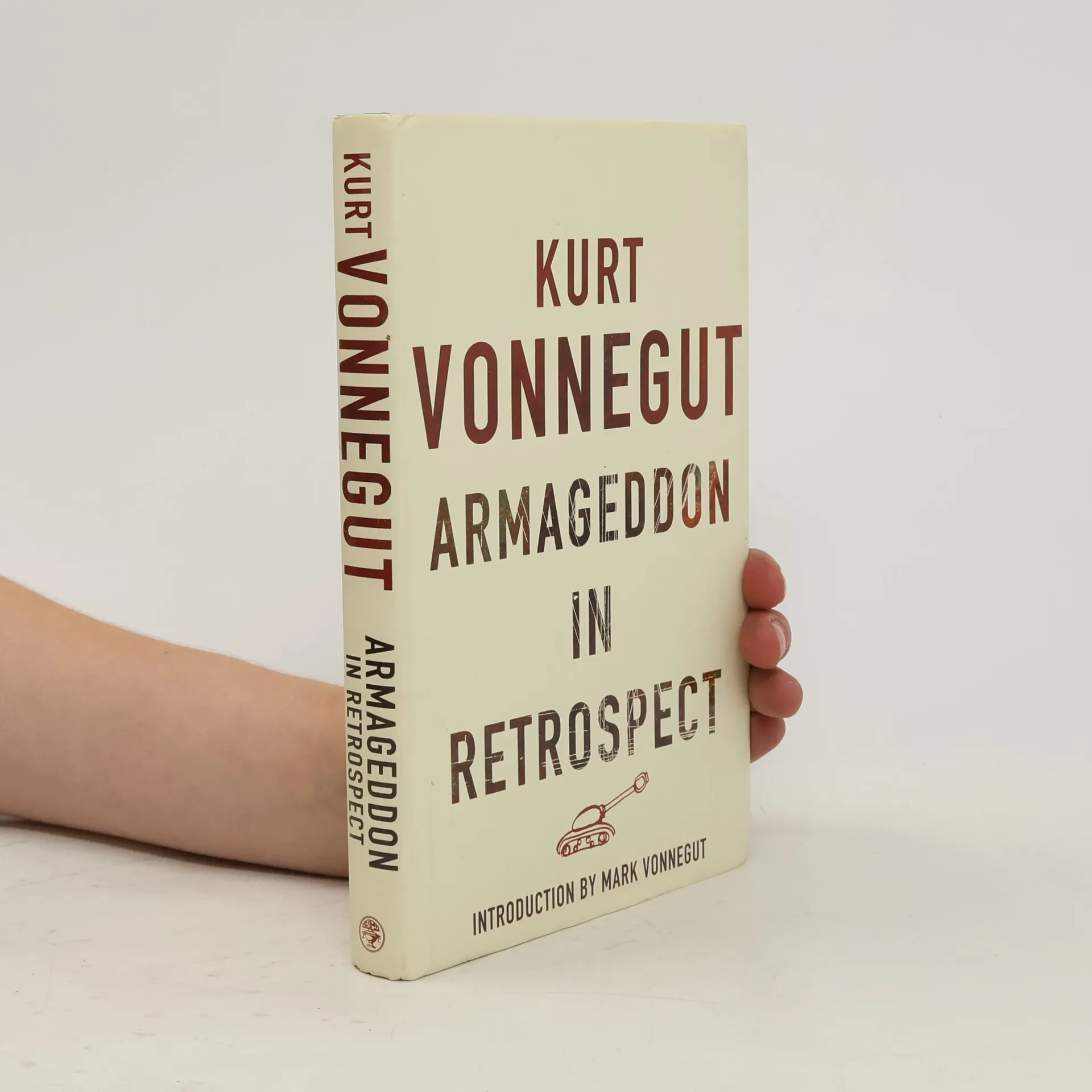
From riffs on country music, George Bush, and his mother's midnight mania, to a bittersweet tribute to a dead friend, this book demonstrates why Kurt Vonnegut is equally well known as an essayist and commentator as he is a novelist. It resonates with Vonnegut's singular voice.
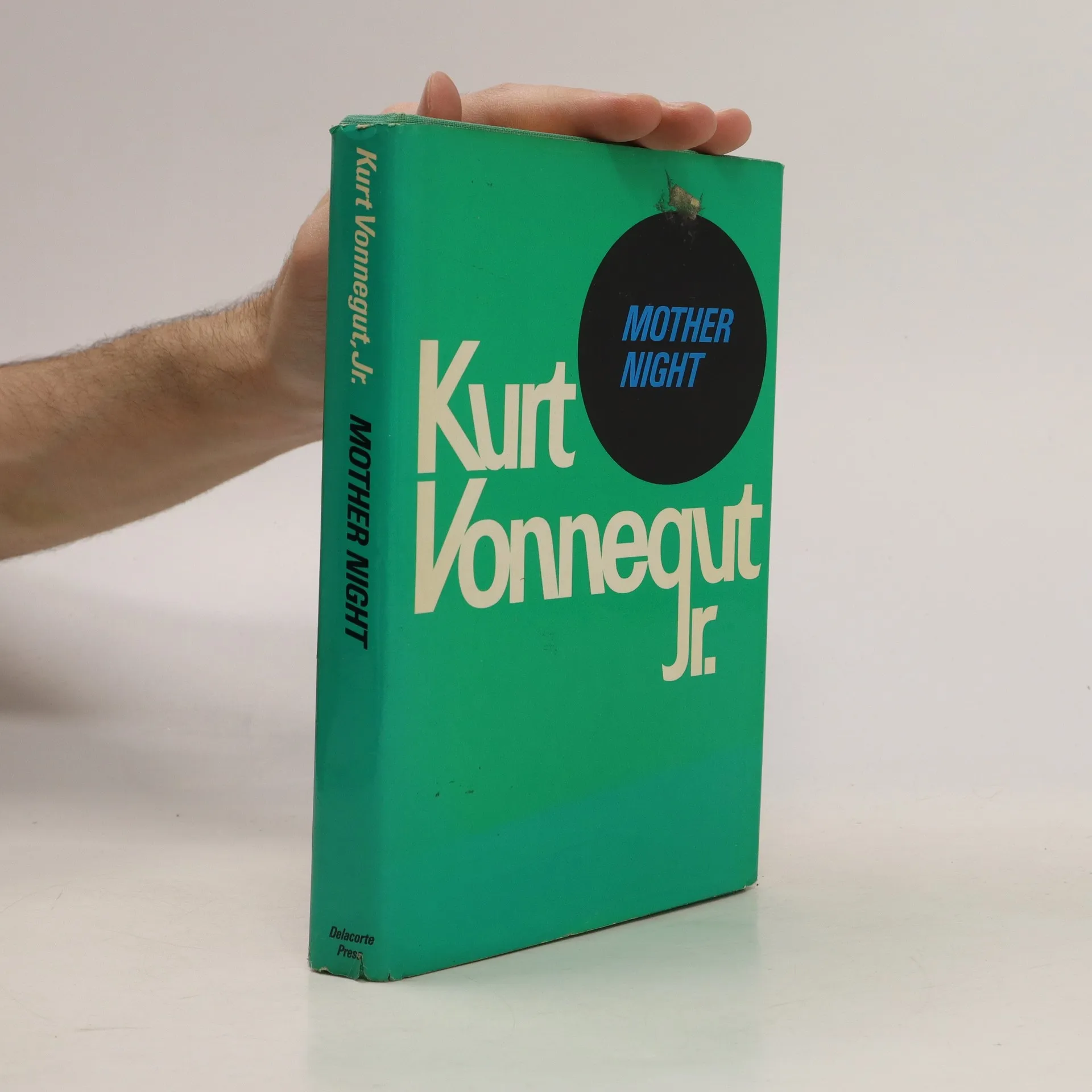
'Black satire of the highest polish' Guardian Whilst awaiting trial for war crimes in an Israeli prison, Howard W. Campbell Jr sets down his memoirs on an old German typewriter. He has used such a typewriter before, when he worked as a Nazi propagandist under Goebbels. Though that was before he agreed to become a spy for US military. Is Howard guilty? Can a black or white verdict ever be reached in a world that's a gazillion shades of grey? 'After Vonnegut, everything else seems a bit tame' Spectator
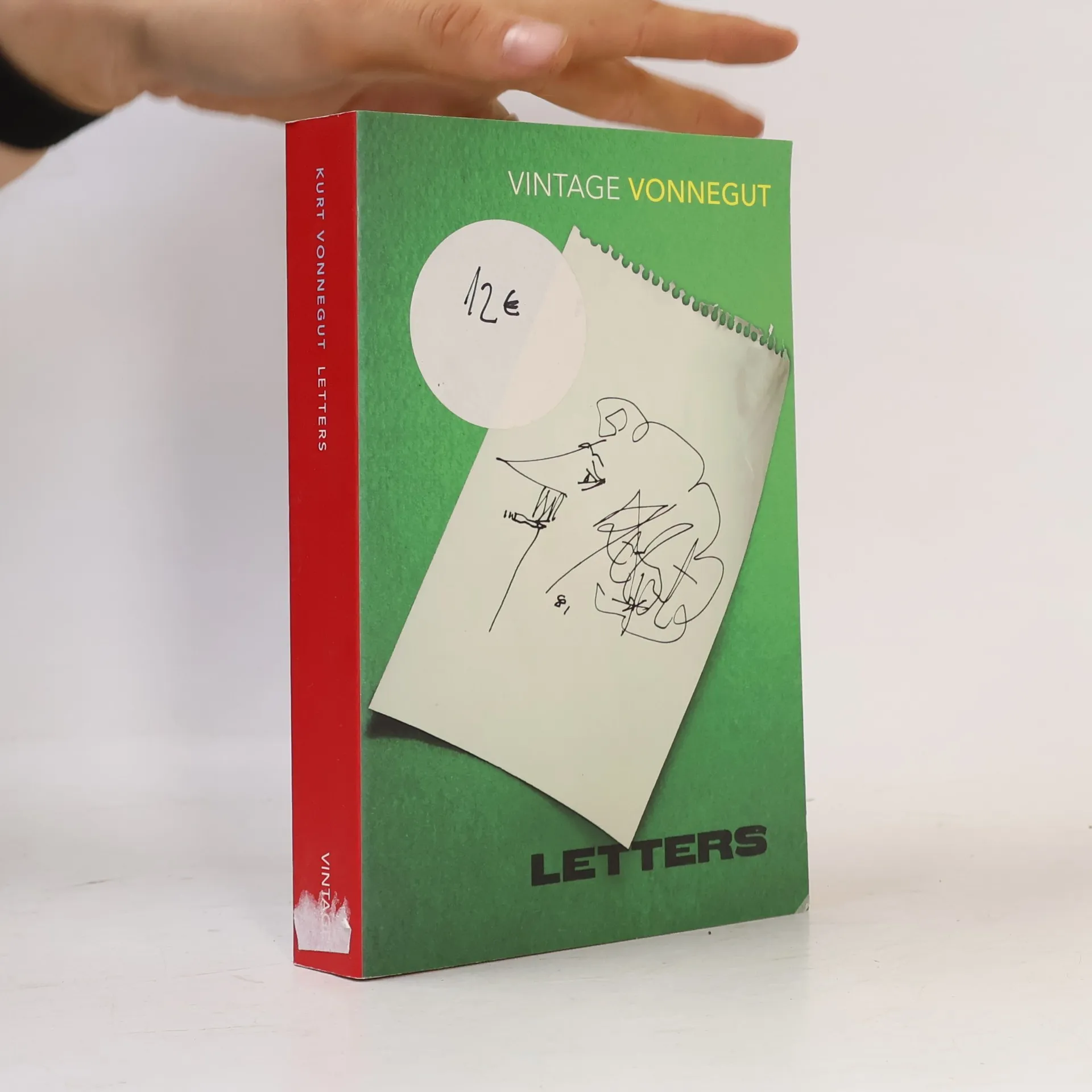
This collection of Vonnegut's letters is the autobiography he never wrote - from the letter he posted home upon being freed from a German POW camp, to notes of advice to his children: `Don't let anybody tell you that smoking and boozing are bad for you.
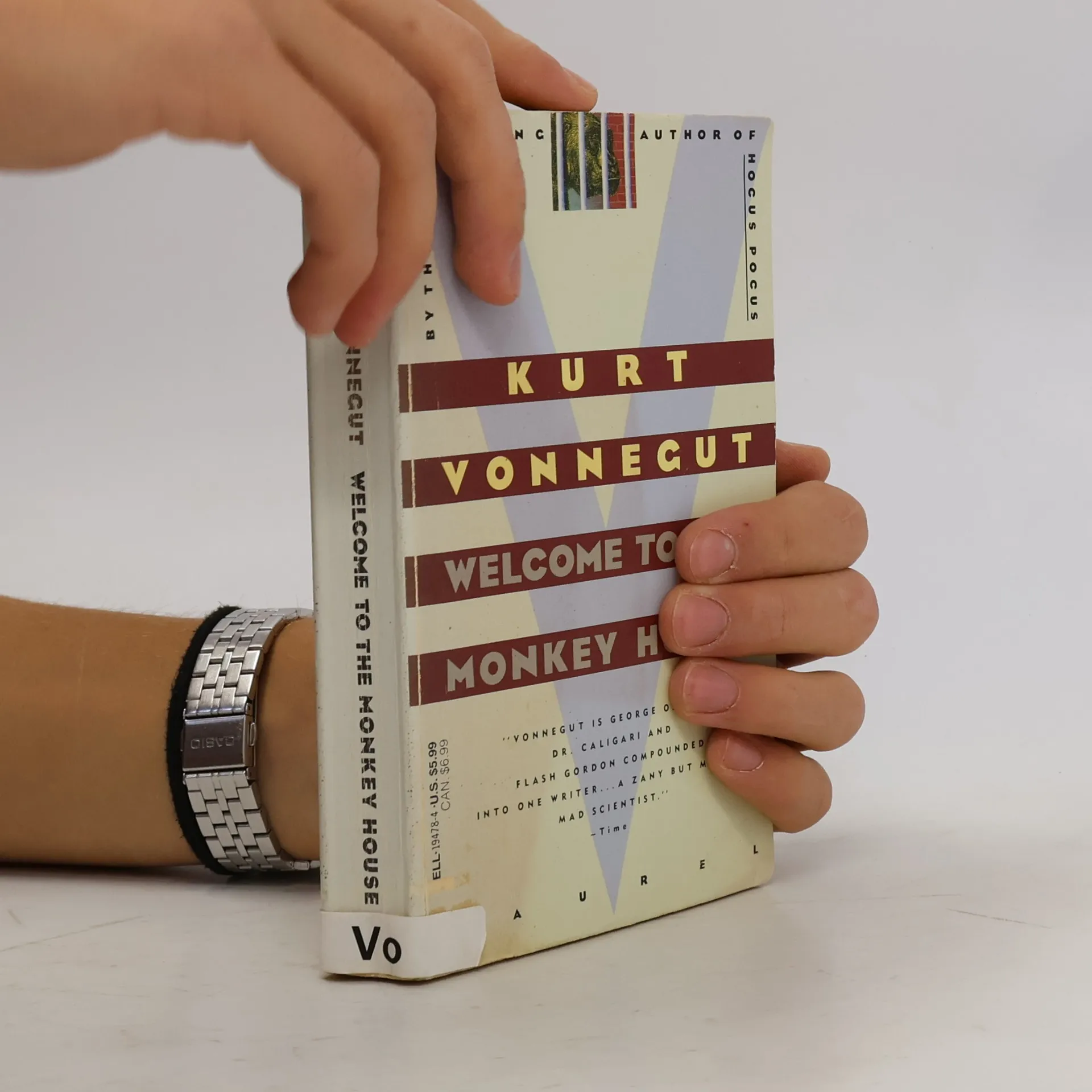
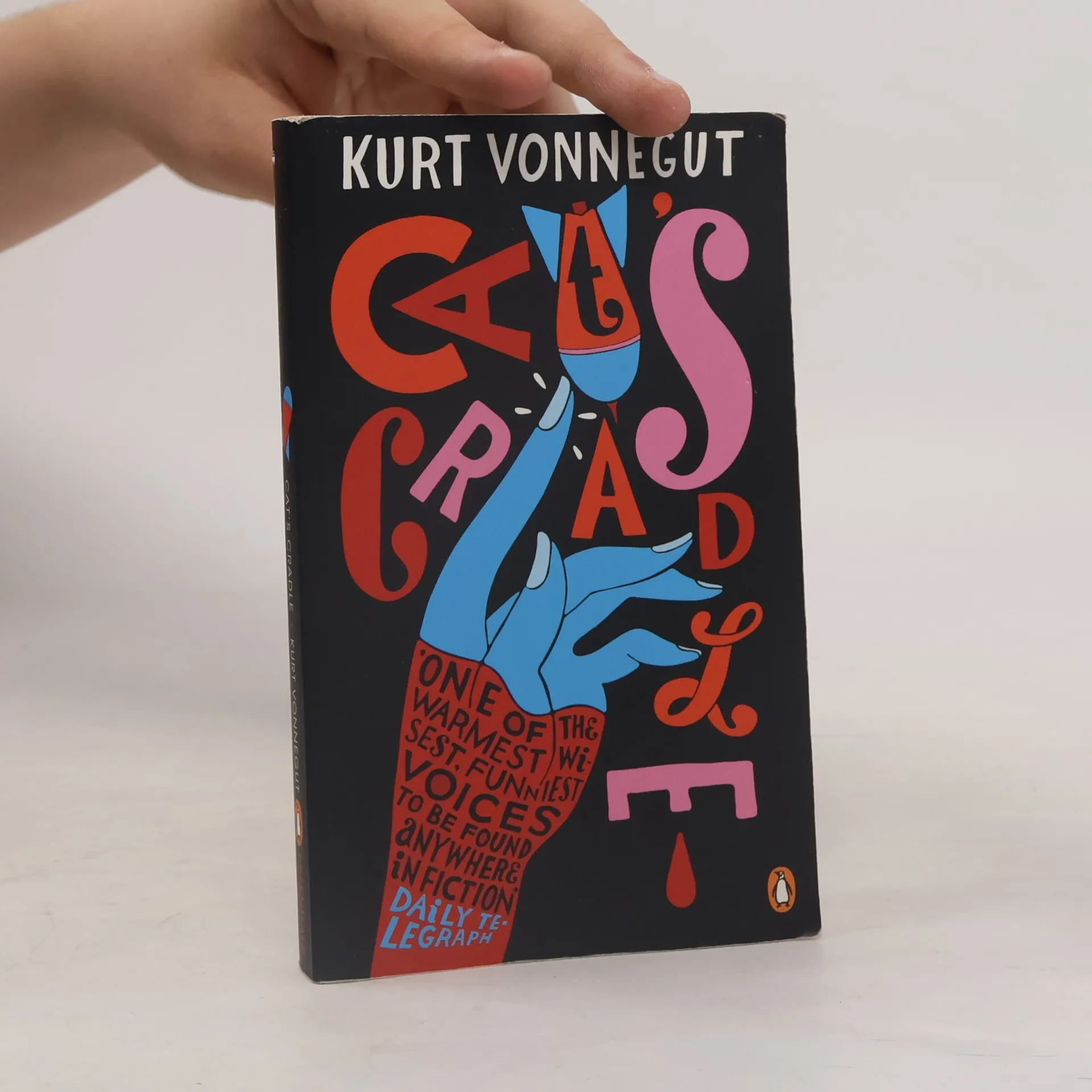
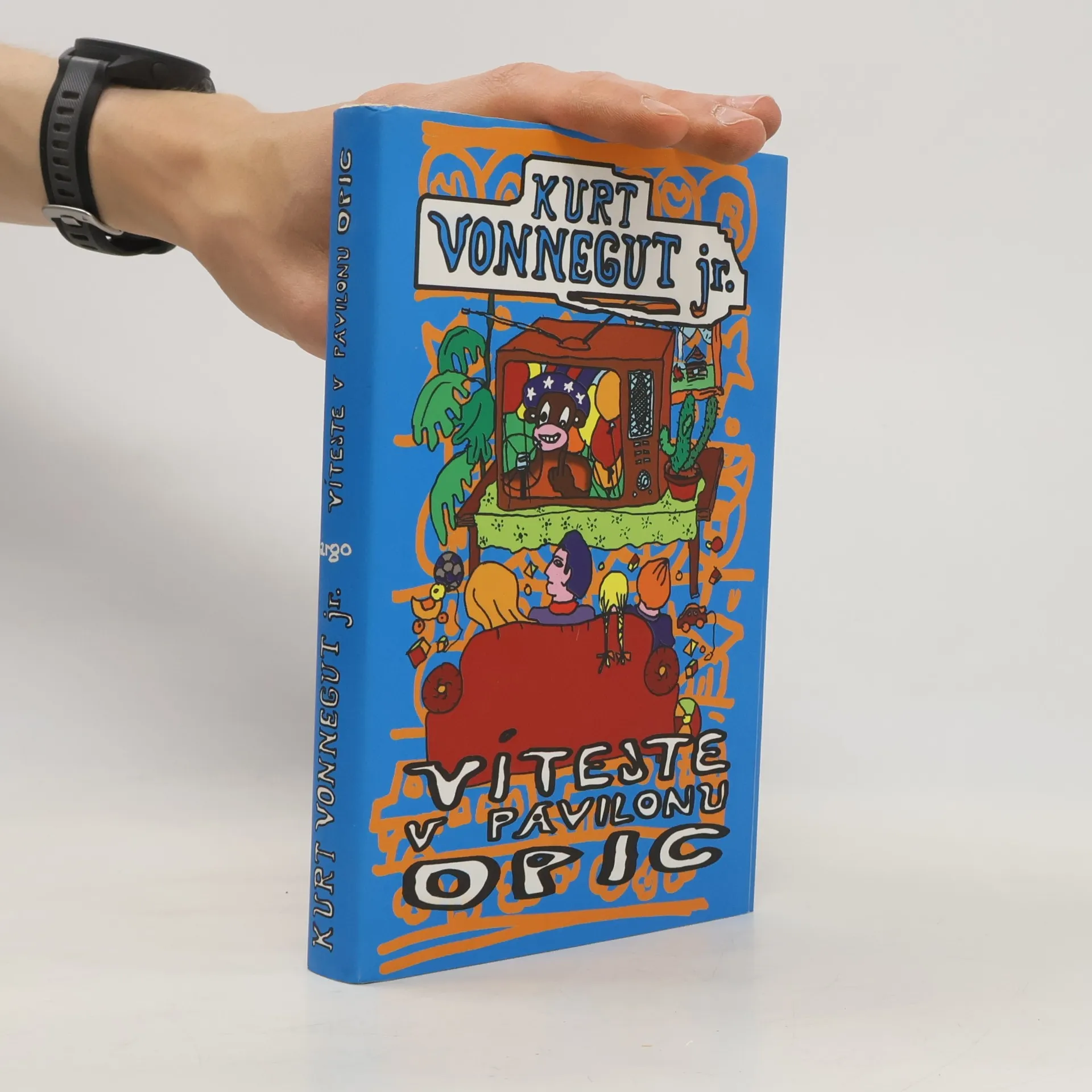
Kurt Vonnegut is a master of contemporary American Literature. His black humor, satiric voice, and incomparable imagination first captured America's attention in The Siren's of Titan in 1959 and established him as "a true artist"* with Cat's Cradle in 1963. He is, as Graham Greene has declared, "one of the best living American writers." Welcome to the Monkey House is a collection of Kurt Vonnegut's shorter works. Originally printed in publications as diverse as The Magazine of Fantasy and Science Fiction and The Atlantic Monthly, what these superb stories share is Vonnegut's audacious sense of humor and extraordinary range of creative vision. *The New York Times